Industry Briefing
A single destination for timely, editor-curated robotics news from around the world.

Magic Atom's debut of the VLA K02 model at the conference
On June 13, the 12th China (Shanghai) International Technology Import and Export Fair (CSITF) concluded in Shanghai. During the event, MagicLab showcased its comprehensive technology matrix and publicly unveiled two major technological achievements for the first time in the domestic market: the self-developed Magic-VLA K02 large model and the Magic-Mix world model. This presentation highlights MagicLab's commitment to innovation and its role in advancing technological development in China.

SpaceX's valuation exceeds $2.1 trillion; Musk's wealth is seven times Buffett's; FIFA labubu sales surge 30 times.
On June 12, 2026, SpaceX made headlines by completing its initial public offering (IPO) on the Nasdaq, marking the largest IPO in history with a valuation of $1.77 trillion. The stock opened at $150 and surged by over 30% during trading, closing at $160.99, which pushed the company's market capitalization to $2.1 trillion. This surge significantly increased CEO Elon Musk's net worth to approximately $1.05 trillion, making him the world's first billionaire with a net worth exceeding $1 trillion. The IPO's success reflects investor confidence in SpaceX's growth potential, particularly in light of its ambitious Terafab project. In a separate development, Kimi announced the launch of the world's first AI-native credit card, which allows users to convert their spending into AI computing power. This initiative, revealed on the same day, is a collaboration with a major state-owned bank and aims to innovate the financial landscape by integrating AI services into credit card benefits. Additionally, SK Hynix reported a fire incident at its facility in Cheongju, South Korea, which was the second fire this month. Fortunately, there were no injuries or gas leaks, and the situation was quickly controlled. These events highlight significant advancements in technology and finance while also addressing operational challenges faced by major companies.

HDC 2026 Showcases HarmonyOS 7's Five-Dimensional Upgrade and Surging Ecosystem Innovation
At Huawei's HDC 2026 event, the company showcased significant upgrades to HarmonyOS 7, emphasizing advancements in spatial computing, intelligence, security, smoothness, and connectivity. The event, which took place recently, also featured a range of innovations from Huawei's partners, underscoring the collaborative efforts to enhance the ecosystem surrounding HarmonyOS. The upgrades aim to improve user experience and functionality, reflecting Huawei's commitment to staying competitive in the rapidly evolving tech landscape. Through these enhancements, Huawei seeks to solidify its position in the market and drive further adoption of its operating system.
Technology
Ministry of Health loses 2 years and 10 months of Teams chat due to Toshiba's error, some data irretrievable.
The Ministry of Health, Labour and Welfare announced that chat messages from Microsoft Teams, sent between January 4, 2023, and October 29, 2025, have been lost due to an operational error by Toshiba, the company responsible for managing the system. Among the missing data, some administrative documents included in the chats are reportedly difficult to recover.
Tiny drones making a buzz at the Berlin Air Show
The Breaking Defense team concluded their coverage of the Berlin Air Show, which showcased the latest advancements in aviation and defense technology. The event took place over several days, drawing industry professionals, military representatives, and enthusiasts from around the globe to Berlin. This year's show highlighted innovations in aerospace, emphasizing the importance of collaboration between nations in defense strategies. Attendees engaged in discussions about emerging technologies and their implications for future military operations. The team's comprehensive reporting provided insights into key developments and trends observed during the event, underscoring the significance of the Berlin Air Show as a pivotal platform for the defense sector.
Air Warfare Global Air Force CCA Drones Europe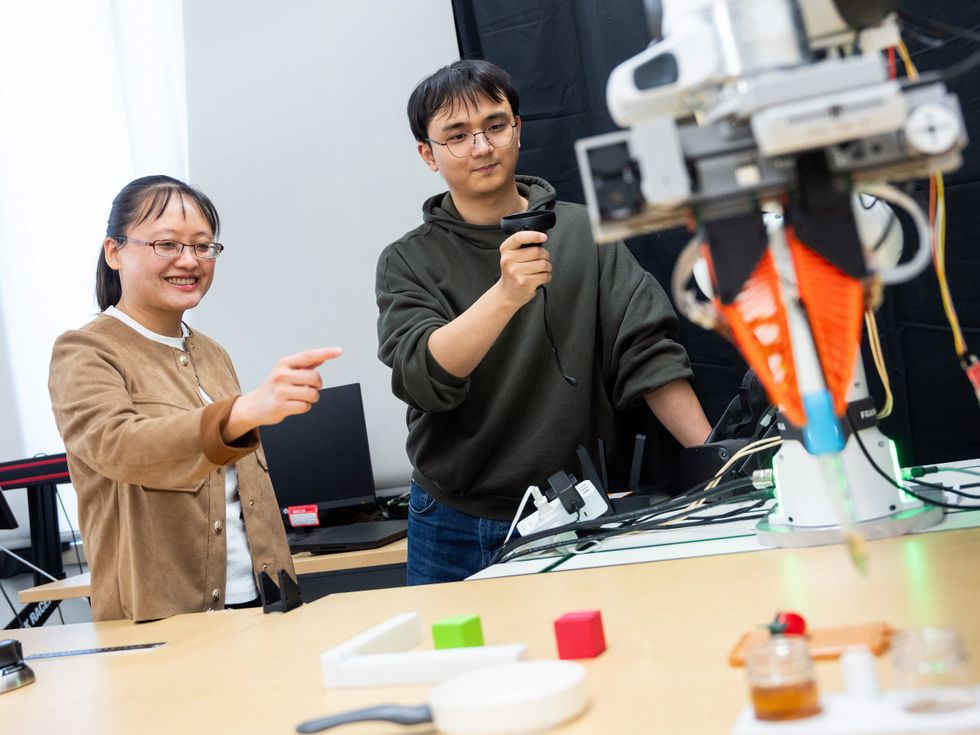
Award-Winning Researcher Trains Robots to Make Educated Guesses
Yen-Ling Kuo, an assistant professor of computer science at the University of Virginia, has been recognized for her significant contributions to robotics and automation. Last year, she received the IEEE Robotics and Automation Society’s inaugural Outstanding Women in Robotics and Automation Early Career Contribution Award for her paper, “Diff-DAgger: Uncertainty Estimation with Diffusion Policy for Robotic Manipulation.” This innovative research introduces a method that enhances robots' ability to identify and manage uncertainty during unfamiliar tasks, thereby reducing the need for human supervision and increasing task completion rates. Kuo’s journey began in Taiwan, where her fascination with science and technology was sparked by early exposure to programming and computer logic. After earning her degrees from National Taiwan University and MIT, she gained practical experience at Google, where she contributed to AI-driven shopping technologies. This experience motivated her to pursue a Ph.D. to deepen her understanding of neural networks. Her current research focuses on developing computational models that enable robots to interpret both explicit data and subtle social cues, aiming to replicate human-like reasoning in machines. Kuo's work has garnered attention from the National Science Foundation, which awarded her a five-year Career Award to support her research on human-robot interactions. As robotics and autonomous vehicles become more prevalent, Kuo envisions creating robots that can seamlessly integrate into social environments, enhancing human-robot collaboration.
Ieee-member-news Robots Artificial-intelligence Ieee-robotics-and-automation-soc Careers Type-ti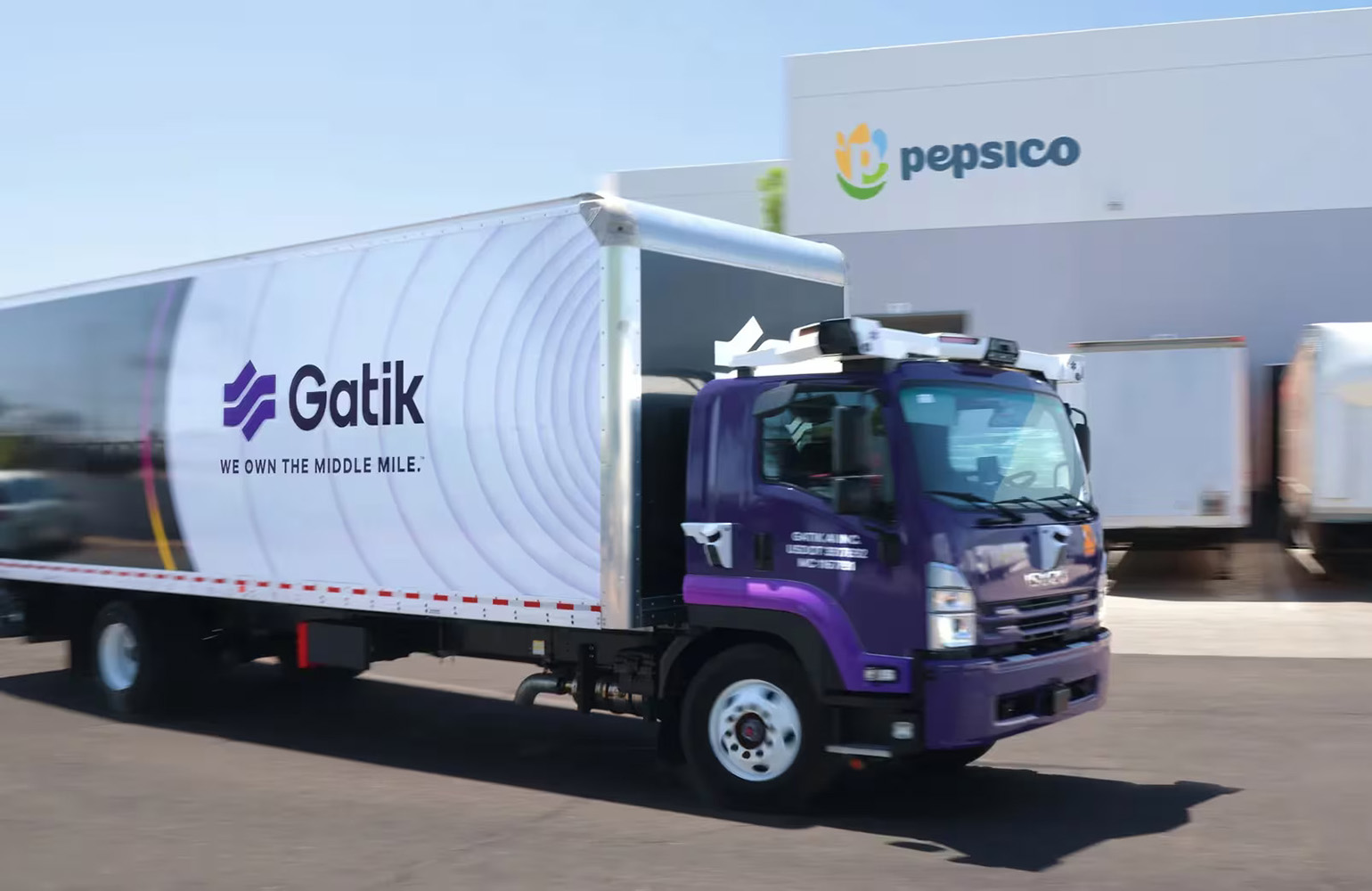
Gatik to bring autonomous freight to PepsiCo’s North American supply chain
PepsiCo has announced a partnership with Gatik to enhance its North American supply chain by integrating autonomous freight solutions. This collaboration aims to optimize PepsiCo's regional transportation networks, which facilitate the daily movement of products between various sites. By leveraging Gatik's technology, the beverage and snack giant seeks to improve efficiency and reduce operational costs in its logistics operations. The initiative reflects a growing trend in the industry to adopt automation in supply chain management, driven by the need for faster and more reliable delivery systems.
Artificial Intelligence Artificial Intelligence / Cognition Automotive Design / Development Food / Beverage Logistics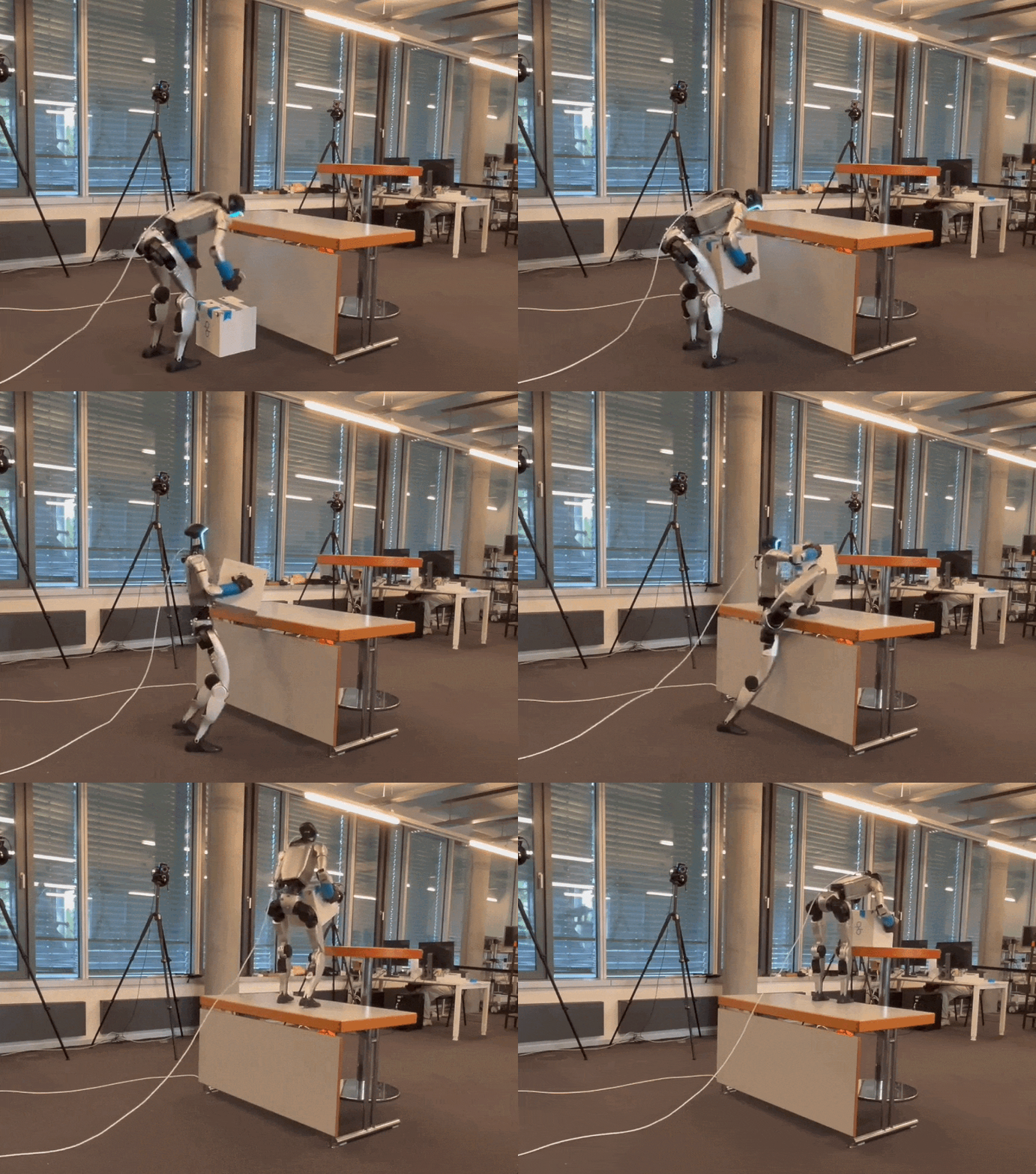
Video Friday: Robotic Motion Discovery Reveals Unusual Behaviors
IEEE Spectrum robotics has released its latest edition of Video Friday, showcasing an array of innovative robotics videos and announcing upcoming events in the field. Notable events include RSS 2026 in Sydney from July 13-17, the Summer School on Multi-Robot Systems in Prague from July 29 to August 4, and Actuate 2026 in San Francisco on August 18-19. Among the featured videos is MotionDisco, a framework that autonomously discovers complex humanoid loco-manipulation motions, highlighting the challenges of coordinating fluid movements across multiple joints. Additionally, the Human Support Robot (HSR) from Toyota is demonstrated in real home environments, assisting residents with daily tasks, showcasing the potential for robots to become long-term companions. Other highlights include the MIDAS Hand, an open-source robotic hand designed for manipulation and research, and a novel flight maneuver by a bipedal robot that showcases advanced aerial control. The European Space Agency shares a timelapse of Dextre, a robotic handyman, efficiently unloading equipment in space, while ROBOTIS introduces AI Sapiens, which learns humanoid motions using just a smartphone camera. In a collaborative effort, LUMOS Robotics has launched Project EDGE, inviting global innovators to explore humanoid robotics, while Sphero emphasizes its educational products designed to nurture computational thinking from early childhood through high school. These developments illustrate the rapid advancements and collaborative spirit within the robotics community.
Humanoid-robots Video-friday Quadruped-robots Robot-videos Home-robots Dexterity
Better collaboration needed on SOCOM programs, says government watchdog
The Government Accountability Office (GAO) has highlighted significant challenges faced by civilian officials in fulfilling their oversight responsibilities. In a recent report, the GAO stated that these officials often lack access to essential program information and meetings, hindering their ability to perform effectively. To address these issues, the GAO has put forth three recommendations aimed at improving access to necessary resources and information. This initiative underscores the need for enhanced transparency and communication within government operations to ensure that oversight functions can be carried out more efficiently.
Air Warfare Naval Warfare Pentagon AC-130J Ghostrider Air Force ASD(SO/LIC)
SpaceX, Anthropic, and OpenAI’s hot IPO summer
The initial public offering (IPO) market is experiencing a resurgence, marked by a shift in leadership from the previously dominant FAANG companies to a new group referred to as MANGOS. This emerging cohort includes Meta (or Microsoft, depending on interpretations), Anthropic, Nvidia, Google, OpenAI, and SpaceX. Notably, half of these companies are preparing to enter public markets simultaneously, presenting a significant challenge for investors as they navigate valuation assessments and market dynamics. This development signals a pivotal moment in the tech sector, as these firms seek to capitalize on renewed investor interest and reshape the landscape of public offerings.
AI Fundraising ai infrastructure Anthropic Apple WWDC ChatGPT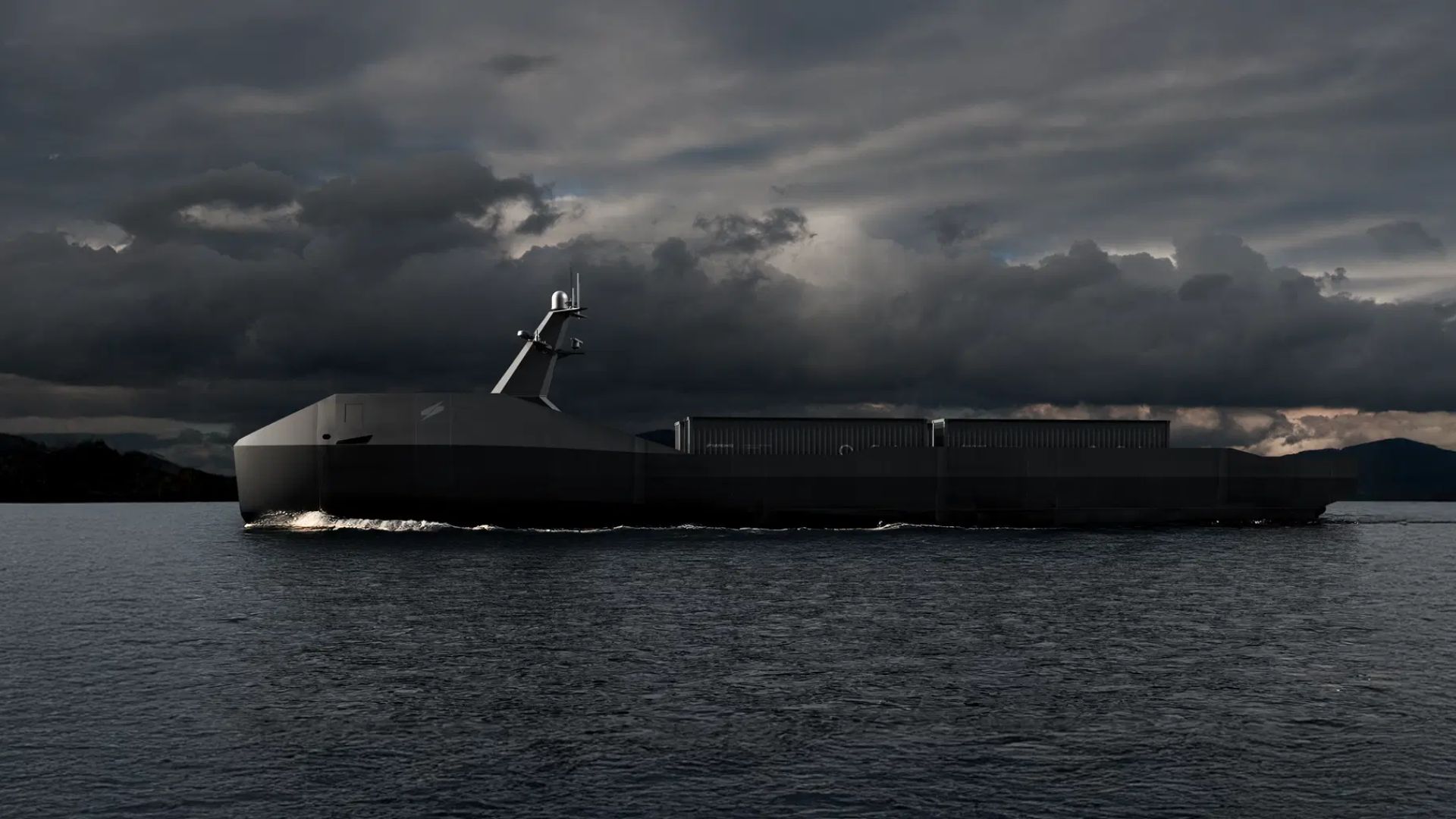
US’ new 180-foot drone ship could launch hypersonic missiles, demo set for 2027
Saronic and Castelion, two prominent defense technology firms, have unveiled their intention to merge efforts in developing an autonomous warship. This strategic collaboration aims to enhance maritime security capabilities and address emerging threats in naval warfare. The announcement was made on October 15, 2023, during a defense technology conference held in Athens, Greece. The motivation behind this partnership stems from the increasing demand for advanced naval solutions that can operate independently in complex environments. By pooling their expertise and resources, Saronic and Castelion seek to accelerate the innovation process and deliver cutting-edge technology to military clients worldwide. The proposed autonomous warship is expected to incorporate advanced artificial intelligence and machine learning systems, enabling it to perform a variety of missions, including reconnaissance, surveillance, and combat operations, without direct human intervention. This development reflects a broader trend in the defense industry towards automation and smart technologies, aimed at enhancing operational efficiency and reducing risks to personnel. As the defense sector continues to evolve, the collaboration between Saronic and Castelion positions them at the forefront of the autonomous naval warfare market, potentially reshaping the future of maritime defense strategies.
Military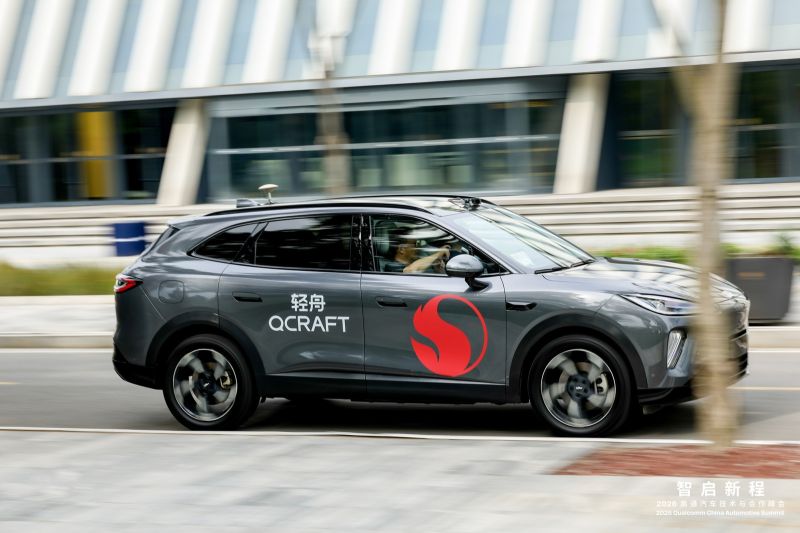
QCraft demonstrates urban NOA on Qualcomm’s latest Snapdragon Ride chip, targets 2026 global mass production
QCraft showcased its urban Navigate-on-Autopilot (NOA) system, powered by Qualcomm’s SA8650P Snapdragon Ride platform, during a live demonstration on June 5 at Qualcomm’s Automotive Technology and Cooperation Summit in Wuxi, China. This event marked a significant step for the autonomous driving company, which is aiming for global mass production of its technology within this year. Attendees had the opportunity to experience live test rides, highlighting the practical applications of QCraft's advancements in autonomous driving. The demonstration underscores the growing collaboration between technology and automotive sectors, as companies like QCraft seek to revolutionize urban transportation through innovative autonomous solutions.
Autonomous Vehicles Computing Technology assisted driving automation news automotive technology
The critical robot arm on the ISS isn't working properly, but NASA has a plan to fix it
In May, a section of the Canadarm2 robotic arm on the International Space Station (ISS) sustained damage, prompting the need for repairs by astronauts. The repairs are scheduled to take place no earlier than June 30. Fortunately, a spare part is already available on the station, which will facilitate the repair process. The incident highlights the ongoing maintenance challenges faced by the ISS as it continues to support various scientific missions in low Earth orbit.
International Space Station Space Exploration Missions
The need for speed and the struggle to implement digital threads
A recent survey conducted by EY in collaboration with the Aerospace Industries Association has revealed that aerospace and defense companies face significant challenges in leveraging technology to enhance manufacturing scalability. The findings, based on responses from industry leaders, underscore the urgent need for these companies to adapt and innovate in a rapidly evolving technological landscape. As the survey highlights, the ability to effectively integrate advanced technologies is crucial for maintaining competitiveness and meeting the growing demands of the market. The report emphasizes that without strategic investments and a commitment to modernization, these companies risk falling behind in an industry that is increasingly reliant on technological advancements.

Why Choose Solana for Blockchain App Development?
Solana, a next-generation decentralized blockchain, is gaining traction in the realm of blockchain app development due to its scalability and advanced technological features. Launched in 2017, Solana offers a secure and decentralized infrastructure capable of supporting numerous nodes while maintaining high performance levels. Its growing popularity is attributed to its ability to handle complex applications efficiently, making it an attractive choice for developers seeking a robust platform for innovative projects. As the demand for scalable blockchain solutions increases, Solana's unique capabilities position it as a leading contender in the competitive landscape of blockchain technology.
Business Computing Software automation news blockchain development blockchain technology
Landair Surveys Uses SimActive Correlator3D for Planned Burns Mapping in Australia
Landair Surveys, an Australian geospatial firm, is utilizing SimActive's Correlator3D software to create orthomosaics from aerial imagery. This initiative is part of their efforts in wildfire prevention and land management, specifically for planned burns mapping projects across Australia. The Montreal-based software developer announced this collaboration, highlighting that the workflow aims to enhance the efficiency of geospatial outputs. The use of advanced aerial imagery technology is expected to improve land management strategies and contribute to effective wildfire prevention measures.
Digital Twins Disaster Response Drone News Drone News Feeds Fire Firefighter
Robot Talk Episode 160 – Robotic blacksmiths, with Edward Mehr
Claire recently spoke with Edward Mehr, Co-Founder and CEO of Machina Labs, regarding the company's innovative RoboCraftsman technology. This advanced system is designed to shape complex metal components specifically for the aerospace, defense, and automotive sectors. With a background in advanced manufacturing, robotics, and artificial intelligence, Mehr is at the forefront of integrating AI-driven robotics into flexible manufacturing processes. The conversation highlighted how RoboCraftsman is revolutionizing the production of intricate metal parts, addressing the growing demand for precision and efficiency in these critical industries.
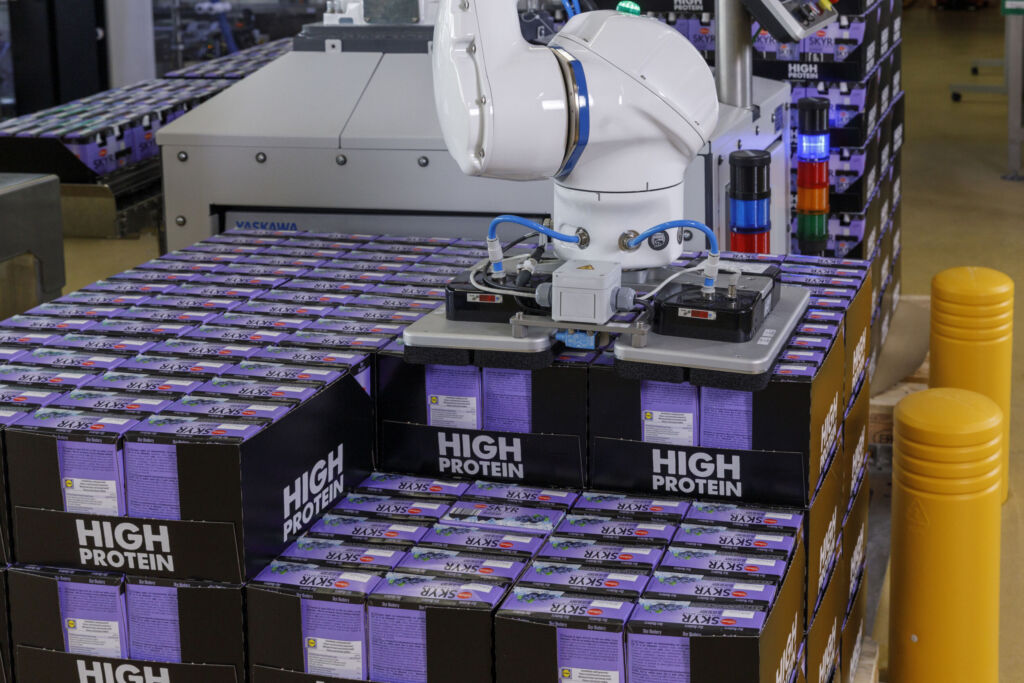
Palletizing pouch bag packaging in open trays
The automation of palletizing pouch bag packaging in open trays has traditionally been a labor-intensive and space-consuming process, lacking in efficiency and reliability. Recent advancements aim to streamline this operation, enhancing productivity and reducing the manual effort required. By implementing new technologies, companies can expect improved process security and optimized use of space, ultimately leading to more effective packaging solutions. This shift is expected to benefit manufacturers looking to modernize their operations and adapt to evolving market demands.
Allgemein Cobots & MRK Lebensmittel & Verpackung Lösungen
The Enlightenment World Model tops evaluations in RoboTwin 2.0 and other embodied intelligence tests.
Recently, DaXiao Robotics announced that its Kairos world model has achieved top rankings in several global evaluations focused on embodied intelligence, including RoboTwin 2.0, LIBERO-Plus, WorldModelBench Robot, and DreamGen. This model employs an integrated architecture that combines multimodal understanding, generation, and prediction. In a significant move for the industry, DaXiao Robotics has made the Kairos model open-source, allowing broader access and collaboration in the field of AI-driven video generation and state prediction.

Where’s your Labour Resource Management on the Warehouse Maturity Curve?
Rising labour costs and ongoing skills shortages are significantly impacting the logistics sector, placing immense pressure on warehouse management teams to optimize operations with limited resources. In response to these challenges, Aptean hosted a webinar aimed at addressing the critical aspect of resource management within warehouses. The session focused on evaluating operational maturity and highlighted the importance of effective resource management strategies. This initiative comes at a time when the logistics industry is grappling with the need to enhance efficiency amidst a tightening labour market.
IT in Logistics Jobs and Training TMS and Telematics Warehousing WMS & SCM Software Aptean
Israel’s Elbit Systems, Germany’s Diehl Defence team on SkyStriker pitch for Berlin
Elbit Systems has announced a significant partnership with Diehl to enhance Germany's defense capabilities through local manufacturing and assembly of advanced defense systems. This collaboration aims to bolster the development of sovereign defense capabilities and strengthen the German defense industry. The deal reflects a strategic move to ensure that Germany can independently produce critical defense technologies, thereby enhancing national security. The initiative is expected to create jobs and foster innovation within the local defense sector, marking a pivotal step in Germany's commitment to increasing its defense capabilities.
Air Warfare Air Force Business & Industry Diehl Drones Elbit
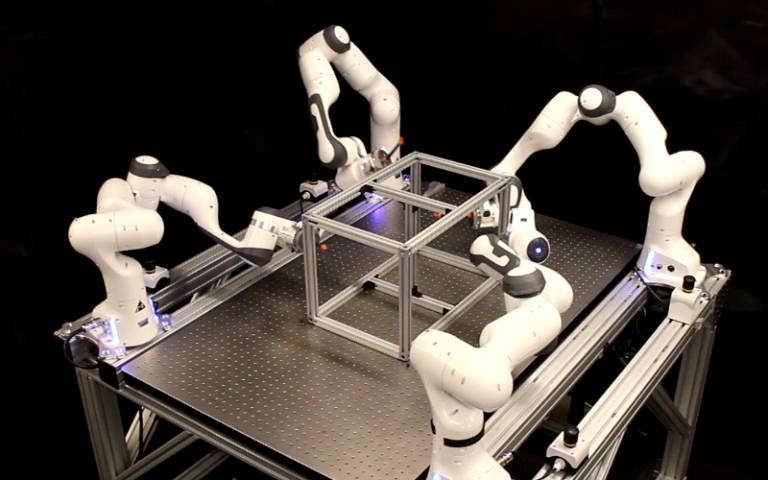
DynaSki: A Robust Locomotion Framework for Dynamic Skiing Robot on Challenging Terrains
A recent study published in the Journal of Field Robotics highlights advancements in autonomous robotic systems designed for agricultural applications. Researchers from a leading university conducted the study to address the growing need for efficient farming solutions amid increasing global food demand. The findings, released in early October 2023, provide insights into how these robotic systems can enhance crop monitoring and management. The research was conducted in various agricultural settings, demonstrating the robots' capabilities in navigating complex terrains and performing tasks such as planting, weeding, and harvesting. By employing advanced sensors and machine learning algorithms, the robots can analyze environmental conditions and optimize farming practices, ultimately aiming to increase yield while reducing labor costs. The motivation behind this innovation stems from the challenges faced by farmers due to labor shortages and the need for sustainable farming methods. The study emphasizes the potential of robotics to transform traditional agriculture, making it more resilient and productive in the face of climate change and resource constraints. As the agricultural sector continues to evolve, these findings could pave the way for broader adoption of robotic technologies, enhancing food security and sustainability worldwide.
RESEARCH ARTICLE
The Missing Layer in Robotics Adoption: Why Emerging Markets Need Commercialization Labs
Robotics manufacturers are increasingly focusing on emerging markets to drive growth, emphasizing the importance of local integration and support systems. As these companies seek to expand their reach, they recognize that success hinges not only on advanced hardware capabilities but also on the establishment of robust training programs, financing options, and service infrastructures. This strategic approach is essential for validating return on investment (ROI) and ensuring that local businesses can effectively adopt and utilize robotic technologies. By prioritizing these factors, manufacturers aim to create a sustainable ecosystem that fosters innovation and enhances productivity in regions that are ripe for technological advancement.

Harbinger Announces Unmanned Hybrid-Electric Military Vehicle Platform
Harbinger has introduced a new unmanned hybrid-electric military vehicle platform, marking a significant advancement in defense technology. This initiative is part of the company's newly established business unit, Harbinger Praesidia, which aims to collaborate with government clients and defense contractors. The launch is further bolstered by a strategic investment from In-Q-Tel (IQT), a nonprofit organization that invests in technologies to enhance U.S. national security and support allied governments. This partnership underscores the growing interest in innovative military solutions and the importance of private sector involvement in national defense efforts.
AI AI Funding & Investment AI Use Cases Robotics Defense Harbinger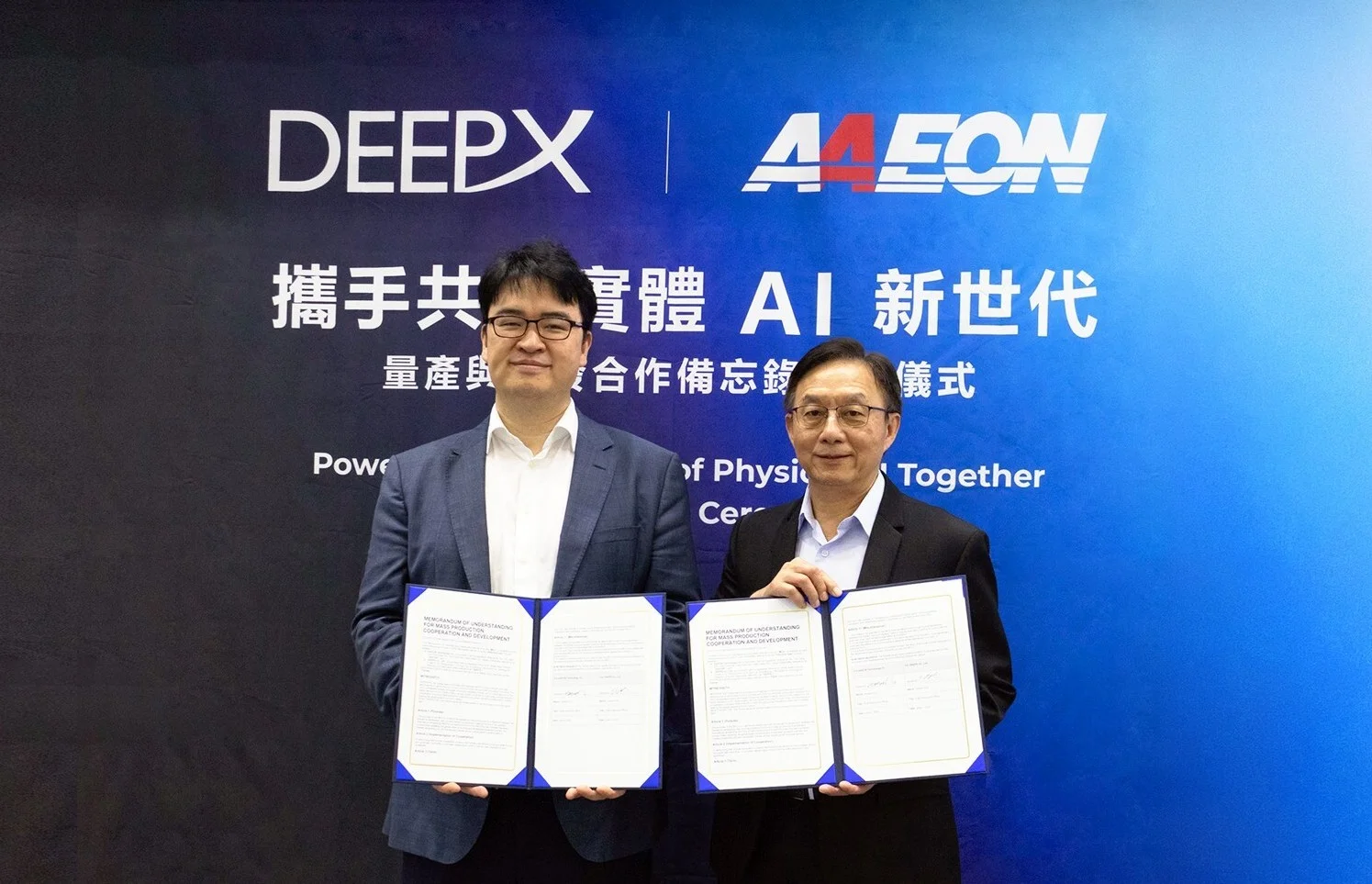
DeepX Announces Global Physical AI Mass Production Partnership with Aaeon
DeepX and Aaeon Technology have entered into a three-year manufacturing agreement to scale the integration of DeepX’s AI chips into industrial and edge computing systems. This collaboration was announced during Computex Taipei 2026 and aims to establish a commercialization pipeline for DeepX’s neural processing units (NPUs). The agreement will facilitate the incorporation of these advanced chips into Aaeon’s range of products, including industrial computers, single-board computers, and edge gateway devices. This partnership reflects a growing demand for enhanced AI capabilities in various computing applications, positioning both companies to capitalize on the expanding market for intelligent edge solutions.
AI AI Funding & Investment AI Infrastructure & Compute Robotics Aaeon Technologies DEEPX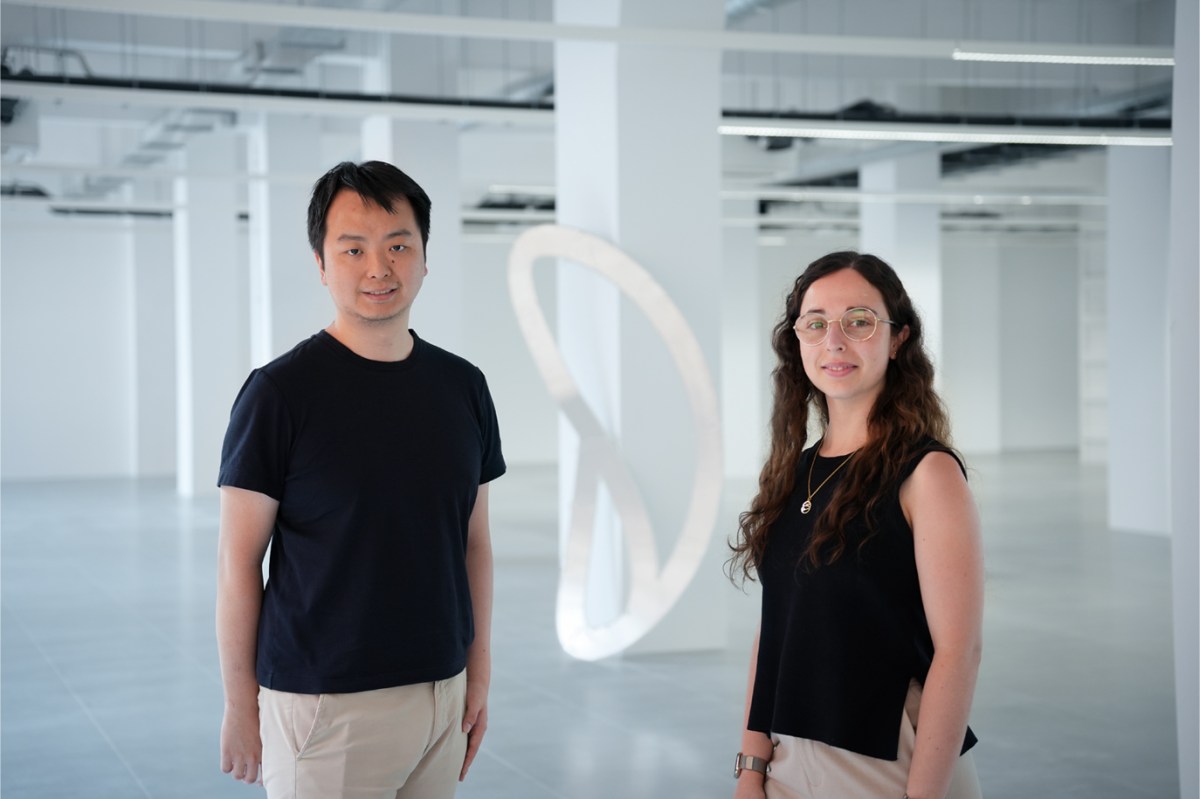
Theker just raised $85M to build the factory robot that doesn’t specialize in anything
Theker, a robotics company, has introduced a new line of reconfigurable machines that differ significantly from traditional humanoid robots, such as those developed by Boston Dynamics. Unlike fixed-form designs, Theker's robots can be adapted and modified for various tasks, showcasing a versatile approach to robotics. This innovative technology aims to enhance efficiency and functionality in diverse applications, reflecting a growing trend in the industry towards flexibility and customization. Theker's machines are set to revolutionize how robots are utilized across different sectors, providing solutions that can evolve with changing demands.
AI Robotics Startups Automation theker
NVIDIA Blackwell Leads on First Agentic AI Infrastructure Benchmark
Artificial Analysis has launched AgentPerf, the industry's first benchmark for agentic AI, aimed at providing developers, enterprises, and infrastructure providers with a standardized method to evaluate and compare various systems designed for agentic AI capabilities. The initial results have highlighted NVIDIA's Blackwell as a leading performer in this emerging field. This development comes as the demand for advanced AI systems continues to grow, prompting the need for reliable metrics to assess their effectiveness and efficiency. By establishing a clear framework for comparison, AgentPerf seeks to facilitate informed decision-making among stakeholders in the AI sector.

Robot hand uses touch and vision to harvest ripe fruit with near-100% accuracy
A team of researchers has created an innovative soft robotic gripper designed to assess the ripeness of fruit and facilitate harvesting. This development, which emerged from ongoing advancements in agricultural technology, aims to address the challenges faced by farmers in determining the optimal time for fruit picking. The gripper, equipped with advanced sensors, can gently handle delicate produce without causing damage, ensuring that only ripe fruits are collected. The project, which began in early 2023, took place at a leading agricultural research facility. The motivation behind this invention stems from the increasing demand for efficient and sustainable farming practices, as well as the need to reduce labor costs and improve the quality of harvested fruits. By automating the inspection and harvesting process, the researchers hope to enhance productivity and minimize waste in the agricultural sector. The robotic gripper operates through a combination of tactile sensing and machine learning algorithms, allowing it to analyze the texture and firmness of the fruit in real-time. This technology not only promises to streamline the harvesting process but also aims to improve the overall quality of produce reaching consumers. As the agricultural industry continues to evolve, innovations like this soft robotic gripper represent a significant step forward in the quest for smarter, more efficient farming solutions.
AI and Robotics
Krypton Evening News: Token prices drop to a few dollars; OpenAI may significantly reduce product prices; discounted train tickets for
Christian Stein has been appointed as the new CEO of Renault Group Spain, effective July 1, succeeding Josep María Recasens, who is leaving the company for new career opportunities. Stein will also continue in his role as Chief Communications Officer and report to Renault Group CEO François Provost. In a significant shift, General Motors is considering abandoning the use of lithium iron phosphate (LFP) batteries for electric vehicles, despite plans to produce them by the end of 2027 at a joint factory in Tennessee. This decision comes as the company reassesses its battery technology strategy amidst a competitive market. Global prediction markets Polymarket and Kalshi have reported that contracts for the upcoming World Cup champion have surpassed $2 billion, potentially setting a new record for single-event prediction market transactions. In the tech sector, OpenAI is contemplating substantial price reductions for its products to compete with rival Anthropic, as rising costs for AI services have become a concern for executives. Meanwhile, J&T Express has responded to an investigation by China's State Post Bureau, emphasizing its commitment to cooperate fully and improve safety management practices in light of the inquiry. AliExpress, Alibaba's cross-border e-commerce platform, has launched official local delivery services in five countries, including the U.S. and Spain, aiming to enhance logistics efficiency for merchants. In product news, Insta360 has unveiled the Luna Ultra, the world's first 8K dual-camera gimbal, which sold out shortly after its launch on June 10. Lastly, Neura Robotics, a German robotics firm, has secured $1.4 billion in funding to accelerate its development of a leading physical AI platform, with backing from major investors like Amazon and NVIDIA.

Talking Italian attack helos and skyrocketing air defense demand at the Berlin Air Show
On the second day of the German aerospace expo, Tim Martin and Elisabeth Gosselin-Malo from Breaking Defense reported on the latest developments and innovations showcased at the event. Taking place in Germany, the expo serves as a significant platform for industry leaders and stakeholders to gather and discuss advancements in aerospace technology. The event aims to foster collaboration and drive progress in the sector, highlighting the importance of innovation in addressing current and future challenges. Attendees are engaging in discussions and demonstrations that showcase cutting-edge technologies and solutions, reflecting the industry's commitment to enhancing safety, efficiency, and sustainability in aerospace operations.
Air Warfare Global Air Force CCA Europe Future Combat Air System FCAS SCAF
Compact yet powerful, the quadruped robot "Lynx S10" conquers gravel paths and obstacles.
DEEP Robotics, a robotics company, has garnered significant attention with the launch of its quadruped robot, the Lynx S10. Despite its compact frame, the Lynx S10 showcases impressive capabilities that exceed expectations. This innovative robot is designed to navigate various terrains, demonstrating agility and strength that make it suitable for a range of applications. The announcement of the Lynx S10 has sparked interest in the potential of robotic technology in diverse fields, highlighting DEEP Robotics' commitment to advancing robotics solutions.
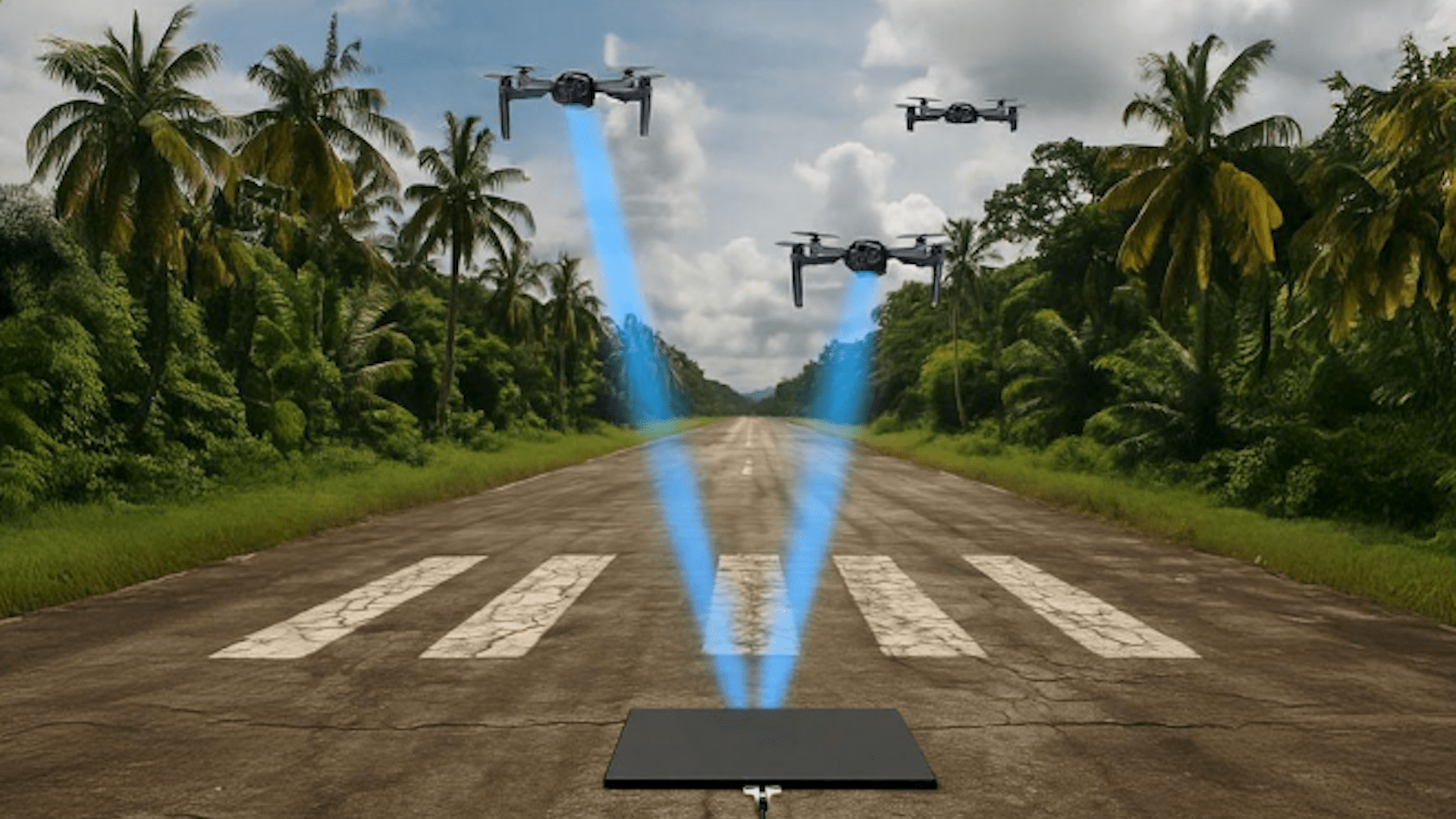
Next-gen wireless drone swarm stays airborne 24/7, never needs to land
US companies Reach Power and Gambit have unveiled that their collaborative initiative, the SWARM project, has secured funding. This financial backing aims to advance the development of innovative technologies in the renewable energy sector. The announcement was made on October 15, 2023, highlighting the growing interest and investment in sustainable energy solutions. The SWARM project is designed to enhance energy efficiency and promote the integration of renewable resources into existing power grids. By leveraging cutting-edge technology and strategic partnerships, Reach Power and Gambit intend to address the increasing demand for clean energy alternatives. This initiative reflects a broader trend in the industry, as companies seek to align with global sustainability goals and reduce carbon footprints.
Innovation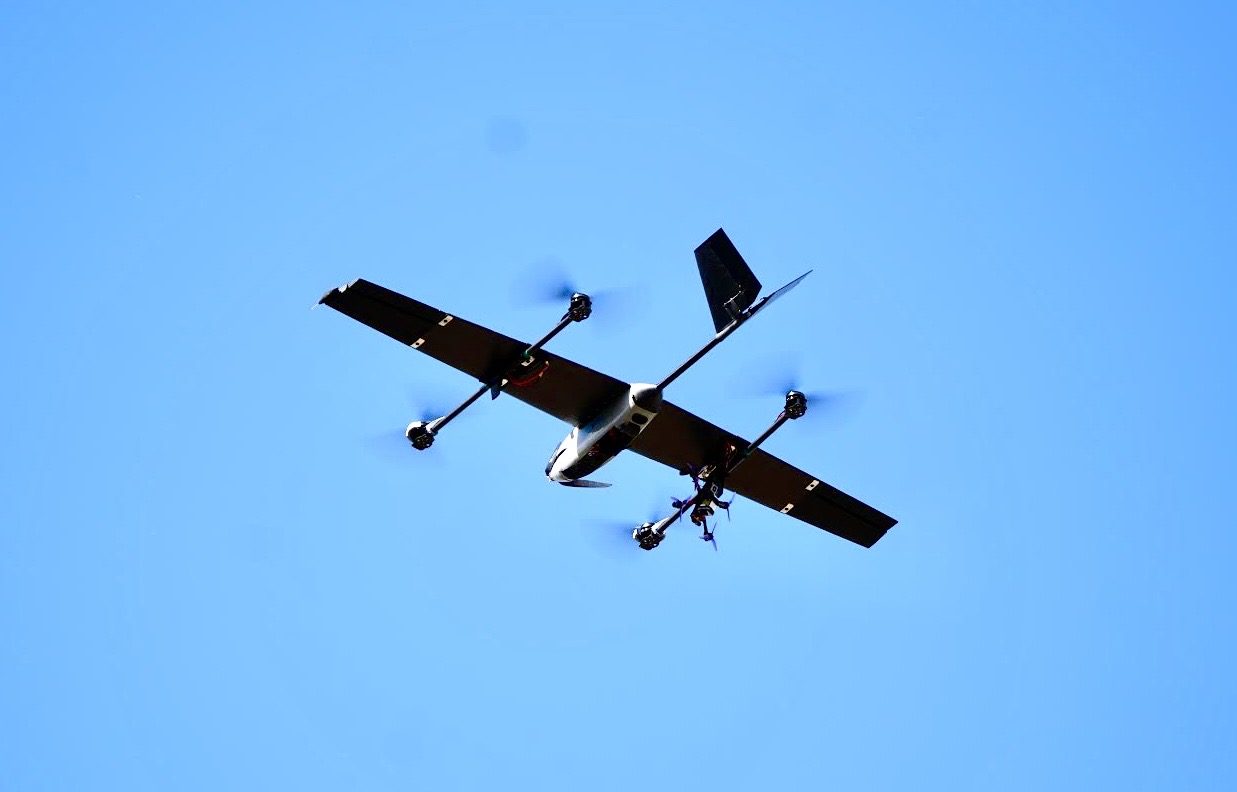
As Disaster Risks Grow, WingXpand and Verizon Explore New Tools for Emergency Response
WingXpand, a St. Louis-based company, has announced a collaboration with Verizon Frontline and emergency response teams to investigate innovative tools aimed at enhancing disaster assessment and community resilience. This initiative comes in response to the increasing frequency of severe weather events impacting communities across the United States. By leveraging drone and autonomous aircraft technologies, the partnership seeks to improve emergency response capabilities and support affected areas more effectively. The exploration of these advanced tools is part of a broader effort to address the growing risks associated with natural disasters.
Applications Disaster Response Drone News Drone News Feeds Drones in the News emergency response
UAE’s EDGE Group launches European arm out of Paris
EDGE Europe has announced the establishment of two key sites in France, with a head office located in Chaillot, central Paris, and a manufacturing facility in Bordeaux. The Paris office will primarily focus on government interactions and investment opportunities, while the Bordeaux site will be dedicated to the design, integration, and development of various platforms. This strategic move aims to enhance the company's operational capabilities and strengthen its presence in the European market. The decision reflects EDGE Europe's commitment to expanding its footprint and fostering collaboration with local governments and industries.
Global Business & Industry EDGE Group Europe EUROSATORY 2026 france
German robotics firm Neura Robotics secures $1.4 billion in funding with support from Amazon and Nvidia.
On June 10, Neura Robotics, a German robotics company, announced the successful completion of a record-breaking Series C funding round, which could reach up to $1.4 billion. This significant investment aims to accelerate the development of a leading global platform in physical artificial intelligence. The funding round received backing from notable investors, including Amazon, NVIDIA, and the European Investment Bank, highlighting strong confidence in the company's vision and potential in the robotics sector.

Microsoft taps Alt Carbon in sign of India’s growing role in carbon removal
Alt Carbon has announced a significant agreement with Microsoft, marking the culmination of over a year of rigorous scientific review and due diligence. The partnership reflects Microsoft's commitment to enhancing its sustainability initiatives, necessitating additional verification and data-sharing measures to ensure transparency and accountability. This collaboration aims to advance carbon capture technology, aligning with both companies' goals to address climate change effectively. The agreement underscores the importance of thorough evaluation in forming strategic partnerships within the tech and environmental sectors.
Climate Startups Alt Carbon enhanced rock weathering Exclusive Microsoft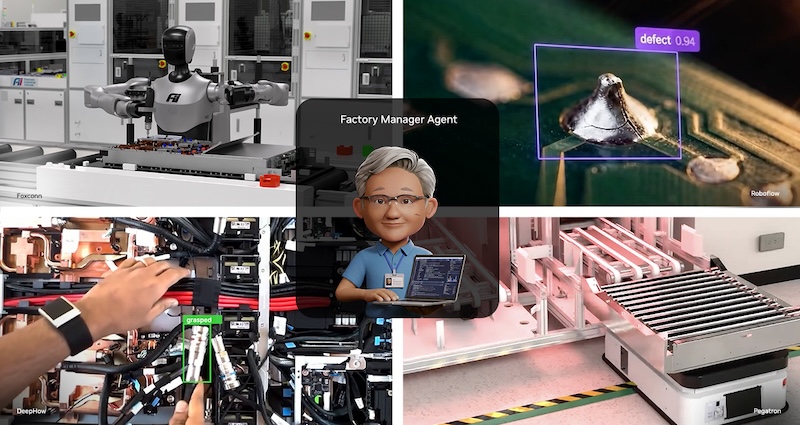
Nvidia launches AI factory manager blueprint for autonomous manufacturing
Nvidia has introduced a groundbreaking software blueprint aimed at revolutionizing factory operations through a centralized AI system. The Nvidia Factory Operations Blueprint (FOX), announced at GTC Taipei during Computex, serves as a reference design for manufacturers seeking to develop an autonomous factory manager agent. This innovative system is designed to monitor, coordinate, and optimize factory processes in real time, enhancing efficiency and productivity. By leveraging advanced AI capabilities, Nvidia aims to empower manufacturers to streamline their operations and adapt to the rapidly evolving industrial landscape.
Artificial Intelligence Factories News Technology AI factory manager automation news
DNV joins DCSA+ Container Shipping Data Exchange
The Defense Counterintelligence and Security Agency (DCSA) has announced a new collaboration aimed at enhancing interoperability and facilitating seamless data exchange among various stakeholders in the defense sector. This initiative focuses on the development and implementation of shared industry standards, which are expected to streamline communication and improve operational efficiency. The partnership underscores the importance of standardized practices in ensuring that different entities can effectively share and utilize data, ultimately strengthening national security efforts. The collaboration is set to take place in the coming months, with stakeholders from across the industry participating in the process to establish these crucial standards.

Sagamihara City to host "Robot Friendly EXPO 2026" on June 13, promoting robot-friendly urban development.
Sagamihara City is set to host the "Robot Friendly EXPO 2026" in collaboration with the Robot Friendly Project on June 13, 2026. This event aims to showcase advancements in robotics and promote the integration of robots into daily life, highlighting their potential to enhance human experiences. The expo will feature various exhibits and demonstrations, providing attendees with insights into the latest technologies and innovations in the field. By organizing this event, Sagamihara City seeks to position itself as a leader in robotics and foster community engagement with emerging technologies.

MIT affiliates win 2026 Hertz Foundation Fellowships
A new fellowship program has been launched to support doctoral students in applied sciences, engineering, and mathematics who are dedicated to addressing critical challenges in science and technology. This initiative aims to recognize and empower emerging researchers who are developing innovative solutions to pressing issues. The program is designed to enhance the educational and research opportunities for these students, providing them with the resources necessary to advance their work. By fostering a new generation of scientists and engineers, the fellowship seeks to contribute to the advancement of knowledge and technology, ultimately benefiting society as a whole. The initiative is expected to play a significant role in shaping the future of scientific research and technological development.
Awards, honors and fellowships Students Graduate, postdoctoral Alumni/ae Chemistry Mechanical engineering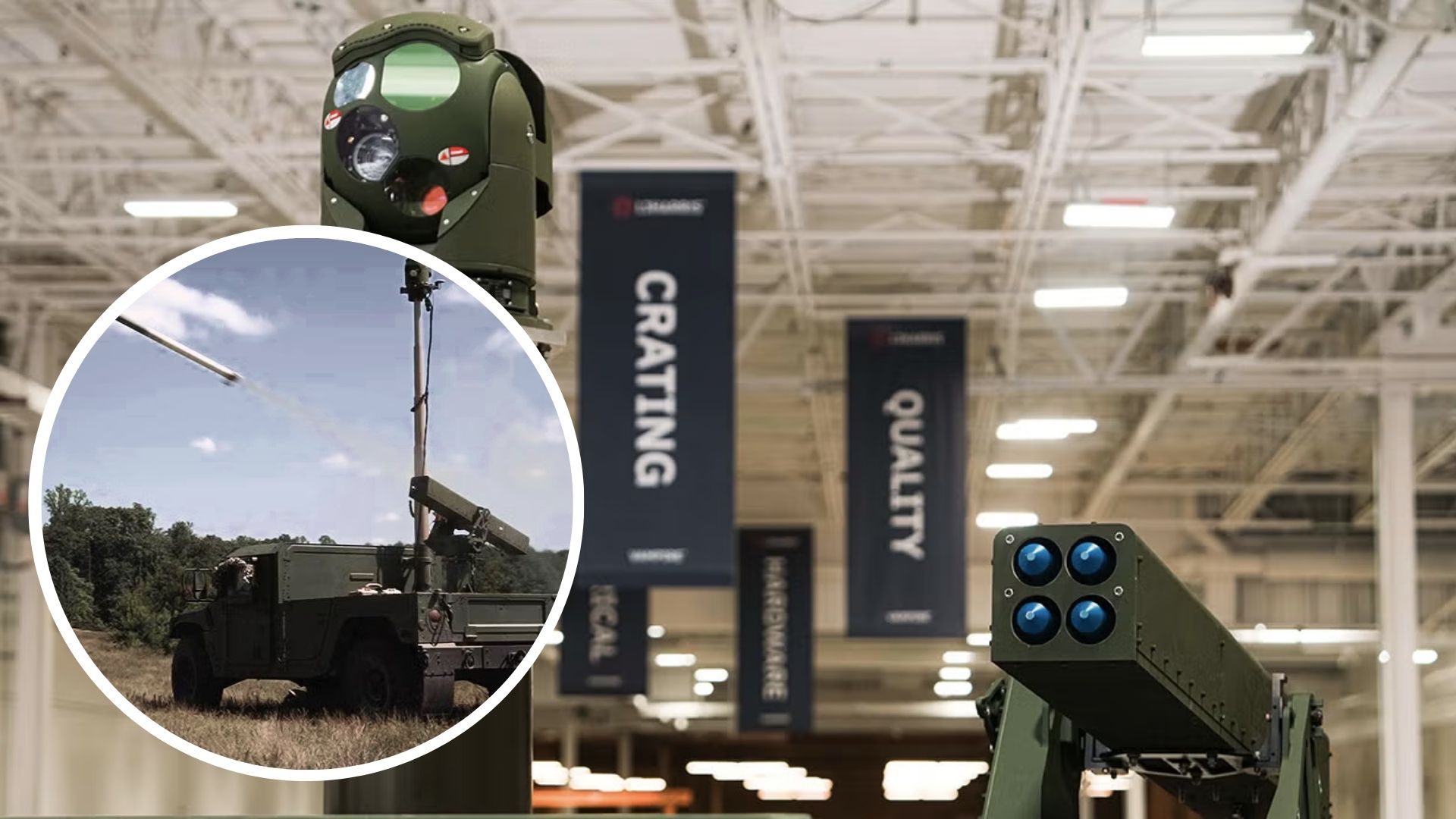
US Army to deploy VAMPIRE drone hunter with proven 350,000 hours of battlefield use
A new counter-drone system is being developed to bolster the defense capabilities of the United States against increasing drone threats. This initiative comes in response to the growing concerns over the use of unmanned aerial vehicles by adversaries, which have been employed in various conflicts and security breaches. The system is expected to be deployed in military bases and critical infrastructure locations across the country, enhancing the protection of both personnel and assets. The U.S. Department of Defense is spearheading this project, collaborating with leading technology firms to integrate advanced detection and neutralization technologies. The system aims to identify and intercept hostile drones before they can cause harm. Testing of the new technology is scheduled to begin in early 2024, with full operational capability anticipated by the end of the year. This proactive measure reflects the U.S. military's commitment to adapting to modern warfare challenges and ensuring national security. As drone technology continues to evolve, the implementation of this counter-drone system is seen as a crucial step in maintaining strategic advantages and safeguarding against potential threats.
Military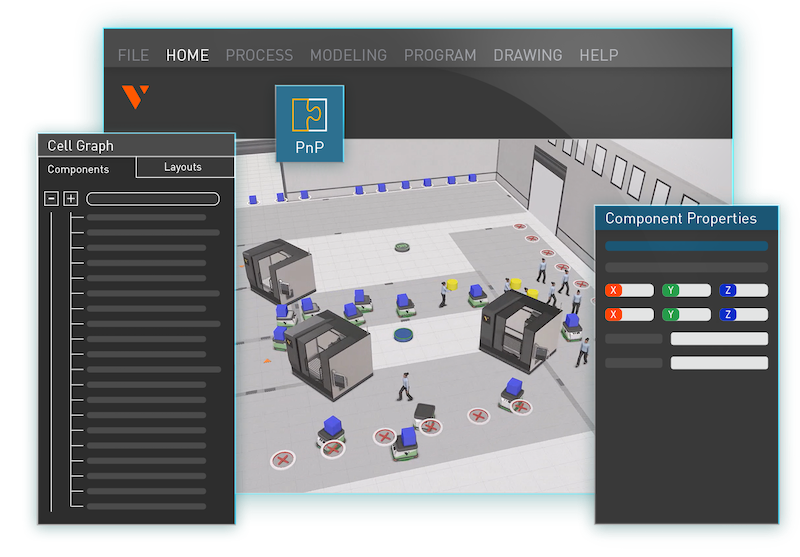
Visual Components launches new version of its factory simulation software
Visual Components, a leader in 3D manufacturing simulation and robot offline programming, has unveiled its latest software, Visual Components 5.1. This significant update aims to assist manufacturers in navigating the increasing complexity of autonomous production environments. Released recently, the new version features enhanced physics simulation for greater accuracy and scalable robot orchestration capabilities. These advancements are designed to streamline operations and improve efficiency in manufacturing processes, responding to the industry's evolving demands for automation and precision.
Computing News Robot simulation Software AGV simulation AMR simulation
Decart’s Oasis 3 world model streams realism into robotic training environments
Decart, a leading frontier AI research lab, has unveiled its latest world model, Oasis 3, in a bid to integrate synthetic simulation with physical AI. The announcement, made recently, highlights the model's capability to enhance the training processes for operating system models used in robots and autonomous vehicles. By focusing on this innovative approach, Decart aims to advance the development of intelligent systems that can operate seamlessly in real-world environments. The launch of Oasis 3 represents a significant step forward in the quest to improve AI's practical applications, addressing the growing demand for more sophisticated and capable autonomous technologies.
Artificial Intelligence Computing Culture Design automation news autonomous vehicles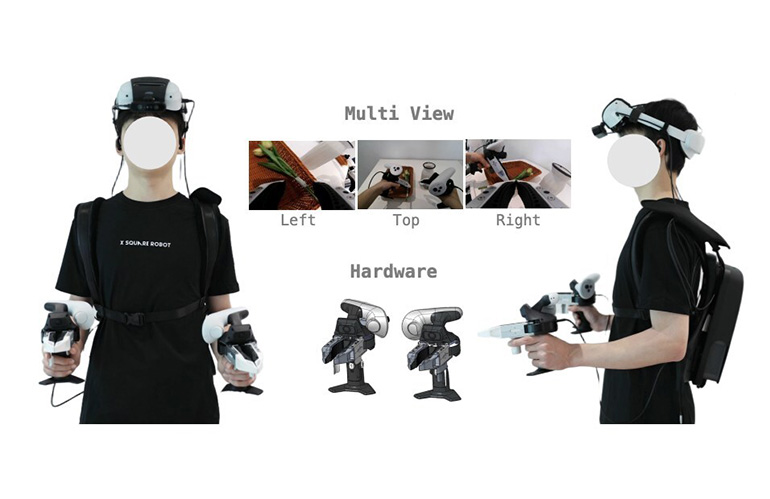
Inside XRZero-G0, a new 2,000-hour open dataset for robotics research
X Square Robot has announced the open-sourcing of XRZero-G0, a groundbreaking framework designed to significantly decrease the amount of real-robot training data needed by as much as 20 times. This initiative aims to enhance robotics research by providing a comprehensive dataset that spans 2,000 hours of robotic training scenarios. The release of XRZero-G0 is expected to facilitate advancements in the field, enabling researchers and developers to optimize their algorithms and improve robotic performance without the extensive data collection traditionally required. This innovative approach is part of X Square Robot's commitment to fostering collaboration and progress within the robotics community.
Academia / Research Artificial Intelligence Artificial Intelligence / Cognition Development Tools / SDKs / Libraries News Research
Can Pepper the robot be a good playmate?
Researchers at the Norwegian University of Science and Technology (NTNU) recently conducted a controlled laboratory experiment to explore the dynamics of playing physical games with a humanoid robot named Pepper. The study aimed to understand how interactions with a robot that mimics human behavior and appearance influence gameplay experiences. By engaging participants in various physical games against Pepper, the researchers sought to assess both the emotional and cognitive responses elicited by the robot's presence. This investigation is part of a broader effort to enhance human-robot interaction, particularly in social and recreational contexts. The findings could have implications for the development of more effective robots in various fields, including education and therapy, by fostering a better understanding of how humans relate to robotic counterparts.
Consumer & Gadgets
Did Tether Just Give Robots Their Own Bank Accounts?
Tether, a leading stablecoin issuer, announced on June 10, 2026, that it is spearheading a Series C funding round of up to $1.4 billion for NEURA Robotics, a German company specializing in cognitive humanoid robotics. This funding round, reported by Handelsblatt as the largest in German startup history, aims to integrate Tether’s Wallet Development Kit (WDK) into NEURA's robots. This open-source technology will enable these machines to possess self-custodial crypto wallets, allowing them to autonomously receive payments and execute transactions without human intervention. The initiative aligns with Tether's long-term goal of establishing itself as a financial infrastructure provider for the physical world. By equipping robots with their own private keys, Tether seeks to enhance their financial independence, contrasting traditional banking systems that can restrict access to funds. Major investors, including Amazon and Nvidia, have contributed to this funding round, which values NEURA Robotics at approximately $7 billion. The integration of WDK allows for seamless machine-to-machine payments, streamlining operations in logistics and manufacturing. NEURA Robotics CEO David Reger envisions a future where intelligent machines can autonomously coordinate and transact, creating value without human oversight. This partnership not only positions Tether to expand its transaction categories but also sets the stage for a new era in machine-economy infrastructure.

Defining Autonomy for Wellness Robots in Senior Care
A recent examination highlights the potential of socially assistive wellness robots in enhancing senior wellness across seven key dimensions. This analysis, aimed at addressing the escalating senior care crisis, underscores the challenges posed by demographic shifts, workforce shortages, and gaps in daily wellness programming that traditional care models face. The study defines wellness robots distinctly from companion and medical devices, emphasizing their unique features and functions. It introduces a framework for measuring the autonomy of these robots using the Care Robot Autonomy Scale (CRAS), a six-level scale inspired by the SAE J3016 driving standard, which assesses four critical care dimensions. Furthermore, the research outlines a roadmap for achieving full autonomy in wellness robots, detailing necessary technical capabilities, clinical evidence, and a phased approach leading into the early 2030s. This comprehensive analysis aims to inform stakeholders about the transformative role of wellness robots in senior care and the urgent need for innovative solutions in the face of growing demands. A free whitepaper summarizing these findings is available for download.
Type-whitepaper Wellness-robots Autonomous-robots Robotics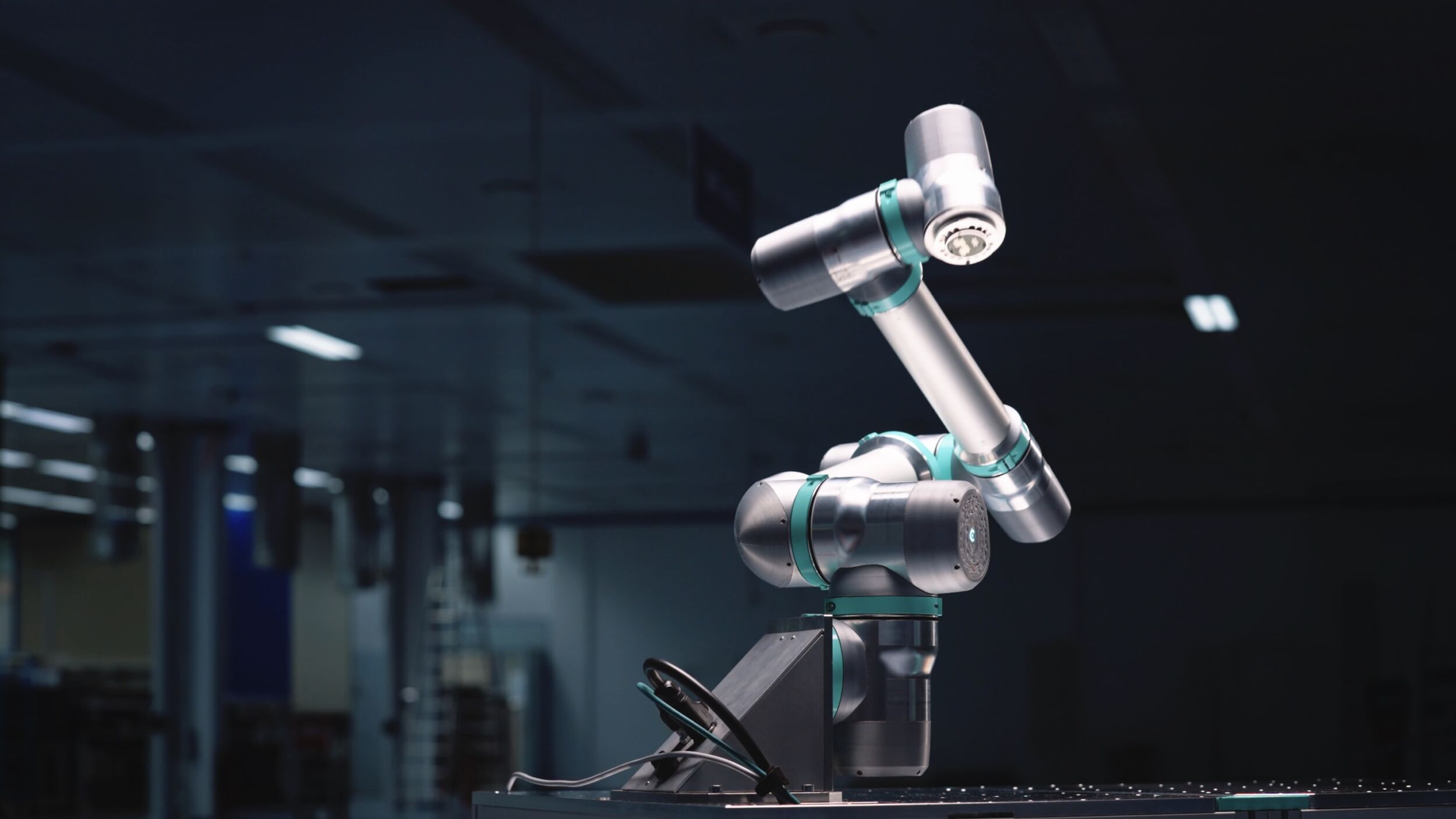
Partnership: Koenig & Bauer and RobCo
Koenig & Bauer, a leading manufacturer of printing presses, has announced a strategic partnership with Munich-based robotics scale-up RobCo. This collaboration aims to enhance the integration of robotics within the printing industry, leveraging RobCo's innovative technology to improve efficiency and productivity. The partnership reflects Koenig & Bauer's commitment to advancing automation in its operations and adapting to the evolving demands of the market. The announcement comes as both companies seek to capitalize on the growing trend of automation in manufacturing, positioning themselves at the forefront of industry advancements.
Allgemein
PHOTOS: The sights of Berlin Air Show 2026 on Day 2
On the second day of Germany's largest aerospace expo, a diverse array of photographs captured the dynamic atmosphere and significant developments within the industry. The event, held in Friedrichshafen, showcases cutting-edge technology and innovations from leading aerospace companies and startups. Attendees, including industry professionals, government officials, and aviation enthusiasts, gathered to explore advancements in aviation, space exploration, and defense systems. The expo serves as a vital platform for networking, knowledge exchange, and collaboration, reflecting the growing importance of aerospace in addressing global challenges. Through various presentations and exhibitions, participants engaged with the latest trends and future directions of the sector, emphasizing the industry's commitment to sustainability and technological progress.
Air Warfare Global Air Force Europe Germany ILA Berlin Multimedia 2026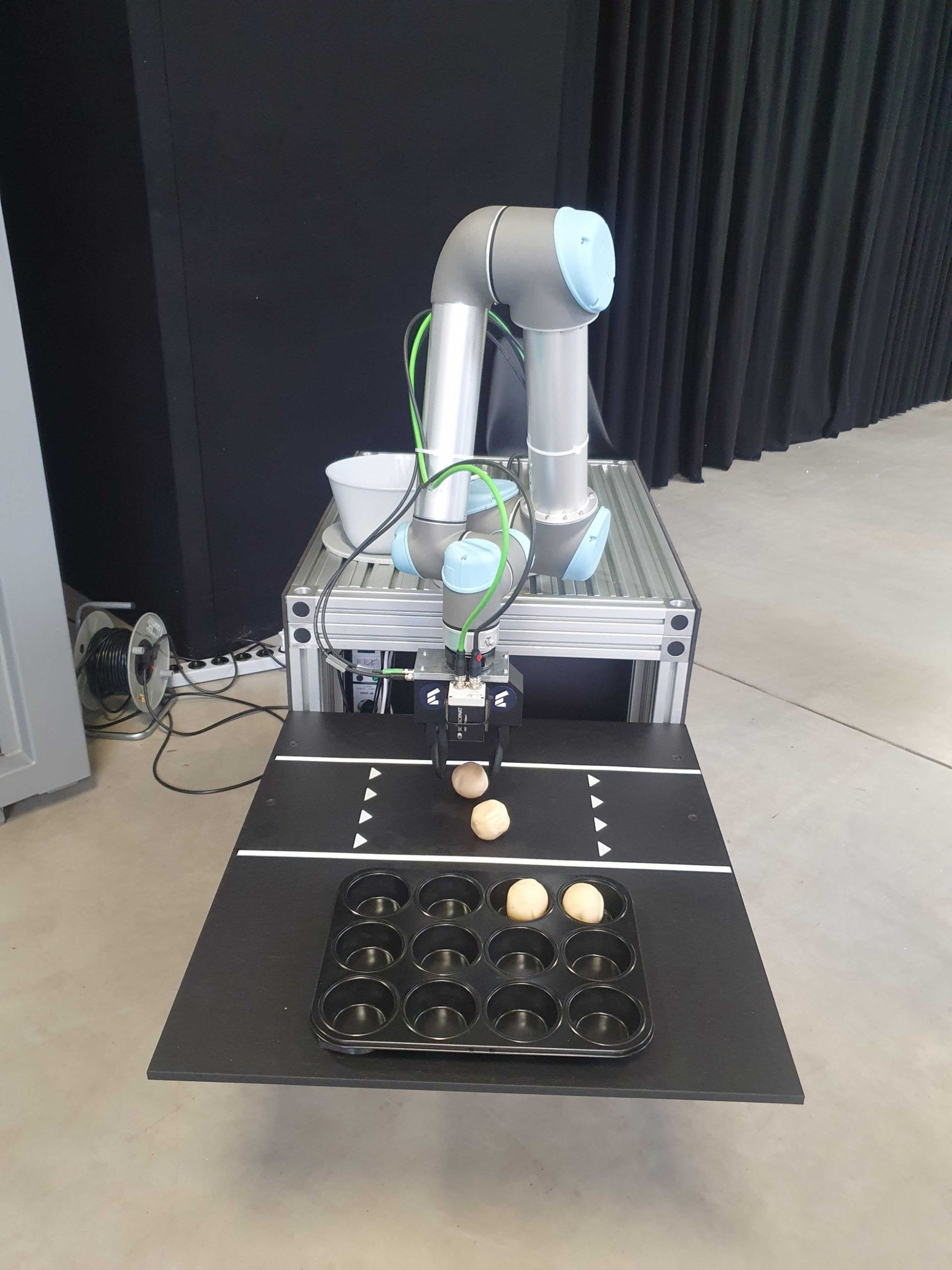
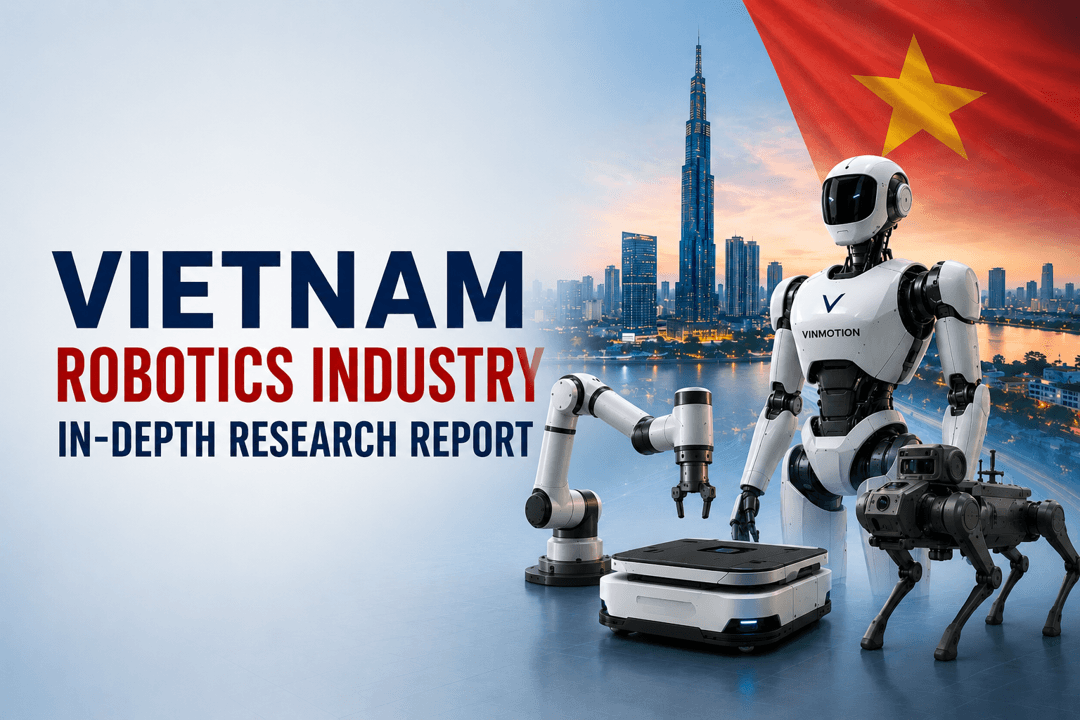
Strategic Partnership: Infineon and VinRobotics
Infineon Technologies and VinRobotics have signed a memorandum of understanding to collaborate on the development of humanoid robots. This strategic partnership aims to leverage both companies' expertise in semiconductor technology and robotics to advance the capabilities and applications of humanoid robotics. The announcement marks a significant step in the growing field of robotics, reflecting the increasing demand for innovative solutions in automation and human-robot interaction. The collaboration is expected to enhance the design and functionality of humanoid robots, potentially transforming various industries by integrating advanced technologies.
Allgemein Humanoide Robotik