Industry Briefing
A single destination for timely, editor-curated robotics news from around the world.
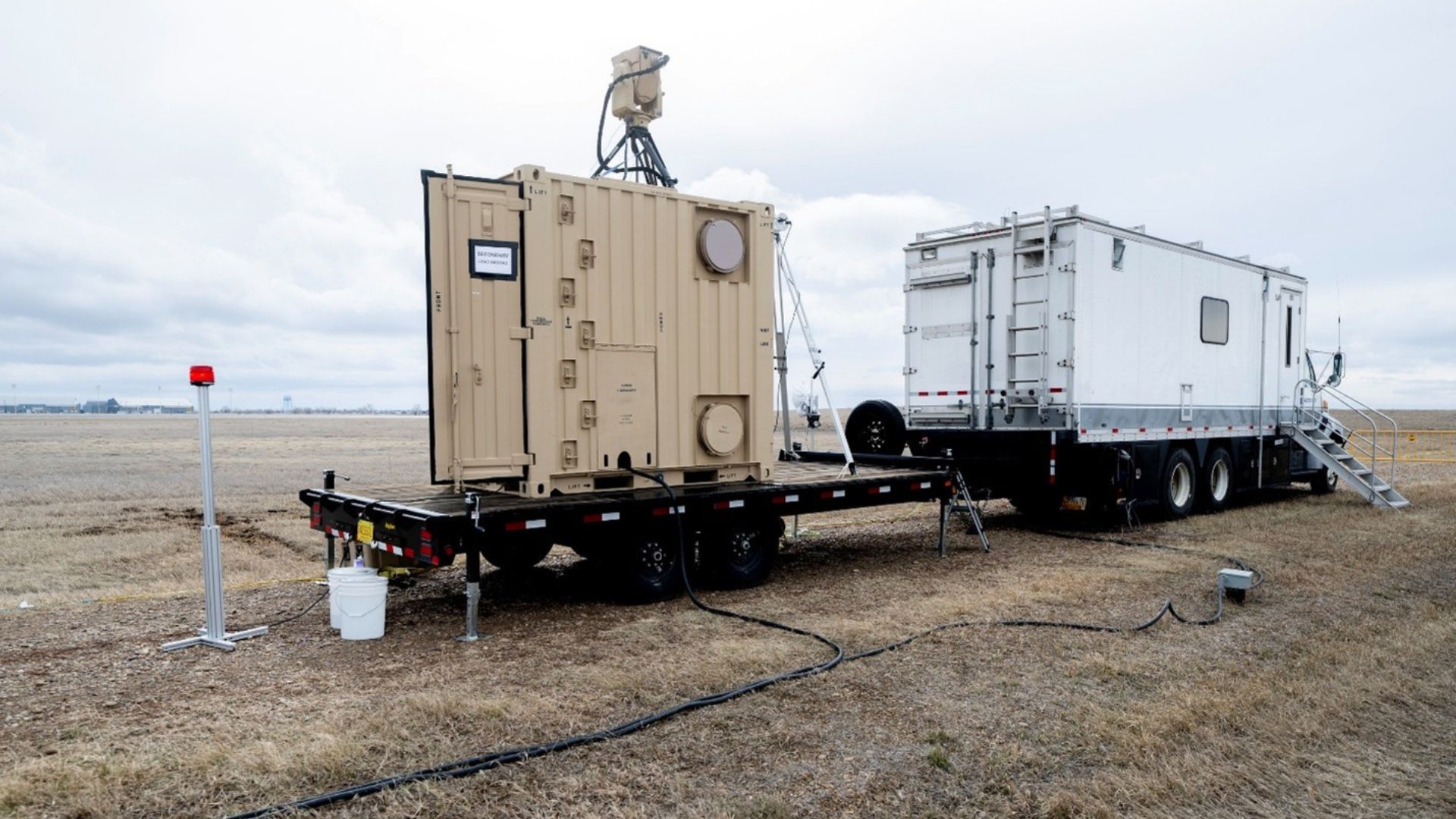
US Navy tests dual-use laser that beams power and counters drone threats in one system
The U.S. Naval Research Laboratory (NRL) has successfully demonstrated a groundbreaking laser system capable of transmitting data at unprecedented speeds. This innovative technology was showcased during a recent test conducted at the laboratory's facilities in Washington, D.C. The demonstration highlights the potential for advanced communication systems that could enhance naval operations and improve data transfer capabilities in various military applications. By utilizing laser technology, the NRL aims to address the growing demand for faster and more secure communication methods in an increasingly digital battlefield. The successful test marks a significant step forward in the development of high-speed data transmission solutions, paving the way for future advancements in military communications.
Military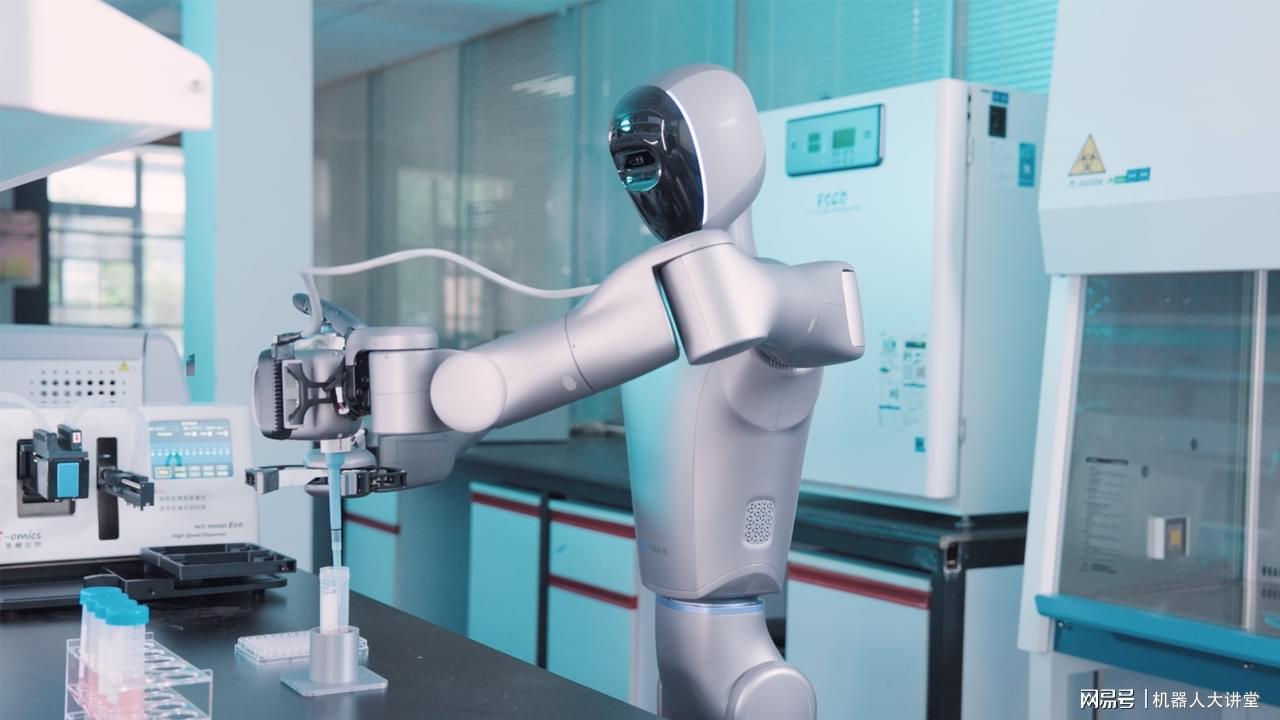
Yuanluo Technology Unveils First Autonomous Laboratory Utilizing Object-Centric Physics Model
Yuanluo Technology has successfully launched the world's first autonomous laboratory on a national research platform, marking a significant advancement in embodied intelligence. The laboratory's robotic system can autonomously perform over 40 operations, including nucleic acid extraction and cytotoxicity testing, with a precision of less than one millimeter. This achievement demonstrates the robot's capability to execute complex, multi-step tasks continuously for over three hours, addressing challenges in throughput and consistency in biochemical research. This development is crucial as it signifies a shift from demonstration to practical application of embodied intelligence in the biochemical and material science sectors. The Object-centric Physics Native Model (OPN), developed by Yuanluo, enables the robot to understand and adapt to the dynamic conditions of a real laboratory environment. By integrating visual, tactile, and force feedback, the robot can make real-time adjustments, ensuring stable execution of intricate experimental workflows across multiple devices. Looking ahead, the successful implementation of this autonomous laboratory sets the stage for further advancements in research and development processes across various industries, including public health and advanced manufacturing. The next milestones will involve expanding the capabilities of the OPN model and integrating it into more complex industrial systems. No further timeline was disclosed at the time of publication.
Autonomous Laboratories Embodied Intelligence Biochemical Research Robotics AI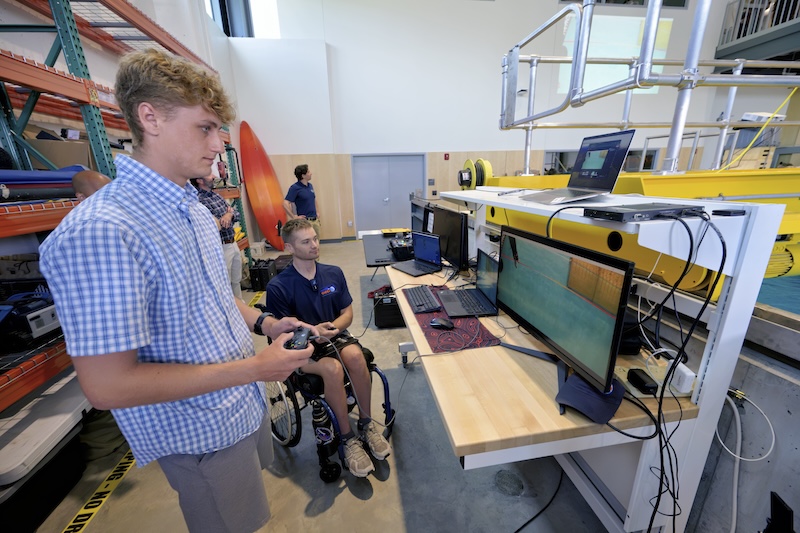
University of Rhode Island opens advanced Ocean Robotics Laboratory for autonomous marine research
Event marked milestone for Narragansett Bay Campus The University of Rhode Island celebrated a major milestone in the $300 million, multi-phase revitalization of the Narragansett Bay Campus with an underwater ribbon cutting ceremony for the new Ocean Robotics Laboratory on June 25. Students Elliot Roman and Jake Bonney piloted URI’s remotely operated vehicle Rhody to […]
Features Robotics Science autonomous systems autonomous underwater vehicles blue economy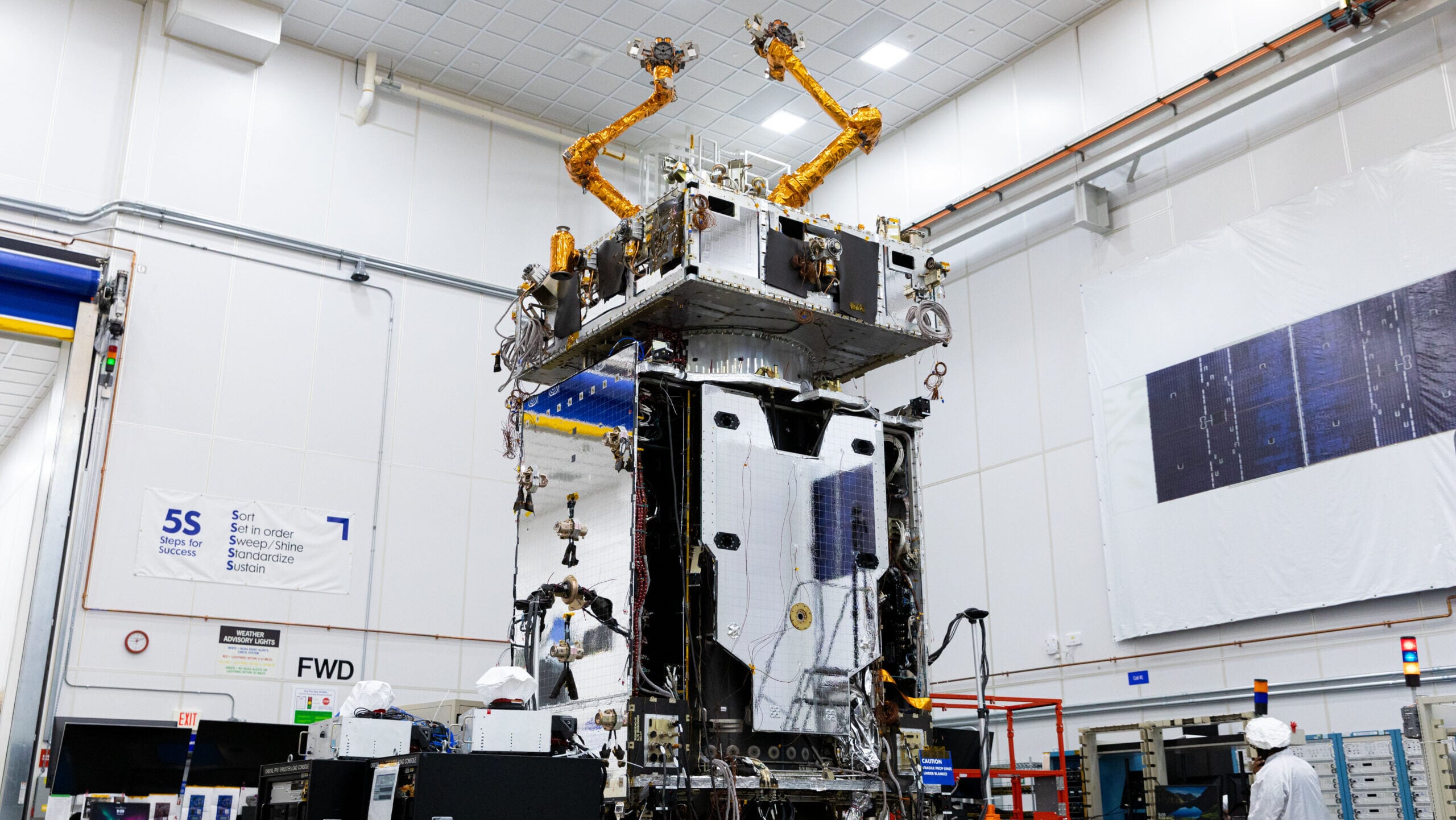
DARPA’s robotic servicing spacecraft to finally fly this summer
The Robotic Servicing of Geosynchronous Satellites mission, a collaboration between DARPA and Northrop Grumman, is set to establish the United States' first on-orbit servicing capability for satellites. This groundbreaking initiative aims to enhance satellite maintenance and repair, extending the operational lifespan of critical space assets. Company officials announced the mission's significance, highlighting its potential to revolutionize satellite operations and reduce costs associated with launching new satellites. The project is expected to take place in the coming months, marking a pivotal advancement in space technology and satellite management.
Space darpa Defense Advanced Research Projects Agency Naval Research Laboratory Northrop Grumman on-orbit refueling
MIT and Toyota Research Institute Unveil SceneSmith for Robot Household Training
MIT's Computer Science and Artificial Intelligence Laboratory (CSAIL) and the Toyota Research Institute have developed SceneSmith, an AI-powered system that allows robots to practice household tasks in a virtual environment. This system utilizes three visual language models to collaboratively create realistic 3D scenes, enabling robots to learn complex skills through extensive simulation. SceneSmith not only generates lifelike environments but also incorporates physical properties like mass, friction, and inertia, allowing robots to interact meaningfully within these spaces. The research team tested over 100 unique action plans in the digital world, revealing flaws in the robots' planning that were validated by human consensus over 99% of the time, helping to refine their strategies before real-world application. The effectiveness of SceneSmith was highlighted at a recent international machine learning conference, where it received positive feedback from over 200 testers, with more than 90% rating its visual realism highly. As robots learn to perform tasks like moving objects in a kitchen, the prospect of robots handling household chores may soon become a reality.
AI Robotics Virtual Reality Machine Learning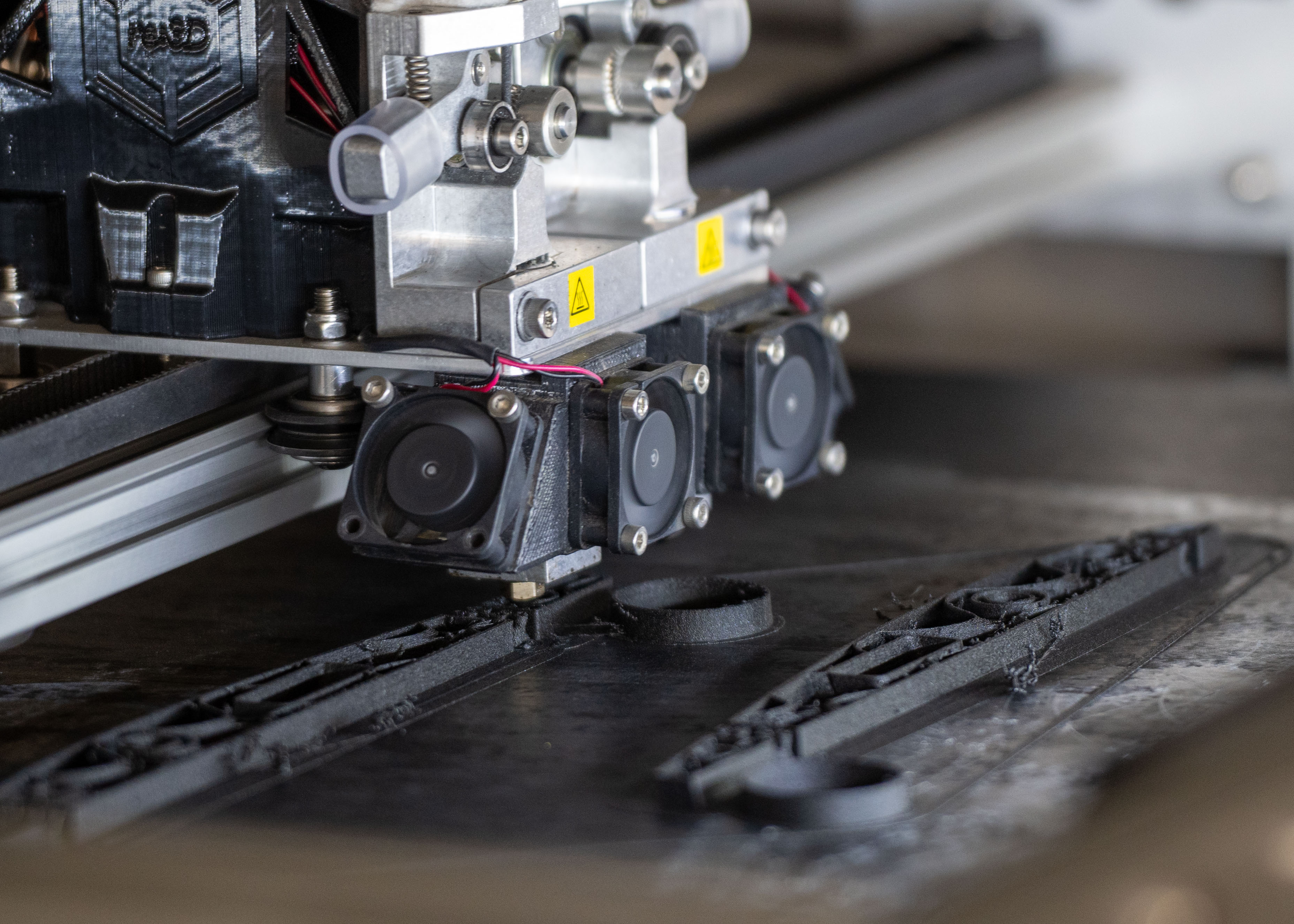
US Naval Postgraduate School to Demonstrate Mobile 3D Printing for Spare Parts in RIMPAC 2026
The US Naval Postgraduate School’s Consortium for Advanced Manufacturing Research and Education is set to showcase mobile 3D printing capabilities during the Rim of the Pacific 2026 exercise. This initiative will involve deploying advanced manufacturing systems on ships and locations throughout Hawaii to produce and distribute spare parts on demand, significantly reducing wait times for critical components. This mobile, distributed factory network aims to enhance operational efficiency by allowing ships to submit digital requests for spare parts while deployed. By leveraging specialized software, the nearest suitable machine or operator can be identified to either locate or 3D print the required part, which may then be delivered via unmanned drone. This capability is particularly crucial in combat scenarios where traditional supply chains may be disrupted. The RIMPAC 2026 exercise will involve 35 nations, 40 warships, 5 submarines, and over 25,000 personnel, providing a comprehensive platform to test this innovative supply chain solution. The focus will be on evaluating the entire network and delivery process rather than just individual 3D printing capabilities, marking a significant step in military logistics and operational readiness.
Innovation Military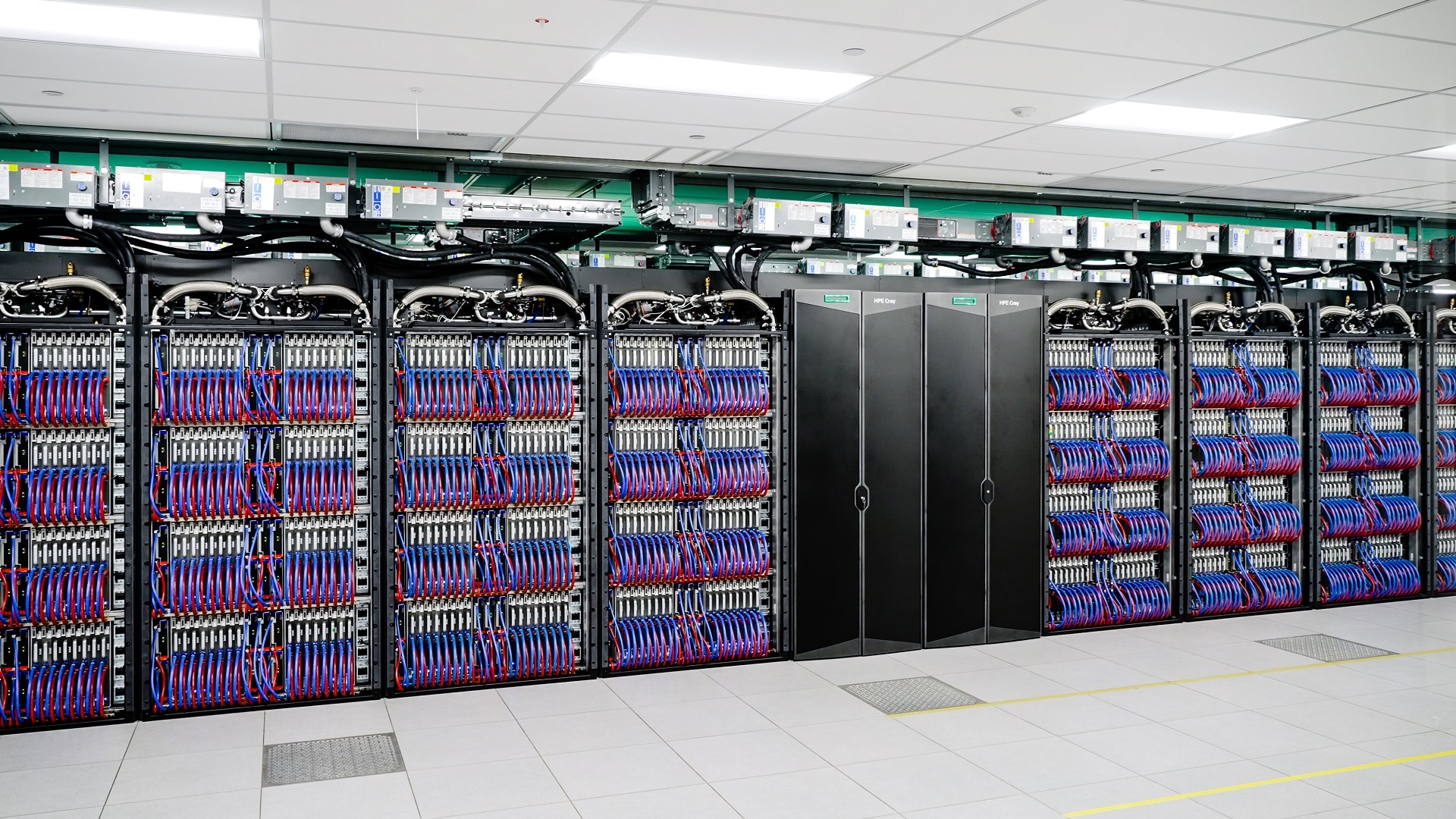
Argonne National Laboratory launches ChemGraph framework for automated chemistry simulations
Researchers at Argonne National Laboratory have introduced ChemGraph, an open-source framework that automates complex computational chemistry simulations using AI agents. Built on the Aurora exascale supercomputer, ChemGraph simplifies the simulation process by allowing users to describe scientific problems in plain language, which the system then translates into computational tasks. This innovation aims to enhance research in materials science, battery design, and combustion systems by streamlining workflows and reducing the need for specialized expertise. The significance of ChemGraph lies in its ability to combine large language models with agent-based automation, enabling researchers to conduct simulations without manually navigating every technical step. By distributing tasks among AI agents, the framework enhances efficiency and reduces costs associated with computational resources. This approach not only improves the accuracy of simulations but also allows for the integration of various scientific software and libraries, ensuring that results are physics-based rather than solely reliant on language model outputs. Looking ahead, ChemGraph's open-source nature has already led to adaptations for other applications, such as X-ray absorption spectroscopy and high-throughput materials screening. The research team envisions further educational applications, providing a platform for professors to teach advanced computational techniques while simplifying the exploration of research questions for students. No further timeline was disclosed at the time of publication.
AI and Robotics
NVIDIA Vera CPU Opens the Way for Agentic Scientific AI at Los Alamos National Laboratory
Los Alamos National Laboratory (LANL) is set to enhance its computational capabilities with the development of new supercomputers, named Mission, Vision, and Veritas, in collaboration with HPE and NVIDIA. This initiative aims to harness NVIDIA Vera CPUs to significantly accelerate scientific discovery and advance the integration of agentic AI in scientific research. The project underscores LANL's commitment to leveraging cutting-edge technology to address complex scientific challenges. The supercomputers are expected to play a crucial role in various research domains, facilitating breakthroughs that could have far-reaching implications for science and technology.
NVIDIA Research Advances Robotics From Simulation to the Real World
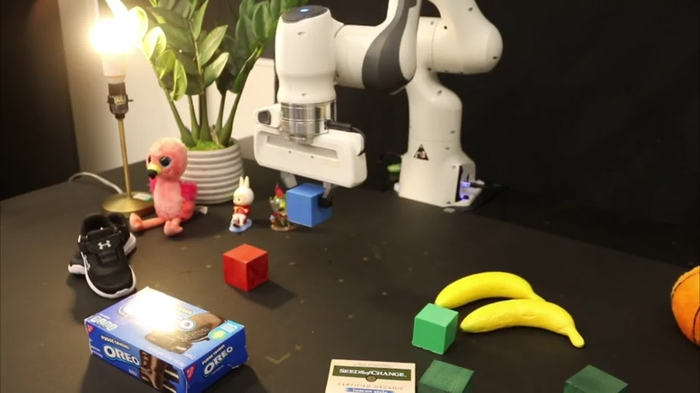
At the International Conference on Robotics and Automation (ICRA), NVIDIA Research showcased advancements in robotics that signal a significant shift towards achieving reliable embodied autonomy in real-world applications. This transition marks a departure from traditional controlled demonstrations and scripted automation, emphasizing the need for robots to operate effectively in unpredictable environments. The event, held recently, highlighted eight innovative projects that illustrate how robotics can adapt and function autonomously outside of laboratory settings. This evolution is driven by the increasing demand for robots to perform complex tasks in diverse scenarios, enhancing their utility across various industries. By leveraging cutting-edge technology and research, NVIDIA aims to pave the way for a future where robots can seamlessly integrate into everyday life, improving efficiency and productivity.
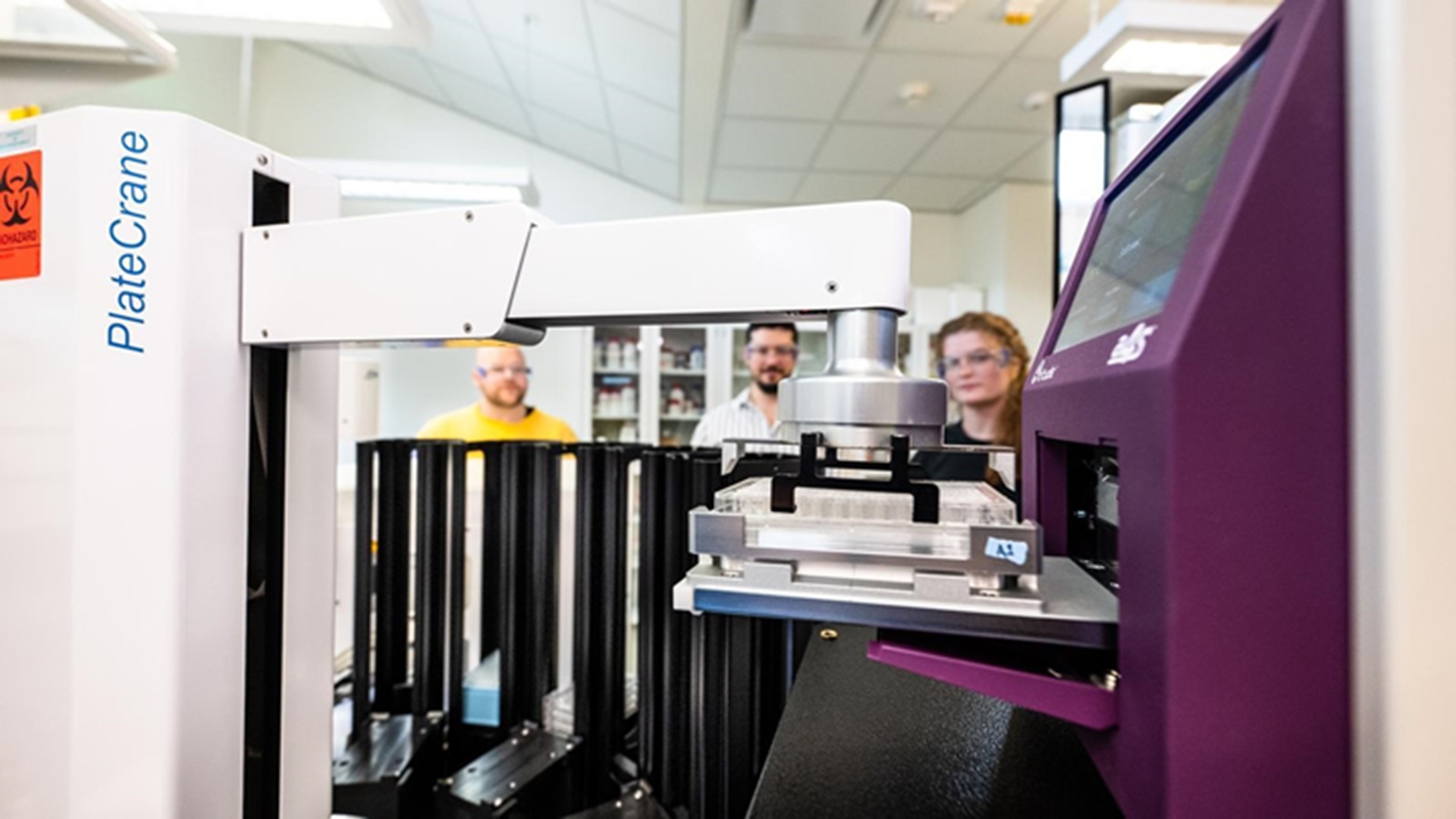
US scientists are building autonomous robots that can learn directly from researchers
Researchers at Argonne National Laboratory are advancing the field of laboratory automation by creating AI-powered robotic assistants capable of learning and performing various laboratory procedures. This innovative project aims to enhance efficiency and accuracy in scientific research, addressing the growing demand for streamlined processes in laboratories. The development is part of a broader effort to integrate artificial intelligence into everyday scientific tasks, allowing researchers to focus on more complex problem-solving. As the project progresses, the team is exploring various machine learning techniques to enable these robots to adapt and improve their skills over time. This initiative is expected to revolutionize how experiments are conducted, ultimately accelerating the pace of scientific discovery.

Argonne Researchers to Develop Learning-Based Robots as Step Toward a Scientific Assistant
Researchers are exploring the potential of robots that can not only conduct experiments but also learn and adapt alongside human scientists. This initiative aims to develop advanced robotic systems capable of functioning in real laboratory settings, allowing them to respond to dynamic conditions and collaborate effectively with their human counterparts. By integrating machine learning and artificial intelligence, these robots could enhance scientific research, increasing efficiency and innovation in various fields. The project is currently in its developmental stages, with ongoing studies focused on refining the robots' capabilities to ensure they can seamlessly integrate into existing scientific workflows. As this technology evolves, it holds the promise of transforming the landscape of scientific inquiry and experimentation.

US plans to deploy more than 80 unmanned robotic warships to counter China’s naval dominance
The US Navy has announced the integration of unmanned surface and underwater vessels into its long-term shipbuilding strategy, which spans the next 30 years. This decision, made public in October 2023, reflects the Navy's commitment to modernizing its fleet and enhancing operational capabilities in response to evolving maritime threats. By incorporating advanced technologies, the Navy aims to improve surveillance, reconnaissance, and combat operations while reducing risks to personnel. The move is part of a broader initiative to adapt to the changing landscape of naval warfare and ensure the United States maintains its strategic advantage at sea. The plan outlines investments in research and development, as well as the construction of new vessels designed to operate autonomously, thereby increasing the Navy's efficiency and effectiveness in various mission scenarios.
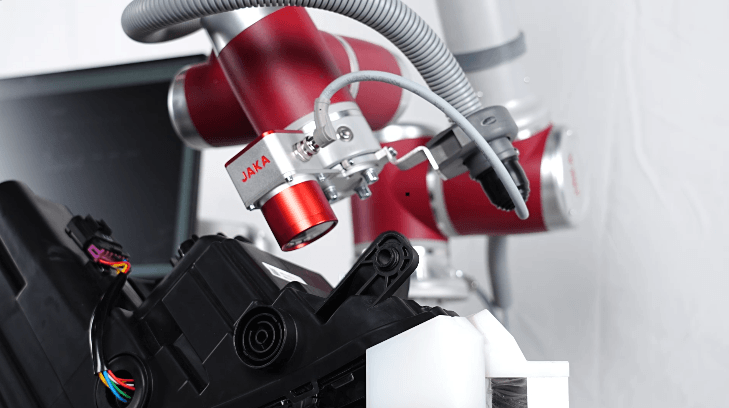
21 6 Axis Robot Arm Best Practices for Researchers and Academia
In an effort to enhance research efficiency and data reliability, academic institutions and laboratories are increasingly adopting automation technologies, particularly 6 axis robot arms. JAKA, a leading provider in this field, emphasizes the importance of flexibility over production speed when integrating robotic systems into experimental workflows. Researchers are prioritizing features such as stable motion control and compatibility with existing laboratory instruments, allowing for seamless inspection, sample handling, and measurement tasks. The integration of these robotic arms is designed to be straightforward, enabling connections with vision systems and data acquisition devices already in use. JAKA’s Zu7 Inspection solution exemplifies this approach, automating manual inspection processes to improve efficiency and ensure consistent quality. By alleviating repetitive tasks, researchers can focus more on analysis and validation. Given the dynamic nature of academic research, which often involves changing experiments and funding cycles, JAKA's robotic systems are built for expandability. This allows laboratories to scale automation according to project needs without significant hardware changes. The open interface design facilitates the integration of additional sensors or tools over time, ensuring that the robotic systems remain valuable and adaptable. By prioritizing flexibility, compatibility, and expandability, JAKA aims to support researchers in building reliable automation foundations that can evolve alongside their scientific endeavors, ultimately enhancing the accuracy of inspections and reducing manual workloads in laboratory settings.
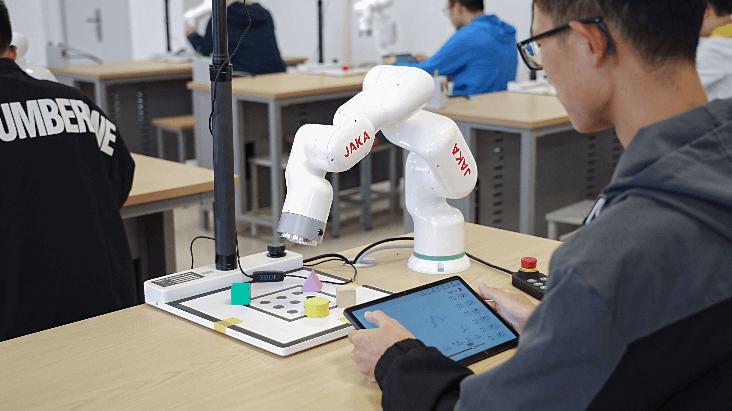
What Is Laboratory Automation?
JAKA, a company specializing in robotic solutions, is at the forefront of laboratory automation, a technological shift aimed at enhancing efficiency and reliability in scientific research. This evolution is marked by the introduction of compact lab automation robots, which streamline tasks traditionally performed by humans, thereby increasing throughput and reducing repetitive strain on technicians. Laboratory automation encompasses a spectrum of technologies, from basic automated liquid handlers to sophisticated robotic systems. The primary goal is to minimize human involvement in repetitive and error-prone processes, resulting in improved consistency and the ability to conduct experiments unattended for extended periods. JAKA's robotic arms, such as the MiniCobo, exemplify this trend, offering lightweight and compact designs that integrate seamlessly into existing lab setups without significant reconfiguration. Implementing laboratory automation requires careful planning, starting with the identification of suitable protocols for standardization. JAKA emphasizes the importance of intuitive programming and flexible software, enabling researchers to easily adapt robotic systems to new tasks without extensive technical expertise. This user-friendly approach, combined with the precision of their robotic arms, ensures the safe handling of delicate samples and enhances overall research quality. By automating routine tasks, JAKA's solutions allow scientists to focus more on analysis and innovation, ultimately accelerating scientific progress and making research processes more reliable and scalable.
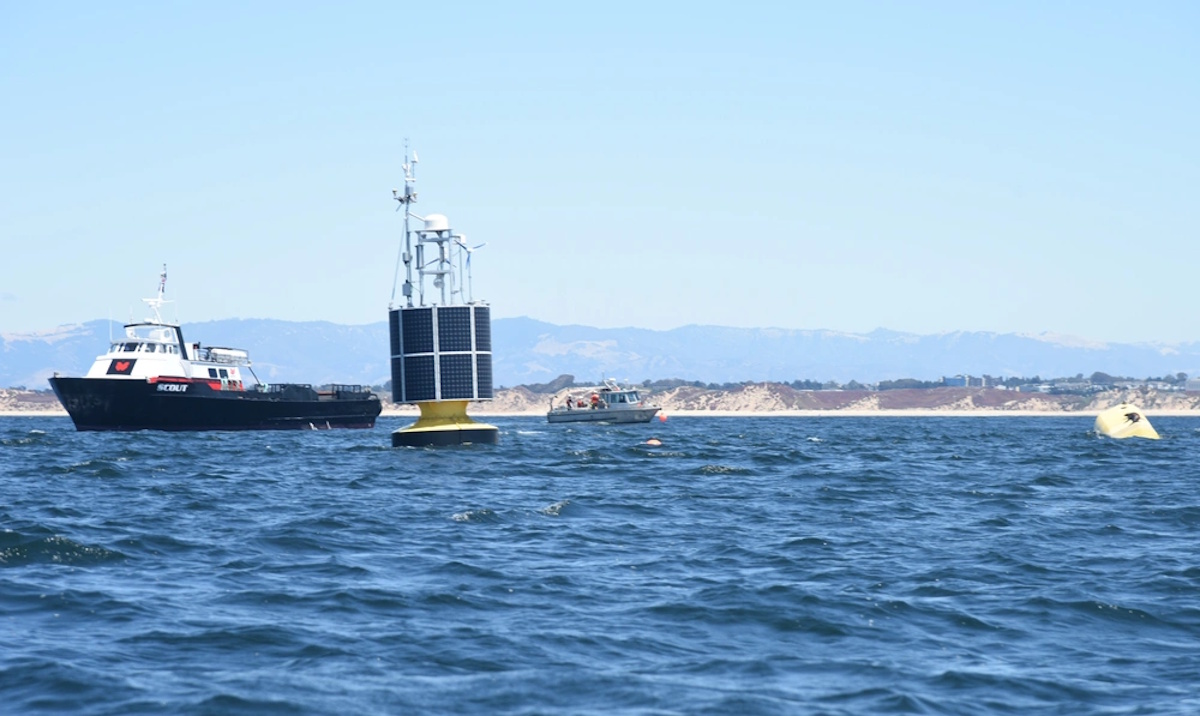
First-of-its-Kind, Self-Powered Ocean Buoy to Enhance NPS Research and 5G Maritime Communication Applications
A self-powered ocean buoy equipped with advanced oceanographic and meteorological sensors, along with 5G communication technologies, has been deployed in Monterey Bay, California, approximately five miles north of the Naval Postgraduate School (NPS) campus. This innovative buoy aims to facilitate real-time, continuous scientific and maritime observations. The initiative reflects a growing commitment to enhancing ocean research and monitoring capabilities, leveraging cutting-edge technology to provide critical data for environmental studies and maritime safety. The buoy's deployment marks a significant step forward in the integration of modern communication systems with oceanographic research, enabling scientists to gather and analyze data more efficiently than ever before.
Oak Ridge National Lab reveals ‘hidden workforce’ behind AI-powered research facilities
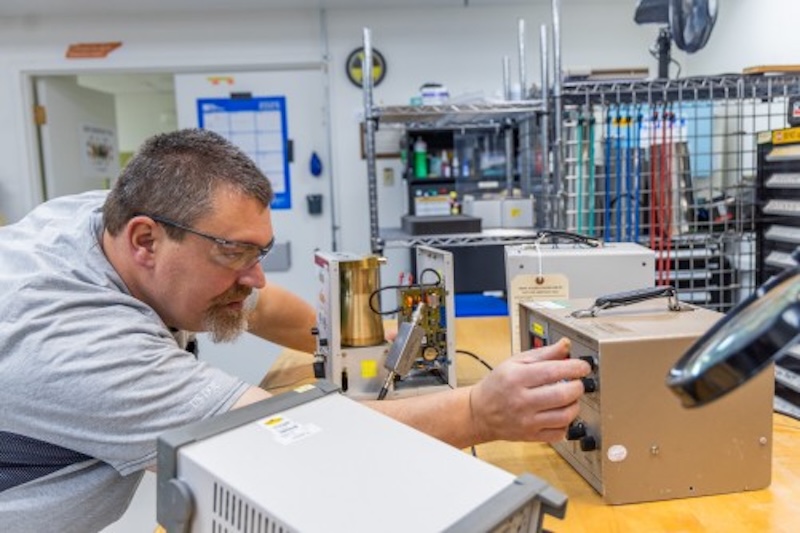
By Clint Keaton Behind every self-driving laboratory at the US Department of Energy’s Oak Ridge National Laboratory is a team most people never see. Facilities and Operations (F&O) workers are building and maintaining the infrastructure that makes autonomous science possible. Autonomous labs run with little human intervention. Instead, they rely on robotics, sensors and automation […]
Autonomous Vehicles Features Science artificial intelligence autonomous laboratories autonomous science
The NavalX Mid-Atlantic Tech Bridge (MATB) and 757 Collab have launched the Defense Technology Accelerator
The NavalX Mid-Atlantic Tech Bridge (MATB) and 757 Collab have announced the launch of the Defense Technology Accelerator, a program aimed at expediting the development of dual-use technologies that can benefit the Department of Defense (DoD). This initiative is part of a broader effort to enhance technological innovation and collaboration within the defense sector. The application window for the inaugural cohort is set to close on April 30, 2025, providing a limited timeframe for interested participants to submit their proposals. The accelerator seeks to foster partnerships between startups and the DoD, ultimately driving advancements that can address national security challenges.
navalx mid-atlantic tech bridge (matb) 757 collab defense technology accelerator
LR Awards Atlas Elektronik UK the First UMS Certificate Issued to a Naval Minehunter
Lloyd’s Register has granted Unmanned Marine Systems Certification to ATLAS ELEKTRONIK UK for its RNMB Hydra vessel, an innovative uncrewed surface craft developed for the UK Royal Navy. This certification marks a significant milestone in the advancement of maritime technology, particularly in the areas of mine sweeping and mine hunting. The RNMB Hydra is designed to enhance operational efficiency and safety in naval operations, reflecting the growing trend towards automation in military applications. The certification was awarded in October 2023, underscoring the vessel's compliance with rigorous safety and operational standards set by Lloyd’s Register. This development is expected to bolster the capabilities of the Royal Navy, allowing for more effective and safer maritime missions.
atlas elektronik uk ums certificate naval minehunter lloyd’s register (lr) unmanned marine systems (ums) rnmb hydra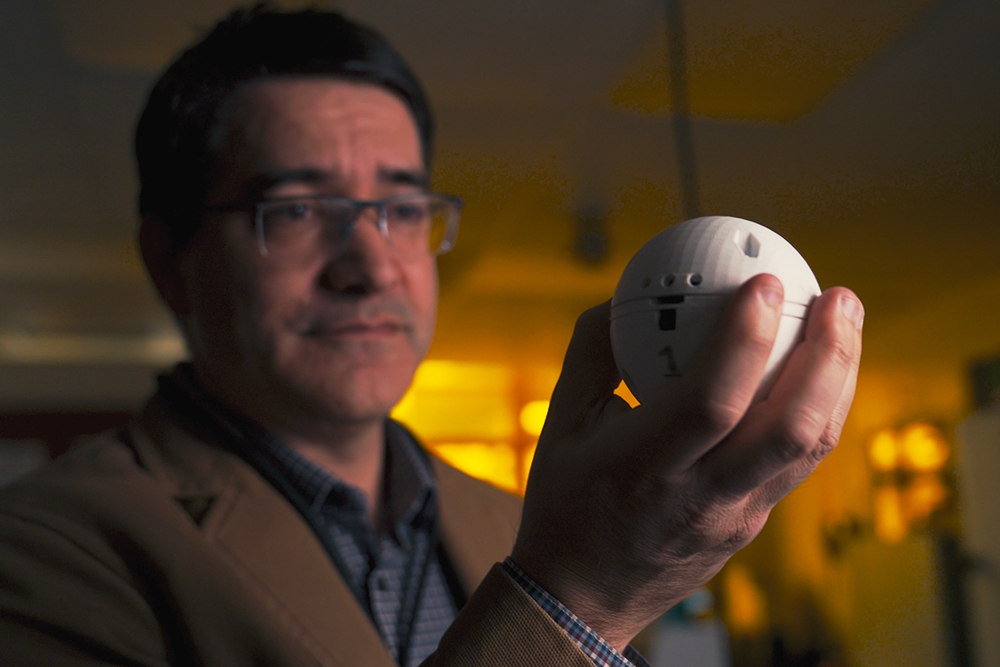
MIT Lincoln Laboratory Develops TOSSIT Sensor for Chemical Threat Detection
MIT Lincoln Laboratory has introduced the Tactical Optical Spherical Sensor for Interrogating Threats (TOSSIT), a baseball-sized device capable of detecting hazardous vapors and aerosols. Designed for military and first responder use, TOSSIT can be thrown, drone-dropped, or launched into areas of concern. The sensor utilizes an internal camera and a removable dye card to identify chemical threats, alerting users through an app or alarms when dangerous substances are detected. The significance of TOSSIT lies in its ability to address a critical gap in chemical detection capabilities. According to principal investigator Richard Kingsborough, this low-cost sensor option is essential for identifying toxic dust particles and other chemical threats that smaller deployed sensor systems typically overlook. This innovation is particularly relevant in contexts involving nerve agents, blister agents, and industrial chemical accidents, enhancing safety for military personnel and first responders. Looking ahead, TOSSIT is undergoing a transfer process to the U.S. military following extensive field testing. No further timeline was disclosed at the time of publication, but the deployment of such technology could significantly improve situational awareness and response capabilities in hazardous environments.
Research Sensors Public health Invention 3-D printing Mechanical engineering
Underwater ribbon cutting ushers in new URI Ocean Robotics Laboratory
The Narragansett Bay Campus recently celebrated a significant milestone, marking a pivotal moment in its development and contributions to marine research and education. The event, which took place on October 15, 2023, brought together faculty, students, and community members to recognize the campus's achievements and future goals. This gathering highlighted the institution's commitment to advancing knowledge in marine sciences and fostering collaboration among researchers. Attendees participated in various activities, including presentations and discussions, aimed at showcasing the campus's innovative projects and its role in addressing environmental challenges. The celebration underscored the importance of the Narragansett Bay Campus as a hub for scientific inquiry and community engagement, reinforcing its mission to enhance understanding of marine ecosystems and promote sustainability efforts in the region.
SEABER’s MARVEL 3DSS AUV for Beach Reconnaissance: A Technological Breakthrough for Naval Amphibious Operations
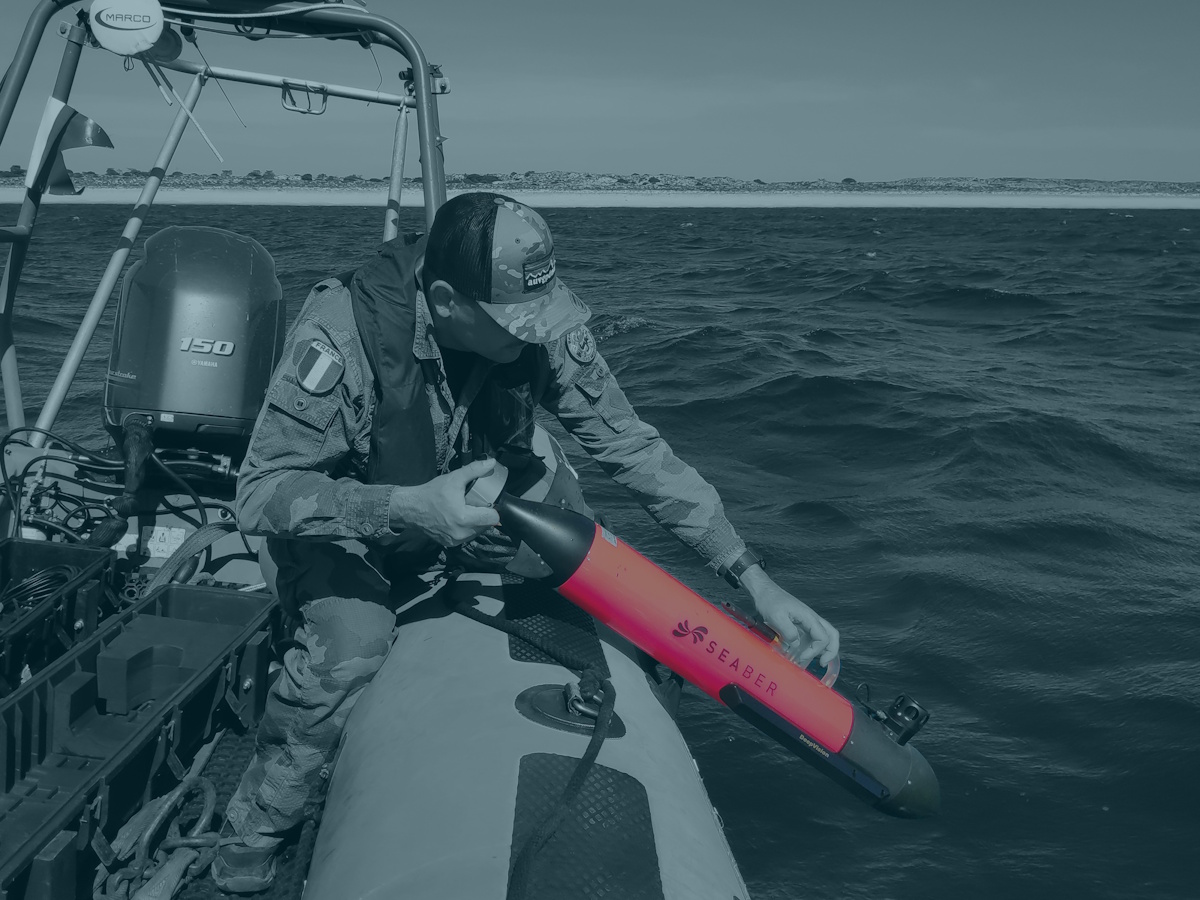
SEABER has achieved a significant milestone with the successful integration of a next-generation interferometric 3D side-scan sonar (3DSS) into its MARVEL micro-AUV, marking the first global deployment of this advanced technology on such a platform. Utilizing patented CAATI technology, the 3DSS provides high-resolution 2D imagery, true 3D seabed reconstruction, and centimetric-scale bathymetry from a compact system. In operational tests, the MARVEL-3DSS efficiently mapped a 300 × 150-meter beach approach zone in under 30 minutes, achieving speeds up to ten times faster than traditional methods while maintaining a minimal acoustic signature and eliminating the need for specialized personnel. This innovation significantly enhances the amphibious beach reconnaissance capabilities for naval forces, special operations units, and mine countermeasure teams, particularly in contested littoral environments.
seaber marvel 3dss auv beach reconnaissance amphibious operations
Naval carrier set to deploy with a drone, while Marines say goodbye to the Harrier
This week, the U.S. Navy is enhancing its fleet capabilities as a Seahawk drone is scheduled to join the aircraft carrier USS Theodore Roosevelt. This integration reflects ongoing efforts to modernize naval operations and improve surveillance and reconnaissance missions. Additionally, the aviation community bids farewell to a legendary aircraft, which is making its final flight, marking the end of an era in military aviation history. The events highlight the Navy's commitment to advancing technology while honoring its storied past.
Air Warfare Naval Warfare Air Force Break Out Video harrier HarrierJumpJet
Hydrogen-fueled drone submarine with 17 sensors could scan Hormuz for naval mines
A European defense technology company has announced the launch of the world's longest-endurance unmanned submarine, showcasing its capabilities at a recent defense exhibition. The submarine, designed for extended missions, can operate underwater for several weeks without the need for surface resupply, marking a significant advancement in maritime technology. This innovation aims to enhance naval surveillance and reconnaissance operations, addressing the growing demand for autonomous underwater vehicles in modern defense strategies. The unveiling took place in a prominent European city, drawing attention from military officials and industry experts alike, who are keen to explore the potential applications of this groundbreaking technology in various defense scenarios.

BrainCSPACE System Enhances Laboratory Training and Industry Applications
Zhongke Shengu has introduced the BrainCSPACE system, a groundbreaking initiative designed to tackle challenges in robotics education and meet industry demands. Launched recently, this innovative system integrates real-world data with practical training to create a comprehensive closed-loop ecosystem. By focusing on talent development and improving data quality, BrainCSPACE aims to enhance robotic decision-making capabilities. This initiative not only addresses the skills gap in the robotics field but also promises a significant return on investment for both educational institutions and businesses, ensuring that they remain competitive in a rapidly evolving technological landscape.
Robotics Education Data Quality AI Systems Industrial Automation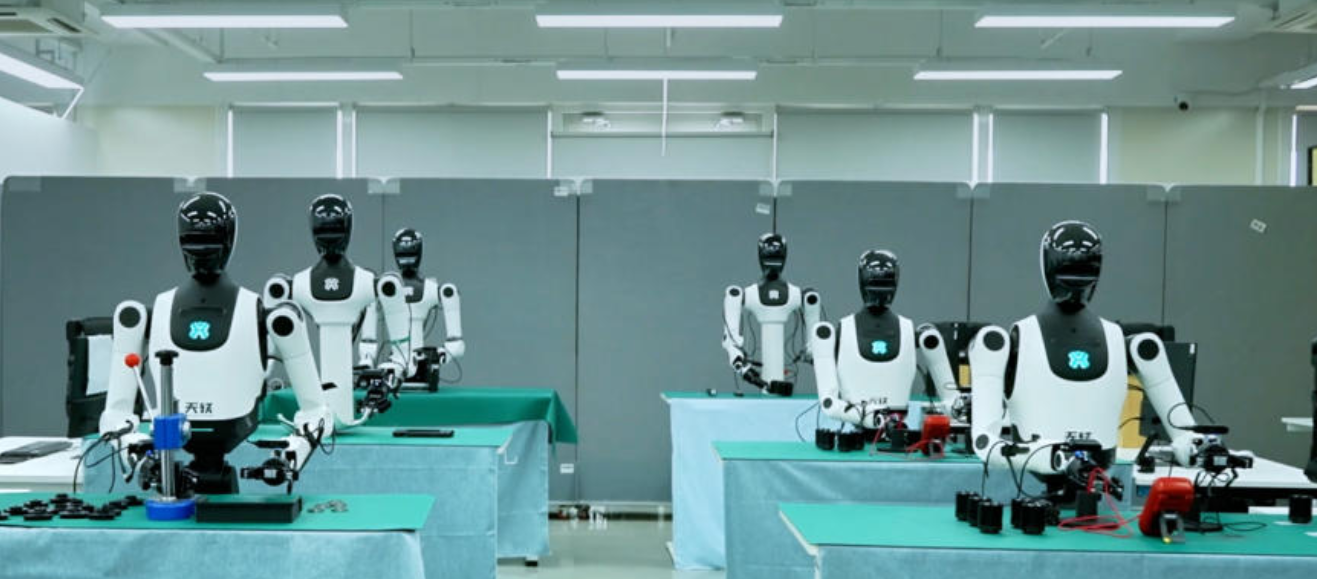
Launch of Robo-ValueRL: The First Open-Source VLA Reinforcement Learning Framework for Robotics
The Beijing Humanoid Robot Innovation Center and Renmin University of China's Gaoling Artificial Intelligence Institute have launched the Robo-ValueRL open-source framework. This initiative aims to enhance humanoid robots' decision-making capabilities in precision tasks, such as semiconductor assembly, by addressing challenges in data quality, control precision, and adaptability in dynamic environments. Robo-ValueRL introduces a value estimation mechanism based on historical observations, enabling robots to autonomously assess their actions. This closed-loop learning process—observation, value estimation, correction, and iteration—allows for improved accuracy and reduced instability in operations. The framework is fully open-source, providing access to core algorithms, evaluation tools, and standardized protocols for universities, research institutions, and manufacturers. The open-source nature of Robo-ValueRL significantly lowers the barriers for small and medium-sized manufacturers to implement reinforcement learning in specialized fields like semiconductor production and medical device manufacturing. This development marks a shift in humanoid robotics from laboratory experiments to practical industrial applications, paving the way for robots to evolve their decision-making capabilities independently.
Humanoid Robots Reinforcement Learning Precision Manufacturing Open Source Technology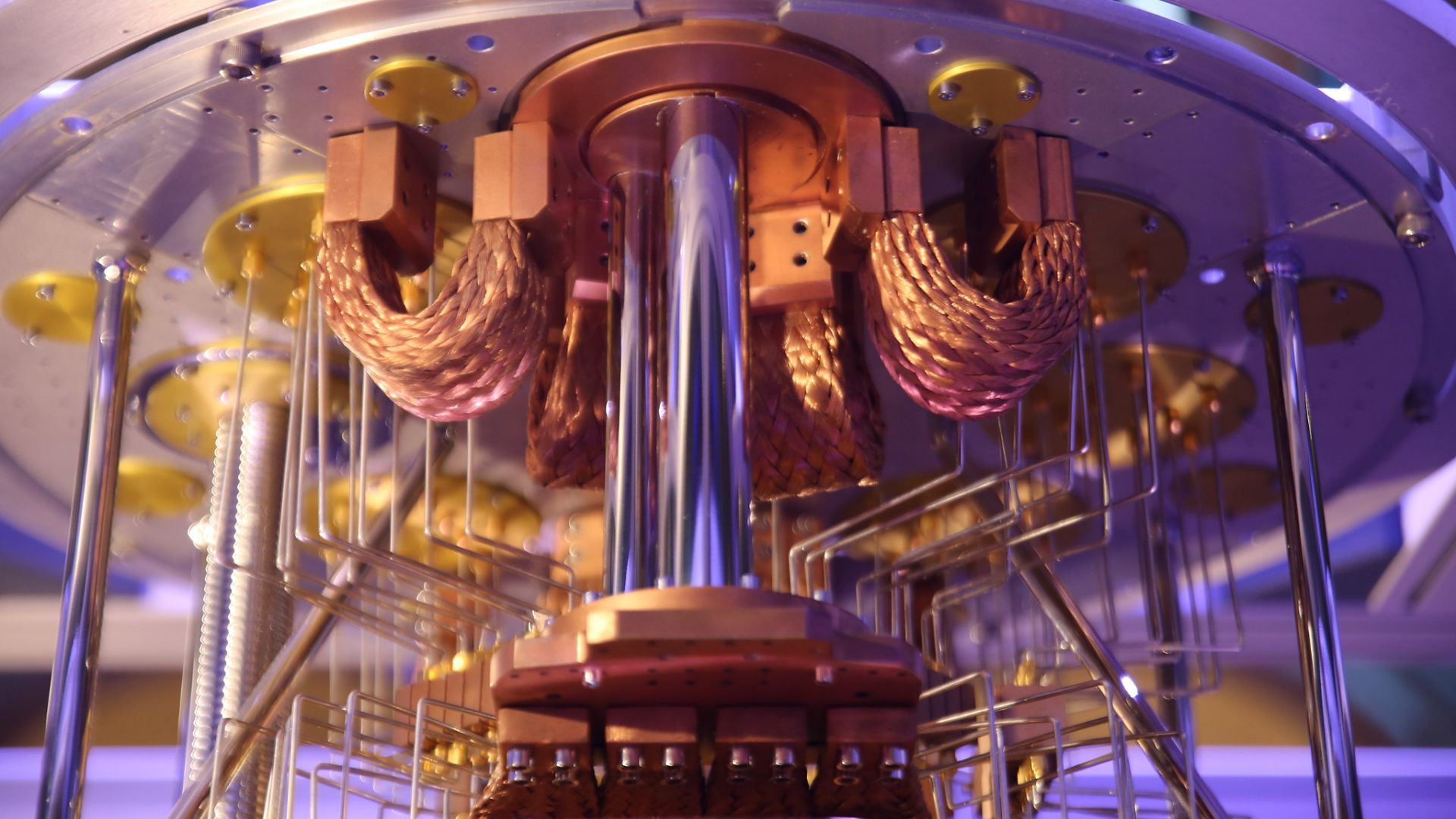
New Quantum Hermite Transform Algorithm Enhances AI and Scientific Computing Potential
Researchers from the U.S. Department of Energy’s Brookhaven National Laboratory, Northeastern University, Google Quantum AI, and the University of Texas at Austin have introduced a new quantum computing algorithm called the quantum Hermite transform (QHT). This algorithm aims to broaden the scope of problems that future quantum computers can address, particularly in artificial intelligence and scientific simulations. The significance of the quantum Hermite transform lies in its potential to improve data processing and simulation capabilities of quantum computers. By introducing a new computational building block, the QHT could lead to more efficient quantum algorithms in various fields, including materials science and energy research. The findings were presented at the 58th Annual ACM Symposium on Theory of Computing in Salt Lake City. Looking ahead, the researchers emphasize that expanding the library of reusable quantum primitives like the QHT will facilitate the development of innovative quantum algorithms. This advancement could provide exponential speed advantages over classical methods, marking a pivotal step in the evolution of quantum computing applications. No further timeline was disclosed at the time of publication.
AI and Robotics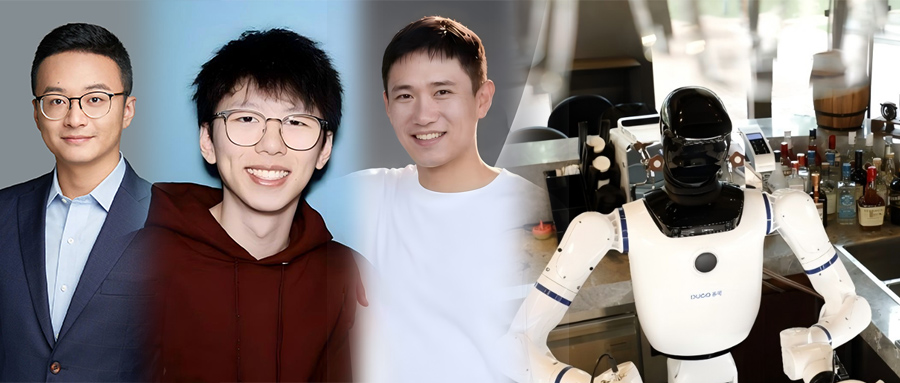
Xspark AI Raises Nearly $15 Million to Advance Physical AI Technology Development
Xspark AI has successfully completed its first round of angel financing, securing nearly 100 million yuan (approximately $15 million). This funding round was led by Dinghui VGC, Chuxin Capital, and the SEE Fund, with participation from several financial investment institutions. The capital will primarily be allocated towards core technology research and development, product iteration, and the large-scale implementation of Physical AI. The significance of this funding lies in addressing the challenges faced by Physical AI in real-world applications. Despite advancements in AI capabilities, many models that perform well in laboratory settings struggle to adapt to dynamic real-world environments. Factors such as lighting changes in factories and the arrangement of objects in homes complicate the deployment of these technologies, highlighting the need for reliable safety mechanisms to prevent equipment failures and accidents. Looking ahead, Xspark AI's CEO, Xiong Qi, emphasizes the importance of accumulating real-world data to enhance the stability and safety of Physical AI systems. As the company aims to overcome existing barriers, the development trajectory of Physical AI is expected to mirror that of the autonomous driving industry, where practical application and data-driven iterations are crucial for achieving commercial success.
Physical AI Robotics Funding Technology Development
Westlake Robotics Raises Over 100 Million Yuan to Enhance Dual-Pretraining Technology
Westlake Robotics completed a funding round exceeding 100 million yuan in June 2026, backed by Henan Investment Group's Huirong Fund. This marks the company's third financing round in five months, with total disclosed funding reaching several hundred million yuan. The funding is aimed at advancing their unique dual-pretraining technology, which combines a general brain and a humanoid small brain for improved robotic performance. The significance of this funding lies in Westlake Robotics' differentiated technical approach, utilizing a dual-pretraining model that integrates VLA and world model fusion. Their General Action Expert (GAE) model addresses common issues in humanoid robots, such as stiffness and imbalance, by enabling real-time interpretation of human motion intent. This capability allows a single operator to control multiple Westlake o1 robots simultaneously, reducing deployment and labor costs in applications like logistics inspection and data collection. Looking ahead, Westlake Robotics plans to use the latest funding to further develop their unified embodied large model and accelerate deployment with industrial clients. The company, founded by academic researchers from Westlake University, is positioned to leverage its strong academic background to bridge the gap between laboratory demonstrations and real-world applications. No further timeline was disclosed at the time of publication.
Robotics Embodied Intelligence Automation Logistics AI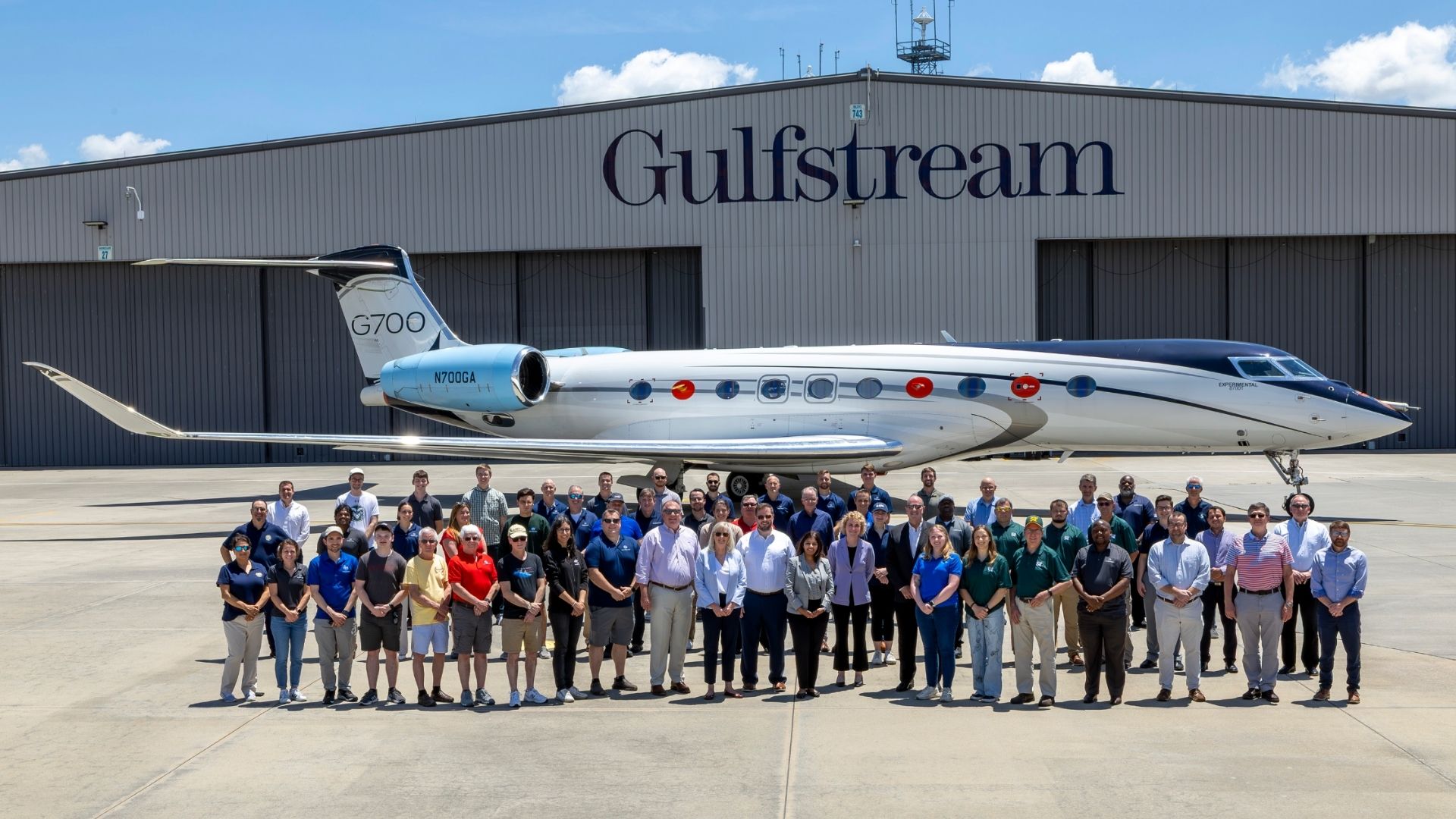
Gulfstream G800 Completes First 100% SAF Flight to Analyze Contrail Emissions
Gulfstream Aerospace has successfully conducted a high-altitude flight test campaign using a G800 business jet powered entirely by neat sustainable aviation fuel (SAF). The tests, which took place at altitudes up to 50,000 feet, marked the first instance of both the G800 and its Rolls-Royce Pearl 700 engine operating on 100% SAF. A modified Gulfstream G700 served as an airborne emissions laboratory, enabling researchers to measure particulate emissions and atmospheric conditions during the flights. This initiative is significant as it aims to assess the potential of 100% SAF in reducing emissions linked to contrail formation, a critical factor in aviation's environmental impact. Preliminary findings suggest a measurable reduction in particulate emissions when using neat HEFA SAF, which contains no sulfur or aromatics, unlike conventional jet fuels. The collaboration involved multiple organizations, including NASA and the FAA’s ASCENT, highlighting the importance of partnerships in advancing sustainable aviation technologies. Looking ahead, Gulfstream's ongoing research will continue to focus on optimizing environmental efficiencies in aviation. The data collected from this campaign is expected to enhance understanding of aviation's broader environmental impact and contribute to future regulatory and technological developments. No further timeline was disclosed at the time of publication.
Innovation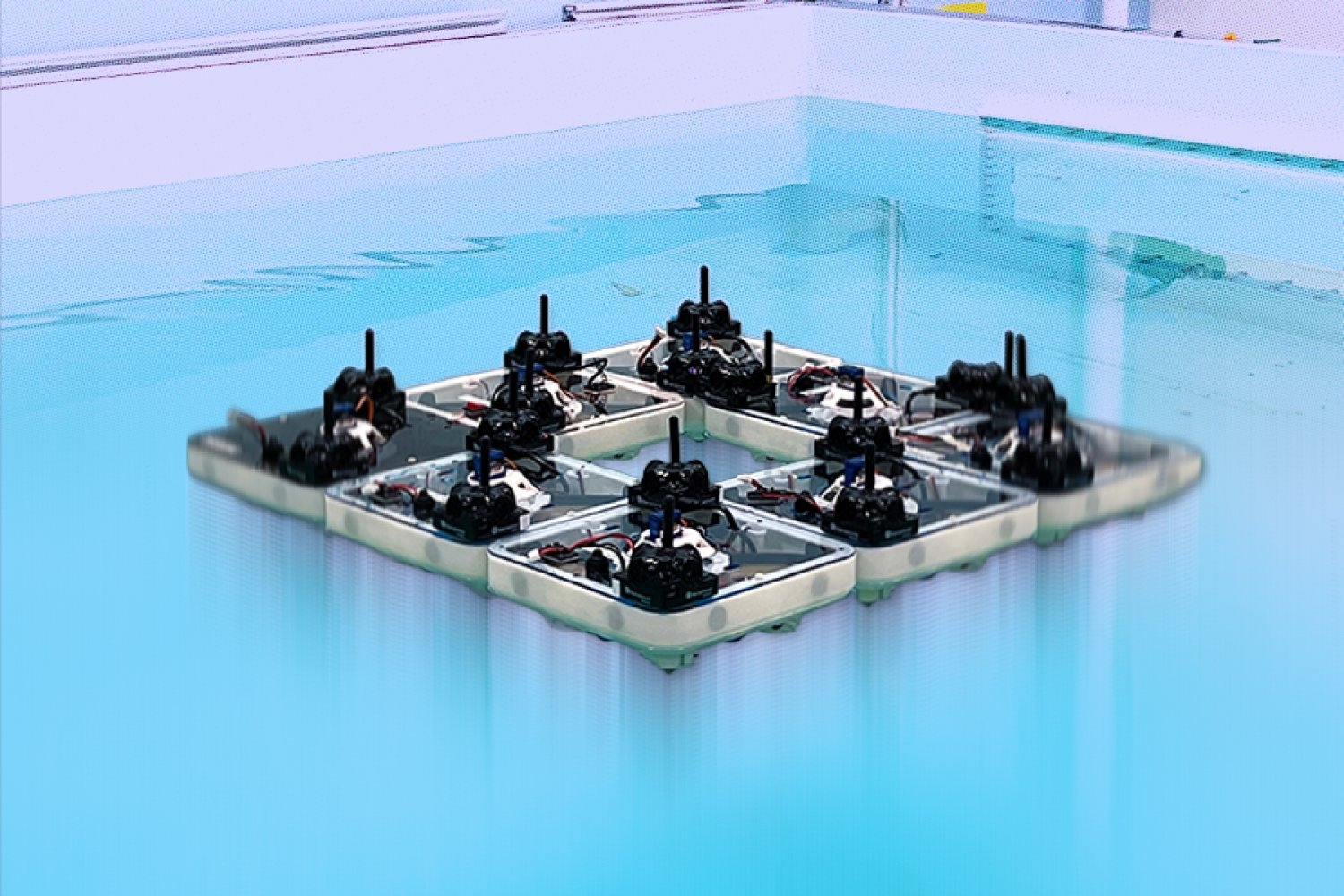
MIT's FloatForm Swarm Robots Create Adaptive Floating Structures for Urban Spaces
MIT researchers have developed FloatForm, a swarm of small robotic boats that autonomously assemble into larger floating structures. Each robot, measuring 21 centimeters square, is equipped with thrusters, sensors, and magnetic latches, allowing them to form bridges, platforms, and other structures with minimal human input. This innovative system aims to transform urban waterfronts into dynamic, programmable spaces, enhancing public infrastructure and emergency response capabilities. The significance of FloatForm lies in its potential to revolutionize how urban areas utilize water surfaces. By mimicking the self-organizing behavior of fire ants, the robots can adaptively create and reconfigure structures on demand, addressing challenges such as traffic alleviation during emergencies or creating temporary public spaces. This modular approach to floating infrastructure could lead to more livable cities by expanding usable public space onto underutilized water areas. Looking ahead, the research team plans to explore further applications of FloatForm in urban environments, with no specific timeline disclosed for future developments. The project builds on previous work with full-size autonomous vessels in Amsterdam, indicating a growing interest in leveraging water for urban mobility and public space expansion. The open-access findings were published in Nature Communications, highlighting the collaborative efforts of MIT's Computer Science and Artificial Intelligence Laboratory and the Senseable City Lab.
Research Robotics Autonomous vehicles Artificial intelligence Computer science and technology Machine learning
New tech keeps power grids stable as data centers put more strain on electricity
Researchers at Sandia National Laboratories have unveiled a groundbreaking software platform designed to enhance the management of distributed energy resources. This innovative tool aims to optimize the integration of renewable energy sources into existing power grids, addressing the growing demand for sustainable energy solutions. The announcement was made on October 10, 2023, during a technology showcase at the laboratory's facilities in Albuquerque, New Mexico. The motivation behind this development stems from the increasing need for efficient energy management systems that can accommodate the variable nature of renewable energy sources, such as solar and wind. By utilizing advanced algorithms and real-time data analytics, the platform enables utilities and energy providers to better predict energy supply and demand, ultimately leading to a more reliable and resilient power infrastructure. The software operates by aggregating data from various energy sources and employing machine learning techniques to enhance decision-making processes. This allows for improved coordination among energy producers, consumers, and grid operators, facilitating a smoother transition to a more sustainable energy landscape. As the world moves towards cleaner energy solutions, this platform represents a significant step forward in harnessing the potential of distributed energy resources.
AI and Robotics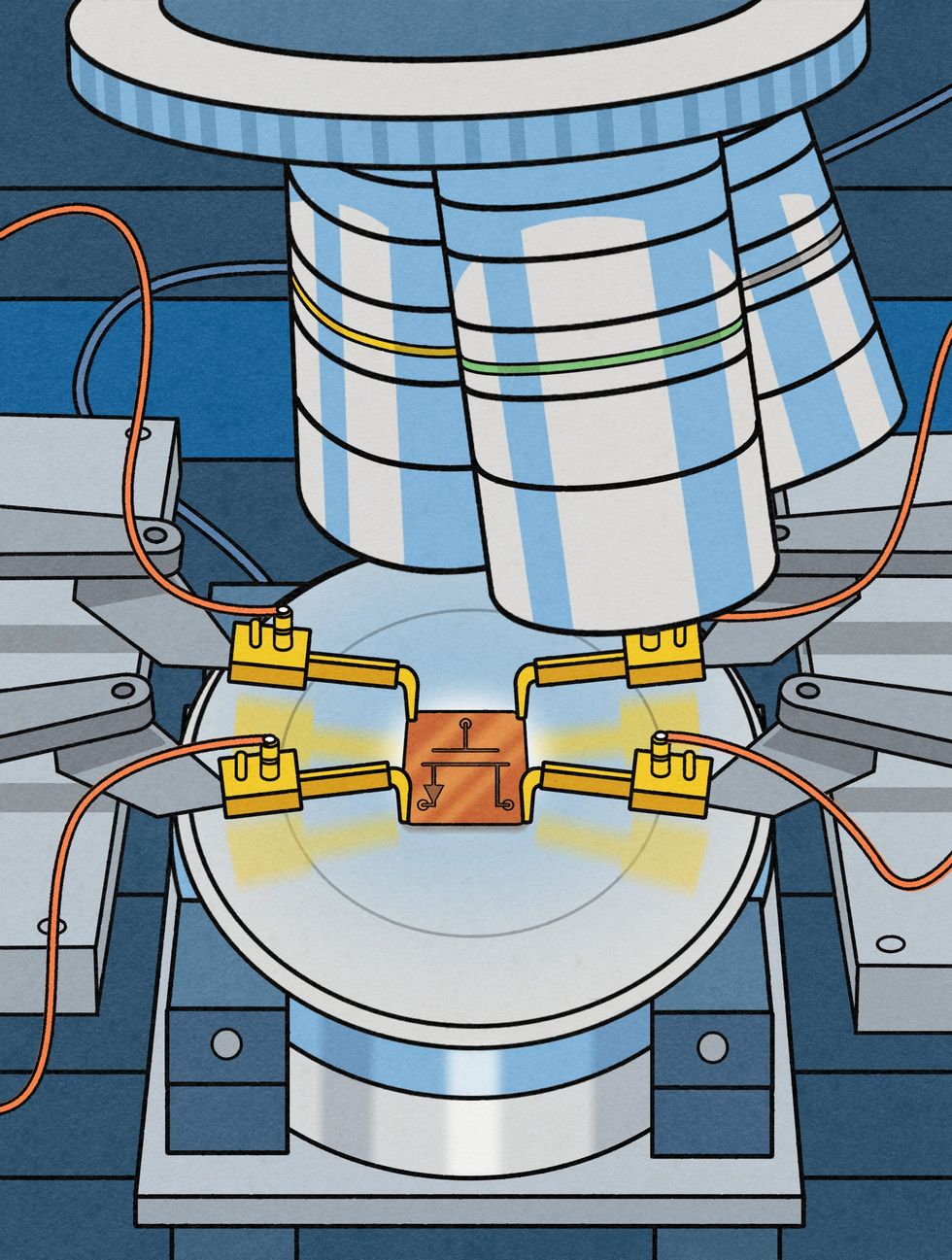
The Lab Mistake That Might Revolutionize Computing
Researchers have made a significant breakthrough in artificial intelligence technology by discovering a new way to create electronic components that mimic the behavior of biological neurons and synapses. This development, which occurred in a laboratory in 2024, could drastically reduce the energy consumption associated with AI applications. Currently, AI systems rely on powerful GPUs housed in data centers, consuming up to 1,000 watts each, which is comparable to household appliances. In contrast, the human brain operates at a fraction of that energy efficiency. The team, led by researchers Mario Lanza and Sebastian Pazos, stumbled upon this innovation while experimenting with metal-oxide-semiconductor field-effect transistors (MOSFETs). They found that by manipulating the bulk terminal of a MOSFET, they could replicate neuron-like behavior, producing sharp current spikes similar to those of biological neurons. This discovery not only allows for the creation of artificial neurons but also enables the development of artificial synapses, leading to a new type of neurosynaptic random-access memory (NSRAM). The implications of this technology are vast, as it could lead to brain-inspired microchips that are more energy-efficient than current GPUs, particularly for smaller-scale AI tasks. The researchers are now focused on refining their models and conducting further simulations to optimize performance. If successful, this innovation could pave the way for a new generation of AI systems that are both powerful and environmentally sustainable.
Neuromorphic-computing Cmos Mosfet Synapse
The myth of the reagent kit exits the stage, and the story of robots comes to the table.
The landscape of laboratory testing is undergoing a significant transformation as traditional reagent kits are being replaced by advanced robotics. This shift, which has been gaining momentum throughout 2023, is taking place in laboratories across various sectors, including healthcare and research institutions. The move towards automation is driven by the need for greater efficiency, accuracy, and speed in testing processes, which are critical in an era of rapid scientific advancement and increasing demand for reliable results. As laboratories adopt robotic systems, they are able to streamline workflows, reduce human error, and enhance productivity. These systems are designed to handle complex tasks, from sample preparation to analysis, allowing scientists and technicians to focus on more strategic aspects of their work. The integration of robotics not only improves operational efficiency but also supports the growing trend of high-throughput testing, which is essential for large-scale studies and diagnostics. This evolution in laboratory practices is indicative of a broader trend towards automation in various industries, reflecting a commitment to innovation and improved outcomes. As the reliance on reagent kits diminishes, the future of laboratory testing appears increasingly reliant on robotic technology, promising a new era of precision and efficiency in scientific research and healthcare diagnostics.
Robotics Automation AI
Striving for Excellence: Speech by Chen Xiaobo, Founder of Shihang Intelligence
During the graduation ceremony at Harbin Engineering University, Chen Xiaobo, the founder of Shihang Intelligence, recounted his journey from laboratory research to pioneering advancements in deep-sea robotics. He underscored the significance of converting innovative technology into viable marine applications, showcasing Shihang's accomplishments in the development of underwater robots. Chen highlighted the company's position as a global leader in the marine robotics sector, illustrating the potential impact of these technologies on the industry and the importance of practical applications in advancing marine exploration and research.
Marine Robotics Underwater Technology AI Innovation Startups
Agility Robotics to Go Public Through Merger with Churchill Capital Corp XI
On June 24, 2026, a significant breakthrough in renewable energy technology was announced by a team of researchers at the National Renewable Energy Laboratory in Golden, Colorado. The team unveiled a new solar panel design that boasts a 50% increase in efficiency compared to existing models. This advancement comes in response to the growing demand for sustainable energy solutions amid escalating climate change concerns and the need for reduced carbon emissions. The innovative solar panels utilize a novel material that enhances light absorption and conversion, allowing for greater energy output even in low-light conditions. Researchers conducted extensive testing over the past two years to refine the technology, ensuring it is both cost-effective and scalable for widespread use. This development is expected to play a crucial role in accelerating the transition to clean energy sources, potentially reducing reliance on fossil fuels and contributing to global efforts to combat climate change. The team plans to collaborate with manufacturers to bring the new panels to market within the next year, aiming to make renewable energy more accessible to consumers and businesses alike.

OCEANS 2026 Monterey - Registration is Open!
A significant global gathering focused on marine research, technology, and innovation is set to take place, bringing together leading institutions such as the Monterey Bay Aquarium Research Institute (MBARI), the Naval Postgraduate School, and Hopkins Marine Station. This event aims to foster collaboration and exchange of ideas among experts in the field, highlighting advancements and challenges in marine science. Scheduled for later this year, the gathering will provide a platform for researchers, educators, and industry professionals to discuss the latest developments and explore innovative solutions to pressing marine issues. Participants will engage in workshops, presentations, and networking opportunities, enhancing their understanding of marine ecosystems and the technologies that support their study and preservation. This initiative underscores the importance of collective efforts in addressing global marine challenges and promoting sustainable practices in ocean research.
oceans 2026 monterey events registration is open
Fusion to quantum: 9 projects lined up for US’ new Discovery supercomputer
America's next major exascale supercomputer, named Discovery, is set to tackle its inaugural scientific challenges. This advanced computing system, which represents a significant leap in processing power, is designed to handle complex simulations and data analysis that were previously unattainable. Scheduled to begin operations in the coming months, Discovery will be located at Oak Ridge National Laboratory in Tennessee. The motivation behind developing such a powerful supercomputer stems from the need for enhanced computational capabilities to address pressing scientific questions and accelerate research across various fields, including climate modeling, drug discovery, and materials science. By leveraging its unprecedented speed and efficiency, researchers aim to gain deeper insights and make breakthroughs that could have far-reaching implications for both science and society. The operationalization of Discovery involves collaboration among leading scientists and engineers who will utilize its capabilities to run extensive simulations and analyze large datasets. This initiative not only underscores America's commitment to maintaining leadership in high-performance computing but also highlights the growing importance of advanced technology in solving some of the world's most complex challenges.
AI and Robotics
When will AI robots become part of everyday lives?
Neuroscientist and robotics researcher Elisa Donati has emphasized the limitations of artificial intelligence robots that seem intelligent only in controlled environments. In a recent discussion, she highlighted the need for these robots to possess real-world readiness, which demands more than just advanced software capabilities. Donati argues that to function effectively outside of laboratory settings, robots must integrate various sensory inputs and adapt to unpredictable situations. This insight sheds light on the challenges facing the robotics industry as it strives to develop machines that can operate autonomously in diverse and dynamic environments.
Robotics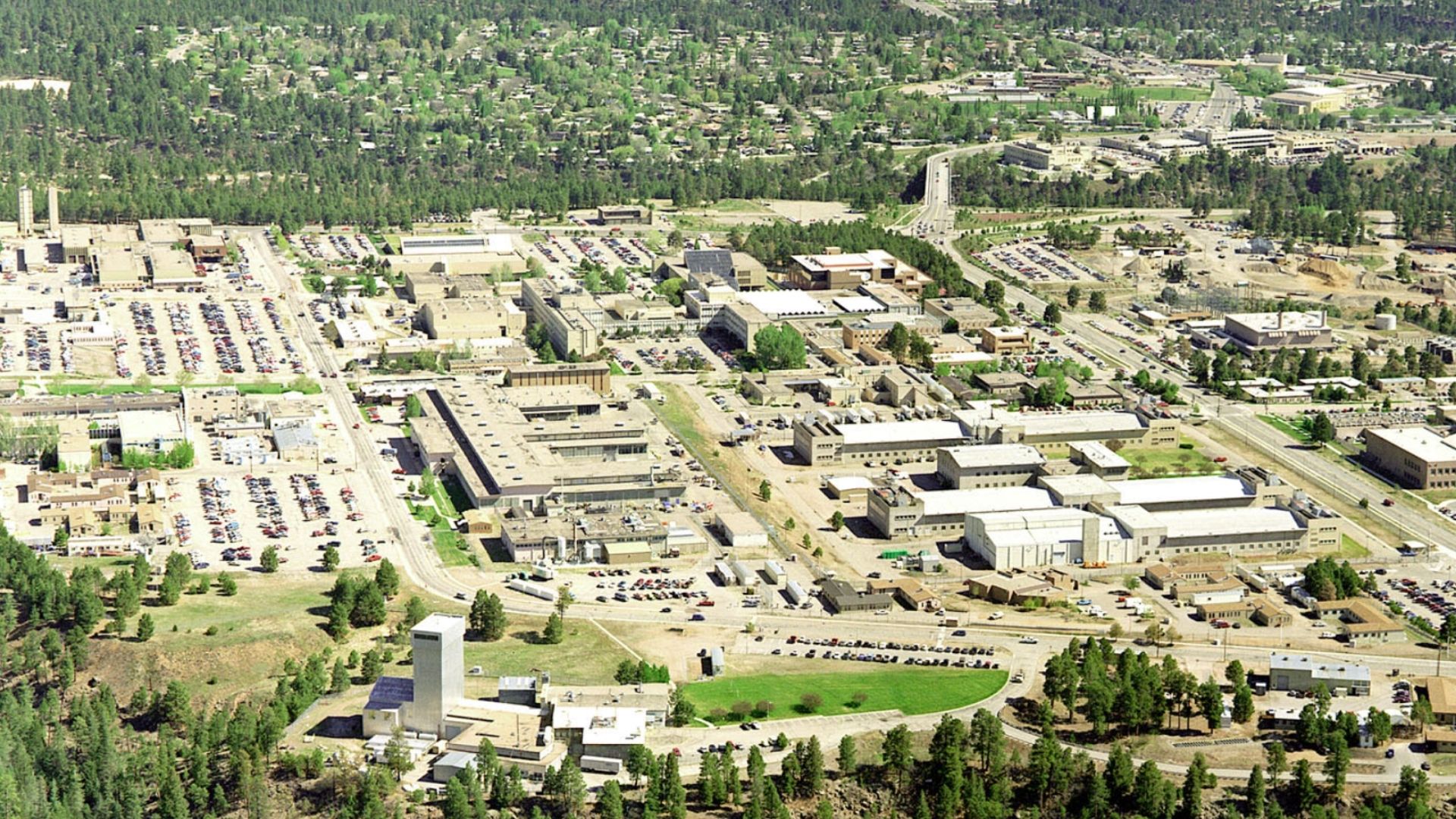
US: Los Alamos lab’s new tool detects hallucinations in machine vision models
Researchers at Los Alamos National Laboratory have unveiled a groundbreaking tool named Prelim Attention, designed to enhance the analysis of complex data sets. This innovative tool, which leverages advanced machine learning techniques, aims to streamline the process of identifying significant patterns and insights within large volumes of information. The development was announced in October 2023, highlighting the laboratory's commitment to advancing data science and its applications in various fields. The motivation behind creating Prelim Attention stems from the increasing demand for efficient data analysis solutions in scientific research, national security, and other sectors that rely heavily on data interpretation. By improving the capability to focus on critical data points, the tool is expected to facilitate more informed decision-making and accelerate research outcomes. The researchers employed a combination of algorithms and user-friendly interfaces to ensure that Prelim Attention can be utilized effectively by both experts and non-experts alike. This approach not only enhances accessibility but also broadens the potential user base, allowing a wider range of professionals to benefit from its capabilities. The introduction of Prelim Attention marks a significant advancement in the field of data analysis, promising to transform how researchers and analysts approach complex data challenges in the future.
AI and Robotics
Can Pepper the robot be a good playmate?
Researchers at the Norwegian University of Science and Technology (NTNU) recently conducted a controlled laboratory experiment to explore the dynamics of playing physical games with a humanoid robot named Pepper. The study aimed to understand how interactions with a robot that mimics human behavior and appearance influence gameplay experiences. By engaging participants in various physical games against Pepper, the researchers sought to assess both the emotional and cognitive responses elicited by the robot's presence. This investigation is part of a broader effort to enhance human-robot interaction, particularly in social and recreational contexts. The findings could have implications for the development of more effective robots in various fields, including education and therapy, by fostering a better understanding of how humans relate to robotic counterparts.
Consumer & Gadgets
Cambridge’s new robot could help solve millions of years old evolution mystery
A team of scientists from Cambridge University has unveiled a groundbreaking robot designed to assist in unraveling complex biological processes. This innovative technology, introduced on October 15, 2023, aims to enhance research in the field of genetics and molecular biology. The robot operates by automating intricate laboratory tasks, which traditionally required significant human intervention, thereby increasing efficiency and accuracy in experiments. The motivation behind this development stems from the growing need for advanced tools that can accelerate scientific discovery and improve the understanding of genetic disorders. By streamlining repetitive tasks, the robot allows researchers to focus on more critical aspects of their studies, potentially leading to faster breakthroughs in medical research. The team utilized cutting-edge artificial intelligence and machine learning algorithms to program the robot, enabling it to adapt and learn from its environment. This adaptability is expected to make the robot a valuable asset in various research settings, paving the way for more innovative approaches to tackling biological challenges. As the scientific community continues to seek solutions to pressing health issues, this robot represents a significant step forward in leveraging technology to enhance research capabilities and outcomes.

RoboChem Flex: democratisation of the autonomous synthesis robot
Researchers from the University of Amsterdam’s Van ’t Hoff Institute for Molecular Sciences, led by Professor Timothy Noël, have made significant advancements in autonomous laboratory systems aimed at optimizing synthesis processes. Their findings, published in the journal Nature Synthesis, introduce RoboChem Flex, a versatile and modular system that incorporates “human-in-the-loop” analytics. This innovative design allows for enhanced flexibility and efficiency in chemical synthesis, potentially transforming how laboratories conduct research and development. The study highlights the growing importance of automation in scientific research, driven by the need for more efficient and accurate synthesis methods.

China tests humanoid robots in tea farms before the 2026 World Robot Games
Humanoid robots are making significant strides beyond laboratory demonstrations, now being deployed in tea fields. This advancement marks a notable shift in the application of robotics, showcasing their potential to assist in agricultural tasks. The development comes as part of ongoing efforts to enhance efficiency and productivity in farming, particularly in regions where labor shortages are prevalent. By integrating advanced robotics into everyday agricultural practices, researchers and engineers aim to address the challenges faced by the agricultural sector, including the need for sustainable farming solutions. The implementation of these robots in tea cultivation is expected to streamline operations, allowing for more precise and consistent harvesting methods. As this technology continues to evolve, it holds promise for transforming not only tea production but also other agricultural industries worldwide.

Two Years of Rigorous Testing Across 52 Scenarios: Embodied Intelligence Redefines Visual Navigation Technology
As embodied intelligence moves from laboratory settings to practical applications, researchers are addressing a significant challenge: enabling mobile agents to navigate effectively without relying on satellite signals. A recent exploration into modular visual navigation technology reveals promising advancements that have been validated in extreme environments. This innovative approach enhances the capabilities of various robotic applications, paving the way for more robust and versatile navigation solutions in real-world scenarios. The development of this technology is crucial as it aims to overcome the limitations posed by traditional navigation systems, particularly in areas where satellite signals are unreliable or unavailable.
Visual Navigation Robotics Autonomous Drones Sensor Technology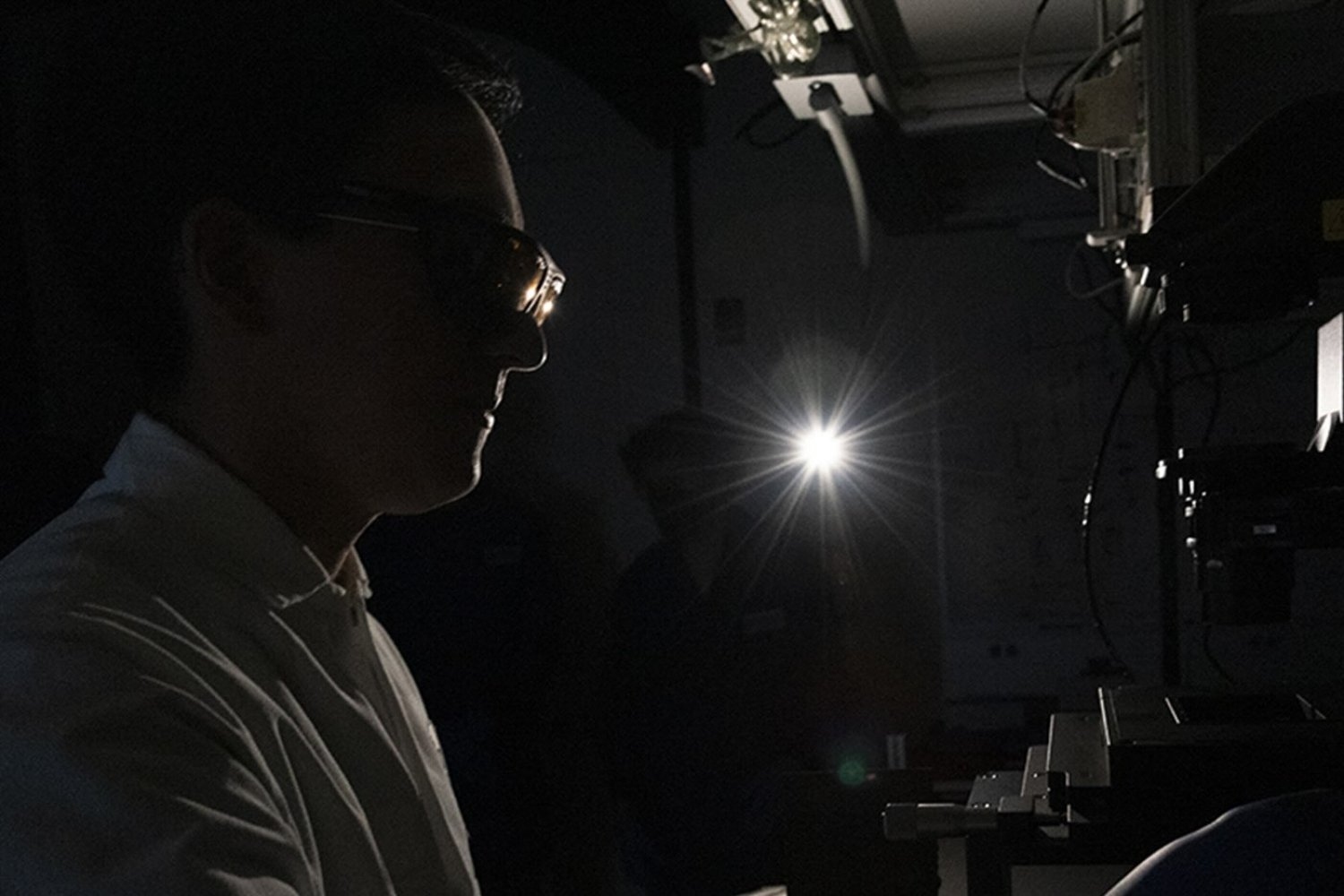
Single-molecule tracker illuminates workings of cancer-related proteins
A team of researchers has developed advanced microscopy and nanotechnology techniques to monitor the activity of individual proteins in real-time. This innovative approach allows scientists to gain unprecedented insights into protein dynamics, which are crucial for understanding various biological processes and diseases. The research, conducted in a state-of-the-art laboratory, aims to enhance the understanding of cellular mechanisms and potentially lead to breakthroughs in medical treatments. By tagging proteins with custom-built nanotechnology, the team can visualize and track their movements and interactions, providing valuable data that could inform future studies in biochemistry and molecular biology. This work represents a significant advancement in the field, promising to deepen our comprehension of life at the molecular level.
Research Proteins Cells Chemistry Imaging Cancer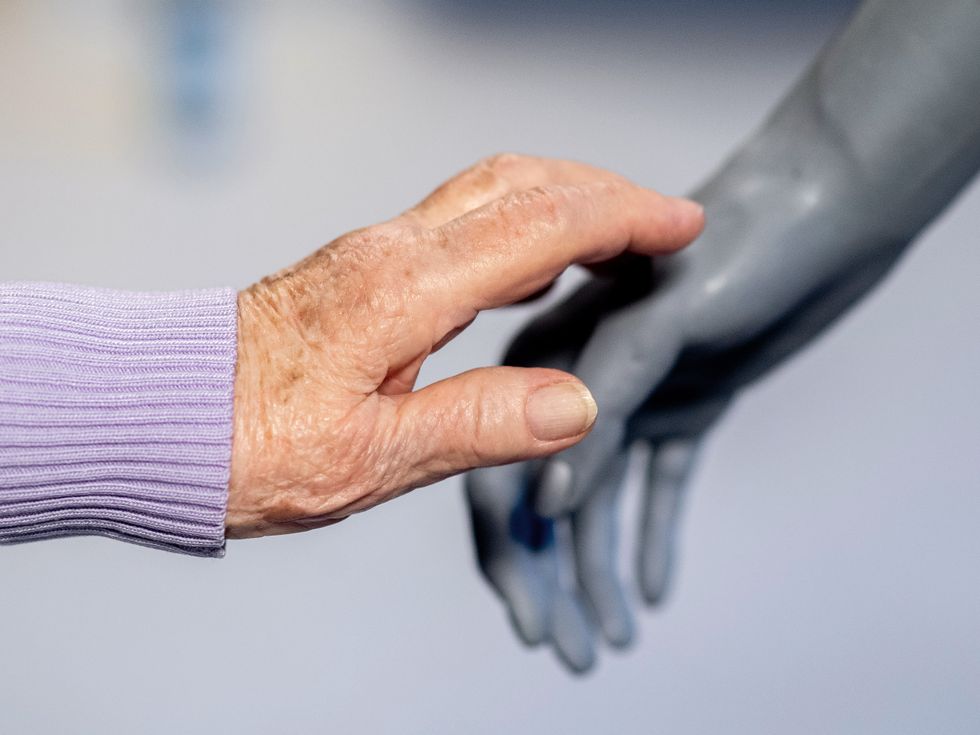
Home Robot Safety Is All About Relationships
The International Standards Organization (ISO) is in the process of updating its safety requirements for personal care robots, a revision that has not occurred in 12 years. This update comes at a crucial time as manufacturers transition from laboratory prototypes to products designed for real-world domestic environments. The proposed changes focus on hazard identification and risk assessment but lack binding compliance criteria and testing methods to address the complexities of human-robot interactions. Jae-Seong Lee, a technology policy researcher from South Korea's Electronics and Telecommunications Research Institute, emphasizes that safety in domestic settings is not merely about avoiding collisions; it involves understanding the dynamic relationship between humans and robots. Current standards, such as ISO 13482, acknowledge various hazards but do not fully translate this knowledge into enforceable rules. The challenge lies in ensuring that robots can operate safely in unpredictable home environments, which differ significantly from controlled industrial settings. Moreover, the standards process has been criticized for not adequately representing the perspectives of older adults, who are often the primary users of these robots. Lee warns that if safety assumptions are embedded in products without thorough scrutiny, it could lead to significant risks, including potential injuries. He advocates for a shift in focus from machine-centric safety measurements to a more holistic approach that considers the interactions between humans and robots. This revision aims to address these pressing concerns, although many unresolved issues remain in advisory language rather than binding regulations.
Home-robots Domestic-robots Standards Iso Robot-safety
Agentic AI for Robot Teams
Researchers at the Johns Hopkins Applied Physics Laboratory are making strides in the development of agentic artificial intelligence aimed at enhancing collaborative robotic teams. During a recent presentation, they outlined the significant challenges associated with achieving autonomy, coordination, and adaptability among diverse robotic systems. To address these issues, the team introduced a scalable architecture designed to facilitate agentic behaviors in multi-robot environments. The presentation also featured demonstrations of this innovative approach, showcasing its application in hardware with a varied group of robots. Additionally, the researchers shared valuable insights gained from their ongoing research and development efforts, highlighting key challenges faced and lessons learned throughout the process. This work not only advances the field of robotics but also sets the stage for future developments in agentic AI technology.
Type-webinar Agentic-ai Robotics Llms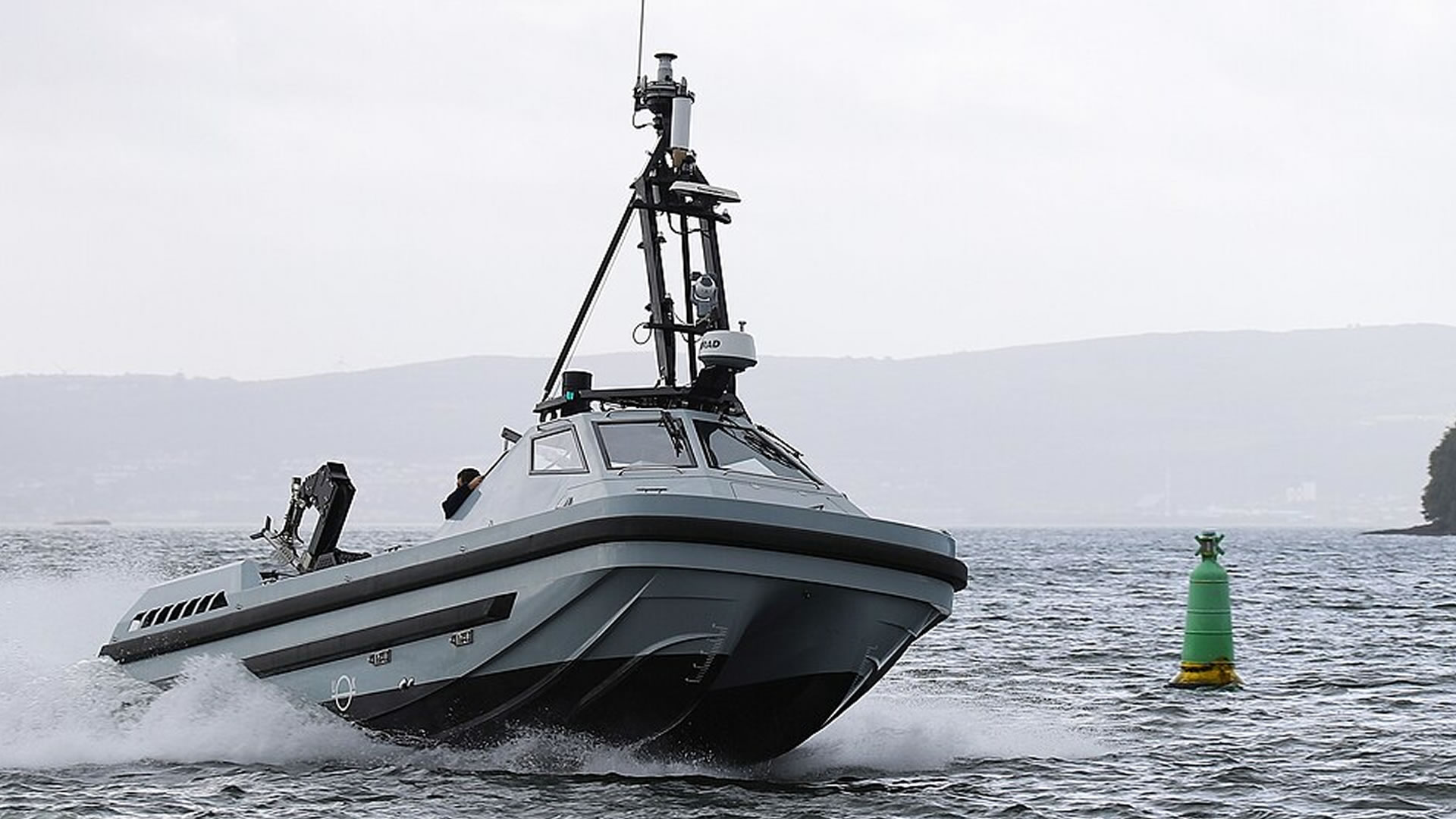
China’s near-silent wave-powered drones could redefine maritime patrols
Chinese researchers have announced a significant advancement in maritime technology, revealing that artificial intelligence (AI) can effectively control unmanned surface vehicles (USVs). This development was shared during a recent conference held in Beijing, where experts discussed the potential applications of AI in enhancing naval operations. The researchers emphasized that the integration of AI into USVs could improve decision-making processes, increase operational efficiency, and reduce human error in various maritime missions. This innovation is driven by the need for safer and more efficient maritime navigation, particularly in challenging environments. The researchers demonstrated the capabilities of AI-controlled USVs through a series of simulations, showcasing their ability to autonomously navigate, avoid obstacles, and perform complex tasks. This breakthrough could pave the way for the future of naval warfare and maritime research, as countries seek to leverage technology for strategic advantages.

Biomedical jellyfish-inspired robot hits record swim speeds without onboard power
Researchers have developed a groundbreaking jellyfish-inspired soft robot capable of navigating through water at unprecedented speeds. This innovative technology, unveiled in a recent study, showcases the potential for advanced underwater exploration and environmental monitoring. The robot mimics the unique propulsion mechanism of jellyfish, allowing it to move efficiently and swiftly. The development took place in a laboratory setting, where scientists aimed to enhance robotic mobility in aquatic environments. By studying the biomechanics of jellyfish, the team was able to replicate their movement patterns, resulting in a soft robot that not only moves faster than existing models but also carries out tasks such as data collection and monitoring marine ecosystems. This advancement comes at a crucial time as researchers seek sustainable solutions for underwater exploration, driven by the need to better understand and protect marine life. The soft robot's design allows for flexibility and adaptability, making it suitable for various applications, from scientific research to environmental conservation efforts. As the technology progresses, the team envisions further enhancements that could lead to even greater speeds and capabilities, paving the way for a new era of robotic exploration in our oceans.
Japan: World-first fully automated medicine lab with humanoids, robots and no humans
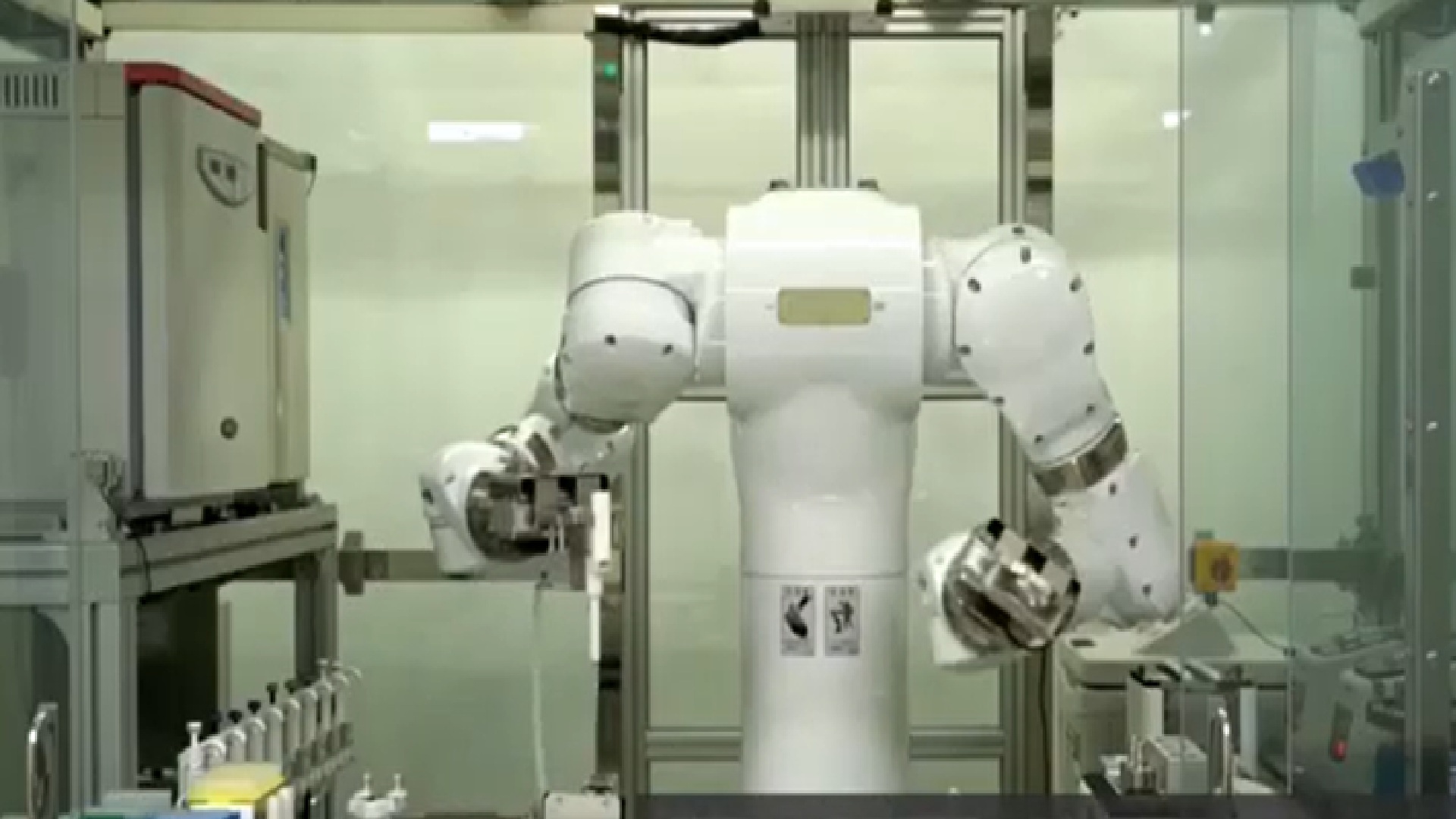
A Japanese university has inaugurated a cutting-edge robotics laboratory aimed at advancing medical research through automation. This initiative, which commenced recently, allows robots to perform complex medical experiments that were traditionally conducted by human researchers. The university's goal is to enhance the efficiency and accuracy of medical studies, addressing the growing demand for innovative solutions in healthcare. By integrating robotics into the research process, the institution hopes to accelerate discoveries and improve patient outcomes. The laboratory is equipped with state-of-the-art technology designed to facilitate a wide range of experiments, showcasing the potential of robotics in transforming the medical field.
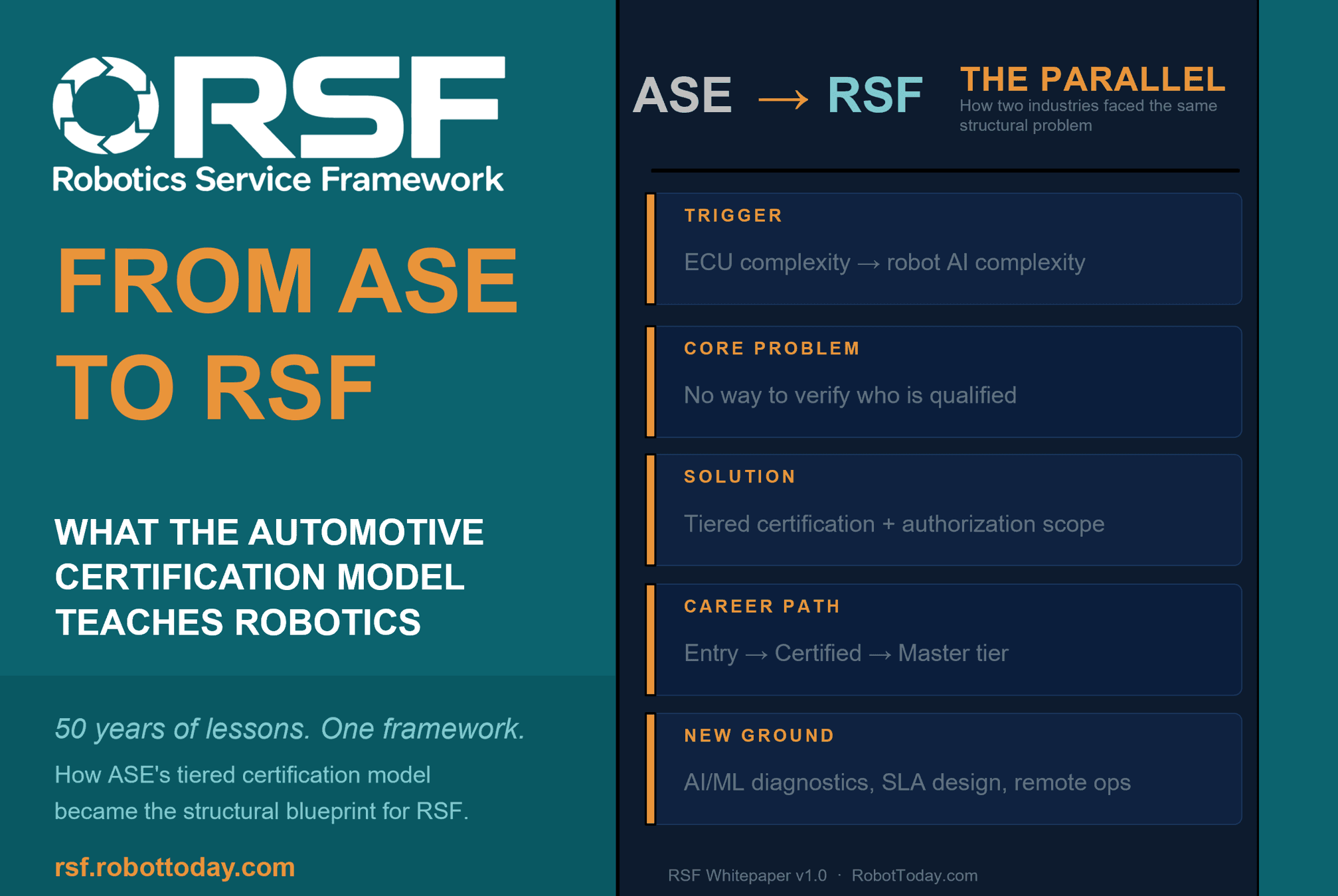
Robotics needs a service framework.
RSF defines a common language for robot service capability, lifecycle operations, certification pathways, and service-provider networks.