Industry Briefing
A single destination for timely, editor-curated robotics news from around the world.
BigWave Robotics Partners with Space Factory to Deploy Humanoid Robots in Construction by 2026
BigWave Robotics, a South Korean AI company, has announced a partnership with modular housing manufacturer Space Factory to deploy humanoid robots in housing production starting in 2026. This initiative marks a significant shift in the construction industry, which has traditionally relied on human expertise, as robots begin to automate complex tasks such as insulation installation. The entry of humanoid robots into the construction sector is crucial as it addresses labor shortages and enhances production efficiency amid rising housing demands. Modular housing, which involves factory prefabrication and on-site assembly, is increasingly seen as a solution to expedite housing construction, and the integration of robotics is expected to further advance this trend towards smart manufacturing. Looking ahead, the success of humanoid robots in various industries will depend on their cost, reliability, and efficiency. While BigWave Robotics is focusing on the construction sector, the broader implications of this technology could lead to its application in logistics, energy maintenance, and public facility management, marking a new era in industrial automation.
Humanoid Robots Construction Automation Smart Manufacturing Modular Housing AI Technology
AI Ultrasound Robots Revolutionize Congenital Heart Defect Surgery with Intelligent Imaging
Recently, a medical team in China successfully performed a congenital heart defect closure surgery using an AI-assisted ultrasound robot. This operation, conducted by the Sixth Medical Center of the PLA General Hospital, involved a 48-year-old male patient and marks the first global use of an AI ultrasound robot with intelligent imaging capabilities for such minimally invasive treatment. This breakthrough signifies a shift in medical robotics from traditional execution tools to intelligent assistance systems. Previously, interventional surgical robots primarily handled mechanical tasks, while physicians relied on their experience to interpret ultrasound images. The AI ultrasound robot enhances this process by integrating image recognition, real-time analysis, and operational guidance, enabling automatic image acquisition and abnormal structure identification, which is crucial for precise placement of occluders in complex cardiac structures. As the field of medical robotics rapidly evolves, the cardiovascular sector is a key area for AI exploration due to the high precision and risk involved in heart interventions. The successful application of AI ultrasound robots in China reflects a significant trend towards redistributing medical resources, potentially improving access to high-quality healthcare in underserved regions. No further timeline was disclosed at the time of publication.
AI in Healthcare Surgical Robotics Cardiovascular Technology Medical Imaging Precision Medicine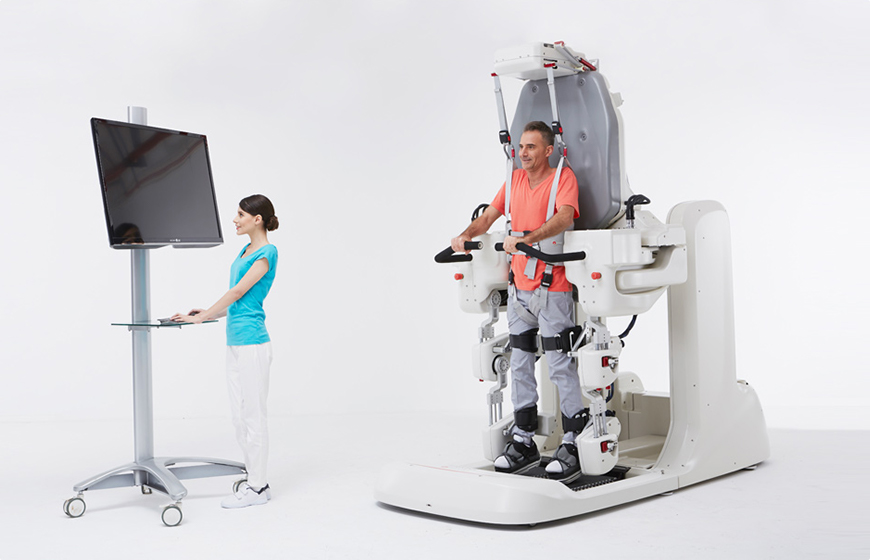
The Evolution of Rehabilitation Robots: From Training Tools to Treatment Partners
The WAIC 2026 showcased a significant evolution in rehabilitation robots, highlighting their transition from mere training tools to essential treatment partners. This shift reflects advancements in embodied intelligence, which is becoming increasingly relevant in the field of rehabilitation. This transformation is crucial as it indicates a growing recognition of the importance of human-machine collaboration in therapeutic settings. The integration of rehabilitation robots into treatment protocols can enhance patient outcomes and streamline rehabilitation processes, making them indispensable in modern healthcare. Looking ahead, the focus will be on how these rehabilitation robots will continue to develop and adapt to meet the needs of patients and healthcare providers. No further timeline was disclosed at the time of publication.
Robotics Automation AI
Robot.com Expands Partnership with Sodexo for Sidewalk Delivery Robots Deployment
Robot.com has announced a seven-year commercial agreement with Sodexo Group to enhance the deployment of its sidewalk delivery robot, R-Kiwi, which has completed 2.4 million tasks. This partnership builds on their collaboration that began in 2021 and focuses on select Sodexo-operated college campuses in North America. The significance of this agreement lies in addressing labor shortages faced by Sodexo, which employs around 400,000 individuals globally. Felipe Chavez Cortes, CEO of Robot.com, emphasized that the long-standing relationship between the two companies facilitated this substantial contract, marking Robot.com’s largest single enterprise deployment. Looking ahead, Robot.com aims to leverage its Remi implementation platform to improve the economic viability of its robots. This platform combines classical robotics with advanced software and advertising technology, allowing for increased revenue streams beyond just delivery services. No further timeline was disclosed at the time of publication.
Autonomous Mobile Robots (AMRs) Food / Beverage Humanoids Logistics Markets / Industries Mobility / Navigation
Large Models Transform Humanoid Robots from Tools to Partners
Humanoid robots are evolving from simple tools to complex partners, driven by advancements in large models. The architecture of these robots consists of a 'cerebellum' for motion control and a 'brain' for understanding tasks and making decisions. Companies like Yushutech and Tesla are at the forefront of this transformation, utilizing technologies such as VLA and world models. This shift is significant as it addresses the limitations of traditional decision-making processes in robots, which relied heavily on pre-defined rules and structures. The introduction of large models allows for more adaptive and intelligent behavior, enabling robots to learn and adjust in real-time rather than being constrained by rigid programming. This evolution is crucial for deploying robots in dynamic, real-world environments. Looking ahead, the competition between VLA and world model approaches will shape the future of humanoid robotics. As companies like Yushutech prepare for IPOs, the industry is keenly observing which technology will dominate. No further timeline was disclosed at the time of publication.
Humanoid Robots AI Robotics Machine Learning
Diguo Robotics and Zhishen Technology Establish Strategic Partnership for Quadruped Robots
On August 13, Diguo Robotics and Zhishen Technology signed a strategic cooperation framework agreement. The partnership focuses on quadruped robots and embodied intelligence, aiming for deep collaboration in product development, ecosystem building, and marketing. They will leverage real market demands to drive the industrialization of embodied intelligence technology. This collaboration is significant as it marks a shift from traditional hardware cooperation between chip manufacturers and system integrators to a more integrated approach that encompasses product, ecosystem, and marketing dimensions. Diguo Robotics' Xuri S100P intelligent computing chip powers Zhishen's core quadruped robots, enabling efficient data processing and reliable operation in complex scenarios such as power inspections and emergency rescues. Looking ahead, the partnership plans to expand its collaboration beyond the current models to include more of Zhishen's product lines. They aim to develop joint courses, share resources for competitions, and enhance marketing efforts to promote the quadruped robots in various applications, including agriculture and education. No further timeline was disclosed at the time of publication.
Quadruped Robots Smart Computing Robotics Collaboration Industrial Automation
Wanglong Smart Elevators Facilitate Elevator Access for Humanoid Robots
Wanglong has developed a smart elevator platform that enables humanoid robots to navigate elevators safely and efficiently. This innovation addresses the significant challenge of elevator access, which has been a barrier for robots transitioning from laboratory settings to real-world applications. The system allows for real-time communication between the elevator and the robot, ensuring safe entry and exit. This advancement is crucial as it enhances the operational capabilities of humanoid robots, allowing them to interact seamlessly with their environments. By providing a digital identity for each robot, Wanglong's system can manage access to floors and operational zones, thereby improving safety and efficiency. The platform's ability to adapt to various elevator brands and models without extensive modifications further supports widespread adoption. Looking ahead, Wanglong's smart elevator system has already been integrated with over 200 robotics companies and deployed in numerous projects, including hospitals and industrial sites. The company aims to expand its ecosystem, facilitating the integration of robots into various sectors. No further timeline was disclosed at the time of publication.
Smart Elevators Humanoid Robots Robotics Integration Industrial Automation
Synapticon and Stabilus Partner to Create Integrated Actuators for Humanoid Robots
Synapticon GmbH and Stabilus SE have announced a strategic partnership aimed at developing a new product line of integrated actuators specifically designed for humanoid robots and various robotics applications. This collaboration leverages Synapticon's expertise in integrated drive technology and functional safety, alongside Stabilus's leadership in motion control solutions. The partnership is significant as it combines the strengths of both companies to address the growing demand for advanced robotics technologies. Integrated actuators are crucial for enhancing the performance and capabilities of humanoid robots, which are increasingly being utilized in diverse sectors, including manufacturing and service industries. Looking ahead, the collaboration between Synapticon and Stabilus is expected to yield innovative products that could set new standards in the robotics field. No further timeline was disclosed at the time of publication.
Shanghai Electric Showcases Humanoids, Industrial Robots, and AI Smart Factory Innovations
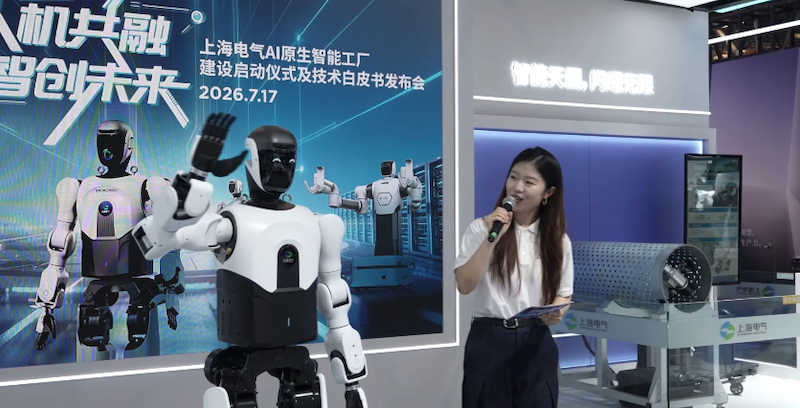
At the 2026 World Artificial Intelligence Conference, Shanghai Electric presented its advanced embodied intelligence solutions for industrial applications. The company emphasized its capabilities in embodied AI robots, core components, and AI-native smart factory technologies, showcasing a comprehensive portfolio designed for various industrial scenarios. This development is significant as it highlights the integration of machine precision with human expertise, aiming to enhance collaboration in manufacturing processes. Shanghai Electric's robotics solutions address critical tasks such as connector insertion, intelligent assembly, and flexible sorting, showcasing innovations like the planetary roller screw and DexHand dexterous hand. Looking ahead, Shanghai Electric's launch of 51 AI models under the “StarCloud Intelligent Manufacturing” series marks a shift towards data-driven operations in manufacturing. The release of the “AI-Native Smart Factory Technology White Paper” outlines a new architecture for real-time production optimization, indicating a transformative approach to industrial automation. No further timeline was disclosed at the time of publication.
Artificial Intelligence Robotics AI-native smart factory embodied ai humanoid robots industrial ai
Smart Kitchen Venture from Xi'an Jiaotong University Alumni Secures Nearly $15 Million for Cooking Robots
On July 27, the smart cooking robot company Zhigu Tianchu announced the completion of a new round of strategic financing, raising nearly 100 million yuan, led by China Merchants Venture Capital. Following this funding, the company will continue to advance physical AI research and accelerate the globalization of Chinese and Pan-Asian cuisine. Founded in 2018 and headquartered in Nanshan, Shenzhen, Zhigu Tianchu's founder, Geng Kaiping, is a PhD from Xi'an Jiaotong University with over 20 years of experience in the smart cooking field. The company has developed various cooking robots, including the TC-300ES and TC-10EA, capable of serving large quantities efficiently, addressing the high operational costs associated with traditional cooking methods. Looking ahead, Zhigu Tianchu aims to enhance its AI-driven cooking solutions and expand its market presence, with projections indicating a revenue growth of approximately 300% by 2026. The company has already established partnerships with major enterprises and anticipates significant order volumes, positioning itself to redefine the standardization and scalability of Chinese cuisine through AI technology.
Cooking Robots AI Technology Food Automation Smart Kitchen Global Expansion
CMU's Snake Robots Aid in Earthquake Rescue Operations in Venezuela
On June 24, two major earthquakes struck northern Venezuela, resulting in over 5,000 deaths and significant injuries and displacements. In response, a specialized rescue team from Carnegie Mellon University (CMU) deployed snake-like robots to assist in search efforts. From June 30 to July 3, the CMU robotics team collaborated with the Red Cross and international volunteers in La Guaira, one of the hardest-hit cities, to search through collapsed buildings. The snake robots, designed to navigate tight spaces, provided crucial visual information to rescuers, although no survivors were found. The technology helped confirm that several locations were free of trapped individuals, offering vital reassurance to families and aiding in the elimination of false leads during the critical golden hour of rescue operations. This initiative was inspired by Beatriz Gonzalez, a Venezuelan tech worker, who reached out to CMU after learning about the robots' previous success in the 2017 Mexico City earthquake. The CMU team faced numerous challenges, including equipment failures and communication barriers, but adapted by leveraging their diverse skills. Professor Howie Choset emphasized the unique capability of academic institutions to mobilize resources effectively. Following this deployment, the team plans to address the technical and operational shortcomings revealed during the mission, aiming to enhance the robots for future disaster scenarios.
Search and Rescue Robotics Disaster Response Technology Robotics Innovation Earthquake Recovery
Carnegie Mellon University Researchers Utilize Snake Robots for Earthquake Rescue in Venezuela
Researchers from Carnegie Mellon University collaborated with international search and rescue teams in Venezuela to deploy snake robots. These robots were used to navigate and explore collapsed buildings after two significant earthquakes caused widespread devastation in the region. The use of snake robots in this context is crucial as they can access areas that are otherwise unreachable by traditional rescue equipment. Their flexibility and ability to maneuver through debris enhance the efficiency of search and rescue operations, potentially saving lives in critical situations. Looking ahead, the effectiveness of snake robots in disaster scenarios will be closely monitored. Their performance in Venezuela could influence future deployments in similar situations, highlighting the importance of robotics in emergency response efforts. No further timeline was disclosed at the time of publication.
Uncategorized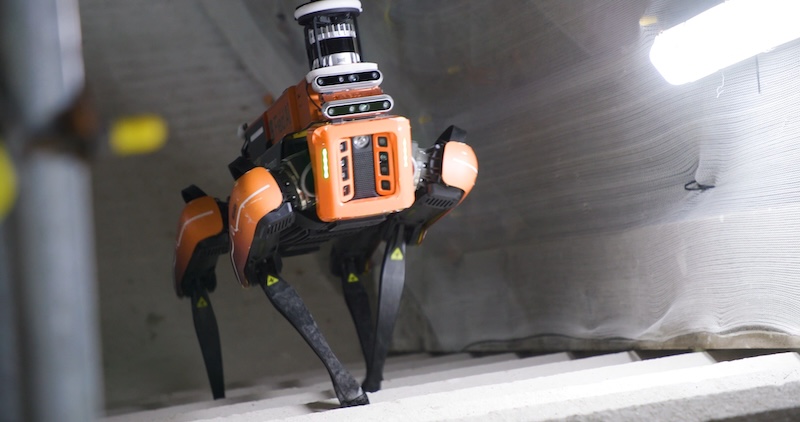
McLaren Construction Partners with FieldAI to Deploy Autonomous Robots Across UK Sites
McLaren Construction has formed a partnership with FieldAI to implement autonomous quadruped robots at its construction sites in the UK. These robots will initially be used for capturing 360° site imagery, generating point cloud data, and assisting with progress verification, safety compliance, and quality assurance. The capabilities of these robots will expand over time, enhancing their utility on-site. This partnership is significant as it marks FieldAI's entry into the UK market and builds upon its existing deployments across Europe, Asia, and North America. The use of AI-enabled deviation analysis will facilitate quicker identification of quality issues, ensuring better installation practices and reducing rework. McLaren aims to enhance project monitoring and compliance through this innovative technology. Looking ahead, McLaren Construction anticipates that the collaboration will yield valuable insights for broader robotic applications within the company. The deployment of FieldAI's Field Foundation Models will enable robots to adapt to complex environments without relying on pre-existing maps, thus enhancing operational efficiency. No further timeline was disclosed at the time of publication.
Construction News artificial intelligence Autonomous robots autonomous systems construction automation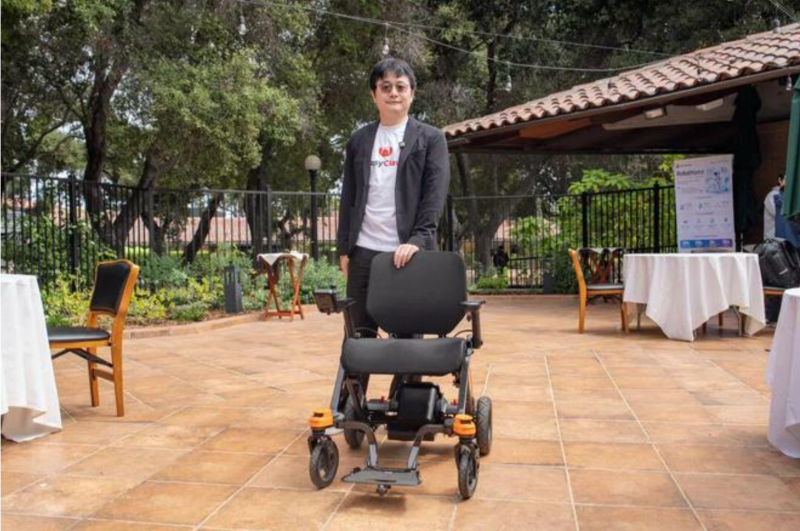
Smart Wheelchair Captivates Attention at Stanford AI Summit Over Humanoid Robots
At the Humanity & AGI Summit held at Stanford University, a smart wheelchair presented by Fu Sheng, Chairman of Cheetah Mobile, garnered significant attention, overshadowing humanoid robots. Attendees were drawn to the wheelchair's autonomous obstacle avoidance and user-friendly features, prompting many to experience it firsthand. The interest in the smart wheelchair highlights a critical shift in the robotics landscape, as Fu Sheng noted that humanoid robots are unlikely to achieve commercial scalability in the next five to ten years. He emphasized that the current limitations in software and hardware development hinder the practical application of humanoid robots, with most sales directed towards research institutions rather than commercial markets. Looking ahead, the focus on practical solutions like the smart wheelchair suggests a growing recognition that functionality is more important than form in robotics. As the industry continues to evolve, the demand for effective, user-centric products will likely shape future innovations, steering attention away from humanoid designs towards more practical applications.
Smart Wheelchairs Humanoid Robots AI Technology Robotics Assistive Devices
Yuejia Dynamics Deploys Quadruped Robots in Shenzhen Metro, Aiming for 10,000 Units Annually
Yuejia Dynamics, a startup based in Shenzhen, has successfully deployed its quadruped inspection robots in the Shenzhen Metro. Founded in 2025, the company is focused on enhancing operational efficiency within urban transit systems. The introduction of these robots is significant as it represents a step forward in the integration of robotics into public infrastructure, potentially improving safety and inspection processes. Yuejia Dynamics aims to achieve an impressive annual production capacity of 10,000 units by the end of October, indicating strong market confidence. Looking ahead, the performance of these quadruped robots in the metro environment will be crucial. Observers should monitor the operational feedback and any adjustments made by Yuejia Dynamics as they scale production and refine their technology. No further timeline was disclosed at the time of publication.
MIT Develops Bifur-Circuits for Shape-Shifting Smart Devices and Furniture
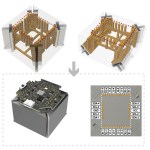
MIT has introduced a groundbreaking system known as 'bifur-circuits,' which enables physical objects to change shape seamlessly. These 3D-printed modular metamaterials maintain continuous electrical conductivity despite bending, twisting, or reconfiguring. Unlike traditional metamaterials that are limited to rigid forms, MIT's innovation allows objects to snap into various stable configurations without losing power or signal, having been tested through over 10,000 compressions with no conductivity loss. This advancement is significant as it opens up new possibilities for interactive applications, including rehabilitation tools, adaptive soft-robotics grippers, and reconfigurable emergency shelters that can adapt to changing environments after disasters. Marwa AlAlawi, the lead author and mechanical engineering graduate student, emphasized that this technology could simplify the manufacturing of complex mechanical assemblies by utilizing repeating units, thereby embedding intrinsic intelligence into hardware. Looking ahead, the potential applications of these sensing metamaterials are vast, with examples like a chair that transforms into a storage table while providing real-time configuration data. No further timeline was disclosed at the time of publication.
AI and Robotics
Legged Robots Learn Dynamic Movements Through Motion-Imitation Framework
Legged robots, which mimic the movements of animals or humans, are being enhanced through a motion-imitation framework that teaches them dynamic movements such as cartwheels and backflips. This advancement addresses the challenge of reliably replicating complex whole-body movements in a short time frame. The ability to perform intricate movements is crucial for legged robots, especially in home environments or populated areas where dynamic tasks are common. By improving their motion capabilities, these robots can become more effective in navigating and interacting within these spaces, potentially increasing their utility in everyday applications. Looking ahead, the continued development of motion-imitation frameworks could lead to even more sophisticated movement capabilities for legged robots. No further timeline was disclosed at the time of publication.
Robotics
Humanoid Robots from China Achieve Faster Speeds and Enhanced Intelligence
At the World Robot Conference, humanoid robots demonstrated impressive capabilities, with athletes completing 100 meters in just 9.32 seconds. This event highlighted advancements in robotics, particularly from companies like Unitree, AgiBot, and Honor, which showcased their faster and more affordable hardware. The significance of these developments lies in the decreasing costs of components such as ball-screws and reducers, which have made it easier for manufacturers to produce competitive humanoid robots. Additionally, the emergence of robot entertainment deals indicates a growing market for these technologies, suggesting a shift in how humanoid robots are perceived and utilized. Looking ahead, the focus will be on how these advancements will influence the robotics industry and the potential for further innovations. No further timeline was disclosed at the time of publication.
Hexagon Robotics Begins Training AEON Humanoid Robots at Schaeffler's Facility in Germany
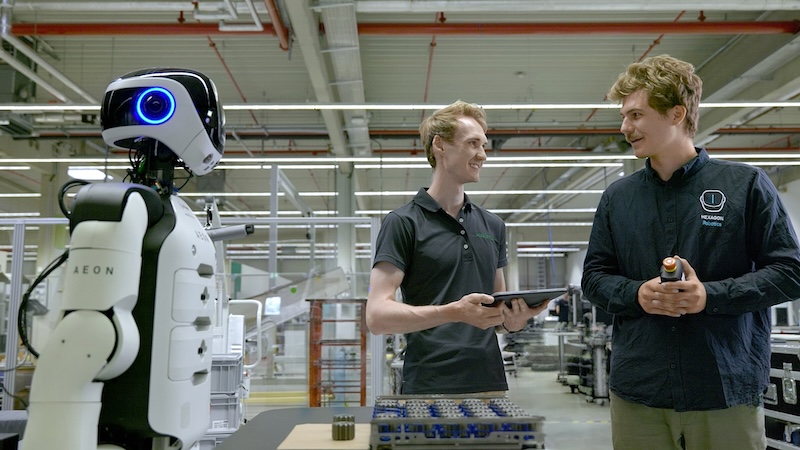
Hexagon Robotics and Schaeffler have initiated the training of AEON humanoid robots at Schaeffler’s Humanoid Gym in Germany. This marks a significant step towards deploying at least 1,000 AEON robots in the coming years, utilizing a Train-Validate-Deploy model tailored for industrial environments. The collaboration is crucial as it allows both companies to enhance AEON's industrial capabilities while building Schaeffler's expertise in operating and integrating humanoids into their production processes. The training will focus on imitation learning and refining robot policies to ensure reliable performance in real manufacturing applications. Looking ahead, the training at the Humanoid Gym is expected to expedite AEON's deployment across various manufacturing workflows within Schaeffler over the next six months. This initiative not only supports the integration of humanoids into Schaeffler's operations but also aims to strengthen overall manufacturing performance and scalability in automation.
Components Computing News Training aeon factory automation
Robots Start Adapting Their Forms to Environments at WRC 2023
At this year's WRC, an intriguing trend emerged: robots are beginning to adapt their physical forms to better suit their environments. While discussions in the past focused on advanced models and capabilities, the practical need for adaptability became evident when robots faced real-world challenges, such as navigating through doorways or adjusting to varying heights of workspaces. This shift in focus is significant as it highlights the importance of deploying robots in environments where they can operate effectively. Companies are now reconsidering robot designs to enhance their adaptability, with many opting for the Marvin humanoid arm from Tianji to improve flexibility. This arm allows robots to adjust their physical configurations, enabling them to perform tasks in diverse settings. Looking ahead, the industry must continue to explore how robots can integrate into existing human environments. The ability of robots to navigate and operate in spaces designed for humans is crucial for their long-term functionality. No further timeline was disclosed at the time of publication.
Robotics Adaptive Technology Industrial Automation AI Mobility Solutions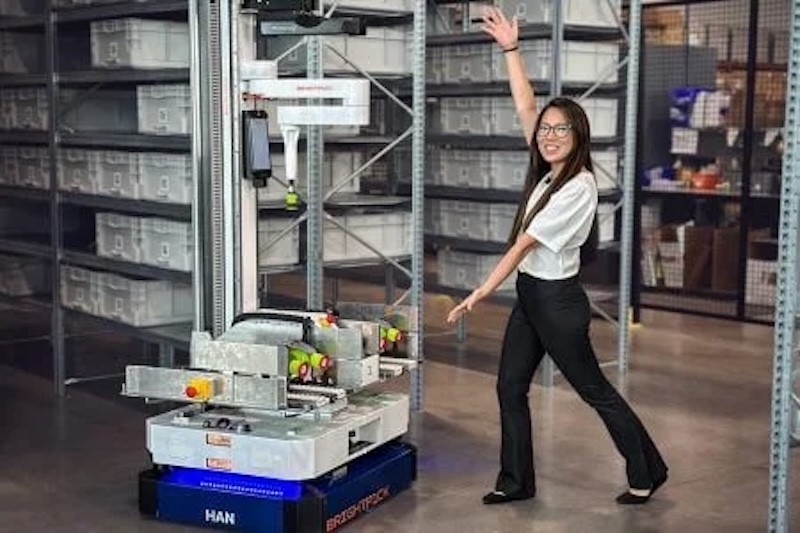
Brightpick Expands Partnership with Dr. Max Group to Deploy 44 More Robots
Brightpick, a leader in AI-driven warehouse automation, is significantly enhancing its collaboration with Dr. Max Group, the largest pharmacy chain in Europe. Following successful operations at Dr. Max’s Prague distribution center, Brightpick will deploy an additional 44 Autopicker autonomous mobile robots across various facilities in the Czech Republic and Slovakia, bringing the total to 74 units. This expansion is crucial as it demonstrates the effectiveness of Brightpick's technology in improving operational efficiency within pharmaceutical logistics. The initial deployment of nine Autopicker robots at Viapharma's Prague warehouse has led to remarkable results, including a 95 percent reduction in manual picking labor and a 40 percent increase in warehouse capacity, showcasing the system's ability to process up to 20,000 items daily. Looking ahead, two new projects in the Czech Republic and Slovakia are set to be completed in the latter half of the year. Jan Zizka, CEO of Brightpick, emphasized the importance of accuracy and speed in pharmaceutical logistics, while Rudolf Zurek from Viapharma highlighted the benefits of increased picking accuracy and optimized warehouse processes due to the deployment of Brightpick technology.
News Warehouse robots autonomous mobile robots autopicker brightpick dr max group
Mark Cuban-Backed Startup Specializing in Autonomous Robots Plans $500 Million SPAC Deal
A startup supported by Mark Cuban, which develops hardware and software for safer control of autonomous robots, is set to go public. The company is pursuing a merger with a special purpose acquisition company (SPAC) that values it at $500 million. This move is significant as it highlights the growing interest and investment in technologies that enhance the safety and efficiency of autonomous systems. The backing from a prominent investor like Mark Cuban underscores the potential of the startup's offerings in the robotics sector. Investors and industry watchers should keep an eye on the progress of this SPAC deal and its implications for the autonomous robotics market. No further timeline was disclosed at the time of publication.
Jiangsu Leili Motor Transforms Appliance Engineering into Core Power for Humanoid Robots
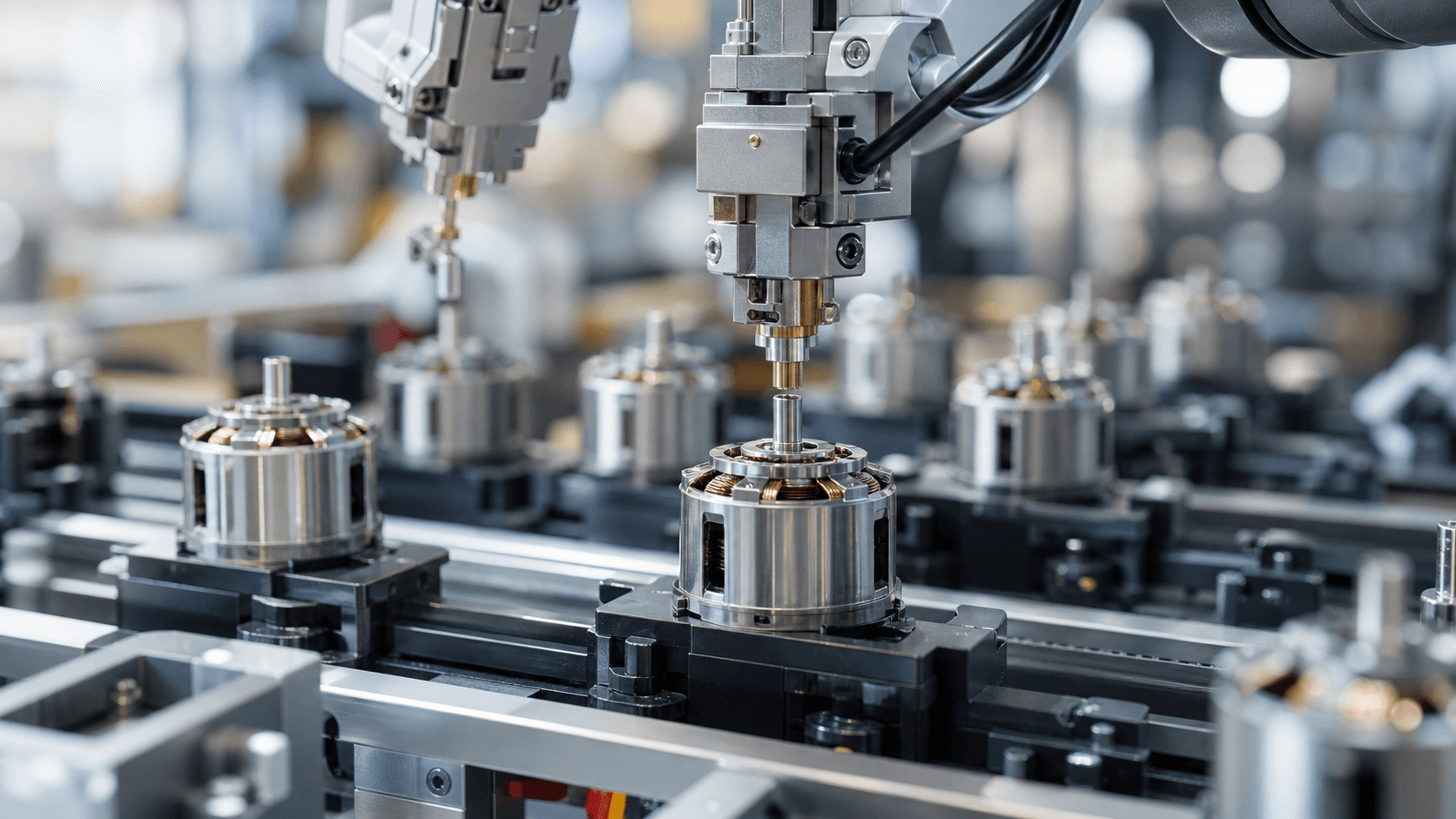
Jiangsu Leili Motor, originally a workshop in Changzhou established in 1993, is projected to achieve a revenue of 4 billion yuan by 2025. The company has diversified its business, with the share of home appliances decreasing to 55%, while automotive, industrial control, and medical sectors have surpassed 40%. This shift in focus is significant as Jiangsu Leili Motor's hollow-cup motors and dexterous hands are now integral to the functionality of humanoid robots. By 2025, the company anticipates that nearly 50% of its sales will come from international markets, highlighting its growing global presence. Looking ahead, Jiangsu Leili Motor's continued innovation in motor technology and its expansion into new sectors will be crucial. No further timeline was disclosed at the time of publication.

Humanoid Robots Achieve Agile Movements with New ZEST Control Framework
Researchers have introduced a novel control framework named zero-shot embodied skill transfer (ZEST) that enables humanoid robots to execute agile movements such as crawling, cartwheels, and backflips. This innovative system utilizes reinforcement learning to teach robots whole-body movements derived from human motion capture, video, and animation data, allowing for a diverse range of movements to be learned in a single training phase. The significance of ZEST lies in its ability to reduce the engineering and tuning efforts typically required for robotic skill acquisition. By employing a reinforcement-learning policy trained in simulation, ZEST can transfer learned skills to physical robots like Boston Dynamics' Atlas and Spot without the need for extensive fine-tuning. This framework also incorporates adaptive sampling and automatic curriculum adjustments to enhance learning efficiency and performance. Looking ahead, the researchers aim to expand ZEST's capabilities to include zero- and few-shot adaptation and continual learning. While the current implementation is limited to flat, nonslippery environments, the potential for future advancements in robotic control and movement generalization is promising. No further timeline was disclosed at the time of publication.
AI and Robotics
Regal Rexnord Partners with Fanuc to Launch Integrated Linear Axis for CRX Robots
Regal Rexnord has announced a strategic collaboration with Fanuc to introduce a fully integrated collaborative robotics solution. This solution combines Regal Rexnord's Thomson linear motion technology with components from Boston Gear, Huco, and Kollmorgen, enabling the Thomson Movotrak Cobot Transfer Unit (CTU) to function as an external axis for Fanuc's CRX collaborative robots. This partnership is significant as it enhances the capabilities of Fanuc's CRX Series by allowing users to easily deploy the Movotrak CTU, which has undergone extensive compatibility testing. The integration simplifies setup and extends the operational reach of collaborative robots, while also improving safety through advanced collision detection programming. Looking ahead, the collaboration is poised to advance human-robot collaboration and intelligent motion systems. No further timeline was disclosed at the time of publication.
Engineering News Robotics boston gear cobots collaborative robots
Human-aware Robots Enhance Team Lifting Efficiency and Reduce Back Strain
Recent advancements in robotics focus on developing human-aware robots that can adapt to their human partners during team lifting tasks. These robots are designed to interpret human behaviors and commands quickly, allowing them to predict actions and execute supportive movements effectively. The significance of this development lies in its potential to improve workplace safety and efficiency. By reducing back strain during lifting tasks, these robots not only enhance productivity but also contribute to the overall well-being of workers, making them valuable assets in various industrial settings. Looking ahead, the continued evolution of human-aware robotics will be crucial in addressing the challenges of collaborative work environments. As these technologies advance, stakeholders should monitor their integration into workplaces and the impact on team dynamics and safety protocols. No further timeline was disclosed at the time of publication.
Robotics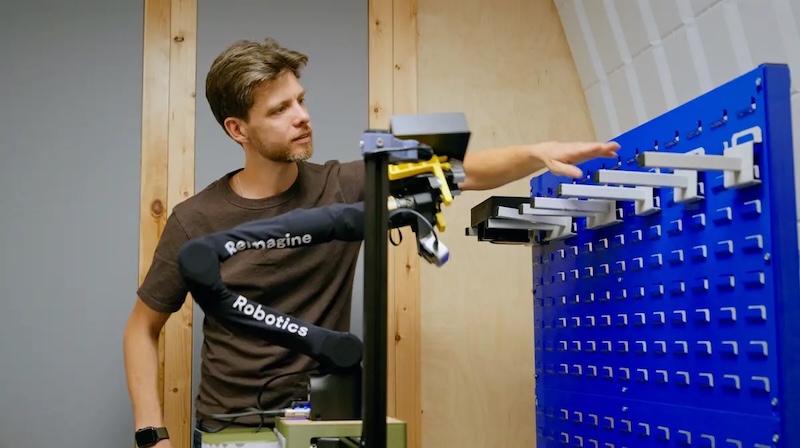
Reimagine Robotics Emerges with AI Robots That Learn from Human Workers
Reimagine Robotics, an AI robotics startup founded by former leaders of Google DeepMind’s Applied Robotics team, has launched its innovative technology that enables robots to learn from human workers on the job. This approach allows employees to train robots directly by demonstrating tasks, correcting mistakes in real-time, and facilitating a more intuitive learning process. The significance of this development lies in its potential to transform industrial and manufacturing environments. According to co-founder and CEO Jonathan Scholz, the technology addresses the need for adaptable robots that can integrate seamlessly into existing workflows without requiring specialized programming for every task change. This capability is expected to enhance efficiency and reliability in various applications. Looking ahead, Reimagine Robotics plans to expand its operations through a new round of fundraising and team growth. The company is already deploying its robots in advanced manufacturing and electronics disassembly facilities, with successful implementations in tasks such as tending 3D printers and automating additional production stages. No further timeline was disclosed at the time of publication.
Artificial Intelligence News Robotics Robotics and Automation Robotics and Automation News adaptive robots
FCC's Ban on Foreign Robots Initiates U.S. Robotics Industry Protection Measures
The U.S. Federal Communications Commission (FCC) has officially added foreign-produced connected mobile robots to its 'covered list,' prohibiting their commercial sale in the U.S. This action is not only a national security measure but also opens a policy gap for protecting the U.S. robotics industry. The definition of 'advanced robotic equipment' encompasses nearly all connected mobile robots, including humanoid robots, quadrupeds, warehouse platforms, delivery robots, autonomous forklifts, and even vacuum robots. The ban is not absolute, as previously authorized models like the Unitree G1 and Roomba remain unaffected. Certain manufacturers may obtain conditional approvals for exceptions. The critical factor is the definition of 'foreign production,' which could include products made by U.S. companies overseas while excluding products made by foreign companies in the U.S. The FCC's decision aims to mitigate risks associated with data breaches and remote control vulnerabilities posed by these robots. The robotics industry has strongly opposed the ban, particularly researchers reliant on Unitree robots. However, the author argues that current import rules for research are overly lenient. The FCC's initiative creates market certainty for U.S. manufacturers to develop safe and affordable robotic systems, shifting the landscape of investment and innovation in the sector. No further timeline was disclosed at the time of publication.
Robotics National Security Market Regulation Manufacturing
BMW Integrates Humanoid Robots at Spartanburg Factory with $25 Hourly Cost
At BMW's Spartanburg factory in South Carolina, humanoid robots are actively sorting parts on the production line as part of a ten-year 'Physical AI' experiment. This initiative aims to transform the facility, which employs over 11,000 staff and produces more than 400,000 vehicles annually, into a global automotive manufacturing showcase. The significance of this experiment lies in its potential to reshape the manufacturing workforce. The Figure 02 robot, deployed for an 11-month trial, assisted in producing over 30,000 BMW X3 vehicles by handling more than 90,000 metal parts with high precision. According to Brett Adcock, CEO of Figure AI, the deployment demonstrates that humanoid robots can be valuable assets in creating a flexible and reliable manufacturing labor force. Looking ahead, the upgraded Figure 03 robot is set to take on more complex logistics sorting tasks, requiring advanced operational and decision-making capabilities. With a cost of $25 per hour, Figure 03 is part of BMW's broader $1.7 billion investment in expanding the Spartanburg plant and establishing a new battery factory, which will support the production of the iX5 electric vehicle by the end of 2026.
Humanoid Robots Automotive Manufacturing AI Technology Logistics Automation
BYD to Launch Humanoid Robots in Dealerships Starting This August
On July 28, BYD confirmed that its first humanoid robot will debut in August at the 'Di Space | Zhengzhou Pavilion.' This follows a promotional campaign hinting at a new addition. BYD plans to equip each dealership with 2 to 3 robots for vehicle demonstrations and customer interactions, aiming for commercialization within the next one to two years. This initiative is significant as it marks a shift for leading automotive companies in China, moving humanoid robots from concept to practical application in dealership settings. BYD's approach focuses on utilizing robots to enhance customer service without the complexities of industrial or home environments, thereby ensuring a calculable return on investment. Looking ahead, the August unveiling is expected to showcase a prototype capable of basic interactions, moving beyond mere conceptual demonstrations. This strategy allows BYD to leverage its extensive dealership network for large-scale deployment while minimizing risks associated with new technology integration. No further timeline was disclosed at the time of publication.
Humanoid Robots Automotive Technology Robotics Integration Customer Service Automation
Synapticon and Stabilus Collaborate to Create Integrated Actuators for Humanoid Robots
Synapticon GmbH and Stabilus SE have announced a strategic partnership aimed at developing a new line of integrated actuators specifically designed for humanoid robots. This collaboration will leverage Synapticon's expertise in drive intelligence and functional safety alongside Stabilus' strengths in industrialization and manufacturing. The significance of this partnership lies in its potential to enhance the production of actuation joints that are crucial for the functionality of humanoid robots. By combining their respective technologies and manufacturing capabilities, Synapticon and Stabilus aim to deliver production-ready solutions that can be utilized across all limbs of humanoid robots and various robotics applications. Looking ahead, the industry will be keen to observe the progress of this partnership and the resulting product line. The integration of advanced drive technology with robust manufacturing processes could set new standards in the robotics sector. No further timeline was disclosed at the time of publication.

Robots Begin Collective Grasping Practices to Enhance Physical Interaction Skills
In recent years, the robotics industry has witnessed a surge in advancements related to physical capabilities, with companies showcasing robots that can perform complex movements. This year, Sudu Technology demonstrated its robots' ability to grasp unfamiliar objects and manipulate flexible materials, captivating audiences at exhibitions. Zero Dimension took this further by inviting attendees to challenge their robots with various items, while Yuanli Intelligent used six differently configured robots to assemble a Great Wall from 81,920 miniature blocks over 15 hours. These demonstrations highlight a shift in focus within the industry from merely proving that robots can move to demonstrating their ability to perform tasks effectively. Sudu Technology aims to explore whether robotic capabilities can grow through simulation data and scaling, while Zero Dimension seeks to establish a scaling law for physical interactions based on real-world data. Yuanli Intelligent is investigating whether a single model can sustain performance over extended, complex tasks. As the industry evolves, the fundamental challenge remains: enabling robots to adapt to a changing environment rather than forcing the environment to accommodate robots. The renewed emphasis on grasping capabilities reflects a critical step towards achieving embodied intelligence, as it encompasses various skills such as perception, judgment, and execution in dynamic settings. This capability is closely tied to commercial applications in logistics, manufacturing, and retail, making it a vital area of focus for future developments.
Robotic Grasping Embodied Intelligence Automation Technology AI Robotics
Renault Group Automates Spare Parts Operations with Exotec's Skypod Robots
Renault Group has partnered with Exotec to enhance its spare parts operations across warehouses in France. The integration of Exotec's Skypod robots has reduced order processing time from two hours to just 15 minutes, significantly improving efficiency and customer satisfaction. This transformation is crucial as Renault previously faced challenges in managing the delivery and distribution of replacement vehicle parts in Europe. The new system consolidates over 80% of French business into a single warehouse, allowing for next-day delivery of parts ordered by 5:30 PM, which has resulted in a customer service satisfaction rate exceeding 99.7%. Looking ahead, Renault Group aims to further expand its partnership with Exotec, with plans to deploy 89 Skypod robots in Germany. This marks a significant step as it will be Renault's first automated warehouse in the country, indicating a broader strategy to enhance operational efficiency and meet growing demand in the automotive sector.
Automation Systems and Shuttles eFulfilment Materials Handling Robotic Picking Exotec Renault
XPENG Introduces TuringViT for Enhanced Smart Driving and Humanoid Robotics
XPENG has launched TuringViT, a vision encoder designed for vision-language and vision-language-action models, applicable in smart driving and its humanoid robot program, IRON. The company offers two versions: TuringViT-18L and TuringViT-24L, with the former achieving a resolution of 1536×1536 and impressive throughput metrics. The significance of TuringViT lies in its performance, with TuringViT-18L reportedly reaching 3.04 times the throughput of Seed1.5-ViT and 2.16 times that of SigLIP2-ViT-L. This advancement is attributed to the model being trained on a substantial dataset of 850 million image-text pairs, resulting in an average score of 83.6% across six zero-shot benchmarks, surpassing open-source models trained on 10 billion samples. Looking ahead, the implications of TuringViT for smart driving and humanoid robotics are noteworthy, as XPENG continues to innovate in these fields. No further timeline was disclosed at the time of publication.
News Feed
Elite Robots Partners with Generalist AI for Advanced Cobot Development
Elite Robots has teamed up with Generalist AI to enhance its cobot platform through real-world data collection and algorithm validation. This collaboration aims to leverage Generalist AI's expertise in embodied AI, particularly with the recent launch of GEN-1, which boasts a remarkable 99% task success rate and a threefold increase in speed. The partnership is significant as it combines Elite Robots' cobot technology with Generalist AI's cutting-edge AI capabilities, potentially leading to advancements in automation and robotics. The integration of high-performing AI models like GEN-1 could enhance the efficiency and effectiveness of collaborative robots in various applications. Looking ahead, the focus will be on the outcomes of this collaboration and how the integration of Generalist AI's technology will impact the performance of Elite Robots' cobots. No further timeline was disclosed at the time of publication.
Grid Dynamics Partners with Doosan Robotics to Enhance Physical AI in Manufacturing
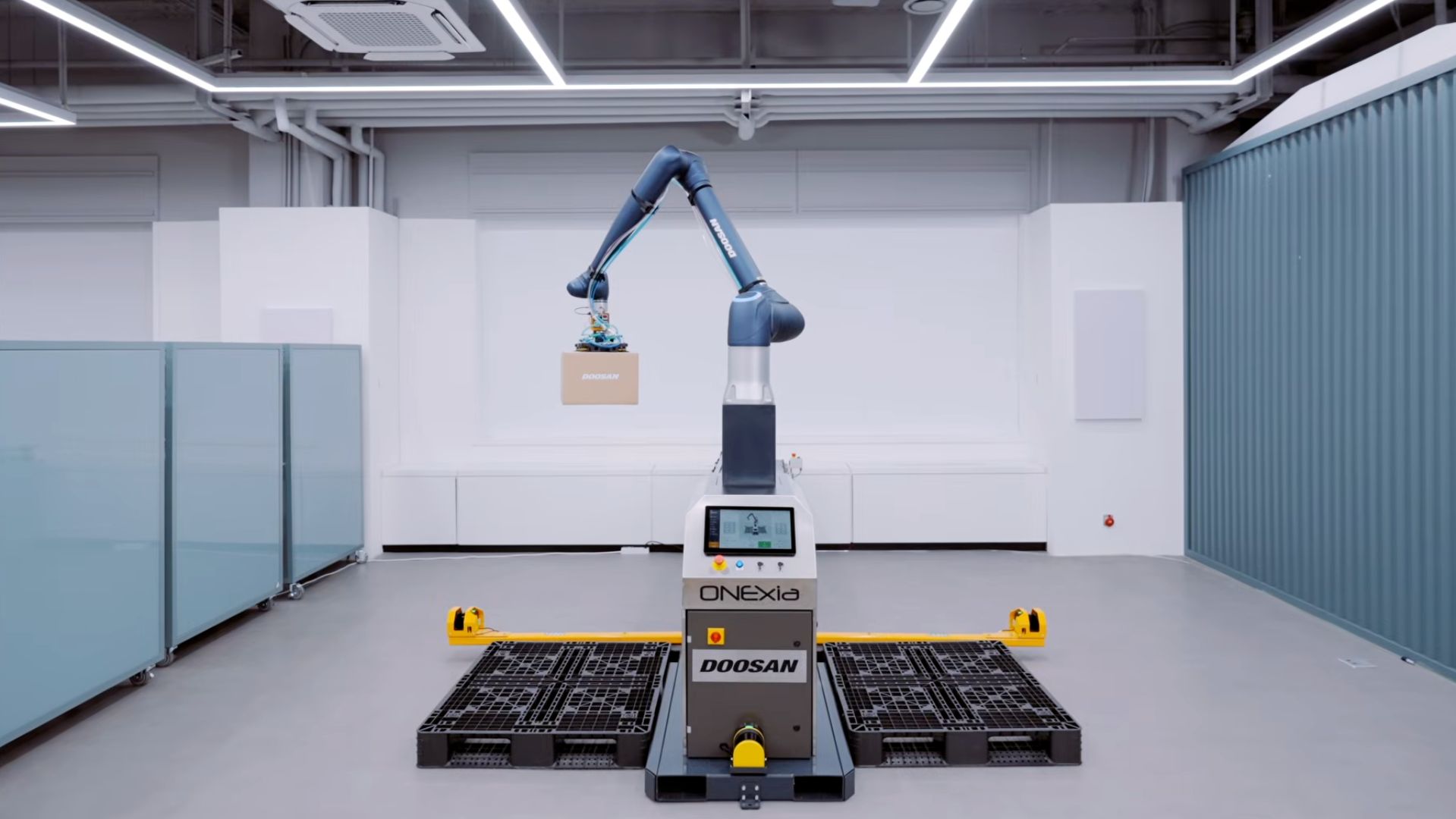
A US technology company, Grid Dynamics, has formed a strategic partnership with South Korea's Doosan Robotics to promote the use of Physical AI in manufacturing and logistics. This collaboration will provide Doosan's industrial collaborative robot customers with a comprehensive software stack and integration services, facilitating advanced automation tasks such as complex object inspection and variable component assembly. The significance of this partnership lies in its potential to expedite the deployment of AI-powered robotic systems, thereby broadening the applications of Physical AI within industrial operations. Doosan Robotics, a leading manufacturer of collaborative robots, offers a range of models designed for various tasks, including the lightweight A Series and heavy-duty H Series, which can handle payloads up to 55 pounds. Looking ahead, the integration of Grid Dynamics' GAIN Platform with Doosan's cobots is expected to enhance automation capabilities, particularly for complex tasks that traditional robotics struggle with. No further timeline was disclosed at the time of publication.
AI and Robotics Innovation
Mercedes 4S Dealerships Partner with UBTECH to Sell Humanoid Robots in China
Mercedes-Benz's core dealer, Bosh Group, has announced a partnership with UBTECH to become the first official 4S store for humanoid robots in the Beijing-Tianjin-Hebei region. This strategic move targets high-net-worth consumers who are more receptive to new technologies, leveraging the dealership's established trust and experience. The significance of this partnership lies in the unique advantages of 4S dealerships, including access to affluent customers, interactive display spaces, and existing trust relationships. The humanoid robot, priced at 990,000 yuan, is aimed at ultra-high-net-worth families, making the dealership an ideal retail channel for such products. The introduction of robots into 4S stores marks a fundamental shift in how robots are perceived and sold, moving from technology showcases to commercial products. This trend is expected to become standard in luxury brand dealerships within three to five years, as competitors are likely to follow once the model proves successful.
Humanoid Robots Luxury Retail Robotics Commercialization High-Net-Worth Consumers
Mercedes-Benz Dealerships Launch Sales of Humanoid Robots in Strategic Partnership
Mercedes-Benz dealerships have begun selling humanoid robots, specifically the U1 model from UBTECH, through a partnership with the Bosh Group. This initiative allows customers in the Beijing, Tianjin, and Hebei regions to experience and purchase these advanced robots, which can engage with customers and enhance the car-buying experience. The collaboration aims to create a complete industrial ecosystem that includes technology research and development, channel operations, and after-sales service. The Bosh Group previously launched a robot experience store called 'Mechanical Eden,' which has reportedly increased foot traffic and customer engagement at Mercedes-Benz locations. Moving forward, the U1 humanoid robots will be gradually introduced into various Bosh Group dealerships, enhancing high-end automotive services and offering retail and rental options to affluent customers. This initiative marks a significant step towards the commercialization of humanoid robots, potentially setting a new standard in the industry.
Humanoid Robots Automotive Technology Retail Innovation AI Customer Experience
Machina Secures Contract with Lockheed Martin for JASSM Missile Parts Production
Machina Labs has received a qualification contract from Lockheed Martin to support the Joint Air-to-Surface Standoff Missile (JASSM) program. This contract marks a significant milestone as it is the first instance of a component produced using Machina's robotic 'RoboForming' technology qualifying for a U.S. defense missile system. The importance of this contract lies in addressing the production constraints faced by missile programs, as highlighted by Machina's CEO Edward Mehr. The company's advanced manufacturing capabilities allow for the rapid formation and assembly of complex metal structures, which is crucial for meeting the demands of defense readiness and enhancing production speed. Looking ahead, Machina is set to open its new facility, Factory 3, dedicated to producing defense systems. This 200,000-square-foot facility will house up to 50 RoboCraftsman cells, enabling high-rate production of mission-critical components for the JASSM program and potentially other defense initiatives. No further timeline was disclosed at the time of publication.
6-Axis Aerospace Defense / Security Manufacturing News Lockheed Martin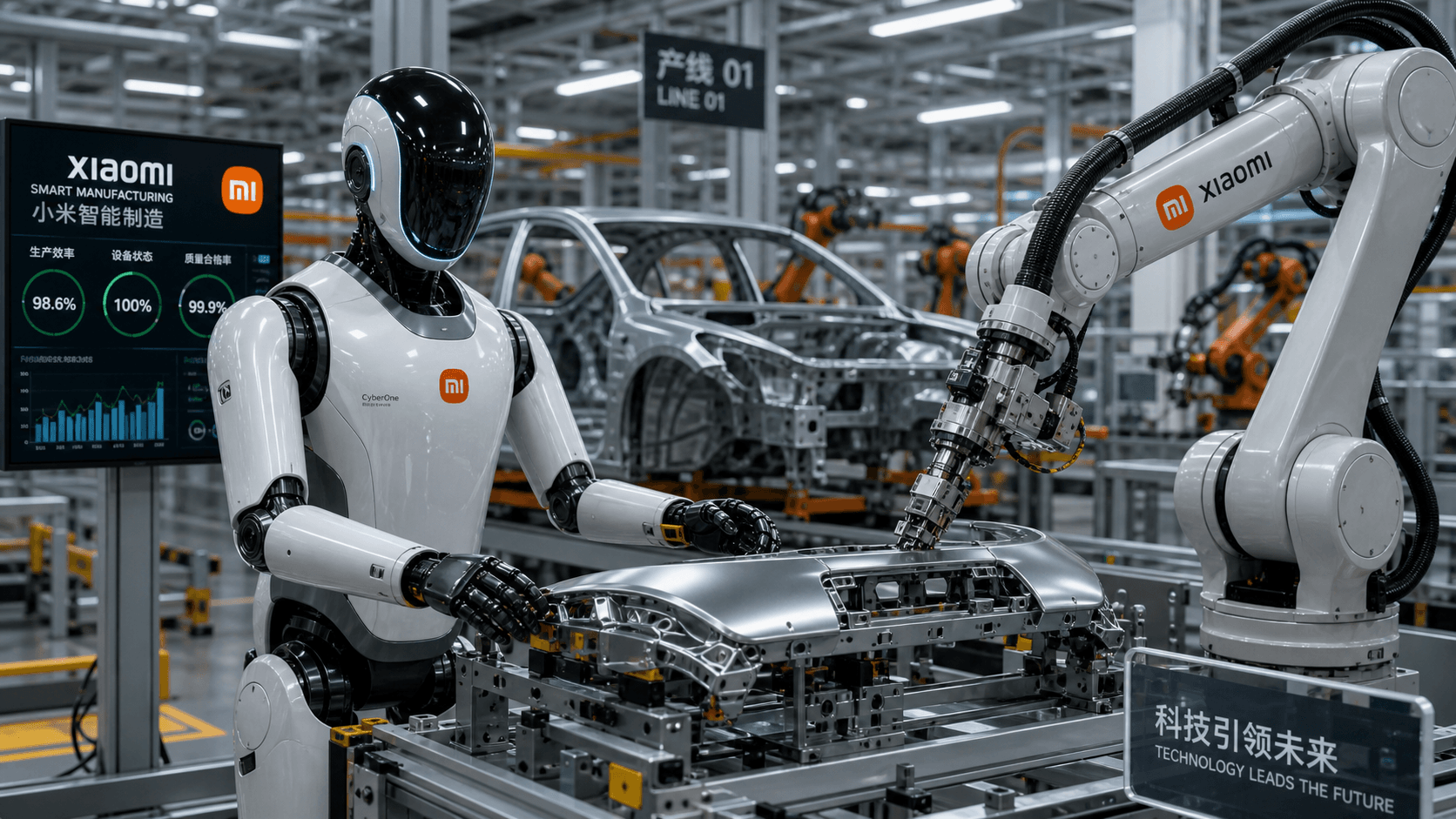
Xiaomi Humanoid Robots Transition to Complex Workpiece Handling on SU7 Production Line
Xiaomi's humanoid robots have advanced from basic screw-tightening tasks to managing complex flexible workpieces on the SU7 production line. This transition marks a significant achievement, with the robots reaching a success rate of over 90% after just six months of training in the factory environment. This development is crucial as it highlights Xiaomi's commitment to enhancing automation in car manufacturing, showcasing the potential of humanoid robots in handling intricate tasks. The successful implementation of these robots could lead to increased efficiency and productivity within the automotive production sector. Looking ahead, it will be important to monitor how Xiaomi continues to integrate these humanoid robots into their production processes and whether they will expand their capabilities further. No further timeline was disclosed at the time of publication.
Technology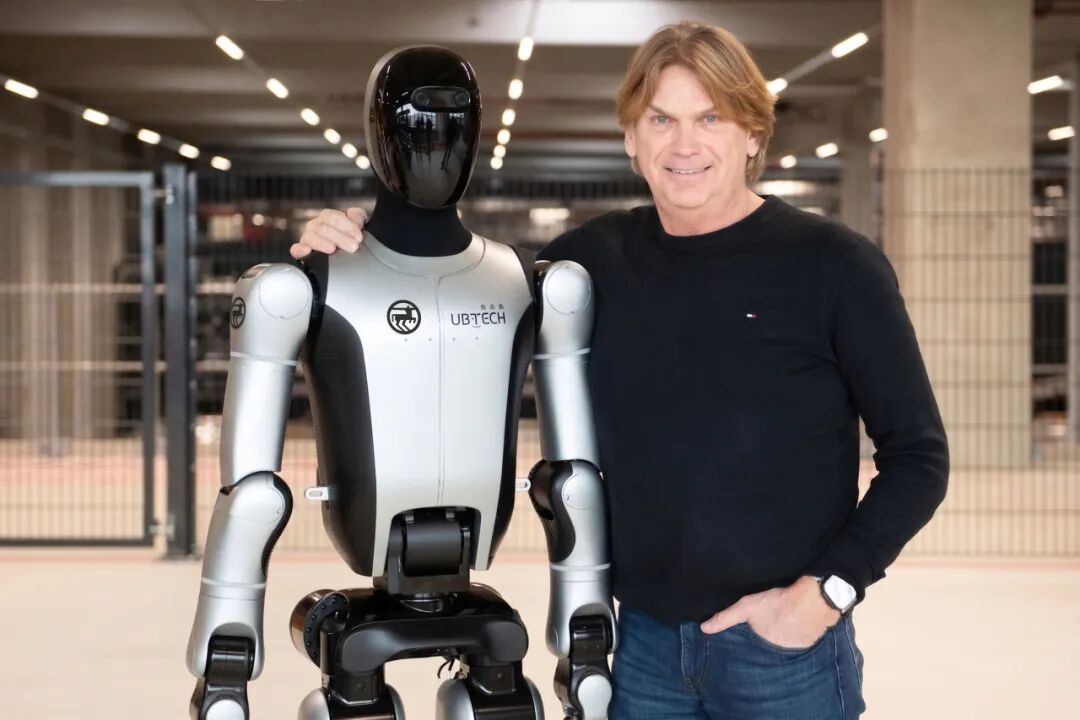
UBTECH Collaborates to Enhance Global Reach of Humanoid Robots in European Retail Logistics
UBTECH has announced partnerships aimed at accelerating the deployment of humanoid robots in European retail logistics environments. This initiative is part of UBTECH's broader strategy to expand its global footprint and enhance operational efficiencies in logistics through advanced robotics technology. The significance of this collaboration lies in its potential to transform retail logistics by integrating humanoid robots, which can streamline operations, reduce labor costs, and improve service delivery. As the demand for automation in logistics grows, UBTECH's efforts may set a precedent for the adoption of robotics in various sectors across Europe. Looking ahead, industry stakeholders should monitor UBTECH's progress in deploying these humanoid robots and the impact on logistics operations. The effectiveness of these robots in real-world applications will be crucial in determining the future of robotics in retail logistics. No further timeline was disclosed at the time of publication.
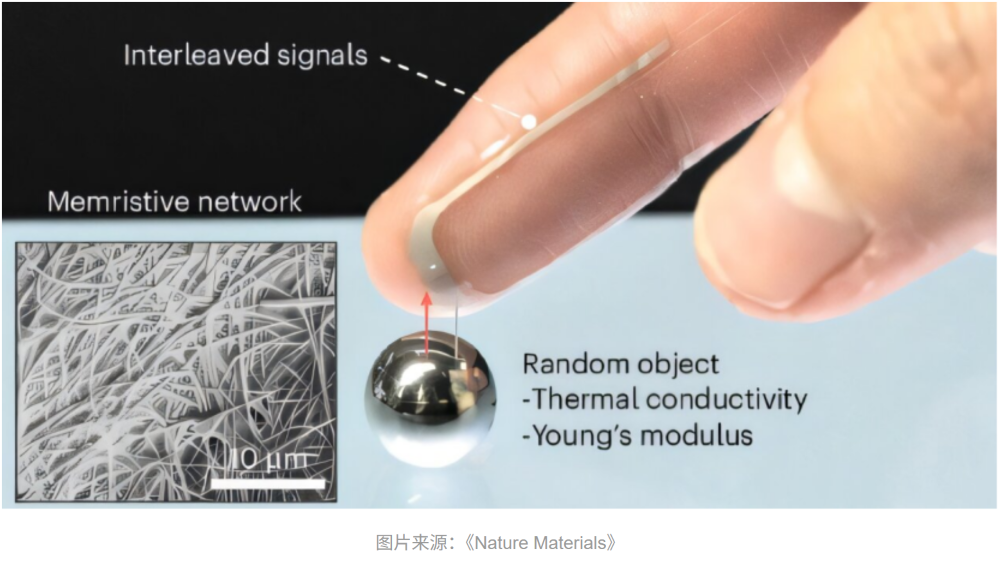
Seoul University Introduces Single-Layer Artificial Skin for Enhanced Robotic Sensory Perception
On July 10, a research team led by Professor Seung Hwan Ko at Seoul University published a significant study in Nature Materials, unveiling a novel single-layer artificial skin. This innovative material allows robots to simultaneously sense temperature and pressure, mimicking human sensory capabilities. The design utilizes a silver-core-copper oxide shell nanowire network, enabling rapid switching between temperature and mechanical sensing modes at a frequency of 16 Hz. The development is crucial as it addresses the limitations of existing artificial skin technologies, which typically rely on multiple stacked sensors, resulting in complex structures and slower response times. The new sensor demonstrates remarkable response speeds, with mechanical stimuli detected in microseconds and thermal stimuli in milliseconds. When combined with AI models, the sensor's accuracy in object recognition improved from 65% to 95% by integrating signals from both sensing modes, showcasing its potential for real-world applications. Looking ahead, the research team has created a multi-array platform that can measure temperature and pressure distribution with spatial resolution comparable to human skin. This technology not only serves as a fingertip sensor but also has the potential to evolve into a comprehensive artificial skin system for robots. The team emphasizes that this advancement is a key enabling technology for physical AI systems, allowing machines to perceive and interact with their environment more effectively. No further timeline was disclosed at the time of publication.
Artificial Skin Robotics Sensor Technology AI Human-Robot Interaction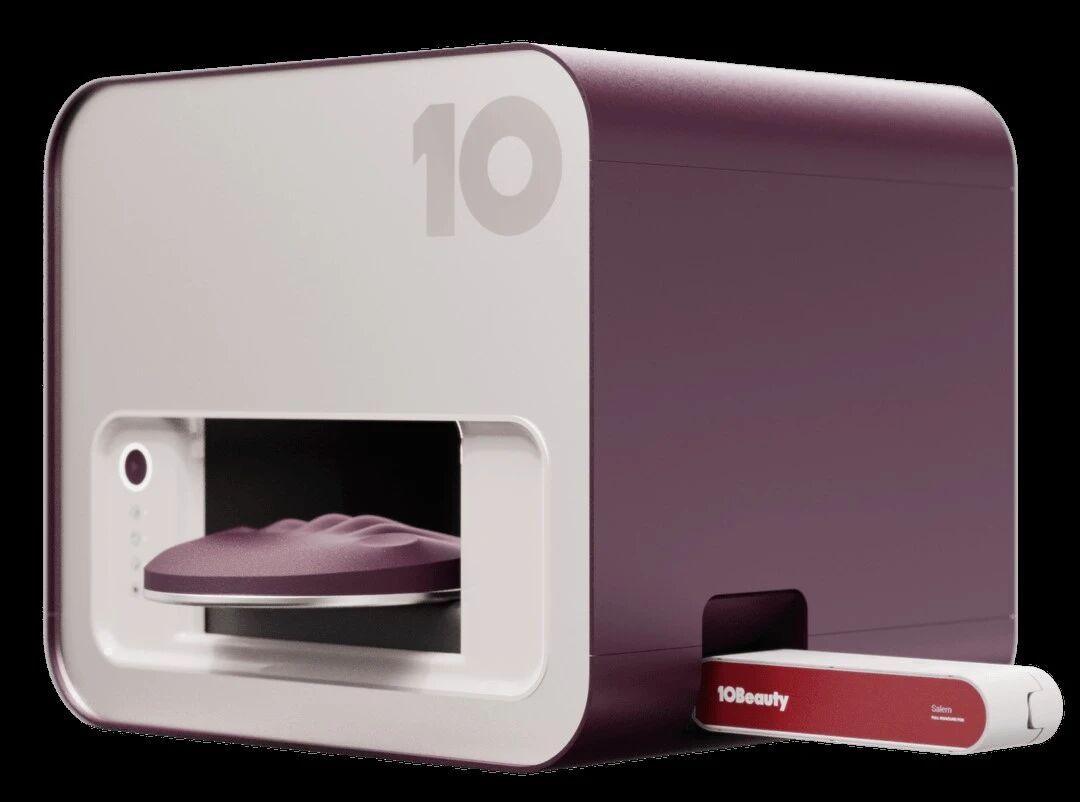
$70 Million Investment in Nail Art Robots?
10Beauty, an innovative company specializing in automated nail art, has successfully secured $23.5 million in Series B funding, raising its total funding to over $70 million. The investment will support the expansion of its flagship product, 'The 10', a cutting-edge automated nail machine that provides a comprehensive manicure experience in just 25 to 45 minutes. Utilizing artificial intelligence and precision robotics, 'The 10' ensures both hygiene and personalized service for users. To enhance accessibility, 10Beauty has formed partnerships with major retailers, including Ulta Beauty and Nordstrom, to seamlessly integrate its services into their existing retail environments. This funding round marks a significant step in the company's mission to revolutionize the nail care industry through technology.
Nail Art Robots Automated Beauty Services AI Technology Retail Partnerships
Tesla's Optimus Robots to Support Starmind Satellite Production, Not Maintenance
Tesla's Optimus robots will not be used to repair Starmind satellites in orbit, as confirmed by recent statements from Elon Musk. Instead, these robots are intended to assist in the construction and operation of the Terafab chip manufacturing facility in Texas. The AI1 satellites, designed to disintegrate upon reentry, highlight the company's swap-and-replace strategy rather than traditional maintenance practices. This approach is significant as it reflects a broader trend in satellite management, where mass-produced satellites are replaced rather than repaired. The economics of servicing missions are prohibitive, with the cost of launching a replacement satellite being significantly lower than conducting a repair mission. This model aligns with SpaceX's operational history, where rapid replacement of satellites is more efficient than attempting to maintain them in orbit. Looking ahead, the focus will remain on the production capabilities of the Gigasat factory, which is expected to support the continuous replacement of satellites. No further timeline was disclosed at the time of publication, but the demand for rapid satellite turnover suggests a robust future for Optimus robots in terrestrial manufacturing rather than in-space servicing.
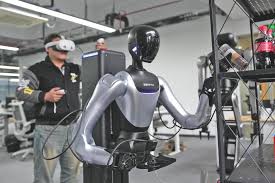
New Profession Emerges as Embodied Intelligent Robot Application Technicians Begin Work
The rise of embodied intelligent robots has led to the emergence of a new profession: Embodied Intelligent Robot Application Technicians. These technicians are responsible for the deployment and maintenance of robots that have recently started working in various sectors. This development is significant as it highlights the growing integration of robots into the workforce, creating new job opportunities for humans. The demand for skilled technicians to manage and support these intelligent systems is expected to increase as more industries adopt robotic solutions. Looking ahead, the continued evolution of robotics technology will likely lead to further job creation in this field. No further timeline was disclosed at the time of publication.
Robotics Automation AI
Figure Partners with Nscale to Deploy 100,000 GPUs for Humanoid Robot AI Training
U.S. robotics company Figure has entered a strategic partnership with UK-based Nscale to secure up to 100,000 GPUs for training its next generation of humanoid robots. This collaboration aims to meet the increasing data and computational demands of developing advanced AI models for general-purpose robotics, utilizing NVIDIA’s Vera Rubin platform. The partnership is significant as it represents an initial commitment of $3.5 billion, with plans to expand to over $6 billion. The deployment of this large-scale computing infrastructure is expected to begin in the second half of 2027 in Barstow, Texas. This investment will support Figure's Helix AI system, enhancing the capabilities of its humanoid robots by processing vast amounts of real-world data. Looking ahead, Figure is also scaling its Index dataset, which has gained over 264,000 downloads globally. This dataset is crucial for training AI models by capturing diverse human activities. The collaboration with Nscale is designed to create a comprehensive infrastructure for physical AI, facilitating the transition from model training to real-world deployment of humanoid robots. No further timeline was disclosed at the time of publication.
AI and Robotics
Burns & McDonnell and Gritt Collaborate to Implement AI Robotics in Solar Construction
Burns & McDonnell has partnered with Gritt to assess and deploy AI-driven robotics technology for utility-scale solar projects. This collaboration aims to enhance safety, improve project predictability, and support construction teams amid rising demand for new energy infrastructure. The integration of Gritt's AI and robotics technology into construction processes is significant as it addresses labor challenges and boosts efficiency in solar construction. Gritt's systems can autonomously perform tasks such as assembling solar arrays and pouring concrete, which are typically labor-intensive and repetitive. Looking ahead, the partnership is set to continue evaluating robotic technologies in real-world environments. No further timeline was disclosed at the time of publication.
Construction Energy Infrastructure News ai robotics autonomous construction equipment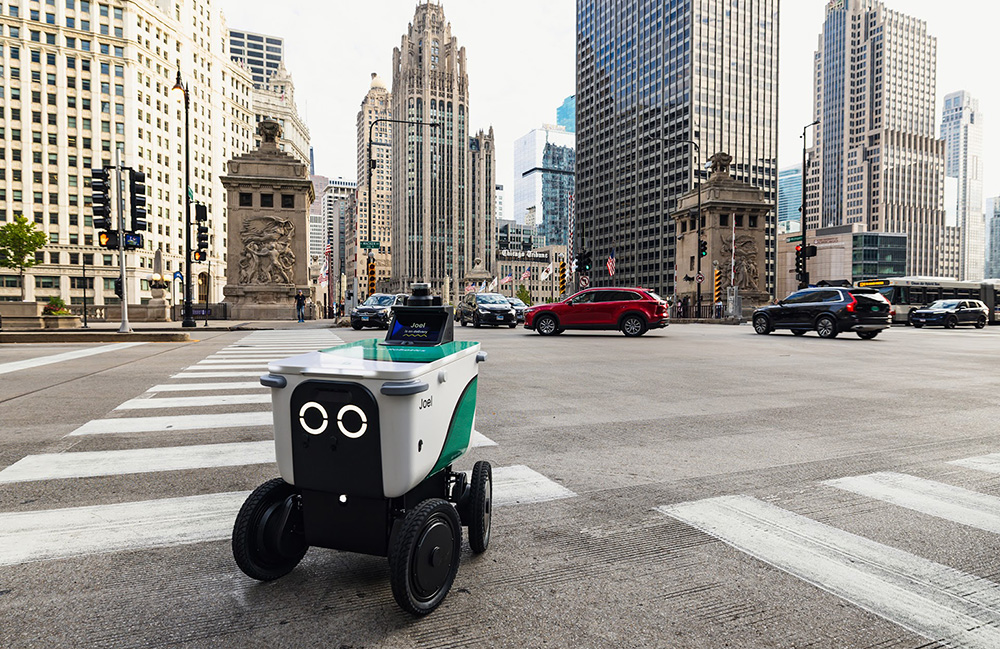
Serve Robotics Partners with Grubhub for Autonomous Delivery in Major Cities
Serve Robotics Inc. has announced a partnership with Grubhub to provide autonomous delivery services in Chicago, Los Angeles, and Alexandria, Virginia. This collaboration will enable Serve to offer robotic deliveries from over 100 Grubhub merchants in Chicago and nearly 200 in Los Angeles, with plans for more restaurants to join the program. This partnership is significant as it marks Serve's expansion into new markets, including Washington, D.C., and San Jose, California, where they have partnered with DoorDash. The introduction of microdepots in Miami will further enhance their operational efficiency, allowing for quicker deployment in high-demand neighborhoods with minimal infrastructure. Looking ahead, Serve Robotics is also launching Beacon, a countertop product designed to streamline the connection between restaurants and delivery robots. Additionally, they have introduced a new advertising product called “Characters,” which allows brands to create interactive experiences with their robots. No further timeline was disclosed at the time of publication.
Autonomous Mobile Robots (AMRs) Food / Beverage Markets / Industries News Robots / Platforms autonomous delivery
University of Stuttgart and Max Planck Institute Develop Magnet-Controlled Microscrolls for Robotics
Researchers at the University of Stuttgart and the Max Planck Institute for Solid State Research have created innovative microscrolls that can be magnetically controlled to unroll and roll up. Inspired by butterfly proboscises, these ceramic microscrolls represent a significant advancement in smart materials. This development is crucial for enhancing drive technologies in micro- and soft robotics, which are increasingly important in various economic sectors. The ability to manipulate these microscrolls with precision opens new avenues for efficient robotic applications, potentially transforming how tiny robots operate. Looking ahead, the implications of this research could lead to more sophisticated robotic systems that leverage these smart materials. No further timeline was disclosed at the time of publication.
Robotics
UK SMEs Lag in Robot Adoption Due to Skills Shortage, Not Funding Issues
The robotization process in the UK manufacturing sector is experiencing a significant stagnation, with three-quarters of SMEs not utilizing any robots, according to Make UK. The UK's robot density stands at 112 units per 10,000 manufacturing workers, which is about half the EU average and well below the global average of 151 units. Despite over a decade of government funding and skill programs, the situation remains largely unchanged. The primary issue is not financial but rather a lack of skilled professionals who can effectively implement and operate robotic systems. While manufacturers often assume that funding is the main barrier, the real challenge lies in programming robots, integrating them with existing systems, and ensuring they meet specific operational requirements. The shortage of robotics engineers proficient in ROS2 (Robot Operating System) exacerbates this problem, leaving many manufacturers with limited options. As a result, many medium-sized manufacturers either hire costly system integrators or abandon the idea of automation altogether. The infrastructure for robot development has not been designed for the existing workforce, which already possesses software capabilities. The emergence of ROS2-based platforms offering browser-based development environments and simulation tools could help bridge this gap, but the current tools available in the UK are still inadequate for empowering workers to utilize robotics effectively.
Robotics Manufacturing Automation Skills Development Industrial TechnologyRobotics needs a service framework.
RSF defines a common language for robot service capability, lifecycle operations, certification pathways, and service-provider networks.
Join the RobotToday community on LinkedIn
Daily robotics news, in-depth analysis, conference highlights, and discussions with professionals worldwide.