Industry Briefing
A single destination for timely, editor-curated robotics news from around the world.

Research Indicates Animal and Anime Faces Enhance Emotional Appeal of Social Robots
Recent research suggests that equipping robot companions with animal-like or anime-style faces and voices can significantly enhance their emotional appeal to users. This finding is crucial as it provides insights into the design and development of social robots, which are increasingly being integrated into various aspects of daily life. The emotional connection users feel towards robots can influence their acceptance and interaction with these technologies. By focusing on aesthetic features that resonate emotionally, developers can create more engaging and relatable robotic companions. This research highlights the importance of emotional design in the evolving landscape of social robotics. As the field of social robotics continues to expand, it will be essential to monitor how these design choices impact user experiences and interactions. Future studies may explore the long-term effects of emotional appeal on user satisfaction and the potential for broader applications in healthcare, education, and companionship. No further timeline was disclosed at the time of publication.
Consumer & Gadgets
Expper Technologies' Robin Robot Transforms Hospital Experience for Children as Emotional Support
The Robin robot, developed by Expper Technologies, is enhancing the hospital experience for children by serving as an emotional support companion. Deployed in approximately 30 hospitals, dental clinics, and nursing homes across the U.S., Robin engages with children through conversation and games, helping to alleviate anxiety during medical treatments. Robin's unique design resembles a curious 7-year-old girl from outer space, allowing it to connect emotionally with young patients. Its AI system analyzes children's emotional states and provides comforting interactions, which have proven effective in reducing anxiety in medical settings. For instance, a child who refused to eat was encouraged by Robin to do so after a brief interaction. As Expper Technologies plans to enhance Robin's capabilities and expand its deployment, the robot's role is not to replace human interaction but to support it. The ongoing use of Robin in hospitals is redefining the concept of companionship in healthcare, highlighting the importance of emotional support in medical environments.
Healthcare Robotics Emotional Support Pediatric Care AI Technology
Hangzhou Company Innovates in Facial Expressions, Achieving 'Emotional Freedom' for Robots
Hangzhou Lingyan Technology has developed a humanoid robot head capable of emotional interaction, featuring advanced facial expressions. The robot can respond to questions with natural smiles and expressions, marking a significant technological advancement in robotics. With 32 degrees of freedom, the upcoming product aims to replicate human facial movements more accurately than current models, which typically have 20 degrees of freedom. This innovation addresses the 'Uncanny Valley' effect, where robots that closely resemble humans but fall short in realism can evoke discomfort. Lingyan's technology includes a self-developed emotional modeling system that generates unlimited expressions with minimal delay, enhancing the robot's ability to engage in natural conversations. The company is also working on synchronizing lip movements and eye contact to further improve interaction quality. Lingyan Technology plans to launch four product lines targeting various markets, including education, commercial services, and home companionship. The modular design strategy aims to accelerate production and reduce costs, with expectations for widespread adoption in households within the next few years. No further timeline was disclosed at the time of publication.
Humanoid Robots Emotional AI Robotics Technology Facial Recognition Modular Robotics
Hangzhou Unveils 'Panda', the First Active Emotional Companion Robot for Children
On July 28, Hangzhou's Robot School hosted the launch of 'Panda', the world's first active emotional companion robot for children, developed by Hangzhou Chuangwuji Technology Co., Ltd., a spin-off from Zhejiang University. This innovative robot utilizes embodied life-sensing interaction technology, providing a unique emotional companionship experience tailored for young children. The significance of 'Panda' lies in its ability to address the emotional needs of children while also serving as a supportive educational tool for parents. With features like a panda-inspired design, customizable soft materials, and advanced sensory technology, 'Panda' engages children in various activities, including storytelling and language practice, thereby easing the burden of parental involvement in dual-income households. Looking ahead, the development team plans to expand 'Panda's' applications across different demographics and industries, including elderly care and educational settings. The company aims to redefine human-robot relationships by fostering emotional connections, positioning 'Panda' as a vital companion in children's lives and a potential leader in the emerging empathy-driven market.
Emotional Companion Robots Child Development Technology AI Robotics Educational Tools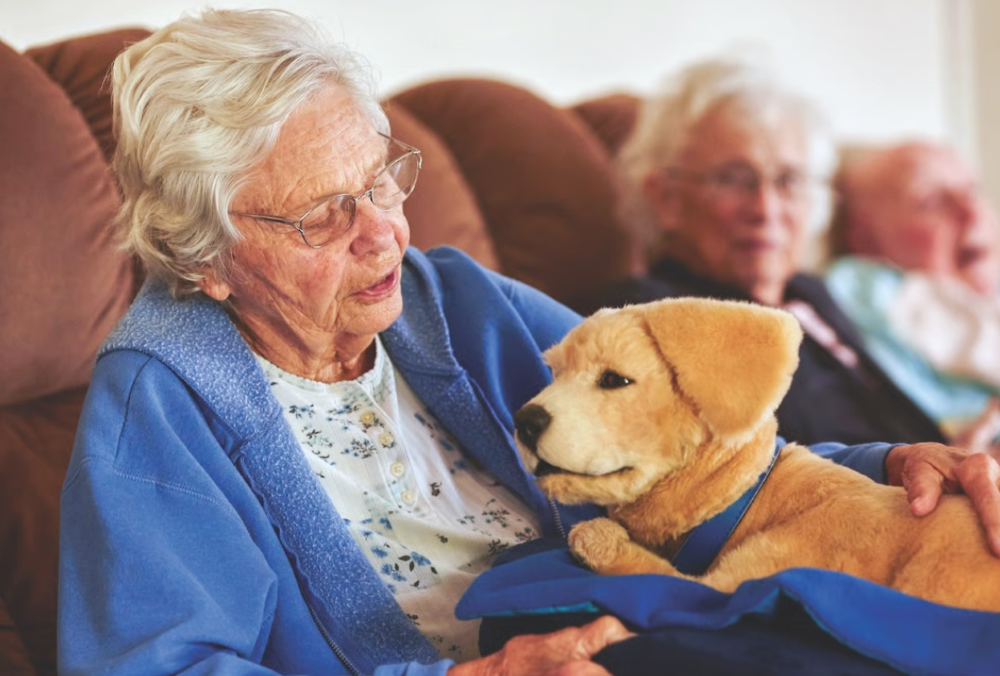
Tombot's AI-Driven Robotic Dog Receives Over 23,000 Preorders for Senior Emotional Support
Tombot, a robotics company based in Los Angeles, has announced the completion of a $7 million Series A3 funding round led by Caduceus Capital Partners and Wavemaker 360. This brings the company's total funding to over $13 million, with more than 23,000 preorders for Jennie, an AI-driven robotic Labrador puppy, already secured before product delivery. The significance of Jennie lies in its potential to address the growing issue of loneliness among seniors, particularly those suffering from dementia and mild cognitive impairment. With over 300 million individuals globally affected by these conditions, Tombot aims to provide a medical-grade emotional support device that requires no feeding, walking, or maintenance, thus offering a viable companionship option for the elderly. Looking ahead, Tombot's focus will be on continuous updates to Jennie's behavior and voice commands through an accompanying mobile app. The response from investors and the market indicates a serious consideration of robotic companions as a solution to the pressing challenges of aging populations and caregiver shortages. No further timeline was disclosed at the time of publication.
Emotional Support Robots Elderly Care Technology AI Companions Robotics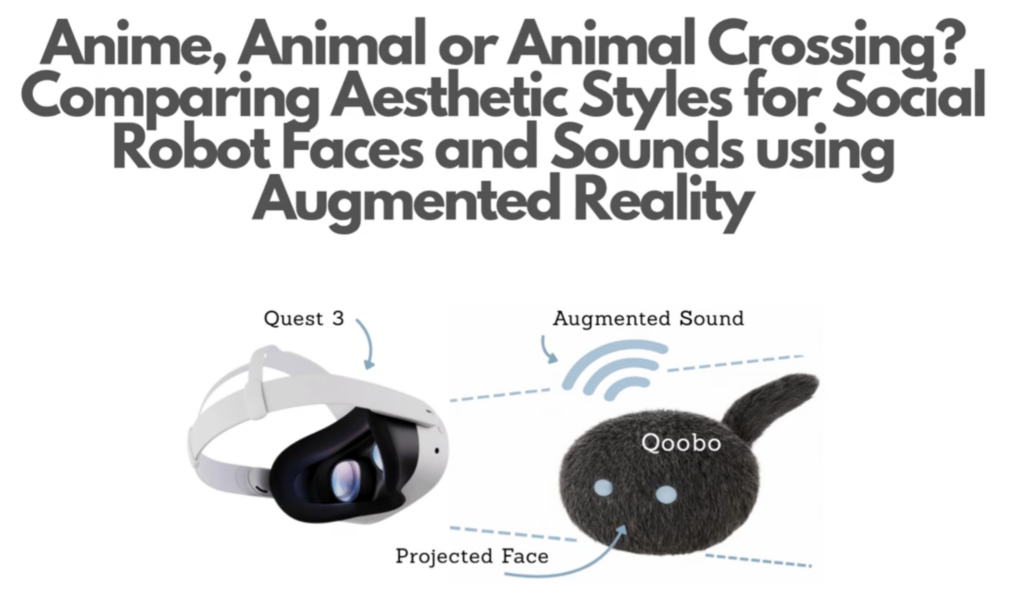
University of Glasgow Research Aims to Enhance Social Robot Design with Emotional Appeal
Researchers from the University of Glasgow have conducted a study to improve the design of social robots, focusing on their emotional appeal. By utilizing augmented reality, they tested various combinations of faces and voices on the Qoobo robot, which has a cushion-like body and a swinging tail. The findings suggest that animal-like and anime-inspired designs resonate well with users, enhancing the robots' ability to convey emotions. This research is significant as it addresses the lack of systematic studies in the design of social robots, which are increasingly used to provide companionship and alleviate feelings of loneliness, especially among older adults. The study indicates that aesthetic choices can greatly influence user engagement and emotional connection, paving the way for more personalized and appealing robotic companions. Looking ahead, the insights gained from this research could lead to the development of customizable social robots that adapt their appearances to meet individual user preferences. The team plans to further explore the implications of their findings on future social robot designs, although no specific timeline for future developments was disclosed at the time of publication.

Preliminary Study Investigates Humanoid Robot Touch's Impact on Mood and Emotions
A preliminary study has examined the relationship between humanoid robot touch and changes in mood and emotional expression. This research highlights the potential applications of robot-assisted therapy, suggesting that interactions with humanoid robots could positively influence emotional well-being. Understanding how humanoid robot touch affects mood is significant as it opens new avenues for therapeutic interventions. The findings may lead to the development of robots designed to assist in emotional support and mental health care, enhancing the quality of life for individuals in need. Future research will be crucial to further explore the implications of these findings. Continued investigation into the effects of humanoid robot touch on emotional states could pave the way for innovative therapeutic solutions. No further timeline was disclosed at the time of publication.

MIT and Motional Develop CW-Net to Enhance Understanding of Self-Driving Car Decisions
Researchers from MIT and Motional have created a new method called Concept-Wrapper Network (CW-Net) to help humans predict when self-driving cars might make mistakes. This method translates the opaque decision-making processes of deep learning models into understandable concepts, improving situational awareness for drivers and passengers. The significance of CW-Net lies in its ability to provide clear explanations of an autonomous vehicle's decisions, such as identifying an 'approaching stopped vehicle' or being 'close to a cyclist.' This transparency can enhance safety and trust in autonomous vehicles, as it allows users to better anticipate potential errors and understand the vehicle's behavior. Future developments to watch include the broader implementation of CW-Net in autonomous vehicle systems, which could lead to improved safety measures and user trust. The research, published in Nature, highlights the importance of reliable and predictable technology in the development of self-driving cars.
Research Artificial intelligence Machine learning Computer science and technology Robotics Autonomous vehicles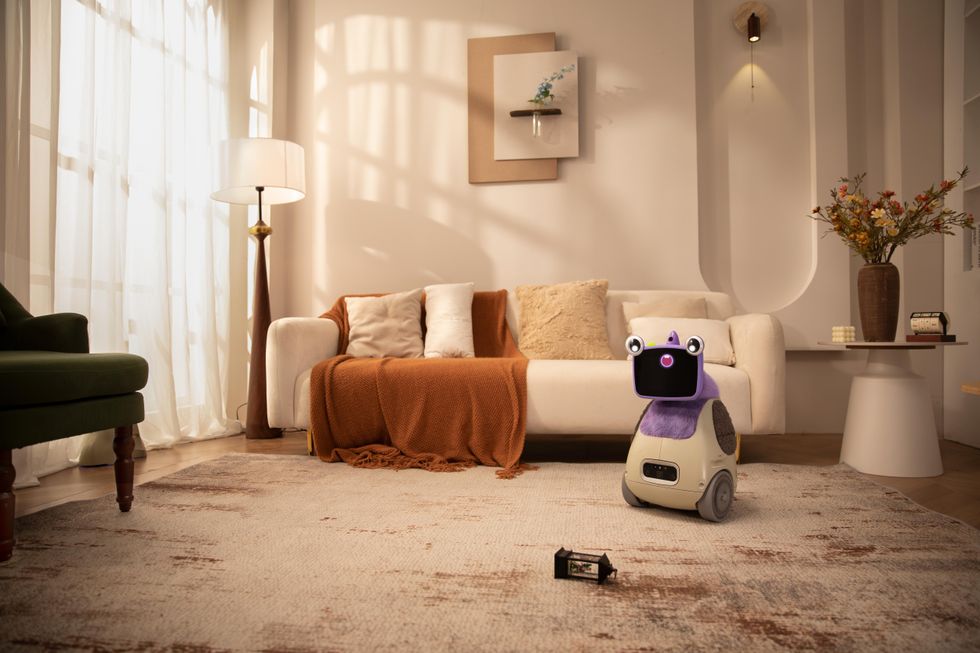
Ollobot's OlloNi SS1 Redefines AI Companion Robots for Emotional Connection
Ollobot's OlloNi SS1 is a new generation of AI companion robots designed to address loneliness and emotional needs in modern households. Unlike earlier models, which were limited in functionality, the SS1 employs proactive interaction and emotional intelligence to provide companionship for various demographics, including the elderly, children, and single professionals. The significance of the OlloNi SS1 lies in its ability to create a sense of presence and emotional support, filling gaps left by traditional communication tools. With the global AI companion market projected to grow from $48 billion in 2026 to $318 billion by 2033, Ollobot's innovative approach positions it at the forefront of this expanding industry. Looking ahead, the evolution of the OlloNi SS1 through over-the-air updates and its integration into family activities will be crucial to its success. As the demand for emotional support in technology increases, Ollobot's focus on familiarity and long-term coexistence may set a new standard for companion robots in the future.
Social-robots Human-robot-interaction Computer-vision Companion-robots Multimodal-ai Ai-robots
Emotional Companion App with 60 Million Users Launches Family Robot Buboo 1
Xinyan Group's CEO Ren Yongliang made a bold decision to integrate AI emotional companionship into hardware by developing the Buboo 1 family robot. With over 60 million users of their app, which generates billions in revenue annually, the company aims to address the limitations of online interactions in family settings. The Buboo 1 robot, showcased at WAIC 2026, offers proactive interaction without the need for wake words, adapting to users' emotional cues and preferences. This innovation is significant as it represents a shift from traditional electronic toys to intelligent home companions that can understand and respond to emotional needs. Ren believes that the future competition will focus on multi-modal perception and the accumulation of native data in home environments. The Buboo 1 seeks to fill the gap in emotional support that online platforms cannot address, particularly in family dynamics and intergenerational communication. Looking ahead, the industry is poised for a transformation as it moves towards creating emotionally intelligent physical AI entities. The Buboo 1 aims to redefine how AI can fulfill emotional companionship needs in a tangible way, addressing the emotional gaps in modern family life. No further timeline was disclosed at the time of publication.
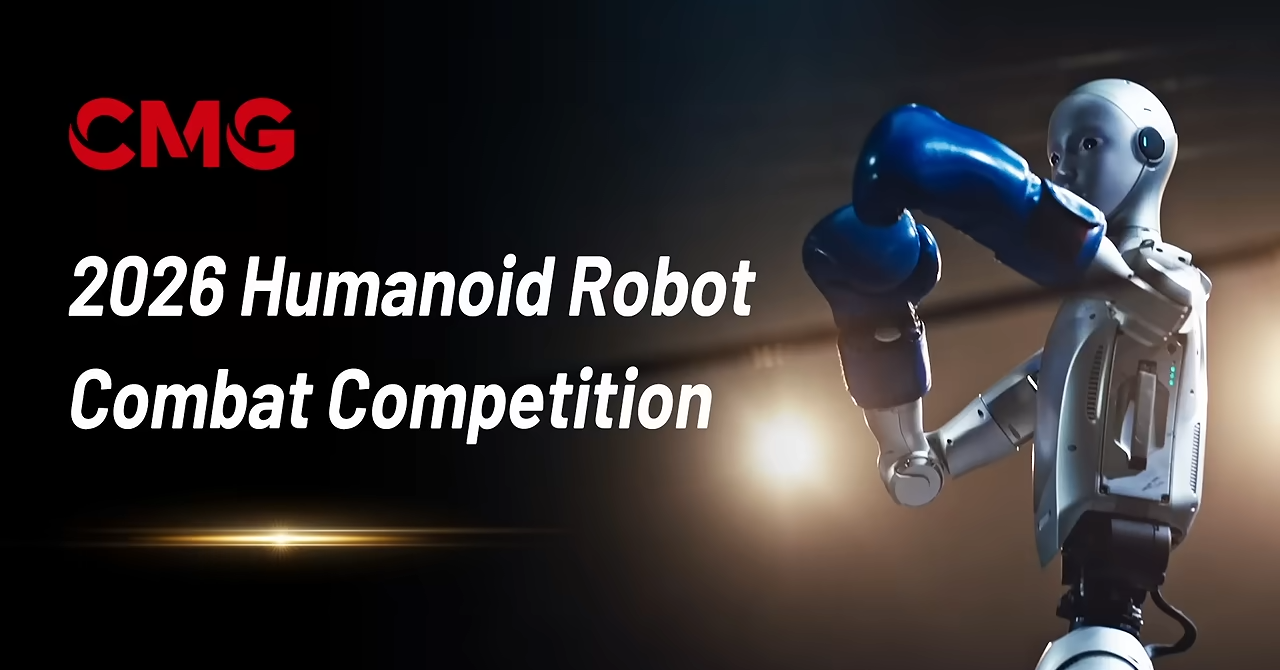
Unitree Robotics Announces CMG 2026 Humanoid Robot Combat Competition with Promotional Video
On July 9, Unitree Robotics, a Chinese robotics company, announced the CMG 2026 Humanoid Robot Combat Competition. The event features humanoid robots competing in combat, reminiscent of scenes from the movie 'Real Steel.' A promotional video showcasing training sessions with their humanoid robots, including G1 and H2, was also released. This competition is significant as it highlights the advancements in humanoid robotics, with Unitree Robotics entering the field in 2023 and gaining attention for their G1 robot's impressive capabilities, including acrobatic moves and dance performances. The event aims to mark a new chapter in the co-evolution of humans and robots, as stated by the company. Looking ahead, Unitree Robotics plans to provide more details about the event in the future. The 2026 competition follows a similar event held in 2025, indicating the company's commitment to promoting humanoid robotics and engaging audiences with innovative combat showcases.
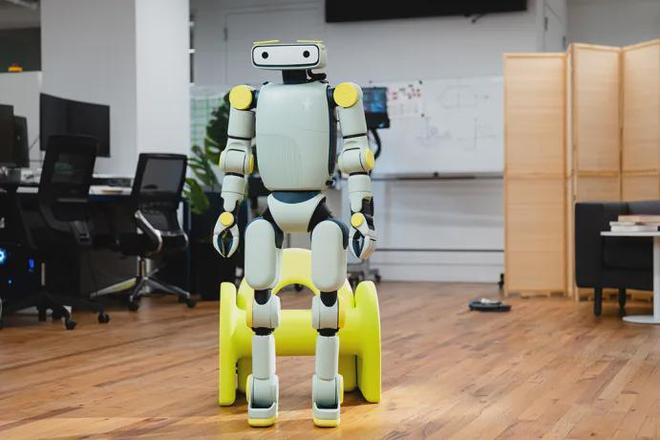
Amazon Acquires Sprout, Betting on the Trillion-Dollar Market of Humanoid Robots and 'Emotional Economy'
Amazon has finalized its acquisition of Fauna Robotics, the company known for developing the humanoid robot Sprout, which focuses on safety and emotional interaction. This strategic move signifies Amazon's commitment to expanding its presence in the personal robotics sector, shifting its focus from primarily enhancing logistics to exploring applications within home environments. The acquisition reflects Amazon's ambition to innovate in the realm of robotics, potentially transforming how consumers interact with technology in their daily lives.
Humanoid Robots Personal Robotics AI Emotional Interaction Home Automation
Papergames bets on emotional AI robots, virtual gaming characters could go physical
Chinese gaming company Papergames has announced its foray into the AI companion robot sector by posting several job openings related to AI robotics on various recruitment platforms. Among the positions available are roles for an AI robotics structural lead, hardware engineer, and product manager with a focus on hardware supply chains. This strategic move reflects the company's intention to enhance the emotional value of its offerings, signaling a significant shift in its business direction. The recruitment efforts indicate Papergames' commitment to developing innovative technologies that integrate artificial intelligence with robotics, aiming to create products that resonate with users on a deeper emotional level.
Up and Comers Content and entertainment Gaming Highlight News
The Role of Emotional Intelligence When Implementing Industrial Robotics
As the manufacturing and industrial sectors increasingly adopt robotics, emotional intelligence has emerged as a crucial leadership skill. This development highlights the importance of leaders who can navigate the complexities of automation while ensuring a human-centric workplace. By fostering emotional intelligence, leaders can enhance team dynamics and employee engagement, ultimately maximizing the benefits of technological advancements. Organizations are encouraged to prioritize training and development programs that cultivate emotional intelligence among their leaders. This approach not only supports the integration of robotics but also helps maintain a positive work environment, where employees feel valued and understood. As the industry evolves, the ability to connect with and motivate teams will be essential for leaders aiming to drive successful transformations in their organizations. In summary, as the landscape of manufacturing continues to change with the rise of automation, the role of emotionally intelligent leadership becomes increasingly significant in balancing technological progress with the needs of the workforce.
Robotics needs a service framework.
RSF defines a common language for robot service capability, lifecycle operations, certification pathways, and service-provider networks.
Join the RobotToday community on LinkedIn
Daily robotics news, in-depth analysis, conference highlights, and discussions with professionals worldwide.