

Industry Briefing
A single destination for timely, editor-curated robotics news from around the world.
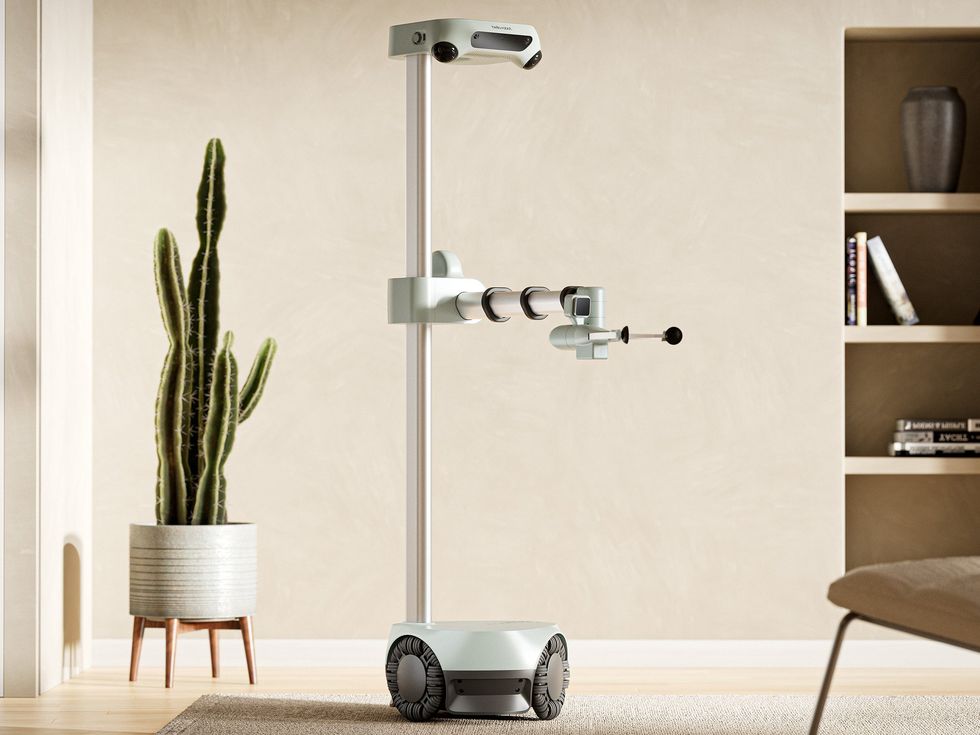
Hello Robot Sets the Standard for Practical, Safe Home Robots
Hello Robot has announced the launch of Stretch 4, a new version of its mobile robot designed for practical household tasks. This announcement comes as the company aims to transition from research-focused robotics to a deployable solution for home use, particularly for individuals with severe mobility impairments. The unveiling took place today, with the robot's design emphasizing mobility and manipulation over humanoid features. Stretch 4 features an advanced omnidirectional base allowing it to move in any direction, enhancing user control. The robot is equipped with a sophisticated sensor suite for improved navigation and autonomy, including cameras and lidar technology. Co-founders Aaron Edsinger and Charlie Kemp highlighted the challenges faced during the design process, aiming to avoid overcomplicating the robot while ensuring it meets real-world needs. The robot is intended for pilot deployments in homes, with the goal of gathering data to refine its capabilities for everyday use. Unlike humanoid robots, which may not effectively serve individuals with disabilities, Stretch 4's wheeled design is seen as more practical and safer for home environments. Priced at $29,950, Stretch 4 is positioned as an affordable option in the mobile manipulation market, with plans for further development leading to a commercially viable assistive robot in the near future.
Hello-robot Home-robots Humanoid-robots Mobile-manipulator Mobility-impaired
Mobile Manipulator Robot for Autonomous In‐Situ Soil Measurements in Chile Pepper Cultivation
A recent study published in the Journal of Field Robotics highlights the advancements in autonomous robotic systems designed for agricultural applications. Researchers from various institutions conducted the study to explore how these technologies can enhance efficiency and productivity in farming practices. The findings, released in early October 2023, indicate that the integration of robotics in agriculture can significantly reduce labor costs and improve crop yields. The research was conducted in multiple agricultural settings, demonstrating the versatility of robotic systems in different environments. By employing advanced sensors and machine learning algorithms, these robots can perform tasks such as planting, harvesting, and monitoring crop health with minimal human intervention. The motivation behind this innovation stems from the growing need for sustainable farming solutions amid increasing global food demand and labor shortages in the agricultural sector. Through extensive field trials, the researchers documented the robots' performance, revealing their ability to operate efficiently under various weather conditions and terrains. This study not only underscores the potential of robotics to transform agriculture but also emphasizes the importance of continued investment in technology to address future challenges in food production.
RESEARCH ARTICLE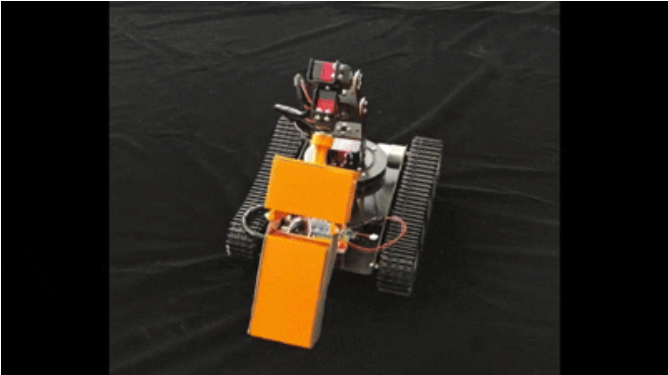
Breakthrough in Mobile Electrostatic Grippers: Soft on Contact, Rigid During Transport
Researchers at Harbin Institute of Technology have unveiled a groundbreaking electrostatic gripper capable of adjusting its stiffness on demand. This innovative device remains soft when in contact with objects, allowing for improved adherence, and transitions to a rigid state during transport to mitigate the risk of drop-offs caused by inertia. The development aims to enhance the stable handling of diverse surfaces and has been integrated into mobile robots, significantly boosting their operational performance. This advancement represents a significant step forward in robotic manipulation technology, promising to improve efficiency in various applications.
Electrostatic Grippers Robotics Mobile Manipulation Variable Stiffness Technology
Cobot’s Proxie Gen 2 robot adds autotasking, mobile manipulation
Cobot, led by founder and CEO Brad Porter, has unveiled its latest innovation, the Proxie Gen 2 robot, which enhances automation capabilities in material handling. This advanced robot is designed to autonomously assess when materials are ready for transport, pinpoint their destinations, and generate tasks without the need for human oversight. The introduction of Proxie Gen 2 marks a significant step forward in mobile manipulation technology, aiming to streamline operations in various industries. This development reflects Cobot's commitment to advancing robotic solutions that improve efficiency and reduce reliance on manual labor.
Artificial Intelligence Artificial Intelligence / Cognition Autonomous Mobile Robots (AMRs) Design / Development Healthcare Robotics Logistics
Locus Robotics Acquires Nexera Robotics, Advancing a Patented Breakthrough in Mobile Manipulation
Locus Robotics has announced its acquisition of Vancouver-based Nexera Robotics, a move aimed at enhancing its capabilities in mobile manipulation. The acquisition, revealed on May 19, 2026, will integrate Nexera's patented NeuraGrasp™ technology into Locus's existing AI platform, significantly expanding the range of SKUs that the Locus Array can autonomously handle. This advancement is expected to open new categories and improve efficiency in warehouse operations, addressing challenges that have historically limited robotic picking capabilities. Rick Faulk, CEO of Locus Robotics, emphasized the importance of AI-driven mobile manipulation for the future of warehouse robotics, stating that the ability to efficiently grasp a wide variety of inventory is crucial for creating value in the coming decade. The NeuraGrasp™ technology combines AI intelligence, sensory inputs, and computer vision, allowing a single gripper to adapt to various item characteristics, thereby enhancing reliability in real-world warehouse conditions. The acquisition follows the successful launch of Locus Array at MODEX 2026, where it garnered significant market interest and recognition as a top innovation. With Nexera now wholly owned by Locus Robotics, the integration of NeuraGrasp™ is expected to accelerate the company's growth and broaden its market reach, positioning it at the forefront of the autonomous fulfillment industry.
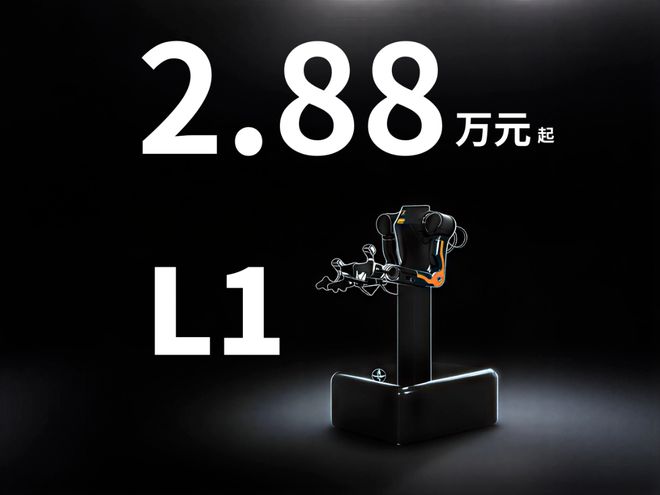
Starting at 28,800 Yuan! VLAI Robotics Launches the L1 Mobile Dual-Arm Robot, Ushering in a New Era of Embodied Intelligence
VLAI Robotics has introduced its latest innovation, the L1 mobile dual-arm robot, which aims to enhance flexibility and precision across multiple sectors. Launched with a starting price of 28,800 Yuan, the L1 is engineered to meet the demands of research, industrial automation, and service industries. This advanced robot features superior mobility and dual-arm functionality, positioning it as a versatile solution for a range of applications. The unveiling of the L1 marks a significant step forward in robotic technology, catering to the increasing need for automation and efficiency in various fields.
Mobile Robots Dual-Arm Robotics AI Automation Research and Development
Motion Control and Experimental Verification of a Continuum Aerial Manipulator for Power Grid Maintenance Operations
A recent study published in the Journal of Field Robotics highlights advancements in robotic technology aimed at improving agricultural efficiency. Researchers from various institutions collaborated to develop a new robotic system designed to automate the process of crop monitoring and management. This innovative system was tested in fields across California during the summer of 2023, demonstrating its potential to enhance productivity and reduce labor costs for farmers. The motivation behind this research stems from the increasing demand for sustainable agricultural practices and the need to address labor shortages in the farming sector. By integrating advanced sensors and artificial intelligence, the robotic system can analyze crop health, soil conditions, and environmental factors in real-time, providing farmers with actionable insights. The study outlines the methodology used in the field trials, including the deployment of multiple robotic units equipped with cutting-edge technology. These robots were programmed to navigate autonomously, collect data, and deliver precise recommendations for crop management. The findings indicate that the implementation of such robotic systems could lead to significant improvements in yield and resource efficiency. As the agricultural industry faces mounting challenges, this research underscores the importance of innovation in fostering sustainable practices and meeting the needs of a growing population. The successful trials pave the way for further development and potential commercialization of robotic solutions in agriculture, promising a transformative impact on the sector.
RESEARCH ARTICLE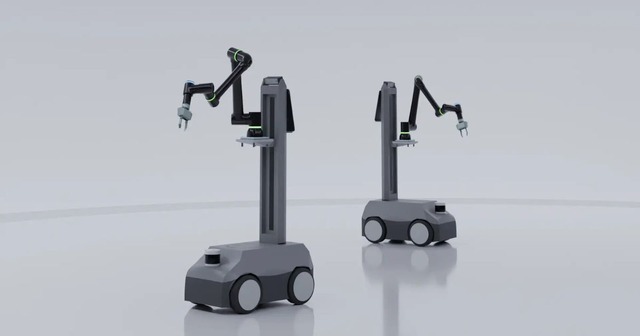
Mobile robot arm "MobiRobo" for railway inspections to debut at JR East startup event on June 4.
Kailas Robotics has announced its participation in the 13th JR East Startup Program DEMO DAY, scheduled for June 4, 2026. This event will showcase innovative startups and provide them with a platform to present their projects to potential investors and industry leaders. The initiative aims to foster entrepreneurship and technological advancement within the region, highlighting the importance of collaboration between startups and established companies. By taking part in this event, Kailas Robotics seeks to gain visibility and support for its cutting-edge solutions in the robotics sector.
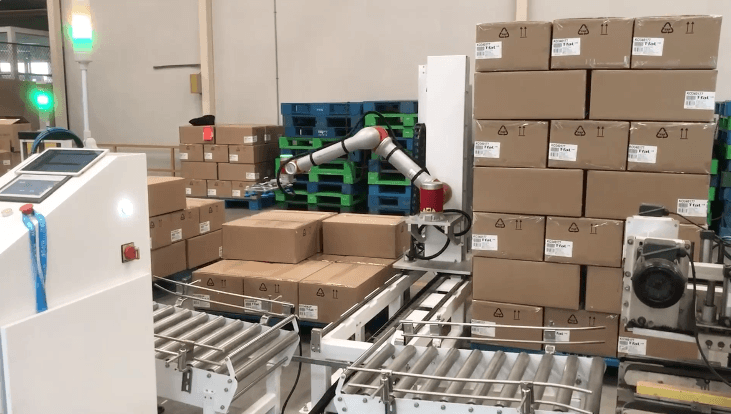
Manipulator Robot Arm Kinematics: Understanding the Degrees of Freedom (DoF)
In the rapidly evolving field of robotics, the JAKA Pro16 cobot stands out for its advanced kinematic design, which emulates the human arm's functionality. This industrial robot, equipped with six degrees of freedom (DoF), offers unparalleled agility and precision, allowing it to navigate complex environments and perform intricate tasks. With a reach of 1713mm and a payload capacity of 16kg, the JAKA Pro16 is particularly suited for heavy-duty applications, such as palletizing and CNC part handling. The robot's kinematic structure is divided into two functional groups: positioning axes that mimic the shoulder and elbow for spatial movement, and orientation axes that enable precise tool manipulation. This design helps the cobot overcome potential movement restrictions, known as singularities, ensuring continuous production flow in crowded factory settings. JAKA has optimized the Pro16 for high-precision environments, incorporating IP68-rated joints to protect internal components from dust, water, and oil. The robot maintains sub-millimeter repeatability and operates effectively in extreme temperatures, making it reliable for various industrial applications. Controlled wirelessly through the JAKA App, the Pro16 simplifies complex kinematic operations, enhancing productivity and efficiency in manufacturing processes. By integrating this cutting-edge technology, businesses can significantly improve their operational capabilities and maintain a competitive edge in the market.
A Fast and Robust Multistage Hybrid Algorithm for Inverse Kinematics of Redundant Mill Relining Manipulator
In May 2026, researchers published a significant study in the Journal of Field Robotics, focusing on advancements in robotic technology. This research, conducted by a team of engineers and scientists, explores innovative methodologies for enhancing the autonomy and efficiency of field robots used in various applications, including agriculture and disaster response. The study highlights the development of new algorithms that enable robots to navigate complex environments more effectively, which is crucial for tasks that require precision and adaptability. The motivation behind this research stems from the increasing demand for automation in sectors where human intervention is limited or hazardous. By employing advanced machine learning techniques, the team demonstrated how these robots could learn from their surroundings and improve their operational capabilities over time. The findings are expected to have a profound impact on the future of robotics, potentially leading to safer and more efficient solutions in critical areas. This publication marks a pivotal moment in the ongoing evolution of robotic systems, showcasing the potential for these technologies to transform industries and enhance human productivity.
RESEARCH ARTICLE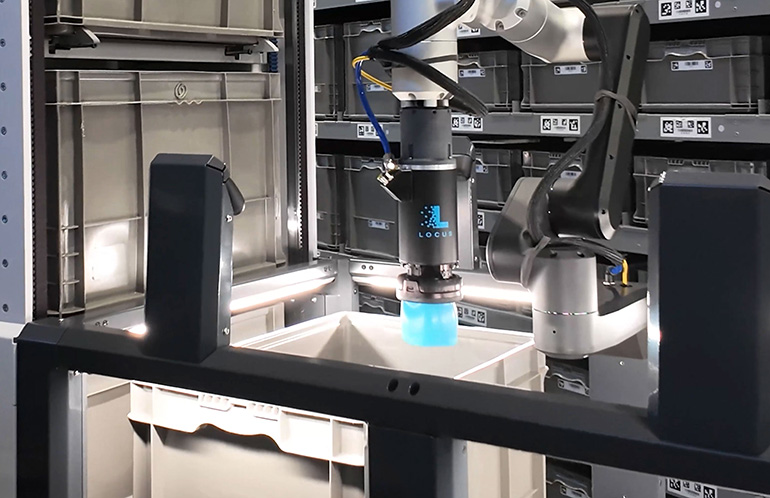
Locus Array expands picking ability with Nexera Robotics’ NeuraGrasp
Nexera Robotics has announced that its adaptive NeuraGrasp technology will enhance the picking capabilities of the Locus Array mobile manipulator, allowing it to handle a significantly larger variety of e-commerce stock-keeping units (SKUs). This development aims to improve efficiency in warehouse operations, addressing the growing demand for automation in the e-commerce sector. The integration of NeuraGrasp with the Locus Array is set to streamline the picking process, ultimately supporting businesses in meeting customer needs more effectively.
Autonomous Mobile Robots (AMRs) End Effectors / Grippers Grippers Logistics Mergers & Acquisitions News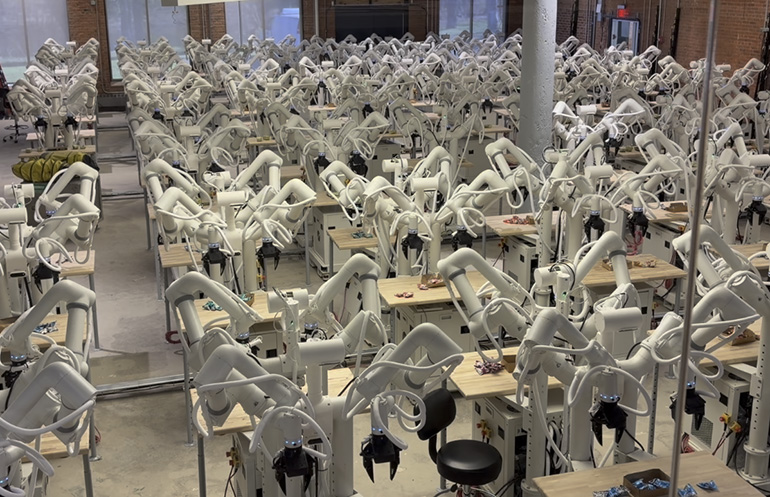
Tutor Intelligence builds Data Factory to train robot AI in the real world
Tutor Intelligence has initiated the operation of 100 Sonny semi-humanoid robots at its headquarters, a move aimed at enhancing the training of artificial intelligence in real-world scenarios. This initiative is part of the company's broader strategy to develop a Data Factory that will facilitate the sharing of technology and data with its Cassie mobile manipulator. By leveraging these advanced robotic systems, Tutor Intelligence seeks to improve the efficiency and effectiveness of AI training, ultimately advancing its capabilities in various applications. The deployment of these robots marks a significant step in the company's commitment to innovation in robotics and AI technology.
Arms / Manipulators Artificial Intelligence Artificial Intelligence / Cognition Cobot Arms Consumer Robotics Food / Beverage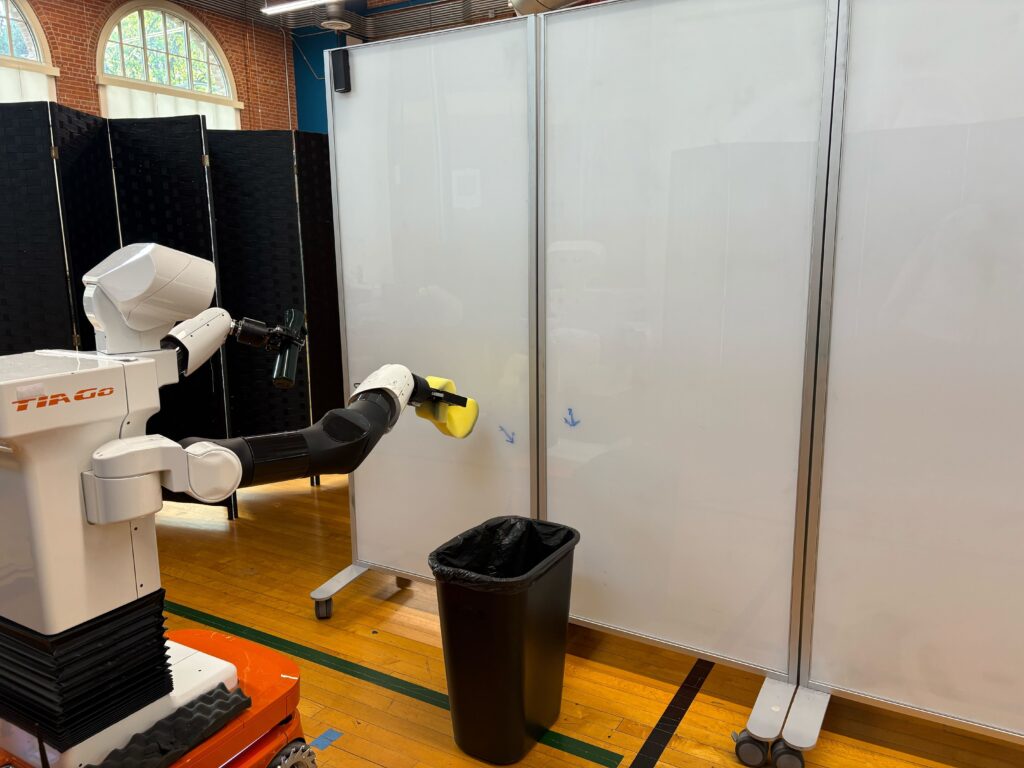
How can robots acquire skills through interactions with the physical world? An interview with Jiaheng Hu
Researchers are tackling the challenges of controlling high-degree-of-freedom systems, such as mobile manipulators, which are essential for both household and industrial robotics. Despite the potential of reinforcement learning to develop effective robot control policies, scaling these methods to more complex systems has presented significant difficulties. To address this issue, a team has introduced SLAC, or Simulation-Pretrained Latent Action Space, a novel approach designed to enhance the scalability of reinforcement learning in robotic applications. This innovative method aims to streamline the process of training robots, making it easier to implement advanced control strategies in real-world scenarios. The ongoing research highlights the importance of developing efficient robotic systems that can adapt to various environments and tasks, ultimately paving the way for more versatile and capable robots in the future.
ROKAE Robotics Highlights at HANNOVER MESSE 2025
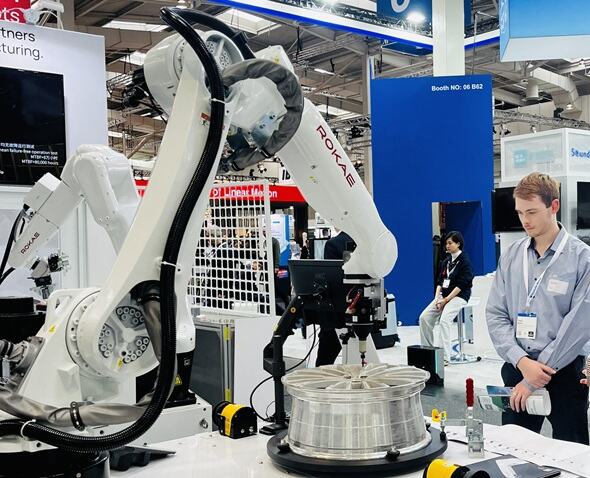
ROKAE Robotics showcased its advanced robotic solutions at HANNOVER MESSE 2025, which commenced on March 31, attracting 4,000 companies from over 60 countries. Located at Hall 6, Booth C67, ROKAE presented seven innovative applications, including intelligent welding and mobile manipulators, emphasizing the integration of robotics with artificial intelligence to demonstrate China's manufacturing prowess. During the event, German Chancellor Olaf Scholz highlighted the importance of technological innovation, particularly in AI and robotics, as central themes for this year's exhibition. ROKAE's commitment to a global strategy has seen its products exported to over 100 countries, with a particular focus on the European market, especially Germany, which has a strong demand for automation in its automotive and machinery sectors. ROKAE's robots are designed to meet the high standards of precision and reliability required by European clients, offering high-speed performance and safety features. The company has gained trust in the European market through its efficient services and quality products, establishing partnerships with leading manufacturers. To further enhance its presence, ROKAE is setting up a branch in Germany to leverage local expertise. As ROKAE continues to innovate and collaborate within the robotics ecosystem, it aims to contribute significantly to the smart transformation of global manufacturing, positioning itself as a key player in the international robotics arena.
Hello Robot is recognized by World Economic Forum as a tech pioneer
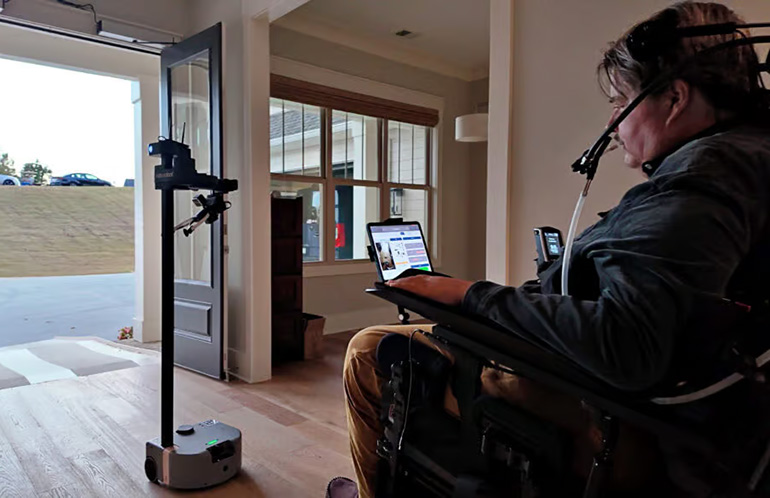
Hello Robot has been recognized as a technology pioneer by the World Economic Forum for its innovative Stretch system, which offers mobile manipulation assistance to older adults and individuals with disabilities. This acknowledgment highlights the company's commitment to enhancing the quality of life for these populations through advanced robotic solutions. The recognition comes as part of the World Economic Forum's initiative to spotlight groundbreaking technologies that address pressing societal challenges.
Autonomous Mobile Robots (AMRs) Healthcare Robotics Human Robot Interaction / Haptics News Assistive Technologies Hello Robot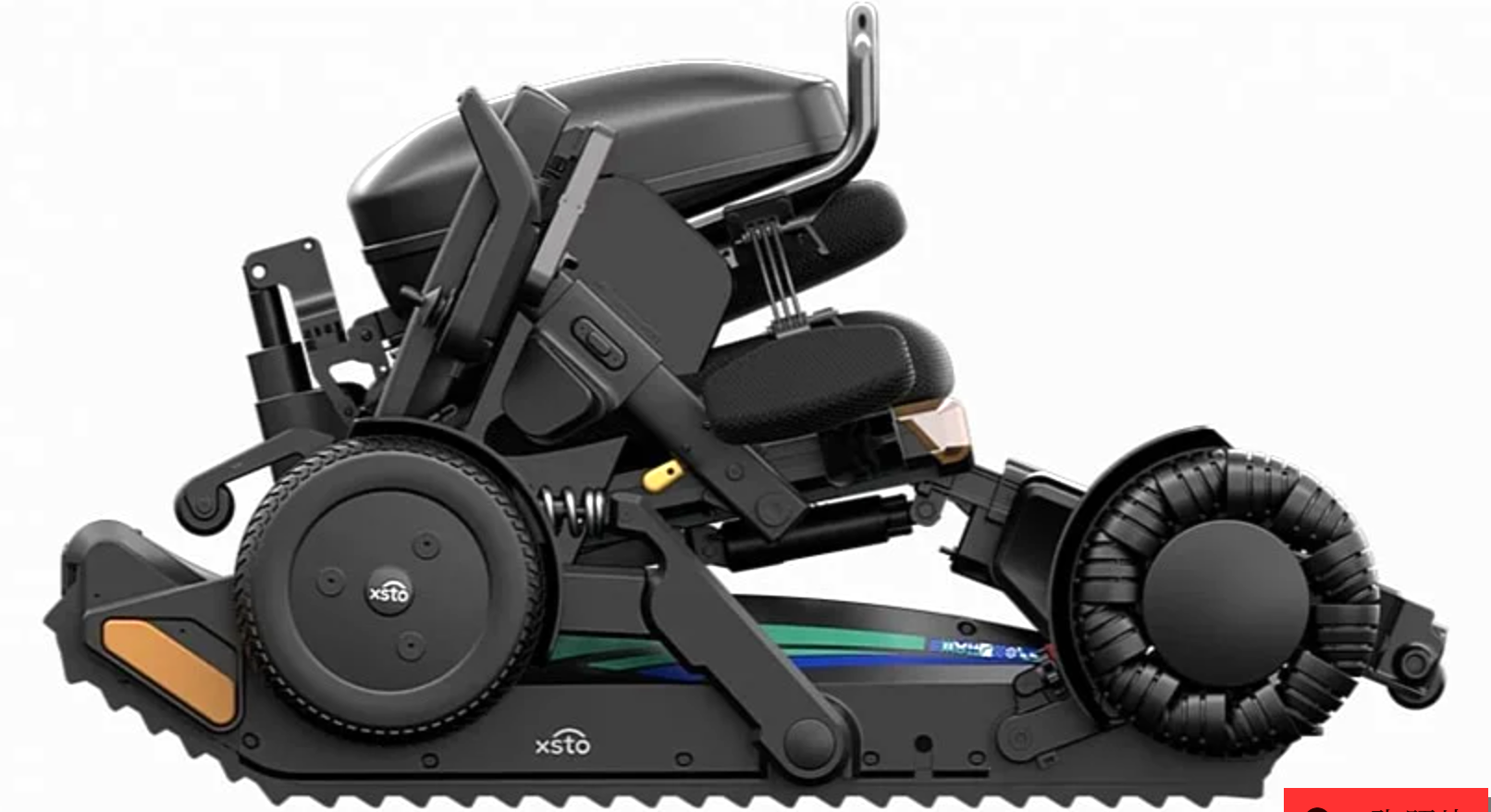
XSTO Mobility Launches $28,000 X12 Stair-Climbing Robot with AI and LiDAR Technology
XSTO Mobility has unveiled the X12 all-terrain mobility robot, priced at $27,999, designed to assist wheelchair users in overcoming stairs and other obstacles. Weighing approximately 115 kg and capable of carrying up to 136 kg, the X12 features a hybrid wheel-track chassis that allows it to navigate stairs autonomously, with a climbing speed of 25 steps per minute and descending speed of 30 steps per minute. The robot utilizes LiDAR and AI algorithms for real-time terrain perception, enabling it to adjust its driving mode and power output dynamically. The introduction of the X12 is significant as it addresses mobility challenges faced by individuals with disabilities, particularly in environments lacking accessibility features. With the ability to climb slopes of up to 40 degrees and traverse gaps of 300 mm, the X12 offers a solution that goes beyond traditional mobility aids. XSTO Mobility, based in Zhongshan, Guangdong, has been developing embodied mobile robots for over a decade, and the X12 represents a substantial advancement in this field, emphasizing user independence and safety. Looking ahead, XSTO Mobility has reported that orders for the X12 are already booked until April 2026, indicating strong market demand. The robot is currently available in over 70 countries, and its innovative design has garnered multiple awards. No further timeline was disclosed at the time of publication regarding additional product releases or enhancements.
Mobility Robots Assistive Technology AI Healthcare Innovation
ABB Robotics and Roche Partner to Enhance Laboratory Efficiency with Intelligent Robotics
ABB Robotics has entered into a collaboration with Roche to develop digitally connected laboratories utilizing intelligent robotics. This partnership aims to improve laboratory workflows significantly, with initial applications focusing on pathology slide handling and enhancing intralogistics within Core Labs. The deployment will feature a variety of ABB Robotics technologies, including autonomous mobile manipulation and fixed articulating robots. This collaboration is significant as it represents a shift towards integrating advanced robotics in laboratory settings, which can lead to increased efficiency and reduced operational costs. By automating tasks such as slide handling, laboratories can expect to streamline processes, minimize human error, and enhance overall productivity. The use of intelligent robotics in this context is expected to set a new standard for laboratory operations. Looking ahead, the first applications of this collaboration are anticipated to roll out soon, although no specific timeline was disclosed at the time of publication. Stakeholders in the robotics and healthcare sectors should monitor this partnership closely, as it may pave the way for further advancements in laboratory automation and connectivity.
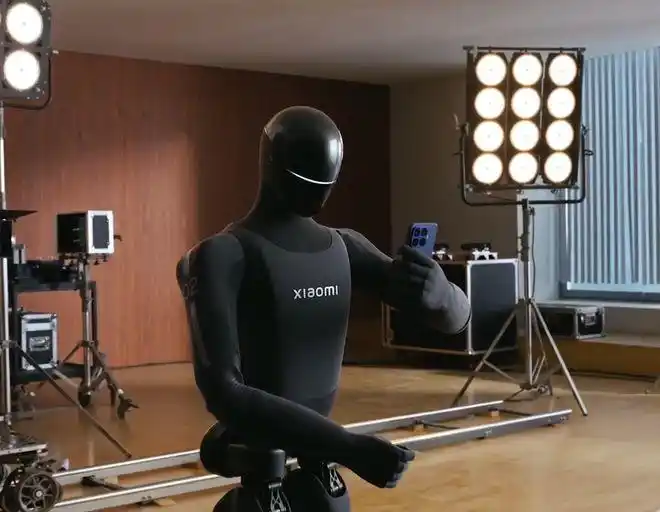
"Stealing the Spotlight from the Smartphone Launch! Behind CyberOne's One-Handed Photography, Xiaomi's Robot Claims 'Dual Champion'"
Xiaomi has made headlines with its latest innovation, CyberOne, a robot that boasts advanced one-handed photography capabilities. This announcement coincided with the launch of the company's new smartphone, showcasing the tech giant's commitment to pushing the boundaries of robotics and mobile technology. The event took place recently in Beijing, where Xiaomi unveiled its dual champion, highlighting the robot's unique features that set it apart in the competitive landscape of artificial intelligence and consumer electronics. The introduction of CyberOne aims to enhance user experience by integrating sophisticated photography functions into a robotic platform, catering to the growing demand for innovative tech solutions. By leveraging cutting-edge technology, Xiaomi seeks to capture the attention of both consumers and industry experts, positioning itself as a leader in the rapidly evolving market. The launch event not only emphasized CyberOne's capabilities but also served as a strategic move to shift focus from the smartphone launch, demonstrating Xiaomi's ambition to diversify its product offerings and engage with a broader audience. As the company continues to explore the intersection of robotics and everyday technology, the implications of CyberOne's introduction could reshape consumer expectations and inspire future developments in the field.
Robotics Automation AI
Samsung's Rainbow Robotics pilots warehouse robot at Coupang
Rainbow Robotics, a subsidiary of Samsung Electronics, has deployed its mobile dual-arm robot, RB-Y1, at a Coupang fulfillment center as part of a trial to assess the robot's capabilities in warehouse operations. The testing, reported by ETNews, focuses on the robot's reliability and efficiency in sorting and moving goods. Should the RB-Y1 demonstrate satisfactory performance, it could lead to a significant order from Coupang. The trial is part of ongoing efforts to enhance automation in e-commerce logistics.
All News
Robot Talk Episode 159 – Robot sensing and manipulation, with Maria Koskinopoulou
Claire recently engaged in a conversation with Maria Koskinopoulou, an Assistant Professor in Robotics and Computer Vision at Heriot-Watt University, regarding the advancements in autonomous robotic manipulators. The discussion highlighted the applications of these technologies in various fields, including surgery and industry. Koskinopoulou, who co-leads the ARM²Lab—focused on Autonomous Robotic Manipulation and Multi-Agent Systems—alongside Ignacio Carlucho, shared insights into her research interests and the potential impact of robotics on future innovations. The dialogue underscores the growing significance of robotics in enhancing efficiency and precision across multiple sectors.

Hello Robot Unveils Stretch 4: A Simply Useful Robot that Puts People First
Hello Robot has launched Stretch 4, a new open-source robotics platform aimed at enhancing the integration of robots into everyday life. Announced on May 12, 2026, in Martinez, California, Stretch 4 is priced at $29,950 and is designed for researchers and developers working on Physical AI applications. The robot focuses on safe, intuitive human-robot interaction, making it suitable for assisting individuals with mobility impairments. Co-founder and CEO Aaron Edsinger emphasized that Stretch 4 is built to operate alongside people, featuring a compact and lightweight design that prioritizes user safety. The robot is equipped with advanced sensors, including 3D LiDAR and high-resolution cameras, enabling it to navigate complex environments and perform tasks like fetching drinks or closing blinds through a mobile app. The development of Stretch 4 reflects Hello Robot's commitment to creating robots that enhance the quality of life for various users, including children and older adults. By addressing the challenges of human-robot collaboration, the company aims to pave the way for robots to become a familiar presence in homes and workplaces. Charlie Kemp, CTO and co-founder, highlighted that the redesign of Stretch 4 was informed by customer feedback, resulting in a versatile platform that supports a wide range of applications.
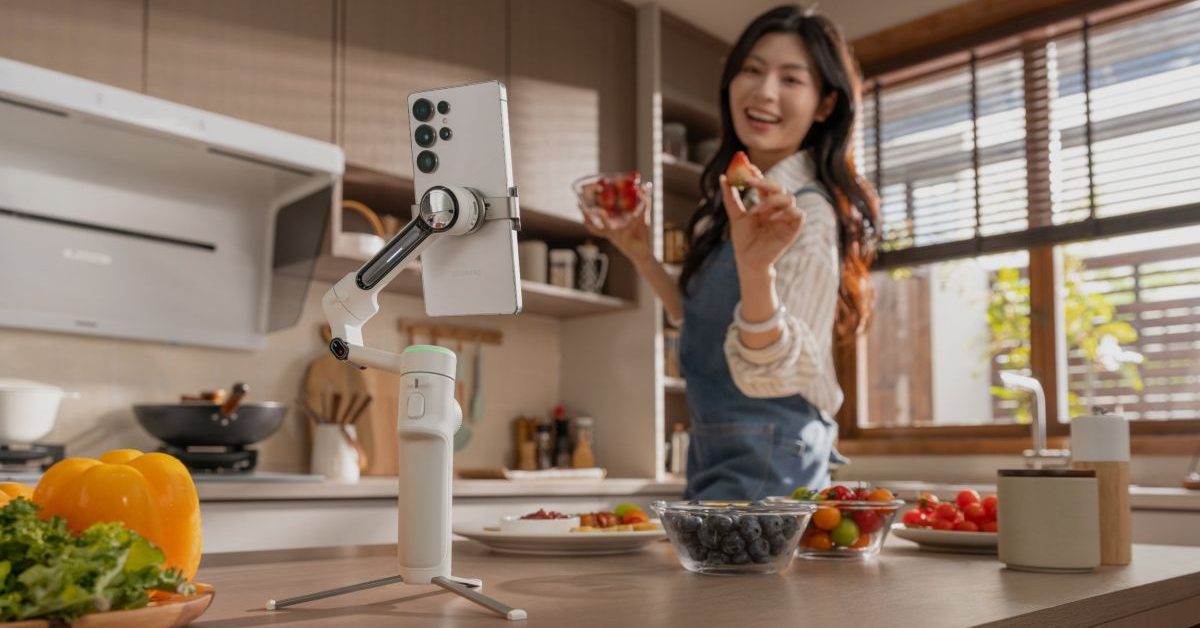
Insta360 just fixed Android’s biggest gimbal problem
Insta360 has launched a significant spring software update for its Flow 2 series gimbals, which includes the Insta360 Flow 2 and Flow 2 Pro models. This update, announced recently, enhances compatibility with both Android and iPhone devices, providing users with improved functionality. The new features include advanced creator tools designed to elevate the quality of smartphone footage, making it appear more professional. This update is expected to attract both amateur and professional filmmakers looking to enhance their mobile videography capabilities.
News
Video Friday: This Floor Lamp Will Do Your Chores
IEEE Spectrum robotics has released its weekly roundup of notable robotics videos, along with a calendar of upcoming events in the field. Key events include the International Conference on Robotics and Automation (ICRA) scheduled for June 1-5, 2026, in Vienna, and the Robotics Science and Systems (RSS) conference from July 13-17, 2026, in Sydney. Among the highlights is Lume, a sculptural floor lamp that reportedly can perform household chores such as making beds and folding laundry, though skepticism surrounds its capabilities due to the presentation of its functionality in promotional materials. Additionally, researchers from MIT Media Lab and Politecnico di Bari have introduced Electrofluidic Fiber Muscles, a new type of artificial muscle that is soft and flexible, utilizing electric fields to operate silently without external pumps. Another innovation is GEN-1, a general-purpose AI model that significantly improves success rates in physical tasks and enhances speed, marking a step towards achieving generalist intelligence in robotics. The report also discusses advancements in legged manipulators, which face challenges in interacting with diverse articulated objects, and highlights the development of Tether, a system for autonomous interactive play that enhances policy learning through efficient data generation. As the robotics community continues to innovate, these developments signal exciting possibilities for the future of robotics applications.
Home-robots Video-friday Artificial-muscle Agricultural-robots Robot-ai Quadruped-robots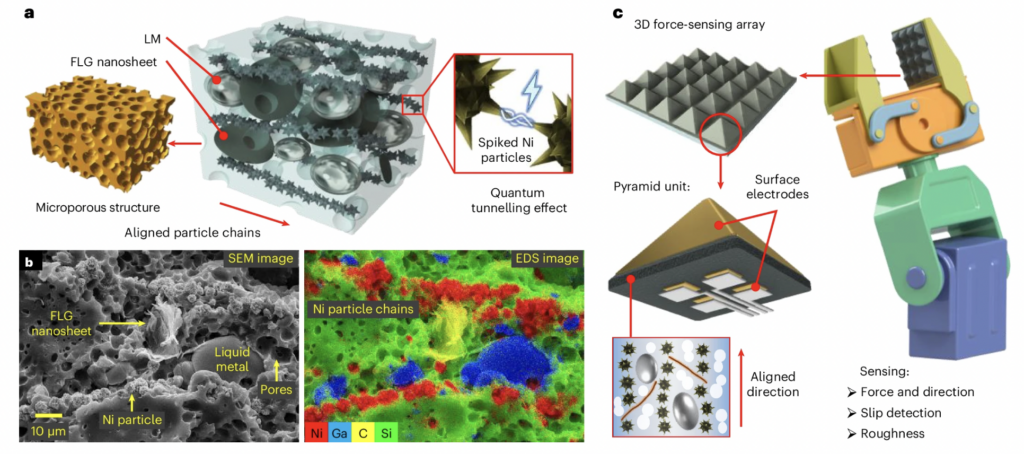
Graphene-based sensor to improve robot touch
Researchers have made significant advancements in robotic technology by developing a miniature tactile sensor designed to enhance the touch capabilities of robots. Despite improvements in vision and movement, touch has remained a critical limitation for robotic systems. This innovative sensor, which is part of a sensing array on a robotic manipulator, utilizes multiscale-structured materials to provide enhanced tactile feedback. The development aims to bridge the gap in robotic sensory perception, allowing robots to interact more effectively with their environments. This breakthrough was reported recently, highlighting the ongoing efforts to improve robotic functionality and adaptability in various applications.
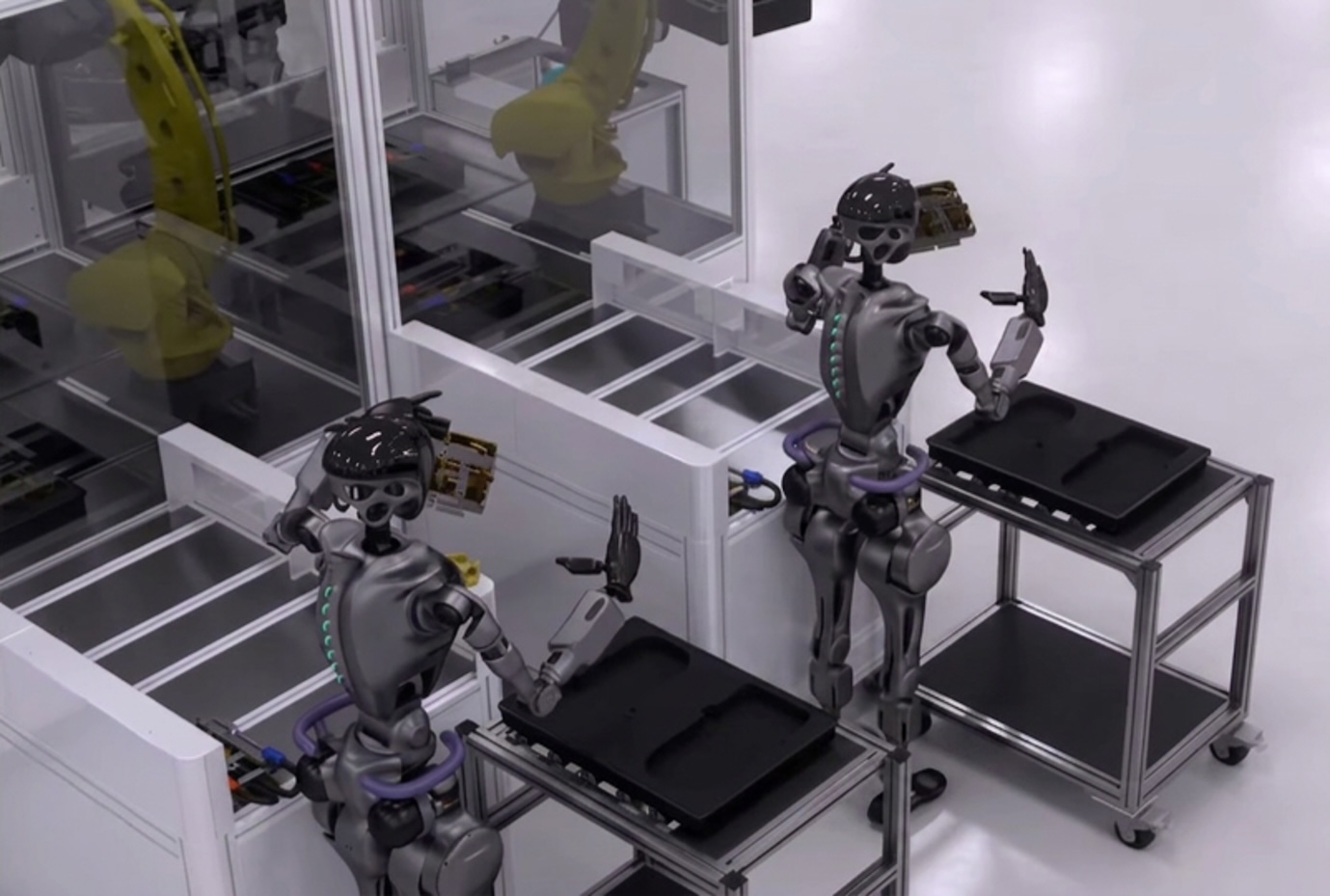
CES 2026: This Motorized Dock Turns Your iPhone Into a Tracking AI Robot
At CES 2026, a new product called DeskMate was introduced, allowing users to transform their iPhones into interactive desktop companions. This innovative motorized dock not only charges the device but also tracks the user's movements. Equipped with three USB-C ports and one USB-A port, DeskMate connects to the iPhone via MagSafe. Utilizing the phone’s screen and camera, it creates an engaging display reminiscent of Pixar-style animations. This development aims to enhance user interaction and productivity by integrating mobile technology into the desktop environment.
News Feed CES 2026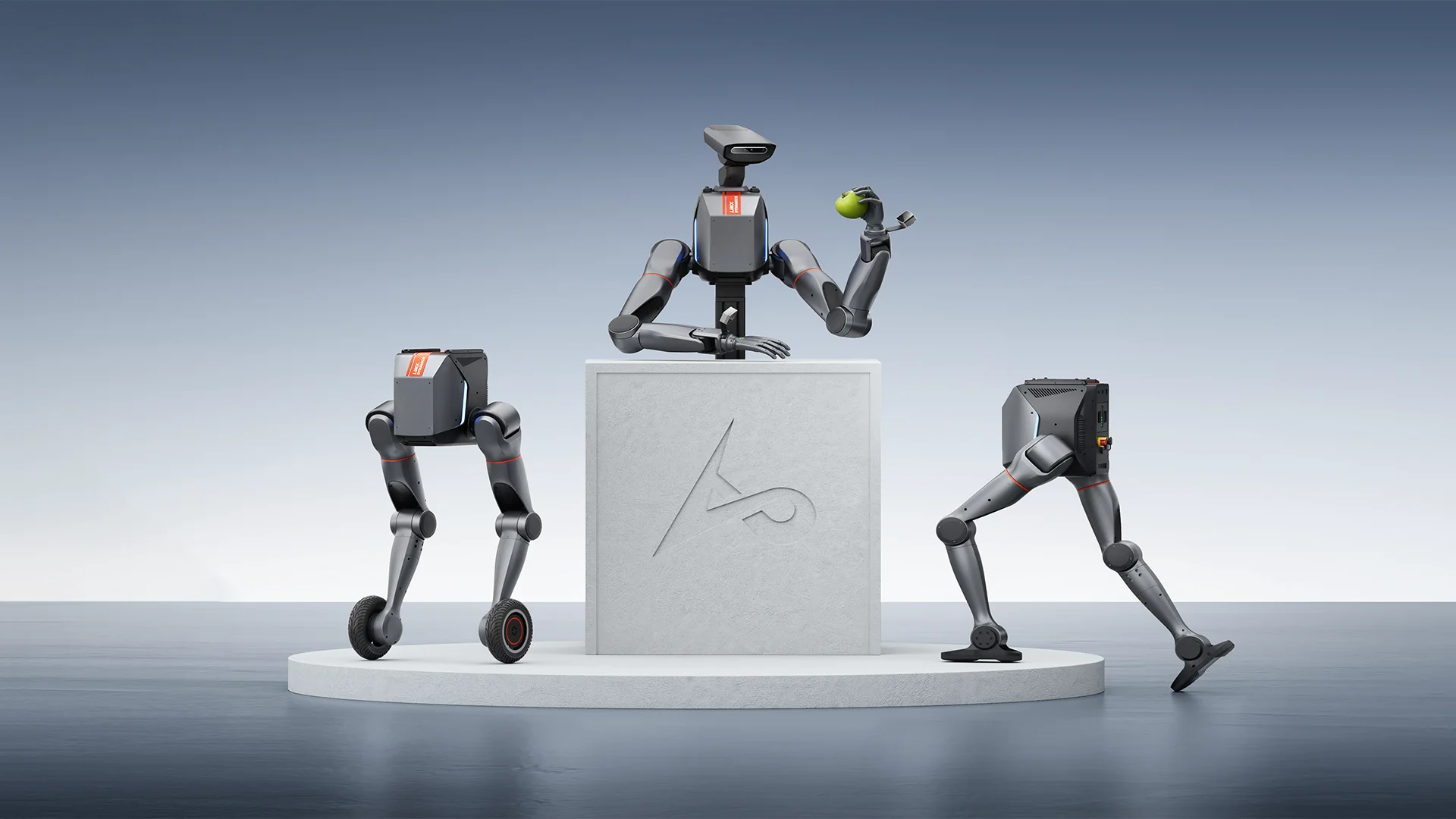
LimX Dynamics Launches TRON 2: A Modular "Shapeshifter" for Embodied AI Research
A robotics firm based in Shenzhen has introduced an innovative 3-in-1 platform designed to serve the education and research sectors. This versatile device can seamlessly transition between a bipedal walker, a wheeled robot, and a stationary dual-arm manipulator. Priced at $25,000, the platform aims to enhance learning and experimentation in various academic and research settings. The launch of this multifunctional robot highlights the company's commitment to advancing educational tools and robotics technology.
LimX Dynamics Tron 2 China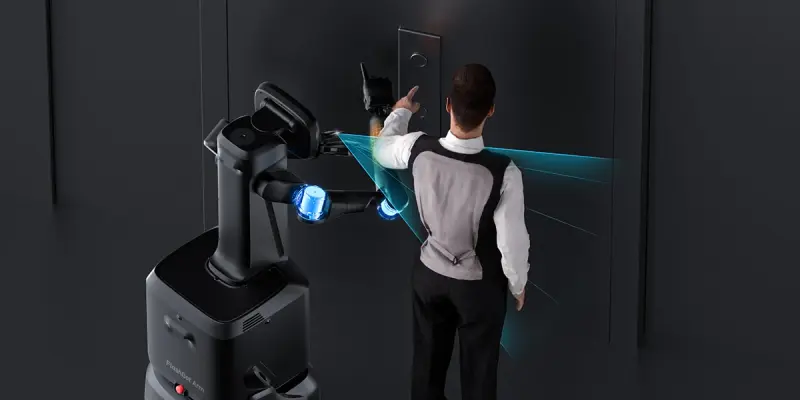
Video: Pudu Robotics Equips Delivery Bot with Dual Arms in New FlashBot Arm
Pudu Robotics has unveiled its latest innovation, the FlashBot Arm, a cutting-edge service robot that features dual seven-degree-of-freedom arms and dexterous hands mounted on a mobile delivery base. This advanced robot is engineered to perform a variety of tasks, including operating elevators and opening doors, thereby enhancing its functionality in diverse service environments. The introduction of the FlashBot Arm signifies a significant step towards integrating autonomous navigation with sophisticated manipulation capabilities, allowing for greater versatility in settings such as hotels, hospitals, and restaurants. By combining these technologies, Pudu Robotics aims to improve efficiency and service delivery in industries increasingly reliant on automation.
pudu robotics flashbot arm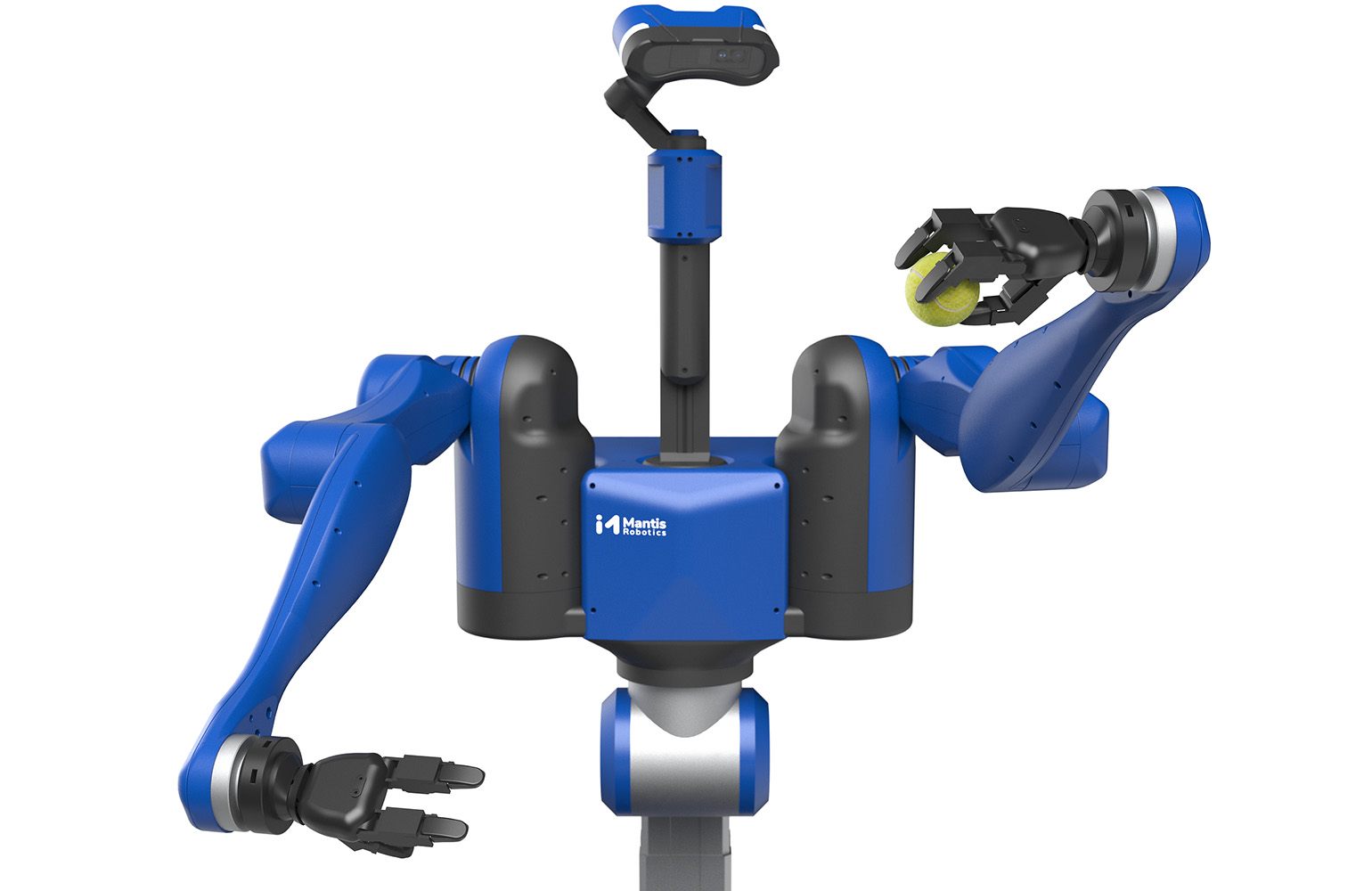
Mantis Robotics launches dual-arm, fenceless robot
Mantis Robotics has introduced a groundbreaking dual-arm, fenceless robot designed to enhance automation flexibility in intricate real-world settings. This innovative technology aims to address the challenges of configuring automation systems in environments that require adaptability and precision. The launch of this robot marks a significant advancement in robotics, as it allows for more versatile applications across various industries. Mantis Robotics emphasizes that this new solution can transform how businesses approach automation, enabling them to optimize operations without the constraints of traditional safety barriers.
Artificial Intelligence Artificial Intelligence / Cognition Cobot Arms Collaborative Robots Design / Development News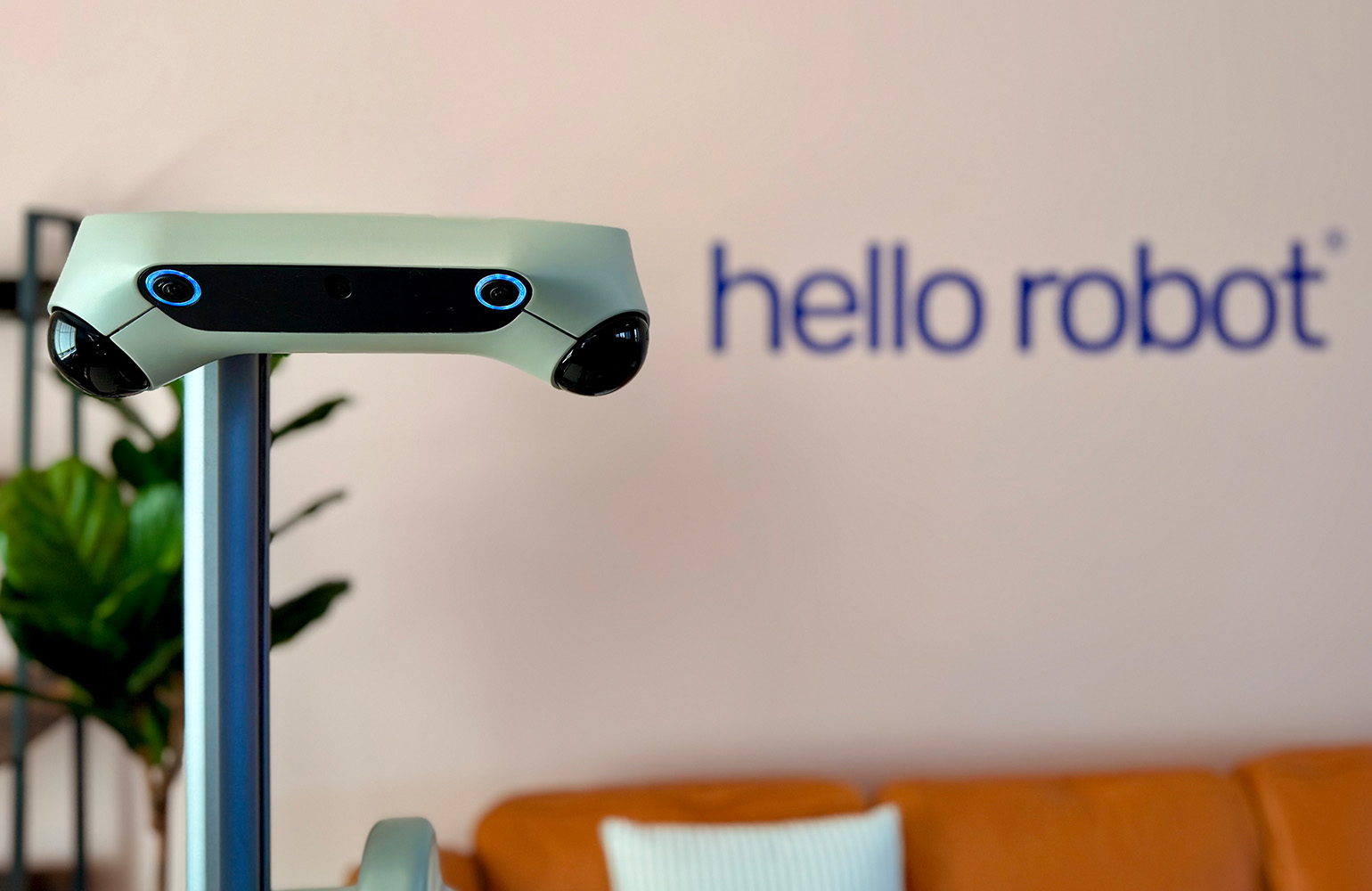
Hello Robot’s latest Stretch 4 is bigger, faster, and stronger than previous versions
Hello Robot has unveiled its latest model, the Stretch 4, which boasts enhanced capabilities compared to its predecessors. This new assistive robot is designed to be bigger, faster, and stronger, while still prioritizing flexibility and safety in its operations. The announcement highlights the company's commitment to advancing robotic technology to better serve various applications. The Stretch 4 aims to improve efficiency and effectiveness in tasks that require assistance, marking a significant step forward in the field of robotics.
Artificial Intelligence Artificial Intelligence / Cognition Cameras / Imaging / Vision Design / Development Development Tools / SDKs / Libraries Grippers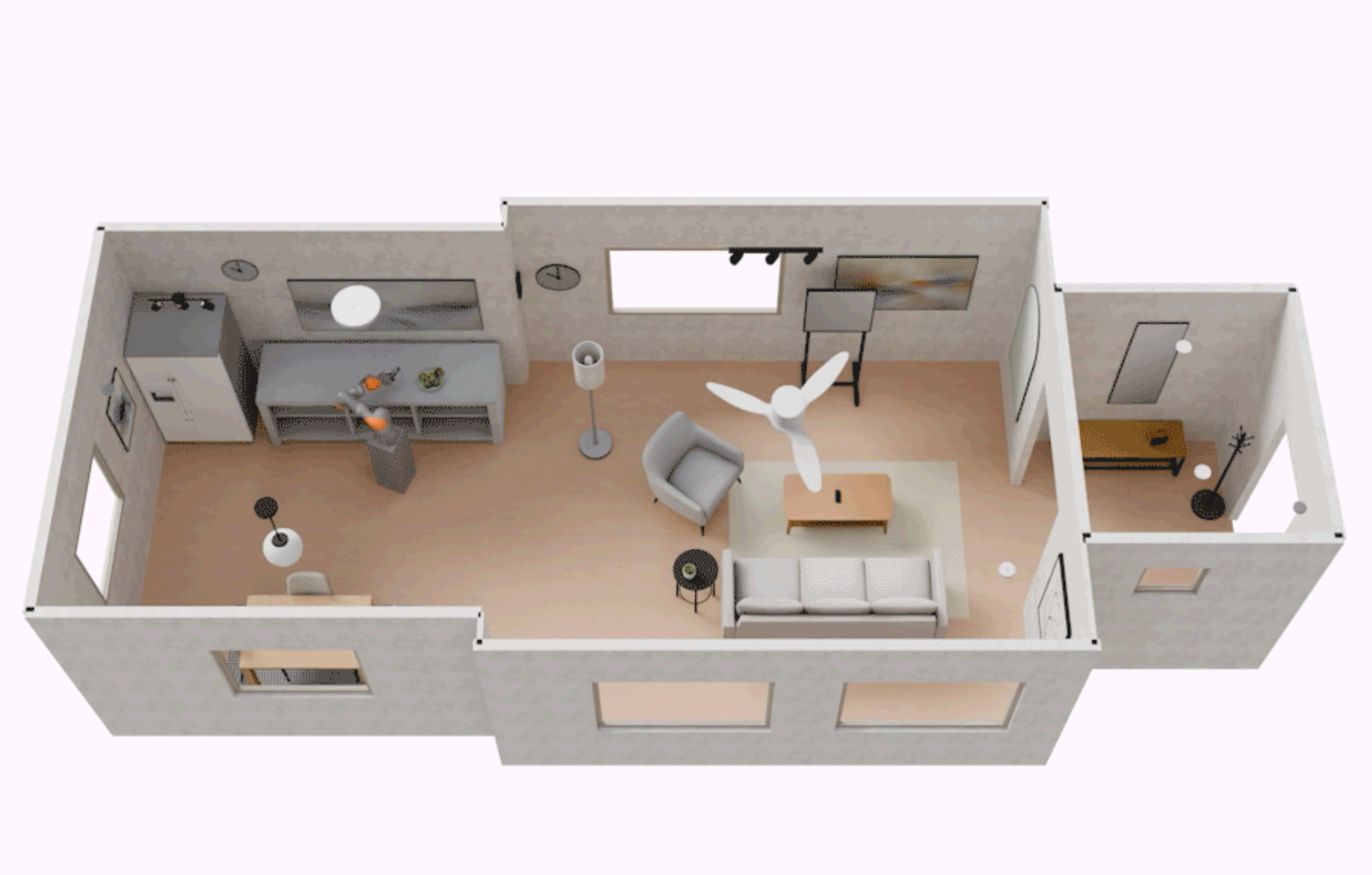
MIT and Toyota Research Institute Unveil SceneSmith for Robot Household Training
MIT's Computer Science and Artificial Intelligence Laboratory (CSAIL) and the Toyota Research Institute have developed SceneSmith, an AI-powered system that allows robots to practice household tasks in a virtual environment. This system utilizes three visual language models to collaboratively create realistic 3D scenes, enabling robots to learn complex skills through extensive simulation. SceneSmith not only generates lifelike environments but also incorporates physical properties like mass, friction, and inertia, allowing robots to interact meaningfully within these spaces. The research team tested over 100 unique action plans in the digital world, revealing flaws in the robots' planning that were validated by human consensus over 99% of the time, helping to refine their strategies before real-world application. The effectiveness of SceneSmith was highlighted at a recent international machine learning conference, where it received positive feedback from over 200 testers, with more than 90% rating its visual realism highly. As robots learn to perform tasks like moving objects in a kitchen, the prospect of robots handling household chores may soon become a reality.
AI Robotics Virtual Reality Machine Learning
Chinese Company Wins Red Dot Award for Panda-Inspired Delivery Robot Design
The Shenzhen-based company, Wandachang Innovation Intelligent Co., has won the prestigious Red Dot Award for its Panda-inspired meal delivery robot, known as Xiong Da. This recognition highlights the robot's unique design that embodies Eastern aesthetics, setting it apart in a market often dominated by minimalist technology. The significance of this award lies in its affirmation of Wandachang's commitment to blending cultural heritage with advanced robotics. The Xiong Da robot features a bionic design inspired by the giant panda, integrating a SLAM positioning system and multi-sensor technology for efficient navigation in narrow spaces. This innovative approach positions the robot as not just a tool, but a companion that resonates emotionally with users. Looking ahead, Wandachang aims to expand its intelligent service system for healthcare and wellness, leveraging its award-winning design to tell the story of Chinese manufacturing on a global stage. No further timeline was disclosed at the time of publication.
Robotics Product Design Cultural Aesthetics Healthcare Technology
MFE Offshore Partners with Hydromea to Distribute EXRAY Underwater Inspection ROV
MFE Offshore, based in Houston, has announced its partnership with Swiss robotics developer Hydromea to distribute the Hydromea EXRAY underwater inspection ROV. This agreement, made public on July 9, 2026, enhances MFE Offshore's subsea portfolio, which was launched earlier this year. The EXRAY offers a tetherless alternative for underwater inspections, reducing costs and risks associated with traditional methods. The significance of this partnership lies in the EXRAY's ability to provide efficient and safe data collection in challenging underwater environments. As stated by Wendy Post, general manager of MFE Offshore, the demand for advanced inspection technologies is increasing as operators face more complex underwater challenges. The EXRAY's capabilities, including real-time control and live HD video transmission, position it as a valuable tool for energy operators. Looking ahead, MFE Offshore will showcase the EXRAY during a Demo Day on July 16 at its Houston facility, allowing potential customers to see the ROV in action. This event highlights MFE Offshore's commitment to bringing innovative inspection solutions to the energy sector, with no further timeline disclosed at the time of publication.
Drone News Drone News Feeds Inspection News seadrones underwater drones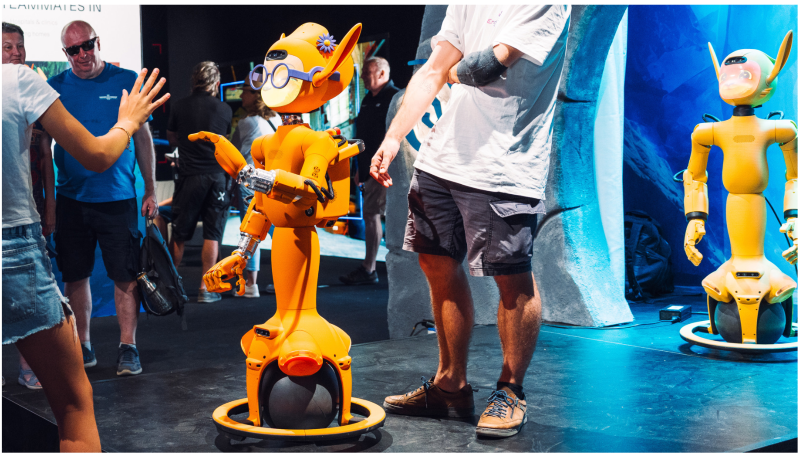
At Goodwood, Robots Explore Their Role in Enhancing Human Experience
At the Goodwood Cricket Ground, a fox-eared robot on roller skates greeted visitors without imitating humans or threatening to replace them, showcasing its unique identity. This event, part of the FOS Future Lab's Intelligent Systems Zone, featured three exhibitors presenting diverse answers to the question of what intelligent machines should do for humanity. One Sheffield startup, led by Raspberry Pi co-founder Liz Upton, demonstrated a method for programming robots using simple English. A robotic arm responded to natural language commands, with COO Eleanor Tang-Smith emphasizing the goal of making robots perform tasks that humans find tedious. Meanwhile, a large screen displayed a real-time reconstruction of Goodwood's famous Taylor Garage, merging digital and physical worlds seamlessly. The fox-eared robotic dogs, designed in Paris, avoided the 'uncanny valley' by engaging with humans through expressive features. They are already in use in hospitals and airports for tasks like transporting and assisting, allowing humans to focus on more urgent matters. The event highlighted three approaches to human-robot interaction, emphasizing the importance of language, vision, and gestures in redefining the interface between humans and machines.
Robotics AI Spatial Computing Human-Robot Interaction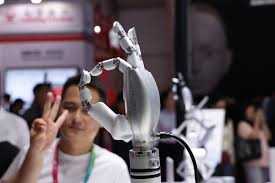
In-Depth Analysis of Adsorption and Locomotion Codesign for Wall-Climbing Robots
The Journal of Field Robotics has published a comprehensive review focusing on the adsorption-locomotion codesign of wall-climbing robots. This review highlights the intricate relationship between the robots' ability to adhere to surfaces and their locomotion capabilities, which are crucial for performing complex operations on various surfaces. Understanding the codesign of these robots is essential as it directly impacts their efficiency and effectiveness in real-world applications. The review emphasizes the importance of optimizing both adsorption and locomotion to enhance the performance of wall-climbing robots, which are increasingly being utilized in fields such as inspection, maintenance, and exploration. Looking ahead, researchers and developers in the robotics field should pay close attention to advancements in adsorption technologies and locomotion strategies. Continued innovation in these areas could lead to significant improvements in the functionality and versatility of wall-climbing robots. No further timeline was disclosed at the time of publication.
SURVEY ARTICLE
Flexible Soft Sensor Enables Robotic Action Without Traditional Electronics
Researchers have developed a new soft sensor that allows soft robots to convert touch into action without relying on traditional electronic components. This innovation addresses a critical limitation in soft robotics, which often depend on bulky electronic sensors and actuators. The sensor is made from flexible materials, enhancing the robot's adaptability for various applications, including minimally invasive surgery and deep-sea exploration. The significance of this development lies in its potential to simplify the design and functionality of soft robots. By eliminating the need for electronic sensors and circuits, the new soft sensor reduces weight and complexity, making robots more efficient and reliable in challenging environments. This advancement could lead to broader applications in sectors where traditional electronics may fail, such as in wet or high-pressure conditions. Looking ahead, the next steps involve further testing and refinement of the soft sensor technology. Researchers aim to explore its integration into existing soft robotic systems and assess its performance in real-world scenarios. No further timeline was disclosed at the time of publication.
Robotics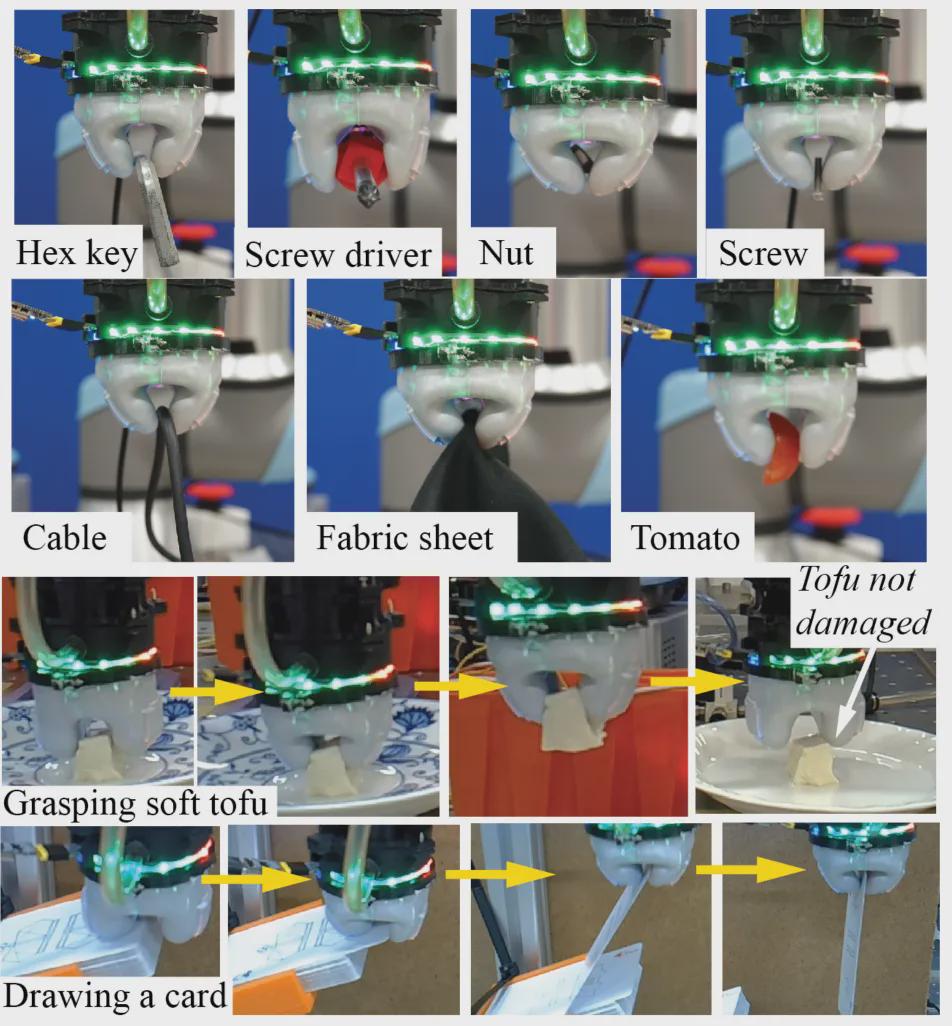
JAIST and King's College Develop EleTac Soft Gripper with Integrated Tactile Sensing
Researchers from Japan's JAIST and King's College London have developed EleTac, a soft robotic gripper inspired by the trunk of an elephant. This innovative design integrates grasping, external tactile perception, and proprioception within a single soft structure. The gripper can manipulate various objects, including tofu and fabric, while estimating contact position and force using a vacuum system operating at 30 kPa. The significance of EleTac lies in its ability to handle delicate and irregularly shaped items, addressing the challenges of soft robotics. Traditional rigid grippers utilize clear joints for sensing, while soft grippers often struggle with limited perception due to their material properties. EleTac's design allows for continuous tactile sensing across its surface, enhancing its ability to discern between self-induced deformations and external contacts. Future developments will focus on refining the visual-based tactile sensing capabilities of EleTac, which utilizes an internal optical system to monitor material deformation. This advancement could lead to improved performance in applications requiring precise manipulation of fragile objects. No further timeline was disclosed at the time of publication.
Soft Robotics Tactile Sensing Proprioception Robotic Grippers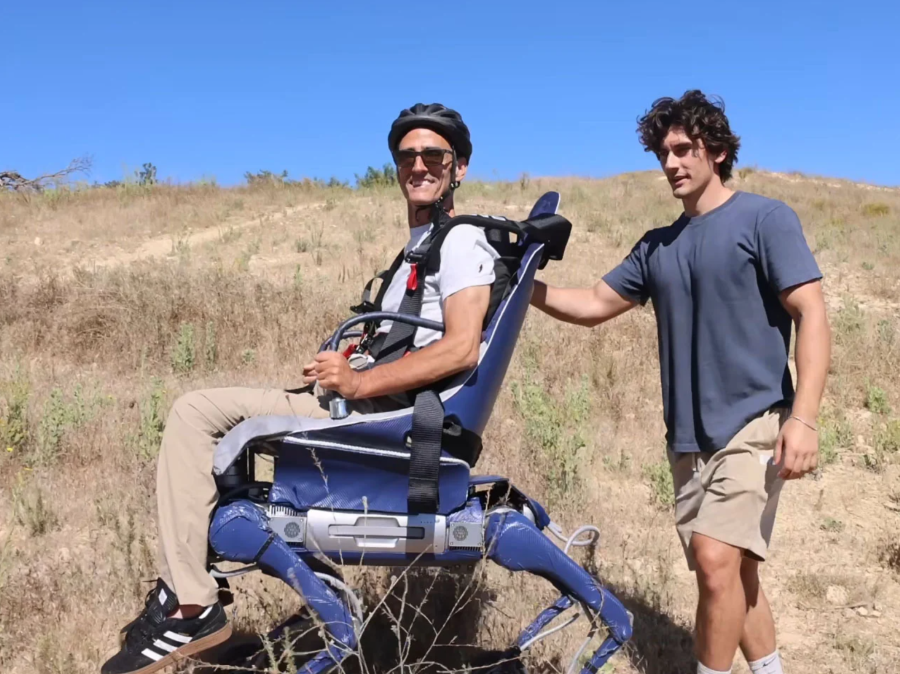
Jake Laser Transforms Unitree Robot Dog into Wheelchair for Father’s Mobility
Jake Laser has ingeniously modified a Unitree industrial robot dog into a wheelchair for his father, who has been affected by multiple sclerosis for over 20 years. This innovative device features a hybrid wheeled and walking design, allowing it to navigate various terrains, including stairs and rocky paths, providing newfound mobility for Jake's father. The significance of this transformation lies in its technical ingenuity and emotional impact. By integrating a racing-style seat and recalibrating the robot's software to accommodate his father's weight, Jake ensured that the robot could maintain balance and stability. The project not only enhances mobility but also restores a sense of independence and pride for his father, who can now control the robot using a wireless joystick. Looking ahead, Jake's creation marks a notable advancement in assistive technology, blending robotics with personal mobility solutions. No further timeline was disclosed at the time of publication, but the successful testing of the robot on challenging terrains indicates potential for broader applications in mobility aids for individuals with disabilities.
Assistive Technology Robotics Mobility Solutions Innovation
Boston Dynamics' Atlas Welcomes a "Weight Reduction" Revolution: Components Reduced by Nearly an Order of Magnitude, Costs Expected to Drop Significantly
Boston Dynamics has announced a significant advancement in its Atlas robot, achieving a dramatic reduction in component weight by nearly an order of magnitude. This breakthrough, revealed in October 2023, is expected to lead to substantial cost savings for the company. The weight reduction is part of Boston Dynamics' ongoing efforts to enhance the robot's performance and efficiency, making it more accessible for various applications. By utilizing innovative materials and design techniques, the company aims to improve the robot's agility and functionality while lowering production expenses. This development marks a pivotal moment in robotics, as lighter robots can operate more effectively in diverse environments, potentially transforming industries that rely on automation and advanced robotics.
Robotics Automation AI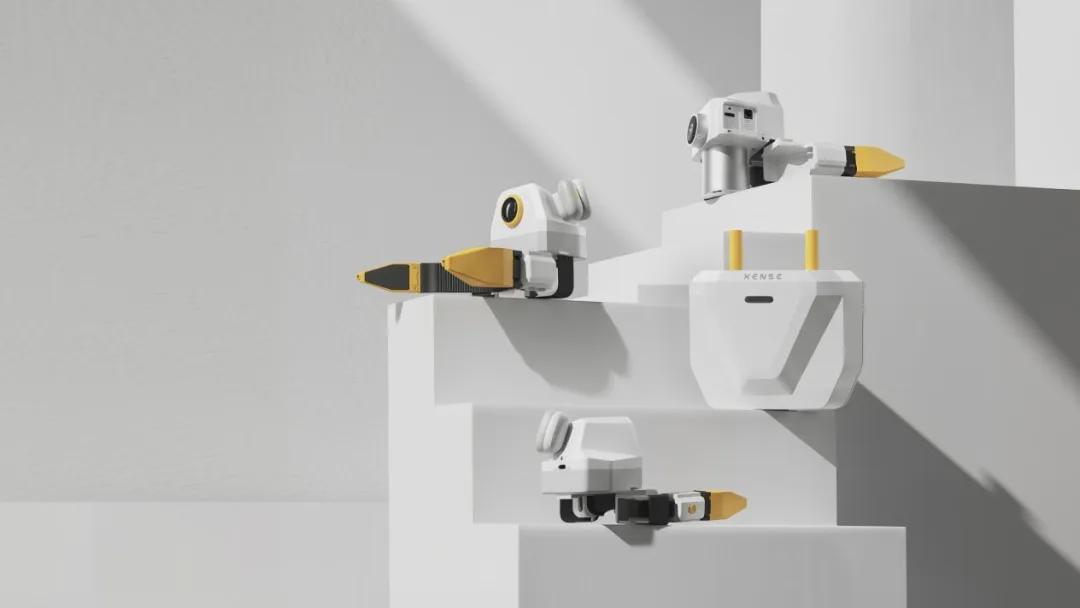
Tactile Data Competition Begins: Qianjue's Gripper Transforms Robot Training
Qianjue Robotics has unveiled the XTac UMI G1, a groundbreaking wearable multi-modal data collection gripper aimed at addressing the challenges of embodied intelligence in robotics. The introduction of this innovative device comes in response to the industry's pressing need for high-quality tactile data, which is essential for training robots to perform complex tasks in real-world environments. By capturing detailed interaction data, the XTac UMI G1 seeks to bridge the existing gap between visual data and physical interaction, thereby enhancing the capabilities of robots. This development marks a significant step forward in improving robotic performance and adaptability in various applications.
Tactile Data Collection Robot Training Embodied Intelligence Robotics Technology
Tesla Optimus Battery Life & Runtime (2026): kWh, Hours & Power Source
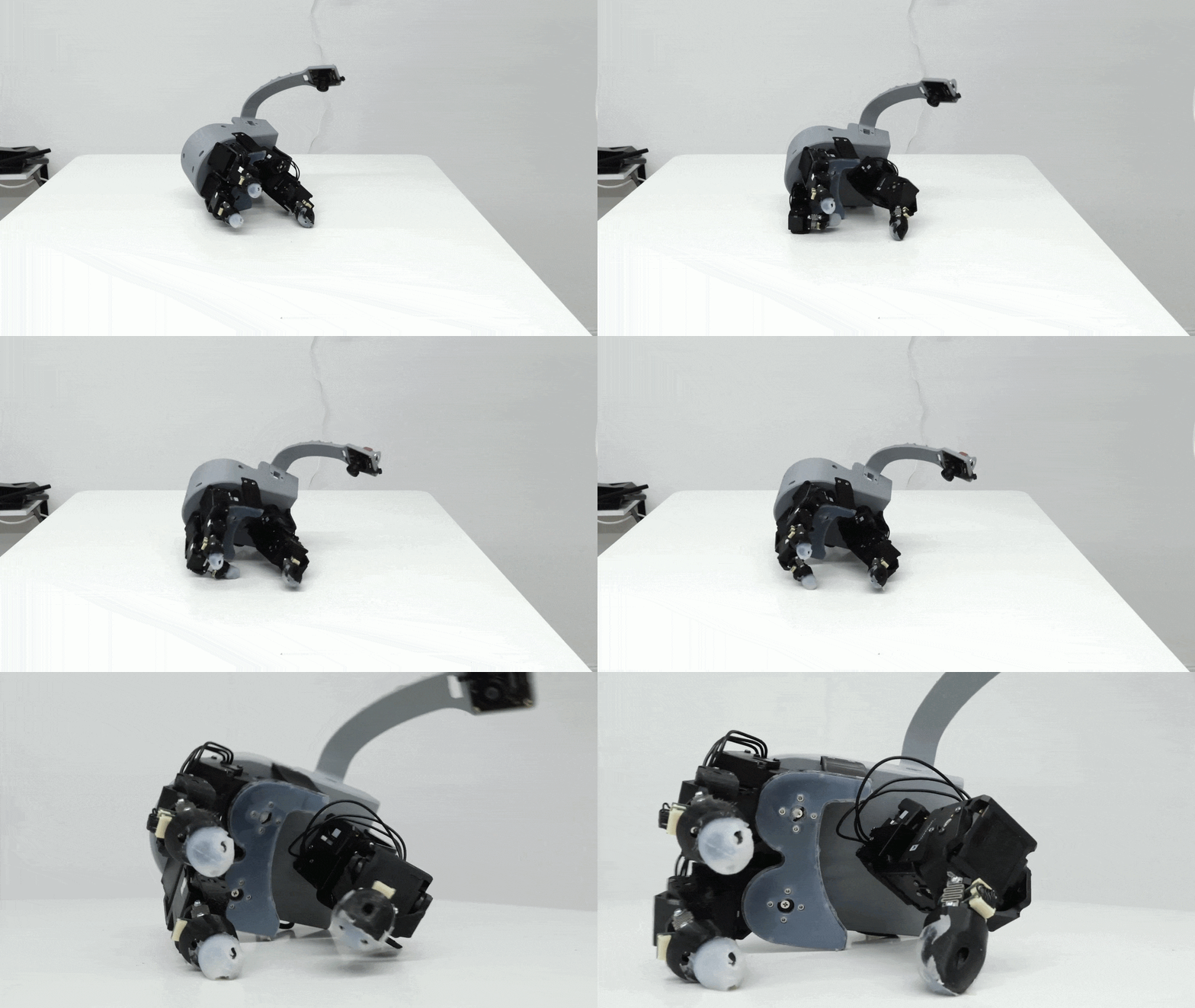
Tesla's Optimus robot, powered by a 2.3 kWh battery, is designed to operate for approximately eight hours on a single charge. This innovative technology, which is set to be fully detailed in specifications for 2026, showcases advancements in runtime and power efficiency. The robot's self-charging capabilities further enhance its functionality, making it a significant development in the field of robotics. As Tesla continues to push the boundaries of automation, the Optimus robot represents a key step in the company's vision for integrating artificial intelligence into everyday tasks. The information regarding its performance and specifications is expected to be released in the coming years, reflecting Tesla's commitment to innovation and sustainability in technology.
Video Friday: Give Robots a Hand
IEEE Spectrum robotics has released its latest edition of "Video Friday," showcasing a collection of innovative robotics videos along with a calendar of upcoming robotics events scheduled for 2026. The events include the RSS conference in Sydney from July 13-17, the Summer School on Multi-Robot Systems in Prague from July 29 to August 4, Actuate in San Francisco on August 18-19, and IROS in Pittsburgh from September 27 to October 1. Among the featured videos, Pulkit Agrawal from MIT CSAIL discusses his "SoftMimic" approach to enhancing robot safety around humans. The DARPA Lift Challenge, taking place from August 6-9 at the National Museum of the US Air Force, invites public participation. Notable demonstrations include Agility Robotics' Digit, which showcases advanced footstep planning to navigate obstacles, and DEEP Robotics' aggressive firefighting robot. Additionally, the potential for AI-driven robots to understand whale behavior and communication is explored by Harvard SEAS Professor Stephanie Gil. The edition also highlights discussions with Rodney Brooks, the creator of the Roomba, about the future of robotics. The content aims to engage the robotics community and stimulate interest in technological advancements and their applications.
Humanoid-robots Video-friday Robot-hands Quadruped-robots Robot-videos Firefighting-robots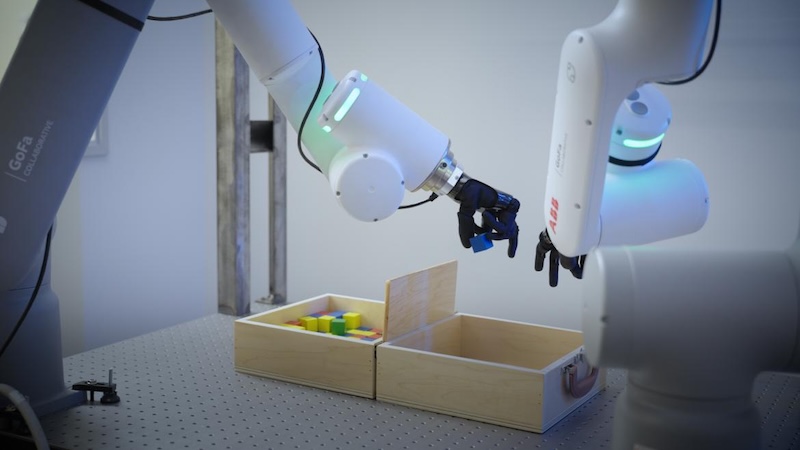
ABB Robotics and Psyonic use human-generated data to advance robotic dexterity
ABB Robotics is partnering with California-based bionics firm Psyonic to enhance robotic gripping and dexterity, addressing a significant challenge in the industry. This collaboration aims to leverage real-world manipulation data derived from human prosthetic use, which could lead to a reduction in engineering time by as much as 30%. The initiative involves integrating the Psyonic Ability Hand with ABB's GoFa robotic arm, creating a more efficient and adaptable solution for various applications. This innovative approach seeks to improve the functionality of robotic systems, making them more effective in handling tasks that require precision and flexibility.
Components Design Engineering abb robotics ai robotics automation news
Inchworm-inspired robot that crawls without rigid parts could enable remote exploration
Researchers at the University of Gothenburg have developed a groundbreaking robot inspired by the movement of an inchworm, which operates without any rigid components. This innovative design allows the robot to mimic the flexing motion of muscles, making it suitable for various applications, including inspecting sewer pipes and exploring Mars. The findings of this research have been shared on the arXiv preprint server, highlighting the potential of soft robotics in diverse environments. The project aims to enhance exploration and inspection capabilities in challenging and confined spaces, showcasing the versatility and adaptability of this new robotic technology.
Robotics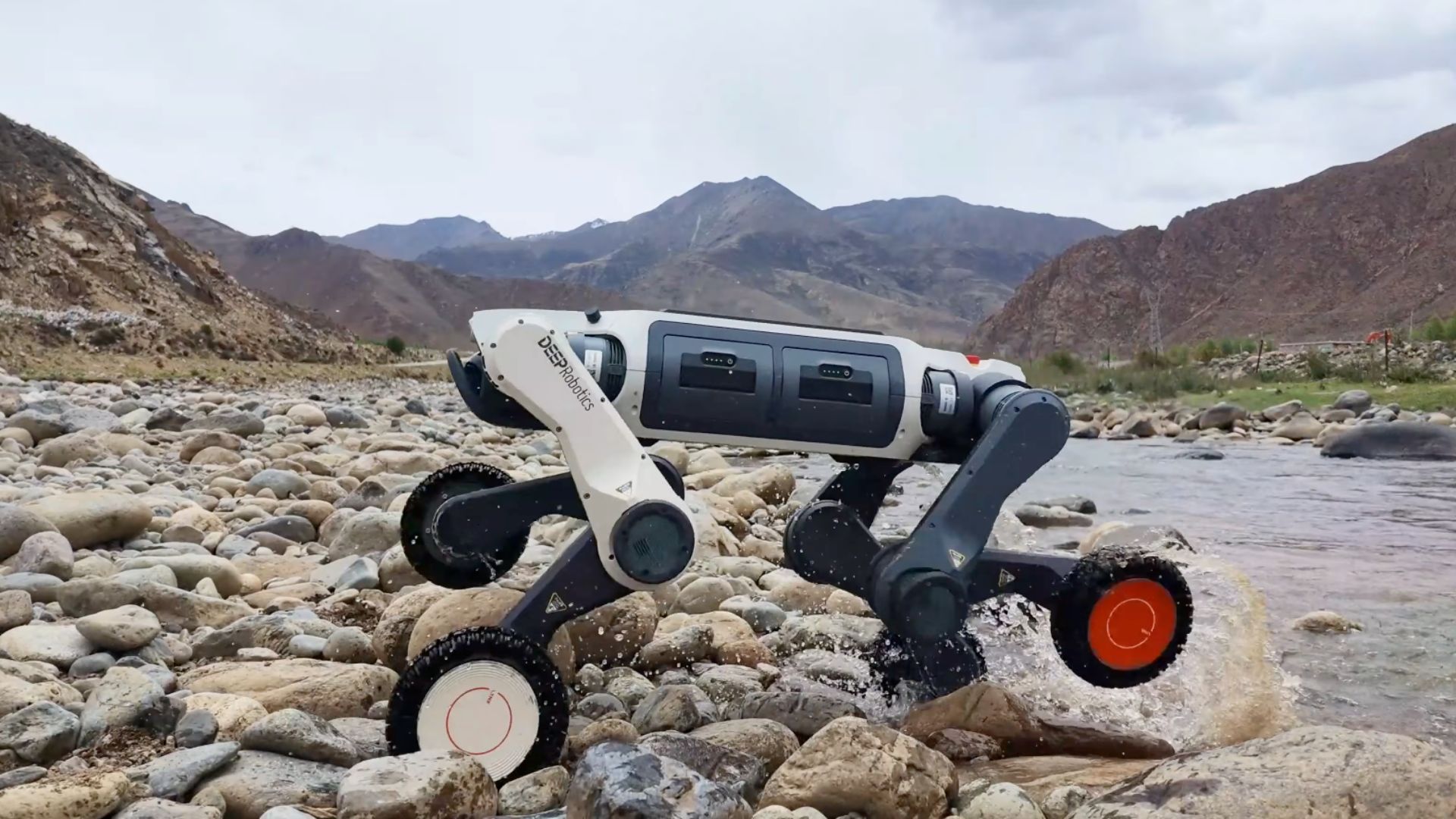
China’s new robot dog tackles -22°F cold, crosses river and rugged terrain in demo
DEEP Robotics has unveiled its latest innovation, a wheeled-legged robot specifically engineered to navigate and perform tasks in challenging industrial environments. The demonstration took place recently, showcasing the robot's capabilities in handling various terrains and obstacles typically encountered in industrial settings. This development aims to enhance operational efficiency and safety in sectors that require robust and versatile robotic solutions. The unique design combines the agility of legs with the stability of wheels, allowing the robot to adapt to different surfaces and tasks seamlessly. By integrating advanced technology, DEEP Robotics seeks to address the growing demand for automation in industries facing labor shortages and increasing operational complexities.
AI and Robotics
Latest Progress! Zhejiang University Team's T-RO Research Achievements, Magnetic-Controlled Microrobots Achieve "Wave-Like Steps" in Complex Environments.
A team from Zhejiang University has made significant advancements in the field of robotics with their development of magnetic-controlled microrobots capable of executing "wave-like steps" in complex environments. This breakthrough was announced recently, showcasing the innovative capabilities of these microrobots, which can navigate challenging terrains with enhanced agility. The research aims to address various practical applications, including medical procedures and environmental monitoring, where precise movement is crucial. By employing magnetic fields to control the microrobots, the team has demonstrated a novel approach to maneuvering small-scale machines, potentially paving the way for future technological advancements in robotics.
Robotics Automation AI
Video: Chinese firm shows humanoid and robot arm control by single model in new demo
A Chinese robotics startup has showcased its innovative humanoid robots collaborating with fixed dual-arm robotic systems in a recent demonstration. This event took place in October 2023, highlighting the company's advancements in robotics technology. The demonstration aimed to illustrate the potential applications of these robots in various industries, emphasizing their ability to work in tandem to enhance efficiency and productivity. By integrating humanoid capabilities with dual-arm systems, the startup seeks to address growing demands for automation in sectors such as manufacturing and logistics. The successful collaboration between these robotic systems marks a significant step forward in the field of robotics, showcasing how such technologies can be utilized to streamline operations and reduce labor costs.
AI and Robotics
Cobot Announces Second-Generation Proxie, Bringing Production-Tested Physical AI to Real Operations
A new production-tested platform has been developed that integrates mobility, bimanual manipulation, and self-directed task execution, allowing for rapid deployment within days. This innovative system operates independently, requiring no IT integration or human dispatcher to function effectively. The platform aims to streamline operations and enhance efficiency in various settings, making it a significant advancement in automation technology. With its user-friendly design, it is poised to transform workflows across industries by minimizing the need for extensive setup and oversight.
Genesis AI Launches Company’s First General-Purpose Robot ‘Eno’
Genesis AI has introduced Eno, its inaugural general-purpose robot, which marks a significant advancement in robotics technology. The unveiling took place recently, showcasing Eno's innovative design that integrates proprietary hardware with GENE, the company's foundational robotics model. This combination enables Eno to execute a wide range of physical tasks, moving beyond the limitations of robots that are typically programmed for specific functions. Genesis AI aims to revolutionize the robotics landscape with this versatile approach, allowing for greater adaptability and efficiency in various applications.
AI AI Funding & Investment AI Use Cases Robotics Eno Gensis AI
SORA-Q: Baseball-sized shape-shifting rover that saved Japan’s SLIM moon mission
A groundbreaking development in robotics has emerged from Japan, where researchers have created a microscopic, shape-shifting robot inspired by children's toys. This innovative technology successfully demonstrated its potential by aiding in the preservation of Japan's rich historical narrative. The robot, which can alter its form and function, was unveiled during a recent scientific conference held in Tokyo. The motivation behind this invention lies in the desire to enhance preservation techniques for cultural artifacts and historical sites, making them more accessible and engaging for future generations. By utilizing advanced materials and engineering principles, the team was able to design a robot that can navigate intricate environments and perform delicate tasks, showcasing its versatility and effectiveness. This achievement not only highlights the intersection of technology and cultural heritage but also opens new avenues for research and application in the field of robotics.
Space
Video Friday: Robotic Motion Discovery Reveals Unusual Behaviors
IEEE Spectrum robotics has released its latest edition of Video Friday, showcasing an array of innovative robotics videos and announcing upcoming events in the field. Notable events include RSS 2026 in Sydney from July 13-17, the Summer School on Multi-Robot Systems in Prague from July 29 to August 4, and Actuate 2026 in San Francisco on August 18-19. Among the featured videos is MotionDisco, a framework that autonomously discovers complex humanoid loco-manipulation motions, highlighting the challenges of coordinating fluid movements across multiple joints. Additionally, the Human Support Robot (HSR) from Toyota is demonstrated in real home environments, assisting residents with daily tasks, showcasing the potential for robots to become long-term companions. Other highlights include the MIDAS Hand, an open-source robotic hand designed for manipulation and research, and a novel flight maneuver by a bipedal robot that showcases advanced aerial control. The European Space Agency shares a timelapse of Dextre, a robotic handyman, efficiently unloading equipment in space, while ROBOTIS introduces AI Sapiens, which learns humanoid motions using just a smartphone camera. In a collaborative effort, LUMOS Robotics has launched Project EDGE, inviting global innovators to explore humanoid robotics, while Sphero emphasizes its educational products designed to nurture computational thinking from early childhood through high school. These developments illustrate the rapid advancements and collaborative spirit within the robotics community.
Humanoid-robots Video-friday Quadruped-robots Robot-videos Home-robots DexterityRobotics needs a service framework.
RSF defines a common language for robot service capability, lifecycle operations, certification pathways, and service-provider networks.







