

Industry Briefing
A single destination for timely, editor-curated robotics news from around the world.

Impossible Metals' Eureka II Achieves Autonomous Recovery from Ocean Surface
Impossible Metals has released new footage demonstrating its underwater vehicle, Eureka II, autonomously locating and recovering its surface vessel from beneath the ocean waves. This significant achievement showcases the vehicle's ability to align, attach, and return to the deck without any human intervention, marking a crucial step towards scalable ocean robotics. The successful autonomous recovery of Eureka II is important as it addresses one of the major challenges in ocean technology, paving the way for more advanced and efficient underwater operations. This capability could enhance various applications, including marine research, resource recovery, and environmental monitoring, by reducing the need for human oversight. Looking ahead, industry observers will be keen to see how Impossible Metals continues to develop its ocean robotics technology and what further advancements will be made in autonomous underwater operations. No further timeline was disclosed at the time of publication.
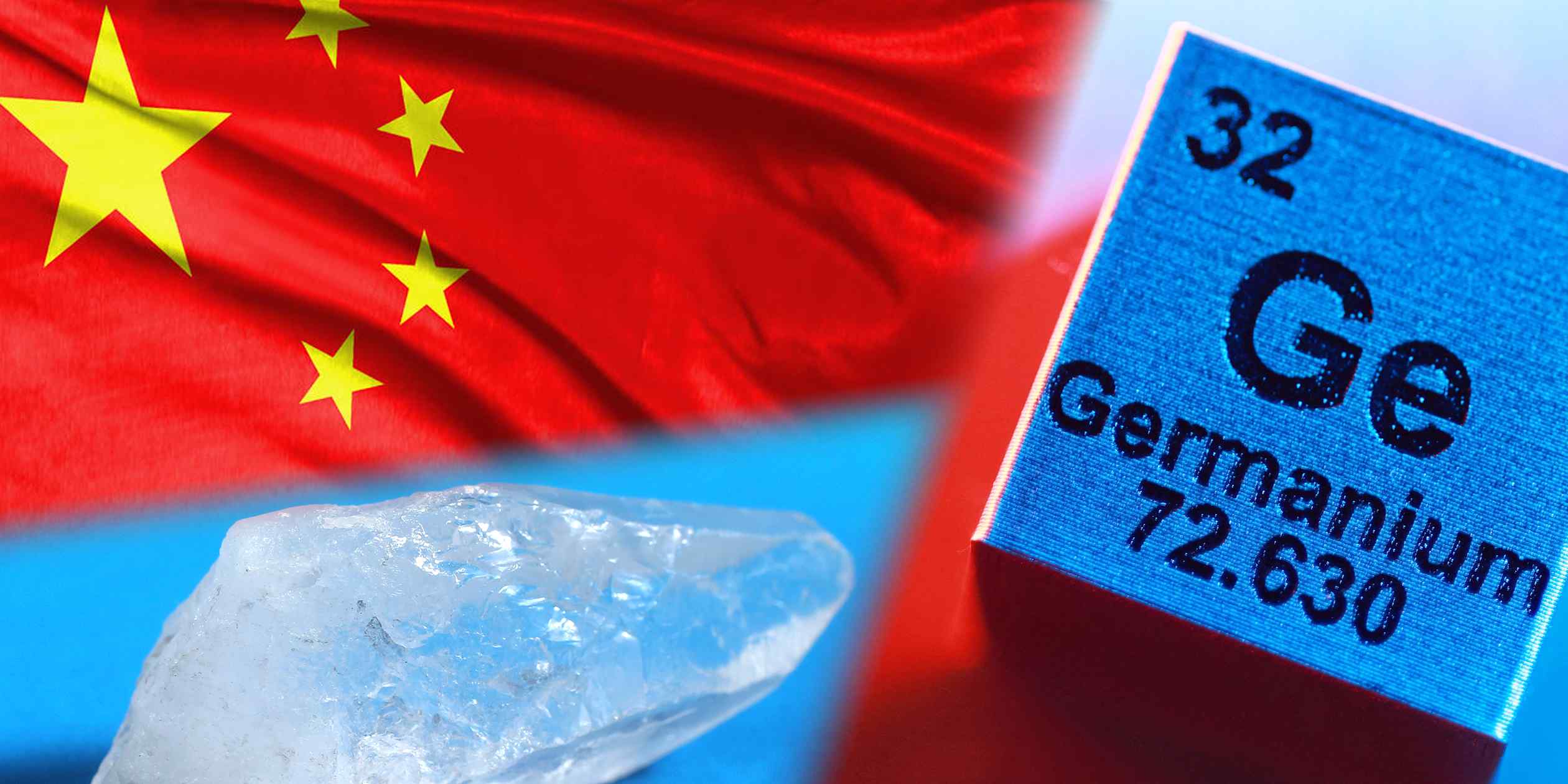
China Restricts Exports of Key Optical and Aerospace Metals to Taiwan
China has begun to restrict or delay exports of essential aerospace and optical materials to Taiwan, leading to significant supply chain disruptions in the region's technology sector. This move affects materials such as germanium and quartz, which are critical for various industries. The implications of these restrictions are profound, as Taiwan relies heavily on these materials for its tech manufacturing processes. The bottlenecks created by these export delays could hinder production capabilities and impact the broader supply chain, which is already under pressure from global economic conditions. Looking ahead, industry stakeholders will need to monitor the situation closely, as further restrictions could exacerbate existing challenges in securing necessary materials. No further timeline was disclosed at the time of publication.
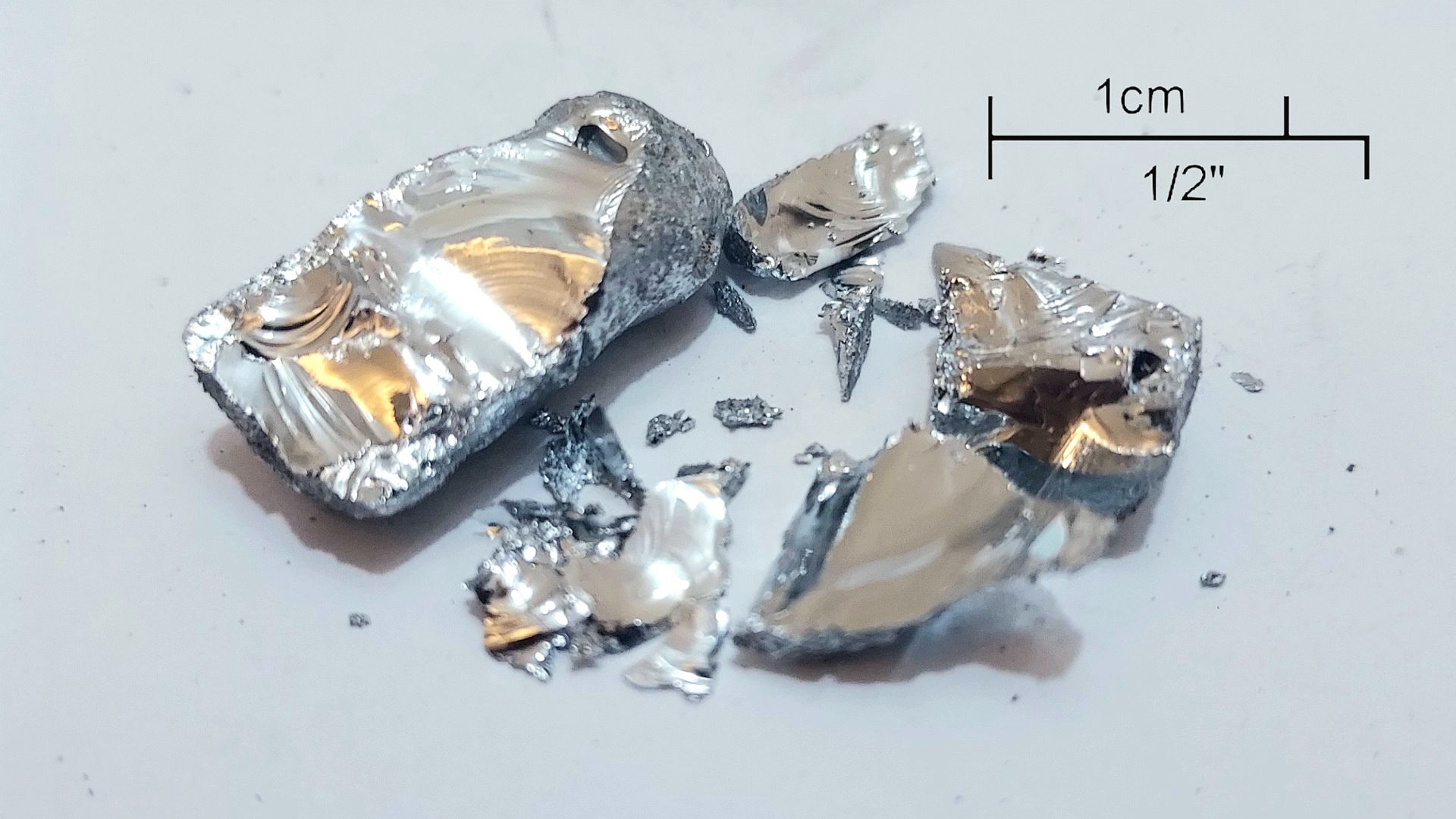
Five Essential Metals Driving the Growth of AI Data Center Infrastructure
Artificial intelligence relies heavily on physical infrastructure, particularly data centers that require substantial electrical systems and cooling equipment. A 2026 study indicates that copper is the most critical metal, accounting for 83% of the modeled mineral mass needed for AI data-center infrastructure. Other important metals include gallium, germanium, rare earth elements, and aluminum, each playing a vital role in the AI hardware ecosystem. The significance of these metals extends beyond mere supply; they are integral to the functionality and efficiency of AI systems. For instance, copper's excellent thermal conductivity aids in cooling, while gallium and germanium are essential for semiconductor applications. The concentration of production for these materials, particularly gallium and germanium, raises concerns about supply chain vulnerabilities, which could impact the growth of AI technologies. Looking ahead, the demand for these metals is expected to rise as AI infrastructure expands. The reliance on rare earth elements, particularly from China, poses additional supply risks. As AI processors evolve and generate more heat, the importance of effective thermal management through materials like aluminum will only increase. No further timeline was disclosed at the time of publication.
AI and Robotics
Impossible Metals Announces New Advanced Marine Robotics Hub in Pittsburgh for Mineral Robotics Development
Impossible Metals has unveiled plans to establish an Advanced Marine Robotics Hub in Pittsburgh, aimed at developing dual-use autonomy for ocean science and naval systems. This initiative is part of a broader effort to create a China-free critical-mineral supply chain, leveraging the region's expertise in robotics. The new hub will not only foster innovation in mineral robotics technology but also generate over a dozen high-paying engineering and science jobs in Pennsylvania. This move underscores the importance of local talent in advancing the United States' capabilities in marine robotics and autonomy. Looking ahead, stakeholders should monitor the hub's progress and its potential impact on the critical-mineral supply chain. No further timeline was disclosed at the time of publication.
Impossible Metals' Eureka II Autonomous Robot Successfully Recovers from Ocean Without Human Help
Impossible Metals has demonstrated its Eureka II autonomous underwater vehicle's ability to autonomously locate and recover itself from the ocean. This significant achievement occurred during an offshore test in Halifax, Nova Scotia, showcasing the robot's advanced capabilities without human intervention. The importance of this technology lies in its potential to simplify underwater operations for commercial use. According to Jason Gilham, Impossible Metals' chief technology officer, reliable autonomous recovery is crucial for scaling subsea platforms in real ocean conditions, as traditional recovery methods can be challenging and labor-intensive. Looking ahead, the Eureka II's successful demonstration highlights the growing interest in autonomous underwater vehicles amid rising demand for critical minerals and ocean data. No further timeline was disclosed at the time of publication.
AI and Robotics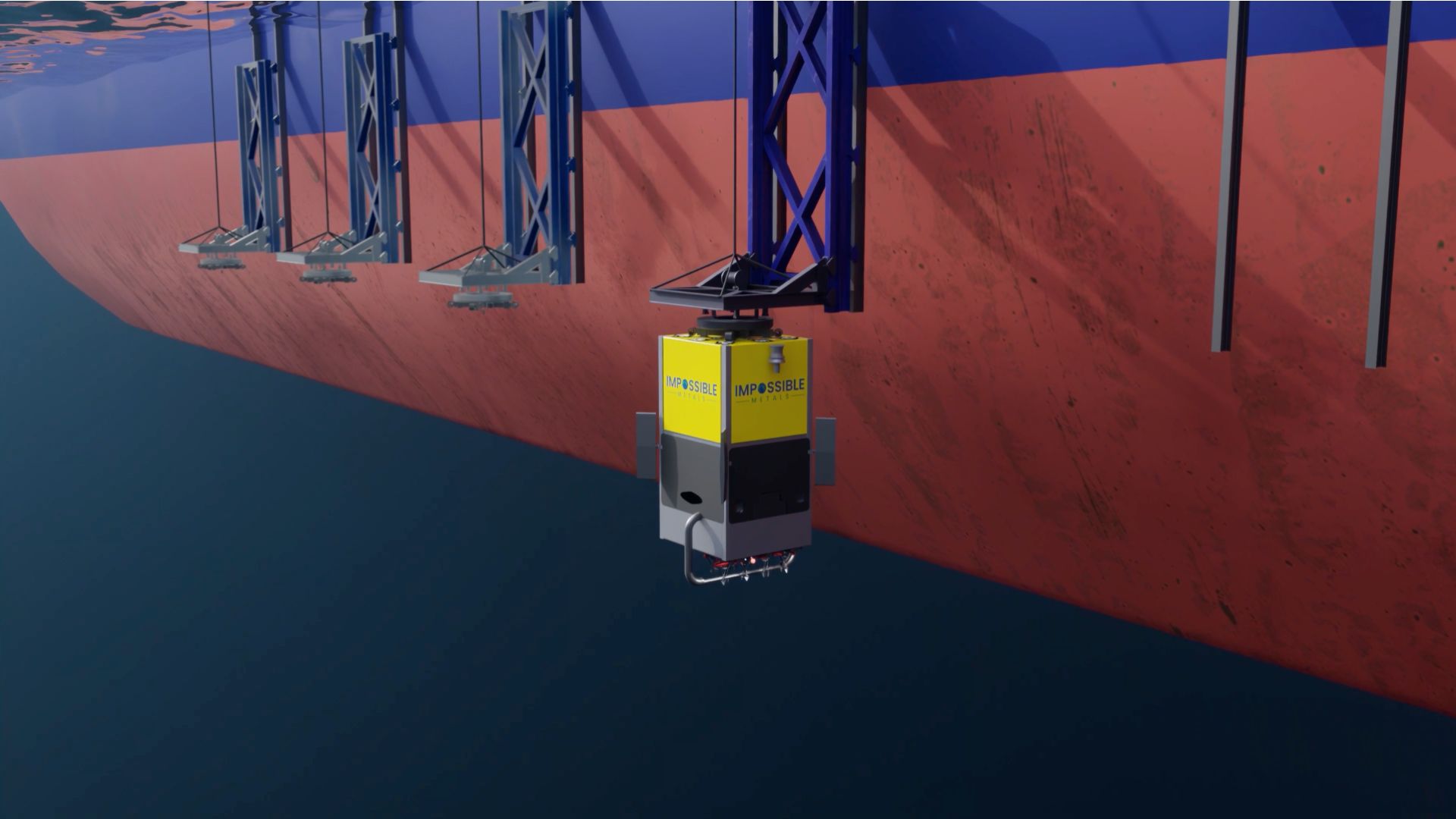
Impossible Metals to Launch Advanced Marine Robotics Hub for Deep-Sea Mineral Harvesting
Impossible Metals, a US mining technology company, has announced plans to establish an Advanced Marine Robotics Hub in Pittsburgh, Pennsylvania. This facility will focus on developing autonomous marine systems for the deep-sea collection of critical minerals, creating over a dozen high-paying engineering and science jobs. The hub aims to enhance US capabilities in marine robotics and critical mineral technologies through collaboration with local universities and researchers. The significance of this initiative lies in its potential to redefine deep-sea mining practices. According to Mike Regan, Chief Growth Officer at Impossible Metals, the hub will enable swarms of autonomous robots to harvest critical minerals like nickel, cobalt, copper, and manganese with minimal environmental impact. This approach not only promises to produce the lowest-cost critical metals on Earth but also aims to strengthen the US supply chain and reduce reliance on foreign sources of essential materials. Looking ahead, the Advanced Marine Robotics Hub will serve as the primary research center for advancing the Eureka autonomous underwater platform and Smart Launch and Recovery Systems. The company plans to continue developing dual-use technologies that cater to both commercial and naval applications. No further timeline was disclosed at the time of publication.
AI and RoboticsRobotics needs a service framework.
RSF defines a common language for robot service capability, lifecycle operations, certification pathways, and service-provider networks.
Join the RobotToday community on LinkedIn
Daily robotics news, in-depth analysis, conference highlights, and discussions with professionals worldwide.







