Industry Briefing
A single destination for timely, editor-curated robotics news from around the world.
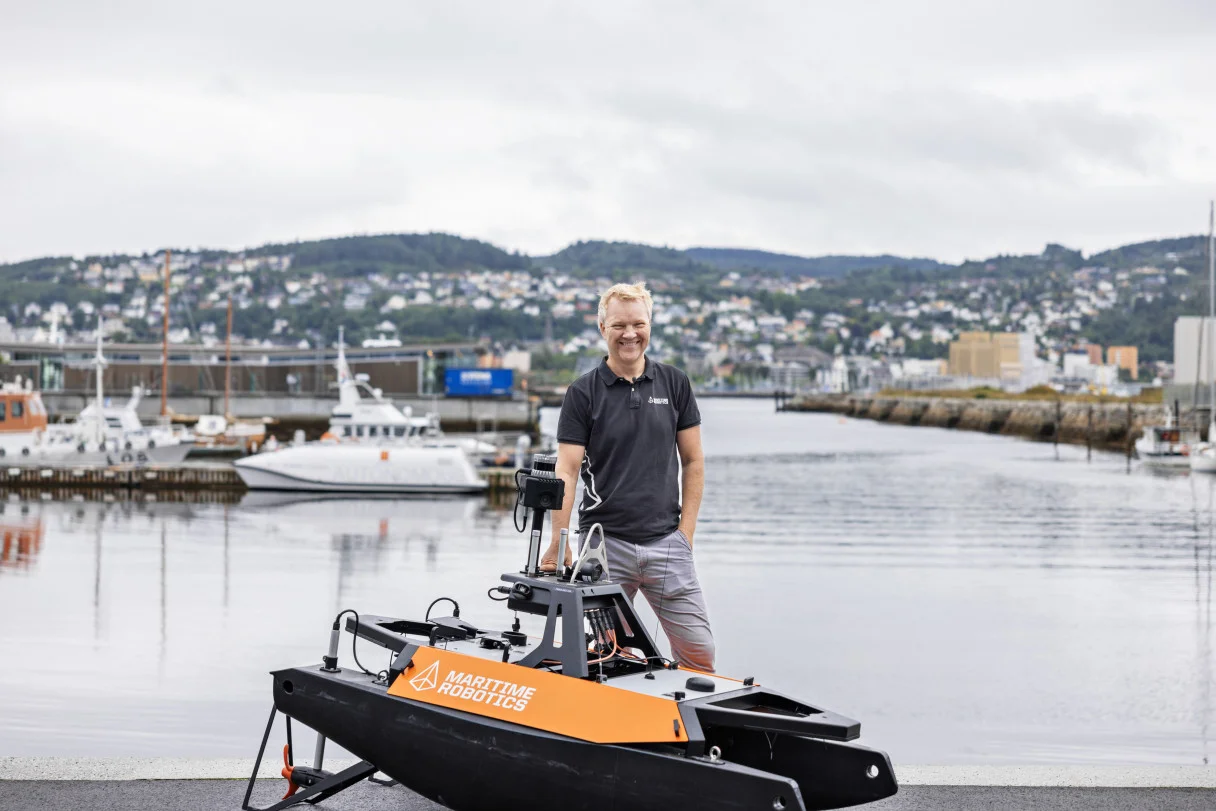
Maritime Robotics Raises €28M in Funding to Expand its Autonomous Sea Drone Systems
Norwegian company Maritime Robotics has secured €28 million in growth funding to enhance its autonomous maritime systems. The funding round, which was led by Mustard Seed + Partners, also saw contributions from existing investors including EnvisionTech, Nysnø Climate Investment, and Umoe, along with participation from the company's founders, employees, and early backers. This financial boost aims to support the company's expansion efforts in the rapidly evolving maritime technology sector.
AI AI Funding & Investment Robotics autonomous maritime systems funding maritime robotics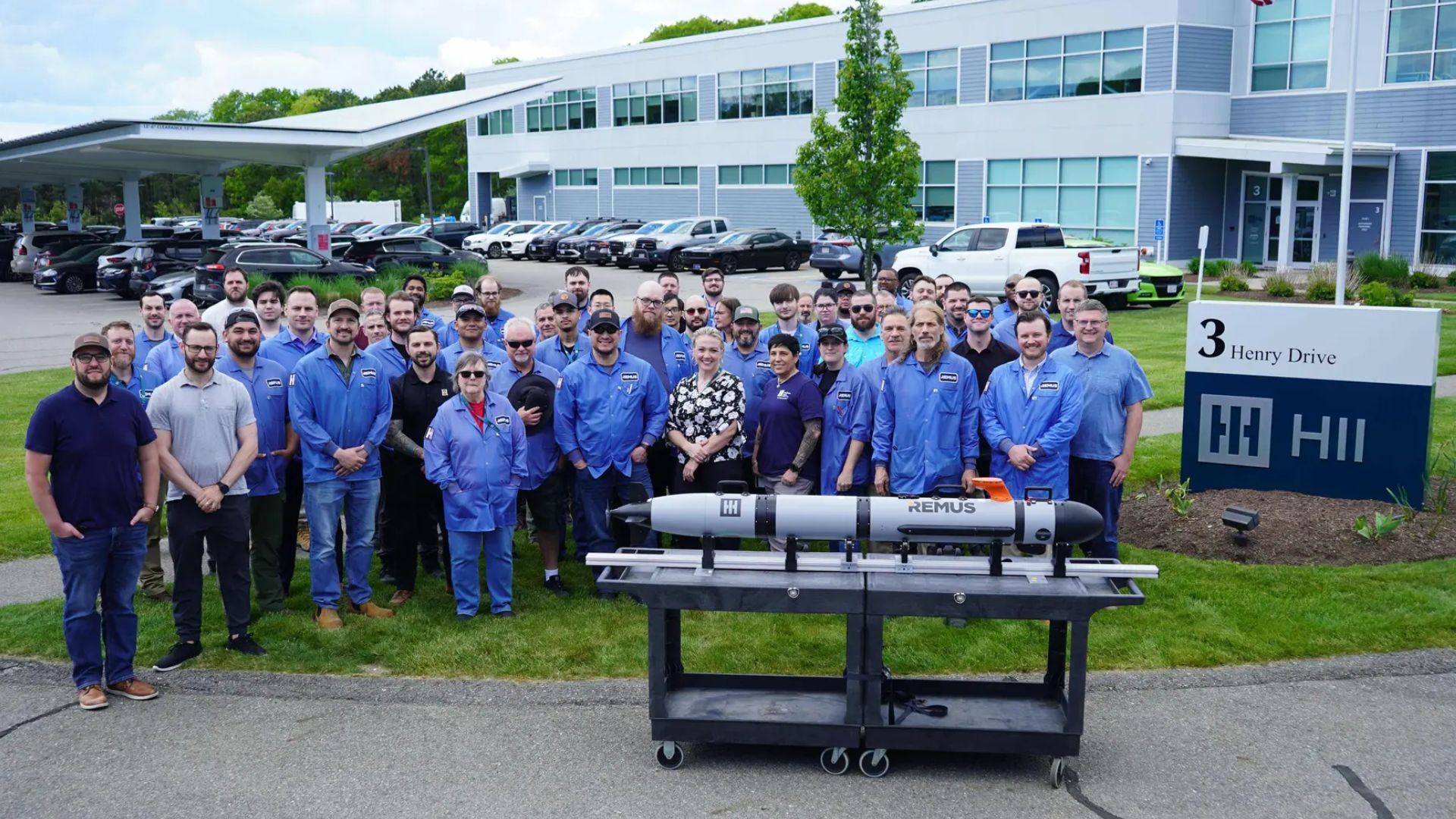
New mini submarine-like drone from HII can dive 328 feet deep with 10 hour battery life
Huntington Ingalls Industries (HII), a prominent U.S. military shipbuilder, has successfully delivered the first REMUS 130 unmanned underwater vehicle. This significant milestone was achieved as part of HII's commitment to advancing maritime technology. The delivery took place in October 2023, showcasing the company's ongoing efforts to enhance the capabilities of the U.S. Navy and other defense partners. The REMUS 130 is designed for various underwater missions, including reconnaissance and surveillance, addressing the growing need for advanced unmanned systems in naval operations. This development reflects HII's strategic focus on innovation and its role in supporting national security objectives through cutting-edge maritime solutions.
Military
Mach Industries wins DIU contract for maritime, long-range strike drone
The U.S. Navy is pursuing the development of an unmanned aerial system capable of launching from smaller vessels that lack extensive flight decks. This initiative aims to enhance the Navy's long-range strike capabilities, allowing for more versatile and efficient operations at sea. The move comes as part of the Navy's broader strategy to modernize its fleet and adapt to evolving maritime threats. By leveraging unmanned technology, the Navy seeks to extend its operational reach while minimizing risk to personnel and resources. The project is currently in the planning stages, with further details expected to emerge as the Navy refines its requirements and explores potential partnerships with defense contractors.
Air Warfare Naval Warfare Air Force destroyer Drones Navy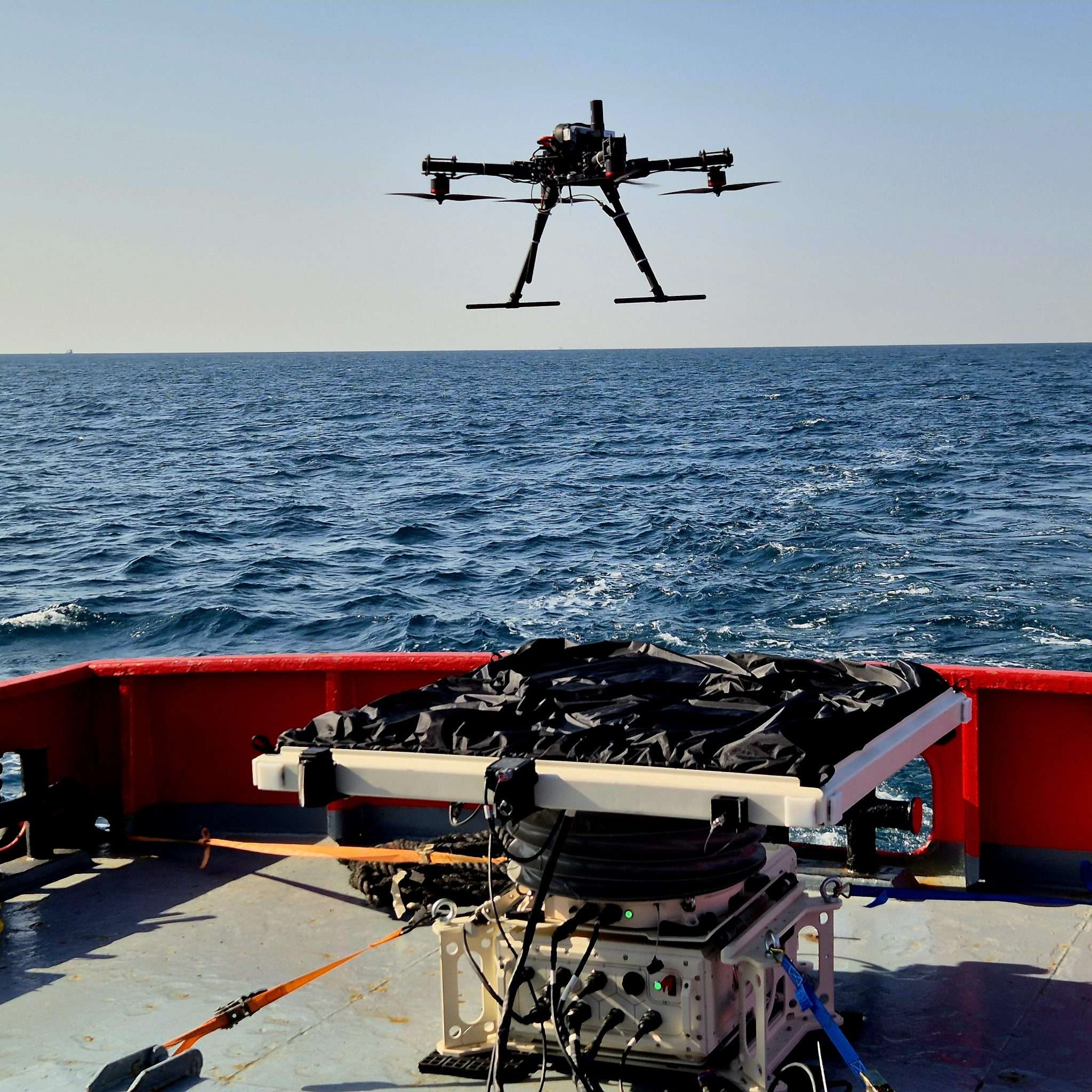
WaiV Robotics Brings Autonomous Drone Recovery at Sea to U.S. Offshore Operators
WaiV Robotics, a London-based maritime autonomous infrastructure developer, has officially launched its services in the U.S. market this week. The company aims to address the increasing challenges faced by offshore energy operators in inspection, maintenance, and emergency response as assets are positioned further from shore. By introducing its innovative autonomous drone launch and recovery technology, WaiV Robotics seeks to enhance operational efficiency for offshore operators across the country. The platform is designed to streamline processes and improve safety in the demanding offshore environment.
Applications Drone News Drone News Feeds Drones in the News News ocean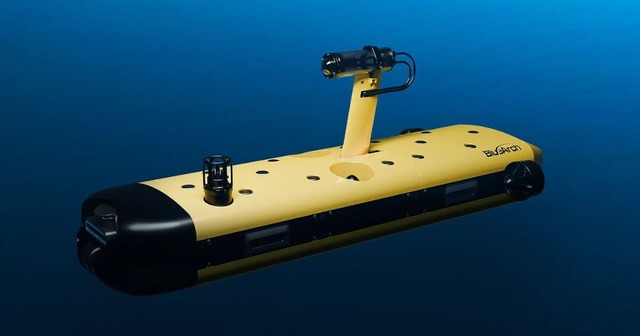
BlueArch develops and sells "HATTORI Neo," a compact autonomous underwater vehicle with edge AI.
BlueArch Corporation has been established to develop and manufacture domestically produced autonomous underwater vehicles (AUVs) and underwater robots (UUVs). This initiative aims to enhance Japan's capabilities in underwater exploration and technology, responding to the growing demand for advanced marine solutions. The company focuses on leveraging innovative engineering and technology to create efficient and reliable underwater systems. The establishment of BlueArch marks a significant step in the country's efforts to strengthen its maritime industry and promote research and development in underwater robotics.

China’s new welding robot cuts 70mm steel, boasts 30-ton capacity, 20-year life
China has successfully launched its first domestically developed AI-driven marine welding system at a smart manufacturing facility. This significant advancement in technology was unveiled recently, marking a milestone in the country's efforts to enhance its manufacturing capabilities. The introduction of this innovative system is aimed at improving efficiency and precision in marine construction, addressing the growing demand for advanced manufacturing solutions in the maritime industry. By integrating artificial intelligence into the welding process, the system is expected to streamline operations, reduce labor costs, and minimize human error. This development reflects China's commitment to leading in smart manufacturing technologies and showcases its ability to produce cutting-edge solutions that can compete on a global scale.
AI and Robotics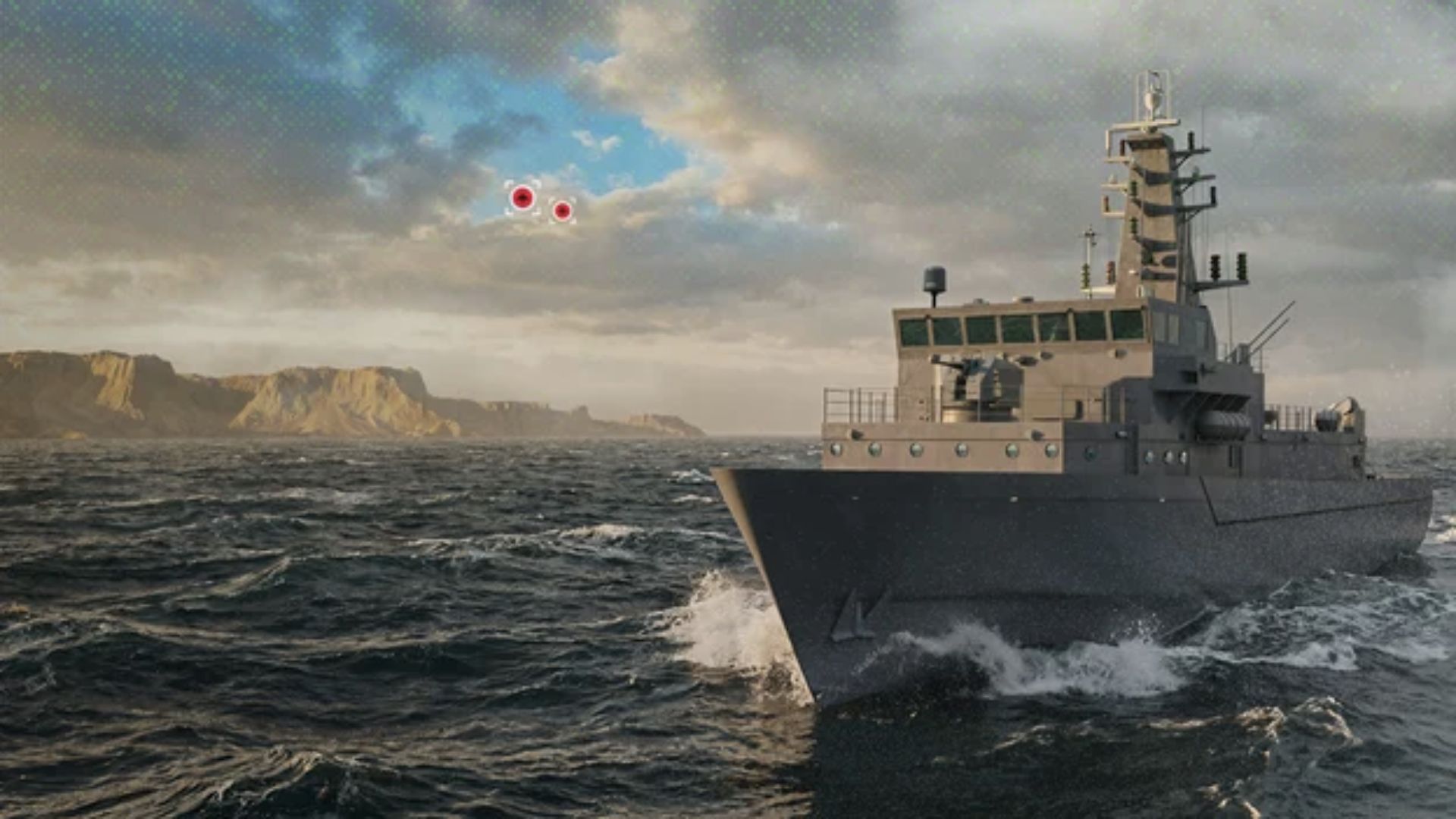
New radar system can detect high-speed drones nearby ports, vessels in extreme environment
A cutting-edge radar system has been developed to enhance the detection of drones operating near ports, vessels, harbors, and other critical maritime areas. This innovative technology aims to bolster maritime security by providing real-time surveillance and threat assessment capabilities. The radar is designed to identify and track drones, which have increasingly become a concern for safety and security in busy maritime environments. The system's deployment is expected to take place in the coming months, with trials set to occur at various strategic locations along coastlines. By integrating advanced detection algorithms and high-resolution imaging, the radar will enable authorities to respond swiftly to potential threats, ensuring the safety of maritime operations and protecting vital infrastructure. This initiative reflects a growing recognition of the need for enhanced security measures in response to the rising prevalence of drone activity in sensitive areas.
Innovation Military
Windows for robots: Edge AI expands usability
A significant shift in accessibility for robotics is underway, reminiscent of the transformation brought by Windows for personal computers. Edge AI technology is enabling a broader range of users, beyond just engineers and computer scientists, to engage with and utilize robotic systems. This development is poised to democratize robotics, making it more user-friendly and accessible to individuals with varying levels of technical expertise. As Edge AI continues to evolve, it is expected to enhance the usability of robots across various sectors, fostering innovation and expanding the potential applications of robotic technology. This trend marks a pivotal moment in the integration of advanced technology into everyday use, potentially revolutionizing industries and everyday tasks.
Artificial Intelligence Controllers Maritime Microprocessors / SoC News Opinion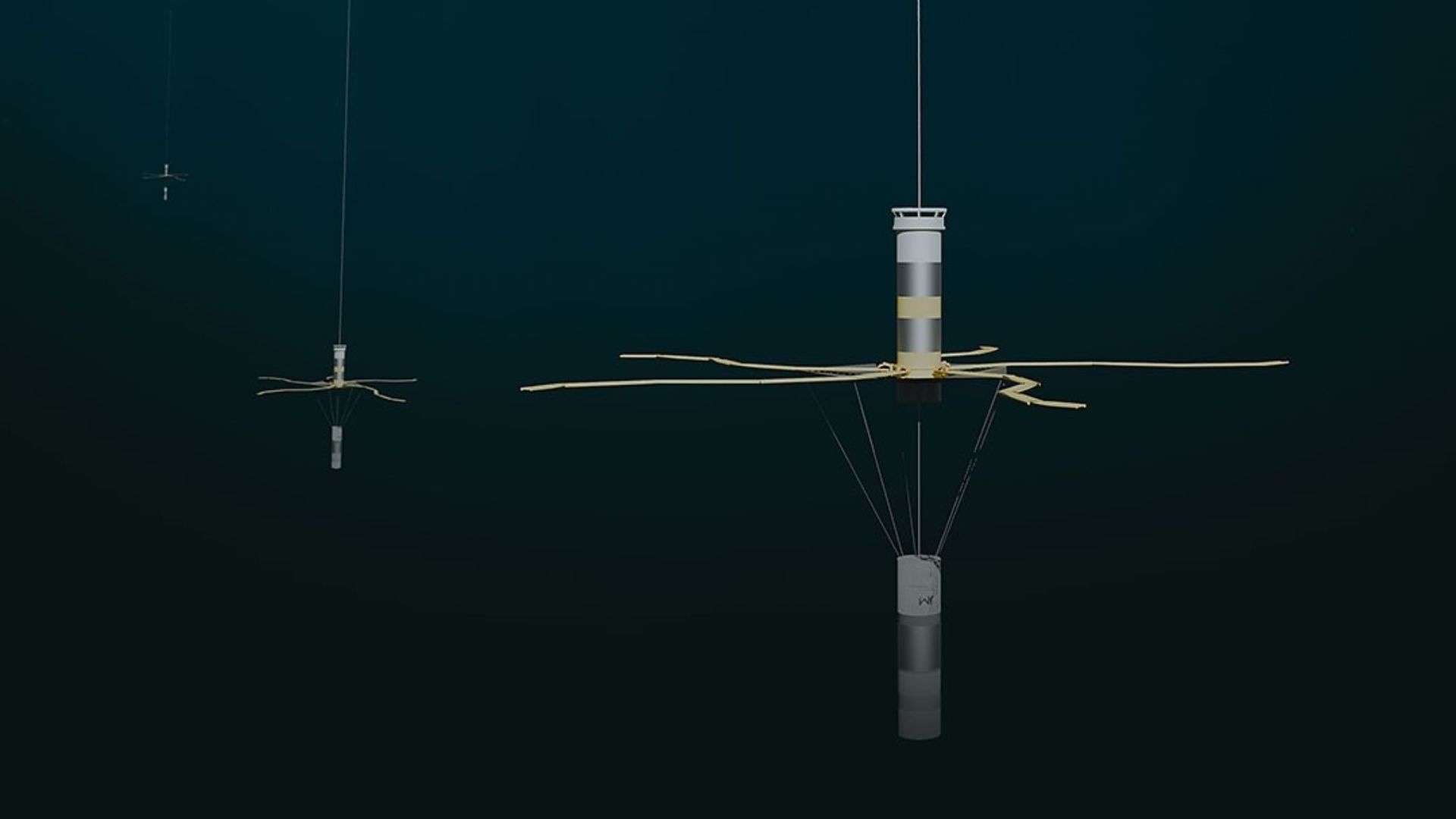
UK trials compact G-size sonobuoy built for autonomous drones hunting submarines
Ultra Maritime has successfully conducted the inaugural in-water deployment trial of its advanced Multistatic Active Receive system. This significant milestone took place recently, marking a key step in the development of the technology designed to enhance maritime surveillance and detection capabilities. The trial was held in a controlled marine environment, allowing the team to assess the system's performance and reliability in real-world conditions. The motivation behind this initiative is to improve the effectiveness of maritime operations, particularly in detecting underwater threats and monitoring marine activities. By utilizing innovative technology and methodologies, Ultra Maritime aims to set a new standard in maritime security solutions. The successful trial demonstrates the potential of the Multistatic Active Receive system to revolutionize the industry and address growing concerns over maritime safety and security.
Military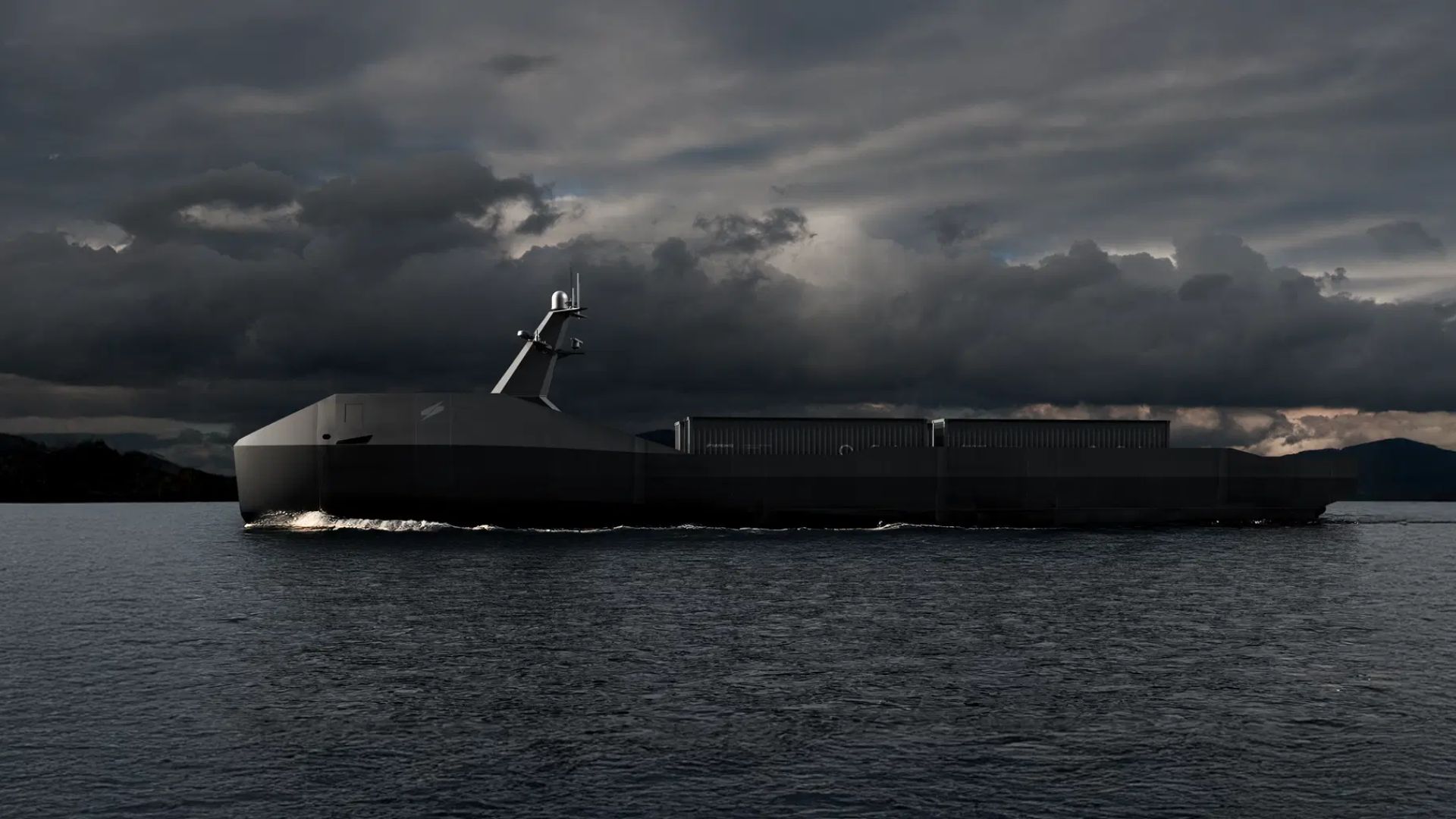
US’ new 180-foot drone ship could launch hypersonic missiles, demo set for 2027
Saronic and Castelion, two prominent defense technology firms, have unveiled their intention to merge efforts in developing an autonomous warship. This strategic collaboration aims to enhance maritime security capabilities and address emerging threats in naval warfare. The announcement was made on October 15, 2023, during a defense technology conference held in Athens, Greece. The motivation behind this partnership stems from the increasing demand for advanced naval solutions that can operate independently in complex environments. By pooling their expertise and resources, Saronic and Castelion seek to accelerate the innovation process and deliver cutting-edge technology to military clients worldwide. The proposed autonomous warship is expected to incorporate advanced artificial intelligence and machine learning systems, enabling it to perform a variety of missions, including reconnaissance, surveillance, and combat operations, without direct human intervention. This development reflects a broader trend in the defense industry towards automation and smart technologies, aimed at enhancing operational efficiency and reducing risks to personnel. As the defense sector continues to evolve, the collaboration between Saronic and Castelion positions them at the forefront of the autonomous naval warfare market, potentially reshaping the future of maritime defense strategies.
Military
Cargo Theft: Threat Demands Smarter Response
The 2025 Cargo Theft Report by TT Club and BSI Consulting reveals a troubling trend in cargo theft, indicating that criminal activities are becoming increasingly sophisticated, coordinated, and costly. Mike Yarwood, Managing Director of Loss Prevention at TT Club, highlights that this issue is not new, but the evolving tactics of criminal groups across major trade corridors necessitate a more intelligent response from the logistics industry. The report underscores the urgent need for stakeholders to adapt their security measures to combat the rising threat effectively.
Air Cargo Cold Chain Logistics Ports & Maritime Road Transport and Haulage Transport and Distribution Cargo crime
New imaging system sees through murky waters
A groundbreaking technology known as “Sonar-MASt3R” has been developed to enhance underwater mapping capabilities by integrating sonar and visual data. This innovative system is capable of producing real-time 3D maps, significantly improving navigation and exploration in challenging environments, including cloudy water conditions. The technology was unveiled in October 2023, showcasing its potential to revolutionize marine research and underwater operations. By combining different data sources, Sonar-MASt3R addresses the limitations of traditional mapping methods, offering clearer and more accurate representations of underwater landscapes. This advancement is expected to benefit various sectors, including environmental monitoring, maritime safety, and underwater archaeology, by providing researchers and professionals with reliable tools for better decision-making in aquatic environments.
Research Robotics Computer vision Imaging Sensors Oceanography and ocean engineering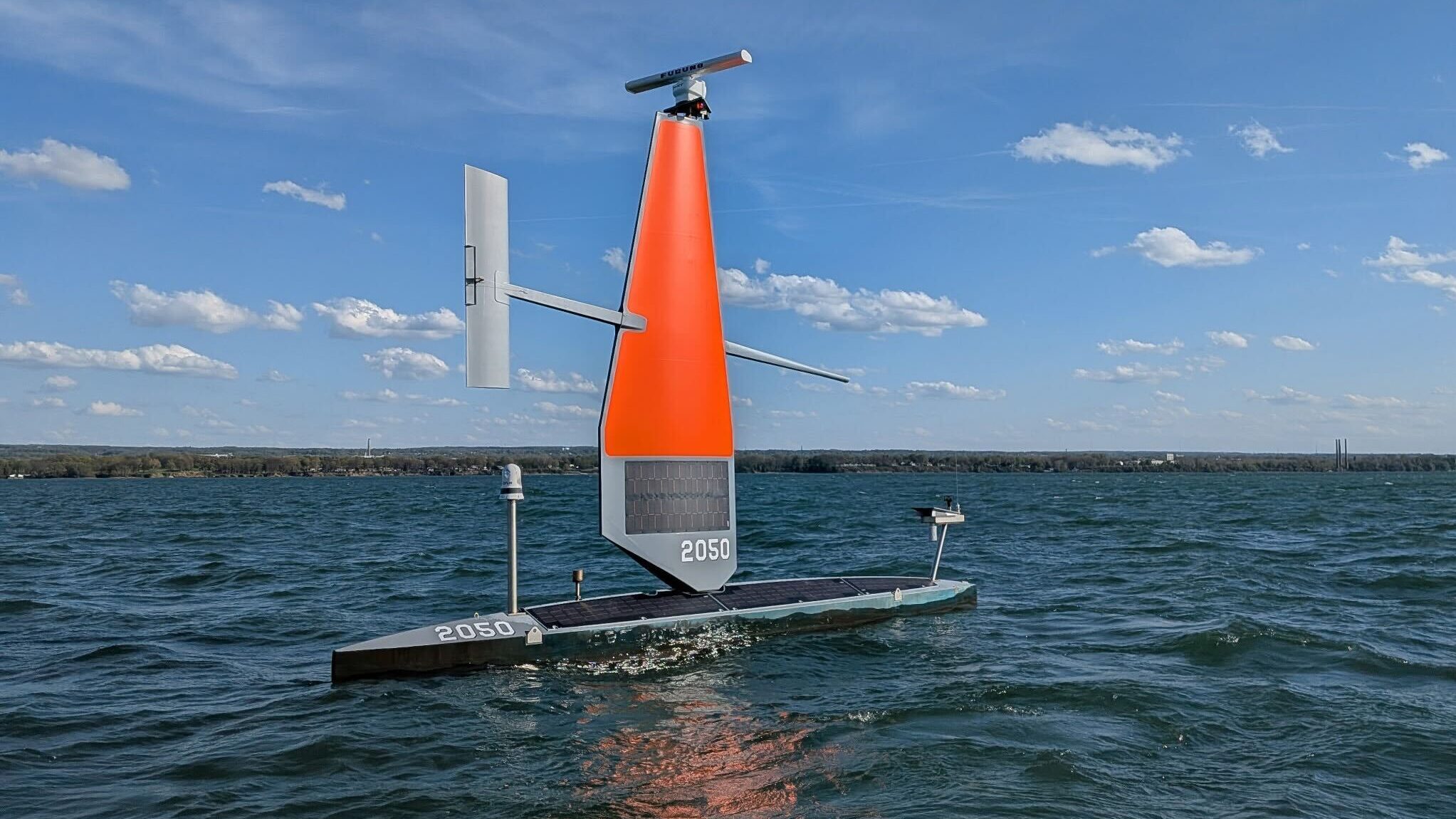
Coast Guard, Saildrone team up in northern waters to boost border security, surveillance
The Voyager, a state-of-the-art surveillance vessel, has been designed to carry out continuous coastal monitoring and nearshore mapping operations. This advanced ship can remain deployed at sea for approximately 100 days, enhancing its capability to gather critical data over extended periods. The implementation of the Voyager is expected to significantly improve maritime security and environmental monitoring efforts, providing valuable insights into coastal ecosystems and aiding in the management of marine resources. With its advanced technology and extended operational range, the Voyager represents a significant advancement in maritime surveillance capabilities.
Naval Warfare border security coast guard Drones Navy Saildrone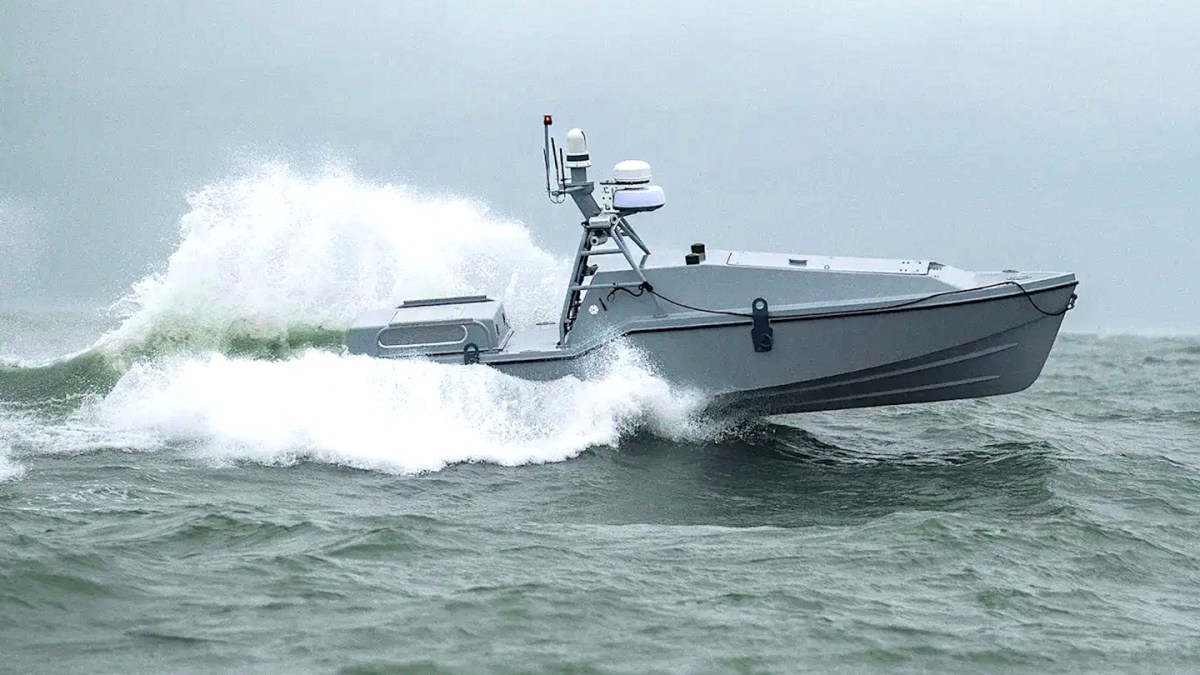
This Is The Corsair Drone Boat That Plucked The Downed Apache Crew Out Of The Gulf Of Oman
The U.S. Navy's leading drone task force in the Middle East has recently begun utilizing the Corsair uncrewed surface vessels, which were deployed for operations starting in March. This innovative technology played a crucial role in a recent rescue mission, successfully retrieving the crew of a downed Apache helicopter from the Gulf of Oman. The deployment of the Corsair underscores the Navy's commitment to enhancing maritime operations and improving response capabilities in the region. The use of these advanced drone boats marks a significant step in modern naval warfare and operational efficiency.
Sea Around The Globe Iran Middle East Navies News & Features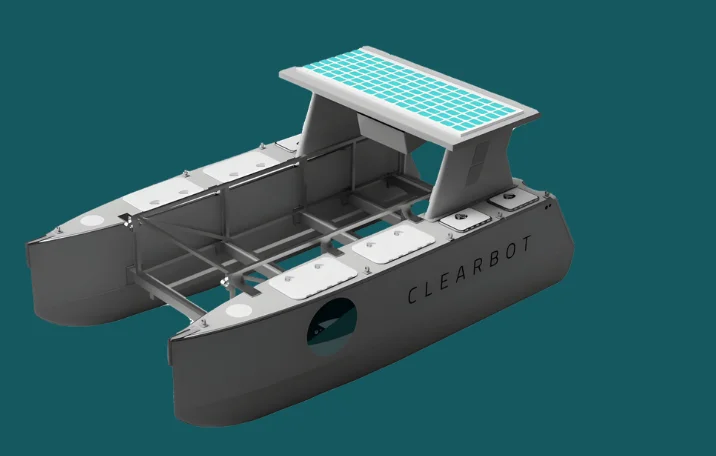
Clear Robotics Raises $1.75M in Pre-Series A Funding to Expand Development of Zero-Emission Autonomous Ships
Clear Robotics has successfully secured $1.75 million in a pre-Series A funding round aimed at enhancing the deployment of its autonomous vessels throughout Asia and the Middle East. The funding round, led by Shipsfocus Ventures, also saw participation from notable investors including Katapult Ocean, SGInnovate, M7 Holdings, and MGS Ventures, among others. This financial boost will enable Clear Robotics to accelerate its expansion efforts in the rapidly evolving maritime technology sector, addressing the growing demand for innovative shipping solutions in these regions.
AI AI Funding & Investment Robotics autonomous ships autonomous surface vessel Clear Robotics
Autonomous drone can deliver life jackets to people that fall overboard
When a person falls overboard, the urgency of the situation escalates rapidly, as their chances of survival diminish significantly with each passing minute. Rescue operations face critical challenges, particularly due to the time required for a vessel to come to a complete stop and deploy a rescue boat. By the time the search begins, the individual may have drifted far from the ship, complicating recovery efforts. This race against time highlights the importance of swift action and efficient rescue protocols in maritime emergencies.
Robotics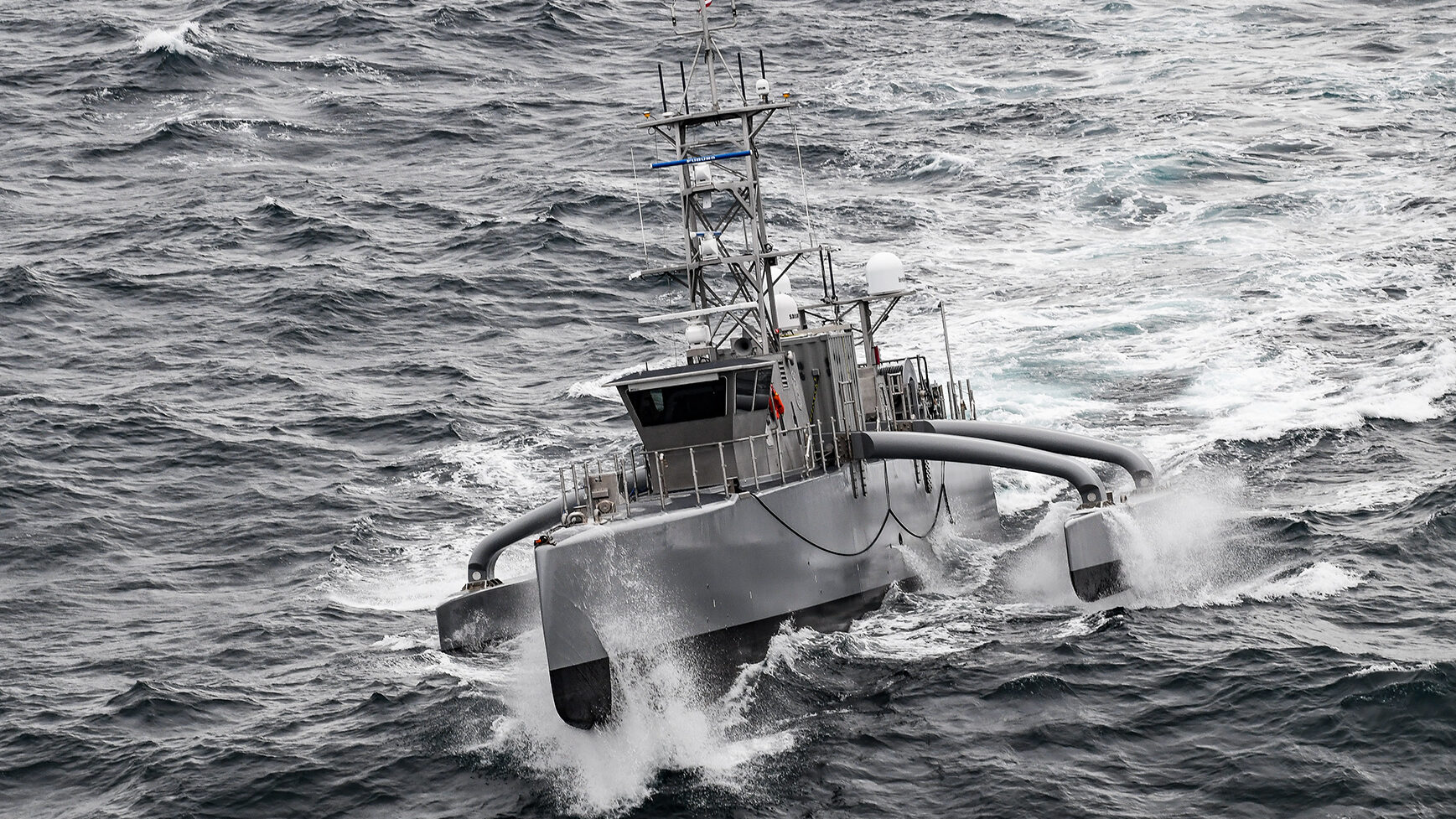
A Navy carrier is about to deploy with a robot ship. Could it change the service forever?
Experts have indicated that the recent deployment of unmanned systems by the Navy could significantly influence the future development of its operational strategies. This initiative, aimed at enhancing naval capabilities, is seen as a pivotal step in integrating advanced technologies into military operations. The deployment is expected to take place in the coming months, with strategic locations being evaluated for optimal effectiveness. By leveraging unmanned systems, the Navy aims to improve efficiency, reduce risks to personnel, and adapt to evolving threats in maritime environments. The insights gained from this deployment will likely shape the Navy's approach to unmanned operations and inform future investments in technology.
Naval Warfare Adm. Daryl Caudle Drones featured Leidos MUSV
Russia’s Baltic Fleet Successfully Attacked By Ukrainian Drones
The Baltic Fleet, historically a stronghold for Russian naval operations, has become a target of Ukraine's advancing long-range strike capabilities. This shift in focus comes as Ukraine intensifies its military efforts against Russian forces amid ongoing tensions in the region. The recent drone attacks on the fleet signify a strategic escalation in Ukraine's campaign, aiming to undermine Russian naval strength and assert its own military presence in the area. The developments highlight the evolving dynamics of the conflict, with Ukraine leveraging innovative tactics to challenge its adversary's maritime power.
Sea Around The Globe Baltic Sea Corvettes Drones Europe
IRGC Attacks MSC Containership in Gulf
The Islamic Revolutionary Guards Corps (IRGC) has announced its responsibility for a recent attack, asserting that the action was a direct response to U.S. military strikes on an Iranian vessel. This escalation in hostilities highlights the ongoing tensions between Iran and the United States, particularly in the context of maritime security in the region. The IRGC's statement indicates a calculated retaliation, emphasizing the group's commitment to defending Iranian interests against perceived aggression. The incident underscores the fragile state of relations and the potential for further conflict in the area.

Transaid Kilimanjaro to Coast Cycle Challenge
The 2026 Kilimanjaro to Coast Cycle Challenge, organized by the international development charity Transaid, invites participants to embark on a challenging journey from the foothills of Mount Kilimanjaro to the Tanzanian coast. This ambitious cycling event will cover hundreds of kilometers across varied and demanding terrain. Scheduled for 2026, the challenge aims to raise essential funds to support Transaid's critical initiatives focused on improving access to vital services in developing regions. By participating in this event, cyclists will contribute to life-saving projects while experiencing the stunning landscapes of Tanzania.
Air Cargo Cold Chain Logistics Couriers and Express CV, Trucks, Vans and Trailers Ports & Maritime Road Transport and Haulage
Royal Navy deploys Defender mine-hunting robot for Strait of Hormuz operations
The Royal Navy is set to deploy the Video Ray Defender, an advanced autonomous underwater robot, as part of its ongoing efforts to enhance maritime security. This deployment is scheduled for later this month, with operations taking place in various strategic locations to bolster surveillance and reconnaissance capabilities. The initiative aims to address increasing concerns over underwater threats and improve response times in maritime operations. By utilizing cutting-edge technology, the Royal Navy intends to streamline underwater missions, allowing for more efficient data collection and analysis. The introduction of the Video Ray Defender marks a significant step in the Royal Navy's modernization efforts, reflecting a commitment to incorporating innovative solutions in national defense strategies.

Hybrid Operations at Antwerp Terminal
Inform Software and PSA Antwerp have successfully launched the Integrated Terminal Scheduler (ITS) at Europa Terminal, marking a significant milestone in the terminal's modernization efforts. This implementation, which took place in March 2026, aims to enhance operational efficiency by optimizing the management of the entire horizontal transport chain, including Automated Stacking Cranes, Straddle Carriers, and Quay Cranes. The ITS software is designed to support the terminal's full operational capacity, facilitating smoother and more effective logistics operations. This advancement reflects the ongoing commitment to modernizing port operations and improving service delivery in the logistics sector.
Ports & Maritime TMS and Telematics INFORM Software Integrated Terminal Scheduler optimization software PSA Antwerp
Strait of Hormuz Ship Transits Are Rising Thanks to U.S. Help
Several shipping companies have resumed transit through the Strait of Hormuz, marking a significant development since the onset of the ongoing conflict in the region. This decision comes as tensions have escalated, prompting a reassessment of maritime routes by these companies. The resumption of passage is particularly noteworthy as it involves vessels that had not navigated the strait since the war began. The Strait of Hormuz, a crucial chokepoint for global oil shipments, remains a focal point of geopolitical tensions, and the renewed activity reflects a complex interplay of risk management and economic necessity. As companies weigh the potential dangers against the need to maintain supply chains, this shift could have implications for regional stability and international trade.

Australia launches first 3D-printed unmanned drone boat in Southern Hemisphere
Australia has introduced the southern hemisphere's first 3D-printed uncrewed surface vessel, marking a significant advancement in maritime technology. The vessel was unveiled recently as part of the country's efforts to enhance its naval capabilities and promote innovation in defense. This groundbreaking project took place at a facility in Australia, showcasing the nation's commitment to integrating modern technology into its maritime operations. The initiative aims to improve surveillance and reconnaissance missions while reducing costs associated with traditional shipbuilding methods. By leveraging 3D printing technology, Australia hopes to streamline the production process, allowing for quicker deployment of advanced vessels in response to emerging maritime challenges.

Container terminal in Republic of the Congo expands fleet
A container terminal in the Republic of the Congo is set to enhance its operations with a new order of Konecranes equipment, aimed at accommodating the rising container volumes. This order, placed in the first quarter of 2026, is expected to be delivered in the second half of the same year. Situated on the west coast of the country, the terminal plays a crucial role in facilitating regional container traffic across Central Africa, reflecting the growing demand for efficient logistics solutions in the area. The expansion of the terminal's fleet underscores its commitment to supporting increased trade and improving service capabilities in the region.
Forklifts and Warehouse Vehicles Materials Handling Ports & Maritime Congo containers fleet
IAI blue Diamond suite: Integrating modular loitering munitions on light naval hulls
Israel Aerospace Industries (IAI) has introduced a new naval weapon system named Diamond, aimed at enhancing maritime defense capabilities. The announcement was made during a recent defense exhibition, showcasing the system's advanced technology and versatility. This innovative weapon system is designed to equip naval forces with improved operational effectiveness in various maritime scenarios. The development of Diamond comes in response to increasing security challenges in regional waters, highlighting IAI's commitment to providing cutting-edge solutions for modern naval warfare. The system is expected to integrate seamlessly with existing naval platforms, enhancing their combat readiness and strategic capabilities.

Navy tests MUSV autonomous control and payload architecture across seven prototypes
The US Navy has approved seven submissions for medium unmanned surface vessels (MUSVs) as part of its ongoing efforts to enhance maritime capabilities. This decision, announced recently, marks a significant step in the Navy's initiative to integrate advanced unmanned technologies into its fleet. The approvals come in response to the increasing demand for innovative solutions to address modern naval challenges, including surveillance and reconnaissance missions. By incorporating these unmanned vessels, the Navy aims to improve operational efficiency and reduce risks to personnel. The selected submissions will now move forward in the development process, with the Navy collaborating closely with the respective contractors to ensure successful implementation. This initiative underscores the Navy's commitment to leveraging cutting-edge technology to maintain its strategic advantage in maritime operations.

eBook: Building Trust into Freight
In response to the ongoing volatility and uncertainty in the European freight market, Logistics Business, in collaboration with Trans.eu, has released a new eBook titled "Building Trust into Freight." This publication examines the evolution of digital freight platforms, highlighting their transition from traditional load boards to more sophisticated, secure, and intelligent systems. The eBook aims to address the growing demand for trust, visibility, and financial security within the supply chain, reflecting the industry's need for innovative solutions amid current challenges.
Air Cargo Cold Chain Logistics Ports & Maritime Road Transport and Haulage Transport and Distribution eBook
China completes record 537-day deep-sea materials experiment under extreme pressure
China has announced the successful completion of a groundbreaking 537-day deep-sea material corrosion exposure experiment, claiming it to be the first of its kind in the world. Conducted in the South China Sea, the project aimed to assess the durability and longevity of various materials used in marine engineering and construction. The initiative is part of China's broader efforts to enhance its capabilities in deep-sea exploration and technology, driven by the increasing demand for sustainable and resilient infrastructure in challenging underwater environments. Researchers monitored the materials' performance and degradation over the extended period, providing valuable data that could inform future developments in maritime engineering. This achievement underscores China's commitment to advancing its scientific research and technological prowess in the field of marine sciences.
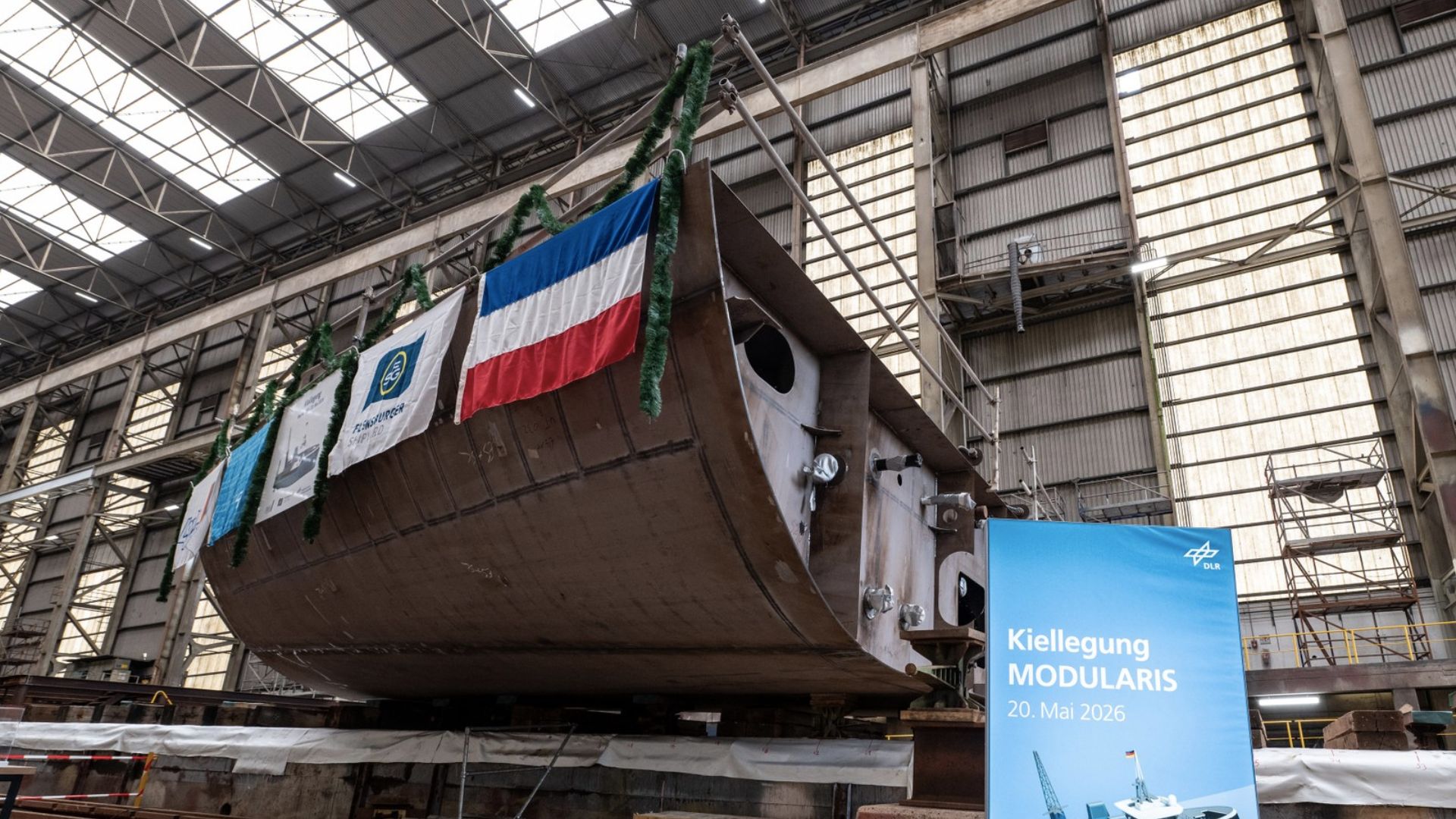
Germany’s new floating lab to test hydrogen, future ship tech, climate-compatible propulsion
The German Aerospace Center (DLR) marked a significant milestone with the keel-laying ceremony of a new seagoing technology platform. This event took place at the DLR's facility in Hamburg, highlighting the organization's commitment to advancing maritime technology. The platform is designed to support various research initiatives, including climate and environmental studies, by providing a versatile base for scientific exploration at sea. The project aims to enhance Germany's capabilities in ocean research and foster international collaboration in addressing global challenges. The construction of the platform is set to proceed over the coming months, with the DLR emphasizing the importance of innovation in tackling pressing issues such as climate change and sustainable resource management.
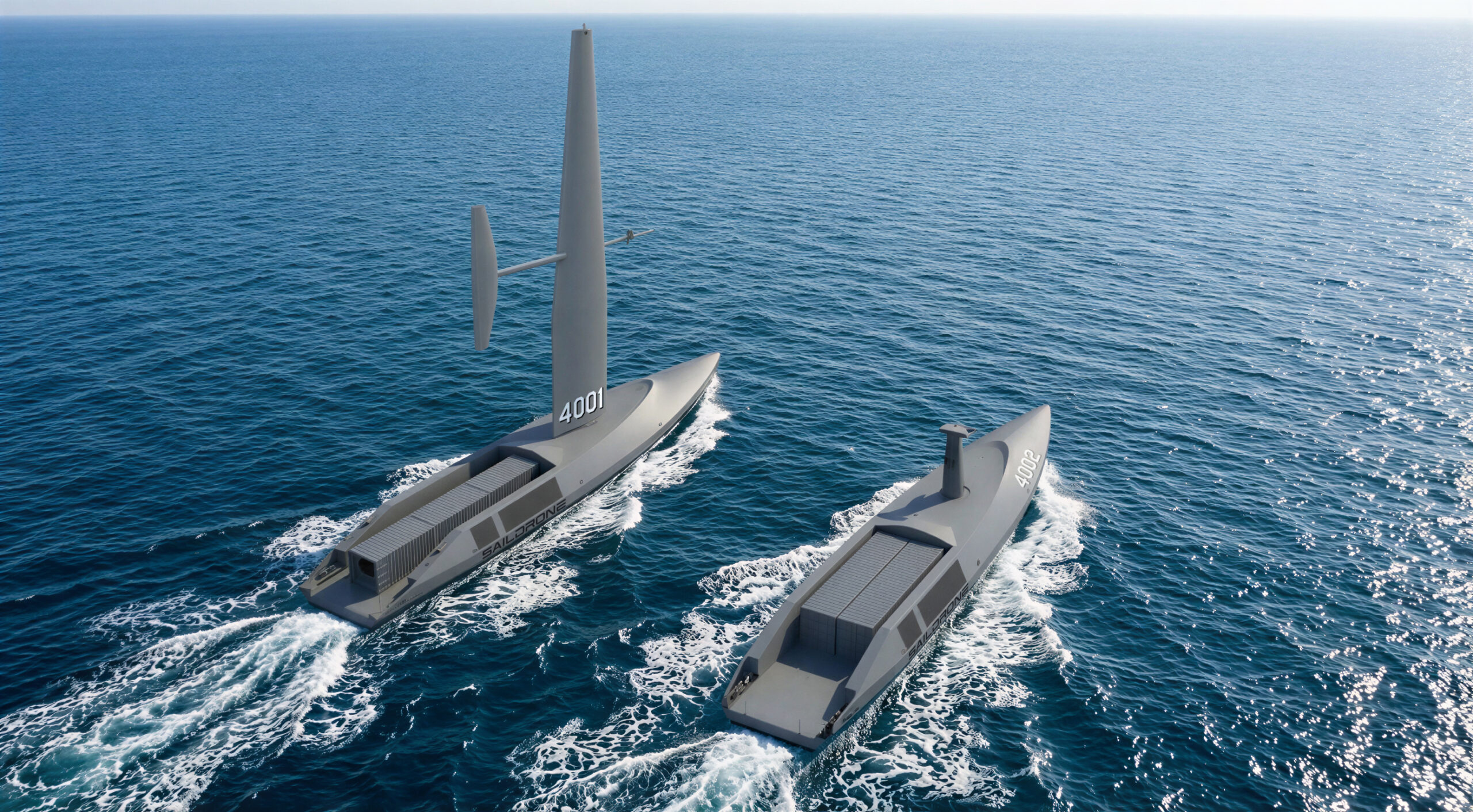
Navy green lights seven MUSV marketplace submissions to advance to prototype phase
The U.S. Navy has announced that it has selected certain designs to advance in its ongoing procurement process, although specific companies involved have not been disclosed. This decision is part of the Navy's efforts to enhance its capabilities and modernize its fleet. The announcement comes as the Navy seeks to address evolving maritime challenges and improve operational readiness. The selection process is expected to play a crucial role in shaping future naval operations and ensuring that the Navy remains competitive in a rapidly changing defense landscape. Further details regarding the selected designs and the companies behind them are anticipated in the coming weeks.
Naval Warfare Drones Medium Unmanned Surface Vessel MUSV Navy
IAI’s new Diamond naval offering envisions flexible drones, missiles for small vessels
A new defense strategy is being implemented that features a network of small satellite ships equipped with various defensive systems. This innovative approach allows these ships to operate independently while remaining connected to a central mother ship, creating a disaggregated model of naval defense. The initiative aims to enhance maritime security and adaptability in response to evolving threats. By utilizing this modular system, naval forces can improve their operational flexibility and resilience in various combat scenarios. The deployment of these satellite ships is expected to take place in the coming months, with the goal of bolstering national defense capabilities and ensuring a more robust presence in contested waters.
Global Middle East Naval Warfare Drones industry Israel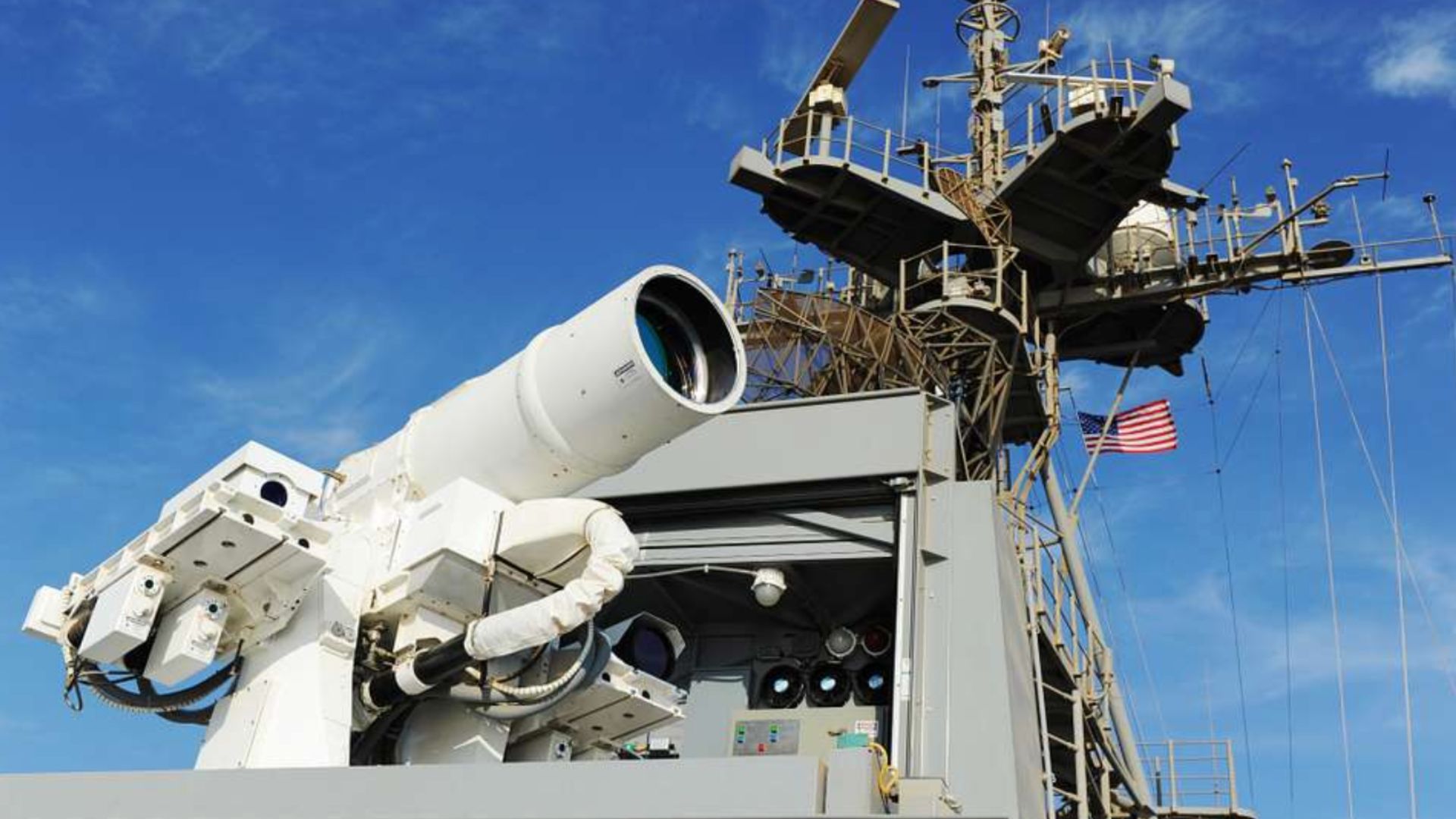
Nine US Navy destroyers that carry laser weapons for drone defense
The U.S. Navy has officially deployed laser weapons aboard its destroyers, marking a significant advancement from previous experimental demonstrations. This deployment, which occurred in October 2023, aims to enhance the Navy's defensive capabilities against various threats, including drones and small boats. The integration of laser technology is part of a broader strategy to modernize military assets and improve operational efficiency. By utilizing directed energy systems, the Navy seeks to provide a cost-effective and precise alternative to traditional munitions, thereby reducing logistical burdens and increasing response times in combat situations. The successful implementation of these systems aboard destroyers underscores the Navy's commitment to innovation and maintaining a technological edge in maritime operations.
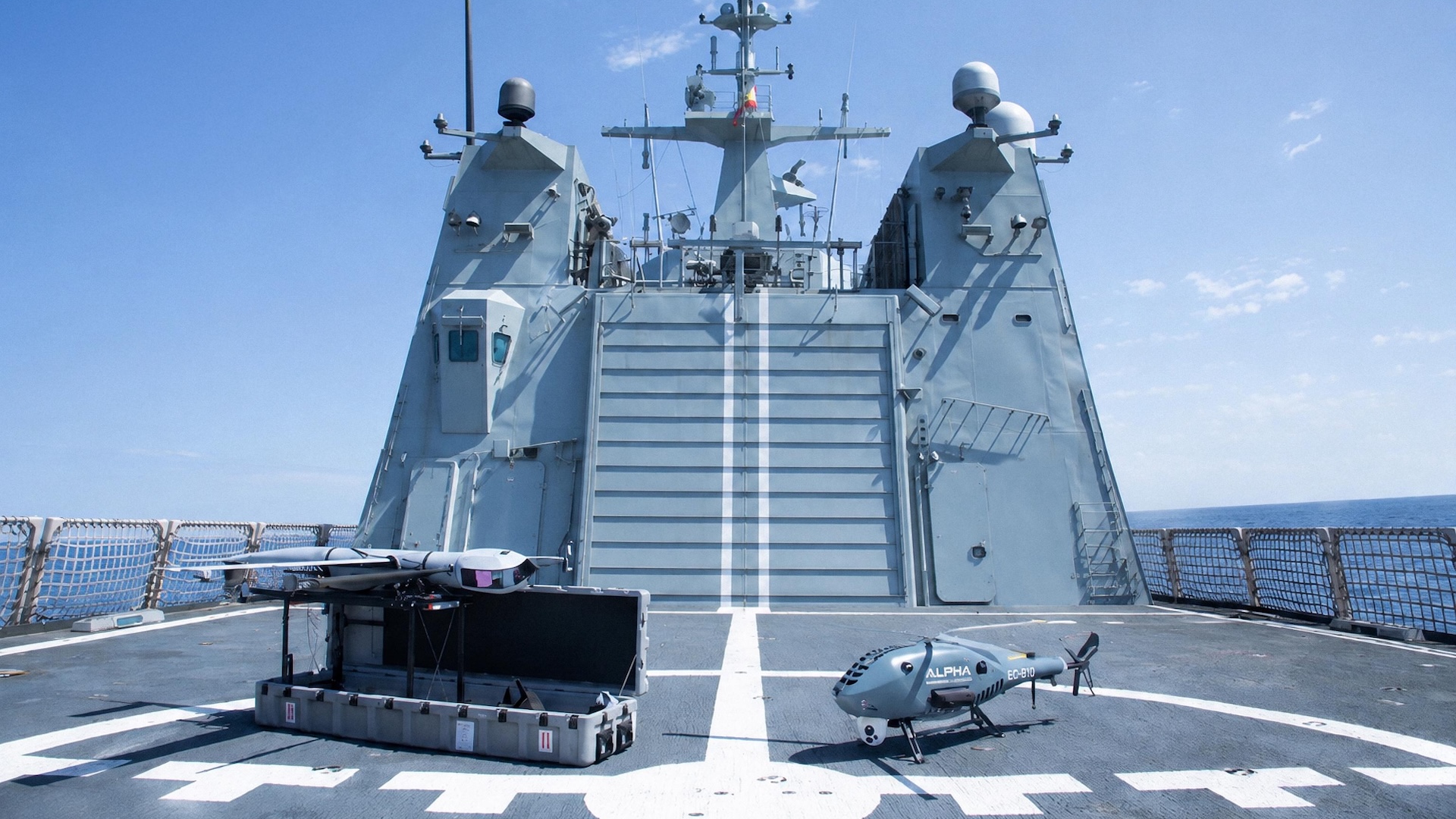
Spanish Navy tests drones controlled from helicopter in boat chase drill
Airbus Helicopters and the Spanish Navy have successfully conducted a flight trial in Rota, Spain, showcasing the capabilities of their latest helicopter technology. The trial, which took place recently, aimed to evaluate the performance and operational efficiency of the helicopters in various scenarios. This collaboration underscores the commitment of both Airbus and the Spanish Navy to enhance aerial capabilities and improve maritime operations. The successful outcome of the trial is expected to pave the way for future advancements in military aviation and strengthen defense partnerships.
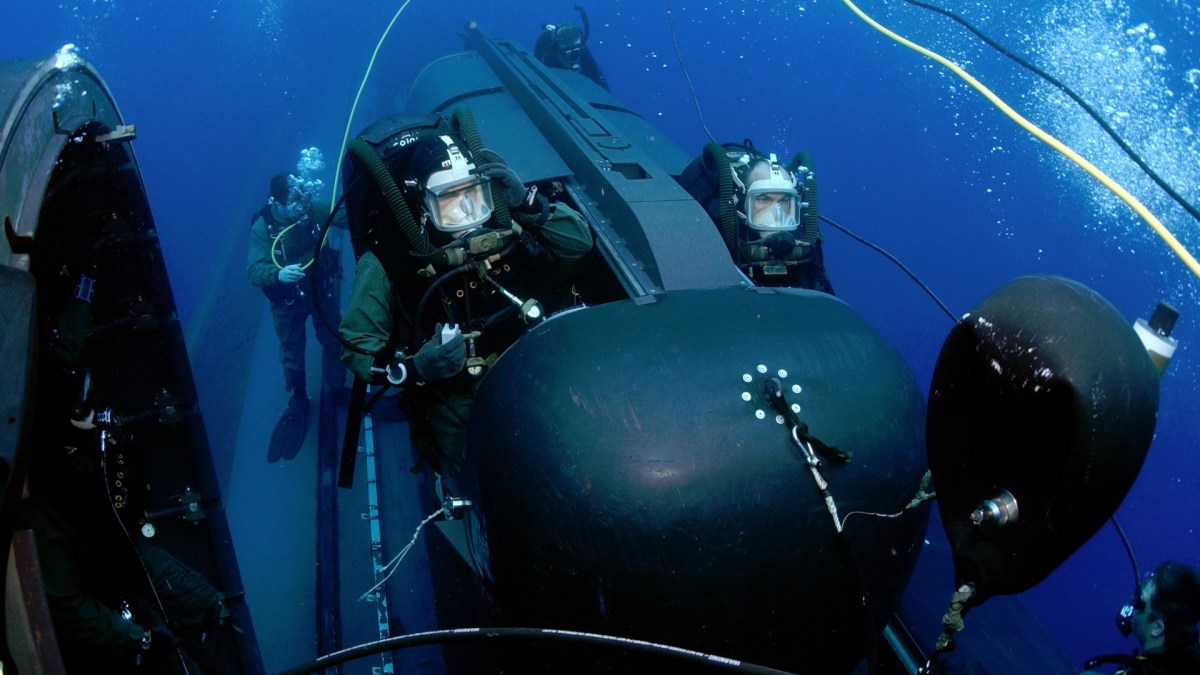
Navy SEALs In Mini-Submarines Teamed With Underwater Drones In The Works
The U.S. Navy is exploring innovative operational strategies by integrating uncrewed underwater vehicles with Navy SEALs utilizing mini-submarines. This collaboration aims to enhance the capabilities of special operations forces in maritime environments, potentially revolutionizing underwater missions. However, the initiative faces several challenges that need to be addressed to ensure effective implementation. As the Navy continues to develop these advanced technologies, the focus remains on overcoming obstacles to maximize the operational potential of this partnership.
Sea Navies Navy SEALs News & Features Special Warfare Submarines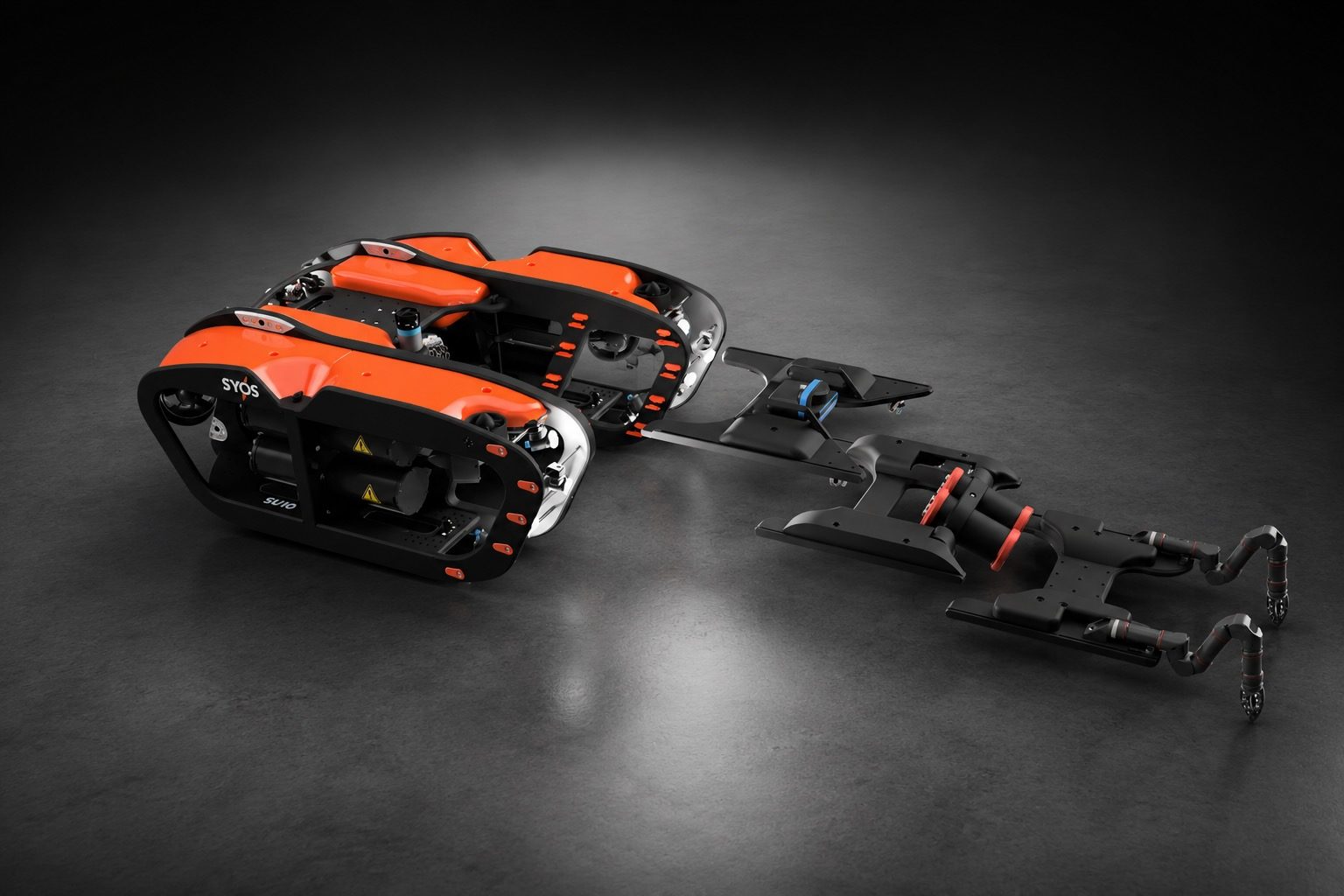
Under the Ice: New SYOS Underwater Drone Targets Maritime Security and Antarctic Exploration
SYOS, an autonomous systems company based in the UK and New Zealand, has unveiled its latest innovation, the SU10 uncrewed underwater vehicle (UUV), aimed at enhancing maritime security and supporting Antarctic exploration. The announcement was made during a recent event, marking a significant expansion of SYOS's portfolio, which previously focused on air and land operations. The introduction of the SU10 allows the company to venture into subsurface missions, addressing the growing demand for advanced technologies in multi-domain operations. This new underwater drone is designed to operate effectively in challenging environments, underscoring SYOS's commitment to developing versatile solutions for both security and exploration purposes.
Applications Arctic Drone News Drone News Feeds Dual Use News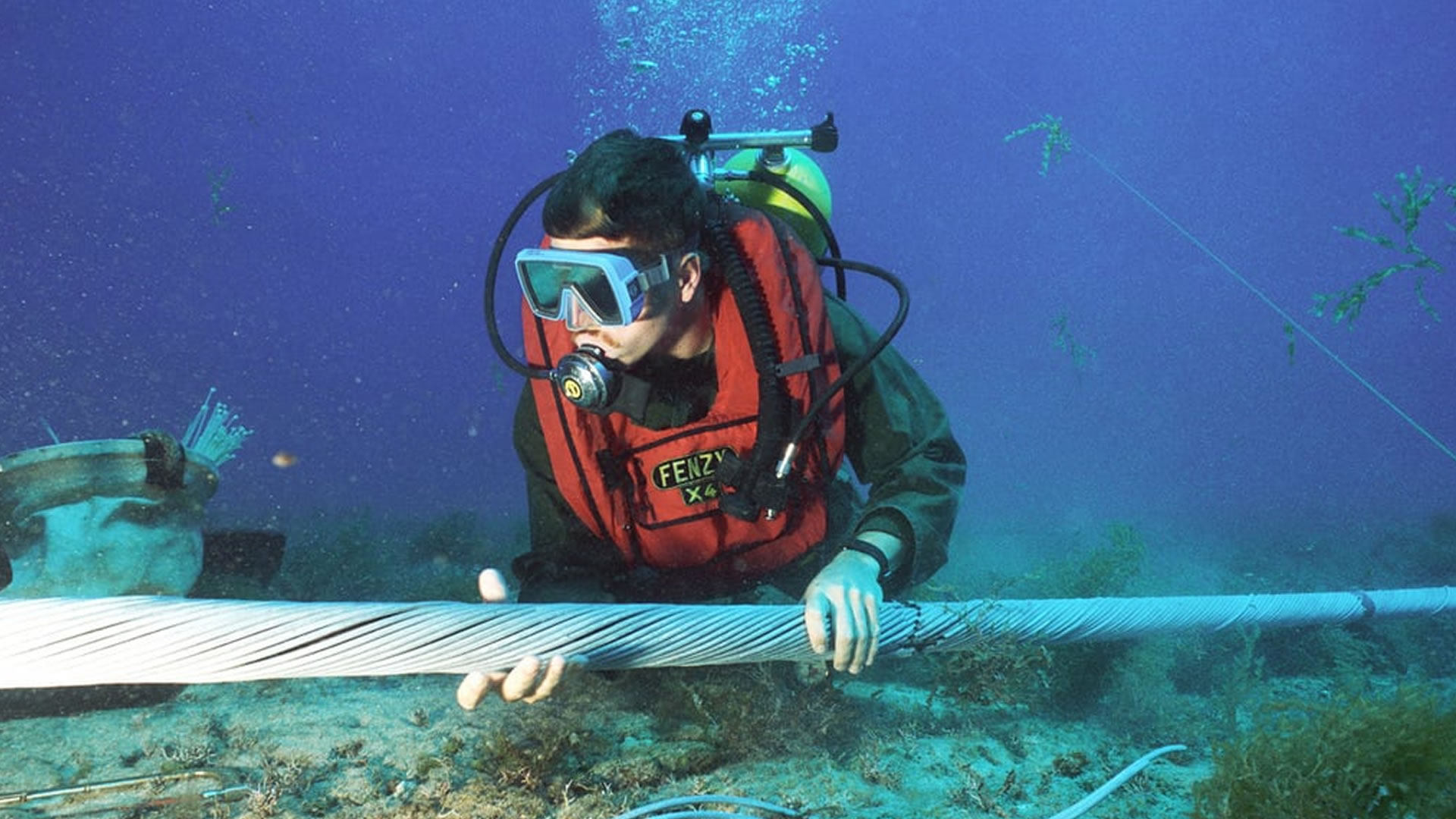
Iran could target hidden submarine cables crossing Hormuz to control data routes: Report
Iran is contemplating the implementation of charges on submarine fibre-optic cables that traverse the strategically significant Strait of Hormuz. This potential move comes amid ongoing tensions in the region and is seen as a way for Iran to exert control over critical maritime infrastructure. The Strait of Hormuz is a vital waterway for global oil transport and telecommunications, making any changes to access fees a matter of international concern. Discussions regarding this initiative are reportedly taking place as Iran seeks to bolster its economic leverage and assert its influence over the region's communication networks. The outcome of these considerations could have significant implications for international shipping and telecommunications, particularly for countries reliant on the cables that connect Europe, Asia, and beyond.
China’s near-silent wave-powered drones could redefine maritime patrols
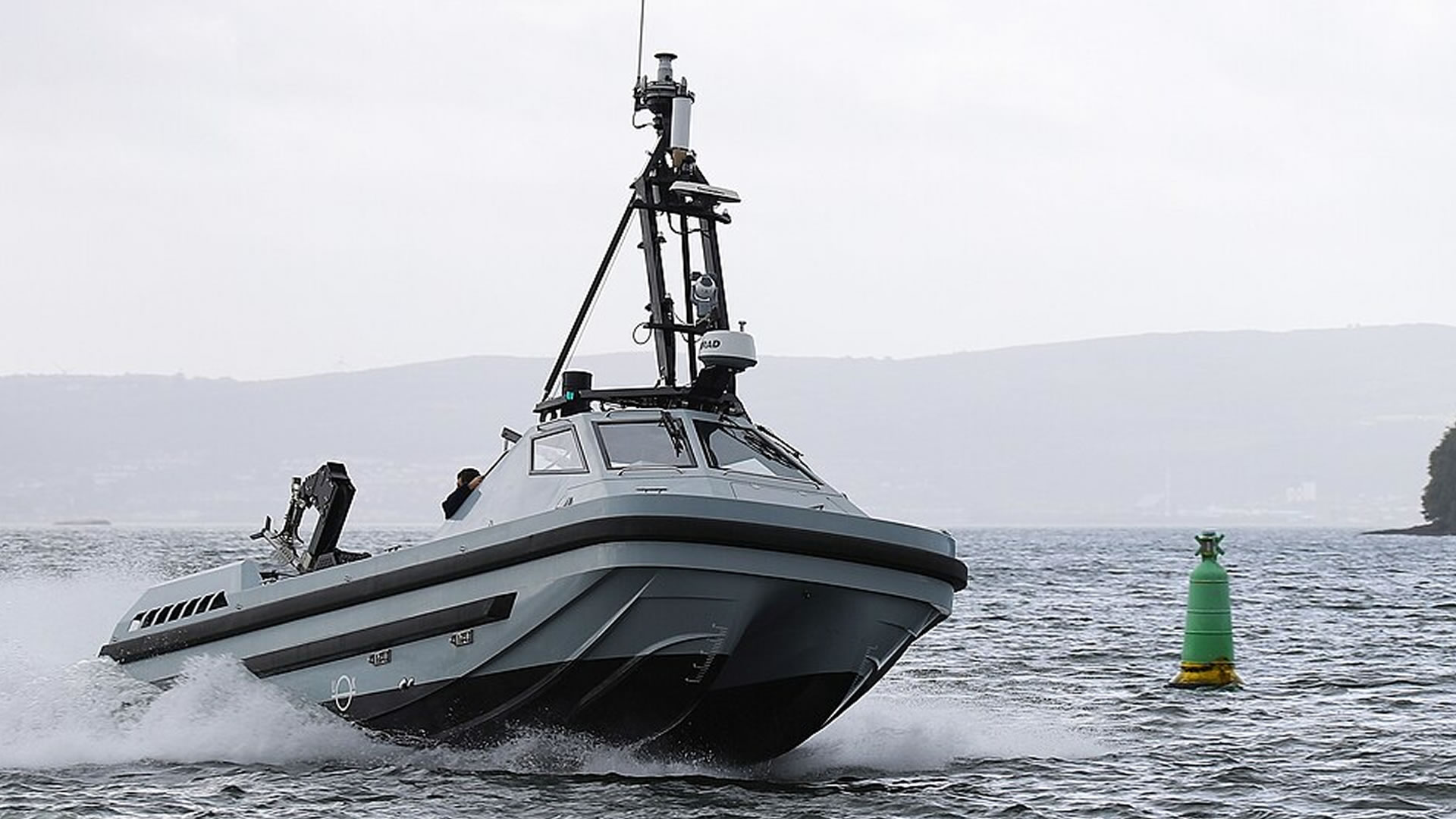
Chinese researchers have announced a significant advancement in maritime technology, revealing that artificial intelligence (AI) can effectively control unmanned surface vehicles (USVs). This development was shared during a recent conference held in Beijing, where experts discussed the potential applications of AI in enhancing naval operations. The researchers emphasized that the integration of AI into USVs could improve decision-making processes, increase operational efficiency, and reduce human error in various maritime missions. This innovation is driven by the need for safer and more efficient maritime navigation, particularly in challenging environments. The researchers demonstrated the capabilities of AI-controlled USVs through a series of simulations, showcasing their ability to autonomously navigate, avoid obstacles, and perform complex tasks. This breakthrough could pave the way for the future of naval warfare and maritime research, as countries seek to leverage technology for strategic advantages.
US plans to deploy more than 80 unmanned robotic warships to counter China’s naval dominance
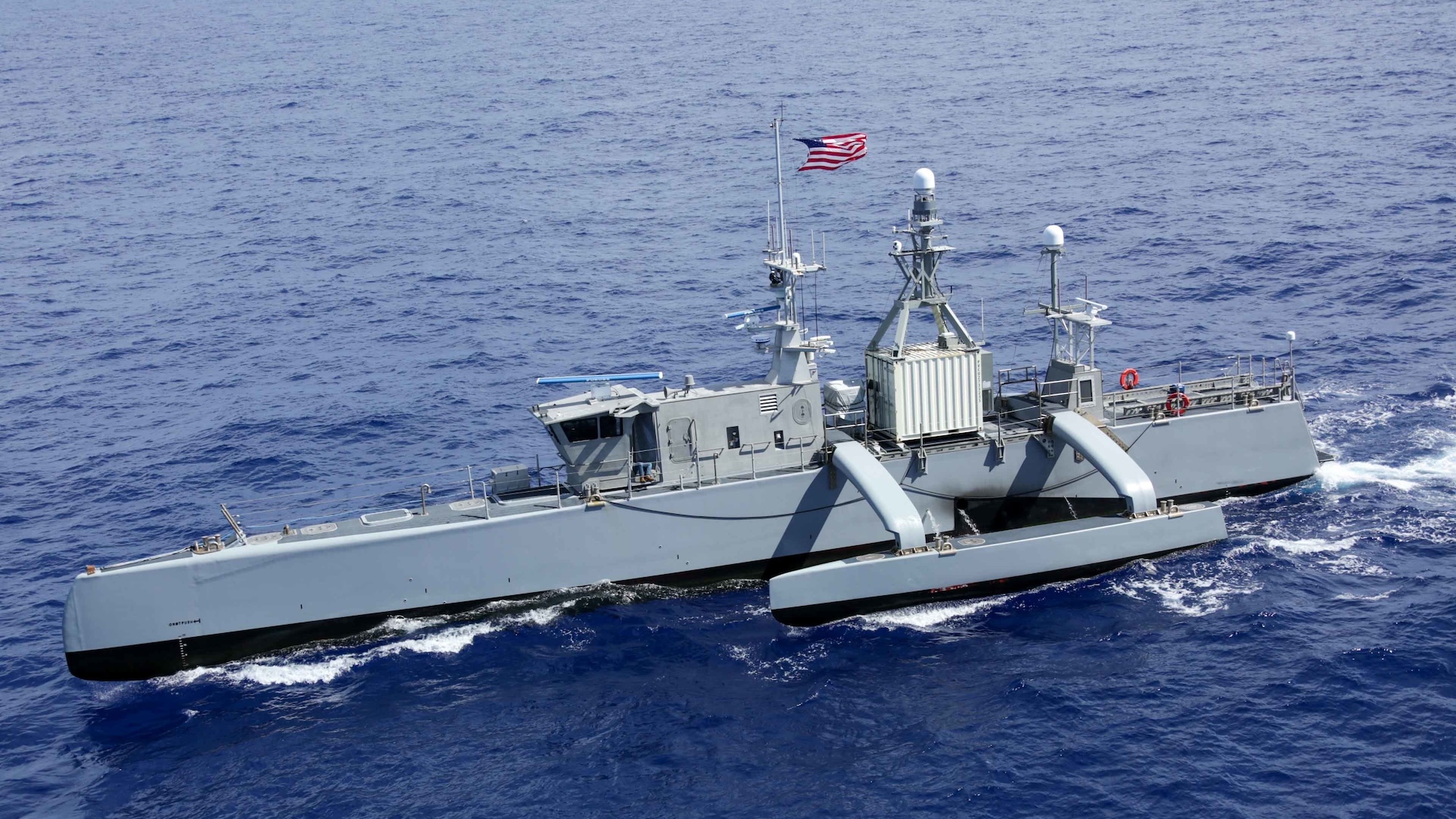
The US Navy has announced the integration of unmanned surface and underwater vessels into its long-term shipbuilding strategy, which spans the next 30 years. This decision, made public in October 2023, reflects the Navy's commitment to modernizing its fleet and enhancing operational capabilities in response to evolving maritime threats. By incorporating advanced technologies, the Navy aims to improve surveillance, reconnaissance, and combat operations while reducing risks to personnel. The move is part of a broader initiative to adapt to the changing landscape of naval warfare and ensure the United States maintains its strategic advantage at sea. The plan outlines investments in research and development, as well as the construction of new vessels designed to operate autonomously, thereby increasing the Navy's efficiency and effectiveness in various mission scenarios.
Havoc raises $100M to unify defense autonomy in the land, sea, and air
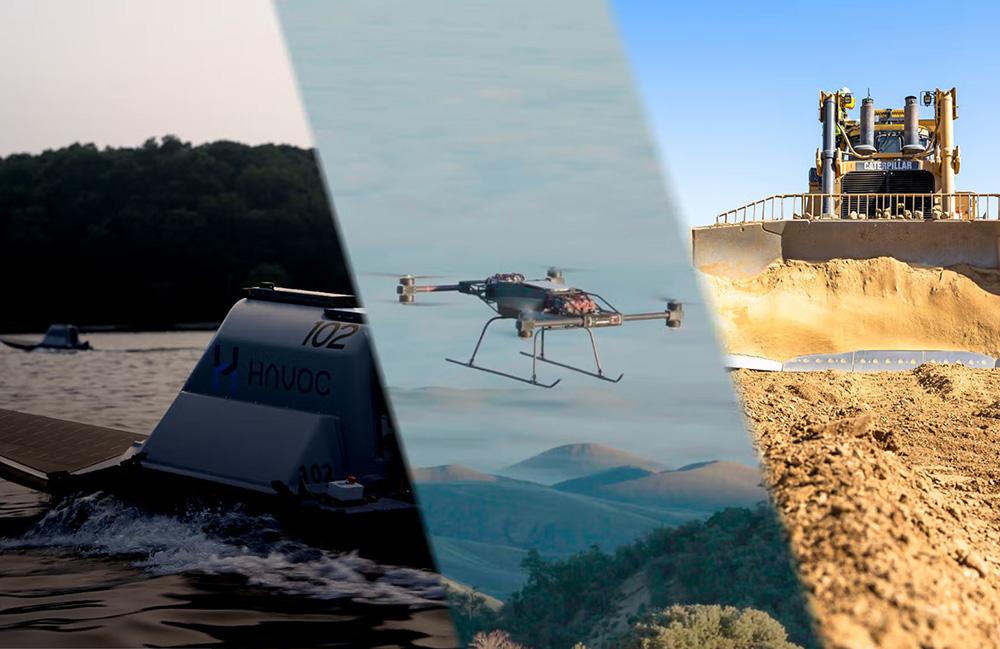
Havoc, a defense technology company, has announced a significant funding round, securing $100 million to advance its mission of creating unified, all-domain autonomy for national security. This investment comes at a time when the demand for integrated defense solutions across land, sea, and air is becoming increasingly critical. The company aims to leverage this capital to innovate and enhance its technology, addressing the evolving challenges in defense and security. By focusing on a cohesive approach to autonomy, Havoc seeks to meet the urgent needs of national security priorities in an era marked by complex threats and the necessity for seamless operational capabilities.
Artificial Intelligence / Cognition Defense / Security Financial Investments Markets / Industries Mobility / Navigation
USVs could be ‘alternate options’ for missions for stretched manned fleet: Navy official
Unmanned Surface Vessels (USVs) are increasingly being recognized as versatile components of naval operations, particularly in scenarios where deploying a large combatant ship may be prohibitively expensive or tactically excessive. This shift in naval strategy reflects a growing trend among military forces to utilize USVs for a variety of missions, including surveillance, reconnaissance, and logistical support. As nations seek to enhance their maritime capabilities while managing costs, the adoption of these modular systems is expected to rise. The integration of USVs into naval fleets allows for more flexible and efficient responses to maritime challenges, enabling forces to maintain operational readiness without the financial burden of traditional vessels. This evolution in naval warfare underscores the importance of innovation in military technology and strategy, as armed forces adapt to modern threats and operational demands.
Naval Warfare Arleigh Burke AUVSI/MDEX 2026 Drones Navy USV
Anthro Energy partners with EnPower to develop lithium-ion cells in the U.S.
EnPower and Anthro Energy have announced a strategic partnership aimed at advancing lithium-ion cell development in the United States. This collaboration will leverage EnPower's expertise in electrode and pouch cell manufacturing alongside Anthro Energy's innovative Proteus electrolyte platform. By combining their respective technologies, the companies seek to enhance the performance and efficiency of lithium-ion batteries, addressing the growing demand for sustainable energy solutions. The partnership marks a significant step forward in the U.S. battery manufacturing landscape, reflecting a commitment to innovation and competitiveness in the energy sector.
Aerospace Batteries / Power Supplies Defense / Security Drones Maritime Mobility / Navigation
Hydrogen-fueled drone submarine with 17 sensors could scan Hormuz for naval mines
A European defense technology company has announced the launch of the world's longest-endurance unmanned submarine, showcasing its capabilities at a recent defense exhibition. The submarine, designed for extended missions, can operate underwater for several weeks without the need for surface resupply, marking a significant advancement in maritime technology. This innovation aims to enhance naval surveillance and reconnaissance operations, addressing the growing demand for autonomous underwater vehicles in modern defense strategies. The unveiling took place in a prominent European city, drawing attention from military officials and industry experts alike, who are keen to explore the potential applications of this groundbreaking technology in various defense scenarios.
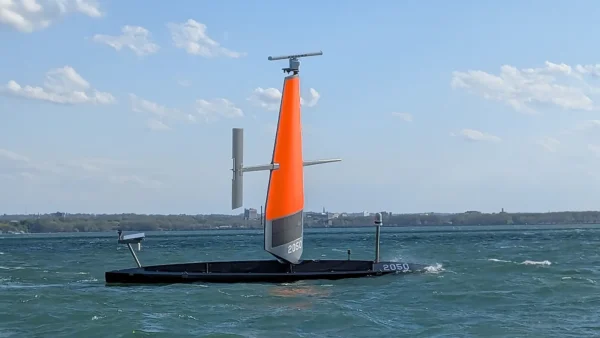
Saildrone Deploys 16 Voyager USVs for Coast Guard Great Lakes Mission
Saildrone, an autonomous maritime company based in Alameda, California, has announced the deployment of 16 Voyager unmanned surface vehicles (USVs) to enhance surveillance capabilities for the US Coast Guard. This initiative, which is part of a $15.5 million contract, aims to support Coast Guard missions across the Great Lakes and the Northeast. The deployment was officially announced on May 11, 2026, marking a significant step in the integration of advanced technology into maritime operations. The use of these unmanned vehicles is intended to improve monitoring and response efforts in these vital waterways, reflecting the Coast Guard's commitment to maintaining safety and security in the region.
Drone News Drone News Feeds News ocean safety and security seadrones
Uncrewed 37-foot Orca-like strike submarine can unleash missiles and FPV drones
A Turkish defense company has introduced a new strike-capable extra-large uncrewed underwater vehicle, marking a significant advancement in naval technology. The unveiling took place during a defense exhibition in Istanbul, showcasing the vehicle's potential for enhancing Turkey's maritime capabilities. This development is part of Turkey's broader strategy to bolster its defense industry and assert its presence in regional waters. The vehicle is designed to conduct various missions, including surveillance and combat operations, reflecting the increasing importance of unmanned systems in modern warfare. By integrating advanced technologies, the company aims to position Turkey as a key player in the global defense market.
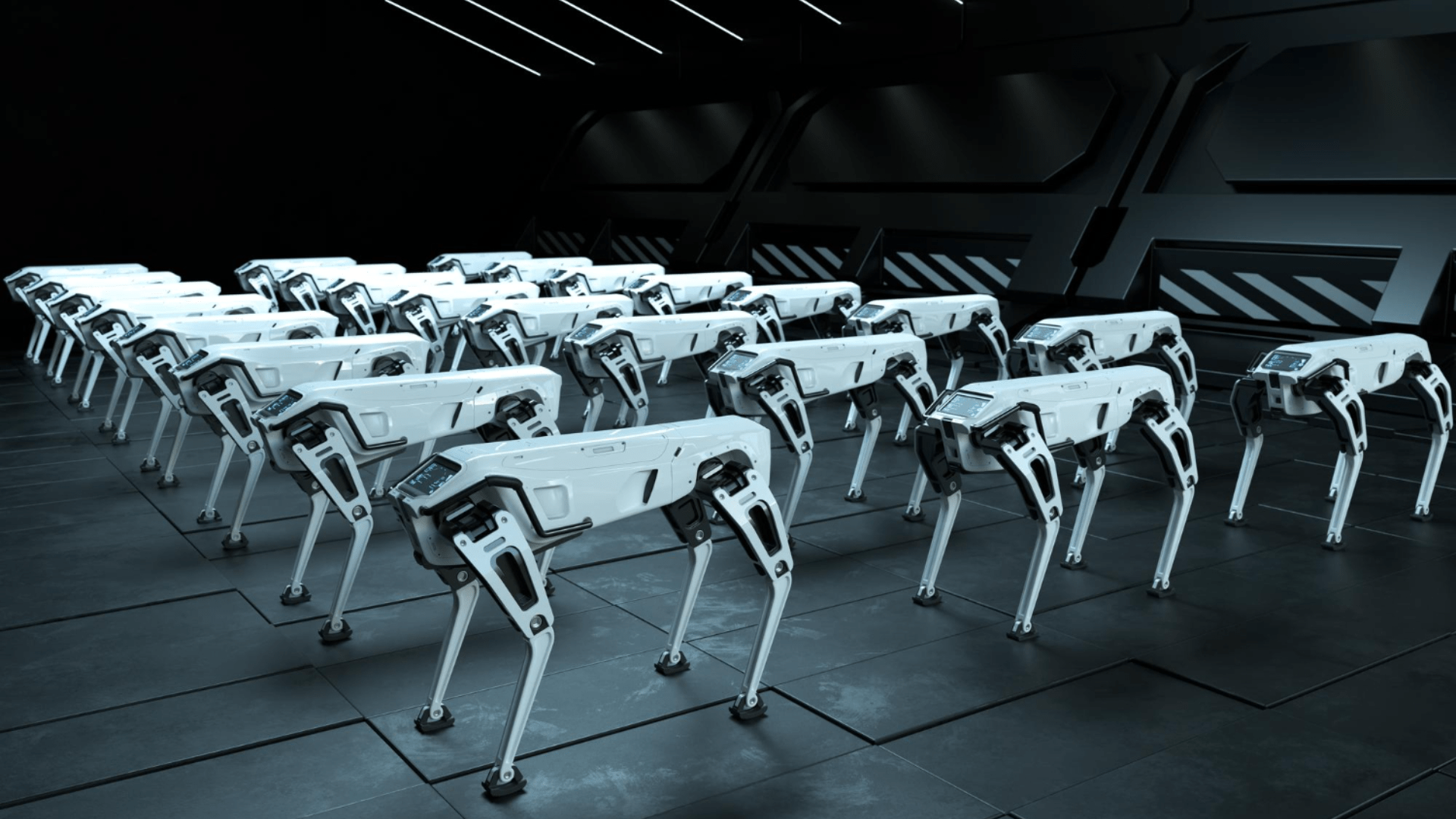
China showcases submarine-launched anti-mine vehicles, robotic combat dogs at defense expo
A new generation of autonomous underwater drones has been developed to detect and neutralize naval mines, marking a significant advancement in maritime security technology. This innovation was unveiled at a recent defense technology conference held in Washington, D.C., where experts gathered to discuss the future of naval warfare. The drones are designed to enhance safety for naval operations by providing a reliable solution to the persistent threat of underwater mines, which pose risks to both military and commercial vessels. The motivation behind this technological breakthrough stems from the increasing need for efficient and effective mine countermeasures in response to evolving maritime threats. By employing advanced sensors and artificial intelligence, these drones can autonomously navigate and identify mines, significantly reducing the risk to human divers and traditional mine-clearing vessels. The development process involved collaboration between defense contractors and military research organizations, leveraging cutting-edge technology to improve operational capabilities. As naval forces worldwide seek to modernize their fleets, this innovation is expected to play a crucial role in enhancing maritime security and ensuring safe passage in contested waters.
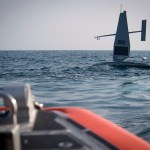
US Coast Guard deploys autonomous Saildrones to patrol 90,000-square-mile lakes
The U.S. Coast Guard is set to deploy autonomous surface drones across the Great Lakes starting in May. This initiative aims to enhance maritime safety and environmental monitoring in the region. The deployment comes in response to increasing concerns over navigation hazards and the need for improved surveillance of the lakes' ecosystems. By utilizing advanced drone technology, the Coast Guard intends to efficiently gather data and monitor conditions, thereby bolstering their operational capabilities. The drones will operate in various locations across the Great Lakes, providing real-time information that can aid in search and rescue missions, as well as environmental protection efforts. This strategic move reflects the Coast Guard's commitment to leveraging innovative solutions to address contemporary challenges in maritime operations.
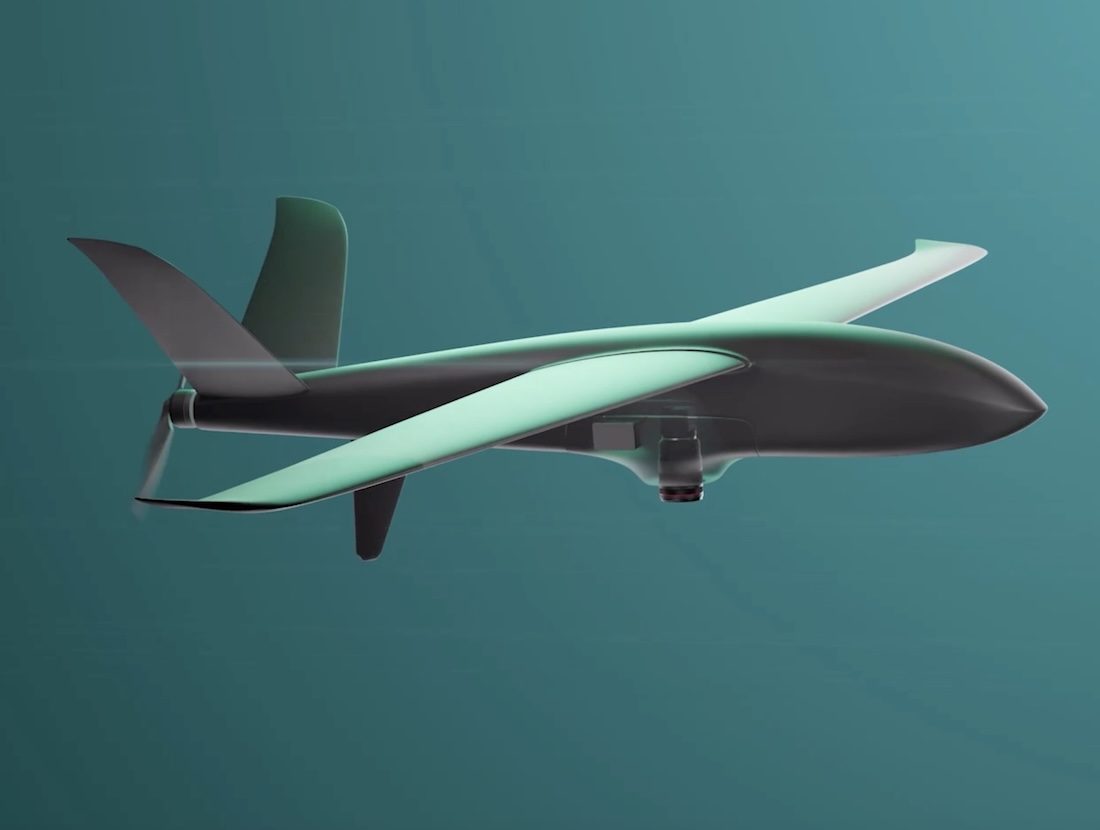
Danish Startup Launches 10K Drone Sensor for Wide-Area Search, Surveillance, and Mine Detection
A Danish start-up has introduced a groundbreaking sensor system designed to enhance marine rescue operations. This innovative technology enables drone-equipped teams to efficiently search vast areas of water for capsized boats and individuals in distress. By utilizing high-resolution imagery transmitted from the drones, rescue teams can pinpoint critical details in challenging conditions. The launch of this advanced 10K drone sensor aims to improve search and surveillance capabilities, as well as facilitate mine detection, thereby addressing urgent needs in maritime safety. The initiative reflects the start-up's commitment to leveraging cutting-edge technology to support emergency responders in their vital work.
Applications DL Exclusive Drone News Drone News Feeds drone technology Europe Drone Industry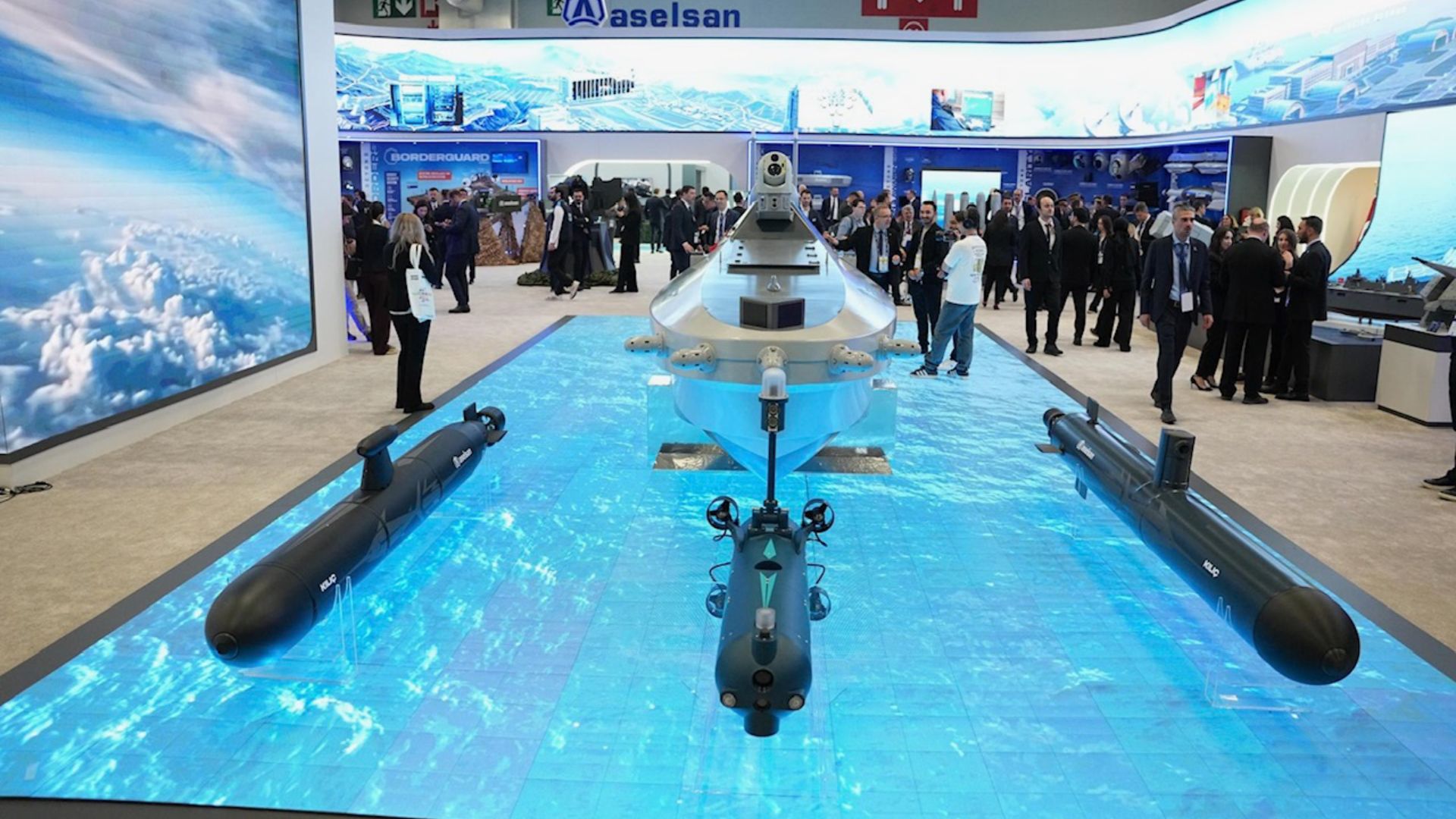
Turkey unveils swarm-ready kamikaze submarine drone with 230-mile strike range
ASELSAN, a prominent Turkish defense company, introduced two innovative autonomous naval strike platforms during the SAHA Expo held in Istanbul. The event, which took place recently, showcased advancements in defense technology, with ASELSAN aiming to enhance Turkey's naval capabilities. The new platforms are designed to operate independently, significantly improving operational efficiency and effectiveness in maritime defense. This development aligns with Turkey's strategic goals to bolster its defense industry and reduce reliance on foreign military technology. The unveiling of these platforms highlights ASELSAN's commitment to innovation and its role in strengthening national security through advanced technological solutions.
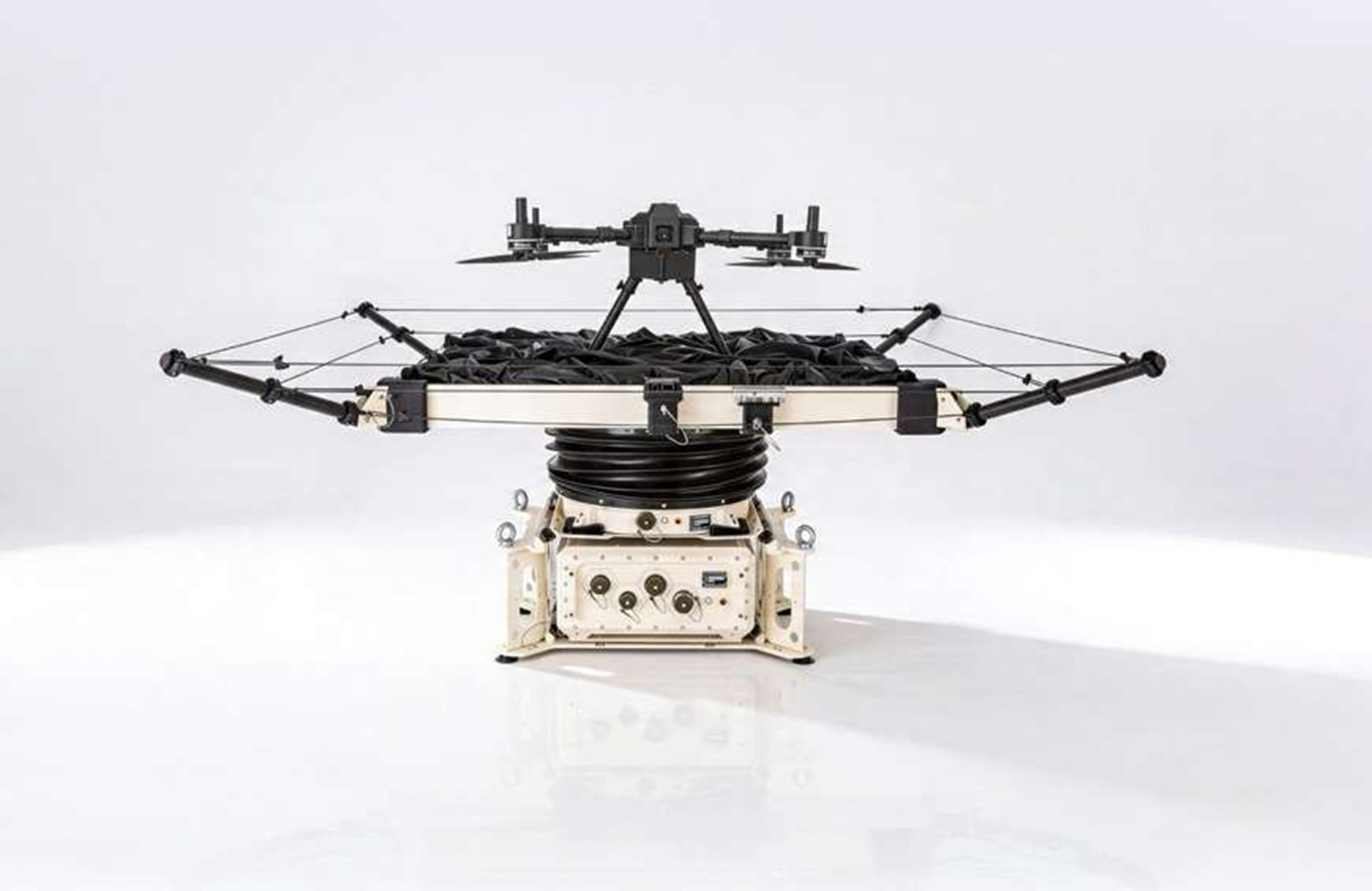
WaiV Robotics emerges from stealth to help drones take off and land at sea
WaiV Robotics has emerged from stealth mode with a mission to enhance drone operations at sea, backed by $7.5 million in funding. The company is focused on developing its innovative drone landing system and is actively seeking original equipment manufacturer (OEM) partners to collaborate on bringing this technology to market. By improving the efficiency and safety of drone takeoffs and landings in maritime environments, WaiV Robotics aims to address the growing demand for reliable drone solutions in various industries.
Artificial Intelligence Artificial Intelligence / Cognition Controllers Defense / Security Design / Development DronesRobotics needs a service framework.
RSF defines a common language for robot service capability, lifecycle operations, certification pathways, and service-provider networks.