Industry Briefing
A single destination for timely, editor-curated robotics news from around the world.

Spark Machinery Enhances Food Packaging with Laser Micro-Perforation and Machine Vision
Spark Machinery has advanced flexible food packaging by integrating machine vision with laser micro-perforation technology. This innovation ensures precise control over material permeability, which is crucial for maintaining food freshness and minimizing waste. The system operates in real-time, conducting up to 28 diagnostic checks per second to ensure quality and consistency in film perforations. The significance of this development lies in its ability to eliminate material waste and enhance supply chain traceability. Traditional mechanical perforation methods often lead to inconsistencies due to wear and physical contact, which can compromise the integrity of the packaging. By utilizing high-resolution cameras and laser configurations, Spark Machinery's solution dynamically adjusts to variations in film thickness and environmental conditions, ensuring optimal performance. Looking ahead, the focus will be on the operational benefits of this technology, particularly its impact on food shelf life and sustainability. As the demand for efficient packaging solutions grows, Spark Machinery's automated, self-diagnosing system positions itself as a leader in the market, promising economic returns for converters and brand owners alike. No further timeline was disclosed at the time of publication.
Engineering Manufacturing Technology flexible packaging food packaging food preservation
Enhancing Robot Automation: The Need for Advanced Machine Vision Beyond Object Detection
In modern manufacturing, a significant gap exists between object detection and robotic action. While artificial vision software can identify components with high accuracy, robotic arms often remain inactive due to insufficient spatial information. This highlights the necessity for engineering teams to focus on spatial calibration and deep sensor integration to enhance automation efficiency. The demand for streamlined production processes drives the need for machines that can handle parts with minimal pre-sorting. This requirement emphasizes the importance of transforming raw camera data into actionable commands through a multi-stage process, which includes classifying, locating, and estimating the position of objects in 3D space. The integration of Six Degrees of Freedom (6DoF) tracking is crucial for accurate robotic movements. Looking ahead, the industry must adopt a dynamic approach to calibration, treating it as an ongoing process rather than a one-time task. By utilizing automated calibration routines, manufacturers can ensure the reliability of their robotic systems over time, particularly in complex environments where traditional 2D vision systems fall short. No further timeline was disclosed at the time of publication.

RFID and Machine Vision Technologies Gain Traction in Automation Solutions
RFID and machine vision technologies are increasingly being adopted as effective solutions for automation. These technologies provide a more practical and cost-efficient alternative to traditional large-scale robotics projects, which often necessitate extensive facility redesigns and substantial capital investments. The significance of RFID and machine vision lies in their ability to seamlessly integrate into existing warehouse and manufacturing operations. This integration allows businesses to enhance their operational efficiency without the need for disruptive changes, making automation more accessible to a wider range of industries. Looking ahead, the continued growth of RFID and machine vision technologies is expected as companies seek to optimize their processes. No further timeline was disclosed at the time of publication.

Integrating RFID and Machine Vision Enhances Automation Efficiency
The integration of RFID and machine vision with robotics is driving significant operational improvements in automation. This coordinated approach allows for enhanced tracking and monitoring of assets, leading to more efficient processes and reduced errors in operations. The importance of this integration lies in its ability to streamline workflows and improve data accuracy, which are critical for modern manufacturing and logistics. By leveraging these technologies, companies can achieve greater visibility and control over their operations, ultimately leading to cost savings and increased productivity. Looking ahead, the continued adoption of RFID and machine vision in automation will be crucial for businesses aiming to stay competitive. No further timeline was disclosed at the time of publication.

Machine Vision Industry Performance Divergence: Insights for the Next Decade
In the first half of 2026, the A-share machine vision industry chain reported varied performance forecasts. Lingyun Optical anticipates a 590% year-on-year increase in net profit, while SmartSens expects a 29% to 34% rise. However, O-film and Lianchuang Electronics are facing losses, attributed to rising storage chip prices and weakened consumer electronics demand. This divergence highlights the different commercialization stages of various application scenarios. Industrial manufacturing has established stable profit generation, while humanoid robot vision is in the technology positioning and capacity preparation phase. Consumer electronics optics are under pressure from both demand contraction and rising costs, leading to an uneven progression across the industry chain. Looking ahead, the industrial vision sector is nearing a harvest phase, with leading companies solidifying their technological and capacity readiness. The humanoid robot vision market is approaching its industrialization tipping point, although financial contributions remain uncertain. No further timeline was disclosed at the time of publication.
Machine Vision Industrial Automation Robotics Consumer Electronics
AlgaeBarn Develops $1,000 Automated Cap Labeling Cell Using Robotics and Machine Vision
AlgaeBarn, a Colorado-based producer of live aquaculture products, has implemented a $1,000 automated cap labeling cell that integrates robotics, machine vision, and controls. This innovation has significantly improved quality, uptime, and productivity by eliminating the manual process of applying thousands of labels by hand, which previously required employees to gather for lengthy 'sticker parties.' The automation system, designed by AlgaeBarn's Robotics & Automation Engineer Akash Chinthamanipeta, labels 450 caps per hour while inspecting each label's placement. The system was built in-house using SOLIDWORKS, allowing for customization and control over the labeling process, which is crucial for maintaining production efficiency. Looking ahead, AlgaeBarn's approach to automation could serve as a model for other companies facing similar manual labeling challenges. The successful implementation of this system demonstrates the potential for cost-effective automation solutions in the aquaculture industry. No further timeline was disclosed at the time of publication.
Factory / Design
Sodyo Introduces RangeMark for Automatic Target Recognition in Drones Without GPS
Sodyo Ltd. has unveiled its RangeMark technology, enabling autonomous drones to identify objects from up to 0.6 miles away using only a standard camera. This innovation eliminates the reliance on GPS and external networks, providing deterministic confirmation of marked objects through machine-readable visual codes. The significance of RangeMark lies in its ability to enhance the accuracy of drone operations across various sectors, including defense, infrastructure inspection, emergency response, and industrial automation. Unlike traditional AI vision systems that infer object identity, RangeMark offers a reliable method for confirming the identity of objects, even in complex environments where GPS signals may be unavailable. Looking ahead, Sodyo plans to license RangeMark to drone manufacturers and system integrators, aiming for integration into existing and future autonomous platforms. The technology will be showcased at the Commercial UAV Expo Americas 2026, marking its commercial debut and the company's pursuit of partnerships in both defense and commercial drone markets. No further timeline was disclosed at the time of publication.
Military
Tesla's Optimus Robots to Support Starmind Satellite Production, Not Maintenance
Tesla's Optimus robots will not be used to repair Starmind satellites in orbit, as confirmed by recent statements from Elon Musk. Instead, these robots are intended to assist in the construction and operation of the Terafab chip manufacturing facility in Texas. The AI1 satellites, designed to disintegrate upon reentry, highlight the company's swap-and-replace strategy rather than traditional maintenance practices. This approach is significant as it reflects a broader trend in satellite management, where mass-produced satellites are replaced rather than repaired. The economics of servicing missions are prohibitive, with the cost of launching a replacement satellite being significantly lower than conducting a repair mission. This model aligns with SpaceX's operational history, where rapid replacement of satellites is more efficient than attempting to maintain them in orbit. Looking ahead, the focus will remain on the production capabilities of the Gigasat factory, which is expected to support the continuous replacement of satellites. No further timeline was disclosed at the time of publication, but the demand for rapid satellite turnover suggests a robust future for Optimus robots in terrestrial manufacturing rather than in-space servicing.
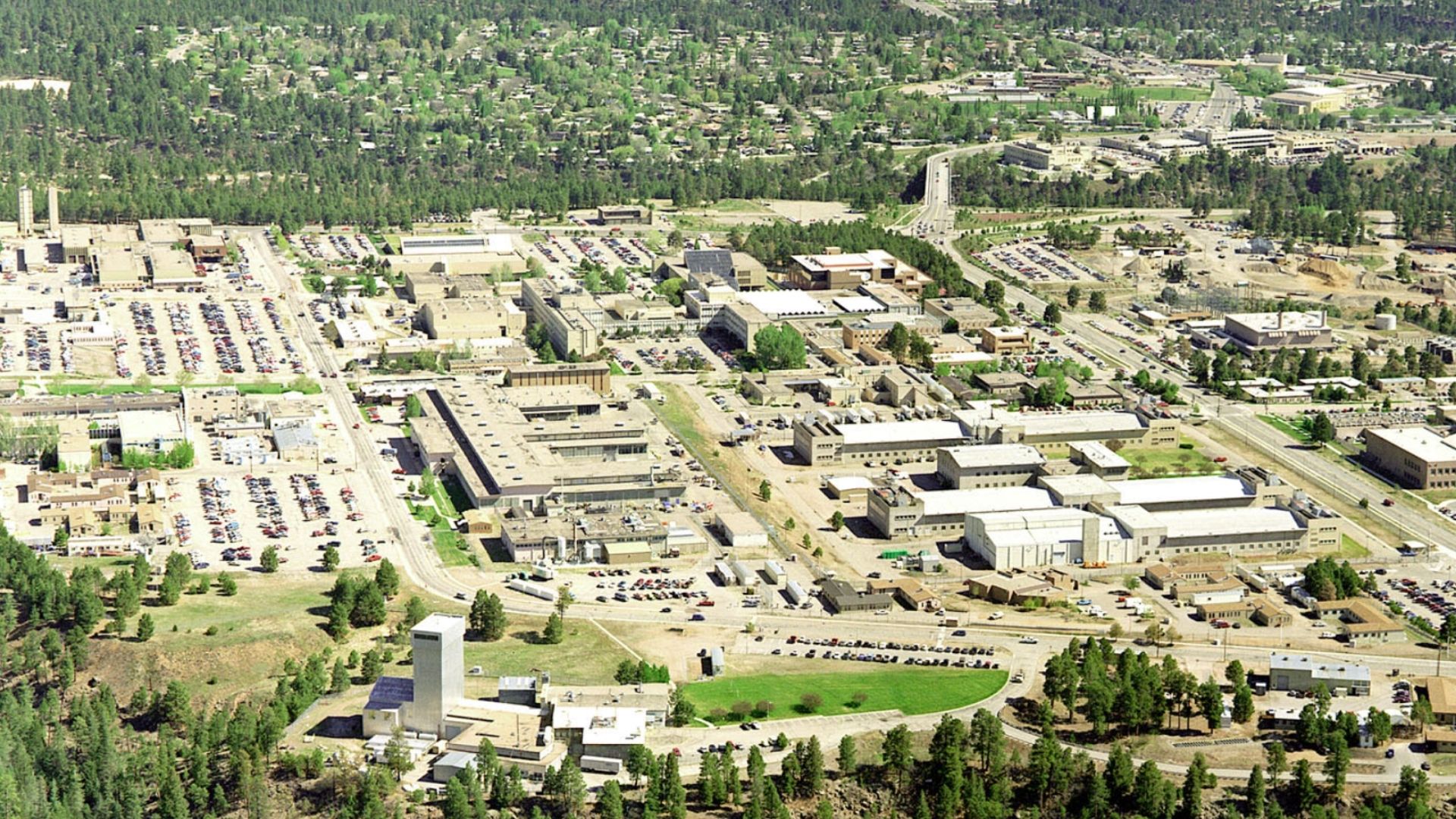
US: Los Alamos lab’s new tool detects hallucinations in machine vision models
Researchers at Los Alamos National Laboratory have unveiled a groundbreaking tool named Prelim Attention, designed to enhance the analysis of complex data sets. This innovative tool, which leverages advanced machine learning techniques, aims to streamline the process of identifying significant patterns and insights within large volumes of information. The development was announced in October 2023, highlighting the laboratory's commitment to advancing data science and its applications in various fields. The motivation behind creating Prelim Attention stems from the increasing demand for efficient data analysis solutions in scientific research, national security, and other sectors that rely heavily on data interpretation. By improving the capability to focus on critical data points, the tool is expected to facilitate more informed decision-making and accelerate research outcomes. The researchers employed a combination of algorithms and user-friendly interfaces to ensure that Prelim Attention can be utilized effectively by both experts and non-experts alike. This approach not only enhances accessibility but also broadens the potential user base, allowing a wider range of professionals to benefit from its capabilities. The introduction of Prelim Attention marks a significant advancement in the field of data analysis, promising to transform how researchers and analysts approach complex data challenges in the future.
AI and Robotics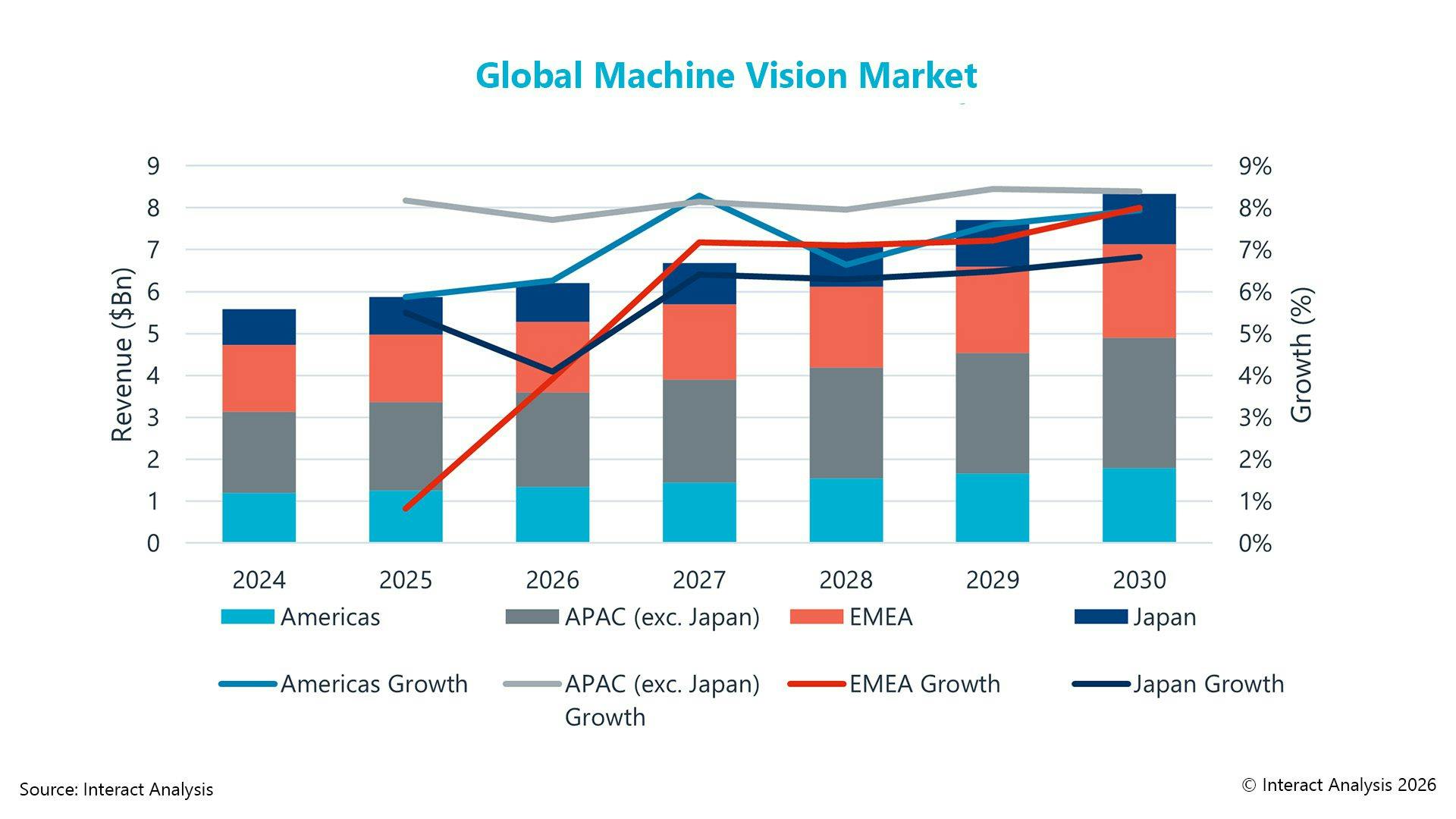
Machine-Vision Industry Expected to Reach $8.3 billion in 2030 Despite Tariff Impacts, Report Finds
A recent report on machine vision highlights significant growth in the industry, driven primarily by advancements in 3D cameras and vision software. This development reflects the increasing demand for enhanced imaging technologies across various sectors, including manufacturing, healthcare, and robotics. The report, which analyzes trends and projections, indicates that the integration of sophisticated vision systems is revolutionizing processes and improving efficiency. As companies continue to invest in these technologies, the machine vision market is expected to expand further, offering innovative solutions that cater to evolving industry needs.
Business Intelligence
MVTec showcases cutting-edge AI technologies and highly flexible machine vision software at Automate 2026
MVTec Software GmbH will showcase its advanced AI technologies and flexible machine vision software at the Automate trade show, taking place from June 22 to 25, 2026, in Munich. With a strong presence in the North American market, the company aims to demonstrate how its hardware-independent software can enhance efficiency across various industries, including semiconductor manufacturing and food and beverage. Dr. Olaf Munkelt, Managing Director and co-founder, emphasized the significance of the event, stating that their products facilitate sustainable digital transformation through cutting-edge AI. Attendees can experience live demonstrations of MVTec's software, including HALCON and MERLIC, which feature innovations like Deep 3D Matching for robust object detection and Global Context Anomaly Detection for comprehensive inspection tasks. MVTec's commitment to hardware independence allows users to select any compatible camera or sensor, ensuring optimal performance in demanding applications. Heiko Eisele, President of MVTec LLC, highlighted the flexibility this offers to companies seeking to optimize production lines. Additionally, MVTec experts will participate in the conference program, with Agnes Weiershaeuser presenting on practical deep learning for industrial vision on June 22. This event underscores MVTec's ongoing dedication to advancing industrial automation through innovative machine vision solutions.

Development and Preliminary Evaluation of a Machine Vision‐Guided Smart Sprayer Prototype Toward Precision Vegetable Weeding
In May 2026, researchers published a significant study in the Journal of Field Robotics, focusing on advancements in robotic technology. The study, appearing in Volume 43, Issue 3, pages 1973-1987, highlights innovative methodologies for enhancing the autonomy and efficiency of field robots. Conducted by a team of experts in robotics and artificial intelligence, the research aims to address the growing demand for automated solutions in various industries, including agriculture, construction, and disaster response. The motivation behind this research stems from the need to improve operational capabilities in challenging environments, where human intervention may be limited or hazardous. By employing advanced algorithms and machine learning techniques, the researchers demonstrated how robots can better navigate complex terrains and perform tasks with minimal human oversight. The findings are expected to have a profound impact on the future of robotics, paving the way for more reliable and versatile machines capable of operating in diverse settings. This study not only contributes to the academic field but also offers practical applications that could revolutionize industries reliant on automation. As the demand for efficient robotic systems continues to rise, this research represents a crucial step towards achieving greater autonomy in robotic operations.
RESEARCH ARTICLE
Revolutionizing Cheese Production with AI and Machine Vision: A Success Story from Eberle Automatische Systeme
The food industry is undergoing a significant transformation in quality control, driven by advancements in artificial intelligence (AI). This shift is particularly evident as AI technology integrates with rule-based machine vision, allowing for the automation of processes that were once deemed unfeasible. As companies seek to enhance efficiency and ensure product safety, the implementation of these innovative technologies is becoming increasingly vital. The changes are occurring across various sectors of the food industry, with many businesses adopting AI solutions to streamline operations and improve overall quality. This evolution not only addresses the growing demand for higher standards in food safety but also positions companies to better compete in an increasingly automated market.

When Machines Learn to See Like Experts: The Rise of Vision Language Models in Manufacturing
In a significant development for the manufacturing sector, experts have highlighted the transformative potential of Variational Latent Models (VLMs) in enhancing quality assurance processes. While acknowledging that VLMs will not address every challenge faced in the realm of artificial intelligence within manufacturing, they emphasize that these models provide a unique capability that surpasses existing technologies, particularly in high-complexity production environments. This advancement comes at a time when industries are increasingly seeking innovative solutions to improve efficiency and accuracy in their operations. As manufacturers strive to meet rising demands and maintain high standards, the adoption of VLMs could represent a pivotal shift in how quality assurance is approached, ultimately leading to more reliable and efficient production outcomes.

European researchers developed energy-efficient machine vision inspired by human eyesight and the brain
Researchers have developed advanced technology that empowers intelligent robots and drones to function autonomously during rescue missions, particularly in the aftermath of earthquakes. This innovation is significant as it allows these machines to operate without the need for constant network connectivity or reliance on heavy batteries, which can hinder their effectiveness in emergency situations. The breakthrough, achieved through extensive data training up to October 2023, aims to enhance the efficiency and reliability of search and rescue operations in disaster-stricken areas. By equipping these devices with the ability to navigate and make decisions independently, the technology promises to improve response times and increase the chances of saving lives when traditional communication methods may be compromised.
Robotics needs a service framework.
RSF defines a common language for robot service capability, lifecycle operations, certification pathways, and service-provider networks.
Join the RobotToday community on LinkedIn
Daily robotics news, in-depth analysis, conference highlights, and discussions with professionals worldwide.