

Industry Briefing
A single destination for timely, editor-curated robotics news from around the world.

Saab Unveils Loyal Wingman Drone Series for Swedish Air Force Development
Saab has announced the development of three unmanned aircraft, designated A1, A2, and A3, aimed at creating a loyal wingman fighter system for the Swedish Air Force. The A1 will serve as a supersonic demonstrator powered by an AI-driven GE F414 engine, while the A2 will include an internal weapons bay. Both models are expected to take flight within the next four years, with the A1 anticipated to fly in just 15 months. The significance of this development lies in its potential integration with the Gripen system, as highlighted by Swedish Defense Minister Pål Jonson. He emphasized the importance of having an unmanned wingman component that can conduct deep operations alongside the manned platform. The A3 model, which may become the primary sales product, could enter service within ten years, contingent on government funding decisions. Looking ahead, Saab's loyal wingman initiative reflects a broader trend towards mixed squadrons of manned and unmanned assets, as noted by Brig. Gen. Niclas Magnusson. The Swedish parliament is expected to make critical decisions regarding Sweden's fighter aircraft capabilities between 2028 and 2030, with ongoing studies and technology development supporting this initiative.
Air Warfare Air Force CCA collaborative combat aircraft Drones Europe
Anduril and Archer Launch Thunder Drone as a Loyal Wingman for Helicopters
Defense firm Anduril, in collaboration with Archer, has introduced Thunder, a Group 5 drone designed to operate alongside helicopters such as the Apache and future Cheyenne fleet. This fully autonomous, armed reconnaissance tiltrotor aircraft has been in development for approximately three years, drawing on insights from Anduril's YFQ-44A Fury aircraft. The significance of Thunder lies in its potential to transform maneuver warfare, particularly in tactical air-ground littoral operations. Anduril President Chris Brose highlighted that the design incorporates lessons learned from the ongoing conflict in Ukraine, emphasizing the drone's role in enhancing military capabilities. Thunder's specifications include a range and speed comparable to the Cheyenne and a payload capacity equivalent to the Apache. Looking ahead, the Thunder drone is expected to be equipped with various armaments, including missiles and counter-drone systems. It can be transported in a 40-foot ISO container, showcasing its versatility. No further timeline was disclosed at the time of publication.
Air Warfare Land Warfare Air Force Anduril Apache Army
US Air Force to Shortlist Six Companies for Collaborative Combat Aircraft Program
The US Air Force (USAF) is advancing its Collaborative Combat Aircraft (CCA) program, aiming to select up to six companies from a pool of nine competing for the next generation of AI-enabled combat drones. These drones, designed to operate alongside crewed fighter aircraft, will enhance capabilities without replacing human pilots. This initiative is significant as it reflects a global trend towards integrating autonomous systems into military operations, thereby increasing firepower while minimizing risks to pilots. The CCA program focuses on developing drones that act as 'loyal wingmen' to aircraft like the F-35 and future Next Generation Air Dominance (NGAD) fighter, with the competition currently in the concept refinement stage. Looking ahead, the USAF will evaluate various aircraft concepts over the next 10 months, with the potential for unsuccessful bidders to re-enter the competition in later phases. Additionally, the USAF is investing in new aircraft engines to support future drone designs, ensuring multiple propulsion options are available for the next generation of autonomous combat aircraft. No further timeline was disclosed at the time of publication.
Military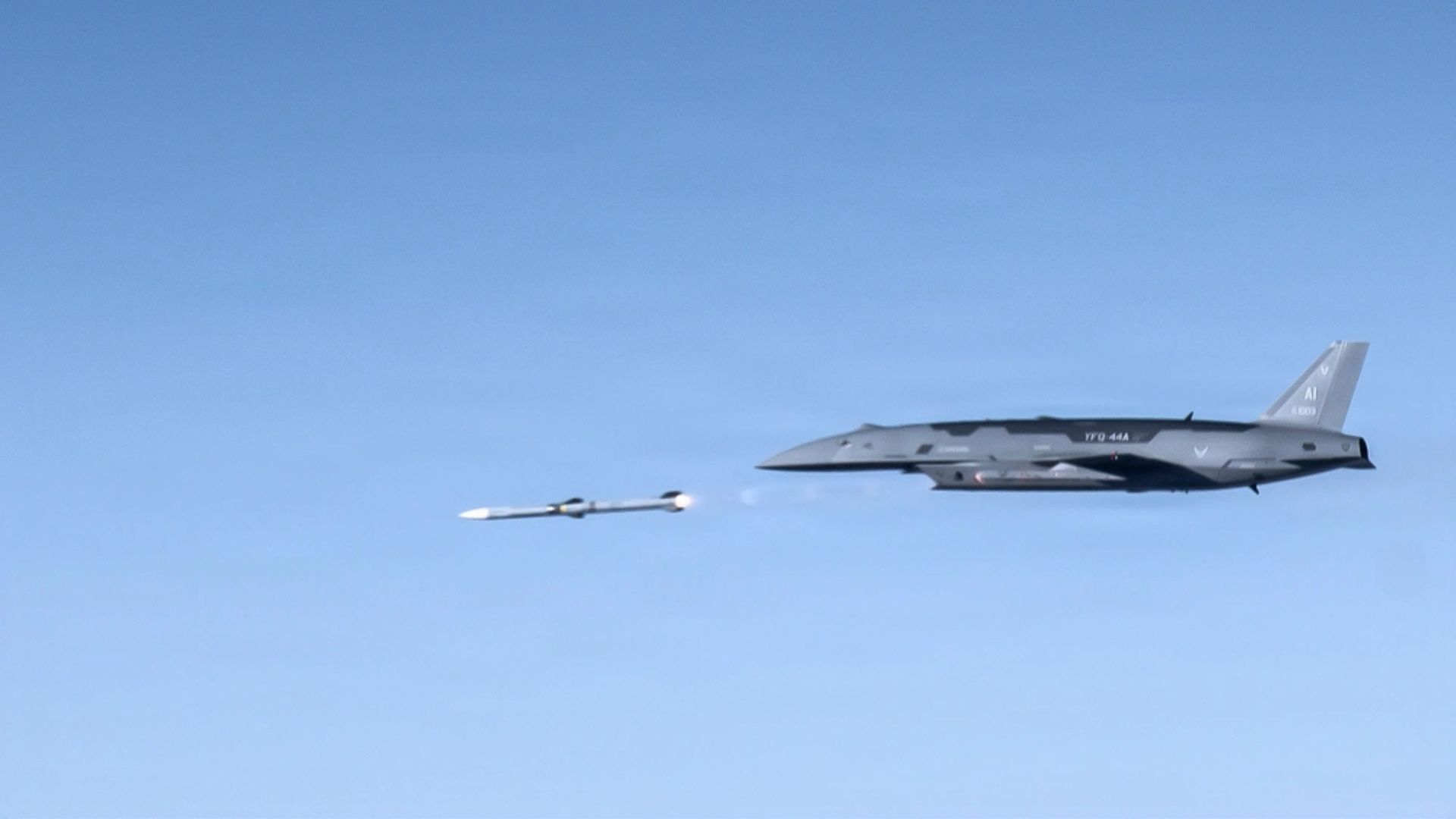
U.S. Air Force Conducts First Missile Launch from Anduril's YFQ-44A Drone
The U.S. Air Force successfully executed its inaugural missile launch from a Collaborative Combat Aircraft (CCA) on June 15, 2026. The Anduril-developed YFQ-44A drone fired an AIM-120 medium-range air-to-air missile at a digital target in California’s Mojave Desert, marking a significant advancement in the development of semi-autonomous drones capable of operating alongside piloted fighter jets. This milestone is crucial as it demonstrates the Air Force's commitment to enhancing its combat capabilities through the use of Collaborative Combat Aircraft. The YFQ-44A autonomously managed most mission steps, with a human operator providing the final launch approval, adhering to U.S. policy on lethal weapon control. This test signifies a shift from previous trials, where operators controlled the drone's flight, showcasing the aircraft's ability to execute complex tasks independently. Looking ahead, the Air Force aims to further develop and test these semi-autonomous aircraft, ultimately enhancing U.S. airpower. The CCA program seeks to deliver combat-ready drones that can operate effectively in challenging environments, with the potential for real mission deployment on the horizon. No further timeline was disclosed at the time of publication.
Military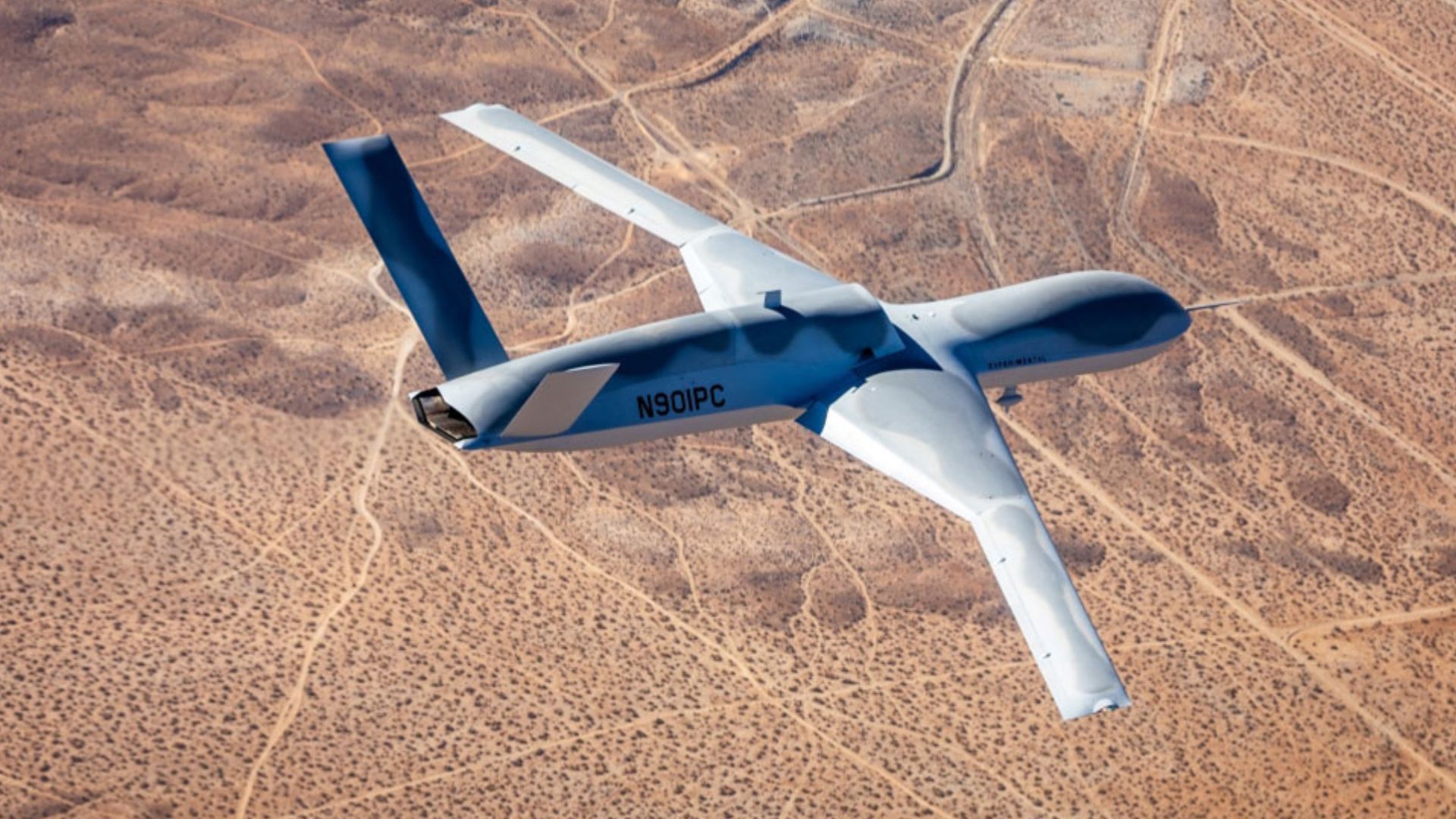
‘Loyal wingman’ test: F-35 fighter jet and MQ-20 drone display manned-unmanned teaming
General Atomics has successfully demonstrated interoperability between the F-35 fighter jet and its advanced drone systems. This achievement, announced recently, marks a significant milestone in enhancing military capabilities and operational efficiency. The demonstration took place at a military testing facility, showcasing how the F-35 can seamlessly integrate with unmanned aerial vehicles (UAVs) to improve mission effectiveness. The motivation behind this development stems from the growing need for advanced warfare strategies that leverage both manned and unmanned systems. By ensuring that the F-35 can communicate and coordinate with drones, General Atomics aims to provide military forces with a more versatile and responsive combat platform. This interoperability is expected to enhance situational awareness and decision-making during complex missions. The successful integration was achieved through rigorous testing and validation processes, which involved real-time data sharing and tactical coordination between the aircraft and drones. This advancement not only underscores General Atomics' commitment to innovation in defense technology but also positions the F-35 as a pivotal asset in future military operations.

Why humans are staying in the loop with loyal wingman drones
A recent video series exploring the dynamics of manned-unmanned teaming features a panel of experts discussing the advantages and potential drawbacks of utilizing unmanned systems. This second installment highlights the growing reliance on these technologies in various sectors, emphasizing their ability to enhance operational efficiency and safety. The discussion, which took place in October 2023, aims to inform stakeholders about the implications of integrating unmanned systems into existing frameworks. Panelists address concerns related to security, ethical considerations, and the need for robust regulatory measures to mitigate risks associated with their deployment. By examining both the benefits and challenges, the series seeks to provide a comprehensive understanding of how unmanned systems can be effectively and responsibly integrated into modern operations.
Air Warfare Pentagon Air Force collaborative combat aircraft Drones Future Airpower Roundtable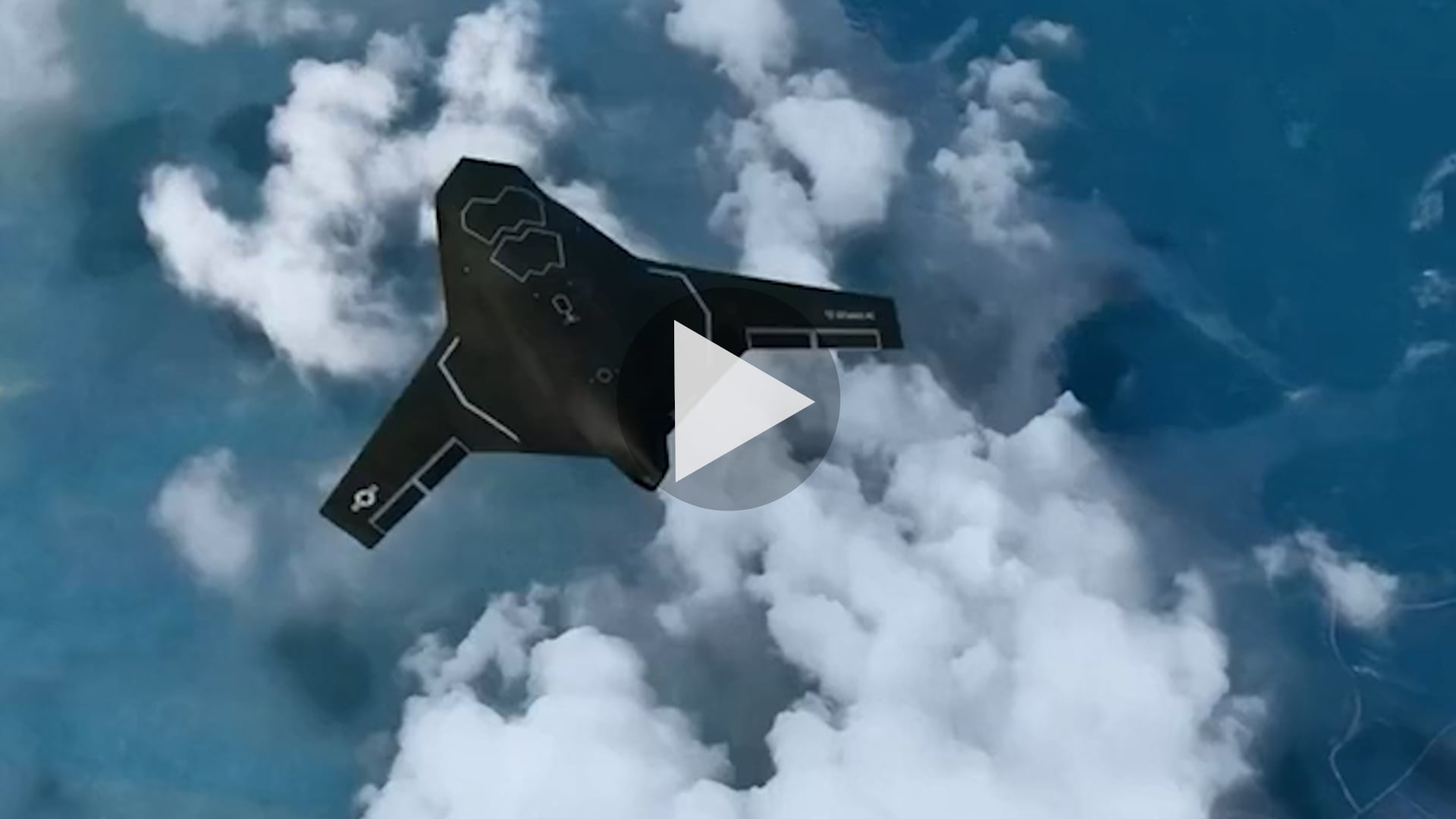
Why loyal wingman drones may be the future of global airpower
Breaking Defense has unveiled a new video series that delves into the concept of manned-unmanned teaming and its implications for the future of military aviation. This initiative aims to explore the integration of human pilots with unmanned systems, highlighting advancements in technology and operational strategies. The series is set to provide insights into how these collaborations can enhance mission effectiveness and reshape aerial combat dynamics. By addressing the evolving landscape of military aviation, Breaking Defense seeks to inform and engage audiences on the critical developments in this field. The launch of the series comes at a time when defense sectors are increasingly focusing on innovative solutions to meet modern warfare challenges.
Air Warfare Pentagon Air Force collaborative combat aircraft Drones Future Airpower RoundtableRobotics needs a service framework.
RSF defines a common language for robot service capability, lifecycle operations, certification pathways, and service-provider networks.
Join the RobotToday community on LinkedIn
Daily robotics news, in-depth analysis, conference highlights, and discussions with professionals worldwide.







