Industry Briefing
A single destination for timely, editor-curated robotics news from around the world.

U.S. Army Tests H-60M Black Hawk Launching Altius-700 Drone Over Mojave Desert
The U.S. Army has successfully tested the H-60M Black Hawk helicopter as a launch platform for the Altius-700 drone during Project Convergence Capstone 6. The test, conducted over California's Mojave Desert, showcased the helicopter's ability to deploy autonomous systems beyond its onboard weapon range, marking a significant shift in its battlefield role. This development is crucial as it enhances the Black Hawk's capabilities, allowing it to carry and launch drones that can autonomously locate and engage targets. The Altius-700, identified as the Army's Long-Range Precision Munition, boasts a range of approximately 100 miles, significantly surpassing traditional helicopter weapons like the AGM-114 Hellfire. Looking ahead, the Army's ongoing tests will further evaluate the Altius-700's performance in various conditions, including extreme heat. The successful integration of these systems could redefine operational strategies, providing U.S. forces with a decisive advantage in future engagements. No further timeline was disclosed at the time of publication.
Military
Royal Navy Tests Robotic Boat for Autonomous Drone Launching in Maritime Surveillance
The Royal Navy is conducting trials of a robotic boat designed to autonomously launch and recover drones at sea, enhancing uncrewed maritime surveillance capabilities. This initiative, in collaboration with ACUA Ocean and Teledyne FLIR Defense, aims to improve persistent aerial reconnaissance while minimizing risks to personnel. The system integrates an uncrewed surface vessel (USV) with a tethered uncrewed aerial system (T-UAS), allowing for extended surveillance operations. This development is significant as it represents a new approach to maritime surveillance, combining aerial and surface capabilities into a single autonomous system. The SkyCarrier and SkyRanger R70 drones, utilized during the trials, are equipped with advanced AI and imaging technologies, enabling them to perform demanding surveillance missions. The ability to maintain a stable tether connection allows for longer operational durations and continuous power supply, which is crucial for effective surveillance in challenging sea conditions. Looking ahead, the Royal Navy's exploration of this technology could lead to enhanced capabilities in anti-submarine warfare, mine countermeasures, and the protection of critical maritime infrastructure. No further timeline was disclosed at the time of publication.
AI and Robotics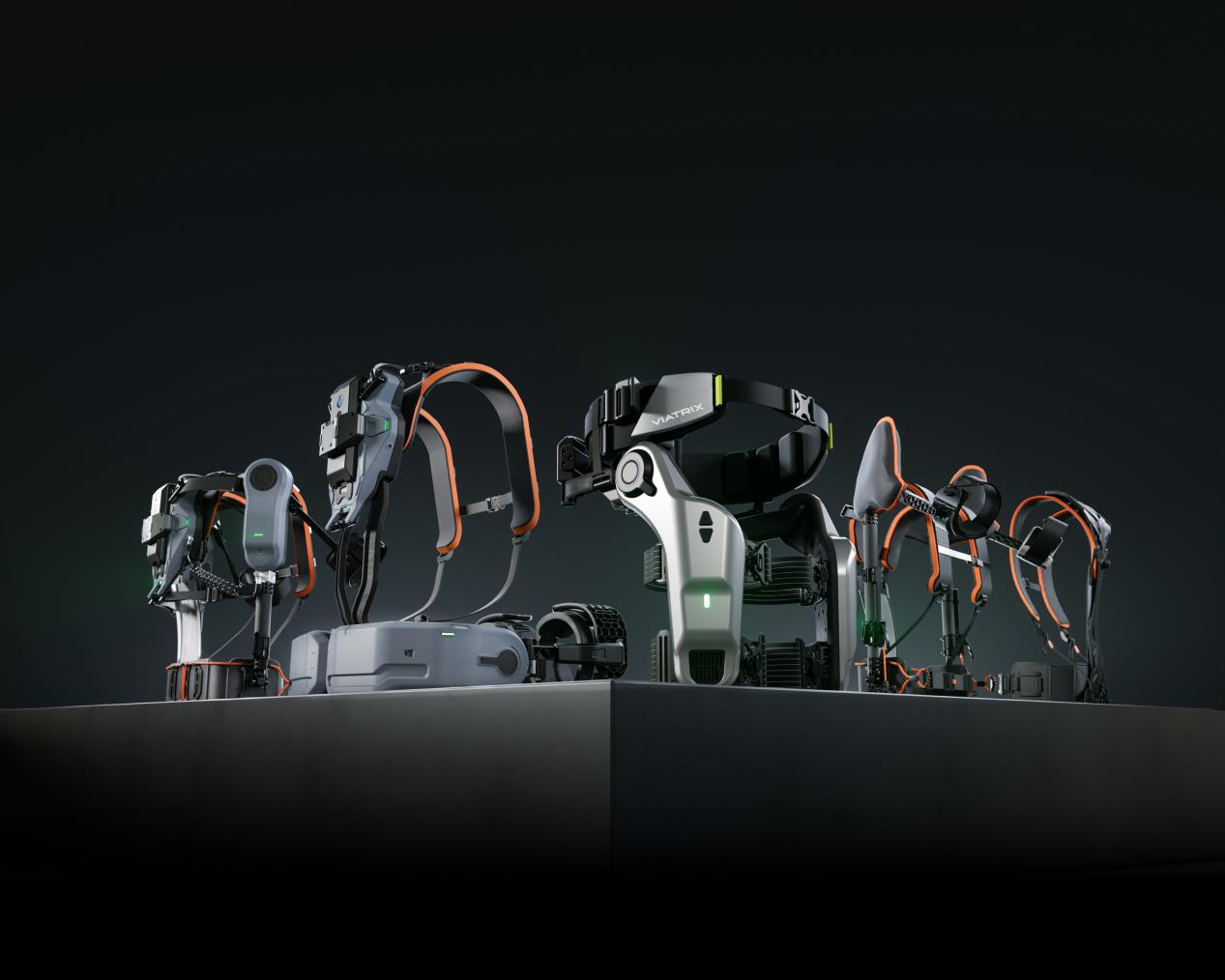
VIATRIX X Set to Launch as a Game-Changer for Outdoor Consumer Exoskeletons
VIATRIX, a brand under Aoshark Intelligent, is set to launch its next-generation exoskeleton, VIATRIX X, on September 22, 2026. This product is designed specifically for outdoor exploration and features revolutionary advancements in AI algorithms, power systems, and hardware architecture, establishing a new benchmark for outdoor consumer exoskeletons in 2026. The significance of VIATRIX X lies in its comprehensive upgrades in materials, safety systems, and protection levels, positioning Aoshark as a leading player in the outdoor consumer exoskeleton market. With a strong foundation in industrial-grade exoskeletons, Aoshark aims to democratize exoskeleton technology, making it accessible to everyday users. Looking ahead, Aoshark's commitment to redefining the application scenarios for exoskeletons is noteworthy. The company is focused on creating a dynamic collaboration system that responds in real-time to human movements, addressing the needs of a growing outdoor consumer base. No further timeline was disclosed at the time of publication.
Outdoor Exoskeletons AI Technology Consumer Robotics Wearable Technology
SpaceX Acquires xAI in Historic $250 Billion Merger, Launching SpaceXAI Division
On February 2, 2026, SpaceX completed the acquisition of xAI in an all-stock transaction valued at $250 billion, marking the largest merger in history. Following this merger, xAI ceased to exist as a standalone entity and is now part of SpaceXAI, which includes Grok, Colossus, and X. This merger is significant as it combines SpaceX's profitable segments with xAI's AI capabilities, creating a powerful entity valued at $1.25 trillion. The integration aims to leverage SpaceX's resources to enhance xAI's profitability and provide a public liquidity path for former xAI investors through SpaceX's IPO. Looking ahead, the focus will be on how the combined entity will develop its AI infrastructure capabilities, particularly through the Starmind orbital compute project. No further timeline was disclosed at the time of publication.
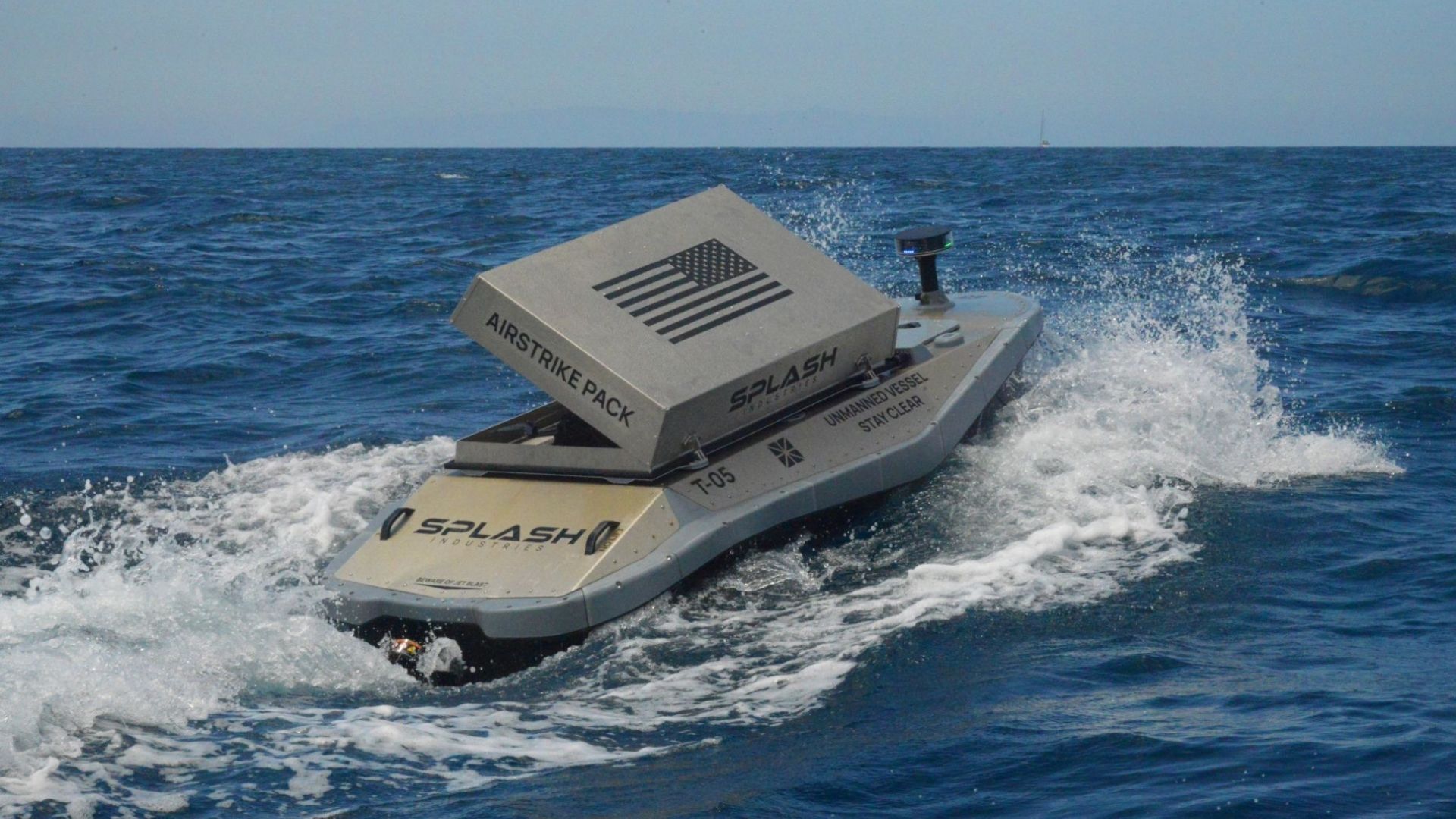
Splash Industries Enhances Typhoon USV with Airstrike Pack for Drone Launching
Splash Industries has introduced the Airstrike Pack, a modular payload for its Typhoon uncrewed surface vessel (USV), enabling the launch of one-way aerial drones from the sea. This innovation enhances the vessel's capabilities for missions such as maritime surveillance and cargo delivery, allowing drones to be deployed closer to operational areas. The significance of this development lies in its potential to streamline drone operations, as the Typhoon USV can carry aerial drones and launch them at the press of a button using Splash's proprietary Splash C2 command-and-control software. The Airstrike Pack exemplifies the trend of integrating autonomous systems across different domains, providing a cost-effective UAV deployment solution. Looking ahead, the Typhoon's operational range exceeds 600 nautical miles, and its speed capabilities make it suitable for various missions. The recent demonstration of the Typhoon's autonomous resupply of a US Navy warship further showcases its versatility. No further timeline was disclosed at the time of publication.
Military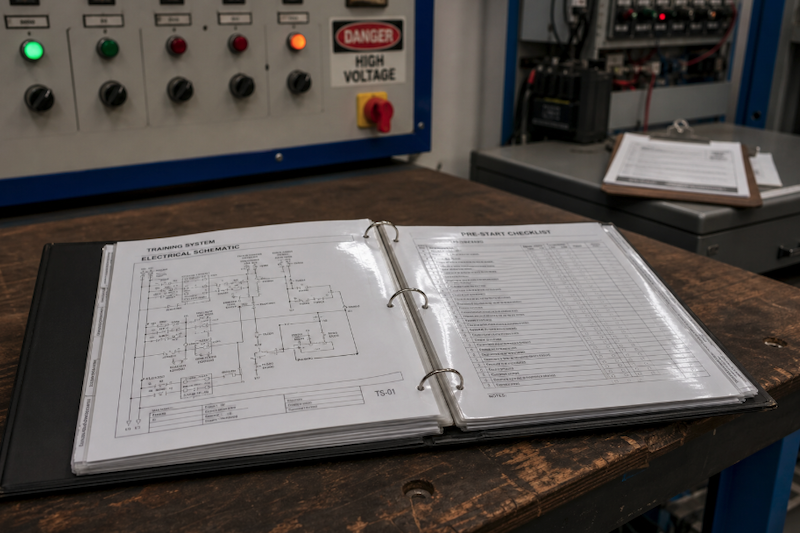
Five Essential Stages for Launching New Production Lines Effectively
The process of transitioning from a signed capital purchase order to the first saleable output often exceeds initial project timeline estimates. Delays typically arise not from the robotics or automation systems themselves, which function as intended, but from logistical challenges, power infrastructure issues, regulatory paperwork, and documentation gaps that can emerge unexpectedly. Understanding the five critical stages involved in this process is vital for teams managing capital equipment installations. Key considerations include verifying floor loading capacity against dynamic load figures and ensuring physical access metrics align with installation requirements. Addressing dimensional mismatches during site surveys can significantly reduce labor costs and avoid unplanned expenses when equipment arrives. As the equipment is positioned according to the layout, attention shifts to power delivery and compliance with electrical codes. Teams must ensure that licensed electricians handle first-fix electrical work, adhering to the latest NEC regulations. No further timeline was disclosed at the time of publication.
Design Electronics Engineering Industry Technology capital equipment
U.S. Central Command Establishes Multinational One-Way Attack Drone Task Force in the Middle East
U.S. Central Command has announced the formation of Task Force Falcon Strike, the first multinational attack drone task force, amid ongoing regional tensions. This initiative comes as the U.S. seeks to enhance its military capabilities with one-way attack drones, which are increasingly vital in modern warfare. The task force aims to utilize unmanned systems from various platforms, although details on participating nations and specific equipment remain undisclosed. The establishment of Task Force Falcon Strike is significant as it reflects the U.S. military's adaptation to evolving combat scenarios, particularly in the context of heightened tensions with Iran and its allies. The task force will employ one-way attack drones to alleviate pressure on existing high-end standoff weapon systems, indicating a strategic shift in U.S. military operations in the region. This move follows the creation of Task Force Scorpion Strike, which was the first dedicated one-way attack drone squadron in the Middle East. Looking ahead, the effectiveness of Task Force Falcon Strike will depend on the collaboration between the U.S. and its regional partners, as well as the operational success of the one-way attack drones. The ongoing developments in drone warfare, particularly in the Middle East, will be crucial to watch, especially as other nations, including Israel, continue to advance their own drone capabilities.
News & Features Air Around The Globe Drones Iran Middle East
PlusAI Updates Commercial Readiness Metrics for Autonomous Trucks Ahead of 2026 Launch
PlusAI Inc. has announced an update on its commercial readiness metrics, indicating significant progress towards deploying factory-built autonomous trucks by 2027. The company reported improvements in safety validation, operational maturity, and efficiency of its SuperDrive software in collaboration with global OEM partners. The advancements are reflected in key metrics: safety case readiness (SCR) increased from 90.1% to 93.4%, autonomous miles percentage (AMP) rose from 99.2% to 99.8%, and remote assistance-free trips (RAFT) improved from 79% to 85.2%. These metrics, introduced in 2025, demonstrate PlusAI's commitment to ensuring safe and reliable commercial deployment of its autonomous trucks. Looking ahead, PlusAI aims to achieve 100% SCR and over 90% RAFT before the commercial launch in 2027. The company emphasizes that successful commercialization requires not only advanced AI technology but also a proven track record of safety and operational efficiency, as stated by co-founder Shawn Kerrigan.
Artificial Intelligence Artificial Intelligence / Cognition Automotive Design / Development Logistics Markets / Industries
Qingtian Rental Unveils 60 Robots at WAIC, Launching 'RaaS+' Full-Scenario Initiative
On July 17, 2026, the World Artificial Intelligence Conference (WAIC 2026) commenced in Shanghai, where Qingtian Rental made its debut as a public service provider. The company showcased 60 robots, including the Expedition A3 and Lingxi X2, across multiple venues, marking the first large-scale deployment of humanoid robots at a major exhibition. This initiative is significant as it highlights the integration of AI-driven robotic services into various sectors, demonstrating Qingtian Rental's commitment to the 'RaaS+' ecosystem. The robots not only facilitated bilingual communication but also adapted to specific roles, enhancing the visitor experience and showcasing the potential of intelligent partnerships in public spaces. Looking ahead, Qingtian Rental aims to expand its 'RaaS+' ecosystem, collaborating with global partners to further integrate AI technology into everyday life. The company's recent activities, including various public engagements, indicate a growing trend towards the commercialization of robotic services across diverse industries. No further timeline was disclosed at the time of publication.
Robot as a Service Public Service Robots AI Technology Event Robotics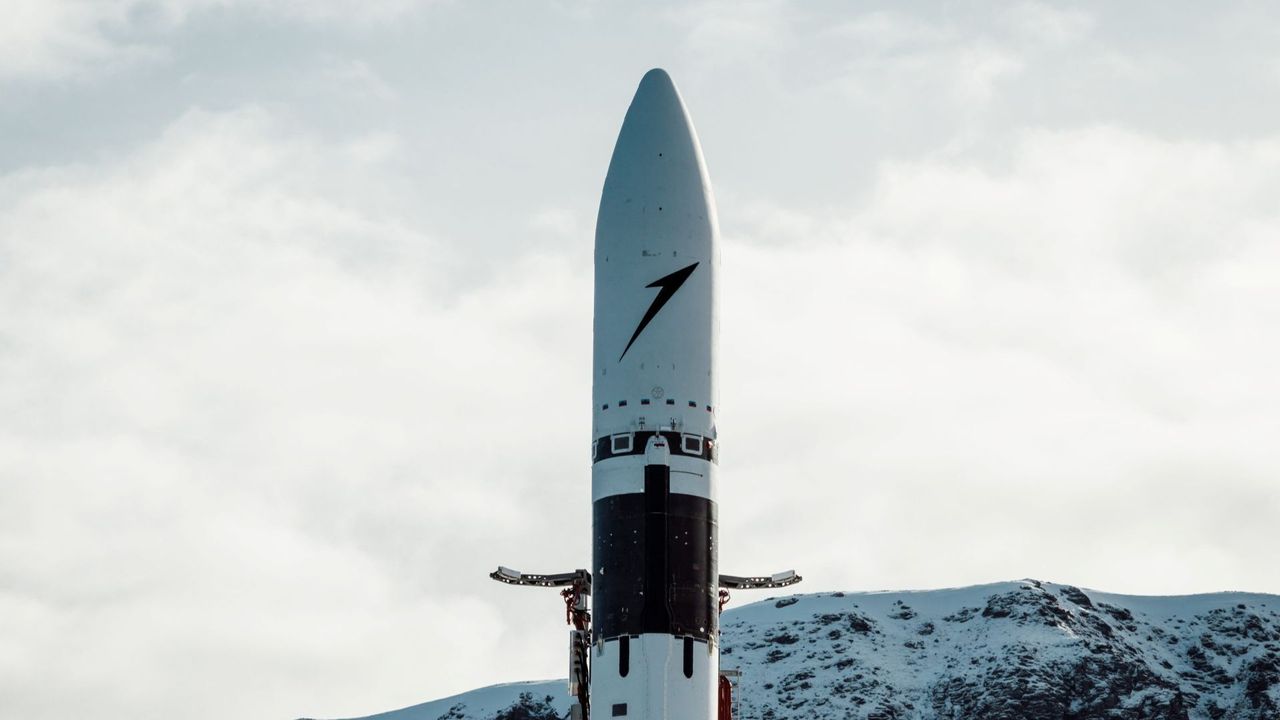
Isar Aerospace Secures $150 Million Lease for Canadian Launch Pad to Support Spectrum Rocket
Isar Aerospace, a German aerospace company, has signed a $150 million lease agreement with Maritime Launch Services for the use of Spaceport Nova Scotia. This 10-year lease, with an option to extend for another decade, allows Isar to develop the launch pad infrastructure tailored to its Spectrum rocket's requirements. The facility is expected to support vehicle integration, testing, and mission control operations, with development set to begin later this year. The significance of this agreement lies in Isar's ambition to establish a reliable orbital launch capability from Canada, which is crucial for nations seeking independent access to space data. By 2029, Isar aims to conduct up to 40 launches annually from the new site, enhancing the operational landscape for satellite deployment and national defense. This collaboration marks a strategic move in the competitive space launch market, where few nations possess comprehensive launch capabilities. Looking ahead, Isar Aerospace plans to initiate its first orbital launches from Spaceport Nova Scotia by 2028. The company has faced challenges with its Spectrum rocket, including a failed launch in March 2025, but remains committed to overcoming technical and weather-related obstacles. No further timeline was disclosed at the time of publication regarding subsequent launches or developments at the Canadian site.
Launches & Spacecraft Space Exploration
SpaceX's Starmind Plans 1 Million AI Satellites Amid Collision Risks
SpaceX has announced its ambitious Starmind project, which aims to deploy 1 million AI satellites in orbits between 500 and 2,000 km. This initiative, confirmed by Elon Musk on June 23, 2026, follows a merger with xAI, valuing the combined entity at $1.25 trillion. The satellites will function as orbital data centers, processing AI workloads powered by solar arrays and linked by optical lasers. The significance of Starmind lies in its potential to add 100 gigawatts of AI compute capacity annually, contingent on the successful operation of the Starship launch system. However, the project raises concerns regarding space debris, as the current orbital environment is already congested, with a 20% increase in collision risk reported since 2024. The European Space Agency has highlighted that the density of debris in low Earth orbit is now comparable to that of active satellites, complicating the operational landscape for new entrants like Starmind. Looking ahead, the first operational orbital AI deployments are targeted for 2028, with test launches expected in early 2027. However, the project faces scrutiny regarding its impact on space debris, as even a 1% failure rate could significantly increase the number of uncontrollable objects in orbit, exacerbating existing risks. No further timeline was disclosed at the time of publication.
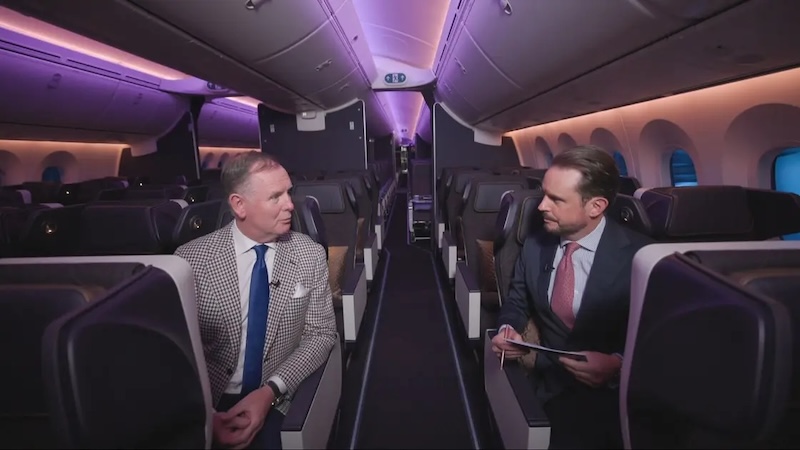
Q&A: Riyadh Air CEO Tony Douglas on launching a new airline, expanding its fleet, and the future of air travel
Riyadh Air, the airline launched by Saudi Arabia’s Crown Prince Mohammed bin Salman three years ago, is set to commence operations following the delivery of its first Boeing 787-9 Dreamliners. In an exclusive interview with Al Arabiya English, CEO Tony Douglas outlined the airline's ambitious plans for rapid expansion. The introduction of these aircraft marks a significant milestone for Riyadh Air, which aims to establish itself as a major player in the aviation industry. The airline's launch aligns with Saudi Arabia's broader vision to enhance tourism and diversify its economy.
Aircraft Business aerospace air travel airline expansion airline innovation
OpenAI Establishes Internal Robotics Division to Compete in Hardware Development
On May 31, 2026, OpenAI CEO Sam Altman announced the establishment of an internal robotics division, marking a significant shift in the company's strategy. This new initiative aims to program and manufacture physical machines, moving away from OpenAI's previous reliance on external hardware partnerships. The division is rooted in the evolution of OpenAI's world simulation research program, which is now focused on achieving Artificial General Intelligence (AGI) through physical embodiment. The importance of this pivot lies in OpenAI's intent to compete directly with robotics startups it has previously supported. The short-term roadmap includes developing robots to assist skilled workers in constructing future infrastructure, while the long-term vision envisions personal robots for general-purpose tasks accessible to everyone. This strategic move indicates OpenAI's commitment to integrating hardware and machine learning research more closely. As OpenAI ramps up its robotics efforts, it is actively recruiting for various technical roles in San Francisco, emphasizing custom mechanical engineering and advanced simulation. This shift in focus also sheds light on recent partnership dissolutions, including the split with Figure, highlighting the competitive landscape in the robotics sector and OpenAI's determination to establish itself as a hardware player.
OpenAI US Sam Altman
"The era of VLA has not ended!" Guo Yandong, founder of Zhifengfang, sets the tone for industry disputes while launching the world's first one-stop ...
On April 19, the 2026 Beijing Yizhuang Humanoid Robot Half Marathon took place, showcasing significant advancements in robotics. The Honor "Lightning" robot achieved a remarkable net time of 50 minutes and 26 seconds, breaking the human men's half marathon world record and improving upon the previous year's robot champion's time by an impressive 110 minutes. The event drew enthusiastic crowds, reflecting a growing interest in the embodied intelligence sector. A notable shift in participation methods was observed, with nearly 40% of the competing robots operating autonomously, a departure from the reliance on remote control seen in last year's inaugural event, where technicians managed the robots manually. This transition to autonomous operation not only highlights rapid technological progress but also positions the event to potentially set a Guinness World Record for the most autonomous humanoid robots in a half marathon. The advancements in robotics within just one year indicate a significant leap in the industry, marking a new era for robotic participation in competitive events. Following the marathon, on April 22, Qianxun Positioning announced further developments in the field, underscoring the momentum generated by this groundbreaking event.
Robotics Automation AI
Launching a new unmanned surface vessel for mine countermeasures
Eelume and Maritime Robotics have announced a partnership to develop an innovative mine countermeasures solution that integrates current maritime platforms with autonomous systems, aimed at enhancing operational effectiveness. The centerpiece of this collaboration is the Eelume WP960, an unmanned surface vessel (USV) designed to meet the standards of the Norwegian Armed Forces’ vessel strategy. This initiative reflects a growing trend in military operations to leverage advanced technology for improved safety and efficiency in maritime environments. The collaboration is set to advance the capabilities of naval forces in addressing underwater threats, marking a significant step forward in defense technology.
maritime robotics
Android Founder Andy Rubin Reportedly Launching Humanoid Robotics Startup in Tokyo
Andy Rubin, the creator of Android and former head of Google's robotics initiatives, is currently running a venture called Genki Robotics, which is operating in stealth mode. Based in Japan, the company is leveraging the country's engineering expertise to develop its projects. While specific details about Genki Robotics remain under wraps, Rubin's focus on Japan's skilled workforce suggests a strategic move to harness local talent in the rapidly evolving robotics sector.
Genki Robotics
Investment in Humanoid Robotics Heats Up with Dedicated ETFs Launching in South Korea, Proposed in US
New Exchange-Traded Funds (ETFs) targeting humanoid robotics are set to launch in South Korea, with similar proposals emerging in the United States. Major asset managers, including Samsung, KB, Hanwha, and Roundhill Investments, are spearheading this initiative, reflecting a rising investor interest in companies that are pioneering the development of human-like robots and associated technologies. This trend is largely fueled by advancements in artificial intelligence and the evolving demands of the labor market. However, the move comes with recognized technical and market risks that investors must consider. The introduction of these ETFs marks a significant step in the financial sector's response to the growing potential of robotics in various industries.
Tesla Figure Boston DynamicsRobotics needs a service framework.
RSF defines a common language for robot service capability, lifecycle operations, certification pathways, and service-provider networks.
Join the RobotToday community on LinkedIn
Daily robotics news, in-depth analysis, conference highlights, and discussions with professionals worldwide.