Industry Briefing
A single destination for timely, editor-curated robotics news from around the world.

AeroVironment Secures First International Order for LOCUST Laser Weapon System
AeroVironment has announced the receipt of its first international purchase order for the LOCUST laser weapon system, which is specifically designed to counter smaller drones. This marks a significant milestone for the company as it expands its market reach beyond domestic borders. The importance of this order lies in the growing demand for advanced defense systems capable of neutralizing drone threats. As smaller drones become increasingly prevalent in various conflict scenarios, the LOCUST system offers a targeted solution for military and defense applications, enhancing operational capabilities. Looking ahead, it will be crucial to monitor how AeroVironment leverages this initial international order to further penetrate global markets. No further timeline was disclosed at the time of publication.
News
U.S. Army Awards $464.8 Million Contract for 30-kW LOCUST Laser Systems
The U.S. Army has awarded AeroVironment a $464.8 million contract for the production of LOCUST laser systems under the Enduring-High Energy Laser (E-HEL) program. This contract marks a significant milestone as it is the first production contract for a directed-energy weapon in U.S. history, indicating a shift from experimental systems to operational capabilities. The LOCUST X3, a 30-kilowatt laser weapon, is designed to counter Group 1–3 unmanned aircraft systems and can be integrated onto various platforms, including the Army's Joint Light Tactical Vehicle. The contract aims to provide a scalable and cost-effective air defense solution against drones, which have become increasingly prevalent on modern battlefields. Looking ahead, AeroVironment is expanding its production capacity with a $30 million investment in its Albuquerque facility to support the ramp-up of LOCUST systems. The E-HEL program is expected to enhance the Army's defenses against drone threats, marking a significant step towards the routine use of laser weapons in military operations. No further timeline was disclosed at the time of publication.
Military
U.S. Army Receives Advanced 20kW Laser Weapon Systems for Counter-Drone Operations
The U.S. Army has received two advanced high energy laser systems developed by AeroVironment, known as Laser Weapon Systems (LWS). These systems feature the 20kW-class LOCUST LWS integrated onto the General Motors Defense Infantry Squad Vehicle (ISV) platform, enhancing mobile counter-unmanned aircraft capabilities. This delivery is part of the Army Multi-Purpose High Energy Laser (AMP-HEL) prototyping effort, marking a significant advancement in directed energy capabilities. Mary Clum from AeroVironment emphasized the importance of these systems in providing reliable and operationally ready solutions for counter-unmanned aircraft operations, supporting the Army's modernization goals. Looking ahead, AeroVironment plans to deliver a second increment of the AMP-HEL program next month, which will include additional vehicles equipped with the LOCUST LWS. This ongoing development reflects the Army's commitment to rapidly fielding directed energy solutions to address evolving threats in dynamic environments.
Military
Exploring the Seven Most Advanced Laser Weapons for Modern Warfare
Laser weapons are transitioning from experimental phases to practical applications for neutralizing airborne threats such as drones and missiles. These systems operate by focusing energy on targets until critical components fail, with their effectiveness influenced by factors like power output and atmospheric conditions. Among the most powerful military lasers is the US YAL-1, which, despite its cancellation in 2011, remains the most potent laser tested on an aircraft. It utilized a megawatt-class Chemical Oxygen Iodine Laser to destroy ballistic missiles during their boost phase, successfully demonstrating its capabilities in 2010. Lockheed Martin is advancing the development of a 500-kilowatt Joint Laser Weapon System, set to enhance defense against unmanned aircraft and cruise missiles. Additionally, China's LY-1, revealed in September 2025, is designed for close-range protection against drones and missiles, showcasing the global shift towards directed-energy weapons.
Innovation Military
Kongsberg Secures $118 Million Deal for RS4 Remote Weapon Systems in Canada
Kongsberg Defence & Aerospace has finalized a significant agreement with General Dynamics Land Systems–Canada valued at approximately $118 million. This contract involves the supply of Protector RS4 Remote Weapon Systems, enhancing Canada's defense capabilities. This deal is crucial as it underscores the ongoing collaboration between Kongsberg and GDLS-Canada, reflecting the growing demand for advanced weapon systems in military applications. The Protector RS4 is designed to provide enhanced operational effectiveness and safety for armed forces. Looking ahead, industry observers will be keen to see how this partnership evolves and the impact of the RS4 systems on Canada's defense strategy. No further timeline was disclosed at the time of publication.
News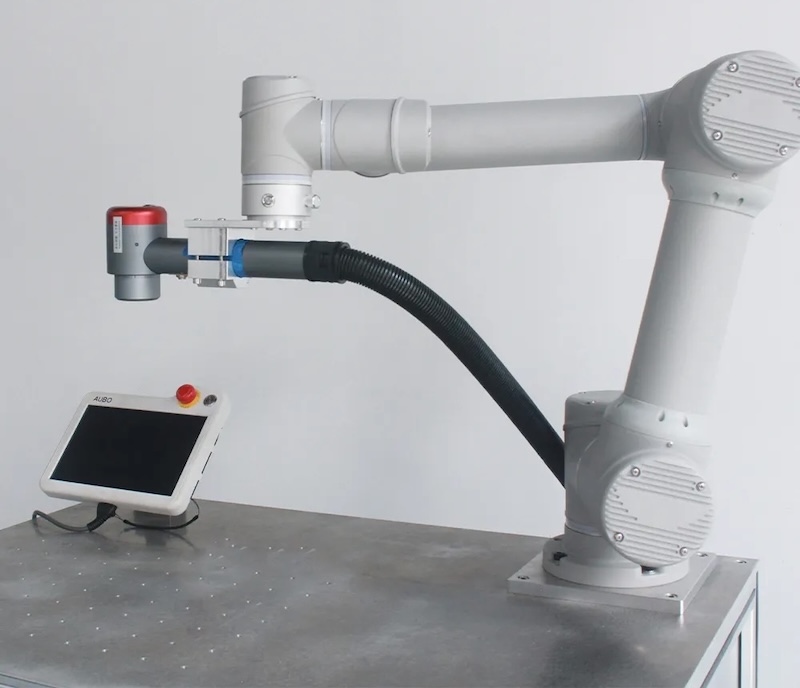
Integrating Industrial Robots with Laser Cleaning Systems Enhances Production Efficiency
Recent advancements in technology are transforming factory operations, with companies striving to reduce cycle times, cut costs, and ensure quality. The integration of industrial robots with laser cleaning systems is emerging as a solution to automate the removal of burrs from metal components, significantly enhancing productivity and efficiency in production lines. This combination of technologies is crucial as it addresses the need for cleaner surfaces before processes like painting, coating, or welding, which are essential for maintaining product quality. Laser cleaning, a modern technique that utilizes powerful laser beams to eliminate unwanted materials without damaging the underlying metal, offers a more environmentally friendly alternative to traditional cleaning methods that often rely on harsh chemicals. As more companies explore the benefits of industrial laser cleaning machines, the focus will be on how these systems can further optimize production lines. The automation of the cleaning process not only saves time but also improves overall manufacturing efficiency. No further timeline was disclosed at the time of publication.
Engineering Robotics Technology factory automation industrial automation industrial robots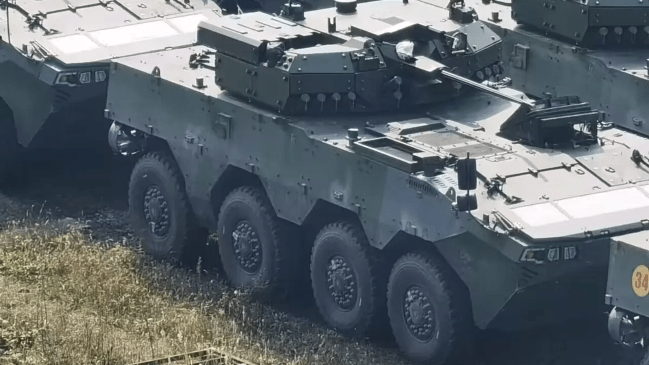
China Develops Type 19 Vehicle as Mobile Laser Defense Against Drone Threats
China is reportedly developing a new variant of its Type 19 amphibious 8×8 combat vehicle, equipped with a turret-mounted laser weapon and additional sensors. This modification aims to enhance protection for frontline troops against the increasing use of drones, particularly in potential conflicts involving Taiwan. The significance of this development lies in its potential application during military operations, especially as Taiwan expands its drone capabilities. The modified Type 19 could provide crucial counter-drone protection for PLA forces during amphibious landings, although the impact of the new equipment on the vehicle's performance remains uncertain. Looking ahead, the effectiveness of the Type 19 variant will depend on overcoming engineering challenges related to weight and operational capabilities. As Taiwan enhances its drone warfare strategies, the need for effective counter-drone systems becomes increasingly critical for the PLA, particularly in scenarios involving drone swarms targeting their forces.
Military
US Marine Corps Awards $11 Million Contract for Epirus' HAVOC Microwave Weapon System
The US Marine Corps has awarded Epirus an $11 million contract for the HAVOC system, a vehicle-mounted high-power microwave weapon designed to disable drone swarms. This system is derived from Epirus' Leonidas weapon and will be integrated into both manned and unmanned Marine Corps vehicles, enhancing their counter-drone capabilities. The HAVOC system represents a significant advancement in the Marine Corps' efforts to combat drone threats, providing three times the power and improved range compared to its predecessor, the Expeditionary Directed Energy Counter-Swarm system (ExDECS). This capability allows for simultaneous electronic effects against multiple drones, ensuring effective protection for high-value assets and personnel. Looking ahead, the HAVOC system's software-driven architecture will enable continuous updates to counter evolving drone technologies. The universal sled mount design will facilitate its deployment across various Marine Corps vehicles, enhancing operational flexibility. No further timeline was disclosed at the time of publication.
Military
Marine Corps Chooses Allen Control Systems' Bullfrog M240 for L-MADIS Integration
The Marine Corps has selected Allen Control Systems' Bullfrog M240 autonomous weapon for integration into its Light Marine Air Defense Integrated System (L-MADIS). This system is part of the Ground Based Air Defense program and includes two Polaris MRZR vehicles, one serving as a command unit and the other equipped with electronic warfare capabilities to counter drone threats. The Bullfrog M240 transforms the traditional 7.62mm machine gun into an autonomous weapon, capable of firing 850 rounds per minute and weighing approximately 300 pounds. This integration is facilitated through a prototype Other Transaction Agreement contract valued at around $6.2 million. The Marine Corps is also seeking $1.27 billion in its fiscal 2027 budget for Ground Based Air Defense capabilities, highlighting the importance of advanced defense systems. Looking ahead, the Bullfrog M240 is not only being considered by the Marine Corps; the US Army Applications Lab has awarded a contract to assess its deployment on Army combat vehicles. Additionally, Allen Control Systems is working on integrating Bullfrog onto US Special Operations Forces maritime platforms, indicating a growing interest in this technology across multiple military branches.
Land Warfare Naval Warfare Army Counter UAS cUAS LMADIS MADIS
New laser weapon system uses rapid pulses to defeat drones swarms in seconds
Israeli startup Esh-Tech has unveiled an innovative laser-based air defense system aimed at countering the increasing threat of aerial attacks. The announcement was made during a technology showcase in Tel Aviv on October 15, 2023. This advanced system is designed to provide a cost-effective and efficient solution for intercepting drones and other airborne threats, which have become more prevalent in recent conflicts. Esh-Tech's motivation stems from the urgent need for enhanced security measures in the region, as traditional defense systems often face limitations in terms of cost and effectiveness against modern aerial threats. The laser technology allows for precise targeting and engagement, significantly reducing the expense associated with conventional missile systems. The development process involved extensive research and collaboration with defense experts, ensuring that the system meets the rigorous demands of military applications. Esh-Tech aims to position its product as a vital tool for both national defense and private sector security, potentially transforming the landscape of air defense strategies in Israel and beyond.
Military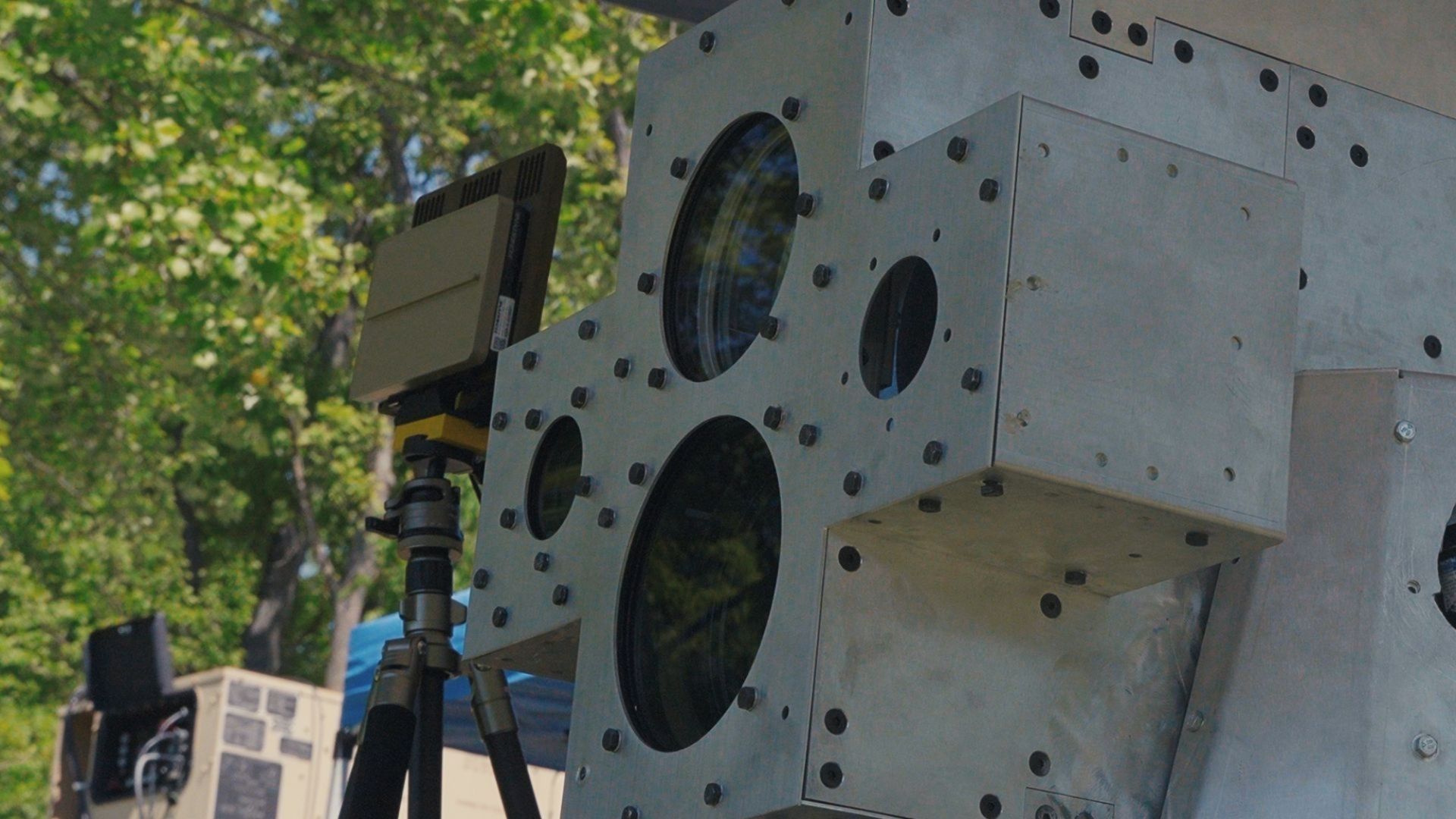
New Archimedes laser weapon system for low-cost drone kill trialed for Pentagon
Aurelius Systems, a US-based technology firm, has successfully completed live testing of its Archimedes autonomous directed-energy system. This significant milestone was achieved recently, showcasing the system's capabilities in real-world scenarios. The testing took place at a designated facility, where the system demonstrated its potential applications in defense and security. The motivation behind developing the Archimedes system is to enhance military operations by providing advanced directed-energy solutions that can effectively neutralize threats. The testing process involved rigorous evaluations to ensure the system's reliability and effectiveness in various conditions, marking a crucial step towards its deployment in operational settings.
Military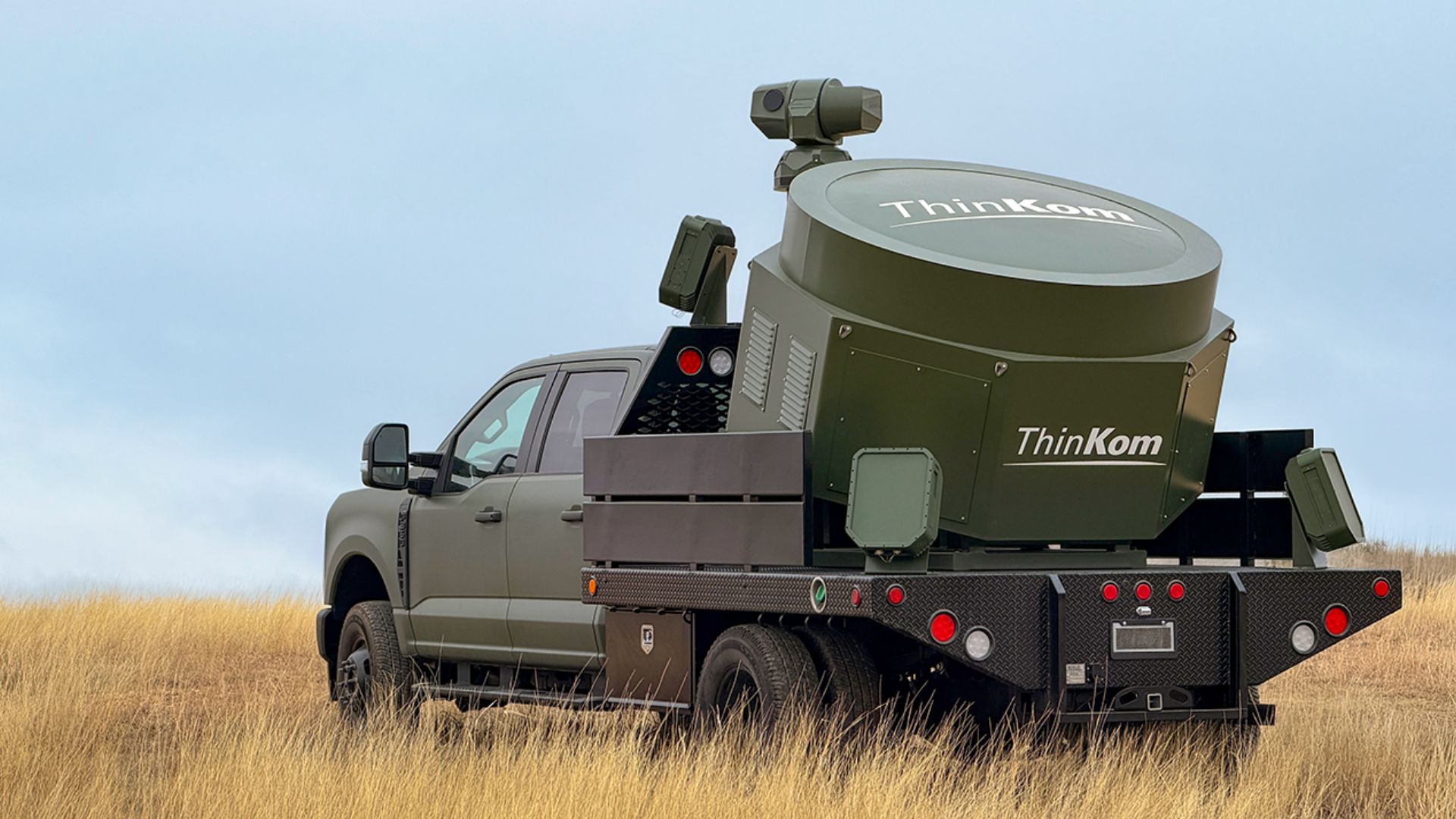
U.S. Army Awards ThinKom $49 Million for Mobile High-Power Microwave Drone Defense System
The U.S. Army has awarded ThinKom Solutions a prototype contract valued at up to $49 million to develop a mobile high-power microwave system aimed at countering drones. Announced on August 19, 2026, this contract will fund the testing of ThinKom’s Alecto system, which is designed to target unmanned aircraft from a moving vehicle. This initiative is significant as it addresses the increasing demand for mobile counter-unmanned aircraft systems (C-UAS) due to the rapid proliferation of drones. The Alecto system utilizes ThinKom’s patented VICTS antenna technology to deliver high-power electromagnetic energy to neutralize Group 1 and Group 2 unmanned aircraft, enabling Army units to respond to threats without halting their operations. Field testing of the Alecto system is scheduled for 2027, allowing the Army to evaluate its performance against emerging drone threats. The results will inform future requirements and potential production decisions, although the current agreement does not guarantee procurement of additional systems beyond the prototype phase.
Military
Ondas Secures Over $50 Million Order for Tactical Lethal Unmanned Systems from US Army
Ondas has announced a significant new order exceeding $50 million from the US Army for tactical Lethal Unmanned Systems (LUS), also known as loitering munitions or 'kamikaze drones.' This order falls under a previously disclosed $982 million multi-year Indefinite Delivery, Indefinite Quantity (IDIQ) contract, bringing Mistral's total awards under the program to over $240 million. The LUS program aims to equip soldiers with precision-strike drones that can identify and engage targets with enhanced accuracy. The demand for such systems has surged due to recent global conflicts, emphasizing the military's need for cost-effective autonomous strike platforms. Ondas' acquisition of Mistral has positioned the company to better compete in the US defense market and expand its portfolio of autonomous technologies. Looking ahead, production is already underway, with deliveries expected to commence in the third quarter of 2026. Ondas is focused on fulfilling this contract while also seeking opportunities to support the Army throughout the operational lifecycle, including intelligence gathering and mission planning. This order reflects a broader trend in military investment in autonomous systems for rapid deployment and precision on the battlefield.
News
New Autonomous Drone System Maps Volcanic Gases to Predict Eruptions
Researchers at the Technical University of Munich (TUM) have developed an autonomous measurement system that utilizes drones and lasers to map volcanic gas concentrations with a low measurement error of approximately 5%. This innovative system aims to enhance volcanic eruption forecasting by tracking the ratio of carbon dioxide to sulfur dioxide, providing insights into subterranean volcanic processes. The significance of this technology lies in its potential to prevent natural disasters by offering accurate measurements of volcanic gases. Traditional methods have faced challenges due to background emissions and equipment damage from corrosive plumes. TUM's solution involves a ground station that shoots a laser through gas clouds, allowing for precise data collection while keeping equipment safe from harsh conditions. Looking ahead, TUM plans to further automate the measurement and mapping processes, incorporating artificial intelligence to interpret the data. This advancement could lead to safer volcanic forecasting, particularly on the Aeolian island of Vulcano, which remains in an active degassing phase despite not having experienced a major eruption since the late 19th century.
Science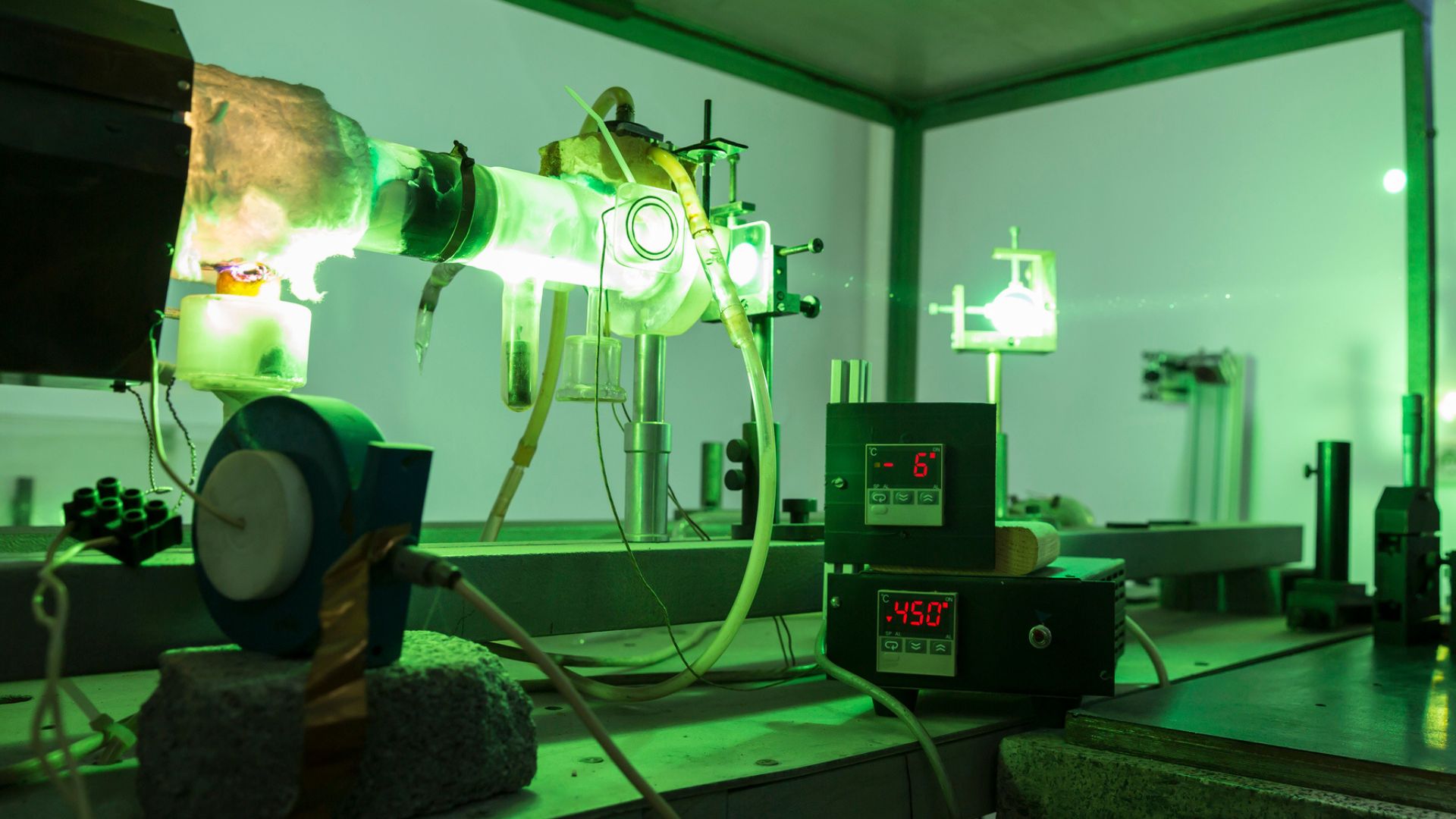
Chinese firm debuts man-portable laser weapon that zaps drones, fits in a backpack
Harbin Xinguang Optic-Electronics Technology, a Chinese defense supplier, has introduced a new man-portable anti-drone laser weapon. The announcement was made recently, highlighting the growing focus on counter-drone technology amid increasing concerns over drone-related threats. This innovative weapon is designed to provide military and security forces with a portable solution to neutralize unauthorized drones effectively. The development reflects a broader trend in defense technology, where nations are investing in advanced systems to safeguard airspace from potential intrusions. The unveiling of this laser weapon underscores the urgency for enhanced security measures in response to the evolving landscape of aerial threats.
Innovation Military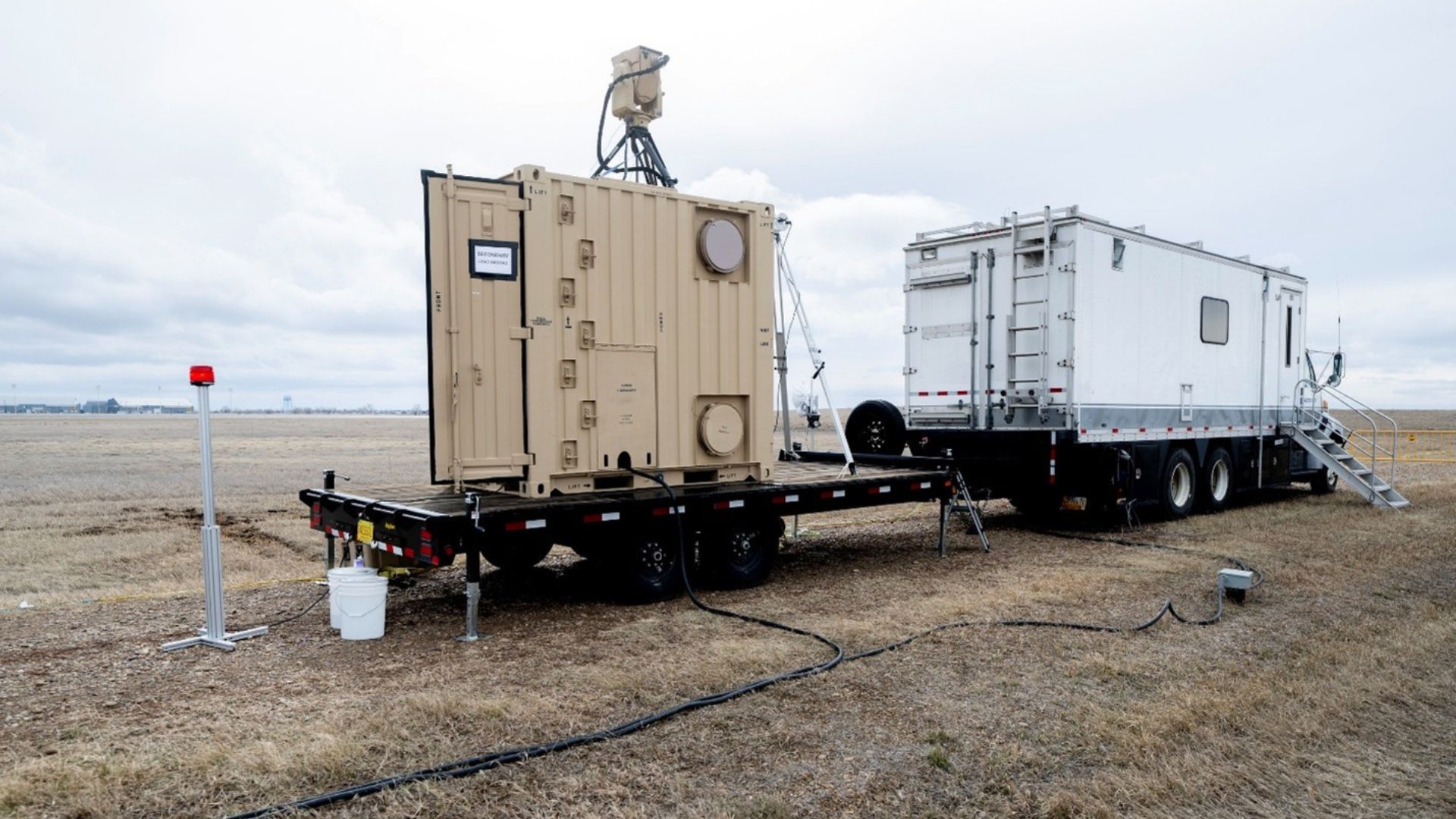
US Navy tests dual-use laser that beams power and counters drone threats in one system
The U.S. Naval Research Laboratory (NRL) has successfully demonstrated a groundbreaking laser system capable of transmitting data at unprecedented speeds. This innovative technology was showcased during a recent test conducted at the laboratory's facilities in Washington, D.C. The demonstration highlights the potential for advanced communication systems that could enhance naval operations and improve data transfer capabilities in various military applications. By utilizing laser technology, the NRL aims to address the growing demand for faster and more secure communication methods in an increasingly digital battlefield. The successful test marks a significant step forward in the development of high-speed data transmission solutions, paving the way for future advancements in military communications.
Military
Israeli startup unveils laser system it says can kill drones in seconds
Esh-Tech has unveiled a groundbreaking energy system that promises to revolutionize the industry, according to CEO Erex Riahi. The new system, which operates on just 4kWh, is designed to be compact and can be easily connected to vehicles. Riahi emphasized that this innovative technology is priced three to four times lower than existing laser or microwave systems, making it a more accessible option for consumers. The announcement marks a significant advancement in energy solutions, with potential implications for both personal and commercial use.
Air Warfare Global Air Force Counter UAS cUAS Drones EUROSATORY 2026
MBDA showcases hybrid high-energy laser, interceptor counter-drone system
The European missile manufacturer has announced plans for a new hybrid defense platform aimed at countering the increasing threat posed by small, fast, and low-cost unmanned aerial vehicles (UAVs). This innovative system is expected to be operational in Germany by the end of the decade. The initiative reflects a strategic response to evolving aerial threats, highlighting the need for advanced defense solutions in modern warfare. The development of this platform underscores the commitment to enhancing national security and adapting to the changing landscape of military challenges in Europe.
Air Warfare Global Air Force Drones Europe ILA Berlin 2026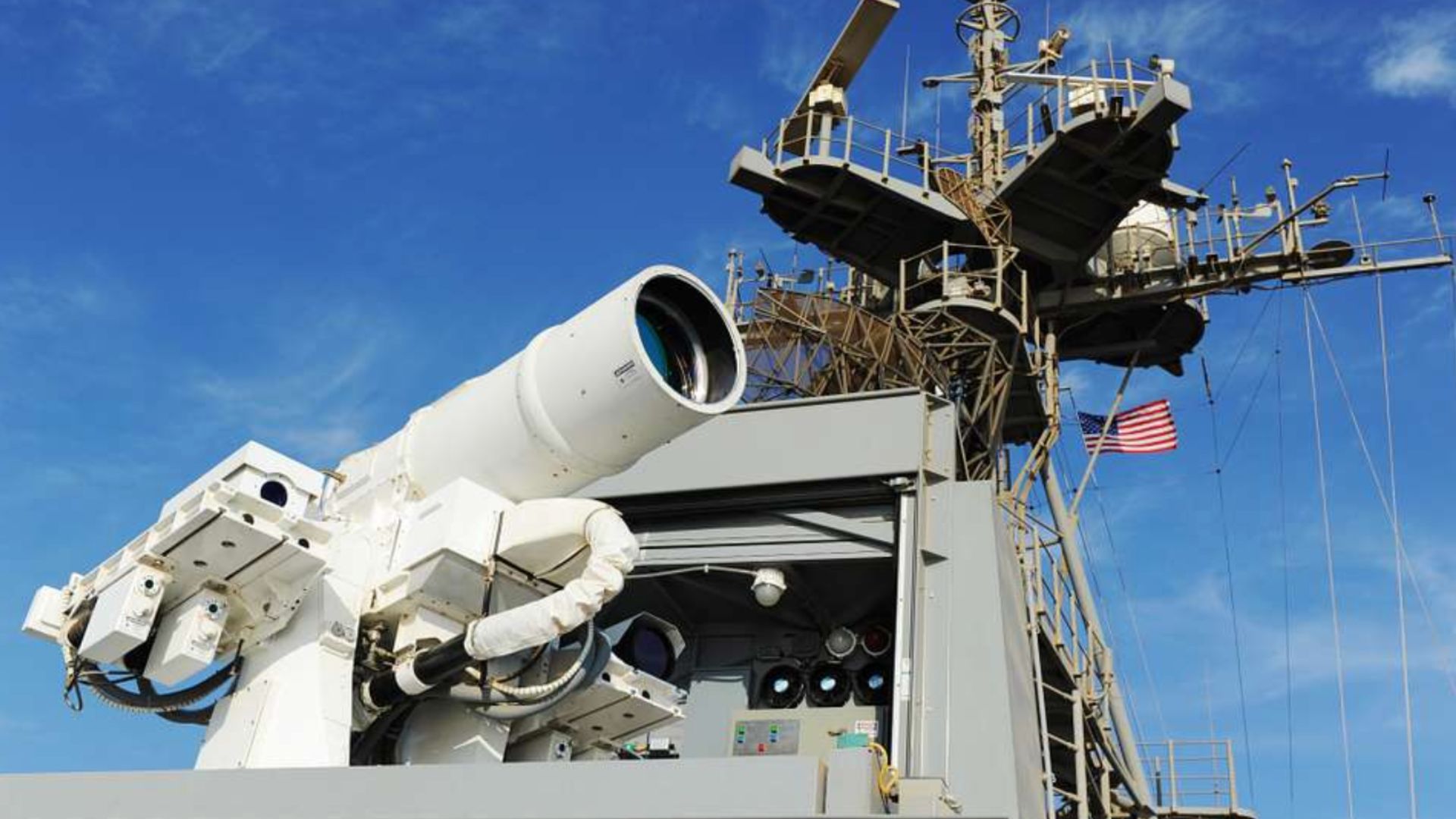
Nine US Navy destroyers that carry laser weapons for drone defense
The U.S. Navy has officially deployed laser weapons aboard its destroyers, marking a significant advancement from previous experimental demonstrations. This deployment, which occurred in October 2023, aims to enhance the Navy's defensive capabilities against various threats, including drones and small boats. The integration of laser technology is part of a broader strategy to modernize military assets and improve operational efficiency. By utilizing directed energy systems, the Navy seeks to provide a cost-effective and precise alternative to traditional munitions, thereby reducing logistical burdens and increasing response times in combat situations. The successful implementation of these systems aboard destroyers underscores the Navy's commitment to innovation and maintaining a technological edge in maritime operations.

These American Destroyers Are Equipped With Laser Weapons
The U.S. Navy has equipped nine of its surface combatants with directed energy systems, including advanced laser weapons, as part of an initiative to enhance naval capabilities. This move, aimed at bolstering defense mechanisms against various threats, reflects the Navy's commitment to integrating cutting-edge technology into its fleet. The expansion of testing and potential deployment of these systems is expected to occur in the near future, signaling a strategic shift towards modern warfare tactics. The initiative underscores the Navy's focus on improving operational effectiveness and readiness in an evolving security landscape.
Sea Destroyers Directed Energy Lasers Naval Directed Energy Weapons Navies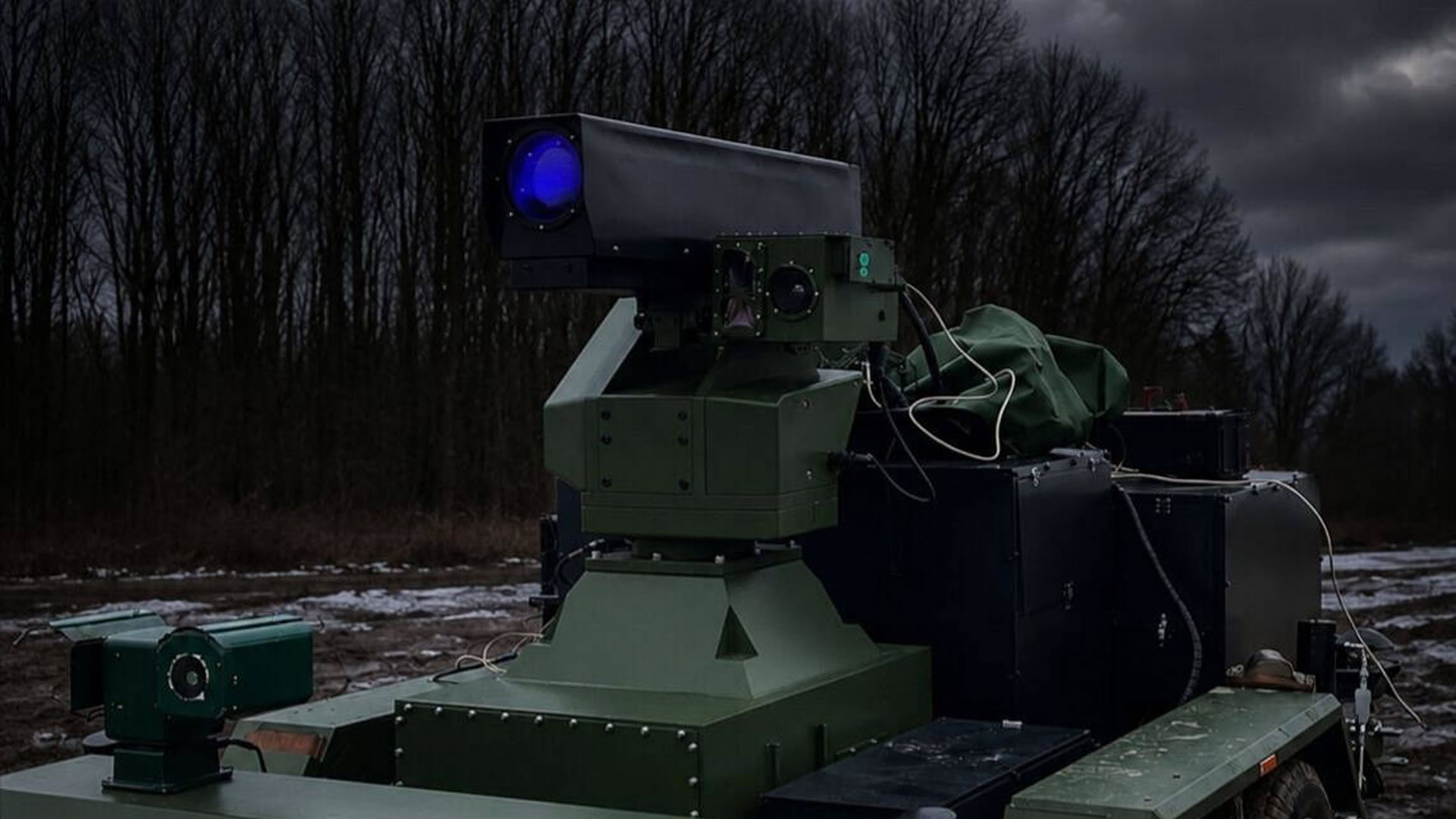
Ukrainian anti-drone laser system with 16400-foot engagement range nears deployment
Ukraine’s Celebra Tech is making significant progress toward the deployment of its Tryzub anti-drone laser weapon, a development that could enhance the country’s defense capabilities amid ongoing conflict. The company has been working diligently to finalize the technology, which aims to counter the increasing threat posed by enemy drones. As tensions continue to escalate, the urgency for effective defense solutions has become paramount. The Tryzub system is designed to target and neutralize drones with precision, potentially shifting the dynamics of aerial warfare in the region. Celebra Tech's advancements are expected to play a crucial role in bolstering Ukraine's military readiness as the nation seeks to protect its airspace from hostile incursions.

US clears counter-drone laser system for southern border use
Federal regulators have announced a new measure to address the threat of rogue drones entering restricted airspace, particularly along the southern border of the United States. This innovative response involves the use of a high-speed light beam designed to neutralize unauthorized drones without endangering airline passengers. The initiative reflects growing concerns over drone incursions in sensitive areas and aims to enhance security while maintaining safety in the skies. The implementation of this technology marks a significant advancement in aerial defense strategies, as authorities seek to balance the need for airspace security with the safety of commercial aviation.
News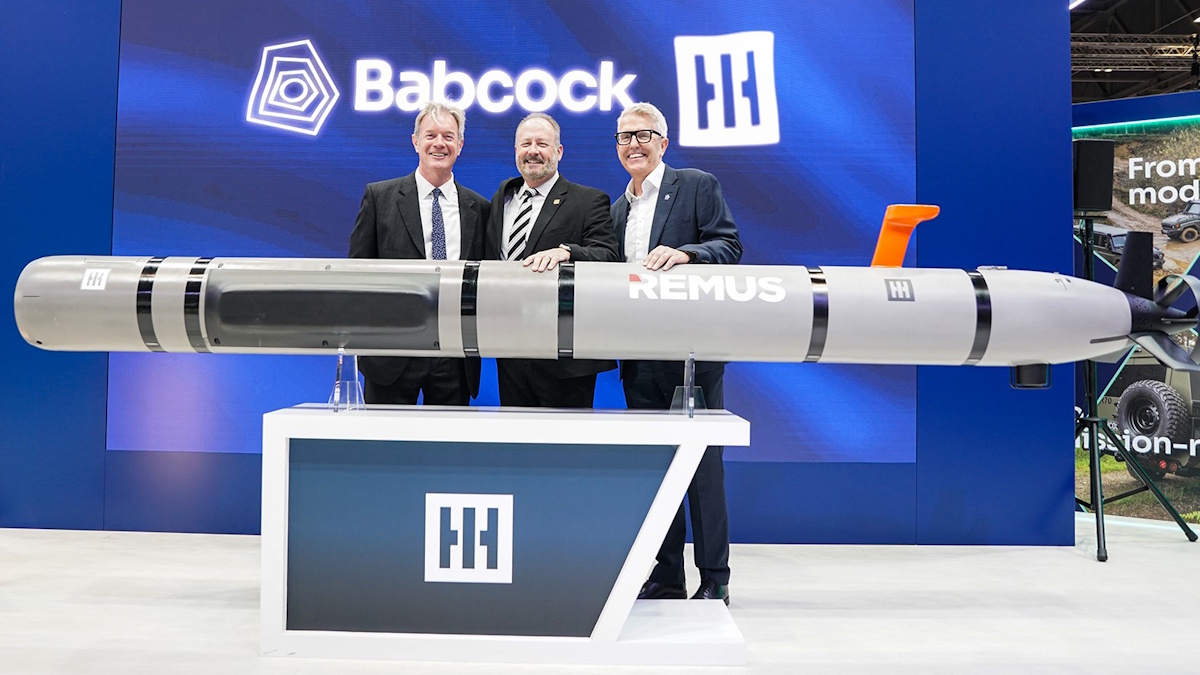
HII and Babcock Join Forces to Integrate Unmanned Underwater Vehicles with Submarine Weapon Handling and Launch Systems
Babcock International Group and HII have entered into a memorandum of understanding to integrate HII’s REMUS unmanned underwater vehicles with Babcock’s advanced submarine Weapon Handling and Launch Systems. This collaboration aims to enhance the autonomous launch and recovery capabilities of UUVs through submarine torpedo tubes, thereby bolstering the undersea operational advantages of allied navies. This initiative marks the inaugural program of its kind within Babcock's Mission Systems division, reflecting a significant step forward in military maritime technology.
hii babcock unmanned underwater vehicles submarine weapon handling and launch systems dsei 2025Robotics needs a service framework.
RSF defines a common language for robot service capability, lifecycle operations, certification pathways, and service-provider networks.
Join the RobotToday community on LinkedIn
Daily robotics news, in-depth analysis, conference highlights, and discussions with professionals worldwide.