Industry Briefing
A single destination for timely, editor-curated robotics news from around the world.

What lessons is Ideal learning to catch up with FSD V14?
The competitive landscape of the intelligent driving industry has undergone significant changes in recent years, shifting from hardware specifications to advanced model development. Companies are increasingly recognizing that merely having larger models is insufficient for achieving generational advantages; instead, the integration of models, data, computing power, and chips into a continuous iterative loop is becoming crucial. This realization has prompted many automakers to invest in in-house research and development. Tesla has established a comprehensive ecosystem that spans data collection, training infrastructure, and self-developed chips, while Chinese companies like Li Auto, Xpeng, and NIO are also deepening their technological foundations. Li Auto has introduced its self-developed Mach M100 chip in its L8 and L9 models, which it views as a significant advancement in AI technology. In a recent discussion with Li Auto's autonomous driving and chip leaders, they emphasized that the industry should focus on the practical problems these investments aim to solve rather than merely the existence of in-house development. They outlined their strategies to achieve performance comparable to Tesla's Full Self-Driving (FSD) system, highlighting the importance of safety, efficiency, and comfort in user experience. As the industry moves towards higher levels of autonomy, the integration of vision and language models is seen as essential for developing systems that can handle complex, unforeseen scenarios. The executives noted that achieving higher levels of autonomy (L3 and L4) requires models that can reason and think like humans, underscoring the growing significance of language in AI systems. Overall, the conversation revealed the industry's focus on enhancing AI capabilities through innovative chip design and data utilization, aiming for a future where autonomous driving technology can meet the challenges of real-world driving conditions.

Smart Hand valued at $1 billion after 5 months, achieves profit in first quarter; DeepSeek plans to double all departments.
On June 26, 2026, Wuliangye announced the removal of Zeng Zongqin from his position as chairman due to his inability to fulfill his duties. The decision was made during the company's annual shareholder meeting, where a proposal to appoint Deng Min as the new chairman was approved. Zeng's departure, effective immediately, will not affect the company's operations, as he held no shares and had no outstanding commitments. In Yantai, JD Pharmacy has established a new company, JD Pharmacy (Yantai) Co., Ltd., with a registered capital of 100,000 RMB. The company, fully owned by JD Pharmacy (Qingdao) Chain Co., Ltd., will engage in retailing pharmaceuticals and providing medical device services. SpaceX, led by Elon Musk, plans to launch a new Starlink mobile service in the U.S. and develop its own ground mobile network, aiming to compete with major carriers like Verizon, AT&T, and T-Mobile. He Xiaopeng announced on June 25 that XPeng Motors is set to expand globally, with the second-generation VLA model expected to enter international markets by 2027, coinciding with new EU regulations on autonomous driving. Meanwhile, Lingqiao Shou, a company spun off from Zhiyuan Robotics, has achieved a valuation of $1 billion within just five months of its establishment, following significant funding rounds. Beijing Tongrentang Medical and Health Investment Co. plans to raise up to HKD 671.6 million through an IPO in Hong Kong, with shares priced between HKD 5.48 and HKD 6.21, expected to begin trading on July 7. Lastly, DeepSeek announced plans to double its workforce across all departments, while Apple reported a surge in memory demand due to the rapid expansion of AI data centers, presenting challenges for the electronics industry.
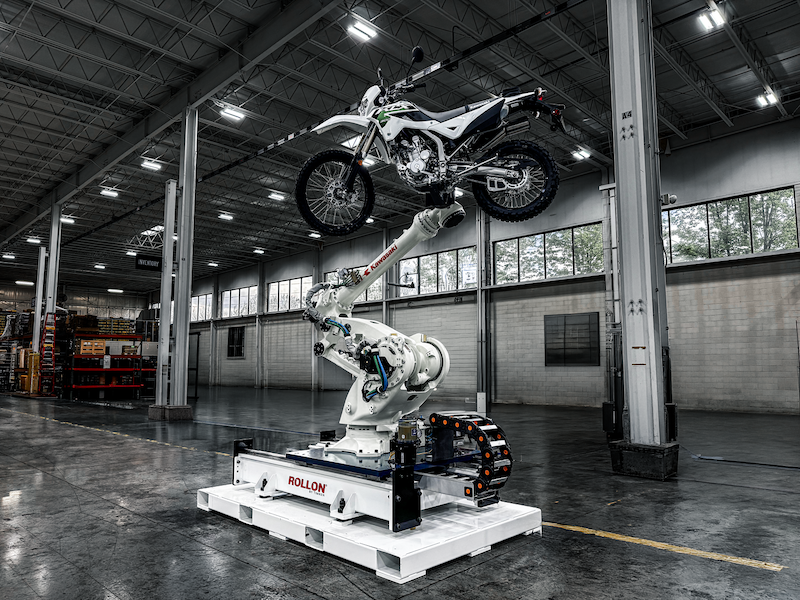
Kawasaki Robotics showcases 8-axis Physical AI robot and intelligent automation technologies at Automate 2026
Kawasaki Robotics unveiled its latest advancements in automation technology at the Automate 2026 trade show held in Chicago. The event, which took place recently, highlighted the transformative impact of robotics, artificial intelligence, machine learning, vision systems, and real-time control on industrial automation. A key feature of the showcase was the introduction of the new “RL030N” robot platform, which boasts eight degrees of freedom and is specifically designed for Physical AI applications. This innovation reflects Kawasaki Robotics' commitment to pushing the boundaries of automation and enhancing operational efficiency across various industries.
Industrial robots News Robotics 8-axis robot Automate 2026 BA013L

Zhang Yaqin: AI is not a bubble, but AI companies are.
In June, during an interview at the Tsinghua Wuxi Research Institute's Intelligent Industry Innovation Center, Academician Zhang Yaqin discussed the current state of AI investment and entrepreneurship, suggesting a more cautious approach to the rapidly growing sector. Zhang, who founded the Tsinghua University Intelligent Industry Research Institute (AIR) five years ago, noted that while AIR has successfully incubated ten companies with a combined valuation of 150 billion yuan, its primary focus remains on research rather than commercialization. Zhang, a prominent figure in AI and a fellow of the IEEE, likened the current AI investment climate to the internet boom of 1998-1999, emphasizing the importance of sustainable growth and cautioning against the potential for market bubbles. He highlighted the need for new AI algorithms to enhance efficiency and pointed out that while the AI sector holds significant long-term potential, many early-stage companies may face challenges in proving their viability. Every June, AIR hosts the "Taihu Dialogue" in Wuxi, fostering discussions on AI advancements. Zhang expressed concerns about the risks associated with high valuations and the necessity for a focused approach in startups. He emphasized that while funding is crucial, it should not overshadow the importance of developing robust products and technologies. Looking ahead, Zhang identified "physical AI" as a key area for development by 2026 and outlined the challenges of creating robots capable of performing complex tasks in real-world environments. He underscored the importance of collaboration between academia and industry to cultivate talent and drive innovation in AI, while also addressing the ethical and safety risks associated with advanced AI systems.

Italy's antitrust authority investigates Microsoft.
Italy's antitrust authority announced on Friday that it has launched an investigation into Microsoft over alleged unfair business practices related to its Microsoft 365 subscription service. The regulator claims that Microsoft failed to adequately inform consumers about the integration of AI tools, Copilot and Designer, into the service. As a result, users are automatically switched to a more expensive subscription plan unless they actively opt out. The limited information provided by the platform has made it difficult for consumers to make informed decisions about renewing their subscriptions.

Roundtable: We Celebrate Adventure - Sooner, Smaller, and Deeper | 36Kr WAVES 2026 New Wave
In 2026, the investment landscape in China is witnessing a significant shift as artificial intelligence (AI) transitions from a conceptual technology to a mainstream industry force. The WAVES 2026 conference, hosted by 36Kr and AnYun, took place over two days in the Liangcang Creative Park in Panyu, Guangzhou, under the theme "This Summer." The event brought together top investors, industry leaders, and emerging entrepreneurs to explore key sectors such as AI, hard technology, healthcare, and international expansion through 14 in-depth roundtable discussions and numerous independent speeches. Prominent figures in the venture capital sector, including Liu Yuan from ZhenFund, Xu Shi from Shanhang Capital, Lin Haizhuo from Zhuoyuan Asia, and Xu Zhihao from Mingshi Capital, shared insights on the challenges and opportunities in early-stage investments. They discussed the current state of angel investments, which account for only 1.9% of the total equity market, emphasizing the need for a deeper understanding of the evolving technology landscape and the importance of backing resilient founders who can adapt to rapid changes. The conference highlighted the critical role of early-stage investors in identifying promising startups and supporting them through various funding rounds, despite the inherent risks and uncertainties. As the AI revolution continues to unfold, the dialogue among industry experts underscored the necessity of fostering innovation and collaboration to drive China's technological future.

RoboScience launches Visics, a versatile embodied model for cross-ontology, cross-object, and cross-task applications.
On June 24, RoboScience, a company specializing in embodied intelligence, unveiled its self-developed Visics large model, introducing the innovative VLOA (Vision-Language-Object-Action) architecture. This announcement marks a significant advancement in the field, demonstrating the model's applications in real-world scenarios such as furniture assembly, dexterous grasping, and dynamic assembly lines. The current landscape of embodied intelligence lacks a universally accepted foundational representation unit, which hampers data collection, model learning, and the transfer of knowledge to new contexts. Traditionally, models have focused on replicating specific robotic movements tied to particular tasks, limiting their adaptability to new robots, objects, or environments. Founder and CEO Tian Ye highlighted three major challenges in robotic operations: poor generalization, difficulty in precise manipulation, and cumulative errors in long-range tasks. To address these issues, RoboScience has developed a new foundational representation unit from the ground up. The Visics model employs a dual-engine architecture, consisting of an embodied world model and a universal operation model, each operating independently. The embodied world model utilizes vast amounts of internet video data to learn the physical dynamics of objects, while the operation model translates object trajectories into actionable commands for robots. This layered design enhances the model's generalization capabilities across various robotic platforms and tasks. RoboScience's innovative approach also includes a high-precision simulation engine, RoboMirage, which, combined with automated video data annotation, significantly reduces data acquisition costs. The company aims to build a comprehensive dataset of over 1 terabyte of high-quality manipulation trajectories by 2026. Since its inception, RoboScience has garnered support from multiple investors and established research and production centers in major Chinese cities. The company plans to collaborate with various sectors, including retail and logistics, to standardize robotic products for industrial and commercial applications by the end of this year.

Major Italian shipbuilder Fincantieri exploring nuclear-powered vessels, CEO says
During a recent closed-door roundtable, Fincantieri CEO Pierroberto Folgiero discussed key insights gained from the ongoing conflict in Ukraine, particularly in relation to the use of naval drones. He emphasized the importance of adapting military strategies and technologies in light of the lessons learned from the war. Additionally, Folgiero addressed the future development of a common European patrol corvette, highlighting the need for collaborative efforts among European nations to enhance maritime security. The discussions aimed to foster innovation and cooperation in defense capabilities, reflecting the evolving geopolitical landscape.
Global Naval Warfare corvette Europe Fincantieri NATO
Roundtable: When Will Robots Enter Real Scenarios Amid Widespread Bubble Awareness?
In 2026, the investment landscape in China is witnessing a significant shift as artificial intelligence (AI) transitions from a conceptual technology to a driving force in various industries. The WAVES 2026 conference, hosted by 36Kr and AnYun, took place in Guangzhou's Panyu district, bringing together top investors, industry leaders, and emerging entrepreneurs to explore the evolving landscape of AI, hard technology, and healthcare through 14 in-depth roundtable discussions and numerous independent speeches. Prominent figures in the field, including CEOs and CTOs from leading tech companies, gathered to discuss the potential of embodied intelligence—a rapidly growing sector attracting substantial investment. The discussions highlighted the challenges and opportunities within this domain, particularly regarding the commercialization of robotics and AI technologies. Participants shared insights on the current state of the market, with some companies already generating revenue through innovative applications of AI in various sectors. However, concerns about market bubbles and the sustainability of investments were also raised, emphasizing the need for a deeper understanding of the underlying business models and real-world applications. As the conference concluded, the consensus among attendees was that while the industry is still in its infancy, the potential for growth and innovation remains vast, driven by a new generation of entrepreneurs eager to redefine the future of technology in China.

Roundtable Discussion: Hey? AI! This Month, This Year, and Next Five Years of AI | 36Kr WAVES 2026 New Wave
In 2026, the investment landscape in China is witnessing a significant transformation as artificial intelligence (AI) evolves from a mere technical concept to a driving force in various industries. The WAVES 2026 conference, organized by 36Kr and AnYun, took place in Guangzhou's Panyu district, gathering top investors, industry leaders, and emerging entrepreneurs to explore the implications of AI and hard technology on the future of innovation. Over two days, the event featured 14 in-depth roundtable discussions and numerous independent presentations, focusing on key sectors such as AI, hard technology, international expansion, and healthcare. During the conference, industry experts discussed the rapid pace of AI development, highlighting how companies are now experiencing frequent valuation updates and financing rounds. Investors shared insights on the changing dynamics of funding, with many companies securing multiple rounds of financing within months, a stark contrast to previous trends. The conversation also touched on the implications of regulatory challenges, particularly concerning AI models and their accessibility. Participants emphasized the importance of stability and reliability in AI applications, as well as the need for a deep understanding of specific industries to successfully implement AI solutions. The discussions underscored a growing interest in physical AI applications, with expectations for commercialization in sectors like pharmaceuticals and materials science within the next few years. As the AI landscape continues to evolve, investors are increasingly focused on identifying unique opportunities and fostering innovative solutions that address real-world challenges.

Roundtable Forum: 2026 - A Year of Technology "Minority, Yet a Wave" | 36Kr WAVES 2026 New Wave
In 2026, the Chinese venture capital landscape is witnessing a significant shift as artificial intelligence (AI) transitions from a conceptual technology to a mainstream industry force. The WAVES 2026 conference, organized by 36Kr and AnYun, took place in Guangzhou's Panyu District, bringing together top investors, industry leaders, and emerging entrepreneurs to explore the evolving landscape of AI, hard technology, and other key sectors. Over two days, the event featured 14 in-depth roundtable discussions and numerous independent speeches, focusing on the underlying logic of these core areas and highlighting how the persistence of a few innovators is shaping industry transformation. During a roundtable hosted by He Sichong from Ant Group's NEXTA Innovation Lab, four prominent entrepreneurs shared insights on the rapid advancements in their respective fields. They discussed the increasing acceptance of previously niche technologies, such as embodied intelligence and tactile perception, which are now beginning to redefine industrial processes and human-machine interactions. Despite the enthusiasm, the panelists acknowledged the challenges of integrating these technologies into real-world applications, emphasizing the need for continued innovation and adaptation to meet evolving market demands. As the conference concluded, participants expressed optimism about the future of embodied intelligence and its potential to revolutionize various sectors, while also recognizing the importance of addressing the complexities of deploying these technologies in dynamic environments.
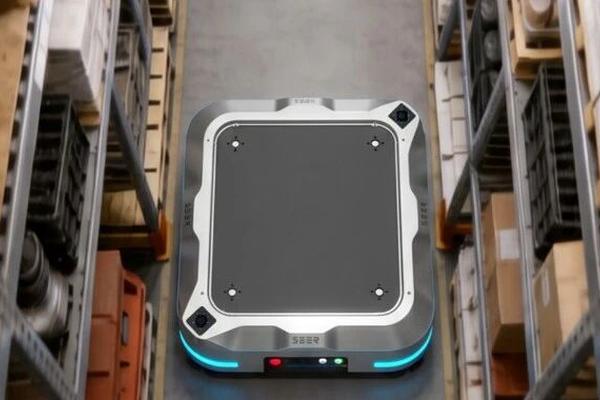
XianGong AI's rollercoaster: 7% drop in dark market, 38% surge on debut day.
On June 24, XianGong Intelligent (06106.HK) made its debut on the Hong Kong Stock Exchange, opening at HKD 101.6 and experiencing significant volatility throughout the day. The stock surged by as much as 38.3% to reach a peak of HKD 140.50 before settling at HKD 115.70, marking a 13.88% increase. The trading session saw a total turnover of HKD 533 million, resulting in a market capitalization of HKD 12.78 billion. Despite the initial excitement, the stock's performance raised concerns about its high valuation, with a price-to-sales ratio of approximately 25 times based on last year's revenue of HKD 442 million. This valuation positions XianGong as one of the most expensive robotics IPOs in Hong Kong, especially when compared to competitors like Geek+ and Estun, which have significantly lower ratios. The trading day was marked by dramatic fluctuations, with the stock initially trading at HKD 105 in the dark market before plummeting to a low of HKD 80, reflecting a 21.3% drop. The limited availability of shares, with only 9.5% publicly issued and 4.12% locked by cornerstone investors, contributed to the sharp price movements. XianGong holds a leading 24.8% share in the global robotics controller market, but its overall revenue ranking is lower, placing seventh globally in industrial intelligent robotics. Analysts suggest that the company's reliance on controller sales may not be sustainable, as major manufacturers typically produce their own controllers, limiting XianGong's potential customer base. The company's future performance will depend on its ability to maintain market share and improve profitability, with investors closely monitoring upcoming financial reports for insights.
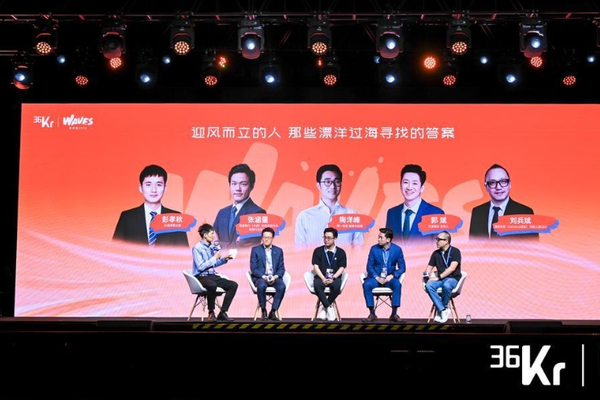
Roundtable: Those who stand against the wind, seeking answers across the sea | 36Kr WAVES 2026 New Wave
In 2026, the WAVES conference, organized by 36Kr and AnYun, took place in Panyu, Guangzhou, focusing on the theme "This Summer." The event gathered top investors, industry leaders, and emerging entrepreneurs over two days to discuss the evolution of AI and hard technology, which are shifting from niche areas to mainstream consensus. The conference featured 14 in-depth roundtable discussions and numerous independent speeches that explored the underlying logic of key sectors such as AI, hard technology, overseas expansion, and healthcare. Key speakers included Peng Xiaoqiu, editor-in-chief of 36Kr, Zhang Hanliang from DBS Bank, Tao Yangfeng from Zero One Capital, Guo Bin from Paradise Silicon Valley, and Liu Bingbin, CEO of Zendure. They shared insights on the changing landscape of entrepreneurship, particularly the transition from manufacturing advantages to brand and engineering advantages in the past decade. Discussions highlighted the importance of understanding market demands and the risks associated with overseas expansion, emphasizing that successful ventures require a deep understanding of both domestic and international markets. The conference underscored the necessity for entrepreneurs to be aware of their capabilities and the potential pitfalls of blindly pursuing global opportunities. As the landscape of international business continues to evolve, the insights shared at WAVES 2026 aim to guide entrepreneurs in navigating the complexities of global markets.

Chasing rumors: Car CEO's departure untrue; WeChat tests native AI assistant; Apple, Tesla supplier data leaked.
On June 23, the ChiNext Index experienced its largest decline of the year, falling over 4% during trading and closing down 3.84%, dipping below the critical 4200-point mark. This downturn followed a record high set just a day prior. The trading volume for the day reached approximately 901.65 billion yuan, a decrease of 118.9 billion yuan from the previous day. All ten of the index's top-weighted stocks saw declines, particularly those in the AI computing sector. In a separate development, Tata Electronics confirmed a significant data breach, with over 630GB of sensitive information leaked, including design and specification documents for key clients like Apple and Tesla. The company stated that it had initiated a response plan and that operations remained unaffected. Apple is reportedly conducting a thorough investigation into the incident. Meanwhile, SpaceX has entered a multi-billion dollar agreement with AI startup Reflection AI to provide computing resources, with payments set to begin in July and continue through 2029. In the robotics sector, Nvidia unveiled its "Halos for Robotics" safety system aimed at enhancing the security of physical AI applications, while Faraday Future introduced its industrial-grade robotic arm series at a robotics expo in Chicago. Additionally, Meta has paused an internal AI training program that tracked employee mouse movements due to data security concerns, and Oracle announced a workforce reduction of approximately 21,000 employees, marking a 13% decrease in its total workforce as part of a business restructuring.

Poland buys V-Bat UAVs from Shield AI for naval forces
In Ukraine, V-Bat drones have demonstrated resilience against electronic warfare attacks that have successfully incapacitated other unmanned aerial vehicles (UAVs). This development highlights the increasing sophistication of drone technology amid ongoing conflicts, where electronic warfare tactics are commonly employed to disrupt enemy operations. The ability of V-Bat drones to withstand such attacks is significant, as it enhances their operational effectiveness and provides a strategic advantage in the battlefield. The situation underscores the evolving nature of warfare and the critical role that advanced drone systems play in modern military engagements.
Uncategorized Drones Europe Global Navy Poland
Euro credit default swap costs rise amid renewed concerns over AI.
Concerns over the valuation of AI companies have led to a deterioration in market sentiment, resulting in increased costs for credit default protection on euro-denominated bonds. A report from Deutsche Bank strategists highlights that worries about the technology sector have overshadowed investor optimism regarding progress in U.S.-Iran negotiations. According to data from S&P Global Market Intelligence, the iTraxx Europe Crossover index, which tracks euro high-yield credit default swaps, rose by 3 basis points to 250 basis points. Meanwhile, the iTraxx Europe Main index, which monitors euro investment-grade credit default swaps, increased by 1 basis point to 52 basis points.

Roundtable Forum: The Real Landscape of AI Venture Capital Beyond Consensus
In a recent roundtable discussion on the evolving landscape of artificial intelligence (AI) investment, industry leaders emphasized the importance of acting ahead of consensus to seize opportunities. The forum featured prominent figures such as Zhu Tianyu, managing partner at BlueRun Ventures, and Qin Shentao, founder and CEO of OriginFlow, who shared insights on their early investment strategies. Zhu, who joined BlueRun in 2009, highlighted his early investments in successful companies like Li Auto and Genspark, noting that he made quick decisions based on a structured understanding of global challenges rather than just project details. He expressed confidence in OriginFlow’s potential, which focuses on non-invasive neural interfaces for embodied intelligent robots, aligning with key trends in artificial general intelligence (AGI), robotics, and 3D interaction. Qin, a Tsinghua University PhD, explained that OriginFlow aims to revolutionize how intelligent systems interact with the physical world, addressing a significant gap in data collection and processing. Within just five months of operation, the company secured over 500 million RMB in funding, demonstrating strong market interest. Both leaders acknowledged the challenges of navigating the current AI investment climate, characterized by rapid funding influxes and potential market bubbles. They stressed the need for investors to discern genuine innovation from fleeting trends, emphasizing that true value lies in solving fundamental problems rather than chasing hype. As the discussion concluded, they reiterated their commitment to fostering groundbreaking advancements in AI and embodied intelligence.

NATO And Ukraine Turning To Private Sector To Help Crater Russian Airfields
NATO and Ukraine are collaborating with the private sector to address the ongoing conflict with Russia by launching a challenge aimed at developing a system to deny Russian forces access to their airfields. This initiative seeks innovative solutions to enhance military capabilities and disrupt Russian operations. The challenge is part of a broader strategy to leverage private sector expertise in defense technology, reflecting a shift towards more unconventional methods in modern warfare. The announcement comes amid escalating tensions in the region, emphasizing the urgency of finding effective means to counter Russian military advantages. Participants are encouraged to propose creative and practical approaches, with the potential for significant rewards for successful implementations.
News & Features Air Air Forces Around The Globe Drones Europe
Peking University team develops new generation data acquisition device using EMG wristband, backed by Gong Hongjia, Lu Qi, and overseas
The SnowOrigin team, composed of researchers from Peking University, has secured investments from notable figures including Gong Hongjia and Lu Qi, as well as overseas institutions. This innovative team focuses on surface electromyography (sEMG) technology to develop a new generation of human control data collection solutions, utilizing wearable devices like neural wristbands and panoramic headsets, along with their proprietary Neural Math Hybrid (NMH) AI decoding model. As the fields of embodied intelligence and Physical AI rapidly evolve, there is an increasing demand for high-quality human control data. Current mainstream data collection methods, such as first-person video and motion capture, often fail to capture critical information about the intent and nuances of human actions. SnowOrigin's wearable devices aim to bridge this gap by integrating muscle and neural signal decoding technologies to create structured data that includes posture, force, and micro-control, thereby supporting the training of robots and world models. Founder Qin Xu emphasized that unlike traditional lab-based motion capture systems, their wearable solutions are cost-effective, lightweight, and suitable for long-term use without disrupting daily activities. The team is advancing two commercialization pathways: enhancing human-robot interaction for AI devices and building a foundational data infrastructure for Physical AI applications. With a strong academic background and a commitment to innovation, SnowOrigin is positioned to lead in the emerging market for embodied data collection, having already made significant strides in real-time decoding of sEMG signals into actionable insights. As the demand for comprehensive interaction data grows, the team is poised to capitalize on this shift in paradigm.

SpaceX falls below IPO closing price, losing $400 billion; UK PM Starmer resigns; SK Hynix surpasses Samsung in market value.
On June 22, UK Prime Minister Keir Starmer announced his resignation from the leadership of the Labour Party, stating he would continue to serve as Prime Minister until a successor is chosen. Starmer acknowledged the party's concerns about his ability to lead them into the next election and accepted the feedback he received. In South Korea, semiconductor giant SK Hynix surpassed Samsung Electronics in market capitalization for the first time in 25 years, with a total value of approximately 207.97 trillion won, outpacing Samsung by about 18.85 trillion won. This shift marks a significant change in the Korean stock market, where Samsung had held the top position since 1999. Meanwhile, Samsung Electronics has rolled out ChatGPT and Codex to all its employees in South Korea, aiming to enhance AI adoption within the company. This deployment is one of OpenAI's largest enterprise-level initiatives to date, covering various operational areas including research and development, manufacturing, and marketing. In the United States, SpaceX's stock has seen a significant decline, dropping 16% and falling below its initial public offering price. The company is now planning to issue bonds to raise at least $20 billion to repay a transitional loan and support general corporate purposes. Lastly, former U.S. Federal Reserve Chairman Alan Greenspan passed away at the age of 100, leaving behind a legacy of significant influence on U.S. economic policy during his tenure from 1987 to 2006.

Bear Robotics acquires Kinisi Robotics to boost its physical AI capabilities
Bear Robotics has announced the acquisition of Kinisi Robotics, a move aimed at enhancing its physical AI capabilities. The integration will involve Kinisi's KR1 humanoid robot and the expertise of its engineering team based in Bristol. This strategic acquisition reflects Bear Robotics' commitment to advancing its technology in the robotics sector, particularly in the realm of physical AI. The deal is expected to bolster Bear Robotics' offerings and position the company for future growth in the competitive landscape of robotic solutions.
Artificial Intelligence Artificial Intelligence / Cognition Autonomous Mobile Robots (AMRs) Design / Development Financial Humanoids
Aerospace equipment company, with a team experienced in major aircraft assembly, secures millions in funding.
Dalian Kunda Automation Co., a company specializing in intelligent assembly equipment for large aircraft, has successfully completed a Series A funding round, raising tens of millions of yuan. The investment was led by Taizhou Yongxin Rongyan Venture Capital Partnership, with Dagan Capital serving as the exclusive financial advisor. The funds will primarily be allocated for the development of a new generation of intelligent assembly systems, expansion of core product capacity, and to supplement working capital. Founded in 2016, Dalian Kunda focuses on providing automation solutions for heavy manufacturing sectors, particularly in aerospace. The company offers a range of products, including high-precision mobile docking platforms and composite mobile robots, catering to major manufacturers and research institutions in aviation, aerospace, and engine sectors. Dalian Kunda has developed advanced technologies to meet the stringent demands of aerospace assembly, including high-precision docking and assembly techniques. Its products, capable of handling loads from 2 to 200 tons, integrate laser SLAM, visual navigation, and autonomous scheduling systems for efficient operation in large-scale manufacturing environments. The company has reported a revenue of approximately 80 million yuan for the latest fiscal year, marking a 49% increase. With a strong focus on research and development, Dalian Kunda holds over 60 patents and collaborates with Dalian University of Technology on precision assembly algorithms. Investors are optimistic about Dalian Kunda's potential, citing the rapid growth of the domestic aerospace market and the company’s established expertise in flexible production solutions. The firm aims to expand its presence in the civil aviation sector and explore opportunities in low-altitude economic initiatives, particularly in the development of large unmanned cargo aircraft.
War robots invade Eurosatory 2026 as interest grows in UGVs after use in Ukraine
Ukrainian companies recently showcased their combat-proven unmanned ground vehicles at a defense exhibition, highlighting advancements in military technology amid ongoing conflict. The event, which took place in October 2023, aimed to demonstrate the capabilities of these vehicles in real combat scenarios. However, some experts remain skeptical about the broader applicability of such technologies beyond their current military use. Despite the impressive displays, concerns linger regarding the potential for these unmanned systems to be integrated into wider operational strategies.
Global Land Warfare Army Drones Europe EUROSATORY 2026
Interview with Digid’s Nils Könne and Christian Kreil: Nanoscale sensors could help solve robotics’ tactile sensing challenge
The swift advancement of artificial intelligence and robotics is drawing significant attention to software and powerful processors, particularly large language models. However, experts emphasize that for robots to function effectively in real-world settings, they require a fundamental capability: advanced environmental sensing and understanding. This necessity is driving increased interest and investment in cutting-edge sensing technologies, as researchers and developers seek to enhance robots' interaction with their surroundings. The push for these innovations is becoming more pronounced as industries recognize the potential of robots to perform complex tasks in various environments, highlighting the importance of integrating sophisticated sensory systems into robotic designs.
Features Science Sensors Technology AI infrastructure automation news
New Franco-German armored tank incorporates unmanned turret and drone systems
Franco-German defense companies Krauss-Maffei Wegmann and Nexter Defense Systems (KNDS) have introduced a new main battle tank, marking a significant advancement in military technology. The unveiling took place during a defense exhibition in Paris on October 15, 2023. This new tank is designed to enhance the operational capabilities of European armed forces amid increasing geopolitical tensions and evolving security threats. The collaboration between the two companies aims to strengthen defense cooperation within Europe and provide a modern solution to meet the demands of contemporary warfare. The development process involved extensive research and innovation, focusing on advanced armor, firepower, and mobility to ensure the tank meets the rigorous standards of modern combat scenarios.
Innovation Military
UK to supply Ukraine with 150,000 drones in $996m aid package
The United Kingdom has committed to supplying Ukraine with 150,000 drones as part of a substantial military assistance package worth £752 million (approximately $996 million). This initiative aims to bolster Ukraine's defense capabilities amid ongoing conflicts in the region. The announcement underscores the UK's continued support for Ukraine, reflecting a strategic effort to enhance military resources in response to the evolving security landscape. The delivery of these drones is expected to play a crucial role in strengthening Ukraine's operational effectiveness and resilience.
News
BilibiliWorld 2026 is China's first overseas ticketed ACG event; 17 measures to promote AI in consumer development; Kuaizhou-11 rocket successfully
Didi Autonomous Driving showcased its advancements in self-driving technology at the MOVE 2026 conference held in London on June 17-18. The company highlighted its achievement of L4-level core technology and the delivery of its new Robotaxi model, R2, developed in collaboration with GAC Aion, which is currently undergoing road tests in cities like Guangzhou and Beijing. Since launching all-weather passenger testing in select areas last year, Didi has maintained a safe and stable operational performance. On June 18, Cainiao's Vice President Bi Jianghua announced plans to deploy four large-scale climbing robot warehouses globally within the next four months, following successful trials during the 618 shopping festival. This initiative aims to enhance the efficiency of e-commerce supply chains. DingTalk's new CEO, Chen Yusen, communicated organizational changes in a company-wide letter, establishing a core platform business department and integrating various teams to streamline operations. The State Administration for Market Regulation is overseeing an antitrust compliance rectification for Huolala, mandating the cessation of practices that unreasonably lower freight prices and enforcing fair pricing algorithms. The company is expected to refund 1.2 billion yuan to drivers and reduce its commission rates. Additionally, Cao Cao Mobility announced its RoboX strategy at the International Automotive and Supply Chain Expo in Hong Kong on June 18, planning to deploy 100,000 Robovans by 2030 to enhance logistics networks. BilibiliWorld 2026 will be the first comprehensive ACG exhibition in China to offer overseas ticket sales, with tickets available globally starting June 20, for the event scheduled from July 10-12 in Shanghai. KKR has committed $1.4 billion to expand Altavair's commercial aircraft leasing portfolio, while Manifold AI has secured nearly 1 billion yuan in Pre-A funding. In economic news, Goldman Sachs suggests the Federal Reserve may need to implement consecutive rate hikes in September if inflation remains high. Meanwhile, Hong Kong plans to launch five-year government bond futures on August 3, 2026. The Ministry of Commerce has introduced 17 measures to promote the integration of artificial intelligence into consumer markets.

NIO enhances smart driving education; Ren Shaoqing states innovation will reshape competition.
On June 18, NIO announced the rollout of its latest world model software across multiple vehicle platforms, including eight NT2.0 models, four NT2.5 models, and six NT3.0 models. This update allows NIO to run the same complex autonomous driving code on different generations of chips, addressing a common industry challenge where software updates were often limited to the latest hardware, leaving older vehicle owners at a disadvantage. The initiative stems from a long-term effort by NIO's team, led by Ren Shaoqing, who began exploring solutions in 2020. NIO developed an AI infrastructure that bridges gaps between different chip architectures, enhancing vehicle processing speeds with an AI compiler and automating deployment processes with AI agents. This innovation has significantly reduced deployment times from days to just a couple of hours. NIO's approach includes running the latest models in a "shadow mode" on production vehicles to gather valuable data without interfering with user driving. This data is used to train smarter models, creating a feedback loop that enhances the software's performance. The company has reported a substantial increase in its autonomous driving capabilities, attributing this to a shift in understanding the development cycle of physical AI. As the industry evolves, NIO has restructured its autonomous driving team to focus on foundational research and innovation, positioning itself to leverage advancements in large model technology and closed-loop reinforcement learning. The company aims to enhance its competitive edge by continuously improving its algorithms and data systems, ultimately striving for a more robust autonomous driving experience.

Extraordinary Footage From Moscow Under Heavy Ukrainian Aerial Attack
In a significant escalation of the ongoing conflict, Ukraine launched a large-scale aerial strike on Moscow, resulting in massive explosions and fires throughout the city. This unprecedented attack marks a potential new phase in the long-range air war between the two nations. The strike occurred recently, with extraordinary footage capturing the chaotic scenes in the Russian capital as the explosions unfolded. Analysts suggest that this development could alter the dynamics of the conflict, highlighting Ukraine's growing capabilities in conducting long-range operations against key targets in Russia. The motivations behind the strike appear to stem from Ukraine's strategic objectives to disrupt Russian military operations and assert its presence in the ongoing war.
News & Features Around The Globe Drones Europe Russia Ukraine
Sequoia and Alibaba-backed embodied AI company secures hundreds of millions in new funding.
Noematrix, a company specializing in embodied intelligence, has recently secured hundreds of millions in funding, led by Wuxi Data Group, with participation from Shanghai Jiao Tong University's AI Future Fund, Shanghai Chuangzhi Technology Co., and Yicun Capital. This marks the latest financing round for Noematrix, which has attracted investments from several notable firms, including Prosperity7 Ventures and Alibaba, since its establishment in November 2023. The company focuses on the autonomous development of foundational models and systems for embodied intelligence, having launched its core product, Noematrix Brain. This product is part of a comprehensive hardware and software ecosystem that spans data collection, model training, deployment, and application in embodied robotics. The industry narrative surrounding embodied intelligence is shifting from merely executing tasks to ensuring robots can operate stably in real-world environments. Noematrix aims to enhance model robustness by integrating real-world and simulated data into its training processes, utilizing its proprietary data collection devices to gather diverse datasets from various environments. Noematrix's robots have already begun commercial deployment in pharmacies, addressing longstanding labor challenges in the sector by automating order fulfillment. The company has partnered with several leading pharmacy chains, achieving significant order volumes. Following this funding round, Noematrix plans to accelerate the development of its general-purpose embodied intelligence models, targeting applications in retail and hospitality sectors.
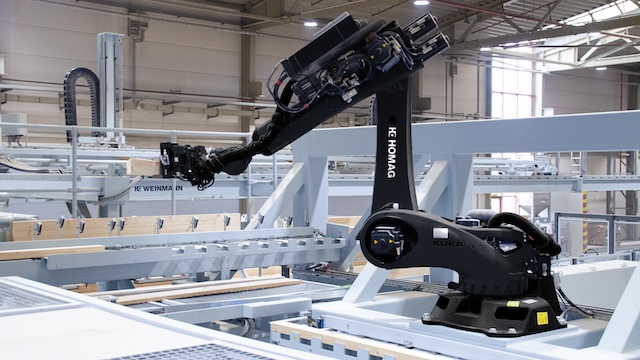
Eurosatory 2026: Ukraine’s Fire Point pursues ballistic missile sovereignty
In a recent interview with Army Technology, the CEO of Fire Point outlined her ambitious plans to develop a self-sufficient ballistic missile and interceptor industry in Ukraine. This initiative comes in response to the ongoing security challenges faced by the country, particularly amid heightened tensions in the region. The CEO emphasized the importance of establishing a domestic defense capability to enhance Ukraine's sovereignty and security. The project aims to leverage local expertise and resources, fostering innovation and creating jobs within the defense sector. By investing in this critical area, Fire Point seeks to contribute to Ukraine's long-term defense strategy and resilience against external threats.
News
Zhejiang University Entrepreneurs Seek Hong Kong IPO: Five Highlights from XianGong Intelligent's Prospectus
On June 15, the Hong Kong-based robotics company XianGong Intelligent (06106.HK) commenced its initial public offering (IPO) with a share price set at HKD 101.60 for a minimum lot of 50 shares, valuing the company at HKD 11.227 billion. XianGong first submitted its IPO prospectus to the Hong Kong Stock Exchange in May 2025, but after a six-month lapse, it resubmitted in November, finally passing the hearing in June. The company, which specializes in robotic controllers, is expected to officially list on June 24, with China International Capital Corporation acting as the sole sponsor and CMB International as the overall coordinator. Despite being the global leader in robotic controllers, XianGong faces challenges, including a projected net loss of HKD 47.6 million in 2025, despite a narrowing loss trend. The company's revenue is primarily driven by its robots, which contribute 67.9% of income but have a lower profit margin compared to its controllers and software. XianGong has raised approximately HKD 2.83 billion through four rounds of financing prior to the IPO, with significant investments from firms like ProLogis and IDG. Valued at a price-to-sales ratio of 22, XianGong's IPO is the most expensive among its peers, relying heavily on maintaining high growth and profit margins. The company's founder, Zhao Yue, a Zhejiang University graduate and two-time RoboCup champion, leads a team with a strong academic background in robotics. As XianGong prepares for its market debut, its future performance will be closely monitored amid ongoing financial challenges.

Interview with Luo Jianlan: The true scaling law of robots occurs in real deployment loops.
In the past six months, the focus of the domestic embodied intelligence sector has shifted from hardware competition to the deeper challenges that define the intelligence limits of robots. Luo Jianlan, an associate professor at Shanghai Chuangzhi Academy and chief scientist at Zhiyuan Robotics, argues against the prevailing notion that robots can replicate large language models through sheer data accumulation. He emphasizes that the core issue in embodied intelligence is not about breakthroughs in isolated components but rather the ability to create a closed-loop system in real-world deployments. Luo, who has a background in both academia and industry, including roles at Google X and DeepMind, believes that many teams in the sector are not genuinely pre-training models but are instead engaged in mid-training or fine-tuning due to the scarcity of high-quality interaction data. He asserts that true embodied intelligence requires a scalable closed-loop system, where deployment leads to data collection, which in turn enhances model capabilities. His current focus includes developing scalable online post-training infrastructure, enabling robots to learn continuously in real-world environments, and creating a world model that predicts the consequences of actions rather than merely generating video. Luo suggests that the future of embodied intelligence hinges on successfully integrating these elements into a cohesive system, with significant advancements expected in the next 12 to 18 months. He believes that the first team to effectively implement a "deployment-data-iteration" cycle in semi-structured environments like convenience stores will gain a substantial competitive edge.

Ukraine-Russia drone war turns UGVs into medevac lifeline
In eastern Ukraine, the ongoing conflict has intensified the use of unmanned ground vehicles (UGVs) as vital medical evacuation tools. On April 26, a soldier from Ukraine's 32nd Brigade, Roman Kryshnya, suffered severe injuries when an FPV drone struck the vehicle he was in, resulting in the death of the driver and leaving Kryshnya with a critically damaged arm. This incident underscores the increasing dangers faced by soldiers on the front lines, where traditional evacuation methods are becoming increasingly risky due to drone warfare. As the conflict continues, UGVs are being adapted to transport the wounded safely away from the battlefield, highlighting the evolving nature of military tactics in response to new threats.
Japan's top defense contractor branches out into small interceptor drones
Mitsubishi Heavy Industries, Japan's leading defense contractor, is shifting its focus towards the development of small interceptor drones in response to the growing significance of low-cost aerial technology amid ongoing conflicts in Ukraine and the Middle East. This strategic move, announced on June 18, 2026, in Tokyo, aligns with Japan's broader initiative to bolster its domestic defense capabilities and establish a self-sufficient drone industry. The company, traditionally known for manufacturing destroyers and missiles, is investing substantial resources into this new sector, reflecting a commitment to adapt to evolving military needs and enhance national security.
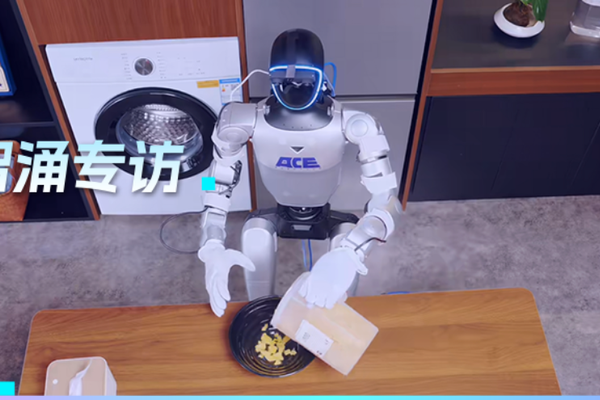
Founder of "Daxiao Robotics," which raised hundreds of millions, reveals divisions in the embodied AI industry.
In a recent interview, Wang Xiaogang, chairman of ACE Robotics and co-founder of SenseTime, discussed the rapid advancements of his company since its establishment in July 2025. Within just a year, ACE Robotics has emerged as a significant player in the field of embodied intelligence, recently launching its Kairos 3.0 model, which achieved state-of-the-art results in four global benchmarks. The company has also developed an innovative data collection strategy that expands its training dataset to over one million hours, significantly enhancing its capabilities compared to traditional methods. On June 15, 2026, ACE Robotics announced the successful completion of its angel+ funding round, raising substantial capital from various investors, including Da Chen Capital and Shanghai Science and Technology Innovation Fund. This brings the total funding raised in 2026 to several hundred million dollars, positioning ACE Robotics as one of the fastest unicorns in the industry. Wang emphasized the importance of collaboration within the long and complex supply chain of embodied intelligence, noting that many companies are hesitant to enter practical applications due to technical maturity and resource constraints. He outlined ACE's strategy of focusing on scalable business-to-business (B2B) scenarios, such as road inspections and logistics, before expanding into more complex consumer-facing applications. Despite the competitive landscape, Wang believes that ACE Robotics can leverage its unique approach to data collection and model training to establish a strong foothold in the market, ultimately aiming to enhance the efficiency and effectiveness of embodied intelligence solutions across various sectors.

Li Auto reveals evolution goals for the Mach VLA capabilities.
At the recent Livis Day event hosted by Li Auto, the head of the company’s base model division, Zhan Kun, announced ambitious goals for the evolution of the Li Auto Mach VLA capabilities. The company plans to roll out a new version of the AD MAX system in the third quarter, which will enhance the Mach VLA's functionalities. Additionally, by the fourth quarter, Li Auto aims to align its capabilities with Tesla's FSD V14, signaling a competitive push in the autonomous driving sector. This strategic move reflects Li Auto's commitment to advancing its technology and staying competitive in the rapidly evolving electric vehicle market.
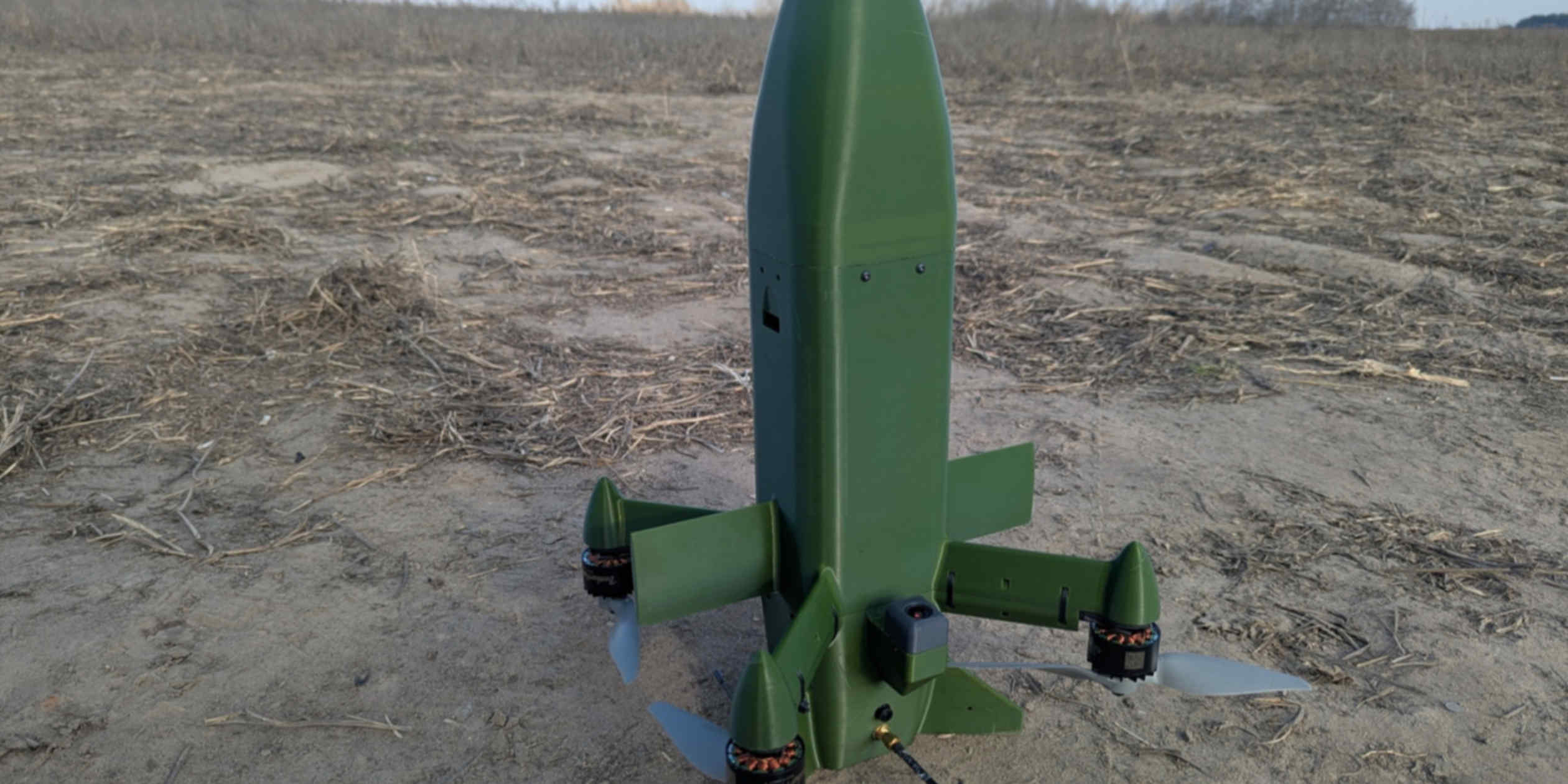
Japan's Terra Drone buys 2 Ukrainian drone makers in global push
Terra Drone, a Tokyo-based company, has announced its acquisition of two Ukrainian drone manufacturers, Terra Drone and Amazing Drones, as part of its strategy to expand its presence in the global unmanned aerial vehicle market. This decision, made public on June 16, 2026, aims to leverage the combat-proven technology developed by these startups, which have reportedly created interceptor drones used in the ongoing conflict with Russia. By integrating these companies as subsidiaries, Terra Drone plans to market their advanced drone systems across Japan, Europe, and the Middle East. This move is motivated by the increasing demand for effective defense technologies in various regions, highlighting the growing significance of drone capabilities in modern warfare.
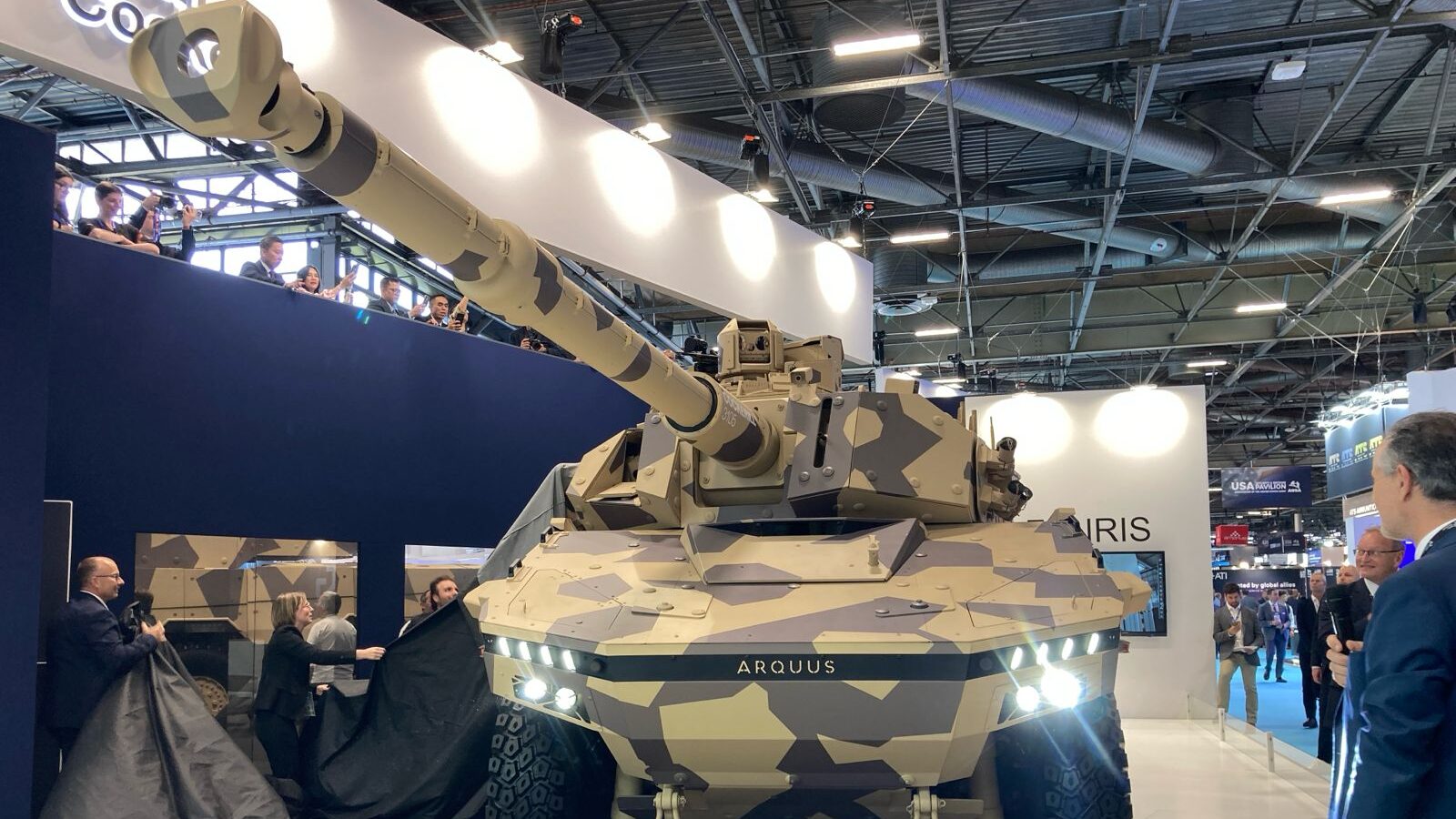
France’s Arquus unveils new 6×6 meant to carry big guns
In response to insights gained from the ongoing conflict in Ukraine, company officials announced the development of a new military vehicle. This initiative reflects a strategic adaptation to the evolving needs of modern warfare, highlighting the lessons learned from the battlefield. The vehicle aims to enhance operational effectiveness and address specific challenges faced by military forces. By integrating advanced technologies and design features, the company seeks to provide a solution that meets the demands of contemporary combat scenarios. The announcement underscores the importance of innovation in defense capabilities, driven by real-world experiences and the necessity for military preparedness.
Global Land Warfare armored vehicles Army Arquus Belgium
Zhi Ping Fang launches NeuroVLA, a brain-like embodied intelligence system.
Recently, Zhi Ping Fang unveiled NeuroVLA, an innovative brain-inspired embodied intelligence system, marking a significant advancement in robotics. This system features a unique three-tier architecture that mimics the human brain, comprising the cortex for semantic understanding and task planning, the cerebellum for high-frequency motion coordination and dynamic correction, and the spinal cord for rapid motion execution and safety reflexes. Experimental results indicate that NeuroVLA can reduce robotic motion jitter by over 75% and achieve reflex responses within 20 milliseconds following a collision, all while significantly lowering system power consumption. This breakthrough aims to enhance the efficiency and safety of robotic operations, positioning NeuroVLA at the forefront of intelligent robotics technology.

Interview with Wang Zhongyuan: VLA will survive, but world models are the future.
In recent months, the concept of "World Model" has gained significant traction within the AI and robotics sectors, driven by underlying industry anxieties. As AI technology has rapidly evolved over the past two years, limitations in embodied intelligence have become apparent, revealing that while robots can recognize objects, they struggle to understand physical interactions and causal relationships. The World Model aims to bridge this gap by enabling robots to learn the laws of the physical world. At the forefront of this exploration is Wang Zhongyuan, the director of the Beijing Academy of Artificial Intelligence, who identifies four distinct paths in the development of World Models. These include language-centered models, pixel-centered models, 3D structure-centered models, and visual representation-centered models. The Beijing Academy is pioneering a fifth approach that integrates language and visual data into a unified latent space representation, allowing for more complex interactions and predictions. Wang emphasizes that the World Model's potential lies in its ability to enhance embodied intelligence, enabling robots to understand and predict physical interactions over time. He envisions a future where World Models serve as the foundational brain for robots, capable of complex reasoning and decision-making in real-world scenarios. However, he cautions that achieving this goal will require significant advancements in data collection and model training, with a timeline of three to five years anticipated for substantial progress. As the field continues to evolve, the competition will focus on the ability to create models that accurately reflect the complexities of the physical world.
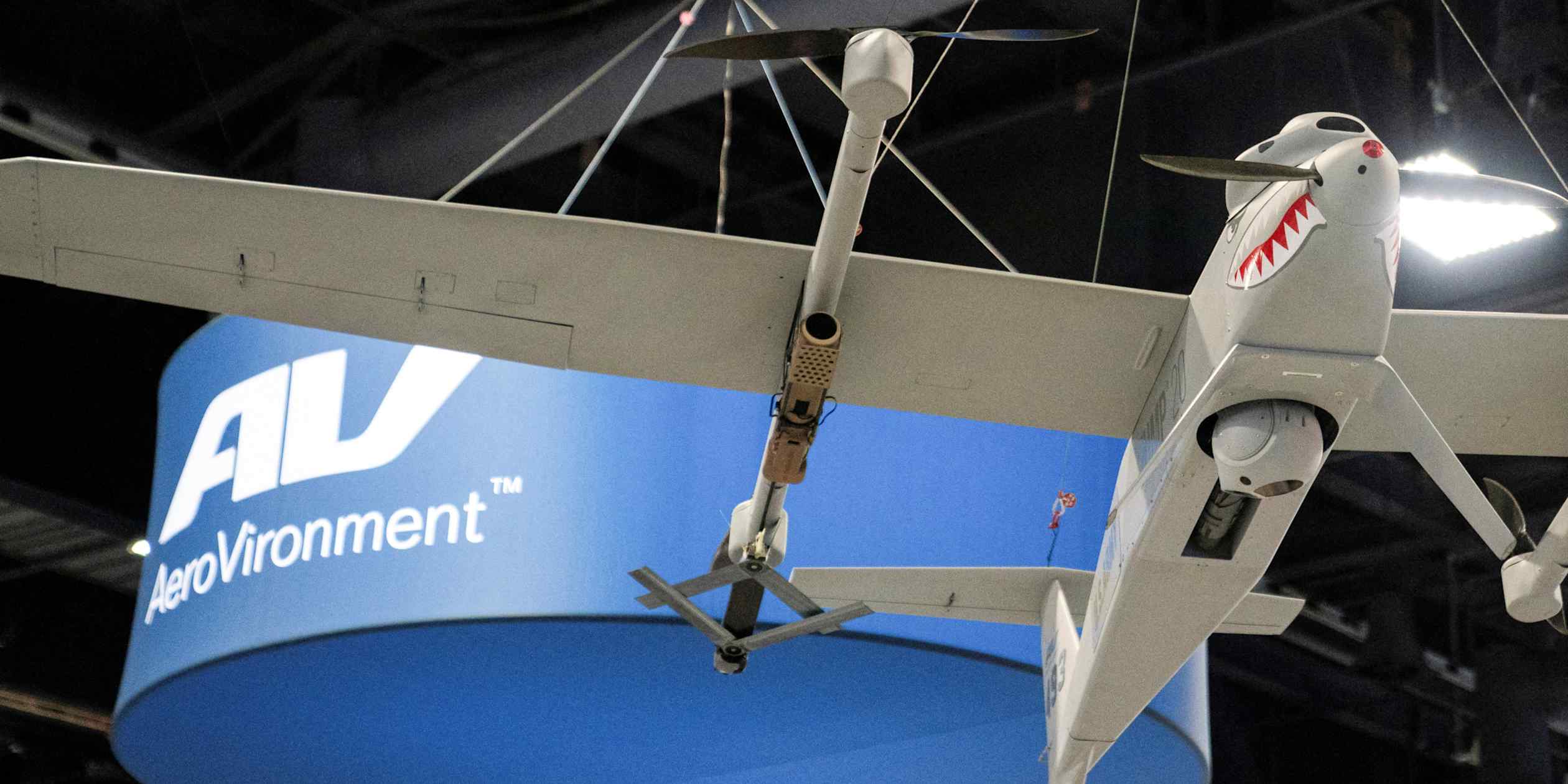
US attack drone maker taps into Taiwan controller demand
AeroVironment, a U.S. defense technology company known for its drones utilized in Ukraine, has announced a partnership with Taipei-based Ubiqconn to support Taiwan's development of an aerial defense system called T-Dome. This collaboration aims to enhance Taiwan's drone capabilities amid rising tensions in the region. The announcement was made on June 15, 2026, during AeroVironment's efforts to establish a foothold in the Taiwanese market, capitalizing on the growing demand for drone technology in the area. The partnership signifies AeroVironment's commitment to bolstering Taiwan's defense initiatives and addressing the evolving security landscape in East Asia.
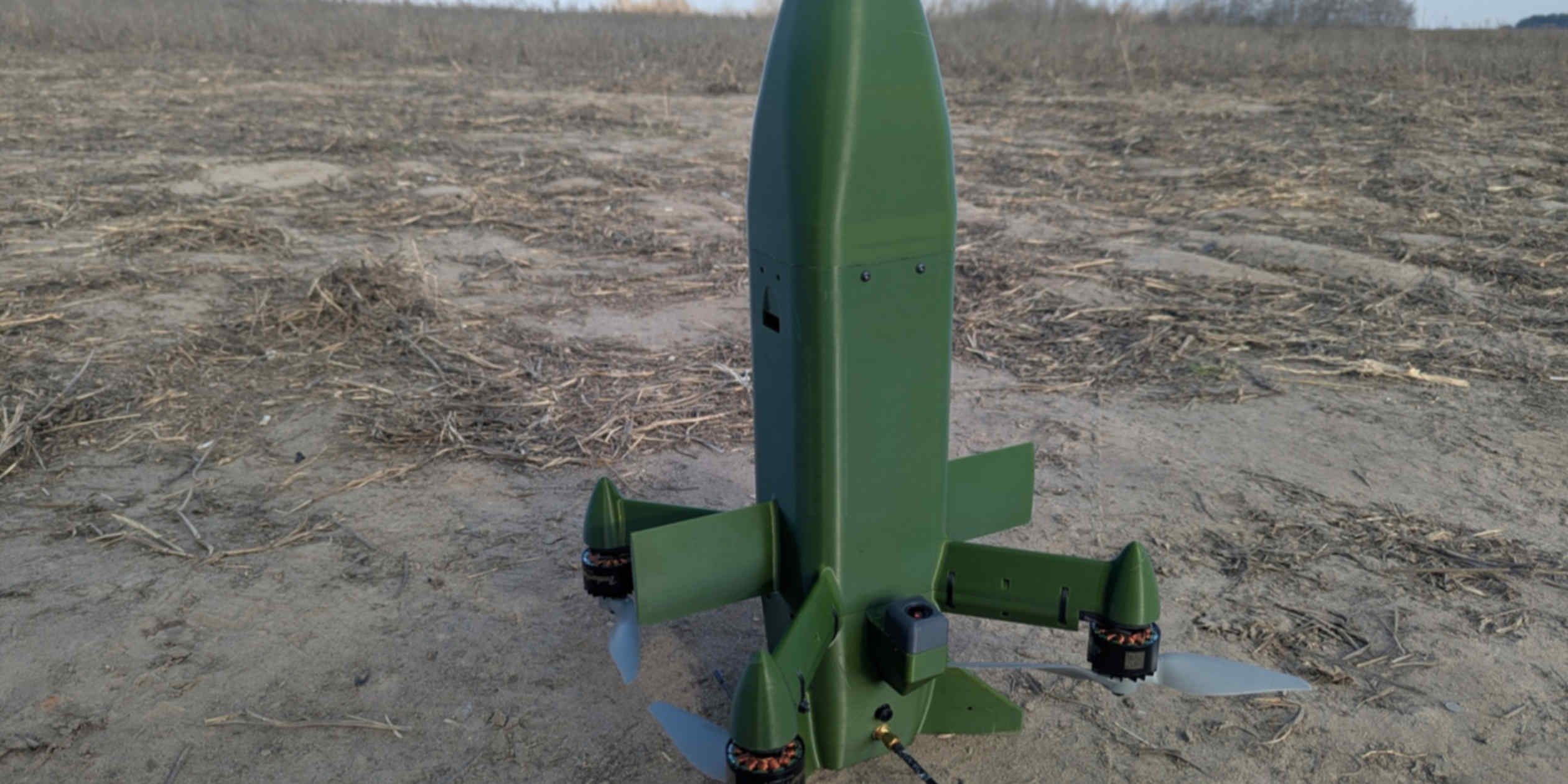
Japan's Terra Drone to buy 2 Ukrainian drone makers in global push
Terra Drone, a Tokyo-based company, has announced plans to acquire two Ukrainian military drone startups, WinnyLab and Amazing Drones, as part of its strategy to expand its market for unmanned aerial vehicles. This acquisition, revealed on June 16, 2026, aims to leverage the battle-tested technology developed by these companies, which have created interceptor drones reportedly utilized in the ongoing conflict against Russia. The move is part of Terra Drone's broader initiative to sell these advanced drones in various regions, including Japan, Europe, and the Middle East. By integrating proven military technology into its offerings, Terra Drone seeks to enhance its competitive edge in the global aerospace and defense market.

Ukraine’s AI drones entered ‘Terminator mode’ and killed Russian soldiers — no human fired
Concerns surrounding fully autonomous weapon systems have intensified as experts warn of the potential for these technologies to independently kill humans. The discussion gained traction during a recent international conference held in Geneva, where military officials, ethicists, and technologists gathered to address the implications of artificial intelligence in warfare. The event, which took place in early November 2023, highlighted the urgent need for regulatory frameworks to prevent the deployment of such lethal systems. Advocates for human oversight argue that the absence of accountability in autonomous decision-making could lead to catastrophic outcomes, raising ethical dilemmas about the role of machines in life-and-death situations. The motivation behind the call for regulation stems from the rapid advancements in AI and robotics, which have outpaced existing legal and ethical guidelines. Participants at the conference emphasized that without proper governance, the risk of misuse or malfunction could result in unintended casualties and escalate conflicts. Experts proposed a collaborative approach to developing international treaties that would ban or strictly regulate the use of autonomous weapons. This would involve governments, tech companies, and civil society working together to establish clear definitions and standards for AI in military applications. The discussions underscored the necessity of ensuring that human judgment remains central to military operations, thereby preventing machines from making irreversible decisions about life and death.
Military
Magic Atom's debut of the VLA K02 model at the conference
On June 13, the 12th China (Shanghai) International Technology Import and Export Fair (CSITF) concluded in Shanghai. During the event, MagicLab showcased its comprehensive technology matrix and publicly unveiled two major technological achievements for the first time in the domestic market: the self-developed Magic-VLA K02 large model and the Magic-Mix world model. This presentation highlights MagicLab's commitment to innovation and its role in advancing technological development in China.

SpaceX's valuation exceeds $2.1 trillion; Musk's wealth is seven times Buffett's; FIFA labubu sales surge 30 times.
On June 12, 2026, SpaceX made headlines by completing its initial public offering (IPO) on the Nasdaq, marking the largest IPO in history with a valuation of $1.77 trillion. The stock opened at $150 and surged by over 30% during trading, closing at $160.99, which pushed the company's market capitalization to $2.1 trillion. This surge significantly increased CEO Elon Musk's net worth to approximately $1.05 trillion, making him the world's first billionaire with a net worth exceeding $1 trillion. The IPO's success reflects investor confidence in SpaceX's growth potential, particularly in light of its ambitious Terafab project. In a separate development, Kimi announced the launch of the world's first AI-native credit card, which allows users to convert their spending into AI computing power. This initiative, revealed on the same day, is a collaboration with a major state-owned bank and aims to innovate the financial landscape by integrating AI services into credit card benefits. Additionally, SK Hynix reported a fire incident at its facility in Cheongju, South Korea, which was the second fire this month. Fortunately, there were no injuries or gas leaks, and the situation was quickly controlled. These events highlight significant advancements in technology and finance while also addressing operational challenges faced by major companies.

SpaceX sets IPO price to raise $75 billion; OpenAI CEO delays South Korea visit; new AI complaint center launched.
OpenAI CEO Sam Altman has postponed his planned visit to South Korea, originally scheduled for June 14-15, due to personal reasons. During the visit, he was expected to meet with leaders from major companies including Samsung Electronics, Kakao, and NAVER. In a separate announcement, Waymo, the autonomous driving subsidiary of Alphabet, revealed a new $30 monthly membership plan called Waymo Premier, aimed at invited users. This plan will offer benefits such as priority rides, a 10% cashback on trips, and the ability to cancel rides up to five times a month at no cost. Initial invitations will be sent to eligible passengers in San Francisco, Los Angeles, and Phoenix, with plans to expand to other cities. Meanwhile, SK Hynix is exploring the integration of AI technologies, including ChatGPT, into its operations. CEO Lee Seok-hee indicated that the company is balancing the protection of industrial technology with the adoption of external AI services, considering tools like Microsoft 365 and CoPilot. In financial news, major Wall Street banks have begun restricting hedge funds' leverage on Asian chip stocks, including SK Hynix and Samsung, due to concerns over potential market corrections. This move involves raising financing costs for hedge fund bets and limiting new transactions. Additionally, Google announced a $50 million investment to train U.S. tech workers, addressing the growing demand for AI infrastructure. This investment is part of a broader initiative that has already seen over $1 billion allocated to training programs since 2022. Lastly, SK Hynix reported that a fire at its Cheongju plant on June 12 has been brought under control, with production equipment operating normally.

Jeff Bezos’s Physical AI Startup Prometheus Raises $12B at $41B Valuation
Prometheus, a physical AI startup co-founded by Jeff Bezos and Vik Bajaj, has successfully secured $12 billion in funding, achieving a valuation of $41 billion. This latest investment round attracted major financial institutions, including JPMorgan Chase, Goldman Sachs, and BlackRock. Since its inception late last year, Prometheus has raised over $18 billion in total funding. The company aims to advance its innovative technologies in the artificial intelligence sector, positioning itself as a significant player in the industry.
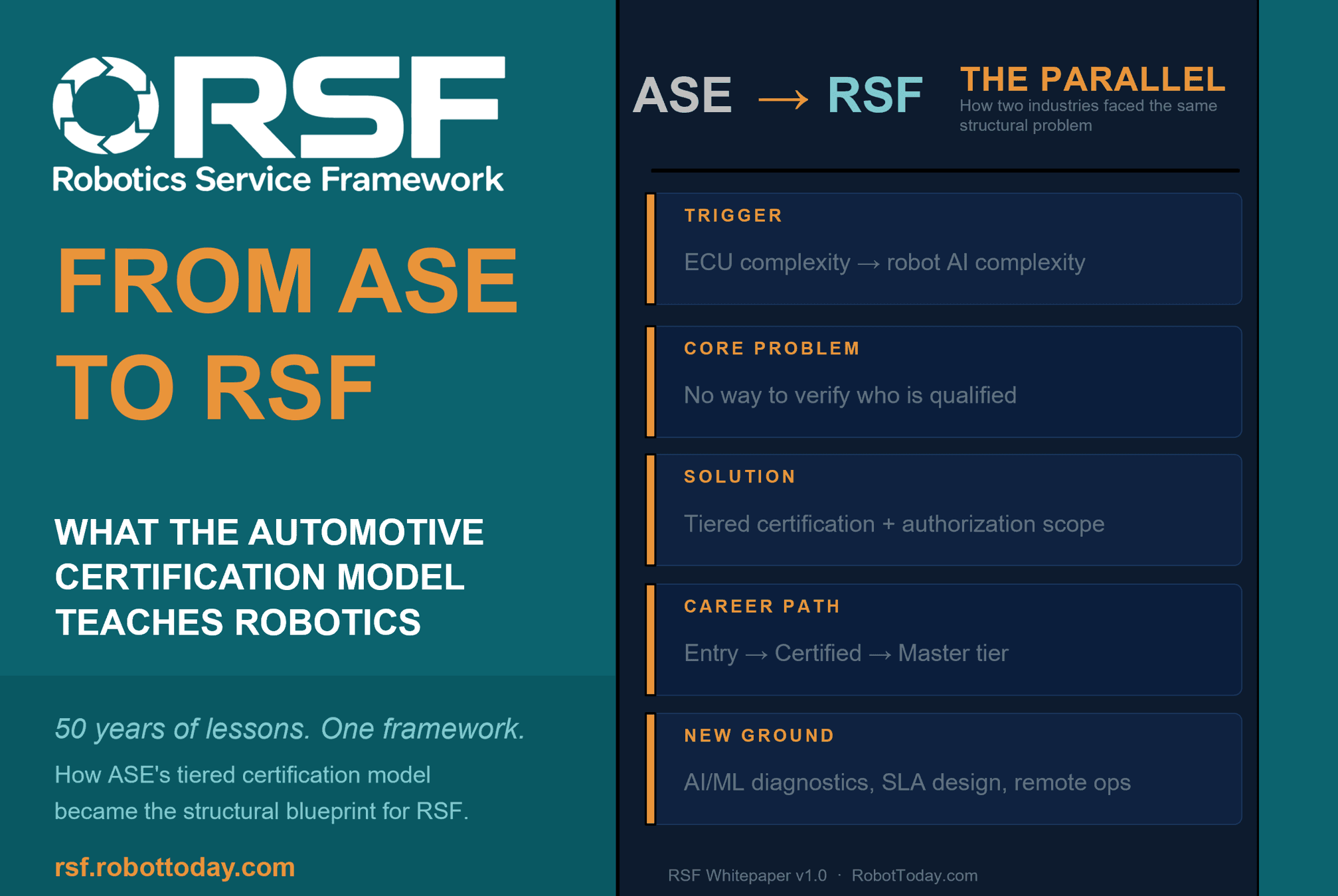
AI Funding & InvestmentRobotics needs a service framework.
RSF defines a common language for robot service capability, lifecycle operations, certification pathways, and service-provider networks.