

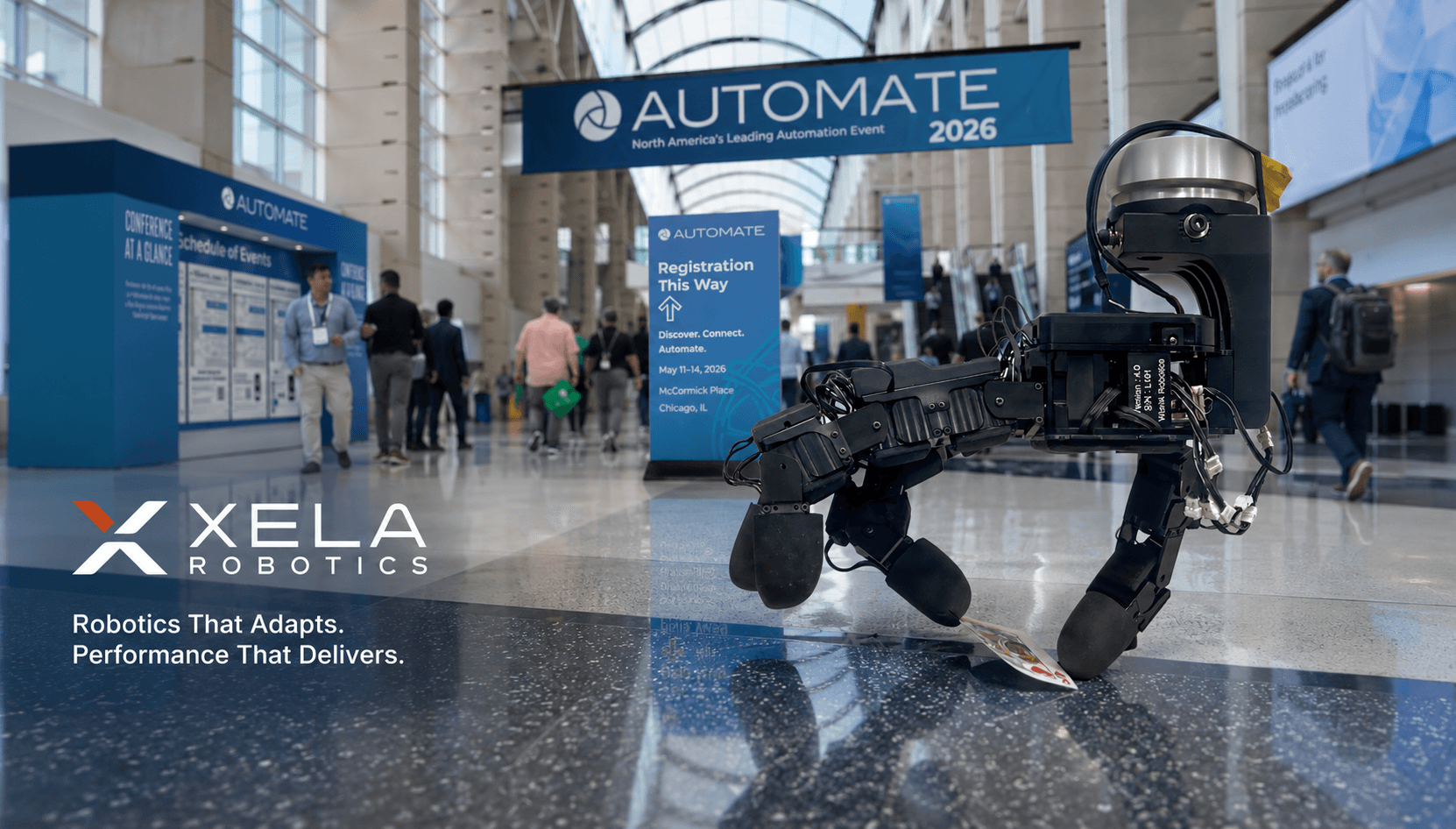
NEW YORK and TOKYO, June 26, 2026 – XELA Robotics (www.xelarobotics.com), the Tokyo-based tactile sensing specialist spun out of Waseda University in 2018, returned to Automate 2026 with its most significant product update since the company's founding. Exhibiting in the Humanoid Pavilion (Booth 1888), the company chose Chicago as the stage to present a platform-wide upgrade to its uSkin® sensor ecosystem — spanning new hardware form factors, expanded software intelligence, and deeper integration with leading robotic hand platforms.
Key uSkin Innovations on Display
The company’s hardware agnostic uSkin® tactile sensor family has been expanded with a range of new capabilities making them the most accurate and versatile on the market for robotic hands and grippers. Key enhancements to be shown include:
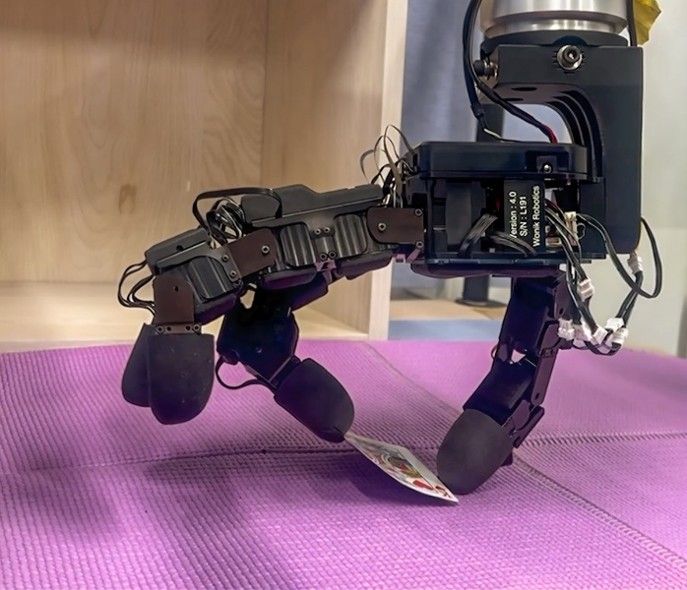
Robotic Fingertip with Nail: In an industry first, XELA Robotics has developed a robotic fingertip with a six-axis, force-sensitive nail, also including 30 tri-axial force sensing points distributed in the pulp. The robotic nail complements the tactile sensors in the fingertip to enable the dexterous grasping of extremely thin objects including thin cards and keys and the conducting of actions as complex as scraping tape off a surface.
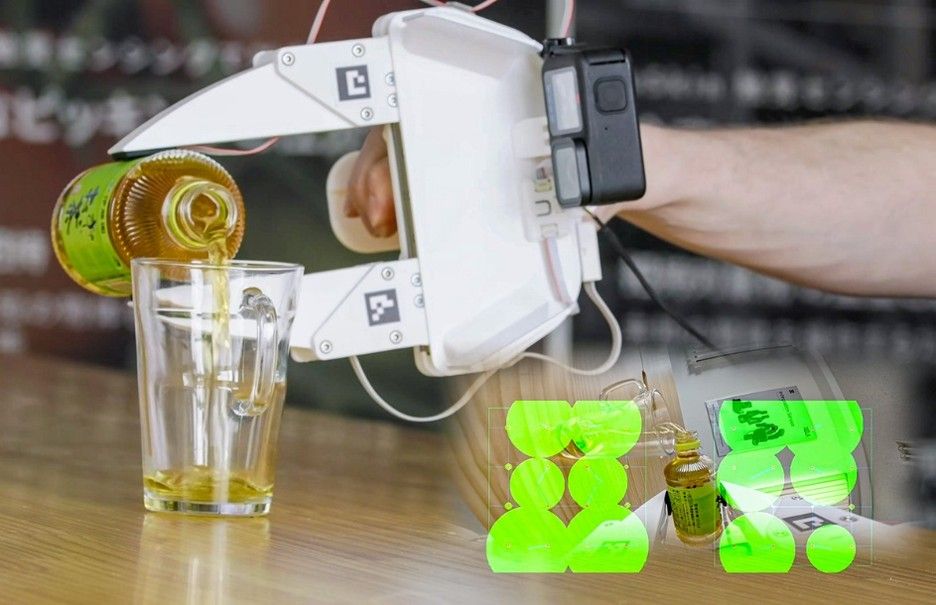
uSkin Integration in Universal Manipulation Interface: The open source Universal Manipulation Interface (UMI gripper) enables AI for human-robot skill transfer by providing data collection from viewing humans doing everyday tasks – such as picking up a bottle of water and pouring it into a glass – and then transferring that skill to robot grippers. uSkin provides the ability to add distributed force-vector measurements to the data collection.
Magnetic Interference Compensation: Shown for the first time at the Boston Robotics Summit & Expo last month, magnetic interference compensation removes even the most complex magnetic interference from nearby magnets or ferromagnetic materials – critical for the handling of iron and other metals in factories as well as for specialized parts including magnetic clips. It goes well beyond the prior add-on option which removed most magnetic interference other than for strong, small magnets nearly touching the sensors.
Enhanced Delicate Grasping Capability: uSkin tactile sensors now have a further improved capability to grasp and manipulate extremely fragile objects. This is a result of new software which includes machine vision to locate objects, provides better control of robot arms and an enhanced third-party graphic user interface all of which combine to enable the rapid and easy development of advanced robotic tasks. Visitors to XELA Robotics booth can participate in a cutting-edge pick-and-place demo involving a paper origami crane and a quail egg.
High Durability Models: XELA has updated the fingertip covers it provides. In the case of damage, they can be easily replaced without the need to swap out the sensors or fingertips themselves. The updated covers enable even higher resilience and high force sensing albeit with lower sensitivity.
Automatic Weight and Hardness Detection: Now, robots equipped with uSkin tactile sensors lifting objects can automatically determine their weight and hardness.
"Visitors to our stand will see robot hands from Tesollo and Allegro and grippers from Robotiq, i.e. the Hand-E and 2F, together with our innovative uSkin tactile sensors," said Dr. Alexander Schmitz, CEO, XELA Robotics. "Demos will show how easily our sensors can be integrated into various robot hands and grippers."
Dr. Schmitz will present an overview of the company’s tactile sensor technology on Automate 2026’s Innovation Stage on Thursday, June 25 at 11:15am.
To schedule a demonstration and appointment at Automate 2026, or for more information on XELA Robotics and its uSkin tactile sensor technology, contact [email protected].
About XELA Robotics
XELA Robotics originated as a spin-out from Waseda University, one of the top universities in Tokyo. With a team that boasts over 70 years of combined experience in the field of tactile sensing, the company is at the forefront of developing advanced tactile AI technologies.
*uSkin is a registered trademark of XELA Robotics. All other trade names are the property of their respective owners.
North America Media Contacts:
Feintuch Communications
Henry Feintuch / Doug Wright
1-914-548-6924 / 1-201-952-6033
Japan and Rest of World Media Contacts:
AIM B2B
Tomoko Matsumura










Leave a comment