

Industry Briefing
A single destination for timely, editor-curated robotics news from around the world.

Humanoid Robot Industry Growth: Profitability and Market Dynamics Explored
The humanoid robot industry is projected to experience significant growth, with global shipments reaching approximately 19,000 units in the first half of 2026, a nearly threefold increase year-on-year. Goldman Sachs has raised its 2035 market forecast from $38 billion to $138 billion, predicting sales of 6.48 million units, a 4.7-fold increase from previous estimates. However, a closer look at the financial reports reveals that the profits of leading companies in the sector are primarily derived from traditional industrial robotics and automotive components, with humanoid robot business contributions often below 5%. Despite the promising growth figures, the financial health of several leading firms in the humanoid robotics sector raises concerns. In the first half of 2026, these companies reported a combined net profit of approximately 900 million yuan, while their market capitalization stood at around 140 billion yuan, resulting in a median static price-to-earnings ratio of 90 times. The losses reported by these companies are not solely attributed to research and development but also include significant financial expenses, highlighting the challenges faced by firms heavily invested in the humanoid robotics space. As the industry approaches 2027, the risk of cash flow disruptions looms large, particularly for companies relying on high-leverage balance sheets. While China accounted for 97% of global humanoid robot shipments in August, translating to only 20,000 to 30,000 units annually, the actual profitability remains elusive. The current focus on showcasing capabilities rather than delivering cost-saving solutions for factories indicates a disconnect between market share and financial viability, emphasizing the need for a shift towards sustainable revenue generation in the humanoid robotics sector.
Humanoid Robots Industrial Automation Market Analysis Robotics Industry
Brain-Computer Interface Industry Faces Significant Challenges Despite Rapid Growth
The Brain-Computer Interface (BCI) industry is experiencing rapid advancements, highlighted by the recent 2026 Zhangjiang Pharmaceutical Valley Conference. Over the past year, significant milestones include the approval of the world's first invasive BCI medical device and the establishment of the first national BCI industrial cluster in Shanghai. However, the industry is transitioning from technology validation to a phase requiring regulatory frameworks and value verification, facing challenges in long-term safety and neural signal decoding. Despite the momentum, the BCI sector encounters substantial hurdles, including the evaluation of micro-nano electrode performance and the lack of authoritative databases for decoding algorithms. Regulatory bodies are responding by introducing the first industry standards for AI BCI medical devices. Data sharing remains a critical issue, with fragmented EEG data across hospitals and companies, complicating algorithm development. Initiatives like the Linshu data-sharing platform aim to address these challenges by facilitating data and algorithm integration. Commercialization poses additional difficulties, with lengthy processes for insurance and hospital approvals. While funding in the BCI sector has surged, disparities exist between leading companies and those in the second and third tiers. The industry faces a talent shortage, with estimates suggesting a gap of over 200,000 professionals by 2030. Educational institutions are beginning to address this, with new programs in BCI science and technology emerging in response to national strategic initiatives.
Brain-Computer Interfaces Medical Devices AI Data Sharing Talent Development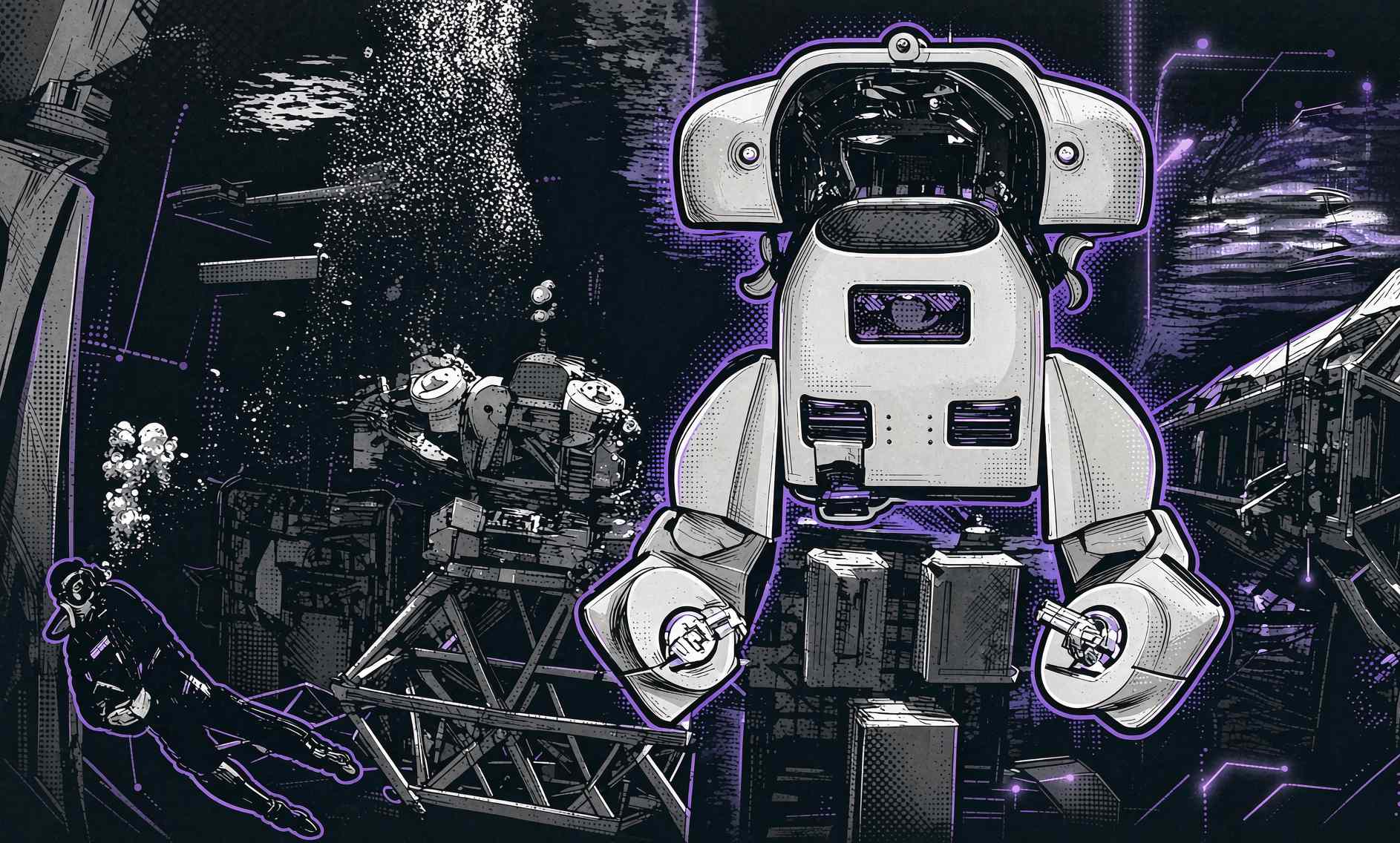
Recent Investment Surge in Deep-Sea Robotics Sector Highlights Industry Growth
The deep-sea robotics sector has recently seen a surge in investment, with Gongzhi Ocean announcing nearly 100 million yuan in angel funding from several investors including Zhongxin Zhidi and Lihe Financial. Founded in 2024, Gongzhi Ocean focuses on high-end underwater propulsion equipment and bionic underwater vehicles, with its core product, 'Hetu,' being the industry's first integrated underwater robot for detection operations. This influx of capital is significant as it reflects the ongoing demand for underwater operations driven by the rapid development of China's marine economy. The market for underwater robots is expected to grow from 3.5 billion yuan in 2022 to 5.16 billion yuan by 2024, with an annual growth rate exceeding 20%. The competition is shifting from merely selling equipment to providing comprehensive services that reduce operational costs in tasks such as hull cleaning and seabed exploration. Looking ahead, the focus will be on how these companies can translate laboratory technology into reliable, maintainable, and scalable operational capabilities in real marine environments. The successful application of these robots in practical scenarios will be more telling than any financing news, as it will demonstrate their effectiveness in various underwater tasks.
Underwater Robotics Marine Technology Investment Trends Autonomous Systems
Tactile Sensing Technology Sees Significant Growth in Robotics Sector
Tactile sensing technology is gaining prominence in the robotics industry as humanoid robots transition from exhibition spaces to factory floors. Since 2026, funding in the tactile sensing sector has exceeded 7 billion yuan, with the penetration rate of tactile sensors in commercial humanoid dexterous hands rising from 20% to over 60% this year. This rapid growth is notable within the robotics components sector, highlighting a shift in robotic applications. While visual-language-action models have enhanced robots' environmental understanding and task planning, precision assembly and flexible grasping require tactile feedback for effective force control and slip detection. According to Qianjue Robotics founder Ma Daolin, tactile sensing is essential for high-precision industrial operations. The evolution of technology supports this need, as Qianjue Robotics' VTLA model integrates tactile modalities into traditional frameworks, enabling real-time perception of deformation, texture, and force distribution during contact. Their comprehensive tactile solution expands sensing from fingertips to palms, achieving a sensor density of 125 points per square centimeter and a force accuracy of 0.03 Newtons. As hardware costs decrease and data accumulation accelerates, tactile sensing is becoming a necessary capability in real-world operational scenarios.
Tactile Sensors Humanoid Robots Robotics Technology Industrial Automation
Embodied Intelligence Industry Sees Rapid Growth Amidst Uneven Funding Landscape
In the early hours of the morning in Nanshan, Shenzhen, an entrepreneur concluded a pitch presentation on embodied intelligence, highlighting its potential as a trillion-dollar sector. The first half of 2026 saw over 500 companies mention 'embodied intelligence' in their reports, with a staggering 322 financing events totaling 93.5 billion yuan, surpassing the entire funding of 2025. Despite the impressive funding figures, the reality is more complex. Only 23 of the 500 companies have elaborated on their strategies more than ten times, and only a handful reported corresponding revenues. The top 20 companies secured approximately 55% of the total funding, indicating a significant concentration of capital, while the remaining startups struggled to access sufficient resources. Looking ahead, the industry faces a challenge as the technology and business models for embodied intelligence remain fragmented. Investors are gravitating towards established companies with proven products and orders, making it increasingly difficult for mid-tier and smaller startups to secure substantial funding. No further timeline was disclosed at the time of publication.
Embodied Intelligence Investment Trends Startup Ecosystem Robotics
Yifei Technology Reports Strong Growth Amidst Shifts in the Robotics Industry
Yifei Technology has released its mid-term performance report for 2026, marking its first financial disclosure since its listing on the Hong Kong Stock Exchange on May 18. The company achieved a revenue of 186 million yuan, reflecting a 58% year-on-year increase, with overseas revenue soaring by 318.5% to 22.6 million yuan, accounting for 12.1% of total income. The significance of this growth lies in the evolving landscape of the robotics industry, where local companies are reclaiming market share from foreign brands in sectors such as automotive and electronics. As general-purpose robots become more mature and competitive, the focus has shifted from merely selling robots to integrating them into complex manufacturing environments, which presents unique challenges. Looking ahead, Yifei Technology is not only increasing its focus on core products like embodied intelligence and controllers but is also expanding into new areas such as vision systems and humanoid robots. The company’s strategic partnerships, such as with MiR in South Korea and Swarm Robotics in Saudi Arabia, highlight its commitment to enhancing local operations and adapting to specific industrial conditions.
Industrial Robots Global Expansion Automation Solutions Robotics Technology
China's Humanoid Robot Industry Set for Explosive Growth with Duopoly Dynamics
In 2026, China's humanoid robot industry is projected to experience explosive growth, with production expected to exceed 100,000 units, a fivefold increase from approximately 20,000 units in 2025. The competition is primarily between AgiBot and Unitree, which together are anticipated to capture nearly 80% of the market share. This surge in production capacity is driven by Unitree's plan to expand its annual output to 30,000 units in response to rising demand. However, the industry faces significant challenges, particularly in converting production into actual deployment. Currently, over 70% of Unitree's revenue comes from research and education sectors, with only 9% attributed to industrial applications, indicating that most robots are not yet utilized in real-world settings. As the industry evolves, the focus is shifting from merely producing robots to ensuring their practical application. The disparity between production numbers and actual market deployment highlights the need for a sustainable business model. The year 2026 is crucial for transitioning from technological exploration to large-scale development, as companies must find ways to effectively integrate their production capabilities into the market.
Humanoid Robots Robotics Industry Manufacturing AI Automation
Yuan Voice Technology Secures Over 100 Million RMB in Three Funding Rounds for Haptic Innovations
Yuan Voice Technology (Shenzhen) Co., Ltd. has announced the successful completion of three funding rounds, led by Hengxin Huaye, Shangfu Electric Technology, and Top Group, with total financing exceeding 100 million RMB. This rapid growth highlights the company's transition from technology validation to mass production and global market expansion within just over a year of establishment. The significance of this funding lies in the backing from prominent investment firms and industry players, which validates Yuan Voice Technology's capabilities in the haptic industry. Unlike many competitors still in the early stages of technology demonstration, the company has already launched its first multi-dimensional haptic standard product, securing mass production projects with leading domestic and international clients, resulting in sensor orders totaling hundreds of thousands within the year. Looking ahead, Yuan Voice Technology's strategic partnerships and the establishment of a vehicle-grade multi-dimensional haptic sensor production line with Shangfu Electric Technology are noteworthy. This collaboration aims to integrate automotive industry standards into the robotics sector, paving the way for large-scale applications of haptic technology. No further timeline was disclosed at the time of publication.
Haptic Technology Robotics Sensor Manufacturing Data Collection
L&T Projects Tripling Drone Revenue, Signaling Industrial Maturity in Global Market
Larsen & Toubro (L&T) anticipates that its drone division will triple its revenue over the next five years, reflecting a significant shift in the drone industry. This forecast indicates that large industrial manufacturers are increasingly dominating the drone market, moving away from the startup-centric model. The growing emphasis on domestic production, resilient supply chains, and long-term manufacturing capacity highlights a broader trend where manufacturing capabilities are becoming as crucial as technological advancements. L&T, as India's largest engineering and technology conglomerate, exemplifies this shift by integrating drones into its diverse portfolio rather than treating them as standalone products. As the drone industry matures, the focus is shifting from innovation alone to include manufacturing efficiency and reliability. This trend is particularly pronounced in defense markets, where procurement strategies prioritize trusted supply chains and domestic production. No further timeline was disclosed at the time of publication.
Drone Manufacturing Drone News Drone News Feeds Drones in the News Feature 1 News
Microsoft Competes with OpenAI and Anthropic Amidst AI Industry Growth
Microsoft is strategically positioning itself in the AI sector as it competes with OpenAI and Anthropic. The company recently reported impressive financial results, with $90 billion in revenue and a net income of $35.8 billion for the quarter, and $331.8 billion in revenue for the fiscal year ending June 30. CEO Satya Nadella emphasizes the importance of enterprises using multiple AI models to avoid dependency on any single provider, particularly in light of potential data leaks and vendor lock-in. This competitive stance is crucial as Microsoft aims to offer its own AI models and services, including AI security and agents, as alternatives to the offerings from OpenAI and Anthropic. Nadella's comments during a quarterly conference call highlighted the need for enterprises to maintain control over their AI strategies, advocating for a separation between AI models and the harnessing infrastructure. This approach is designed to empower companies to manage their AI resources more effectively. Looking ahead, Microsoft is poised to capitalize on the growing demand for diverse AI solutions while addressing the concerns of enterprise IT regarding data security and model reliability. No further timeline was disclosed at the time of publication.
AI Enterprise TC Microsoft
CAE Anticipates Business Growth from Canada's New GCAP Status in Fighter Program
CAE has expressed optimism regarding the potential business opportunities arising from Canada's recent designation as a participant in the Global Combat Air Programme (GCAP). This status may open doors for CAE to engage more actively in the sixth-generation fighter initiative, although official statements from Ottawa have been cautious about its involvement. The significance of Canada's GCAP status lies in its implications for the defense industry, particularly for companies like CAE that specialize in simulation and training solutions. As the sixth-generation fighter program evolves, CAE could leverage this opportunity to expand its market presence and contribute to the development of advanced military capabilities. Looking ahead, stakeholders will be monitoring any shifts in Ottawa's stance regarding its role in the sixth-gen fighter program. The potential for increased collaboration and investment in defense technologies could reshape the landscape for companies involved in this sector. No further timeline was disclosed at the time of publication.
Air Warfare Global Aerospace Air Force Business & Industry CAE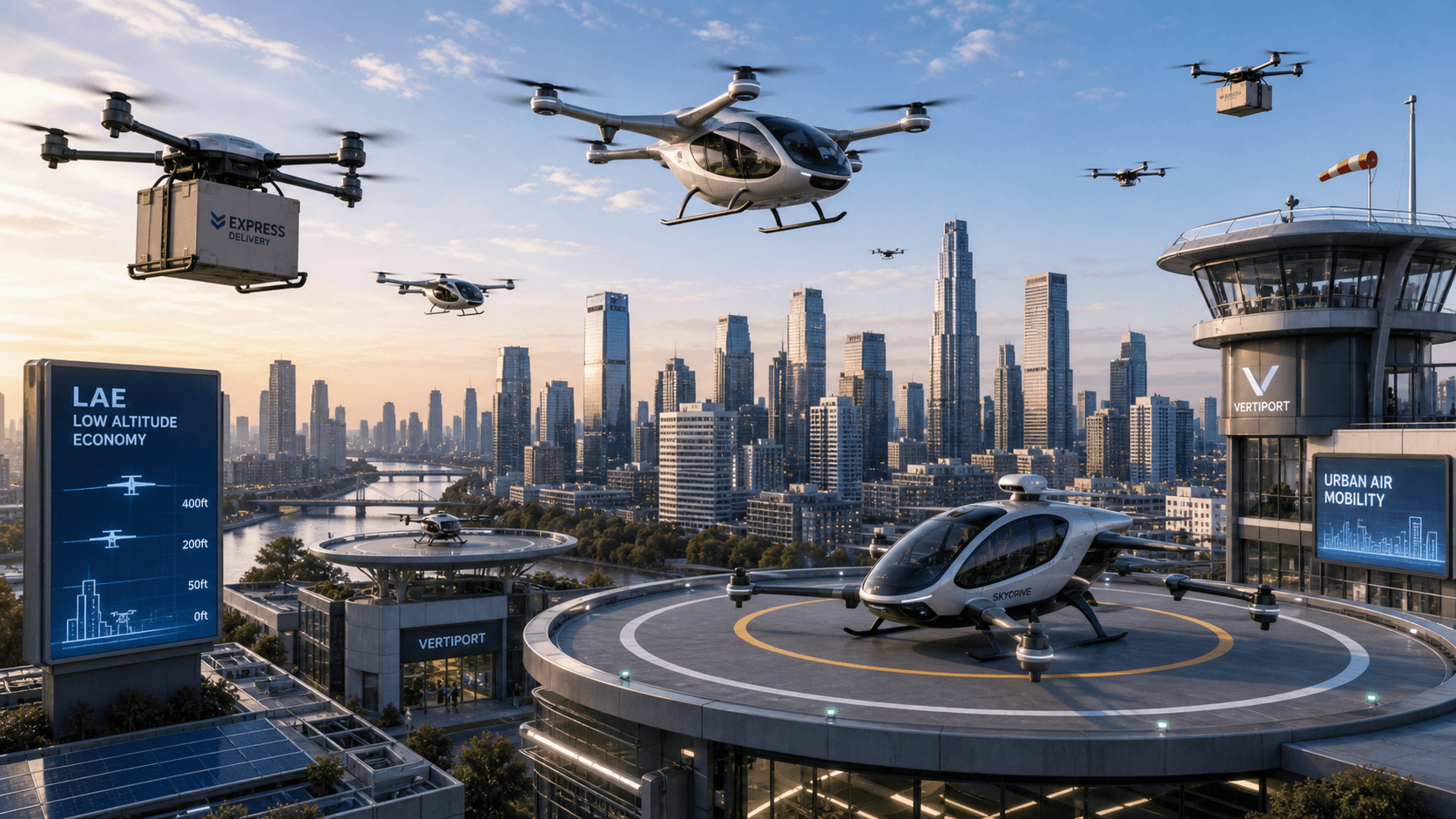
Low-Altitude Economy Experiences Rapid Growth with Logistics Drones and eVTOL Aircraft
The low-altitude economy is entering a significant growth phase as logistics drones, eVTOL aircraft, and airspace management systems converge. This convergence is marked by the commercialization of delivery drones and inspection robots, which are at the forefront of this emerging market. This development is crucial as it signifies an inflection point for the industry, highlighting the increasing demand for efficient logistics solutions and advanced airspace management. The integration of these technologies is expected to enhance operational capabilities and streamline delivery processes in various sectors. Looking ahead, stakeholders should monitor advancements in airspace management infrastructure and the deployment of logistics drones and eVTOL aircraft. No further timeline was disclosed at the time of publication.
Industry
Investors Focus on Emerging Robotics Innovators Amid Rapid Industry Growth
In the spring of 2025, Yushu Technology gained significant attention with its humanoid robot, 'Yang BOT,' igniting interest in the embodied intelligence sector. This industry is not just about Yushu but encompasses numerous potential innovators. According to IT Juzi data, funding in China's embodied intelligence sector surpassed 10 billion yuan in 2024, rising to 45.3 billion yuan in 2025, and reaching 93.5 billion yuan in the first half of 2026. Despite the surge in investment, the industry has yet to achieve stable profitability. For instance, UBTECH's revenue grew from 1.047 billion yuan in 2023 to 1.981 billion yuan in 2025, but it faced cumulative losses exceeding 3 billion yuan due to high R&D expenditures. Yushu Technology itself acknowledged that its humanoid robots are primarily used for research and education rather than as productivity tools. The path to real industrial applications remains challenging. As competition intensifies, many companies are shifting focus to consumer markets. UBTECH's 'U World U1' series, launched in June, aims to provide emotional companionship, with over 13,000 orders. However, consumer feedback highlights issues like poor battery life and weight. To transition from labs to households, the sector must overcome hurdles related to technology, cost, and user experience. With Yushu Technology's upcoming IPO and others like Zhiyuan and Qianxun also pursuing public offerings, the race for sustainable business models is accelerating.
Embodied Intelligence Robotics Startup Investment Commercialization IPO
Starmind's Satellite Technology Achieves 880 Billion Liters in Annual Water Savings
Starmind has announced that its satellite technology can save approximately 880 billion liters of cooling water annually at full scale. This figure is equivalent to the annual household water use of around 6.5 million Americans. The technology operates by utilizing a closed-loop liquid cooling system that eliminates the need for water during its operational life, contrasting sharply with traditional ground data centers that consume vast amounts of water for cooling. The significance of this achievement lies in the growing water consumption crisis faced by data centers, particularly as AI expansion drives demand. In 2025, U.S. data centers consumed nearly one trillion liters of water, highlighting the urgent need for sustainable solutions. Starmind's approach not only addresses direct water usage but also avoids indirect water consumption associated with electricity generation, marking a substantial shift in how computing can be conducted in a resource-efficient manner. Looking ahead, Starmind's deployment strategy includes a projected buildout of 100 GW of orbital compute per year, which could displace an additional 735 billion liters of ground water demand annually. The first tranche of 10,000 satellites is already operational, offsetting approximately 8.8 billion liters of water per year. No further timeline was disclosed at the time of publication.
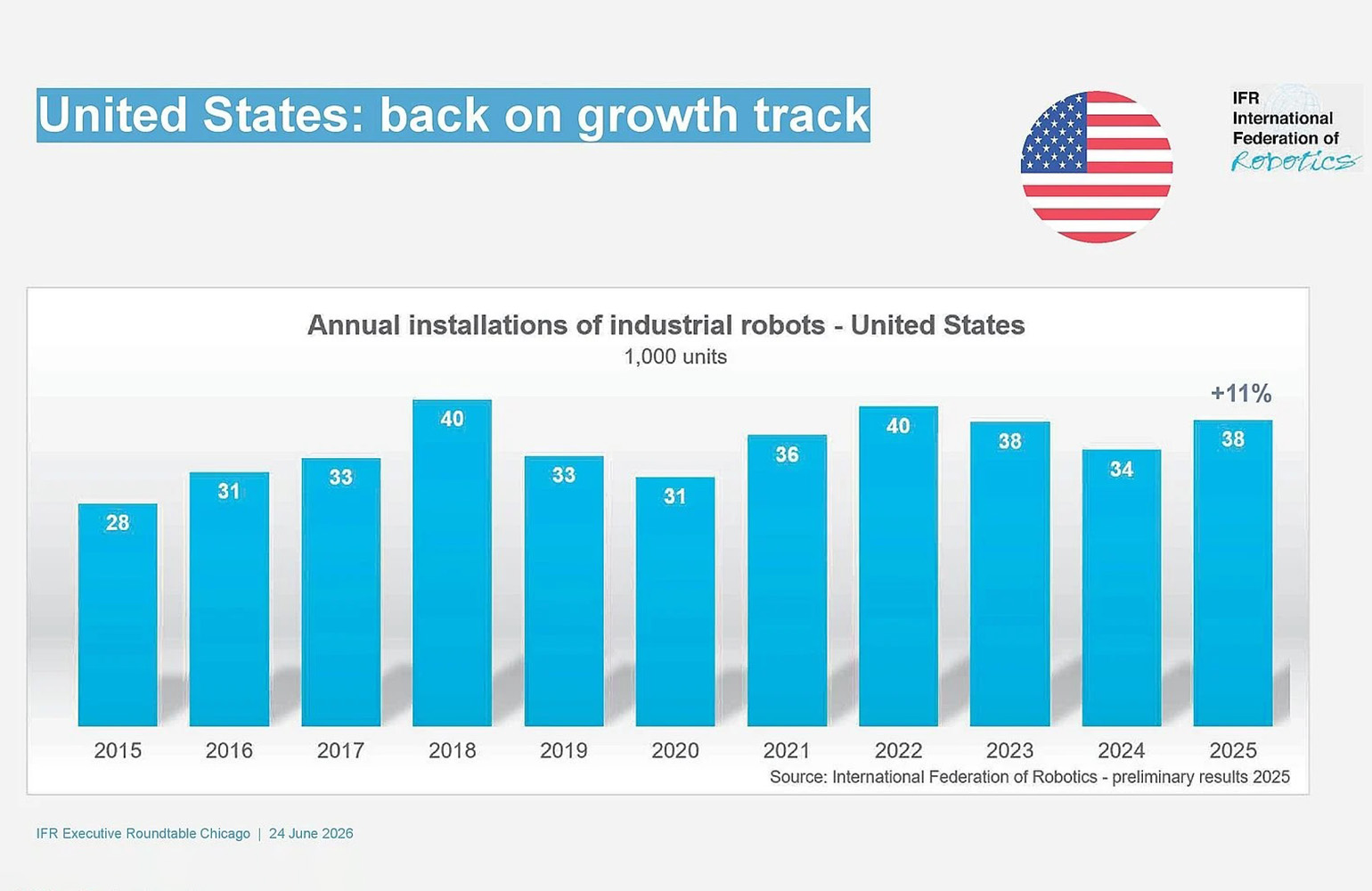
U.S. robotics industry saw double-digit growth in 2025, says IFR
The International Federation of Robotics (IFR) has reported that the U.S. robotics industry experienced significant recovery, marked by double-digit growth in 2025. This resurgence is attributed to strong performance in the food industry and other non-manufacturing sectors, which have played a crucial role in driving demand for robotics solutions. The findings highlight the increasing integration of automation technologies across various industries, underscoring a broader trend towards modernization and efficiency in the U.S. economy.
Automotive China Food / Beverage Industrial Robots Manufacturing Markets / Industries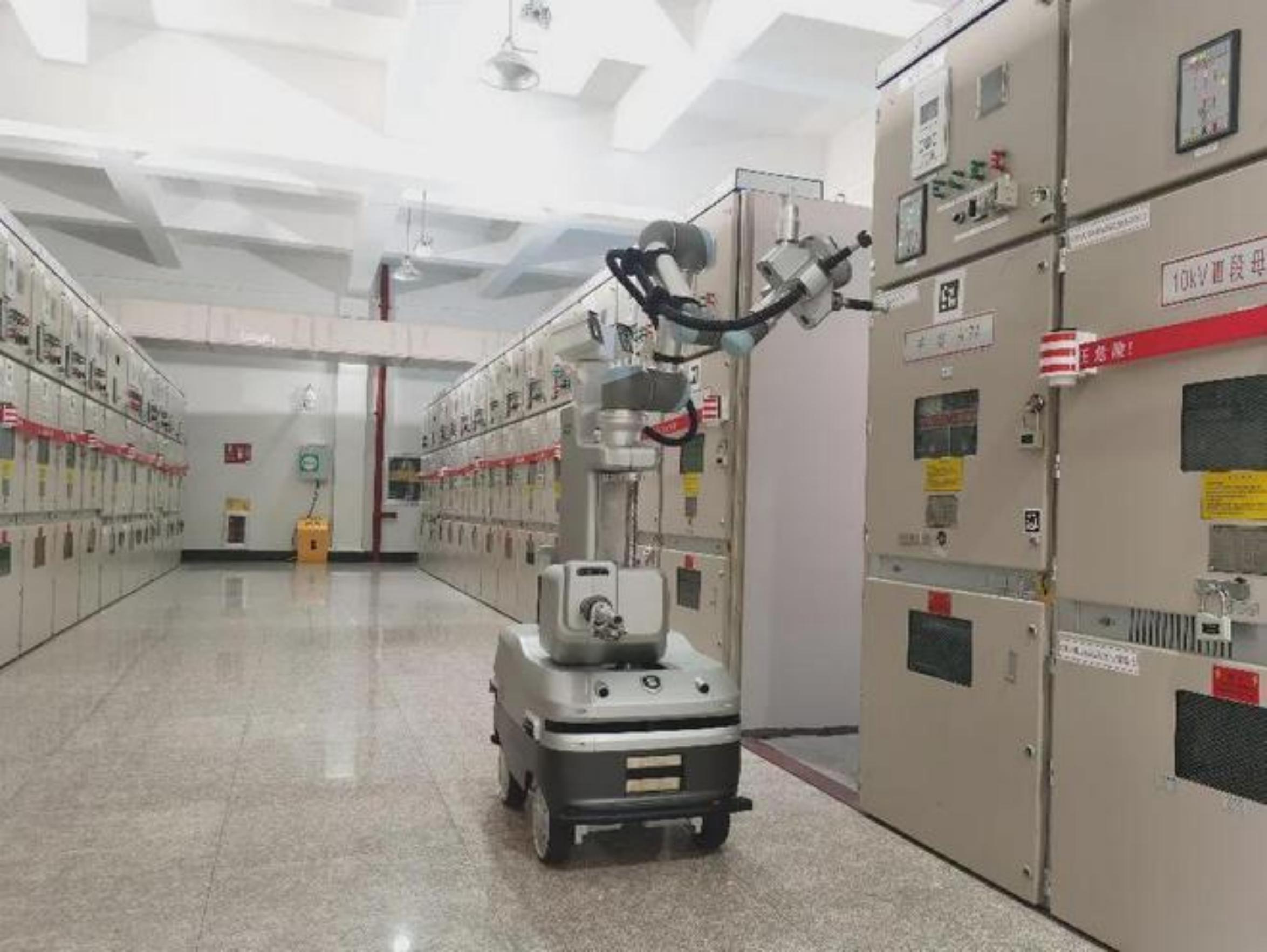
National Grid Launches Billion-Yuan Procurement, Embodied Intelligence Industry Sees Promising Growth Opportunities
The National Grid has unveiled a significant procurement plan aimed at acquiring 8,500 embodied intelligent devices, with an investment of 6.8 billion yuan. This initiative is designed to improve autonomous operations in various sectors, including power inspections, emergency responses, and logistics. The move is anticipated to have a substantial impact on the industry, with total investments expected to surpass 10 billion yuan by 2026. The strategic investment reflects the National Grid's commitment to advancing technology and enhancing operational efficiency in the energy sector.
Embodied Intelligence Power Robotics Autonomous Operations Industrial Automation
Crypto industry sees AI-driven agent economy as next growth driver
At Hong Kong’s Web3 Festival, officials are looking ahead to the potential integration of artificial intelligence agents into the evolving landscape of cryptocurrency and traditional finance. Scheduled to take place soon, the festival aims to explore how these AI agents, capable of perceiving their surroundings and making autonomous decisions, can leverage the unique advantages of cryptocurrency. The rapid growth and mainstream acceptance of digital currencies highlight the need for tools that can enhance the economic capabilities of AI. By facilitating instant cross-border transactions, cryptocurrency could play a crucial role in unlocking the full potential of these intelligent systems, paving the way for a new era of financial innovation.
Robotics needs a service framework.
RSF defines a common language for robot service capability, lifecycle operations, certification pathways, and service-provider networks.
Join the RobotToday community on LinkedIn
Daily robotics news, in-depth analysis, conference highlights, and discussions with professionals worldwide.







