Industry Briefing
A single destination for timely, editor-curated robotics news from around the world.

Highline Commerce Expands in Industry City, Utilizing Ultra Robotics for E-commerce Fulfillment
Highline Commerce, a third-party logistics provider, has expanded its operations to 60,000 square feet in Industry City, Brooklyn. This growth allows the company to fulfill up to 30 percent of its clients' orders using humanoid robots from Ultra Robotics, another tenant in the area. With e-commerce booming in New York City, Highline Commerce supports over 200 brands by providing essential distribution services. The significance of this expansion lies in the strategic positioning of Industry City as a hub for logistics and retail technology. New York has become a critical location for moving retail goods, with Amazon operating over 40 facilities in the region. Highline Commerce's growth reflects a shift in the narrative of New York as a manufacturing and fulfillment center, moving beyond its historical role as merely a sales market. Looking ahead, Highline Commerce's innovative use of humanoid robots in its fulfillment process marks a notable trend in the logistics sector. As the company continues to scale, it will be important to monitor how this integration of robotics influences efficiency and competitiveness in the rapidly evolving e-commerce landscape. No further timeline was disclosed at the time of publication.
Business Industry 3pl automation Brooklyn e-commerce
Starmind's Orbital Compute vs. Terrestrial Data Centers: Analyzing Resource Advantages
Starmind's orbital compute technology presents a significant advantage over traditional ground-based data centers by eliminating constraints related to land, water, and grid permitting. While terrestrial data centers are currently cheaper and faster to construct, with U.S. data center spending reaching $85.3 billion in 2026, Starmind's approach focuses on addressing the growing resource limitations faced by hyperscale facilities. The significance of Starmind's technology lies in its ability to sidestep the increasing challenges of land and water usage. For instance, a 100 MW data center can consume approximately 530,000 gallons of water daily for cooling, while Starmind's AI1 utilizes deployable liquid radiators that require no water. This structural advantage could resonate with investors as the demand for AI computing continues to escalate, potentially leading to annual water withdrawals of up to 1.7 trillion gallons by 2027. Looking ahead, Starmind's next milestones include the launch of AI1 prototypes scheduled for early 2027. However, the technology's claims regarding cooling efficiency and operational reliability remain unverified until real flight data is available. As the industry evolves, the competition between orbital and terrestrial solutions will become increasingly relevant, particularly in the context of resource management and sustainability.

Starmind's Satellite Technology Achieves 880 Billion Liters in Annual Water Savings
Starmind has announced that its satellite technology can save approximately 880 billion liters of cooling water annually at full scale. This figure is equivalent to the annual household water use of around 6.5 million Americans. The technology operates by utilizing a closed-loop liquid cooling system that eliminates the need for water during its operational life, contrasting sharply with traditional ground data centers that consume vast amounts of water for cooling. The significance of this achievement lies in the growing water consumption crisis faced by data centers, particularly as AI expansion drives demand. In 2025, U.S. data centers consumed nearly one trillion liters of water, highlighting the urgent need for sustainable solutions. Starmind's approach not only addresses direct water usage but also avoids indirect water consumption associated with electricity generation, marking a substantial shift in how computing can be conducted in a resource-efficient manner. Looking ahead, Starmind's deployment strategy includes a projected buildout of 100 GW of orbital compute per year, which could displace an additional 735 billion liters of ground water demand annually. The first tranche of 10,000 satellites is already operational, offsetting approximately 8.8 billion liters of water per year. No further timeline was disclosed at the time of publication.
The Real Scarcity in the Embodied Intelligence Industry: Cash Flow, Not Funding or Orders
In the rapidly evolving embodied intelligence sector, companies are facing a critical challenge in achieving sustainable cash flow despite securing substantial funding and reporting high order volumes. Recent analyses reveal that many firms are grappling with negative operational cash flow, underscoring the necessity for robust business models that prioritize long-term viability over simply acquiring orders. This situation highlights the importance of balancing growth with financial health, as organizations strive to navigate the complexities of the market and ensure their continued success. As the industry progresses, stakeholders are urged to focus on sustainable practices that can support enduring profitability and operational stability.
Embodied Intelligence Cash Flow Management Robotics Business Models
Haryana’s Drone City Project Kicks Off With Indian Drone Company AVPL’s 11.5-Acre Campus
AVPL International is set to inaugurate Phase 1 of its ₹80 crore Drone City project on May 16, 2026, in Village Sisai, Hansi, Haryana. This ambitious initiative, which represents an investment of approximately $8.3 million, aims to establish an integrated hub for drone manufacturing, skills development, and innovation in India. The project has garnered significant incentive support, highlighting the government's commitment to advancing the country's drone industry. The development is expected to bolster local employment and position India as a key player in the global drone market.
Drone Manufacturing Drone News Drone News Feeds India Drone Industry India Drone News News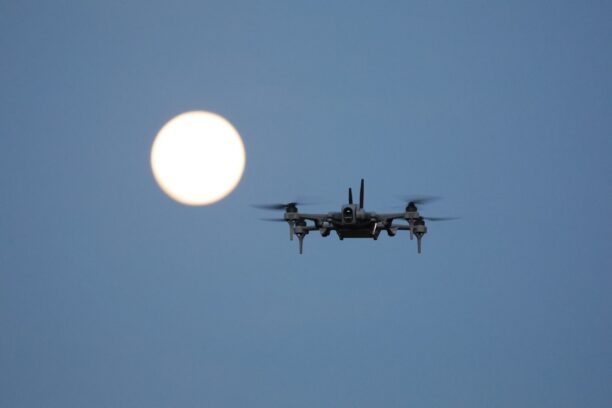
Industrial Policy and Wright’s Law: A New Perspective on Building the U.S. Drone Industry
At the AUVSI XPONENTIAL 2026 conference this week, Brendan Stewart, Senior Vice President of Regulatory and Government Affairs at Red Cat Holdings, presented a comprehensive analysis on the future of the U.S. drone industry. He emphasized that revitalizing this sector will necessitate a long-term industrial policy, increased manufacturing capacity, and a commitment to patience from stakeholders. Stewart's insights highlight the critical steps needed to ensure sustainable growth and competitiveness in the drone market, underscoring the importance of strategic planning and investment in technology and infrastructure.
Applications Blue UAS defense DL Exclusive Drone News Drone News Feeds
Ibaraki Prefecture Launches Consortium for Physical AI Industry with IBARAKI PHYSICAL AI SUMMIT 2026
Ibaraki Prefecture has established the 'Ibaraki Physical AI Industry Creation Consortium' to promote business development and utilization of physical AI by local companies. The kickoff event, 'IBARAKI PHYSICAL AI SUMMIT 2026', is scheduled for July 28, 2026, at the Mito Plaza Hotel in Mito City, Ibaraki Prefecture. This initiative is significant as physical AI, which integrates AI into physical devices like robots and autonomous vehicles, is expected to see substantial market growth globally. The consortium aims to create an environment that facilitates local companies in adopting physical AI technologies, aligning with current industry trends. The kickoff event will feature participation from related companies such as Hitachi and Unitree Robotics, along with robot demonstrations. A seminar discussing the evolution of RoboCup in the context of humanoid robots and physical AI will also take place, highlighting the challenges and advancements in the field as it prepares for the RoboCup 2026 World Championship in South Korea.
Nikkei Analysis Reveals Fake Storage in 50% of Inexpensive USB Drives from China
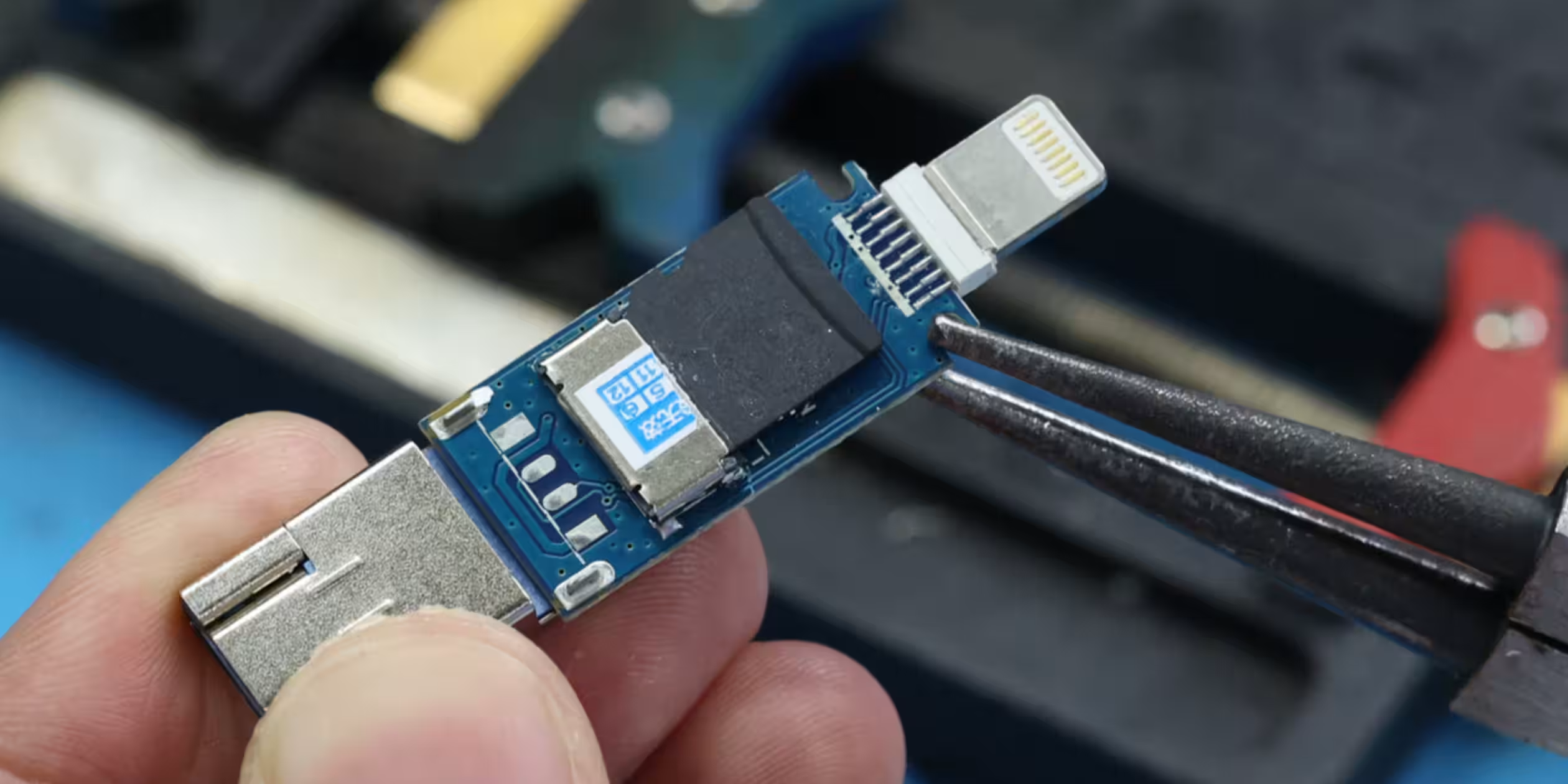
A recent investigation by Nikkei uncovered that 50% of low-cost USB flash drives purchased from e-commerce platforms contained less storage capacity than advertised. These devices, primarily manufactured in China, were found to utilize microSD cards instead of dedicated memory chips, raising concerns about data integrity and consumer trust in budget electronics. The examination took place in Tokyo and was published on July 10, 2026. This finding is significant as it highlights a growing issue in the electronics market, where consumers are increasingly vulnerable to misleading product claims. The prevalence of counterfeit storage capacities can lead to data loss and security risks, particularly in sensitive applications. With a reported 20% complaint rate regarding fake storage on platforms like Amazon, this trend poses a challenge for both consumers and regulatory bodies aiming to ensure product reliability. Looking ahead, stakeholders in the electronics industry should monitor the response from regulatory authorities and e-commerce platforms regarding these findings. No further timeline was disclosed at the time of publication, but potential measures could include stricter quality controls and enhanced consumer awareness campaigns to combat fraudulent products in the market.
"Embodied Intelligence Industry Ecosystem Research" Opening: The "Body" and "Brain" of Shenzhen Robot Valley
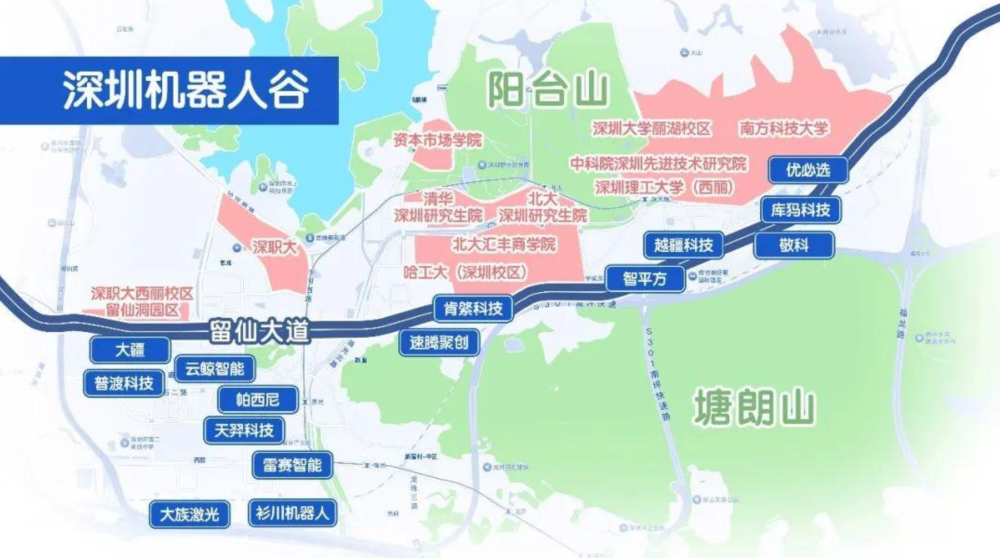
Shenzhen's burgeoning robotics sector is set to gain further insights with the launch of the "Embodied Intelligence Industry Ecosystem Research" initiative. This new research aims to explore the intricate relationship between physical robotics and artificial intelligence, often referred to as the "body" and "brain" of the industry. The initiative was officially unveiled on October 15, 2023, in Shenzhen, a city recognized as a global hub for technological innovation and robotics development. The research is motivated by the increasing demand for advanced robotics solutions across various sectors, including manufacturing, healthcare, and logistics. By examining the interplay between embodied intelligence—where robots possess both physical form and cognitive capabilities—the initiative seeks to enhance the understanding of how these technologies can be optimized for real-world applications. Collaboration among local universities, tech companies, and research institutions will be a key component of the initiative, facilitating knowledge sharing and innovation. Through workshops, seminars, and collaborative projects, stakeholders will work together to address the challenges and opportunities within the robotics ecosystem. As Shenzhen continues to position itself at the forefront of robotics and artificial intelligence, this research initiative represents a significant step towards fostering a more integrated and advanced robotics industry, ultimately aiming to improve efficiency and effectiveness across various applications.
Robotics Automation AI
Why Inzai City, Chiba Became a "Data Center Hub": A Miscalculation That Attracted Google and Microsoft 50 Years Ago
Inzai City, located approximately 40 kilometers northeast of central Tokyo in Chiba Prefecture, has emerged as a significant hub for major global IT companies. Originally developed as "Chiba New Town," this suburban area is now regarded as a "holy land" for the tech industry, attracting attention and investment from leading firms seeking to establish a presence in Japan. The transformation of Inzai reflects broader trends in the tech sector, where proximity to urban centers and access to infrastructure are increasingly valued.

Successful Conclusion of the 2026 Shougang Winter Olympics Robot Industry Conference
The 2026 Shougang Winter Olympics Robot Industry Conference, held recently in Beijing, brought together industry leaders, research institutions, and media representatives to explore the intersection of technology and industry under the theme 'Digital Shougang, New Journey.' The conference highlighted key projects in the robotics sector and facilitated discussions aimed at fostering collaboration in embodied intelligence. This event is seen as a pivotal moment in Beijing's ongoing efforts to establish itself as a center for artificial intelligence innovation, reflecting the city's commitment to integrating advanced technology into its industrial landscape.
Robotics Embodied Intelligence AI Innovation Industry Collaboration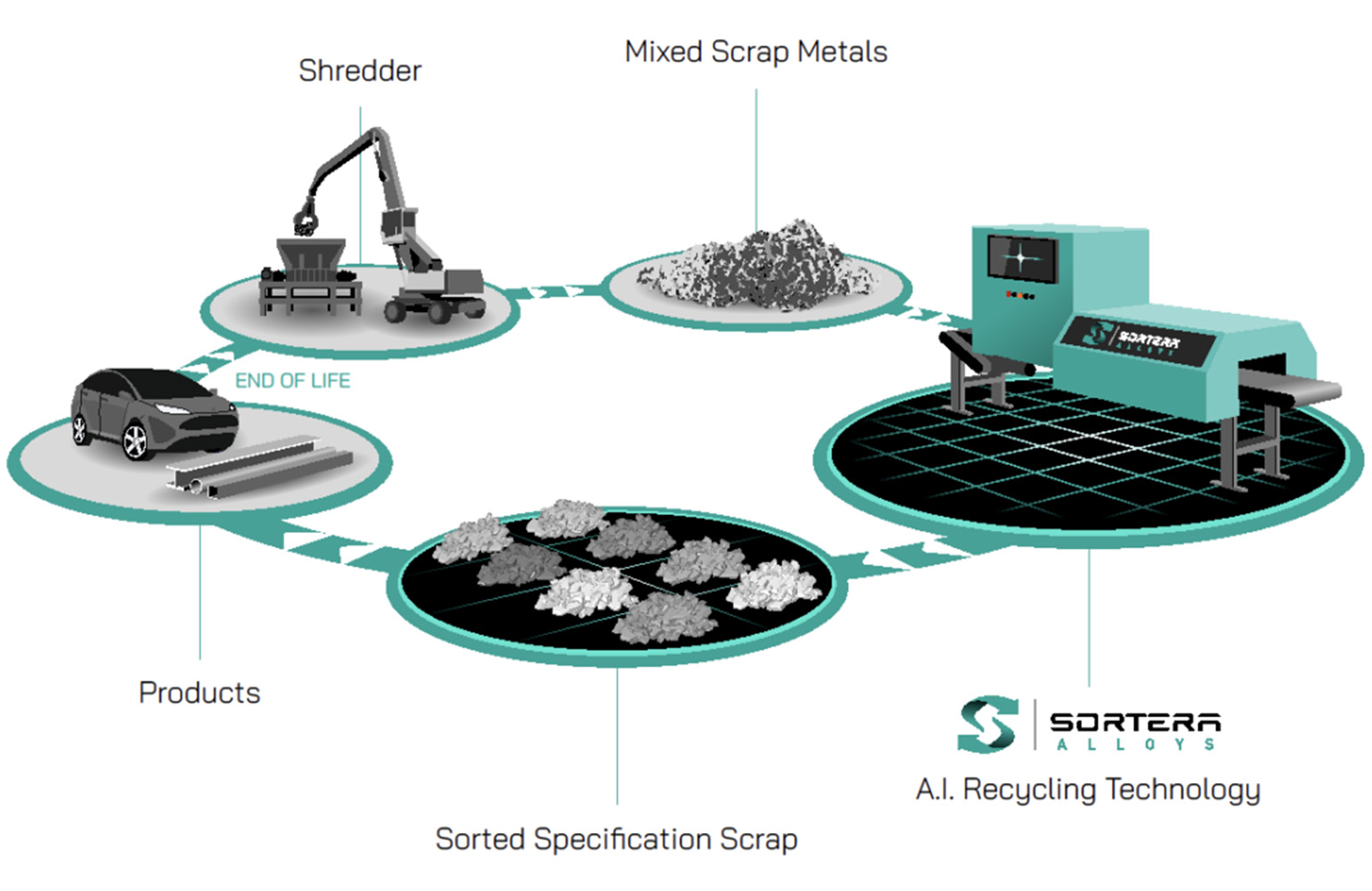
Sortera uses physical AI to double capacity in a Tennessee sorting facility
Sortera has significantly enhanced its operational capabilities by doubling the processing capacity at its Tennessee sorting facility, now estimated at 240 million pounds annually. This expansion, achieved through the implementation of physical AI technology, marks a pivotal development for the company as it seeks to improve efficiency and meet growing demand in the recycling industry. The upgrade not only positions Sortera as a leader in innovative sorting solutions but also reflects the increasing importance of advanced technologies in waste management.
Aerospace Artificial Intelligence Artificial Intelligence / Cognition Automotive Construction Design / Development
Tianxing Technology's $1.2 Billion Bet: Building 40,000 Units Ahead of Industry Boom
Tianjin Tianxing Technology has announced a significant investment of 1.2 billion yuan to transition from its traditional software services to a focus on embodied intelligence. This strategic shift includes the establishment of a production capacity for 40,000 units, reflecting the company's commitment to integrating hardware and software. The move is aimed at positioning the company to take advantage of anticipated growth in the industry, which is expected to accelerate by 2027.
Embodied Intelligence Robotics Manufacturing Automation
TSMC faces broad 3nm capacity shortage, fueling supply chain battle
TSMC's 3nm semiconductor manufacturing process has reached an unprecedented state of "overload," as demand surges across the semiconductor supply chain. This situation arises from intense competition among major industry players, including leading GPU and CPU designers and hyperscale cloud providers like Amazon and Microsoft, all vying to secure manufacturing capacity. The report from DigiTimes highlights the urgency of the situation, with nearly every significant entity in the tech sector racing to lock in production capabilities amid escalating demand for advanced chips. This scramble reflects the critical role that cutting-edge semiconductor technology plays in powering a wide range of applications, from artificial intelligence to cloud computing, underscoring the ongoing challenges within the industry as it seeks to meet the needs of a rapidly evolving market.
News Feed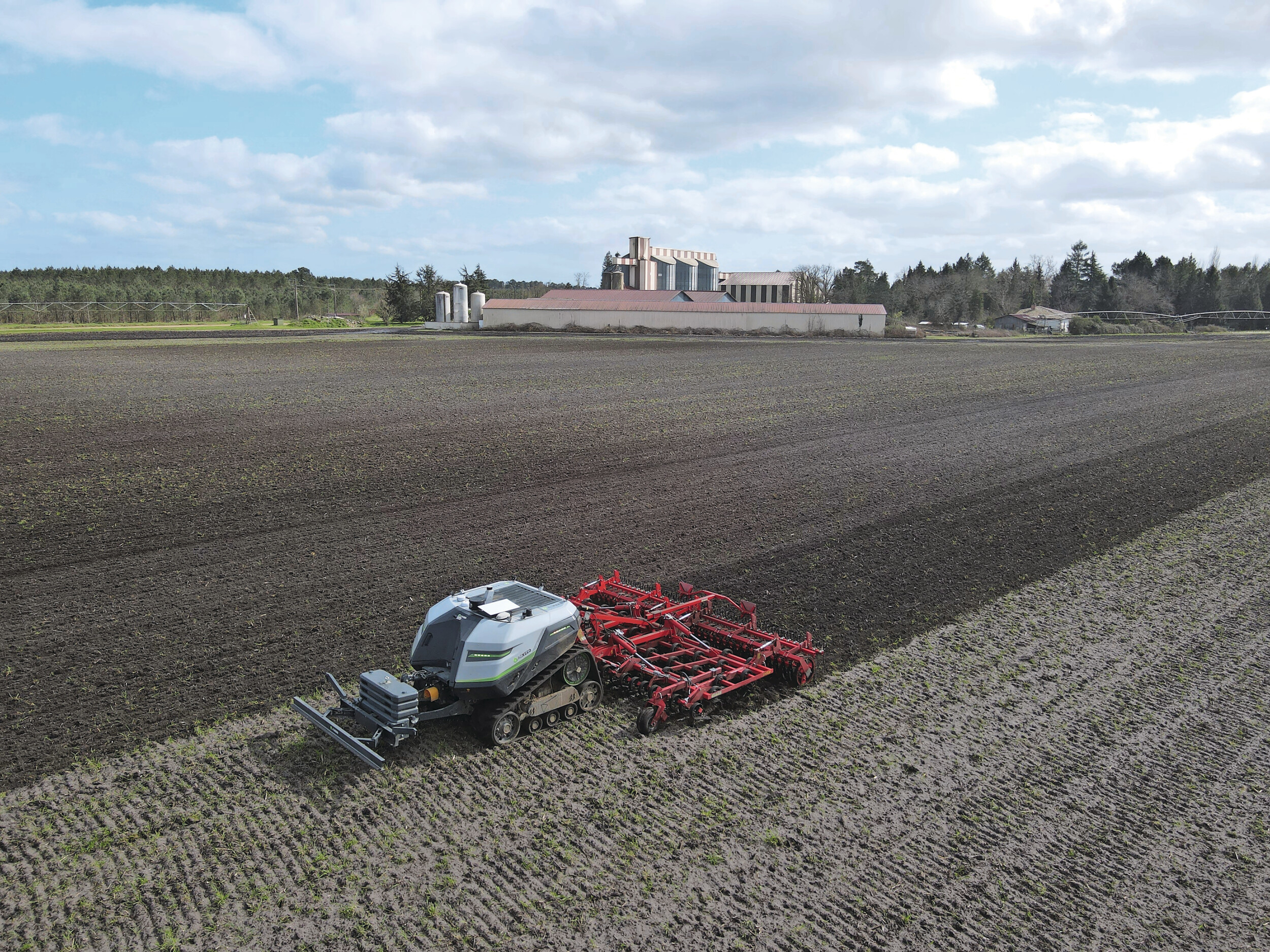
AgXeed Series 7: first field impression on 500 ha farm highlights power and capacity gains
AgXeed has launched its T2 Series 7 autonomous tractor, which boasts enhanced power, increased lift capacity, and extended working hours, all without a price increase. The new model was rigorously tested on a 500-hectare (1,235-acre) farm in southwest France, demonstrating its ability to perform effectively under real field conditions and manage heavier tillage operations. As the agricultural industry seeks innovative solutions, the focus now shifts from the tractor's capabilities to its operational efficiency and longevity in the field.
Field robots automation autonomous tractors farm management machinery precision farming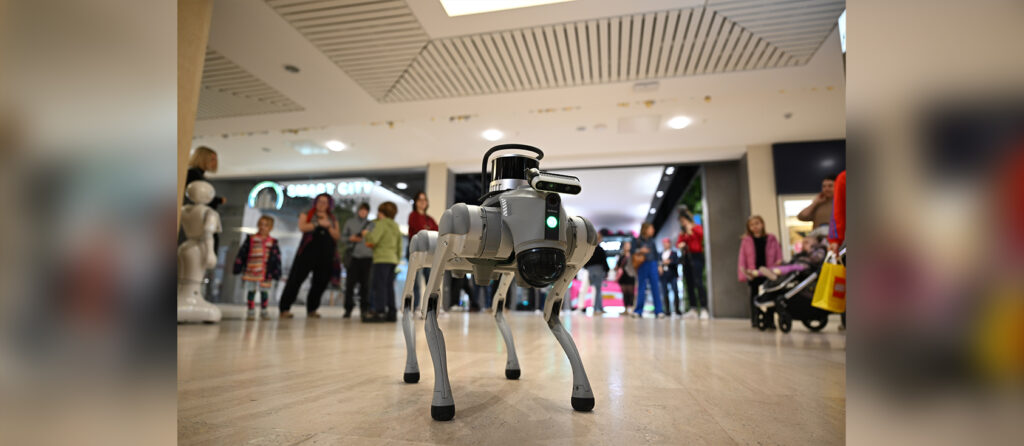
Robot Talk at the Smart City Robotics Competition
At the Smart City Robotics Competition held in Milton Keynes, Claire engaged in discussions with competitors, exhibitors, and attendees, highlighting the event's vibrant atmosphere and innovative spirit. This special episode was made possible through sponsorship from euRobotics, an international non-profit organization dedicated to enhancing robotics research, development, and innovation across Europe. The competition, which showcased cutting-edge technologies and solutions for urban challenges, served as a platform for collaboration and knowledge exchange among industry leaders and enthusiasts.

Dental City Wins Supply Chain Excellence Award for Best Use of Robotics with Locus Robotics
Dental City, a prominent distributor of dental supplies in the United States, has been awarded the title of Best Use of Robotics at a recent industry event. This recognition highlights the company's innovative approach to integrating robotic technology into its operations, aimed at enhancing efficiency and improving service delivery. The announcement was made today, underscoring Dental City's commitment to leveraging advanced technology in the dental supply sector. The award reflects the growing trend of automation in the industry, as companies seek to streamline processes and better meet customer needs.
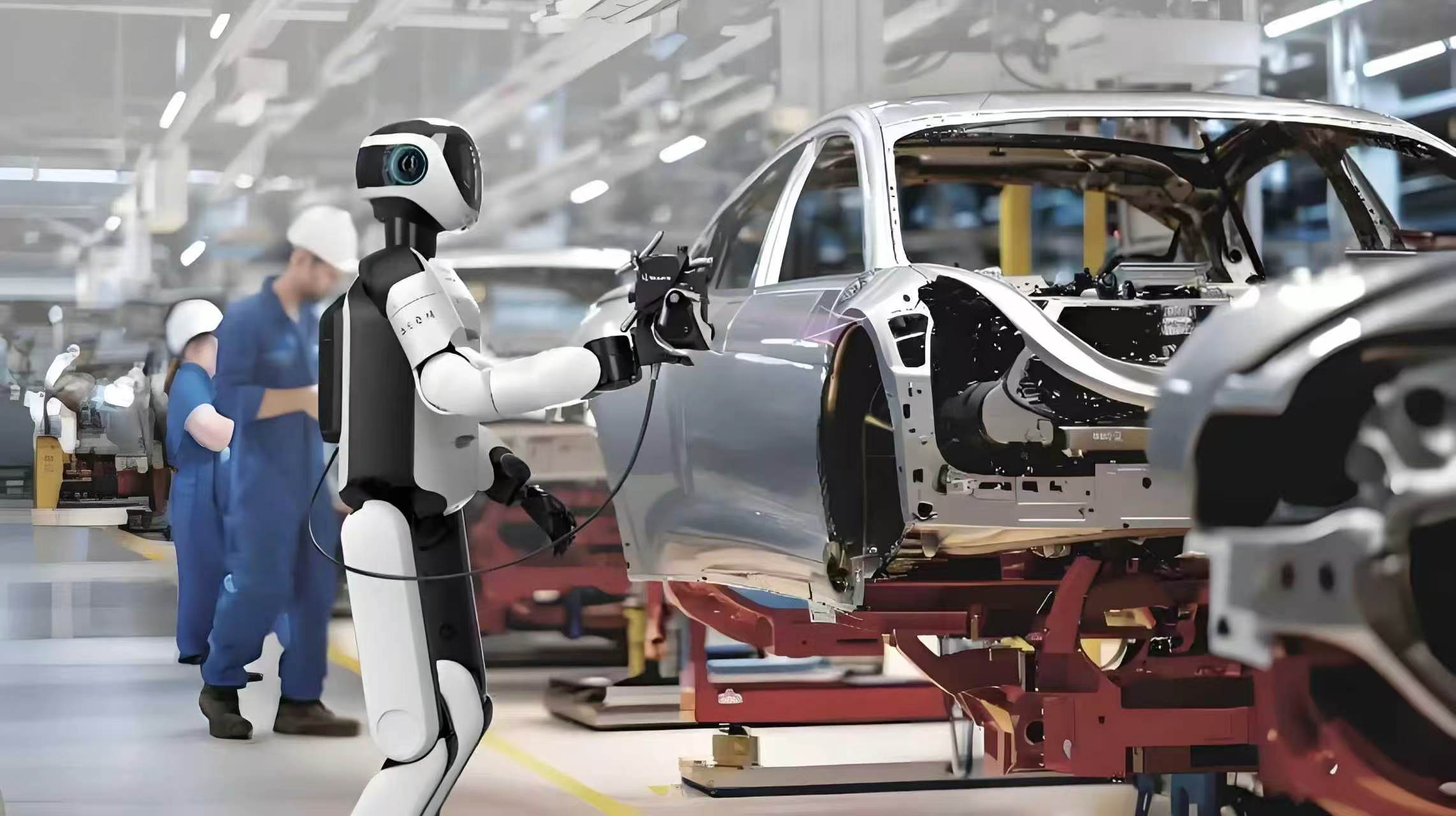
Micron: Humanoid Robots' Storage Capacity Surpasses L2+ Cars by Tenfold, Potentially Triggering a Super Cycle
Micron Technology has announced record revenues, underscoring the growing storage requirements of humanoid robots, which are anticipated to require ten times more storage than Level 2+ autonomous vehicles. This dramatic increase in demand is expected to initiate a long-term super cycle in memory demand, fundamentally altering the view of storage chips as essential components within artificial intelligence infrastructure. The company's insights reflect a broader trend in the tech industry, where advancements in robotics and AI are driving the need for enhanced data storage solutions.
Memory Chips AI Infrastructure Humanoid Robots Autonomous Vehicles Data Storage
Capacity is the new capability
In response to evolving global threats, industry leaders are emphasizing the critical need for increased production speed to enhance combat capabilities. This call to action comes as military and defense sectors face unprecedented challenges that require rapid adaptation and innovation. The urgency of this initiative was highlighted in discussions among key stakeholders, including government officials and defense contractors, who gathered at a recent conference focused on modernizing military strategies. The event, held in Washington D.C., underscored the importance of agility in production processes to maintain a competitive edge in defense technologies. By leveraging advanced manufacturing techniques and data-driven decision-making, industry players aim to streamline operations and respond more effectively to emerging threats. This strategic shift is seen as essential for ensuring national security and maintaining readiness in a rapidly changing geopolitical landscape.
Pentagon Sponsored Post Business & Industry countering drones cyber security Drones
China’s new welding robot cuts 70mm steel, boasts 30-ton capacity, 20-year life
China has successfully launched its first domestically developed AI-driven marine welding system at a smart manufacturing facility. This significant advancement in technology was unveiled recently, marking a milestone in the country's efforts to enhance its manufacturing capabilities. The introduction of this innovative system is aimed at improving efficiency and precision in marine construction, addressing the growing demand for advanced manufacturing solutions in the maritime industry. By integrating artificial intelligence into the welding process, the system is expected to streamline operations, reduce labor costs, and minimize human error. This development reflects China's commitment to leading in smart manufacturing technologies and showcases its ability to produce cutting-edge solutions that can compete on a global scale.
AI and Robotics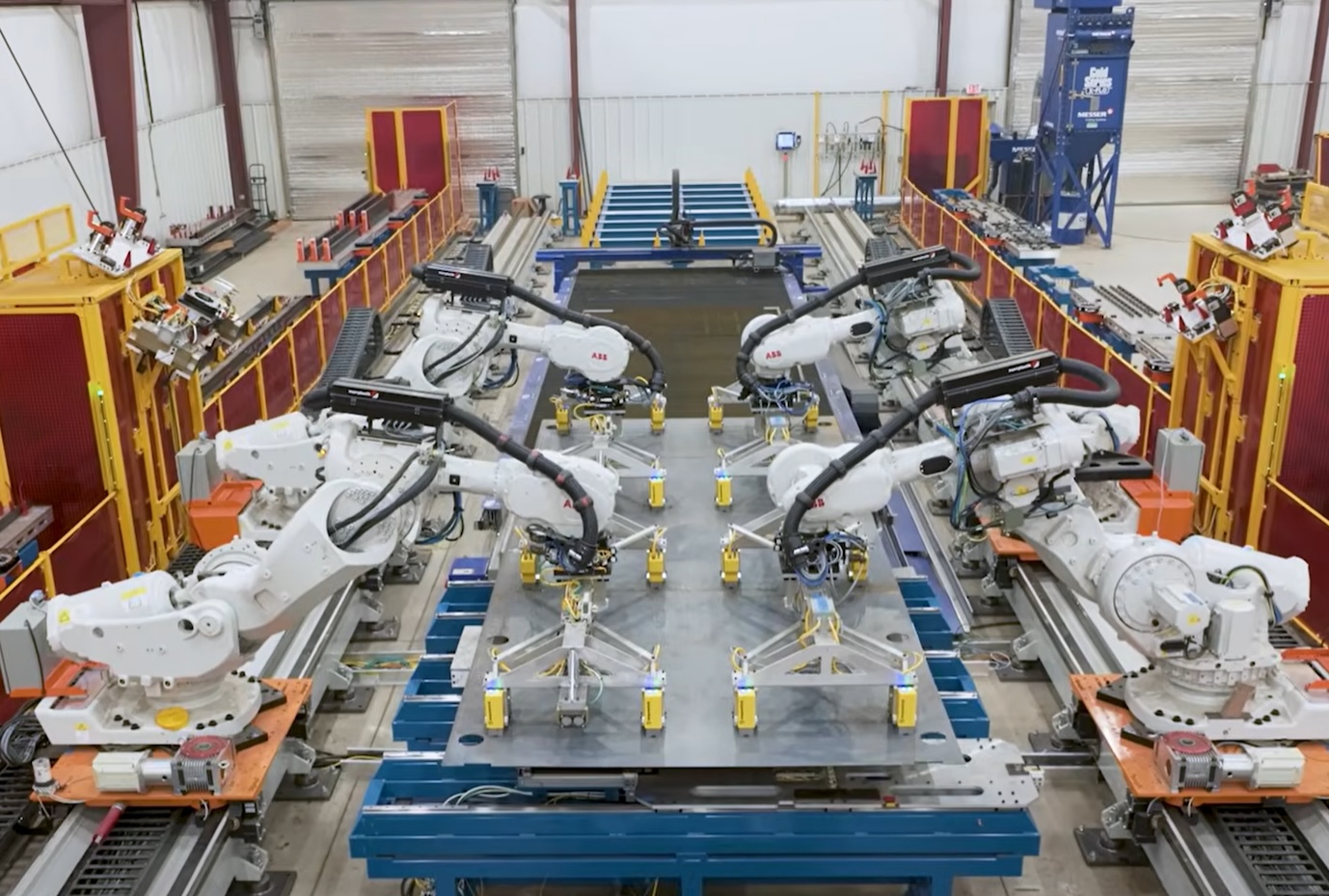
Design of a Multi‐Sensor Integrated Control System for Vehicle‐Mounted Tunnel Lining Inspection With Real‐Time Velocity and Posture Tracking
In June 2026, researchers published a comprehensive study in the Journal of Field Robotics, focusing on advancements in robotic technologies and their applications in various fields. The study highlights innovative methodologies that enhance the efficiency and effectiveness of robotic systems, particularly in challenging environments such as disaster response and exploration. The research team, comprised of experts in robotics and engineering, conducted extensive field tests to evaluate the performance of these advanced robotic systems. Their findings demonstrate significant improvements in navigation, autonomy, and adaptability, which are crucial for tasks that require precision and reliability. This study aims to address the growing demand for sophisticated robotic solutions in sectors like agriculture, search and rescue, and environmental monitoring. By showcasing the potential of these technologies, the researchers hope to inspire further development and investment in robotics, ultimately contributing to safer and more efficient operations in critical situations. The publication serves as a pivotal resource for industry professionals and academics alike, providing insights into the future of robotics and its role in addressing complex challenges faced by society.
RESEARCH ARTICLE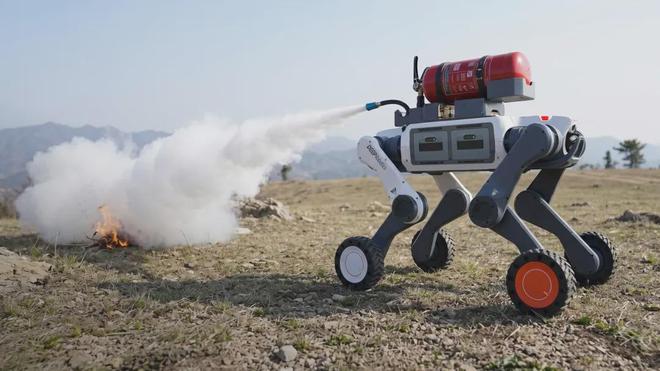
Launch of the Lynx M20S: Wheeled-Leg Robot Enters Performance Competition, Cloud Depth Technology is Redefining Industry Standards!
On April 27, Cloud Depth Technology introduced the Lynx M20S, an advanced wheeled-leg robot designed to improve efficiency in industrial applications. This upgraded model boasts a continuous operational load capacity of 35 kilograms and achieves a remarkable 233% increase in performance compared to its predecessor. The enhancements in load capacity, protection, and speed position the M20S as a significant advancement in the field of industrial robotics, setting a new standard for future developments in the sector.
Wheeled-Leg Robots Industrial Automation Robotics Technology Performance Enhancement
Nvidia to launch Singapore research hub as city-state boosts AI plans
Singapore has unveiled a new research center in collaboration with Nvidia, marking a significant step in the development of physical artificial intelligence (AI). This initiative aims to create a dedicated testbed for researching, testing, and deploying AI technologies. The announcement was made recently as part of Singapore's broader strategy to position itself as a leader in AI innovation and technology. The center will work alongside industry leaders to explore advancements in AI applications, enhancing the country's capabilities in this rapidly evolving field. By establishing this facility, Singapore seeks to foster collaboration between academia and industry, driving forward research that could have far-reaching implications for various sectors.
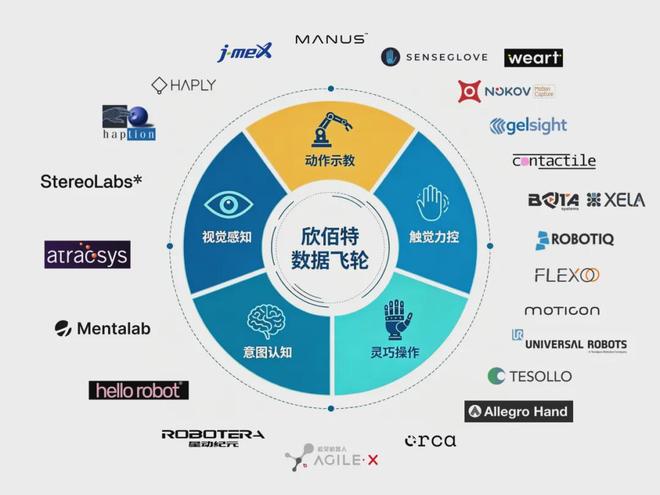
Say Goodbye to Data Scarcity and Selection Challenges! Xinbai Te Unveils Comprehensive Data Collection Solutions for Embodied Intelligence
The 3rd China Embodied Intelligence and Humanoid Robotics Industry Conference is set to take place on April 18, where Xinbai Te Technology will unveil its partnership with UR Robotics. This collaboration aims to present a comprehensive robotic data collection solution, highlighting advancements in visual perception, motion teaching, and tactile control. The event promises to showcase the latest innovations in the field, reflecting the growing interest and investment in robotics and artificial intelligence technologies.
Robotic Data Collection Embodied Intelligence Collaborative Robots AI Technology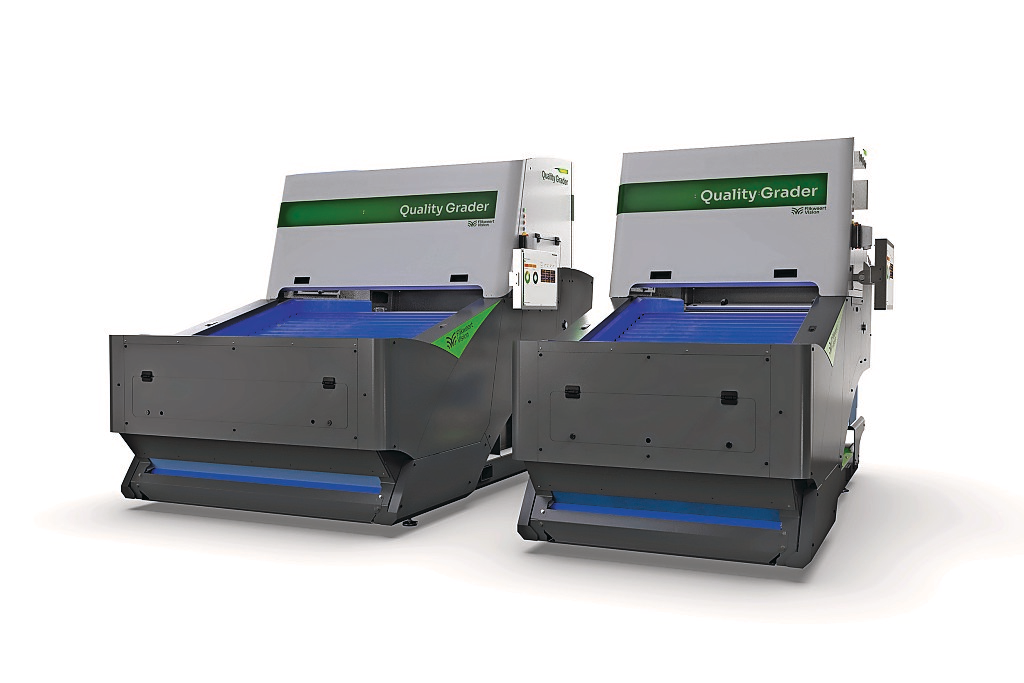
Flikweert expands capacity of optical sorting robot QualityGrader
Flikweert Vision is set to launch its innovative QualityGrader in July, offering two working widths of 1 and 1.5 meters. This advanced optical sorting robot features a second ejection unit, enabling it to efficiently separate rejected potatoes or onions into two distinct streams. The introduction of this technology aims to enhance sorting accuracy and streamline the processing of agricultural products, addressing the growing demand for quality control in the food industry.
Smart farming automation field robots onions optical sorters potatoes
Velocity Over Hype: Inside Humanoid’s Month of Massive Industrial Milestones
A UK startup is rapidly establishing itself as a leading contender in the western humanoid robotics sector, bolstered by a series of strategic partnerships with major industry players including NVIDIA, Siemens, Ford, and Schaeffler. This surge in collaboration highlights the startup's innovative approach and ambition to advance humanoid technology. The partnerships aim to leverage cutting-edge AI and engineering expertise to enhance the capabilities and applications of humanoid robots. As the company continues to expand its influence and technological prowess, it is positioning itself at the forefront of a competitive and evolving market.
Europe HMND-01 Humanoid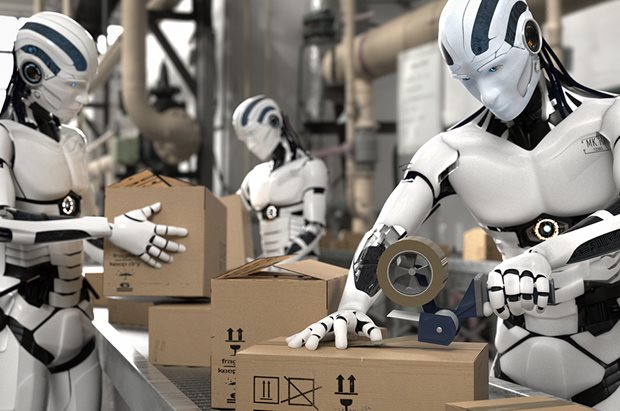
33rd China International Power Equipment and Technology Exhibition to Take Place in December 2026
The 33rd China International Power Equipment and Technology Exhibition (EP Exhibition) will be held from December 3 to 5, 2026, at the Shanghai New International Expo Center. This year's exhibition will feature a historic expansion, introducing a new 'Smart Electricity' pavilion focused on virtual power plants, industrial microgrids, and zero-carbon parks. This significant event is expected to attract over 2,200 top domestic and international power equipment and technology suppliers, including well-known companies such as ABB and Shanghai Electric Group. The exhibition aims to enhance international participation, providing a platform for global energy transition and showcasing China's advancements in the power industry. As the EP Exhibition marks its 40th anniversary in 2026, it will continue to promote collaboration across various sectors, including energy storage, hydrogen energy, and AI-powered solutions. The event is poised to be a high-profile gathering that highlights the integration of digital technologies and clean energy in the power sector. No further timeline was disclosed at the time of publication.
Power Equipment Energy Transition Smart Electricity Exhibitions Renewable Energy
How Cold Chain Operators Are Turning Energy Flexibility Into a Competitive Advantage
Cold storage facilities, known for their high energy consumption, face increasing challenges as the cost of electricity becomes more dependent on consumption timing rather than just the volume used. This shift in energy pricing creates a difficult situation for operators who have traditionally viewed electricity costs as fixed. As refrigeration systems must run continuously to maintain product integrity, the significant energy load required raises concerns about operational expenses and sustainability. The industry is now compelled to adapt to these changing dynamics, prompting a reevaluation of energy management strategies to mitigate costs and enhance efficiency.
Business Logistics automation news cold chain cold chain logistics cold storage
Latest DPA Action Highlights Manufacturing Challenge Behind U.S. Drone Expansion
A new presidential memorandum has been issued to address defense production bottlenecks, highlighting concerns about the United States' capacity to scale emerging technologies. This initiative, part of the Trump Administration's Drone Dominance program launched in June 2025, has primarily focused on aircraft, regulations, and procurement processes. The memorandum aims to streamline manufacturing challenges that could hinder the expansion of the U.S. drone industry. As discussions continue around regulatory reforms and domestic capabilities, this action underscores the urgent need for improvements in defense production to maintain competitiveness in the evolving technological landscape.
Applications Defense Drone News Drone News Feeds News US Government
SCEKL 2025 CONCLUDES WITH STRONG OUTCOMES FOR ASEAN’S DIGITAL FUTURE
The Ministry of Digital in Malaysia hosted the Smart City Expo Kuala Lumpur (SCEKL 2025) from September 17 to 19 at the Kuala Lumpur Convention Center. This event gathered city leaders, policymakers, industry stakeholders, and innovators from across the ASEAN region to collaboratively develop digital strategies aimed at shaping the future of urban living. The expo highlighted Malaysia's dedication to a people-centric digital agenda, which aligns with its role as the ASEAN Chair for 2025 and supports the long-term vision of becoming an AI Nation by 2030.
News Asia smart city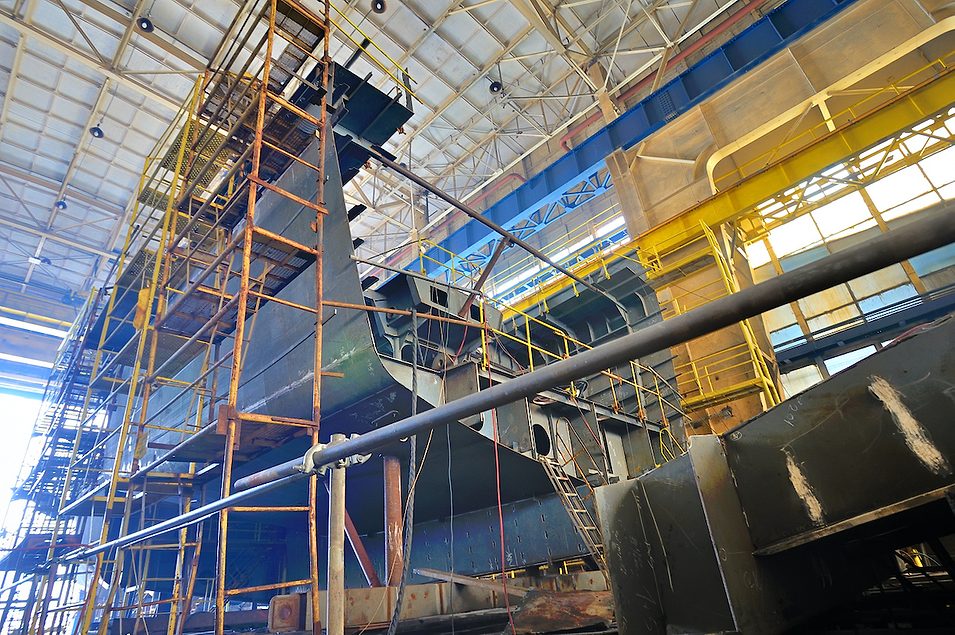
Drone Boat Startup to Establish Port Alpha Shipyard in Texas for Large Vessel Production
A new shipyard named Port Alpha is set to be established by a drone boat startup in Texas. This facility will have the capacity to manufacture ships measuring up to 1,200 feet in length. The development of Port Alpha is significant as it represents a major investment in maritime manufacturing capabilities, particularly for drone technology applications. The ability to construct large vessels will enhance the startup's operational capabilities and market reach. Looking ahead, industry stakeholders will be keen to observe the progress of Port Alpha and its impact on the local economy and the broader maritime sector. No further timeline was disclosed at the time of publication.

Jining Transforms into a Robotics Hub, Redefining Its Industrial Identity
Jining, a historic city known as the hometown of Confucius and Mencius, is redefining its industrial identity through robotics. In July, the 2026 'Robot+' Innovation Development Conference took place in Jining, attracting 165 upstream and downstream robotics companies and showcasing ten practical application scenarios. The city, one of Shandong's four major robotics industry hubs, is drawing national capital with its unique approach. As a top 100 city for advanced manufacturing in China, Jining encompasses 38 of the 41 major industrial categories, including engineering machinery and biomedicine. Thousands of enterprises are advancing digital transformation and automation upgrades. The demand for robotics is particularly strong in heavy industries, coal mining, and logistics, with significant opportunities for mining robots and warehouse automation. Jining's development strategy involves differentiated growth across its districts, focusing on core components, drones, and service robots. The city has established a 500 million yuan investment fund for robotics and is prioritizing projects in key areas such as industrial robots and special-purpose mining robots. As Jining embraces robotics, it illustrates the synergy between its rich cultural heritage and intelligent manufacturing.
Robotics Industrial Automation Smart Manufacturing AI Technology
Tesla's Optimus Production Targets Set to Challenge Competitors in Robotics Market
Tesla has officially finalized its third-generation Optimus robot, aiming for a production capacity of 100,000 units annually. CEO Elon Musk has set a strict production timeline, requiring the company to ramp up to 1,000 units per week by September and stabilize at 2,000-2,500 units per week by year-end. Failure to meet these targets could result in a complete overhaul of the procurement team. This ambitious plan positions Tesla not just as an automotive company but as a leader in physical world AI, with Optimus as its flagship product. In contrast, domestic competitor Yushu Technology has received approval for its IPO, projecting over 5,500 units shipped by 2025, capturing 32.4% of the global market. However, Yushu's focus on research and education limits its industrial application, with only 9.01% of revenue coming from manufacturing and inspection. As the robotics industry approaches a critical window for large-scale applications between 2026 and 2028, the ability to establish a commercial loop in industrial applications will define market leaders. Yushu has the potential to evolve into a key player if it can leverage IPO funding to enhance its capabilities, but reliance on educational markets may hinder its growth prospects.
Humanoid Robots AI Industrial Automation Robotics
Investment of 5.08 Billion Yuan in Wuxi Binhu by Xinjie Electric and Longsheng Weir
On July 10, Xinjie Electric signed an agreement to invest 5.08 billion yuan in Wuxi Binhu for a project focused on core components for intelligent and high-end equipment. This project aims to mass-produce upstream core components, including servo systems, frameless torque motors, and high-precision encoders, addressing critical gaps in the domestic humanoid robot industry chain. The significance of this investment lies in the fact that core components account for over 70% of the hardware cost structure in humanoid robots, with domestic supply heavily reliant on overseas manufacturers. Xinjie Electric's project will enhance local production capabilities, reduce reliance on imports, and stabilize the supply chain, which is crucial for the downstream assembly manufacturers. Looking ahead, Xinjie Electric plans to advance the project in two phases, with the first phase focusing on expanding production capacity for servo systems and controllers. No further timeline was disclosed at the time of publication, but the company’s established expertise in motion control positions it well for success in the humanoid robot components market.
Humanoid Robots Core Components Industrial Automation AI Robotics Innovation
CubeMars Launches New Hollow Planetary Power Modules for Humanoid Robot Joints
In 2026, humanoid robots are approaching a critical point for industrial application. CubeMars has launched two specialized hollow planetary power modules, AKH70-16 and AKH70-48, which are crucial for enhancing flexibility and load capacity in robotic joints. These modules integrate brushless motors, planetary gear reducers, encoders, and driver boards, addressing common wiring issues with a 7mm hollow structure. The AKH70-16 focuses on lightweight applications, featuring a peak torque of 85Nm and a compact design, making it suitable for joints like the neck and elbow. In contrast, the AKH70-48 emphasizes high torque and stability, with a peak torque of 222Nm, ideal for heavy-load joints such as hips and knees. Both modules share advanced technologies, including dual encoder feedback and multi-mode control, which improve precision and operational efficiency. As the humanoid robot industry transitions from prototype development to commercial production, CubeMars's ability to control the entire manufacturing process positions it as a key player. The company’s self-developed capabilities ensure stable delivery and quality, addressing the challenges faced by robotic enterprises in scaling production and meeting market demands. No further timeline was disclosed at the time of publication.
Humanoid Robots Robotic Joints Power Modules Automation Technology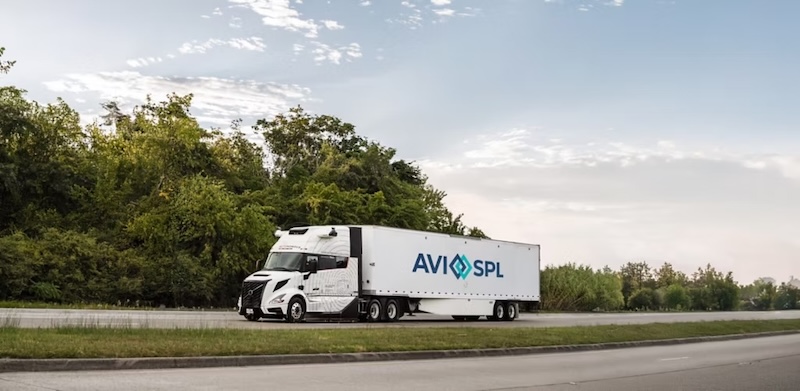
AVI-SPL and Volvo Autonomous Solutions Launch Freight Operations Between Dallas and Houston
AVI-SPL, in partnership with Volvo Autonomous Solutions, has initiated commercial autonomous freight operations between Dallas and Houston using the Volvo VNL Autonomous vehicle powered by the Aurora Driver. This operation will facilitate the transport of audio-visual electronics, including new products and end-of-life equipment for recycling, enhancing AVI-SPL's Electronic Recycling Program. This collaboration is significant as it addresses the increasing freight demand in the U.S. amid a shortage of qualified drivers and delivery capacity constraints. By leveraging autonomous transport technologies, AVI-SPL aims to improve logistics operations, enhance service delivery, and meet the needs of time-sensitive freight, thereby reinforcing its position as a leader in the industry. Looking ahead, this partnership represents a pivotal advancement in the application of autonomous trucking in logistics. As freight capacity demand escalates, the focus will be on how these technologies can enhance supply chain efficiency, improve asset utilization, and ensure cargo security. No further timeline was disclosed at the time of publication.
Autonomous Vehicles News Technology aurora driver autonomous freight autonomous trucking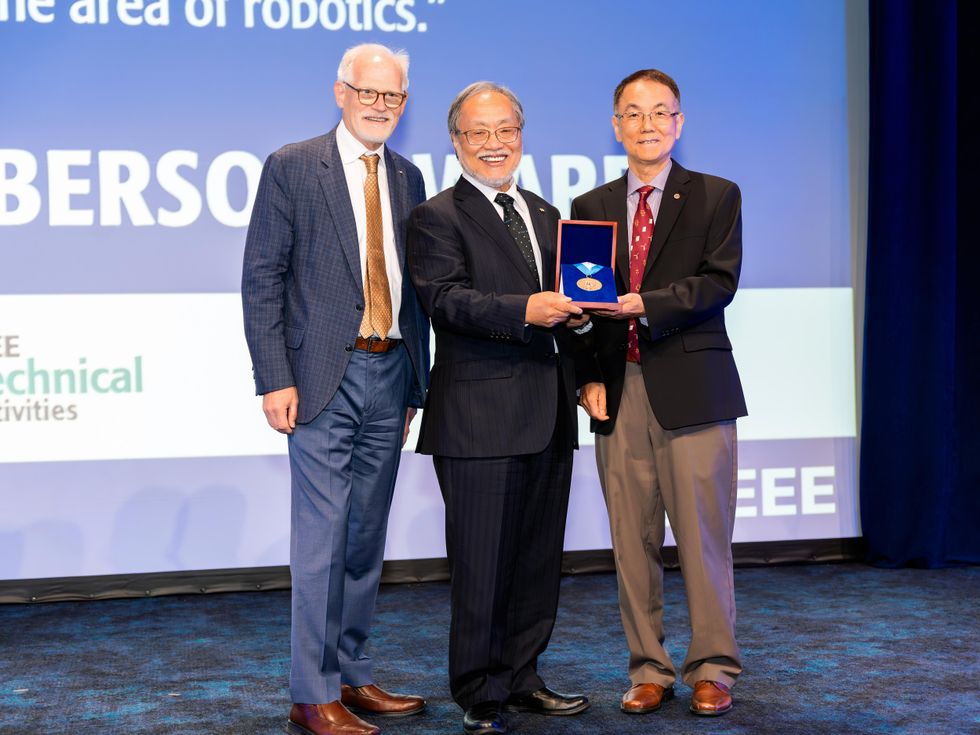
IEEE Honors Robotics Pioneer Toshio Fukuda
Toshio Fukuda has been blazing trails for most of his career. He is considered to be one of the most prolific scholars in robotics, writing more than 2,000 research papers and authoring several books on the field. He’s an influential figure thanks to his pioneering work developing biomedical robotic systems, industrial robots, micro-nano robotics, mechatronics, and AI-driven automation.Fukuda launched one of the first robotics conferences, the IEEE/RSJ International Conference on Intelligent Robots and Systems (IROS). It is still popular almost 40 years later.Toshio FukudaEmployerEgypt-Japan University of Science and Technology, in Alexandria TitleProfessor and vice president of research Member gradeLife Fellow Alma matersWaseda University, in Tokyo; University of Tokyo An IEEE Life Fellow, he is a professor emeritus in the department of micro-nano systems engineering and a visiting professor at Nagoya University, in Japan, where he taught for nearly 25 years. Currently, he is a vice president of research at the Egypt-Japan University of Science and Technology, in Alexandria, Egypt.Within IEEE, Fukuda has held top volunteer positions including the organization’s highest office: He served as IEEE president in 2020, becoming the first person of Asian descent to hold the role.He’s a former program director of Japan’s Moonshot program, which by 2050 intends to develop advanced AI robots.Born in Japan, Fukuda has been recognized by the country for his contributions to science with two of its highest awards: the Medal of Honor with a purple ribbon in 2015 and the Order of the Sacred Treasure in 2022.IEEE honored him with this year’s Richard M. Emberson Award for “distinguished service advancing the technical objectives of IEEE, especially in the area of robotics.” The IEEE Board-level award is sponsored by the IEEE Technical Activities Board. Fukuda received the award on 24 April at a ceremony in New York City.As a former IEEE president who has served as a master of ceremonies at several of the organization’s major award events, Fukuda noted that he is more accustomed to bestowing awards than receiving them.“It’s very interesting to be on the receiving end,” he says.The journey into robotics researchAs a teenager, Fukuda spent his summer breaks teaching himself how to build things including transistor radios and steam engines.“It was very nice to have a hands-on hobby and make these kinds of things myself,” he says. His experimentation led him to study engineering.He earned a bachelor’s degree in engineering in 1971 from Waseda University, in Tokyo. He says one of his professors there—Ichiro Kato, regarded as the father of Japanese robotics research—was a good mentor who made a positive impact.Fukuda’s research interests were robotics and mechatronics, a field that combines robotics, electronics, computer science, and control systems.He went on to earn a master’s degree and a doctorate in science from the University of Tokyo, in 1971 and 1977. During those years, he also attended Yale, where he conducted research on advanced control theory in 1973.He reflects fondly on his time at Yale: “It was a very nice environment and a kind of free-thinking atmosphere. It motivated me to study more.”“IEEE doesn’t care who you are, what you do, what country you are from, or whether you are male or female. IEEE accepts people who have energy and passion.”While at Yale, Fukuda served as an assistant to his advisor—which led him to consider a career in academia, he says, because he enjoyed the freedom that research work afforded him.But he realized that such freedom comes with a price. University researchers are expected to raise the money that funds their work. He compares researchers to small-business owners who have to bring in money to keep their enterprise afloat.That realization led him to select robotics as his field because he intended to develop technologies useful to industry, he says.After earning his doctorate, he returned to Japan in 1977 to work as a research scientist at the government’s Mechanical Engineering Laboratory, later renamed the National Institute of Advanced Industrial Science and Technology, in Tsukuba.“There was a lot of research going on at the lab, including practical robotics and theory,” he says.He left Japan in 1979 to become a visiting research fellow at the University of Stuttgart, in Germany. During his year there, he studied systems, software problems, and related topics.He returned to Japan and was hired as an associate professor of mechanical engineering at the Tokyo University of Science. He conducted research into practical uses for robots by visiting industrial plants. He decided to develop robots that inspect industrial equipment such as those used in assembly plants, oil refineries, and power stations—places that “can be hostile environments for humans,” he says.His work drew interest from chemical, oil, and utility companies.“I got a lot of money from them for this very practical application, which funded my research,” he says, laughing.Developing popular robotic systemsFukuda grew tired of making those robots, he says, so he switched to creating ones for scientific applications. He developed many techniques, but he probably is best known for his modular, cellular robotic systems (CEBOTs), which he introduced in 1985.He has described how CEBOTs work in numerous papers published in the IEEE Xplore Digital Library.The CEBOT system is composed of a number of autonomous robotic cells that stick together like interlocking Lego plastic bricks, he says.Each cell is a fundamental modular unit that has a function. When a simple task is given, the system can analyze it and generate the structure of the cellular manipulator. The cells connect to and detach from each other through connection mechanisms and cooperate mutually, creating complex structures and configurations.“You start developing from the component-wise to the cell-wise to a small functional unit—and then you come up with clusters that make bigger systems. We can make a society of robot beings like that,” he explained in his oral history published on the Engineering and Technology History Wiki. “It’s a distributed robotic system, a self-organized robotic system, and also an evolutionary robotic system.“It’s also a fault-tolerant robot system because if something is wrong, you just remove those things and make a new one. You keep the system working. That’s a great thing.”Today CEBOTs are used for a variety of tasks such as delivering medication in hospitals, assisting with planting crops, and transporting products in distribution centers. Check out IEEE Spectrum’s Robots Guide for news from the world of robotics.In 1989 Fukuda joined Nagoya University as a professor of mechanical engineering and micro-nano systems engineering. During his 24-year career there, he was director of the university’s Center for Micro-Nano Mechatronics. He developed a long list of technologies at the university, including many for medical applications. He also conducted groundbreaking research into intelligent robotic systems and micro- and nano-robotics.Another technology he is known for is brachiation robots, which he helped develop in 1988. He calls them monkey robots because they’re based on the pendulum-like movement of monkeys swinging from tree to tree. The gravity-based locomotion enables continuous movement.Brachiation robots now are inspecting high-voltage transmission towers and bridges, searching damaged buildings for survivors, and performing maintenance on pipelines and cables.Fukuda retired from the university in 2013 and was named professor emeritus.He didn’t stay retired for long, though. He next held a teaching appointment at Meijo University, in Nagoya, until he left in 2022 to join the Egypt-Japan University.A prominent volunteerHe joined IEEE in 1980 at the encouragement of one of his research advisors, Professor Fumio Harashima, now an IEEE Life Fellow. After attending conferences and reading the organization’s publications, Fukuda says, he looked forward to becoming more involved.“I wanted to know how to organize a conference and how to edit a paper for one of its Transactions,” he says. “I wanted to know what was going on from inside the organization, not just the outside.”In 1988 he was the founding chair and organizer of IROS, in Tokyo. The conference had 330 attendees that year, and was supported by Harashima. Today it is one of the largest and most prestigious conferences on the topic, attracting more than 9,000 people annually. Out of 120,000 conferences, it was the only conference in the Nature Index database for this year, Fukuda says.In 1996 he and other members launched IEEE Transactions on Mechatronics.He was the founding president of the IEEE Nanotechnology Council, which was established in 2002. He is considered a pioneer in nanotechnology research, particularly regarding how it relates to robotics.Over the years, he has held numerous volunteer positions on IEEE editorial boards and committees.He was the 1998–1999 president of the IEEE Robotics and Automation Society, becoming the first non-U.S. member to hold the title.He was director of IEEE Division X (2001–2002 and 2017–2018), which covers intelligent systems, biological engineering, robotics, control systems, and photonic technologies. He served as the 2013–2014 director of IEEE Region 10 (Asia-Pacific).As the 2020 IEEE president, Fukuda saw the organization through the early part of the COVID-19 pandemic. Because of travel restrictions, he realized IEEE should change how it offered its in-person services, specifically educational programs. He encouraged IEEE Educational Activities to develop an online learning platform. The IEEE Learning Network started with just three courses and now offers nearly 2,000 courses, webinars, and learning materials.An award-winning memberThe Emberson Award joins a slew of other recognitions Fukuda has received from IEEE. They include several from the IEEE Robotics and Automation Society: a 2004 Pioneer Award, a 2009 Saridis Leadership Award, and the 2011 Harashima Award for Innovative Technologies. He is also a recipient of the Board-level 2010 IEEE Robotics and Automation Technical Field Award.He says he feels strongly that IEEE should be a diverse organization that is welcoming to all. As IEEE president, he led efforts to devise a diversity, equity, and inclusion program. Several policies, procedures, and bylaws were revised to give members a safe, inclusive place for discourse.“It’s important for IEEE to make everyone feel comfortable,” he says. “DEI programs are important. All people should be equal. IEEE doesn’t care who you are, what you do, what country you are from, or whether you are male or female. IEEE accepts people who have energy and passion.“It accepted me, from the Far East. That’s why I like it.”You can learn more about Fukuda and his career from the oral history conducted by the IEEE History Center.
Robotics Robots Ieee-member-news Type-ti Ieee-awards Toshio-fukuda
Small-AI Models Gain Traction Around the World
One morning in 2019, Adebayo Alonge was in a Cape Town hotel room, preparing to demonstrate his startup’s AI answer to a serious problem in African health care: counterfeit medication, which kills thousands of people across the continent every year.The RxScanner is a handheld spectrometer that scans a pill with infrared light, then sends the item’s molecular profile to an AI model equipped with a pharmaceutical database. In seconds, the AI identifies the medication from its molecular profile—or reports that it’s phony.Pharmacies were using the system in more than a dozen countries, including Ghana, Kenya, Myanmar, and Alonge’s native Nigeria. But that morning in South Africa, it didn’t work. “I was shocked,” Alonge says.The spectrometer connected to the AI model—but the data center was 14,000 kilometers away and bandwidth was limited. “Our server was in the United States, and just to get the result of a single scan was taking me over 5 minutes.”So Alonge immediately asked his engineers to shrink the AI model down to a smaller, low-power, unconnected version that could run entirely on his Android phone. They produced it 2 hours later, and that saved the demo.More importantly, the work birthed a new version of his device, which can authenticate a pill in places without broadband, computers, or even reliable electricity. It also turned Alonge into an advocate for this kind of “small AI.”Small AI for Global Health Care AccessSmall AI is a far cry from wealthy nations’ colossal large language models (LLMs), hyperscale data centers, multibillion-dollar investments, and debates about AI consciousness. But for millions of people around the world, the only AI that matters, and often the only kind available, is small. (According to a World Bank Report issued in November, only 0.7 percent of internet users in the world’s poorest countries have used ChatGPT, compared to a quarter of all internet users in the most developed nations.)“Most people are discussing AI from the LLM/generative side. But that needs a lot of computing power, electricity, massive data, and skilled people to manage it,” Ajay Banga, president of the World Bank, said last January at the World Economic Forum, in Davos. “Outside the developed world, other than maybe India and China, very few countries have that combination.”By contrast, small AI can deliver useful, even life-saving services to people in areas that have none of those things, Banga said. In India, where the government’s AI plans call for more development of small AI, many such systems are working for farmers.For example, a drone-based system developed by Bala Murugan and colleagues at the Vellore Institute of Technology, in India, takes photos of cashew plants and quickly identifies those with splotches that indicate disease. All the processing takes place on the drone itself, so there’s no need for a computer on-site, nor for a connection to a central server.Using small language models trained for a specific problem, and sometimes running on cheap, low-power devices, other small-AI implementations have been developed to identify ant infestations in a Uruguayan vineyard, detect the presence of malaria-carrying mosquitoes in a number of nations, and run electrocardiograms from an Arduino device in parts of Brazil that lack access to more complex equipment.“This is the most important area in AI nowadays,” says Marcelo José Rovai, a professor at the Institute of Engineering and Information Systems at the Federal University of Itajubá, in Brazil, who was involved in all three projects. “It’s growing very fast.”Low-Power, Small-AI Models on Devices Small AI models can run on a variety of low-power devices, including [from left to right] an Arduino Nano 33 BLE Sense, a Seeed Wio Terminal, and an Arduino Portenta.Moez AltayebFor Alonge, Rovai, and other advocates, small AI is not just “a promising trend,” as that November World Bank report calls it. It may be, in the long term, the form of AI that will touch the most lives and remain sustainable after some of the giant models become too costly for most users.“I think the future of AI is not like one giant model, at a center. I think it’s millions of small, precise models deployed at the edge, each one solving like a specific problem, a specific context,” Alonge says. This is partly because much of humanity—including people in parts of rich countries as well as the developing world—lives without access to cutting-edge frontier models. But, he says, it’s also because those models are not sustainable.“If someone is not subsidizing it, most people will not be able to afford those models. So those of us who are said to be small-AI developers are the ones who will have to build for the majority of the world,” Alonge says.There is no strict definition of “small AI,” but people often use the term for language models with at most a few billion parameters. (Compare that to cutting-edge models, which can include more than a trillion.) That’s small enough to run directly on a phone or a Raspberry Pi. That’s what allows these applications to run on devices without a connection to a data center and use only a few watts of power, often supplied by a battery or a solar panel.Despite their small footprint, these models aren’t fundamentally different technology from that of gigantic AI models, Rovai says. Many instances of small language models were created the same way the phone-based version of Alonge’s pharmaceuticals scanner was—by “pruning” large models, or removing the parameters that weren’t involved in the task. The result is a system that’s less capable generally but still very good at the specific job it was pruned for, Rovai says. A lighter version of RxAll’s RxScanner spectrometer sends its results to an AI model run locally on a phone to check that a drug’s molecular signature is genuine.RxAllOther small models are created by “distillation.” They are trained to mimic a large model, until their performance approaches that of their “teacher,” Rovai says. In other cases, a larger model’s precision is reduced, for example, so that a model run on 32-bit architecture can run on 8-bit designs. In situations where the machine learning application is being used to classify data or predict patterns (like an ant infestation), it’s trained from the beginning on a small device, not derived from a larger model at all. Running all these small, specialized systems is becoming easier, Rovai says, for two reasons.The first reason is that hardware is getting better and more capable while using less power, he says. This means more and more phones can run small AI—especially those equipped with neural processing units, which are specialized chips that handle AI tasks like facial recognition and changing the brightness, shadows, or contrast in a photo.In 2025, slightly more than a third of all smartphones shipped worldwide were capable of running generative AI, and that figure will reach 45 percent by the end of this year, according to the technology research firm Counterpoint. By the end of next year, slightly more than half of all smartphones will be able to run a small AI model.The second reason Rovai cites is the shrinking footprint of language models. Both Google DeepMind’s Gemma 4 (released in April) and Alibaba’s Qwen 3.5 are “fantastic” for small AI, Rovai says. Both models are “open weight,” meaning users can adjust the connections between parameters to suit their needs. This makes it easy, for example, “to take a lot of data from, say, the milk industry and retrain the model specifically on that,” Rovai says.Rovai illustrated these reasons on a Zoom call, using one of his most recent experiments. Holding up a device, he says, “This is the new Arduino UNO Q—a US $50 device with a Qualcomm chipset. I’m running a language model here, which collects data from sensors and analyzes that data to detect tiny pools of water where mosquitoes might be breeding. It takes 3 watts to run it.”Support for Small-AI DevelopmentConvinced that millions of people are already benefiting from these kinds of applications, the World Bank now actively promotes small AI with grants, mentorship programs, financing, technical advice, and models of government policies that are friendly for small-AI development. For example, in Rwanda, the World Bank is backing a government program to help low-income households get devices that can run AI.All that said, no one claims that large language models are going away entirely. To create a generative AI that can run on a phone or other small device requires the architectural insights, data processing, and results of a larger model, Rovai says. “We need the big models to create these smaller models.” And for all that small AI can benefit people without access to big AI, the technology can’t solve the larger problems of development and digital inequality, Alonge says. Implementing small AI won’t allow nations to escape the challenge of creating an ecosystem to support AI: reliable power, a supply chain that works, and an educational system that develops the talents needed to create AI tools.Though his drug-scanning system can run for days on a phone with no connection, “you still want to be able to enable periodic syncing for updates with new signatures for the medications and analytics,” Alonge says. “And even when you are using batteries, reliable power is important. That phone battery is not going to last forever.”In many parts of the world, the future of small AI isn’t assured, he says. “It works, and many places will eventually need to use it. The question is whether or not the political actors are wise enough to invest in infrastructure to support it long term.”
Small-language-models Artificial-intelligence Llms
London cabbies not ready to hand over their keys to AI-powered, autonomous taxis
London's iconic black cab drivers, known for their extensive knowledge of the city's streets, are facing a new challenge as several companies work to introduce robotaxis to the urban landscape. This shift comes amid advancements in autonomous vehicle technology, which aim to revolutionize transportation in the capital. As these companies test their self-driving vehicles, the traditional cab drivers must adapt to a rapidly changing environment that could impact their livelihoods. The push for robotaxis is driven by a desire for increased efficiency and convenience in urban transport, raising questions about the future of human drivers in the industry. The trials for these autonomous vehicles are set to take place throughout the city, with the potential to reshape how Londoners navigate their daily commutes.
7/5/2026: Elemental Crisis; The Knowledge; Banana Ball
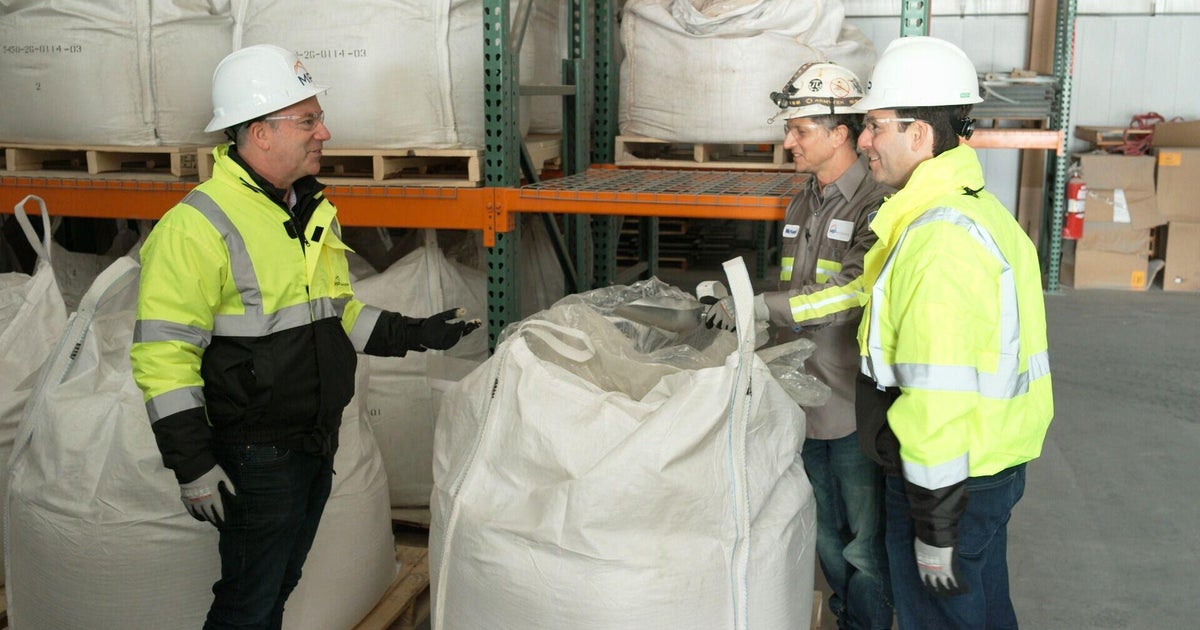
A recent report highlights the operations of the only active rare earth mine in the United States, emphasizing its significance in the global supply chain for critical minerals. This mine plays a crucial role in supporting various industries, including technology and renewable energy, as demand for rare earth elements continues to rise. In London, taxi drivers express skepticism regarding the introduction of robotaxis, raising concerns about safety and job security. The city's iconic cabbies are wary of the potential impact of autonomous vehicles on their livelihoods and the reliability of such services for passengers. Additionally, an exploration into the emerging sport of Banana Ball reveals its unique rules and growing popularity. This fast-paced variation of baseball, characterized by its emphasis on entertainment and fan engagement, is capturing the interest of sports enthusiasts and could reshape the landscape of traditional baseball games. These stories collectively illustrate the intersection of technology, industry, and culture, reflecting ongoing changes and challenges in various sectors.

Chinese firm hits one million monthly micro SSD production milestone for edge computing
China’s Longsys has achieved a significant milestone by stabilizing its monthly production capacity at one million micro solid-state drives. This accomplishment comes as the company aims to meet the growing demand for advanced storage solutions in various sectors, including consumer electronics and data centers. The ramp-up in production reflects Longsys' commitment to innovation and efficiency in manufacturing, positioning itself as a key player in the competitive tech landscape. The company has implemented streamlined processes and advanced technologies to enhance its output, ensuring that it can cater to both domestic and international markets effectively. This development marks a crucial step for Longsys as it seeks to expand its footprint in the global semiconductor industry.
AI and Robotics
World’s first Mach 2.5 test platform to blast hypersonic materials through storms
A U.S. aerospace company has introduced what it claims to be the world's first commercial platform designed for urban air mobility. The announcement was made during a press conference held on October 15, 2023, at the company's headquarters in California. This innovative platform aims to revolutionize transportation in densely populated areas, addressing the growing need for efficient and sustainable urban transit solutions. The company’s executives highlighted that the development is motivated by increasing urban congestion and the demand for faster travel options. The platform is expected to utilize advanced electric vertical takeoff and landing (eVTOL) technology, enabling it to operate in urban environments while minimizing noise and emissions. The unveiling marks a significant milestone in the aerospace industry, as the company plans to collaborate with city planners and regulatory bodies to ensure the safe integration of this new mode of transportation into existing urban infrastructures.
Military
As AI Reshapes Global Energy Systems, Melbourne Leads Through Engineering Collaboration
As artificial intelligence (AI) rapidly expands, it is driving a significant increase in global electricity demand, presenting urgent challenges for energy systems. Melbourne, Australia, is positioning itself as a leader in addressing these issues, with a focus on the infrastructure necessary to support AI's growth. By 2035, data centers in Australia are expected to consume up to 11 percent of the nation's electricity, raising concerns about generation and system reliability. The University of Melbourne is at the forefront of this initiative, with interdisciplinary research aimed at developing energy systems that can meet the demands of AI. The Melbourne Energy Institute is exploring how various energy technologies interact, while facilities like the Smart Grid Lab allow for real-time simulations of power systems. This integrated approach is essential for designing resilient and efficient energy systems that can adapt to new patterns of demand. Victoria's advanced energy ecosystem, which includes renewable generation and battery storage, is crucial for balancing digital growth with sustainability. The collaboration between researchers, industry, and policymakers is vital for creating future energy systems that are affordable and resilient. Looking ahead, Melbourne will host the IEEE PES Generation Transmission and Distribution Asia 2027 Conference, bringing together global experts to address the evolving challenges in power systems. This event underscores Melbourne's commitment to fostering international collaboration and innovation in energy solutions, reinforcing its role as a key player in the global energy transition.
Artificial-intelligence Australia Energy-systems University-of-melbourne Ai-data-centers Power-grid
ANRA Technologies Surpasses 55,000 Commercial Drone Operations Per Month, Demonstrating Growing Demand for Digital Airspace Infrastructure
A leading drone platform has announced that it now facilitates over 1,800 commercial drone operations beyond visual line of sight each day. This significant milestone encompasses a variety of applications, including delivery services, critical infrastructure monitoring, utility management, and public sector missions. The increase in operational capacity reflects the growing demand for advanced drone technology in various industries, driven by the need for efficient and effective solutions. The platform's capabilities enable businesses and government agencies to leverage drones for tasks that require extended range and precision, ultimately enhancing operational efficiency and safety. The announcement comes as the drone industry continues to evolve, with advancements in technology and regulatory frameworks supporting the expansion of drone usage in everyday operations.

After a Decade of Changxin, Hefei Bets on Embodied Intelligence
Changxin Technology, based in Hefei, has made headlines by becoming the second-largest initial public offering (IPO) in the history of the STAR Market. This significant achievement highlights the company's rapid growth and the city's commitment to fostering leading enterprises. Hefei is now leveraging its successful investment strategies, previously applied in the semiconductor industry, to venture into the burgeoning field of embodied intelligence. This strategic move aims to replicate the success seen in semiconductors, positioning Hefei as a key player in this emerging sector.
Semiconductors Investment Strategy Embodied Intelligence AI
One Surgery and Beijing's AI Ambition: From Lab to Technological Singularity
Beijing is intensifying its efforts to establish itself as the global capital of artificial intelligence, aiming to foster a robust AI ecosystem that includes advancements in robotic surgery and embodied intelligence. The city has set an ambitious target for its AI industry, striving to reach a valuation of one trillion yuan. This initiative is part of a broader strategy to enhance technological innovation and economic growth, positioning Beijing at the forefront of the AI revolution. The push towards this goal reflects the increasing importance of AI in various sectors and the city's commitment to leading in cutting-edge research and development.
Technology
Interview with Luo Jianlan: The true scaling law of robots occurs in real deployment loops.
In the past six months, the focus of the domestic embodied intelligence sector has shifted from hardware competition to the deeper challenges that define the intelligence limits of robots. Luo Jianlan, an associate professor at Shanghai Chuangzhi Academy and chief scientist at Zhiyuan Robotics, argues against the prevailing notion that robots can replicate large language models through sheer data accumulation. He emphasizes that the core issue in embodied intelligence is not about breakthroughs in isolated components but rather the ability to create a closed-loop system in real-world deployments. Luo, who has a background in both academia and industry, including roles at Google X and DeepMind, believes that many teams in the sector are not genuinely pre-training models but are instead engaged in mid-training or fine-tuning due to the scarcity of high-quality interaction data. He asserts that true embodied intelligence requires a scalable closed-loop system, where deployment leads to data collection, which in turn enhances model capabilities. His current focus includes developing scalable online post-training infrastructure, enabling robots to learn continuously in real-world environments, and creating a world model that predicts the consequences of actions rather than merely generating video. Luo suggests that the future of embodied intelligence hinges on successfully integrating these elements into a cohesive system, with significant advancements expected in the next 12 to 18 months. He believes that the first team to effectively implement a "deployment-data-iteration" cycle in semi-structured environments like convenience stores will gain a substantial competitive edge.
Jiangsu Launches High-Quality Data Consortium for Embodied Intelligence in Robotics
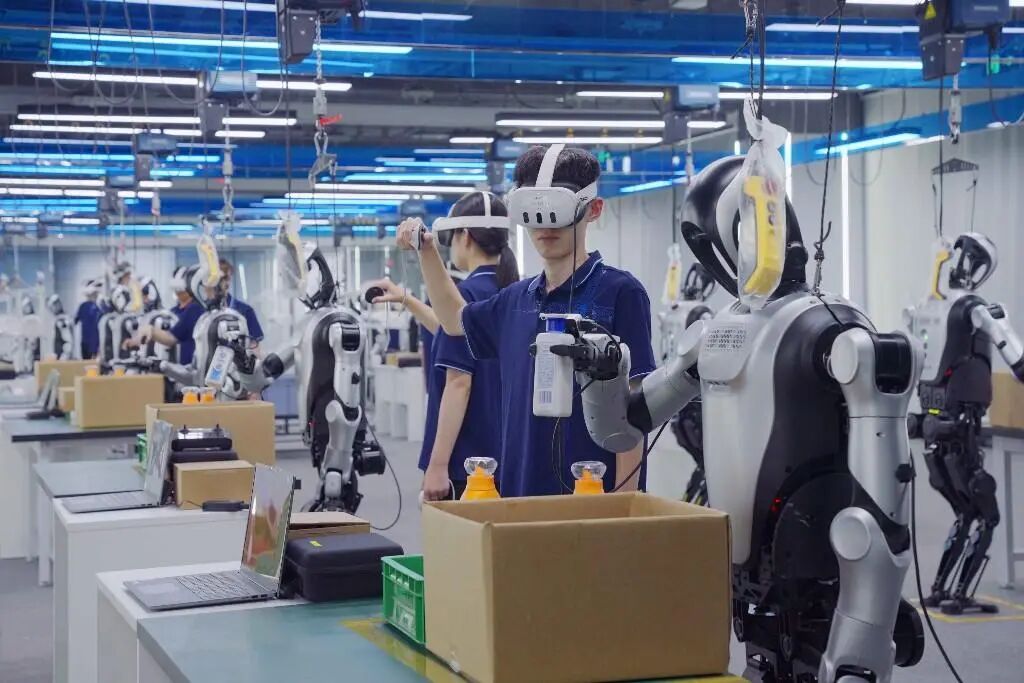
The Jiangsu Industrial Consortium for High-Quality Data in Embodied Intelligence was officially launched in Suzhou, with the goal of tackling data scarcity in the robotics sector. Spearheaded by Suzhou Heshuju Information Technology Co., the consortium brings together universities and technology firms to create standardized, multimodal datasets essential for artificial intelligence training in industrial applications. Additionally, the initiative includes a talent training program designed to align educational outcomes with industry requirements, thereby enhancing the workforce's capabilities in this rapidly evolving field.
Embodied Intelligence Industrial Robotics AI Training Data Standardization Talent Development
Self-driving tech supplier Mobileye targets U.S. robotaxi launch in 2027
Mobileye Global, a leading supplier of self-driving technology, announced on Tuesday its plans to launch a robotaxi service. This initiative marks a significant step in the company's efforts to expand its presence in the autonomous vehicle market. The service is expected to operate in urban areas, providing a new transportation option for city dwellers. Mobileye aims to enhance mobility and reduce traffic congestion through this innovative service, leveraging its advanced technology to ensure safety and efficiency. The launch of the robotaxi service reflects the growing demand for autonomous transportation solutions and the company's commitment to leading the industry in self-driving capabilities.
UCF engineers tackle water-to-air flight instability for amphibious drones
Researchers at the University of Central Florida (UCF) are developing an innovative approach to enhance the efficiency of solar energy conversion. This groundbreaking work, which began in early 2023, aims to address the growing demand for sustainable energy solutions amid rising global energy consumption and climate change concerns. The team is focusing on improving the performance of solar cells by utilizing advanced materials and techniques that could significantly increase their energy output. By integrating nanotechnology and novel chemical processes, the researchers hope to create more effective solar panels that can capture and convert sunlight into electricity with greater efficiency than current models. This initiative is part of a broader effort to make renewable energy more accessible and affordable, ultimately contributing to a reduction in reliance on fossil fuels. The findings from this research could have far-reaching implications for the renewable energy sector, potentially leading to more widespread adoption of solar technology in both residential and commercial applications. As the project progresses, the researchers plan to collaborate with industry partners to bring their innovations to market, aiming for practical applications within the next few years. This work not only highlights UCF's commitment to advancing sustainable technologies but also positions the university as a leader in the quest for cleaner energy solutions.
Innovation ScienceRobotics needs a service framework.
RSF defines a common language for robot service capability, lifecycle operations, certification pathways, and service-provider networks.