

Industry Briefing
A single destination for timely, editor-curated robotics news from around the world.
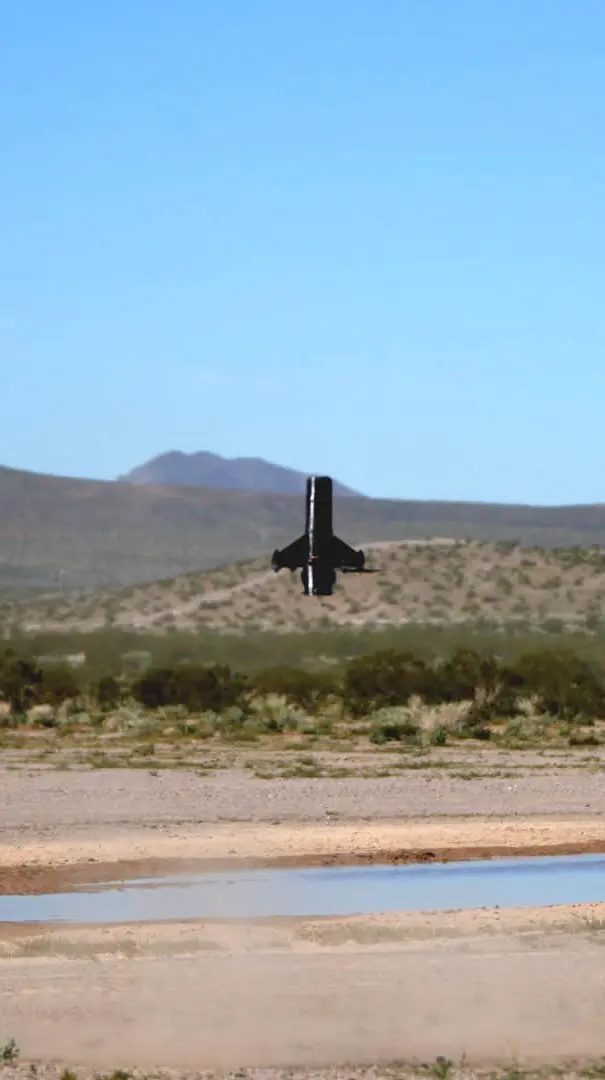
Powerus Secures $22.3 Million Counter-UAS Contract with Private Middle East Oil Company
Powerus, a U.S.-based autonomous systems firm, has signed a $22.3 million contract to provide counter-UAS technology to a private oil company in the Middle East. This deal marks a significant shift in the defense sector, as it is one of the first instances where a private entity has opted to procure military-grade counter-drone systems for its own infrastructure protection. The contract involves the delivery of networked systems designed for detection, tracking, classification, and early-warning capabilities to safeguard critical oil and gas infrastructure. Powerus CEO Brett Velicovich emphasized that this transaction could redefine how UAS defense contractors approach the market, as private companies increasingly seek to protect themselves from aerial threats without relying solely on government intervention. Looking ahead, the initial deployment will focus on threat detection and identification, with plans for future integration of Powerus' Guardian interceptor technology. Velicovich noted that the rise in drone usage in conflicts worldwide has prompted private infrastructure owners to consider developing their own counter-drone capabilities, as traditional security measures may no longer suffice against aerial threats.
Anti-drone technology C-UAS defense DL Exclusive Drone News Drone News Feeds
Powerus Secures $22.3 Million Contract for Counter-Drone Network in Middle East Oil Fields
Powerus, a U.S.-based company, has been officially commissioned to establish a counter-drone detection network for oil and gas fields in the Middle East. The contract, valued at $22.3 million, encompasses hardware, software, installation, and 24-hour maintenance to protect critical infrastructure from drone threats. The significance of this initiative lies in the vulnerability of oil and gas facilities, which are attractive targets due to their large, fixed nature and the presence of flammable materials. Drone attacks can disrupt operations and impact market prices, making effective detection systems crucial for safeguarding these economically vital assets. Looking ahead, the system will initially focus on detection and warning capabilities, with potential future integration of Powerus's Guardian-1 interceptor for active defense. However, details regarding the specific facilities covered, the types of sensors to be deployed, and the timeline for implementation remain undisclosed at this time.
Energy Innovation
U.S. Central Command Establishes Multinational One-Way Attack Drone Task Force in the Middle East
U.S. Central Command has announced the formation of Task Force Falcon Strike, the first multinational attack drone task force, amid ongoing regional tensions. This initiative comes as the U.S. seeks to enhance its military capabilities with one-way attack drones, which are increasingly vital in modern warfare. The task force aims to utilize unmanned systems from various platforms, although details on participating nations and specific equipment remain undisclosed. The establishment of Task Force Falcon Strike is significant as it reflects the U.S. military's adaptation to evolving combat scenarios, particularly in the context of heightened tensions with Iran and its allies. The task force will employ one-way attack drones to alleviate pressure on existing high-end standoff weapon systems, indicating a strategic shift in U.S. military operations in the region. This move follows the creation of Task Force Scorpion Strike, which was the first dedicated one-way attack drone squadron in the Middle East. Looking ahead, the effectiveness of Task Force Falcon Strike will depend on the collaboration between the U.S. and its regional partners, as well as the operational success of the one-way attack drones. The ongoing developments in drone warfare, particularly in the Middle East, will be crucial to watch, especially as other nations, including Israel, continue to advance their own drone capabilities.
News & Features Air Around The Globe Drones Iran Middle East
Uber and Pony.ai to Deploy 2,000 Robotaxis Across Europe and Middle East
Uber and Pony.ai have announced plans to deploy 2,000 robotaxis across Europe, expanding their partnership to the Middle East. This initiative follows the launch of a commercial robotaxi service in Zagreb, Croatia, which is touted as the first in Europe. The deployment aims to enhance Uber's position as a leading commercialization platform for autonomous vehicles. The significance of this partnership lies in the critical need for a large vehicle fleet to support the commercialization of autonomous services. A greater number of vehicles will facilitate data collection to demonstrate safety to regulators and improve operational efficiency, ultimately encouraging wider adoption of the service. Looking ahead, Uber's strategy includes gathering extensive data to accelerate the development of autonomous vehicles. The company has also announced plans for robotaxi pilot programs in other regions, including Spain and Japan. No further timeline was disclosed at the time of publication.

Middle East Tensions, Tesla Deliveries and Other Can't Miss Items this Week
Tensions in the Middle East escalated over the weekend as Iran launched strikes against U.S. military bases in Bahrain and Kuwait, raising concerns about the stability of the fragile U.S.-Iran peace framework established through a recent memorandum of understanding. This renewed conflict threatens access to the Strait of Hormuz, crucial for global energy supplies, just as markets were beginning to stabilize following last week’s diplomatic progress. The ongoing hostilities create uncertainty in energy markets, with potential implications for oil prices and inflation. In the financial sector, Tesla is set to announce its Q2 global delivery numbers before the market opens on Thursday, with analysts forecasting a 4% year-over-year increase to 401,000 electric vehicles. This report will be critical in assessing consumer demand for EVs amid economic uncertainties and heightened competition. The timing of Tesla's announcement coincides with the release of the June jobs report, which includes average hourly earnings and initial jobless claims, providing key economic data before the July 4th holiday. As geopolitical tensions and economic indicators converge, markets face a volatile week, with investors closely monitoring developments in Iran and Tesla's performance, both of which could significantly impact market dynamics and investor sentiment heading into the second half of 2026.

Interview with Paul Dawalibi: Can Ras Al Khaimah become the Silicon Valley of the Middle East?
In recent years, the focus of technology companies aiming to establish a foothold in the Middle East has shifted from the traditional hubs of Dubai and Abu Dhabi to emerging innovation centers. As competition for investment in artificial intelligence, robotics, and deep technology escalates globally, smaller cities are increasingly positioning themselves as viable alternatives. These agile hubs are actively working to attract tech firms by offering unique advantages and fostering an environment conducive to innovation. This shift reflects a broader trend in the region, where diverse locations are striving to enhance their appeal in the rapidly evolving tech landscape.
Business Economy Features Technology AI infrastructure artificial intelligence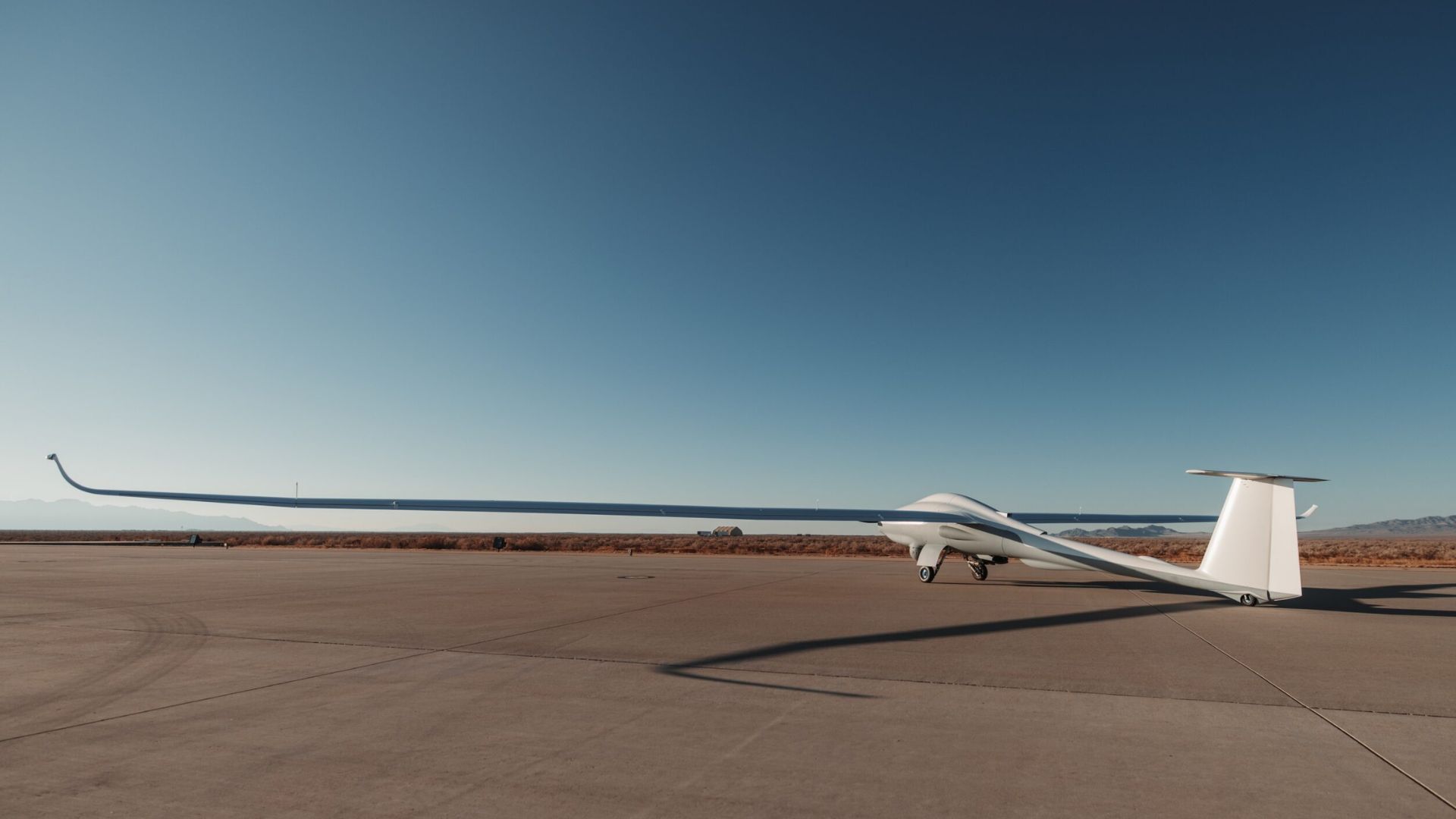
US Air Force sends ULTRA Turbo drone with multi-day endurance to Middle East
The U.S. Air Force is set to deploy an enhanced version of its ULTRA surveillance glider, designed to improve reconnaissance capabilities. This advanced system, which features upgraded technology for better data collection and analysis, is expected to be operational in the coming months. The deployment aims to bolster national security and enhance situational awareness in various operational theaters. By utilizing the glider's unique design, which allows for extended flight durations and reduced radar visibility, the Air Force seeks to gather critical intelligence while minimizing risks to personnel and assets. The initiative reflects a broader strategy to modernize military surveillance methods in response to evolving global threats.
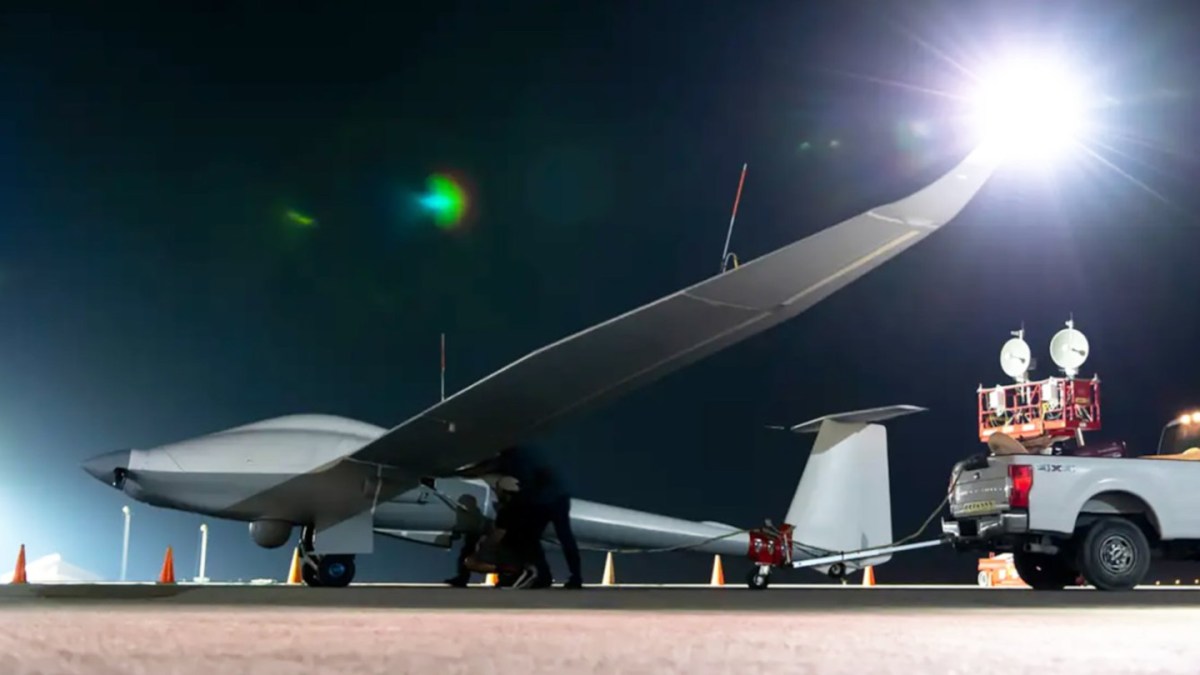
USAF’s New Turbocharged ULTRA Surveillance Drones Are Heading To The Middle East
The U.S. Air Force is deploying its new turbocharged ULTRA surveillance drones to the Middle East, responding to increasing demand for advanced surveillance capabilities. This move comes in the wake of recent losses of MQ-9 drones during conflicts with Iran, highlighting the need for more resilient and effective aerial reconnaissance options. The ULTRA drones, resembling gliders, are designed to enhance surveillance operations in the region, providing critical intelligence and monitoring capabilities. The decision to send these drones underscores the Air Force's commitment to adapting its strategies and technologies in response to evolving threats and operational challenges in the Middle East.
News & Features Air Air Forces Drones U.S. Air Force Unmanned
UK fast track APKWS for Middle East drone interception
The United Kingdom has successfully tested and deployed the Advanced Precision Kill Weapon System (APKWS) on its Typhoon jets within a remarkably short timeframe of just two months. This rapid integration reflects the UK's commitment to enhancing its military capabilities and ensuring that its air force remains at the forefront of modern warfare technology. The APKWS, known for its precision and effectiveness, is expected to significantly improve the operational efficiency of the Typhoon jets, allowing for more accurate targeting in various combat scenarios. This development underscores the UK's strategic focus on maintaining a robust defense posture amid evolving global security challenges.
News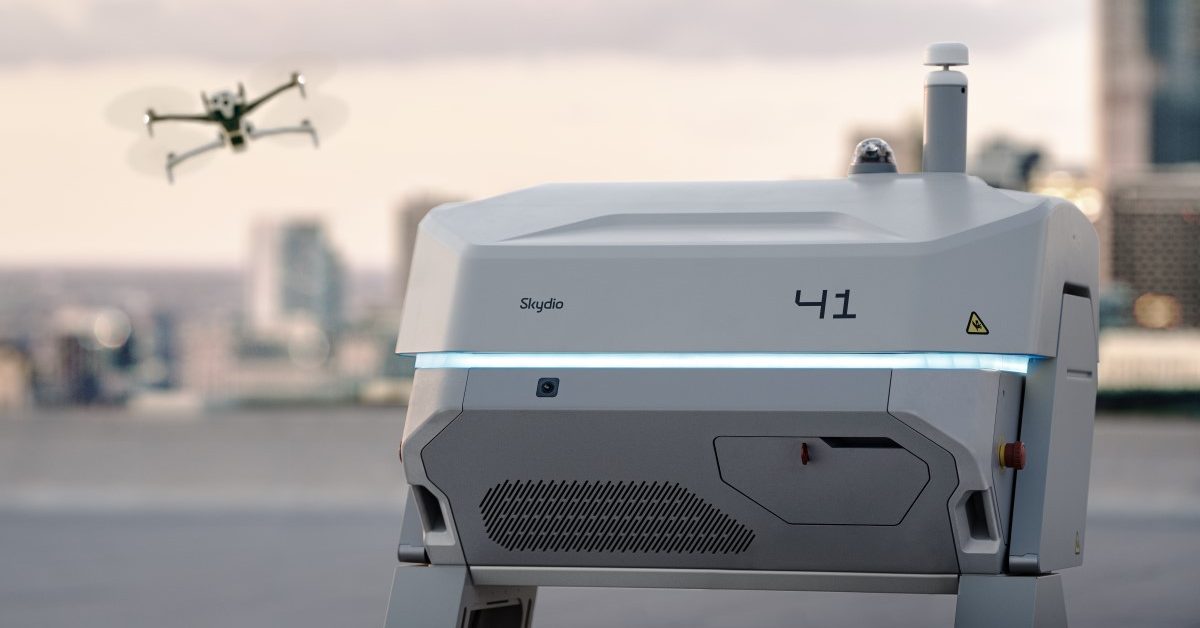
Skydio lands $9M deal for US airbases in the Middle East
Amid escalating tensions in the Middle East linked to Iran, the US military is introducing a new defense strategy featuring fully autonomous drones that operate continuously. This development comes in response to a rise in drone attacks, proxy conflicts, and heightened confrontations in the region. The deployment of these advanced drones aims to enhance surveillance and response capabilities, addressing the growing threats posed by hostile activities. By utilizing cutting-edge technology, the US seeks to bolster its defense posture and ensure greater security in an increasingly volatile environment.
News
Next Geosolutions, Through its Subsidiary Rana Subsea, Signs LOI with Saipem for the Provision of “SAT Diving” Services in the Middle East
A significant agreement valued at approximately $150 million has been established, with a planned duration of 36 months. This contract aims to enhance collaboration and development in the relevant sector, reflecting a strategic move by the involved parties to strengthen their operational capabilities. The initiative is expected to yield substantial benefits over the course of its execution, contributing to advancements in technology and service delivery. The agreement underscores a commitment to long-term partnership and innovation, positioning the stakeholders for future growth and success.
nextgeo
UBTECH plans Middle East mega factory after $1 billion Infini Capital deal
Chinese technology company UBTECH Robotics has secured a significant $1 billion strategic financing agreement with global investment firm Infini Capital, announced on Monday. This partnership will enable UBTECH to access rapid financing through the subscription of newly issued shares and convertible bonds, along with cash withdrawal rights provided by Infini Capital’s high-tech fund. The collaboration aims to bolster UBTECH's financial resources, facilitating its growth and innovation in the robotics sector.
News FeedRobotics needs a service framework.
RSF defines a common language for robot service capability, lifecycle operations, certification pathways, and service-provider networks.
Join the RobotToday community on LinkedIn
Daily robotics news, in-depth analysis, conference highlights, and discussions with professionals worldwide.







