

Industry Briefing
A single destination for timely, editor-curated robotics news from around the world.
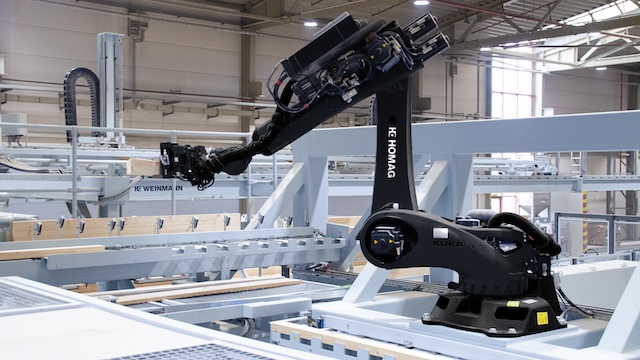
Sigma Advanced Systems Wins $170 Million Aeroengine Contract with Rolls-Royce
Sigma Advanced Systems, an Indian defense and aerospace firm, has secured a long-term contract valued at approximately $170 million with Rolls-Royce. This contract marks a significant milestone for Sigma as it continues to expand its footprint in the aerospace sector. The partnership with Rolls-Royce is crucial for Sigma, as it underscores the company's growing capabilities in aerospace engineering and manufacturing. This contract not only enhances Sigma's portfolio but also strengthens its position in the competitive aerospace market. Looking ahead, industry observers will be keen to see how this contract impacts Sigma's operations and growth trajectory. No further timeline was disclosed at the time of publication.
News
Enigma Secures $71 Million Seed Funding to Innovate Human-Robot Interaction
On July 27, AI robotics company Enigma emerged from stealth mode, announcing the completion of a $71 million seed funding round. This funding, led by Index Ventures and Ribbit Capital, marks one of the largest seed rounds in the physical AI sector. Enigma's co-founders, Jonathan Jacobi and Gal Niv, aim to redefine human-robot interaction rather than focusing solely on model capabilities. The significance of Enigma's approach lies in its belief that the main barrier to robot adoption is not the technology itself but how humans communicate with machines. Jacobi emphasizes that intuitive controls are essential, comparing it to adjusting a car's volume knob rather than using complex percentages. To explore this, Enigma has launched a large-scale online experiment allowing global participants to interact with over 100 self-developed AI robots in real-time. Looking ahead, Enigma plans to use the $71 million to expand its research and engineering teams, enhance computational infrastructure, and increase real-world deployments. The company's unique focus on understanding how people want to communicate with machines could potentially redefine the industry landscape.
Human-Robot Interaction AI Robotics Startup Funding Machine Learning
Enigma Secures $70 Million to Simplify Human-Robot Interaction Through Innovative Research
Enigma, a robotics research lab, has raised $70 million in a seed funding round led by Index Ventures and Ribbit Capital. The startup aims to revolutionize human-robot interactions by studying how people engage with robots, rather than solely focusing on enhancing model capabilities. Enigma plans to launch a large-scale online experiment allowing global users to interact with over 100 proprietary AI robots performing various tasks, such as drawing and simple chemistry experiments. This funding is significant as it positions Enigma to explore intuitive interfaces for robotic control, potentially transforming how users communicate with machines. Co-founders Jonathan Jacobi and Gal Niv, both with backgrounds in cybersecurity, are leveraging their unique perspectives to tackle challenges in robotics. Their goal is to make controlling robots as effortless as adjusting a car's volume, addressing current frustrations users face with existing robotic models. Looking ahead, Enigma's online experiment will provide valuable data on user preferences for robot communication, which could lead to groundbreaking advancements in robotics interfaces. No further timeline was disclosed at the time of publication.
AI Robotics Startups enigma Exclusive Index Ventures
Paradigm Secures $1.2 Billion Fund to Invest in AI and Robotics
Paradigm, a prominent investment firm based in San Francisco, has successfully raised $1.2 billion for a new venture fund aimed at expanding its investments into artificial intelligence and robotics. This fund represents a strategic shift for the firm, which has historically focused on crypto investments, and marks a significant increase from its previous $850 million fund announced in 2024. Paradigm is now managing approximately $11.9 billion in assets as of 2025. The expansion into AI and robotics is significant as these sectors are increasingly attracting venture capital, reflecting a broader trend in technology investment. Paradigm's new fund will not only continue to support digital assets but will also target opportunities in frontier technologies, indicating a shift in investment strategy to include emerging technologies beyond blockchain. This move aligns with the growing intersection of AI and crypto, particularly in areas like autonomous payments and programmable financial systems. Looking ahead, Paradigm's approach suggests a potential for innovation at the convergence of AI and crypto technologies. The firm aims to leverage its expertise in software and financial systems to explore new market opportunities. No further timeline was disclosed at the time of publication regarding specific investments or milestones for the new fund.

Yann LeCun Envisions Major Robotics Paradigm Shift by 2027, Critiques LLMs
Yann LeCun, a prominent figure in AI, recently expressed his concerns about the robotics industry's dependence on Large Language Models (LLMs) during an interview on the Unsupervised Learning podcast. He predicts that by early 2027, the need for a fundamental shift in robotics will be evident, as current methods are deemed a 'dead end' for achieving true physical intelligence. LeCun's critique highlights the inefficiencies of relying on massive datasets and imitation learning, drawing parallels to the unresolved challenges in autonomous driving. He argues that true intelligence requires rapid generalization, unlike current systems that demand extensive data for narrow tasks. His rejection of Vision-Language-Action models stems from their unreliability and data constraints, pushing him to advocate for the Joint Embedding Predictive Architecture (JEPA) through his startup, AMI Labs. Looking ahead, LeCun aims to refine JEPA and demonstrate methodologies for training hierarchical world models within the next 12 to 18 months. He warns that LLMs are 'intrinsically unsafe' for high-stakes environments, emphasizing the need for systems that genuinely understand the physical world rather than merely responding to it. No further timeline was disclosed at the time of publication.
US AMI World-Models Yann-LeCun world-model
The Shift in Pool Robots: Transitioning from Wired to Wireless Technology
The pool robot industry has faced significant challenges over the past year, marked by high return rates and a competitive pricing environment. However, Chinese brands have leveraged wireless technology to disrupt the market, achieving a combined market share of 51.4% in the wireless segment, with Wangyuan Technology leading at 19.7%. This shift is not merely about cost but reflects a precise reconstruction of product forms by the Chinese supply chain. While traditional wired robots are dominated by established players like Maytronics and Fluidra, the wireless segment has seen rapid growth, indicating a significant market transformation. Yet, the technology still struggles with underwater navigation, highlighting a gap between commercial success and technological maturity. As companies like Yuan Ding and Wangyuan focus on enhancing their technological capabilities, the competition is evolving beyond mere pricing strategies. The demand for truly autonomous solutions remains unmet, suggesting that innovation will continue to drive value in the pool robot market. The industry is entering a new phase of competition, moving from shallow waters into deeper technological challenges.
Pool Robots Wireless Technology Market Trends Automation Sensing Technologies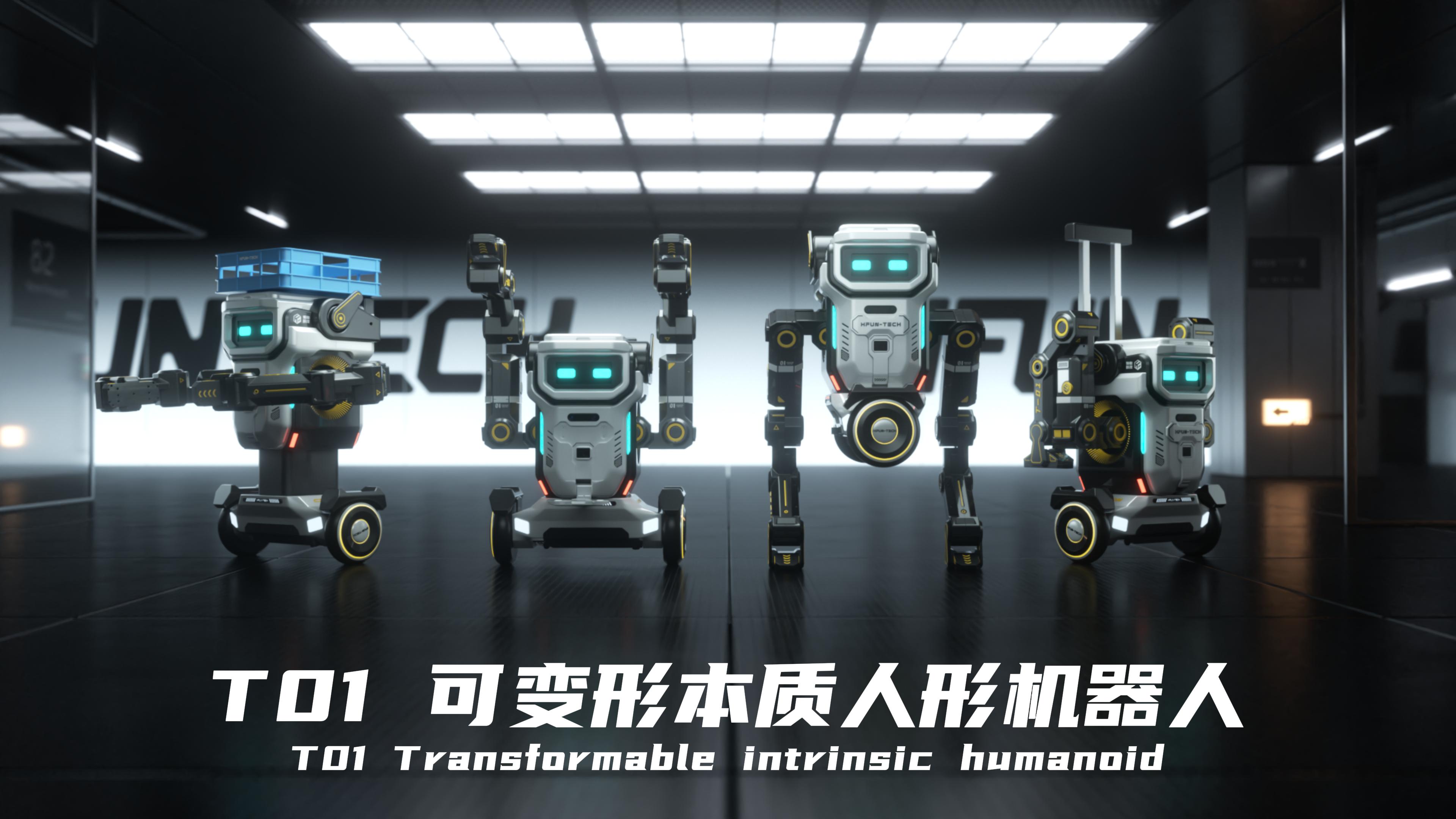
Introducing T01: The World's First Essential Humanoid Robot for Integrated Logistics
Aiyu Technology has unveiled the T01, the world's first essential humanoid robot, at the WRC. This innovative robot shifts the focus from merely mimicking human appearance to enhancing operational capabilities in logistics. Unlike traditional humanoid robots that prioritize human-like features, the T01 emphasizes functional abilities such as bipedal locomotion and dual-arm manipulation. The introduction of the T01 is significant as it challenges the industry's obsession with aesthetics over functionality. Aiyu Technology aims to redefine the capabilities and cost boundaries of humanoid robots, arguing that true efficiency in human environments comes from operational effectiveness rather than superficial resemblance. This approach addresses the structural challenges faced by existing humanoid robots that often incur high costs without improving task efficiency. Looking ahead, the T01 represents a paradigm shift in humanoid robotics, focusing on essential capabilities rather than appearance. As the industry evolves, it will be crucial to monitor how this new approach influences the development and deployment of humanoid robots in various sectors, particularly in logistics and automation. No further timeline was disclosed at the time of publication.
Humanoid Robots Logistics Automation Robotics Technology AI
Crypto VC firm Paradigm raises $1.2B to invest in ‘technical frontier’ startups
Paradigm, a prominent investment fund known for its cryptocurrency ventures, is set to broaden its investment strategy to encompass robotics and artificial intelligence (AI). This strategic shift reflects the fund's ambition to explore new technological frontiers beyond its original focus on digital currencies. By diversifying its portfolio, Paradigm aims to capitalize on the growing potential of these emerging sectors, which are increasingly seen as pivotal in shaping the future of technology and innovation. The expansion into robotics and AI is expected to position Paradigm at the forefront of investment opportunities in industries that are rapidly evolving and gaining traction in the market.
Venture crypto In Brief Paradigm
Crypto-Focused VC Firm Paradigm Raises $1.2 Billion for AI Bets
Paradigm, the venture firm founded to invest in cryptocurrency companies, has raised a new $1.2 billion fund to make more bets outside of the sector, including artificial intelligence and robotics.
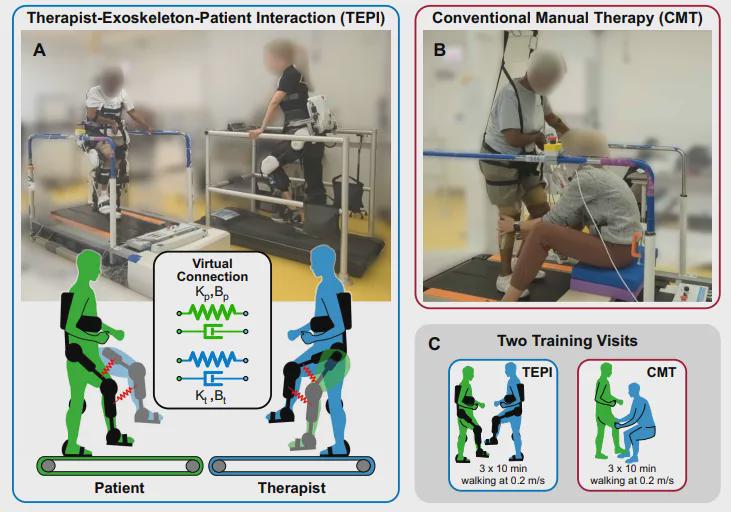
New Paradigm for Stroke Gait Training: Therapist-Exoskeleton-Patient Interaction
A research team from Northwestern University and Shirley Ryan AbilityLab has unveiled an innovative approach to stroke rehabilitation that integrates a therapist-exoskeleton-patient interaction model. This groundbreaking method enables both therapists and patients to don exoskeletons, facilitating real-time interaction during gait training sessions. The new technique aims to improve the effectiveness of rehabilitation and boost patient engagement, offering a significant advancement over conventional manual training methods. The introduction of this technology marks a promising development in the field of stroke recovery, potentially transforming how therapists assist patients in regaining mobility.
Stroke Rehabilitation Exoskeleton Technology Gait Training Physical Therapy
Xiaohongshu's Evolving-RL: A New Paradigm for Self-Evolving AI Agent Skills
Researchers at Xiaohongshu (RED), a prominent Chinese lifestyle and social commerce platform, have introduced Evolving-RL, an innovative reinforcement learning framework. This groundbreaking development allows artificial intelligence agents to autonomously enhance their skills through experiential learning, eliminating the need for separate modules dedicated to skill extraction. The announcement was made recently, highlighting the platform's commitment to advancing AI technology. The Evolving-RL framework represents a significant step forward in the field of machine learning, as it enables AI systems to adapt and improve based on their interactions and experiences. This advancement is expected to have wide-ranging implications for various applications in social commerce and beyond, as it streamlines the learning process for AI agents, making them more efficient and capable of handling complex tasks.
AI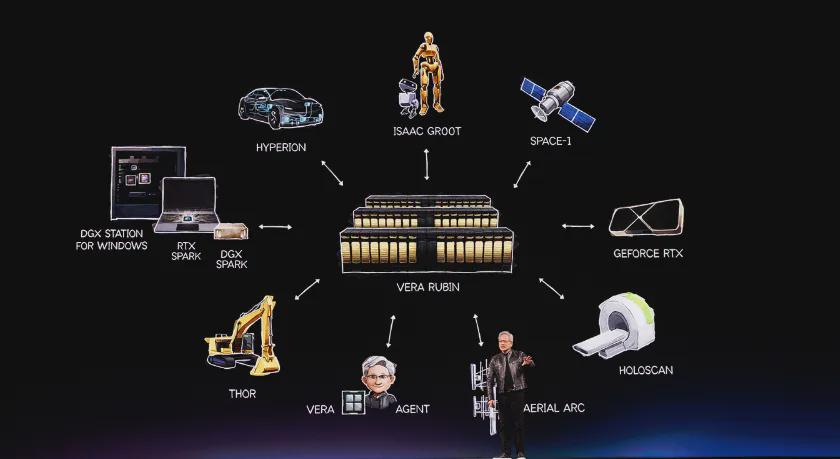
NVIDIA's Cosmos Ecosystem: A Paradigm Shift in Physical AI and Robotics
NVIDIA has unveiled its latest innovation, Cosmos 3, which represents a major leap forward in physical AI technology. This new system redefines computational infrastructure's role in the fields of robotics and autonomous driving. By utilizing a hybrid Transformer architecture, Cosmos 3 enhances capabilities in world modeling and action generation, effectively tackling issues related to data gaps and simulation accuracy. This advancement positions NVIDIA as a pivotal force in shaping the future of robotics, underscoring its commitment to driving innovation in this rapidly evolving sector.
Physical AI Robotics Simulation NVIDIA Machine Learning
X2robot Unleash 'Game-Changer': Wall-WM Redefines World Model Paradigms with Event-Level Thinking
X2robot has unveiled Wall-WM, a groundbreaking 'event-level' world model that redefines conventional approaches to video-action learning. This innovative model conceptualizes 'events' as the smallest semantic units, effectively integrating text, vision, and action to improve training and performance outcomes. By addressing previously overlooked discrepancies among different modalities, Wall-WM is poised to drive substantial advancements in the fields of robotics and artificial intelligence. The introduction of this technology marks a significant milestone in enhancing the capabilities of AI systems, potentially transforming how machines learn from and interact with their environments.
World Models Event-Level Learning Robotics AI Video-Action Models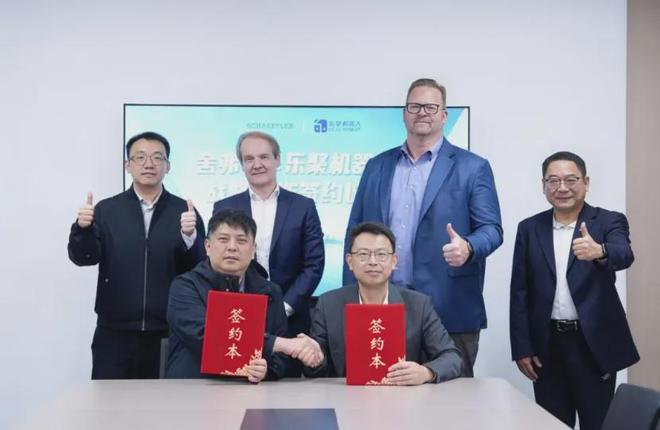
Schaeffler Partners with Leju: A New Paradigm in the Global Humanoid Robot Industry
Schaeffler, a prominent German industrial company, has entered into a strategic partnership with Chinese humanoid robot manufacturer Leju, signaling a pivotal development in the global humanoid robotics sector. This collaboration seeks to combine Schaeffler's expertise in precision components with Leju's advanced robotics technology, aiming to improve industrial applications and foster innovation. The partnership is expected to leverage both companies' strengths to enhance productivity and efficiency in various sectors, reflecting a growing trend of cross-border cooperation in the rapidly evolving field of robotics.
Humanoid Robots Industrial Automation Robotics Collaboration Precision Manufacturing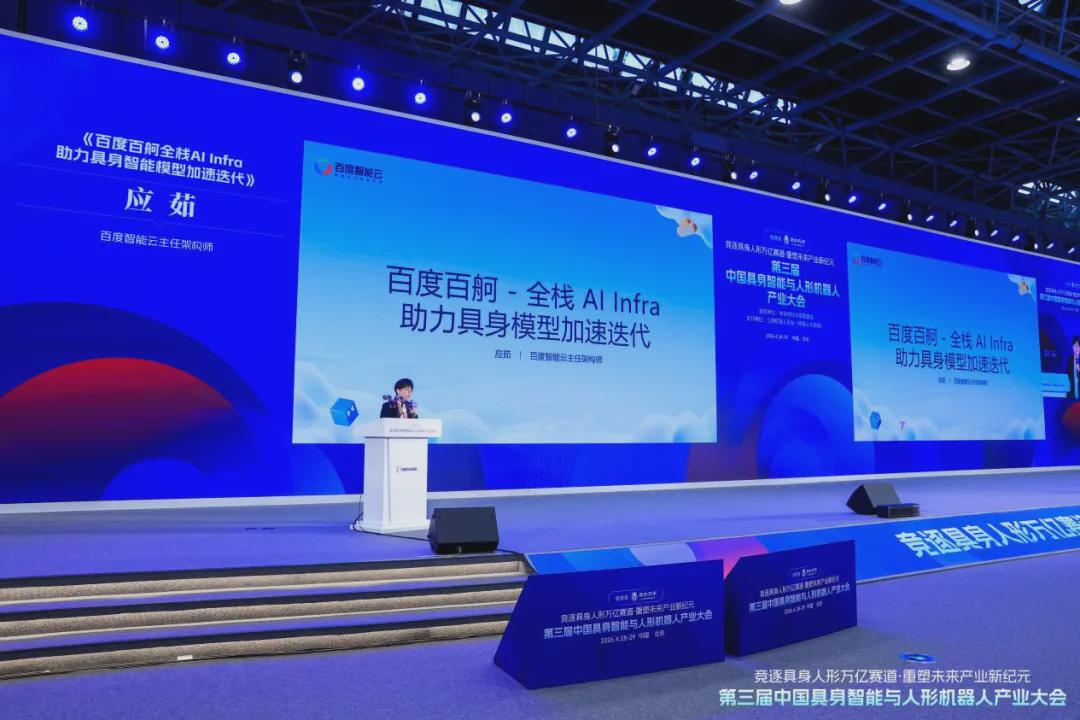
The Battle for Embodied Intelligence Infrastructure: How Baidu's AI Infra is Reshaping the Development Paradigm of Embodied Models
As humanoid robots become increasingly prominent, Baidu is making significant advancements in the artificial intelligence infrastructure that supports their development. The company is focusing on enhancing embodied intelligence by tackling challenges related to data processing and model training paradigms. This initiative comes at a time when the demand for more sophisticated and capable humanoid robots is rising, necessitating a robust AI framework to facilitate their rapid iteration. Baidu's efforts aim to streamline the development process, ensuring that these robots can learn and adapt more effectively. The ongoing technological reconstruction within Baidu's AI Infra is poised to play a crucial role in shaping the future of humanoid robotics, addressing the complexities of integrating advanced AI with physical embodiments.
Embodied Intelligence AI Infrastructure Humanoid Robots Data Processing Model Training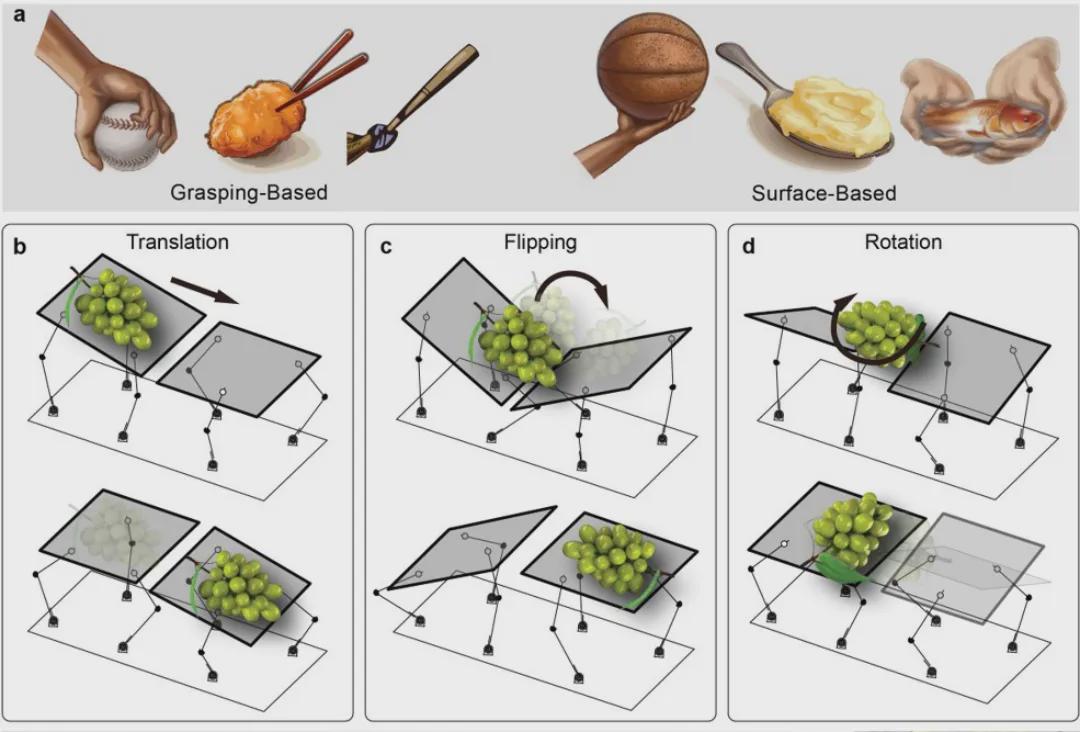
Replacing Grasping with Support: EPFL Team Proposes a New Paradigm for Robot Manipulation
Researchers from the École Polytechnique Fédérale de Lausanne (EPFL) have unveiled a groundbreaking robotic manipulation technique that moves away from conventional grasping methods to a surface-based support system. This new approach enables robots to interact with a wide range of objects without requiring stable grips, significantly improving their dexterity. The development, announced recently, has the potential to transform automation processes across multiple industries, enhancing efficiency and versatility in robotic applications. By allowing robots to manage objects more fluidly and adaptively, this innovation could lead to advancements in fields such as manufacturing, logistics, and service industries.
Robotic Manipulation Automation Technology Surface-Based Handling EPFL Research
LaST-R1: New Physical Reasoning Paradigm Achieves 99.9% Success Rate on LIBERO Benchmark
A collaborative research effort involving Simplexity Robotics, Peking University, and the Chinese University of Hong Kong (CUHK) has introduced LaST-R1, an innovative embodied AI paradigm. This new technology has demonstrated a remarkable 99.9% success rate on the LIBERO benchmark, surpassing the previous benchmark, π0.5, by 22.5% in real-world applications. The research highlights significant advancements in the field of artificial intelligence, showcasing the potential for enhanced performance in practical tasks. The findings were released in October 2023, marking a notable achievement in the ongoing development of AI systems.
AI
Lingxin Qiaoshou Completes B+ Round Financing, Initiates New Paradigm for Self-Evolving Intelligent Agents
Lingxin Qiaoshou has announced the successful completion of its B+ round of financing, attracting substantial investments from several prestigious institutions. This influx of capital will enable the company to boost its production capacity and further develop its self-evolving intelligent agents. The funding is expected to reinforce Lingxin Qiaoshou's position as a leader in the dexterous robotic hand market, allowing for advancements in technology and innovation in this rapidly evolving field.
Dexterous Robotics Self-Evolving Agents AI Technology Industrial Automation
Defining a New Paradigm of 'Embodied Intelligent Manufacturing': Hikvision Robotics Boosts Comprehensive Upgrading of the Manufacturing Industry
At the Hikvision Robotics Intelligent Manufacturing Conference 2026, Hikvision unveiled its groundbreaking concept of 'Embodied Intelligent Manufacturing.' This initiative focuses on improving manufacturing flexibility and efficiency by allowing machines to adapt seamlessly to diverse environments. During the event, the company also launched more than 35 core products and solutions designed to support this innovative approach. The conference, which took place recently, highlights Hikvision's commitment to advancing the manufacturing sector through cutting-edge technology and intelligent systems.
Intelligent Manufacturing Robotics Machine Vision Automation Solutions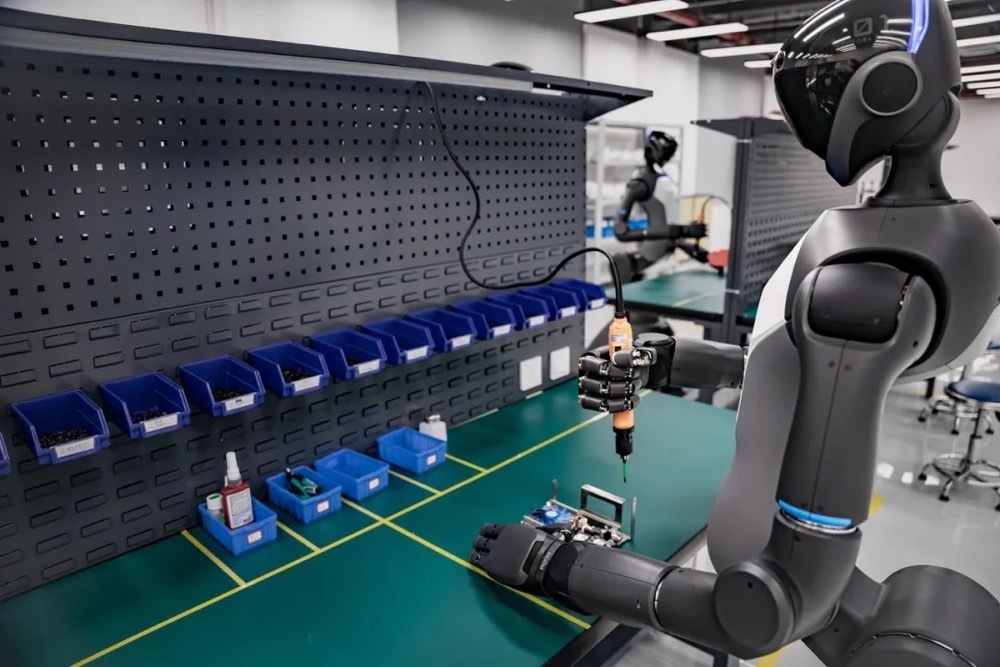
The Shifting Paradigms of Disaster Robotics Three Decades of Research
A recent study published in the Journal of Field Robotics highlights advancements in robotic technology aimed at improving agricultural efficiency. Researchers from a leading university conducted experiments over the past year, focusing on the integration of autonomous robots in crop monitoring and management. The trials took place in various agricultural settings across the Midwest, where the team sought to address the growing challenges of labor shortages and the need for sustainable farming practices. The motivation behind this research stems from the increasing demand for food production and the necessity to optimize resource use in agriculture. By employing cutting-edge robotics, the researchers aimed to demonstrate how these machines can enhance precision in tasks such as planting, watering, and pest control. The study involved deploying multiple robotic prototypes equipped with advanced sensors and AI algorithms to gather data and perform tasks autonomously. Results from the trials indicate that the use of these robots not only improved operational efficiency but also reduced the environmental impact of farming activities. The findings suggest that integrating robotics into agricultural practices could be a viable solution to meet the demands of a growing population while promoting sustainable farming methods. As the agricultural sector continues to evolve, this research paves the way for further innovations in the use of robotics to support food production and resource management.
RESEARCH ARTICLE
Comau teams with Intecells to develop a new paradigm in battery electrode manufacturing
Comau and Intecells have announced a collaboration aimed at enhancing the efficiency of battery electrode production through the innovative use of cold plasma technology. This partnership seeks to streamline the manufacturing process by eliminating the need for solvents and binders, which are traditionally used in battery production. The new approach not only promises to handle a diverse range of battery types and sizes but is also expected to significantly improve overall production efficiency. This initiative reflects a growing trend in the industry to adopt more sustainable and effective manufacturing techniques, aligning with the increasing demand for advanced battery solutions.
Robotics needs a service framework.
RSF defines a common language for robot service capability, lifecycle operations, certification pathways, and service-provider networks.
Join the RobotToday community on LinkedIn
Daily robotics news, in-depth analysis, conference highlights, and discussions with professionals worldwide.







