Industry Briefing
A single destination for timely, editor-curated robotics news from around the world.
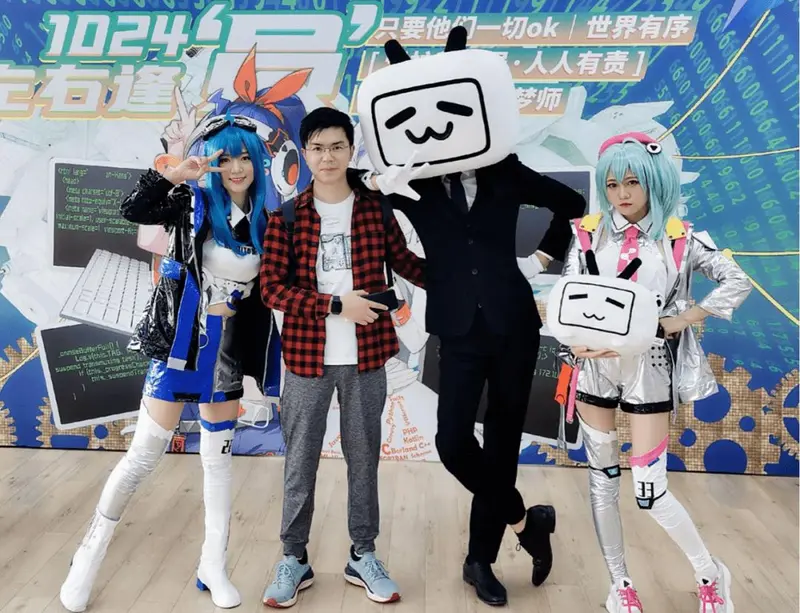
From Huawei 'Genius' to Robotics Entrepreneur: The Rise of Peng Zhihui and AgiBot
Peng Zhihui, an entrepreneur previously associated with Huawei's 'Genius Youth' program, has launched a startup named AgiBot in 2023. Based in Shanghai, AgiBot is making strides in the development of humanoid robots, attracting substantial investment and expanding its production capabilities. This rapid growth positions AgiBot as a significant contender in China's burgeoning robotics sector, which is increasingly competitive. The company's focus on innovative technology and efficient manufacturing processes underscores its ambition to lead in the field of robotics.
Zhiyuan Robotics Huawei Genie Operator-1 AGIBOT Peng Zhihui embodied intelligence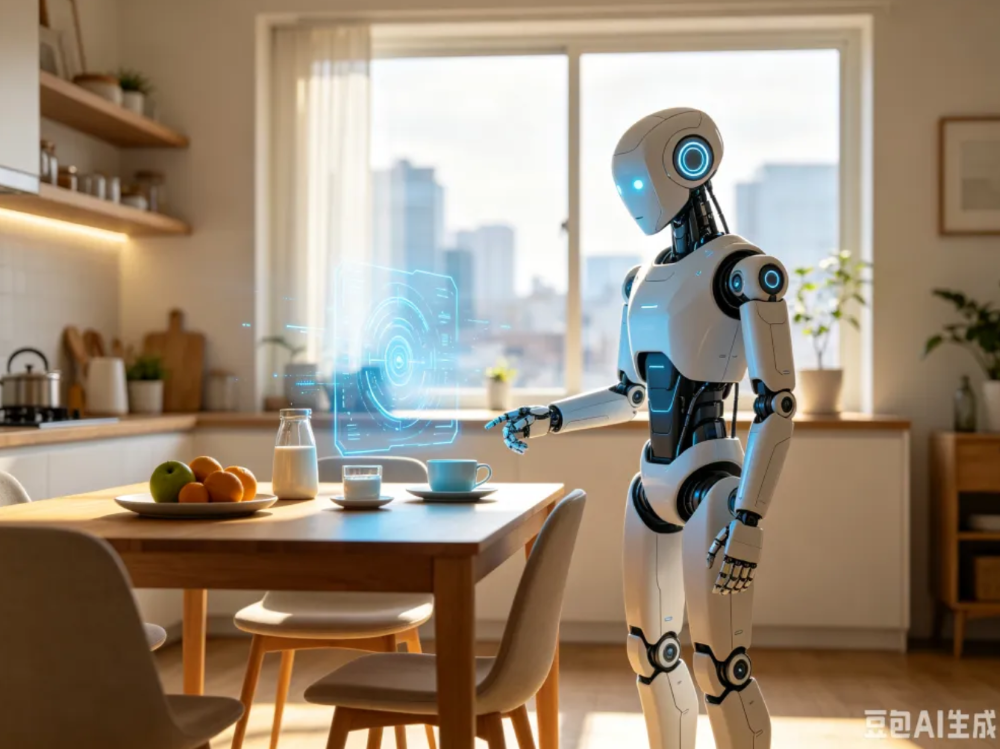
Former Huawei Executive Leads Morphi in Embodied Intelligence with Over $1.4 Billion in Funding
Morphi, a rising company in the field of embodied intelligence, has successfully secured over 1 billion yuan in angel funding, achieving a post-investment valuation of over 7 billion yuan. The startup, which counts tech giants Alibaba and Tencent among its backers, is focused on creating a versatile, multimodal robotic brain. Initially, Morphi will concentrate on commercial applications, with plans to later venture into the household robotics sector. Founded by former leaders from Huawei, the company is preparing to launch its first consumer service robot in July.
Embodied Intelligence Robotics AI Funding Startups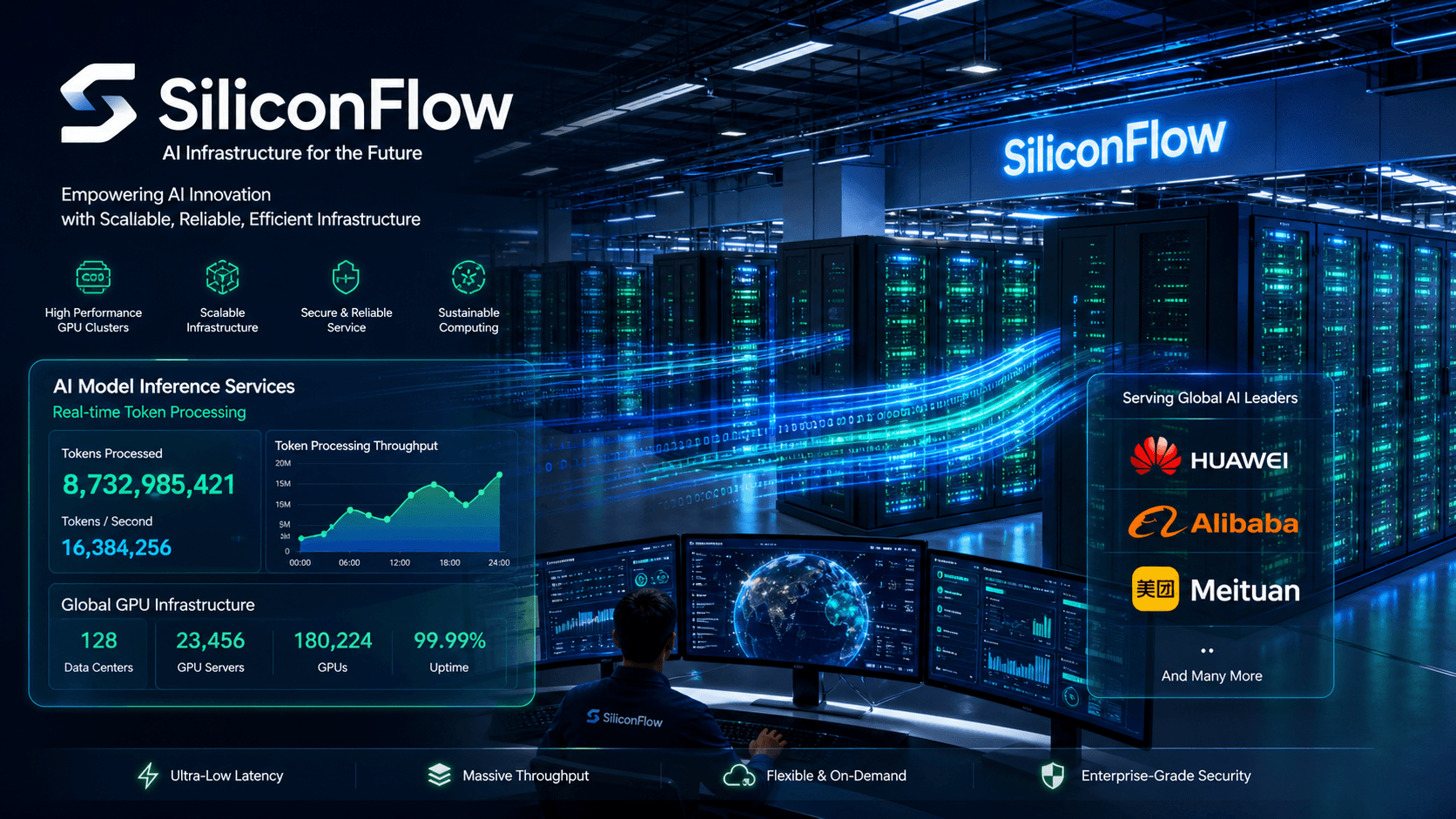
Chased by Huawei, Alibaba, and Meituan, AI Infrastructure Firm SiliconFlow Races Toward IPO
SiliconFlow, an AI token supply platform supported by major companies such as Huawei, Alibaba, and Meituan, has submitted its application for an initial public offering (IPO) in Hong Kong. This move comes amid ongoing financial challenges, including negative gross margins and increasing losses. The decision to pursue an IPO reflects the company's ambition to secure additional funding and enhance its market presence, despite the current economic hurdles it faces. The filing marks a significant step for SiliconFlow as it seeks to navigate the competitive landscape of the technology sector while addressing its financial difficulties.
News AI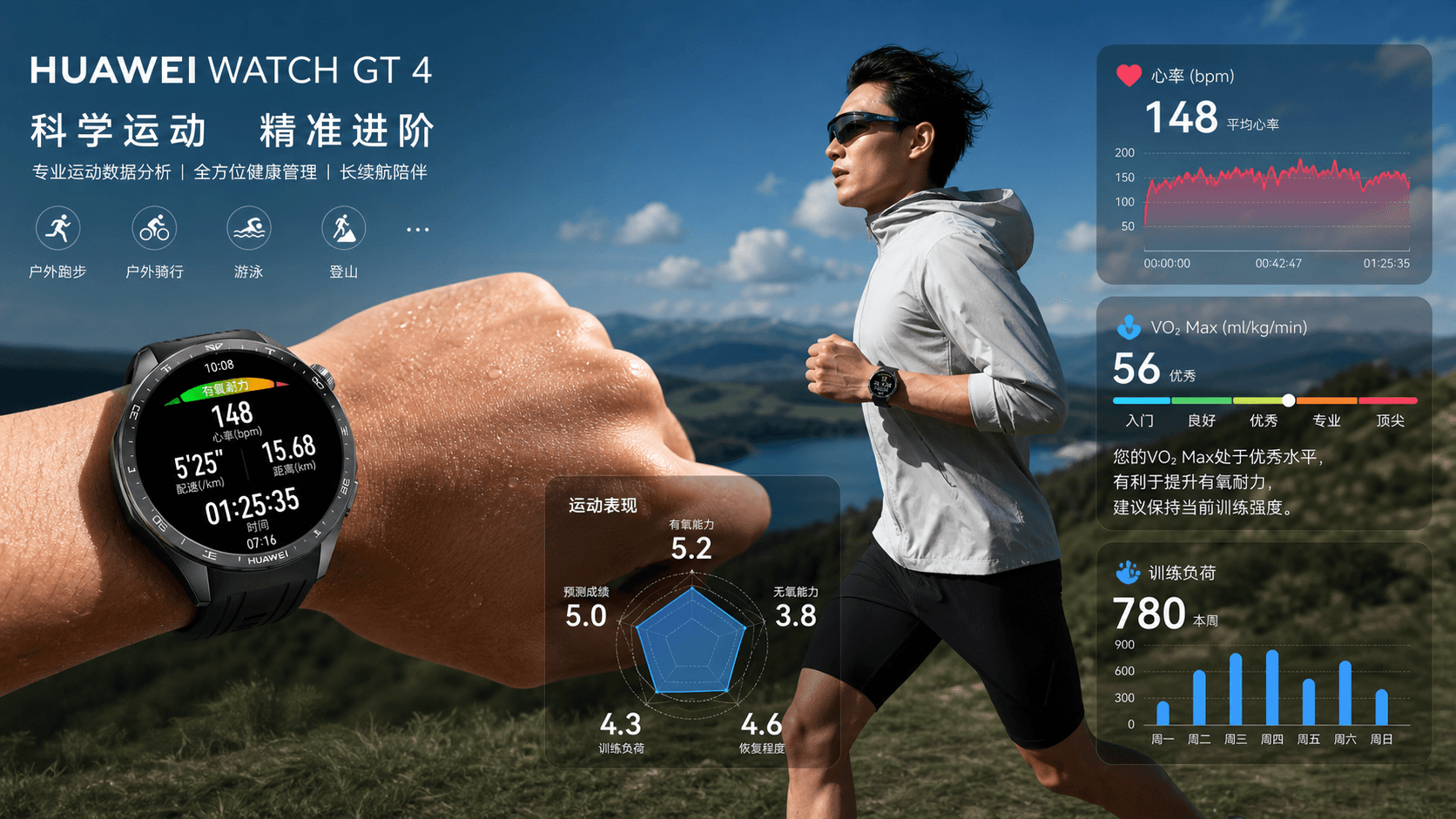
When Huawei's Sports Algorithm License Was Revoked: How a Five-Person Cross-Border Team Built a Replacement in 8 Months
In a significant technological advancement, Huawei has successfully rebuilt its wearable sports algorithm, which had been discontinued in 2020. A dedicated cross-border team of five engineers undertook the challenge, working diligently for eight months to develop the new TruSport system. This innovative platform is now integrated into millions of Huawei devices, enhancing their fitness tracking capabilities. The initiative was driven by the need to restore and improve Huawei's competitive edge in the wearable technology market, following the previous setback. The team's collaborative efforts and expertise have resulted in a robust system that promises to deliver superior performance for users seeking to monitor their athletic activities.
Industry Gadgets
Why Huawei's Young Talents Are Flocking to Embodied Intelligence Startups
In recent months, a group of former Huawei employees has ventured into the embodied intelligence sector by establishing startups that harness their expertise in artificial intelligence and robotics. This surge in entrepreneurship is taking place against the backdrop of a rapidly growing industry, with over 230 domestic companies now operating in this field. The talent pool and technological foundation developed at Huawei are playing a crucial role in driving innovation and attracting substantial investment to these new ventures. This entrepreneurial wave aligns with the maturation of Huawei's 'Genius Youth' program, which has effectively equipped participants with the skills necessary for success in the competitive startup landscape.
Embodied Intelligence AI Robotics Startup Ecosystem Investment Trends
Huawei's Young Talent Wang Yuxin Launches New Venture, Secures Millions in First Month: Can Streaming Video Open New Horizons?
Wang Yuxin, a notable figure from Huawei and a key member of Yuanstone Technology, has launched a new venture named Xingjie Intelligent, dedicated to advancing 'streaming video generation.' Within just one month of its inception, the company has successfully raised millions in angel funding. Xingjie Intelligent aims to transform video interactivity by enabling real-time user engagement, thereby surpassing conventional video creation techniques. This innovative strategy is designed to tackle the evolving challenges associated with content creation in interactive environments.
Streaming Video AI Technology Interactive Media Video Generation
Huawei-Backed Startup Raises Hundreds of Millions in Three Rounds, Why Target Developers First?
Euler Robotics, a Shenzhen-based company, has successfully secured over hundreds of millions in funding in just three months. The firm is concentrating on creating a robot tailored for developers instead of directly targeting consumers. Founded by individuals with extensive experience from major tech companies like Huawei and Amazon, Euler Robotics aims to leverage insights from early adopters to improve the robot's functionality. This strategy highlights their distinctive approach within the competitive home robotics sector, as they seek to gather real-world data to refine their product offerings.
Robotics AI Startup Funding Developer Community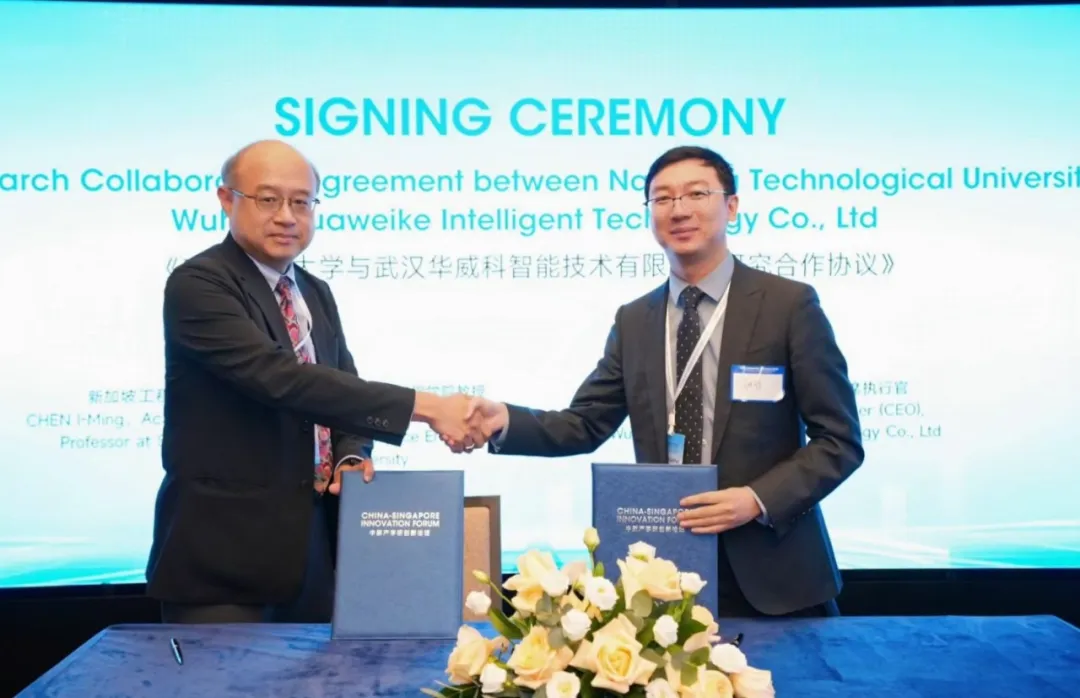
Huaweike Secures 70% Market Share and Signs Agreement in Singapore, Aiming for Global Leadership in Tactile Sensing Standards
Huaweike, a prominent player in tactile sensing technology, has entered into a research collaboration with Nanyang Technological University in Singapore. This partnership aims to leverage Huaweike's leading position, which includes a substantial 70% market share in humanoid robot tactile sensors, to drive innovation and establish global standards within the sensing industry. The collaboration is set to showcase significant advancements in flexible sensor technology, reflecting both organizations' commitment to enhancing the capabilities of tactile sensing in robotics and beyond.
Tactile Sensors Flexible Sensors Robotics AI Industrial Automation
Huawei unveils “HAMOMO” AI companion robot for HarmonyOS cockpit
Huawei has unveiled HAMOMO, an innovative AI companion robot aimed at transforming in-car interaction within its HarmonyOS cockpit. The launch took place recently, showcasing the company's commitment to integrating advanced technology into automotive experiences. This new robot is designed to enhance user engagement through voice AI capabilities and expressive features, allowing for a more intuitive and interactive driving experience. By leveraging artificial intelligence, Huawei seeks to address the growing demand for smart technology in vehicles, positioning itself as a leader in the automotive tech space. The introduction of HAMOMO reflects the company’s strategy to create a seamless blend of technology and user-friendly interfaces, ultimately aiming to improve safety and convenience for drivers and passengers alike.
AI
Huawei launches HarmonyOS AI smart glasses with camera and translation
Huawei has unveiled its inaugural AI smart glasses powered by HarmonyOS, featuring a 12MP camera capable of capturing images in just 0.7 seconds. The launch took place today, showcasing the company's latest innovation in wearable technology. These smart glasses not only allow for quick image capture but also incorporate AI-assisted framing and first-person video recording capabilities. Equipped with Huawei's Xiaoyi AI assistant, the glasses facilitate real-time video interactions and offer simultaneous translation in 42 languages, enhancing communication for users. The frame is constructed from aerospace-grade titanium, underscoring Huawei's commitment to durability and quality in its products. This launch marks a significant step for Huawei in the wearable tech market, aiming to blend advanced technology with practical applications for everyday users.
News Feed
Huawei hints at AI glasses launch
He Gang, the CEO of Huawei Consumer Business Group, recently teased the potential launch of a new product, the "HUAWEI AI Glasses," by sharing a photo featuring the device's watermark. This announcement comes as speculation mounts that the AI glasses could be unveiled in the first half of the year. The anticipated product is expected to offer features such as photography capabilities, audio functionality, and seamless integration with HarmonyOS across multiple devices. Huawei's move into the AI glasses market reflects its ongoing commitment to innovation and the expansion of its technology ecosystem.
News Feed
MWC 2026: Huawei to open source A2A-T telecom agent protocol software
Huawei has announced plans to launch an open-source project for software supporting the A2A-T (Agent-to-Agent for Telecom) protocol at the Mobile World Congress (MWC) 2026. This initiative aims to encourage the adoption of telecom-grade agent communication standards throughout the industry. The A2A-T protocol, which was developed in collaboration with industry partners, is designed to establish a unified interaction framework for telecom services. By promoting this standard, Huawei seeks to enhance interoperability and streamline communication processes within the telecommunications sector.
News Feed MWC 2026
Huawei launches first companion chat robot Smart Hanhan, priced at about $55
Huawei introduced its first companion chat robot, Smart Hanhan, during a product launch event on Tuesday. The device, designed to resemble a furry toy, is priced at RMB 399 (approximately $55) and is set to be available for purchase starting November 28. Smart Hanhan features human-like interaction capabilities, responding to touch through actions such as stroking and tickling, which can be activated by physical contact or blowing. This innovative product aims to enhance daily communication and companionship for users.
News Feed
China unveils humanoid robot standards committee with members from Unitree, ZhiYuan, Xiaomi, Huawei, ZTE and XPeng
China’s Ministry of Industry and Information Technology (MIIT) announced the formation of a new Standardisation Technical Committee for Humanoid Robots on Monday, unveiling a proposed roster of 65 members. Among those appointed as deputy chairs are Wang Xingxing, founder of Unitree Robotics, and Peng Zhihui, co-founder of ZhiYuan Robotics. The committee includes senior executives from major technology firms such as Huawei, ZTE, and XPeng, alongside prominent scholars from Tsinghua University. This initiative aims to establish standardized practices and guidelines in the rapidly evolving field of humanoid robotics, reflecting China's commitment to advancing its technological capabilities and fostering innovation in this sector. The establishment of the committee is seen as a strategic move to enhance collaboration between industry leaders and academic institutions, ensuring that the development of humanoid robots aligns with national standards and global trends.
News Feed
Huawei launches Mate 70 Air pre-sale at around $580, powered by Kirin 9020A/9020B chip
Huawei has officially begun pre-orders for its latest smartphone, the Mate 70 Air, which is priced starting at RMB 4,199 (approximately $580). Announced today, this device is being marketed as the thinnest flagship in the history of the Mate series, with a sleek profile measuring just 6.6mm in thickness. The Mate 70 Air features an aerospace-grade titanium alloy frame and ultra-ceramic glass, materials chosen to enhance both durability and weight reduction. This innovative design aims to attract consumers looking for a high-performance yet lightweight smartphone.
News Feed
Huawei, vivo, and OPPO help establish first global fast-charging standard under ITU
The International Telecommunication Union (ITU) has officially approved a new universal fast-charging standard, designated L.1004, aimed at mobile terminals. This standard, co-authored by China's China Academy of Information and Communications Technology (CAICT) along with major tech companies Huawei, vivo, and OPPO, facilitates fast charging across various brands and devices. The initiative, announced recently, seeks to address the growing concern of charger duplication and electronic waste, promoting a more sustainable approach to mobile technology. By standardizing fast-charging protocols, the ITU aims to streamline user experiences and reduce the environmental impact associated with multiple chargers.
News Feed
Huawei rolls out HarmonyOS 6, ahead of next month’s Mate 80 launch
On Wednesday, Huawei introduced its latest operating system, HarmonyOS 6, during a press event. This new system will debut on the upcoming Mate 80 series, marking the company's first flagship smartphones to incorporate the updated software. The release focuses on providing a "smooth, intelligent, and secure" user experience, achieved through advanced integration of software and hardware. This strategic move aims to enhance the overall functionality and connectivity of Huawei devices, reinforcing the company's commitment to innovation in the competitive smartphone market.
Heavy Hitters E-commerce and New Retail Highlight News smartphone and devices
Huawei launches HarmonyOS 6 with AI agent framework and file sharing with Apple devices
Huawei has officially launched HarmonyOS 6, following extensive developer testing, and is now offering large-scale public beta access for more than 90 device models. This significant update enhances the integration of AI agents and improves connectivity across different ecosystems, including compatibility with Apple devices. A key feature of this release is the Harmony Intelligent Agent Framework (HMAF), which enables developers to create interactive and decision-making agents. This advancement reflects Huawei's commitment to innovation and its aim to strengthen its position in the competitive tech landscape.
News Feed
Huawei’s first EV with SAIC receives 50,000 pre-orders after launch
Huawei and Chinese automaker SAIC have reported an impressive surge in interest for their inaugural electric vehicle, the Shangjie H5, which was unveiled on Monday. Within just 18 hours of its launch, the companies received over 50,000 preorders for the midsize crossover, priced starting at RMB 169,800 (approximately $23,738). Customers can secure their orders with a refundable deposit of RMB 1,000. The Shangjie H5 is equipped with the latest technological features, reflecting the growing demand for electric vehicles in the market.
News Feed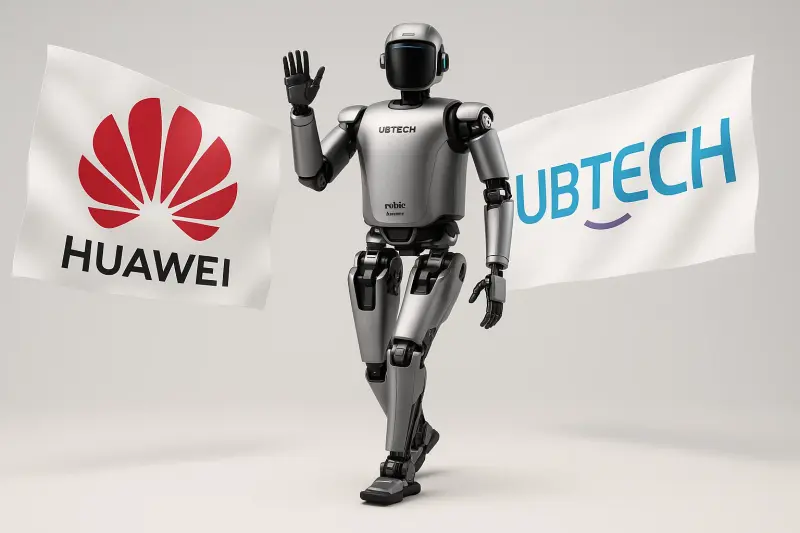
Huawei and UBTech Join Forces to Bring Humanoid Robots to Factories and Homes
Huawei and UBTech Robotics have announced a strategic partnership aimed at advancing the development and deployment of humanoid robots for industrial and domestic use. This collaboration, which was unveiled recently, will utilize Huawei's advanced AI processors, cloud technology, and extensive models to enhance the capabilities of robots designed for smart factories and household services. Central to this initiative is the establishment of a joint innovation center dedicated to embodied intelligence, which will serve as a hub for research and development in this cutting-edge field. The partnership reflects a growing trend towards integrating artificial intelligence into robotics, driven by the increasing demand for automation in various sectors.
UBTECH Robotics
Huawei announces launch of first HarmonyOS PC on May 19
Huawei has revealed plans to launch its inaugural HarmonyOS PC on May 19, signaling a significant advancement in its efforts to create a comprehensive smart ecosystem. This operating system, developed entirely by Huawei, operates independently of established platforms like Google’s Android and Microsoft’s Windows. HarmonyOS is designed to function seamlessly across a variety of devices, including smartphones, tablets, PCs, wearables, televisions, and automotive systems. The introduction of the HarmonyOS PC represents Huawei's commitment to diversifying its technology offerings and enhancing user experience across multiple device categories.
News Feed
Huawei advances in robotics with “MATEROBOT” trademark application
Huawei has filed a trademark application for “MATEROBOT” with the Trademark Office of the China National Intellectual Property Administration. Submitted last month, the application is currently under substantive examination. The trademark encompasses a diverse array of products, including telepresence robots, chatbot software, user-programmable humanoid robots, smartphones, and AI-powered humanoid robots designed for communication and learning. This move reflects Huawei's strategic expansion into the robotics and artificial intelligence sectors, aiming to enhance its portfolio and innovate within the technology landscape.
News Feed
China Mobile, Huawei, and Leju Robot unveil world’s first 5G-A equipped humanoid robot at MWC 2025
At the Mobile World Congress 2025 on Thursday, China Mobile, Huawei, and Leju Robotics introduced the world's first humanoid robot featuring 5G-A technology. This advanced iteration of 5G, known as 5G-Advanced, represents a significant step towards the future of connectivity, bridging the gap between current 5G networks and the anticipated 6G systems. The robot is designed to leverage the enhanced capabilities of 5G-A, which include broader bandwidth, ultra-low latency, and a more intelligent network architecture. This innovation aims to enhance communication and operational efficiency in various applications, showcasing the potential of next-generation technology in robotics.
News Feed
Huawei launches embodied intelligence innovation center in Shenzhen
Huawei unveiled its Global Embodied Intelligence Innovation Center last Friday, marking a significant step in the development of embodied artificial intelligence systems capable of real-time interaction with their surroundings. This initiative, a collaboration with local government authorities from Qianhai and the Bao’an district, aims to foster foundational technologies and support various industry applications. The launch event highlighted the center's commitment to advancing AI capabilities that can operate in physical environments, reflecting Huawei's strategic focus on innovation in the tech sector.
News Feed
Import AI 444: LLM societies; Huawei makes kernels with AI; ChipBench
Researchers are exploring methods to quantify creativity, a concept that has long been considered subjective and difficult to measure. This initiative is gaining traction as experts from various fields, including psychology, education, and artificial intelligence, collaborate to develop metrics that can objectively assess creative output. The project is particularly relevant in today's rapidly evolving technological landscape, where creativity is increasingly recognized as a vital skill in both personal and professional contexts. The exploration into quantifying creativity is taking place across multiple institutions and conferences, with significant discussions occurring in late 2023. These efforts aim to establish standardized frameworks that can be applied in educational settings, workplaces, and even in evaluating artistic endeavors. By creating reliable assessment tools, researchers hope to enhance understanding of the creative process and its impact on innovation. The motivation behind this research stems from the need to better understand how creativity can be fostered and utilized, especially as industries seek to adapt to changing demands. By employing a combination of qualitative and quantitative analysis, researchers are investigating various approaches, including the use of algorithms and psychological assessments, to create a comprehensive picture of creativity. As this field of study progresses, it holds the potential to transform how creativity is perceived and nurtured, ultimately leading to more effective strategies for encouraging innovative thinking across diverse sectors.

Tencent, Huawei, Baidu Fuel the Rise of China’s Cloud-Powered Robots
Shenzhen-based robotics company Dobot has formed a strategic partnership with Tencent Cloud, announced today, to enhance the integration of cloud computing infrastructure and improve collaboration between edge devices and the cloud. This collaboration aims to leverage Tencent's cloud capabilities to optimize Dobot's robotics solutions. Dobot has established itself in the global market, having shipped over 80,000 collaborative robots to notable clients such as BYD, Mercedes-Benz, Porsche, Xiaomi, and Microsoft. The company recently unveiled Atom, the world's first full-sized humanoid robot designed for dexterous manipulation, in March. This partnership with Tencent Cloud is expected to further advance Dobot's technological innovations and expand its reach in the robotics sector.
News Feed
South Africa Has AI Leverage. Its Draft Policy Leaves It Unused
South Africa is positioned uniquely in the global landscape of artificial intelligence (AI) governance due to its substantial reserves of platinum-group metals, which are essential for semiconductor manufacturing. This strategic advantage, coupled with the country’s status as the largest data center market in Africa, places it at the center of a geopolitical contest between Chinese and American tech companies vying for influence over AI infrastructure on the continent. The urgency for South Africa to establish a robust AI policy has intensified following the withdrawal of a draft policy that failed to address critical governance issues. Minister of Communications and Digital Technologies Solly Malatsi's decision to withdraw the draft came after concerns were raised about inaccuracies within the document. In response, a new independent panel has been formed to revise the policy, led by experts from various institutions, although no timeline for completion has been established. As major investments from companies like Microsoft and Huawei are underway, South Africa faces a pivotal choice: to negotiate terms that ensure data sovereignty and technology transfer or to accept standard commercial terms that could lead to dependency on foreign infrastructure. The outcome of these negotiations will not only impact South Africa but could also set a precedent for AI governance across the African continent. Without a clear policy framework, the country risks losing its leverage in a rapidly evolving technological landscape.
Ai Artificial-intelligence Microsoft South-africa Huawei Ai-policy
Inside Momenta: Elon Musk-style CEO, AI obsession, and mass production machines.
Momenta, a Chinese autonomous driving company, has made significant strides in the industry, achieving a market capitalization of HKD 70 billion on its IPO debut on July 8. Founded by Cao Xudong, who frequently travels to the U.S. to experience Tesla's Full Self-Driving (FSD) technology, the company boasts over 50% market share in designated vehicle models and over 60% in mass-produced vehicles. Cao's strategic decision to focus on L2-level mass production, rather than the more commonly pursued L4 direction, has been pivotal in establishing Momenta's competitive edge. Despite initial skepticism and funding challenges, his commitment to engineering efficiency has driven the company to achieve a gross margin increase from 17.5% to 71.6% over three years, alongside a doubling of revenue and narrowing losses. As the market for L2 technology becomes increasingly crowded with competitors like Huawei and Horizon Robotics, Momenta faces mounting pressure. The company is also navigating rapid advancements in AI technology, with a focus on world models and robotics as future growth areas. Cao's vision includes integrating hardware and software to enhance cost-effectiveness and maintain a competitive advantage. Despite the challenges, Cao remains optimistic about Momenta's potential, emphasizing the importance of a passionate team dedicated to AI innovation. As the industry evolves, the company's past successes may serve as a foundation for navigating future uncertainties.
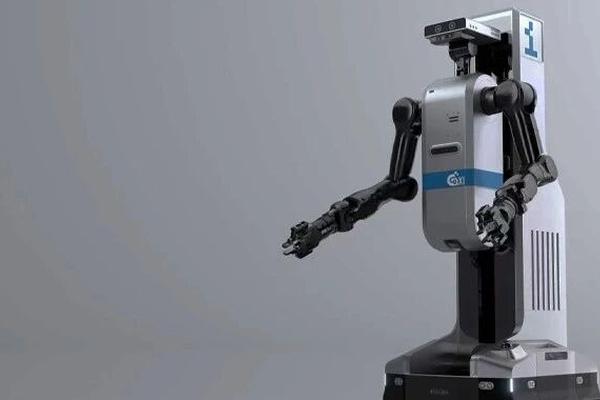
Tsinghua alumni launch AI startup, securing hundreds of millions in angel funding for the automotive industry.
Embodied intelligence company Guangxiang Technology has successfully secured hundreds of millions in angel funding, with significant participation from leading investors including Zhuhai Technology Industry Group, Xingsheng Capital, and several others. Founded in April 2025 through a collaboration between Tsinghua University's Vehicle and Transportation Institute and its AI Institute, Guangxiang aims to advance the development of its physical native base model and commercialize embodied intelligent robots for industrial applications. The company's founder and CEO, Zhang Tao, previously led the spatial perception engine at Amap, while co-founder Professor Li Shengbo is a renowned expert in reinforcement learning and autonomous driving. The team, which includes members from major tech firms like Alibaba and Huawei, is focused on a unique technological approach that diverges from mainstream visual-language-action models. Guangxiang's flagship product, the Phi-Bot X1, was launched in June 2026 and is designed for industrial environments. The robot has demonstrated impressive capabilities, completing a full welding operation on an automotive production line without errors during a 21.5-hour continuous run at the 2026 ATC exhibition. The company plans to expand its applications in the automotive sector, targeting the remaining 30% of automation gaps that traditional methods cannot address. Zhang envisions a robust market for automotive production line robots, estimating a potential market size of around 100 billion yuan in China. Guangxiang Technology is committed to refining its products and scaling operations, with a focus on real-world applications and continuous feedback to enhance its offerings.
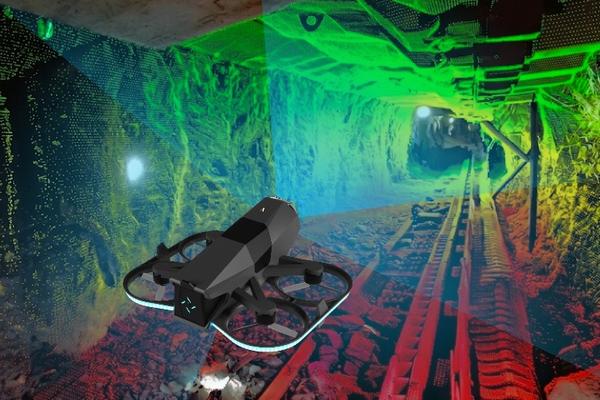
Former DJI scientist raises billions in four funding rounds within six months, backed by YaoTu Capital and JinQiu Fund.
Silicon Feather Technology (SPARO), a company specializing in general aerial intelligence, has successfully completed four rounds of financing totaling hundreds of millions of yuan within six months. Following initial seed funding from Yaotu Capital, subsequent investments came from Jin Qiu Fund, Alibaba, Hongyi Investment, ProLogis Yingshan Capital, and Yunshi Capital. The funds will primarily be used to expand key team positions, commercialize product lines, and accelerate the iteration of their technology platform. Founded in February 2026, SPARO aims to evolve traditional remote-controlled aircraft into autonomous aerial agents capable of understanding their environment and making decisions. The core team comprises experts from top research institutions and leading companies like DJI and Huawei, bringing over a decade of technological expertise and industrial experience. SPARO has developed a comprehensive technology stack that enables aircraft to operate in complex environments without GPS, including low-light and dynamic conditions. Founder Zhang Fu, a prominent figure in robotics, emphasizes that the future of the industry lies in autonomous capabilities rather than hardware specifications. He believes that current drones can only observe and not interact with their environment, which SPARO aims to change. The company has already secured dozens of seed customers and partners in the drone and logistics sectors. Investors have expressed confidence in SPARO's potential, highlighting its unique position in the aerial intelligence market and the team's ability to transform cutting-edge academic research into commercially viable products. With plans for a comprehensive ecosystem that includes a simulation platform for developers, SPARO is poised to redefine the capabilities of aerial robotics.
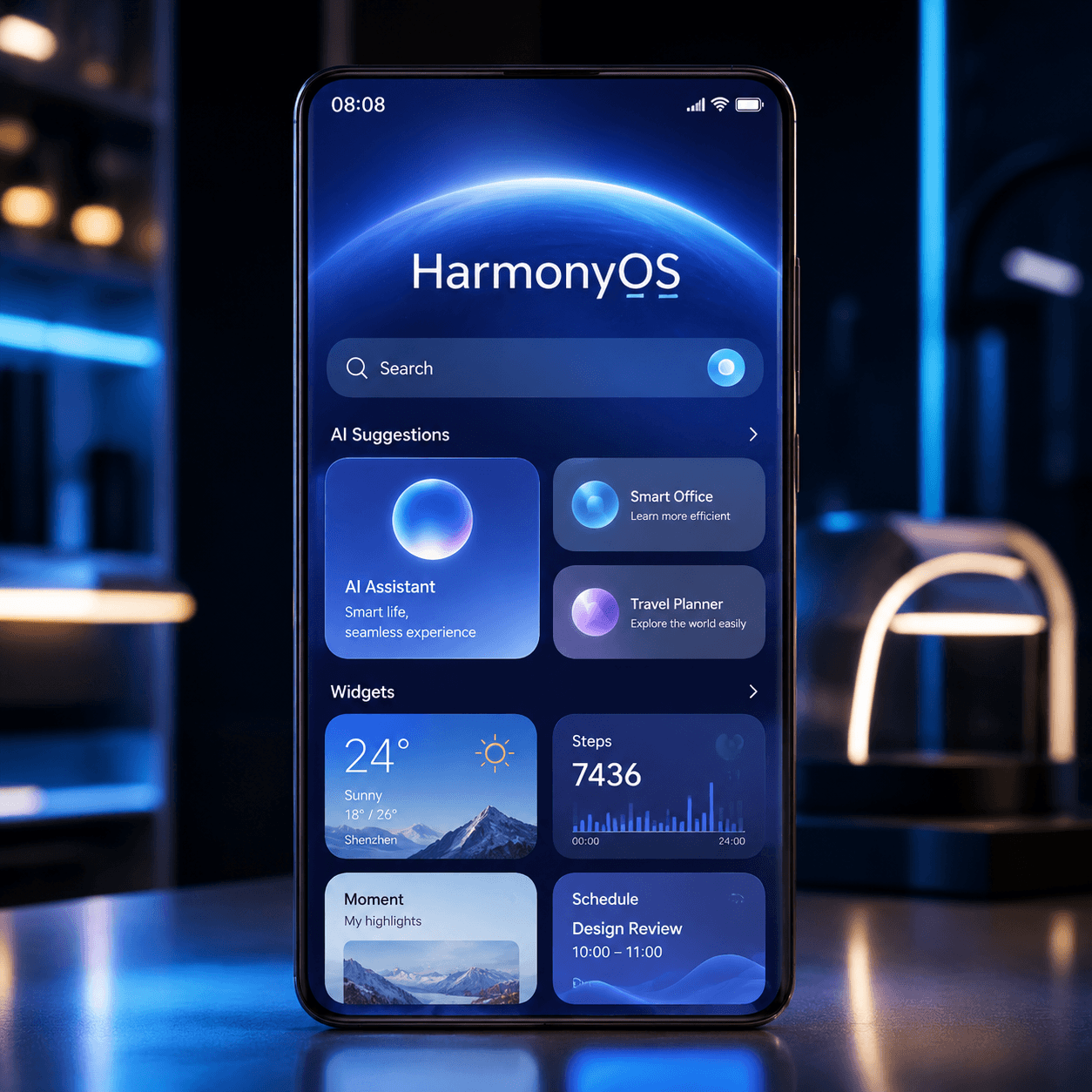
HarmonyOS Meta Services Enable AI-Driven Service Distribution — from Discovery to Conversion
At the HDC 2026 event, Huawei unveiled its HarmonyOS Meta Services, featuring an AI-driven contextual distribution system designed to enhance connectivity among over 24,000 partners. This innovative service chain aims to streamline the journey from discovery to conversion, showcasing Huawei's commitment to integrating advanced technology into everyday applications. The announcement highlights the company's focus on leveraging artificial intelligence to improve user experiences and facilitate seamless interactions across various platforms. By fostering collaboration among a vast network of partners, Huawei seeks to redefine service delivery in the digital landscape.
Industry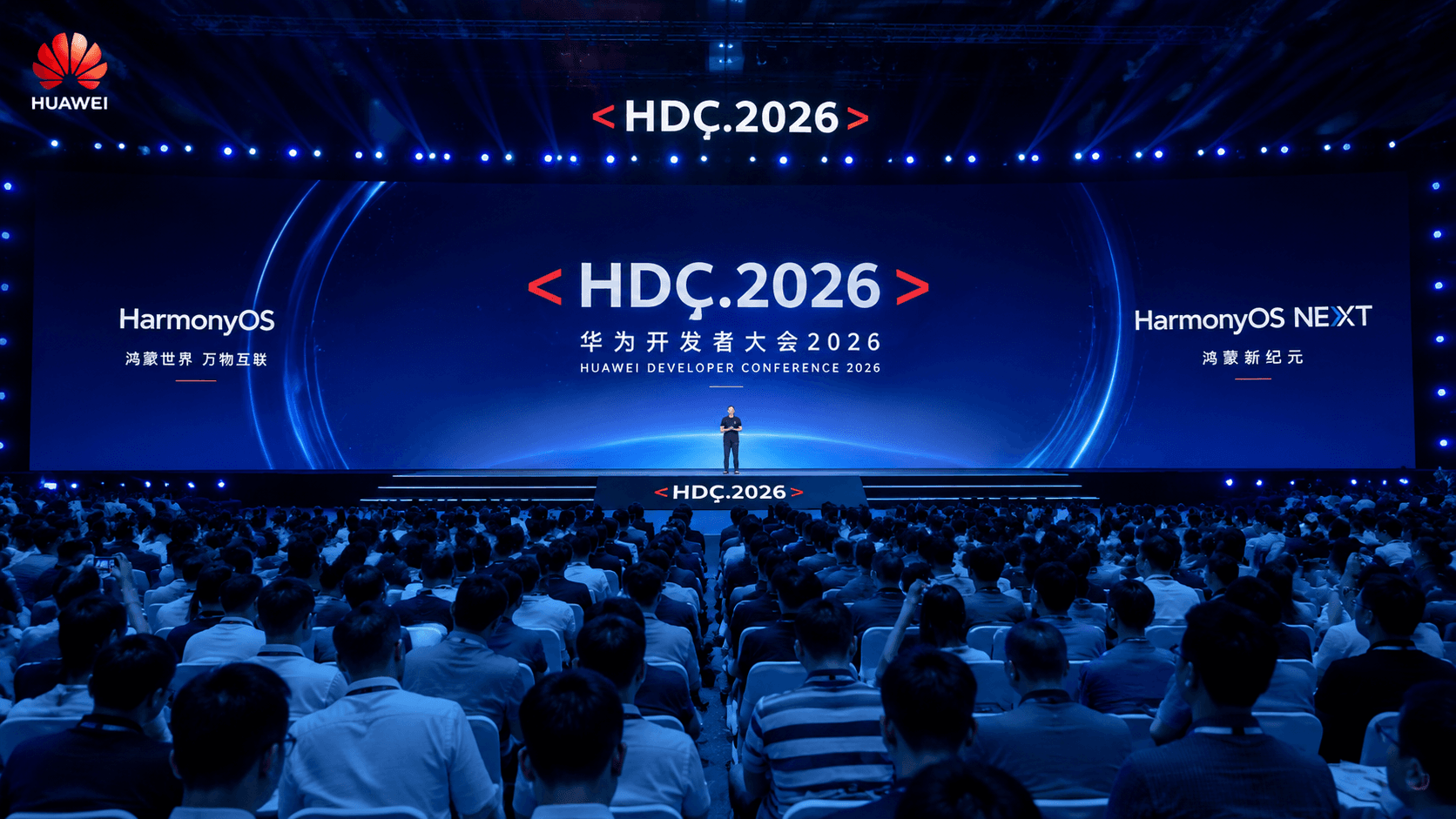
HDC 2026 Showcases HarmonyOS 7's Five-Dimensional Upgrade and Surging Ecosystem Innovation
At Huawei's HDC 2026 event, the company showcased significant upgrades to HarmonyOS 7, emphasizing advancements in spatial computing, intelligence, security, smoothness, and connectivity. The event, which took place recently, also featured a range of innovations from Huawei's partners, underscoring the collaborative efforts to enhance the ecosystem surrounding HarmonyOS. The upgrades aim to improve user experience and functionality, reflecting Huawei's commitment to staying competitive in the rapidly evolving tech landscape. Through these enhancements, Huawei seeks to solidify its position in the market and drive further adoption of its operating system.
Technology
Milestone: Ascend 910C Completes Full-Parameter Post-Training of 1.6 Trillion Parameter Model, Domestic AI Computing Crosses Key Threshold
Shenzhen Hetao College, in partnership with Harbin Institute of Technology (Shenzhen), the Shenzhen Big Data Research Institute, and Huawei, has announced a significant advancement in domestic artificial intelligence computing. The collaborative effort culminated in the successful completion of a full-stack AI computing platform, marking a pivotal moment for the region's technological landscape. This achievement, revealed on October 15, 2023, in Shenzhen, aims to enhance the capabilities of AI applications across various industries. The initiative is driven by the growing demand for advanced computing solutions and the need to bolster China's position in the global AI arena. By integrating expertise from academia and industry, the consortium has developed a robust system designed to support complex AI tasks, thereby fostering innovation and economic growth in the region.
AI
Former Kepler CEO Hu Debo Launches 'Sota Unbounded' to Achieve Scaling Law with World Models
Hu Debo, the former CEO of Kepler and a prominent figure at Huawei, has launched a new venture called Sota Unbounded. This company is focused on creating an advanced brain system designed to enhance robots' ability to comprehend and engage with the physical world. By employing innovative data collection and modeling techniques, Sota Unbounded aims to redefine the concept of embodied intelligence. The initiative seeks to address the needs of various industries, positioning itself as a leader in the development of intelligent robotic solutions.
Embodied Intelligence Robotics AI Data Collection Automation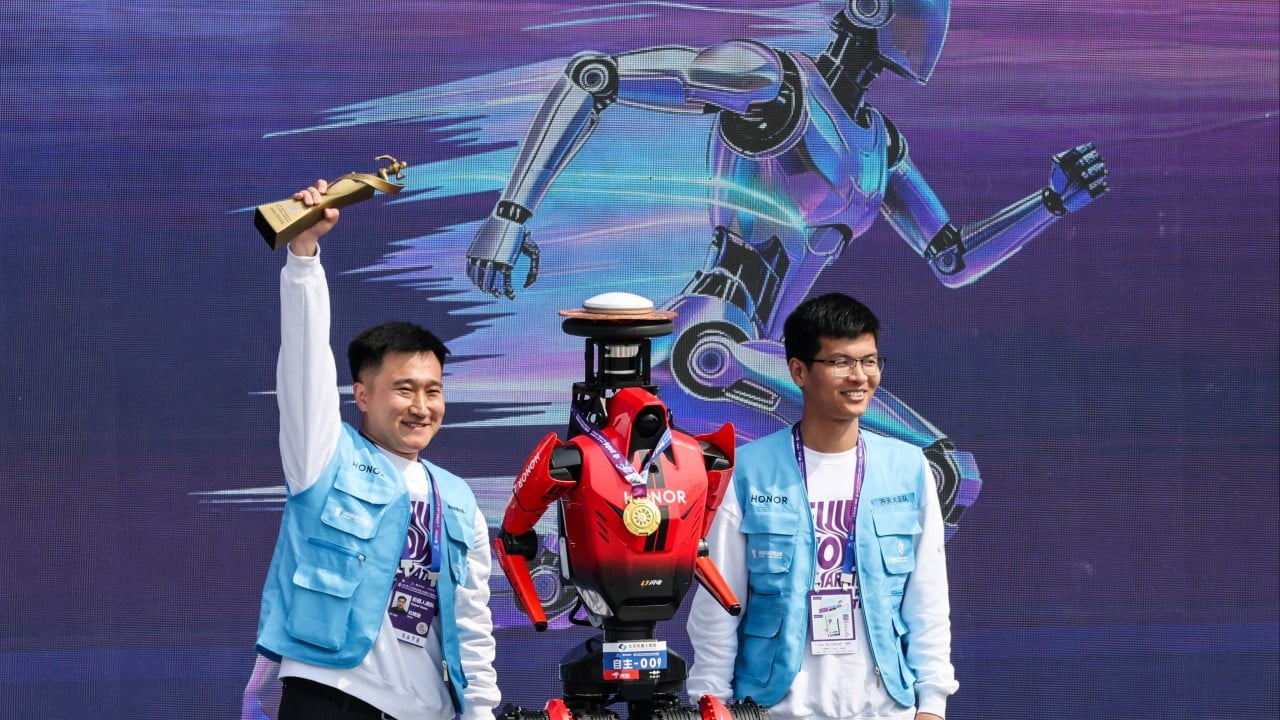
Chinese tech giants advance robotics push as sector sees rapid growth
Chinese technology giants, including Huawei's spin-off Honor and Alibaba Group, are leading the nation’s initiative to advance its robotics industry as part of Beijing's strategy to stimulate growth in this sector. In a notable achievement, Honor, which pivoted to robotics last year after its separation from Huawei in 2020, clinched the top prize at the second Beijing humanoid half-marathon held on Sunday. This victory was particularly significant as it outperformed established competitors like Unitree and X-Humanoid, highlighting Honor's rapid ascent in the robotics field. The event underscores the increasing emphasis on innovation and competition within China's burgeoning robotics landscape, driven by government support and investment in technology.
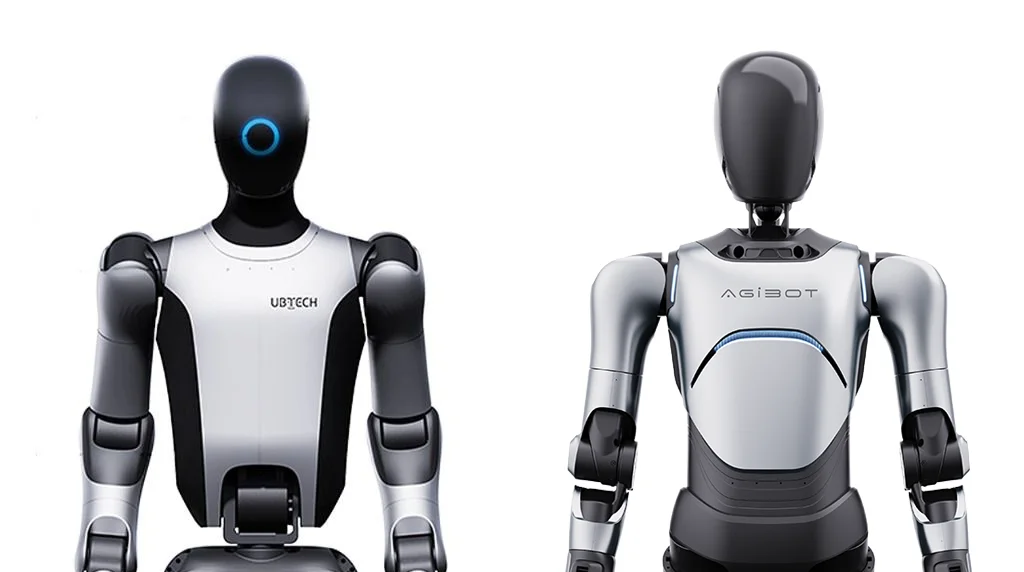
China Drafts ''Dream Team'' for Humanoid Robot Standards, Taps Founders of Unitree and AgiBot to Lead
The Ministry of Industry and Information Technology has unveiled a proposed roster for a new national standards committee aimed at shaping the future of China's technology sector. This initiative features a blend of prominent entrepreneurs and established tech giants, including Huawei and XPeng, reflecting a strategic move to harness expertise from both innovative startups and industry leaders. The announcement comes as the government seeks to enhance regulatory frameworks and set benchmarks that will guide the development of emerging technologies. By assembling this diverse group, the Ministry aims to foster collaboration and ensure that national standards align with global advancements, ultimately driving growth and competitiveness in the industry. The proposed committee is expected to play a crucial role in defining standards that will influence various sectors, including telecommunications, automotive, and artificial intelligence.
Unitree Robotics LimX Dynamics China AGIBOT UBTECH Robotics Fourier Intelligence
BYD invests in DJI’s automotive subsidiary
BYD, the prominent Chinese electric vehicle manufacturer, has made a strategic investment in the automotive division of drone manufacturer DJI, although the exact amount remains undisclosed. This move comes as BYD seeks to enhance its assisted driving capabilities, an area where it has been trailing behind competitors such as Tesla and Huawei. The investment is directed towards Zhuoyu Technology, a Shenzhen-based auto tech firm that is fully owned by DJI. This collaboration aims to bolster BYD's technological advancements in the automotive sector, reflecting the company's commitment to staying competitive in a rapidly evolving market.
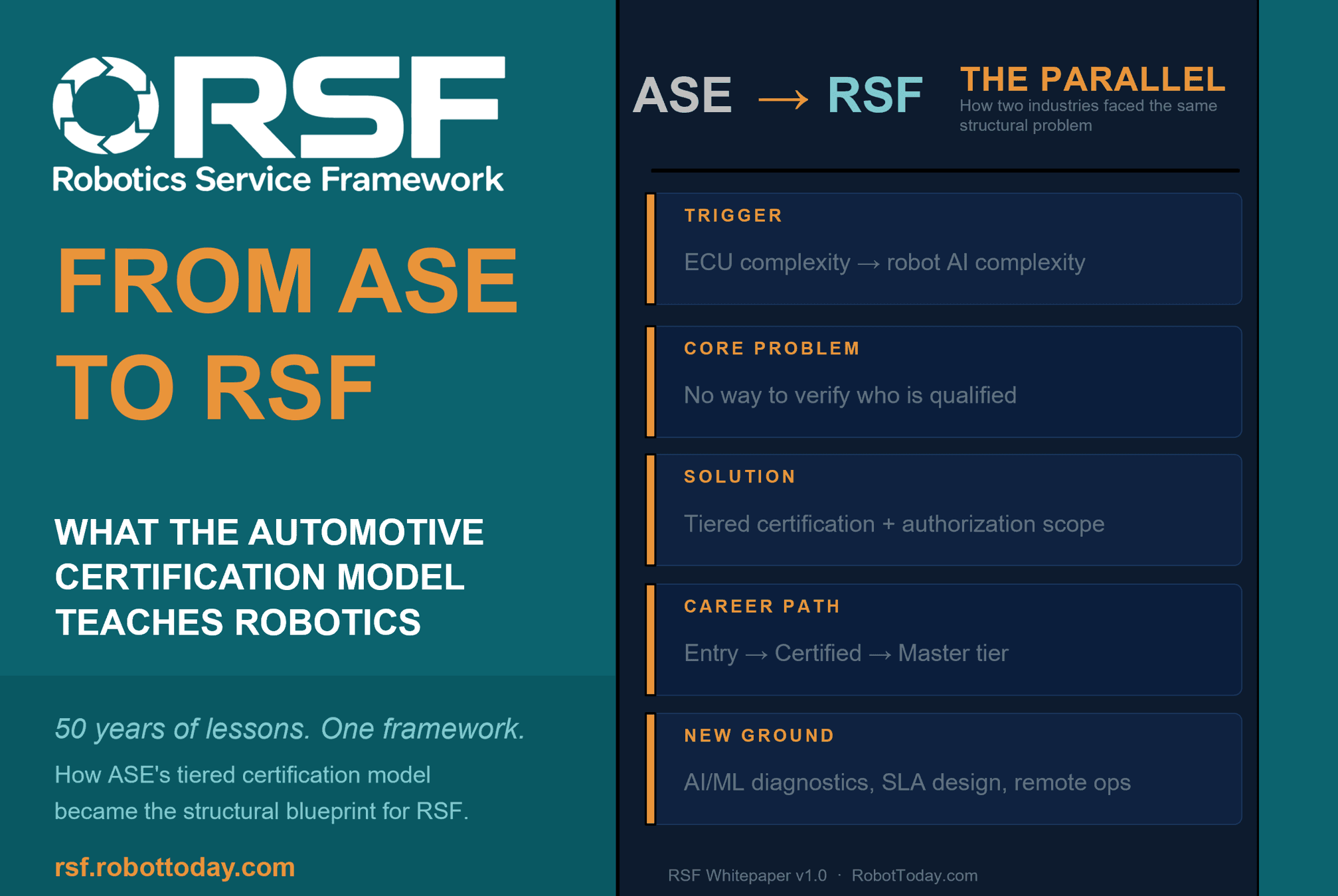
News FeedRobotics needs a service framework.
RSF defines a common language for robot service capability, lifecycle operations, certification pathways, and service-provider networks.