

Industry Briefing
A single destination for timely, editor-curated robotics news from around the world.

First Bluebottle Hull Christened as Part of Royal Australian Navy's Program of Record
Ocius Technology has achieved a significant milestone in the Royal Australian Navy's $176 million Bluebottle Program with the ceremonial christening of the first uncrewed surface vessel (USV) hull. This event, which took place following the contract announcement in March, marks the initial delivery under the program aimed at enhancing naval capabilities. The Bluebottle USVs are designed to support various maritime operations, reflecting the Navy's commitment to modernizing its fleet and improving operational efficiency. The successful christening underscores Ocius Technology's role in advancing innovative maritime solutions for the Australian defense sector.
bluebottle usv hull christening ocius royal australian navy
Merry Christmas and a Happy New Year!
As the holiday season approaches, many individuals and families around the world are preparing to celebrate Christmas and welcome the New Year. This time of year is marked by various traditions, including festive decorations, gift-giving, and gatherings with loved ones. Communities are organizing events to spread joy and foster a sense of togetherness, often featuring holiday markets, concerts, and charitable activities aimed at helping those in need. In 2023, the spirit of the season is particularly poignant, as many people reflect on the challenges faced over the past year and express gratitude for their blessings. The celebrations, which typically begin in late December, will see families coming together in homes, churches, and public spaces to partake in age-old customs and create new memories. As the clock strikes midnight on December 31st, festivities will culminate in New Year celebrations, with fireworks and parties marking the transition into 2024. This dual celebration serves not only as a time for joy and reflection but also as an opportunity for individuals to set intentions and resolutions for the year ahead. Overall, the holiday season of 2023 promises to be a time of connection, hope, and renewal, as communities worldwide embrace the warmth and cheer that Christmas and the New Year bring.
christmas new year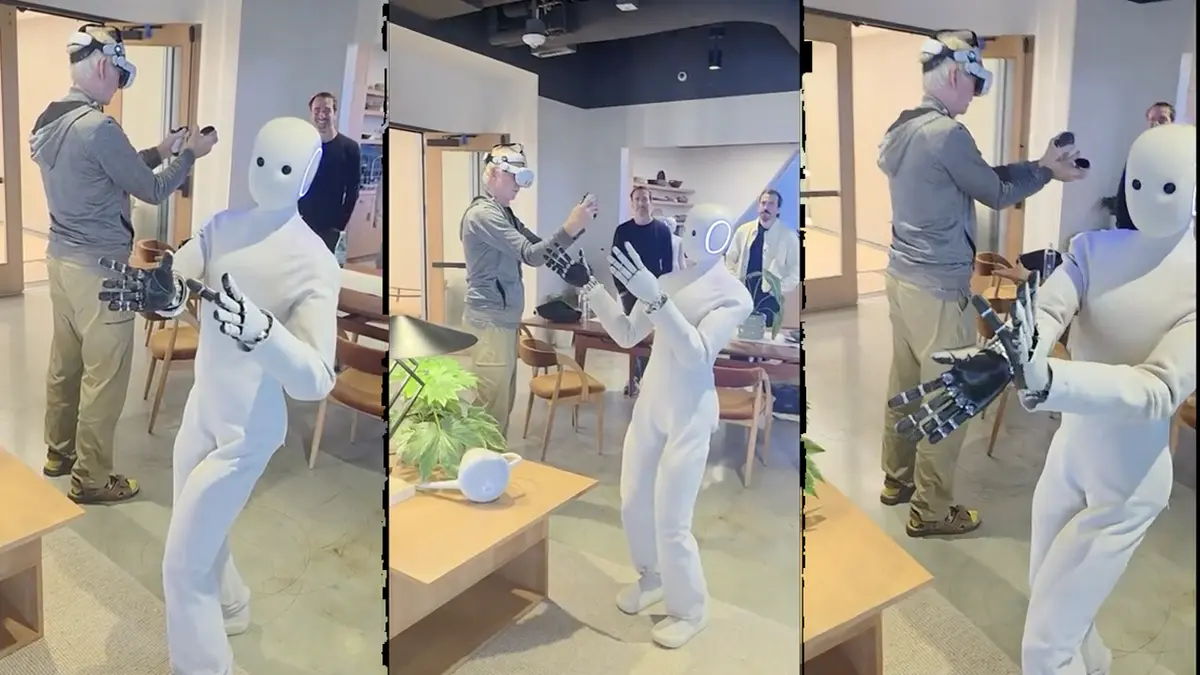
Investor Chris Camillo Shifts from Skeptic to Believer After 1X Visit
Investor Chris Camillo's perspective on 1X's tendon-driven robots shifted dramatically following a visit to the company's headquarters. During the visit, which took place recently, Camillo recognized the potential of these robots as frontrunners for in-home deployment. Accompanying him was robotics expert Scott Walter, who also expressed significant admiration for the technology. This newfound enthusiasm highlights the growing interest in robotics solutions for everyday use, as industry leaders begin to see the practical applications of such innovations in domestic settings.
1X-technologies Scott Walter Chris Camillo NEO
Exploring PLC and robot integration with YRG Robotics Chris Elston
Chris Elston recently shared insights on the integration of Programmable Logic Controllers (PLC) with Yamaha Robotics and the role of artificial intelligence in the future of automation. During the discussion, he emphasized the importance of accessibility and innovation in advancing robotic technologies. This conversation took place in the context of ongoing developments in the robotics industry, reflecting a growing interest in how these technologies can enhance operational efficiency and accessibility in various sectors. Elston's expertise sheds light on the potential for PLC and robotics to work in tandem, paving the way for smarter automation solutions that could transform industries.
Artificial Intelligence Business Resources Investments News Opinion Podcast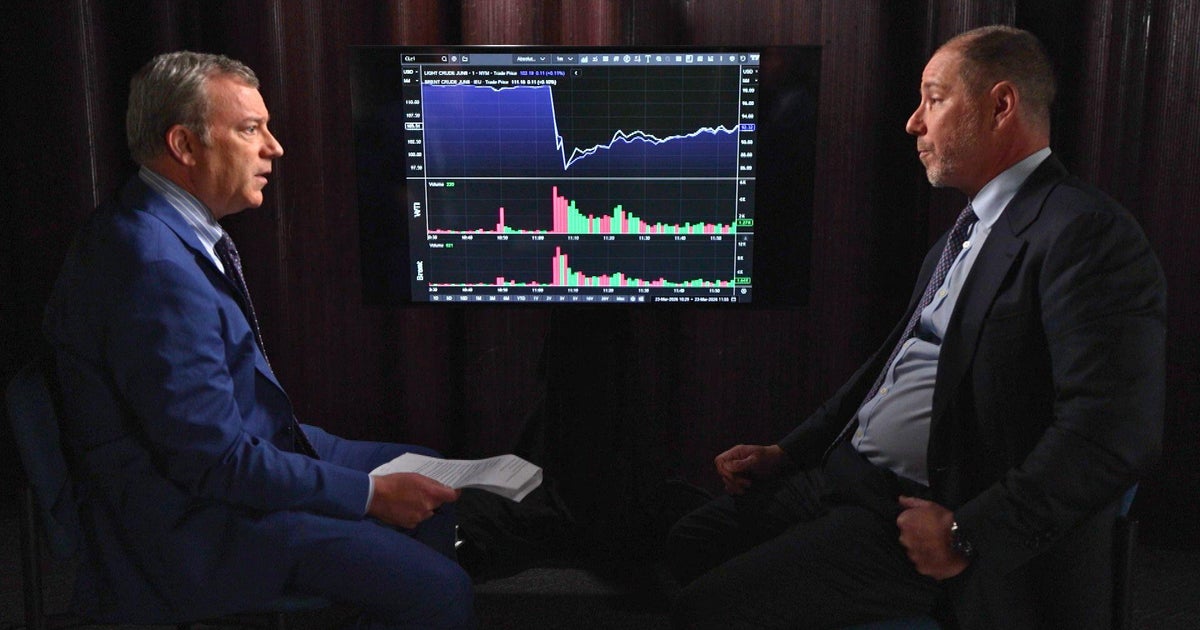
5/17/2026: Betting on War; The Knowledge; Christopher Nolan
In a recent analysis, experts have noted that prediction markets are increasingly placing bets on the likelihood of war, challenging conventional odds and raising concerns about global stability. This trend reflects a growing unease among investors and analysts regarding geopolitical tensions and potential conflicts. Meanwhile, in London, taxi drivers are expressing skepticism about the rise of robotaxis, voicing concerns over safety, job security, and the reliability of autonomous vehicles. The city's iconic cabbies have long been a staple of urban transport, and their apprehension highlights the broader debate surrounding the integration of technology in public transportation. In a separate development, acclaimed filmmaker Christopher Nolan recently participated in an interview with "60 Minutes," where he discussed his creative process, the challenges of filmmaking, and his latest projects. Nolan's insights provide a glimpse into the mind of one of the industry's most influential directors, as he reflects on the evolving landscape of cinema and storytelling. These stories collectively underscore the intersections of technology, societal change, and the arts, illustrating the diverse challenges and opportunities facing contemporary society.

Powering the Next American Century: US Energy Secretary Chris Wright and NVIDIA’s Ian Buck on the Genesis Mission
During a fireside chat at the SCSP AI+ Expo on Thursday morning, U.S. Energy Secretary Chris Wright and NVIDIA Vice President Ian Buck discussed the pivotal role of artificial intelligence in transforming the energy sector. They emphasized how AI technologies can enhance energy efficiency and optimize resource management, addressing the growing demand for sustainable energy solutions. The conversation highlighted the urgent need for innovation in energy production and consumption, driven by climate change and the quest for greener alternatives. By leveraging AI, the energy industry can better predict consumption patterns, reduce waste, and ultimately build a more resilient energy infrastructure. This dialogue underscores the collaboration between government and technology leaders to harness advanced computing capabilities for a sustainable future.

Supervisory Board extends term of Chief Financial Officer Christian Harm
The Supervisory Board of KION GROUP AG has decided to extend Chief Financial Officer Christian Harm's contract until July 2029. This move aims to maintain stability within the Executive Board as Harm has played a crucial role in steering significant financial initiatives and guiding the company through difficult economic circumstances since he took office in 2023.
intralogistics supply chain solutions industrial trucks forklift trucks warehouse trucks automation technology
Robot Talk Episode 139 – Advanced robot hearing, with Christine Evers
Claire recently engaged in a conversation with Christine Evers, an Associate Professor in Computer Science and Director of the Centre for Robotics at the University of Southampton. Their discussion centered on innovative research aimed at enhancing robots' ability to interpret their surroundings through auditory cues. Evers highlighted the significance of advancing machine listening technologies, which are crucial for enabling robots to better understand and interact with the world. This research not only aims to improve robotic capabilities but also seeks to bridge the gap between human and machine communication, ultimately paving the way for more intuitive and responsive robotic systems.
AI turns x-rays into time machines for arthritis care
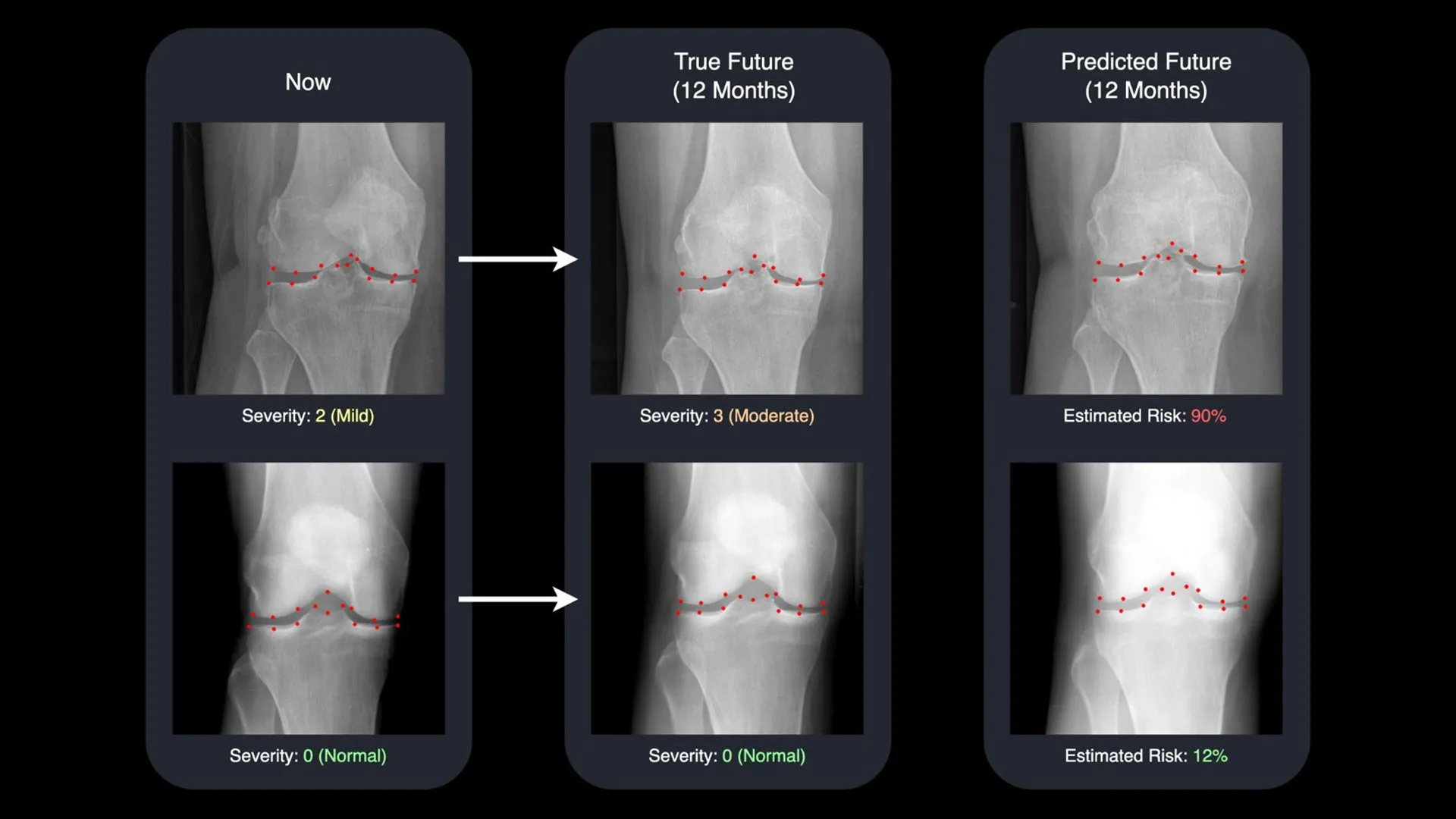
Researchers at the University of Surrey have created an innovative artificial intelligence tool capable of predicting the appearance of a person's knee X-ray one year into the future, significantly aiding in the monitoring of osteoarthritis progression. This advanced system not only generates a visual forecast of potential changes but also assigns a risk score, enhancing the understanding of the disease for both medical professionals and patients. The AI tool is designed to be faster and more interpretable than previous models, which could lead to its application in predicting other health conditions, including lung and heart diseases, in the near future.
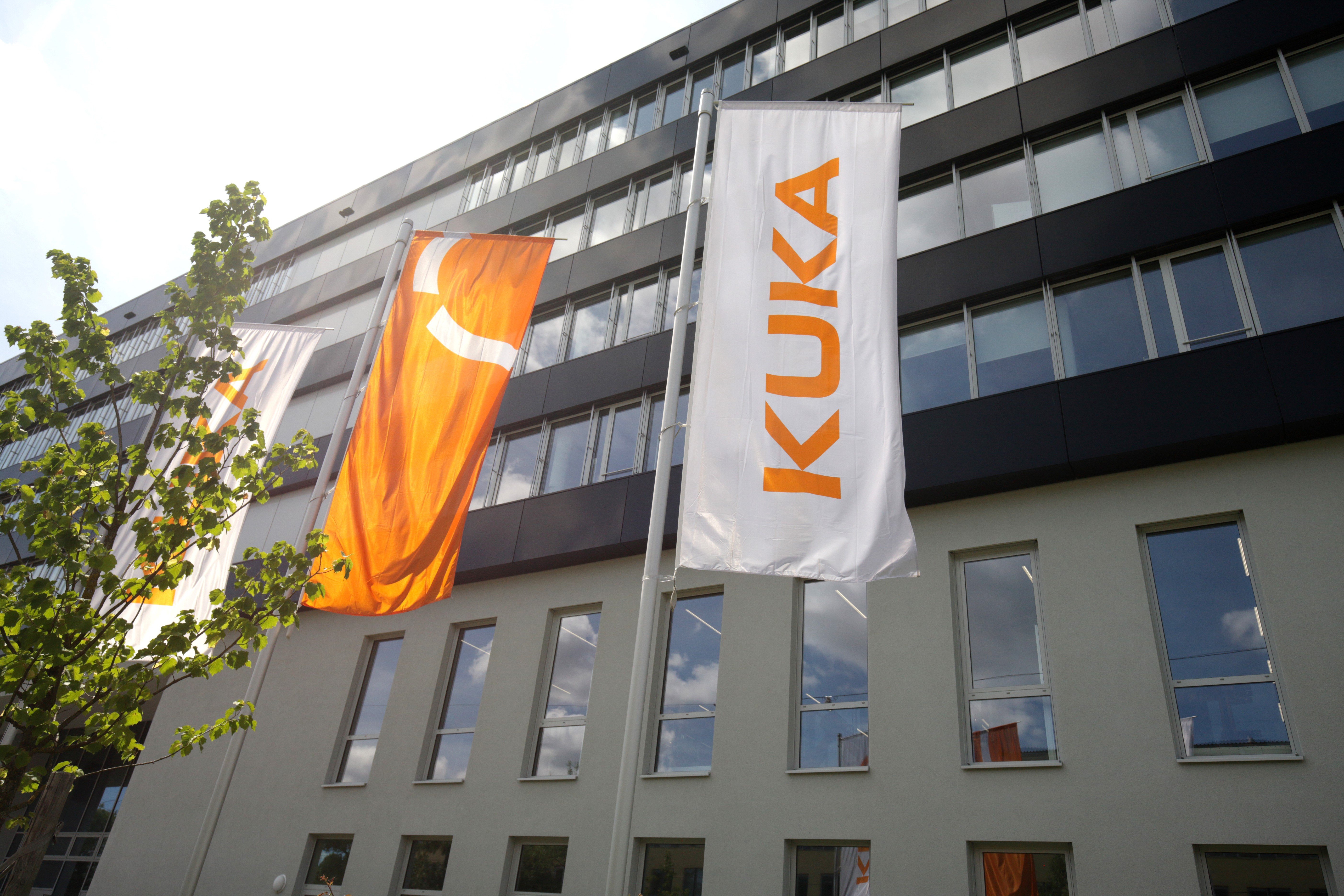
Christoph Schell Appointed CEO of KUKA Group
Christoph Schell has been named the new Chief Executive Officer of KUKA AG, effective July 1. Schell, who currently serves as the Chief Commercial Officer at Intel, will take over from Peter Mohnen, who is stepping down after 13 years on the KUKA Executive Board at his own request. This leadership change comes as KUKA seeks to enhance its strategic direction and innovation in the technology sector.

Investor Chris Camillo: Humanoid Robots are 'Embodied AI' with Trillion-Dollar Potential
Investor Chris Camillo has undergone a significant shift in perspective regarding humanoid robots, evolving from skepticism to strong advocacy for their potential. He argues that 'embodied AI' could serve as an 'infinite labor machine,' poised to revolutionize sectors such as manufacturing, logistics, and healthcare. Camillo highlights the involvement of key industry players, including Tesla, Figure, and Apptronik, as they embark on pilot programs with plans to scale operations within the next three to five years. He envisions a future where humanoid robots become commonplace within the next 10 to 30 years. Camillo emphasizes the importance of the Robotics as a Service (RaaS) business model, which could significantly alter economic landscapes by providing flexible and scalable robotic solutions. However, he also warns investors to remain cautious of the immediate hype surrounding these technologies, suggesting that while the long-term prospects are promising, the path to widespread adoption will require careful navigation of challenges and expectations.
Tesla Figure Apptronik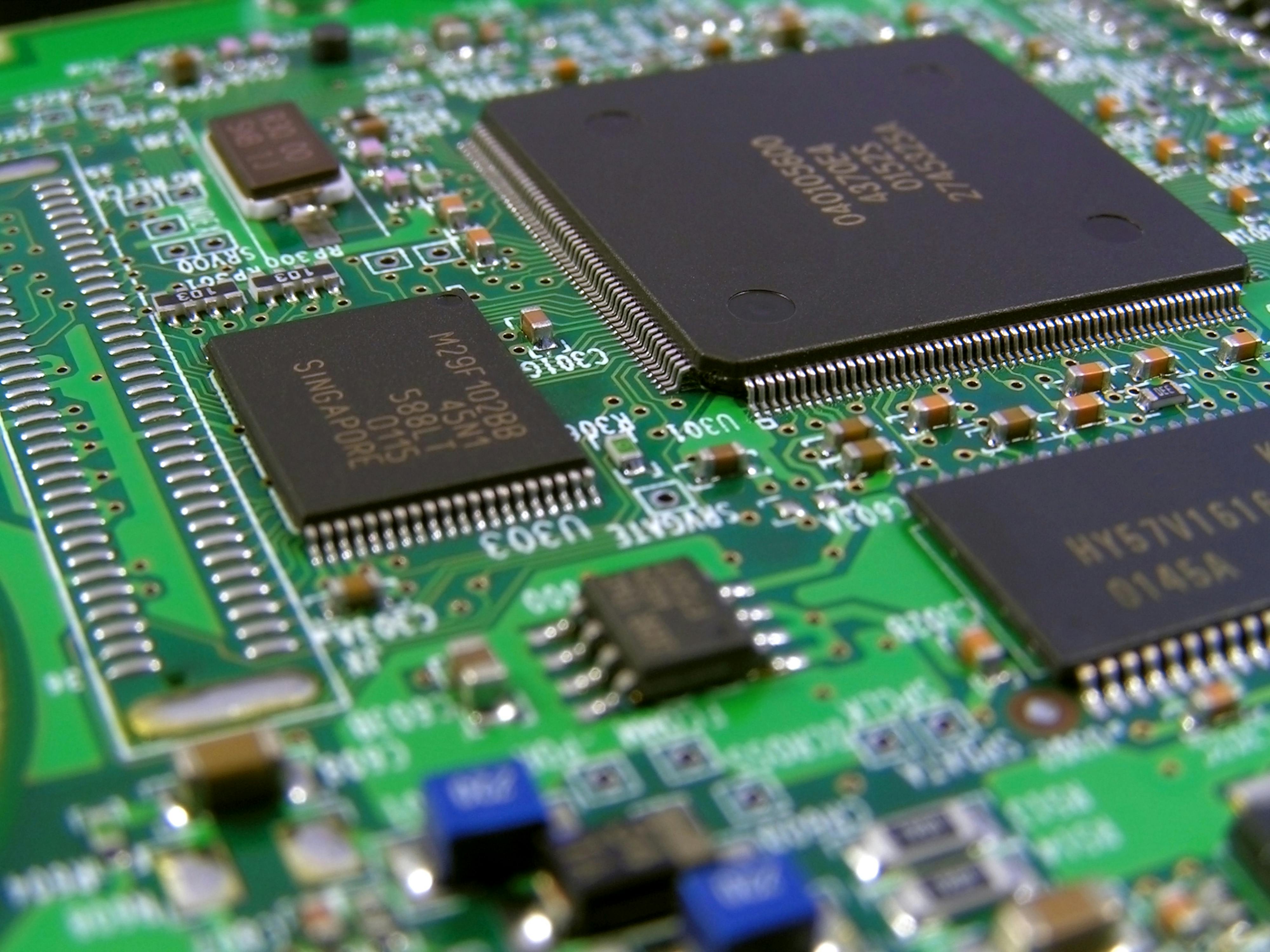
Atlas Core of Engineers Enhances Semiconductor Resiliency with PROFINET Networking Solutions
Atlas Core of Engineers, an industrial-controls firm, is collaborating with semiconductor companies to improve operational resiliency through advanced automation. By retrofitting existing facilities and establishing new ones, Atlas aims to minimize downtime in a sector where interruptions are intolerable. Ahmad Jodeh, the firm's owner, emphasizes the importance of PROFINET technology in overcoming the limitations of traditional PROFIBUS systems, particularly in terms of bandwidth and troubleshooting. The semiconductor industry is undergoing significant changes, driven by global competition and technological advancements. U.S. manufacturers are investing heavily in domestic chip production, spurred by incentives from the CHIPS and Science Act. This shift is prompting companies to enhance their automation capabilities to maintain competitiveness, with PROFINET playing a crucial role in achieving higher efficiency and reliability in operations. As semiconductor firms transition to PROFINET, they are leveraging its network redundancy features to ensure continuous operation. This capability allows for the establishment of multiple communication routes, which is vital in preventing downtime. The ongoing evolution in the semiconductor landscape highlights the need for innovative solutions that can adapt to rapid changes while ensuring operational integrity.
Factory / Digital Transformation
SpaceX's Starmind Plans 1 Million AI Satellites Amid Collision Risks
SpaceX has announced its ambitious Starmind project, which aims to deploy 1 million AI satellites in orbits between 500 and 2,000 km. This initiative, confirmed by Elon Musk on June 23, 2026, follows a merger with xAI, valuing the combined entity at $1.25 trillion. The satellites will function as orbital data centers, processing AI workloads powered by solar arrays and linked by optical lasers. The significance of Starmind lies in its potential to add 100 gigawatts of AI compute capacity annually, contingent on the successful operation of the Starship launch system. However, the project raises concerns regarding space debris, as the current orbital environment is already congested, with a 20% increase in collision risk reported since 2024. The European Space Agency has highlighted that the density of debris in low Earth orbit is now comparable to that of active satellites, complicating the operational landscape for new entrants like Starmind. Looking ahead, the first operational orbital AI deployments are targeted for 2028, with test launches expected in early 2027. However, the project faces scrutiny regarding its impact on space debris, as even a 1% failure rate could significantly increase the number of uncontrollable objects in orbit, exacerbating existing risks. No further timeline was disclosed at the time of publication.

SpaceX's Starmind Project: Supplier Strategy and Chip Manufacturing Plans for 2026
SpaceX's Starmind project, aimed at deploying up to 1 million AI satellites, was filed with the FCC on January 30, 2026. The initiative is designed to minimize reliance on external suppliers, with CEO Elon Musk stating that current chip production capabilities only meet 2% of the projected needs. The first satellite, AI1, is set for prototype launches in early 2027, featuring a 70-meter wingspan and a modular payload system that allows for interchangeable chips from various suppliers. The significance of Starmind lies in its ambitious supply chain strategy, which seeks to transition from external hardware suppliers to a fully integrated Musk-owned facility by 2028. The Gigasat manufacturing site in Bastrop, Texas, is expected to be operational by the end of 2027, with plans for high-volume production of the D3 chip, specifically designed for space applications. This approach aims to consolidate chip manufacturing processes under the Terafab joint venture, which has an estimated initial investment of $55 billion. Looking ahead, the next milestone for Starmind is the launch of AI1 prototypes in early 2027, while the full-scale chip production at Terafab is projected to ramp up significantly thereafter. However, analysts express skepticism regarding the feasibility of achieving Musk's ambitious compute goals, which may require substantial investment and time to establish the necessary manufacturing capabilities.

Starmind's Satellite Technology Achieves 880 Billion Liters in Annual Water Savings
Starmind has announced that its satellite technology can save approximately 880 billion liters of cooling water annually at full scale. This figure is equivalent to the annual household water use of around 6.5 million Americans. The technology operates by utilizing a closed-loop liquid cooling system that eliminates the need for water during its operational life, contrasting sharply with traditional ground data centers that consume vast amounts of water for cooling. The significance of this achievement lies in the growing water consumption crisis faced by data centers, particularly as AI expansion drives demand. In 2025, U.S. data centers consumed nearly one trillion liters of water, highlighting the urgent need for sustainable solutions. Starmind's approach not only addresses direct water usage but also avoids indirect water consumption associated with electricity generation, marking a substantial shift in how computing can be conducted in a resource-efficient manner. Looking ahead, Starmind's deployment strategy includes a projected buildout of 100 GW of orbital compute per year, which could displace an additional 735 billion liters of ground water demand annually. The first tranche of 10,000 satellites is already operational, offsetting approximately 8.8 billion liters of water per year. No further timeline was disclosed at the time of publication.
SpaceX Proposes 1 Million AI Satellites to Address Ground Data Center Constraints
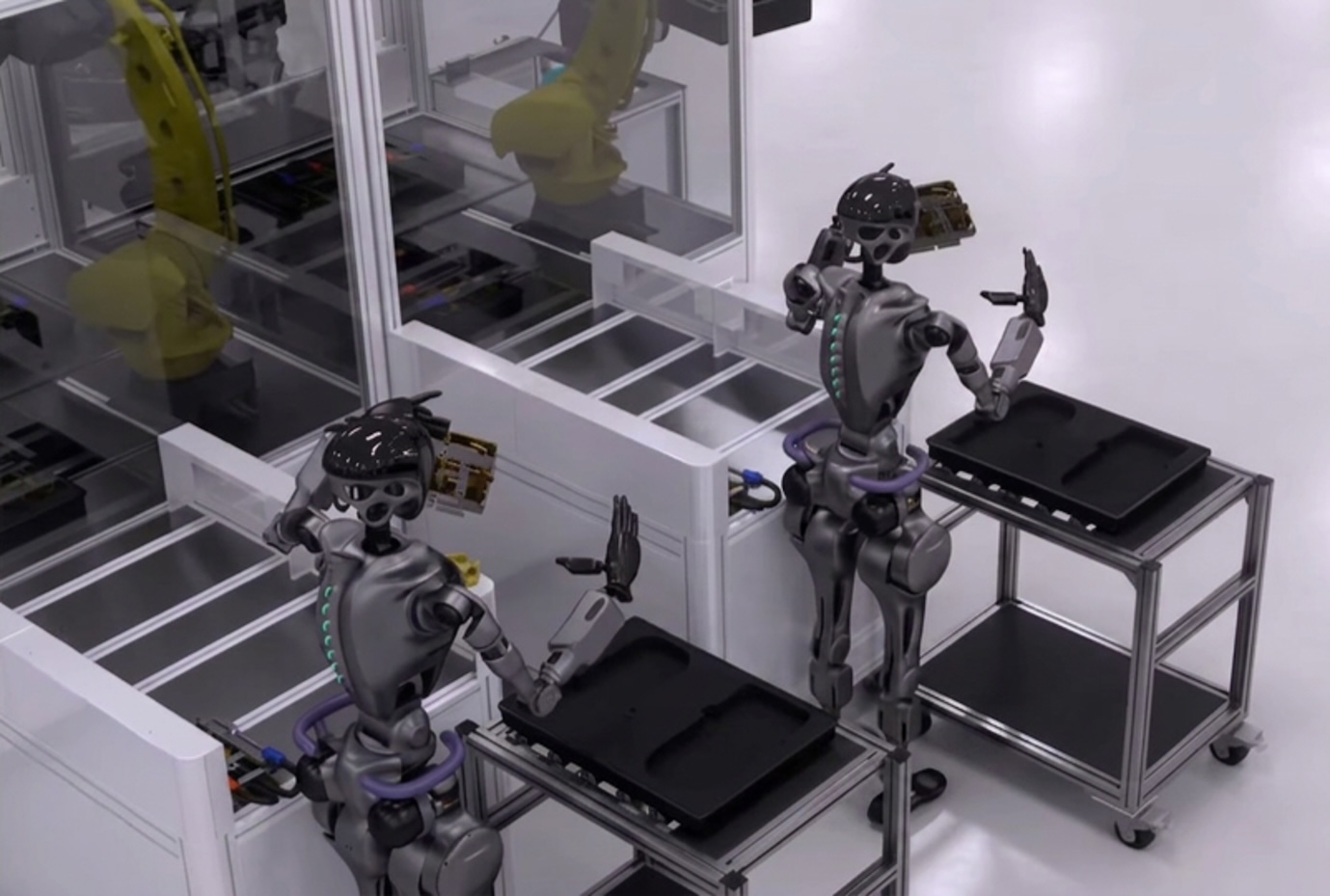
On January 30, 2026, SpaceX filed with the FCC to launch up to 1 million AI compute satellites, positioning orbital data centers as a solution to the increasing demand for AI computing power. Ground data centers are facing significant challenges, with energy consumption projected to reach approximately 1,050 TWh in 2026, making them the fifth-largest electricity consumer globally. The demand for new data center capacity is outpacing the growth of power generation infrastructure, leading to a critical bottleneck in the grid system. The significance of this initiative lies in the structural constraints faced by ground data centers, including power delivery limitations, high water consumption, and local opposition to new projects. The Uptime Institute's 2026 outlook identifies power as the primary constraint on data center growth, with capacity clearing prices in the PJM grid skyrocketing to $329.17/MW, driven by data center expansion. Additionally, cooling requirements are becoming increasingly unsustainable, with facilities consuming vast amounts of water, further complicating their operational viability. Looking ahead, SpaceX's orbital AI compute initiative aims to circumvent these challenges by leveraging the advantages of space, such as continuous solar power and minimal local opposition. The first AI prototypes are expected to launch in early 2027, with operational deployments planned for 2028. No further timeline was disclosed at the time of publication.
SpaceX's Starship V3 Plans for 1 Million Starmind Satellites by 2030
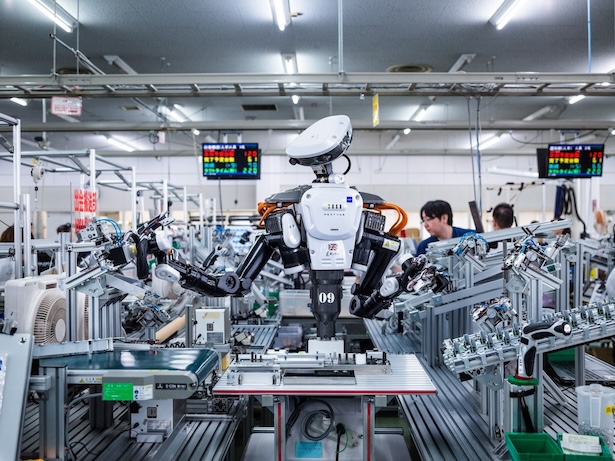
SpaceX's Starship V3 is set to revolutionize satellite deployment, aiming to launch 1 million Starmind satellites by 2030. The spacecraft can carry over 100 tonnes to low Earth orbit (LEO), significantly more than the Falcon 9's capacity. As of May 2026, Starship has completed 12 flights, with the next mission scheduled for late July 2026, focusing on operational payloads including AI1 prototypes in early 2027. This ambitious plan is crucial for expanding orbital compute capacity, targeting an annual addition of 100 GW through a million tonnes of satellite hardware. SpaceX's strategy hinges on achieving a launch cadence of approximately 12,000 flights, equating to about three launches per day. The company has invested over $15 billion in the Starship program, with expectations to begin payload deliveries in the second half of 2026, starting with Starlink V3 satellites. Looking ahead, the successful deployment of the Starmind constellation will depend on Starship's ability to meet its cost targets of $10–20 million per flight. If achieved, this would make launching satellites more economical than building ground data centers. The next significant milestone will be the launch of AI1 prototypes in early 2027, with full-scale deployments commencing in 2028 from the new Gigasat factory in Texas.

Starmind's Orbital Compute vs. Terrestrial Data Centers: Analyzing Resource Advantages
Starmind's orbital compute technology presents a significant advantage over traditional ground-based data centers by eliminating constraints related to land, water, and grid permitting. While terrestrial data centers are currently cheaper and faster to construct, with U.S. data center spending reaching $85.3 billion in 2026, Starmind's approach focuses on addressing the growing resource limitations faced by hyperscale facilities. The significance of Starmind's technology lies in its ability to sidestep the increasing challenges of land and water usage. For instance, a 100 MW data center can consume approximately 530,000 gallons of water daily for cooling, while Starmind's AI1 utilizes deployable liquid radiators that require no water. This structural advantage could resonate with investors as the demand for AI computing continues to escalate, potentially leading to annual water withdrawals of up to 1.7 trillion gallons by 2027. Looking ahead, Starmind's next milestones include the launch of AI1 prototypes scheduled for early 2027. However, the technology's claims regarding cooling efficiency and operational reliability remain unverified until real flight data is available. As the industry evolves, the competition between orbital and terrestrial solutions will become increasingly relevant, particularly in the context of resource management and sustainability.

Tesla's Optimus Robots to Support Starmind Satellite Production, Not Maintenance
Tesla's Optimus robots will not be used to repair Starmind satellites in orbit, as confirmed by recent statements from Elon Musk. Instead, these robots are intended to assist in the construction and operation of the Terafab chip manufacturing facility in Texas. The AI1 satellites, designed to disintegrate upon reentry, highlight the company's swap-and-replace strategy rather than traditional maintenance practices. This approach is significant as it reflects a broader trend in satellite management, where mass-produced satellites are replaced rather than repaired. The economics of servicing missions are prohibitive, with the cost of launching a replacement satellite being significantly lower than conducting a repair mission. This model aligns with SpaceX's operational history, where rapid replacement of satellites is more efficient than attempting to maintain them in orbit. Looking ahead, the focus will remain on the production capabilities of the Gigasat factory, which is expected to support the continuous replacement of satellites. No further timeline was disclosed at the time of publication, but the demand for rapid satellite turnover suggests a robust future for Optimus robots in terrestrial manufacturing rather than in-space servicing.

SpaceX Unveils AI1 Satellite Specs for Starmind Constellation with Key Thermal Challenges
SpaceX has introduced the AI1 satellite, the inaugural component of its Starmind constellation, which stands 20 meters tall and has a wingspan of 70 meters. This orbital compute node is designed to deliver computing power equivalent to one NVIDIA GB300 server rack, utilizing a unique cooling system with deployable liquid radiators. The satellite's specifications were revealed during a presentation on June 8, 2026, ahead of SpaceX's IPO. The significance of the AI1 satellite lies in its role as a compute platform rather than a traditional satellite, focusing on running AI inference workloads. The satellite's cooling system, which is critical for its operation in the vacuum of space, is designed to reject heat through infrared radiation. However, independent engineers have raised concerns about the feasibility of the thermal and mass claims made by SpaceX, suggesting that the cooling requirements may exceed practical limits. Looking ahead, SpaceX plans to launch two AI1 prototypes in early 2027, with full-scale production expected to commence later that year at its Gigasat facility in Bastrop, Texas. The ongoing debate regarding the satellite's thermal management capabilities will be crucial to monitor as the project progresses, with no further timeline disclosed at the time of publication.
SpaceX Launches Starmind Project for 1 Million AI Satellites by 2028
SpaceX has officially named its orbital AI infrastructure project 'Starmind,' which aims to deploy a constellation of up to 1 million satellites. This initiative, confirmed by Elon Musk on June 22, 2026, will enable AI inference directly in space, utilizing solar energy rather than terrestrial power sources. The first satellite, designated AI1, was unveiled on June 8, 2026, and is designed to operate in sun-synchronous orbits. The significance of Starmind lies in its potential to overcome the limitations faced by ground-based data centers, such as land, power, and water constraints. By running AI computations in orbit, Starmind can provide a more efficient solution to the growing demand for AI computing power. The project leverages the existing Starlink infrastructure for data transmission, distinguishing its function from Starlink's internet relay capabilities. Looking ahead, SpaceX plans to begin hardware deployment with the AI1 satellite, while full-scale production and deployment of the satellite constellation are targeted for 2028. As of now, no Starmind satellites have been launched, and further engineering challenges remain to be addressed, particularly regarding the scalability of the satellite design.

SpaceX's Starmind Targets AI Labs with $6.3 Billion Compute Contracts
SpaceX's Starmind is designed to provide wholesale AI compute services to businesses, particularly AI labs and cloud customers, rather than individual consumers. The service operates similarly to AWS, where users benefit from applications running on Starmind without direct subscriptions. The compute capacity of a single AI1 satellite is comparable to one NVIDIA GB300 rack, emphasizing its enterprise-grade capabilities. The significance of Starmind lies in its positioning as a potential fourth hyperscaler, joining the ranks of AWS, Microsoft Azure, and Google Cloud. The Reflection AI contract, valued at $150 million per month, exemplifies the enterprise-focused model, with total payments potentially reaching $6.3 billion through 2029. This contract highlights the growing demand for AI compute resources, particularly from AI-native startups and labs. Looking ahead, the focus will remain on securing additional enterprise contracts as Starmind expands its offerings. No consumer-facing products or subscriptions have been announced, and the current strategy is to cater to businesses with substantial AI workloads. No further timeline was disclosed at the time of publication.

SpaceX IPO Provides Indirect Investment Opportunity in Starmind Project
Starmind does not have a standalone stock or ticker; investors can gain exposure through SpaceX (ticker: SPCX), which began trading on Nasdaq after its IPO on June 12, 2026. Starmind is integrated within SpaceX, contributing to the company's AI and space initiatives, and its performance directly influences SPCX shares. The significance of Starmind lies in its role as a division of SpaceX, which encompasses other projects like Starlink and Starship. As of early July 2026, SPCX shares are trading between $149 and $150, significantly lower than their 52-week high of $225.64. The project’s milestones, such as AI1 prototype updates, can impact SpaceX's stock performance, making it essential for investors to monitor these developments closely. Looking ahead, the early 2027 launch of AI1 prototype satellites is a critical milestone that could provide verifiable data affecting Starmind's valuation and, consequently, SPCX stock. No further timeline was disclosed at the time of publication, but the upcoming events will be pivotal for investors tracking the relationship between Starmind and SpaceX's stock performance.

SpaceX's $1.75 Trillion Valuation Driven by Starmind's Future Potential
Starmind is a pivotal element in SpaceX's estimated $1.75 trillion IPO valuation, despite currently generating no confirmed revenue. The stock price reflects optimistic projections regarding AI infrastructure growth, which Starmind has yet to substantiate. As of early July 2026, SpaceX's stock has decreased from its 52-week high of $225.64 to around $150, indicating market skepticism about future execution. The significance of Starmind lies in its potential to transform SpaceX's revenue model beyond traditional launch services. Goldman Sachs has shifted its focus from Starlink subscriber growth to the prospects of AI revenue, including orbital computing, as a cornerstone of SpaceX's long-term valuation. This marks a substantial change in how analysts view the company's growth trajectory, necessitating rates exceeding its historical 33% growth. Looking ahead, the credibility of Starmind as a growth narrative will be crucial for maintaining investor confidence. Analysts have noted a considerable divergence in price targets, reflecting uncertainty about the value of the Starmind and xAI initiatives. No further timeline was disclosed at the time of publication regarding specific milestones for these projects.
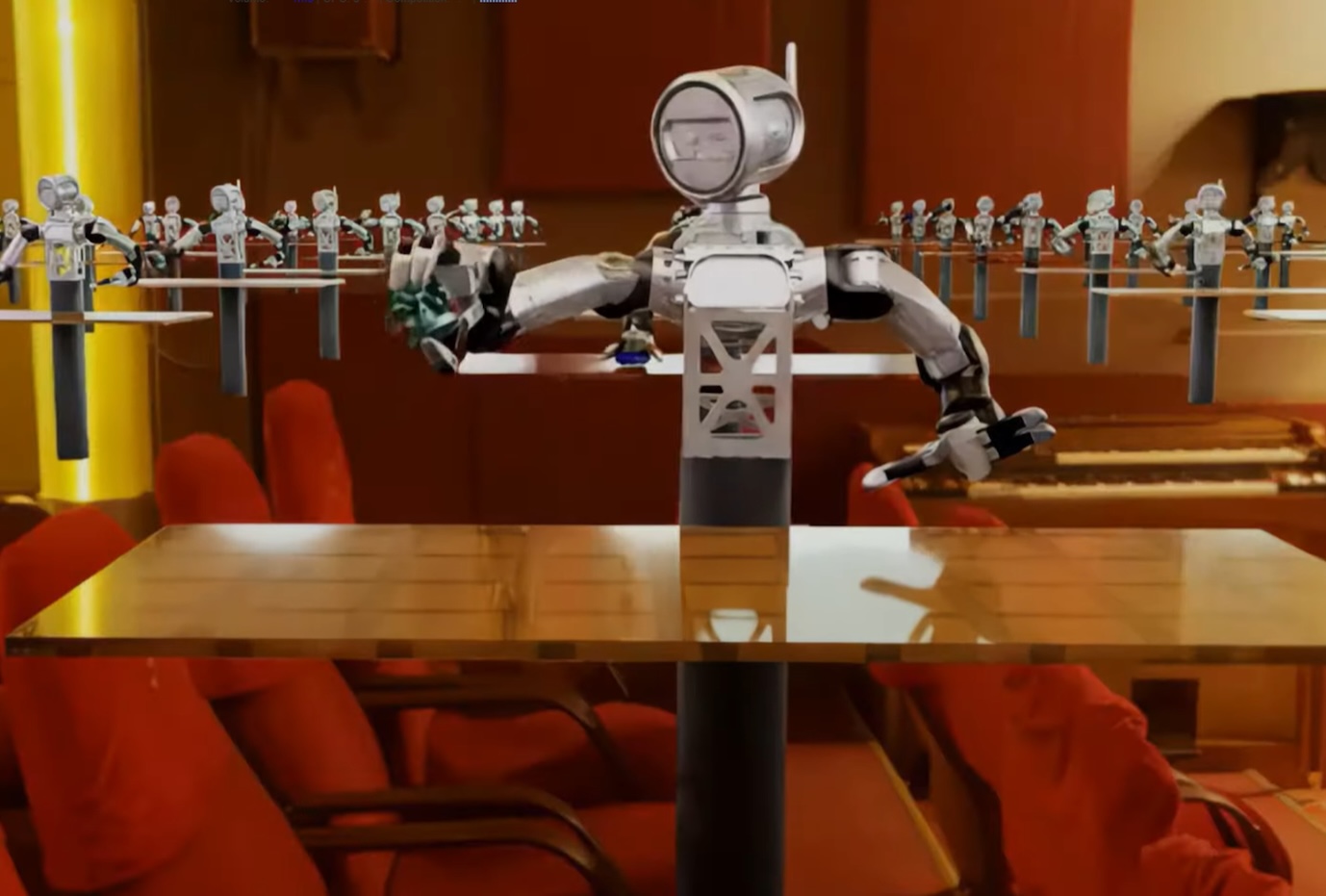
SpaceX's Starmind Faces Feasibility Challenges for 1 Million Satellite Deployment
On January 30, 2026, SpaceX submitted a request to the FCC to launch up to 1 million satellites as part of its Starmind orbital compute constellation. This ambitious plan is unprecedented, as the total number of satellites ever launched globally is in the low tens of thousands. The proposal seeks a waiver from standard deployment milestones, citing reliance on the Starship's full reusability for success. The significance of this request lies in the technical and logistical challenges it presents. Experts warn that low Earth orbit may not support the proposed number of active satellites without risking a debris cascade. SpaceX's own IPO prospectus acknowledges unresolved dependencies related to Starship's launch cadence and reusability, which are critical for the orbital AI compute strategy. Looking ahead, the timeline for achieving the necessary launch cadence and manufacturing capacity remains uncertain. SpaceX's Gigasat facility in Texas aims for volume production by late 2027, but this would require unprecedented output levels. No further timeline was disclosed at the time of publication, leaving the feasibility of the Starmind project in question.

Interview with Digid’s Nils Könne and Christian Kreil: Nanoscale sensors could help solve robotics’ tactile sensing challenge
The swift advancement of artificial intelligence and robotics is drawing significant attention to software and powerful processors, particularly large language models. However, experts emphasize that for robots to function effectively in real-world settings, they require a fundamental capability: advanced environmental sensing and understanding. This necessity is driving increased interest and investment in cutting-edge sensing technologies, as researchers and developers seek to enhance robots' interaction with their surroundings. The push for these innovations is becoming more pronounced as industries recognize the potential of robots to perform complex tasks in various environments, highlighting the importance of integrating sophisticated sensory systems into robotic designs.
Features Science Sensors Technology AI infrastructure automation news
Humanoid Robot Market Thrives as UBTECH Sells 5,000 Units
As the year 2026 approaches, the humanoid robot market is undergoing a notable transformation, shifting its focus from industrial applications to consumer products. UBTECH has introduced its U1 humanoid robot, which is specifically designed to provide emotional companionship. The response has been overwhelmingly positive, with over 4,600 pre-orders already placed, reflecting a burgeoning interest in consumer-grade robots. This trend underscores a significant pivot within the industry, as companies increasingly acknowledge the potential of the consumer market for humanoid technology.
Humanoid Robots Consumer Robotics AI Emotional Companionship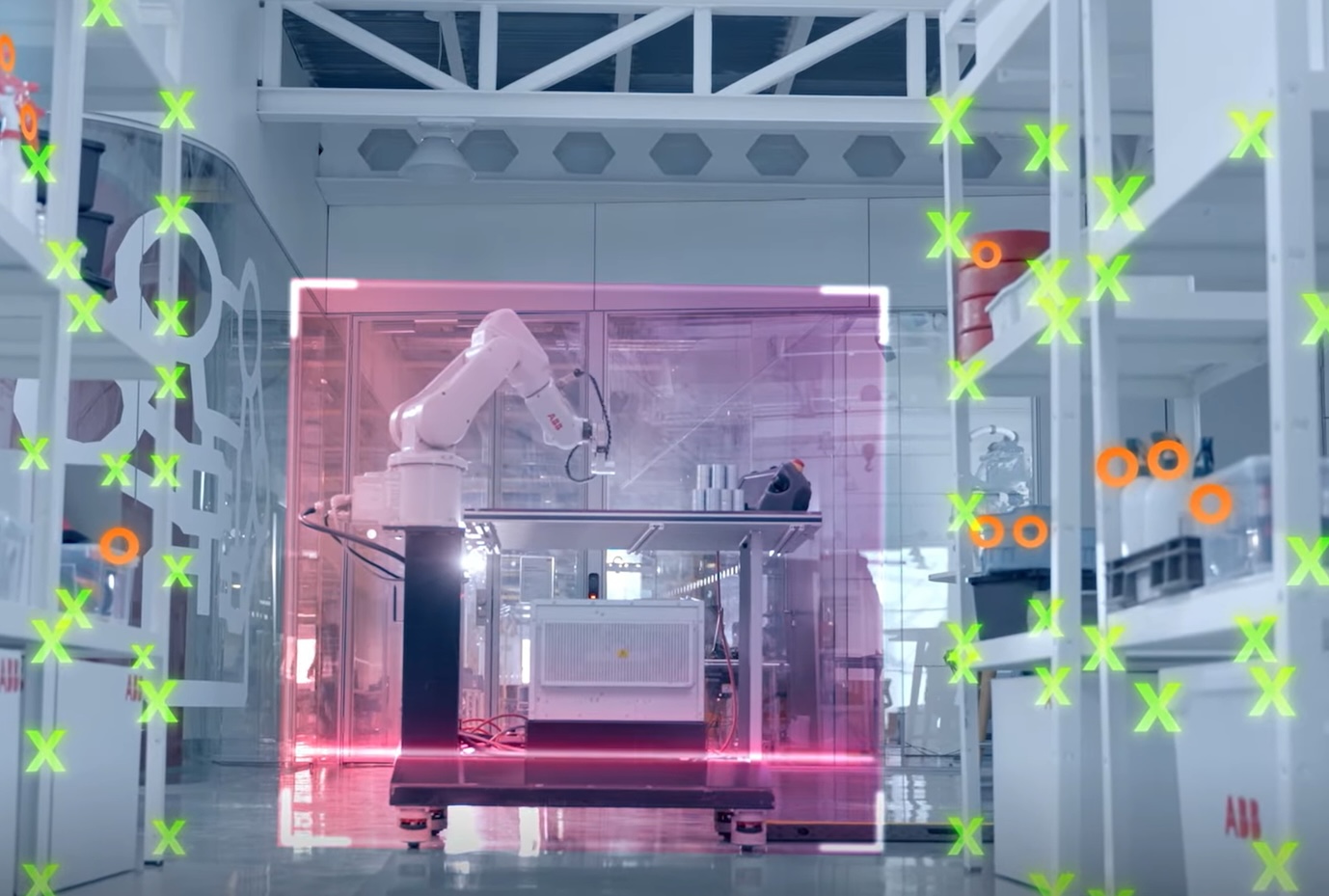
Stop chasing identical outcomes in HRI replication: Learn from the differences
In a groundbreaking study published in the June 2026 issue of Science Robotics, researchers from leading universities have unveiled a new robotic system designed to assist in complex surgical procedures. This innovative technology aims to enhance precision and reduce recovery times for patients undergoing surgery. The research team, comprised of experts in robotics and medicine, conducted extensive trials to evaluate the system's effectiveness. Their findings indicate that the robotic assistant can significantly improve surgical outcomes by minimizing human error and providing surgeons with advanced tools for intricate tasks. The development of this robotic system comes in response to the growing demand for more efficient and safer surgical methods, driven by an increase in minimally invasive procedures. By integrating artificial intelligence and machine learning, the robot is capable of adapting to various surgical environments and techniques, thereby expanding its applicability across different medical specialties. The trials took place in several hospitals, where the robotic system was tested alongside traditional surgical methods. Results showed a marked improvement in patient recovery rates and overall satisfaction with the surgical experience. As the healthcare industry continues to evolve, this robotic innovation represents a significant step forward in the integration of technology into medical practice, promising to transform the future of surgery and patient care.
Focus
VLA Shines at ICRA: Investment Thrives While Factories Calculate
The ICRA 2026 conference held in Vienna highlighted a significant milestone in the field of robotics, featuring a record number of submissions, with nearly 20% dedicated to Vision-Language-Action (VLA) research. While the academic community applauds these advancements, the industry faces ongoing challenges in reliably implementing these technologies within manufacturing environments. Leading the charge is the company 微亿智造, which is utilizing extensive real-world industrial data to improve the stability and efficiency of robotic operations. This integration of data aims to bridge the gap between theoretical research and practical application, addressing the pressing need for robust solutions in factories.
Vision-Language-Action Industrial Robotics Data-Driven Automation Manufacturing Technology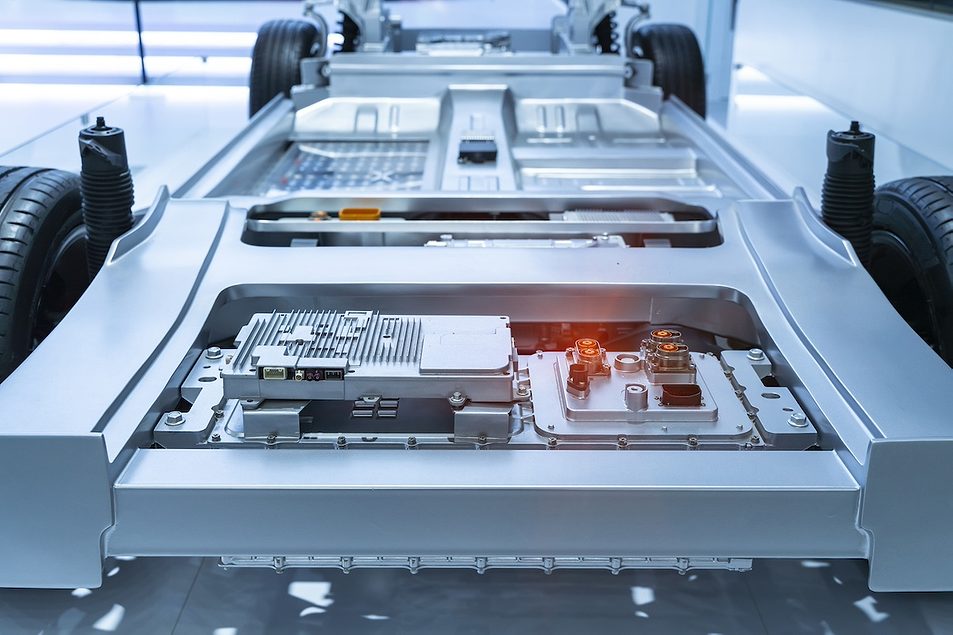
Canada Sees Shrinking EV Manufacturing Prospects, Despite Subsidies
Recent pullbacks in the electric vehicle (EV) industry have raised concerns among analysts and policymakers regarding the effectiveness of Canada's substantial government subsidies, which amount to billions of dollars. As the market faces challenges, stakeholders are increasingly questioning whether these financial incentives will yield the anticipated benefits for the sector. The scrutiny comes at a crucial time when the government is evaluating its investment strategies to support the transition to cleaner transportation. The ongoing discussions highlight the need for a thorough assessment of the subsidies' impact on the industry’s growth and sustainability.

New wearable ground station shrinks FPV drone control system by over 50%
A defense technology company based in Los Angeles has introduced an innovative wearable ground control station designed for first-person-view (FPV) drone operations. This cutting-edge device was unveiled during a recent technology expo, showcasing its potential to enhance the capabilities of drone operators in various fields, including military and emergency response. The wearable station aims to provide users with a more immersive and intuitive control experience, allowing for improved situational awareness and operational efficiency. By integrating advanced technology into a portable format, the company seeks to address the growing demand for effective drone management solutions in dynamic environments. The launch reflects the company's commitment to advancing defense technology and meeting the evolving needs of its clients.

Interview with Christina Gomez-Terry of Plus One Robotics: Why warehouse robotics succeeds or fails at scale
Warehouse automation is evolving as logistics operators increasingly focus on scaling robotic systems. While the effectiveness of robotics in tasks like parcel picking, depalletizing, sorting, and palletizing has been demonstrated through various pilot projects and controlled deployments, the industry now faces the challenge of implementing these technologies on a larger scale. This shift comes as companies seek to enhance efficiency and productivity in their operations, responding to growing demands for faster and more reliable logistics solutions. As the sector moves forward, the emphasis will be on integrating robotics into existing workflows and expanding their capabilities across multiple facilities.
Computing Features Material handling Software automation news depalletizing
AI-powered spectrometer chip shrinks lab technology to the size of a grain of sand
Researchers at UC Davis have developed an innovative AI-powered chip capable of analyzing light and chemicals with remarkable precision. This compact device, small enough to fit into various environments, integrates advanced silicon sensors with machine learning technology, enabling it to perform lab-quality spectral analysis without the need for traditional, bulky equipment. The breakthrough aims to enhance accessibility and efficiency in chemical analysis, potentially transforming fields such as environmental monitoring, healthcare, and food safety. By streamlining the analytical process, this new chip could facilitate quicker and more accurate assessments in diverse applications.
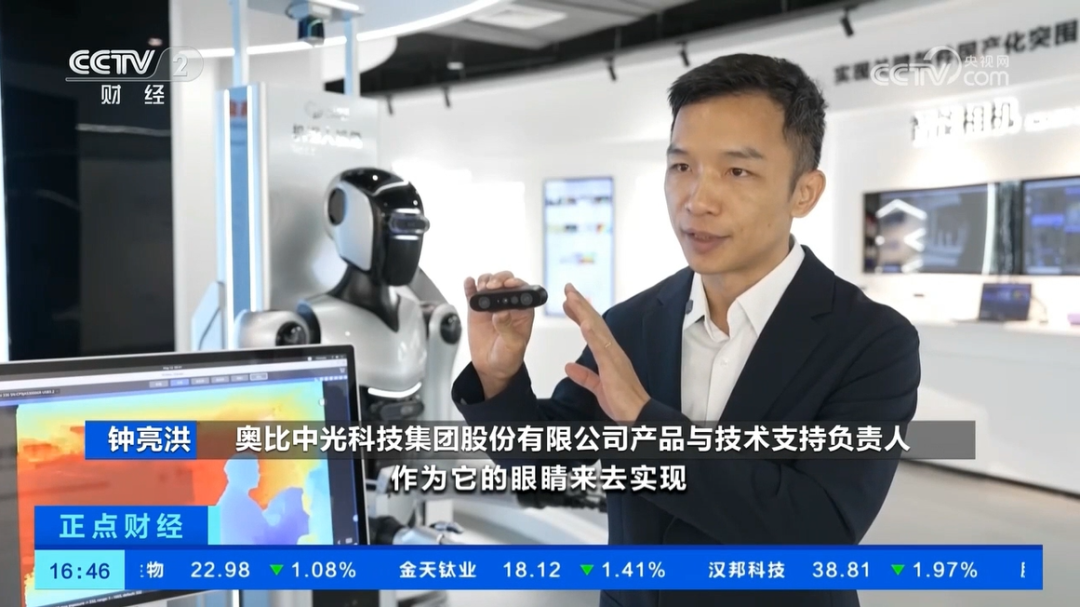
Orders Double! Aobo Zhiguang's Humanoid Robot Business Thrives
Aobo Zhiguang, a prominent figure in China's humanoid robot sector, is experiencing an impressive increase in orders, with quarterly growth rates surpassing 60% since the beginning of 2025. This surge is attributed to the company's enhanced supply chain management and manufacturing efficiency, which have allowed it to reduce delivery times to approximately 20 days. As Aobo Zhiguang broadens its global customer base, it is also witnessing significant improvements in its financial performance, transitioning from a focus on investment to achieving profitability in the rapidly expanding robotics market.
Humanoid Robots 3D Vision Technology Robotics Industry Supply Chain Management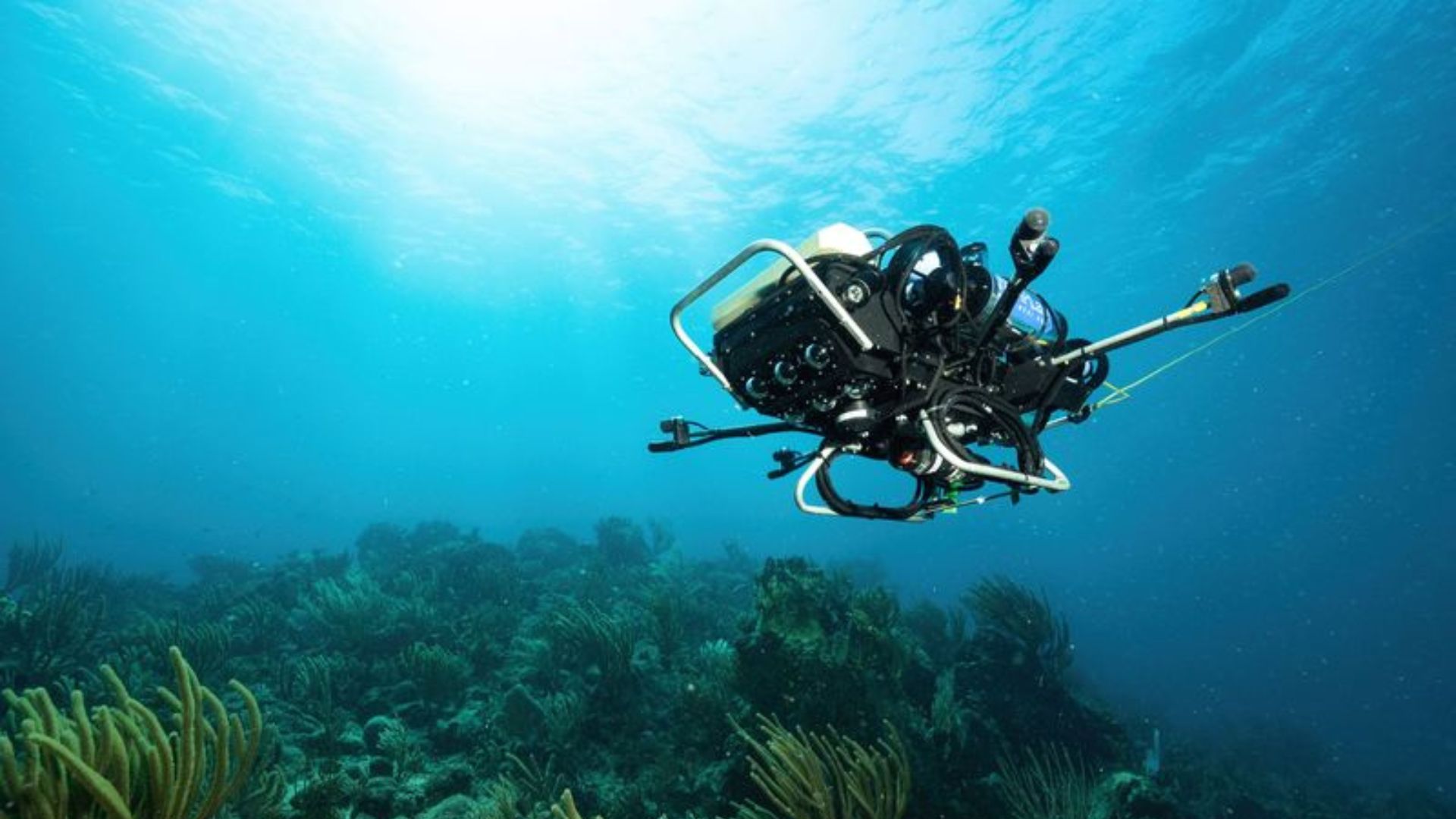
New autonomous reef robot follows shrimp snaps and fish calls to map marine life zones
A team of scientists has unveiled an innovative autonomous underwater robot designed to identify and map biodiversity hotspots in marine environments. This groundbreaking technology was introduced during a recent conference held in San Diego, California, where researchers gathered to discuss advancements in ocean exploration. The motivation behind this development stems from the urgent need to monitor and protect fragile ecosystems threatened by climate change and human activity. The robot utilizes advanced sensors and artificial intelligence to navigate underwater terrains, collect data on various species, and create detailed maps of biodiversity-rich areas. By automating the process of exploration, the scientists aim to enhance the efficiency and accuracy of marine research, allowing for more effective conservation efforts. This initiative represents a significant step forward in understanding and preserving the ocean's diverse ecosystems, which are vital for global health and sustainability.

Biotech-led boom as 8 China firms flock to Hong Kong’s thriving stock market
In April, eight companies from mainland China, including five biotech firms, successfully passed listing hearings on the Hong Kong stock market, enabling them to access the city's substantial liquidity. This influx features a diverse range of businesses, such as an AI-driven drug discovery company, a developer of driverless technology, and a manufacturer of industrial robots. The move aligns with the ongoing efforts of the China Securities Regulatory Commission (CSRC), which has been encouraging private firms to pursue listings in Hong Kong as a strategic response to market conditions. By facilitating these listings, the CSRC aims to enhance investment opportunities and bolster the financial landscape in the region.
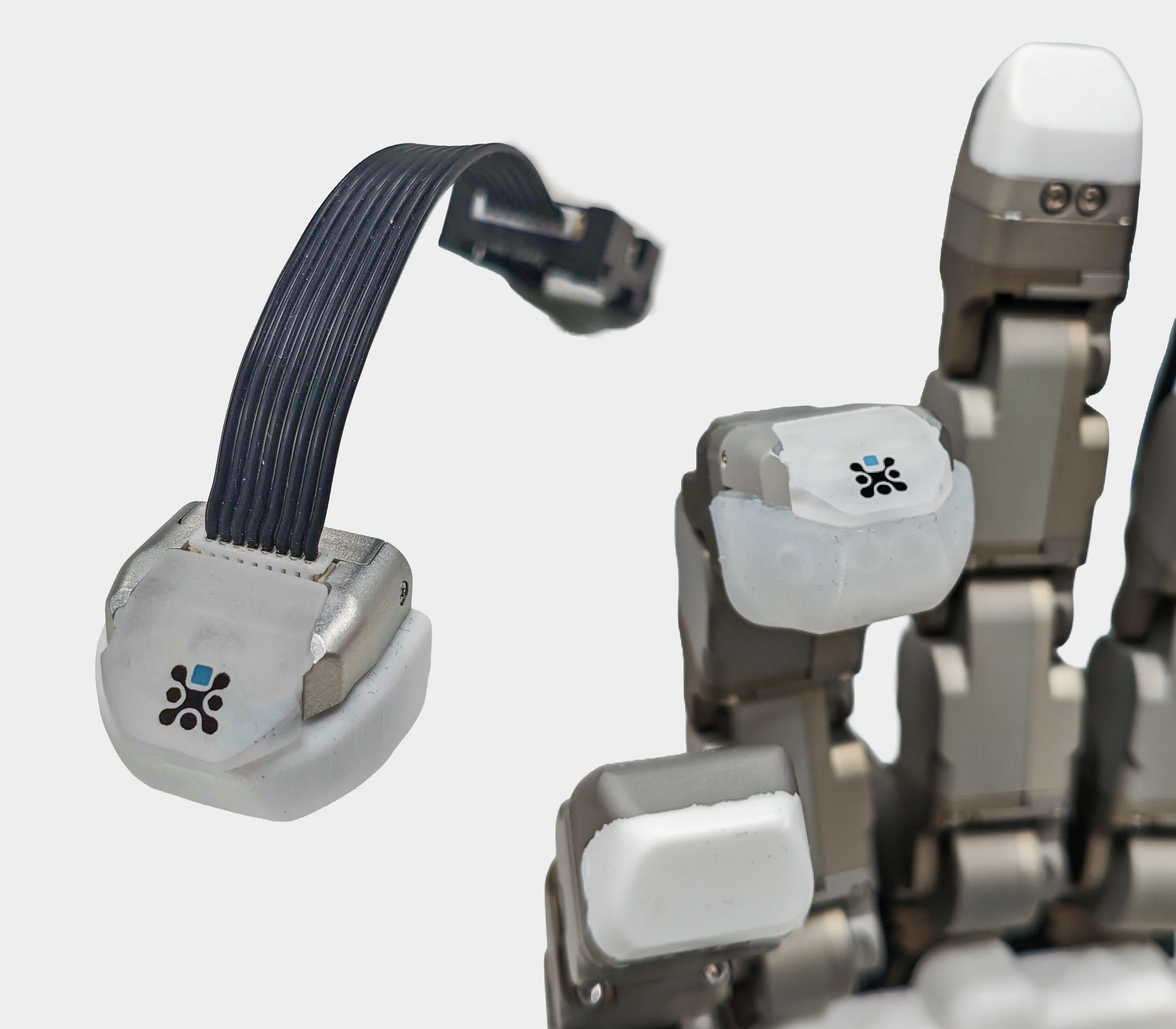
Giving the Robot Fingerprints: XELA Robotics Shrinks Sensors for Tesollo Hand Integration
Waseda University has announced a significant advancement in tactile sensor technology, unveiling a roadmap for the development of higher-density sensors. This innovation is set to enhance the capabilities of the Tesollo DG-5F hand, a robotic device designed for improved dexterity and sensitivity. The announcement, made in October 2023, highlights the university's commitment to pushing the boundaries of robotics and sensor integration. By increasing the density of tactile sensors, researchers aim to provide more nuanced feedback, which is crucial for applications in robotics, prosthetics, and human-computer interaction. This integration is expected to lead to more responsive and adaptable robotic hands, ultimately improving user experience and functionality in various fields.
hand xela-robotics
Robotics Infrastructure Startup XDOF Emerges from Stealth with $70M in Funding
XDOF has officially launched after securing $70 million in funding to create infrastructure for robot foundation models. The company aims to develop essential datasets, robotic systems, and software tools that will enable robotics firms and research institutions to enhance the capabilities of physical AI systems. This significant investment comes from prominent venture capital firms, including Thrive Capital, Andreessen Horowitz, Spark Capital, Lux, and WnderCo. The funding will support XDOF's mission to advance the field of robotics and artificial intelligence, addressing the growing demand for more sophisticated and efficient robotic solutions.
AI AI Funding & Investment Robotics Amazon Andreessen Horowitz Carnegie Mellon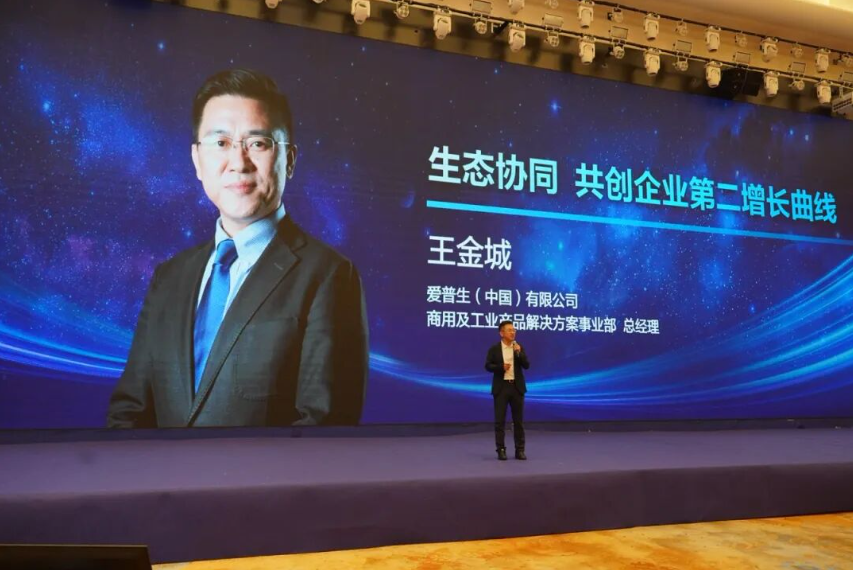
Epson Unveils Digital Solutions at 2026 China B2B E-commerce Expo
From July 4 to 5, 2026, the China B2B E-commerce Expo took place in Hangzhou, showcasing various enterprise service providers and e-commerce platforms. Epson (China) Co., Ltd. presented multiple collaborative solutions alongside ecosystem partners, engaging directly with clients to better understand B2B user needs and foster ecosystem cooperation. The significance of Epson's participation lies in its strategic focus on addressing industry pain points, such as the competitive pricing of B2B hardware and shrinking profits for service providers. The company introduced its Nebula Plan ecosystem, which emphasizes a four-tier development logic: product solutionization, solution productization, product service integration, and business ecosystem development. This approach aims to connect supply and demand effectively through an online platform that links quality partners across the nation. Epson showcased standardized digital solutions tailored to government and enterprise client needs, including intelligent receipt robots and RFID asset coding solutions. The interactive nature of the event attracted significant client interest, indicating a strong market demand for comprehensive solutions. No further timeline was disclosed at the time of publication.
B2B E-commerce Digital Solutions Ecosystem Collaboration Business Growth
What Makes AI Art Worth Collecting?
In May, an anonymous artist who goes by SHL0MS on X posted that he had used AI to generate an image inspired by Claude Monet and asked people to weigh in on how it missed the mark. More than 600 responses called out issues, saying the colors were off, the depth was all wrong, and that AI didn’t understand how light worked.SHL0MS then revealed that the image was of a real Monet, one of around 250 variations of water lilies the artist had painted in his lifetime. He had simply downloaded a high-resolution image from Wikimedia and cropped out the signature. He minted the exchange as an NFT (a unique digital collectible recording ownership of the work), titled it “Inferior Image,” and sold it for just over US $40,000 after 28 bids.The stunt exposed how charged the conversation around AI art has become, and how quick people are to dismiss anything AI-generated as slop—even when it’s not. Yet even as those arguments continue, a market for AI-generated art has begun to form anyway. It’s fragmented and contested, but bigger than most people realize.Jediwolf, an anonymous collector who says he has spent more than 20 years acquiring digital and AI art, was watching the experiment unfold in real time on X. He had never interacted with SHL0MS before, but when the NFT went up for auction he made a bid and won. “I was buying a unique moment in time,” he says, “captured by an artist and preserved as a token.”The Monet was not AI art, but most of what Jediwolf buys is. One of Jediwolf’s digital collections, which he calls UnderTheGAN—a play on GANs, or generative adversarial networks, the AI technology that preceded today’s diffusion models—comprises roughly 100 works valued at around $72,000, focused on early AI art from 2015 to 2020, before the medium went mainstream. He describes his role as part collector, part researcher, part curator, trying to document a fast-moving field.“A decade ago, digital art was often treated as peripheral to the ‘serious’ art world,” he says. “Today, it is increasingly difficult to separate contemporary culture from the internet.”AI Art Moves Into MuseumsThe market for AI art extends beyond NFTs: AI-generated pieces are also finding their way into physical installations. Last month saw the opening of Dataland, the world’s first generative AI museum, in downtown Los Angeles. It was spearheaded by Refik Anadol, a digital artist who has built a career out of transforming data into large-scale immersive experiences. The opening exhibition has pieces that use data that Anadol collected from rainforests around the world, with real-time weather information from 16 rainforests feeding into all five galleries. In three of the rooms, the imagery also shifts in response to visitors’ own biometric data, tracked by bracelets they wear. Like any museum it sells tickets, ranging from $49 to $79, and has a gift shop. This shop, however, uses visitors’ biometric data collected during their visit to generate a unique design printed on a T-shirt. For $15,000, a robotic painting system called Qualia creates a one-of-a-kind canvas from that same data, painted once a day, with a waiting list already forming. A founding collection of 1,000 AI data sculptures that evolve based on environmental data from global rainforests sold out in 34 minutes at $5,000 each.The system running it all, which Anadol calls the Large Nature Model, was trained on more than 500 million nature images representing 2.2 million species, gathered through field expeditions to 16 rainforests and partnerships with institutions including the Smithsonian and the Cornell Lab of Ornithology.For Anadol, AI art requires a different kind of transparency than any medium that came before it. Because commercial AI tools have shaped how most people understand the technology, artists working with it seriously have to be more open about their process than painters or photographers ever did.“For AI art, we have to know where the data comes from, we have to know which model is trained and how it’s trained,” he says. “We can’t just think about authenticity and uniqueness if a service and product is the fundamental layer of the artwork.”The reviews for Dataland have mostly been positive, with one critic calling it the Citizen Kane of immersive experiences. But Anadol is used to a more divided reception. His 2022 installation at MoMA—a 7-by-7-meter screen of AI-generated fluid forms with shifting colors and sounds—drew 3 million visitors and entered the permanent collection, even as New York Magazine called it “a massive techno lava lamp.” Anadol sees the skepticism as nothing new, just the latest version of a resistance that has greeted all new media. “Every art form has gone through similar cycles of denial,” he says. “We are living in a renaissance that started 10 years ago, and I just don’t think everyone is aware of it yet.”Who Is Buying AI Art?The broader market data points in multiple directions at once. According to the Art Basel and UBS Art Market Report 2026, digital art’s share of sales nearly tripled between 2024 and 2025, and just over half of all fine art collectors surveyed had purchased a digital artwork in 2025, making it the third most popular category after painting and sculpture (the report does not break out AI art specifically).Meanwhile, Christie’s shuttered its pioneering digital art department in September, folding digital works back into its broader contemporary sales after none of its dedicated auctions broke $400,000.The most data-rich window into buyer behavior comes from a less glamorous corner of the market. After one major stock image platform allowed AI-generated images, monthly sales jumped 80 percent, according to Samuel Goldberg, an economist at Stanford Graduate School of Business who published a research paper about the shift. Traditional contributors began leaving the platform as generative images flooded in, and creators using AI tools rushed to fill the gap. “It looks like consumers like generative AI,” Goldberg says, “and it seems like nongenerative artists could be getting crowded out of the market.” Stock images are essentially a commodity version of art, according to Goldberg, and because image-generating models are already very good at producing them, what’s happening there may be a preview of what’s coming for other creative goods markets—including fine arts—as the technology improves.Artists are typically among the first to test the limits of a new technology; early adopters have created AI art since the 1970s. What’s new now is the ability for anyone to generate an image in seconds with a text prompt. That, according to Christiane Paul, curator of digital art at the Whitney Museum of American Art, is not the same thing at all. What fills those stock-image platforms, and what most people encounter when they think of AI art, does not qualify as art.True AI art, Paul says, is a subcategory of digital art that uses artificial intelligence as both a tool and a medium, engaging with it practically and conceptually, doing things like training custom models, building extensions, and layering control systems. “A visual created by a prompt is not art,” she says. What serious AI artists are actually doing is much more than typing a few words into DALL-E.Far from the shortcut most people assume, working seriously with AI as an artistic medium is, by her account, brutally hard. Every artist she talks to says the same thing. “It is much, much harder than a paintbrush to handle,” she says. “You are literally communicating with a system with a completely different logic.”Thanks to bubblemaps.io for its research assistance on the NFT market.
Ai-art Generative-ai Digital-art Blockchain
Small-AI Models Gain Traction Around the World
One morning in 2019, Adebayo Alonge was in a Cape Town hotel room, preparing to demonstrate his startup’s AI answer to a serious problem in African health care: counterfeit medication, which kills thousands of people across the continent every year.The RxScanner is a handheld spectrometer that scans a pill with infrared light, then sends the item’s molecular profile to an AI model equipped with a pharmaceutical database. In seconds, the AI identifies the medication from its molecular profile—or reports that it’s phony.Pharmacies were using the system in more than a dozen countries, including Ghana, Kenya, Myanmar, and Alonge’s native Nigeria. But that morning in South Africa, it didn’t work. “I was shocked,” Alonge says.The spectrometer connected to the AI model—but the data center was 14,000 kilometers away and bandwidth was limited. “Our server was in the United States, and just to get the result of a single scan was taking me over 5 minutes.”So Alonge immediately asked his engineers to shrink the AI model down to a smaller, low-power, unconnected version that could run entirely on his Android phone. They produced it 2 hours later, and that saved the demo.More importantly, the work birthed a new version of his device, which can authenticate a pill in places without broadband, computers, or even reliable electricity. It also turned Alonge into an advocate for this kind of “small AI.”Small AI for Global Health Care AccessSmall AI is a far cry from wealthy nations’ colossal large language models (LLMs), hyperscale data centers, multibillion-dollar investments, and debates about AI consciousness. But for millions of people around the world, the only AI that matters, and often the only kind available, is small. (According to a World Bank Report issued in November, only 0.7 percent of internet users in the world’s poorest countries have used ChatGPT, compared to a quarter of all internet users in the most developed nations.)“Most people are discussing AI from the LLM/generative side. But that needs a lot of computing power, electricity, massive data, and skilled people to manage it,” Ajay Banga, president of the World Bank, said last January at the World Economic Forum, in Davos. “Outside the developed world, other than maybe India and China, very few countries have that combination.”By contrast, small AI can deliver useful, even life-saving services to people in areas that have none of those things, Banga said. In India, where the government’s AI plans call for more development of small AI, many such systems are working for farmers.For example, a drone-based system developed by Bala Murugan and colleagues at the Vellore Institute of Technology, in India, takes photos of cashew plants and quickly identifies those with splotches that indicate disease. All the processing takes place on the drone itself, so there’s no need for a computer on-site, nor for a connection to a central server.Using small language models trained for a specific problem, and sometimes running on cheap, low-power devices, other small-AI implementations have been developed to identify ant infestations in a Uruguayan vineyard, detect the presence of malaria-carrying mosquitoes in a number of nations, and run electrocardiograms from an Arduino device in parts of Brazil that lack access to more complex equipment.“This is the most important area in AI nowadays,” says Marcelo José Rovai, a professor at the Institute of Engineering and Information Systems at the Federal University of Itajubá, in Brazil, who was involved in all three projects. “It’s growing very fast.”Low-Power, Small-AI Models on Devices Small AI models can run on a variety of low-power devices, including [from left to right] an Arduino Nano 33 BLE Sense, a Seeed Wio Terminal, and an Arduino Portenta.Moez AltayebFor Alonge, Rovai, and other advocates, small AI is not just “a promising trend,” as that November World Bank report calls it. It may be, in the long term, the form of AI that will touch the most lives and remain sustainable after some of the giant models become too costly for most users.“I think the future of AI is not like one giant model, at a center. I think it’s millions of small, precise models deployed at the edge, each one solving like a specific problem, a specific context,” Alonge says. This is partly because much of humanity—including people in parts of rich countries as well as the developing world—lives without access to cutting-edge frontier models. But, he says, it’s also because those models are not sustainable.“If someone is not subsidizing it, most people will not be able to afford those models. So those of us who are said to be small-AI developers are the ones who will have to build for the majority of the world,” Alonge says.There is no strict definition of “small AI,” but people often use the term for language models with at most a few billion parameters. (Compare that to cutting-edge models, which can include more than a trillion.) That’s small enough to run directly on a phone or a Raspberry Pi. That’s what allows these applications to run on devices without a connection to a data center and use only a few watts of power, often supplied by a battery or a solar panel.Despite their small footprint, these models aren’t fundamentally different technology from that of gigantic AI models, Rovai says. Many instances of small language models were created the same way the phone-based version of Alonge’s pharmaceuticals scanner was—by “pruning” large models, or removing the parameters that weren’t involved in the task. The result is a system that’s less capable generally but still very good at the specific job it was pruned for, Rovai says. A lighter version of RxAll’s RxScanner spectrometer sends its results to an AI model run locally on a phone to check that a drug’s molecular signature is genuine.RxAllOther small models are created by “distillation.” They are trained to mimic a large model, until their performance approaches that of their “teacher,” Rovai says. In other cases, a larger model’s precision is reduced, for example, so that a model run on 32-bit architecture can run on 8-bit designs. In situations where the machine learning application is being used to classify data or predict patterns (like an ant infestation), it’s trained from the beginning on a small device, not derived from a larger model at all. Running all these small, specialized systems is becoming easier, Rovai says, for two reasons.The first reason is that hardware is getting better and more capable while using less power, he says. This means more and more phones can run small AI—especially those equipped with neural processing units, which are specialized chips that handle AI tasks like facial recognition and changing the brightness, shadows, or contrast in a photo.In 2025, slightly more than a third of all smartphones shipped worldwide were capable of running generative AI, and that figure will reach 45 percent by the end of this year, according to the technology research firm Counterpoint. By the end of next year, slightly more than half of all smartphones will be able to run a small AI model.The second reason Rovai cites is the shrinking footprint of language models. Both Google DeepMind’s Gemma 4 (released in April) and Alibaba’s Qwen 3.5 are “fantastic” for small AI, Rovai says. Both models are “open weight,” meaning users can adjust the connections between parameters to suit their needs. This makes it easy, for example, “to take a lot of data from, say, the milk industry and retrain the model specifically on that,” Rovai says.Rovai illustrated these reasons on a Zoom call, using one of his most recent experiments. Holding up a device, he says, “This is the new Arduino UNO Q—a US $50 device with a Qualcomm chipset. I’m running a language model here, which collects data from sensors and analyzes that data to detect tiny pools of water where mosquitoes might be breeding. It takes 3 watts to run it.”Support for Small-AI DevelopmentConvinced that millions of people are already benefiting from these kinds of applications, the World Bank now actively promotes small AI with grants, mentorship programs, financing, technical advice, and models of government policies that are friendly for small-AI development. For example, in Rwanda, the World Bank is backing a government program to help low-income households get devices that can run AI.All that said, no one claims that large language models are going away entirely. To create a generative AI that can run on a phone or other small device requires the architectural insights, data processing, and results of a larger model, Rovai says. “We need the big models to create these smaller models.” And for all that small AI can benefit people without access to big AI, the technology can’t solve the larger problems of development and digital inequality, Alonge says. Implementing small AI won’t allow nations to escape the challenge of creating an ecosystem to support AI: reliable power, a supply chain that works, and an educational system that develops the talents needed to create AI tools.Though his drug-scanning system can run for days on a phone with no connection, “you still want to be able to enable periodic syncing for updates with new signatures for the medications and analytics,” Alonge says. “And even when you are using batteries, reliable power is important. That phone battery is not going to last forever.”In many parts of the world, the future of small AI isn’t assured, he says. “It works, and many places will eventually need to use it. The question is whether or not the political actors are wise enough to invest in infrastructure to support it long term.”
Small-language-models Artificial-intelligence Llms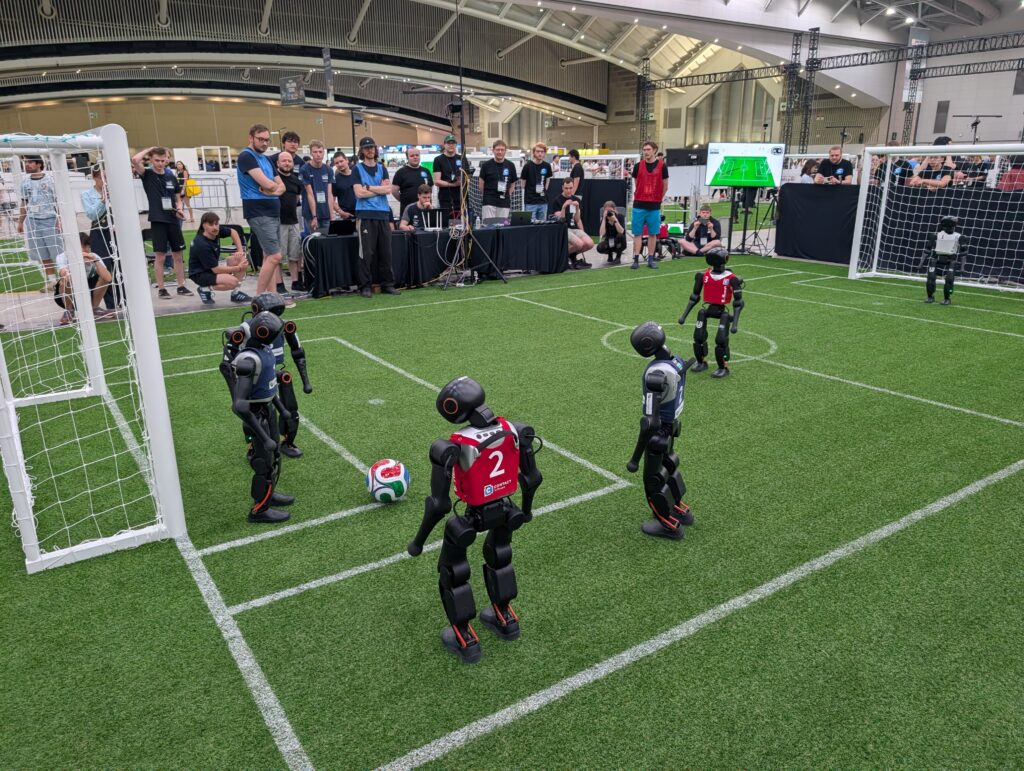
#RoboCup2026 – humanoid league day 2
The second day of play at RoboCup 2026 concluded with an exciting lineup of matches, showcasing the global appeal of the humanoid soccer competition. Teams from 17 countries participated, with China leading the representation by fielding 15 teams across three divisions. This year’s event highlights the growing international interest in robotics and artificial intelligence in sports, as teams compete not only for victory but also to advance technological innovation. The matches took place in a vibrant atmosphere, drawing spectators and participants alike to witness the cutting-edge developments in humanoid robotics. As the tournament progresses, anticipation builds for the upcoming matches, promising more thrilling displays of skill and strategy on the field.
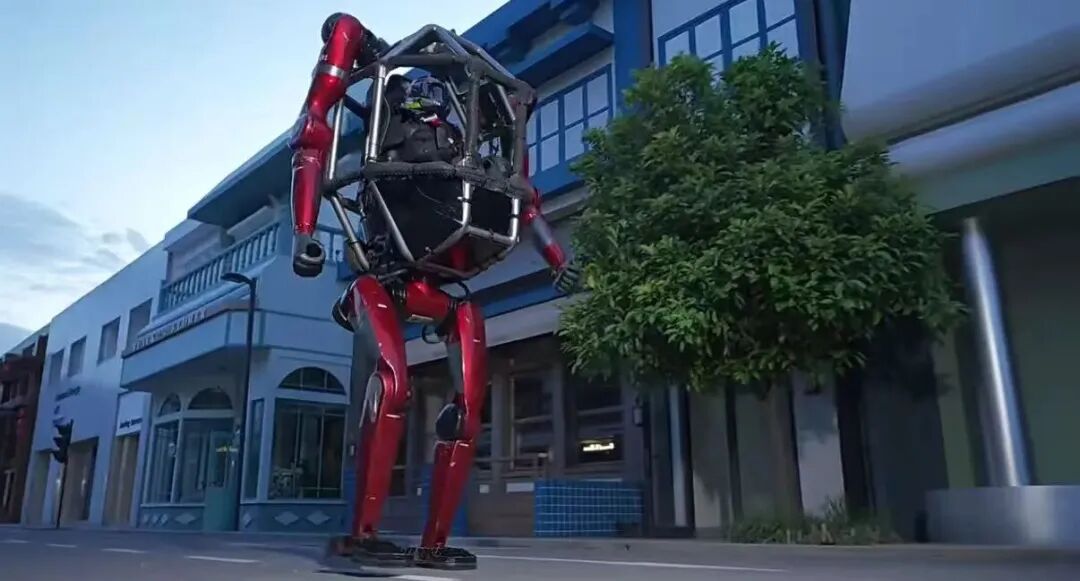
8-Ton Supercar Transforms into Humanoid Robot: How Far Are We from Real Transformers?
A celebrated German magician recently captivated audiences with a stunning performance featuring an 8-ton supercar that transformed into a giant humanoid robot. This impressive display, which took place during a live show, highlighted both the potential and the challenges of advanced robotics. While the spectacle thrilled viewers, experts note that achieving such transformations requires significant advancements in mechanical movement, vehicle functionality, and autonomous intelligence. Various teams are currently exploring different facets of robotics, working towards the ambitious goal of creating a true 'Transformers' machine. However, despite the progress being made, substantial obstacles remain in the pursuit of this technological dream.
Transforming Robots Humanoid Robotics Mechanical Engineering Autonomous Systems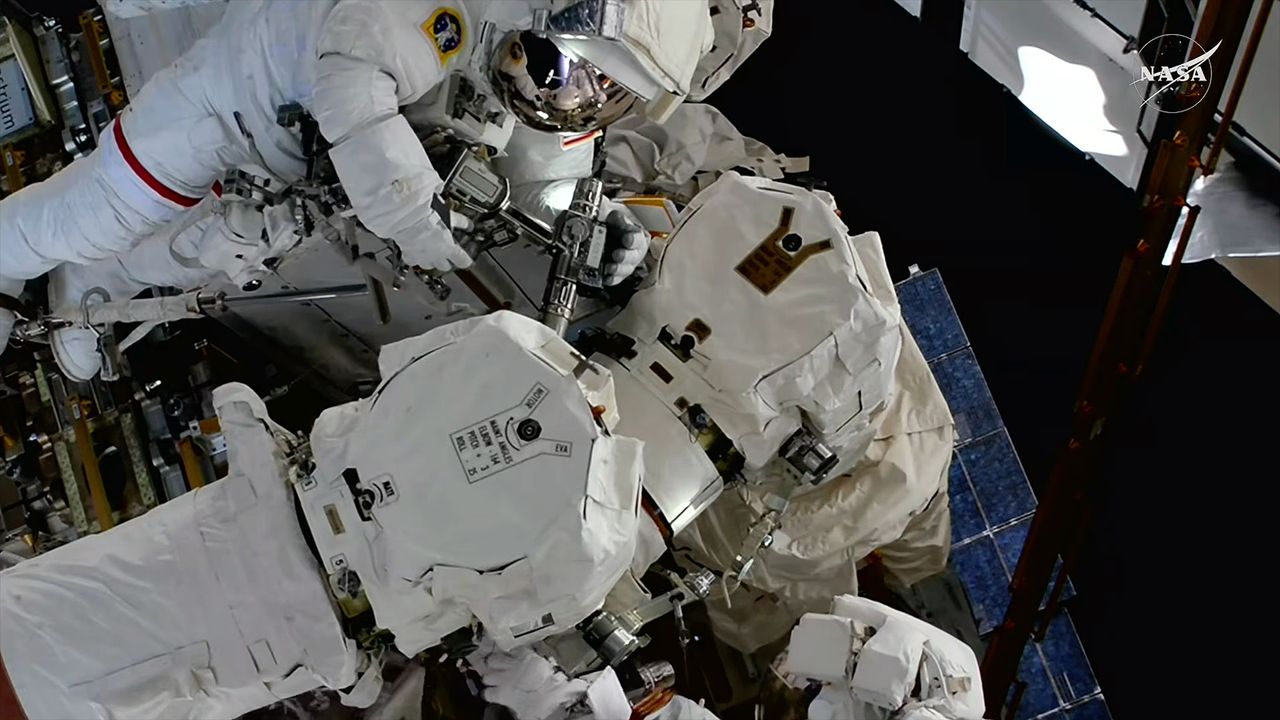
‘Just in time for Canada Day’: Spacewalking astronauts repair space station’s huge Canadarm2
On June 30, 2026, Expedition 74 flight engineers Chris Williams and Jessica Meir successfully completed a seven-hour spacewalk at the International Space Station. The mission involved replacing a wrist joint on the Canadarm2 robot arm, a critical component used for various tasks, including satellite deployment and maintenance of the space station. This repair was essential to ensure the continued functionality of the robotic arm, which plays a vital role in supporting operations and research aboard the ISS. The spacewalk exemplified the ongoing commitment to maintaining and enhancing the capabilities of the station, highlighting the importance of human ingenuity in the challenging environment of space.
International Space Station Space Exploration Missions
Exclusive: Bayou Best Foods acquires BettaF!sh to build global presence in plant-based seafood
Bayou Best Foods is set to expand its global presence in the plant-based seafood market by acquiring BettaF!sh. This strategic move will enable Bayou Best Foods to supply its innovative plant-based shrimp to BettaF!sh's foodservice partners throughout Europe in the near future. The acquisition aims to enhance the availability of sustainable seafood alternatives, catering to the growing demand for plant-based options among consumers and businesses alike.
Alternative protein EMEA FoodTech Startups & funding US & Canada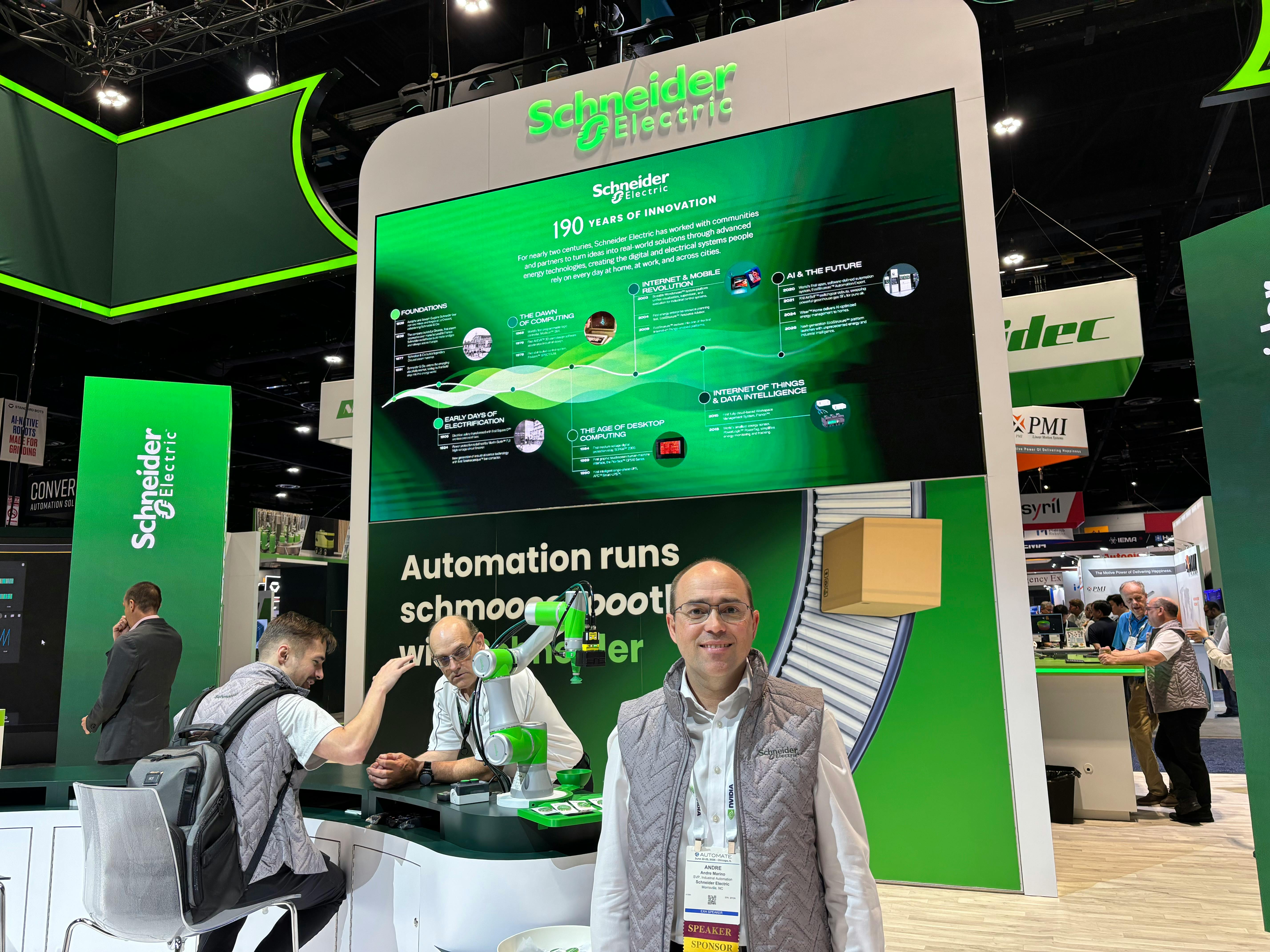
Large World Models & Software-Defined Automation: A Schneider Exec's Look at the Future
In a recent industry discussion, experts highlighted a significant challenge facing businesses: the issue of vendor lock-in. This problem, which restricts companies to a single supplier, limits their flexibility and innovation potential. The conversation took place during a technology conference held in San Francisco on October 15, 2023, where industry leaders gathered to address current trends and obstacles in the market. Participants emphasized that reliance on a single vendor can hinder competition and stifle creativity, as companies may feel compelled to continue using a service or product that does not fully meet their evolving needs. The motivation behind this concern stems from a desire for greater adaptability and the ability to leverage multiple solutions to enhance operational efficiency. To combat vendor lock-in, experts suggested strategies such as adopting open standards and promoting interoperability among different systems. By encouraging a more collaborative environment, businesses can mitigate risks associated with being tied to one provider and foster a more dynamic marketplace. The discussions underscored the importance of addressing these challenges to ensure that companies can thrive in an increasingly competitive landscape.
Factory / Control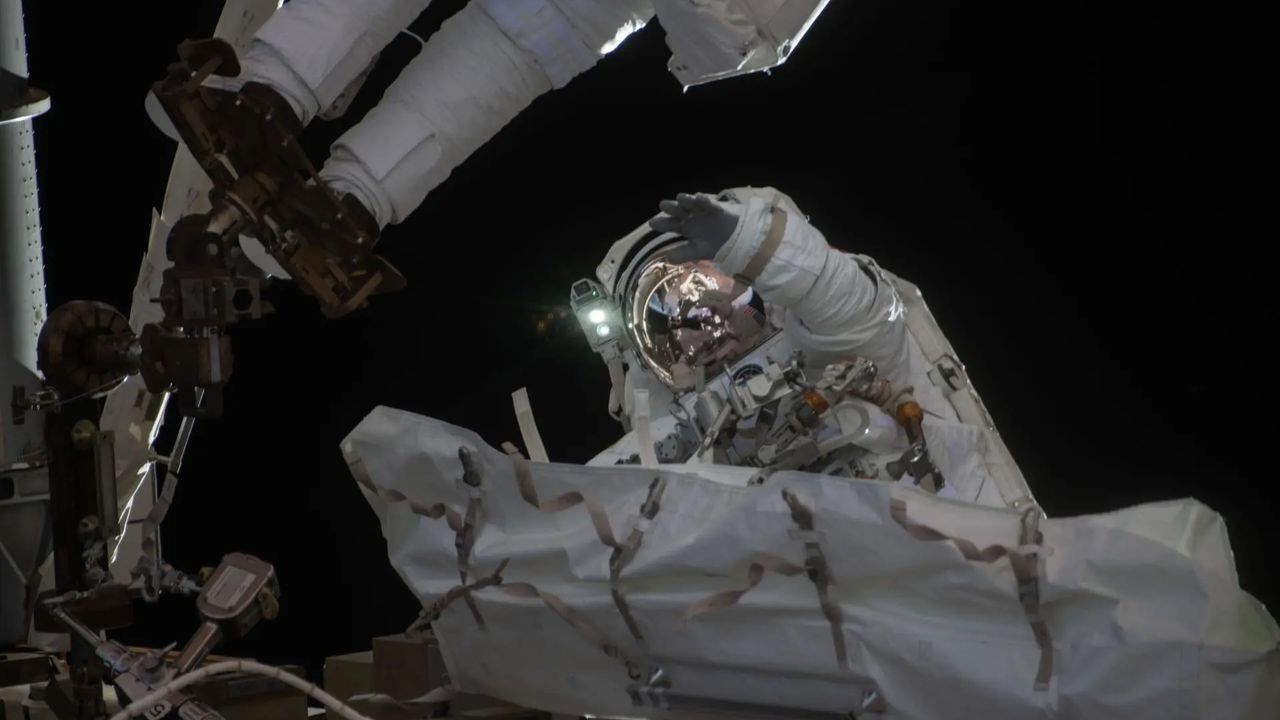
Watch 2 NASA astronauts fix ISS' huge robotic arm during June 30 spacewalk
NASA astronauts Chris Williams and Jessica Meir are scheduled to conduct a spacewalk on Tuesday, June 30, to repair the Canadarm2 on the International Space Station. This critical maintenance task is essential for ensuring the functionality of the robotic arm, which plays a vital role in various operations aboard the station. The spacewalk will be broadcast live, allowing viewers to witness the astronauts as they work in the unique environment of space.
International Space Station Space Exploration Missions
Great Robots, Failed Companies: The Business Foundations Automation Startups Skip
Building a successful automation company involves challenges that extend beyond technical capabilities, according to industry experts. While teams may excel at designing functional robots or reliable automated systems, the real hurdles often lie in establishing the necessary business infrastructure to support these technologies. This aspect of development is frequently overlooked, yet it is crucial for turning innovative ideas into viable commercial ventures. As the automation sector continues to grow, addressing these foundational business issues will be essential for companies aiming to thrive in a competitive market.
Automation Business Technology automation industry automation news automation startup
Smarter Automation with Industrial PCs and HMIs
In a recent episode of the Automation World podcast, host Chris McNamara engaged with Chris Barber, product marketing manager at Phoenix Contact, to explore the evolving landscape of industrial automation. The discussion, which aired on June 24, 2026, delved into the transition towards web-based Human-Machine Interfaces (HMIs), industrial PCs, edge computing, and software-defined control systems. Barber highlighted Phoenix Contact’s innovative PLCnext approach, which integrates traditional operational technology (OT) programming with IT-friendly tools, aiming to simplify integration, enhance real-time processing, and bridge the gap between IT and OT. Barber provided a practical example from the water-wastewater sector, illustrating how edge PCs can significantly improve local alarm handling and data reliability. The conversation also touched on Phoenix Contact’s strengths in hardware and customer support, as well as emerging trends such as cloud-edge convergence and the development of smarter, connected systems that facilitate easier deployment. This insightful dialogue underscores the ongoing advancements in automation technology and its implications for various industries.
Sponsored
This might be Prime Day’s smartest DJI drone deal
Many first-time drone buyers often find themselves in one of two categories: those who opt for inexpensive models that they soon outgrow, and those who invest heavily in high-end drones, only to fly them with a constant fear of crashing. Addressing this gap in the market, DJI has introduced a new drone that appears to cater specifically to those who are seeking a balanced option. This model is designed to provide an accessible yet capable flying experience, allowing users to enjoy the thrill of drone flying without the anxiety associated with more expensive models. By targeting this middle ground, DJI aims to attract novice pilots who want a reliable and user-friendly drone that can grow with their skills.
NewsRobotics needs a service framework.
RSF defines a common language for robot service capability, lifecycle operations, certification pathways, and service-provider networks.







