

Industry Briefing
A single destination for timely, editor-curated robotics news from around the world.

AEVEX Aerospace Secures $41 Million Contract for One-Way Attack Drones
AEVEX Aerospace has secured a significant $41 million contract to provide one-way attack uncrewed systems to US government clients. This contract highlights AEVEX's role in advancing military drone technology and its commitment to supporting defense operations. The importance of this contract lies in the growing demand for innovative unmanned systems in military applications. One-way attack drones are becoming increasingly vital for modern warfare, offering strategic advantages in various combat scenarios. AEVEX's expertise in this field positions it as a key player in the defense sector. Looking ahead, industry observers will be keen to monitor AEVEX's progress in fulfilling this contract and any potential future contracts that may arise from the increasing focus on unmanned aerial systems. No further timeline was disclosed at the time of publication.
News
Trump Administration Implements Tariffs Up to 100% on Imported Drones
The Trump administration has announced new tariffs on imported drones and components, with rates reaching up to 100% for specific products. This initiative aims to enhance domestic manufacturing and reduce reliance on foreign suppliers, particularly from China, which dominates the global drone market. The tariffs are structured in tiers, with the highest penalties applied to drones over 25 kilograms and those with sensitive capabilities, such as thermal imaging. Smaller drones will face a 25% tariff, with implementation timelines varying by product. The administration is also offering lower tariffs for drones from allied countries, including the EU and Japan, to encourage domestic production. This policy reflects a broader strategy to address national security vulnerabilities linked to foreign-made unmanned aircraft systems. Analysts suggest that the tariffs could significantly impact companies like DJI, which holds a substantial share of the US commercial drone market. No further timeline was disclosed at the time of publication.
News
Trump Implements 100% Tariffs on Select Drones and Components Amid Security Concerns
President Trump has enacted a 100% tariff on certain drones and their components, aiming to bolster domestic manufacturing and reduce reliance on foreign suppliers. This move is part of a broader strategy to strengthen the U.S. supply chain in response to national security risks associated with Chinese drone technology. The tariffs align with Trump's executive order to expedite domestic drone production and limit the Department of Defense's ability to procure critical components from foreign entities, particularly China. This decision comes as the U.S. Army previously banned the use of Chinese-made DJI drones due to security concerns, highlighting the ongoing tension between the U.S. and China in the drone market. Looking ahead, the tariffs are part of a larger initiative under the National Defense Authorization Act for fiscal year 2026, which aims to enhance domestic manufacturing capabilities. No further timeline was disclosed at the time of publication.

Trump Implements 100 Percent Tariffs on Specific Drones and Aircraft Parts
President Donald Trump has announced a 100 percent tariff on imports of drones equipped with thermal cameras and those weighing over 25kg, along with all parts for unmanned aircraft of the same weight. Additionally, a 25 percent tariff will apply to smaller drones under 250 grams. This move follows a previous ban on foreign drones and aims to increase costs for existing imports. The tariffs are part of a broader strategy to encourage domestic production of unmanned aerial systems (UAS) and their components. Companies can avoid these tariffs by committing to manufacture drones or parts in the United States. The tariffs also feature reduced rates for certain countries, including a 15 percent tariff for the EU and others, contingent on local production of technology. Looking ahead, the Secretary of Commerce has been authorized to create a program to incentivize investment in U.S. production facilities for UAS. However, the legality of these tariffs has been challenged in court, raising questions about their long-term viability and impact on consumers and companies alike. No further timeline was disclosed at the time of publication.
News Policy
Reports Suggest Iranian Drones May Have Tracked US F-15E Before Shootdown
A recent report indicates that Iranian drones may have played a crucial role in tracking a U.S. Air Force F-15E Strike Eagle before its shootdown in April. According to a U.S. military official, these drones provided vital information regarding the aircraft's location, speed, and direction, aiding Iranian forces in targeting the fighter jet. This claim, reported by The New York Times, has not been independently confirmed by the Pentagon. The significance of this development lies in demonstrating how cost-effective unmanned systems can enhance a compromised air-defense network. Even basic drones equipped with cameras can detect aircraft and relay their positions, allowing for improved situational awareness. The report raises questions about the sensors used by Iranian drones and how tracking data was communicated to missile units, highlighting the potential for simpler drone networks to provide effective air-defense capabilities. Looking ahead, analysts are keen to understand the implications of this incident for military strategies involving drone technology. The concept of using inexpensive drones as disposable sensors could reshape air-defense tactics, as evidenced by their successful application in Ukraine. No further timeline was disclosed at the time of publication.
Military
Iranian Drones Allegedly Assisted in Targeting Downed F-15E Strike Eagle
A recent report indicates that Iranian drones played a crucial role in targeting the U.S. Air Force F-15E Strike Eagle, which was shot down in April. An unnamed senior U.S. military official revealed that these drones provided vital information, including the jet's GPS location, speed, and direction, to Iranian commanders. This incident highlights the evolving tactics in modern warfare, particularly the use of drone technology inspired by Ukraine's strategies against Russia. The loss of the F-15E not only underscores the vulnerabilities of advanced military aircraft but also the potential effectiveness of drone-based surveillance and targeting systems. Looking ahead, the implications of this event could influence military strategies and drone technology development. The ongoing analysis of the incident may reveal further insights into the capabilities of Iranian drone operations and their impact on air combat dynamics. No further timeline was disclosed at the time of publication.
Air Air Forces Around The Globe F-15 Fighters Iran
U.S. Army Intercepts Over 1,400 Iranian Missiles and Drones During Recent Conflicts
The U.S. Army successfully intercepted more than 1,400 Iranian missiles and drones during two recent Middle East conflicts, as reported by Lt. Gen. John Rafferty, commander of the U.S. Army Space and Missile Defense Command. This significant achievement highlights the Army's role in air and missile defense, particularly during the 12-day war between Iran and Israel, where 125 ballistic missiles were engaged. This operation underscores the importance of U.S. military capabilities in the region, especially as concerns grow over the depletion of interceptor stocks. The Army's 32nd Air and Missile Defense Command adapted to counter advanced threats, utilizing systems like THAAD and Patriot, which are regarded as leading technologies globally. The collaborative defense efforts with partner nations further emphasize the strategic significance of integrated air defense systems. Looking ahead, the U.S. military's ongoing challenges with interceptor inventory and the need for replenishment will be critical to monitor. As the region continues to face missile threats, the effectiveness of the U.S. and allied air defense systems will be pivotal in maintaining security and operational readiness. No further timeline was disclosed at the time of publication.
Land Armies Around The Globe Iran Israel Land-Based Ballistic Missile Defense
Firestorm Labs 3D-prints Over 1,000 Parts and Assembles 12 Drones on USS Essex
Firestorm Labs successfully manufactured over 1,000 components and assembled 12 Squall drones aboard the USS Essex during a two-week trial. This operation took place while the US Navy warship was en route from San Diego to Hawaii for RIMPAC 2026, showcasing the potential for on-site production of military hardware during maritime missions. The significance of this trial lies in its demonstration of the xCell manufacturing platform's capabilities, which allowed for the production of drone components and repair parts despite challenging sea conditions. By reducing reliance on shore-based resupply, the operation enhances combat readiness and supports repairs directly at sea, marking a pivotal shift in military logistics. Looking ahead, the successful deployment of the xCell platform under operational conditions opens avenues for future maritime manufacturing initiatives. Firestorm Labs' ability to produce critical components on demand could revolutionize military operations, particularly in remote or hostile environments. No further timeline was disclosed at the time of publication.
Innovation Military
Fuel Cell Technology Enhances Group 2 Drones for Modern Battlefield Roles
Drones are increasingly utilized in various capacities on the battlefield, yet power constraints typically necessitate larger drones for extended loitering and long-distance missions. Recent advancements in fuel cell technology are enabling smaller Group 2 drones to perform these tasks effectively while preserving their agility and minimizing radar visibility. This development is significant as it expands the operational capabilities of smaller drones, allowing them to undertake missions that were previously reserved for larger models. The integration of fuel cells not only enhances endurance but also contributes to stealth, making Group 2 drones more versatile in combat scenarios. Looking ahead, the continued evolution of fuel cell technology may further transform the landscape of drone operations. As military applications for these smaller drones grow, stakeholders should monitor advancements in fuel cell efficiency and their impact on drone deployment strategies. No further timeline was disclosed at the time of publication.
Air Warfare Sponsored Post Air Force Drones Edge Autonomy Gamechanger
Ant Group's Lingbo Technology Aims for $2.1 Billion in Financing to Achieve Unicorn Status
Ant Group's subsidiary, Lingbo Technology, has confirmed the initiation of its first round of financing, targeting 1.5 billion yuan ($2.1 billion) by the end of this year. This funding aims to accelerate the development of its general-purpose robotic brain technology, which is crucial for the company's strategy in the embodied intelligence sector. The significance of this financing lies in its potential to set a record for funding speed in the embodied intelligence field. Lingbo Technology, established in December 2024 in Shanghai and fully owned by Ant Group, focuses on creating a universal intelligent base for various robot types, rather than manufacturing hardware. The company has already released over ten models, including the core product LingBot-VLA 2.0, which integrates extensive real-world data for training. Looking ahead, Lingbo Technology's independent financing is seen as a strategic move to capitalize on the current investment climate in embodied intelligence while alleviating internal resource constraints within Ant Group. No further timeline was disclosed at the time of publication.
Embodied Intelligence Robotic Brain AI Technology Startup Financing
SiMa.ai Achieves $1.45 Billion Valuation with $150 Million Series C Funding Round
SiMa.ai has successfully raised $150 million in Series C financing, increasing its total funding to $500 million and achieving a valuation of $1.45 billion. This funding round was co-led by Fidelity Management & Research Company and Amplify, with new investments from AllianceBernstein, Baron Capital, J.P. Morgan, and the State of Michigan. The significance of this funding lies in SiMa.ai's position as a leader in Physical AI, which is crucial for advancing technologies in humanoids, automotive applications, and drones. The participation of notable investors highlights the growing interest and confidence in the potential of Physical AI to transform various industries. Looking ahead, SiMa.ai's continued focus on scaling its technology will be critical. The company aims to leverage this funding to enhance its capabilities in Physical AI, although no further timeline was disclosed at the time of publication.

Kairos Power Secures Up to $100M from Samsung C&T for Google Nuclear Reactor Project
Kairos Power has partnered with Samsung C&T to develop a 50-megawatt demonstration reactor for Google, with completion targeted by 2030. The collaboration includes an equity investment of $70 million and additional engineering services, totaling up to $100 million, aimed at enhancing nuclear power capabilities. This partnership is significant as it aligns with the increasing demand for power from AI data centers, positioning Kairos Power among a new generation of nuclear startups. The deal builds on a previous agreement with Google, which seeks to generate approximately half a gigawatt of electricity by 2035, highlighting the urgency for innovative nuclear solutions in the energy sector. Looking ahead, Kairos Power is currently constructing two reactors in Oak Ridge, Tennessee, with Hermes 2 expected to begin operations in 2030. The company is utilizing advanced technologies, including fluoride salt cooling and TRISO fuel, to ensure safety and efficiency. The success of this project could pave the way for further developments in nuclear energy, particularly in meeting the growing energy needs of tech giants like Google.
Climate Kairos Power nuclear power
EDGE Group Delivers Six HT 100 NAVAL Unmanned Helicopters to Angolan Navy
The EDGE Group, a defense company from the United Arab Emirates, has successfully delivered six HT 100 NAVAL unmanned helicopters to the Angolan navy. This delivery is part of a €1 billion ($1.2 billion) contract finalized in 2023, following successful Factory Acceptance Trials (FAT) conducted in Switzerland. This milestone is significant as it enhances the Angolan navy's maritime surveillance and reconnaissance capabilities, integrating the unmanned helicopters with the BR71 MK II corvettes. Each corvette will host two of the helicopters, which are equipped with advanced electro-optical/infrared (EO/IR) sensors to improve operational effectiveness. Looking ahead, the integration of these systems represents a strategic move for EDGE Group and its subsidiaries, including Abu Dhabi Ship Building (ADSB) and ANAVIA. The collaboration aims to meet Angola's operational requirements while also expanding ADSB's export ambitions in various global markets, including Asia and Africa. No further timeline was disclosed at the time of publication.
Air Warfare Global Naval Warfare Abu Dhabi Ship Building africa Air Force
Ukrainian M1A1 Abrams Tanks Grounded by Russian Drone Saturation on the Battlefield
Ukrainian crews operating Australian-supplied M1A1 Abrams tanks report that the battlefield is now so overwhelmed with Russian drones that their tanks cannot be utilized in combat. Despite this, they assert that main battle tanks are not obsolete. The crews, part of Ukraine’s 425th Separate Assault Regiment 'Skala,' have previously deployed these tanks in two significant operations near Pokrovsk. The first major deployment occurred in December, where the Abrams supported assault groups entering Pokrovsk, a vital logistics hub in eastern Donetsk. A crew member, known as Kent, described the aggressive mission where the tank drew enemy fire, allowing infantry to advance. The second operation on March 31 aimed to secure an industrial area to hinder Russian movements toward Hryshyne, with extensive reconnaissance and planning conducted over two weeks to prepare for the mission. Looking ahead, the effectiveness of the M1A1 Abrams tanks in future operations remains uncertain due to the persistent threat posed by Russian drones. No further timeline was disclosed at the time of publication.
Land Armies Around The Globe Europe M1 Abrams News & Features
JUIDA Coordinates 10-Day Response to Kumamoto Earthquake Using Drones and AI
The Japan UAS Industrial Development Association (JUIDA) led a coordinated response to the Kumamoto earthquake, utilizing drones and AI for effective disaster management. Teams conducted indoor searches at Aeon Mall Kumamoto and mapped affected areas using fixed-wing aircraft and drones, integrating SAR satellite data to create a comprehensive operational picture for responders. This initiative is significant as it showcases the capabilities of drone technology in disaster response, enhancing situational awareness and operational efficiency. The collaboration among six industry members under JUIDA-D³ highlights the importance of collective efforts in managing natural disasters, providing timely and accurate data to aid rescue operations. Looking ahead, JUIDA plans to continue updating its response log only when new activities arise, emphasizing the ongoing need for technological integration in disaster management. The use of advanced aerial imagery and AI analysis will be crucial in assessing damage and coordinating recovery efforts in the aftermath of the earthquake.
DFR Disaster Response Environmental Research Japan Drone Industry Japan Drone News 8th Reconnaissance Regiment
Japan's GMO Internet Group Competes with China's Yushin G1 Robot at World Robot Games
The second World Robot Games in Beijing saw Japan's GMO Internet Group participate with its robot 'Hitomin', which utilizes the Yushin G1 hardware. The robot's control and gait algorithms were developed by GMO. In the semifinals, it fell during the 400-meter race and completed the 1500 meters in 7 minutes and 43.89 seconds, finishing third in its group and seventh overall. Engineers noted that long-distance thermal management remains unresolved. This participation is significant as it highlights Japan's reliance on Chinese hardware for its only competing robot, raising mixed reactions domestically. While Japan was once a leader in humanoid robotics with ASIMO, the current scenario reflects a shift in competition dynamics, focusing on the capabilities of the hardware and the effectiveness of control algorithms. Looking ahead, the competition emphasizes the importance of producing adaptable and modifiable robot platforms. The success of the Yushin G1 as a base for various software applications from different countries indicates a new phase in humanoid robotics, where the focus is on mass-producible hardware and the ongoing battle for software and ecosystem development. No further timeline was disclosed at the time of publication.
Humanoid Robots Robotics Competition Robot Hardware AI Software Development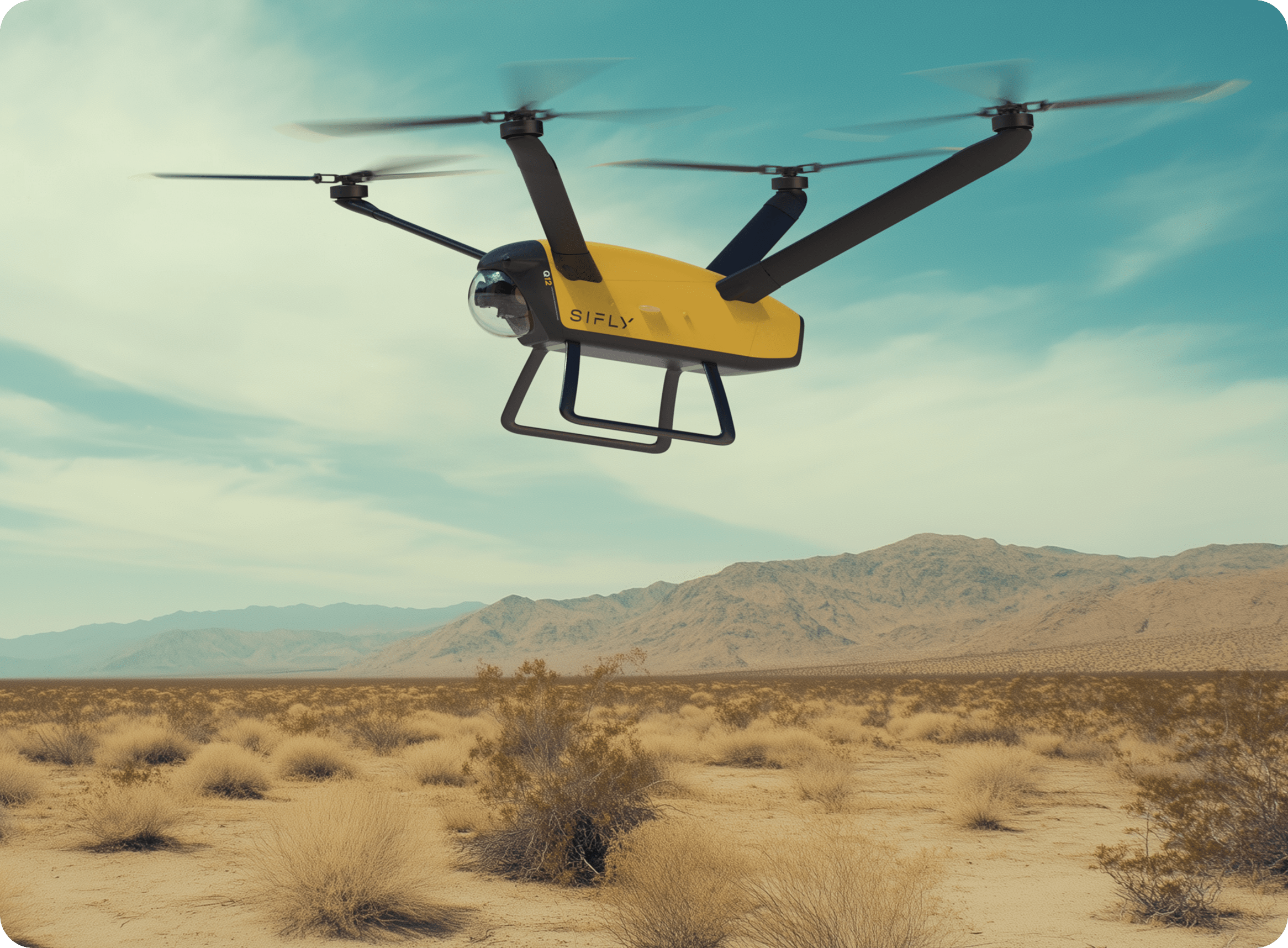
SiFly Secures $20 Million to Boost U.S. Production of Q12 Long-Endurance Drones
SiFly Aviation has successfully raised $20 million in Series A funding to enhance the U.S. production of its long-endurance Q12 electric drone. The financing round was led by Shield Capital, with contributions from Qudit, BBK Capital, Alumni Ventures, and other investors. The funds will be utilized to ramp up production and facilitate customer deliveries while continuing the development and field testing of its DronePort multi-drone infrastructure system. This funding is significant as it allows SiFly to address the limitations of traditional multirotor drones, particularly in flight endurance. The Q12 can fly four times longer and up to 10 times farther than leading enterprise drones, carrying payloads of up to 10 pounds. The aircraft has undergone extensive testing, achieving a Guinness World Record for the longest electric multirotor flight in its weight class, lasting over three hours. Looking ahead, SiFly aims to leverage the Q12's capabilities across various sectors, including public safety, utilities, infrastructure, and agriculture. The company believes that the longer endurance of the Q12 will enhance operational efficiency and response capabilities for drone operators. No further timeline was disclosed at the time of publication.
Applications DFR Drone News Drone News Feeds Featured – Safety and Security Fire and Police
SiFly Secures $20 Million Series A to Enhance U.S. Production of Q12 Drones
SiFly Aviation has announced a successful $20 million Series A funding round led by Shield Capital, with participation from Qudit, BBK Capital, and Alumni Ventures. This financing aims to boost the manufacturing and customer delivery processes for SiFly's Q12 long-endurance electric aircraft. The significance of this funding lies in its potential to accelerate the production capabilities of SiFly, allowing for quicker deployment of the Q12 aircraft. Additionally, the investment will support the development and field validation of SiFly's DronePort multi-drone infrastructure system, which is crucial for enhancing operational efficiency. Looking ahead, stakeholders should monitor SiFly's progress in scaling production and fulfilling customer orders for the Q12. No further timeline was disclosed at the time of publication.

The Shahed-136: A Key Player in Modern Aerial Warfare Discussions
The Shahed-136 has emerged as a prominent symbol in contemporary military conflicts, particularly noted for its role in Ukraine. This Iranian-designed loitering munition, characterized by its delta-wing shape and buzzing engine, has sparked global conversations about aerial warfare and air defense strategies. Its significance lies in its cost-effectiveness and operational simplicity, allowing for mass production and deployment. Unlike traditional drones, the Shahed-136 is a one-way attack UAV designed to strike targets and self-destruct, which presents a cost-exchange dilemma for defenders who must use expensive interceptors against these relatively inexpensive munitions. As the Shahed-136 gains traction in military operations, particularly in the U.S. conflict with Iran, its use alongside other long-range weapons complicates air-defense strategies. The ongoing production and deployment of the Shahed-136, also known as the Geran-2 in Russia, highlights a shift towards integrating loitering munitions into modern warfare tactics. No further timeline was disclosed at the time of publication.
Military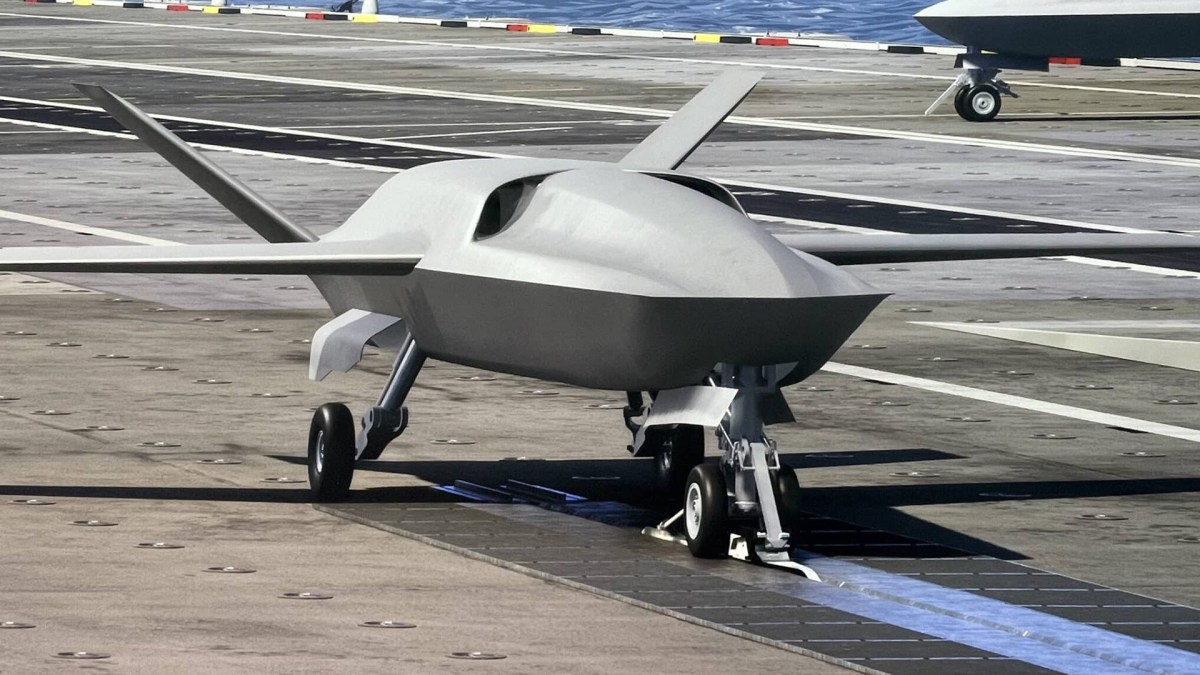
U.S. Navy Seeks 1,000 Nautical Mile Range for Future Carrier-Based Drones
The U.S. Navy is planning to develop carrier-based uncrewed aircraft capable of striking enemy targets at least 1,000 nautical miles away without mid-air refueling. This initiative is part of a broader request for information (RFI) issued by Naval Air Systems Command (NAVAIR) regarding the Air Wing of the Future (AWOTF) family of systems. This capability is crucial as adversary anti-access/area denial strategies evolve, necessitating that carrier air wings operate from greater distances. The Navy's focus on uncrewed systems aims to enhance combat effectiveness over existing platforms while ensuring compatibility with Nimitz and Ford class carriers. Future developments will likely include vertical takeoff and landing drones for use on destroyers, as well as integration with existing U.S. Navy Unmanned Carrier Aviation control systems. No further timeline was disclosed at the time of publication.
Air Carriers Collaborative Combat Aircraft Drones Navies News & Features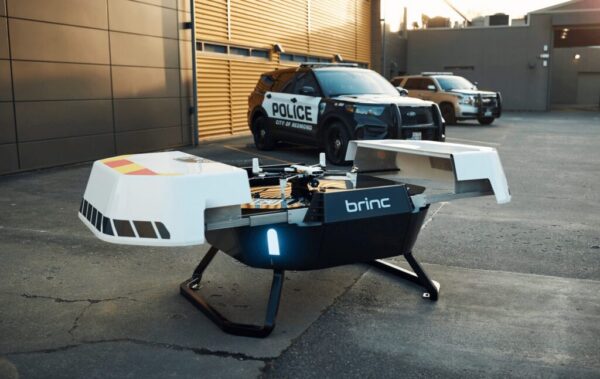
BRINC Secures $125 Million Funding Round Led by Motorola Solutions for Public Safety Drones
BRINC, a Seattle-based public safety drone manufacturer, announced on July 14, 2026, that it has secured a $125 million financing round led by Motorola Solutions. This investment raises BRINC's total capital to over a quarter billion dollars and aims to deploy a BRINC 911 response drone at every police and fire station across the U.S., targeting 80,000 facilities. The funding will enable BRINC to expand its domestic manufacturing, launch new products, and scale its go-to-market operations. The company plans to move into a facility three times the size of its current factory by the end of 2026 to meet the increasing demand from public safety agencies. In 2025, BRINC tripled its revenue and quintupled its monthly production capacity, signing nearly four times as many contracts for 911 response drones in 2026 compared to the previous year. Looking ahead, BRINC's founder Blake Resnick emphasized the importance of situational awareness in emergencies, stating that their drones provide critical information before first responders arrive. The company is also collaborating with the National League of Cities for a nationwide rollout of drone first response (DFR) initiatives. No further timeline was disclosed at the time of publication.
DFR Drone News Drone News Feeds News Public Safety 80000 stations
Unauthorized Drone Activity Halts Flights at Luxembourg Airport on September 18
On the night of September 18, unauthorized drone activity temporarily halted operations at Luxembourg Airport, diverting 19 incoming flights. The Luxembourg government confirmed that unidentified drones were visually observed in the airspace around Findel, prompting immediate airspace closure for safety reasons. Operations resumed around 1:20 a.m. on September 19 after inspections deemed no immediate risk to aviation safety. This incident highlights the significant impact unauthorized drone activity can have on airport operations, affecting passenger safety and airline schedules. The airport operator, lux-Airport, noted that delays could persist as airlines worked to restore normal operations. The Luxembourg government activated its interministerial drone assessment group to address the situation, with Prime Minister Luc Frieden coordinating with various ministers and agencies. Authorities continue to investigate the incident, having deployed additional detection resources and monitoring reports of suspected drones. As of September 21, the assessment group remains active, emphasizing the need for vigilance regarding unauthorized drone activity in airspace. No further timeline was disclosed at the time of publication.
Drone News Drone News Feeds News airport drone disruption Airport Security aviation safety
Eurenco to Enter Drone Market with Production of Military-Specific Explosive Heads
At the Eurosatory exhibition held in mid-June in Villepinte, France, Eurenco announced its plans to enter the drone market by producing specific military explosive heads. The company stated it is capable of manufacturing between 10,000 and 15,000 explosive heads per month. This move is significant as it positions Eurenco to meet the growing demand for drone munitions, reflecting a broader trend in military technology where drones are increasingly utilized in combat scenarios. The production capacity of 10,000 to 15,000 units monthly indicates a strong commitment to scaling operations in this emerging market. Looking ahead, industry observers will be keen to see how Eurenco's entry into the drone munitions sector will influence competition and innovation in military applications. No further timeline was disclosed at the time of publication.
Drones
FAA Proposes $289,215 Penalty Against Gorge Drones for Unauthorized Agricultural Flights
The Federal Aviation Administration (FAA) has proposed a civil penalty of $289,215 against Gorge Drones, located in Stevenson, Washington, for allegedly conducting unauthorized agricultural drone operations in early 2025. The FAA claims that the company operated an unmanned aircraft to dispense fertilizer during 15 flights without the necessary agricultural aircraft operator certificate, and that the drone was neither registered with the FAA nor had an airworthiness certificate. This proposed enforcement action highlights the FAA's stringent regulations governing agricultural drone operations, which differ from those for drones used solely for imaging or inspection. The agency emphasizes that operators dispensing agricultural materials must adhere to additional federal requirements, including obtaining specific exemptions and operational authority for agricultural aircraft operations. As the agricultural drone sector continues to expand rapidly, compliance with FAA regulations is critical for operators. The FAA's announcement serves as a reminder of the importance of adhering to aviation regulations, as a proposed civil penalty indicates an allegation rather than a final determination. No further timeline was disclosed at the time of publication.
Agriculture Applications Drone News Drone News Feeds Drones in the News FAA
Group-IB Identifies New Malware Exploiting Microsoft 365 Calendar for Data Theft
Group-IB has reported the discovery of a new malware named HOLLOWGRAPH that exploits Microsoft 365's calendar feature for command and control communications and data theft. This malware uses the Microsoft Graph API to blend its communications with normal Microsoft 365 traffic, targeting organizations linked to Israel. The HOLLOWGRAPH malware operates by utilizing compromised Microsoft 365 accounts to send and receive commands, with a specific focus on events set for May 13, 2050, to avoid detection. The malware is associated with the Cavern backdoor framework and employs advanced encryption methods to secure its communications, making it a sophisticated threat. As the situation develops, monitoring for unusual calendar activities within Microsoft 365, particularly those linked to the specified date and certain file attachments, will be crucial. Group-IB has recommended vigilance against potential attacks and the implementation of security measures to detect and mitigate this emerging threat.
Quantum Systems Group's Apex Recordhunter Drone Achieves 434 mph Speed Milestone
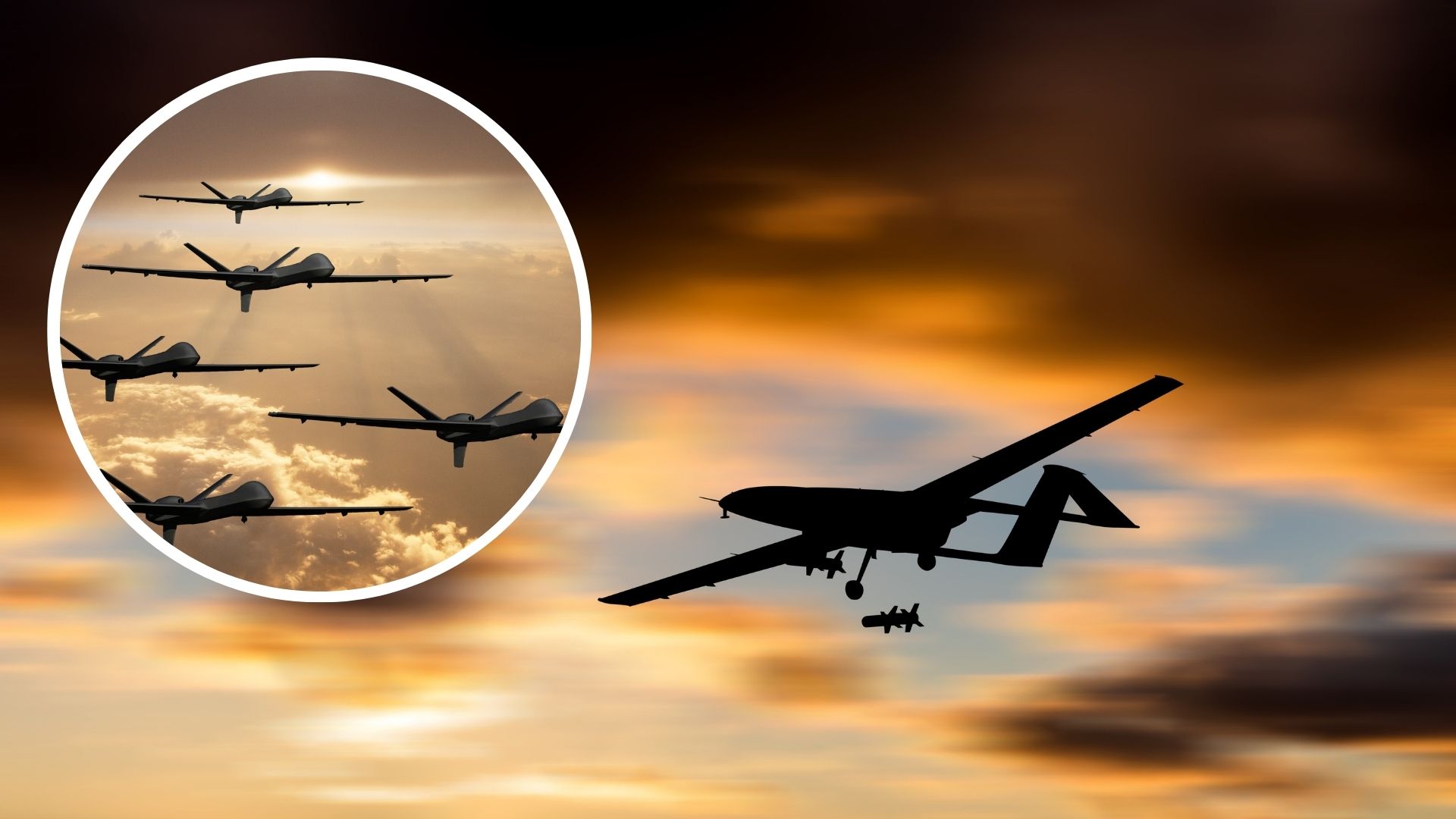
Quantum Systems Group, a German aerospace firm, has announced that its Apex Recordhunter experimental drone reached a remarkable speed of 434 miles per hour. This achievement, pending formal certification, could set a new world record for battery-powered unmanned aerial vehicles. The project emphasizes advancements in electric propulsion and aerodynamics, aiming to enhance military applications for future interceptor drones. The significance of this milestone lies in its potential to reshape aerial defense systems. As military conflicts increasingly utilize high-speed drones, the demand for agile interceptor systems has surged. Traditional surface-to-air missiles are often too expensive for engaging low-cost drones, prompting the development of dedicated UAVs that can effectively counter these threats. The technologies validated through the Apex Recordhunter program are expected to play a crucial role in the next generation of interceptor drones. Looking ahead, Quantum Systems Group plans to conduct further speed trials focused on operational military roles, including FPV platforms and specialized anti-aircraft interceptors. The rapid evolution of drone warfare necessitates breakthroughs in speed and maneuverability, making the Apex Recordhunter a pivotal testbed for future technologies. No further timeline was disclosed at the time of publication.
Military
Kraken Robotics acquires Covelya Group for $615M
Covelya Group expands Kraken Robotics' product offerings and total addressable market in subsea technology. The post Kraken Robotics acquires Covelya Group for $615M appeared first on The Robot Report.
Financial Maritime Markets / Industries Mergers & Acquisitions News Robots / Platforms
Ant Group heavily invests in the humanoid robot sector, completing 12 investments and establishing a new subsidiary in 18 months.
Ant Group has made significant strides in the humanoid robot sector, completing a total of 12 investments and launching a new subsidiary within the past 18 months. This strategic move reflects the company's commitment to advancing technology and innovation in robotics. The investments are aimed at enhancing Ant Group's capabilities in artificial intelligence and automation, positioning the firm at the forefront of the rapidly evolving tech landscape. By establishing a dedicated subsidiary, Ant Group seeks to streamline its operations and focus on developing cutting-edge humanoid robots that can cater to various industries. This initiative underscores the company's vision to integrate advanced robotics into everyday applications, potentially transforming how businesses operate and interact with technology.
Robotics Automation AI
1,100 drones challenge FIFA World Cup security, 500 already seized
Authorities have reported the detection of 1,139 drones operating near World Cup stadiums and related sites throughout the United States. Of these, over 300 drones have been successfully mitigated without the use of force. Concurrently, the FBI has seized more than 500 drones as part of its ongoing investigations into unauthorized flights in proximity to tournament venues. This heightened surveillance and intervention are part of efforts to ensure safety and security during the high-profile event.
News
Alibaba-affiliate Ant Group rushes into humanoid robots with a dozen deals in 18 months
Ant Group has successfully led a funding round of 500 million yuan (approximately $73.59 million) for the humanoid robotics company Zeroth, as announced by the start-up on Thursday. This investment highlights Ant Group's commitment to advancing technology in the robotics sector and reflects the growing interest in humanoid robots. The funding will likely support Zeroth's development efforts and enhance its capabilities in creating innovative robotic solutions.

UK to supply Ukraine with 150,000 drones in $996m aid package
The United Kingdom has committed to supplying Ukraine with 150,000 drones as part of a substantial military assistance package worth £752 million (approximately $996 million). This initiative aims to bolster Ukraine's defense capabilities amid ongoing conflicts in the region. The announcement underscores the UK's continued support for Ukraine, reflecting a strategic effort to enhance military resources in response to the evolving security landscape. The delivery of these drones is expected to play a crucial role in strengthening Ukraine's operational effectiveness and resilience.
News
RC-135 Rivet Joints Could Control Drones To Drastically Expand Collection Capabilities
The RC-135 Rivet Joint, a reconnaissance aircraft, is exploring the potential of integrating drone technology to enhance its operational capabilities. This innovative approach aims to significantly expand the aircraft's data collection abilities. As military technology continues to evolve, the collaboration between manned aircraft and unmanned drones presents new opportunities for intelligence gathering and surveillance. The initiative reflects a broader trend within the defense sector to leverage advanced technologies for improved mission effectiveness. Further developments in this area are anticipated, indicating a shift in how aerial reconnaissance may be conducted in the future.
Air Drones Loyal Wingman Manned ISR News & Features RC-135
SASC’s $1.14T defense policy bill creates combatant command for drones
Members of the Senate Armed Services Committee (SASC) approved a significant piece of legislation on Wednesday, advancing the bill with an 18-9 vote. This decision reflects the committee's ongoing efforts to address critical defense issues and enhance military readiness. The approval comes amid increasing concerns about national security and the need for updated military policies. The committee's action is a crucial step in the legislative process, paving the way for further discussions and potential amendments before the bill is presented to the full Senate for consideration.
Air Warfare Congress Land Warfare Naval Warfare Pentagon 2027 NDAA
Is The U.S. Flying MQ-1 Predator Drones Again?
Recent developments regarding the loss of an MQ-1 Predator drone to Iran have sparked discussions about the implications of reintroducing these unmanned aerial vehicles into active service. Analysts are examining the potential risks and benefits associated with deploying the Predator in current military operations, particularly in light of its previous encounters and vulnerabilities. The incident has raised questions about the effectiveness of the drone in modern warfare and the strategic considerations that come into play when utilizing such technology. As the U.S. military contemplates the future of the MQ-1, the debate underscores the complexities of aerial surveillance and combat in volatile regions.
Air Around The Globe Iran Middle East News & Features Q-1
MISUMI Group invests $1B in Americas, global AI and digital manufacturing
MISUMI Americas has announced a strategic collaboration with Fictiv, integrating MISUMI's precision components with Fictiv's digital manufacturing platform to streamline the production process for customers. This partnership aims to provide a comprehensive solution for managing entire bills of materials, enhancing efficiency and accessibility in manufacturing. The initiative is part of a broader investment strategy by the MISUMI Group, which has committed $1 billion to bolster its operations in the Americas and advance global efforts in artificial intelligence and digital manufacturing. This investment is expected to significantly enhance the capabilities of manufacturers by leveraging cutting-edge technology and innovative practices. The collaboration marks a significant step towards modernizing the manufacturing landscape, making it more responsive to the needs of businesses in a rapidly evolving market.
Actuators / Motors / Servos Aerospace Agriculture Automation Automotive Design / Development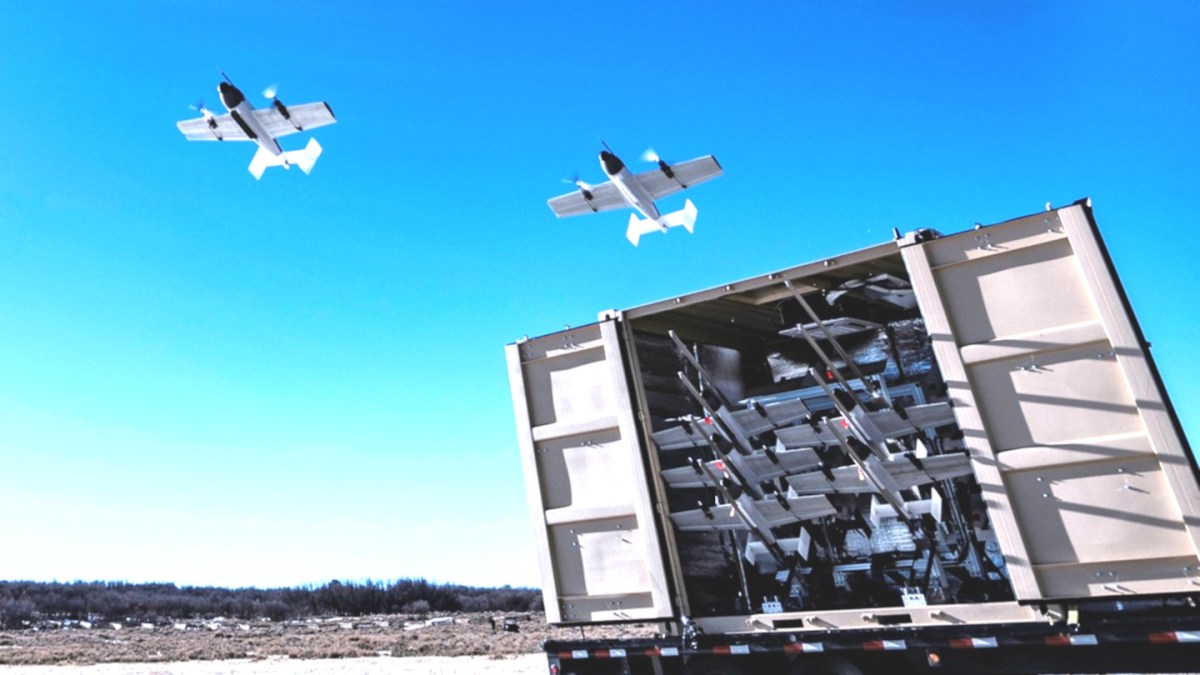
BlitzBox Packs 100 Weaponized Drones Into An Unassuming Container
DZYNE has unveiled its innovative BlitzBox, a containerized drone launcher that aligns with the U.S. military's increasing interest in advanced drone technology. This system is designed to house and deploy up to 100 weaponized drones, offering a discreet and efficient solution for military operations. The introduction of the BlitzBox comes at a time when the U.S. military is actively seeking to enhance its aerial capabilities, particularly in response to evolving battlefield dynamics. By providing a compact and versatile platform for drone deployment, DZYNE aims to meet the growing demand for rapid and effective aerial support in various combat scenarios.
News & Features Air Drones Unmanned
DJI Agriculture Reveals Global Adoption of Agricultural Drones Cuts 51Mt in Carbon Emissions and Saves 410Mts of Water for Farmers Globally
At Brazil's AgriShow, a new report has been unveiled showcasing the rapid growth of the agricultural drone industry, revealing that over 600,000 DJI agricultural drones are now operational across more than 100 countries and regions. This significant milestone underscores the increasing adoption of drone technology in agriculture, driven by the need for enhanced efficiency and precision in farming practices. The report highlights how these drones are transforming traditional agricultural methods, enabling farmers to monitor crops, optimize resource use, and improve yields. As the industry matures, stakeholders are optimistic about the potential for further advancements and increased integration of drone technology in agricultural operations worldwide.

HYFIX Announces $15M Seed Round to Build American-Made Chips Powering the Next Generation of Drones and Robots
A new integrated chip developed in the United States is set to revolutionize drone technology by replacing the previously fragmented electronics systems with a single, secure platform. This advancement aims to enhance the reliability and efficiency of drone operations, addressing growing concerns over security vulnerabilities in existing systems. The integrated chip is expected to streamline the manufacturing process and reduce costs, making advanced drone technology more accessible. The initiative reflects a broader trend in the tech industry towards consolidation and improved security measures, particularly in the defense sector. As drone usage continues to expand across various applications, from military operations to commercial deliveries, the implementation of this innovative chip could significantly impact the future of aerial technology.
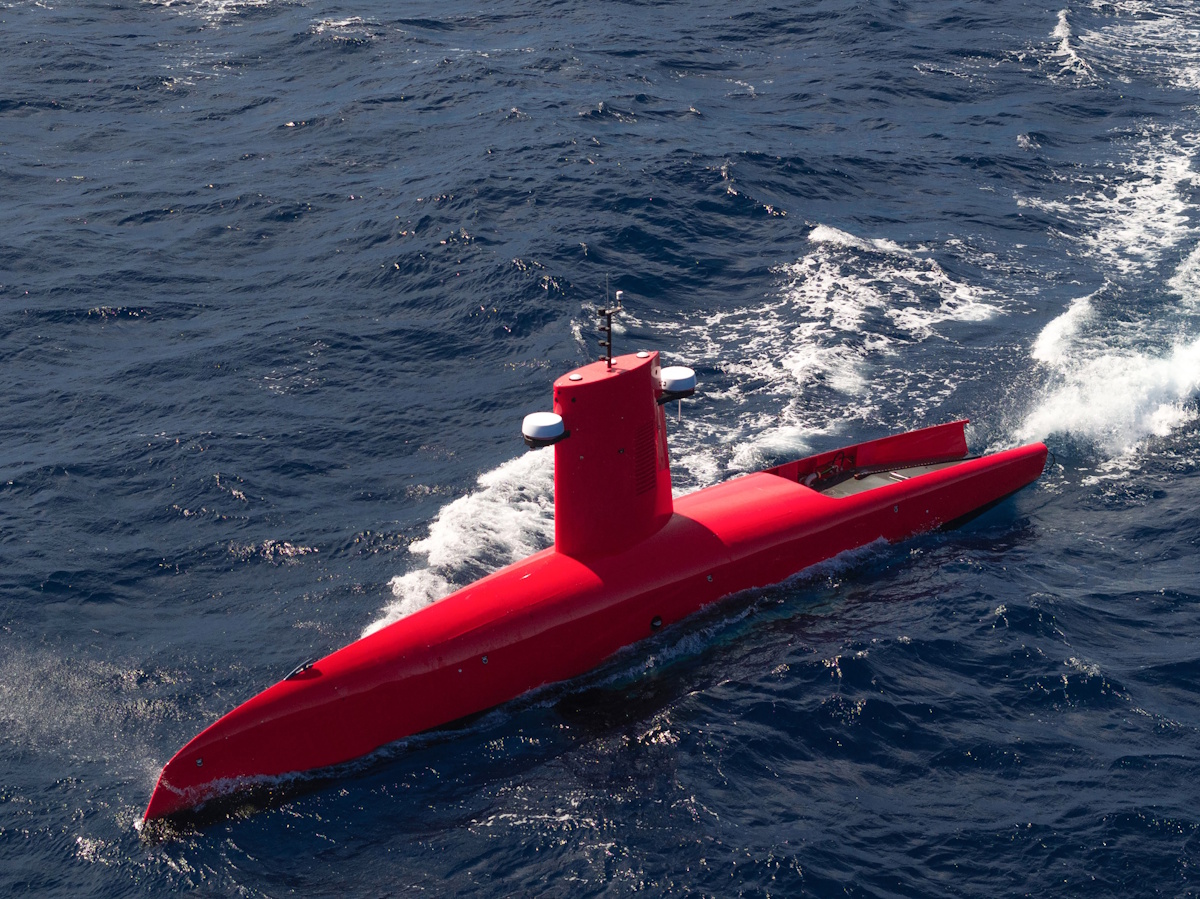
OMS Group to Deploy Exail’s DriX O-16 to Support Global Subsea Cable Installation
OMS Group and Exail have announced the acquisition of a second Exail DriX O-16 Uncrewed Surface Vessel (USV), a move aimed at enhancing OMS Group's autonomous survey capabilities. This acquisition comes in response to the increasing global demand for subsea cable infrastructure. The announcement was made today, marking a significant step in OMS Group's efforts to expand its technological resources and meet the evolving needs of the subsea industry. By integrating advanced USV technology into their operations, OMS Group aims to improve efficiency and effectiveness in survey operations, ultimately supporting the growth of subsea projects worldwide.
oms group exail drix o-16 subsea cable installation
Computing Power Giants Enter Embodied Intelligence! Runze Group Leads Over 100 Million Financing for Tsinghua's Zerith Robotics
Zerith Robotics has successfully raised over $100 million in funding, with the investment spearheaded by Runze Group, a prominent player in the computing power sector. This substantial financial backing is intended to harness advanced computing technologies to improve embodied intelligence in real-world commercial applications. The initiative represents a pivotal advancement in the pursuit of achieving true general intelligence, positioning Zerith Robotics at the forefront of innovation in the field.
Embodied Intelligence Robotics AI Computing Power Commercial Automation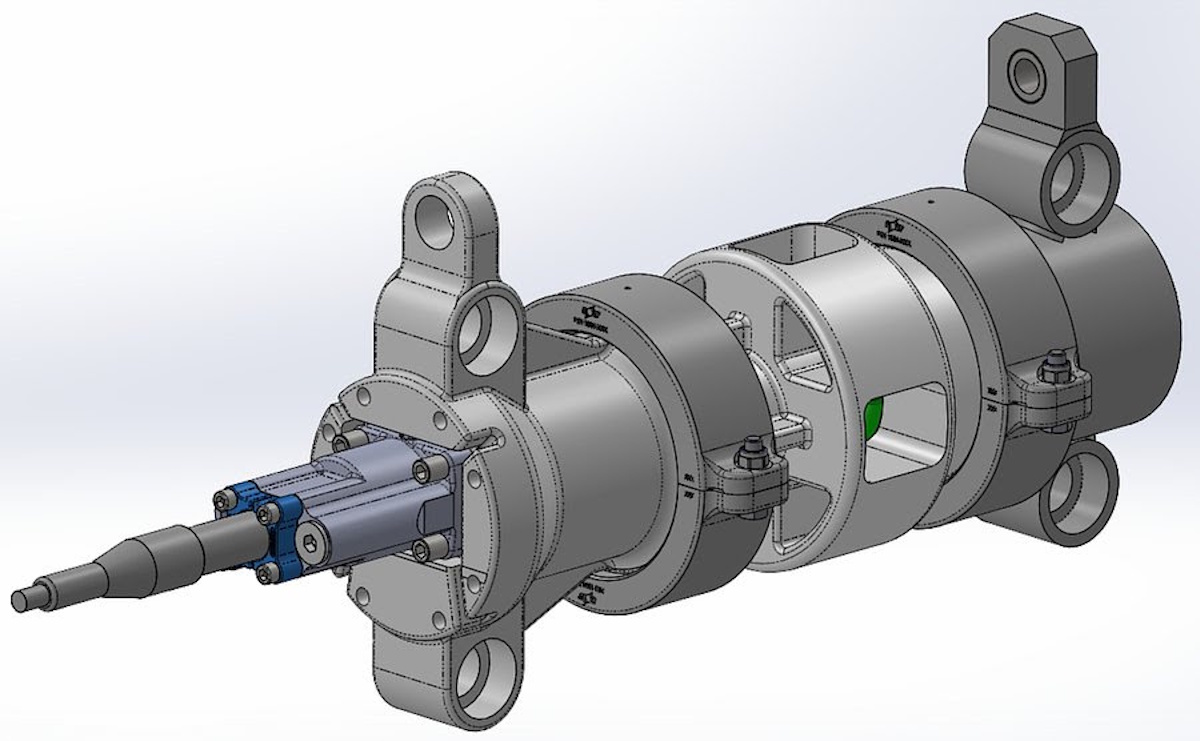
Sanco Group Deploys Teledyne’s New Cast-Component Bolt 1900 Airguns
Teledyne Geophysical Instruments, part of Teledyne Marine, has made a significant advancement in marine seismic technology with the deployment of its Bolt 1900 Airguns, featuring newly engineered cast components. This milestone was achieved by Sanco Group AS, which has become the first operator in the industry to utilize this innovative equipment. The deployment marks a notable step forward in enhancing the capabilities of marine seismic operations, reflecting Teledyne's commitment to advancing technology in the field.
teledyne
Hyundai Motor Group Details Massive KRW 125.2 Trillion Investment, Targeting Robotics and ''Physical AI'' Infrastructure
Hyundai Motor Group has announced a substantial investment of KRW 50.5 trillion aimed at advancing future technologies. This ambitious plan includes the establishment of a new artificial intelligence data center, a "Physical AI Application Center," and a specialized facility for robotics manufacturing and foundry operations. The initiative reflects Hyundai's commitment to innovation and positions the company to enhance its capabilities in AI and robotics, crucial areas for the automotive industry’s evolution. The investment is part of a broader strategy to secure a competitive edge in the rapidly changing technological landscape.
hyundai Boston DynamicsRobotics needs a service framework.
RSF defines a common language for robot service capability, lifecycle operations, certification pathways, and service-provider networks.
Join the RobotToday community on LinkedIn
Daily robotics news, in-depth analysis, conference highlights, and discussions with professionals worldwide.







