Industry Briefing
A single destination for timely, editor-curated robotics news from around the world.

Microsoft Edge 150 Launches with Google Account Sign-In and OpenAI Unveils GPT-5.6
On July 2, Microsoft released version 150.0.4078.48 of Microsoft Edge for desktop, introducing support for Google account sign-ins on both Windows and macOS. This update allows users to log in using either a Microsoft or Google account, enhancing accessibility for users. IT administrators can manage this feature through a new policy called 'NonMicrosoftAccountSignInEnabled'. The significance of this update lies in its potential to streamline user experience and broaden the browser's appeal. By allowing Google account integration, Microsoft Edge aims to attract users who prefer Google's ecosystem, thereby increasing its market share. Additionally, version 150 will be the last to support macOS 13 Monterey, as future updates will require macOS 12 Ventura or later. On July 9, OpenAI officially launched its new AI model series, GPT-5.6, following a limited preview. This series includes three tiers: Sol, Terra, and Luna, each optimized for different performance and cost metrics. The rollout of GPT-5.6 is expected to enhance capabilities in various applications, including coding and cybersecurity, with pricing structured to appeal to a wide range of users. No further timeline was disclosed at the time of publication.

SpaceX Unveils AI1 Satellite Specs for Starmind Constellation with Key Thermal Challenges
SpaceX has introduced the AI1 satellite, the inaugural component of its Starmind constellation, which stands 20 meters tall and has a wingspan of 70 meters. This orbital compute node is designed to deliver computing power equivalent to one NVIDIA GB300 server rack, utilizing a unique cooling system with deployable liquid radiators. The satellite's specifications were revealed during a presentation on June 8, 2026, ahead of SpaceX's IPO. The significance of the AI1 satellite lies in its role as a compute platform rather than a traditional satellite, focusing on running AI inference workloads. The satellite's cooling system, which is critical for its operation in the vacuum of space, is designed to reject heat through infrared radiation. However, independent engineers have raised concerns about the feasibility of the thermal and mass claims made by SpaceX, suggesting that the cooling requirements may exceed practical limits. Looking ahead, SpaceX plans to launch two AI1 prototypes in early 2027, with full-scale production expected to commence later that year at its Gigasat facility in Bastrop, Texas. The ongoing debate regarding the satellite's thermal management capabilities will be crucial to monitor as the project progresses, with no further timeline disclosed at the time of publication.

SpaceX's $1.75 Trillion Valuation Driven by Starmind's Future Potential
Starmind is a pivotal element in SpaceX's estimated $1.75 trillion IPO valuation, despite currently generating no confirmed revenue. The stock price reflects optimistic projections regarding AI infrastructure growth, which Starmind has yet to substantiate. As of early July 2026, SpaceX's stock has decreased from its 52-week high of $225.64 to around $150, indicating market skepticism about future execution. The significance of Starmind lies in its potential to transform SpaceX's revenue model beyond traditional launch services. Goldman Sachs has shifted its focus from Starlink subscriber growth to the prospects of AI revenue, including orbital computing, as a cornerstone of SpaceX's long-term valuation. This marks a substantial change in how analysts view the company's growth trajectory, necessitating rates exceeding its historical 33% growth. Looking ahead, the credibility of Starmind as a growth narrative will be crucial for maintaining investor confidence. Analysts have noted a considerable divergence in price targets, reflecting uncertainty about the value of the Starmind and xAI initiatives. No further timeline was disclosed at the time of publication regarding specific milestones for these projects.
SpaceX's Starship V3 Plans for 1 Million Starmind Satellites by 2030
SpaceX's Starship V3 is set to revolutionize satellite deployment, aiming to launch 1 million Starmind satellites by 2030. The spacecraft can carry over 100 tonnes to low Earth orbit (LEO), significantly more than the Falcon 9's capacity. As of May 2026, Starship has completed 12 flights, with the next mission scheduled for late July 2026, focusing on operational payloads including AI1 prototypes in early 2027. This ambitious plan is crucial for expanding orbital compute capacity, targeting an annual addition of 100 GW through a million tonnes of satellite hardware. SpaceX's strategy hinges on achieving a launch cadence of approximately 12,000 flights, equating to about three launches per day. The company has invested over $15 billion in the Starship program, with expectations to begin payload deliveries in the second half of 2026, starting with Starlink V3 satellites. Looking ahead, the successful deployment of the Starmind constellation will depend on Starship's ability to meet its cost targets of $10–20 million per flight. If achieved, this would make launching satellites more economical than building ground data centers. The next significant milestone will be the launch of AI1 prototypes in early 2027, with full-scale deployments commencing in 2028 from the new Gigasat factory in Texas.

SpaceX's Starmind Plans 1 Million AI Satellites Amid Collision Risks
SpaceX has announced its ambitious Starmind project, which aims to deploy 1 million AI satellites in orbits between 500 and 2,000 km. This initiative, confirmed by Elon Musk on June 23, 2026, follows a merger with xAI, valuing the combined entity at $1.25 trillion. The satellites will function as orbital data centers, processing AI workloads powered by solar arrays and linked by optical lasers. The significance of Starmind lies in its potential to add 100 gigawatts of AI compute capacity annually, contingent on the successful operation of the Starship launch system. However, the project raises concerns regarding space debris, as the current orbital environment is already congested, with a 20% increase in collision risk reported since 2024. The European Space Agency has highlighted that the density of debris in low Earth orbit is now comparable to that of active satellites, complicating the operational landscape for new entrants like Starmind. Looking ahead, the first operational orbital AI deployments are targeted for 2028, with test launches expected in early 2027. However, the project faces scrutiny regarding its impact on space debris, as even a 1% failure rate could significantly increase the number of uncontrollable objects in orbit, exacerbating existing risks. No further timeline was disclosed at the time of publication.

Port of Los Angeles Achieves Record Cargo Volumes Exceeding 1 Million TEUs in June 2026
In June 2026, the Port of Los Angeles recorded its third strongest month ever, surpassing the significant milestone of 1 million TEUs for the third time in its history. This achievement highlights the port's growing capacity and efficiency in handling cargo, which is crucial for maintaining supply chain stability and meeting increasing demand in the logistics sector. Looking ahead, stakeholders will be keen to monitor how this record performance influences future cargo operations and infrastructure developments at the port. No further timeline was disclosed at the time of publication.
SpaceX Launches Starmind Project for 1 Million AI Satellites by 2028
SpaceX has officially named its orbital AI infrastructure project 'Starmind,' which aims to deploy a constellation of up to 1 million satellites. This initiative, confirmed by Elon Musk on June 22, 2026, will enable AI inference directly in space, utilizing solar energy rather than terrestrial power sources. The first satellite, designated AI1, was unveiled on June 8, 2026, and is designed to operate in sun-synchronous orbits. The significance of Starmind lies in its potential to overcome the limitations faced by ground-based data centers, such as land, power, and water constraints. By running AI computations in orbit, Starmind can provide a more efficient solution to the growing demand for AI computing power. The project leverages the existing Starlink infrastructure for data transmission, distinguishing its function from Starlink's internet relay capabilities. Looking ahead, SpaceX plans to begin hardware deployment with the AI1 satellite, while full-scale production and deployment of the satellite constellation are targeted for 2028. As of now, no Starmind satellites have been launched, and further engineering challenges remain to be addressed, particularly regarding the scalability of the satellite design.
SpaceX's Starmind Faces Feasibility Challenges for 1 Million Satellite Deployment
On January 30, 2026, SpaceX submitted a request to the FCC to launch up to 1 million satellites as part of its Starmind orbital compute constellation. This ambitious plan is unprecedented, as the total number of satellites ever launched globally is in the low tens of thousands. The proposal seeks a waiver from standard deployment milestones, citing reliance on the Starship's full reusability for success. The significance of this request lies in the technical and logistical challenges it presents. Experts warn that low Earth orbit may not support the proposed number of active satellites without risking a debris cascade. SpaceX's own IPO prospectus acknowledges unresolved dependencies related to Starship's launch cadence and reusability, which are critical for the orbital AI compute strategy. Looking ahead, the timeline for achieving the necessary launch cadence and manufacturing capacity remains uncertain. SpaceX's Gigasat facility in Texas aims for volume production by late 2027, but this would require unprecedented output levels. No further timeline was disclosed at the time of publication, leaving the feasibility of the Starmind project in question.
SpaceX Proposes 1 Million AI Satellites to Address Ground Data Center Constraints
On January 30, 2026, SpaceX filed with the FCC to launch up to 1 million AI compute satellites, positioning orbital data centers as a solution to the increasing demand for AI computing power. Ground data centers are facing significant challenges, with energy consumption projected to reach approximately 1,050 TWh in 2026, making them the fifth-largest electricity consumer globally. The demand for new data center capacity is outpacing the growth of power generation infrastructure, leading to a critical bottleneck in the grid system. The significance of this initiative lies in the structural constraints faced by ground data centers, including power delivery limitations, high water consumption, and local opposition to new projects. The Uptime Institute's 2026 outlook identifies power as the primary constraint on data center growth, with capacity clearing prices in the PJM grid skyrocketing to $329.17/MW, driven by data center expansion. Additionally, cooling requirements are becoming increasingly unsustainable, with facilities consuming vast amounts of water, further complicating their operational viability. Looking ahead, SpaceX's orbital AI compute initiative aims to circumvent these challenges by leveraging the advantages of space, such as continuous solar power and minimal local opposition. The first AI prototypes are expected to launch in early 2027, with operational deployments planned for 2028. No further timeline was disclosed at the time of publication.
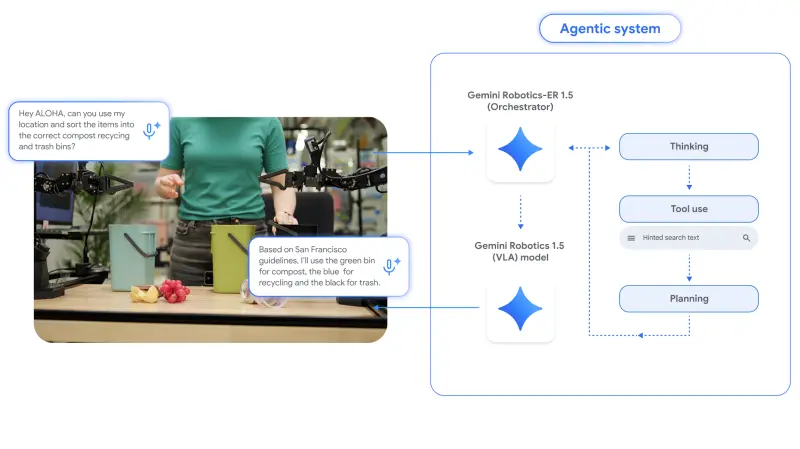
Google DeepMind Gives Robots a 'Thinking' Brain with Agentic Gemini 1.5 Models
Google DeepMind has introduced Gemini Robotics 1.5, an advanced AI framework aimed at enhancing the capabilities of robots. This new system allows robots to evolve from merely following commands to becoming 'physical agents' capable of reasoning, planning, and acquiring skills across various hardware platforms, including Apptronik's Apollo humanoid robot. The announcement marks a significant step in the development of intelligent robotics, reflecting the company's commitment to pushing the boundaries of artificial intelligence. By enabling robots to learn and adapt, DeepMind seeks to revolutionize the way machines interact with their environments and perform complex tasks. The unveiling of this framework comes as part of a broader trend in the tech industry to create more autonomous and versatile robotic systems.
ai-agents vla Gemini Apptronik google-deepmind robotics
Voyis Launches VSLAM 1.3 for Improved 3D Visualization in Subsea Inspections
Voyis, a prominent player in underwater optical systems, has partnered with EIVA to unveil the latest version of Voyis VSLAM powered by EIVA NaviSuite, now at version 1.3. This significant update enhances real-time subsea mapping capabilities, offering users an innovative 3D visualization experience through advanced voxel-based rendering and stereo vision technologies. The release aims to improve the efficiency and accuracy of underwater exploration and mapping, catering to industries reliant on precise subsea data. This development reflects the ongoing commitment of both companies to push the boundaries of underwater technology and provide cutting-edge solutions for their clients.
voyis vslam 1.3 augmented 3d visualization enhanced subsea inspection
Oceaneering Awarded Contract by Esso Exploration Angola (Block 15) Limited for ROV Services and Integrated Solutions
Oceaneering International, Inc. has secured a significant contract with Esso Exploration Angola, a subsidiary of ExxonMobil, to provide support services for offshore operations in Angola's Block 15. The agreement, which began on July 1, 2025, is projected to yield between $80 million and $90 million in revenue over the next three years. This partnership underscores Oceaneering's commitment to enhancing operational efficiency in the region's oil and gas sector.
oceaneering contract award esso exploration angola block 15 rov services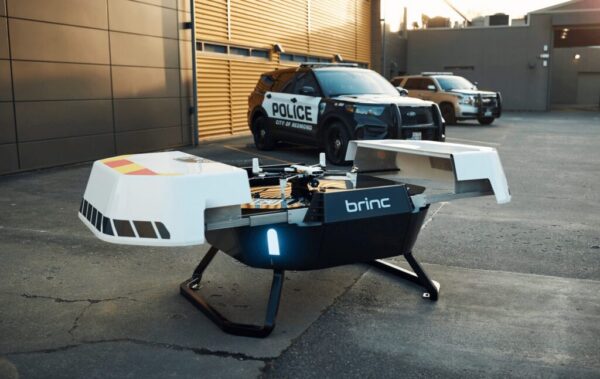
BRINC Secures $125 Million Funding Round Led by Motorola Solutions for Public Safety Drones
BRINC, a Seattle-based public safety drone manufacturer, announced on July 14, 2026, that it has secured a $125 million financing round led by Motorola Solutions. This investment raises BRINC's total capital to over a quarter billion dollars and aims to deploy a BRINC 911 response drone at every police and fire station across the U.S., targeting 80,000 facilities. The funding will enable BRINC to expand its domestic manufacturing, launch new products, and scale its go-to-market operations. The company plans to move into a facility three times the size of its current factory by the end of 2026 to meet the increasing demand from public safety agencies. In 2025, BRINC tripled its revenue and quintupled its monthly production capacity, signing nearly four times as many contracts for 911 response drones in 2026 compared to the previous year. Looking ahead, BRINC's founder Blake Resnick emphasized the importance of situational awareness in emergencies, stating that their drones provide critical information before first responders arrive. The company is also collaborating with the National League of Cities for a nationwide rollout of drone first response (DFR) initiatives. No further timeline was disclosed at the time of publication.
DFR Drone News Drone News Feeds News Public Safety 80000 stations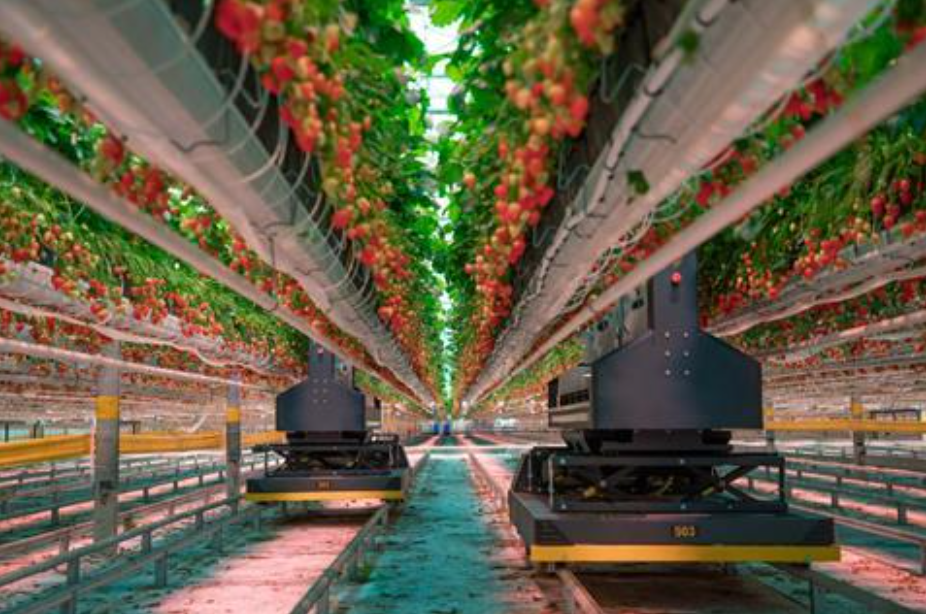
Dogtooth Technologies Secures £14 Million for AI-Powered Strawberry Harvesting
UK-based Dogtooth Technologies has successfully raised over £14 million in funding to enhance its AI-driven strawberry picking robots. The financing, provided by 24 Haymarket, EMV Capital, and ACF Investors, along with a grant from Innovate UK, aims to accelerate the deployment of these robots in both the UK and international markets. The company has already established a fleet of approximately 70 robots operating on commercial farms in the UK and Australia, harvesting tens of tons of fruit each season. The significance of this funding lies in addressing the ongoing labor shortages in agriculture, which have made robotic harvesting a necessity rather than a luxury. Dogtooth's robots utilize advanced computer vision and precision mechanical arms to autonomously navigate complex growing environments, identify ripe fruit, and perform harvesting without damage. This technology allows for continuous operation, even in cooler night conditions, thereby extending the shelf life of harvested produce. Looking ahead, Dogtooth Technologies is poised to expand its market presence, having recently delivered systems to Dyson Farming, a UK indoor berry producer. As the global horticultural industry grapples with seasonal labor shortages and rising costs, the successful deployment of these agricultural robots could signal a shift towards more widespread adoption of embodied intelligence in farming. No further timeline was disclosed at the time of publication.
Agricultural Robotics AI Technology Fruit Harvesting Embodied Intelligence
NVIDIA and Hugging Face integrate AI model "GR00T 1.7" into open-source robot development platform "LeRobot."
NVIDIA and Hugging Face have announced the integration of their cutting-edge technologies aimed at enhancing humanoid robots. The collaboration will see the incorporation of NVIDIA's visual language action (VLA) model, known as NVIDIA Isaac GR00T 1.7, along with the remote operation framework, NVIDIA Isaac Teleop, into Hugging Face's open-source robot development library, LeRobot. This initiative is set to advance the capabilities of humanoid robots, enabling more sophisticated interactions and functionalities. The announcement highlights a significant step in the ongoing evolution of robotics, reflecting both companies' commitment to fostering innovation in the field.

SpaceX's Starmind Targets AI Labs with $6.3 Billion Compute Contracts
SpaceX's Starmind is designed to provide wholesale AI compute services to businesses, particularly AI labs and cloud customers, rather than individual consumers. The service operates similarly to AWS, where users benefit from applications running on Starmind without direct subscriptions. The compute capacity of a single AI1 satellite is comparable to one NVIDIA GB300 rack, emphasizing its enterprise-grade capabilities. The significance of Starmind lies in its positioning as a potential fourth hyperscaler, joining the ranks of AWS, Microsoft Azure, and Google Cloud. The Reflection AI contract, valued at $150 million per month, exemplifies the enterprise-focused model, with total payments potentially reaching $6.3 billion through 2029. This contract highlights the growing demand for AI compute resources, particularly from AI-native startups and labs. Looking ahead, the focus will remain on securing additional enterprise contracts as Starmind expands its offerings. No consumer-facing products or subscriptions have been announced, and the current strategy is to cater to businesses with substantial AI workloads. No further timeline was disclosed at the time of publication.

SpaceX's Starmind Project: Supplier Strategy and Chip Manufacturing Plans for 2026
SpaceX's Starmind project, aimed at deploying up to 1 million AI satellites, was filed with the FCC on January 30, 2026. The initiative is designed to minimize reliance on external suppliers, with CEO Elon Musk stating that current chip production capabilities only meet 2% of the projected needs. The first satellite, AI1, is set for prototype launches in early 2027, featuring a 70-meter wingspan and a modular payload system that allows for interchangeable chips from various suppliers. The significance of Starmind lies in its ambitious supply chain strategy, which seeks to transition from external hardware suppliers to a fully integrated Musk-owned facility by 2028. The Gigasat manufacturing site in Bastrop, Texas, is expected to be operational by the end of 2027, with plans for high-volume production of the D3 chip, specifically designed for space applications. This approach aims to consolidate chip manufacturing processes under the Terafab joint venture, which has an estimated initial investment of $55 billion. Looking ahead, the next milestone for Starmind is the launch of AI1 prototypes in early 2027, while the full-scale chip production at Terafab is projected to ramp up significantly thereafter. However, analysts express skepticism regarding the feasibility of achieving Musk's ambitious compute goals, which may require substantial investment and time to establish the necessary manufacturing capabilities.
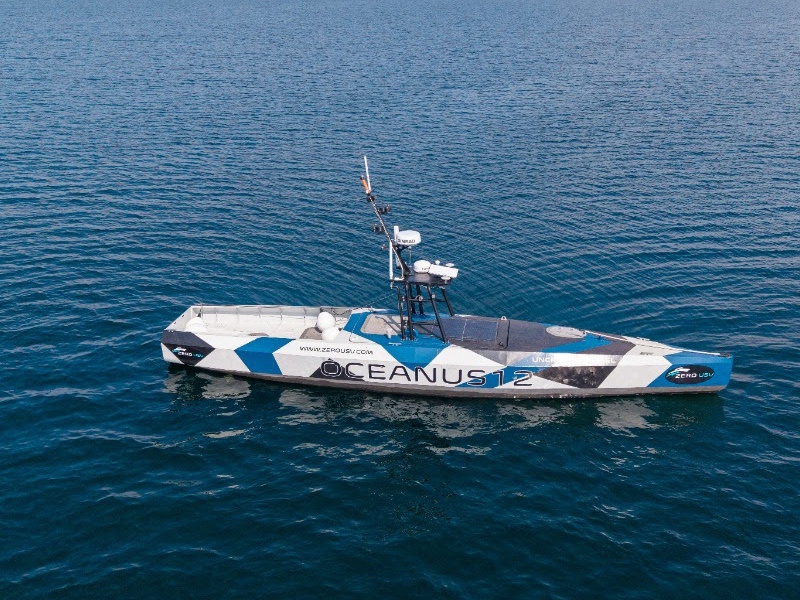
ZeroUSV Showcases Oceanus12 Uncrewed Surface Vessel to Royal Danish Navy
ZeroUSV recently showcased its Oceanus12 uncrewed surface vessel (USV) to the Royal Danish Navy in a demonstration held two hours northwest of Copenhagen, Denmark. This event was part of a competitive selection process by Danish Defence, aimed at evaluating the capabilities of the Oceanus12 USV over two days. The demonstrations highlighted the ease of mobilization and logistics involved in deploying the Oceanus12, showcasing its modular payload capabilities for various defense and security missions. Matthew Ratsey, Managing Director of ZeroUSV, expressed pride in being selected to demonstrate the platform, emphasizing its technological maturity and versatility for different mission roles. These demonstrations are part of ZeroUSV's ongoing international engagement efforts as the company seeks to expand its uncrewed maritime capabilities within allied defense markets. No further timeline was disclosed at the time of publication.
zerousv demo oceanus12 royal danish navy usv
What lessons is Ideal learning to catch up with FSD V14?
The competitive landscape of the intelligent driving industry has undergone significant changes in recent years, shifting from hardware specifications to advanced model development. Companies are increasingly recognizing that merely having larger models is insufficient for achieving generational advantages; instead, the integration of models, data, computing power, and chips into a continuous iterative loop is becoming crucial. This realization has prompted many automakers to invest in in-house research and development. Tesla has established a comprehensive ecosystem that spans data collection, training infrastructure, and self-developed chips, while Chinese companies like Li Auto, Xpeng, and NIO are also deepening their technological foundations. Li Auto has introduced its self-developed Mach M100 chip in its L8 and L9 models, which it views as a significant advancement in AI technology. In a recent discussion with Li Auto's autonomous driving and chip leaders, they emphasized that the industry should focus on the practical problems these investments aim to solve rather than merely the existence of in-house development. They outlined their strategies to achieve performance comparable to Tesla's Full Self-Driving (FSD) system, highlighting the importance of safety, efficiency, and comfort in user experience. As the industry moves towards higher levels of autonomy, the integration of vision and language models is seen as essential for developing systems that can handle complex, unforeseen scenarios. The executives noted that achieving higher levels of autonomy (L3 and L4) requires models that can reason and think like humans, underscoring the growing significance of language in AI systems. Overall, the conversation revealed the industry's focus on enhancing AI capabilities through innovative chip design and data utilization, aiming for a future where autonomous driving technology can meet the challenges of real-world driving conditions.

BilibiliWorld 2026 is China's first overseas ticketed ACG event; 17 measures to promote AI in consumer development; Kuaizhou-11 rocket successfully
Didi Autonomous Driving showcased its advancements in self-driving technology at the MOVE 2026 conference held in London on June 17-18. The company highlighted its achievement of L4-level core technology and the delivery of its new Robotaxi model, R2, developed in collaboration with GAC Aion, which is currently undergoing road tests in cities like Guangzhou and Beijing. Since launching all-weather passenger testing in select areas last year, Didi has maintained a safe and stable operational performance. On June 18, Cainiao's Vice President Bi Jianghua announced plans to deploy four large-scale climbing robot warehouses globally within the next four months, following successful trials during the 618 shopping festival. This initiative aims to enhance the efficiency of e-commerce supply chains. DingTalk's new CEO, Chen Yusen, communicated organizational changes in a company-wide letter, establishing a core platform business department and integrating various teams to streamline operations. The State Administration for Market Regulation is overseeing an antitrust compliance rectification for Huolala, mandating the cessation of practices that unreasonably lower freight prices and enforcing fair pricing algorithms. The company is expected to refund 1.2 billion yuan to drivers and reduce its commission rates. Additionally, Cao Cao Mobility announced its RoboX strategy at the International Automotive and Supply Chain Expo in Hong Kong on June 18, planning to deploy 100,000 Robovans by 2030 to enhance logistics networks. BilibiliWorld 2026 will be the first comprehensive ACG exhibition in China to offer overseas ticket sales, with tickets available globally starting June 20, for the event scheduled from July 10-12 in Shanghai. KKR has committed $1.4 billion to expand Altavair's commercial aircraft leasing portfolio, while Manifold AI has secured nearly 1 billion yuan in Pre-A funding. In economic news, Goldman Sachs suggests the Federal Reserve may need to implement consecutive rate hikes in September if inflation remains high. Meanwhile, Hong Kong plans to launch five-year government bond futures on August 3, 2026. The Ministry of Commerce has introduced 17 measures to promote the integration of artificial intelligence into consumer markets.

Microsoft and NVIDIA unveil next-gen PCs capable of 1 petaflop performance.
Microsoft and NVIDIA have unveiled a next-generation PC equipped with the NVIDIA RTX Spark, boasting an impressive AI performance of up to 1 petaflop. This announcement was made recently as part of their ongoing collaboration to enhance computing power. The new system features significant optimizations for Windows, aiming to expand the ecosystem of local AI agents, applications, and games. This development reflects both companies' commitment to advancing AI technology and improving user experiences across various platforms.

Ardian to invest €5 billion in digital infrastructure in France; Kuaishou creates 189 new jobs, 15 from AI; China allocates
On June 2, 2023, in Beijing, Gaode Map and the Singapore Tourism Board signed a strategic cooperation memorandum, marking the launch of the first collaborative tourism ranking list between a Chinese company and an overseas national tourism board. This initiative will feature the Singapore Street Ranking, utilizing Gaode's advanced aerial street view technology to provide a 360-degree perspective of local attractions, hotels, neighborhoods, and restaurants. The goal is to enhance the travel experience by allowing visitors to assess their destinations before arrival. In a separate development, the Jiangxi National Rare Earth Technology Innovation Center was established with a registered capital of 1.25 billion yuan, focusing on mineral resource exploration and scientific research. Additionally, WeRide and Uber announced plans to introduce Spain's first commercial Robotaxi service in Madrid, expanding WeRide's presence to its twelfth global city. The initiative aims to deploy hundreds of Robotaxis in the city center as operational benchmarks are met. In France, Ardian, a private equity firm, revealed a partnership with Verne to invest up to 5 billion euros in developing a next-generation digital infrastructure park in the Île-de-France region, with a target capacity of 500 megawatts by 2030. Other notable news includes a collaboration between Google and Telstra to build a fiber and submarine cable network in Australia, updates on the recovery timeline for Blue Origin's launch facilities following a recent rocket explosion, and a reduction in fuel surcharges for domestic flights in China starting June 5.

Perceptron Mk1 shocks with highly performant video analysis AI model 80-90% cheaper than Anthropic, OpenAI & Google
Perceptron Inc., a Bellevue-based startup founded by former Meta researchers Armen Aghajanyan and Akshat Shrivastava, has launched its flagship video analysis model, Mk1, aimed at revolutionizing how enterprises utilize AI in real-time video processing. Announced today, this innovative model is priced significantly lower than competitors, at $0.15 per million input tokens and $1.50 per million output tokens, making it accessible for large-scale industrial applications. The Mk1 model, developed over 16 months, excels in understanding complex physical interactions and temporal reasoning, outperforming established models like OpenAI's GPT-5 and Google's Gemini 3.1 Pro in various benchmarks. Its unique architecture allows it to process video streams continuously, maintaining object identity and providing precise analysis of dynamic scenes, which is particularly beneficial for sectors such as security, robotics, and marketing. Perceptron aims to position Mk1 as a leader in the "Efficiency Frontier," balancing high performance with cost-effectiveness. The model's capabilities extend to auto-clipping highlights from live sports and enhancing quality control in manufacturing. A public demo site is available for potential users to explore its functionalities. This launch signifies a significant step towards integrating advanced AI into real-world applications, as the company seeks to make "physical AI" as prevalent as its digital counterpart.
Technology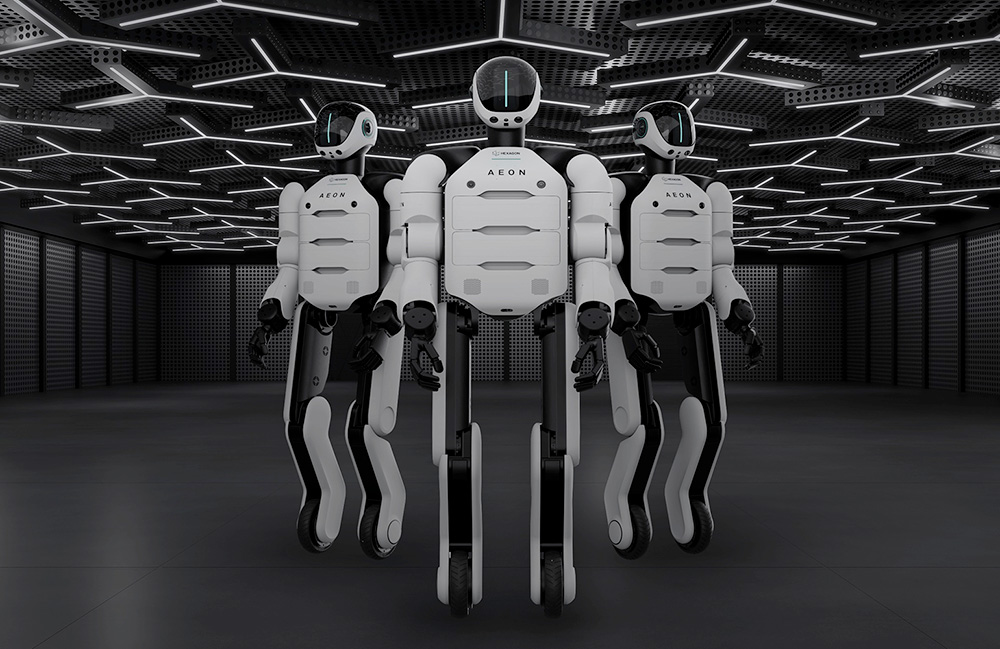
Schaeffler plans to deploy 1,000 Hexagon humanoids by 2032
Schaeffler is significantly expanding its investment in humanoid robots for production by forming strategic partnerships with Hexagon and VinDynamics. The company aims to deploy 1,000 humanoid robots developed by Hexagon by the year 2032. This initiative reflects Schaeffler's commitment to enhancing automation and efficiency in its manufacturing processes, leveraging advanced robotics technology to meet growing production demands. The collaboration with Hexagon and VinDynamics is expected to facilitate the integration of these humanoid robots into Schaeffler's operations, marking a notable step forward in the company's technological advancements.
Artificial Intelligence Artificial Intelligence / Cognition Design / Development Humanoids Manufacturing Markets / Industries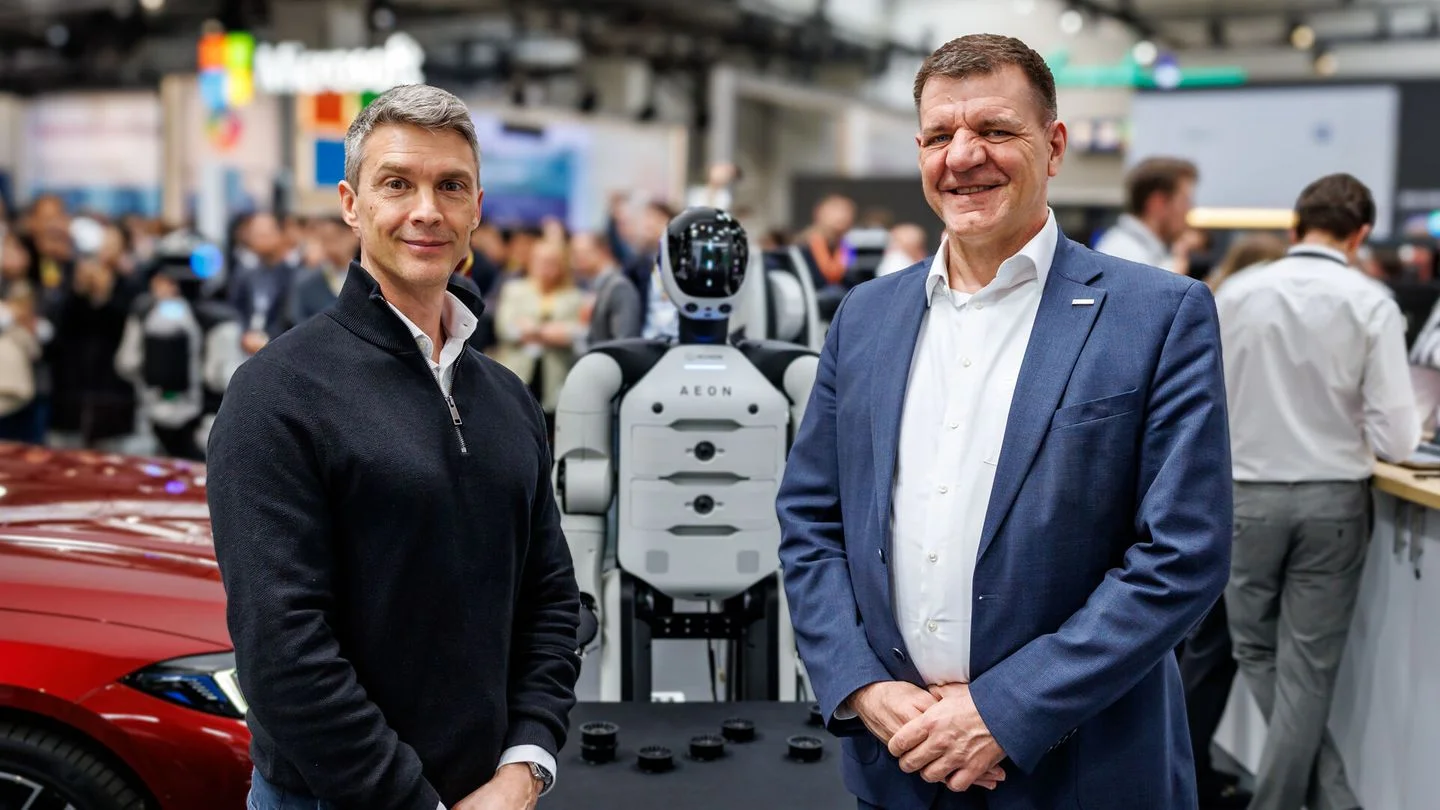
The Tier 1 Play: Schaeffler Commits to 1,000 Hexagon AEON Humanoids in Deep Component Deal
Schaeffler, a leader in motion technology, has entered into a strategic partnership with Hexagon Robotics to enhance robotics capabilities. This collaboration aims to deploy a minimum of 1,000 AEON humanoid robots, which will be powered by Schaeffler's high-precision actuators. The initiative marks a significant step in advancing automation and robotics technology, reflecting both companies' commitment to innovation in the industry. The deployment is expected to take place in the near future, although specific timelines have not been disclosed. This partnership is driven by the growing demand for advanced robotic solutions across various sectors, highlighting the importance of precision engineering in the development of humanoid robots.
aeon Europe Market Schaeffler hexagon
Goodbye to 'Training Fabrication'! Agent-World Uncovers 1,978 Real Scenarios, Enabling Agents to Operate Effectively
Agent-World, a groundbreaking initiative developed through a partnership between ByteDance's Seed team and Renmin University of China, is transforming the landscape of agent training by employing 1,978 real-world scenarios rather than traditional simulated environments. Launched recently, this innovative program aims to improve agents' performance across multiple industries by enabling them to engage with authentic situations, fostering self-diagnosis and ongoing enhancement of their skills. This shift towards real-world applications is designed to better prepare agents for the complexities of their respective fields, ultimately leading to more effective and adaptable professionals.
AI Agent Training Real-World Scenarios Machine Learning Automation
1X Details NEO's 'Human-in-the-Loop' Strategy and Hardware as $20,000 Pre-Orders Go Live
1X has opened pre-orders for its $20,000 NEO robot, marking a significant step in the company's strategy to enhance its artificial intelligence capabilities. The initiative, aimed at early adopters, involves utilizing a human-piloted "Expert Mode" that allows users to help train the robot's AI system. This approach fosters a collaborative relationship between humans and technology, described by the company as a "social contract." The NEO robot features a lightweight, tendon-driven body, designed to facilitate agility and responsiveness. By engaging early users in the training process, 1X aims to refine the robot's functionality and adaptability in real-world scenarios.
1X-technologies teleoperation NEO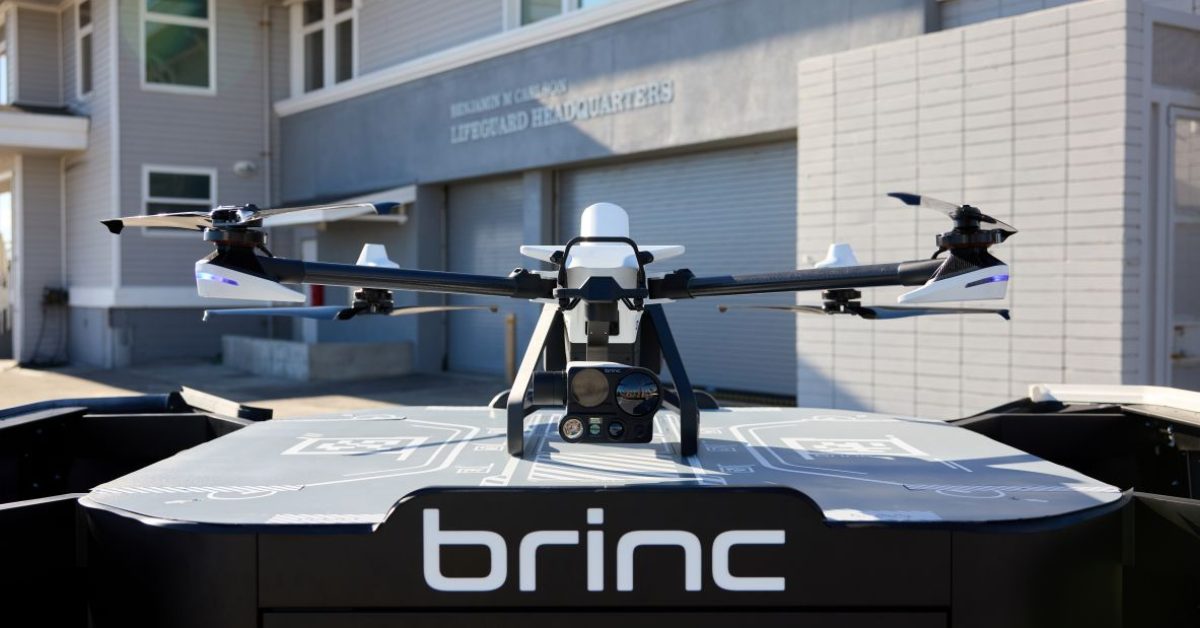
Motorola Solutions Leads $125 Million Funding for BRINC's Emergency Drone Expansion
BRINC, a Seattle-based public safety drone company, has raised $125 million in a funding round led by Motorola Solutions, bringing its total funding to over $250 million. This investment will enable BRINC to expand its manufacturing capabilities and product offerings, with the goal of deploying a 911 response drone at every police and fire station in the U.S. The significance of this funding lies in BRINC's ambition to enhance emergency response times across the nation. With approximately 80,000 police and fire stations in the U.S., the deployment of drones can provide crucial situational awareness before first responders arrive, potentially saving lives and improving operational efficiency. Looking ahead, BRINC plans to move into a new manufacturing facility by the end of the year, which is three times larger than its current site. The company has already seen a surge in demand for its drones, tripling its revenue in 2025 and signing significantly more contracts for 911 response drones compared to the previous year. No further timeline was disclosed at the time of publication.
News
Tesla's Optimus Gen 3 Approved: Musk Aims for 100,000 Units Production Target
Elon Musk has officially approved the latest version of the Optimus Gen 3 robot, marking a significant milestone after over three years of development. With the production line nearing completion, Tesla has issued clear procurement guidelines to suppliers, aiming to ramp up production to 1,000 units per week by September and 2,000 to 2,500 units per week by year-end. This ambitious target of producing 100,000 units annually underscores Tesla's commitment to revolutionizing the labor landscape with robotics. The Optimus Gen 3 features a more compact design with 38 degrees of freedom and a refined dexterous hand, which has been a challenging aspect of its development. The production line is set to begin operations in late July to August, with a long-term plan for a second factory in Texas. As Tesla strives to catch up with competitors in the robotics sector, the success of the Optimus Gen 3 will depend on meeting production goals and effectively integrating the robot into various applications. The target of 100,000 units represents a critical turning point in this four-year journey, with the potential to reshape economic dynamics if realized.
Humanoid Robots AI Robotics Manufacturing Automation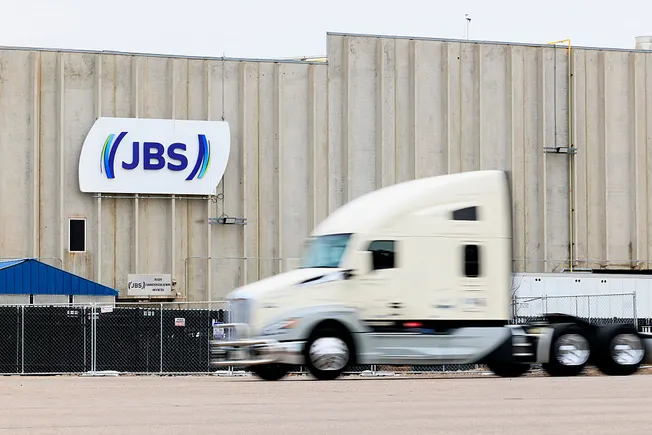
JBS Revises Climate Goals, Abandons 2040 Net-Zero Target Due to Challenges
JBS has decided to abandon its 2040 net-zero emissions goal, citing significant execution challenges. The company's Global Chief Sustainability Officer, Jason Weller, emphasized that while JBS is not retreating from climate challenges, it is refining its climate objectives. JBS aims to reduce scope 1 and 2 emissions by 30% by 2030 and by 70% by 2050, using 2019 as a baseline. The decision to drop the 2040 target is significant as it reflects the complexities of achieving net-zero emissions across a vast network of independent agricultural producers. Weller noted the immense difficulties posed by varying practices, baselines, and the lack of standardized measurement infrastructure in global agriculture. This shift comes amid ongoing legal scrutiny regarding JBS's environmental claims and commitments. Looking ahead, JBS's revised emissions reduction strategy will focus on achievable near-term goals while addressing the systemic challenges in agriculture. No further timeline was disclosed at the time of publication.
Gulfstream G800 Completes First 100% SAF Flight to Analyze Contrail Emissions
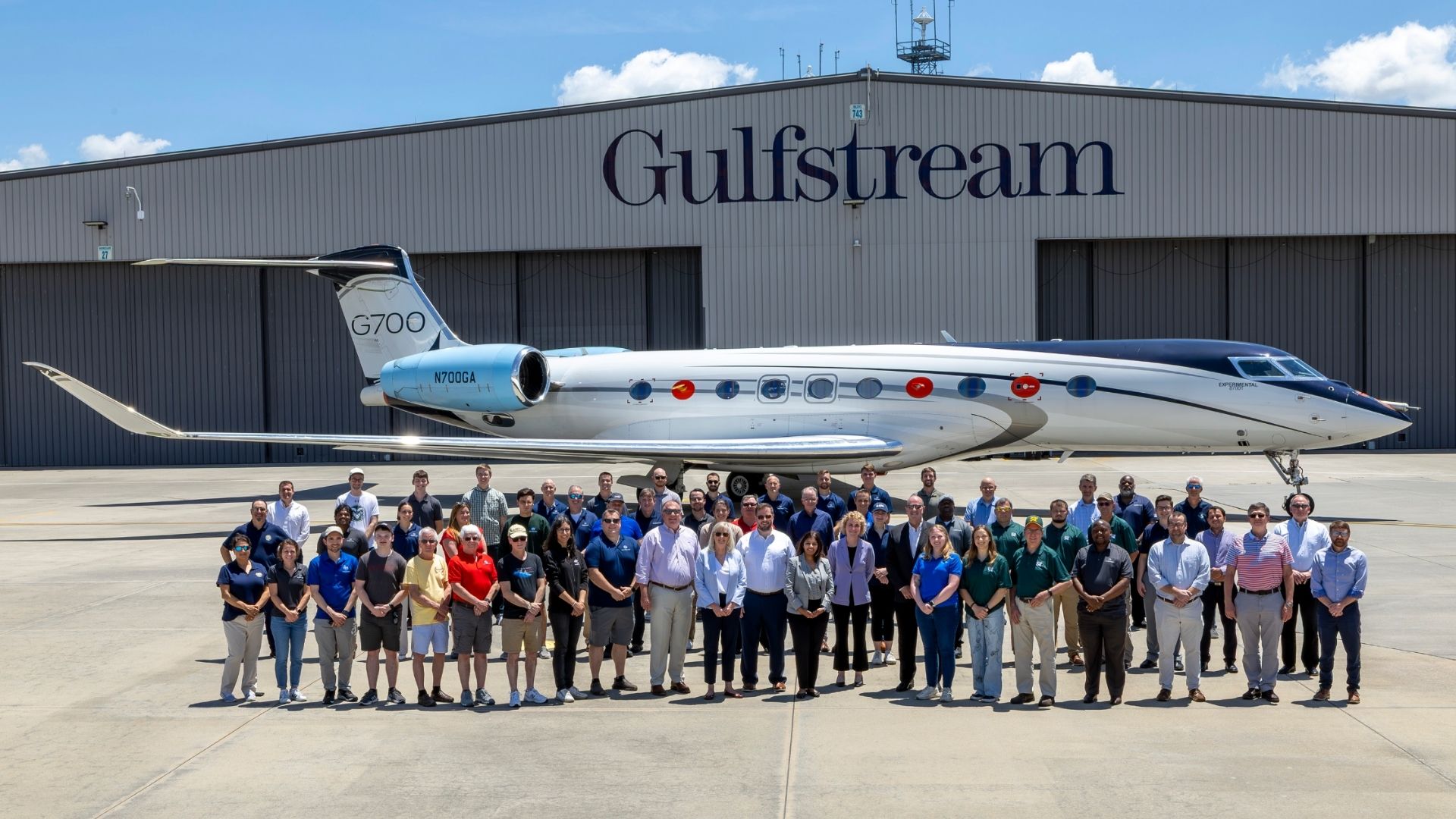
Gulfstream Aerospace has successfully conducted a high-altitude flight test campaign using a G800 business jet powered entirely by neat sustainable aviation fuel (SAF). The tests, which took place at altitudes up to 50,000 feet, marked the first instance of both the G800 and its Rolls-Royce Pearl 700 engine operating on 100% SAF. A modified Gulfstream G700 served as an airborne emissions laboratory, enabling researchers to measure particulate emissions and atmospheric conditions during the flights. This initiative is significant as it aims to assess the potential of 100% SAF in reducing emissions linked to contrail formation, a critical factor in aviation's environmental impact. Preliminary findings suggest a measurable reduction in particulate emissions when using neat HEFA SAF, which contains no sulfur or aromatics, unlike conventional jet fuels. The collaboration involved multiple organizations, including NASA and the FAA’s ASCENT, highlighting the importance of partnerships in advancing sustainable aviation technologies. Looking ahead, Gulfstream's ongoing research will continue to focus on optimizing environmental efficiencies in aviation. The data collected from this campaign is expected to enhance understanding of aviation's broader environmental impact and contribute to future regulatory and technological developments. No further timeline was disclosed at the time of publication.
Innovation
1X Enhances NEO Humanoid Robot with Advanced 25-DOF Hands for Versatile Tasks
Norwegian robotics firm 1X has introduced new 25-degree-of-freedom (DOF) tendon-driven hands for its NEO humanoid robot, marking a significant advancement in robotic dexterity. These hands feature 22 actuated joints across the fingers and palm, along with three at the wrist, enabling NEO to perform tasks such as assembling LEGO models and catching balls with precision and strength. The redesigned hands allow for force sensing and durability, overcoming previous hardware limitations in robotic manipulation. With a unique tendon-drive system and low gear ratios, the hands can detect contact forces and provide continuous proprioception, enhancing the robot's ability to manipulate objects safely and effectively. The hands' human-like joint distribution, particularly the opposable thumb, facilitates a wide range of fine manipulation tasks, making NEO suitable for various household applications. 1X has commenced mass production of the NEO robot at its new California facility, aiming to commercialize home robots for daily assistance. The company emphasizes the hands' combination of precision, strength, and safety features, including IP68 waterproofing and self-cleaning capabilities. No further timeline was disclosed at the time of publication.
AI and Robotics
UC San Diego Team Demonstrates G1 Humanoid Robot 'Surgie' in First Live Surgery
On July 8, a research team from the University of California, San Diego, published a groundbreaking study in Nature, showcasing the G1 humanoid robot, nicknamed 'Surgie.' This robot, weighing 27 kg and priced from $13,500, successfully performed two laparoscopic cholecystectomies on live pigs, marking a significant milestone in robotic surgery. The significance of this achievement lies in the G1's affordability and adaptability compared to traditional surgical robots like the da Vinci system, which costs between $500,000 and several million dollars. Surgeon's remote control of the G1 allows for deployment in various settings, including rural areas, battlefields, and potentially space missions, without the need for specialized operating room modifications. Despite the success, the technology still faces challenges before clinical application, such as the need for frequent recalibration during surgery, which increases operation time. The G1's limited arm span of 450 mm also restricts its operational range. No further timeline was disclosed at the time of publication for the next steps in this research.
Humanoid Robots Surgical Robotics Remote Surgery Medical Technology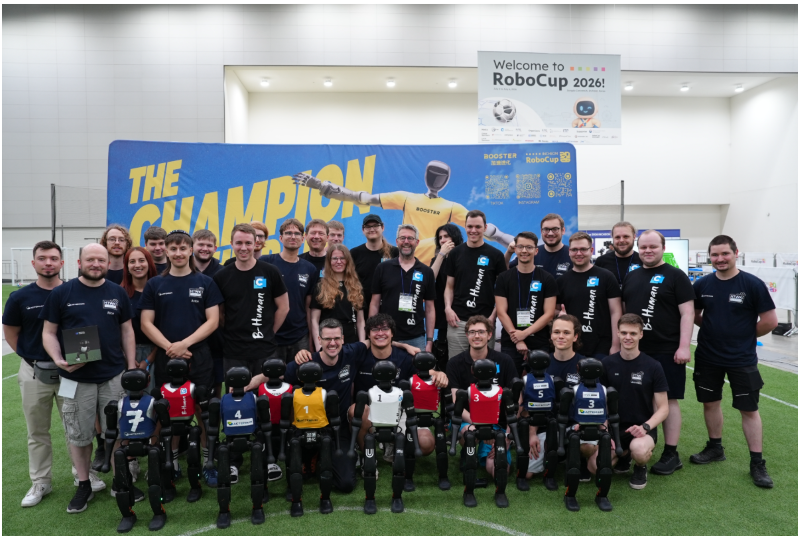
Booster Robotics Powers All Gold Medal Wins at RoboCup 2026 in South Korea
At the RoboCup 2026 held in Incheon, South Korea, Tsinghua University's Fire God team secured the championship title by defeating their opponent 6-2. Notably, all gold medals in the humanoid categories were won by robots from the same Chinese company, Booster Robotics. A total of 59 teams participated, with 38 utilizing Booster Robotics' platforms, including the Booster T1, K1, and K1 Air models. The significance of this achievement lies in the shift towards a shared robotics platform, allowing teams to focus on advanced capabilities such as visual perception and multi-agent collaboration rather than starting from scratch. This year, teams like B-Human and the University of Wuhan leveraged Booster Robotics' technology, which has evolved to enhance leg movement control, enabling high-speed running and quick recovery from falls. This collaborative approach has streamlined development and improved performance in competitive settings. Looking ahead, the emergence of the youngest participating team from Macau, which utilized Booster Studio for algorithm training, highlights the growing accessibility of robotics education. As more teams adopt Booster Robotics' platforms, the trend towards a unified infrastructure for embodied intelligence is becoming evident. No further timeline was disclosed at the time of publication.
Humanoid Robots Robotics Competitions AI Robotics Development
DJI Introduces EV50 VTOL Cargo Drone with Everest Altitude Record Achievement
DJI has launched the EV50, its inaugural vertical takeoff and landing (VTOL) fixed-wing cargo drone, designed for long-range transport. The drone achieved a remarkable operating altitude of 8,861 meters during a scientific expedition on Mount Everest, surpassing the mountain's peak by 12 meters. Over a 12-day period, the EV50 completed 32 flights, including 12 missions focused on atmospheric monitoring, taking off from Everest Base Camp at 5,200 meters. The significance of the EV50 lies in its ability to facilitate continuous atmospheric observation above 8,000 meters, a feat previously hindered by the limitations of manned expeditions and other aircraft. The drone's all-electric propulsion system allows researchers to gather crucial data on glacier winds and atmospheric conditions, contributing to climate change studies. With a maximum payload of 50 kilograms and a range of 150 kilometers, the EV50 is equipped with advanced features such as dual thermal management systems and an emergency parachute. Looking ahead, the EV50 is expected to be utilized in various applications, including emergency response and logistics in remote areas. No further timeline was disclosed at the time of publication regarding its commercial deployment. This launch marks a significant expansion of DJI's industrial drone offerings, particularly for challenging environments like high-altitude regions.
On the Cusp Content and entertainment E-commerce and New Retail Highlight News
DJI Unreleased EV50 VTOL Cargo Drone Flies Above Everest, Unlocking 100km Low-Altitude Logistics
DJI has successfully tested its pre-release EV50 composite-wing drone, achieving an impressive altitude of 8,861 meters above Mount Everest during a polar mission. This milestone showcases the drone's advanced vertical takeoff and landing (VTOL) capabilities, which can transport cargo over a range of 100 kilometers, making it suitable for logistics in extreme environments. The testing, conducted in October 2023, highlights DJI's commitment to enhancing aerial technology for challenging terrains and conditions. The EV50's performance could revolutionize supply chain operations in remote and harsh locations, addressing the growing demand for efficient logistics solutions in difficult-to-reach areas.
Technology
Apple price hike sparks surge in Sam's Club purchases; DeepSeek launches major hiring; gold falls below $4000 again.
OpenAI has officially announced the launch of its new flagship AI model, GPT-5.6, on June 27, 2023. However, due to restrictions from the U.S. government, only a select group of "trusted partners" have access to this advanced model, which includes three variations: Sol, Terra, and Luna, each designed for different applications. The introduction of GPT-5.6 aims to enhance AI reasoning capabilities and streamline complex tasks. In related news, on June 26, the price of gold fell below $4,000 per ounce, influenced by several investment banks, including Goldman Sachs, lowering their price targets for the precious metal. This decline has led to a corresponding drop in gold jewelry prices across various retail outlets in China. Meanwhile, in the tech sector, Asian stock prices related to Apple's supply chain experienced significant declines following the company's announcement of price increases for its MacBook and iPad products. This has raised concerns about the potential impact of rising semiconductor costs on consumer demand and overall tech spending. In the automotive industry, Tesla has shifted its Full Self-Driving (FSD) sales model to a subscription basis globally, with plans to phase out the one-time purchase option by June 30. Additionally, Volkswagen is reportedly planning to cut up to 100,000 jobs as part of a restructuring effort aimed at reducing costs by €11 billion by 2030.
Airbus Unveils U145 Uncrewed Cargo Helicopter
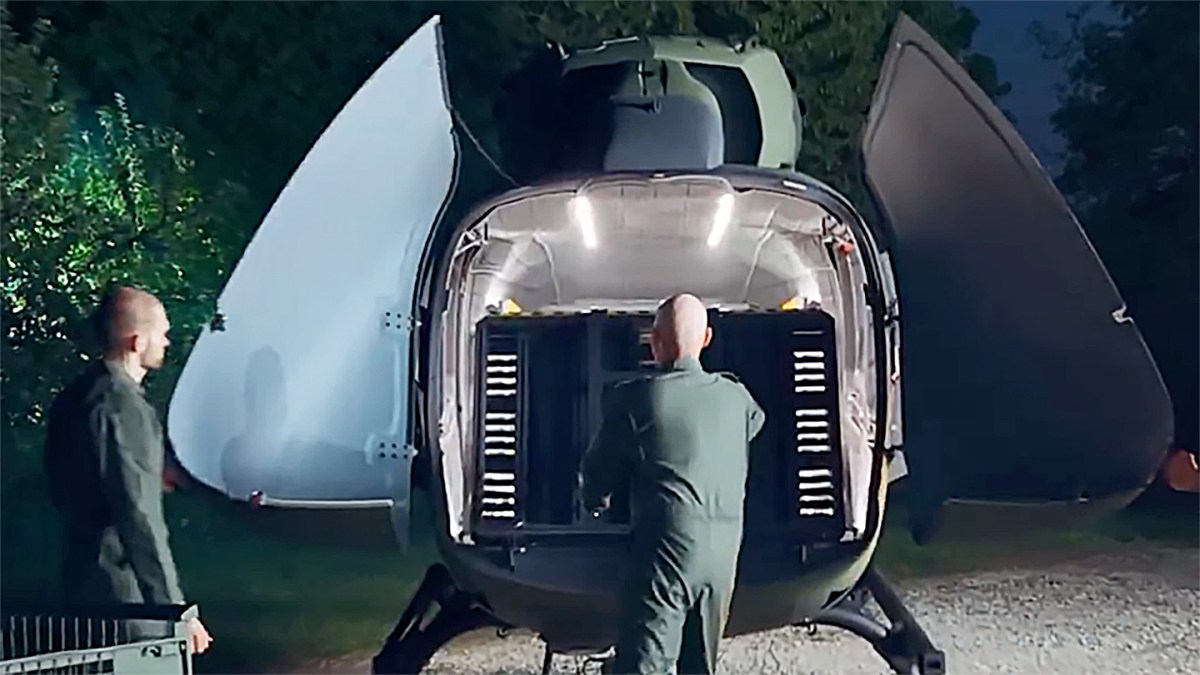
Airbus has introduced the U145, an uncrewed version of one of Europe’s most successful helicopters, designed specifically for high-risk cargo missions. This innovative aircraft aims to enhance operational safety and efficiency by removing the need for a pilot in potentially dangerous environments. The unveiling of the U145 marks a significant advancement in aerospace technology, showcasing Airbus's commitment to developing cutting-edge solutions for the evolving demands of cargo transportation. The announcement comes as industries increasingly seek to leverage unmanned systems to mitigate risks and improve logistics capabilities.
Air Around The Globe Drones Europe Germany Helicopters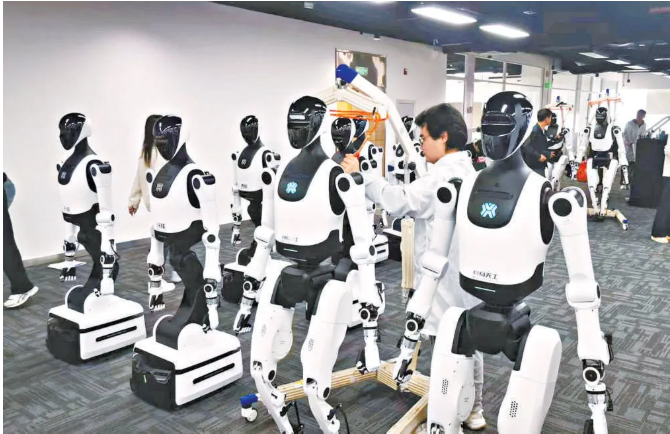
Which Robot Companies Received Funding from the 100 Billion Yuan Government Fund?
The Beijing government has announced the establishment of a 100 billion yuan investment fund dedicated to advancing high-tech industries, particularly in robotics and embodied intelligence. This initiative, aimed at fostering the integration of various industry chains, seeks to accelerate the development of both humanoid and industrial robots. The fund will prioritize investments in innovative companies within these sectors, reflecting the government's commitment to enhancing technological capabilities and driving economic growth.
Robot Investment Embodied Intelligence Humanoid Robots AI Technology
It’s Gonna Be May: 16 Games Hit the Cloud This Month, With More NVIDIA GeForce RTX 5080 Power
As May approaches, GeForce NOW is set to enhance its gaming offerings by adding 16 new titles to its platform. This update includes several highly anticipated AAA games that will be available for streaming on their launch day. Members will have the opportunity to access their PC game libraries instantly from popular services such as Steam, Xbox, PC Game Pass, and GOG. This initiative aims to provide gamers with seamless access to a diverse range of games, enhancing the overall cloud gaming experience.
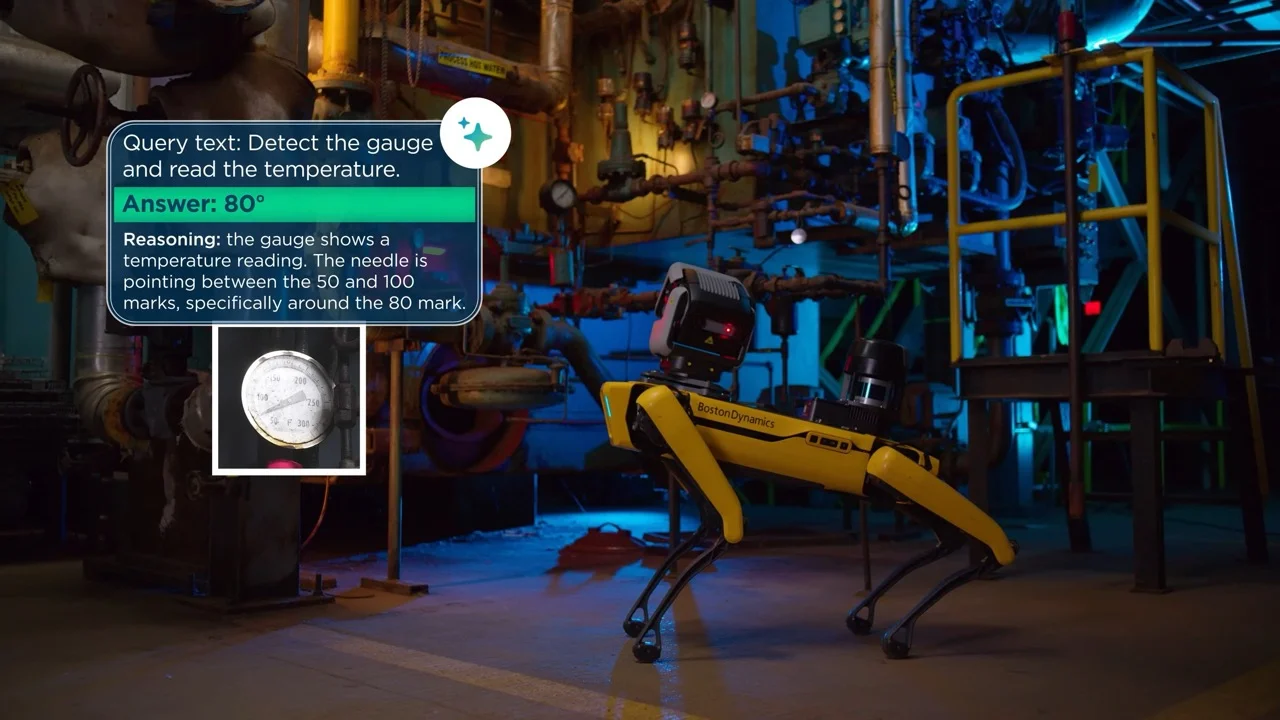
Google DeepMind Unveils Gemini Robotics-ER 1.6: A Leap in Spatial Reasoning and Industrial Utility
DeepMind has unveiled its latest and most sophisticated embodied reasoning model, which incorporates a cutting-edge "agentic vision" system designed specifically for industrial inspections. This new technology aims to improve the accuracy and efficiency of multi-view success detection in various industrial applications. The launch, which took place recently, marks a significant advancement in artificial intelligence capabilities, reflecting DeepMind's commitment to enhancing operational processes across industries. By leveraging advanced machine learning techniques, the model is expected to streamline inspection workflows and reduce the likelihood of errors, ultimately driving productivity and safety in industrial environments.
Google Gemini Gemini Robotics-ER 1.6 google-deepmind Boston Dynamics
EVENT: Aquaculture UK - 16–17 June, 2026 - Glasgow, UK
The UK’s largest aquaculture event is set to take place on June 16-17 at the Scottish Event Campus in Glasgow, offering free admission to attendees. This significant gathering will showcase innovations from over 200 exhibitors, highlighting advancements in areas such as artificial intelligence, robotics, feed production, genetics, and sustainability solutions. The event aims to foster collaboration and knowledge sharing within the aquaculture industry, addressing the growing demand for sustainable practices and technological integration in fish farming. Participants will have the opportunity to engage with industry leaders and explore the latest trends and developments shaping the future of aquaculture.
events aquaculture uk 2026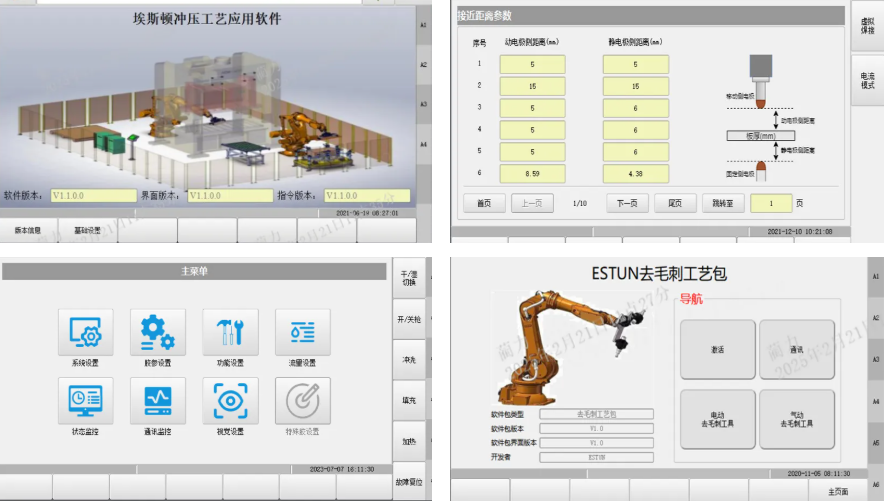
ESTUN Heavy-Payload Robots Set the Gold Standard in Industrial Reliability with MTBF 120,000 Hours Certification!
ESTUN has announced a significant milestone for its heavy-payload series of industrial robots, achieving a Mean Time Between Failures (MTBF) certification of 120,000 hours with a zero-failure performance. This accomplishment underscores the company's commitment to producing highly stable, reliable, and durable robotic solutions, positioning its products at the forefront of the industry. The certification reflects rigorous testing and quality assurance processes, demonstrating ESTUN's capability to meet the demanding needs of high-end manufacturing sectors. This achievement not only enhances the company's reputation but also sets a new standard in the robotics field, potentially influencing future developments and innovations in industrial automation.
ESTUN AUTOMATION ROBOTICS SERVO SYSTEMS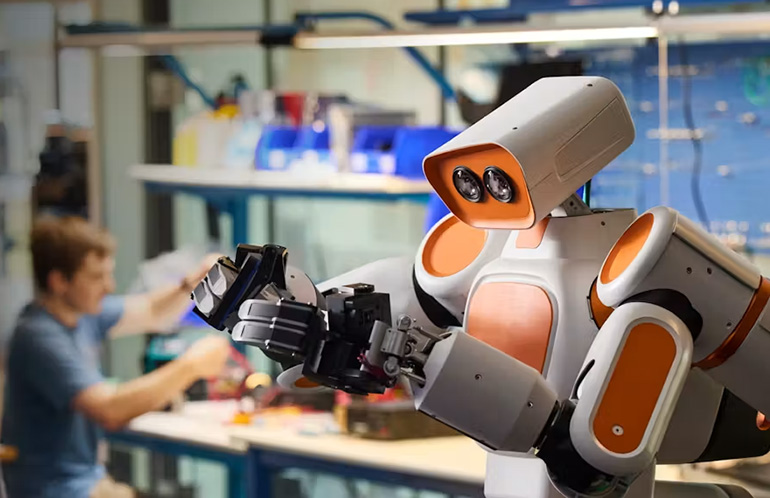
Walden Robotics Emerges with $1.1B Valuation and $300M Funding for General-Purpose Robots
Walden Robotics has officially launched with a valuation of $1.1 billion, backed by $300 million in funding. The company focuses on developing general-purpose robots that continuously learn and improve while performing real-world tasks. Co-founder Dr. Russ Tedrake emphasized the importance of understanding current manufacturing practices to deliver real value to customers. The significance of Walden Robotics lies in its innovative approach to physical AI, which has attracted attention from technology leaders. The company combines large behavior models with practical operations, allowing its robots to handle complex tasks while enhancing human capabilities. This approach aims to create a scalable business model that aligns with existing manufacturing processes. Looking ahead, Walden Robotics is set to expand its deployments, having already transitioned its robots from pilot programs to production tasks at a Toyota plant in North America within two months. No further timeline was disclosed at the time of publication.
Aerospace Artificial Intelligence Artificial Intelligence / Cognition Automotive Healthcare Robotics Humanoids
Hummingbird F100 Revolutionizes Wind Turbine Blade Inspection with Wireless Technology
The Hummingbird F100, launched by Schrodinger Industrial Group, marks a significant advancement in wind turbine blade inspection. This device operates wirelessly, enabling stable connections over distances of up to 150 meters, and is designed to navigate complex internal structures of turbine blades, which are typically challenging to inspect due to their confined spaces. The global market for wind turbine blade inspection services is projected to grow from $7.74 billion in 2025 to $8.48 billion in 2026, with a compound annual growth rate of 9.6%. The Hummingbird F100 addresses the industry's need for more efficient inspection methods by automating data collection and analysis, shifting from reactive maintenance to proactive asset management. Looking ahead, the integration of AI with inspection robotics will enhance defect detection and reporting capabilities. The transition from wired to wireless operations will not only streamline deployment but also expand operational ranges and reduce on-site risks. The Hummingbird F100's modular design allows for rapid adaptation to various inspection scenarios, positioning it as a key player in the evolving wind energy sector.
Wind Turbine Inspection Robotics AI Technology Data Management Wireless Solutions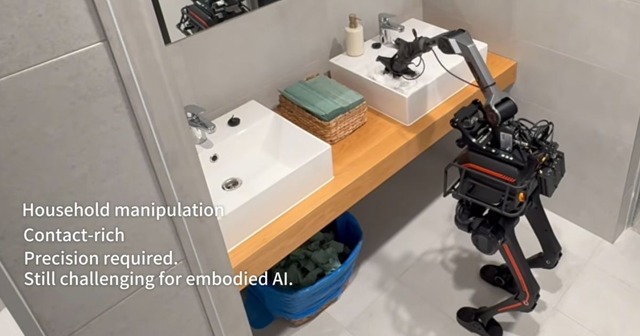
LimX Dynamics Demonstrates Autonomous Home Operations with TRON 1 and Acheron Labs' RobotKit
On July 13, 2026, LimX Dynamics showcased a customer case utilizing their open modular robot platform, TRON 1, to demonstrate autonomous home operation workflows with Acheron Labs' RobotKit. This collaboration illustrates the rapid development and deployment of embodied AI applications by combining RobotKit's development workflow with TRON 1's modular structure. This initiative is significant as it embodies LimX Dynamics' commitment to fostering an open embodied AI ecosystem that accelerates innovation among developers, researchers, and ecosystem partners. The demonstration serves as a practical example of development methods in the fields of embodied AI and physical AI, highlighting the potential for transforming operational tasks in various industries. Looking ahead, the focus will be on how robots can be integrated into real-world applications, particularly in high-risk environments. No further timeline was disclosed at the time of publication.
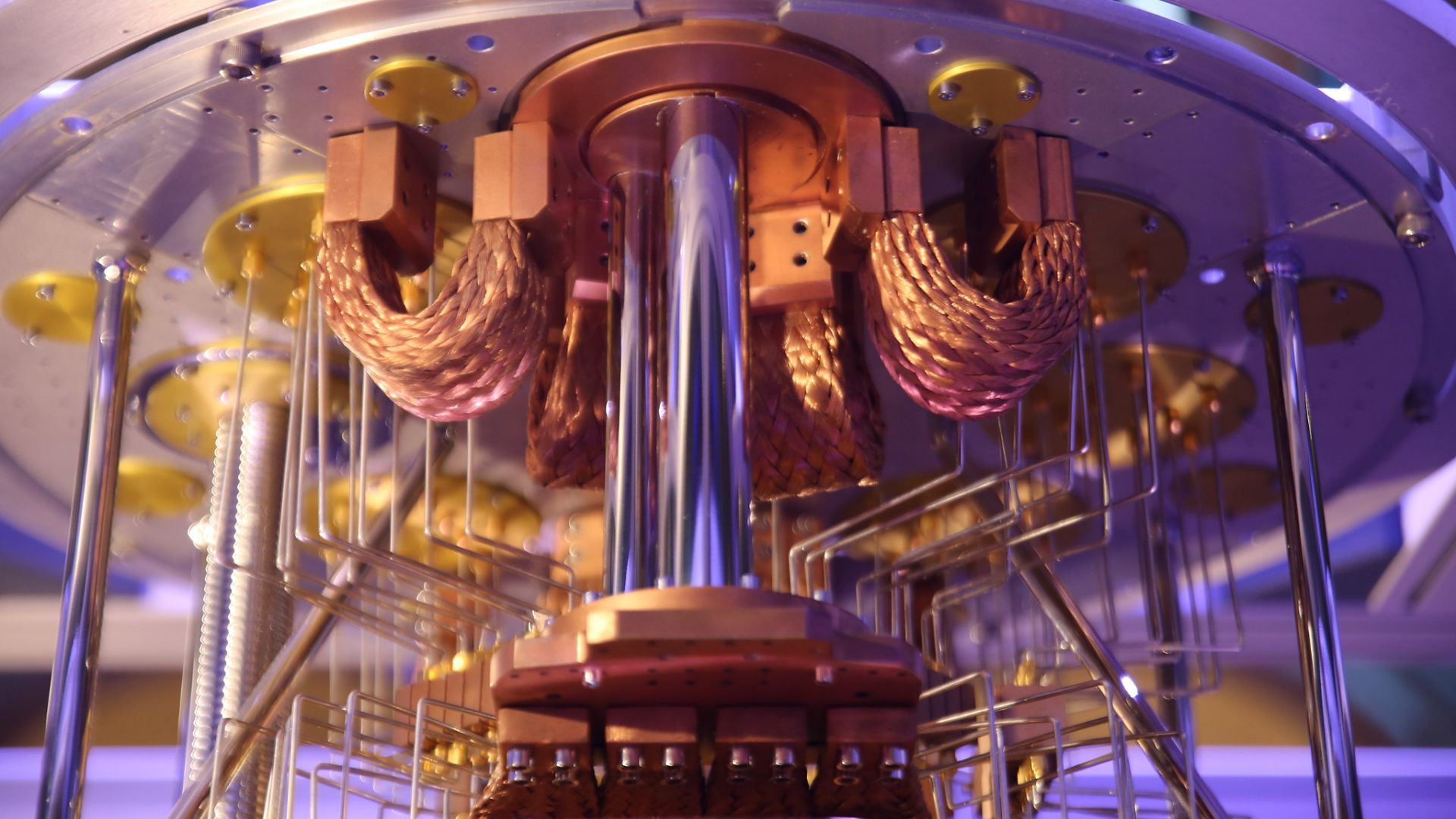
New Quantum Hermite Transform Algorithm Enhances AI and Scientific Computing Potential
Researchers from the U.S. Department of Energy’s Brookhaven National Laboratory, Northeastern University, Google Quantum AI, and the University of Texas at Austin have introduced a new quantum computing algorithm called the quantum Hermite transform (QHT). This algorithm aims to broaden the scope of problems that future quantum computers can address, particularly in artificial intelligence and scientific simulations. The significance of the quantum Hermite transform lies in its potential to improve data processing and simulation capabilities of quantum computers. By introducing a new computational building block, the QHT could lead to more efficient quantum algorithms in various fields, including materials science and energy research. The findings were presented at the 58th Annual ACM Symposium on Theory of Computing in Salt Lake City. Looking ahead, the researchers emphasize that expanding the library of reusable quantum primitives like the QHT will facilitate the development of innovative quantum algorithms. This advancement could provide exponential speed advantages over classical methods, marking a pivotal step in the evolution of quantum computing applications. No further timeline was disclosed at the time of publication.
AI and Robotics
Nous Research Secures New Funding Talks at $1.5 Billion Valuation for Hermes Agent
Nous Research, the creator of the open-source Hermes agent, is in discussions to secure a new funding round led by Robot Ventures, aiming for a valuation of $1.5 billion. The company is looking to raise at least $75 million, following a previous $50 million Series A funding announced just three months prior. This funding round is significant as it reflects the high interest from investors in Nous Research's innovative approach to AI agents. Hermes, which features built-in skills for web search, coding, and image understanding, is designed to learn from user interactions autonomously. The company has previously raised $70 million from various investors, indicating strong backing for its growth. Looking ahead, the new funding is expected to enhance the development of Hermes products and expand its business model. No further timeline was disclosed at the time of publication.
AI Startups Venture iRobot Ventures unicorn USV
Manufacturers Must Prioritize Industrial Data Governance Before AI and Analytics
Manufacturers are generating unprecedented amounts of data through automation systems, capturing everything from process values to production metrics. However, many plants face challenges in quickly answering fundamental operational questions, such as equipment status during issues or alarm sequences. The root cause often lies in a lack of structured, contextualized data governance rather than insufficient data itself. As manufacturers increasingly invest in analytics and AI, the importance of a solid data foundation becomes critical. Structured data not only aids in generating meaningful reports but also enhances AI insights. Poorly designed automation systems can lead to disorganized data, resulting in confusion and inefficiencies that erode trust among operators and complicate reporting for engineers and maintenance teams. To address these challenges, manufacturers must focus on establishing effective data governance from the outset of automation system design. Collecting more data does not inherently create value; instead, organizing data around relevant categories is essential for it to be actionable. No further timeline was disclosed at the time of publication.
Factory / Analytics
Xspark AI Raises Nearly $15 Million to Advance Physical AI Technology Development
Xspark AI has successfully completed its first round of angel financing, securing nearly 100 million yuan (approximately $15 million). This funding round was led by Dinghui VGC, Chuxin Capital, and the SEE Fund, with participation from several financial investment institutions. The capital will primarily be allocated towards core technology research and development, product iteration, and the large-scale implementation of Physical AI. The significance of this funding lies in addressing the challenges faced by Physical AI in real-world applications. Despite advancements in AI capabilities, many models that perform well in laboratory settings struggle to adapt to dynamic real-world environments. Factors such as lighting changes in factories and the arrangement of objects in homes complicate the deployment of these technologies, highlighting the need for reliable safety mechanisms to prevent equipment failures and accidents. Looking ahead, Xspark AI's CEO, Xiong Qi, emphasizes the importance of accumulating real-world data to enhance the stability and safety of Physical AI systems. As the company aims to overcome existing barriers, the development trajectory of Physical AI is expected to mirror that of the autonomous driving industry, where practical application and data-driven iterations are crucial for achieving commercial success.
Physical AI Robotics Funding Technology DevelopmentRobotics needs a service framework.
RSF defines a common language for robot service capability, lifecycle operations, certification pathways, and service-provider networks.