Industry Briefing
A single destination for timely, editor-curated robotics news from around the world.

Large Tabular Models Excel Where LLMs Fail
A new generative AI model, known as NEXUS, has emerged from the startup Fundamental, which recently secured $275 million in funding. Launched on February 5, 2026, NEXUS is designed to analyze structured data, a task that traditional large language models (LLMs) like ChatGPT and Claude struggle with. While LLMs excel in generating human-like text and images, they falter when faced with complex tabular data, which is crucial for businesses across various sectors, including finance and healthcare. Fundamental's CEO, Jeremy Fraenkel, explained that LLMs are not suited for structured data due to their reliance on sequential input, making them less effective for tasks requiring deterministic predictions, such as fraud detection. In contrast, NEXUS utilizes a large tabular model (LTM) that directly models the structure of tabular data, allowing for more accurate reasoning and predictions. The development of NEXUS involved training on billions of tables, using a mix of proprietary and public datasets while ensuring customer data confidentiality. This innovative model has already been integrated into Amazon Web Services' SageMaker platform, enhancing its accessibility for businesses handling sensitive data. As the demand for effective data analysis solutions grows, other companies, including Feedzai and Google, are also developing similar technologies. Experts predict that the future of data processing will increasingly rely on automated systems, combining the strengths of LLMs and LTMs to improve efficiency and accuracy in data analysis.
Data-analytics Llms Foundation-models Databases
X Square Robot Secures Four Consecutive Financing Rounds, Surpasses US$2.8 Billion Valuation in Push for Physical AI Foundation Models
A new funding initiative has been launched to advance the development of embodied AI foundation models, enhance commercial deployments, and establish integrated robotics infrastructure. This initiative marks a significant collaboration as it is the only embodied AI company supported by all four major Chinese internet technology leaders. The funding aims to accelerate innovation in the field of artificial intelligence and robotics, reflecting a growing interest in integrating AI into practical applications. The initiative is expected to facilitate the creation of advanced AI systems that can interact with the physical world, thereby transforming various industries.
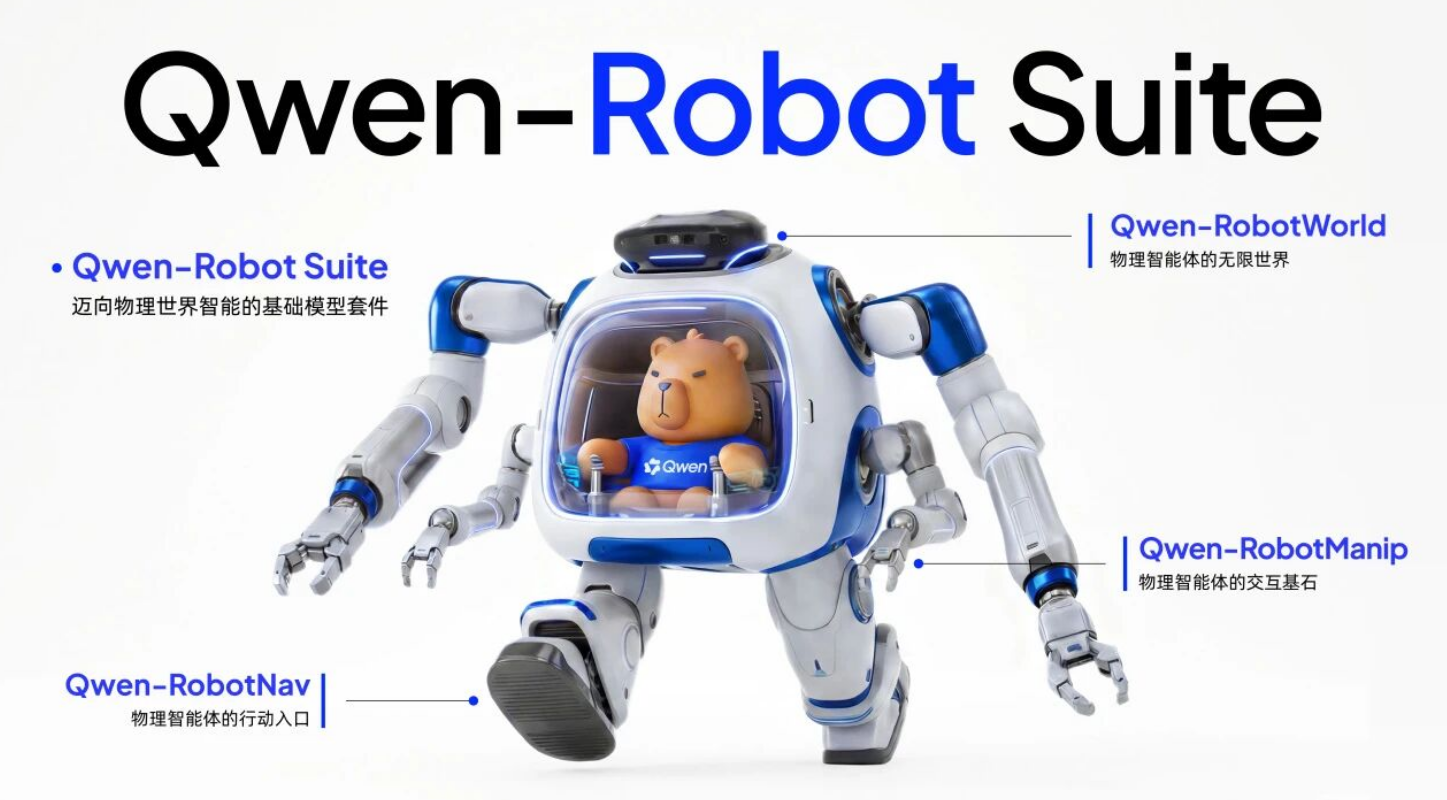
Alibaba unveils Qwen-Robot series with three foundation models for embodied AI
On Tuesday, the Qwen team unveiled a new robotics suite that includes three foundational models: Qwen-RobotNav, Qwen-RobotManip, and Qwen-RobotWorld. These models are designed to integrate language processing with various physical actions, enhancing the capabilities of mobile robotics. Qwen-RobotNav, in particular, advances vision-language integration by employing controllable observation encoding and tool-based interfaces. This innovative model consolidates four essential tasks into a single framework, which includes instruction following and goal-directed navigation. The release aims to improve the interaction between language and robotics, paving the way for more sophisticated and versatile robotic applications.
News Feed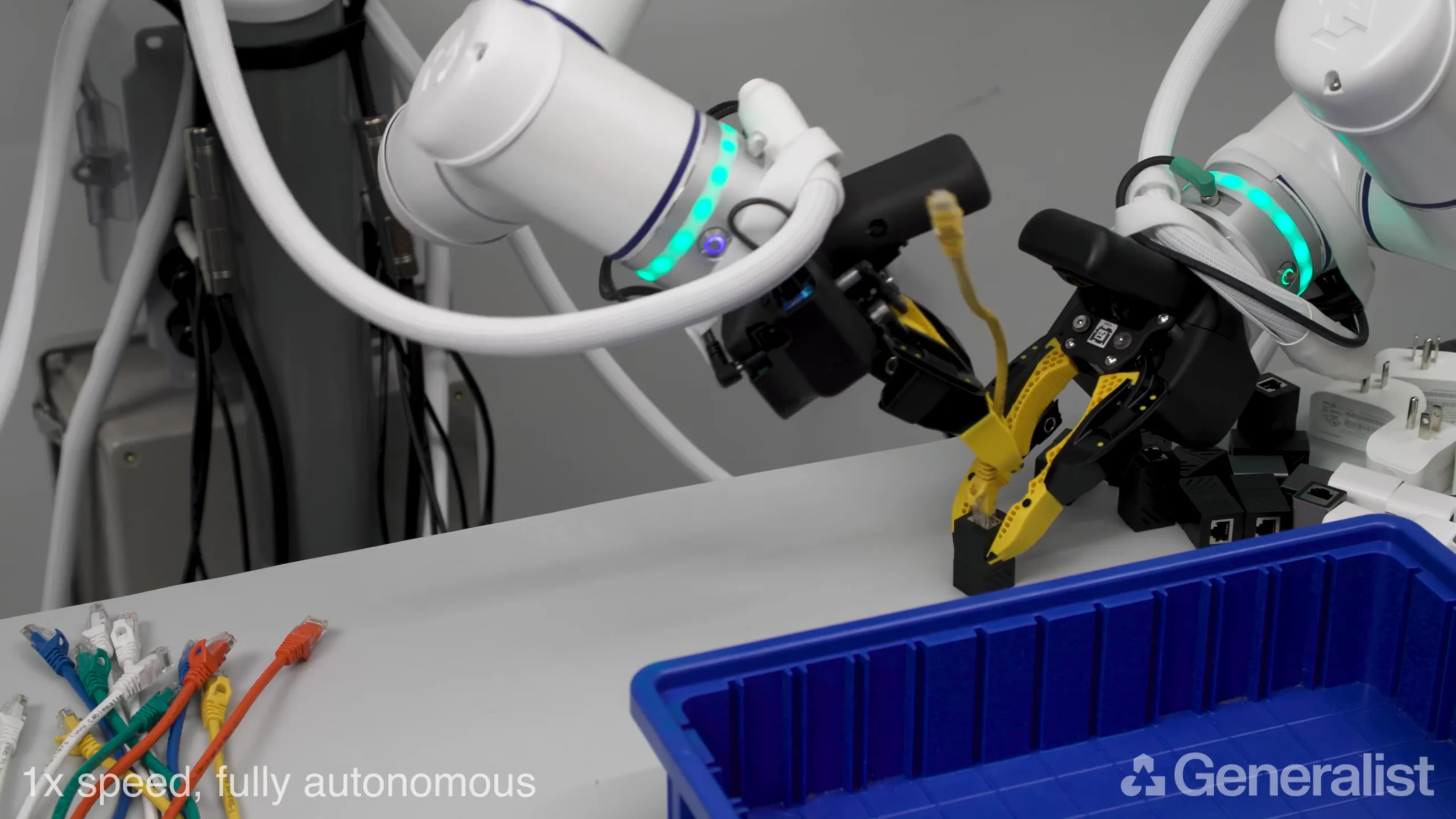
The Death of the Label: Generalist AI Rejects 'World Models' in Favor of First-Class Physical Foundation
Pete Florence, CEO of Generalist AI, has expressed his views on the evolving terminology within the artificial intelligence sector, specifically criticizing terms such as 'VLA' and 'World Model' as mere temporary solutions. During a recent discussion, he emphasized that the architecture of GEN-1, which boasts a 99% scratch-trained framework, represents a strategic investment in the future reliance on purely robotic data. Florence's insights reflect a broader industry trend towards embracing more advanced and foundational approaches to AI development, suggesting a shift away from conventional terminologies as the field matures. This commentary comes as the AI landscape continues to evolve rapidly, with companies seeking to establish more robust and effective models for the future.
US GEN-1 World-Models Generalist AI
From vision to reality: how to deploy foundation models across industries
The recent deployment of foundation models across various industries marks a significant transformation in the application of artificial intelligence. This shift is not merely about introducing a singular, powerful solution to replace existing workflows; rather, it emphasizes a complex and iterative process of aligning advanced technology with engineering practices and market demands. On Thursday, the founders of two prominent Chinese AI unicorns discussed these developments, highlighting the importance of adapting AI agents to meet specific industry needs. Their insights reflect a broader trend in the tech landscape, where the focus is on integrating AI solutions that enhance rather than disrupt current operational frameworks. This evolution is expected to drive innovation and efficiency, as businesses seek to leverage AI in a way that complements their existing systems.
Events AI Ant Group
Why Financial Institutions Are Converging on Transaction Foundation Models to Build Their Own Intelligence
Financial institutions have invested significant time and resources in developing artificial intelligence applications, including fraud detection models, credit assessment tools, recommendation systems, and risk management frameworks. However, despite the effectiveness of these specialized models, the industry faces challenges due to the prevalence of siloed systems. These isolated systems hinder the ability to share data and insights across different departments, limiting the overall potential of AI in enhancing operational efficiency and decision-making. As the financial sector seeks to leverage AI more effectively, there is a growing need to integrate these disparate systems to foster collaboration and innovation. This shift is crucial for maximizing the benefits of AI technologies and addressing the evolving demands of the market.
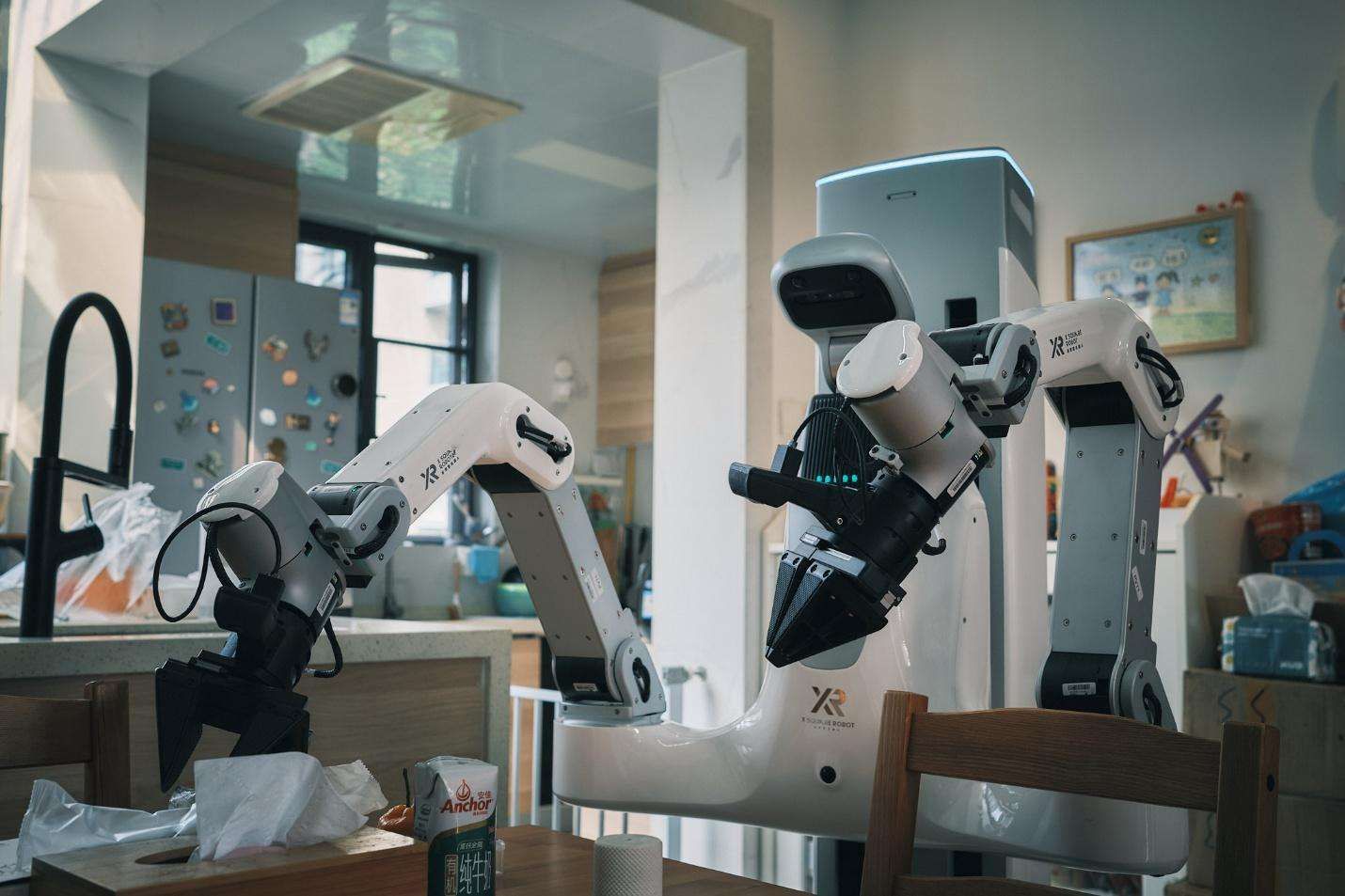
X Square Robot Closes Four Consecutive Rounds, Hits $2.8B Valuation as It Powers Physical-AI Foundation Models
X Square Robot has successfully completed four consecutive funding rounds, culminating in a Series C that has propelled its valuation to $2.8 billion. This achievement marks the company as the sole embodied AI firm in China to receive backing from all four of the country's major internet giants. The funding rounds reflect a growing interest and investment in artificial intelligence technologies, particularly in the realm of embodied AI, which integrates physical presence with intelligent systems. The significant financial support from these leading tech companies underscores the potential they see in X Square Robot's innovative approach and technology.
Startups
Interview: ‘AI delivers clear advantages over generic foundational models’
Hamid Montazeri is advancing the field of “physical AI,” a specialized form of artificial intelligence aimed at functioning effectively in unpredictable and rapidly changing environments. This innovative approach seeks to enhance the capabilities of AI systems, enabling them to adapt and respond to real-world challenges more efficiently. Montazeri's work is particularly relevant in sectors where quick decision-making and adaptability are crucial, such as robotics and autonomous systems. By focusing on domain-specific applications, he aims to bridge the gap between theoretical AI concepts and practical implementations, ultimately improving the performance and reliability of AI technologies in various industries.
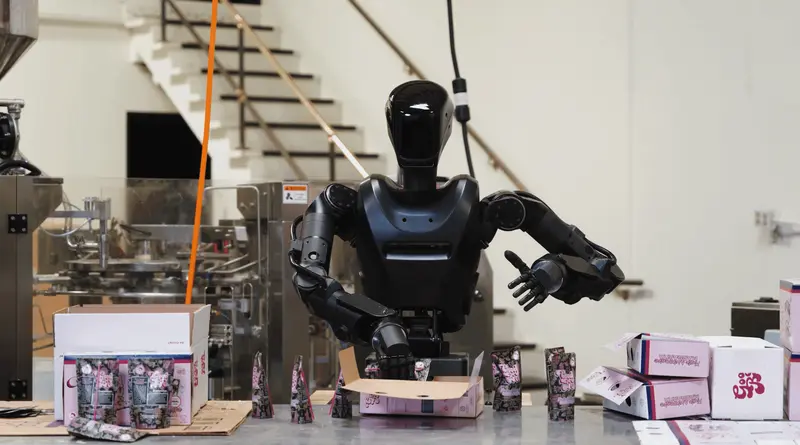
Foundation Emerges With 'Phantom' Humanoid, Betting on Novel Actuators and Hybrid AI
Foundation Robotics, a new company founded in May 2023 and led by former Synapse CEO Sankaet Pathak, has unveiled its humanoid robot, 'Phantom,' aimed at revolutionizing industrial automation. The company is focusing on developing proprietary high-efficiency actuators and employing a hybrid AI methodology that integrates state-based models with imitation learning. With plans for initial deliveries set for mid-2025, Foundation Robotics seeks to distinguish itself from competitors such as Figure and Tesla by prioritizing superior hardware performance and expedited AI training processes. This strategic approach is designed to meet the growing demand for advanced automation solutions in various industries.
sankaet-pathak phantom foundation
Open Models, Closed Environments: Palantir Brings Secure AI to US Agencies With NVIDIA Nemotron
Palantir Technologies unveiled its latest intelligent engine today, emphasizing the significance of open source innovation in the development of artificial intelligence for U.S. government agencies. This new engine leverages NVIDIA's Nemotron open models, highlighting a commitment to utilizing open source software, which has been a foundational element in the evolution of technology. The introduction of this engine aims to enhance the capabilities of government operations by providing advanced AI solutions tailored to meet their specific needs. By integrating open source resources, Palantir seeks to foster collaboration and drive innovation within the AI sector, ultimately benefiting public sector initiatives.
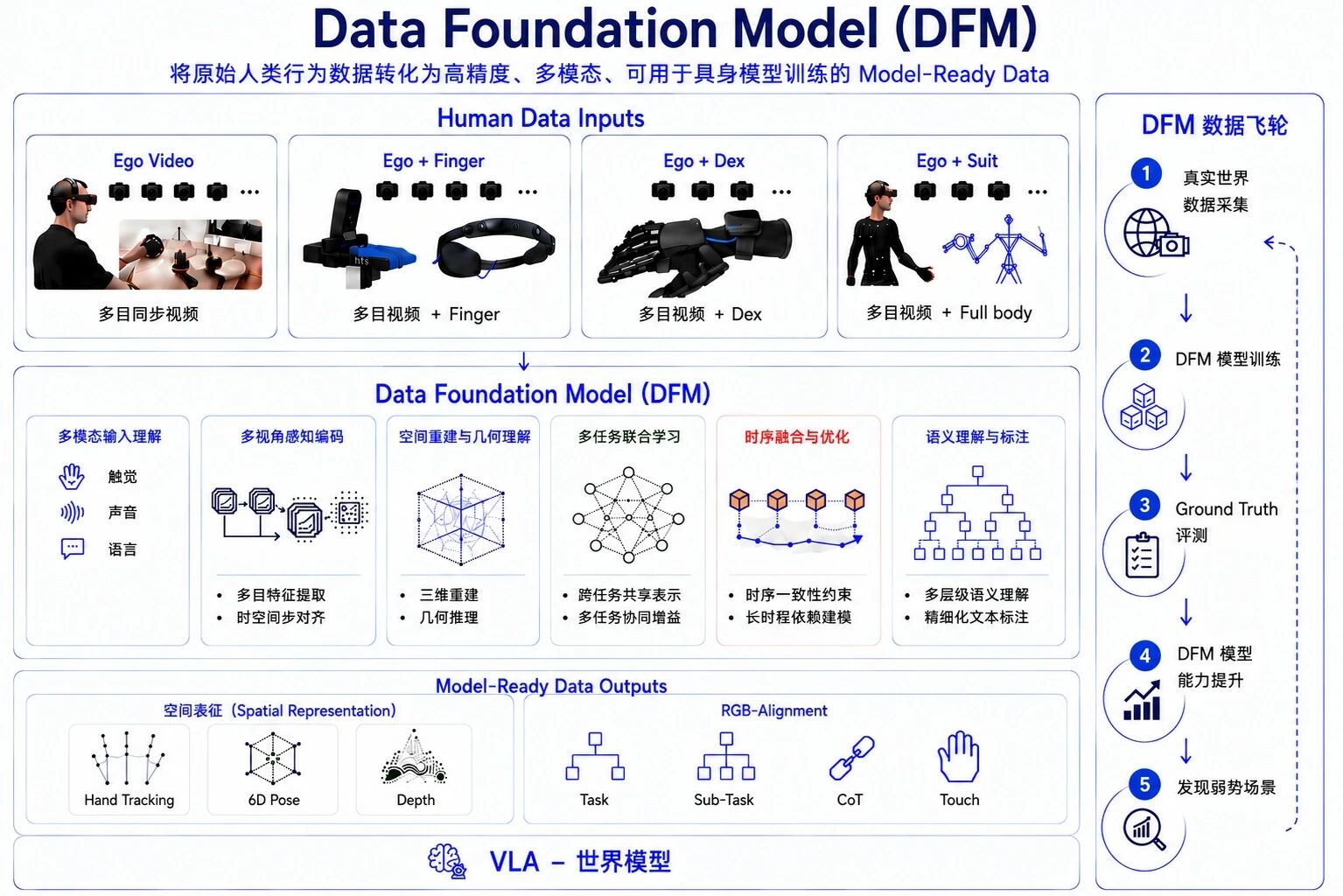
Why Human Data Requires a Data Foundation Model
Human Data is confronting significant challenges in effectively embodying intelligence, prompting the development of a Data Foundation Model (DFM). This innovative framework aims to convert raw human data into high-quality, multi-modal, and task-ready formats, thereby enhancing data accuracy, efficiency, and scalability for training embodied models. The DFM is designed to provide a robust infrastructure that facilitates data integration and understanding while allowing for continuous evolution. By addressing these critical issues, the DFM seeks to improve the overall effectiveness of data utilization in various applications.
Human Data Data Foundation Model Embodied Intelligence Multi-modal Data Data Processing
Interview with Wang Zhongyuan: VLA will survive, but world models are the future.
In recent months, the concept of "World Model" has gained significant traction within the AI and robotics sectors, driven by underlying industry anxieties. As AI technology has rapidly evolved over the past two years, limitations in embodied intelligence have become apparent, revealing that while robots can recognize objects, they struggle to understand physical interactions and causal relationships. The World Model aims to bridge this gap by enabling robots to learn the laws of the physical world. At the forefront of this exploration is Wang Zhongyuan, the director of the Beijing Academy of Artificial Intelligence, who identifies four distinct paths in the development of World Models. These include language-centered models, pixel-centered models, 3D structure-centered models, and visual representation-centered models. The Beijing Academy is pioneering a fifth approach that integrates language and visual data into a unified latent space representation, allowing for more complex interactions and predictions. Wang emphasizes that the World Model's potential lies in its ability to enhance embodied intelligence, enabling robots to understand and predict physical interactions over time. He envisions a future where World Models serve as the foundational brain for robots, capable of complex reasoning and decision-making in real-world scenarios. However, he cautions that achieving this goal will require significant advancements in data collection and model training, with a timeline of three to five years anticipated for substantial progress. As the field continues to evolve, the competition will focus on the ability to create models that accurately reflect the complexities of the physical world.
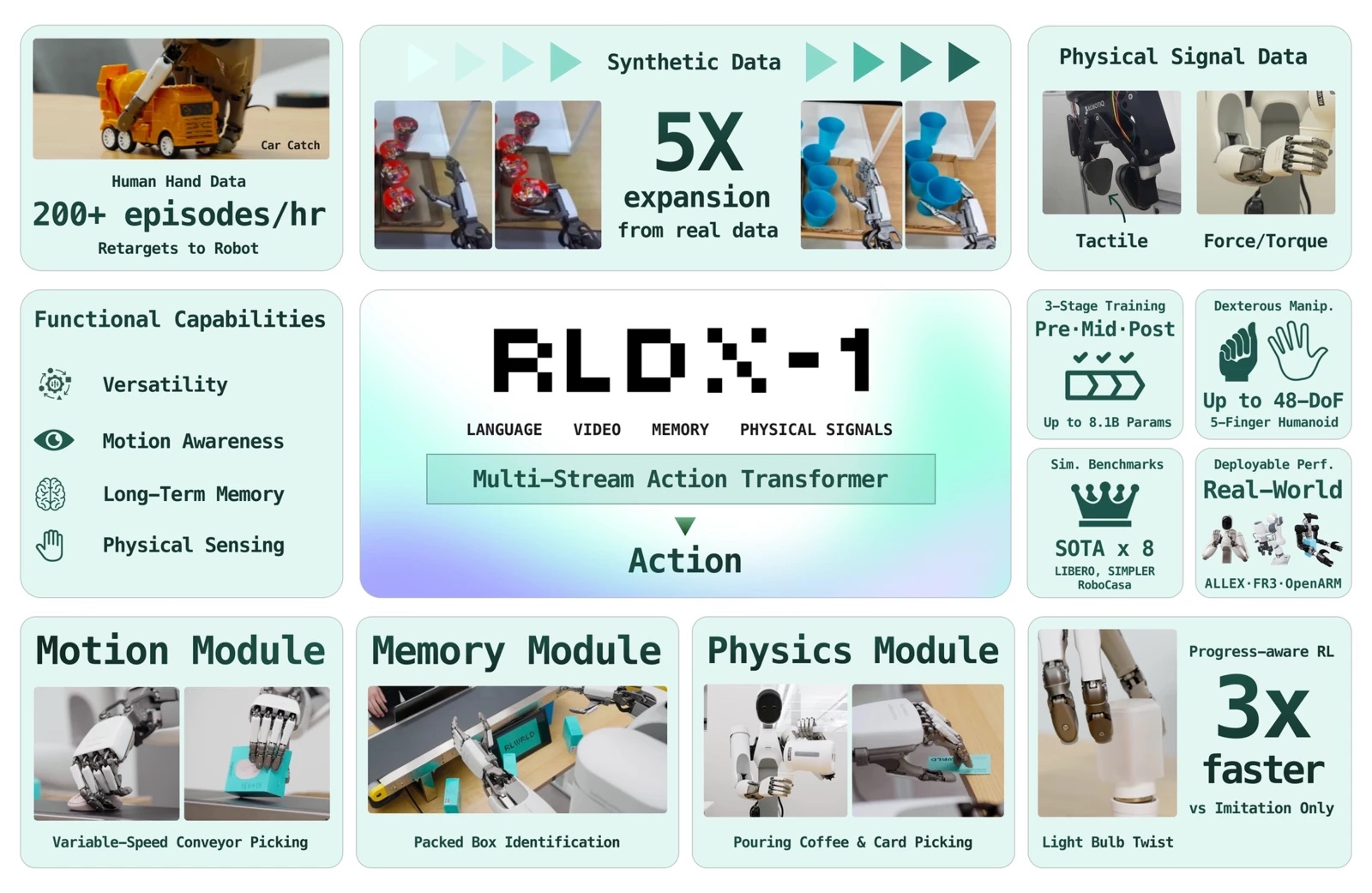
RLWRLD releases RLDX-1, a dexterity-first foundation model for robot hands
RLWRLD has unveiled its latest innovation, the RLDX-1, a foundation model designed specifically for robotic hands. This new model aims to enhance dexterity by incorporating features such as context memorization and force sensing, which are often absent in current robotic models. The release of RLDX-1 marks a significant advancement in the field of robotics, addressing critical limitations that have hindered the performance of robotic hands.
Artificial Intelligence Artificial Intelligence / Cognition Design / Development Development Tools / SDKs / Libraries Grippers Human Robot Interaction / Haptics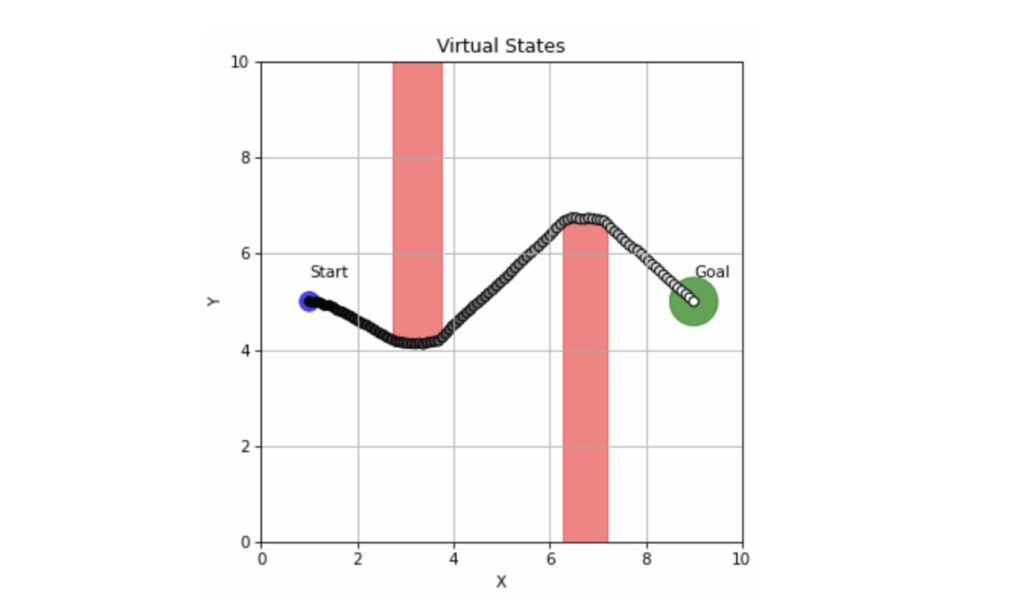
Gradient-based planning for world models at longer horizons
A team of researchers, including Mike Rabbat, Aditi Krishnapriyan, Yann LeCun, and Amir Bar, has introduced GRASP, a new gradient-based planning method designed for learned dynamics in world models. This innovative approach addresses the challenges of long-horizon planning, which has proven to be fragile and inefficient with existing models. GRASP enhances planning by lifting trajectories into virtual states, allowing for parallel optimization across time, and incorporating stochastic elements to facilitate exploration. The development of GRASP comes in response to the limitations of current world models, which, despite their ability to predict complex sequences in high-dimensional spaces, struggle with optimization and can easily fall into local minima. The researchers emphasize that while powerful predictive models exist, effective control and planning remain significant hurdles. By utilizing a collocation-based approach, GRASP optimizes both actions and states, improving computational efficiency and robustness against adversarial vulnerabilities inherent in state gradients. The method also introduces exploration through Gaussian noise in state updates, enhancing the ability to navigate complex planning landscapes. Preliminary results indicate that GRASP significantly outperforms traditional methods in success rates and time efficiency for long-horizon planning tasks. The researchers view GRASP as a foundational step towards more advanced world model planners, with future work aimed at integrating the method into reinforcement learning systems and exploring diffusion-based world models. The full details of the study can be found in their published paper.
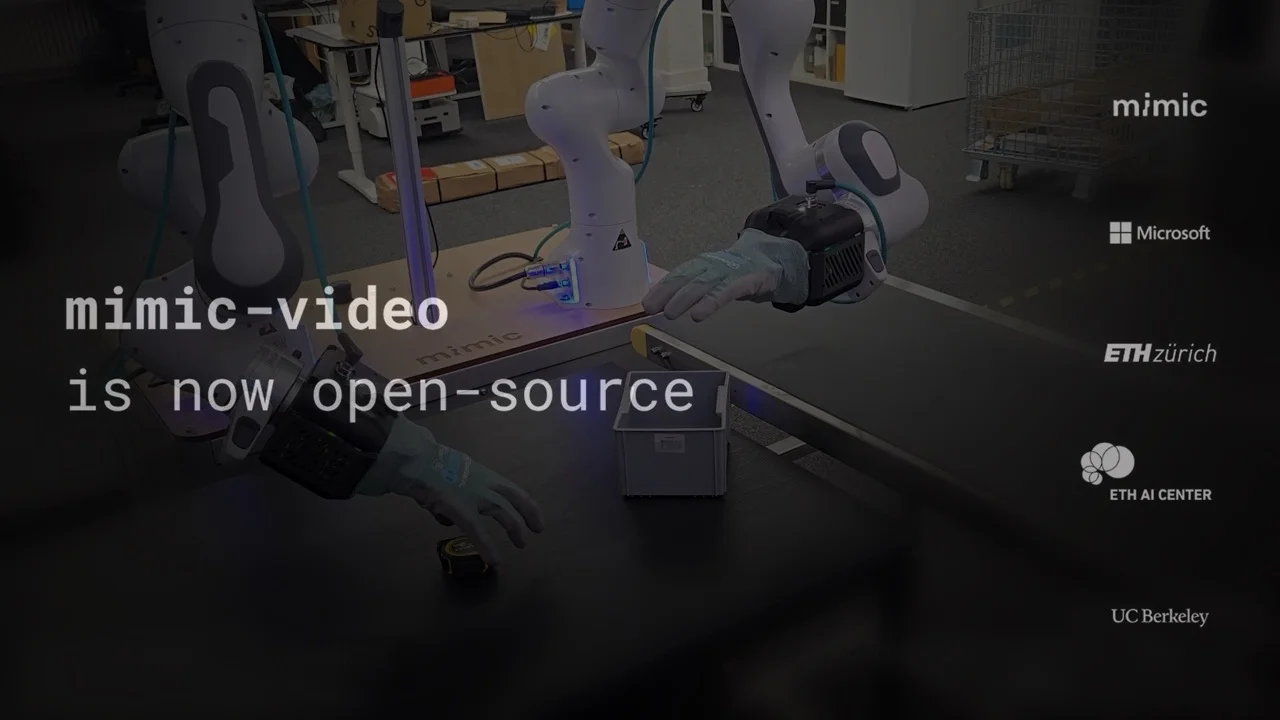
Mimic Robotics Open-Sources "mimic-video" Recipe to Accelerate Video-Action Models
Mimic Robotics, a company based in Zurich, has unveiled its innovative "pixel-to-action" architecture, which is designed to transform the current landscape of artificial intelligence by moving away from traditional static vision-language models. This release, which includes both the code and accompanying research, marks a significant shift towards utilizing dynamic video-based foundations. The initiative aims to enhance the capabilities of AI systems, enabling them to better interpret and respond to visual information in real-time. By sharing this technology, Mimic Robotics seeks to foster advancements in the field and encourage further exploration of video-based AI applications.
Mimic Robotics Europe open-source ETH Zurich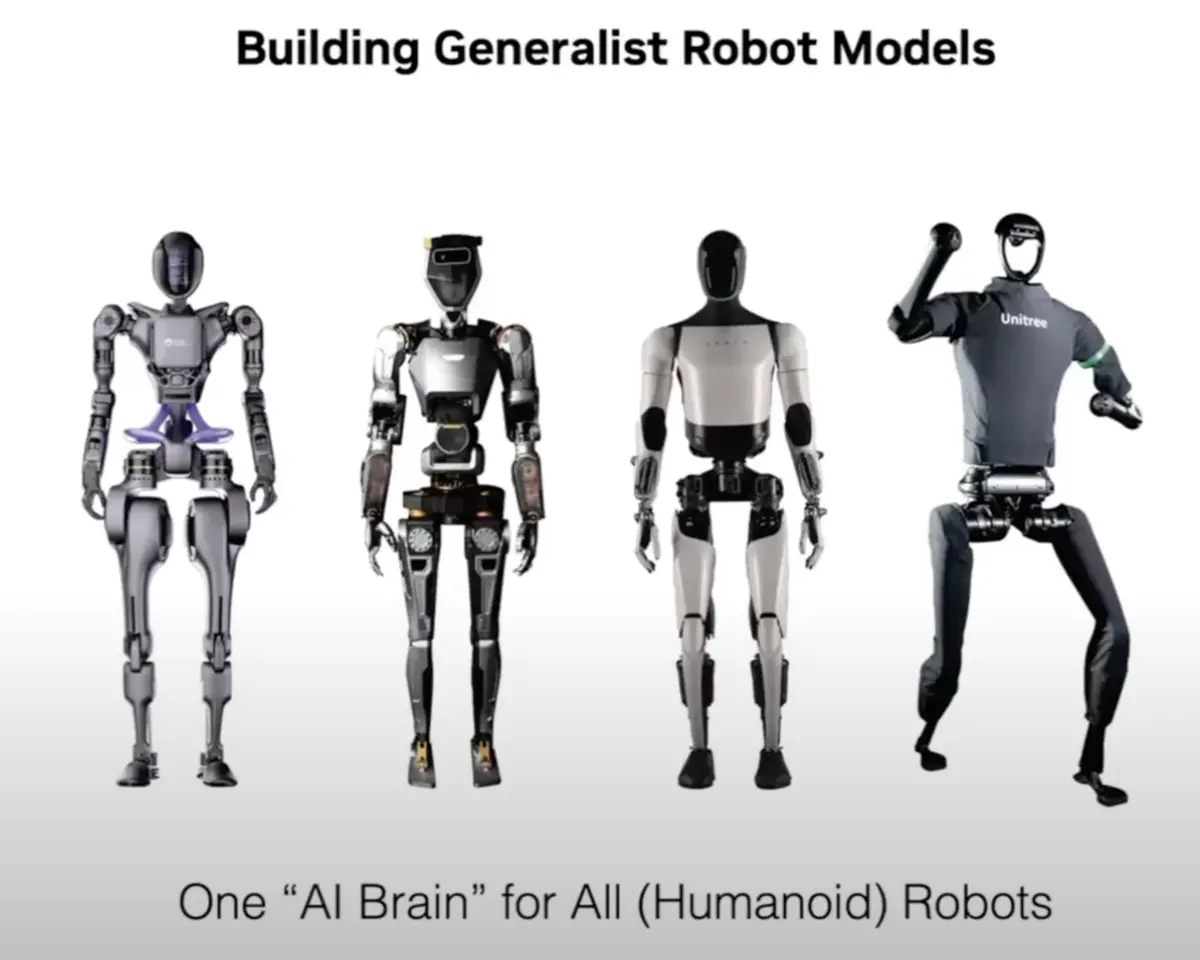
NVIDIA Details Open-Source GR00T N1 Foundation Model and Hover Controller for Humanoids
At the Marktechpost miniCON Open Source AI 2025, NVIDIA Research Scientist Yuke Zhu unveiled Project GR00T, which focuses on a simulation-first strategy for developing generalist foundation models tailored for humanoid robots. The initiative includes the launch of the open-source GR00T N1 multimodal model and the Hover whole-body controller. These innovations aim to enhance cross-embodiment capabilities and expedite development processes for NVIDIA's robotics partners. This presentation highlights NVIDIA's commitment to advancing robotics technology through collaborative and open-source efforts.
NVIDIA open-source hover GR00T
RAPTOR: A foundation policy for quadrotor control
In May 2026, a groundbreaking study published in Science Robotics highlights advancements in robotic technology that could revolutionize various industries. Researchers from leading universities and tech companies collaborated to develop a new generation of robots capable of performing complex tasks with enhanced precision and efficiency. This innovation aims to address labor shortages and improve productivity in sectors such as manufacturing, healthcare, and logistics. The study showcases robots equipped with advanced artificial intelligence and machine learning algorithms, enabling them to adapt to dynamic environments and learn from their experiences. The research team conducted extensive testing in real-world scenarios to demonstrate the robots' capabilities, revealing significant improvements in operational speed and accuracy compared to previous models. The motivation behind this development stems from the increasing demand for automation in response to global economic challenges and the need for more efficient workflows. By integrating these sophisticated robots into various industries, the researchers believe they can not only alleviate workforce pressures but also enhance safety and reduce operational costs. As industries continue to evolve, the findings from this study could pave the way for widespread adoption of robotic solutions, ultimately transforming how businesses operate and interact with technology. The implications of this research extend beyond mere automation, suggesting a future where humans and robots work collaboratively to achieve greater outcomes.
Research Article
Moore Threads and Guangyun Intelligence Partner to Build Domestic Physical AI Foundation with Sovereign Compute and Simulation
Moore Threads and Guangyun Intelligence have announced a strategic partnership aimed at developing a high-confidence synthetic data solution tailored for embodied artificial intelligence. This collaboration will leverage Moore Threads' advanced domestic GPU computing capabilities alongside Guangyun's proprietary simulation platform. The initiative is expected to enhance the effectiveness and reliability of AI systems by providing robust synthetic data, which is crucial for training and improving AI models. The partnership marks a significant step in the evolution of AI technology, reflecting the growing importance of synthetic data in the field.
AI
Wujie Power and Shenshu Technology Collaborate to Build a Comprehensive Technology Foundation for Embodied Intelligence
Wujie Power and Shenshu Technology have formed a strategic partnership focused on advancing embodied intelligence technologies. This collaboration, announced recently, seeks to integrate multimodal models with robotics, thereby enhancing robotic capabilities in complex environments. The partnership aims to accelerate the commercialization of advanced artificial intelligence solutions, positioning both companies at the forefront of innovation in this rapidly evolving field.
Embodied Intelligence Multimodal AI Robotics AI Technology
As Open Models Spark AI Boom, NVIDIA Jetson Brings It to Life at the Edge
Caterpillar has introduced the Cat 306 CR mini-excavator, a compact machine weighing just under eight tons, designed for tight job sites such as utility trenches near foundations and basement digs in densely populated areas. This innovative excavator can easily fit inside a standard shipping container, making it a practical choice for contractors facing space constraints. The launch of the Cat 306 CR aims to provide a versatile solution for construction professionals who require efficient equipment to navigate challenging environments. With its compact size and powerful capabilities, the mini-excavator is expected to enhance productivity on various projects, allowing for greater maneuverability in restricted spaces.
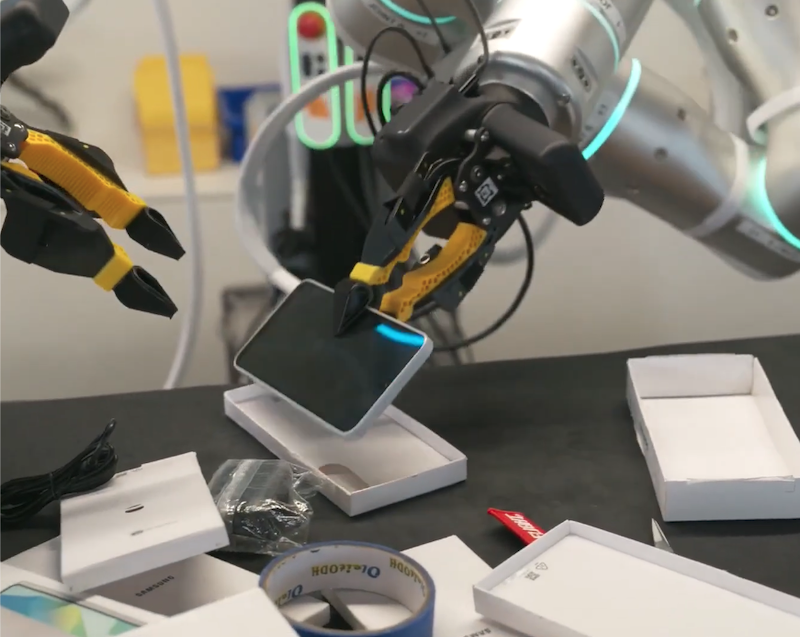
Generalist AI raises $400 million to scale robot intelligence platform
Generalist AI, a startup focused on creating foundation models for robotics, has successfully secured $400 million in a recent funding round. This investment aims to expedite the development of what the company refers to as “physical AGI,” or artificial general intelligence that can function in the physical world through robotic systems. Following this funding, Generalist AI's valuation has reached approximately $2 billion. The influx of capital will enable the company to enhance its research and development efforts, positioning it at the forefront of advancements in robotics and AI technology.
Computing News Software 8VC ai funding AI models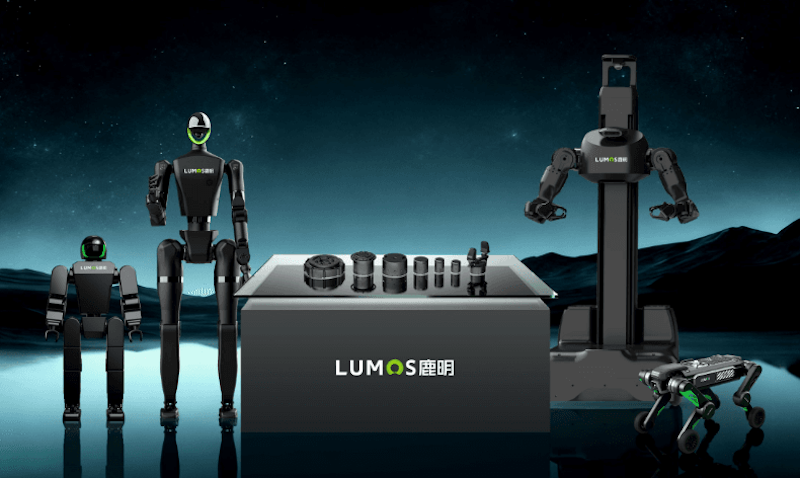
Lumos Robotics tops global benchmark test for zero-shot embodied AI
Lumos Robotics says its Prime R0 industrial embodied AI model has achieved the highest overall score on the latest MolmoSpaces leaderboard, outperforming larger models from competitors including Nvidia and research teams from the United States. The Chinese robotics company said its 2.8-billion-parameter model ranked first across both single-arm fine manipulation and dual-arm collaboration tasks in […]
Artificial Intelligence Computing News Robotics AI models embodied ai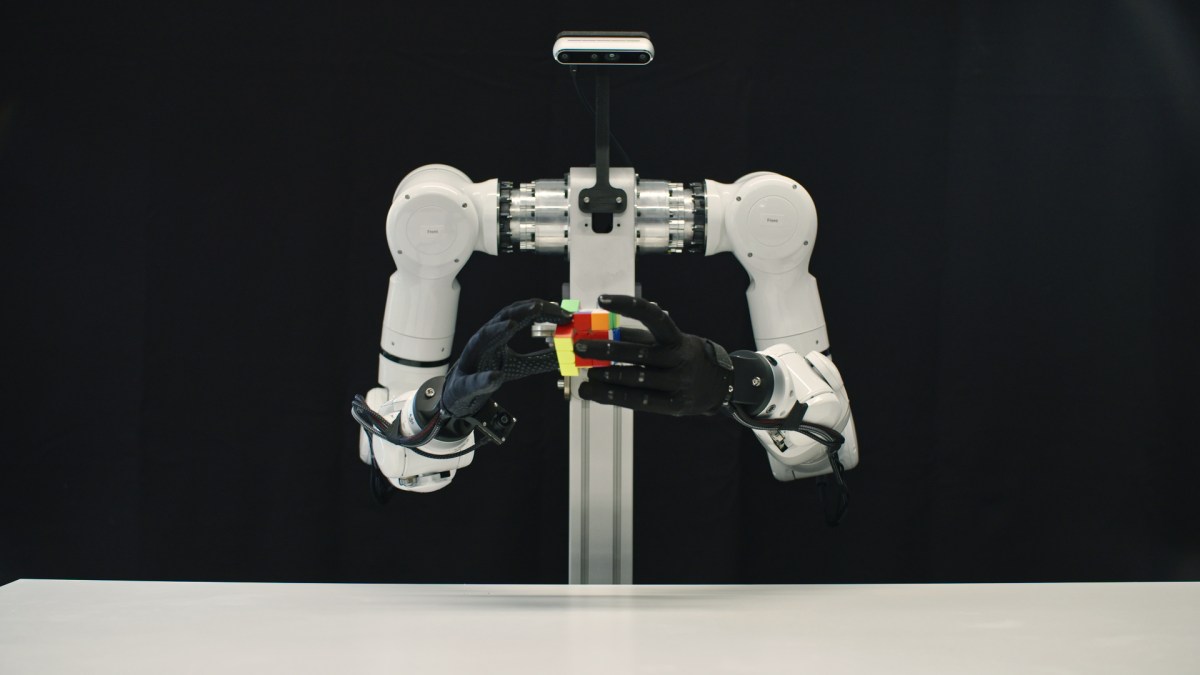
Khosla-backed robotics startup Genesis AI has gone full-stack, demo shows
Genesis AI, a startup that recently secured $105 million in seed funding to develop foundational AI technologies for robotics, has introduced its inaugural model, GENE-26.5. Alongside this launch, the company presented a demonstration featuring a set of robotic hands capable of executing intricate tasks. This unveiling marks a significant step in the company's mission to advance robotic capabilities and enhance automation across various industries. The event took place shortly after the funding announcement, highlighting the rapid progress Genesis AI is making in the field of robotics and artificial intelligence.
AI Robotics foundational models genesis robotics
Inside Momenta: Elon Musk-style CEO, AI obsession, and mass production machines.
Momenta, a Chinese autonomous driving company, has made significant strides in the industry, achieving a market capitalization of HKD 70 billion on its IPO debut on July 8. Founded by Cao Xudong, who frequently travels to the U.S. to experience Tesla's Full Self-Driving (FSD) technology, the company boasts over 50% market share in designated vehicle models and over 60% in mass-produced vehicles. Cao's strategic decision to focus on L2-level mass production, rather than the more commonly pursued L4 direction, has been pivotal in establishing Momenta's competitive edge. Despite initial skepticism and funding challenges, his commitment to engineering efficiency has driven the company to achieve a gross margin increase from 17.5% to 71.6% over three years, alongside a doubling of revenue and narrowing losses. As the market for L2 technology becomes increasingly crowded with competitors like Huawei and Horizon Robotics, Momenta faces mounting pressure. The company is also navigating rapid advancements in AI technology, with a focus on world models and robotics as future growth areas. Cao's vision includes integrating hardware and software to enhance cost-effectiveness and maintain a competitive advantage. Despite the challenges, Cao remains optimistic about Momenta's potential, emphasizing the importance of a passionate team dedicated to AI innovation. As the industry evolves, the company's past successes may serve as a foundation for navigating future uncertainties.

This startup thinks robotics is about to have its ChatGPT moment
General Intuition is investing significantly in the potential of video game data to enhance the development of physical artificial intelligence. The company believes that millions of hours of gameplay data can be utilized to train foundational models, which could streamline the process of creating more intelligent robots that require less real-world data for training. This initiative comes as the demand for advanced robotics continues to grow, with applications spanning various industries. By leveraging the rich datasets generated from video games, General Intuition aims to accelerate the evolution of AI technologies, making them more efficient and capable in real-world scenarios. The project is set to unfold over the coming months, with the goal of transforming how robots learn and adapt to their environments.
AI Robotics Equity general intuition pim de witte
Palladyne AI Executes $4.2 Million U.S. Air Force Contract to Advance Swarming Capabilities for Integrated Cross-Domain Operations
Palladyne AI Executes $4.2 Million U.S. Air Force Contract to Advance Swarming Capabilities for Integrated Cross-Domain Operations Visit http://www.palladyneai.com for further information Palladyne AI’s SwarmOS™ platform to support satellite integration, marking a major expansion of its multi-domain autonomy and ISR capabilities across space, air, maritime, and land 07/07/26, 06:15 AM | Mobile Robots, Other Topics | Palladyne AI Corp. Palladyne AI Corp. (NASDAQ: PDYN and PDYNW) ("Palladyne AI"), a developer of artificial intelligence software for robotic platforms in the defense and commercial sectors, today announced that it has executed the previously announced contract awarded by the Air Force Research Laboratory (AFRL) to solve one of the most persistent challenges in modern defense operations—how to make different autonomous systems work together as one coordinated team. The "Hierarchical Adaptive Networked Game-Theoretic Integration of Multiple Echelons (HANGTIME)" contract will address this need. More Headlines A3's Automate 2026 Breaks Records as Demand for Robotics, AI and Automation Grows NVIDIA and Hugging Face Bring New Models and Frameworks to LeRobot for the Open Robotics Community ABB Robotics completes its AI-powered Visual SLAM AMR portfolio with new autonomous forklift UMA Unveils Its Vision for the Next Generation of Humanoid Robots Robbyant Unveils LingBot-Depth 2.0 and LingBot-Vision to Redefine Robotic Spatial Perception Articles Unleash AI Innovation: The Power of NVIDIA RTX PRO 6000 Blackwell Workstation Edition Fueled by PNY-Supplied GPUs Automate 2026 Q&A with DESTACO Automate 2026 Q&A with Roboteon Advances in Robots to See & Interpret within Warehouse Environments Building Resilient Fulfillment Networks with Robotics and Real-Time Logistics Data Today, drones, ships, and satellites often operate largely independently, limiting how quickly warfighters can see and respond to threats. HANGTIME will utilize Palladyne AI's patented SwarmOS™ software platform—the defense variant of the Palladyne™ Pilot embodied AI software—as the baseline technology to bridge that gap, connecting disparate systems so they can share intelligence, adapt to changing conditions, and act in sync across domains, including space, air, maritime, and land. By integrating satellites for the first time, this project also extends Palladyne AI's technology from the ground to orbit, enabling faster, more informed decision-making and coordinated mission execution, turning tactical commanders into strategic commanders by giving them more cross-domain intelligence, surveillance, and reconnaissance (ISR) capabilities than ever before. "Our collaboration with AFRL showcases what's next for autonomous operations," said Ben Wolff, President and CEO, Palladyne AI. "This isn't about replacing humans—it's about giving them sharper, faster insight. By connecting satellite, aerial, and ground systems using the patented SwarmOS embodied AI platform as a foundational technology, we're helping the warfighter make better decisions in real time and stay one step ahead on the battlefield." "The HANGTIME project is a breakthrough that unites high-altitude assets and situational unmanned systems into one coordinated sensor network—delivering a major advantage for the defense industry," said Dr. Denis Garagic, Chief Technology Officer, Palladyne AI. "For the first time, a single AI framework can coordinate assets across multiple domains, including satellites. That means these systems can now think and act together as a team, sharing what they see and learning as conditions change." "The HANGTIME effort represents a critical step in multi-domain autonomy for coordinated execution in challenging environments," said Caleb Williams, Program Manager, AFRL/RIEA. For more information on Palladyne AI and its patented collaborative autonomy software, including SwarmOS, please visit www.palladyneai.com. For more information about AFRL, please visit www.afrl.af.mil. About Palladyne AI Palladyne AI is a U.S.-based technology company developing patented embodied artificial intelligence, collaborative autonomy solutions, advanced avionics, autonomous systems, advanced UAV engineering services, and precision-manufactured components for defense and industrial markets. Palladyne AI delivers secure, American-developed and operated platforms designed to meet the stringent requirements of U.S. government and public-sector customers, including data sovereignty, security, and compliance. Palladyne AI's embodied AI is designed to operate in complex, contested, and high-risk environments, enabling distributed tasking, human-on-the-loop decision-making, degraded-communications resilience, and multi-domain coordination. Its platform-agnostic autonomy stack combines real-time sensor fusion, adaptive AI models, and edge-native orchestration—without vendor lock-in—to support autonomous and collaborative systems across air, ground, maritime, and industrial domains w

Japan Pioneered Humanoid Robots—Can It Now Catch China?
“In the future, the relationship between humans and robots will deepen, and the distinction between them will probably disappear.” This prediction, from one of the attendees at the recent Humanoids Summit in Tokyo, might have been unremarkable had it not come directly from an android that was first introduced to the world 20 years ago. Geminoid HI-6 is the sixth-generation of a robot originally designed in 2006. The mechanical twin of Osaka University professor Hiroshi Ishiguro, Geminoid HI-6 is now equipped with a large language model trained on Ishiguro’s own writings and interviews. It has advanced conversational skills and can even have a chat with its creator, an eerie spectacle. But at the Humanoids Summit, Geminoid was one of the few humanoid robots from Japan, the country that pioneered the form factor.While the event in Tokyo only had about 40 robots on display, Chinese systems outnumbered Japanese by roughly three to one. Some Japanese robotics firms were even using Chinese robots in their own technology demonstrations, something that would have been unthinkable in the recent past—one Japanese engineer described the situation as “sad.” The conference was a stark reminder of how Japan has ceded its early lead in humanoid robot development to overseas competitors, and the challenge it now faces to secure a place in an ecosystem increasingly dominated by general-purpose robots powered by AI. Twenty-five years ago, Japan was turning out groundbreaking humanoids that were showstopping in their abilities, but they were not commercialized as practical machines in any meaningful way. Heavily influenced by science fiction and lacking practical applications, they were mostly expensive technology demonstrations that were eventually mothballed. What Japan retains, however, is robotics design and know-how, which it must leverage to be a key player in the rapidly evolving humanoid ecosystem. Learning to Walk—Then Standing StillTo anyone who has seen recent videos of Chinese humanoids doing kung-fu and synchronized acrobatics, as well as half-marathon races, China’s remarkable progress in the field is nothing new. At the Humanoids Summit, Toyota showed a video of its latest basketball-playing robot, and Honda exhibited its latest robot hand, but the full-scale humanoids on the floor were mostly Chinese–the kid-size K1 machines from Booster Robotics of Beijing were dancing to Michael Jackson tunes. The full-scale G1 humanoid from Unitree Robotics of Hangzhou was also doing demos. “You cannot sell these bipedal systems in Japan for safety and compliance reasons,” says Shuichi Nagao, a frequent visitor to China as CTO of Omakase Robotics, a division of Zeals, a Japanese humanoid robot developer. Omakase was exhibiting a G1 modified with an external PC controller, a dextrous hand, a suction-cup manipulator and a sensor “hat” with an extra speaker, mic and camera. “In China, the government is pushing humanoid development. They didn’t have an industry 20 years ago. The people pushing it are young, in their 20s and 30s. It’s a really different mentality out there,” says Nagao. “Big players in Japan are still looking for use cases for humanoids. In China, they’re already doing mass production and reducing the cost, so other countries can’t compete with them anymore.”Another Japanese company showing off G1 bots was summit sponsor GMO AI & Robotics, a subsidiary of Japanese internet company GMO. It’s using the robots in partnership with Japan Airlines to load and unload cargo containers at Tokyo’s Haneda airport. The cargo project is a trial—like many other humanoid experiments—but the fact that Chinese machines have penetrated so far into Japan’s ecosystem upends a long history. In 1973, scientists at Waseda University in Tokyo built WABOT-1, considered the first full-scale humanoid robot and capable of slow bipedal locomotion, grasping objects and simple communication. It inspired Honda’s groundbreaking Asimo humanoid, but it was never commercialized. Asimo was eventually retired in 2022, the year ChatGPT was released. Two years later, Unitree’s G1 went on sale for US $16,000. China’s High Torque Technology Co. showed off its Mini Pi biped, customized with an anime-inspired head, at Humanoids Summit in Tokyo. The regular version is priced at $3,500. Tim HornyakSupply and DemandJapan’s development of humanoids happened before practical applications or widespread demand were in place, but bad timing is only part of the story—Japan also has a history of developing technologies that might appeal to domestic consumers but not necessarily those overseas. For example, decades after they first appeared, its highly engineered, multifunction toilets have only recently found a following abroad. Japan’s humanoid prowess was partly built on the back of its legendary industrial automation, yet even that stronghold has eroded. Ani Kelkar, a partner from McKinsey & Company in Boston who produces analytical reports about the robotics industry, told the summit audience that while Japan occupied the top spot in the world in manufacturing robot density (the number of multipurpose industrial robots in operation per 10,000 employees) from at least 1994 to 2009, it then slipped to second in 2014, third in 2019 and fifth in 2024. In that year, South Korea was at the top of the leaderboard with a robot density of 1,220 compared to Japan’s 446. The International Federation of Robotics estimates China now has the most operational industrial robots in the world, with around 2 million total units, approximately 4.5 times more than Japan. “The annual installation numbers are impressive too: 54 percent of all robots installed worldwide in 2024 were deployed in China,” the IFR said in a release in April 2026. “I think the loss of Japanese leadership is more to do with the rise of China as a manufacturing powerhouse including for sectors that Japan had high export levels,” Kelkar said in an email interview. “The recovery has not yet happened as Japan ‘missed’ the rapid acceleration in AI for robotics and is now playing catchup.”How Japan Can Adapt Kelkar believes Japan has a US $100 billion opportunity in general-purpose robotics, which are machines that can perform a wide variety of tasks, and it cannot rely on the slower-growing industrial robot market, which is centered on factory machines that do one simple and predictable task like welding car parts. He points to a McKinsey white paper suggesting that while Japan has much of the hardware and technology experience needed to support general purpose robot development, it must change its strategy to capture more share in AI, software, data collection and robotics platforms.Tetsuya Ogata is a professor of engineering and director of the Institute for AI and Robotics at Waseda University, the birthplace of humanoids in Japan. He briefed the summit on how a nonprofit he chairs, the AI Robot Association (AIRoA), is working with Toyota and other members to develop foundational technologies for collaborative use. For instance, AIRoA has collected some 80,000 hours of data on remote operation of mobile manipulators, and Ogata believes it’s the largest dataset of its kind. Using the data, it built and verified Vision-Language-Action (VLA) models, and it has also started data collection for dual-arm mobile manipulation. In an interview, Ogata acknowledged Japan’s struggle to find its place in the changing landscape. “The world of AI is inherently a game of scale,” says Ogata. “Therefore, Japan’s absolute prerequisite is to secure a competitive baseline of scale—in data, computing resources, and talent. Beyond that, what I consider most critical is a mindset shift: rather than trying to hoard scale within a single nation or company, we must grow stronger by collaborating with a diverse ecosystem of domestic and international players.” Specifically, this means creating a ‘collaborative domain’ to address data—the single biggest bottleneck—through industry-wide cooperation rather than data-siloing. By collectively nurturing a pre-competitive, shared data infrastructure and foundation model, individual companies can then compete on top of it with their own applications. “By offering this open ‘data ecosystem’ to the world, we can engage global players and establish a ‘third pole’ alongside the US and China,” says Ogata. “I believe this is how Japan can reclaim its global presence.”In 1999, Japan introduced the world’s first mobile internet services platform. But being first didn’t turn Japan into a smartphone manufacturing or design center—it’s now merely a supplier of parts to other countries who are leading the smartphone industry. If Japan can avoid a repeat of that experience and successfully deregulate, diversity, and commercialize its original humanoid dreams, it stands a better chance of influencing the direction of the industry and reaping billions in value. As automobiles and electronics were pillars of Japan’s industrial strategy in the last century, Japan could make humanoid robots one of its key value generators in the 21st century, an approach that would not only deliver economic benefits but give Japan greater clout in how the industry will evolve. Just like Japanese cars, electronics, and even toilets, Japanese humanoids could stand for craftsmanship and reliability. It’s a legacy that Japan can’t afford to give up.
Japan Robotics Humanoids Humanoid-robots
The Signal Beneath the Intelligence
As the technology industry engages in discussions surrounding models, parameters, and computer architectures, a critical development is emerging at the signal level that could significantly impact autonomous systems. These systems, regardless of the complexity of their software, rely on their ability to accurately sense, respond to, and interact with the real world. This foundational aspect is essential for the advancement and effectiveness of autonomous technologies. The ongoing debates and innovations are taking place against the backdrop of rapid advancements in artificial intelligence and machine learning, highlighting the importance of robust sensory capabilities in ensuring that these systems operate effectively in diverse environments. As the industry continues to evolve, the focus on enhancing signal processing will play a pivotal role in shaping the future of autonomous systems.
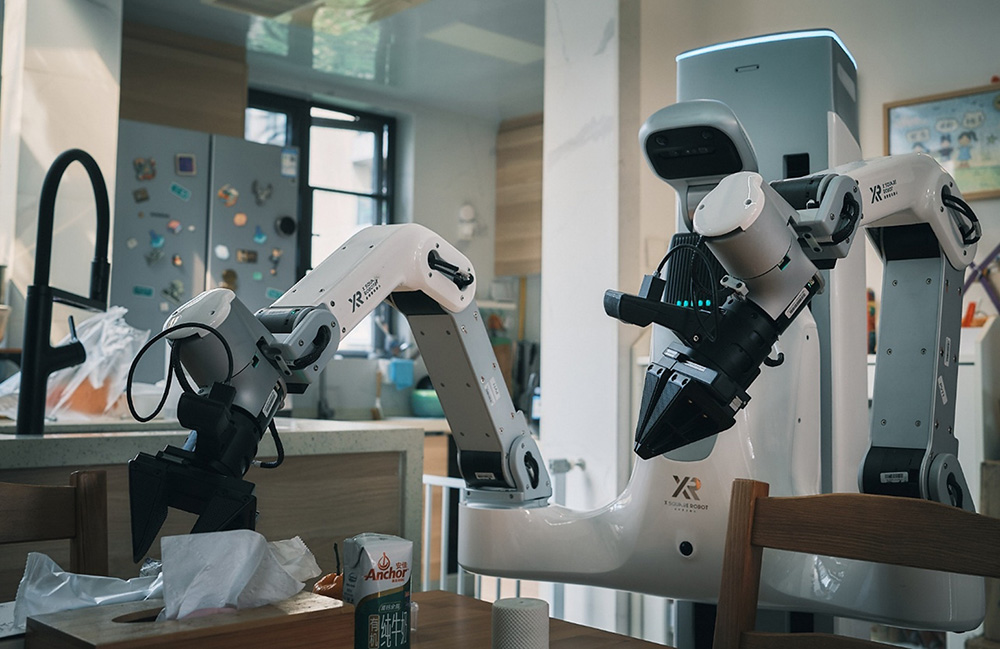
X Square Robot brings its valuation to $2.8B with four consecutive funding rounds
X Square Robots has successfully raised its valuation to $2.8 billion following a series of four consecutive funding rounds. The company specializes in integrating foundation models with robotics hardware, supported by a robust data pipeline system and practical deployments in real-world scenarios. This significant financial backing underscores the growing interest and investment in advanced robotics technologies, highlighting the company's potential to innovate and expand within the industry.
Artificial Intelligence Artificial Intelligence / Cognition China Design / Development Financial Investments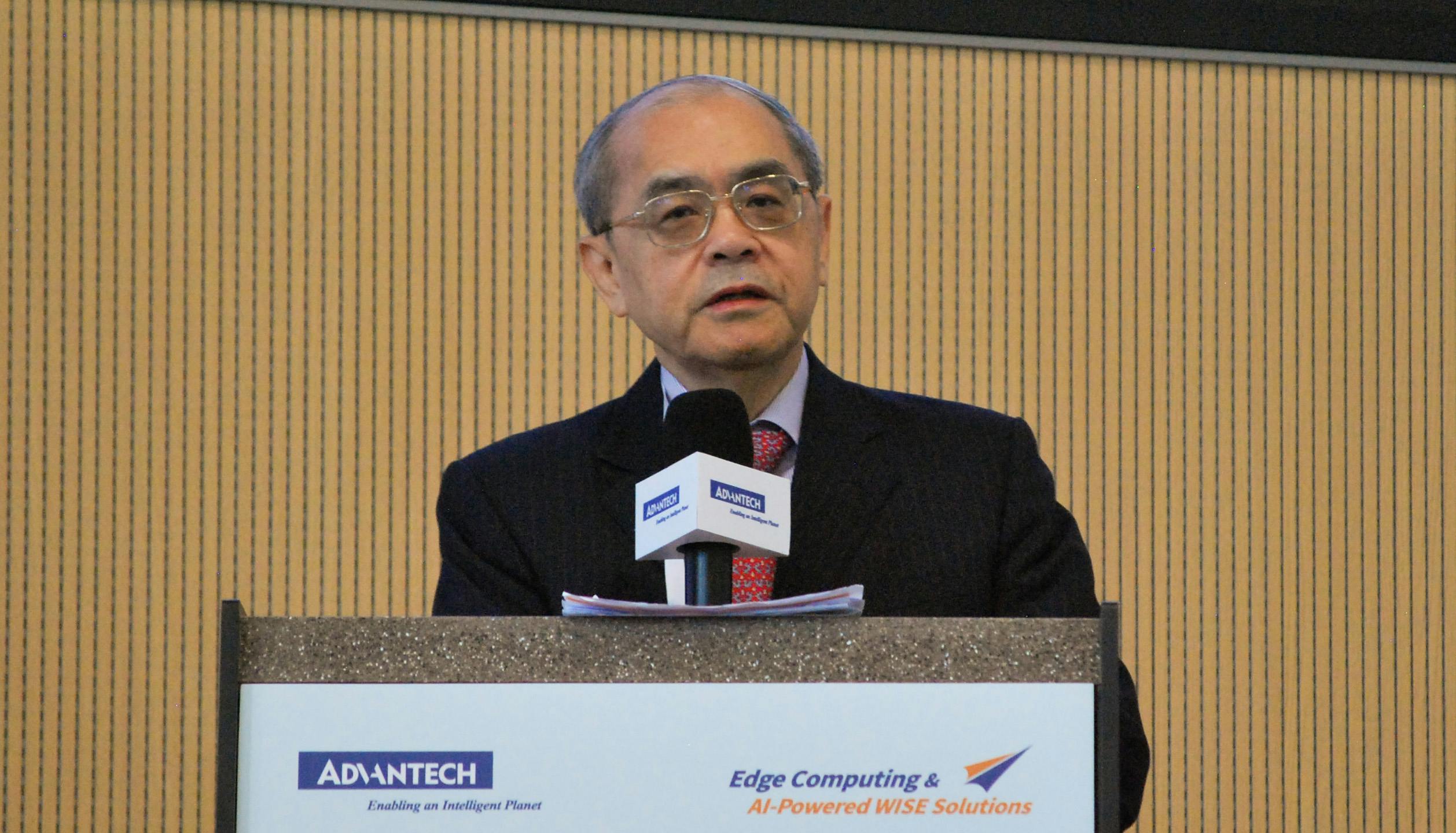
Advantech Ecosystem Gathers at the Edge As Physical AI Gains Momentum
Despite a positive outlook for the technology sector, challenges persist in achieving model accuracy and maintaining a consistent database architecture. Industry experts have noted that these issues could hinder advancements and implementation of new technologies. As companies continue to innovate and invest in tech solutions, the need for reliable data and precise models becomes increasingly critical. The ongoing struggle to resolve these technical obstacles highlights the importance of addressing foundational elements in technology development to ensure future success.
Factory / Control
First in the Industry: Dual Model Compliance for Huisi Kaiwu's Intelligent Robotics Platform
On June 26, 2026, the Huisi Kaiwu platform, part of the Beijing Humanoid Robot Innovation Center, marked a significant achievement by successfully completing compliance registration for two foundational models, Pelican-VL and WoW. This milestone represents the first instance of dual model registration in China's humanoid robotics sector. The accomplishment underscores the platform's preparedness for commercial deployment and signals a broader shift towards practical applications and technological advancements within the industry.
Humanoid Robots AI Robotics Compliance Simulation Models
What lessons is Ideal learning to catch up with FSD V14?
The competitive landscape of the intelligent driving industry has undergone significant changes in recent years, shifting from hardware specifications to advanced model development. Companies are increasingly recognizing that merely having larger models is insufficient for achieving generational advantages; instead, the integration of models, data, computing power, and chips into a continuous iterative loop is becoming crucial. This realization has prompted many automakers to invest in in-house research and development. Tesla has established a comprehensive ecosystem that spans data collection, training infrastructure, and self-developed chips, while Chinese companies like Li Auto, Xpeng, and NIO are also deepening their technological foundations. Li Auto has introduced its self-developed Mach M100 chip in its L8 and L9 models, which it views as a significant advancement in AI technology. In a recent discussion with Li Auto's autonomous driving and chip leaders, they emphasized that the industry should focus on the practical problems these investments aim to solve rather than merely the existence of in-house development. They outlined their strategies to achieve performance comparable to Tesla's Full Self-Driving (FSD) system, highlighting the importance of safety, efficiency, and comfort in user experience. As the industry moves towards higher levels of autonomy, the integration of vision and language models is seen as essential for developing systems that can handle complex, unforeseen scenarios. The executives noted that achieving higher levels of autonomy (L3 and L4) requires models that can reason and think like humans, underscoring the growing significance of language in AI systems. Overall, the conversation revealed the industry's focus on enhancing AI capabilities through innovative chip design and data utilization, aiming for a future where autonomous driving technology can meet the challenges of real-world driving conditions.

RoboScience launches Visics, a versatile embodied model for cross-ontology, cross-object, and cross-task applications.
On June 24, RoboScience, a company specializing in embodied intelligence, unveiled its self-developed Visics large model, introducing the innovative VLOA (Vision-Language-Object-Action) architecture. This announcement marks a significant advancement in the field, demonstrating the model's applications in real-world scenarios such as furniture assembly, dexterous grasping, and dynamic assembly lines. The current landscape of embodied intelligence lacks a universally accepted foundational representation unit, which hampers data collection, model learning, and the transfer of knowledge to new contexts. Traditionally, models have focused on replicating specific robotic movements tied to particular tasks, limiting their adaptability to new robots, objects, or environments. Founder and CEO Tian Ye highlighted three major challenges in robotic operations: poor generalization, difficulty in precise manipulation, and cumulative errors in long-range tasks. To address these issues, RoboScience has developed a new foundational representation unit from the ground up. The Visics model employs a dual-engine architecture, consisting of an embodied world model and a universal operation model, each operating independently. The embodied world model utilizes vast amounts of internet video data to learn the physical dynamics of objects, while the operation model translates object trajectories into actionable commands for robots. This layered design enhances the model's generalization capabilities across various robotic platforms and tasks. RoboScience's innovative approach also includes a high-precision simulation engine, RoboMirage, which, combined with automated video data annotation, significantly reduces data acquisition costs. The company aims to build a comprehensive dataset of over 1 terabyte of high-quality manipulation trajectories by 2026. Since its inception, RoboScience has garnered support from multiple investors and established research and production centers in major Chinese cities. The company plans to collaborate with various sectors, including retail and logistics, to standardize robotic products for industrial and commercial applications by the end of this year.

Peking University team develops new generation data acquisition device using EMG wristband, backed by Gong Hongjia, Lu Qi, and overseas
The SnowOrigin team, composed of researchers from Peking University, has secured investments from notable figures including Gong Hongjia and Lu Qi, as well as overseas institutions. This innovative team focuses on surface electromyography (sEMG) technology to develop a new generation of human control data collection solutions, utilizing wearable devices like neural wristbands and panoramic headsets, along with their proprietary Neural Math Hybrid (NMH) AI decoding model. As the fields of embodied intelligence and Physical AI rapidly evolve, there is an increasing demand for high-quality human control data. Current mainstream data collection methods, such as first-person video and motion capture, often fail to capture critical information about the intent and nuances of human actions. SnowOrigin's wearable devices aim to bridge this gap by integrating muscle and neural signal decoding technologies to create structured data that includes posture, force, and micro-control, thereby supporting the training of robots and world models. Founder Qin Xu emphasized that unlike traditional lab-based motion capture systems, their wearable solutions are cost-effective, lightweight, and suitable for long-term use without disrupting daily activities. The team is advancing two commercialization pathways: enhancing human-robot interaction for AI devices and building a foundational data infrastructure for Physical AI applications. With a strong academic background and a commitment to innovation, SnowOrigin is positioned to lead in the emerging market for embodied data collection, having already made significant strides in real-time decoding of sEMG signals into actionable insights. As the demand for comprehensive interaction data grows, the team is poised to capitalize on this shift in paradigm.

NIO enhances smart driving education; Ren Shaoqing states innovation will reshape competition.
On June 18, NIO announced the rollout of its latest world model software across multiple vehicle platforms, including eight NT2.0 models, four NT2.5 models, and six NT3.0 models. This update allows NIO to run the same complex autonomous driving code on different generations of chips, addressing a common industry challenge where software updates were often limited to the latest hardware, leaving older vehicle owners at a disadvantage. The initiative stems from a long-term effort by NIO's team, led by Ren Shaoqing, who began exploring solutions in 2020. NIO developed an AI infrastructure that bridges gaps between different chip architectures, enhancing vehicle processing speeds with an AI compiler and automating deployment processes with AI agents. This innovation has significantly reduced deployment times from days to just a couple of hours. NIO's approach includes running the latest models in a "shadow mode" on production vehicles to gather valuable data without interfering with user driving. This data is used to train smarter models, creating a feedback loop that enhances the software's performance. The company has reported a substantial increase in its autonomous driving capabilities, attributing this to a shift in understanding the development cycle of physical AI. As the industry evolves, NIO has restructured its autonomous driving team to focus on foundational research and innovation, positioning itself to leverage advancements in large model technology and closed-loop reinforcement learning. The company aims to enhance its competitive edge by continuously improving its algorithms and data systems, ultimately striving for a more robust autonomous driving experience.

Sequoia and Alibaba-backed embodied AI company secures hundreds of millions in new funding.
Noematrix, a company specializing in embodied intelligence, has recently secured hundreds of millions in funding, led by Wuxi Data Group, with participation from Shanghai Jiao Tong University's AI Future Fund, Shanghai Chuangzhi Technology Co., and Yicun Capital. This marks the latest financing round for Noematrix, which has attracted investments from several notable firms, including Prosperity7 Ventures and Alibaba, since its establishment in November 2023. The company focuses on the autonomous development of foundational models and systems for embodied intelligence, having launched its core product, Noematrix Brain. This product is part of a comprehensive hardware and software ecosystem that spans data collection, model training, deployment, and application in embodied robotics. The industry narrative surrounding embodied intelligence is shifting from merely executing tasks to ensuring robots can operate stably in real-world environments. Noematrix aims to enhance model robustness by integrating real-world and simulated data into its training processes, utilizing its proprietary data collection devices to gather diverse datasets from various environments. Noematrix's robots have already begun commercial deployment in pharmacies, addressing longstanding labor challenges in the sector by automating order fulfillment. The company has partnered with several leading pharmacy chains, achieving significant order volumes. Following this funding round, Noematrix plans to accelerate the development of its general-purpose embodied intelligence models, targeting applications in retail and hospitality sectors.

Robotics Infrastructure Startup XDOF Emerges from Stealth with $70M in Funding
XDOF has officially launched after securing $70 million in funding to create infrastructure for robot foundation models. The company aims to develop essential datasets, robotic systems, and software tools that will enable robotics firms and research institutions to enhance the capabilities of physical AI systems. This significant investment comes from prominent venture capital firms, including Thrive Capital, Andreessen Horowitz, Spark Capital, Lux, and WnderCo. The funding will support XDOF's mission to advance the field of robotics and artificial intelligence, addressing the growing demand for more sophisticated and efficient robotic solutions.
AI AI Funding & Investment Robotics Amazon Andreessen Horowitz Carnegie Mellon
NVIDIA Corporation (NVDA) Partners with Nebius to Support AI Robotics Startup in Europe
NVIDIA Corporation has announced a strategic partnership with Nebius to bolster the development of robotics startups across Europe. On June 9, the two companies reaffirmed their collaboration aimed at creating a cloud platform specifically for robotics and physical artificial intelligence. As part of this initiative, Nebius has launched the Physical AI Living Lab, which will provide UK and European robotics startups with access to NVIDIA's advanced development tools and Nebius AI's cloud infrastructure. This six-month program is designed to help early-stage robotics firms overcome challenges related to large-scale simulation, synthetic data, and accelerated computing resources. Startups participating in the program will utilize NVIDIA technologies, including OSMO for workload orchestration and Cosmos World Foundation models. The goal of the Physical AI Living Lab is to connect UK robotics innovation with market-ready physical AI solutions by offering affordable cloud-scale training. NVIDIA, a leading provider of specialized computer chips and a key player in the global AI revolution, continues to expand its influence beyond gaming graphics into comprehensive infrastructure for artificial intelligence.
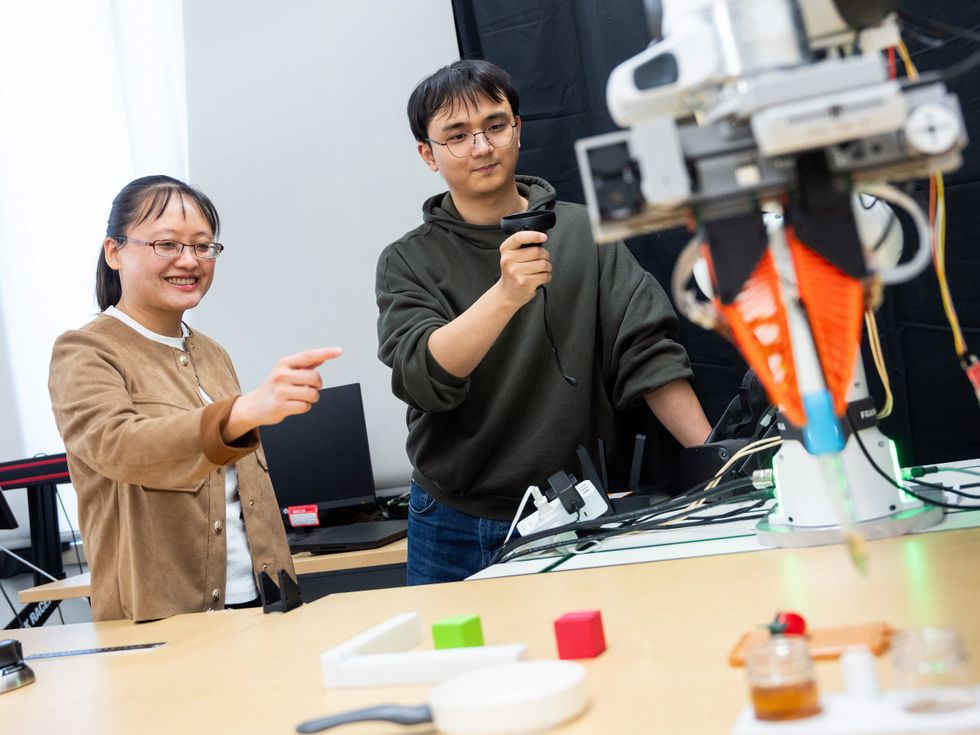
Award-Winning Researcher Trains Robots to Make Educated Guesses
Yen-Ling Kuo, an assistant professor of computer science at the University of Virginia, has been recognized for her significant contributions to robotics and automation. Last year, she received the IEEE Robotics and Automation Society’s inaugural Outstanding Women in Robotics and Automation Early Career Contribution Award for her paper, “Diff-DAgger: Uncertainty Estimation with Diffusion Policy for Robotic Manipulation.” This innovative research introduces a method that enhances robots' ability to identify and manage uncertainty during unfamiliar tasks, thereby reducing the need for human supervision and increasing task completion rates. Kuo’s journey began in Taiwan, where her fascination with science and technology was sparked by early exposure to programming and computer logic. After earning her degrees from National Taiwan University and MIT, she gained practical experience at Google, where she contributed to AI-driven shopping technologies. This experience motivated her to pursue a Ph.D. to deepen her understanding of neural networks. Her current research focuses on developing computational models that enable robots to interpret both explicit data and subtle social cues, aiming to replicate human-like reasoning in machines. Kuo's work has garnered attention from the National Science Foundation, which awarded her a five-year Career Award to support her research on human-robot interactions. As robotics and autonomous vehicles become more prevalent, Kuo envisions creating robots that can seamlessly integrate into social environments, enhancing human-robot collaboration.
Ieee-member-news Robots Artificial-intelligence Ieee-robotics-and-automation-soc Careers Type-ti
Invitation to Attend: 2026 Zhangjiang EAI Conference on Embodied Intelligence
The 2026 Zhangjiang EAI Conference is set to explore the practical applications of embodied intelligence, with a particular emphasis on how robots can effectively function in real-world settings. Scheduled to take place in Zhangjiang, the conference will bring together industry experts who will delve into critical topics such as the development of world models, the establishment of robust data foundations, and the role of collaborative manufacturing in driving advancements in robotics. This event marks a significant transition from theoretical discussions to actionable strategies aimed at scaling robotic technologies, reflecting the industry's urgent need to address operational reliability and efficiency in various environments.
Embodied Intelligence Robotics AI Data Science Manufacturing
Interview with Jun Wu of GMEX Robotics: ‘We provide an integrated terminal + brain closed-loop system’
As artificial intelligence continues to capture public attention, experts emphasize that the future of robotics hinges on more than just advanced software. While numerous companies are focused on creating sophisticated AI systems and foundation models, there is a growing consensus that the true challenge lies in integrating this intelligence with reliable hardware capable of functioning effectively in the physical environment. This perspective highlights the need for a holistic approach to robotics, where both software and hardware advancements are essential for achieving practical and efficient robotic solutions.
Features Robotics AI platforms ai robotics artificial intelligence automation news
1X Launches World Model Lab to Advance Humanoid Robot Autonomy
1X, a Norwegian-American company specializing in humanoid robotics, has unveiled its new facility, the 1X World Model Lab, aimed at advancing artificial intelligence. This initiative is designed to develop large-scale foundation models that will enable robots to better understand, predict, and interact with their environments. The lab's focus is on pretraining these models using essential data from the outset, enhancing the robots' capabilities in various applications. The launch reflects 1X's commitment to pushing the boundaries of robotics and AI technology.
AI AI Funding & Investment AI Research & Advances Robotics Uncategorized 1X
How Physical AI Is Closing the Gap Between Simulation and the Shop Floor
A new generation of systems is emerging that not only simulates the physical world but also engages in real-time reasoning and actions. This advancement is driven by a sophisticated spatial computing stack that integrates foundation models, AI-generated software, and high-fidelity 3D sensing technologies. These systems aim to enhance interactions with the environment, providing more intuitive and responsive experiences. The development is part of a broader trend in technology aimed at creating smarter, more adaptive solutions across various industries, including gaming, robotics, and virtual reality. As these innovations continue to evolve, they promise to transform how users interact with digital and physical spaces, paving the way for more immersive and effective applications.

ロボット基盤モデル開発を行うConfigにZVCが投資 10万時間超のデータで学習した「CFG-1」
Z Venture Capital (ZVC) has announced its investment in Config, a company focused on developing Robot Foundation Models. This strategic move aims to support the advancement of robotics technology, reflecting ZVC's commitment to fostering innovation in the tech sector. The investment is expected to enhance Config's capabilities in creating sophisticated robotic systems, which could have significant implications for various industries. This announcement comes as the demand for advanced robotics solutions continues to grow, driven by the need for automation and efficiency in operations.

Electromate Announces Availability of Dobot Educational Robots and Accessories in Canada
Electromate has announced the launch of Dobot’s educational robots and accessories, now available to customers throughout Canada. This expansion, revealed on May 25, 2026, aims to support academic institutions, training centers, and research labs by providing a comprehensive ecosystem of robotic platforms designed for teaching robot programming, automation systems, and mechatronics. The Dobot educational lineup caters to various instructional levels, from K-12 to higher education. It includes entry-level platforms like the Magician Lite, which focuses on foundational coding and robotics skills, and the more advanced Dobot Magician Educational Version, which offers enhanced capabilities and accessory integration. For institutions seeking to provide advanced training, models such as the MG400 and Magician E6 are available, featuring higher payload capacities and multi-axis control suitable for industrial applications. In addition to the robots, Electromate offers a range of accessories, including electric grippers, suction cups, vision kits, and linear rail kits, enabling educators to create practical exercises that cover material handling, pick-and-place operations, and system integration. Electromate collaborates with educators to ensure that the robotic platforms meet curriculum objectives and lab requirements. With these products in stock for immediate delivery, institutions can prepare for the upcoming academic terms.

Delta Intelligent Secures Strategic Investment from Leading Humanoid Robot Manufacturers
Delta Intelligent, a newly established startup specializing in foundational models for humanoid robots, has raised over 100 million yuan through three rounds of financing in a span of just three months. The rapid financial backing from prominent investors, including Leju Robotics and Zhiyuan Robotics, underscores a robust confidence in the company's innovative technological advancements. This significant investment reflects the growing interest and potential in the field of humanoid robotics, positioning Delta Intelligent as a key player in the industry.
Humanoid Robots AI Robotics Technology Investment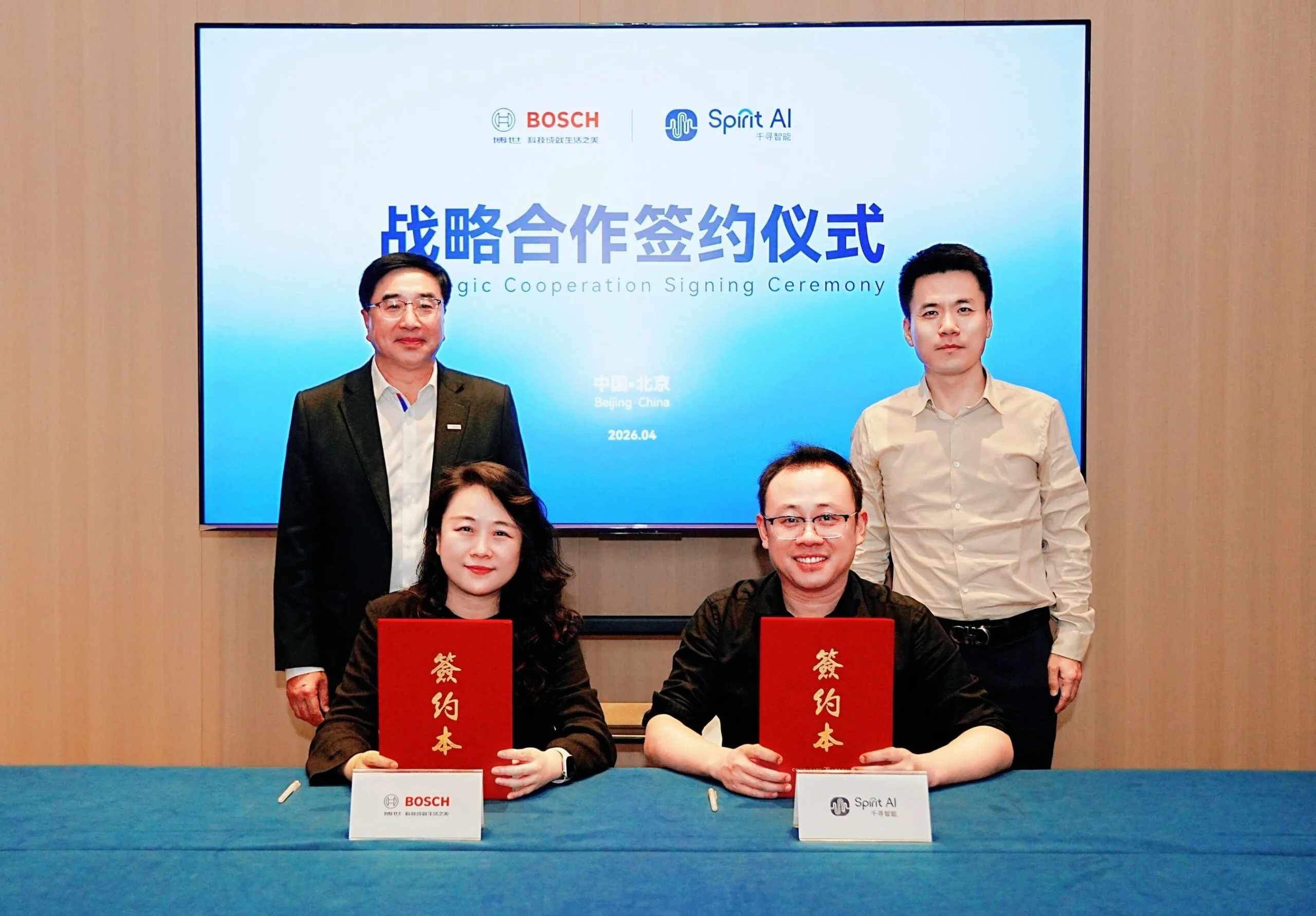
Spirit AI and Bosch Partner on General-Purpose Robot ‘Universal Brain’
Spirit AI and Bosch China have formed a strategic partnership to integrate embodied AI systems within industrial settings. This collaboration combines Spirit AI’s advanced robotics foundation models with Bosch’s established manufacturing and automation infrastructure. The initiative, announced recently, aims to expedite the implementation of what Spirit AI refers to as a “universal brain” for robots, enhancing their capabilities in various industrial applications. By leveraging each company's strengths, the partnership seeks to revolutionize the efficiency and functionality of robotic systems in manufacturing environments.
AI AI Use Cases Robotics Bosch China Partnership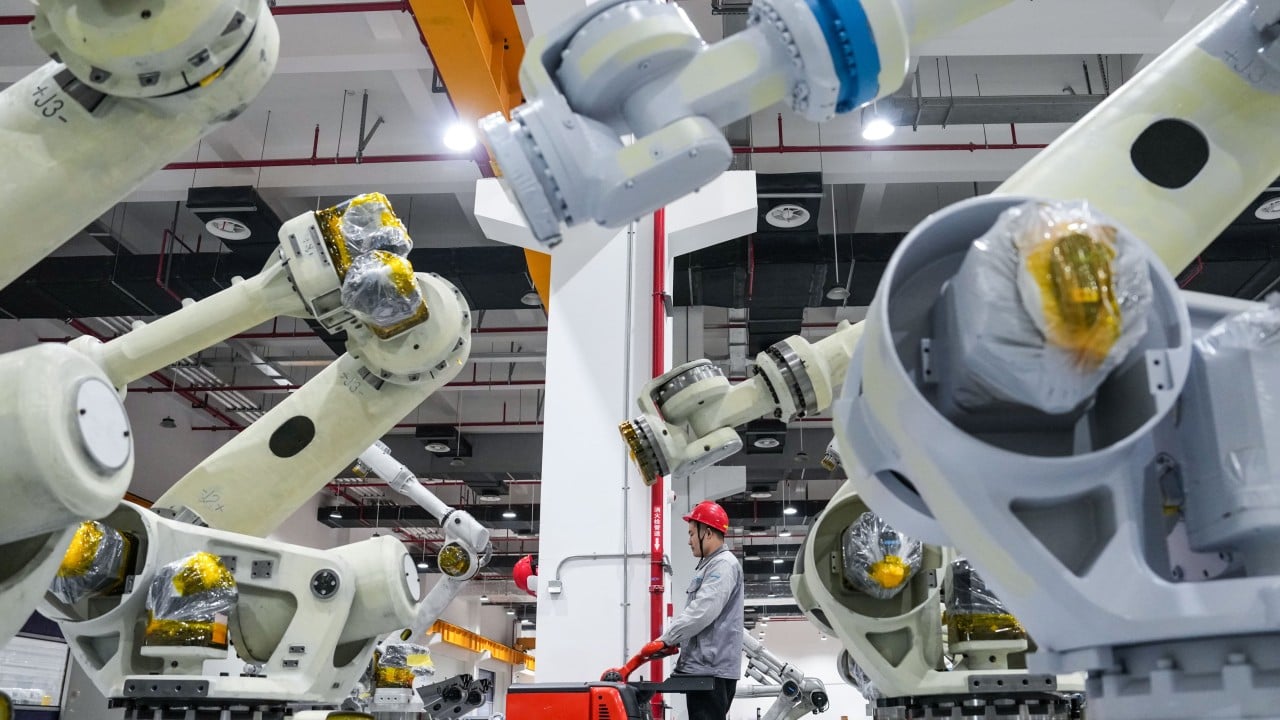
Asia’s supply chain strengths could give it edge over US in AI race: Granite Asia’s Foo
As the competition in artificial intelligence evolves from language models to tangible applications, Asia's manufacturing and supply chain capabilities may provide a significant advantage over the United States, according to Jixun Foo, a seasoned venture capitalist at Granite Asia. Foo highlighted that the recent advancements in AI, particularly those related to foundation models over the past two years, have ushered in a new era where physical applications—ranging from robotics to industrial automation—are gaining prominence. This shift could leverage Asia's existing strengths in manufacturing and logistics, positioning the region favorably in the ongoing AI race.

Deployment Year One: AGIBOT Unveils Massive Fleet and AI Model Stack at APC 2026
At the 2026 AGIBOT Partner Conference, a prominent robotics company based in Shanghai unveiled five innovative robotic platforms alongside eight foundational AI models. This announcement marks a significant transition for the company, moving from showcasing technical demonstrations to focusing on scalable solutions aimed at enhancing industrial productivity. The event, which gathered industry leaders and partners, highlighted the company's commitment to advancing automation technologies and addressing the growing demand for efficient industrial processes. By integrating these new platforms and AI models, AGIBOT aims to empower businesses to optimize their operations and drive growth in an increasingly competitive market.
China AGIBOT
The Era of Embodied Intelligence: Introducing the Open-Source FluxVLA Engine
Zhijidongli, a prominent domestic technology company, has introduced the FluxVLA Engine, a groundbreaking platform designed to tackle the systemic challenges associated with deploying Very Large Array (VLA) models. Launched recently, this innovative engine aims to establish a standardized engineering foundation that simplifies the development process. By enhancing the transition from simulation to real-world applications, the FluxVLA Engine seeks to improve efficiency and effectiveness in various technological deployments. This initiative reflects Zhijidongli's commitment to advancing engineering solutions in the tech industry.
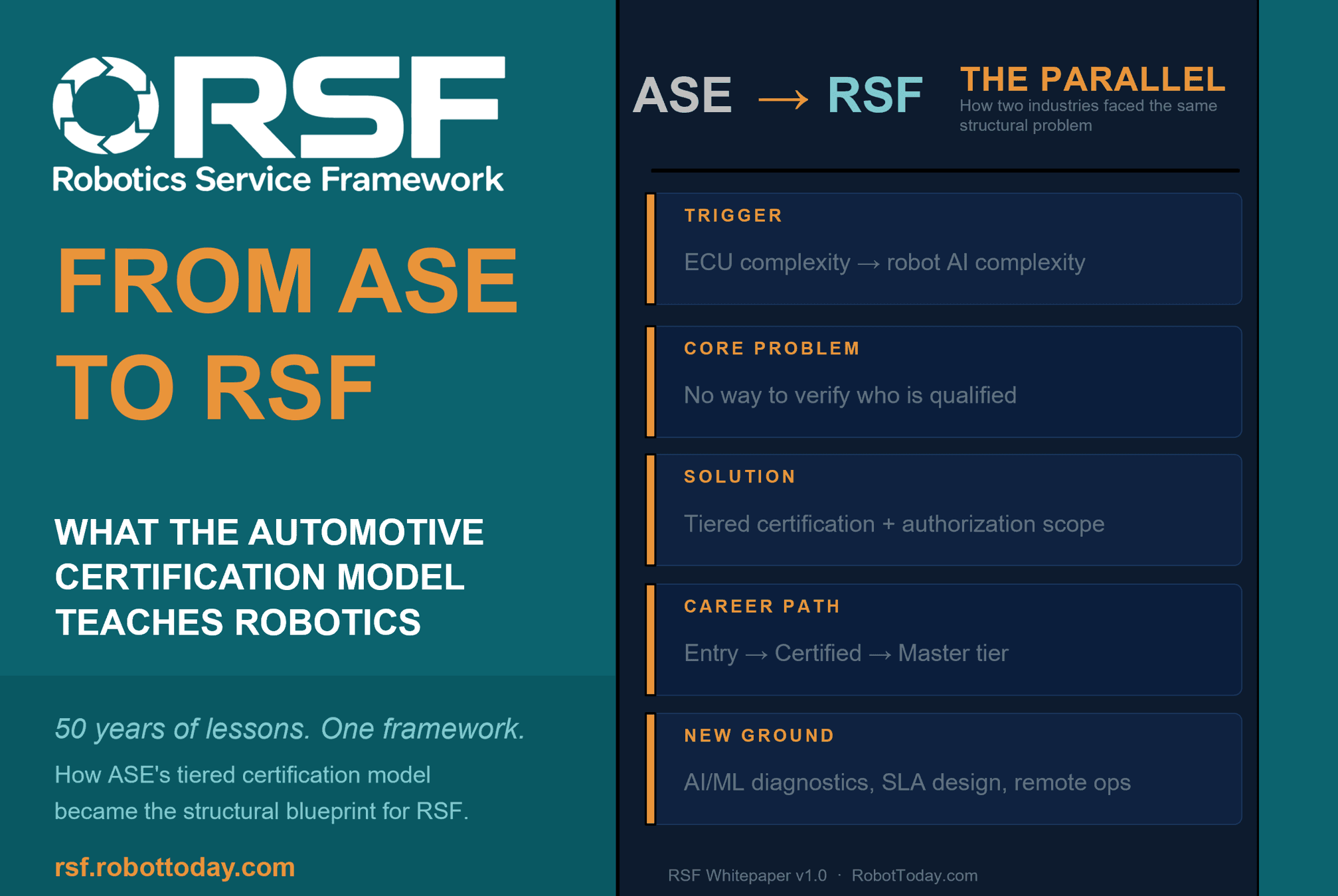
Embodied Intelligence VLA Models Open-Source Software Robotics DevelopmentRobotics needs a service framework.
RSF defines a common language for robot service capability, lifecycle operations, certification pathways, and service-provider networks.