Industry Briefing
A single destination for timely, editor-curated robotics news from around the world.
Itochu Ventures into Data Center Development with Plans for 10 Facilities in Japan
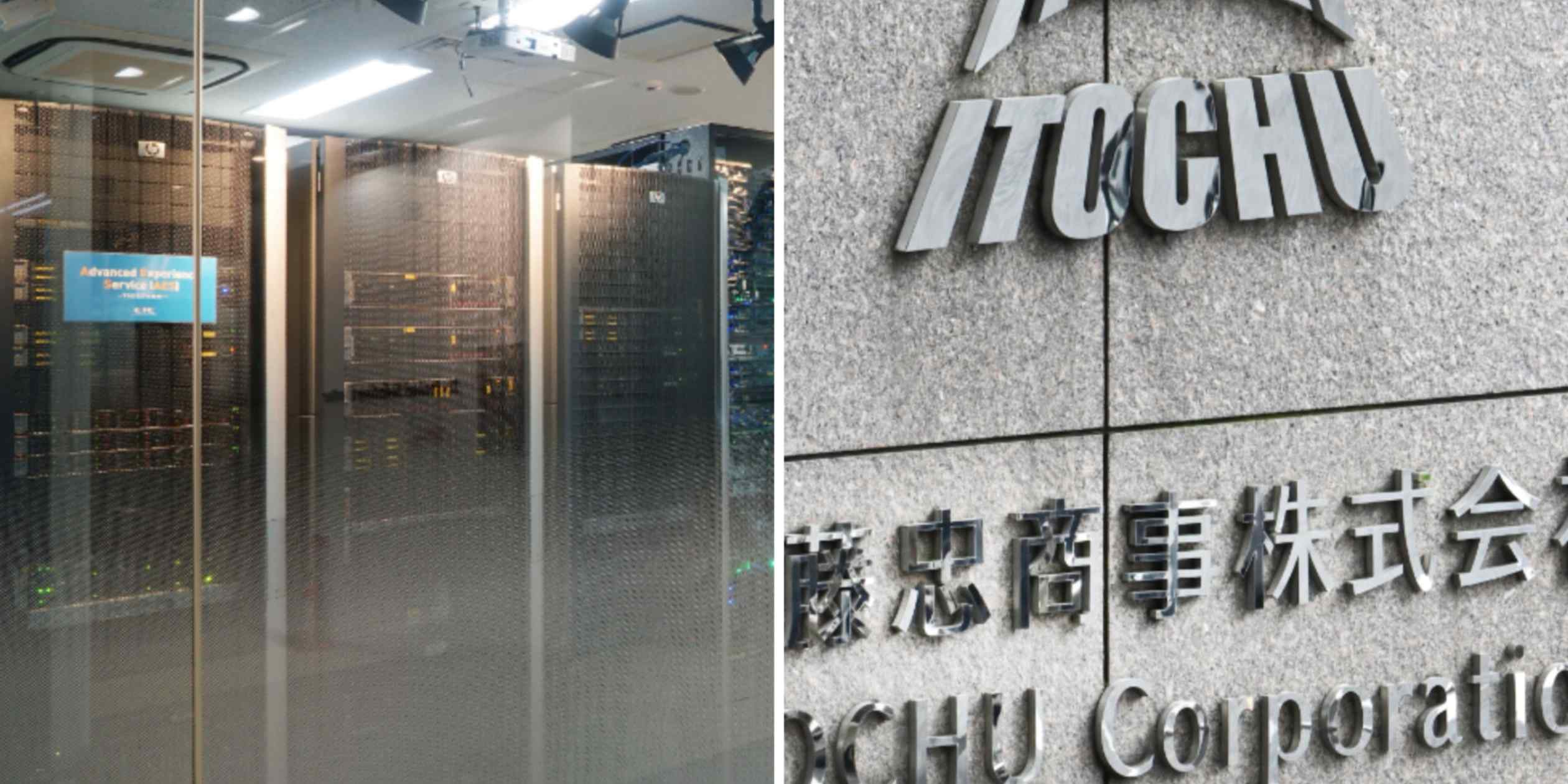
Japanese trading house Itochu is set to enter the data center market, planning to invest several hundred billion yen by 2030 to establish around 10 facilities across Japan. These centers will be leased to major tech companies, including U.S. firms, before potentially being sold off. This move is significant as it highlights Itochu's strategy to diversify its business portfolio and capitalize on the growing demand for data storage and processing capabilities. The investment reflects the increasing reliance on data centers by technology companies, which are essential for supporting AI and cloud computing services. Looking ahead, industry observers will be keen to see how Itochu's partnership with JR East develops through a new joint venture. No further timeline was disclosed at the time of publication.

Five Manufacturers Initiate Construction of New Facilities Across the U.S.
Five manufacturers are expanding their production capabilities across the United States, creating thousands of jobs. JetZero has begun construction on an 8 million-square-foot campus in Greensboro, North Carolina, aimed at producing the Z4 aircraft, with an expected 14,500 jobs over the next decade. This $4.7 billion investment aligns with North Carolina's vision to become a global aerospace hub. International Paper is also enhancing its operations with a new $225 million corrugated packaging facility in Brandon, Mississippi, set to begin operations in Q4 2027. This facility will bolster the company's manufacturing network and improve operational performance, transitioning employees from a nearby plant. Additionally, Novartis has broken ground on a 46,000-square-foot site in Denton, Texas, for radioligand therapy manufacturing, expected to be operational by 2028. This facility is part of a broader $23 billion investment in U.S. research and manufacturing. Fibrosan is establishing a new facility in Cassopolis, Michigan, creating 35 jobs and enhancing local production capabilities.
Leadership / Companies & Executives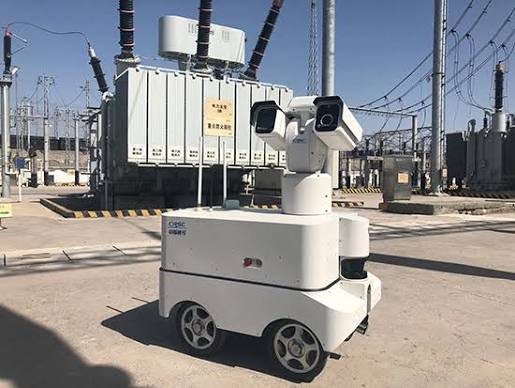
Customized Inspection Robots Enhance Safety in Petrochemical Facilities
On August 20, 2026, a customized explosion-proof wheeled inspection robot was officially put into operation at the Zhenhai Refining & Chemical's Smart Factory 3.0 project after successful debugging and validation at the polypropylene unit. Utilizing intelligent visual recognition, autonomous navigation, and data collection technologies, the robot replaces manual inspections in high-risk areas, significantly improving safety and efficiency. The deployment of inspection robots across major Chinese energy companies, such as Guangdong Petrochemical and Urumqi Petrochemical, is transforming safety protocols in petrochemical plants. For instance, the robots have reduced response times from an average of 30 minutes to seconds and decreased the missed detection rate from approximately 3% to 0.1%, showcasing their reliability and precision in monitoring hazardous environments. Looking ahead, the integration of robots into routine inspections is expected to redefine roles within the industry, shifting human workers from operators to decision-makers. As these robots become standard in operations, the petrochemical sector is likely to see a significant enhancement in safety measures and operational efficiency, with no further timeline disclosed at the time of publication.
Inspection Robots Petrochemical Industry Automation Technology Safety Monitoring
ForwardX Robotics Releases Whitepaper on Scaling AMRs in Existing Manufacturing Facilities
ForwardX Robotics has launched a new whitepaper that explores the engineering capabilities necessary for deploying and scaling autonomous mobile robots (AMRs) in existing manufacturing environments. This initiative comes as manufacturers seek to enhance automation in their facilities while ensuring production continuity. The whitepaper highlights the potential of AMRs to improve internal material flow in brownfield environments, which often require minimal changes to existing factory infrastructure. However, it also addresses the unique challenges posed by these environments, which extend beyond simple robot navigation. As the industry moves towards greater automation, stakeholders should monitor how ForwardX Robotics' insights can influence the adoption of AMRs in brownfield settings. No further timeline was disclosed at the time of publication.
Optimizing High Voltage Motion Systems in Industrial Facilities for Efficiency
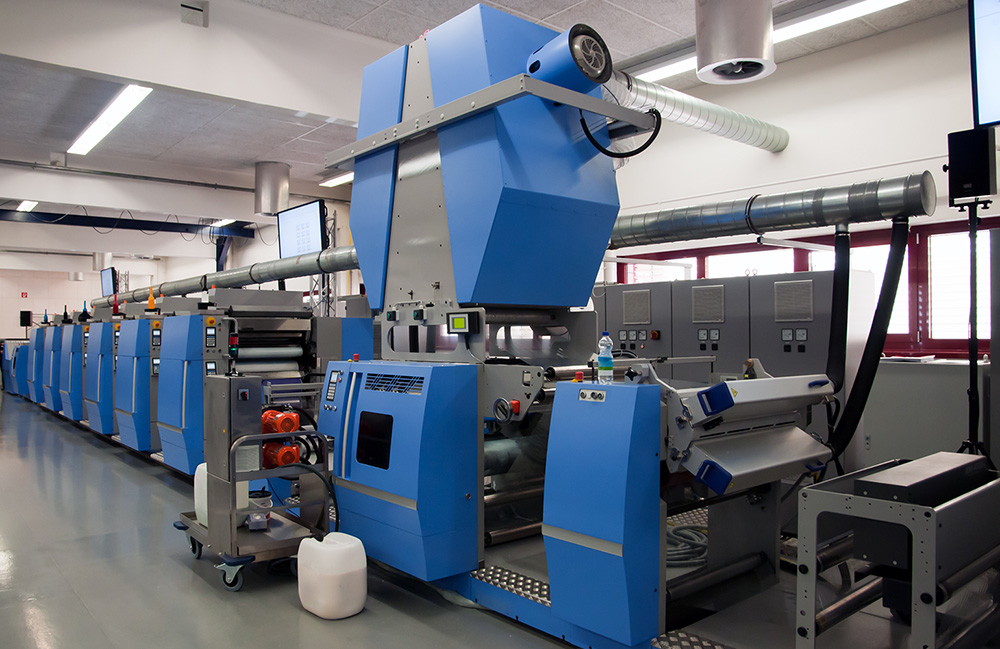
Industrial facilities, such as manufacturing plants and automotive production lines, often operate on 400–480V three-phase power. Kollmorgen emphasizes that the challenge lies not in adopting high voltage but in effectively utilizing it without unnecessary complexity. Many machine builders mistakenly assume that high-voltage environments require complex motion systems, but not every axis needs to meet the highest specifications. The importance of this approach is underscored by the potential for increased costs and integration difficulties when over-specifying systems. Kollmorgen points out that many tasks in large industrial settings, such as positioning and material handling, do not require top-tier performance. By focusing on 'right-sizing' solutions, machine builders can enhance usability and reduce commissioning time, ultimately leading to more efficient operations. Looking ahead, the industry is shifting towards evaluating motion systems based on a broader set of criteria, including ease of integration and long-term usability. As machine builders adopt this measured approach, they will likely prioritize solutions that align with application needs while minimizing complexity. No further timeline was disclosed at the time of publication.
Batteries / Power Supplies Controllers Mechanical Motion Control News Robot Components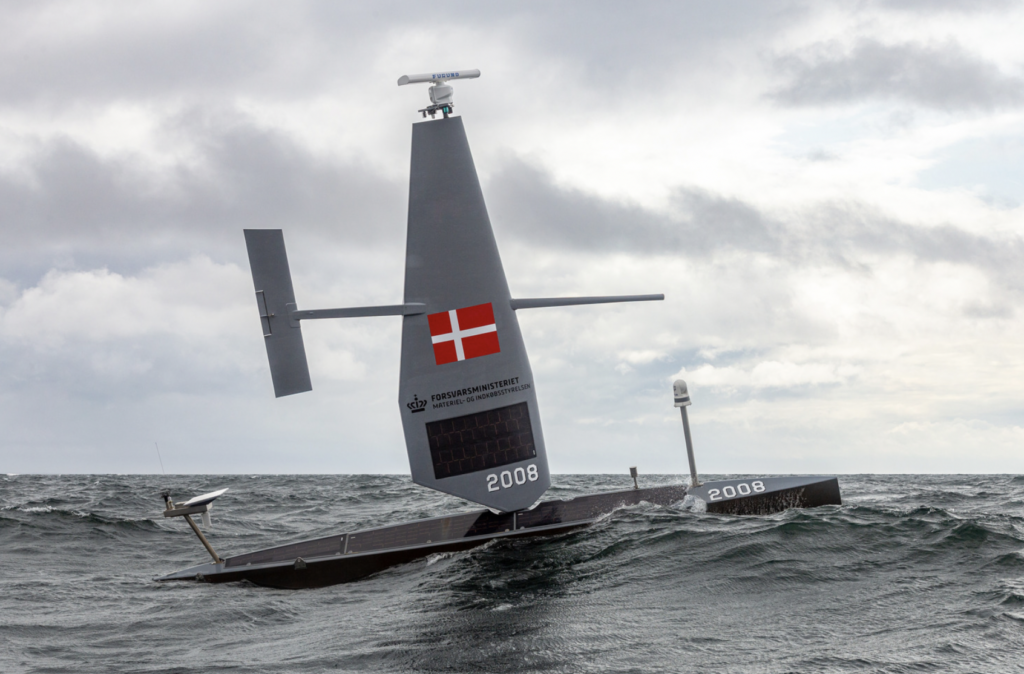
Saildrone Expands European Operations with Production Facilities in Three Nations
Saildrone, a US manufacturer of unmanned surface vessels, is broadening its European presence by establishing production facilities in the Netherlands, Norway, and Poland. This expansion coincides with the upcoming DALO Industry Days in Denmark, where Saildrone has also set up its EU headquarters earlier this year. The company is initiating three construction projects aimed at enhancing its capacity to quickly build and deploy unmanned surface vessels (USVs) across European waters. The first 52-meter Saildrone Spectre will be constructed at Van Der Valk Shipyard in the Netherlands, while the next generation Saildrone Surveyor will be produced in Norway. Additionally, Southern Spars will manufacture the wings of the Surveyor USVs in Poland. Looking ahead, Saildrone's operations will support maritime surveillance and intelligence-gathering efforts, particularly with the Danish Armed Forces trialing Saildrone Voyager USVs in 2026. The company emphasizes its commitment to meeting demand in Europe, although specific future contracts remain undisclosed at this time.
Naval Warfare Denmark Europe Navy Netherlands Norway
Tate Inc. Implements 58 Hirebotics Cobot Welders Across Multiple Manufacturing Sites
Hirebotics LLC announced that Tate Inc. has deployed 58 of its Cobot Welders in manufacturing facilities located in Arkansas, Virginia, and Kentucky. This move comes as Tate faces increasing demand for large data centers and tight project timelines, necessitating a shift from manual welding to an automated solution. The deployment is part of Tate's strategy to enhance precision while scaling operations. The integration of Hirebotics' cloud-based, no-code Beacon Pro control platform allows Tate to program and monitor the Cobot Welders via smartphones or tablets. Tate evaluated several automation providers before selecting Hirebotics, citing quick response times and ease of use as key factors in their decision. The collaboration between the two companies facilitated a smooth transition to automated welding, with training for Tate's employees taking only 10 to 20 minutes. Looking ahead, Tate is leveraging the Cobot Welders not only for traditional welding tasks but also for innovative workflows, such as tacking and pre-assembling parts in its Arkansas facility. This approach ensures a steady production pace and maximizes efficiency. No further timeline was disclosed at the time of publication.
Arms / Manipulators Assembly Case Study Cobot Arms Collaborative Robots Construction
Starmind's Orbital Compute vs. Terrestrial Data Centers: Analyzing Resource Advantages
Starmind's orbital compute technology presents a significant advantage over traditional ground-based data centers by eliminating constraints related to land, water, and grid permitting. While terrestrial data centers are currently cheaper and faster to construct, with U.S. data center spending reaching $85.3 billion in 2026, Starmind's approach focuses on addressing the growing resource limitations faced by hyperscale facilities. The significance of Starmind's technology lies in its ability to sidestep the increasing challenges of land and water usage. For instance, a 100 MW data center can consume approximately 530,000 gallons of water daily for cooling, while Starmind's AI1 utilizes deployable liquid radiators that require no water. This structural advantage could resonate with investors as the demand for AI computing continues to escalate, potentially leading to annual water withdrawals of up to 1.7 trillion gallons by 2027. Looking ahead, Starmind's next milestones include the launch of AI1 prototypes scheduled for early 2027. However, the technology's claims regarding cooling efficiency and operational reliability remain unverified until real flight data is available. As the industry evolves, the competition between orbital and terrestrial solutions will become increasingly relevant, particularly in the context of resource management and sustainability.

Starmind's Satellite Technology Achieves 880 Billion Liters in Annual Water Savings
Starmind has announced that its satellite technology can save approximately 880 billion liters of cooling water annually at full scale. This figure is equivalent to the annual household water use of around 6.5 million Americans. The technology operates by utilizing a closed-loop liquid cooling system that eliminates the need for water during its operational life, contrasting sharply with traditional ground data centers that consume vast amounts of water for cooling. The significance of this achievement lies in the growing water consumption crisis faced by data centers, particularly as AI expansion drives demand. In 2025, U.S. data centers consumed nearly one trillion liters of water, highlighting the urgent need for sustainable solutions. Starmind's approach not only addresses direct water usage but also avoids indirect water consumption associated with electricity generation, marking a substantial shift in how computing can be conducted in a resource-efficient manner. Looking ahead, Starmind's deployment strategy includes a projected buildout of 100 GW of orbital compute per year, which could displace an additional 735 billion liters of ground water demand annually. The first tranche of 10,000 satellites is already operational, offsetting approximately 8.8 billion liters of water per year. No further timeline was disclosed at the time of publication.

Tesla's Optimus Robots to Support Starmind Satellite Production, Not Maintenance
Tesla's Optimus robots will not be used to repair Starmind satellites in orbit, as confirmed by recent statements from Elon Musk. Instead, these robots are intended to assist in the construction and operation of the Terafab chip manufacturing facility in Texas. The AI1 satellites, designed to disintegrate upon reentry, highlight the company's swap-and-replace strategy rather than traditional maintenance practices. This approach is significant as it reflects a broader trend in satellite management, where mass-produced satellites are replaced rather than repaired. The economics of servicing missions are prohibitive, with the cost of launching a replacement satellite being significantly lower than conducting a repair mission. This model aligns with SpaceX's operational history, where rapid replacement of satellites is more efficient than attempting to maintain them in orbit. Looking ahead, the focus will remain on the production capabilities of the Gigasat factory, which is expected to support the continuous replacement of satellites. No further timeline was disclosed at the time of publication, but the demand for rapid satellite turnover suggests a robust future for Optimus robots in terrestrial manufacturing rather than in-space servicing.
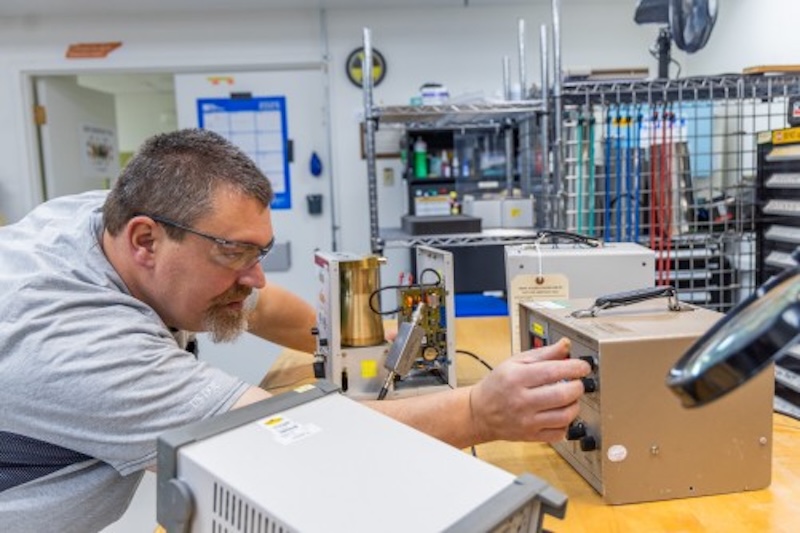
Oak Ridge National Lab reveals ‘hidden workforce’ behind AI-powered research facilities
By Clint Keaton Behind every self-driving laboratory at the US Department of Energy’s Oak Ridge National Laboratory is a team most people never see. Facilities and Operations (F&O) workers are building and maintaining the infrastructure that makes autonomous science possible. Autonomous labs run with little human intervention. Instead, they rely on robotics, sensors and automation […]
Autonomous Vehicles Features Science artificial intelligence autonomous laboratories autonomous science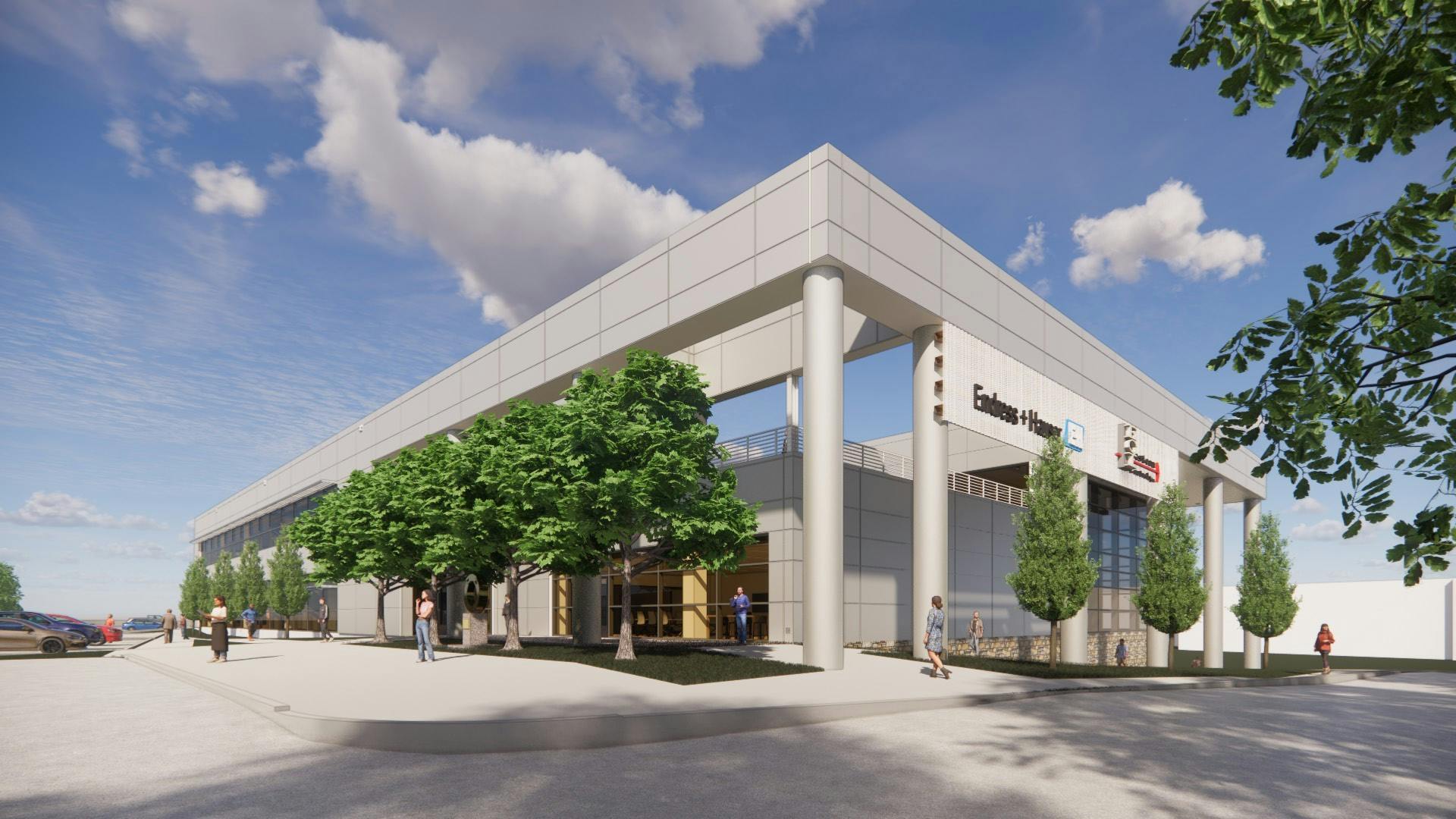
Endress+Hauser Expands U.S. Presence with New Facilities
A company has expanded its operations by opening two new facilities in the United States, a move designed to improve customer proximity and foster better collaboration with its sales and service representative partners. This strategic initiative reflects the company's commitment to enhancing its service delivery and operational efficiency. The new locations are expected to facilitate closer interactions with clients, ultimately aiming to strengthen business relationships and drive growth.
Factory / Digital Transformation
Schneider Electric Announces its U.S. Facilities are NEMA Certified
A company has achieved certification for its supply chain facilities under the NEMA Make it American domestic-content certification program. This certification underscores the company's commitment to promoting American-made products and supporting domestic manufacturing. By adhering to the standards set forth by the National Electrical Manufacturers Association (NEMA), the company aims to enhance its credibility and appeal to consumers who prioritize domestic sourcing. This initiative reflects a broader trend in the industry, as businesses increasingly recognize the importance of local production in fostering economic growth and sustainability. The certification process involved rigorous assessments to ensure compliance with the program's criteria, demonstrating the company's dedication to quality and transparency in its supply chain operations.
Factory / Digital Transformation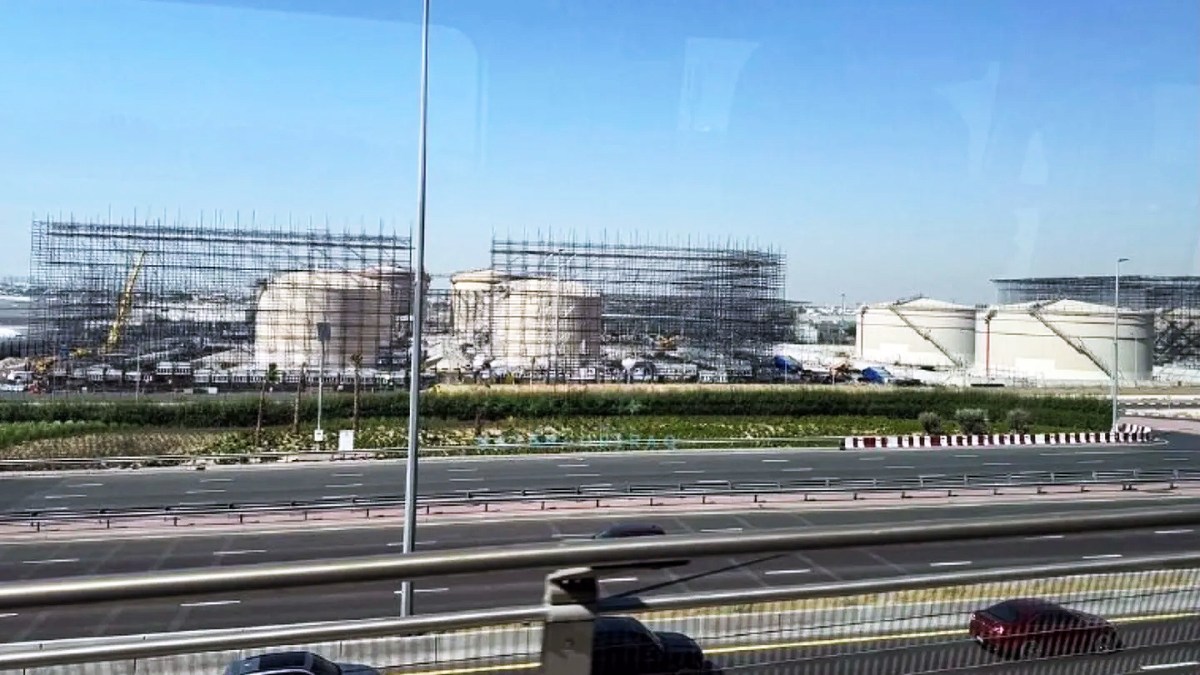
UAE Building Massive ‘Cope Cages’ To Protect Energy Facilities From Iranian Drone Attacks
In response to a series of Iranian missile and drone attacks that have significantly damaged its oil and gas infrastructure, the United Arab Emirates is undertaking a major initiative to enhance the security of its energy facilities. The UAE is constructing large protective structures known as "cope cages" to safeguard these critical sites from future assaults. This proactive measure aims to bolster the resilience of the country's energy sector amid escalating tensions in the region. The decision reflects the UAE's commitment to ensuring the safety and stability of its vital resources in the face of ongoing threats.
News & Features Around The Globe Drones Iran Land Middle East
Boeing plans $1B investment in Kansas facilities
Boeing is enhancing its operations at the Spirit AeroSystems fuselage plants in Wichita as part of its strategy to increase monthly production of the 737 Max from 42 to 47 aircraft this summer. This integration effort aims to streamline manufacturing processes and meet rising demand for the popular aircraft model. The move comes as the aviation industry continues to recover from the impacts of the pandemic, prompting manufacturers to boost output to satisfy customer orders. Boeing's focus on improving efficiency and production capabilities at its Wichita facilities reflects its commitment to scaling operations in response to market needs.
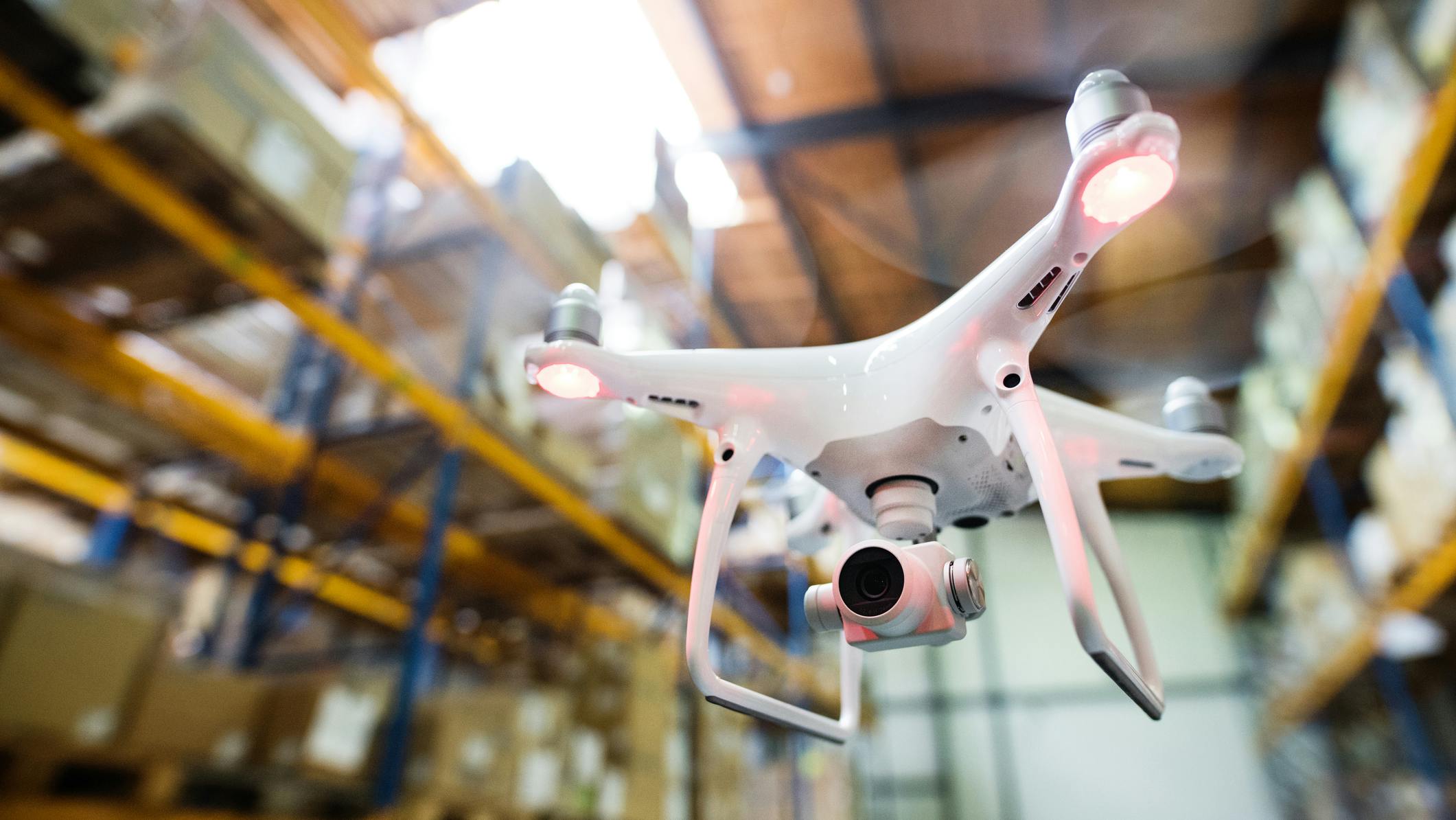
Drones Gain Altitude in Manufacturing Facilities (and Challenges Emerge)
As technology continues to advance, the landscape of cybersecurity is becoming increasingly complex, prompting a surge in concerns over data protection. Experts emphasize that the rapid evolution of digital tools and platforms is leading to heightened vulnerabilities, making it essential for organizations to adopt more sophisticated data integration strategies. This shift is particularly critical as businesses strive to safeguard sensitive information against a backdrop of rising cyber threats. The urgency for improved cybersecurity measures has never been more pronounced, with stakeholders across various sectors recognizing the need to enhance their defenses. As a result, companies are investing in advanced technologies and training to bolster their cybersecurity frameworks, ensuring they can effectively respond to emerging risks and protect their data assets.
Technology and IIoT / Emerging TechnologiesRobotics needs a service framework.
RSF defines a common language for robot service capability, lifecycle operations, certification pathways, and service-provider networks.
Join the RobotToday community on LinkedIn
Daily robotics news, in-depth analysis, conference highlights, and discussions with professionals worldwide.