

Industry Briefing
A single destination for timely, editor-curated robotics news from around the world.

Shenzhen's Embodied Intelligence Port Launches to Enhance AI Functionality and Data Services
In 2026, Shenzhen's Bao'an Qianhai Kexing Science Park will officially launch the first 'data service + incubation empowerment' embodied AI ecosystem community, known as 'Jubaopen.' This initiative aims to address the critical challenge in the embodied intelligence industry: bridging the gap between prototype development and functional deployment. The 'Jubaopen' community will focus on data services, creating a closed-loop system for data collection, cleaning, labeling, training, and iteration. It will support over 100 terminals simultaneously, covering 50 to 100 tasks, and is expected to reduce R&D costs for enterprises by 30% to 50%. The efficiency of this model is exemplified by the case of Zhenjue Wanxiang, which has successfully supplied wearable data collection devices to North American robotics giant Figure. The embodied intelligence port spans 23 square kilometers and hosts over 139 upstream and downstream companies, including Tencent and VIVO. Bao'an's strategy includes providing open testing environments across various industries, facilitating rapid development and market entry for companies. As the competition in embodied intelligence shifts towards scalable applications, this port aims to offer systematic solutions for the industry.
Embodied AI Robotics Development Data Services Automation Industry Innovation
Microsoft Announces Major Update to Copilot with New Features and Functionalities
On September 25, 2026, Microsoft revealed a significant update to its AI assistant, Microsoft Copilot. This update introduces three core features, including an AI agent that operates autonomously without waiting for user prompts. The new functionalities aim to enhance productivity by integrating tools like Microsoft Word, Excel, and PowerPoint directly into Copilot. This update is crucial as it reflects Microsoft's commitment to improving user experience and operational efficiency. The introduction of the 'Autopilot' feature, which allows the AI to continue tasks without user input, could transform how businesses utilize AI in their workflows. IT departments will need to adapt to these changes and consider the implications for cost management as AI agents become more autonomous. Looking ahead, the new features 'Home' and 'Code' are set to roll out through the 'Microsoft Frontier' program in the coming weeks, while 'Autopilot' will expand its private preview by the end of September 2026. Companies should monitor these developments closely to understand how they can leverage the enhanced capabilities of Copilot in their operations.
Survey Highlights Concerns Over Functional Safety in Automation Software
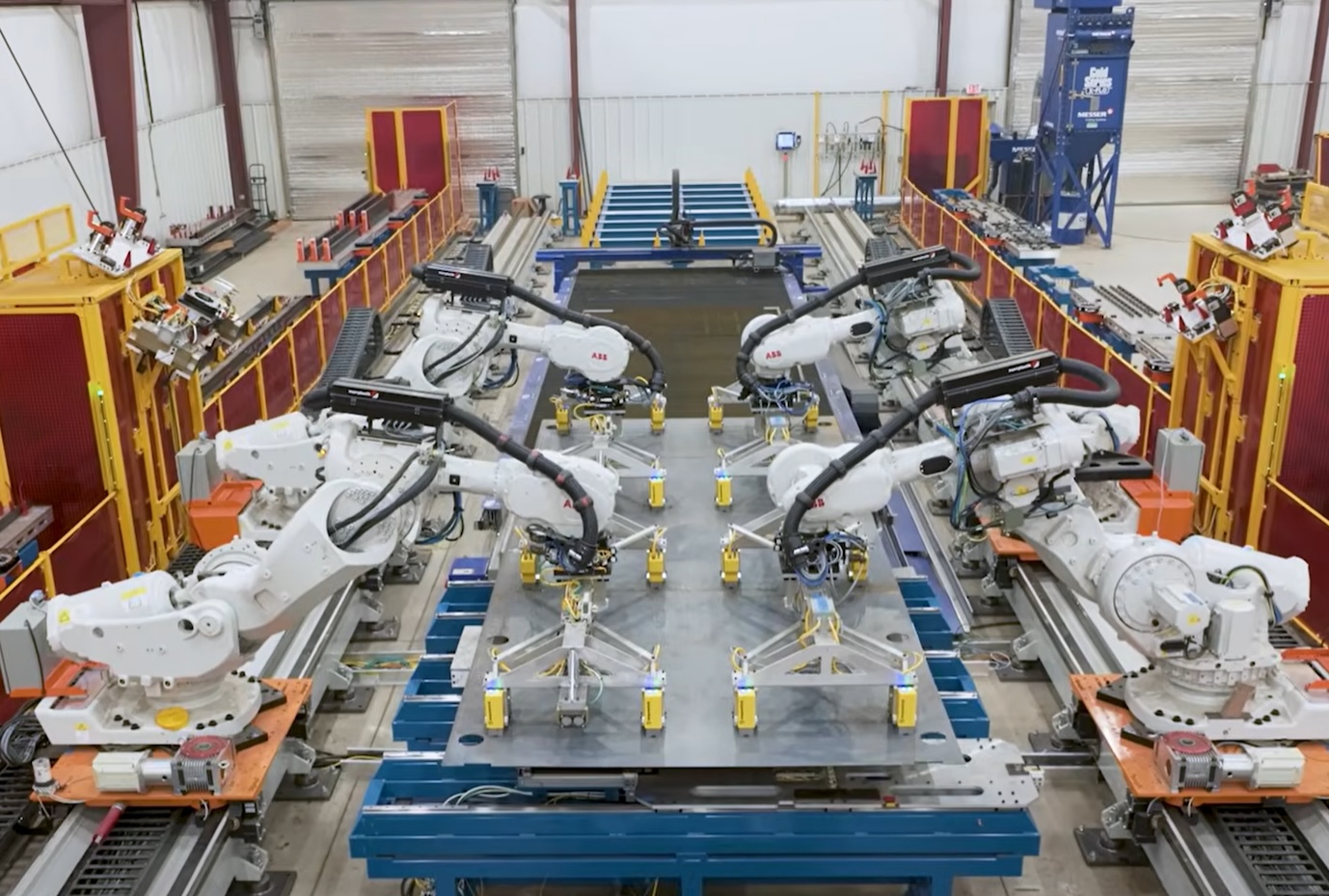
A recent survey indicates that functional safety is a trending topic in automation. However, as requirements increase, skepticism also grows, particularly regarding the shift from dedicated hardware to software implementations for safety measures. This shift raises important questions about the reliability and effectiveness of software-based safety solutions. As industries adopt more software-driven approaches, understanding the implications for functional safety becomes crucial for engineers and decision-makers. Looking ahead, it will be essential to monitor how organizations address these concerns and adapt their safety protocols. No further timeline was disclosed at the time of publication.
Allgemein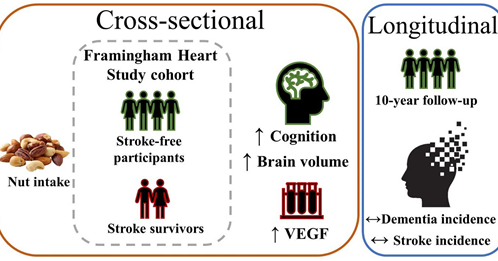
Monash University Study Links Higher Nut Consumption to Better Cognitive Function
Researchers from Monash University published a study examining the impact of nut consumption on cognitive function and brain health. Utilizing data from the Framingham Heart Study, they analyzed participants with and without stroke, focusing on average nut intake and its correlation with cognitive test scores, brain volume measured by MRI, and protective blood components like BDNF and VEGF. The analysis of 1,742 participants without stroke revealed that higher nut intake (ranging from 0 to 94.3g per day) was associated with better overall cognitive function scores after adjusting for factors like age, gender, and obesity. Notably, this trend was particularly evident in groups with poorer lifestyle habits, such as low diet quality and lack of exercise. Among 28 stroke survivors, those with higher nut consumption exhibited elevated levels of VEGF, a component that aids in creating new blood vessels and protecting brain tissue. However, the long-term study tracking participants over ten years found no significant link between nut intake and the risk of new strokes or dementia onset.

Specialized Robots Demonstrate Advanced Functions in Extreme Environments
Recently, several domestic specialized robots have gained attention online for their remarkable capabilities. These include a robotic wolf that can withstand temperatures of 500°C and a flying rescue device from Hangzhou police that autonomously reaches water rescue points at a speed of 14 meters per second. Many observers noted that science fiction scenarios have become a reality. On September 20, the first Intelligent Robot Application Skills Exhibition was launched in Yuhang, Hangzhou, showcasing over 300 robots. Among the exhibits were humanoid robots, but a significant number were uniquely designed robots tailored for specific tasks. These robots are engineered to operate in hazardous environments where humans cannot safely go, emphasizing functionality over human-like appearance. The design logic of specialized robots differs from humanoid robots, focusing on performing tasks in extreme conditions such as high temperatures, toxic gases, and complex underwater environments. Capabilities like 500°C heat resistance, 6-ton towing capacity, and 60-meter range are directly linked to operational scenarios. However, the true value of these robots lies in their ability to work reliably in high-risk environments, necessitating continuous optimization based on real-world conditions.
Specialized Robots Firefighting Robots Rescue Technology Industrial Automation
Qiyuan Robotics Partners with Tencent WorkBuddy to Enhance AI Functionality
On September 20, Qiyuan Robotics, a consumer-grade embodied intelligence brand under Upwind New Materials, announced a partnership with Tencent's WorkBuddy. The Qiyuan Q1 and T1 robots are now integrated with WorkBuddy, making Qiyuan the first embodied intelligence company to connect with this platform. This integration allows the robots to access thousands of Skills on WorkBuddy, combining AI's understanding and reasoning capabilities with the robots' voice and movement abilities for a complete intelligent interaction chain. This collaboration is significant as it enables robots to handle more complex real-world tasks beyond executing preset actions. By leveraging WorkBuddy's natural language understanding, information retrieval, and task orchestration capabilities, users can issue commands in natural language without needing programming knowledge. The robots can autonomously perform tasks such as greeting visitors at exhibitions, providing information, and engaging in interactive games, all while ensuring safety through a four-layer security mechanism. Looking ahead, this partnership represents a complete capability loop between AI Agents and embodied intelligence, transforming personal robots from executing fixed actions to autonomously completing complex tasks. No further timeline was disclosed at the time of publication.
Robotics AI Integration Natural Language Processing Intelligent Automation
Open-source Benchmark Evaluates AI Agents' Ability to Engineer Functional Robots
An open-source benchmark has been developed to assess the capabilities of AI agents in engineering functional robots. This initiative comes in response to the increasing automation of software coding, where AI systems can autonomously write and revise programs. The significance of this benchmark lies in its potential to bridge the gap between digital coding and physical robotics. As AI continues to evolve, understanding how these agents can interact with and manipulate the physical world is crucial for advancing robotics technology. Looking ahead, the outcomes of this benchmark could influence future developments in AI and robotics integration. No further timeline was disclosed at the time of publication.
Robotics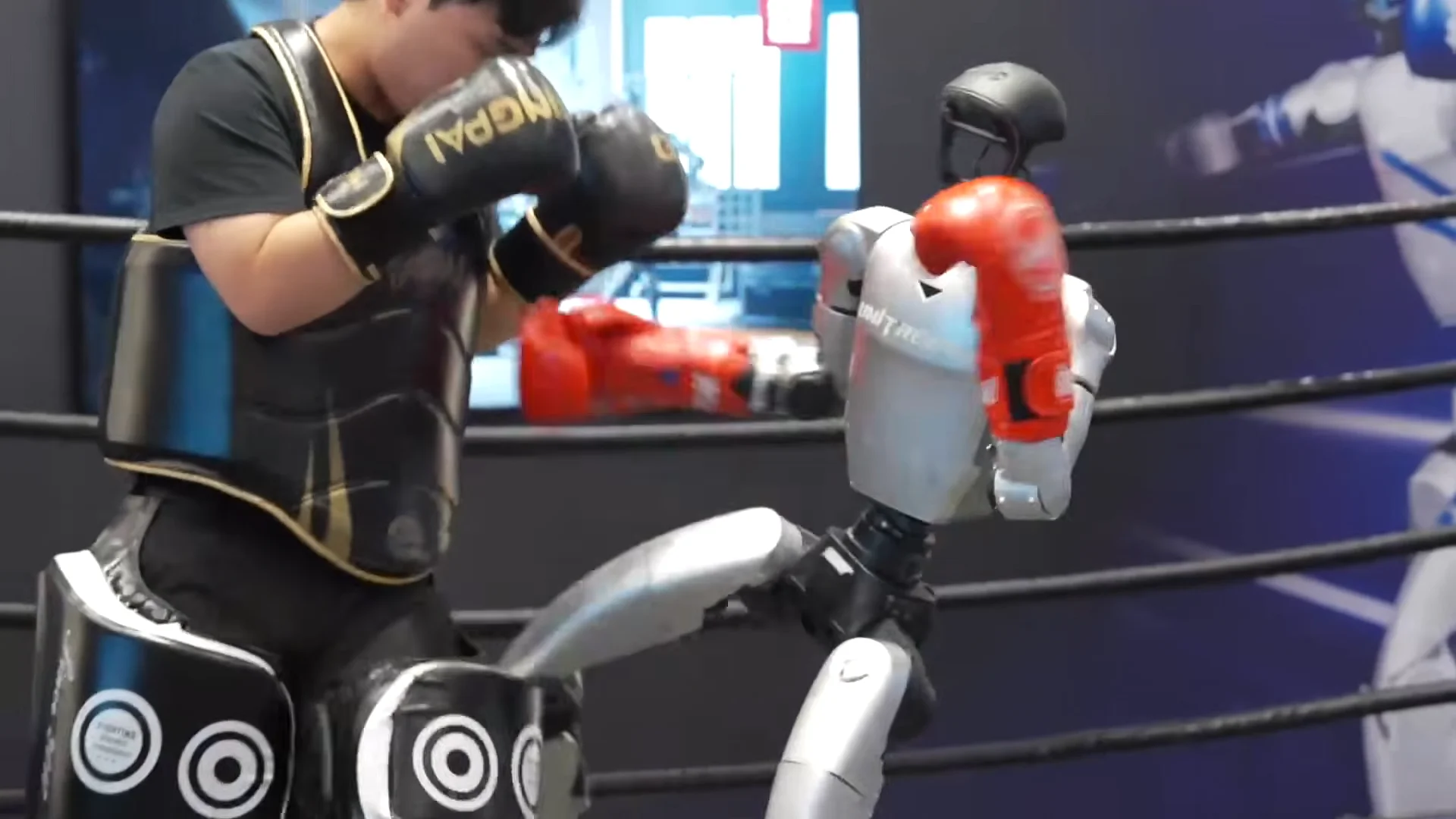
Unitree Robotics Introduces AI Models UniFoLM, WLA, and X2 for Enhanced Robot Functionality
Unitree Robotics has unveiled its AI models, UniFoLM, WLA, and X2, aimed at improving robot interaction with their environment. These models address the challenge of enabling machines to operate autonomously rather than relying on human direction. The significance of these developments lies in their potential to transform humanoid robots into practical tools for homes and workplaces. The software advancements are crucial for interpreting instructions, managing unfamiliar objects, and ensuring recovery from errors during tasks. Looking ahead, the focus will be on how these models can be integrated into various applications, enhancing the capabilities of robots in real-world scenarios. No further timeline was disclosed at the time of publication.
Unitree Robotics China
Boston Dynamics Explains the Functional Design of Atlas' Head for Industrial Use
Boston Dynamics has designed the head of its Atlas robot to serve as a focal point for nearby workers, featuring a lighting interface that indicates its operational state and intended actions. According to Taylor Frey-Baker, a Senior Mechanical Engineer at Boston Dynamics, the design prioritizes function and efficiency over human aesthetics, making it suitable for industrial environments. The head's design includes round light rings that communicate the robot's status from across a factory floor, and its ability to rotate and tilt allows it to indicate its focus direction. This is crucial for Atlas, which is intended for commercial applications requiring broader situational awareness compared to its original research-focused version. The integration of high-definition cameras in the head enhances Atlas's spatial awareness and enables remote operators to view its surroundings in various lighting conditions. As Atlas operates in shared spaces, its head design facilitates clear communication with workers, promoting safety and efficiency in industrial settings. No further timeline was disclosed at the time of publication.
Tokyo Introduces Emergency 911 Service for Malfunctioning Humanoid Robots
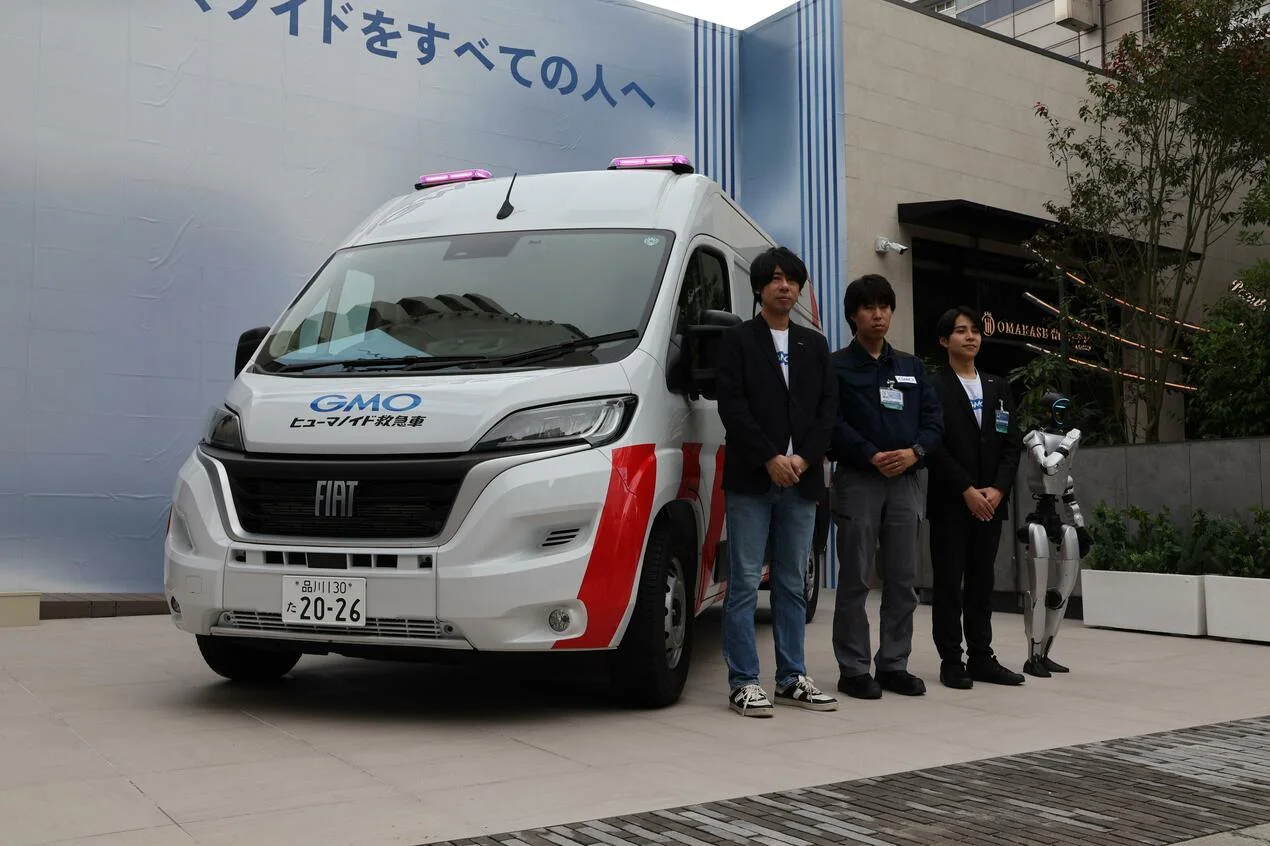
Tokyo has launched the GMO Humanoid Ambulance, an emergency service for malfunctioning humanoid robots. This innovative service aims to address the challenges of robot breakdowns in public spaces, particularly in busy environments like Haneda Airport. The introduction of the Humanoid Ambulance is significant as it provides immediate roadside assistance to malfunctioning robots, reducing downtime and preventing lost productivity. With a dedicated robotics engineer on board, the service ensures that repairs can be conducted swiftly, transforming potential failures into manageable situations. Looking ahead, the development of this service highlights the need for robust infrastructure to support the deployment of humanoid robots in everyday environments. No further timeline was disclosed at the time of publication.
Japan
Advancements of Humanoid Robots in Factories: From Functionality to Reliability
The progress of humanoid robots in factories can be summarized as follows: while the ability to perform tasks has been established, consistent daily operation is still in its early stages, and achieving reliable performance remains unaccomplished. The industry is currently stuck between the second and third phases of deployment, with leading companies proving their robots can work but still validating their daily operational capabilities. The Foton Cummins engine factory in Changping, Beijing, is one of the earliest sites for humanoid robots in China, where the TianGong 2.0 bipedal robot and TianYi 2.0 wheeled robot have been tested for nearly a year, primarily handling material transport. These robots address the challenge of flexible handling in the 'last mile' of logistics, demonstrating promising efficiency but still not fully replacing human workers. As of the first half of 2026, global shipments of humanoid robots are expected to exceed 22,000 units, marking a nearly 300% year-on-year increase. However, only a small fraction of these robots are actively working in industrial settings, with most still in the early stages of development. The industry faces challenges such as achieving high success rates, maintaining operational speed, and gathering effective data for real-world applications.
Humanoid Robots Industrial Automation Robotics Manufacturing Technology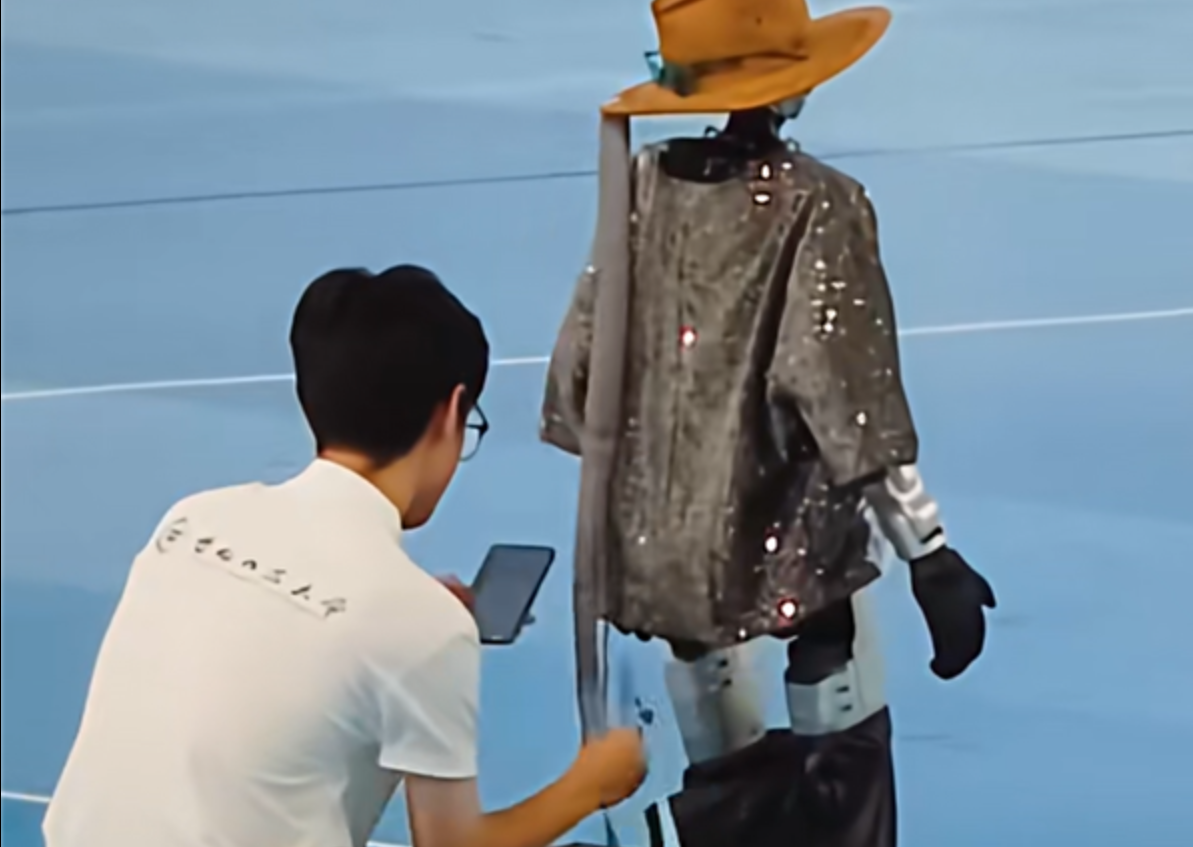
Robot's Intense Dance Performance Leads to Public Wardrobe Malfunction at WAIC 2026
At WAIC 2026, a robot's energetic dance performance resulted in a humorous incident where its pants were pulled down in public. This unexpected moment captured the attention of netizens, who commented on the need for privacy, especially for robots designed for entertainment. The event showcased the evolving capabilities of robots in engaging with audiences, highlighting the intersection of technology and performance art. This incident matters as it reflects the growing integration of robotics into public entertainment and the societal implications of such interactions. As robots become more prevalent in various sectors, the conversation around their roles, privacy, and the boundaries of their performances will become increasingly relevant. The humorous nature of the incident also serves to humanize robots, making them more relatable to the public. Looking ahead, it will be interesting to see how robotics companies address the balance between entertainment and privacy in their designs. No further timeline was disclosed at the time of publication.
Robotics Automation AI
New Hypothesis Links Metabolic Syndrome to Cognitive Impairment and Smell Dysfunction
Researchers from the University of Texas Health Science Center at San Antonio and Methodist Hospital proposed a new hypothesis in the journal Frontiers in Neuroscience. They suggest that metabolic syndrome may block the brain's waste removal pathways, leading to olfactory dysfunction, an early symptom of dementia. The study highlights that olfactory dysfunction often precedes memory and motor impairments in neurodegenerative diseases such as Alzheimer's and Parkinson's. The researchers indicate that metabolic syndrome, characterized by conditions like hypertension and obesity, disrupts autonomic balance, causing blood vessels in the nasal cavity to swell and obstruct lymphatic drainage. As the brain's waste disposal function becomes impaired, harmful proteins accumulate near olfactory nerves, resulting in smell dysfunction before cognitive decline. This phenomenon is not only observed in neurodegenerative diseases but also in conditions like depression and traumatic brain injury. No further timeline was disclosed at the time of publication.
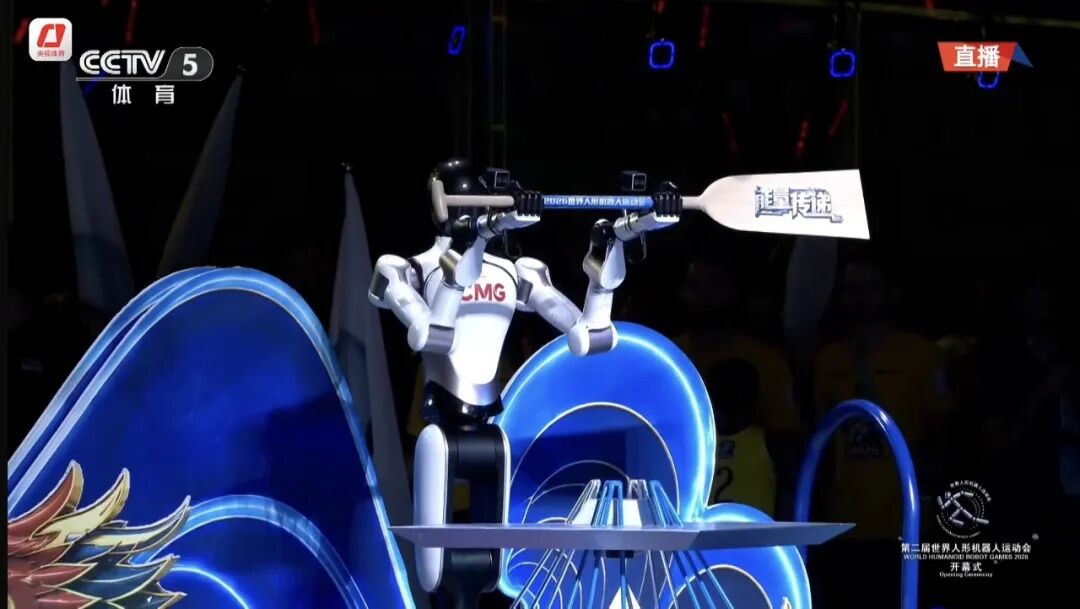
RealBOT Demonstrates Functional Robotics at the 2nd World Humanoid Robot Games Opening Ceremony
On August 22, the 2nd World Humanoid Robot Games opened at the National Speed Skating Oval, featuring 51 events and 1,301 matches with 666 teams from 16 countries and 2,056 robots. This year's competition has doubled in scale compared to the inaugural event. RealBOT, a company focused on practical robotics, showcased its capabilities during the opening ceremony, participating in the 'Smart Chip Lighting' ceremony and performing a flower arrangement act. The RealBOT S2 wheeled humanoid robot represented the Bazhong station in Sichuan, lifting the energy token 'paddle' during the lighting ceremony. RealBOT's founder and CEO, Zheng Suibing, attended the event, highlighting the company's commitment to demonstrating the practical abilities of robots. Earlier this year, the RealBOT robot acted as a 'robot chef' in Xinjiang, completing various challenging tasks in a real kitchen environment. RealBOT's robots are designed for long-term, high-intensity operations, certified for reliability with a 50,000-hour mean time between failures. The robots' precision and adaptability were showcased in the flower arrangement performance, achieving ±0.05mm positioning accuracy. RealBOT also participated in six scenario competitions, validating the robots' capabilities in emergency response, public service, retail, and industrial applications. No further timeline was disclosed at the time of publication.
Humanoid Robots Robotics Technology AI Automation
RoboScience Unveils REX G1: A Multifunctional Wheeled Humanoid Robot for Diverse Applications
On August 17, RoboScience officially launched the REX G1, a versatile wheeled humanoid robot designed for various operational scenarios. This robot, equipped with RoboScience's proprietary VLOA architecture and Visics model, aims to enhance productivity in logistics, factories, retail, and home environments by executing complete tasks in dynamic, unstructured settings. The significance of REX G1 lies in its ability to integrate mobility and operational capabilities, addressing the limitations of traditional robots that often operate in isolation. With 22 degrees of freedom, REX G1 can perform tasks with high precision, including object handling and positioning, while adapting to existing spatial layouts without requiring modifications. Looking ahead, REX G1's advanced perception and control systems allow it to function effectively in complex environments, reducing reliance on external infrastructure. No further timeline was disclosed at the time of publication.
Humanoid Robots Logistics Automation AI Robotics Warehouse Automation
HoverAir Unveils Versa: A Dual-Function Gimbal Camera and Drone
HoverAir has introduced the Versa, a versatile device that transforms from a handheld gimbal camera into an autonomous flying camera. Scheduled to launch on Indiegogo in mid-August, the Versa aims to simplify content creation by merging two essential tools for creators into one compact system. This innovation matters as it addresses the common dilemma faced by content creators who often need both ground-level and aerial shots. The Versa features advanced AI capabilities, including intelligent framing assistance and over 10 intelligent flight modes, allowing users to capture high-quality footage without the need for extensive piloting skills. Looking ahead, the launch of the Versa could significantly impact the way creators approach filming, as it eliminates the need for multiple devices. No further timeline was disclosed at the time of publication.
News
BYD to Unveil Functional Humanoid Robots at Di Space This August
BYD has announced plans to debut its humanoid robots at Di Space in August, as reported by the South China Morning Post. This move marks BYD's entry into the humanoid robotics sector, complementing its extensive experience in electric vehicle manufacturing and battery technology. The significance of this development lies in BYD's ability to leverage its manufacturing scale and expertise to produce humanoid robots at a level few competitors can match. With China leading the global humanoid robotics market, BYD's entry is timely, as the industry is expected to grow significantly, potentially reaching a trillion-dollar valuation. Looking ahead, BYD's humanoid robots are expected to perform various tasks in sectors such as manufacturing, warehousing, healthcare, and hospitality. The company's focus on practical and usable robots could provide a competitive edge, allowing them to test and refine their products before broader market release. No further timeline was disclosed at the time of publication.
AI and Robotics
The Role of Integrated Actuators in Enhancing Humanoid Robot Joint Functionality
Humanoid robots are gaining traction in robotics research, attracting interest from universities and tech companies. Unlike traditional industrial robots, humanoid robots must navigate complex environments, requiring advanced joint coordination for human-like movements. This necessitates the use of robotic actuators, which convert electrical energy into mechanical motion, enabling actions like walking and balancing. The significance of integrated actuators lies in their ability to address the challenges faced in humanoid robot design. These actuators must provide high torque output while being compact to avoid adding excessive weight. Additionally, they require precise control for dynamic movements, as any delay can compromise stability. Integrated actuators streamline system integration by combining multiple components into a single module, reducing complexity and enhancing performance. The CubeMars AK45-10 robotic actuator exemplifies this innovation, offering a compact design with a diameter of 53mm and a weight of 260g, while delivering up to 7Nm of peak torque. As humanoid robots continue to evolve, the development of such integrated solutions will be crucial for optimizing performance and efficiency in robotic joint applications. No further timeline was disclosed at the time of publication.
Sponsored Content Cubemars
DJI Lito X1 Drone Offers High-End Features for Beginners but Unavailable in the USA
The DJI Lito X1 drone combines advanced features typically found in higher-end models with impressive image quality. It boasts a 48MP 1/1.3-inch CMOS sensor, capable of capturing video at 4K 100 FPS and photos in both JPEG and Raw formats. With a flight time of up to 36 minutes and a video transmission range of 9.3 miles, the Lito X1 is designed for both novice and experienced users. This drone is significant as it brings high-end functionalities to the beginner market, making advanced technology more accessible. The inclusion of features such as omnidirectional obstacle sensing and intelligent flight modes like ActiveTrack and Hyperlapse enhances safety and ease of use, reducing the risk of crashes. Priced at £599 for the Fly More Combo, the Lito X1 offers excellent value for those looking to enter the drone space. Looking ahead, the DJI Lito X1 could set a new standard for beginner drones with its competitive pricing and advanced capabilities. However, it is currently not available for purchase in the USA, which may limit its market reach. No further timeline was disclosed at the time of publication.
Technology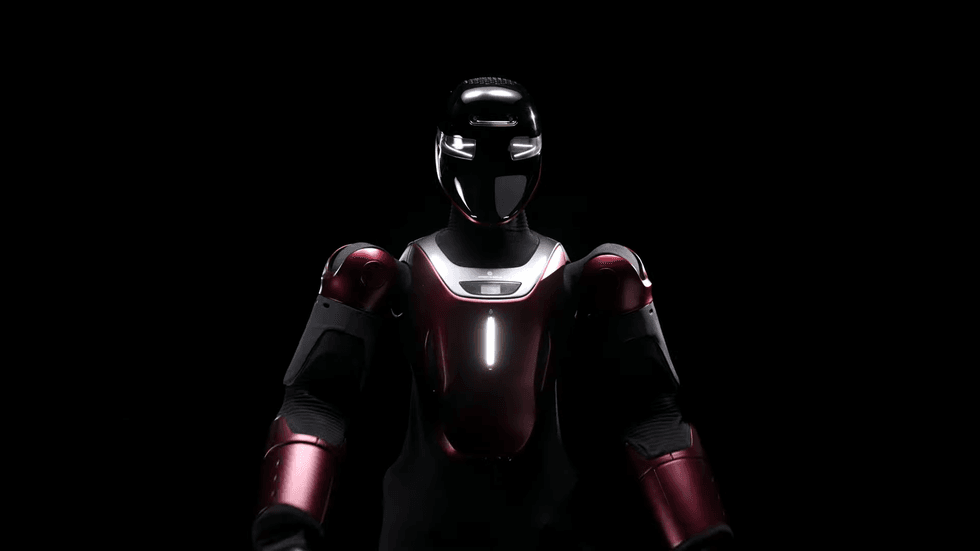
Italian Humanoid GENE.01 Achieves Functional Mobility and Interaction Capabilities
In a remarkable development, the team behind GENE.01 has transformed the humanoid robot into a fully operational platform capable of walking, sensing, and interacting within just six months. This humanoid features a full-body multimodal skin that can perceive touch, proximity, force, and temperature, marking a significant advancement in Physical AI technology. The progress of GENE.01 is crucial as it represents a step closer to safe and natural collaboration between robots and humans. The ability to interact with the environment through various sensory inputs enhances the potential for humanoid robots to be integrated into everyday tasks and settings, thus broadening their application in various industries. Looking ahead, the development of GENE.01 sets the stage for further innovations in humanoid robotics and Physical AI. As the technology evolves, stakeholders will be keen to observe how these advancements can be applied in real-world scenarios and what new capabilities may emerge in the coming years. No further timeline was disclosed at the time of publication.
Humanoid-robots Video-friday Robot-hands Robot-videos Physical-ai Drone-delivery
Generative Bionics Unveils Gene.01, a Smart-Skin Humanoid Robot for Safe Human Interaction
Generative Bionics has launched Gene.01, a fully functional humanoid robot platform designed for safe human collaboration. Built in just six months, Gene.01 is equipped with advanced sensors that detect touch, proximity, force, and temperature, enhancing its interaction capabilities with humans. The introduction of Gene.01 is significant as it provides a foundation for Physical AI developers to create industrial applications. Its open-sourced robot model allows for collaborative development, potentially accelerating innovation in the field of humanoid robotics. Looking ahead, the focus will be on how Gene.01 can be integrated into various industrial environments and the applications it can support. No further timeline was disclosed at the time of publication.
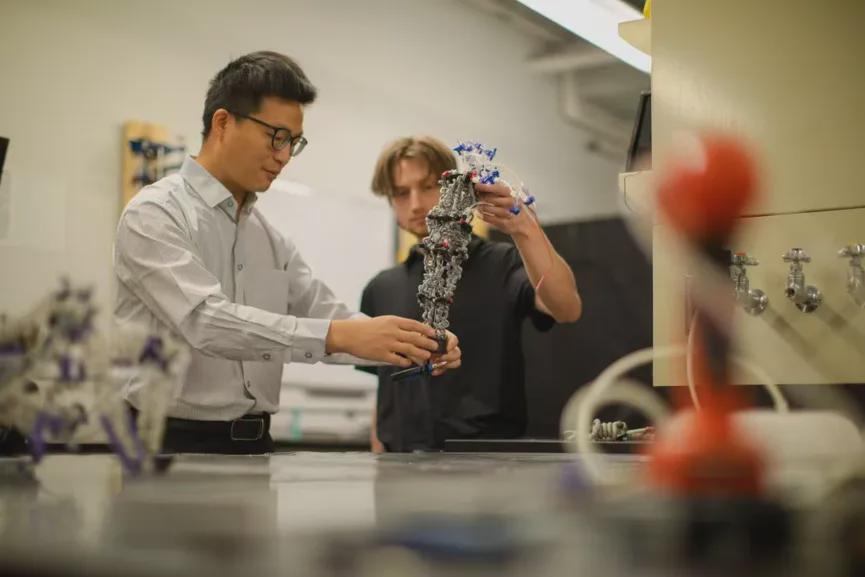
Arizona State University Develops Innovative HARP Artificial Muscle for Versatile Applications
A research team led by Professor Sun Jiefeng at Arizona State University has developed a new artificial muscle structure known as HARP (Helical Anisotropic Reinforced Actuator). Unlike traditional artificial muscles that compromise on performance, HARP offers modularity and flexibility, allowing for adjustments in materials and design parameters to meet various application needs. This innovation is significant as it addresses the limitations of existing artificial muscles, which often excel in specific scenarios but struggle to meet multiple requirements simultaneously. HARP achieves an impressive power density of 1.93 kW/kg, a contraction rate of up to 75%, and the ability to lift weights up to 100 times its own weight, making it suitable for diverse and complex applications. Looking ahead, the HARP's modular design allows for customization and optimization of its components, enhancing its adaptability in extreme environments. The research team demonstrated HARP's durability in wear resistance tests, showcasing its potential for reliable operation in harsh industrial settings. No further timeline was disclosed at the time of publication.
Artificial Muscles Robotics Modular Design Self-Healing Materials
A soft exoskeleton could restore hand function in people with motor impairments
Recent technological advances have opened valuable possibilities for supporting people with motor impairments or who are recovering from injuries to the brain, spinal cord or nerves. Millions of people worldwide currently experience difficulty moving their hands or other parts of their body. Some of these motor impairments are associated with progressive neurodegenerative diseases, such as amyotrophic lateral sclerosis (ALS), while others are the result of neurological damage caused by an injury or a stroke.
Robotics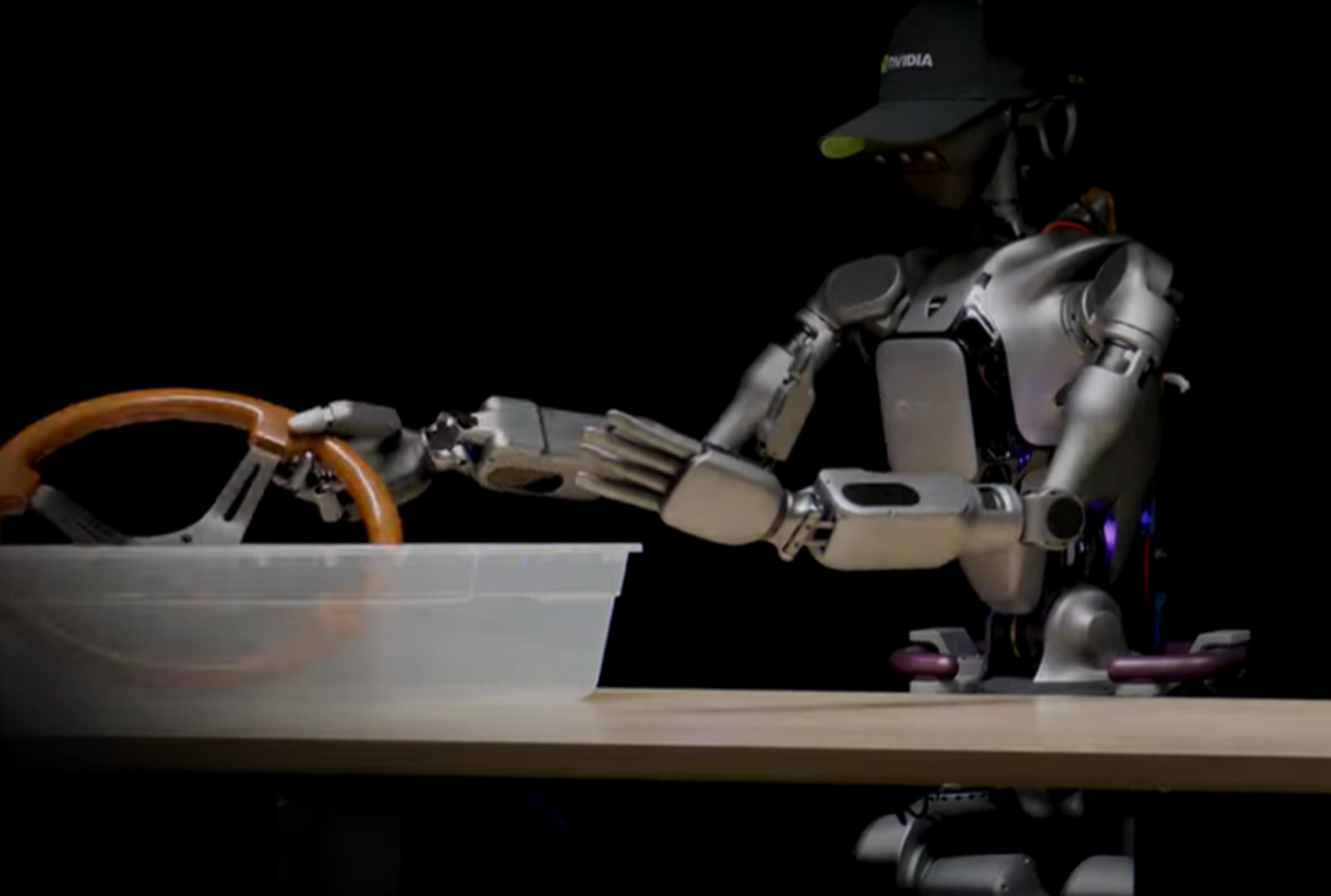
A high-endurance DNA origami snap-through switch for functional nanoscale control
In June 2026, a groundbreaking study published in Science Robotics highlights advancements in robotic technology that could revolutionize various industries. Researchers from leading universities and tech companies collaborated to develop a new generation of robots capable of performing complex tasks with unprecedented efficiency and precision. This innovation aims to address the growing demand for automation in sectors such as manufacturing, healthcare, and logistics. The study showcases robots equipped with advanced artificial intelligence and machine learning algorithms, enabling them to adapt to dynamic environments and learn from their experiences. By enhancing their operational capabilities, these robots can significantly reduce labor costs and improve productivity, ultimately benefiting businesses and consumers alike. The research team conducted extensive experiments in controlled environments to test the robots' performance, demonstrating their ability to execute intricate tasks that were previously thought to require human intervention. This development comes in response to the increasing pressure on industries to streamline operations and meet the challenges posed by a rapidly changing economic landscape. As companies seek to integrate these advanced robotic systems into their workflows, the implications for the workforce and future job markets are profound. The study underscores the potential for robots to not only augment human labor but also create new opportunities in technology and engineering fields. The findings are expected to spark further research and investment in robotics, paving the way for a more automated future.
Research Article
Boston University team wins MassRobotics Form & Function Challenge at Robotics Summit
MassRobotics recently recognized outstanding university teams and highlighted innovations in healthcare and physical AI at the Robotics Summit. Notably, a team from Boston University emerged victorious in the MassRobotics Form & Function Challenge, showcasing their exceptional skills and creativity in robotics. The event, which took place in Boston, served as a platform for startups and innovators to present their cutting-edge technologies, emphasizing the growing importance of robotics in various sectors. The initiative aims to foster collaboration and inspire future advancements in robotics, particularly in addressing healthcare challenges. Through competitions and showcases, MassRobotics continues to support and promote the development of innovative solutions in the field.
Academia / Research Agriculture Artificial Intelligence Artificial Intelligence / Cognition Business Resources Design / Development
Extreme dynamic symmetry enables omnidirectional and multifunctional robots
In a groundbreaking study published in the May 2026 issue of Science Robotics, researchers have unveiled a new robotic system designed to assist in complex surgical procedures. This innovative technology aims to enhance precision and reduce recovery times for patients undergoing surgery. Conducted at a leading medical research facility, the study highlights the collaboration between engineers and medical professionals to develop a robot capable of performing intricate tasks with minimal human intervention. The research team, motivated by the need for improved surgical outcomes and efficiency, utilized advanced algorithms and machine learning techniques to train the robot. Over a series of trials, the system demonstrated remarkable accuracy in simulated environments, suggesting its potential for real-world applications in operating rooms. As healthcare continues to evolve, this robotic system represents a significant advancement in surgical technology, promising to transform the way surgeries are performed and ultimately improve patient care. The findings underscore the importance of interdisciplinary collaboration in driving innovation in medical robotics, paving the way for future developments in the field.
Research Article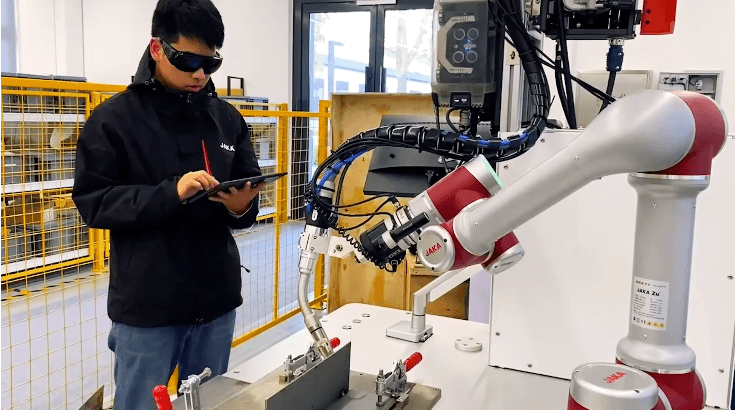
What Do Industrial Robot Arms Do? Functions in Modern Manufacturing
In the evolving landscape of modern manufacturing, industrial robot arms have emerged as essential components, revolutionizing production processes across various sectors, including automotive and pharmaceuticals. These advanced mechanical systems, designed to replicate human dexterity, offer unmatched precision, endurance, and payload capacity, enabling manufacturers to achieve unprecedented efficiency. Equipped with versatile "End-of-Arm Tooling" (EOAT), these robots perform a range of tasks, from picking and placing delicate electronic components to executing precise welding and material removal. Their ability to maintain consistent quality and reduce waste makes them invaluable in heavy industry. Furthermore, advancements in automation have led to the integration of 2D and 3D vision systems, allowing robots to adapt to their environment, detect defects, and handle unsorted parts, transforming them from simple tools into intelligent collaborators. Leading the charge in this industrial revolution is JAKA, a company that has developed the JAKA Zu and Pro series of robot arms. These models exemplify flexibility and ease of deployment, designed for seamless transitions between tasks such as screw driving and inspection. With user-friendly wireless control and graphical programming via the JAKA App, manufacturers can optimize their production lines without requiring extensive coding knowledge. JAKA's innovative solutions provide a compact and efficient alternative to traditional automation, empowering businesses to enhance their operational capabilities and reach their full potential.
Development of Dual‐Functional Flexible Ultrasonic Sensor Array of Proximity Sensing and Material Recognition for Safety Control of Robot
The Journal of Field Robotics has recently published an article in its EarlyView section, highlighting advancements in robotic technology. Researchers from various institutions have collaborated to explore innovative applications of robotics in field environments. The study, released in October 2023, emphasizes the growing importance of robotics in enhancing efficiency and safety in agriculture, disaster response, and environmental monitoring. The motivation behind this research stems from the increasing need for automation in sectors that face labor shortages and require precise data collection. By integrating advanced sensors and artificial intelligence, the team aims to develop robots capable of performing complex tasks autonomously. This approach not only aims to reduce human intervention but also to improve the accuracy and speed of operations in challenging environments. The findings indicate that these robotic systems can significantly enhance productivity while minimizing risks associated with hazardous conditions. The researchers conducted extensive field tests to validate their designs, demonstrating the robots' capabilities in real-world scenarios. This work represents a significant step forward in the field of robotics, showcasing the potential for these technologies to transform various industries and address pressing global challenges.
RESEARCH ARTICLE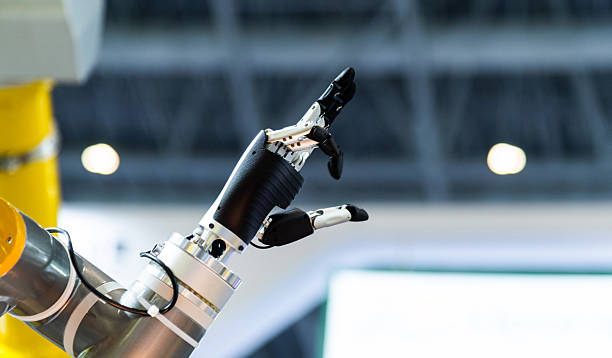
Design, Model Analysis and Experimental Investigation of Modular Soft Pneumatic Gripper Equipped With Multi‐Configurable Functionality and Adjustable Effective Length
A recent study published in the Journal of Field Robotics highlights advancements in robotic technology aimed at enhancing agricultural efficiency. Conducted by a team of researchers from various universities, the study was released in May 2026 and focuses on the integration of autonomous robots in farming practices. The research aims to address the growing need for sustainable agricultural solutions amid increasing global food demand and labor shortages. By utilizing advanced sensors and machine learning algorithms, the robots are designed to perform tasks such as planting, monitoring crop health, and harvesting with minimal human intervention. Field tests conducted in diverse agricultural settings demonstrated the robots' ability to significantly increase productivity while reducing resource consumption. The findings suggest that these innovations could play a crucial role in transforming traditional farming methods and promoting environmentally friendly practices. As the agricultural sector faces mounting challenges, the implementation of such robotic technologies could provide a viable path toward more efficient and sustainable food production systems.
RESEARCH ARTICLE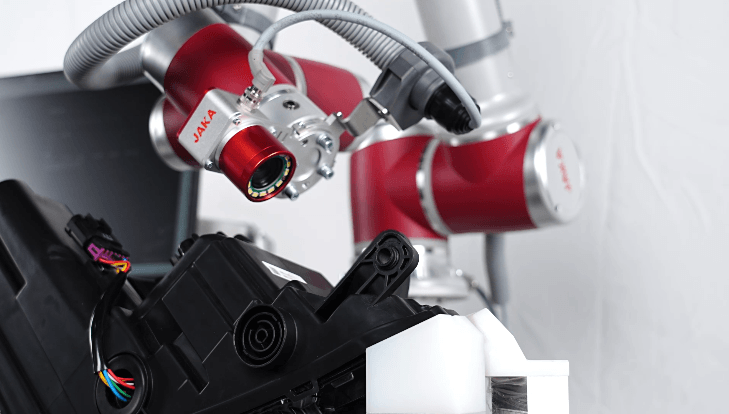
What Do Cobots Do? Essential Functions and Purpose
In the evolving landscape of manufacturing and automation, JAKA is pioneering the development of collaborative robots, or cobots, designed to enhance daily operations without disrupting existing workflows. These robots assist human operators with repetitive, precision-driven, and ergonomically challenging tasks while ensuring a safe and adaptable working environment. Cobots are utilized in various applications, including assembly, material handling, testing, packaging, and quality inspection, requiring stable motion control and consistent repeatability. Unlike traditional industrial robots confined to safety cages, JAKA's cobots feature integrated sensing and safety logic, allowing them to operate safely alongside human workers in shared spaces, particularly in high-mix, low-volume production settings. The design of these collaborative robots aims to lower the barriers to automation, enabling more teams to integrate robotic assistance without needing extensive programming skills. JAKA emphasizes intuitive interaction, allowing operators to easily adjust paths, speeds, and task logic directly on the production floor, thereby enhancing deployment efficiency while maintaining operational consistency. JAKA's innovative approach includes embedding vision capabilities into cobots, facilitating more natural interactions with humans and their environments. This advancement enables the robots to adapt to positional variations and process changes with minimal setup, broadening their application in inspection, assembly, and adaptive handling tasks. Ultimately, JAKA views cobots as essential tools for improving efficiency, safety, and consistency in industrial settings. By combining user-friendly controls, integrated vision, and a focus on human safety, these robots serve as reliable partners on the factory floor, allowing teams to concentrate on higher-value work while ensuring stable and scalable operations.
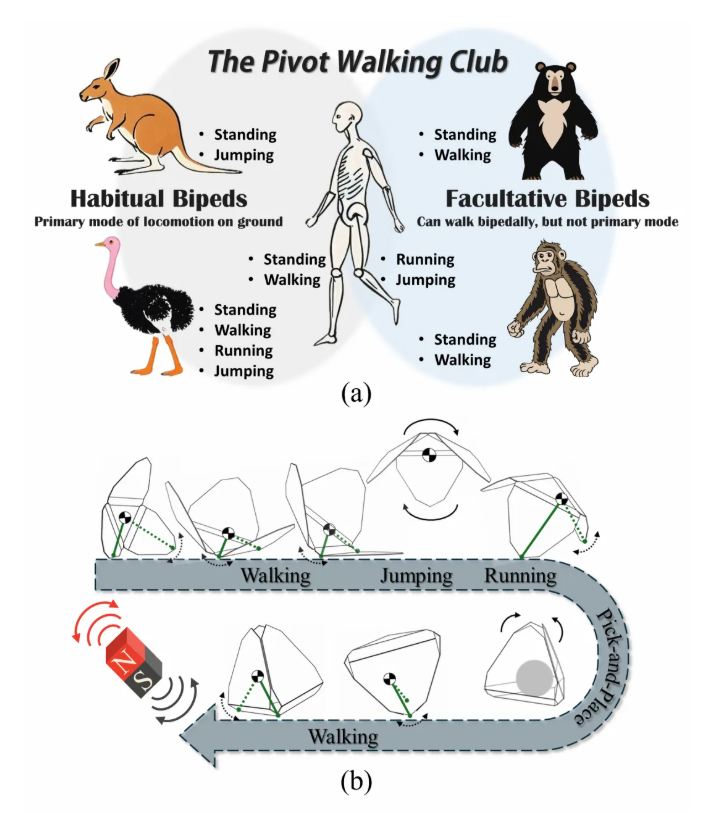
Micro Grippers with Parkour Abilities? BIT Team Proposes New Mechanism for Magnetic-Driven Microrobots Integrating Morphology and Function!
A research team at the Beijing Institute of Technology has unveiled an innovative magnetic-driven microrobot that demonstrates autonomous decision-making and adaptive movement capabilities in challenging environments. Drawing inspiration from natural organisms, this microrobot can seamlessly transition between various movement modes, allowing it to navigate efficiently and execute tasks effectively. The development of this technology aims to enhance robotic performance in complex terrains, potentially expanding its applications in fields such as search and rescue, environmental monitoring, and medical assistance. The team's work represents a significant advancement in robotics, showcasing how nature-inspired designs can lead to improved functionality and versatility in robotic systems.
Magnetic Microrobots Autonomous Robotics Soft Robotics Biomedical Applications
CCTV Reports on Dr. Ding Wenchao's Revelation of the World's First Functional General-Purpose Embodied Model AWE3.0
At the AWE2026 event in Shanghai, Itstone unveiled its innovative A1 robot, which has achieved a Guinness World Record for precision assembly. Dr. Ding Wenchao highlighted the robot's advanced capability to learn from human actions, signaling a major advancement in robotic intelligence. This development underscores the practical applications of embodied AI, showcasing how such technology can enhance efficiency and accuracy in various industries.
Embodied Intelligence Robotics Industrial Automation AI Technology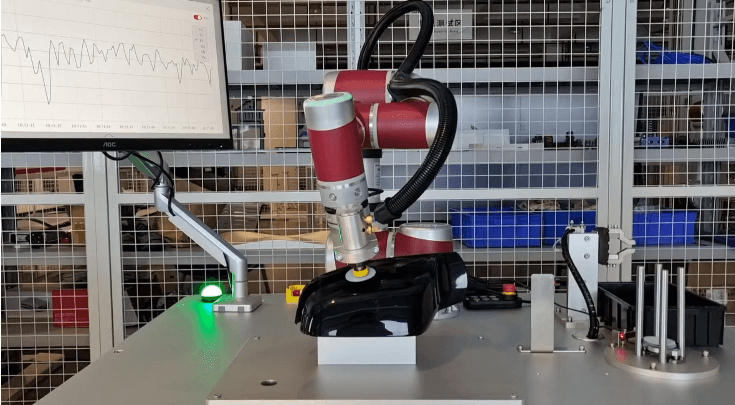
What Do Polishing Robots Do? Functions in Metal and Surface Finishing
JAKA, a robotics company, is revolutionizing the polishing industry by introducing collaborative robots designed to enhance the quality and efficiency of surface finishing operations. These robots are engineered to perform repetitive and physically demanding polishing tasks with precision and consistency, addressing the variability often seen in manual labor due to human fatigue. The innovative JAKA polishing robots utilize high-precision control technology, ensuring that each part receives identical treatment, which significantly improves surface quality from the first item to the last. Their compact design, particularly the lightweight Zu series, allows them to navigate complex geometries and confined spaces, making them ideal for polishing curved metal pieces and intricate molds. Equipped with advanced force control technology, these robots can adjust their pressure in real-time, ensuring safe and effective material removal without damaging the workpiece. This capability, combined with safety features like collision detection, allows the robots to operate closely alongside human workers, facilitating easier oversight and quicker tool changes. By integrating these advanced capabilities, JAKA aims to make automated polishing more accessible for various workshops, ultimately enhancing the efficiency and quality of metal and surface finishing operations.
Robot Arms for Food and Beverage Packaging: Three Functional Options
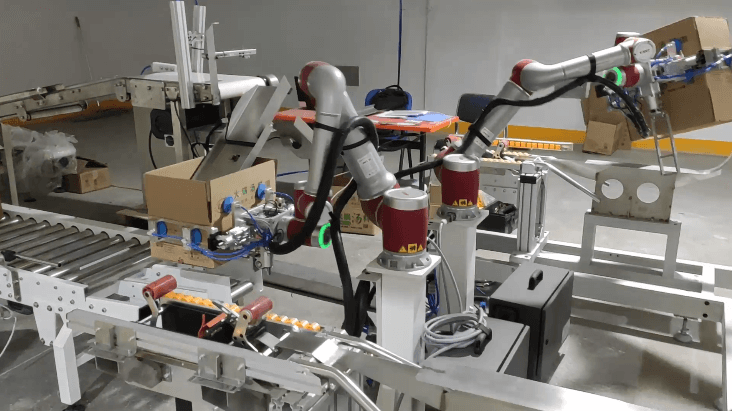
In the food and beverage sector, the unique challenges of packaging automation demand specialized solutions, particularly in hygiene, speed, and gentle handling. JAKA, a provider of industrial robotic arms, emphasizes the importance of selecting the right technology to meet these specific needs. Their robotic arms are designed for precision in handling delicate items such as baked goods and chocolates, achieving accuracy within 0.2mm to minimize product waste and maintain production efficiency. Additionally, JAKA robots are built to withstand demanding environments, featuring an IP54 rating for waterproof and dustproof performance. This durability allows them to operate reliably in cold storage and humid conditions, while their compact design enables installation in tight spaces on busy packaging floors. Moreover, JAKA robotic arms excel in integration, functioning as intelligent nodes within packaging lines. They can communicate with vision systems and conveyors, allowing for real-time adjustments based on data received from cameras. This capability enhances overall equipment effectiveness by ensuring precise placement of products into moving cartons. By aligning their robotic technology with the specific challenges of food and beverage packaging, JAKA aims to enhance hygiene, consistency, and throughput in this fast-paced and regulated industry.
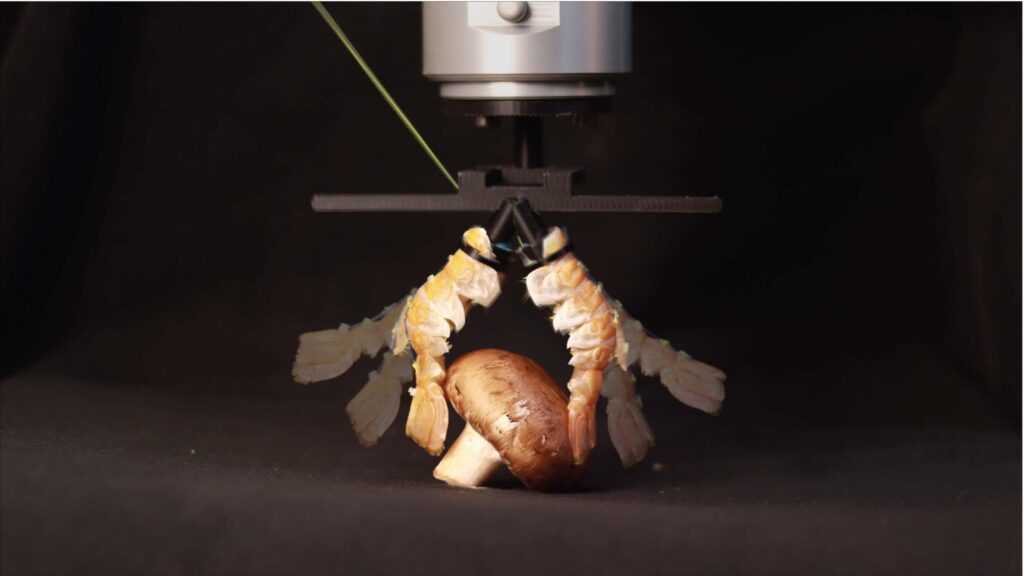
Bio-hybrid robots turn food waste into functional machines
Researchers at the CREATE Lab of the École Polytechnique Fédérale de Lausanne (EPFL) have unveiled a groundbreaking robotic gripper crafted from langoustine tails. This innovative design, showcased in 2025, marks a significant departure from traditional robotic components typically made from metals and plastics. By drawing inspiration from nature, the team aims to enhance the functionality and adaptability of robotic systems. The use of organic materials not only aligns with sustainable practices but also offers unique advantages in terms of flexibility and grip. This development highlights a growing trend in robotics, where natural elements are increasingly influencing technological advancements.
Robotics needs a service framework.
RSF defines a common language for robot service capability, lifecycle operations, certification pathways, and service-provider networks.
Join the RobotToday community on LinkedIn
Daily robotics news, in-depth analysis, conference highlights, and discussions with professionals worldwide.







