Industry Briefing
A single destination for timely, editor-curated robotics news from around the world.
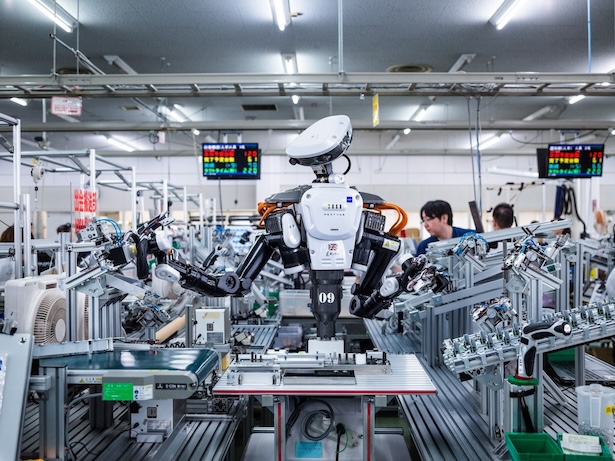
Collins Aerospace Secures Up to $472 Million Contract for Chinook Avionics Services
Collins Aerospace has been awarded a contract by the US Army, potentially worth up to $472 million, to provide engineering services for the CH-47 Chinook fleet. This contract highlights the ongoing commitment to enhance the capabilities of the Chinook helicopters. The significance of this contract lies in its potential to improve the avionics systems of the Chinook fleet, ensuring that these helicopters remain effective and reliable for military operations. Upgrading the avionics is crucial for maintaining operational readiness and adapting to modern technological advancements. Looking ahead, industry stakeholders will be monitoring the progress of the avionics upgrades and their impact on the performance of the Chinook helicopters. No further timeline was disclosed at the time of publication.
News
European Commission Allocates €3.47bn to Enhance Ukraine's Defence with Drones and Gripen Jets
The European Commission has announced the release of an additional €3.47 billion to bolster Ukraine's defence capabilities. This funding is part of the larger €90 billion Ukraine Support Loan initiative aimed at strengthening Ukraine's military resources amidst ongoing conflict. This financial support is crucial for Ukraine as it seeks to enhance its defence infrastructure, particularly through the acquisition of drones and Gripen jets. The infusion of funds is expected to significantly improve Ukraine's operational capabilities and readiness in the face of external threats. Looking ahead, stakeholders will be monitoring how this funding will be utilized in terms of procurement and deployment of military assets. No further timeline was disclosed at the time of publication.
News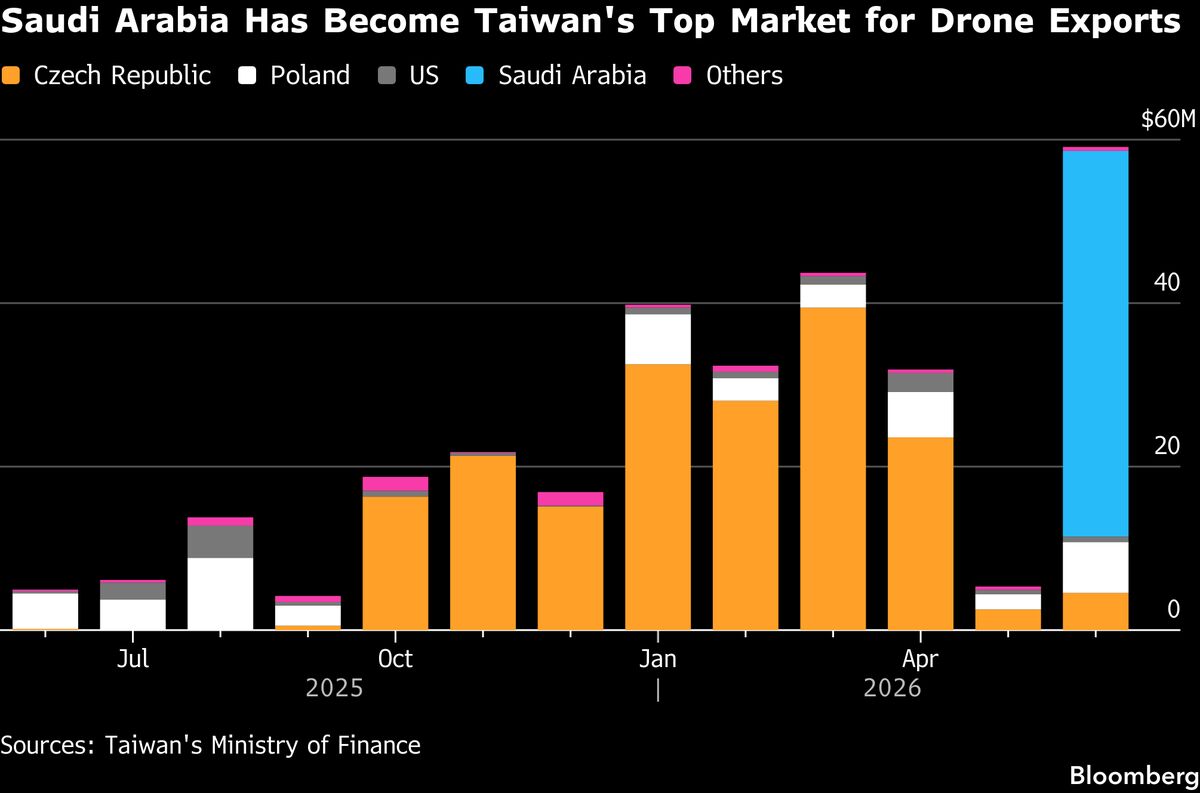
Saudi Arabia Records $47.2 Million Drone Purchase from Taiwan's Emerging UAV Sector
Saudi Arabia made a significant purchase of drones from Taiwan, totaling $47.2 million last month. This transaction marks a pivotal moment for Taiwan's developing UAV industry, indicating its growing appeal to international buyers. The substantial investment from Saudi Arabia highlights the increasing interest in Taiwan's drone technology and manufacturing capabilities. As the UAV sector matures, such purchases could pave the way for further international collaborations and market expansion. Looking ahead, stakeholders should monitor how this purchase influences Taiwan's drone industry and its potential to attract additional foreign investments. No further timeline was disclosed at the time of publication.
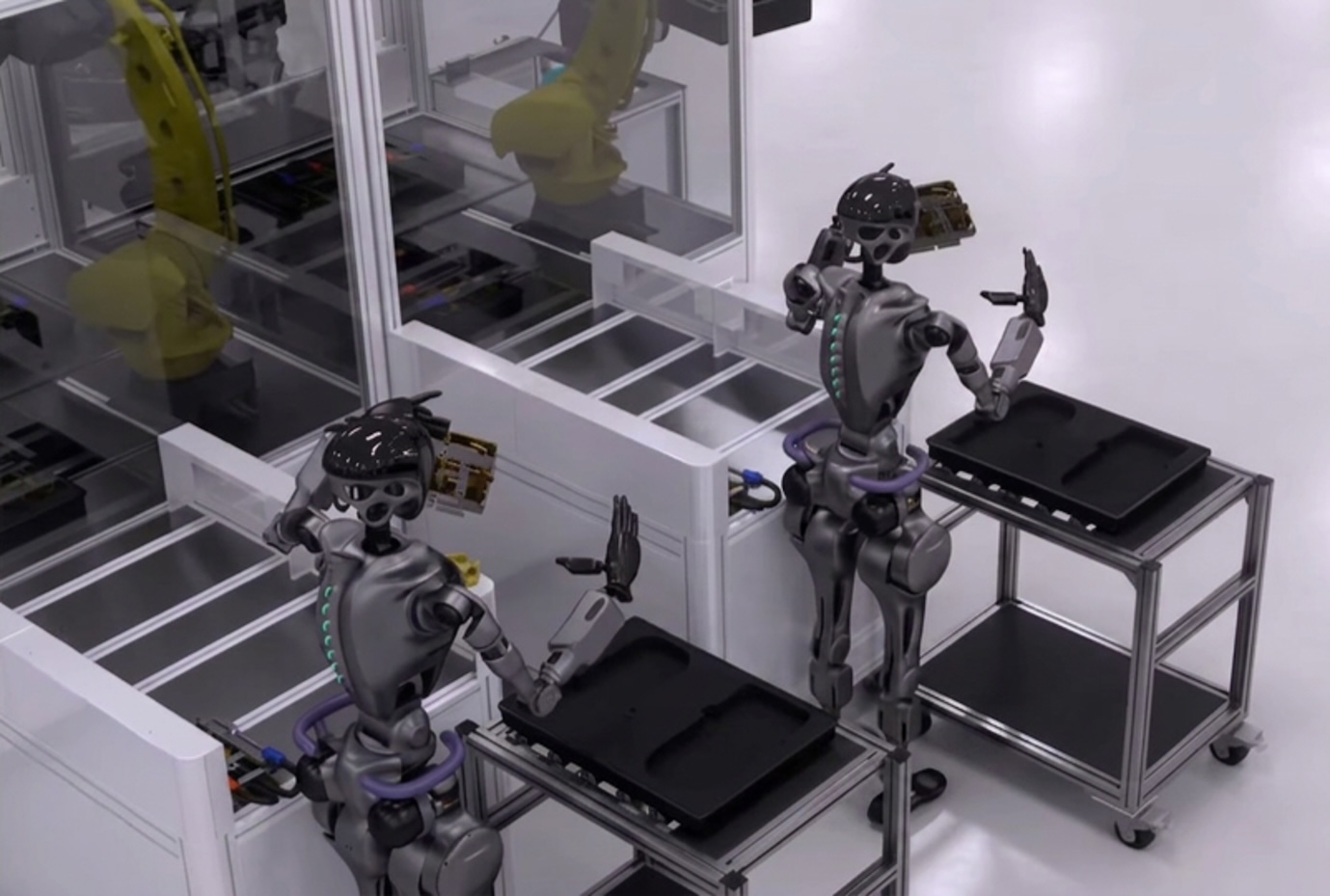
SpaceX Launches Starmind Project for 1 Million AI Satellites by 2028
SpaceX has officially named its orbital AI infrastructure project 'Starmind,' which aims to deploy a constellation of up to 1 million satellites. This initiative, confirmed by Elon Musk on June 22, 2026, will enable AI inference directly in space, utilizing solar energy rather than terrestrial power sources. The first satellite, designated AI1, was unveiled on June 8, 2026, and is designed to operate in sun-synchronous orbits. The significance of Starmind lies in its potential to overcome the limitations faced by ground-based data centers, such as land, power, and water constraints. By running AI computations in orbit, Starmind can provide a more efficient solution to the growing demand for AI computing power. The project leverages the existing Starlink infrastructure for data transmission, distinguishing its function from Starlink's internet relay capabilities. Looking ahead, SpaceX plans to begin hardware deployment with the AI1 satellite, while full-scale production and deployment of the satellite constellation are targeted for 2028. As of now, no Starmind satellites have been launched, and further engineering challenges remain to be addressed, particularly regarding the scalability of the satellite design.

SpaceX Unveils AI1 Satellite Specs for Starmind Constellation with Key Thermal Challenges
SpaceX has introduced the AI1 satellite, the inaugural component of its Starmind constellation, which stands 20 meters tall and has a wingspan of 70 meters. This orbital compute node is designed to deliver computing power equivalent to one NVIDIA GB300 server rack, utilizing a unique cooling system with deployable liquid radiators. The satellite's specifications were revealed during a presentation on June 8, 2026, ahead of SpaceX's IPO. The significance of the AI1 satellite lies in its role as a compute platform rather than a traditional satellite, focusing on running AI inference workloads. The satellite's cooling system, which is critical for its operation in the vacuum of space, is designed to reject heat through infrared radiation. However, independent engineers have raised concerns about the feasibility of the thermal and mass claims made by SpaceX, suggesting that the cooling requirements may exceed practical limits. Looking ahead, SpaceX plans to launch two AI1 prototypes in early 2027, with full-scale production expected to commence later that year at its Gigasat facility in Bastrop, Texas. The ongoing debate regarding the satellite's thermal management capabilities will be crucial to monitor as the project progresses, with no further timeline disclosed at the time of publication.

SpaceX's Starmind Project: Supplier Strategy and Chip Manufacturing Plans for 2026
SpaceX's Starmind project, aimed at deploying up to 1 million AI satellites, was filed with the FCC on January 30, 2026. The initiative is designed to minimize reliance on external suppliers, with CEO Elon Musk stating that current chip production capabilities only meet 2% of the projected needs. The first satellite, AI1, is set for prototype launches in early 2027, featuring a 70-meter wingspan and a modular payload system that allows for interchangeable chips from various suppliers. The significance of Starmind lies in its ambitious supply chain strategy, which seeks to transition from external hardware suppliers to a fully integrated Musk-owned facility by 2028. The Gigasat manufacturing site in Bastrop, Texas, is expected to be operational by the end of 2027, with plans for high-volume production of the D3 chip, specifically designed for space applications. This approach aims to consolidate chip manufacturing processes under the Terafab joint venture, which has an estimated initial investment of $55 billion. Looking ahead, the next milestone for Starmind is the launch of AI1 prototypes in early 2027, while the full-scale chip production at Terafab is projected to ramp up significantly thereafter. However, analysts express skepticism regarding the feasibility of achieving Musk's ambitious compute goals, which may require substantial investment and time to establish the necessary manufacturing capabilities.

Ocean Robotics Planet Magazine Issue 47 is out now!
A recent announcement from a leading technology company revealed the launch of its latest smartphone model, set to hit the market next month. The unveiling took place during a high-profile event in San Francisco, where executives showcased innovative features aimed at enhancing user experience and connectivity. This new device is designed to compete with other flagship smartphones by integrating advanced artificial intelligence capabilities and improved camera technology. The company aims to capture a larger share of the market, responding to growing consumer demand for cutting-edge technology. The smartphone will be available for pre-order starting next week, with a full retail launch scheduled for the following month.
rov planet magazine ocean robotics planet magazine no:47 2026
US aerospace firm clears new adaptive engine for Boeing F-47 sixth-gen fighter jet
GE Aerospace, a leading US aircraft engine supplier, has announced the successful clearance of its XA102 adaptive cycle engine for assembly. This significant development comes as part of the company’s ongoing efforts to enhance engine performance and efficiency. The announcement was made on [insert date], marking a crucial step in the engine's production process. The XA102 engine is designed to provide advanced capabilities for future military aircraft, addressing the increasing demands for versatility and adaptability in modern aviation. By utilizing innovative technology, GE Aerospace aims to meet the evolving needs of the defense sector, ensuring that the new engine can operate effectively across a range of flight conditions. The assembly phase is expected to pave the way for further testing and eventual deployment, reinforcing GE Aerospace's commitment to delivering cutting-edge solutions in aerospace engineering.

Robot Talk Episode 147 – Miniature living robots, with Maria Guix
In a recent discussion, Claire spoke with Maria Guix, a chemist and nanotechnology researcher at the University of Barcelona, about the innovative field of biohybrid robots. This conversation highlighted Guix's work in the ChemInFlow lab, where she focuses on merging electronics with biological components to develop miniaturized living robots. These biohybrid robots possess emergent properties that could enhance their functionality and adaptability. Guix is also integrating flexible sensors into microfluidic platforms, a process aimed at advancing the understanding of these robotic systems. The research is significant as it explores the intersection of biology and technology, potentially leading to breakthroughs in robotics and bioengineering.

Import AI 447: The AGI economy; testing AIs with generated games; and agent ecologies
A recent exploration into the concept of superintelligence arcologies has sparked interest among futurists and urban planners. This innovative idea envisions self-sustaining, high-density urban environments that integrate advanced artificial intelligence to enhance living conditions and resource management. The discussion gained momentum in October 2023, as experts gathered at a technology conference to examine the potential benefits and challenges of such developments. Proponents argue that superintelligence arcologies could address pressing global issues, including climate change, urban overcrowding, and resource scarcity. By leveraging AI, these structures could optimize energy use, waste management, and transportation systems, creating a more sustainable urban ecosystem. The integration of smart technology would allow for real-time data analysis, enabling residents to make informed decisions about their environment. Critics, however, caution against the risks associated with relying heavily on AI for urban living. Concerns about privacy, security, and the potential for systemic failures in such complex systems were highlighted during the discussions. The feasibility of constructing these arcologies also raises questions about economic viability and societal acceptance. As the conversation continues, researchers and developers are exploring various models and designs for superintelligence arcologies, aiming to create prototypes that could be tested in real-world scenarios. The outcome of these efforts could significantly shape the future of urban living, potentially transforming cities into interconnected, intelligent habitats that prioritize sustainability and quality of life.

Unitree G1 Conquers -47°C in Snowy Winter Olympics Marketing Stunt
In a remarkable demonstration of technological endurance, Unitree’s G1 humanoid robot successfully completed a 130,000-step autonomous challenge in the frigid conditions of Altay. This event, which took place recently, was organized to promote China Media Group’s upcoming coverage of the Winter Olympics. The challenge showcased the robot's capabilities in extreme weather, highlighting advancements in robotics and their potential applications in various fields. The initiative aims to generate excitement and interest in the Winter Olympics, emphasizing the intersection of technology and sports.
G1 Unitree Robotics China
GOSL Nigeria Expands Uncrewed Survey Capability with HydroSurv REAV- 47 Order
HydroSurv has announced the sale of a REAV-47 uncrewed surface vessel to Geodetic Offshore Services Limited (GOSL), a prominent provider of offshore survey services. This transaction, which represents HydroSurv's inaugural delivery to Nigeria, aims to enhance hydrographic and geophysical survey operations in the region. The partnership underscores the growing demand for advanced surveying technology in Nigeria's offshore sector, facilitating more efficient and accurate data collection for various marine applications.
gosl nigeria uncrewed survey capability hydrosurv reav- 47Robotics needs a service framework.
RSF defines a common language for robot service capability, lifecycle operations, certification pathways, and service-provider networks.
Join the RobotToday community on LinkedIn
Daily robotics news, in-depth analysis, conference highlights, and discussions with professionals worldwide.