Industry Briefing
A single destination for timely, editor-curated robotics news from around the world.
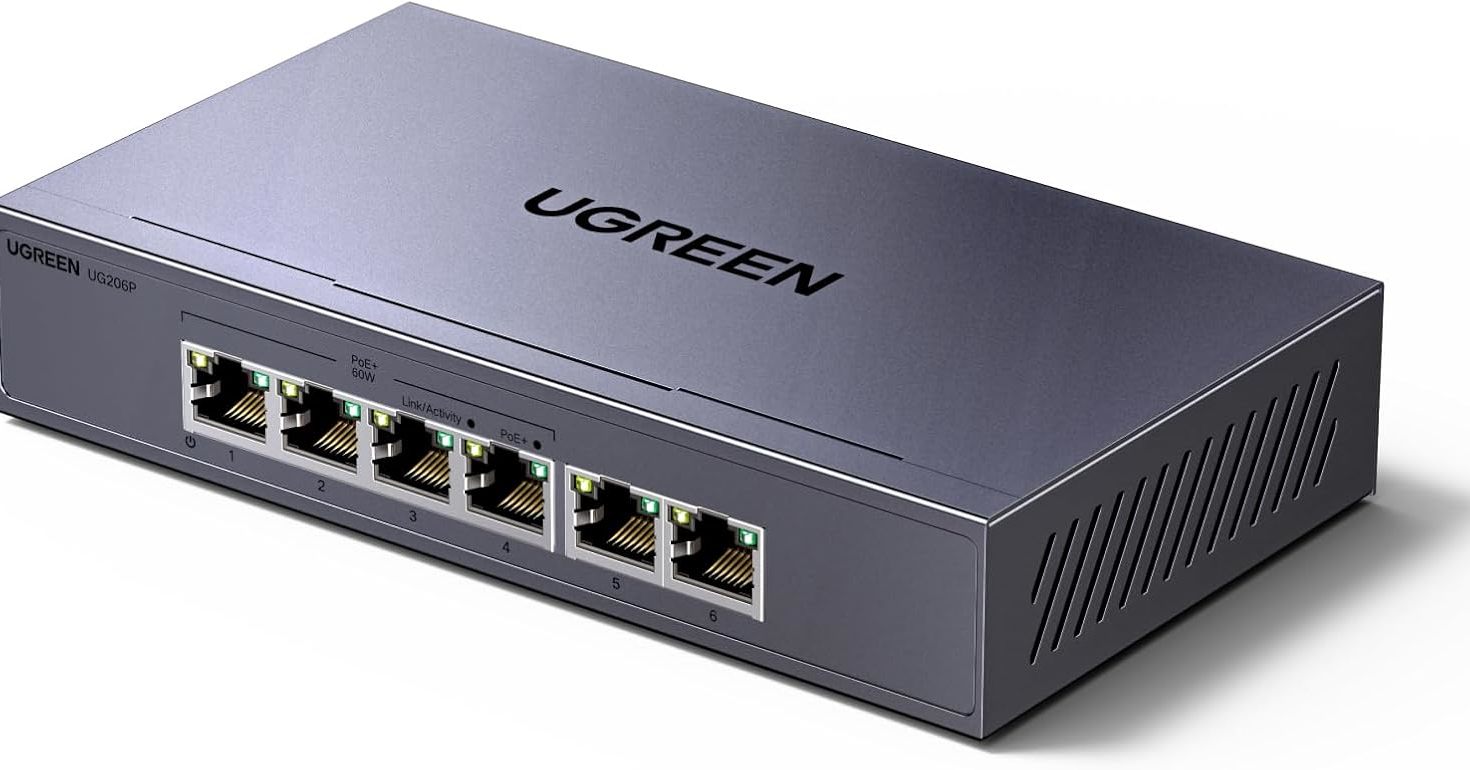
UGREEN 6-Port PoE Switch Now 25% Off at 4,185 Yen in Flash Sale
A time-limited sale on Amazon is offering a 25% discount on UGREEN's six-port PoE (Power over Ethernet) switching hub. This hub features four ports that support PoE+, enabling long-distance transmission of up to 250 meters. Additionally, it includes VLAN mode and is housed in a durable metal body, making it a robust option for networking needs. The promotion highlights the growing demand for efficient networking solutions in both home and office environments.

Ardian to invest €5 billion in digital infrastructure in France; Kuaishou creates 189 new jobs, 15 from AI; China allocates
On June 2, 2023, in Beijing, Gaode Map and the Singapore Tourism Board signed a strategic cooperation memorandum, marking the launch of the first collaborative tourism ranking list between a Chinese company and an overseas national tourism board. This initiative will feature the Singapore Street Ranking, utilizing Gaode's advanced aerial street view technology to provide a 360-degree perspective of local attractions, hotels, neighborhoods, and restaurants. The goal is to enhance the travel experience by allowing visitors to assess their destinations before arrival. In a separate development, the Jiangxi National Rare Earth Technology Innovation Center was established with a registered capital of 1.25 billion yuan, focusing on mineral resource exploration and scientific research. Additionally, WeRide and Uber announced plans to introduce Spain's first commercial Robotaxi service in Madrid, expanding WeRide's presence to its twelfth global city. The initiative aims to deploy hundreds of Robotaxis in the city center as operational benchmarks are met. In France, Ardian, a private equity firm, revealed a partnership with Verne to invest up to 5 billion euros in developing a next-generation digital infrastructure park in the Île-de-France region, with a target capacity of 500 megawatts by 2030. Other notable news includes a collaboration between Google and Telstra to build a fiber and submarine cable network in Australia, updates on the recovery timeline for Blue Origin's launch facilities following a recent rocket explosion, and a reduction in fuel surcharges for domestic flights in China starting June 5.
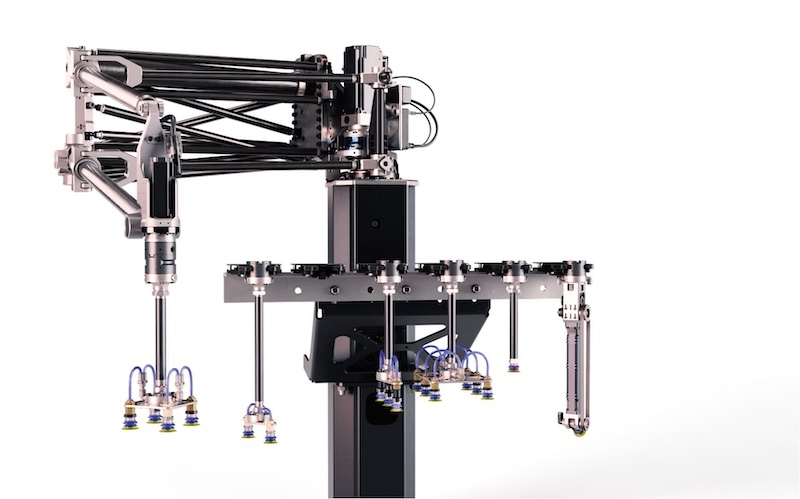
Cognibotics Secures €6.5 Million EU Funding for HKM1800 Robot Development
Cognibotics, a Swedish robotics firm, has received €6.5 million in funding from the European Innovation Council Accelerator under the Horizon Europe program. This funding comprises a €2.5 million grant and €4 million in equity financing, aimed at advancing the development and industrialization of the HKM1800 robot platform for logistics and manufacturing. The HKM1800 features a hybrid kinematic design that allows for delta-class speed and a workspace ten times larger than traditional robots, while consuming one-third less energy. The significance of this funding lies in its potential to enhance automation in Europe, addressing labor shortages and increasing throughput demands. The HKM1800 is designed to facilitate quick installation and achieve over 2,000 picks per hour within a 10 square meter workspace, effectively breaking the conventional speed/reach trade-off. CEO Fredrik Malmgren emphasized that this funding validates their technology and strategic direction, which focuses on both the robot and the software that supports it. Looking ahead, Cognibotics aims to leverage this funding to bring the HKM1800 to market and further develop its software and automation strategies. The project aligns with the growing need for scalable automation solutions in Europe. No further timeline was disclosed at the time of publication.
Business Financials & Investments News cognibotics EIC Accelerator European Innovation Council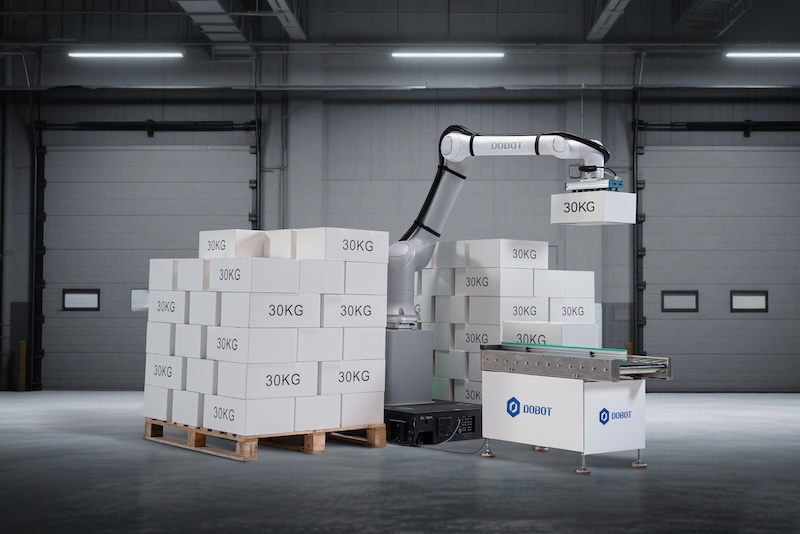
DOBOT CR 30H Series Achieves SGS-Verified Compliance with ISO 10218-1:2025 Cybersecurity Requirements
In February 2026, DOBOT, a prominent robotics manufacturer based in Shenzhen, China, announced that its CR 30H Series collaborative robots have met the cybersecurity compliance standards outlined in ISO 10218-1:2025. This achievement follows an independent verification process conducted by SGS, a leading inspection and certification company. The compliance with this latest international safety standard for industrial robots underscores DOBOT's commitment to ensuring the security and reliability of its technology in an increasingly digital landscape.
DOBOT CR 30H Series SGS ISO 10218-1:2025 cybersecurity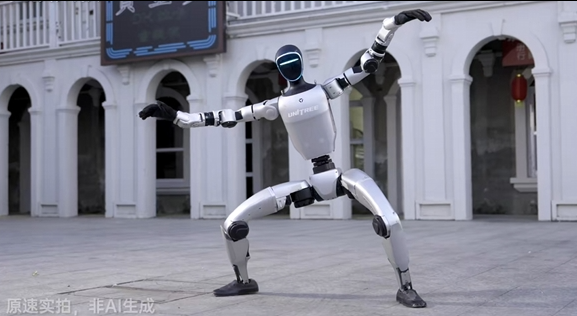
Obayashi Corporation Launches 18-Month Project with Humanoid Robots in Construction
Obayashi Corporation has initiated an 18-month joint verification project utilizing humanoid robots at a construction site near Tokyo. The project aims to address the critical labor shortage in Japan's construction industry, where over one-third of workers are aged 65 and older, while less than 10% are under 30. The introduction of humanoid robots is seen as a survival strategy rather than a gimmick. The selected humanoid robot, UTree H1, features 19 degrees of freedom and is designed for repetitive material handling tasks in uneven environments. Obayashi's technology lead emphasized that the project's core metric is not replacement rate but rather the enhancement of human-robot collaboration efficiency, indicating that the initial role of the robots will be to assist rather than fully replace human workers. The project also highlights the cost advantages of UTree's supply chain, which is over 40% lower than similar products from Europe and the U.S. This affordability makes the UTree H1 accessible to large rental companies in Japan. Experts note that successful integration of humanoid robots into existing construction workflows will be crucial for scaling up their use in the industry. No further timeline was disclosed at the time of publication.
Humanoid Robots Construction Automation Robotics AI Building Technology
Tesla, Inc. Targets 418,000 Vehicle Deliveries Amid Robotics Shift and Price Adjustments
Tesla, Inc. (NASDAQ:TSLA) has been highlighted as one of the top stocks to buy in 2026 by billionaire D.E. Shaw. The electric vehicle manufacturer has seen its shares increase by 37% over the past year, although they have decreased by 7.2% year-to-date. Barclays recently maintained an Equalweight rating with a price target of $360, noting that Tesla could deliver 418,000 vehicles in Q2, surpassing analyst expectations. The significance of Tesla's performance extends beyond vehicle deliveries, as the company is pivoting towards robotics and artificial intelligence, particularly with its Robotaxi platform. CEO Elon Musk has expressed ambitions to position Tesla as a leader in humanoid robot production. RBC Capital has also raised its price target for Tesla shares to $500, reflecting confidence in the company's future, especially in light of potential synergies with SpaceX. Looking ahead, Tesla's upcoming earnings call will be critical, especially amid speculation regarding a possible acquisition by SpaceX. Investors are advised to monitor the company's strategic shift towards AI and robotics, as well as its vehicle delivery metrics. No further timeline was disclosed at the time of publication.
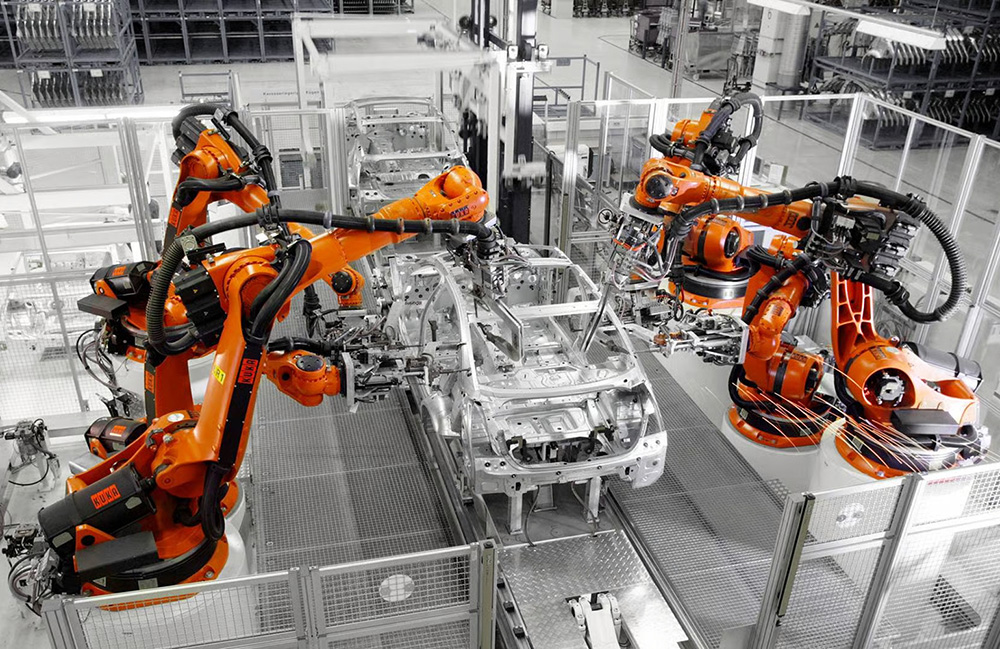
KUKA Addresses Upcoming ISO 10218:2025 Robot Safety Standards and Market Implications
KUKA, a leading robotics provider for the automotive sector, is responding to increasing inquiries regarding the updated ISO 10218 safety standard. This standard, which will become mandatory under the new European Machinery Regulation by 2027, is crucial for CE-marked industrial robots. The transition may be delayed due to weak manufacturing demand and cost pressures on SMEs, raising concerns about supplier readiness. The significance of the ISO 10218:2025 update lies in its potential to enhance the competitive position of established vendors while posing market access risks for less prepared suppliers. The current Machinery Directive will be replaced by the Machinery Regulation EU 2023/1230, effective January 20, 2027. However, the timeline for the formal listing of the new standard in the Official Journal of the European Union remains uncertain, which could impact compliance timelines for manufacturers. In the U.S., the updated R15.06-2025 safety standard, released in September 2025, aligns with international standards but remains voluntary. Despite this flexibility, major customers often require compliance, and non-adherence can lead to penalties. As the European market faces subdued demand, suppliers that effectively manage the transition to the new safety standards will be better positioned to meet the needs of a safety-conscious customer base as demand recovers.
Manufacturing News Opinion Regulatory & Compliance Safety & Security association for advancing automation
Ant Group heavily invests in the humanoid robot sector, completing 12 investments and establishing a new subsidiary in 18 months.
Ant Group has made significant strides in the humanoid robot sector, completing a total of 12 investments and launching a new subsidiary within the past 18 months. This strategic move reflects the company's commitment to advancing technology and innovation in robotics. The investments are aimed at enhancing Ant Group's capabilities in artificial intelligence and automation, positioning the firm at the forefront of the rapidly evolving tech landscape. By establishing a dedicated subsidiary, Ant Group seeks to streamline its operations and focus on developing cutting-edge humanoid robots that can cater to various industries. This initiative underscores the company's vision to integrate advanced robotics into everyday applications, potentially transforming how businesses operate and interact with technology.
Robotics Automation AI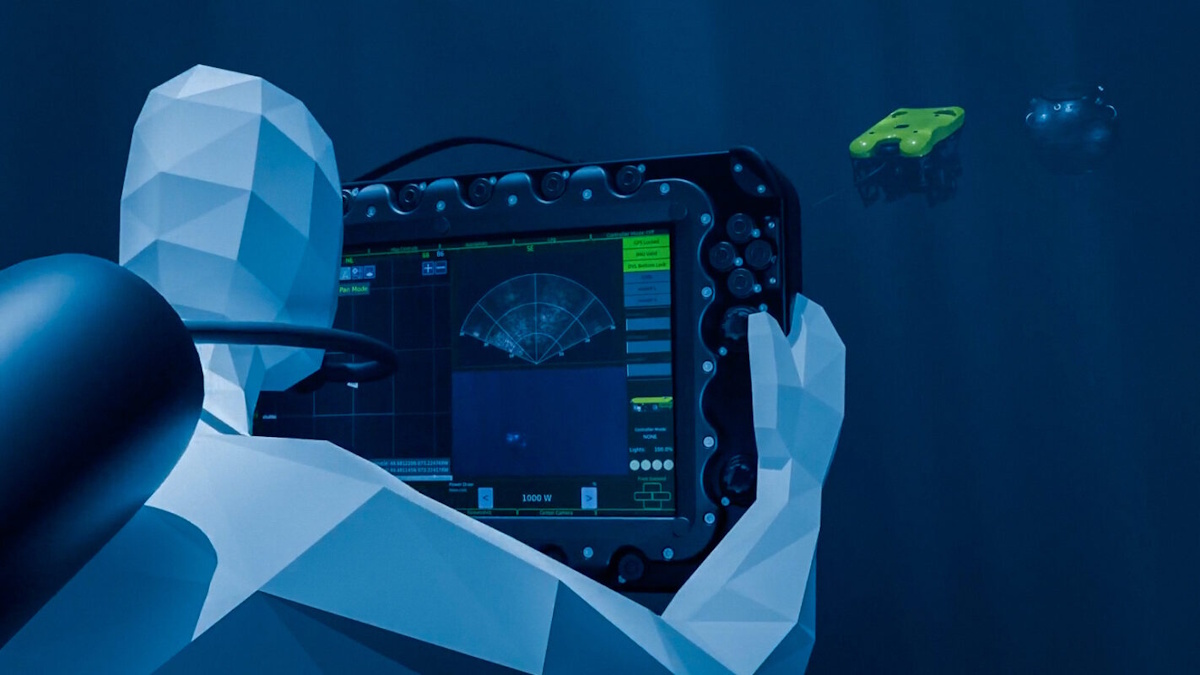
Greensea IQ is Awarded $18 Million Contract by the US Navy for the Bayonet Underwater Controller (BUC) Development and Sustainment
Greensea Systems, Inc., operating as Greensea IQ, has secured an $18.15 million Indefinite-Delivery/Indefinite-Quantity (IDIQ) contract to deliver hardware, software, and engineering technical services. This contract, awarded for an undisclosed duration, focuses on the development of underwater controllers essential for the operation of autonomous and remotely operated systems in maritime settings. The contract aims to enhance capabilities in underwater technology, reflecting the growing demand for advanced solutions in marine environments.
greensea iq u.s. navy new contract bayonet underwater controller (buc) development and sustainment
China's Tech Giants Deploy AI Across Every Front in the 618 Shopping Festival
During China's 618 shopping festival, major tech companies Alibaba, JD.com, and ByteDance are leveraging artificial intelligence to transform the e-commerce landscape. This year's event, which takes place in June, showcases a range of innovative technologies, including AI assistants, digital hosts, and advanced smart logistics systems. The integration of these AI-driven tools aims to enhance the shopping experience for consumers and streamline operations for retailers. By focusing on AI, these companies seek to stay competitive in the rapidly evolving online marketplace and meet the growing demand for personalized and efficient shopping solutions. The festival highlights the significant role of technology in shaping consumer behavior and the future of retail in China.
Industry Gadgets
Defense tech, AI, and fundraising take center stage at StrictlyVC Los Angeles on June 18
On Thursday, June 18, The Aerospace Corporation Campus will host an evening event bringing together investors, founders, and technology leaders to discuss significant changes in venture capital, defense technology, artificial intelligence, and advanced industries. This gathering aims to foster dialogue and insights into the evolving landscape of these critical sectors, highlighting the motivations behind recent developments and innovations. Attendees are encouraged to secure their spots for this opportunity to engage with industry experts and peers.
AI Fundraising Security Space Startups Venture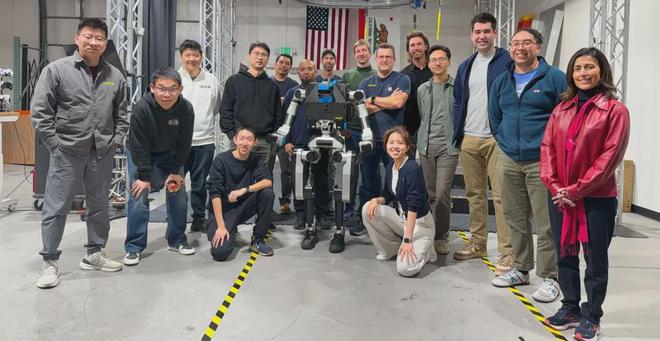
Silicon Valley Startup Launches Humanoid Robot Company! Commercial Deployment Achieved in 18 Months with Orders from Apple, SpaceX, and NASA!
Noble Machines, a California startup established by former engineers from Apple, SpaceX, and NASA, has announced the successful deployment of its first industrial humanoid robot, Moby, in a remarkable timeframe of just 18 months. Moby is engineered to operate in challenging industrial settings, featuring advanced load handling capabilities and adaptability. The introduction of this robot is intended to improve safety and efficiency in heavy industry, addressing the growing demand for automation in such environments.
Humanoid Robots Industrial Automation AI Robotics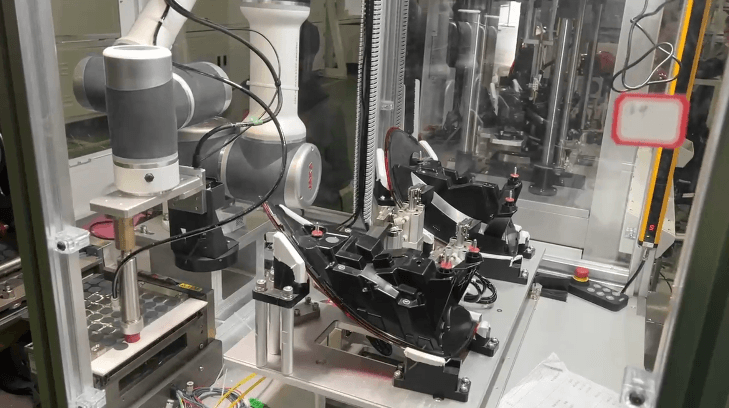
Everything You Need to Know About Collaborative Robot Safety Standards (ISO 10218)
As industries increasingly adopt collaborative robots, the regulatory landscape surrounding advanced robotics is adapting, particularly through the updated ISO 10218 standard for industrial robot safety. This international guideline, crucial for businesses utilizing collaborative robots, emphasizes the importance of compliance not just for legal reasons but as a strategic measure to ensure operational efficiency and worker safety. The ISO 10218 standard is divided into two parts: the first outlines safety requirements for robot manufacturers regarding the design and construction of robotic arms and controllers, while the second focuses on system integration, detailing safety protocols for the entire robot application, including workspace and human interaction. Key collaborative operation methods include Safety-rated Monitored Stop, Hand Guiding, Speed and Separation Monitoring, and Power and Force Limiting. Recent updates to the standard, effective in 2025, shift the focus toward a holistic risk assessment of the robot application, considering various factors such as arm speed and workpiece shape. JAKA Solutions is at the forefront of this evolution, ensuring that its robotic systems not only meet but exceed ISO 10218-1:2025 requirements. Their JAKA S series features advanced safety measures, including a safety-rated "skin" for enhanced environmental awareness, allowing seamless transitions between operational modes. By integrating JAKA technology, manufacturers can streamline compliance with CE and UKCA marking, supported by an intuitive interface for setting safety performance levels tailored to specific risk assessments. This innovation positions JAKA collaborative robots as reliable partners in enhancing production capabilities while prioritizing safety.

AI chip designer Cambricon vaults to China’s costliest stock after profits soar 185%
Cambricon Technologies, often referred to as “China’s little Nvidia,” has emerged as the most valuable stock in mainland China's equity market following a significant surge in its share price on Thursday. The company’s stock soared by as much as 18 percent, reaching nearly 1,680 yuan (approximately US$245), surpassing the optical chipmaker Yuanjie Semiconductor Technology, which was trading at around 1,660 yuan. This remarkable increase comes in the wake of Cambricon's announcement on Wednesday of a staggering 160 percent growth in the first quarter, driven by the ongoing artificial intelligence boom and China's efforts to achieve technological self-sufficiency.
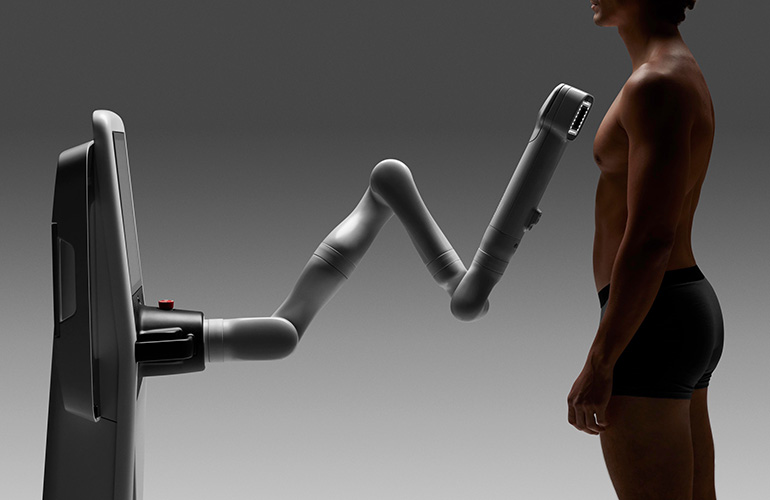
SquareMind raises $18M for robotic dermatology platform
Squaremind has successfully secured $18 million in funding to develop Swan, an innovative robotic platform designed to automate full-body skin imaging aimed at early cancer detection. This significant investment will enable the company to enhance its technology, which is poised to improve diagnostic accuracy and efficiency in dermatology. The funding round reflects a growing interest in advanced medical technologies that leverage robotics and artificial intelligence to address critical healthcare challenges. By streamlining the imaging process, Swan aims to facilitate timely interventions for skin cancer, ultimately contributing to better patient outcomes.
Artificial Intelligence Cobot Arms Healthcare Robotics News Squaremind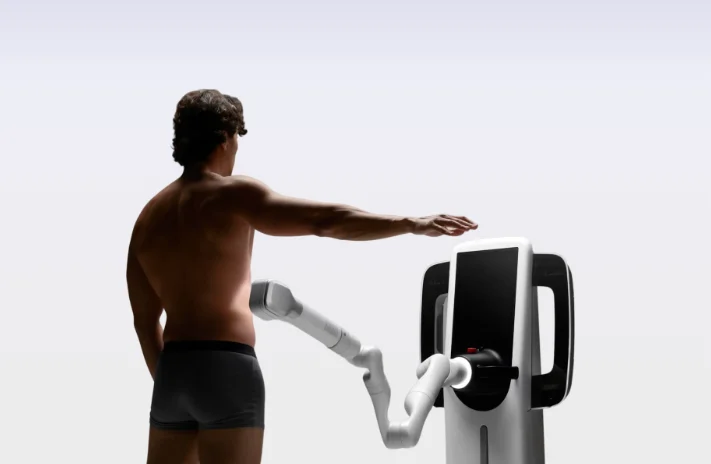
SquareMind Raises $18M in Funding to Launch AI-Driven Robotic Skin Imaging Platform in US and Europe
SquareMind, a medical robotics company based in France, has successfully secured $18 million in funding, which includes previously undisclosed pre-Series A financing. This investment, primarily led by Sonder Capital, a California-based venture fund co-founded by Fred Moll, comes as SquareMind gears up to launch its innovative robotic skin imaging platform aimed at dermatology practices. The company plans to introduce this technology in both the United States and Europe, enhancing diagnostic capabilities in the field. The funding will support the final stages of development and facilitate the market entry of this cutting-edge solution, addressing the growing demand for advanced dermatological tools.
AI AI Funding & Investment Robotics France funding medical robotics
Exoskeleton News, April 18 2026 – Week 16
The latest edition of the Exoskeleton Report, published on April 18, 2026, highlights advancements in wearable robotics and exoskeleton technology. This 79th weekly newsletter showcases the potential of these innovations to enhance human capabilities beyond traditional applications. The report aims to inform readers about the latest developments in the field, emphasizing the growing significance of wearable technology in various sectors. By providing insights and updates, the newsletter serves as a valuable resource for professionals and enthusiasts interested in the future of robotics and its impact on society.

Funfly’s Last War tops global mobile game revenue chart in September with $180 million in earnings
In September, FUNFLY's mobile game Last War achieved remarkable success by leading the global mobile game revenue chart, generating approximately RMB 1.3 billion (around $180 million) in in-app purchases across both iOS and Google Play platforms. This simulation and strategy game, known for its distinctive chibi-style 3D art design, combines elements of runner and shooter genres, appealing to a diverse audience. The game's innovative features and engaging gameplay have contributed to its popularity, driving significant revenue growth in a competitive market.
News Feed
iQIYI posts $18.6 million loss in Q2 as revenue declines
iQIYI, a leading streaming platform, announced a net loss of RMB 133.7 million ($18.6 million) for the second quarter of 2025, marking a significant downturn from a profit of RMB 68.7 million ($9.6 million) during the same period last year. This financial setback, reported on [insert date], is attributed to an 11% year-over-year decline in revenue, which totaled RMB 6.63 billion ($921 million). The decrease in revenue reflects challenges faced across key segments of the company, prompting concerns about its financial health and future performance in a competitive streaming market.
News Feed
JD.com’s food delivery service faces backlash after system crash amid 618 surge
On May 14, JD.com’s food delivery service faced significant disruptions, leading to widespread user complaints about delayed and unassigned orders. The incident prompted a surge of online discussion, with the hashtag #JD_Food_Delivery_Crashed_Again trending across various social media platforms. In light of the situation, JD.com issued an apology, explaining that the service interruptions were caused by an unexpected increase in order volume linked to its ongoing 618 promotional campaign. The company is currently working to address the issues and restore normal service for its customers.
News Feed
SAIC’s ride-hailing unit announced $181 million investment round in push for robotaxis
SAIC Mobility, the ride-hailing division of Chinese automotive giant SAIC Motor, announced on May 9 that it has successfully secured RMB 1.3 billion (approximately $181 million) in a Series C financing round. This significant investment, described as the largest in the Chinese ride-hailing sector in the past three years, was backed by the company's parent organization and various local government entities, among other investors. The funding is expected to bolster SAIC Mobility's operations and enhance its competitive edge in the rapidly evolving ride-hailing market.
News Feed
Corporate Investors Bet Big on Robotics Revolution: CVC Deals Jump 183% in Q1
In the first quarter of 2024, corporate venture capital investment in robotics startups experienced a remarkable surge of 183% year-over-year, totaling $1.3 billion across 34 deals. This significant increase is largely attributed to advancements in artificial intelligence and the growing demand for manufacturing solutions, particularly in the context of onshoring. Companies are actively investing to both supply components for and deploy next-generation robots, with a notable focus on humanoid technology. This trend reflects a broader shift in the industry as corporations seek to enhance their operational capabilities and adapt to evolving market needs.
Neura Robotics Schaeffler Agility Robotics Apptronik Fourier Intelligence
SpaceX's Starmind Targets AI Labs with $6.3 Billion Compute Contracts
SpaceX's Starmind is designed to provide wholesale AI compute services to businesses, particularly AI labs and cloud customers, rather than individual consumers. The service operates similarly to AWS, where users benefit from applications running on Starmind without direct subscriptions. The compute capacity of a single AI1 satellite is comparable to one NVIDIA GB300 rack, emphasizing its enterprise-grade capabilities. The significance of Starmind lies in its positioning as a potential fourth hyperscaler, joining the ranks of AWS, Microsoft Azure, and Google Cloud. The Reflection AI contract, valued at $150 million per month, exemplifies the enterprise-focused model, with total payments potentially reaching $6.3 billion through 2029. This contract highlights the growing demand for AI compute resources, particularly from AI-native startups and labs. Looking ahead, the focus will remain on securing additional enterprise contracts as Starmind expands its offerings. No consumer-facing products or subscriptions have been announced, and the current strategy is to cater to businesses with substantial AI workloads. No further timeline was disclosed at the time of publication.

SpaceX IPO Provides Indirect Investment Opportunity in Starmind Project
Starmind does not have a standalone stock or ticker; investors can gain exposure through SpaceX (ticker: SPCX), which began trading on Nasdaq after its IPO on June 12, 2026. Starmind is integrated within SpaceX, contributing to the company's AI and space initiatives, and its performance directly influences SPCX shares. The significance of Starmind lies in its role as a division of SpaceX, which encompasses other projects like Starlink and Starship. As of early July 2026, SPCX shares are trading between $149 and $150, significantly lower than their 52-week high of $225.64. The project’s milestones, such as AI1 prototype updates, can impact SpaceX's stock performance, making it essential for investors to monitor these developments closely. Looking ahead, the early 2027 launch of AI1 prototype satellites is a critical milestone that could provide verifiable data affecting Starmind's valuation and, consequently, SPCX stock. No further timeline was disclosed at the time of publication, but the upcoming events will be pivotal for investors tracking the relationship between Starmind and SpaceX's stock performance.

SpaceX's $1.75 Trillion Valuation Driven by Starmind's Future Potential
Starmind is a pivotal element in SpaceX's estimated $1.75 trillion IPO valuation, despite currently generating no confirmed revenue. The stock price reflects optimistic projections regarding AI infrastructure growth, which Starmind has yet to substantiate. As of early July 2026, SpaceX's stock has decreased from its 52-week high of $225.64 to around $150, indicating market skepticism about future execution. The significance of Starmind lies in its potential to transform SpaceX's revenue model beyond traditional launch services. Goldman Sachs has shifted its focus from Starlink subscriber growth to the prospects of AI revenue, including orbital computing, as a cornerstone of SpaceX's long-term valuation. This marks a substantial change in how analysts view the company's growth trajectory, necessitating rates exceeding its historical 33% growth. Looking ahead, the credibility of Starmind as a growth narrative will be crucial for maintaining investor confidence. Analysts have noted a considerable divergence in price targets, reflecting uncertainty about the value of the Starmind and xAI initiatives. No further timeline was disclosed at the time of publication regarding specific milestones for these projects.

Tesla's Optimus Robots to Support Starmind Satellite Production, Not Maintenance
Tesla's Optimus robots will not be used to repair Starmind satellites in orbit, as confirmed by recent statements from Elon Musk. Instead, these robots are intended to assist in the construction and operation of the Terafab chip manufacturing facility in Texas. The AI1 satellites, designed to disintegrate upon reentry, highlight the company's swap-and-replace strategy rather than traditional maintenance practices. This approach is significant as it reflects a broader trend in satellite management, where mass-produced satellites are replaced rather than repaired. The economics of servicing missions are prohibitive, with the cost of launching a replacement satellite being significantly lower than conducting a repair mission. This model aligns with SpaceX's operational history, where rapid replacement of satellites is more efficient than attempting to maintain them in orbit. Looking ahead, the focus will remain on the production capabilities of the Gigasat factory, which is expected to support the continuous replacement of satellites. No further timeline was disclosed at the time of publication, but the demand for rapid satellite turnover suggests a robust future for Optimus robots in terrestrial manufacturing rather than in-space servicing.

SpaceX's Starmind Plans 1 Million AI Satellites Amid Collision Risks
SpaceX has announced its ambitious Starmind project, which aims to deploy 1 million AI satellites in orbits between 500 and 2,000 km. This initiative, confirmed by Elon Musk on June 23, 2026, follows a merger with xAI, valuing the combined entity at $1.25 trillion. The satellites will function as orbital data centers, processing AI workloads powered by solar arrays and linked by optical lasers. The significance of Starmind lies in its potential to add 100 gigawatts of AI compute capacity annually, contingent on the successful operation of the Starship launch system. However, the project raises concerns regarding space debris, as the current orbital environment is already congested, with a 20% increase in collision risk reported since 2024. The European Space Agency has highlighted that the density of debris in low Earth orbit is now comparable to that of active satellites, complicating the operational landscape for new entrants like Starmind. Looking ahead, the first operational orbital AI deployments are targeted for 2028, with test launches expected in early 2027. However, the project faces scrutiny regarding its impact on space debris, as even a 1% failure rate could significantly increase the number of uncontrollable objects in orbit, exacerbating existing risks. No further timeline was disclosed at the time of publication.
SpaceX's Starship V3 Plans for 1 Million Starmind Satellites by 2030
SpaceX's Starship V3 is set to revolutionize satellite deployment, aiming to launch 1 million Starmind satellites by 2030. The spacecraft can carry over 100 tonnes to low Earth orbit (LEO), significantly more than the Falcon 9's capacity. As of May 2026, Starship has completed 12 flights, with the next mission scheduled for late July 2026, focusing on operational payloads including AI1 prototypes in early 2027. This ambitious plan is crucial for expanding orbital compute capacity, targeting an annual addition of 100 GW through a million tonnes of satellite hardware. SpaceX's strategy hinges on achieving a launch cadence of approximately 12,000 flights, equating to about three launches per day. The company has invested over $15 billion in the Starship program, with expectations to begin payload deliveries in the second half of 2026, starting with Starlink V3 satellites. Looking ahead, the successful deployment of the Starmind constellation will depend on Starship's ability to meet its cost targets of $10–20 million per flight. If achieved, this would make launching satellites more economical than building ground data centers. The next significant milestone will be the launch of AI1 prototypes in early 2027, with full-scale deployments commencing in 2028 from the new Gigasat factory in Texas.

SpaceX's Starmind Project: Supplier Strategy and Chip Manufacturing Plans for 2026
SpaceX's Starmind project, aimed at deploying up to 1 million AI satellites, was filed with the FCC on January 30, 2026. The initiative is designed to minimize reliance on external suppliers, with CEO Elon Musk stating that current chip production capabilities only meet 2% of the projected needs. The first satellite, AI1, is set for prototype launches in early 2027, featuring a 70-meter wingspan and a modular payload system that allows for interchangeable chips from various suppliers. The significance of Starmind lies in its ambitious supply chain strategy, which seeks to transition from external hardware suppliers to a fully integrated Musk-owned facility by 2028. The Gigasat manufacturing site in Bastrop, Texas, is expected to be operational by the end of 2027, with plans for high-volume production of the D3 chip, specifically designed for space applications. This approach aims to consolidate chip manufacturing processes under the Terafab joint venture, which has an estimated initial investment of $55 billion. Looking ahead, the next milestone for Starmind is the launch of AI1 prototypes in early 2027, while the full-scale chip production at Terafab is projected to ramp up significantly thereafter. However, analysts express skepticism regarding the feasibility of achieving Musk's ambitious compute goals, which may require substantial investment and time to establish the necessary manufacturing capabilities.
Starmind's Satellite Technology Achieves 880 Billion Liters in Annual Water Savings
Starmind has announced that its satellite technology can save approximately 880 billion liters of cooling water annually at full scale. This figure is equivalent to the annual household water use of around 6.5 million Americans. The technology operates by utilizing a closed-loop liquid cooling system that eliminates the need for water during its operational life, contrasting sharply with traditional ground data centers that consume vast amounts of water for cooling. The significance of this achievement lies in the growing water consumption crisis faced by data centers, particularly as AI expansion drives demand. In 2025, U.S. data centers consumed nearly one trillion liters of water, highlighting the urgent need for sustainable solutions. Starmind's approach not only addresses direct water usage but also avoids indirect water consumption associated with electricity generation, marking a substantial shift in how computing can be conducted in a resource-efficient manner. Looking ahead, Starmind's deployment strategy includes a projected buildout of 100 GW of orbital compute per year, which could displace an additional 735 billion liters of ground water demand annually. The first tranche of 10,000 satellites is already operational, offsetting approximately 8.8 billion liters of water per year. No further timeline was disclosed at the time of publication.
SpaceX Proposes 1 Million AI Satellites to Address Ground Data Center Constraints
On January 30, 2026, SpaceX filed with the FCC to launch up to 1 million AI compute satellites, positioning orbital data centers as a solution to the increasing demand for AI computing power. Ground data centers are facing significant challenges, with energy consumption projected to reach approximately 1,050 TWh in 2026, making them the fifth-largest electricity consumer globally. The demand for new data center capacity is outpacing the growth of power generation infrastructure, leading to a critical bottleneck in the grid system. The significance of this initiative lies in the structural constraints faced by ground data centers, including power delivery limitations, high water consumption, and local opposition to new projects. The Uptime Institute's 2026 outlook identifies power as the primary constraint on data center growth, with capacity clearing prices in the PJM grid skyrocketing to $329.17/MW, driven by data center expansion. Additionally, cooling requirements are becoming increasingly unsustainable, with facilities consuming vast amounts of water, further complicating their operational viability. Looking ahead, SpaceX's orbital AI compute initiative aims to circumvent these challenges by leveraging the advantages of space, such as continuous solar power and minimal local opposition. The first AI prototypes are expected to launch in early 2027, with operational deployments planned for 2028. No further timeline was disclosed at the time of publication.

Starmind's Orbital Compute vs. Terrestrial Data Centers: Analyzing Resource Advantages
Starmind's orbital compute technology presents a significant advantage over traditional ground-based data centers by eliminating constraints related to land, water, and grid permitting. While terrestrial data centers are currently cheaper and faster to construct, with U.S. data center spending reaching $85.3 billion in 2026, Starmind's approach focuses on addressing the growing resource limitations faced by hyperscale facilities. The significance of Starmind's technology lies in its ability to sidestep the increasing challenges of land and water usage. For instance, a 100 MW data center can consume approximately 530,000 gallons of water daily for cooling, while Starmind's AI1 utilizes deployable liquid radiators that require no water. This structural advantage could resonate with investors as the demand for AI computing continues to escalate, potentially leading to annual water withdrawals of up to 1.7 trillion gallons by 2027. Looking ahead, Starmind's next milestones include the launch of AI1 prototypes scheduled for early 2027. However, the technology's claims regarding cooling efficiency and operational reliability remain unverified until real flight data is available. As the industry evolves, the competition between orbital and terrestrial solutions will become increasingly relevant, particularly in the context of resource management and sustainability.
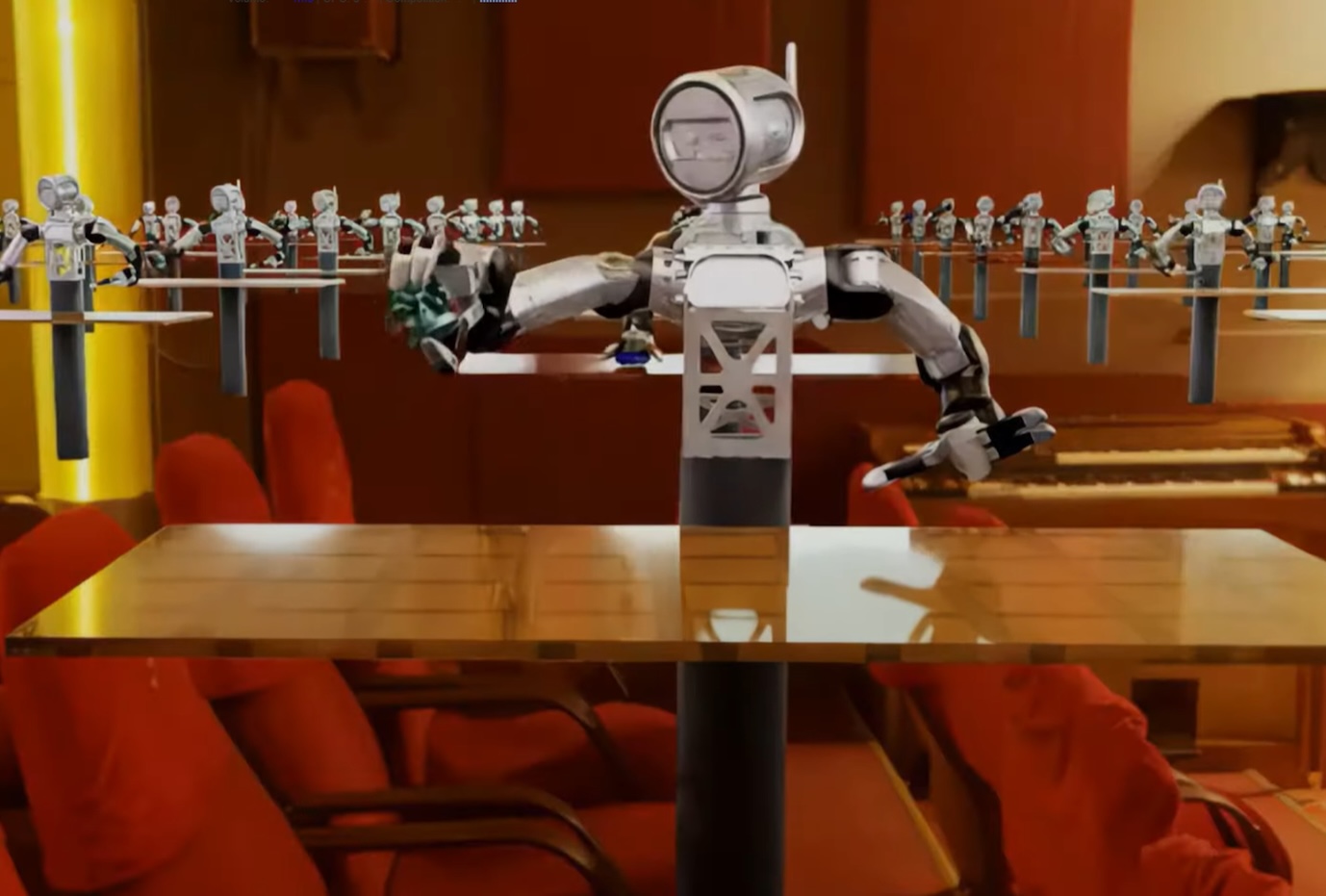
SpaceX's Starmind Faces Feasibility Challenges for 1 Million Satellite Deployment
On January 30, 2026, SpaceX submitted a request to the FCC to launch up to 1 million satellites as part of its Starmind orbital compute constellation. This ambitious plan is unprecedented, as the total number of satellites ever launched globally is in the low tens of thousands. The proposal seeks a waiver from standard deployment milestones, citing reliance on the Starship's full reusability for success. The significance of this request lies in the technical and logistical challenges it presents. Experts warn that low Earth orbit may not support the proposed number of active satellites without risking a debris cascade. SpaceX's own IPO prospectus acknowledges unresolved dependencies related to Starship's launch cadence and reusability, which are critical for the orbital AI compute strategy. Looking ahead, the timeline for achieving the necessary launch cadence and manufacturing capacity remains uncertain. SpaceX's Gigasat facility in Texas aims for volume production by late 2027, but this would require unprecedented output levels. No further timeline was disclosed at the time of publication, leaving the feasibility of the Starmind project in question.
SpaceX Unveils AI1 Satellite Specs for Starmind Constellation with Key Thermal Challenges
SpaceX has introduced the AI1 satellite, the inaugural component of its Starmind constellation, which stands 20 meters tall and has a wingspan of 70 meters. This orbital compute node is designed to deliver computing power equivalent to one NVIDIA GB300 server rack, utilizing a unique cooling system with deployable liquid radiators. The satellite's specifications were revealed during a presentation on June 8, 2026, ahead of SpaceX's IPO. The significance of the AI1 satellite lies in its role as a compute platform rather than a traditional satellite, focusing on running AI inference workloads. The satellite's cooling system, which is critical for its operation in the vacuum of space, is designed to reject heat through infrared radiation. However, independent engineers have raised concerns about the feasibility of the thermal and mass claims made by SpaceX, suggesting that the cooling requirements may exceed practical limits. Looking ahead, SpaceX plans to launch two AI1 prototypes in early 2027, with full-scale production expected to commence later that year at its Gigasat facility in Bastrop, Texas. The ongoing debate regarding the satellite's thermal management capabilities will be crucial to monitor as the project progresses, with no further timeline disclosed at the time of publication.
SpaceX Launches Starmind Project for 1 Million AI Satellites by 2028
SpaceX has officially named its orbital AI infrastructure project 'Starmind,' which aims to deploy a constellation of up to 1 million satellites. This initiative, confirmed by Elon Musk on June 22, 2026, will enable AI inference directly in space, utilizing solar energy rather than terrestrial power sources. The first satellite, designated AI1, was unveiled on June 8, 2026, and is designed to operate in sun-synchronous orbits. The significance of Starmind lies in its potential to overcome the limitations faced by ground-based data centers, such as land, power, and water constraints. By running AI computations in orbit, Starmind can provide a more efficient solution to the growing demand for AI computing power. The project leverages the existing Starlink infrastructure for data transmission, distinguishing its function from Starlink's internet relay capabilities. Looking ahead, SpaceX plans to begin hardware deployment with the AI1 satellite, while full-scale production and deployment of the satellite constellation are targeted for 2028. As of now, no Starmind satellites have been launched, and further engineering challenges remain to be addressed, particularly regarding the scalability of the satellite design.
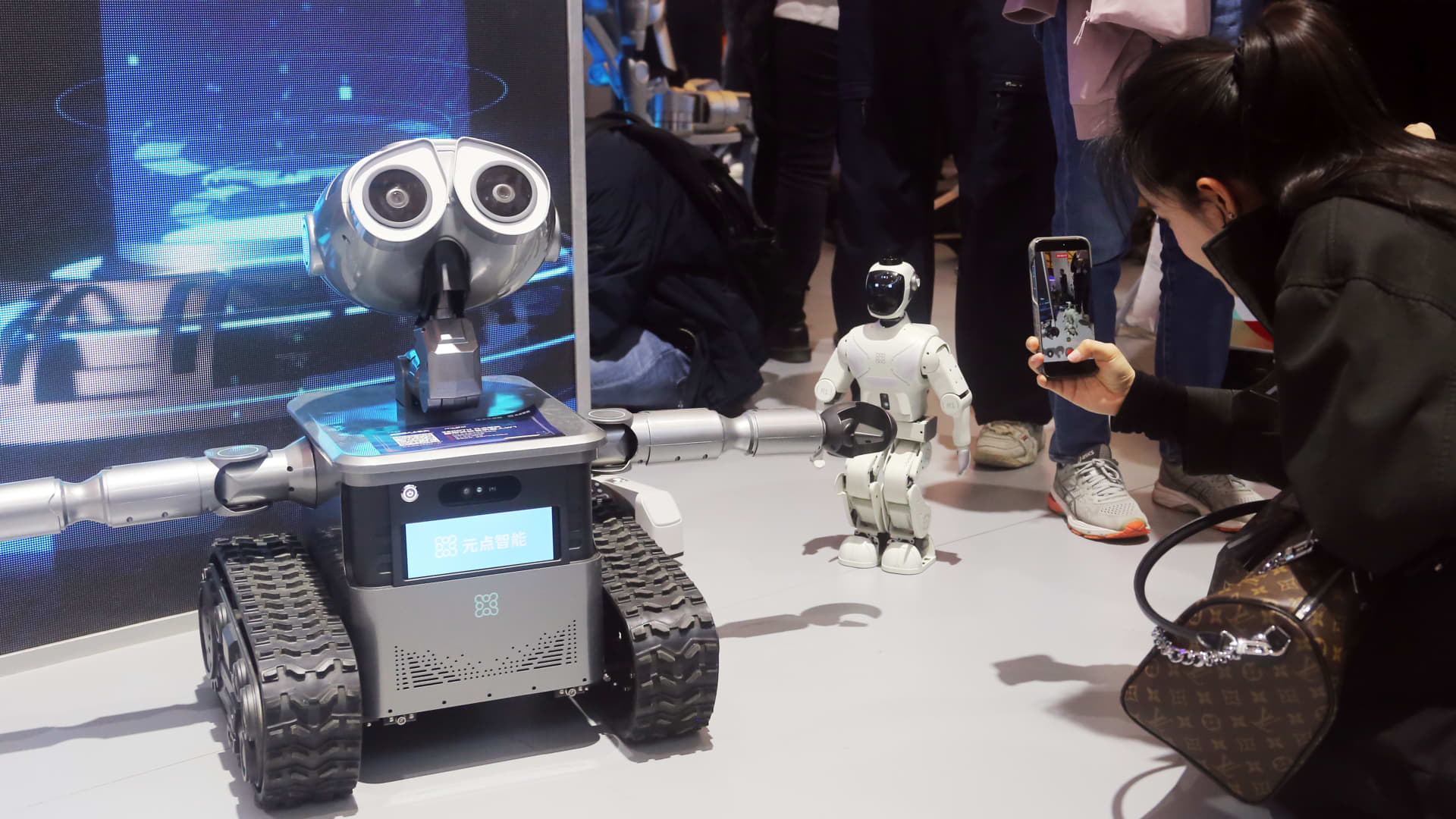
Alibaba-affiliate Ant Group rushes into humanoid robots with a dozen deals in 18 months
Ant Group has successfully led a funding round of 500 million yuan (approximately $73.59 million) for the humanoid robotics company Zeroth, as announced by the start-up on Thursday. This investment highlights Ant Group's commitment to advancing technology in the robotics sector and reflects the growing interest in humanoid robots. The funding will likely support Zeroth's development efforts and enhance its capabilities in creating innovative robotic solutions.

ByteDance's Doubao Crosses Production-Grade Threshold with 180 Trillion Daily Tokens
On June 23, ByteDance unveiled its latest flagship large language model, Doubao-Seed-2.1 Pro, which significantly enhances its capabilities by increasing daily token calls to unprecedented levels. This launch marks a strategic move by the tech giant to strengthen its position in the competitive AI landscape. The Doubao 2.1 Pro aims to provide more efficient and sophisticated language processing, catering to a growing demand for advanced AI solutions across various industries. By leveraging cutting-edge technology and extensive data training, ByteDance seeks to meet the evolving needs of users and businesses alike, further establishing its influence in the AI sector.
AI
Fed Rate-Hike Bets Fuel Equities Rally | The Close 6/18/2026
Bloomberg Television is set to provide comprehensive news and analysis as Wall Street approaches its closing bell. The program will feature insights from a diverse panel of experts, including Mimi Duff, Senior Client Advisor and Head of the New York Office at GenTrust; Songyee Yoon, Founder and Managing Partner of Principal Venture Partners; and Alicia Reese, Senior Vice President of Equity Research at Wedbush. Other notable guests include Nicole Pullen Ross, Head of the Northeast Region at Goldman Sachs; Steve Sosnick, Chief Strategist at Interactive Brokers; and George Gatch, CEO of JP Morgan Asset Management. The lineup also includes Chef and Restaurateur Kwame Onwuachi, former Lululemon Chief Investment Officer Julie Averill, Candle Media Founder and Co-CEO Kevin Mayer, and Joel Montaniel, Co-Founder and CEO of SevenRooms. This gathering of financial and culinary leaders aims to provide viewers with valuable perspectives on market trends and investment strategies as trading concludes for the day.
NMS:NVDA
Malaysia to buy 18 Caesar self-propelled howitzers, KNDS announces at Eurosatory
In a significant development for Malaysia's military capabilities, the government has finalized a contract for the procurement of a self-propelled howitzer. This agreement comes after a lengthy and complex negotiation process aimed at enhancing the nation's defense arsenal. The signing took place recently, marking a pivotal moment in Malaysia's efforts to modernize its armed forces. The decision to pursue this advanced artillery system is driven by the need to strengthen national security and improve operational readiness in response to evolving regional threats. The acquisition process involved extensive discussions with various defense contractors to ensure the selection of the most suitable technology for the Malaysian Armed Forces.
Global Land Warfare Army Asia caesar EUROSATORY 2026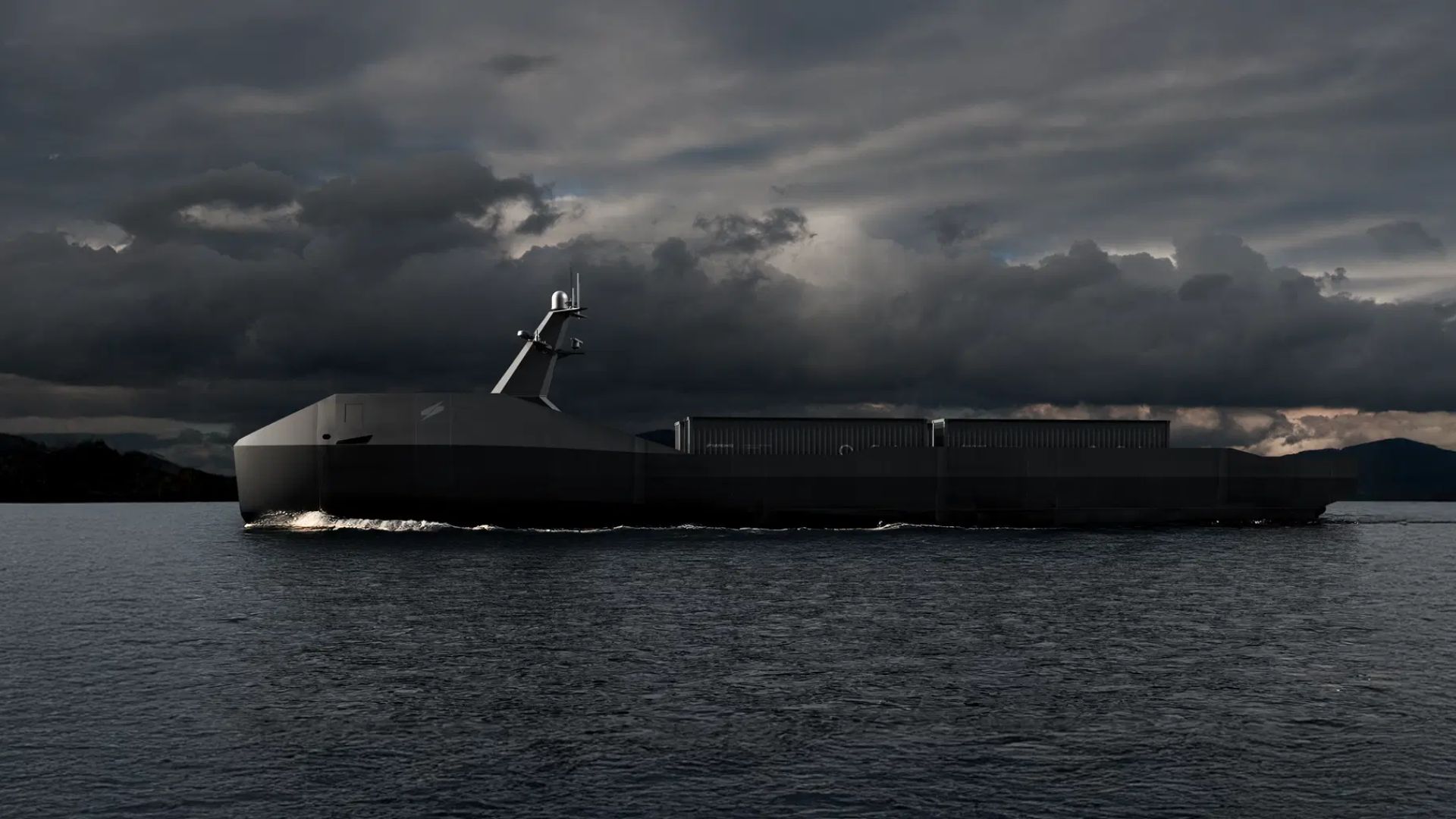
US’ new 180-foot drone ship could launch hypersonic missiles, demo set for 2027
Saronic and Castelion, two prominent defense technology firms, have unveiled their intention to merge efforts in developing an autonomous warship. This strategic collaboration aims to enhance maritime security capabilities and address emerging threats in naval warfare. The announcement was made on October 15, 2023, during a defense technology conference held in Athens, Greece. The motivation behind this partnership stems from the increasing demand for advanced naval solutions that can operate independently in complex environments. By pooling their expertise and resources, Saronic and Castelion seek to accelerate the innovation process and deliver cutting-edge technology to military clients worldwide. The proposed autonomous warship is expected to incorporate advanced artificial intelligence and machine learning systems, enabling it to perform a variety of missions, including reconnaissance, surveillance, and combat operations, without direct human intervention. This development reflects a broader trend in the defense industry towards automation and smart technologies, aimed at enhancing operational efficiency and reducing risks to personnel. As the defense sector continues to evolve, the collaboration between Saronic and Castelion positions them at the forefront of the autonomous naval warfare market, potentially reshaping the future of maritime defense strategies.
Military
Lockheed pitches HIMARS for France, with 18-month timeline offer
France has announced a significant investment of around €600 million ($692 million) aimed at modernizing its military capabilities by replacing outdated LRU launchers. This funding decision reflects the country's commitment to enhancing its defense infrastructure in response to evolving security challenges. The initiative is part of a broader strategy to ensure that France maintains a competitive edge in military technology. The allocation is expected to facilitate the development and deployment of advanced systems that can better meet the demands of contemporary warfare. The modernization project is set to take place over the coming years, with the French government emphasizing the importance of maintaining robust defense capabilities in an increasingly complex global landscape.
Global Land Warfare Air Force Army Europe EUROSATORY 2026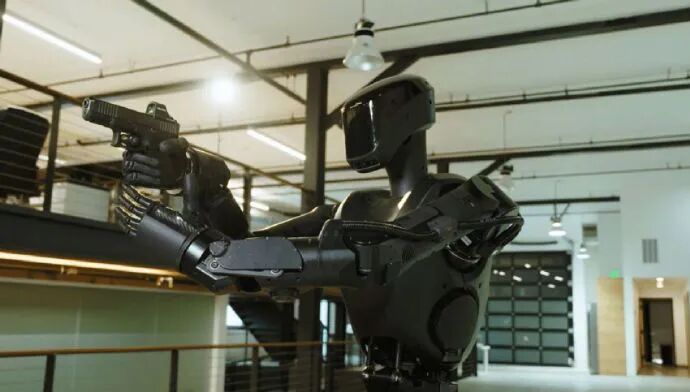
US Military Invests $18 Million in Humanoid Robots While China Develops Alternative Strategies
The landscape of military technology is rapidly evolving, with the United States making significant investments in humanoid robots designed for combat and reconnaissance, notably the Phantom MK-1. This initiative reflects the US's commitment to integrating advanced robotics into its military operations. Meanwhile, China is discreetly enhancing its military robotics capabilities, emphasizing systematic development over public announcements. As both nations advance their military robotics programs, they are adapting to a new era of warfare where the role of robots is becoming increasingly pivotal on the battlefield. The competition between the US and China underscores the strategic importance of robotics in modern military engagements, as both countries seek to leverage technology to gain an advantage in future conflicts.
Military Robotics Humanoid Robots Defense Technology Autonomous Systems
New Chinese axial flux motor reaches 18,000 rpm milestone, can be used in EVs and robots
Pangoo Power, a Chinese company, has partnered with the Ningbo Institute of Materials Technology and Engineering to develop innovative energy storage solutions. This collaboration aims to enhance the efficiency and sustainability of energy systems, addressing the growing demand for renewable energy sources. The initiative was announced on October 15, 2023, during a conference in Ningbo, China, where experts discussed advancements in material technology and energy storage. By leveraging cutting-edge research and development, the partnership seeks to create more effective energy storage systems that can support the transition to greener energy solutions. The project is expected to contribute significantly to China's efforts in achieving its carbon neutrality goals by improving energy management and storage capabilities.

Forecast: Fun Ahead — 18 Games Join in June to Stream on GeForce NOW
In June, GeForce NOW is set to enhance the gaming experience for its members by introducing a diverse lineup of new titles, ranging from popular blockbusters to unique indie games. Gamers will have the opportunity to explore fresh virtual worlds and engage in new playlists, ensuring an exciting month ahead for the platform's users. This initiative aims to cater to a wide array of gaming preferences, encouraging players to discover and enjoy a variety of gaming adventures. With a commitment to delivering quality content, GeForce NOW continues to solidify its position as a leading cloud gaming service.

Here’s how a new Army directorate is delivering tech to soldiers in under 180 days
In a recent interview with Breaking Defense, Colonel Christopher Hill, who leads the Global Tactical Edge Acquisition Directorate, discussed the U.S. military's evolving approach to technology acquisition. He highlighted that a significant cultural shift within the service is enabling faster and more scalable delivery of technological solutions. This transformation aims to enhance operational efficiency and responsiveness in an increasingly complex defense landscape. By prioritizing agility and innovation, the military is positioning itself to better meet contemporary challenges and demands.
Land Warfare Army Counter UAS cUAS Drones Other Transaction Authority
Hybrid-electric US military drone tested for 18,000-foot flight with ultra-low engine noise
In April 2026, a new military drone featuring hybrid-electric propulsion successfully completed its inaugural flight in the United States. This advanced drone represents a significant technological advancement in military aviation, aiming to enhance operational efficiency and reduce environmental impact. The development of this drone is part of the U.S. military's ongoing efforts to modernize its fleet and incorporate sustainable technologies into its operations. The successful flight marks a critical milestone in the testing phase, paving the way for further evaluations and potential deployment in various military applications.

SGS awards DOBOT robotics ISO 10218 cybersecurity certification
The CR 30H Series has successfully met international standards for secure-by-design robotics, enhancing its suitability for high-end industrial manufacturing applications. This verification not only underscores the series' compliance with global security expectations but also positions it favorably for access to international markets. The achievement reflects a commitment to advancing technology that prioritizes safety and reliability in industrial settings, paving the way for broader adoption in various sectors.
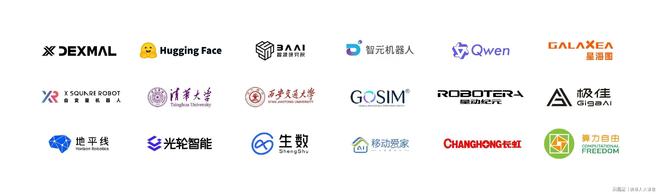
RoboChallenge Unites Top 18 Players to Create the World's Largest Embodied Intelligence Testing Arena
RoboChallenge, recognized as the world's first large-scale platform dedicated to assessing embodied intelligence, has recently broadened its ecosystem by partnering with eight prominent companies. This strategic expansion is designed to create standardized testing environments that will facilitate the rapid implementation of embodied intelligence technologies across multiple industries. By fostering collaboration among industry leaders, RoboChallenge aims to enhance the practical applications of these advanced technologies, ultimately driving innovation and efficiency in various sectors.
Embodied Intelligence Robotics Testing AI Benchmarking Simulation Technology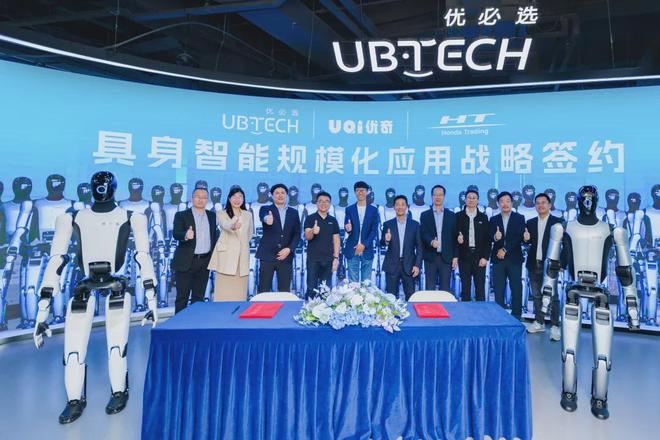
Honda's ASIMO Stopped in 2018, UBTECH's Walker Races into 2026: The Rise and Fall of Humanoid Robots is Set
UBTECH's stock experienced a notable surge of 17% after the company released its financial report for 2025, which highlighted an extraordinary 2203.7% increase in revenue from humanoid robots. This impressive growth was underscored by the delivery of 1,079 full-sized humanoid robots, a significant achievement that positions UBTECH as a leader in industrial applications. The company's success has also paved the way for strategic partnerships, including a collaboration with Honda, aimed at further advancing their technological innovations in robotics. The report's findings reflect UBTECH's strong market performance and its commitment to expanding the capabilities and applications of humanoid robots in various industries.
Humanoid Robots Industrial Automation Robotics AI Technology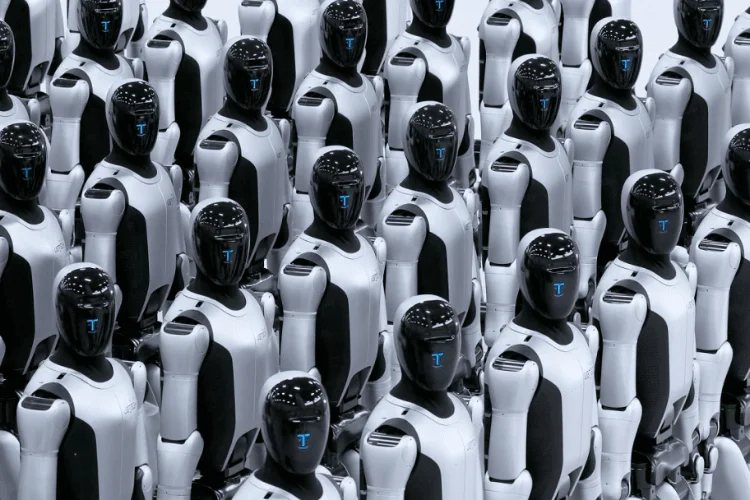
The $18 Million Brain: UBTECH Launches Aggressive Hunt for Embodied AI Chief
UBTECH Robotics, a leading player in the humanoid robotics sector, is making headlines with its unprecedented compensation package aimed at attracting a Chief Scientist to spearhead its foundation model research. This strategic move comes after a successful year in which humanoid robots emerged as the company's main source of revenue. The recruitment effort reflects UBTECH's commitment to advancing its technological capabilities and maintaining its competitive edge in the rapidly evolving robotics market. The initiative underscores the growing importance of innovative research in driving future growth and development within the industry.
Market China UBTECH Robotics Walker S2Robotics needs a service framework.
RSF defines a common language for robot service capability, lifecycle operations, certification pathways, and service-provider networks.