

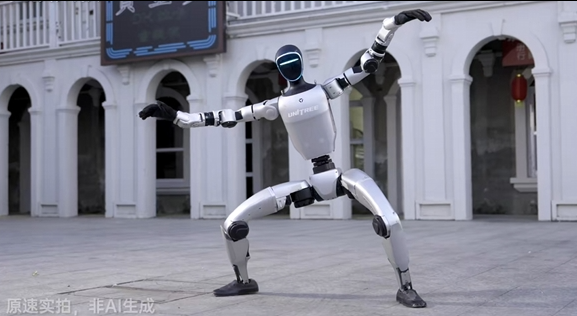
Obayashi Corporation has initiated an 18-month joint verification project utilizing humanoid robots at a construction site near Tokyo. The project aims to address the critical labor shortage in Japan's construction industry, where over one-third of workers are aged 65 and older, while less than 10% are under 30. The introduction of humanoid robots is seen as a survival strategy rather than a gimmick.
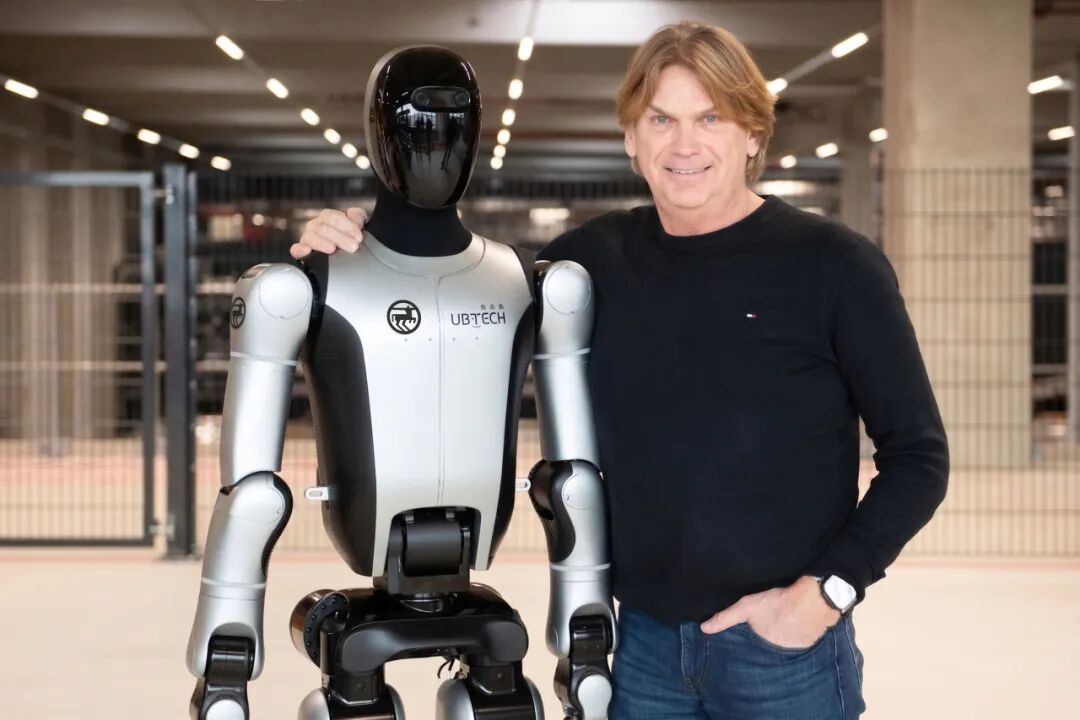
The selected humanoid robot, UTree H1, features 19 degrees of freedom and is designed for repetitive material handling tasks in uneven environments. Obayashi's technology lead emphasized that the project's core metric is not replacement rate but rather the enhancement of human-robot collaboration efficiency, indicating that the initial role of the robots will be to assist rather than fully replace human workers.
The project also highlights the cost advantages of UTree's supply chain, which is over 40% lower than similar products from Europe and the U.S. This affordability makes the UTree H1 accessible to large rental companies in Japan. Experts note that successful integration of humanoid robots into existing construction workflows will be crucial for scaling up their use in the industry. No further timeline was disclosed at the time of publication.
Editor's Note
The integration of humanoid robots into the construction sector represents a significant shift in addressing labor shortages. As the industry grapples with an aging workforce, the collaboration between Obayashi Corporation and UTree Technology could pave the way for increased automation and efficiency. Observing the outcomes of this project will be essential for understanding the future landscape of construction automation in Japan and beyond.





























Leave a comment