Industry Briefing
A single destination for timely, editor-curated robotics news from around the world.
Zhejiang University Entrepreneurs Seek Hong Kong IPO: Five Highlights from XianGong Intelligent's Prospectus
On June 15, the Hong Kong-based robotics company XianGong Intelligent (06106.HK) commenced its initial public offering (IPO) with a share price set at HKD 101.60 for a minimum lot of 50 shares, valuing the company at HKD 11.227 billion. XianGong first submitted its IPO prospectus to the Hong Kong Stock Exchange in May 2025, but after a six-month lapse, it resubmitted in November, finally passing the hearing in June. The company, which specializes in robotic controllers, is expected to officially list on June 24, with China International Capital Corporation acting as the sole sponsor and CMB International as the overall coordinator. Despite being the global leader in robotic controllers, XianGong faces challenges, including a projected net loss of HKD 47.6 million in 2025, despite a narrowing loss trend. The company's revenue is primarily driven by its robots, which contribute 67.9% of income but have a lower profit margin compared to its controllers and software. XianGong has raised approximately HKD 2.83 billion through four rounds of financing prior to the IPO, with significant investments from firms like ProLogis and IDG. Valued at a price-to-sales ratio of 22, XianGong's IPO is the most expensive among its peers, relying heavily on maintaining high growth and profit margins. The company's founder, Zhao Yue, a Zhejiang University graduate and two-time RoboCup champion, leads a team with a strong academic background in robotics. As XianGong prepares for its market debut, its future performance will be closely monitored amid ongoing financial challenges.

Amazon AI exec predicts first 'commercially useful' quantum computers in 5-7 years
In a rapidly evolving landscape, major technology companies such as Microsoft, Google, and IBM are intensifying their efforts in the field of quantum computing. This surge in competition is driven by the potential of quantum technology to revolutionize computing power and solve complex problems beyond the capabilities of classical computers. As of October 2023, these industry leaders are investing heavily in research and development, aiming to secure a competitive edge in what many consider the next frontier of computing. The race involves not only advancements in hardware but also the development of software and algorithms tailored for quantum systems. This strategic push reflects a broader recognition of quantum computing's transformative potential across various sectors, including pharmaceuticals, finance, and artificial intelligence. As these tech giants advance their initiatives, the implications for innovation and economic growth are significant, positioning quantum computing as a pivotal area of focus in the tech industry.
China’s Alibaba unveils AI brains designed to power the next generation of robots
Alibaba, the Chinese technology giant, has unveiled its inaugural family of embodied AI models, marking a significant advancement in artificial intelligence technology. This launch, which took place recently, aims to enhance the interaction between humans and machines by integrating large language models with physical embodiments. The initiative is part of Alibaba's broader strategy to innovate and lead in the AI sector, responding to the growing demand for more intuitive and responsive AI systems. By leveraging its extensive data resources and expertise in machine learning, Alibaba seeks to revolutionize user experiences across various applications, from customer service to entertainment. The company plans to continue developing these models to further improve their capabilities and expand their use cases in the coming months.
AI and Robotics
How Musicians Can Get Paid for Training AI
In response to the challenges posed by generative AI on the music industry, startups like Sureel and SoundVerse are developing innovative solutions to ensure musicians are compensated fairly for their work. Following Warner Music Group's acquisition of Sureel, the company has partnered with the Swedish copyright agency STIM to create a system that tracks how music is used in AI training. This software allows creators to specify the terms of use for their music, ensuring they receive royalties based on its influence in AI-generated outputs. The ongoing debate centers on how to accurately attribute the contributions of various training data to the outputs produced by AI systems. SoundVerse advocates for a model that rewards artists continuously throughout the AI lifecycle, rather than through one-time payments. This approach aims to maintain the economic incentives that drive creativity while addressing concerns about AI's potential to undermine cultural vibrancy and artist livelihoods. As copyright lawsuits give way to negotiated agreements between major music labels and AI companies, there is a growing opportunity to establish fair compensation practices. Experts emphasize the need for transparent and equitable attribution systems that reflect the complex relationship between training data and AI outputs. Ultimately, the success of these initiatives may depend on collaboration across disciplines, including musicology, law, and economics, to create policies that support a sustainable creative sector in the age of AI.
Copyright Training-data Generative-ai Music
Collecting robot training data is dirty, unglamorous work. Some AI labs are already paying XDOF to do it.
Recent discussions in the field of artificial intelligence highlight a significant challenge facing the development of physical AI systems. Experts emphasize that in order for physical AI to achieve milestones comparable to those of large language models (LLMs), a critical data issue must be addressed. As of October 2023, the existing datasets are insufficient to support the complex learning and operational needs of physical AI. This gap in data could hinder progress and innovation in creating AI that can effectively interact with and navigate the physical world. Addressing this problem is essential for advancing the capabilities of physical AI, ensuring that it can perform tasks with the same proficiency as its software counterparts.
AI Startups a16z robots Thrive Capital
Robot forces could guard NATO’s 2,150-mile east front in new border defense concept
Milrem Robotics has unveiled an innovative strategy aimed at enhancing NATO's defense capabilities in Eastern Europe. This announcement was made during a recent defense technology conference held in Tallinn, Estonia, where the company showcased its latest advancements in autonomous systems. The initiative seeks to address the growing security concerns in the region, particularly in light of increasing geopolitical tensions. By integrating advanced robotics and artificial intelligence into military operations, Milrem Robotics aims to improve situational awareness and operational efficiency for NATO forces. The plan emphasizes collaboration with member states to develop and deploy these technologies effectively, ensuring a robust defense posture against potential threats.
Military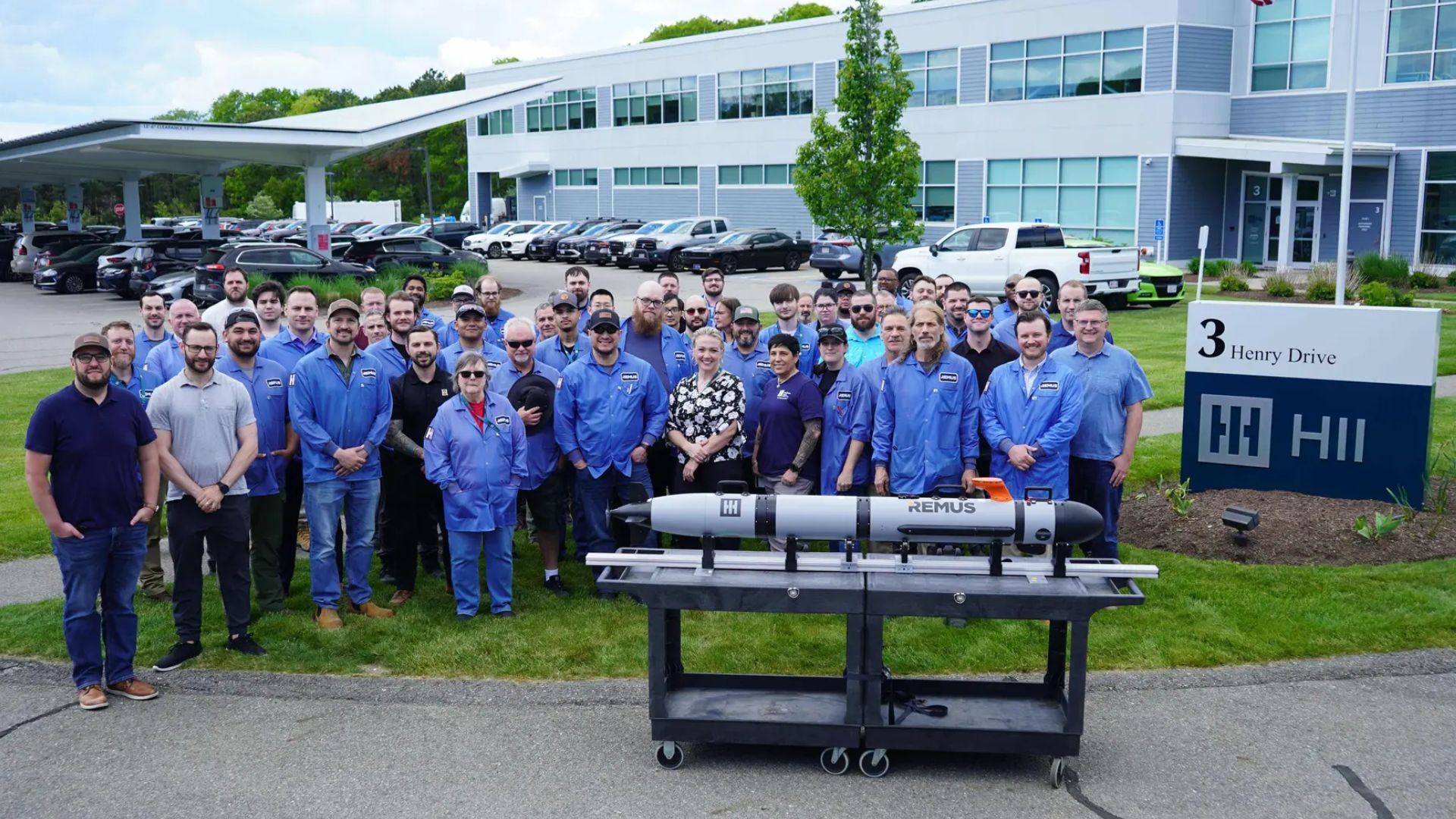
New mini submarine-like drone from HII can dive 328 feet deep with 10 hour battery life
Huntington Ingalls Industries (HII), a prominent U.S. military shipbuilder, has successfully delivered the first REMUS 130 unmanned underwater vehicle. This significant milestone was achieved as part of HII's commitment to advancing maritime technology. The delivery took place in October 2023, showcasing the company's ongoing efforts to enhance the capabilities of the U.S. Navy and other defense partners. The REMUS 130 is designed for various underwater missions, including reconnaissance and surveillance, addressing the growing need for advanced unmanned systems in naval operations. This development reflects HII's strategic focus on innovation and its role in supporting national security objectives through cutting-edge maritime solutions.
Military
Sanctuary AI validates physical AI performance at Tier 1 automotive supplier
Sanctuary AI has made significant strides in the field of physical artificial intelligence by validating its performance at a Tier 1 automotive supplier. This development showcases the company's commitment to advancing AI technology without waiting for the advent of humanoid robots. The demonstration of production-ready capabilities marks a pivotal moment in the integration of AI within the automotive industry, highlighting Sanctuary AI's innovative approach to enhancing manufacturing processes. The event underscores the growing importance of AI in automating and optimizing production lines, paving the way for more efficient and effective operations in the sector.
Arms / Manipulators Artificial Intelligence Artificial Intelligence / Cognition Automotive End Effectors / Grippers Grippers
Upsampling method sharpens AI vision with up to 16 times less GPU memory
A collaborative research team from KAIST and various international institutions has made significant advancements in computer vision technology, enhancing artificial intelligence's ability to perceive its surroundings. This new technology improves GPU memory efficiency by up to 16 times, allowing AI systems to operate with minimal memory usage. The breakthrough, announced recently, is expected to play a crucial role in advancing the development of humanoid robots and on-device AI, potentially transforming how these technologies are integrated into everyday life. The innovation underscores the growing importance of efficient AI systems in various applications, from smartphones to robotics.
Robotics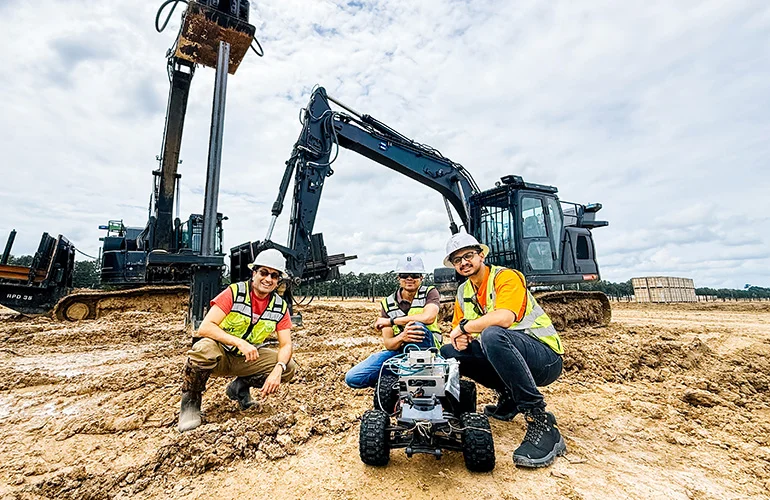
Built Robotics and Penn Engineering’s xLAB Partner for Physical AI in Construction
Built Robotics is partnering with the University of Pennsylvania’s Safe Autonomous Systems Lab, known as xLAB, to advance research in physical AI aimed at creating autonomous construction systems capable of safe operation in real-world environments. This collaboration combines Built Robotics' expertise in deploying autonomous technologies on construction sites with xLAB's cutting-edge research in safety and automation. The initiative seeks to enhance the efficiency and safety of construction processes by leveraging innovative AI solutions.
AI AI Funding & Investment AI Research & Advances Robotics Built Robotics Partnership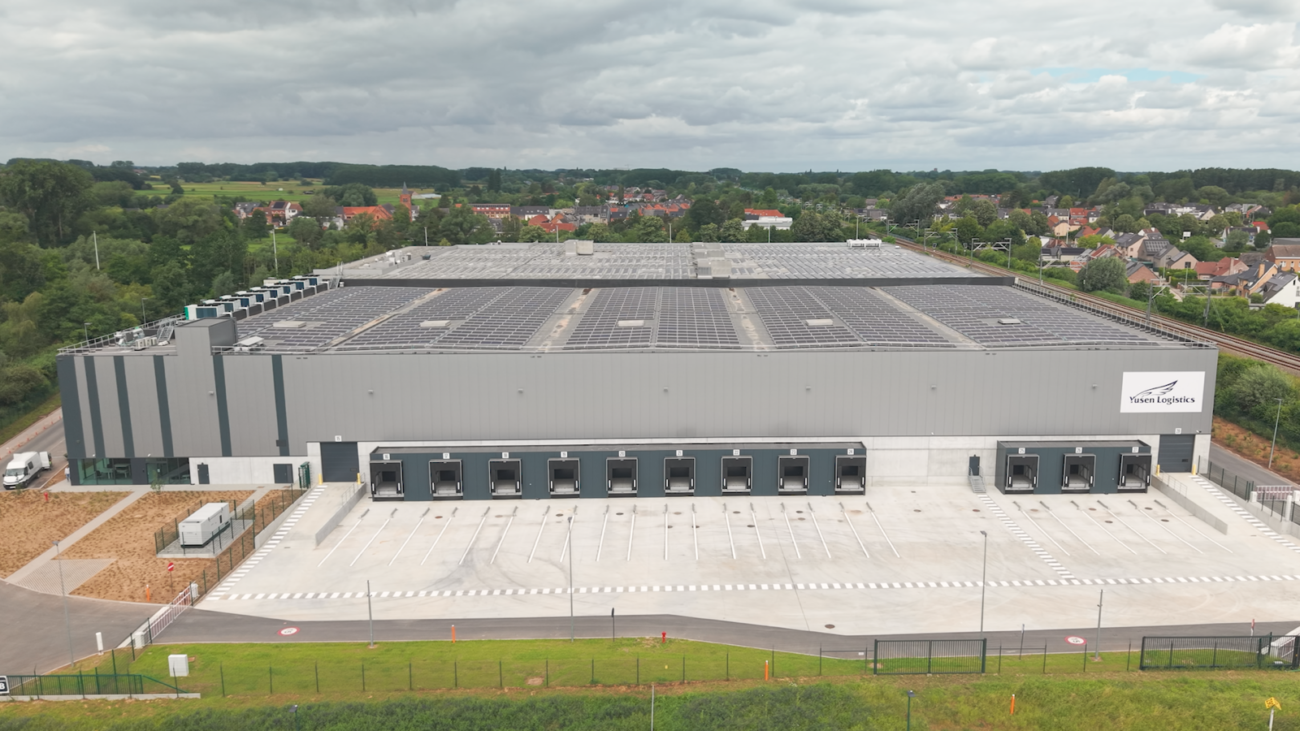
Storage Capacity for Healthcare Logistics
Movianto, a division of Yusen Logistics that focuses on pharmaceutical and healthcare logistics, has completed a significant expansion of its facility in Aalst, Belgium. The enhancement has nearly doubled the temperature-controlled pallet storage capacity from 14,000 to 25,000. This newly extended site is now fully operational, providing increased storage space for a variety of pharmaceutical and medical products across different temperature ranges, including ambient (15–25°C), refrigerated (2–8°C), and frozen (–20°C). The expansion aims to better meet the growing demands of the healthcare sector and improve the efficiency of logistics services in the region.
Cold Chain Logistics Storage & Racking Warehousing bonded hub Movianto pallet storage
When will AI robots become part of everyday lives?
Neuroscientist and robotics researcher Elisa Donati has emphasized the limitations of artificial intelligence robots that seem intelligent only in controlled environments. In a recent discussion, she highlighted the need for these robots to possess real-world readiness, which demands more than just advanced software capabilities. Donati argues that to function effectively outside of laboratory settings, robots must integrate various sensory inputs and adapt to unpredictable situations. This insight sheds light on the challenges facing the robotics industry as it strives to develop machines that can operate autonomously in diverse and dynamic environments.
Robotics
Built Robotics and Penn Engineering's xLAB Partner to Advance Physical AI in Construction
A new collaboration has emerged between xLAB and Built Robotics, focusing on enhancing safety in autonomous systems. This partnership aims to combine xLAB's extensive experience in developing high-performance, safety-critical technologies with Built Robotics' advanced edge AI model, which specializes in personnel detection and ensuring human safety. The initiative is designed to address growing concerns about safety in automated environments, particularly as the use of autonomous systems becomes more prevalent across various industries. By integrating their expertise, the two companies hope to create solutions that not only improve operational efficiency but also prioritize the well-being of individuals working alongside these technologies.

The Steam Controller and an Industrial Robot: An Unexpected Intersection
ENCY Software has highlighted the significance of tactile, analog input in programming industrial robots and collaborative robots (cobots) through its innovative product, ENCY Hyper. This development underscores the relevance of standard wireless controllers, which may initially appear disconnected from the manufacturing environment. By integrating these controllers into robotic programming, ENCY Software aims to enhance the precision and efficiency of robotic operations. The initiative reflects a growing recognition of the importance of user-friendly interfaces in industrial automation, emphasizing how traditional input methods can still play a crucial role in modern technology.
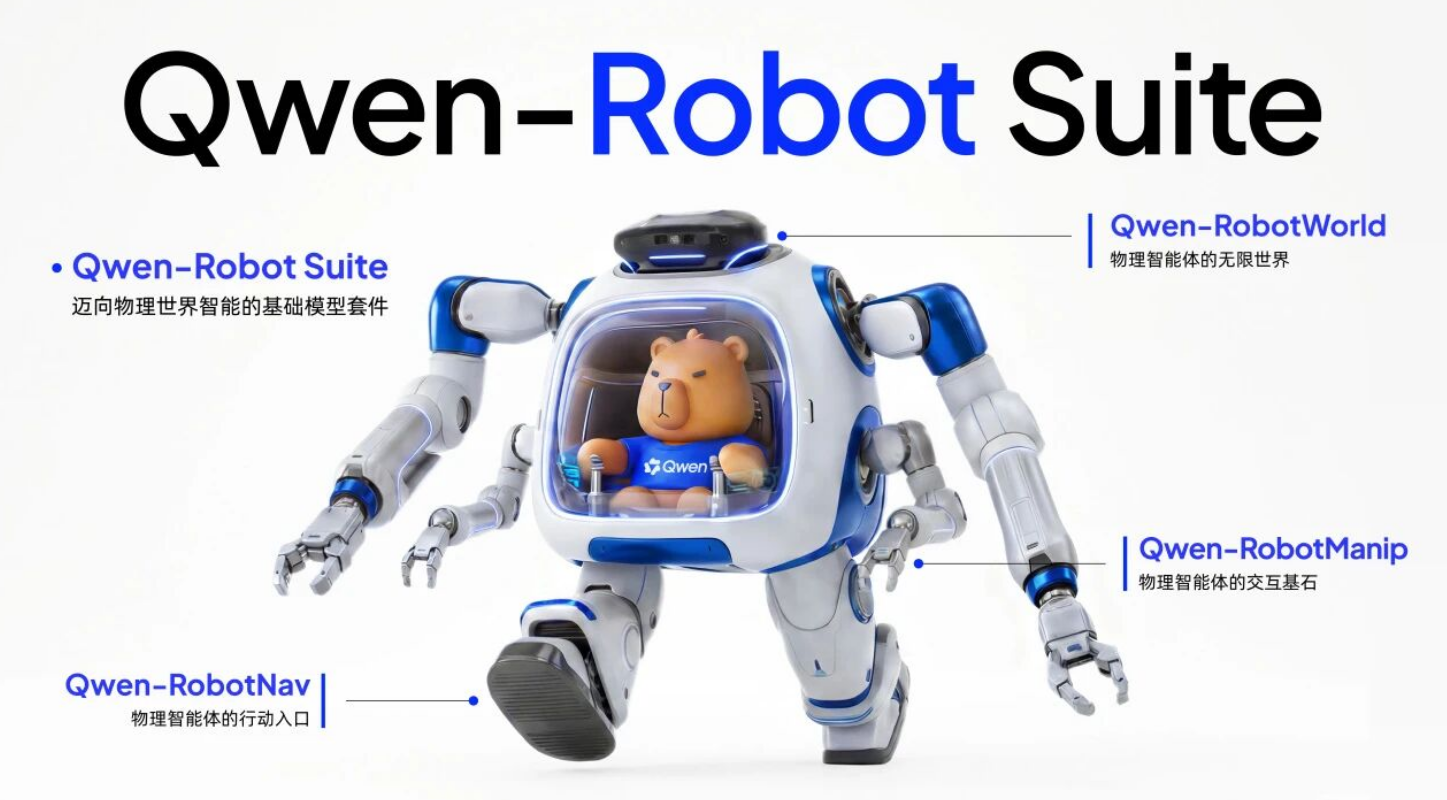
Alibaba unveils Qwen-Robot series with three foundation models for embodied AI
On Tuesday, the Qwen team unveiled a new robotics suite that includes three foundational models: Qwen-RobotNav, Qwen-RobotManip, and Qwen-RobotWorld. These models are designed to integrate language processing with various physical actions, enhancing the capabilities of mobile robotics. Qwen-RobotNav, in particular, advances vision-language integration by employing controllable observation encoding and tool-based interfaces. This innovative model consolidates four essential tasks into a single framework, which includes instruction following and goal-directed navigation. The release aims to improve the interaction between language and robotics, paving the way for more sophisticated and versatile robotic applications.
News Feed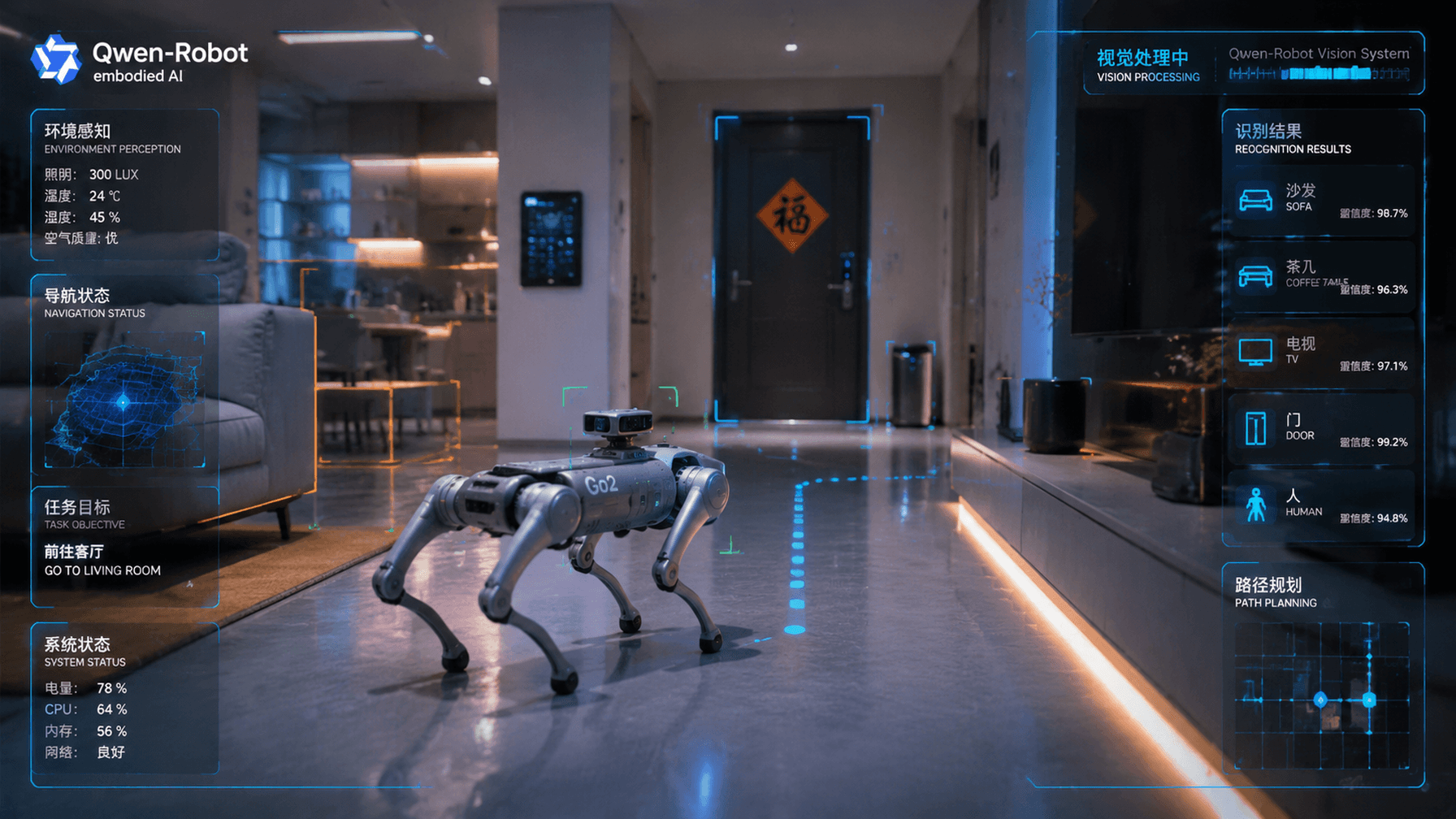
Alibaba Releases Qwen-Robot Series, Its First Embodied AI Model Family
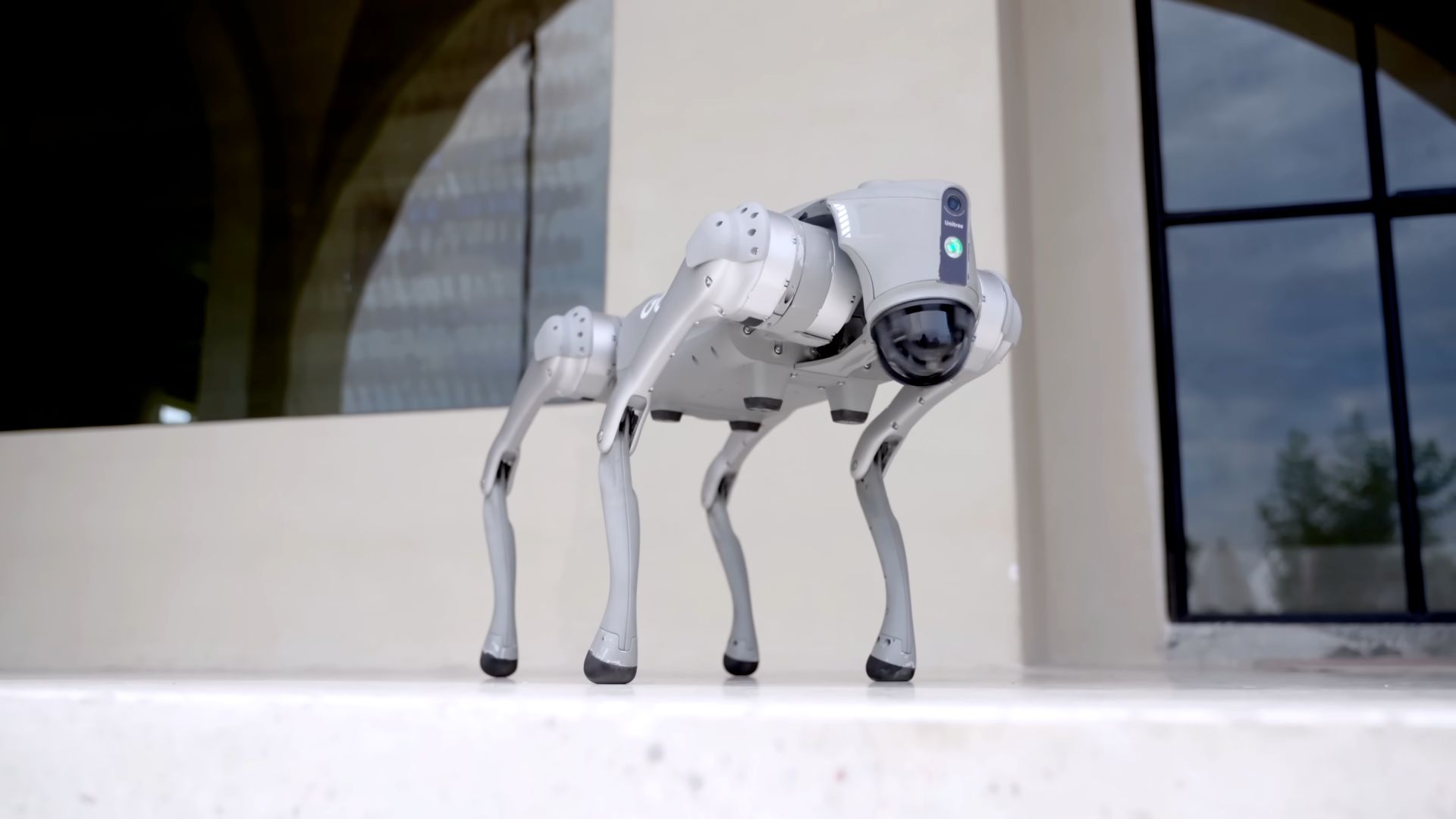
Alibaba has unveiled Qwen-Robot, its inaugural series of embodied AI models designed for navigation, manipulation, and world modeling. This advanced technology can be deployed on the Unitree Go2 quadruped robot, utilizing only a single camera for operation. The launch marks a significant step in the integration of AI with robotics, showcasing Alibaba's commitment to innovation in artificial intelligence. The Qwen-Robot series aims to enhance robotic capabilities in various applications, potentially transforming industries that rely on automated systems. This development comes as part of Alibaba's broader strategy to lead in AI advancements, reflecting the company's ongoing investment in cutting-edge technology.
Robotics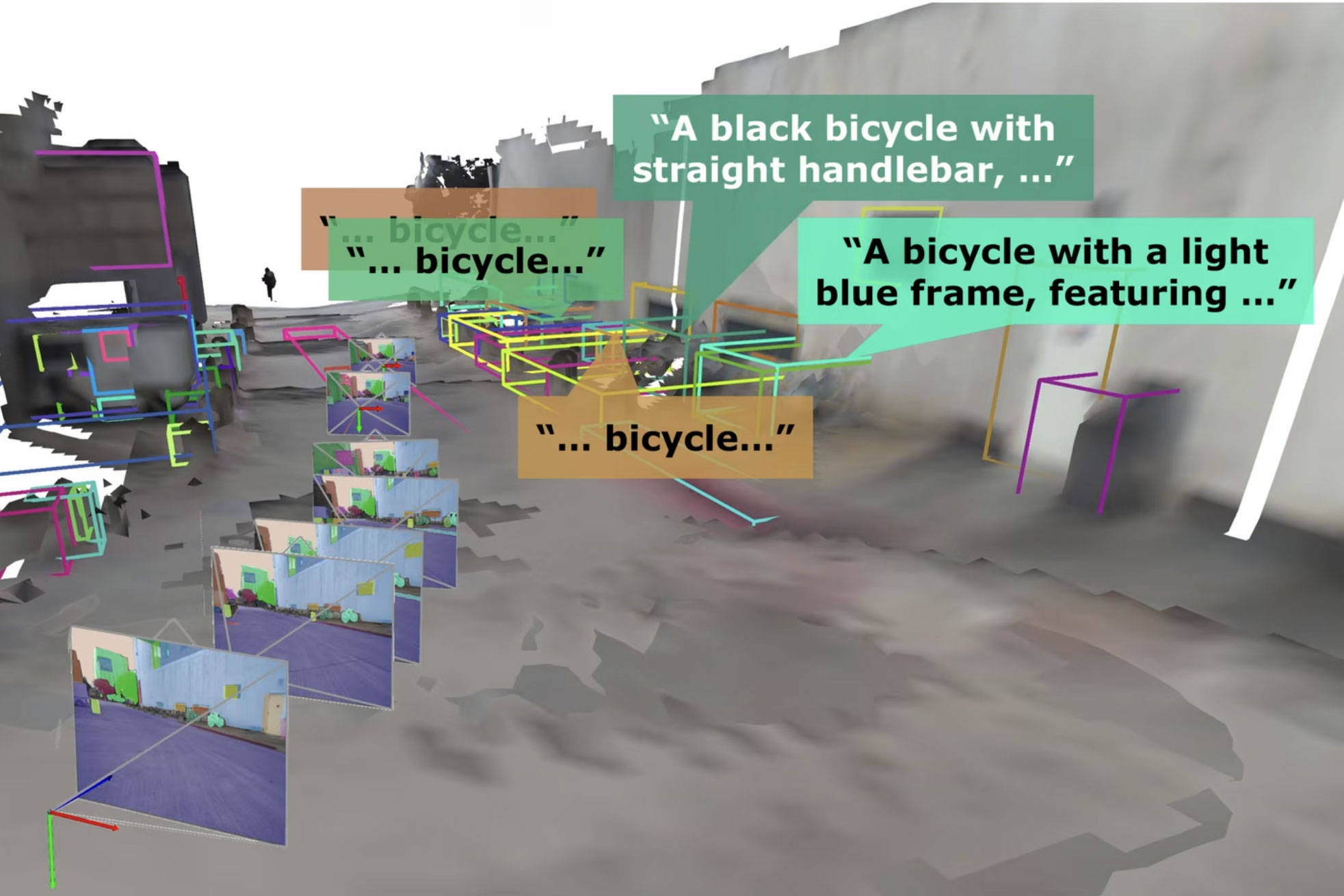
Could AI tell you where you left your keys?
Researchers have developed an innovative spatial memory system designed for robots, enabling them to effectively capture and retain detailed information about objects encountered during environmental exploration. This advancement, which leverages cutting-edge technology, aims to enhance the robots' ability to navigate and interact with their surroundings more intelligently. The system was introduced in a study published in October 2023, showcasing its potential to improve robotic perception and memory capabilities. By integrating sophisticated algorithms, the robots can now better recognize and remember various objects, ultimately leading to more autonomous and efficient operations in diverse settings. This breakthrough is expected to have significant implications for fields such as robotics, artificial intelligence, and automation, as it allows for more nuanced interactions between machines and their environments.
Research Computer science and technology Algorithms Artificial intelligence Machine learning Robotics
New RapidStriker system uses 360-degree vision and automated fire to neutralize drones
Thales has introduced a new line of advanced battlefield drones as military forces worldwide strive to keep pace with the increasing use of unmanned aerial vehicles in combat. This announcement comes amid growing concerns over the evolving nature of warfare, where drones are becoming a pivotal element on the front lines. The unveiling took place during a defense technology exhibition in Paris, highlighting the company's commitment to enhancing military capabilities in response to modern threats. Thales aims to provide innovative solutions that not only improve operational efficiency but also ensure the safety of personnel in high-risk environments. The new drones are designed to integrate seamlessly with existing military systems, offering enhanced surveillance and combat support. As nations invest heavily in drone technology, Thales's latest offerings reflect the urgent need for armed forces to adapt to these advancements and maintain strategic advantages on the battlefield.
Military
Carlo Gavazzi Expands Soft Starter Series to Additional Certifications
A new series of certifications has been introduced to enhance compliance with evolving regulations for HVAC systems, specifically addressing the use of flammable refrigerants. This initiative aims to ensure that industry professionals are equipped with the necessary knowledge and skills to safely handle these substances. The certifications reflect the latest standards and practices in the HVAC field, responding to increasing safety concerns and regulatory requirements. As the industry adapts to these changes, the new certifications will play a crucial role in promoting safe and efficient HVAC system operations.
Factory / Digital Transformation
Pegasus Tech Ventures launches $60M fund for physical AI startups
Pegasus Tech Ventures, in collaboration with CYBERDYNE, has announced the launch of a $60 million fund aimed at supporting startups focused on robotics, physical AI, healthcare, automation, and intelligent systems. This initiative, unveiled recently, seeks to foster innovation in these rapidly evolving sectors, driven by the growing demand for advanced technological solutions in various industries. By investing in early-stage companies, Pegasus and CYBERDYNE aim to accelerate the development of cutting-edge technologies that can enhance efficiency and improve quality of life. The fund is expected to play a significant role in shaping the future of physical AI and related fields.
Artificial Intelligence Artificial Intelligence / Cognition Design / Development Financial Healthcare Robotics Investments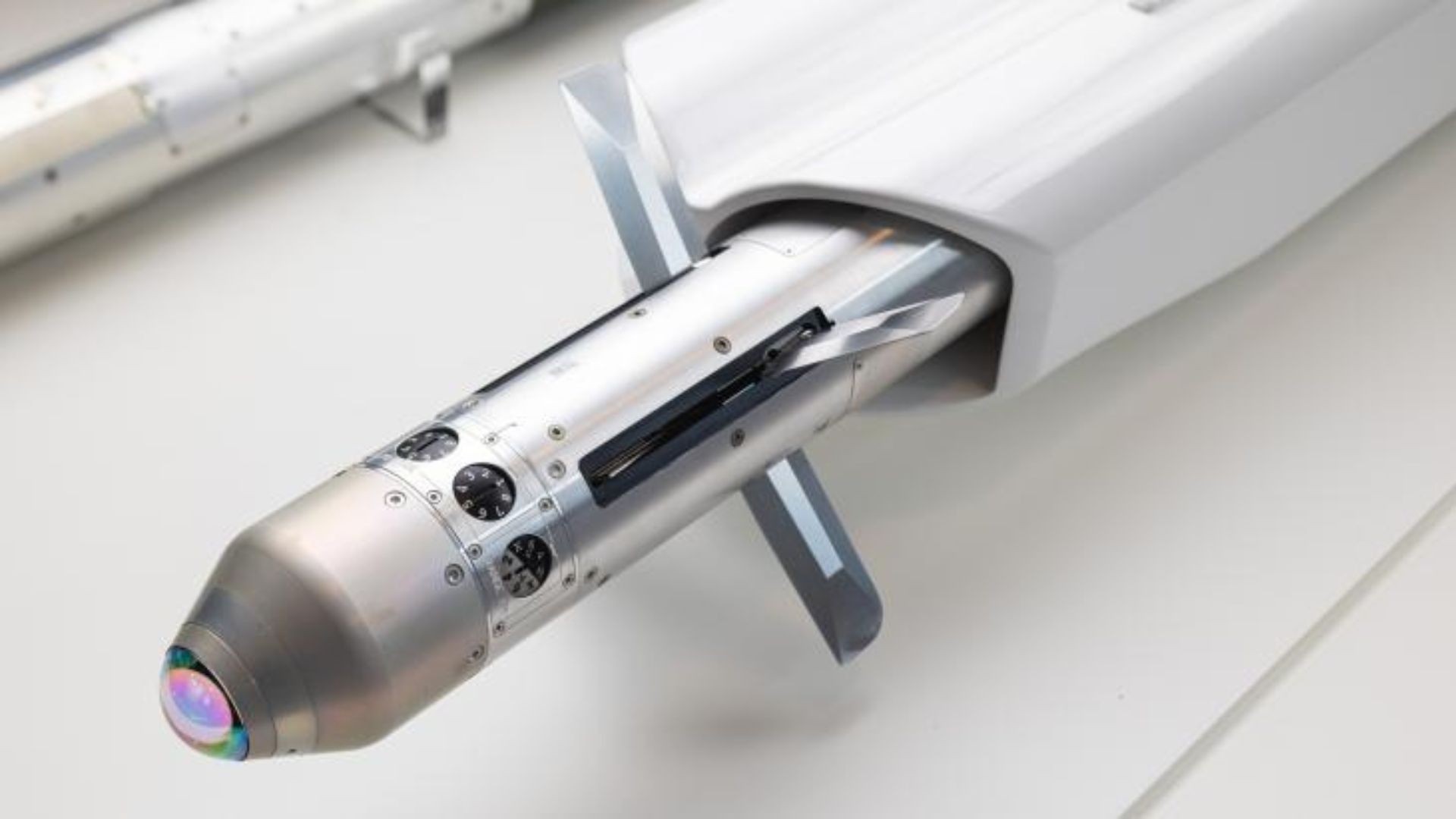
Belgium unveils low-cost laser-guided rocket with proximity sensor for drone hunts
The increasing prevalence of small drones has emerged as a significant challenge for military forces, presenting both operational and financial hurdles. As nations grapple with the threat posed by these unmanned aerial vehicles, the need for effective countermeasures has intensified. This shift in focus comes amid rising concerns about the potential for drones to be used in surveillance, reconnaissance, and even combat scenarios. In response, military organizations are exploring a range of solutions, from advanced technology to innovative tactics, to neutralize the threat posed by small drones. The urgency of this issue has prompted governments to allocate substantial resources towards research and development, aiming to enhance their defensive capabilities. The situation has evolved rapidly, with various countries investing in new systems and strategies to address the growing drone menace. As the landscape of modern warfare continues to change, the ability to effectively counter small drones will be crucial for maintaining national security and operational effectiveness.
Military
The Hidden Lifecycle Challenge Behind Industrial Automation Growth
The rapid advancement of automation is reshaping infrastructure demands across factories and shipping centers. As industries strive to enhance production efficiency, reduce errors, and minimize waste, the integration of smarter technologies has become essential. This shift is characterized by the increasing reliance on robots, artificial intelligence, and self-operating machines, which require sophisticated systems to function effectively. The ongoing evolution in manufacturing and logistics is not only transforming operational processes but also necessitating significant upgrades in infrastructure to support these advanced technologies. As companies adapt to these changes, the focus remains on optimizing the movement of goods and ensuring seamless operations in an increasingly automated environment.
Automation Industry automation infrastructure automation news circular economy data security
Top Computer Vision Development Company Options for 2026
Selecting the appropriate computer vision development company is crucial for ensuring compatibility with the specific environment in which the model will operate. This could range from camera system-on-chips (SoCs) and cloud-based software as a service (SaaS) products to medical devices and live video systems. Among the available options, SQUAD stands out as a robust choice for edge hardware and smart camera products. Meanwhile, Intellias and Softeq are recognized as strong contenders for embedded AI solutions. As the industry evolves, companies must carefully assess their needs to align with the right technology partner.
Components Computing Technology AI development artificial intelligence automation news
Mobileye’s US robotaxi launch will put it on both sides of the AV business
Mobileye is positioning itself to enter the robotaxi market, potentially competing with companies that currently utilize its self-driving technology. The move signals a strategic shift for the company, which has primarily focused on supplying autonomous driving systems to various partners. By venturing into the robotaxi sector, Mobileye aims to capitalize on the growing demand for autonomous transportation solutions. This decision reflects the company's ambition to expand its market presence and leverage its technological expertise in self-driving systems. The implications of this strategy could reshape the competitive landscape within the autonomous vehicle industry, as Mobileye directly challenges its existing clients while seeking to establish its own foothold in the emerging robotaxi market.
Transportation autonomous vehicles Mobileye robotaxi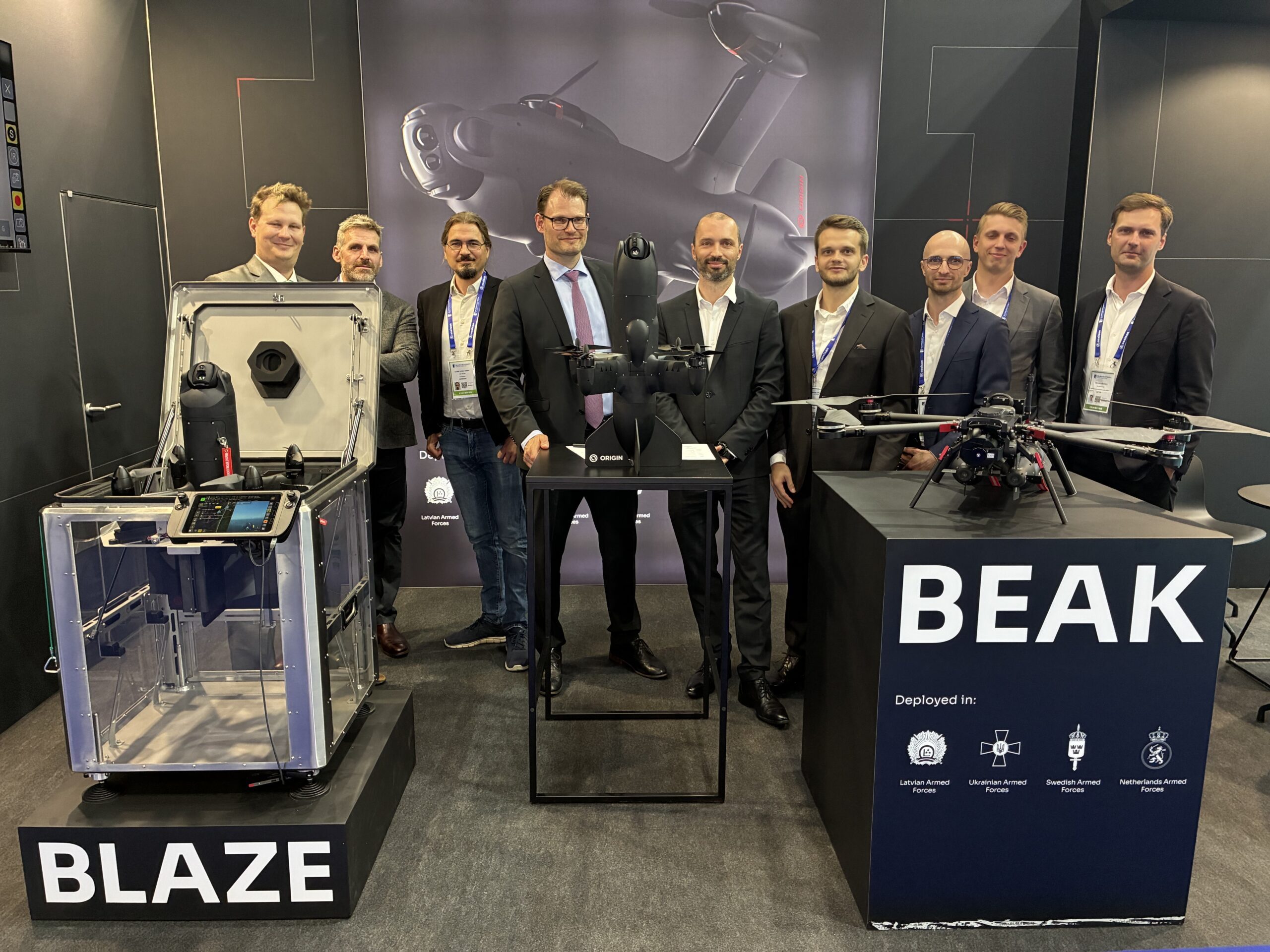
European Defense Firms Partner on Sensor-to-Interceptor Counter-Drone Network
European counter-drone companies Alpine Eagle and Origin Robotics have formed a partnership to develop an integrated counter-drone system. This collaboration, formalized through a memorandum of understanding, aims to combine Origin Robotics’ BLAZE interceptor with Alpine Eagle’s Sentinel architecture. The initiative seeks to enhance air defense capabilities by creating a unified network that incorporates detection, command-and-control, and interception technologies. This strategic alliance reflects the growing need for advanced solutions to counter drone threats in Europe.
Anti-drone technology Applications C-UAS Defense defense Drone News
From “Predictable Surprise” to Policy Priority: The Push for Faster Counter-Drone Deployment
A recent incident involving a thwarted drone attack aimed at a UFC event on the White House grounds has underscored the growing challenges posed by evolving drone threats in the United States. This disruption has reignited discussions among state, local, and tribal security officials regarding the urgency of enhancing counter-drone capabilities. As the frequency and sophistication of drone-related threats increase, there is a pressing need for more effective and rapid response strategies to ensure national security. The incident highlights the critical gap between the pace of technological advancements in drone capabilities and the current response measures in place, prompting calls for policy changes to prioritize faster deployment of counter-drone systems.
C-UAS DL Exclusive Drone News Drone News Feeds Drones in the News Feature 1
Video: Ceiling-mounted DIY robot picks up toys, clothes, and household clutter
An engineer has created an innovative open-source robotic claw that mounts on ceilings, aimed at addressing challenges in various industries. This development, which was unveiled recently, is designed to assist in tasks such as inventory management and warehouse automation. The engineer, motivated by the need for cost-effective and versatile solutions in the automation sector, has made the design freely available to encourage collaboration and further enhancements from the global engineering community. By utilizing readily available materials and components, the project promotes sustainability and accessibility in robotics. The claw's operation involves a series of precise movements controlled by a user-friendly interface, allowing for efficient handling of objects in hard-to-reach spaces. This initiative not only showcases advancements in robotics but also highlights the potential for open-source technology to drive innovation and improve operational efficiency across various fields.
AI and Robotics
Drones of the Berlin Air Show, plus a window into Europe’s space ambitions
This week, ILA Berlin 2026 featured a comprehensive overview of small unmanned systems and various space-launch options. The event highlighted advancements in technology and innovation within the aerospace sector, attracting industry professionals and enthusiasts alike. Attendees had the opportunity to explore cutting-edge developments that could shape the future of unmanned aerial vehicles and space exploration. The showcase aimed to foster collaboration and knowledge sharing among experts, emphasizing the growing importance of these technologies in both commercial and defense applications. As the aerospace industry continues to evolve, events like ILA Berlin serve as crucial platforms for unveiling new capabilities and discussing the implications of these advancements.
Air Warfare Space Air Force Berlin Air Show Break Out Video Drones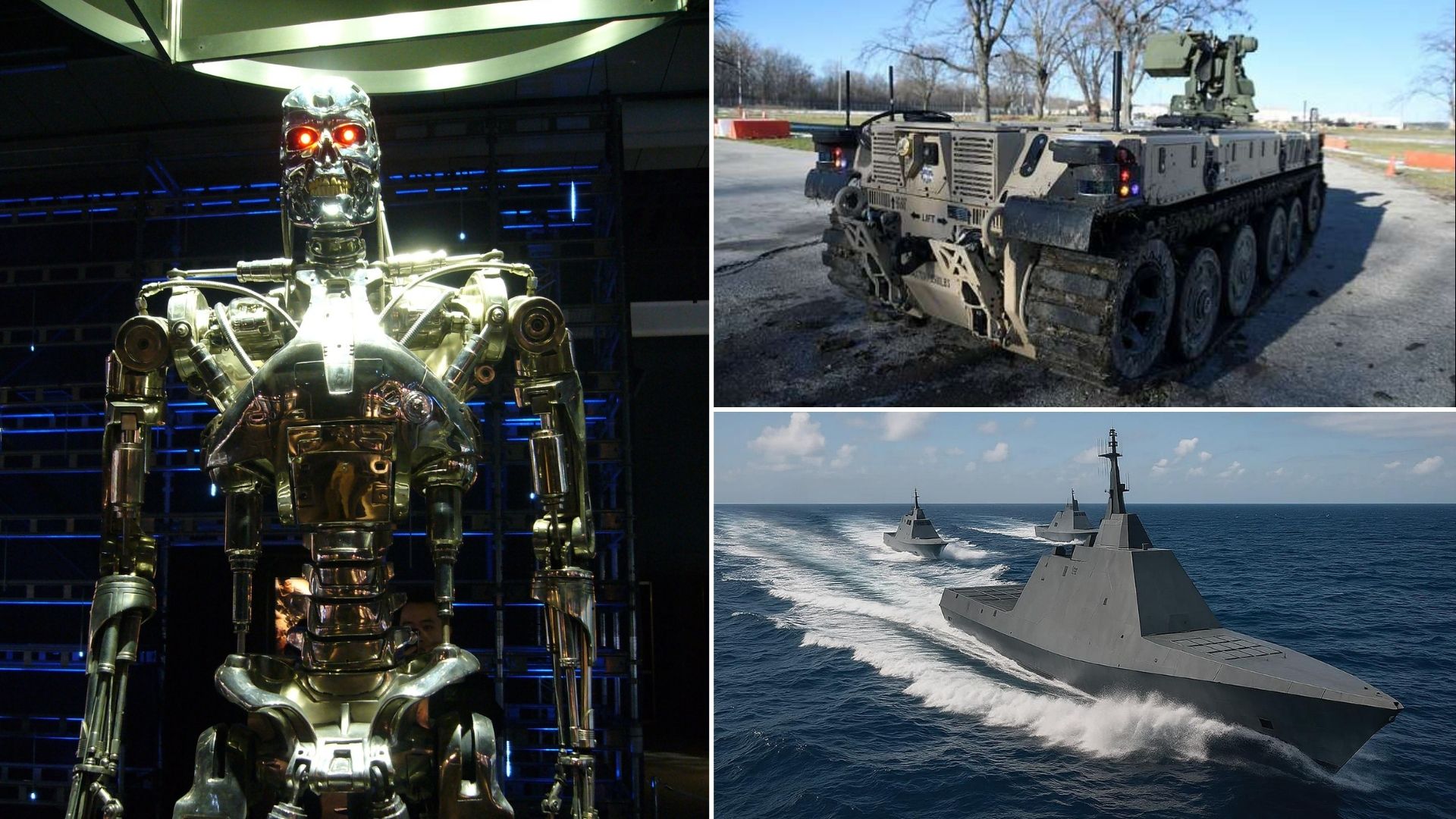
The robot takeover of warfare is already happening and it doesn’t look like Hollywood
The debate over the potential deployment of AI robot soldiers on the battlefield has intensified, raising concerns among military experts and ethicists alike. As nations increasingly explore the integration of artificial intelligence into their armed forces, discussions have emerged regarding the implications of autonomous weapons systems. This dialogue gained momentum in October 2023, as various military organizations and technology firms showcased advancements in robotics and AI capabilities at international defense expos. Proponents argue that AI soldiers could enhance operational efficiency and reduce human casualties in combat scenarios. However, critics warn of the ethical dilemmas posed by machines making life-and-death decisions without human oversight. The potential for misuse and the risk of escalating conflicts through automated warfare are central to these concerns. In response to these challenges, some governments are considering regulations to govern the use of AI in military applications. The ongoing discourse emphasizes the need for a balanced approach that leverages technological advancements while ensuring accountability and ethical standards in warfare. As the conversation evolves, the future of AI in military operations remains uncertain, with stakeholders advocating for careful consideration of the implications of introducing robot soldiers into combat.
Military
Europe rearms: Battle management, counter-UAS, and real AI at the edge
In a recent initiative aimed at enhancing military capabilities, European defense experts are focusing on the integration of advanced technologies, including drones and artificial intelligence, into modern warfare. This modernization effort is particularly evident in Eastern Europe, where the deployment of drone walls has become a strategic priority. The initiative underscores the growing recognition of the need for innovative solutions to address contemporary security challenges. Taking place throughout 2023, this movement is centered in various Eastern European nations, which are increasingly investing in cutting-edge military technologies to bolster their defense systems. The motivation behind this modernization is driven by the evolving geopolitical landscape and the necessity to respond effectively to potential threats. Experts are collaborating on developing systems that incorporate AI into military vehicles, such as tanks, enhancing their operational efficiency and decision-making capabilities. This integration of technology aims to create a more agile and responsive military force, capable of adapting to rapidly changing combat environments. As Europe navigates these advancements, the emphasis on modernization reflects a broader commitment to maintaining security and stability in the region, ensuring that military forces are equipped to meet future challenges. The ongoing efforts highlight the importance of innovation in defense strategies, positioning European nations at the forefront of military technology development.
Networks & Digital Warfare Sponsored Post artificial intelligence AI Counter UAS cUAS CUAS cyber security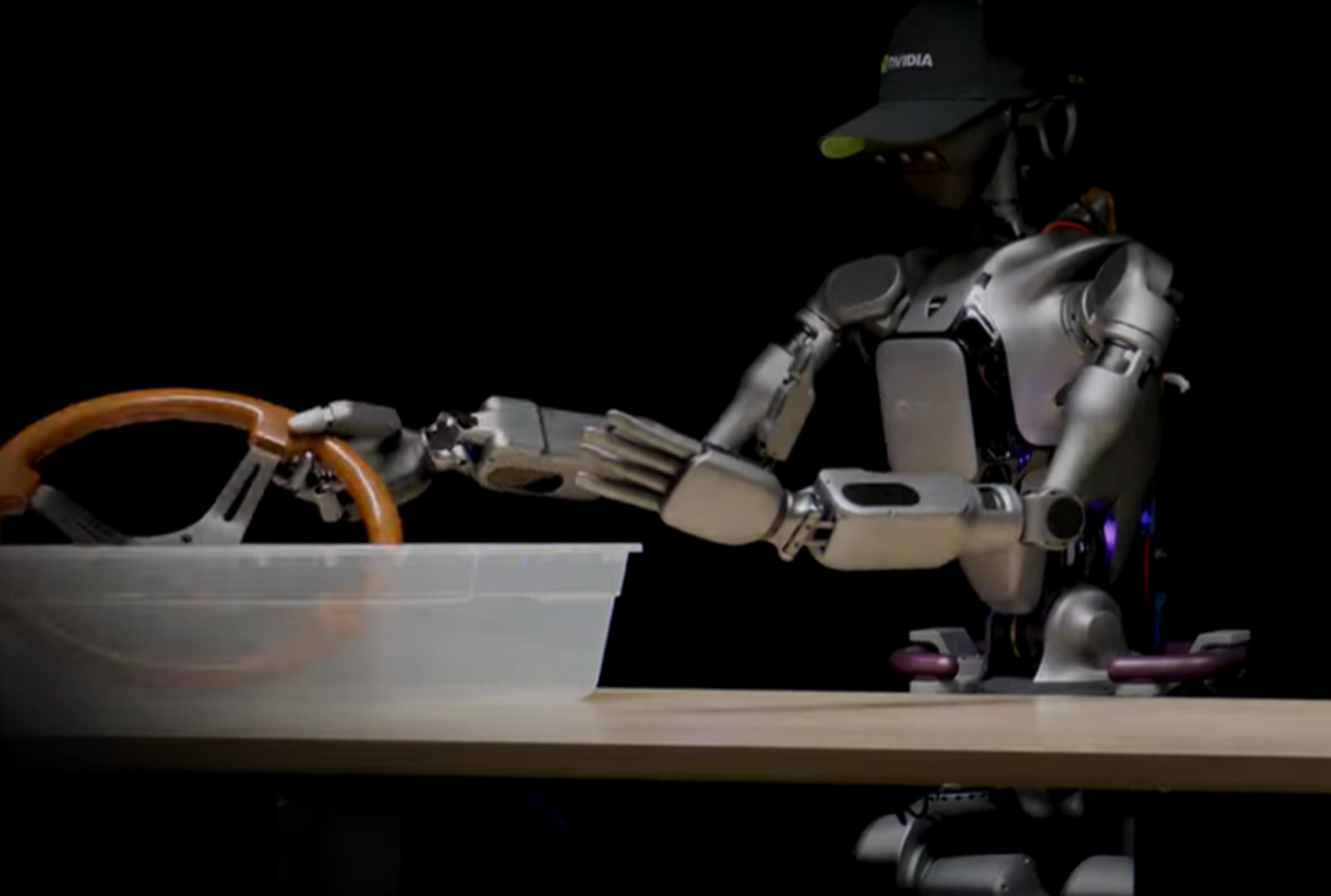
With new Paris office, UAE’s EDGE Group sees Europe as ‘next large market’: CEO
EDGE CEO Hamad Al Marar reported to Breaking Defense that the company is experiencing a surge in demand for its technology following its involvement in defending the United Arab Emirates against Iranian attacks. This increased interest in EDGE's offerings highlights the growing importance of advanced defense systems in the region, particularly in light of recent geopolitical tensions. Al Marar's comments underscore the company's pivotal role in enhancing national security and its commitment to providing innovative solutions to meet the evolving challenges faced by the UAE.
Air Warfare Global Land Warfare africa Air Force Army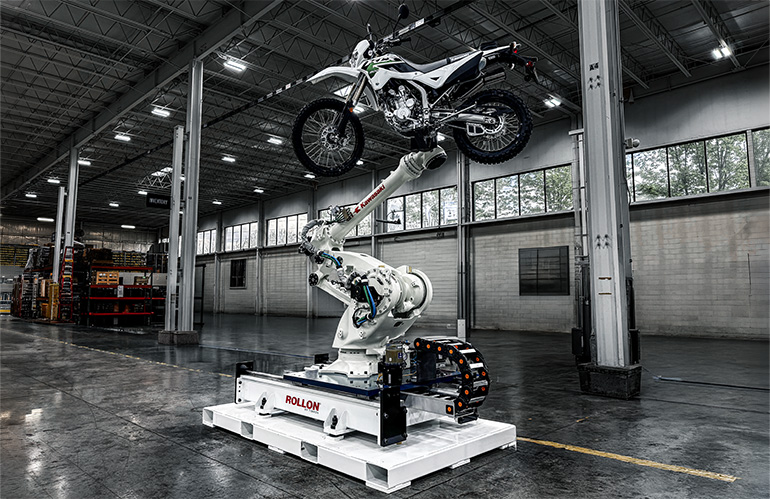
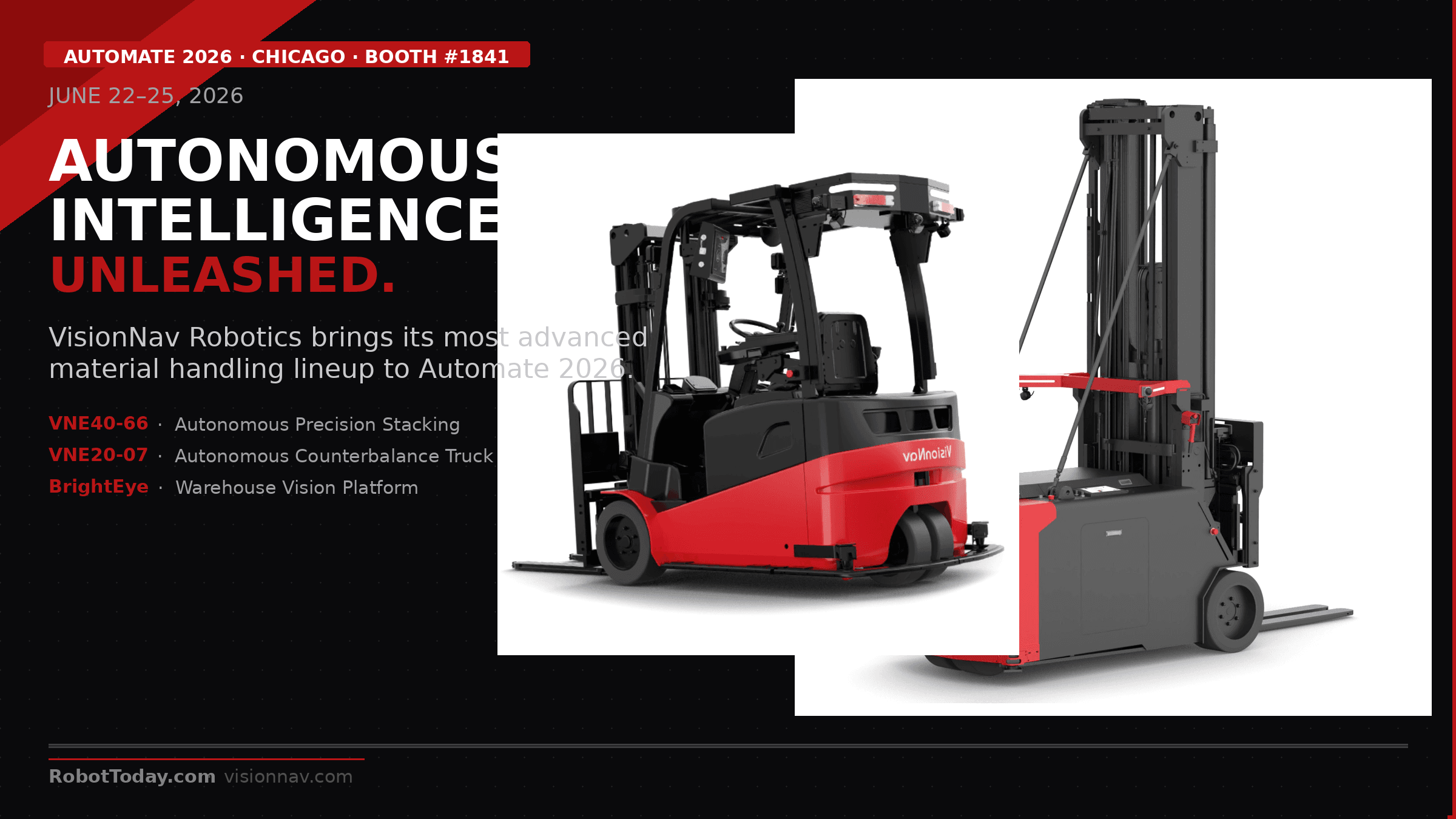
Kawasaki Robotics to debut RL030N physical AI platform at Automate
Kawasaki Robotics is set to unveil its RL030N physical AI platform, along with its 8-DoF robot and Pulseboard inspection technology, at the upcoming Automate event. This showcase, scheduled for later this month, aims to demonstrate the company's vision for intelligent automation solutions. By integrating advanced robotics with AI capabilities, Kawasaki Robotics seeks to enhance operational efficiency and precision in various industries. The introduction of these innovative systems reflects the growing demand for automation technologies that can adapt to complex tasks and improve productivity in manufacturing and beyond.
Arms / Manipulators Artificial Intelligence Automotive Cobot Arms Controllers Events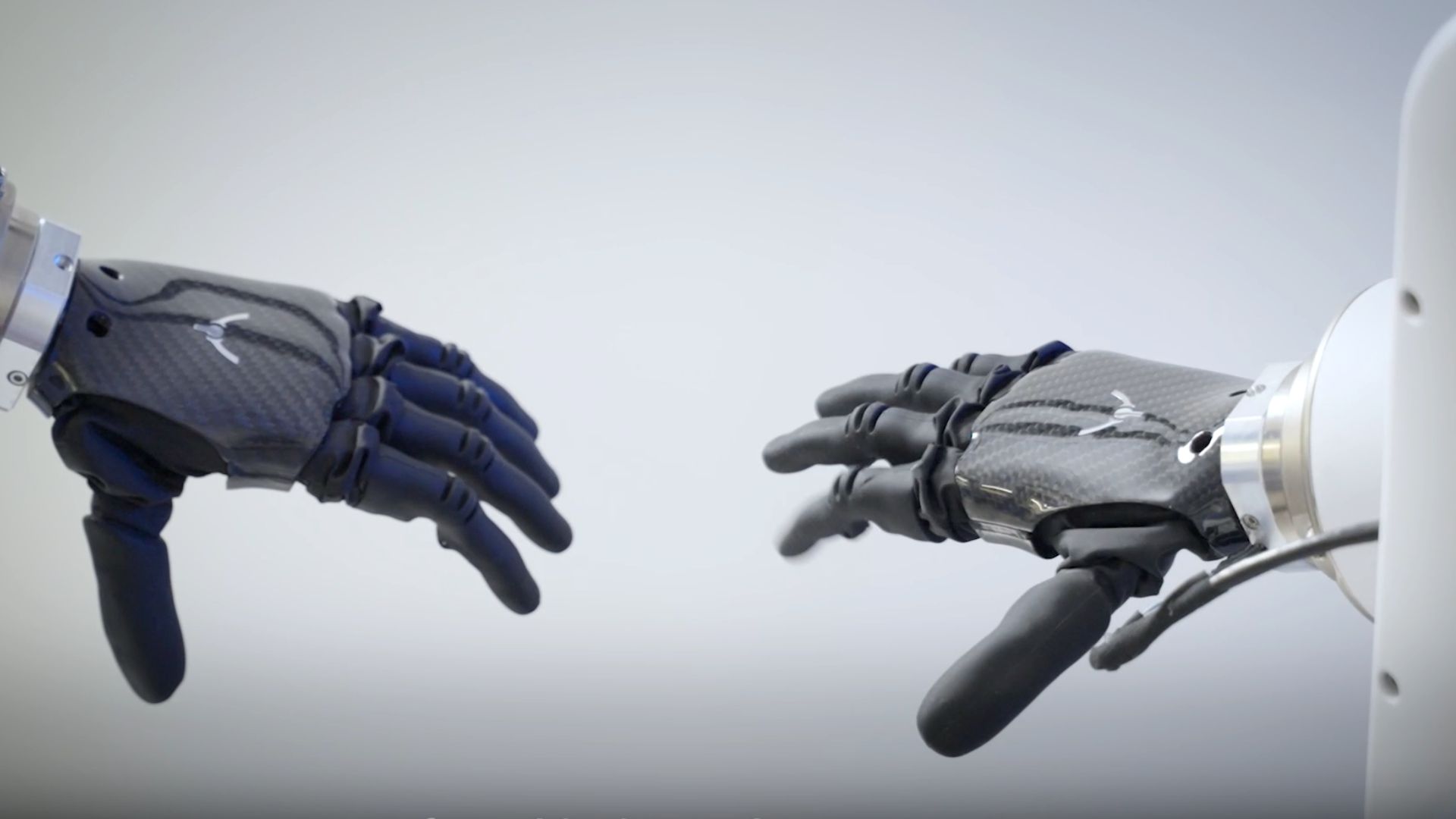
Prosthetic hands’ data helps robots get finer control for precise manipulation
ABB Robotics has announced a collaboration with California-based bionic company PSYONIC to enhance the development of more dexterous robotic systems. This partnership aims to leverage PSYONIC's expertise in bionic technology to create advanced robotic solutions that can perform intricate tasks with greater precision and adaptability. The initiative is part of ABB's ongoing commitment to innovation in robotics, seeking to address the growing demand for versatile robotic applications across various industries. The collaboration was officially unveiled in October 2023, marking a significant step forward in the integration of bionic technology into robotic systems. By combining their strengths, both companies hope to push the boundaries of what is possible in robotic dexterity, ultimately improving efficiency and productivity in sectors such as manufacturing, healthcare, and beyond.
AI and Robotics
L3Harris, Turkish firm Skydagger to establish US co-production of FPV interceptors
L3Harris has announced a significant advancement in its counter-unmanned aerial systems (c-UAS) capabilities by integrating a small interceptor drone into its Vampire platform. This development marks the first time the Vampire system will feature this technology, enhancing its operational effectiveness against potential aerial threats. The integration aims to bolster defense measures in various environments, reflecting L3Harris's commitment to innovation in military and security applications. The deal underscores the growing need for advanced solutions in countering drone threats, as the use of unmanned aerial vehicles continues to rise globally.
Air Warfare Global Land Warfare Air Force Army Business & Industry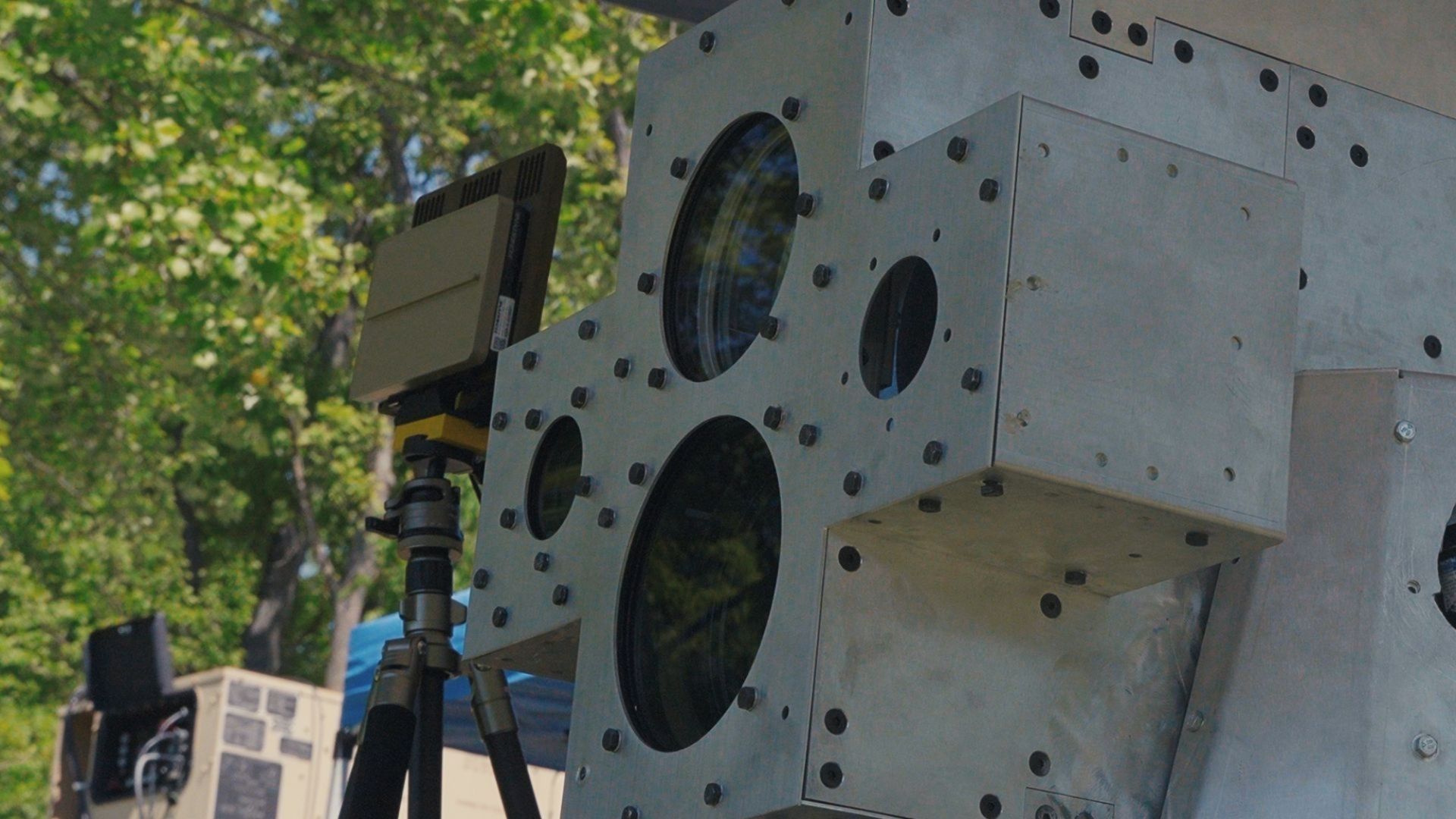
New Archimedes laser weapon system for low-cost drone kill trialed for Pentagon
Aurelius Systems, a US-based technology firm, has successfully completed live testing of its Archimedes autonomous directed-energy system. This significant milestone was achieved recently, showcasing the system's capabilities in real-world scenarios. The testing took place at a designated facility, where the system demonstrated its potential applications in defense and security. The motivation behind developing the Archimedes system is to enhance military operations by providing advanced directed-energy solutions that can effectively neutralize threats. The testing process involved rigorous evaluations to ensure the system's reliability and effectiveness in various conditions, marking a crucial step towards its deployment in operational settings.
Military
Mobileye to launch robotaxi business in US next year
Mobileye Global announced on June 16, 2026, that it will launch its own robotaxi service in the United States next year, marking a significant move into direct competition with its existing customers in the self-driving technology market. The Jerusalem-based company plans to deploy approximately 100 autonomous vehicles in a major U.S. city by 2027, with ambitions to expand its fleet to around 17,000 vehicles over the next five years. This initiative comes as investment in driverless technology intensifies, prompting companies to seek greater control over deployment and revenue, which is reshaping partnerships within the autonomous vehicle sector. Despite this new venture, Mobileye reassured its clients that it remains committed to its core business of providing advanced driver-assistance systems. Notably, last year, Lyft, a U.S. ride-hailing platform, announced plans to deploy fully autonomous robotaxis in Dallas by 2026, utilizing Mobileye's technology. Following the announcement, Mobileye's shares rose over 5% in premarket trading.

Eurosatory 2026: IDV showcases Viking C-UAS and missile launcher
At the recent Eurosatory defense and security exhibition, Army Technology had the opportunity to review IDV's latest updates on the Viking Unmanned Ground Vehicle (UGV), which includes two new versions. This event, held in June 2023 in Paris, showcased advancements in military technology, highlighting IDV's commitment to enhancing operational capabilities through innovative unmanned systems. The review provided insights into the UGV's features and performance enhancements, reflecting the growing demand for versatile and efficient ground vehicles in modern defense operations.
News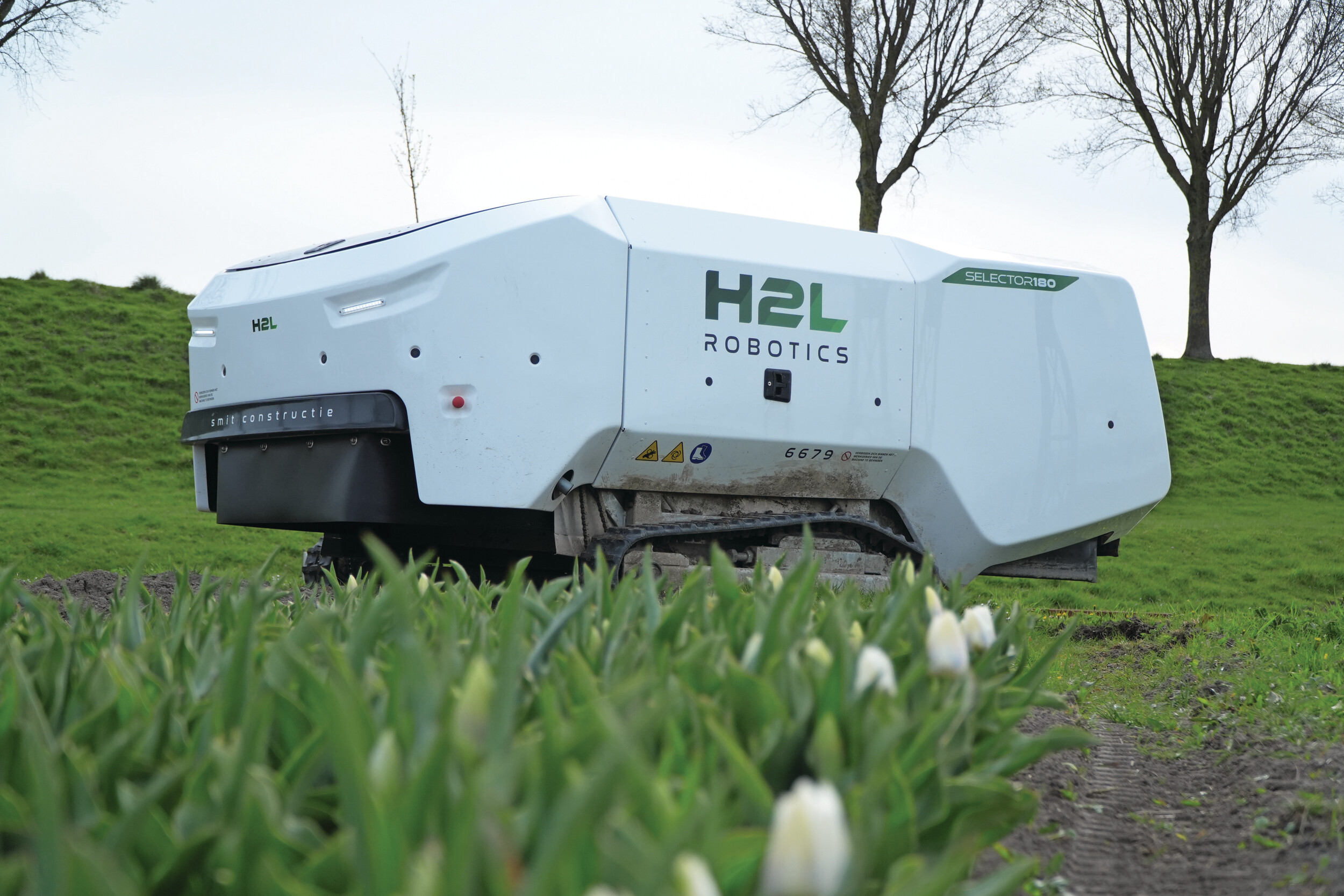
From novelty to necessity: Why tulip growers are betting on robotic disease selection
The H2L Selector, a robotic system for disease selection in tulip production, has transitioned from experimental use to mainstream adoption, with 139 units sold and an average user rating of 4.1 out of 5. This advancement marks a significant step in the integration of technology within the agricultural sector. However, tulip growers emphasize that the broader acceptance of this technology hinges on enhancements in its reliability and performance. As the industry continues to evolve, the focus remains on refining these systems to meet the demands of producers.
Smart farming Brandstof (Energie) Gewasbescherming Precisielandbouw robots
Leopard Imaging is set to showcase its extensive range of advanced imaging and perception technologies at this year's event, aimed at enhancing robotics, industrial automation, autonomous systems, machine vision, and edge AI applications. Scheduled for [insert date], the demonstration will take place at [insert location], where attendees can engage with live presentations. The showcased technologies will include stereo vision, RGB-D perception, long-range depth sensing, surround vision, and compact embedded camera systems. This initiative underscores Leopard Imaging's commitment to advancing the capabilities of imaging technologies in various sectors, providing visitors with firsthand experience of innovations that could transform operational efficiency and effectiveness in automation and AI-driven environments.

Introducing the New Slim Hollow Shaft Encoder for Compact Robotics and Motion Control Applications
The IH520 Series has been introduced as a slim incremental hollow shaft encoder, specifically engineered to deliver accurate motion feedback for compact robotics and motion control applications. This innovative device is particularly suited for environments with restricted space and the need for continuous operation. Key features include a low axial profile, flange mounting, and a hollow shaft design, all of which facilitate straightforward installation. The development of the IH520 Series addresses the growing demand for efficient and reliable motion control solutions in modern robotics.
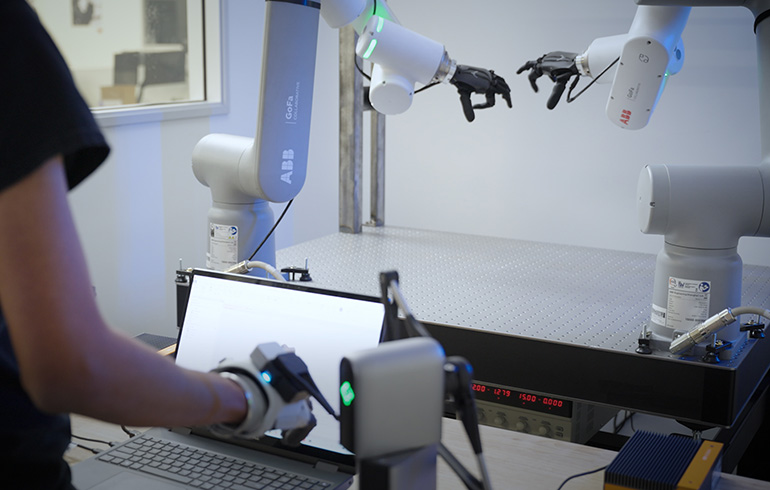
PSYONIC partners with ABB Robotics to apply human touch to robot dexterity
PSYONIC has announced a collaboration with ABB Robotics to enhance robotic dexterity by integrating its Ability Hand prosthetic with ABB's GoFa collaborative robot arm. This partnership aims to leverage data collected from prosthetic users to improve the robot's grasping capabilities, effectively mimicking human touch. The initiative underscores the growing intersection of robotics and prosthetics, with the goal of creating more intuitive and responsive robotic systems. The collaboration reflects a commitment to advancing technology that not only aids individuals with disabilities but also enhances the functionality of robotic devices in various applications.
Arms / Manipulators Artificial Intelligence Automotive Cobot Arms Collaborative Robots End Effectors / Grippers
AI’s next frontier, world models, and why China is ahead of the pack
In the rapidly evolving field of artificial intelligence, world models that simulate physical environments are gaining attention as the next frontier, surpassing traditional large language models. Recent developments indicate that China is leading the way in this area, outpacing the United States in the deployment of these advanced systems. These world models, which comprehend the physical laws governing the universe, are already being utilized to enhance AI applications, including robotics and autonomous vehicles. As of October 2023, China has integrated these technologies more extensively than its American counterparts, marking a significant advancement in the global AI landscape. This trend highlights the growing competition between the two nations in harnessing AI's potential for practical applications.

China's Tech Giants Deploy AI Across Every Front in the 618 Shopping Festival
During China's 618 shopping festival, major tech companies Alibaba, JD.com, and ByteDance are leveraging artificial intelligence to transform the e-commerce landscape. This year's event, which takes place in June, showcases a range of innovative technologies, including AI assistants, digital hosts, and advanced smart logistics systems. The integration of these AI-driven tools aims to enhance the shopping experience for consumers and streamline operations for retailers. By focusing on AI, these companies seek to stay competitive in the rapidly evolving online marketplace and meet the growing demand for personalized and efficient shopping solutions. The festival highlights the significant role of technology in shaping consumer behavior and the future of retail in China.
Industry Gadgets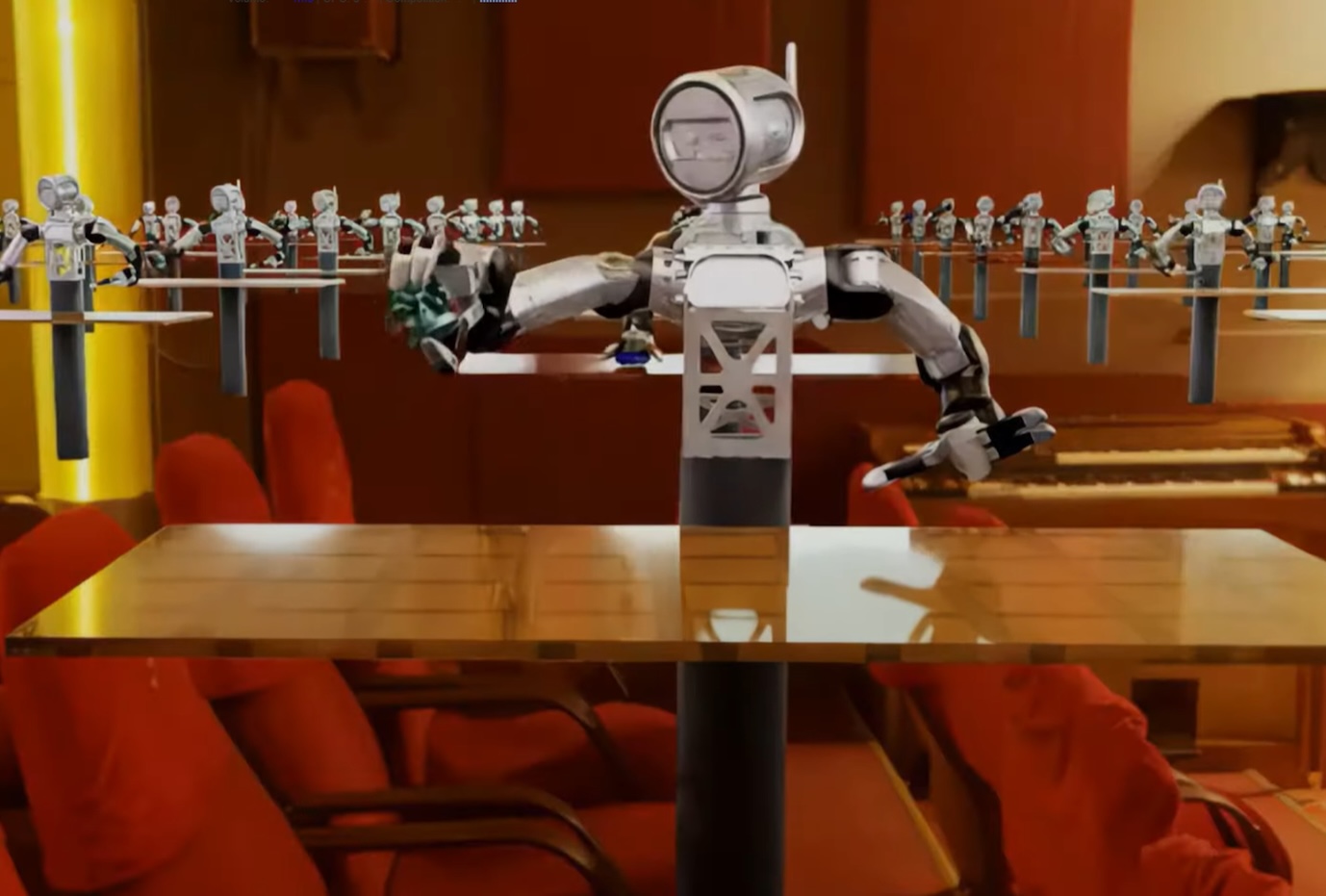
Deep Learning Based Dirt Detection and Cleanliness Evaluation in Autonomous Indian Domestic Concrete Water Tank Cleaning Robot
A recent study published in the Journal of Field Robotics highlights advancements in autonomous robotic navigation. Researchers from a leading robotics institute conducted experiments to enhance the efficiency of robots in complex environments. The study, released in early October 2023, focuses on the integration of advanced algorithms that allow robots to better interpret their surroundings and make real-time decisions. The research was carried out in various challenging terrains, including urban settings and natural landscapes, to test the robots' adaptability. The motivation behind this work stems from the growing demand for autonomous systems in sectors such as agriculture, search and rescue, and urban planning. By improving navigation capabilities, the researchers aim to facilitate the deployment of robots in scenarios where human intervention is limited or dangerous. Through a series of simulations and field tests, the team demonstrated that the new algorithms significantly reduced the time taken for robots to complete tasks while increasing their accuracy in obstacle avoidance. This breakthrough could lead to more reliable and efficient robotic systems, paving the way for wider applications in everyday life. The findings underscore the potential of robotics to transform various industries by enhancing operational efficiency and safety.
RESEARCH ARTICLE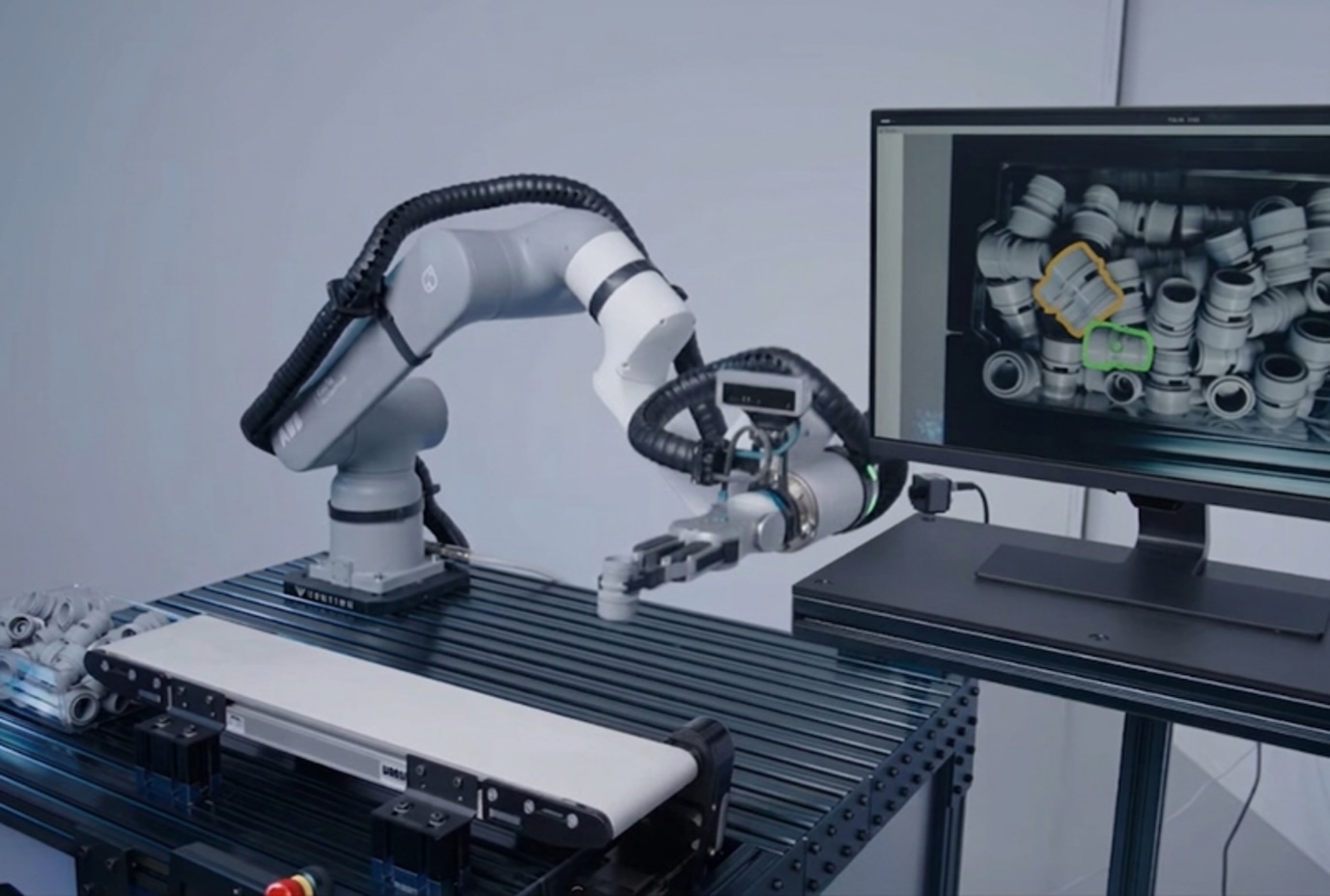
Research on Orchard Navigation Path Planning Based on 3D LiDAR SLAM Considering Terrain Roughness
A recent study published in the Journal of Field Robotics highlights advancements in autonomous robotic systems designed for agricultural applications. Researchers from a consortium of universities and tech companies conducted the study to address the growing need for efficient farming solutions amid rising labor costs and food demand. The research, which began in early 2023, took place across various agricultural sites in California, focusing on the integration of robotics in crop monitoring and harvesting. The team developed a prototype robot equipped with advanced sensors and machine learning algorithms, enabling it to navigate fields and collect data on crop health. This innovation aims to enhance productivity and reduce the reliance on manual labor, which has become increasingly scarce. The researchers conducted extensive field tests to evaluate the robot's performance and adaptability to different farming conditions. The findings suggest that these autonomous systems could significantly improve yield and reduce waste, addressing both economic and environmental challenges in agriculture. The study underscores the potential of robotics to transform traditional farming practices, paving the way for more sustainable and efficient food production methods in the future.
RESEARCH ARTICLE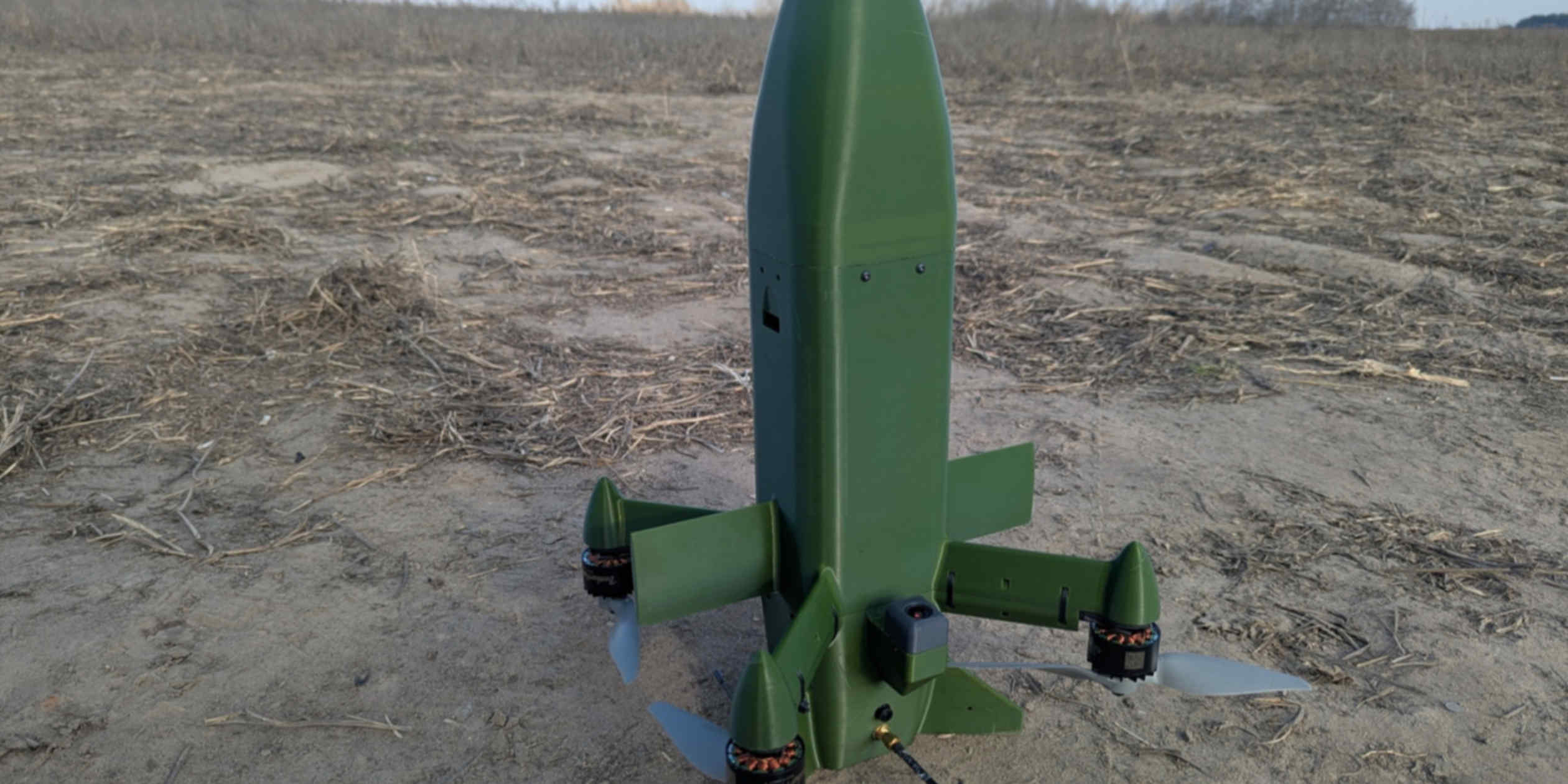
Japan's Terra Drone buys 2 Ukrainian drone makers in global push
Terra Drone, a Tokyo-based company, has announced its acquisition of two Ukrainian drone manufacturers, Terra Drone and Amazing Drones, as part of its strategy to expand its presence in the global unmanned aerial vehicle market. This decision, made public on June 16, 2026, aims to leverage the combat-proven technology developed by these startups, which have reportedly created interceptor drones used in the ongoing conflict with Russia. By integrating these companies as subsidiaries, Terra Drone plans to market their advanced drone systems across Japan, Europe, and the Middle East. This move is motivated by the increasing demand for effective defense technologies in various regions, highlighting the growing significance of drone capabilities in modern warfare.

HPE AI Factory With NVIDIA Expands for the Era of Agents
At HPE Discover in Las Vegas, which runs until June 18, NVIDIA and HPE are advancing the deployment of agentic AI from experimental stages to full production. This initiative marks a significant shift towards creating the next generation of AI factories designed to operate effectively in an era dominated by intelligent agents. The collaboration aims to enhance the capabilities of enterprises by integrating sophisticated AI systems that can autonomously manage tasks and improve operational efficiency. As businesses increasingly recognize the potential of agentic AI, this development reflects a broader trend in the tech industry towards practical applications of artificial intelligence.

New sub-450-gram mini drone system sustains autonomous surveillance despite GPS jamming
As military forces seek innovative solutions to enhance soldier safety and situational awareness, recent advancements in technology are being explored. These developments aim to provide troops with better protection while ensuring they remain alert to their surroundings. The initiative comes in response to the increasing challenges faced by soldiers operating in high-stress environments, where the balance between safety and awareness is crucial. By integrating cutting-edge wearable devices and advanced communication systems, armies are working to create a more effective and responsive combat experience. This effort is particularly relevant in light of ongoing conflicts and the evolving nature of warfare, which demands that soldiers be both protected and informed. The implementation of these technologies is expected to improve operational efficiency and reduce risks on the battlefield, ultimately enhancing the overall effectiveness of military missions.
Military
KNDS unveils new CAPINT main battle tank concept
On the opening day of Eurosatory 2026, defense manufacturer KNDS showcased its latest innovations, including the CAPINT main battle tank and the LORAS 155mm tracked artillery system. This event, held in Paris, serves as a significant platform for military technology and defense industry advancements. The unveiling of these concepts reflects KNDS's commitment to enhancing battlefield capabilities and addressing modern warfare challenges. By integrating advanced technologies into their designs, the company aims to meet the evolving needs of armed forces worldwide. The introduction of the CAPINT and LORAS systems highlights the ongoing efforts within the defense sector to innovate and improve military equipment in response to global security demands.
News
Samsung-backed 7 DOF robot is learning to work inside a giant e-commerce warehouse
A mobile robot created by Rainbow Robotics, a company under Samsung's control, has commenced testing operations within Coupang's facilities. This initiative, which began recently, aims to enhance the efficiency of logistics and delivery processes in the rapidly growing e-commerce sector. The collaboration between Rainbow Robotics and Coupang reflects a broader trend of integrating advanced robotics into supply chain management, driven by the increasing demand for faster and more reliable delivery services. The testing phase will assess the robot's capabilities in navigating the complex environments of Coupang's warehouses, potentially paving the way for wider adoption of robotic solutions in the industry.
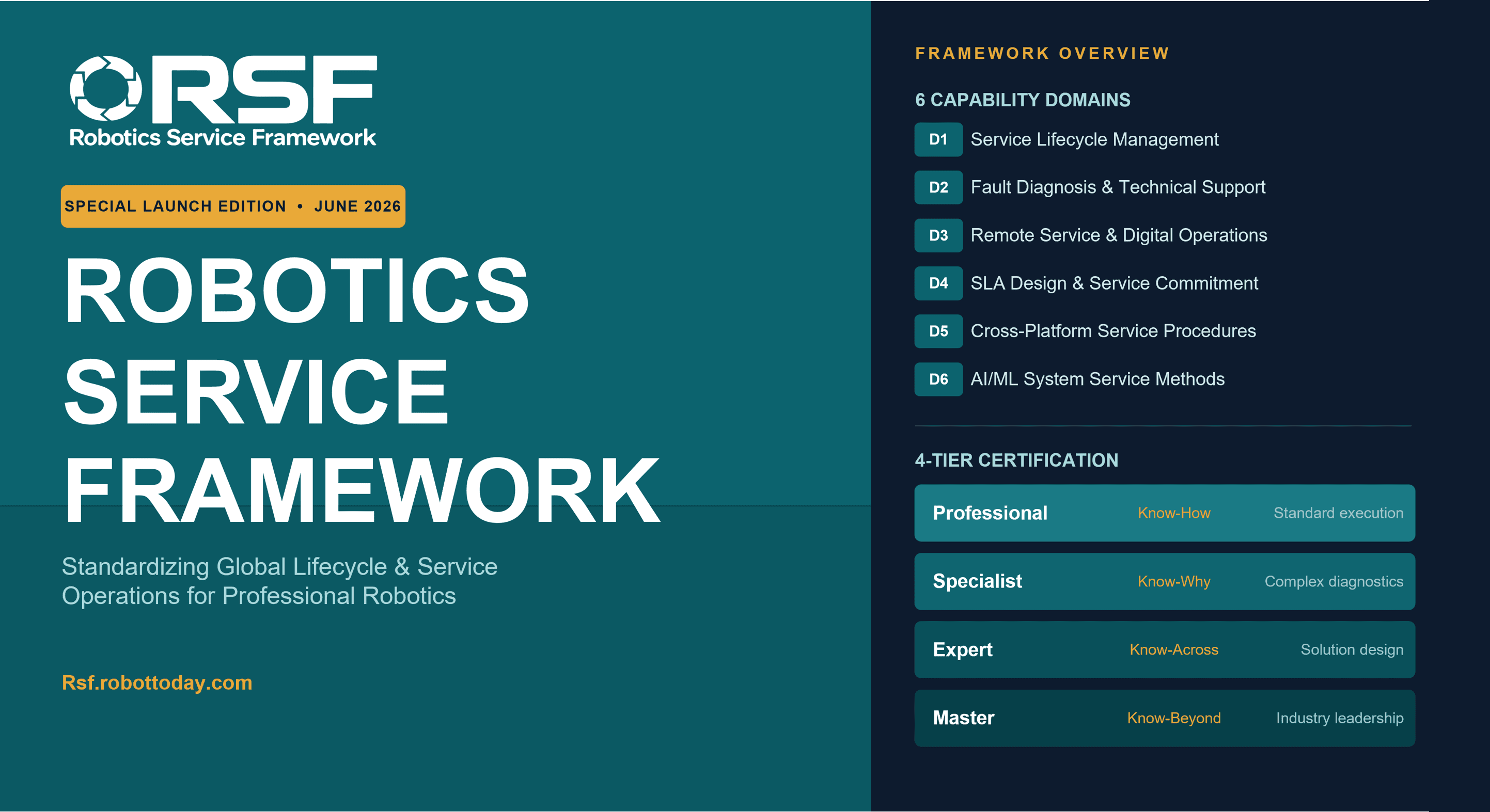
AI and RoboticsRobotics needs a service framework.
RSF defines a common language for robot service capability, lifecycle operations, certification pathways, and service-provider networks.