Industry Briefing
A single destination for timely, editor-curated robotics news from around the world.

Inbolt's Robotics Solutions Address Precision Challenges in Electronics Manufacturing
Inbolt is addressing the growing need for automation in electronics manufacturing, particularly in the assembly of complex data center infrastructure. With their control platform, which includes CAD-based programming and real-time control, Inbolt has installed over 200 robot arms across more than 100 factories, powering over 40 million robot cycles last year. The shift towards AI server racks has created a demand for more precise robotic solutions, as traditional manual assembly methods struggle with the complexities of modern electronics. Inbolt's technology aims to increase automation from 20-30% to 90%, focusing on the precision required for tasks like screw driving and cable routing, which are critical in preventing costly errors. As the electronics industry evolves, Inbolt's advancements in robotics will be crucial for meeting the challenges of high-voltage safety and ergonomic handling. The ability to adapt to frequent design changes and maintain high precision will be key factors to watch in the future of electronics assembly automation.

LG Electronics Focuses on Robotic Actuators and B2B Appliances for Growth
LG Electronics is positioning its robotic actuators as a key growth engine, nearing a potential major order from a global technology leader. Baek Seung-tae, head of LG's home appliance division, announced that the company has developed efficient, lightweight, and cost-competitive actuators, with plans for mass production. A final meeting with a prospective client is scheduled for next month, indicating LG's commitment to securing significant orders soon. The significance of this move lies in LG's ambition to scale its actuator business to match the success of its air conditioning compressors within one to two years. The company is set to establish a fully automated production line in Changwon by the end of this year, aligning its actuator strategy with its broader robotics initiatives. Baek anticipates a surge in demand for physical artificial intelligence, particularly humanoid robots, starting in 2030, with plans for deployment in LG's Tennessee plant and Changwon smart factory. Looking ahead, LG's actuator technology, which could represent 60-70 percent of total robot costs, is crucial for the company's future in robotics. While LG is still developing its reducer technology, it is exploring both internal and external sourcing options. As competition intensifies, Baek noted that Chinese appliance manufacturers may struggle to maintain low-price strategies, which could impact their global market share.
All News
Infinite Electronics Showcases Industrial Connectivity Solutions at IMTS 2026
Infinite Electronics will present its extensive range of industrial connectivity solutions at IMTS 2026, taking place in Irvine, California. Attendees will have the opportunity to explore products such as industrial-grade Ethernet cabling, ruggedized connectors, and omnidirectional antennas designed for automation, robotics, and digital manufacturing. This showcase is significant as it highlights Infinite Electronics' commitment to providing advanced technology tailored for harsh environments and specialized applications. The event will allow industry professionals to engage directly with the company’s diverse manufacturing expertise, which is crucial for enhancing connectivity in modern industrial settings. Looking ahead, attendees should watch for further developments from Infinite Electronics regarding their product offerings and innovations in connectivity solutions. No further timeline was disclosed at the time of publication.

SiMa.ai and ARK Electronics Collaborate to Enhance Autonomous Drone Development
SiMa.ai and ARK Electronics have formed a strategic partnership aimed at accelerating the deployment of next-generation autonomous drones. They are introducing the ARK-SiMa.ai Modalix MLSoC Bundles, which are production-ready solutions designed to facilitate the development of intelligent drones for various markets, including commercial and defense. This collaboration is significant as it combines SiMa.ai's expertise in Physical AI with ARK Electronics' capabilities in high-quality drone electronics. The resulting solutions are expected to be affordable and high-performance, addressing the growing demand for advanced drone technology in sectors such as UAS, industrial applications, and agriculture. Looking ahead, the partnership aims to simplify the development process for intelligent drones, potentially leading to faster deployment in the market. No further timeline was disclosed at the time of publication.

LG Electronics Enhances Talent Acquisition at Top North American Universities
LG Electronics is intensifying its recruitment of overseas R&D talent to bolster its ventures in robotics, AI data-center cooling, and mobility. The company recently hosted approximately 100 doctoral researchers and engineers at its North America Tech Conference in San Francisco, featuring participants from prestigious institutions like Stanford and MIT. This initiative is crucial as LG aims to expand its capabilities in robotics platforms and AI-defined vehicle technologies. CEO Lyu Jae-cheol emphasized the importance of talent in driving innovation and leadership within the company, showcasing his own journey from engineer to CEO as a testament to the opportunities available for technical experts. Looking ahead, LG plans to conduct recruiting events at several prominent North American universities starting September 9. The company is also actively hiring entry-level employees in South Korea, focusing on roles in robotics and electrical engineering, which are vital for its growth in emerging sectors beyond traditional home appliances.
All News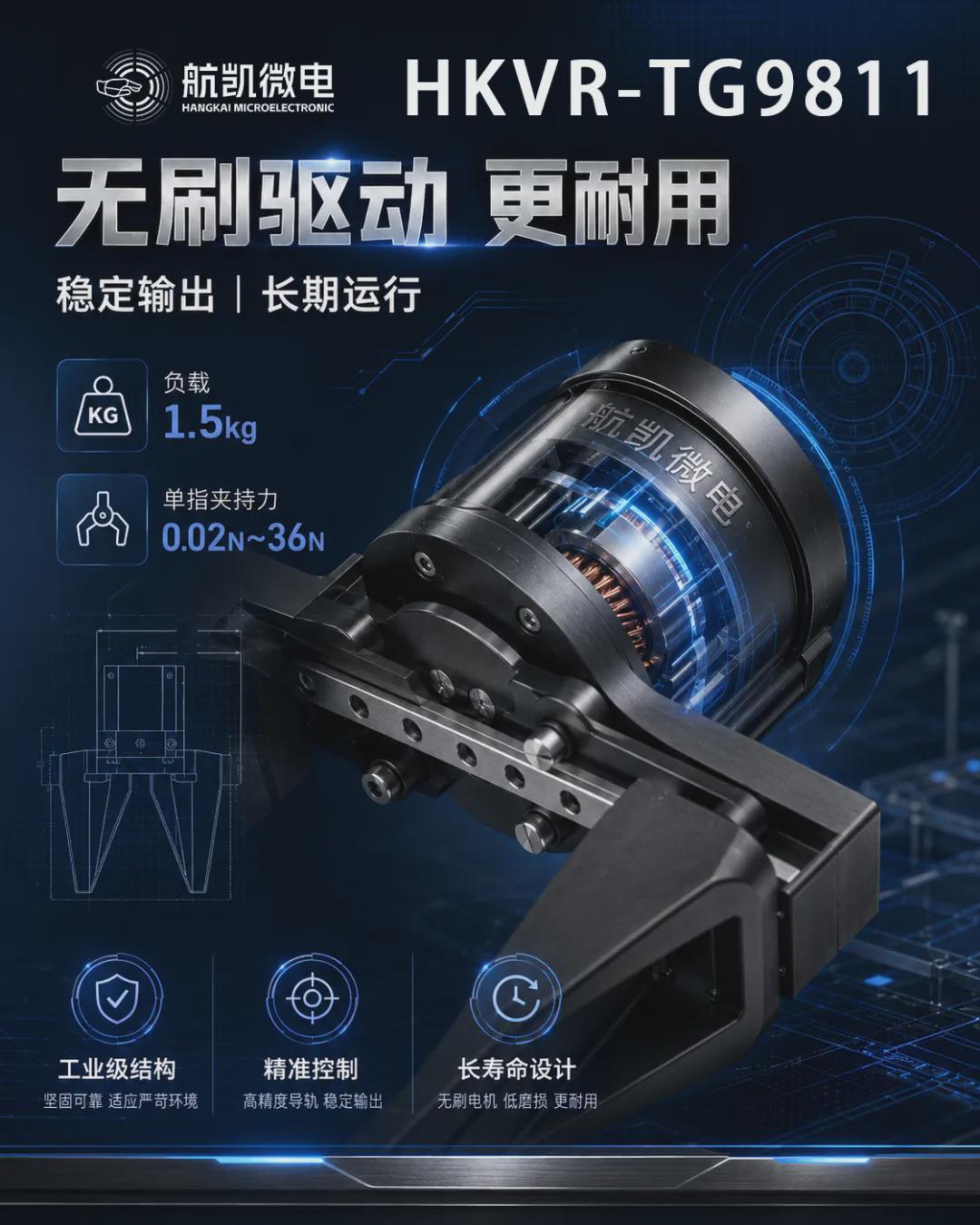
Suzhou Hangkai Microelectronics Launches TG9811 for Enhanced Robot Tactile Control
Suzhou Hangkai Microelectronics has introduced the TG9811, a three-dimensional tactile electric gripper designed to address common challenges in flexible automation. This innovative product features a maximum gripping force of 36N, making it suitable for various industrial applications such as component handling, precision assembly, and flexible sorting. The TG9811 stands out by integrating high-performance brushless motors and an intelligent adaptive grasping algorithm, which allows for automatic adjustments based on material properties without the need for manual recalibration. This capability significantly reduces issues like slippage and misgrasping, thereby enhancing operational efficiency in flexible production environments. With its built-in high-precision tactile sensors, the TG9811 can detect material conditions in real-time, enabling timely adjustments to gripping strategies. This feature is particularly beneficial for high-value component handling and continuous automated operations, ensuring reliable performance under varying conditions. No further timeline was disclosed at the time of publication.
Robotic Grippers Force Sensors Automation Solutions Industrial Robotics
LG Electronics Enhances Robotics Partnership with NVIDIA at New Data Factory
LG Electronics has announced an acceleration of its robotics collaboration with NVIDIA. This announcement was made during a visit by senior NVIDIA officials to LG's Data Factory, which is currently under construction at the Yangjae R&D Campus in Seoul. The collaboration is significant as it combines LG's extensive manufacturing expertise with NVIDIA's advanced robotics technology. This partnership aims to explore new synergies that could enhance both companies' capabilities in the robotics sector. Looking ahead, the focus will be on how the collaboration can evolve and what new developments may arise from this partnership. No further timeline was disclosed at the time of publication.

Hangkai Microelectronics Advances Tactile Sensing with Affordable End-Effector Solutions
Hangkai Microelectronics has developed a range of tactile sensors adhering to aerospace standards, including a 99 yuan three-dimensional tactile sensor and a 1888 yuan high-precision six-dimensional force sensor. Their new HKVR-TG9801 adaptive gripper features native tactile sensing and all-scenario adaptive grasping, eliminating the need for programming and allowing for quick integration. This innovation is significant as it breaks the industry norm that high performance equates to high prices, enabling robots to perceive their environment effectively. The HKVR-TG9801's built-in tactile sensors allow for real-time adjustments in gripping force, ensuring stable handling of various objects, from delicate electronic components to irregular shapes, thus preventing damage and slippage. Looking ahead, Hangkai Microelectronics is also focusing on education and research by offering a low-cost five-finger tactile sensor kit priced at 99 yuan per unit. This initiative aims to support educational institutions and small-scale custom services, fostering the development of robotic perception technologies in academic settings. No further timeline was disclosed at the time of publication.
Tactile Sensors Robotics Automation AI Industrial Applications
Northeast Microelectronics Internship Program Connects Students with Semiconductor Innovations
The 2026 Northeast Microelectronics Internship Program (NMIP), organized by MIT Microsystems Technology Laboratories, gathered 30 students from top universities for an immersive week in semiconductor technology. The program included visits to leading institutions such as MIT.nano, IBM Research, and GlobalFoundries, where students engaged with industry leaders and researchers. This initiative is significant as it bridges the gap between academic research and real-world applications in microelectronics, providing students with insights into the innovation ecosystem. The program emphasized the importance of understanding the societal impact of technological advancements, encouraging students to consider future innovations in microelectronics. Looking ahead, participants are expected to leverage their experiences to explore graduate and professional opportunities in the semiconductor sector. No further timeline was disclosed at the time of publication.
Special events and guest speakers Students Undergraduate Semiconductors Photonics Quantum computing
LG Electronics Reviews H2 Strategy Focused on AI, Robotics, and Future Growth
LG Electronics held a significant meeting with around 300 executives to discuss its strategy for the second half of the year, emphasizing growth in robotics and AI data center cooling. The meeting, chaired by CEO Lyu Jae-cheol, followed a record first half, with preliminary second-quarter revenue reaching 23.8 trillion won ($16 billion) and an operating profit of 1.58 trillion won. The focus on robotics is particularly notable as LG has established a Robotics Business Center and initiated production of its proprietary Axium robot actuator. The company aims to leverage synergies in robotics, AI data center cooling, smart factories, and AI-powered homes, which Lyu identified as key growth areas that align with the rise of artificial intelligence. Looking ahead, analysts predict that LG's cooling systems for AI data centers could start contributing to earnings within six to nine months. The collaboration with Nvidia is expected to enhance LG's robotics platform, while advancements in robotics may positively impact earnings estimates for 2027. No further timeline was disclosed at the time of publication.
All News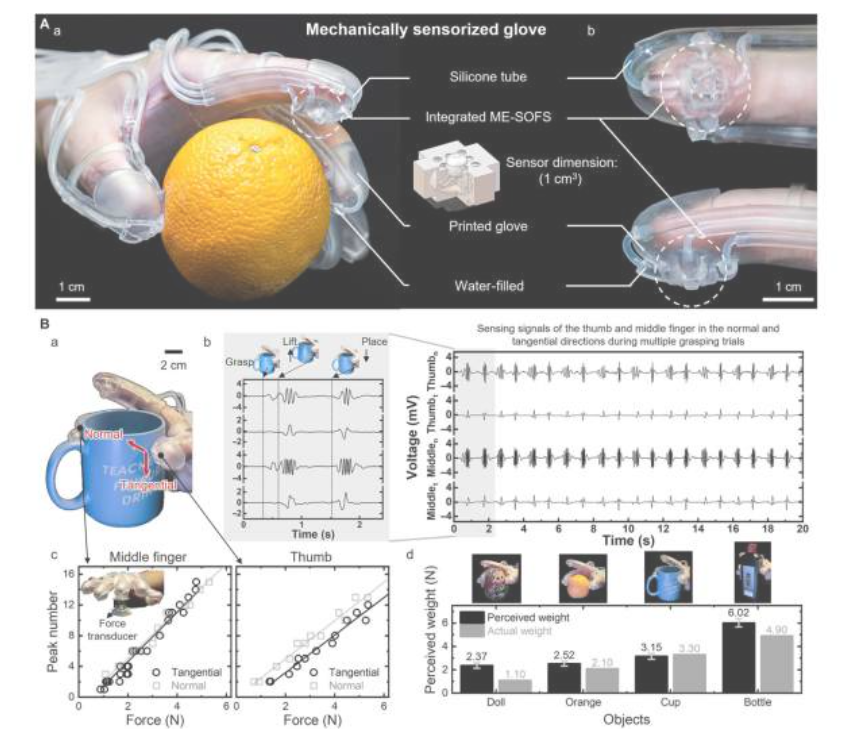
Singapore Team Develops ME-SOFS: A Mechanical Sensor for Touch Perception Without Electronics
A research team from the National University of Singapore has introduced a groundbreaking soft force sensor called ME-SOFS, which converts touch into fluid-driven motion without any electronic components. This innovative sensor features a 3D-printed soft porous structure with a central pillar connected to five fluid-filled chambers. When pressure is applied, the pillar tilts, compressing the corresponding chamber and driving fluid to actuators, enabling the detection of forces in multiple directions. The significance of ME-SOFS lies in its ability to operate without electronic interference, making it ideal for applications in medical training and elderly care. The sensor can generate readable signals through integrated magnets and coils, allowing it to measure force without external power. This technology has been successfully demonstrated in a soft glove that detects grip strength and predicts object weight, as well as in a tactile feedback system that enables operators to control robotic arms through force feedback. Looking ahead, the ME-SOFS sensor demonstrates robust performance under extreme conditions, such as high temperatures and underwater pressures. Its unique design allows it to function effectively in various environments, making it a valuable tool for soft robotics that require safe interaction with humans. No further timeline was disclosed at the time of publication.
Soft Robotics Fluid Sensors Mechanical Systems Robotics Technology
STMicroelectronics Invests in Oversonic Robotics to Enhance Humanoid Robot Development
Oversonic Robotics, an Italian cognitive robotics firm known for RoBee, has announced a strategic investment from STMicroelectronics, Fondazione ENEA Tech Biomedical, and SpotInvest. This investment aims to accelerate Oversonic's industrial, technological, and international growth, particularly in the cognitive humanoid robotics sector. The involvement of STMicroelectronics, a leader in semiconductors, is expected to bolster Oversonic's technological advancements and support its expansion into the U.S. market. The partnership will enhance the development of RoBee, the first certified cognitive humanoid robot designed for complex environments, and facilitate applications in manufacturing and healthcare. Looking ahead, Oversonic plans to focus on expanding its technological platform and applications while strengthening its team and industrial capacity. The company views the U.S. as a key market for its cognitive humanoid robotics, aiming for significant growth in both commercial and industrial sectors. No further timeline was disclosed at the time of publication.
Humanoids News artificial intelligence automation cognitive robotics deep tech
Flexible Soft Sensor Enables Robotic Action Without Traditional Electronics
Researchers have developed a new soft sensor that allows soft robots to convert touch into action without relying on traditional electronic components. This innovation addresses a critical limitation in soft robotics, which often depend on bulky electronic sensors and actuators. The sensor is made from flexible materials, enhancing the robot's adaptability for various applications, including minimally invasive surgery and deep-sea exploration. The significance of this development lies in its potential to simplify the design and functionality of soft robots. By eliminating the need for electronic sensors and circuits, the new soft sensor reduces weight and complexity, making robots more efficient and reliable in challenging environments. This advancement could lead to broader applications in sectors where traditional electronics may fail, such as in wet or high-pressure conditions. Looking ahead, the next steps involve further testing and refinement of the soft sensor technology. Researchers aim to explore its integration into existing soft robotic systems and assess its performance in real-world scenarios. No further timeline was disclosed at the time of publication.
Robotics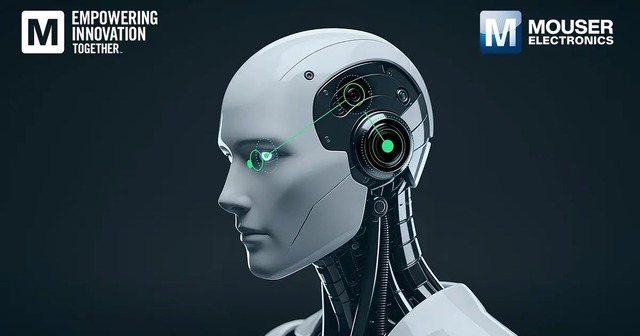
Mouser Electronics launches "Rise of the Robots" series on the fusion of sensing, AI, and control technologies.
Mouser Electronics has unveiled the latest installment of its technology series, "Empowering Innovation Together" (EIT), titled "Rise of the Robots." This new episode explores the advancements in robotics and their impact on various industries. The release aims to highlight the growing significance of robotics in enhancing efficiency and productivity across sectors. By showcasing innovative technologies and expert insights, Mouser seeks to inform and inspire its audience about the future of automation. The series continues to serve as a platform for discussing cutting-edge developments in technology, reinforcing Mouser's commitment to fostering innovation in the electronics industry.
Renesas Electronics Opens Physical AI and Robotics Lab in Beijing, China
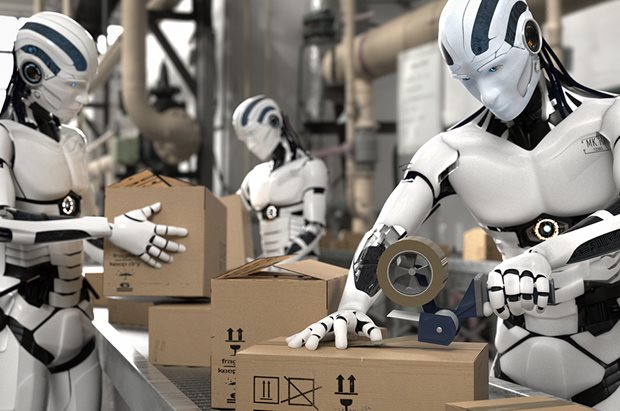
Renesas Electronics has officially launched its Physical AI & Robotics Lab in Beijing, China. This new facility is designed to allow customers to demonstrate, validate, and collaboratively develop next-generation robotic systems. The establishment of this lab is significant as it serves as a central hub for executing Renesas' physical AI strategy, facilitating the transition from proof-of-concept to deployment of advanced robotic solutions. This initiative underscores Renesas' commitment to innovation in the semiconductor industry. Looking ahead, the lab is expected to play a crucial role in advancing the development of robotics and AI technologies. No further timeline was disclosed at the time of publication.
Electronics News Research Robotics artificial intelligence beijing
WB Electronics SA Anticipates Revenue Growth Ahead of Possible Warsaw IPO
WB Electronics SA, Poland's largest drone manufacturer, is forecasting significant revenue growth in the upcoming years as it prepares for a potential initial public offering (IPO) in Warsaw. This anticipated surge in revenue is crucial for WB Electronics SA as it positions itself strategically in the competitive drone market. The company's efforts to go public could provide the necessary capital to expand its operations and enhance its product offerings. Investors and industry watchers should keep an eye on WB Electronics SA's developments regarding the IPO, as it may influence the drone manufacturing landscape in Poland. No further timeline was disclosed at the time of publication.

LG Electronics Advances Humanoid Robot Actuator Production Plans Amid Industry Shift
As artificial intelligence technology progresses, the humanoid robot industry is transitioning from proof-of-concept to commercialization. The focus of competition is shifting from showcasing complete robots to the core components that drive scalability. Actuators, which connect the robot's control system to its mechanical structure, are becoming a key area of investment. Recently, LG Electronics announced its commercialization plan for humanoid robot actuators at the IFA 2026 exhibition, revealing plans to establish an automated production line in Changwon, South Korea, to supply its AXIUM series integrated actuators globally. This move indicates LG's transition from a consumer electronics company to a core supplier in the robotics sector, aiming to secure a critical position in the future humanoid robot supply chain. The actuator's performance and cost significantly impact the robot's mobility, stability, and commercialization costs, as a standard humanoid robot typically requires around 30 actuators, which can account for 60% to 70% of the total cost. The competition in the humanoid robot industry will not only revolve around mechanical structures but also the integration of hardware and software capabilities, necessitating industry collaboration to address challenges in power, perception, computation, and algorithms.
Humanoid Robots Actuators AI Technology Robotics Supply Chain
North Carolina State University Develops Soft Robot for Continuous Jumping Without Electronics
Researchers at North Carolina State University have developed a soft robot capable of continuous jumping without electronic control. This innovation utilizes geometric structures and light-responsive materials to enable the robot to autonomously jump under constant infrared light, overcoming previous limitations that required manual resets or external stimuli for each jump. This advancement is significant as it opens new pathways for the movement of micro soft robots, allowing them to navigate diverse environments without the need for complex electronic systems. The robot, named the annular jumper, can adapt to various terrains, achieving vertical jumps up to 80 times its size and horizontal jumps exceeding three times its length, showcasing its potential for real-world applications. Looking ahead, the research highlights the importance of physical intelligence in robotics, where movement logic is embedded in material properties and geometric configurations. While the current prototype is still in the concept validation stage and faces challenges such as reliance on infrared light and material fatigue, it lays the groundwork for future developments in low-cost micro soft robots that could be deployed in swarm formations for environmental exploration and disaster response.
Soft Robotics Autonomous Systems Light-Responsive Materials Geometric Structures
Renesas Electronics Joins Autoware Foundation to Enhance Autonomous Driving on R-Car Chips
Renesas Electronics has joined the Autoware Foundation to integrate the open-source autonomous driving stack of Autoware onto its R-Car system-on-chips. Announced on September 1, this integration aims to provide pre-configured solutions ranging from Level 2 driver assistance to Level 4 robotaxis. This partnership combines Autoware's automated driving software with Renesas' R-Car automotive processors and RoX software platform. Manufacturers and suppliers can adapt models, train them on their own data, and deploy the stack on hardware architectures already intended for production vehicles. Autoware outlines a progressive trajectory for its technology, which is crucial for industries as it can reduce the number of architectures to maintain between prototypes and products. The next steps include the release of reference configurations, test results, and automotive partners. While the integration aims to simplify the integration complexity and provide an alternative to fully proprietary solutions, no specific vehicle models, production timelines, or committed robotaxi fleets were disclosed at the time of publication.
Robots
Poland Investigates Possible Terrorism Behind Fire at WB Electronics Drone Facility
Poland has initiated an official investigation to determine if a recent fire at WB Electronics SA, the nation's largest drone manufacturer, was an act of terrorism. Authorities are exploring the possibility that foreign spies may have been involved in the incident. This investigation is significant as it highlights concerns over national security and the potential threats facing critical infrastructure in Poland's defense sector. The outcome could have implications for the country's drone manufacturing industry and its overall security posture. As the investigation unfolds, stakeholders in the defense and technology sectors will be closely monitoring developments. The findings may influence future security measures and policies regarding the protection of sensitive facilities in Poland. No further timeline was disclosed at the time of publication.
LG Electronics and Nvidia Aim for 100,000 Hours of Humanoid Robot Training Data
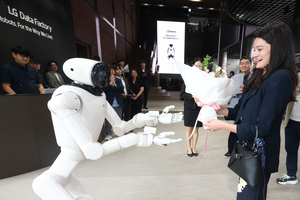
LG Electronics is enhancing its collaboration with Nvidia to expedite the creation of training data for humanoid robots. This initiative follows a memorandum of understanding signed by LG Group Chairman Koo Kwang-mo and Nvidia CEO Jensen Huang, aimed at expanding cooperation in physical AI and mobility. Madison Huang, Nvidia's senior director, visited LG's data factory in Seoul to review the progress of this partnership. The significance of this collaboration lies in its potential to advance the capabilities of humanoid robots through extensive training data. By utilizing LG's CLOiD robots in various simulated environments, including a home setting and a washing machine plant, the companies aim to gather diverse data for training purposes. The data will be processed using Nvidia's advanced robotics solutions, enhancing the learning process for these robots. Looking ahead, LG Electronics plans to fully operationalize the Yangjae data factory by the end of the year, with a target of collecting 100,000 hours of training data. This ambitious goal represents nearly 12 years of continuous operation, marking a significant milestone in the development of humanoid robotics.
All News
LG Electronics Launches New Refrigerator Plant in Brazil to Boost Production Capacity
LG Electronics has commenced operations at a new refrigerator manufacturing facility in Parana, Brazil, which can produce approximately 600,000 units annually. This plant marks LG's second manufacturing site in Brazil, following the Manaus facility established in 1996. The new facility incorporates advanced technologies such as artificial intelligence and industrial robots to enhance productivity and ensure quality. The establishment of this plant is significant as it aligns with LG's strategy to expand its presence in the Global South, targeting emerging markets like Brazil, India, and Saudi Arabia. The refrigerators produced will feature dual-voltage capability and functions suited for Brazil's climate, potentially positioning the Parana facility as an export hub for the South American market. This move is expected to strengthen LG's market position and cater to local consumer needs. Looking ahead, LG aims to leverage the new plant to introduce appliances specifically designed for Brazilian consumers while also benefiting from tariff-free trade within Mercosur. No further timeline was disclosed at the time of publication.
All News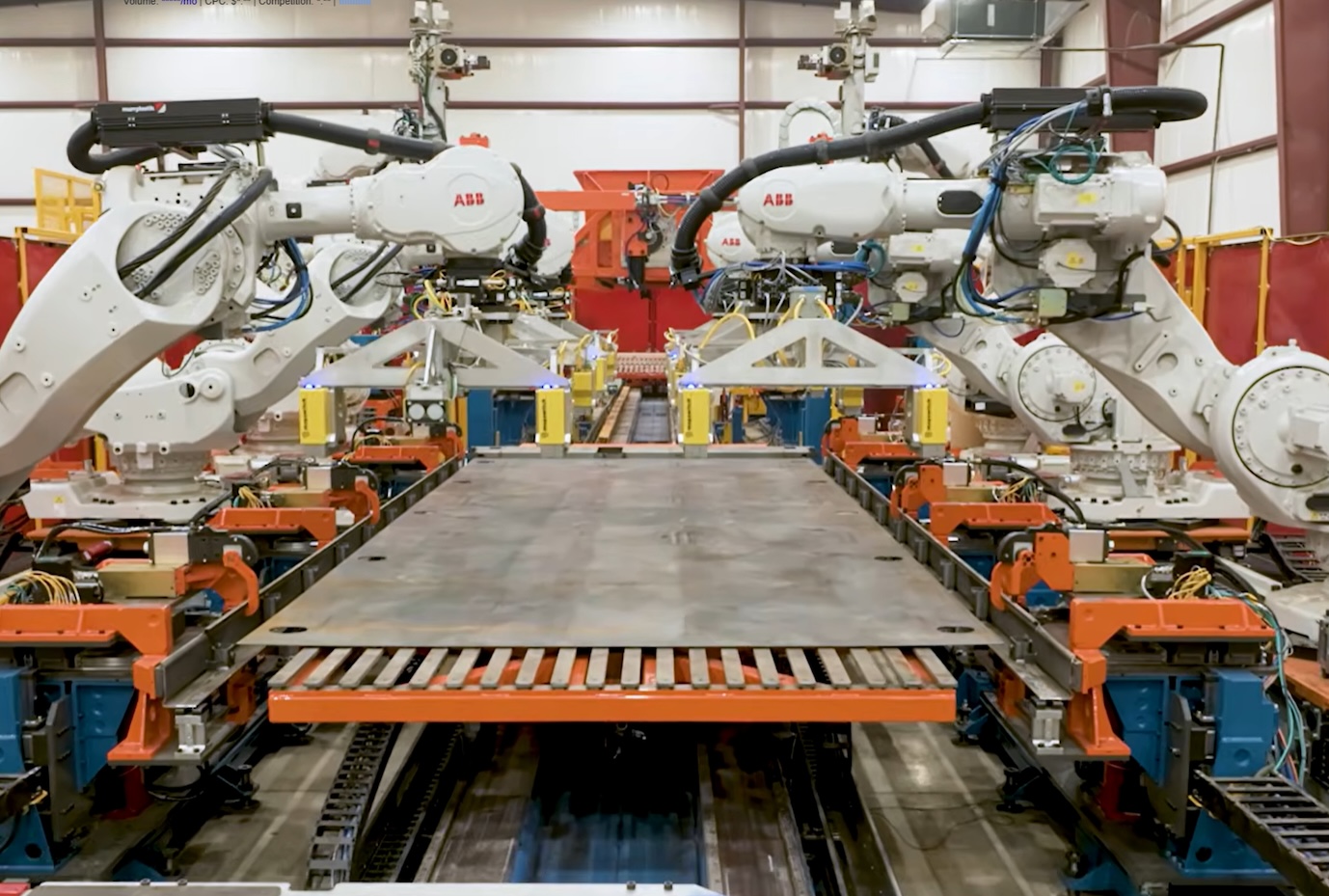
Samsung Electronics Appoints Former Hyundai Executive to Lead New Robotics Division
Samsung Electronics Co. has appointed a prominent robotics executive from Hyundai Motor Group to lead its newly established robotics division. This strategic move highlights Samsung's commitment to enhancing its presence in the robotics sector, which is increasingly viewed as a critical area for competition among global technology firms. The establishment of this new division signifies Samsung's recognition of the growing importance of robotics in technology and manufacturing. By bringing in experienced leadership, Samsung aims to strengthen its capabilities and innovate within this rapidly evolving field, positioning itself against other major players in the industry. Looking ahead, the focus will be on how Samsung's new robotics division develops and what innovations it will bring to the market. No further timeline was disclosed at the time of publication.
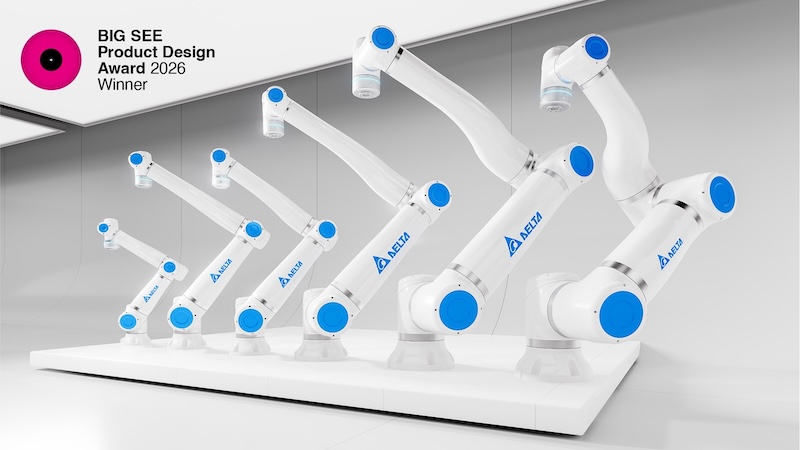
Delta Electronics' D-Bot Collaborative Robots Win BIG SEE Product Design Award 2026
Delta Electronics has received the prestigious BIG SEE Product Design Award 2026 for its Delta D-Bot series of collaborative robots. This award highlights exceptional achievements in product design and industrial innovation, showcasing Delta's commitment to sustainability and creativity in technology. The recognition is significant as it underscores Delta's strategy of investing over eight percent of its annual revenue in research and development, particularly in design and innovation. Michael Mayer-Rosa, senior director at Delta, emphasized that the award reflects the high standards of their team in merging industrial robotics with practical and efficient design, catering to diverse customer needs. Looking ahead, Delta's D-Bot series, launched in spring 2024, features six flexible models with advanced safety technologies and compatibility with various industrial protocols. No further timeline was disclosed at the time of publication.
Design Industrial robots autonomous mobile robots BIG SEE Product Design Award cobots collaborative robots
LG Electronics Expands Humanoid Robot Actuator Supply Chain Ahead of 2027 Goals
LG Electronics is enhancing its robot-actuator division by hiring for six mid-career positions, aiming to supply motorized joints for humanoid robots by 2027. Actuators, which can account for up to 60% of a humanoid's cost, are critical components in the robotics industry. This strategic move is significant as LG seeks to establish itself as a key player in the actuator supply market, which is expected to generate substantial revenue in the near term. The roles span R&D, quality management, and global sales, indicating a comprehensive approach to bringing these components to market. Looking ahead, LG plans to leverage its manufacturing capabilities, producing approximately 45 million motors annually. The company aims to first utilize its actuators in its home robot CLOiD before expanding to global partners by 2027 and entering industrial applications by 2030. No further timeline was disclosed at the time of publication.
All News
New Soft Mechanical Force Sensor Enables Instant Touch Detection in Robotics
Researchers from the National University of Singapore have developed a soft mechanical force sensor, named ME-SOFS, which allows robots to detect touch and respond instantly without electronics. This innovation transforms applied force into fluid flow, activating soft robotic actuators and creating a fully mechanical sensing-to-action process. The ME-SOFS sensor, made entirely from flexible materials, eliminates the need for traditional electronic sensors, reducing complexity and potential failure points. Its design is particularly beneficial for soft robots operating in extreme environments, such as underwater or inside the human body, where electronic systems may fail. Future applications of the ME-SOFS sensor include integration into soft robotic systems, such as a glove that measures grasping forces and a haptic pad for touch feedback. This technology could significantly enhance prosthetics and human-machine interfaces. No further timeline was disclosed at the time of publication.
AI and Robotics
Capital Increase + Price Drop: Hangkai Microelectronics Accelerates the Popularization of Embodied Intelligent End Force Control Technology
Hangkai Microelectronics is taking significant steps to advance the adoption of its embodied intelligent end force control technology through a recent capital increase and a strategic price drop. This initiative, announced in October 2023, aims to enhance the accessibility of their innovative solutions in the market. The company is focused on expanding its reach and facilitating the integration of this technology across various industries, addressing the growing demand for intelligent automation. By reducing prices, Hangkai Microelectronics hopes to attract a broader customer base and accelerate the implementation of their cutting-edge technology, ultimately positioning itself as a leader in the field of intelligent control systems.
Robotics Automation AI
2026 Munich Shanghai Electronics Show: Exhibitor List and Floor Plan Released
The 2026 Munich Shanghai Electronics Show is set to occur from July 1 to July 3 at the Shanghai New International Expo Center. This prominent event will showcase over 2,000 exhibitors, including industry giants such as Texas Instruments, STMicroelectronics, and Infineon. In addition to the exhibition, the show will feature several technology forums and live broadcasts, drawing an anticipated crowd of more than 70,000 professionals from the electronics sector. Attendees can register online for complimentary entry and access detailed information regarding the exhibition layout and associated activities.
Electronics Exhibition Technology Forums Exhibitor Highlights Industry Networking
2026 Munich Shanghai Electronics Show: Complete Agenda Released!
The 2026 Munich Shanghai Electronics Show is set to occur from July 1 to 3 at the Shanghai New International Expo Centre. This prominent event will bring together industry leaders, experts, and companies to engage in discussions surrounding key topics such as automotive electronics, artificial intelligence, and semiconductors. The gathering aims to highlight emerging trends and innovations within the electronics sector. While registration is currently free, attendees are required to present identification upon entry.
Automotive Electronics AI Semiconductors Energy Storage Embedded Systems
Oversonic Robotics: STMicroelectronics, Fondazione ENEA Tech Biomedical and SpotInvest acquire a stake in the Company
A group of new shareholders has committed to advancing the industrial development of RoBee, a cognitive humanoid robot. This initiative aims to broaden the robot's applications within the manufacturing and healthcare sectors. The shareholders also plan to enhance RoBee's market presence in the United States. This strategic move reflects a growing interest in integrating advanced robotics into various industries, driven by the potential for increased efficiency and innovation. The shareholders are expected to leverage their resources and expertise to facilitate RoBee's expansion and adoption in these critical markets.

Munich Shanghai Electronics Show Highlights Future Trends in the Electronics Industry
The Munich Shanghai Electronics Show is set to occur from July 1 to July 3, 2023, in Shanghai, highlighting the latest technological advancements and industry applications. This year's exhibition emphasizes ten significant trends, including the rise of smart electric vehicles, the integration of artificial intelligence, and advancements in industrial intelligence. With participation from over 1,900 companies, the event underscores the rapid evolution of China's semiconductor industry and its growing influence on global technology markets.
Semiconductors AI Smart Vehicles Industrial Automation Electronics Trade Shows
Improving the performance of high-power electronics
Researchers have discovered that applying a thin layer of diamond can significantly enhance the speed and energy efficiency of next-generation wireless devices. This innovative approach addresses the challenge of excessive heat generated during device operation, which has been a limiting factor in the performance of modern technology. The findings, which emerged from ongoing studies in advanced materials science, highlight the potential for diamond to serve as an effective thermal management solution. This breakthrough could pave the way for faster and more efficient wireless communication, ultimately benefiting consumers and industries reliant on high-performance devices.
Research Computer chips Electronics Carbon materials Nanoscience and nanotechnology Mobile devices
Investment of 330 Million Yuan in Mysterious 'Company A' by Hongxin Electronics
Hongxin Electronics has revealed a joint investment of 330 million yuan in a robotics firm, known as 'Company A', in collaboration with its subsidiary and a venture capital partner. This strategic investment comes as the robotics industry experiences significant growth and heightened competition, with 'Company A' boasting a pre-investment valuation of 20 billion yuan. The announcement has sparked intrigue in the market regarding the identity of the company and signals Hongxin's commitment to expanding its presence in the rapidly evolving robotics sector.
Robotics Investment Venture Capital Technology
Over 1900 Quality Companies to Gather at July Electronics Expo in Shanghai
The electronica Shanghai 2026 is set to occur from July 1 to 3 at the Shanghai New International Expo Centre. This significant event will host over 1,900 exhibitors and is expected to draw more than 70,000 professionals from the electronics industry. The focus will be on emerging trends such as smart electric vehicles (EVs), artificial intelligence (AI), and the Internet of Things (IoT). By providing a platform for industry leaders and innovators, the event aims to foster discussions on the future of electronics and technological advancements.
Electronics Expo AI Smart Vehicles IoT Semiconductors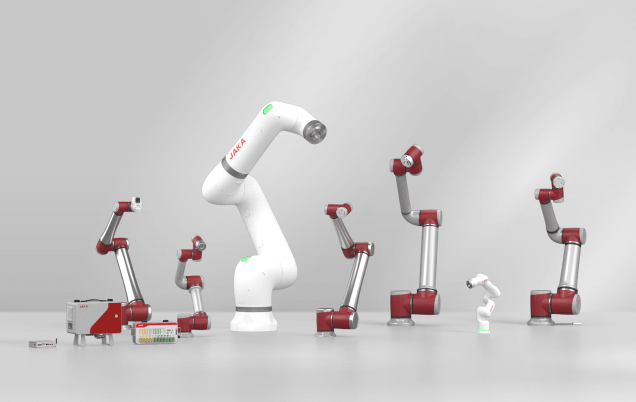
Cobots for Electronics Assembly: 5 Best Options You Can't Miss
In the rapidly evolving electronics assembly sector, JAKA Robotics is leading the charge in enhancing operational efficiency through its innovative collaborative robots, or cobots. These advanced machines are designed to work alongside human operators, significantly boosting productivity and precision in manufacturing processes. The JAKA ZU series exemplifies high-quality standards and versatility, enabling seamless integration into existing workflows for tasks such as small component handling. Meanwhile, the JAKA S series features intelligent force control, allowing for careful handling of delicate electronic parts, thereby ensuring safety and effectiveness in assembly operations. For challenging environments, the JAKA Pro series offers robust performance with its IP68 protection rating, making it suitable for settings exposed to dust and liquids. The JAKA AL series stands out by integrating intelligent vision systems, facilitating complex operations like precise component placement and inspection, which enhances quality control. Lastly, the JAKA A series provides a flexible solution for various industrial applications, allowing quick reconfiguration to meet changing production demands. By incorporating these cobots, companies can significantly improve their assembly processes, driving growth and maintaining a competitive edge in the electronics industry. JAKA Robotics’ commitment to innovation is redefining the future of work in manufacturing, unlocking new potential for operational excellence.

Why is Cobot Polishing Important for Electronics and Auto Parts Quality?
In the high-end electronics and automotive manufacturing sectors, the introduction of collaborative robots, or cobots, is revolutionizing the surface finishing process. Traditionally reliant on manual labor, which often resulted in inconsistencies and human error, these industries are now leveraging advanced technology to enhance quality and efficiency. The challenge of polishing complex geometries—such as intricate smartphone frames and engine components—has been addressed through the implementation of force-controlled cobots. Unlike conventional robots, these cobots can adjust their pressure in real-time, ensuring uniform contact with varying surface shapes. This capability is crucial for maintaining the integrity of delicate materials and achieving high-quality finishes. The benefits of adopting cobot polishing are significant. They provide consistent pressure across multiple parts, reducing batch variance and ensuring compliance with strict OEM standards. Additionally, the precision of these robots minimizes scrap rates, translating to substantial cost savings in industries where material expenses are critical. Furthermore, by automating the polishing process, human workers can avoid exposure to hazardous dust, allowing them to focus on higher-level tasks. JAKA has developed the S series of collaborative robots, specifically designed for force-sensitive applications. The JAKA S5 model, with its advanced force sensors and agile design, is particularly suited for the electronics and automotive industries. It offers features such as constant force tracking and wireless management through the JAKA App, enhancing the precision and adaptability of the polishing process. By integrating these intelligent robots into their operations, manufacturers are moving towards achieving near-zero defect rates, setting a new standard for quality in surface finishing.

Arrow Electronics Addresses Rising Autonomous Mobile Robot Demand in Southeast Asia with System-Level Solutions
In a significant collaboration aimed at advancing antimicrobial resistance (AMR) solutions, technology partners showcased innovative systems in Singapore and Bangkok. The event, held in October 2023, brought together key stakeholders from the healthcare and technology sectors to address the pressing global challenge of AMR. By demonstrating cutting-edge technologies and collaborative approaches, the partners aimed to highlight effective strategies for combating resistant infections, which pose a growing threat to public health worldwide. The initiative underscores the urgent need for innovative solutions in the fight against AMR, fostering partnerships that leverage expertise and resources to enhance healthcare outcomes across the region.
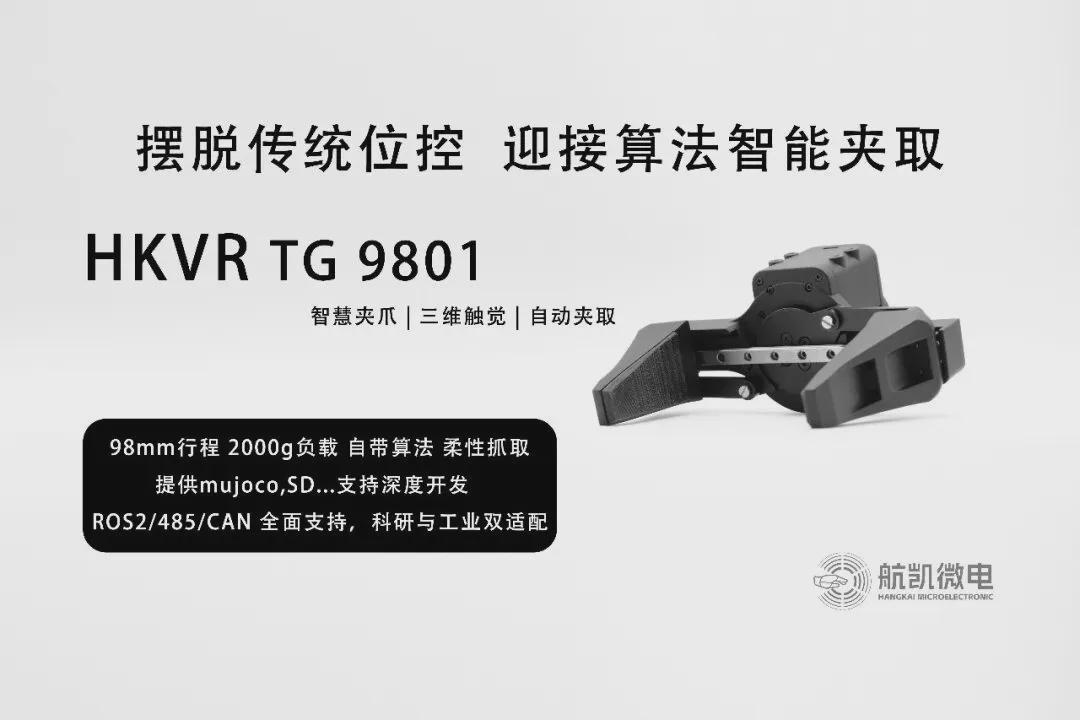
Hangkai Microelectronics TG 9801 Tactile Intelligent Gripper: No Programming Required for Smart Grabbing, Natively Supports ROS2/485/CAN, Versatile for All Scenarios
Suzhou Hangkai Microelectronics has introduced the HKVR TG 9801 tactile adaptive gripper, a cutting-edge solution designed to simplify automation and robotics applications. This innovative gripper eliminates the need for complex programming, allowing for flexible grasping of diverse materials and sizes. The device features native support for ROS2 and various industrial communication protocols, facilitating seamless integration and quick deployment in industrial settings. This advancement aims to enhance operational efficiency and adaptability in automation processes, catering to the growing demand for versatile robotic solutions in various sectors.
Tactile Grippers Robotics Integration Industrial Automation ROS2 Smart Manufacturing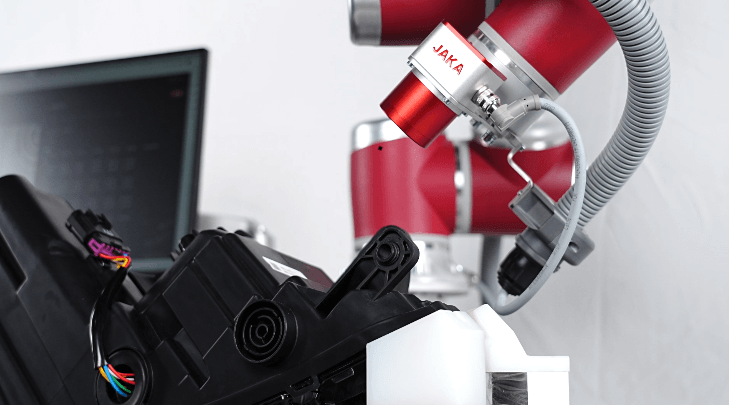
Assembly Robots for Consumer Electronics: Challenges and Solutions
The consumer electronics industry is increasingly adopting specialized assembly robots to address the challenges posed by rapid product life cycles and the need for precision in manufacturing. As smartphones, wearables, and home gadgets evolve, traditional manual assembly methods struggle to keep up with the demand for high-quality production. This shift is driven by the need for accuracy in handling densely packed components, which require sub-millimeter precision and are sensitive to electrostatic discharge. To adapt to frequent design changes and seasonal updates, manufacturers are turning to flexible automation solutions. These advanced robots can be quickly reprogrammed and equipped with modular end-effectors, enabling them to perform various tasks across different product lines. The integration of 2D and 3D vision systems enhances quality control, allowing robots to make real-time adjustments to ensure precise assembly. JAKA, a leader in robotics technology, has developed the JAKA A12L, designed specifically for the electronics sector. This robot offers a long reach and high payload capacity, making it suitable for large-format assembly. With an impressive repeatability of ±0.03mm, JAKA's solutions meet the stringent requirements of consumer electronics manufacturing. The company emphasizes ease of integration and safety, providing an open software ecosystem for seamless communication with vision sensors and factory systems, along with user-friendly wireless control through the JAKA App. This innovation positions manufacturers to turn production challenges into competitive advantages.

Solving hard problems in soft electronics
Camille Cunin, a PhD candidate from the class of 2026, is pioneering advancements in biomedical technology by developing innovative stretchable devices that enhance signal amplification. This groundbreaking work aims to address the limitations of traditional rigid circuitry, making these new devices more adaptable for practical applications in healthcare. Cunin's research, which is ongoing, seeks to improve the integration of technology in medical settings, potentially leading to better patient outcomes. By focusing on the creation of flexible circuitry, Cunin is contributing to a significant shift in how biomedical devices can be utilized in real-world scenarios, ultimately enhancing their functionality and effectiveness in monitoring and treating various health conditions.
School of Engineering DMSE Neuroscience Biomedical engineering Electronics Wearables
COMAU and OMRON Robotics to collaborate on expanding advanced industrial automation solutions across light industry, electronics, and medical manufacturing
COMAU and OMRON Robotics have entered into a strategic collaboration agreement to enhance the adoption and deployment of advanced industrial automation solutions for manufacturers globally. This partnership, announced recently, aims to leverage both companies' expertise in robotics and automation technology to streamline manufacturing processes and improve operational efficiency. By combining their resources and knowledge, COMAU and OMRON intend to address the growing demand for innovative automation solutions in various industries. The collaboration reflects a commitment to driving technological advancements that support manufacturers in navigating the complexities of modern production environments.

Defense Department increases microelectronics workforce program contract to $100M
A consortium led by Purdue University, known as SCALE, is working to cultivate a skilled technical workforce to support Department of Defense (DOD) technologies. This initiative involves collaboration with 35 educational institutions, including notable partners like Arizona State University. The program is designed to address the growing demand for specialized skills in the defense sector, ensuring that students are equipped with the necessary training and expertise. By fostering partnerships between academia and the DOD, SCALE aims to enhance the pipeline of talent ready to meet the technological challenges faced by the military. The initiative reflects a strategic effort to bridge the gap between education and industry needs, ultimately strengthening national security through a well-prepared workforce.
How Collaborative Robots Are Improving Quality Control in Electronics Manufacturing
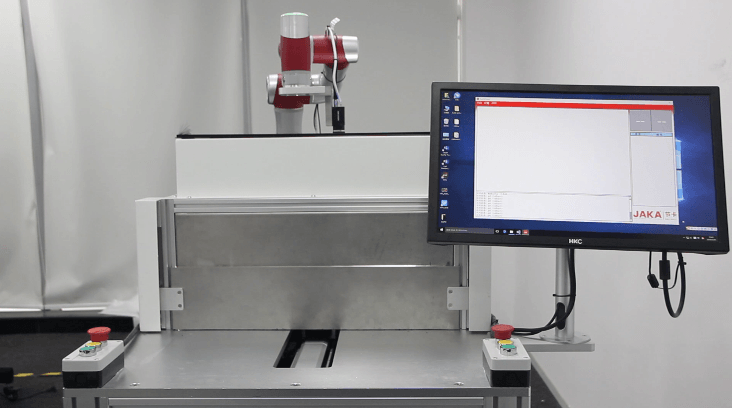
The electronics industry is undergoing a significant transformation as manufacturers increasingly adopt collaborative robots to enhance quality control and inspection processes. With rapid product lifecycles and the demand for zero-defect production, traditional automation methods often fall short in the high-mix, low-volume production environment typical of modern tech manufacturing. Collaborative robots, or cobots, are now being integrated into precision testing and visual inspection lines, offering the speed and accuracy needed while maintaining the flexibility required for delicate electronic assembly. These robots can perform Automated Optical Inspection (AOI) with sub-millimeter precision, significantly reducing the risk of human error associated with fatigue and perceptual blindness during long shifts. Companies like JAKA are leading this innovation by developing robots equipped with advanced 2D and 3D vision systems. Their JAKA AL series features an integrated vision system that allows the cobot to autonomously identify components and check for assembly errors without the need for external cameras. This capability enables real-time adjustments to the production line, helping to identify quality drifts before they result in defective batches. JAKA’s engineering emphasizes safety and high performance, with models like the JAKA Zu series designed for high-speed testing while ensuring safe human interaction through torque-feedback collision detection. By investing in JAKA collaborative robots, manufacturers can ensure that every device produced meets stringent global standards, thereby maintaining a competitive edge in the electronics market.
US’ heat-activated knot robots leap hundreds of times their height without electronics
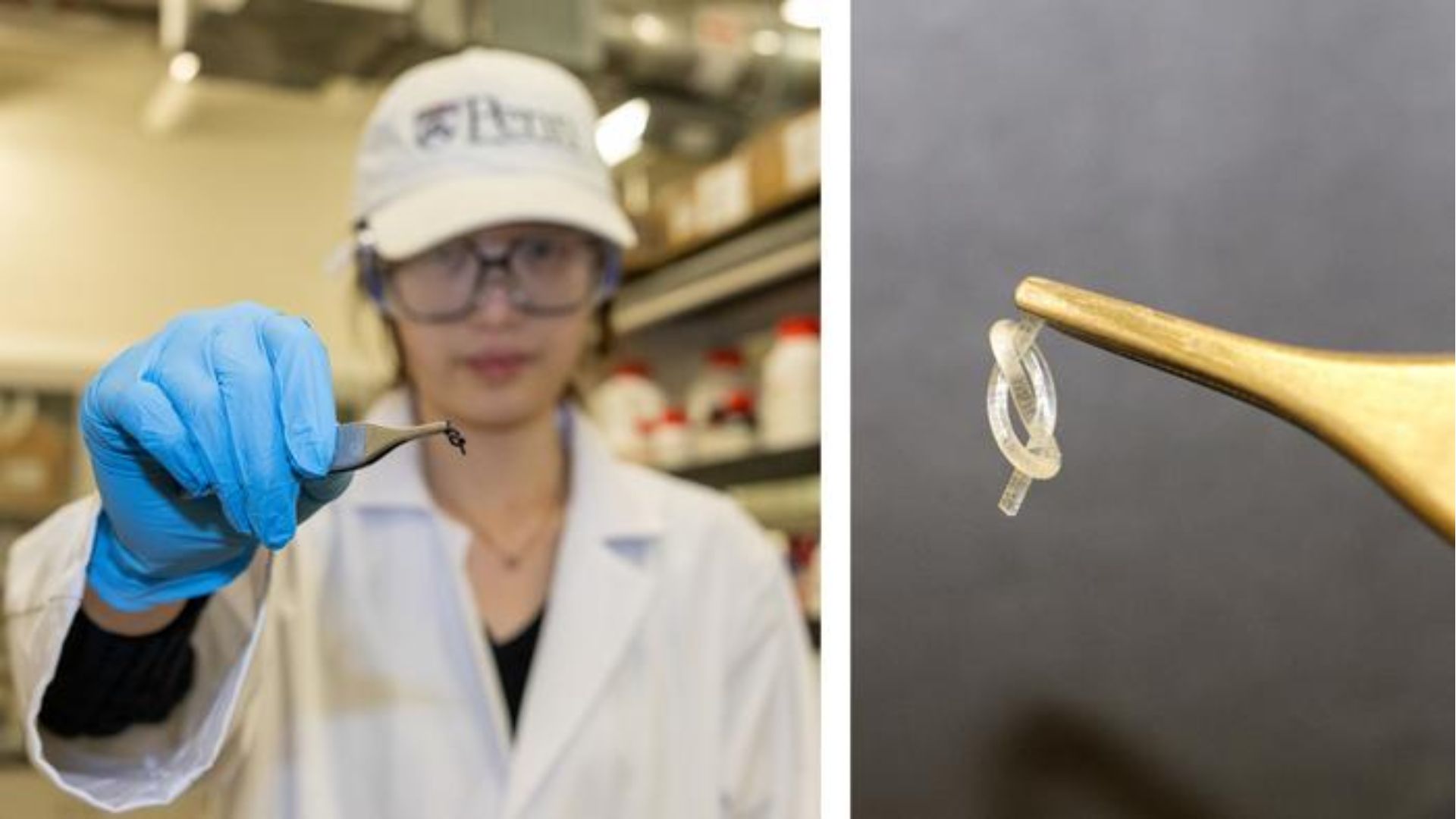
Researchers at the University of Pennsylvania's School of Engineering have developed an innovative heat-activated robot using a common nuisance: a knotted string. This groundbreaking project, unveiled recently, showcases the potential of transforming everyday materials into advanced robotic systems. The team aimed to explore new avenues in robotics by harnessing the unique properties of strings that can change shape and function when exposed to heat. By strategically manipulating the knots and applying thermal energy, the researchers were able to create a robot capable of performing various tasks, demonstrating versatility and efficiency. This advancement not only highlights the ingenuity of the engineering team but also opens up new possibilities for the application of soft robotics in diverse fields, including medicine and manufacturing. The research reflects a growing trend in the engineering community to utilize unconventional materials for innovative solutions, emphasizing the importance of creativity in technological development.
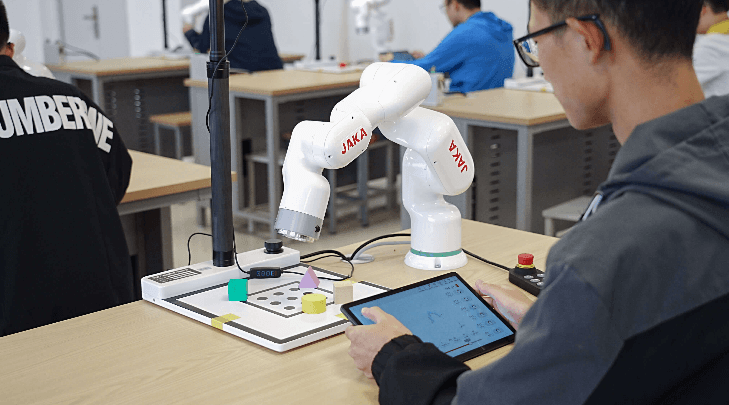
How a Small Robotic Arm Reduces Footprint in Electronics Benchtop Assembly
In the rapidly evolving field of electronics manufacturing, JAKA has introduced the MiniCobo, a compact robotic arm designed to optimize workspace efficiency. This innovative solution addresses the challenges of limited bench space, allowing manufacturers to streamline assembly tasks without sacrificing operational capability. The MiniCobo's lightweight construction ensures easy positioning and minimal structural modifications, making it particularly beneficial in crowded electronics assembly environments. Launched recently, the MiniCobo enables quick setup and seamless integration into existing workflows, automating repetitive tasks to enhance productivity and reduce error rates. This small robotic arm not only improves throughput but also maintains high operational reliability, making it an attractive option for small-scale production and pilot assembly lines. By offering a cost-effective alternative to larger robotic systems, the MiniCobo reduces energy consumption and simplifies maintenance, leading to significant operational savings. Its adaptability allows for the deployment of multiple units in parallel, catering to varying production demands without substantial investment. Overall, JAKA's MiniCobo represents a strategic advancement in benchtop assembly, combining compact design, precise operation, and flexible deployment to meet the evolving needs of modern electronics production.

AGIBOT and Longcheer Technology Achieve World's First Embodied AI Deployment in Consumer Electronics Precision Manufacturing Mass-Production Line
A groundbreaking project has been launched, representing the world's first large-scale industrial implementation of embodied AI systems in the core production workflows of consumer electronics manufacturing. This innovative initiative aims to enhance efficiency and productivity within the industry, leveraging advanced artificial intelligence to streamline operations and improve product quality. The project is set to transform traditional manufacturing processes by integrating intelligent systems that can learn and adapt in real-time. This significant development is expected to take place in various manufacturing facilities across the globe, with initial implementations scheduled for early 2024. By adopting these cutting-edge technologies, the consumer electronics sector seeks to address increasing demands for faster production times and higher quality standards, positioning itself at the forefront of technological advancement in manufacturing.
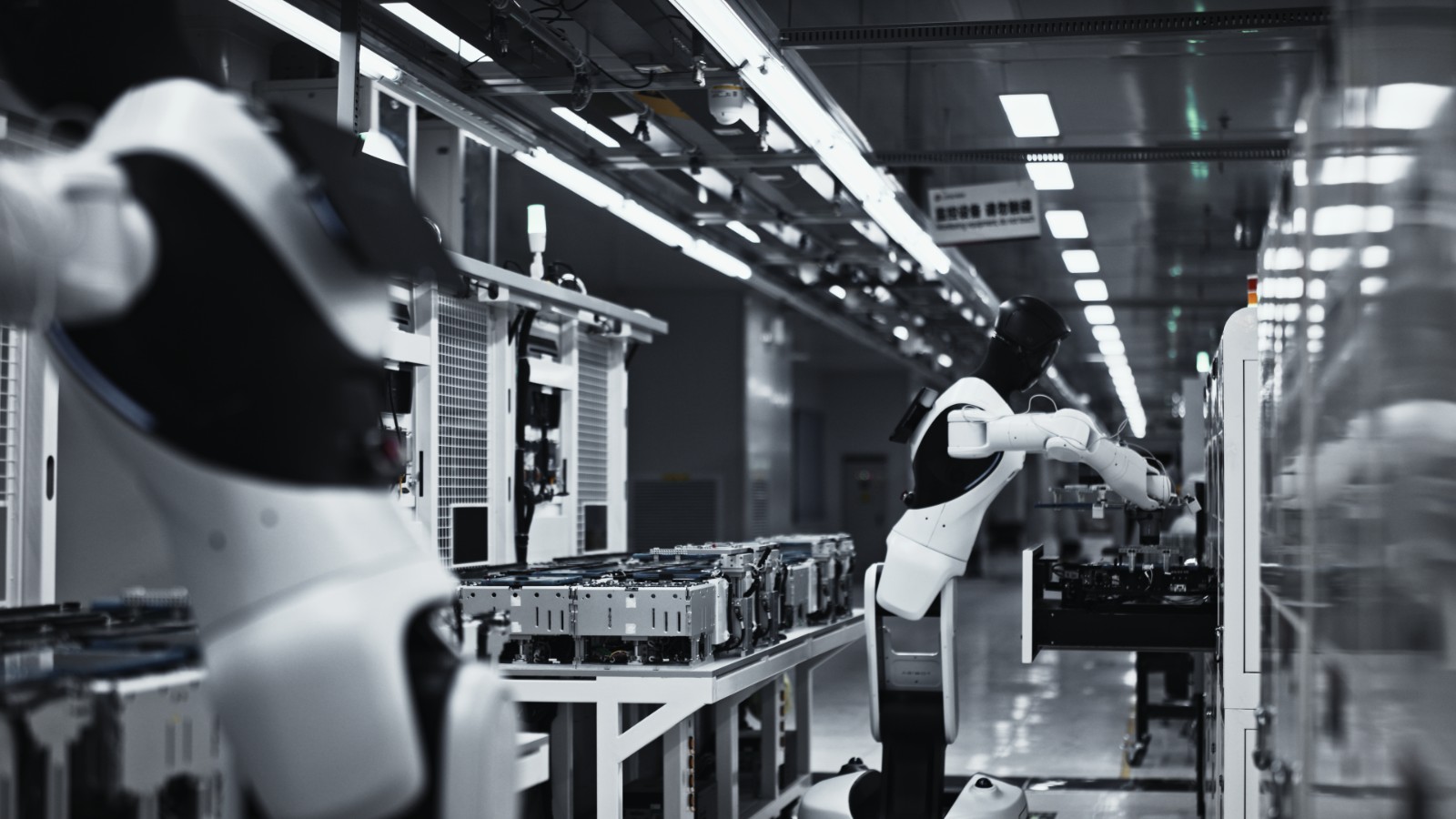
AGIBOT and Longcheer Technology Achieve World’s First Embodied AI Deployment in Consumer Electronics Precision Manufacturing Mass
AGIBOT and Longcheer Technology have successfully deployed the world’s first embodied AI system in a consumer electronics precision manufacturing setting, integrating AGIBOT G2 robots into Longcheer’s production lines. This milestone, achieved recently, signifies a transformative advancement from experimental AI to practical and scalable solutions in the manufacturing sector. The integration aims to enhance flexibility and efficiency within production workflows, showcasing the potential of AI technology to revolutionize traditional manufacturing processes.
Embodied AI Consumer Electronics Manufacturing Robotics Automation
Researchers build a robotic swarm with no electronics, no batteries and no brains
Researchers at Georgia Tech have developed innovative swarms of tiny robotic particles that operate without any electronic components, such as sensors or processors. Led by Bolei Deng, an assistant professor in the Daniel Guggenheim School of Aerospace Engineering, and Ph.D. student Xinyi Yang, the team has drawn inspiration from the simplicity of LEGO bricks, which fit together seamlessly without the need for complex technology. This groundbreaking work showcases how these robotic particles can latch, release, and reorganize autonomously, opening new possibilities for applications in various fields. The research highlights a novel approach to robotics that emphasizes mechanical interaction over electronic intelligence, potentially leading to more resilient and adaptable systems.
Robotics
Top 6 Applications of Industrial Cobots in the Electronics Manufacturing Industry
In the rapidly evolving electronics manufacturing sector, JAKA is pioneering the use of industrial collaborative robots to enhance production processes. The company has implemented these robots to manage delicate components on assembly lines, significantly reducing human error and product damage. Utilizing the JAKA Pro16, operators can handle payloads between 3kg and 18kg with precision, allowing for smooth assembly operations and enabling staff to concentrate on more complex tasks. In addition to assembly, JAKA employs the Pro16 for precision welding and soldering, facilitating manual arc control and wire feeding. This robot's load-and-go functionality streamlines the deployment of welding processes, while its compatibility with various welding machines enhances versatility across production setups. Quality assurance is another critical area where JAKA's industrial cobots excel. By integrating vision systems for automated optical inspection and functional testing, the company minimizes defects in production, ensuring consistent quality through precise calibration over repeated cycles. Furthermore, JAKA's robots automate material transport and packaging, ensuring the timely handling of components and finished products. Their flexible programming and compact design allow for seamless integration into high-density production lines, improving material flow and reducing bottlenecks. Overall, JAKA's industrial collaborative robots are transforming electronics manufacturing by increasing precision, reducing errors, and boosting productivity. The company is committed to exploring new applications to further enhance operational excellence and maintain a competitive edge in the industry.
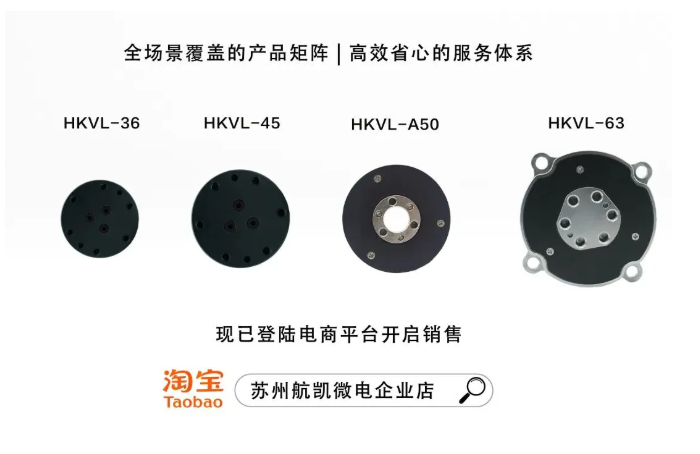
300% FS Safe Overload and 0.01N Resolution: Launch of HKVL Series Six-Dimensional Force Sensors by Hangkai Microelectronics
Hangkai Microelectronics has introduced its latest innovation, the HKVL series six-dimensional force sensors, aimed at enhancing robotic force control. The sensors have undergone rigorous testing, showcasing remarkable performance in extreme overload scenarios and micro-force detection. This advancement promises to significantly improve reliability and accuracy in various industrial automation and robotics applications. The launch of these sensors marks a pivotal step in the company's commitment to advancing technology in the field, addressing the growing demand for precision in automated systems.
Force Sensors Robotics Industrial Automation Precision ControlRobotics needs a service framework.
RSF defines a common language for robot service capability, lifecycle operations, certification pathways, and service-provider networks.
Join the RobotToday community on LinkedIn
Daily robotics news, in-depth analysis, conference highlights, and discussions with professionals worldwide.