Industry Briefing
A single destination for timely, editor-curated robotics news from around the world.
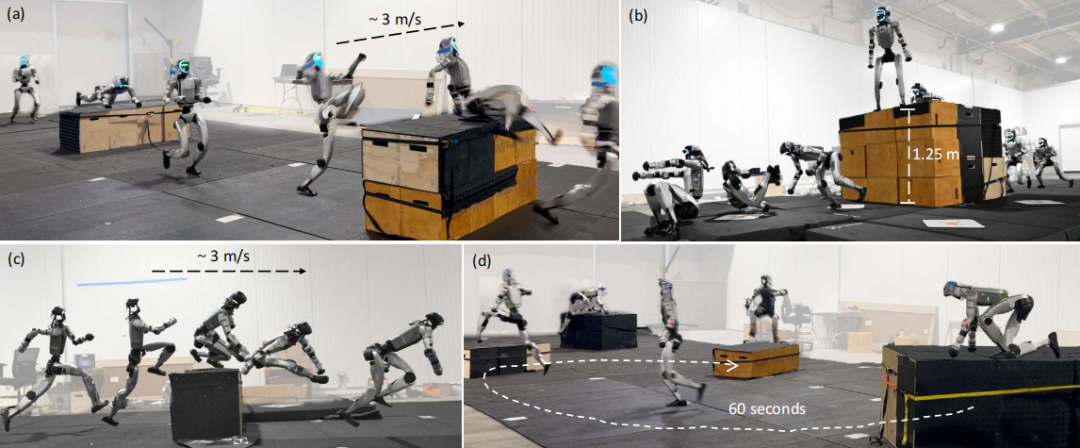
Maoning Praises! Yushu G1 Achieves 3m/s Parkour Speed! Humanoid Robot Successfully Overcomes Dynamic Obstacles at Human Level for the First Time!
The Yushu G1 humanoid robot has achieved remarkable advancements in dynamic parkour, reaching speeds of 3.41 meters per second and successfully navigating obstacles such as a 1.25-meter wall. This innovative development is the result of a collaborative effort among researchers from prominent universities, who employed cutting-edge motion matching techniques to significantly improve the robot's agility and overall performance. The progress marks a notable milestone in robotics, showcasing the potential for humanoid machines to perform complex physical tasks with increased efficiency and precision.
Humanoid Robots Robot Motion Control Dynamic Obstacle Navigation AI Technology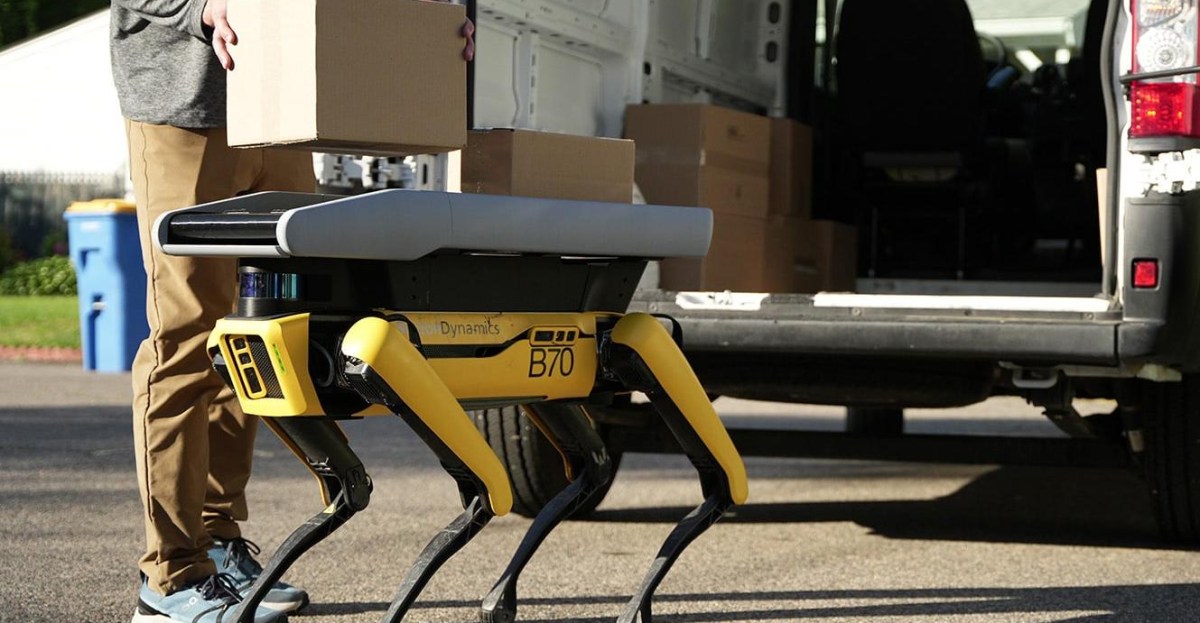
Boston Dynamics Tests Spot Robot for Last-Mile Delivery Solutions
Boston Dynamics is exploring the use of its Spot robot for package deliveries, equipped with a new conveyor belt accessory. This innovation aims to autonomously transport packages from vehicles to customers' doorsteps, potentially easing the workload of delivery drivers. The initiative is significant as it addresses the challenges of last-mile delivery, where human navigational skills are often required to overcome obstacles like stairs and cluttered pathways. Boston Dynamics is currently in discussions with major logistics companies to transition from demonstrations to a full pilot project. Looking ahead, the company believes Spot's ability to navigate uneven terrain will enhance its effectiveness in suburban environments. This could not only alleviate physical strain on delivery drivers but also increase their efficiency, allowing them to handle more packages. No further timeline was disclosed at the time of publication.
Gadgets News Robot Tech
Bastian Solutions Highlights the Importance of Flexible AGV Navigation Technology
Bastian Solutions, part of Toyota Automated Logistics, emphasizes the need for adaptable navigation technology in automated guided vehicles (AGVs) as manufacturing and warehouse operations evolve. The company's experience in Georgetown, Kentucky, illustrates the shift from traditional magnetic path following to natural feature navigation, driven by increasing complexity in customer applications. As operations demand greater flexibility and adaptability, the limitations of magnetic guidance systems become more apparent. Bastian's transition to natural feature navigation allows for easier route adjustments and faster commissioning, significantly reducing manual labor and installation time. This change reflects a broader trend in intralogistics where automation is valued not only for reliability but also for its ability to adapt to changing environments. Looking ahead, the emphasis on flexible navigation systems will likely continue to grow as companies face increasing pressures to manage diverse SKUs and frequent process changes. Bastian's choice of BlueBotics for its navigation needs highlights the strategic importance of selecting the right technology to enhance operational efficiency and responsiveness in dynamic settings.
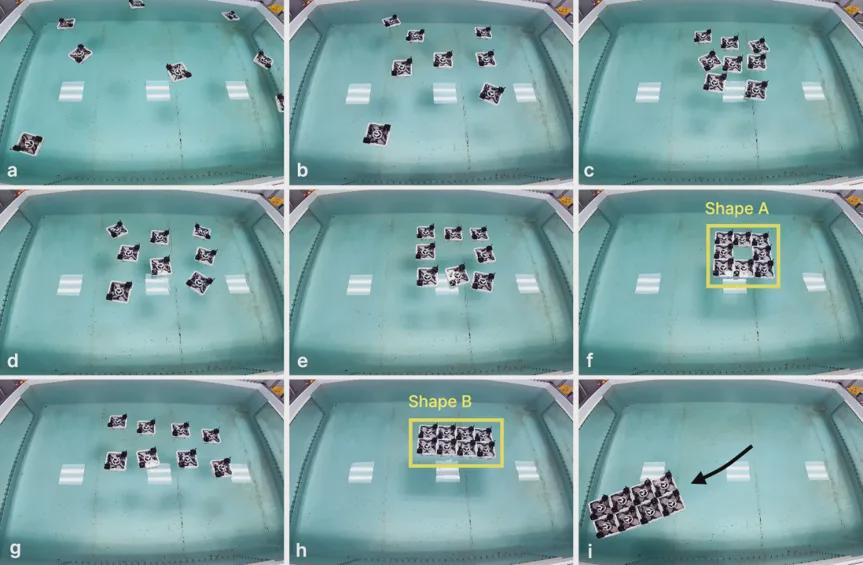
MIT Team Unveils Transformable Robot Fleet for Advanced Water Navigation
A team from MIT, along with collaborators from the University of Wisconsin-Madison, KU Leuven, and Politecnico di Milano, has developed a fleet of eight modular robot boats capable of transforming and navigating water autonomously. Each boat measures 21 cm on each side and can connect to form larger floating platforms, demonstrating advanced coordination without remote control. The significance of this development lies in its potential applications in complex environments where traditional navigation methods may fail. The robots can autonomously handle positioning, collision avoidance, and movement control, adapting their configurations based on tasks, similar to how fire ants form rafts during floods. Looking ahead, the research team has categorized their system as a Modular Self-Reconfigurable Robot (MSRR) system, which allows for dynamic reconfiguration and enhanced functionality. No further timeline was disclosed at the time of publication.
Modular Robotics Autonomous Systems Water Navigation Distributed Control Robotics Research
Kalman Filter–Based Sensor Fusion for Navigation of Holonomic Unmanned Ground Vehicles
In a recent study published in the Journal of Field Robotics, researchers explored advancements in robotic navigation systems, focusing on their application in complex environments. The study, which appeared in the June 2026 issue, highlights innovations that enhance the ability of robots to navigate through challenging terrains, such as urban landscapes and disaster-stricken areas. Conducted by a team of engineers and roboticists, the research aims to address the growing demand for autonomous systems capable of performing tasks in unpredictable settings. By integrating advanced algorithms and machine learning techniques, the team demonstrated significant improvements in navigation efficiency and accuracy. The findings are particularly relevant as industries increasingly rely on robotics for tasks ranging from search and rescue operations to urban planning. The researchers conducted extensive field tests to validate their models, showcasing the robots' ability to adapt to dynamic obstacles and varying environmental conditions. This work not only contributes to the field of robotics but also underscores the potential for these technologies to enhance safety and effectiveness in critical situations. As the demand for intelligent robotic systems continues to rise, this research marks a significant step forward in the evolution of autonomous navigation.
RESEARCH ARTICLE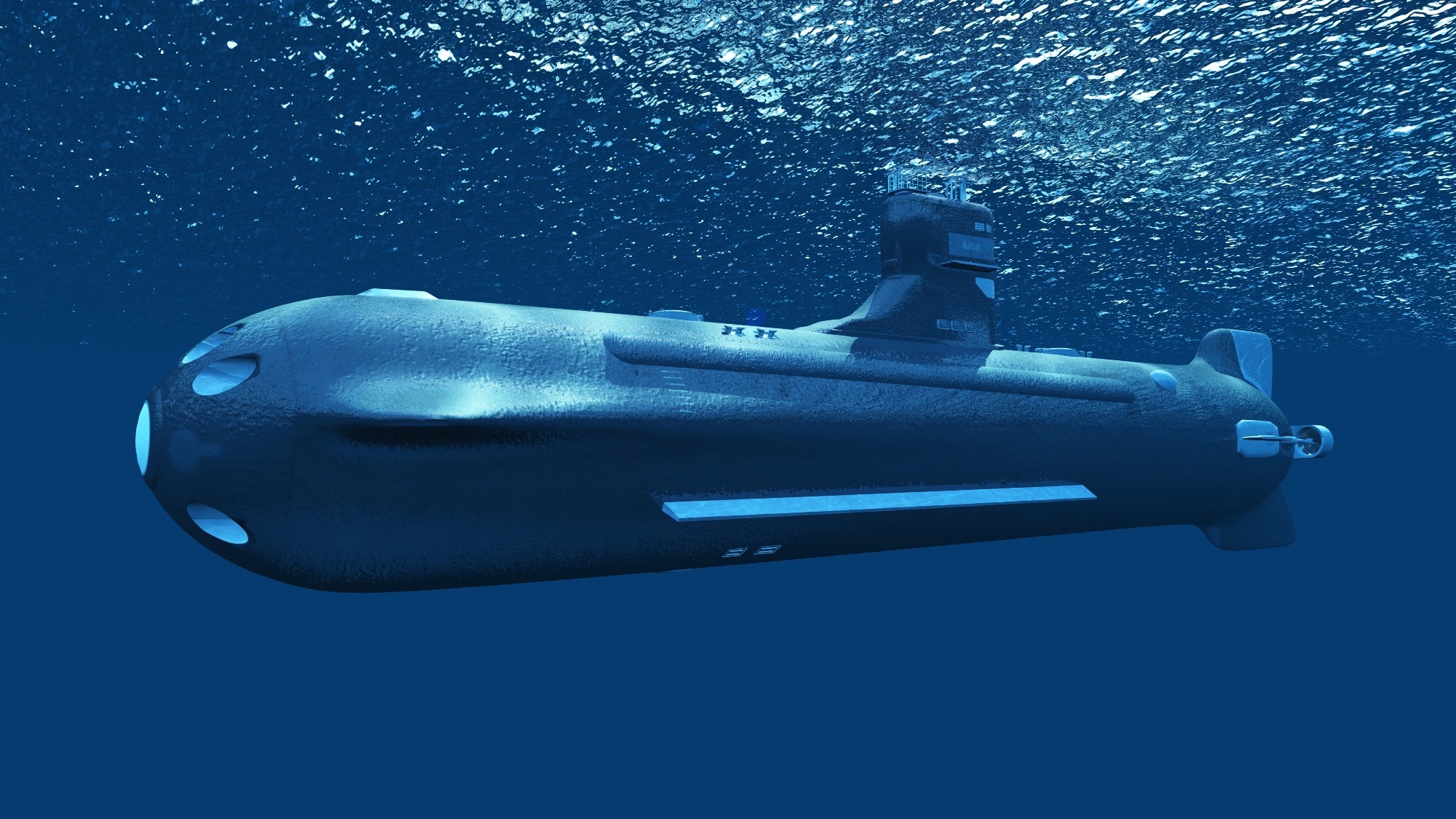
Adaptive DWA Guides Underwater Vehicles Past Obstacles
Researchers have developed an enhanced dynamic window approach for unmanned underwater vehicles (UUVs), aimed at improving their navigation capabilities in challenging environments. This innovative method focuses on optimizing obstacle avoidance, which significantly increases the success rates of UUV operations while simultaneously reducing energy consumption. The advancements in this technology are particularly relevant for missions that require precise maneuvering in complex underwater landscapes, such as search and rescue operations, environmental monitoring, and underwater exploration. By integrating this new approach, UUVs can better adapt to dynamic conditions, ensuring safer and more efficient missions. The findings were presented in October 2023, highlighting the potential for this technology to revolutionize underwater vehicle navigation.
An Adaptive Double Closed‐Loop Path Tracking Control Method for High‐Precision Autonomous Navigation of Agricultural Machinery
In a recent study published in the Journal of Field Robotics, researchers have unveiled significant advancements in robotic navigation systems, particularly focusing on autonomous vehicles. This groundbreaking research, conducted by a team of engineers and computer scientists, was released in May 2026 and highlights the integration of artificial intelligence with real-time data processing to enhance navigation accuracy. The study took place in various urban environments, where the team tested their innovative algorithms designed to improve obstacle detection and route optimization. The motivation behind this research stems from the increasing demand for safer and more efficient autonomous transportation solutions in densely populated areas. Through a series of simulations and field tests, the researchers demonstrated how their approach allows vehicles to adapt to dynamic conditions, such as changing traffic patterns and unexpected obstacles. This capability not only promises to reduce the likelihood of accidents but also aims to improve overall traffic flow. The findings are expected to have a profound impact on the future of urban mobility, potentially leading to widespread adoption of autonomous vehicles that can navigate complex environments with greater reliability. As cities continue to evolve, the integration of such advanced robotic systems could play a crucial role in shaping the future of transportation.
RESEARCH ARTICLE
Vision‐Based Runway Detection and Localization for Aircraft Landing in Global Navigation Satellite System‐Denied Environments
In the May 2026 issue of the Journal of Field Robotics, researchers have published a groundbreaking study that explores advancements in autonomous robotic systems. The study, conducted by a team of engineers and scientists, focuses on enhancing the navigation capabilities of robots in complex environments. This research aims to address the growing demand for efficient and reliable robotic solutions in various industries, including agriculture, logistics, and disaster response. The findings reveal innovative algorithms that enable robots to better interpret their surroundings and make real-time decisions, significantly improving their operational efficiency. The team conducted extensive field tests to validate their models, demonstrating the robots' ability to navigate challenging terrains while avoiding obstacles and adapting to dynamic conditions. This research is particularly timely as industries increasingly rely on automation to boost productivity and safety. By advancing the technology behind autonomous navigation, the study contributes to the broader goal of integrating robots into everyday tasks, ultimately transforming how businesses operate and respond to emergencies. The implications of this work could lead to more widespread adoption of robotic systems, paving the way for a future where robots play a crucial role in enhancing human capabilities.
RESEARCH ARTICLE
Control System for the Navigation of the Agricultural Robots: A Review
The Journal of Field Robotics has published new research findings that highlight advancements in autonomous robotic systems. This study, released in EarlyView, focuses on the integration of artificial intelligence in navigation and obstacle avoidance, showcasing significant improvements in efficiency and safety for robotic applications. Conducted by a team of researchers from various institutions, the study emphasizes the growing importance of robotics in fields such as agriculture, manufacturing, and disaster response. The research was initiated in response to the increasing demand for reliable autonomous systems capable of operating in complex environments. By employing advanced algorithms and machine learning techniques, the team successfully enhanced the robots' ability to adapt to dynamic surroundings, thereby reducing the risk of accidents and improving operational performance. The findings are expected to influence future developments in robotic technology, paving the way for more sophisticated applications that can operate seamlessly alongside humans. This work not only contributes to the academic field but also has practical implications for industries looking to implement robotic solutions in their operations. The study underscores the potential of robotics to transform various sectors by providing safer and more efficient alternatives to traditional methods.
SURVEY ARTICLE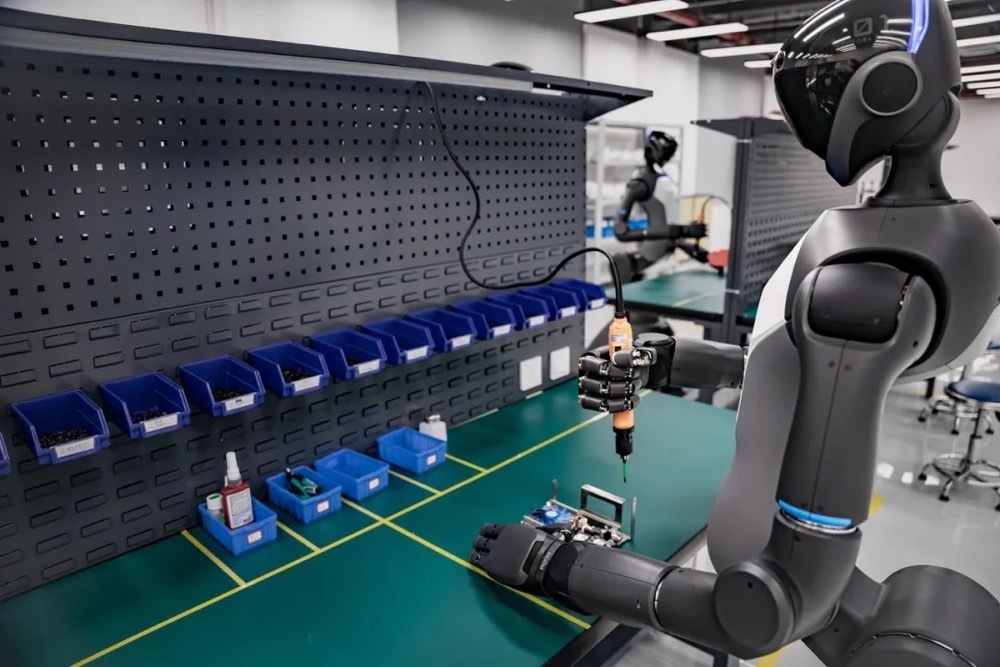
Research on the Application of SSG‐RRT Path Planning Algorithm Integrated With Dynamic Obstacle Avoidance in Wheeled Picking Robot
A recent study published in the Journal of Field Robotics highlights advancements in robotic technology aimed at improving agricultural efficiency. Researchers from various institutions conducted the study to explore how autonomous robots can enhance crop management and reduce labor costs. The findings, released in early October 2023, indicate that these robots can perform tasks such as planting, monitoring, and harvesting with greater precision than traditional methods. The research was conducted in diverse agricultural settings, showcasing the robots' adaptability to different crops and terrains. By integrating advanced sensors and machine learning algorithms, the robots can analyze soil conditions and plant health, allowing for timely interventions that can lead to increased yields. This initiative is driven by the growing need for sustainable farming practices in response to global food demands and labor shortages in the agricultural sector. The study emphasizes that implementing robotic solutions could not only optimize resource use but also address environmental concerns associated with conventional farming techniques. As the agricultural industry faces mounting challenges, the deployment of these innovative robotic systems represents a significant step forward in modernizing farming practices and ensuring food security for the future.
RESEARCH ARTICLE
Soft Computing Techniques Applied to Adaptive Hybrid Navigation Methods for Tethered Robots in Dynamic Environments
A recent study published in the Journal of Field Robotics highlights advancements in robotic technology aimed at enhancing agricultural efficiency. Researchers from various institutions conducted experiments over the past year, focusing on the integration of autonomous robots in crop monitoring and management. The study, carried out in multiple agricultural settings across the Midwest, demonstrates how these robots can significantly reduce labor costs and increase yield by providing real-time data on soil conditions and crop health. The motivation behind this research stems from the growing need for sustainable farming practices amid rising global food demands. By employing sophisticated sensors and machine learning algorithms, the robots are designed to analyze vast amounts of agricultural data, allowing farmers to make informed decisions quickly. The findings indicate that the use of these robotic systems can lead to a more precise application of resources, ultimately promoting environmental sustainability. As the agricultural sector faces challenges such as labor shortages and climate change, the implementation of robotic technology presents a viable solution to improve productivity and resilience in farming operations. The research team plans to continue refining these technologies, aiming for broader adoption in the industry.
RESEARCH ARTICLE
Formation Control of UAVs Based on Dynamic Vector Velocity Obstacle Method
A recent study published in the Journal of Field Robotics highlights advancements in autonomous robotic systems designed for agricultural applications. Conducted by a team of researchers from various universities, the study was released in early October 2023. The research focuses on the development of robots capable of performing tasks such as planting, monitoring crop health, and harvesting, which are crucial for enhancing agricultural productivity. The motivation behind this research stems from the increasing demand for food production and the need for sustainable farming practices in the face of climate change. By integrating advanced technologies such as artificial intelligence and machine learning, the researchers aim to create robots that can operate efficiently in diverse agricultural environments. The study outlines the methodologies employed in designing and testing these robotic systems, including field trials that demonstrate their effectiveness in real-world farming scenarios. The findings suggest that these autonomous robots can significantly reduce labor costs and improve crop yields, offering a promising solution to the challenges faced by modern agriculture. As the agricultural sector continues to evolve, this research underscores the potential of robotics to transform farming practices, making them more efficient and sustainable. The implications of these advancements could lead to a new era of agriculture, where technology plays a pivotal role in meeting global food demands.
RESEARCH ARTICLE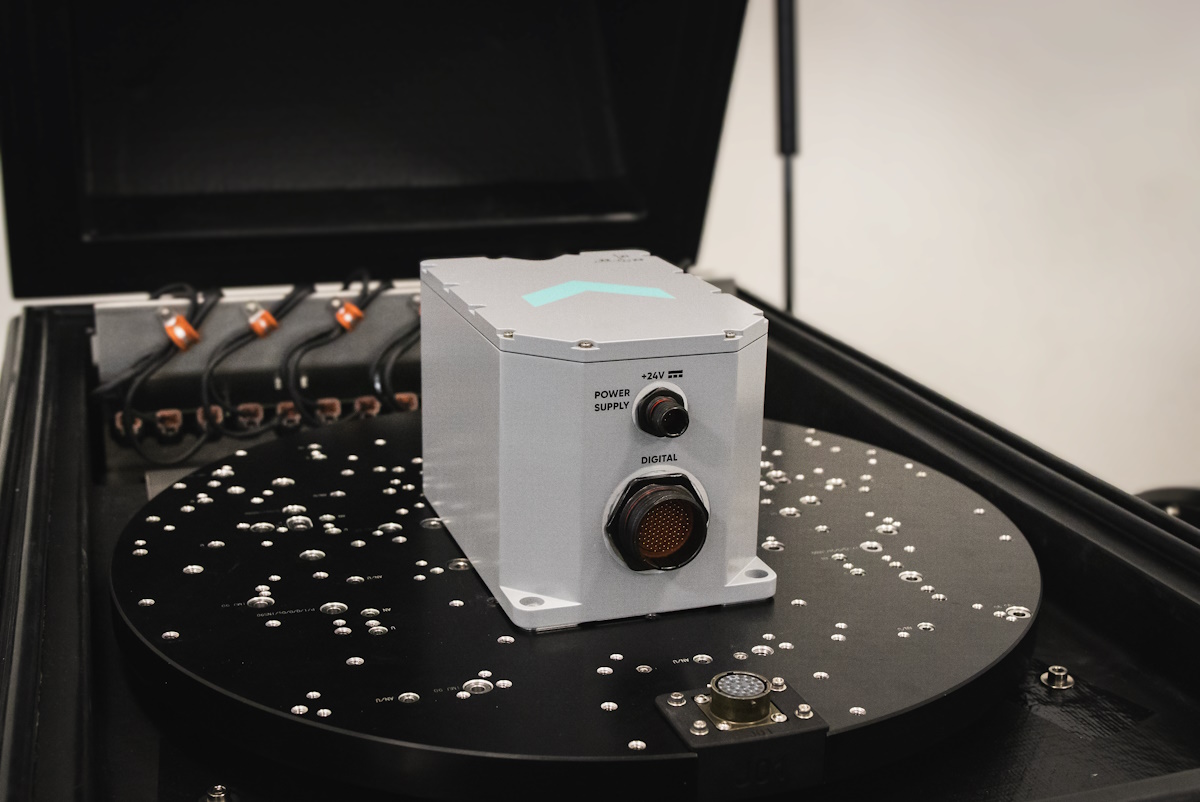
Exail Introduces New Octans 9 Gyrocompass for Navigation and Motion Compensation
Exail has unveiled its latest navigation solution, the Octans 9 Attitude and Heading Reference System (AHRS), which aims to improve operational performance in various applications, including dynamic positioning, vessel navigation, and offshore platform stabilization. This new model builds on the success of its predecessors, incorporating several enhancements designed to optimize functionality. The launch reflects Exail's commitment to advancing maritime technology, providing users with more reliable and efficient navigation tools.
exail octans 9 gyrocompass navigation motion compensation
Autonomous Navigation in Large‐Scale Underground Environments Based on a Purely Topological Understanding of Tunnel Networks
In June 2026, the Journal of Field Robotics published a significant study exploring advancements in robotic technology, specifically focusing on autonomous navigation systems. Researchers from leading universities and tech companies collaborated to investigate the effectiveness of these systems in various environments, including urban areas and remote terrains. The study aimed to address the growing demand for efficient and reliable robotic solutions in fields such as agriculture, disaster response, and transportation. By conducting extensive field tests, the team evaluated how these robots adapt to dynamic conditions and obstacles, ultimately enhancing their operational capabilities. The findings highlight the potential for improved safety and efficiency in robotic applications, paving the way for broader adoption in real-world scenarios. This research not only contributes to the academic discourse on robotics but also offers practical insights for industries looking to integrate autonomous systems into their operations.
RESEARCH ARTICLE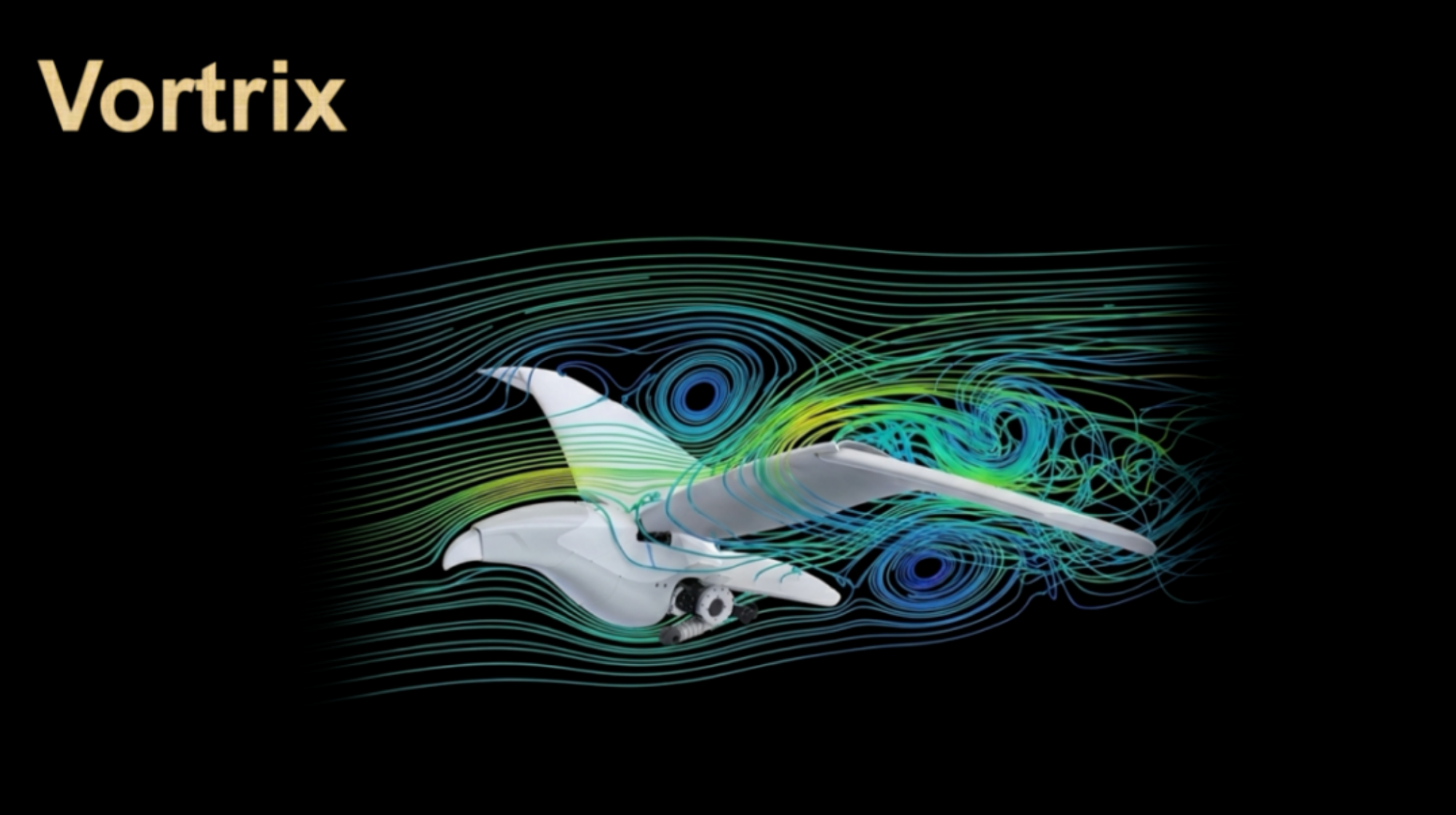
Post-00s PhD Team Secures Funding for Biomimetic Flapping Robot Development
A team of PhD students born after 2000 has developed a biomimetic flapping robot capable of fluid navigation, announced by Eagle Eye Intelligent Wings. The company recently completed a Series A funding round, raising tens of millions of yuan, led by Yuanhe Puhua with participation from Futen Capital and Houxue Capital. This marks the third funding round for the company within three months since its establishment 15 months ago. The funding will primarily support the mass production of their first consumer product, the 'Eagle X,' and the development of the next-generation flapping robot and fluid simulation engine. Founded in March 2025 in Shenzhen, Eagle Eye Intelligent Wings is among the early companies focusing on embodied intelligent flapping robots. The core team consists of over ten members from Shanghai Jiao Tong University, all born after 2000, with notable achievements in research. The 'Eagle X' has completed over 3,000 hours of flight testing and is set to launch on Kickstarter in Q3 of this year. The next-generation product will feature approximately 15 degrees of freedom, allowing for independent wing adjustments. The Vortrix fluid simulation engine is expected to be opened for external use, enhancing training for flying robots and optimizing aerodynamics for fixed-wing aircraft and wind turbine blades. No further timeline was disclosed at the time of publication.
Biomimetic Robots AI Fluid Dynamics Robotics Drone Technology
Research on the Design and Experiment for Obstacle‐Crossing Capability of a Wheeled‐Claw Deformable Mobile Platform With Large Expansion Ratio
A recent study published in the Journal of Field Robotics highlights advancements in autonomous robotic navigation systems. Researchers from a leading robotics institute conducted experiments to improve the efficiency and accuracy of robots in complex environments. The study, released in early October 2023, focuses on the integration of artificial intelligence and machine learning techniques to enhance decision-making processes in real-time. The research took place in various challenging terrains, including urban settings and natural landscapes, to test the robots' adaptability. The motivation behind this work stems from the increasing demand for autonomous systems in industries such as agriculture, logistics, and disaster response. By developing more reliable navigation capabilities, the researchers aim to facilitate safer and more effective deployment of robots in real-world applications. Through a series of trials, the team employed advanced algorithms that enable robots to analyze their surroundings and make informed navigation choices. The findings suggest significant improvements in both the speed and precision of robotic movements, which could lead to broader adoption of these technologies across multiple sectors. This study represents a crucial step towards achieving fully autonomous robotic systems capable of operating in dynamic and unpredictable environments.
RESEARCH ARTICLE
A Season‐Robust Long‐Term Localization Method Using Trunk Semantic Features in Dynamic Orchard Environments
In a recent study published in the Journal of Field Robotics, researchers explored advancements in robotic navigation systems, highlighting significant developments in autonomous technology. The findings, released in June 2026, reveal innovative algorithms that enhance the ability of robots to navigate complex environments without human intervention. This research was conducted by a team of engineers and computer scientists at a leading robotics institute, aiming to address challenges faced in real-world applications such as disaster response and exploration. The study emphasizes the importance of improving robotic autonomy to increase efficiency and safety in various fields, including search and rescue operations, agricultural automation, and urban planning. By employing cutting-edge machine learning techniques, the researchers demonstrated how robots can better interpret sensory data and adapt to dynamic surroundings. The implications of this research are profound, as it paves the way for more reliable and versatile robotic systems capable of operating in unpredictable conditions. As industries increasingly turn to automation, these advancements could significantly impact the future of robotics, making them indispensable tools in both everyday tasks and critical missions.
RESEARCH ARTICLE
Dynamic Environment Adaptive Path Planning for Mobile Robots: A Hybrid Enhanced Path‐Planning Approach
The Journal of Field Robotics has published a new study highlighting advancements in autonomous robotic systems. Researchers from various institutions collaborated on this project, aiming to enhance the efficiency and safety of robots used in field applications. The study, released in early October 2023, focuses on innovative algorithms that improve navigation and obstacle avoidance in complex environments. Conducted in diverse outdoor settings, the research demonstrates how these advancements can significantly reduce operational risks and increase productivity in sectors such as agriculture, search and rescue, and environmental monitoring. By integrating cutting-edge machine learning techniques, the team was able to develop robots that adapt to changing conditions in real-time, showcasing their potential for practical deployment. This research is particularly timely as industries increasingly seek automation solutions to address labor shortages and improve operational efficiency. The findings underscore the importance of continued investment in robotic technologies, which are poised to transform various sectors by enhancing capabilities and ensuring safer working conditions. The study serves as a pivotal step toward realizing the full potential of autonomous systems in real-world applications.
RESEARCH ARTICLE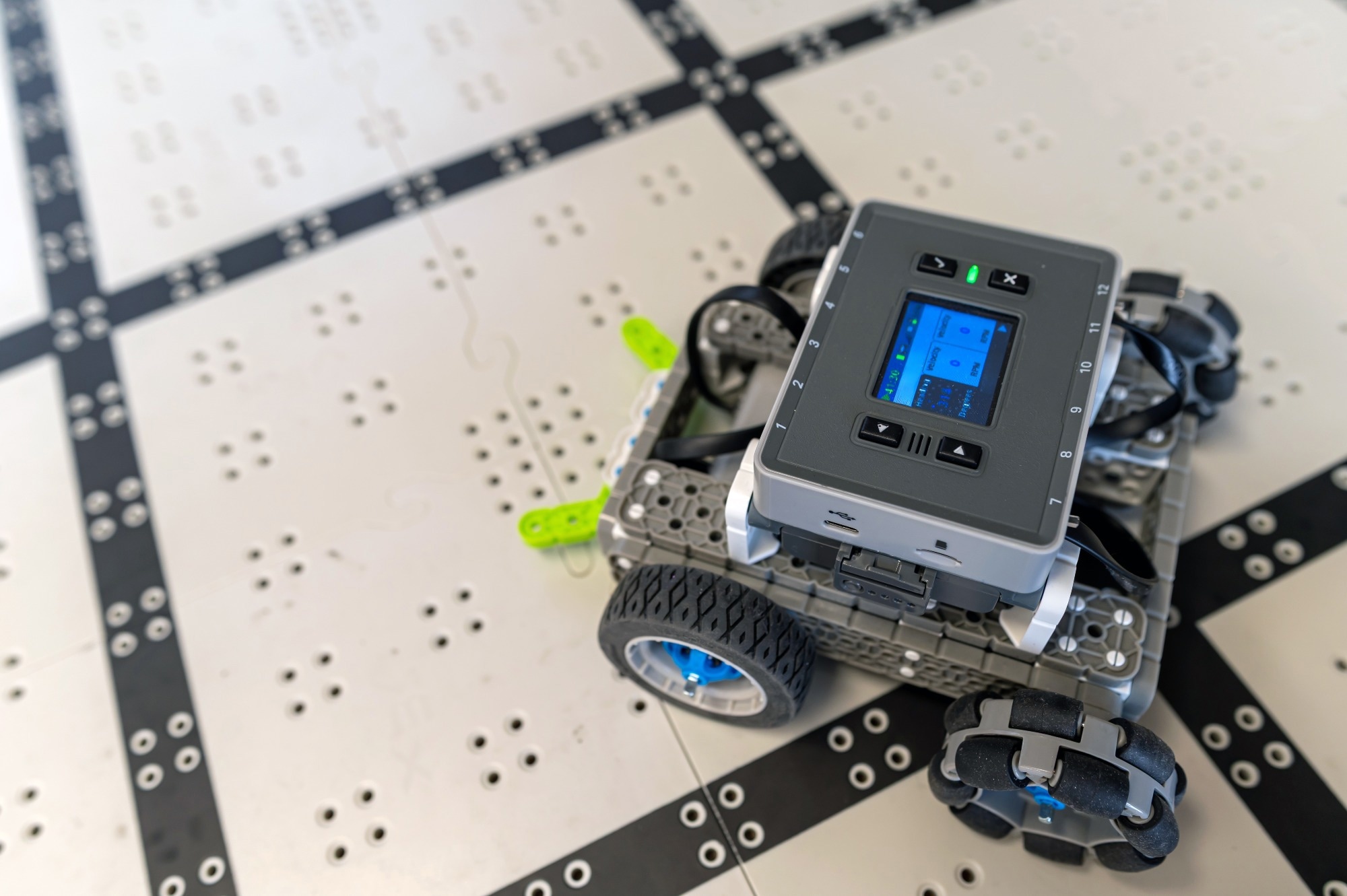
Robot Navigation Learns Faster Through Greedy Replay
A significant advancement in autonomous navigation has been achieved by GER-RL, a leading research initiative focused on enhancing robotic movement. This development emphasizes the importance of prioritizing valuable experiences, which enables robots to navigate complex environments more quickly, safely, and efficiently. By leveraging advanced algorithms and machine learning techniques, the project aims to improve the operational capabilities of robots in various settings, potentially transforming industries that rely on automation. This breakthrough comes at a time when the demand for sophisticated robotic systems is on the rise, driven by the need for increased efficiency and safety in tasks ranging from manufacturing to logistics. The research team continues to refine these technologies to ensure that robots can adapt to dynamic situations, ultimately paving the way for a new era of intelligent automation.
Fuzzy Based Control Strategy and Dynamic Torque Adjustment in a Four Wheeled Coconut Tree Climber
A recent study published in the Journal of Field Robotics highlights advancements in autonomous robotics technology, focusing on the development of new algorithms that enhance navigation capabilities in challenging environments. Conducted by a team of researchers from various universities, the study was released in early October 2023. The research aims to address the increasing demand for efficient robotic systems that can operate in complex terrains, such as disaster-stricken areas or remote locations. By improving the algorithms that guide these robots, the team hopes to facilitate better decision-making processes, enabling robots to adapt to unpredictable conditions in real-time. The study involved extensive field tests, where the robots were deployed in simulated disaster scenarios to evaluate their performance. The results demonstrated significant improvements in navigation accuracy and obstacle avoidance, showcasing the potential for these technologies to be utilized in real-world applications. This research not only contributes to the field of robotics but also emphasizes the importance of innovation in enhancing the capabilities of autonomous systems, ultimately aiming to improve safety and efficiency in various sectors, including search and rescue operations.
RESEARCH ARTICLE
How agentic AI can enable general-purpose robotic navigation
Researchers are exploring the capabilities of agentic AI to enhance robotic navigation by integrating perception, simultaneous localization and mapping (SLAM), reasoning, and planning. This innovative approach aims to improve the performance of robots operating in dynamic environments. The findings were discussed in a recent article published by The Robot Report, highlighting the potential of agentic AI to transform how robots navigate and interact with their surroundings. By leveraging advanced algorithms and technologies, this method seeks to address the challenges faced by robots in real-world scenarios, ultimately paving the way for more versatile and efficient robotic systems.
Artificial Intelligence Artificial Intelligence / Cognition Autonomous Mobile Robots (AMRs) Cameras / Imaging / Vision Mobility / Navigation Motion Control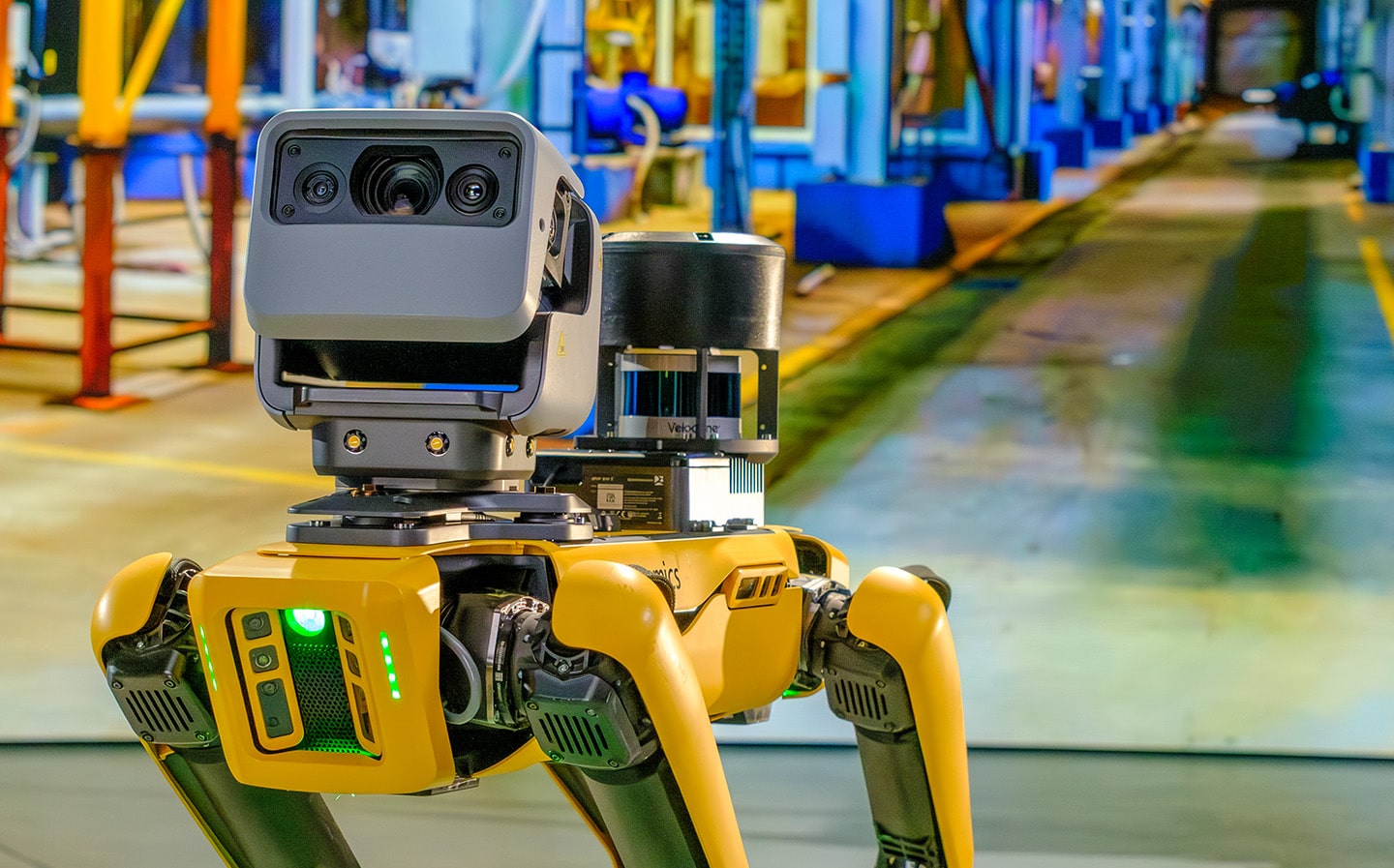
Robot Vision Systems: 3 Ways Robots See the World | Boston Dynamics
Modern robot vision systems are increasingly utilizing advanced technologies such as visual cameras, 3D lidar scans, and various sensors to enhance their ability to interpret, navigate, and interact with their surroundings. These developments are part of a broader trend in robotics aimed at improving automation and efficiency across multiple industries. As of October 2023, the integration of these sophisticated systems is revolutionizing how robots perceive and respond to their environment, enabling them to perform complex tasks with greater accuracy and reliability. This advancement is driven by the need for more intelligent and adaptable robotic solutions in sectors ranging from manufacturing to healthcare, where precise navigation and interaction with dynamic environments are crucial. The ongoing research and implementation of these technologies signify a significant leap forward in the field of robotics, paving the way for more autonomous and capable machines.
VSLAM Navigation Improves Indoor Logistics Robot Efficiency
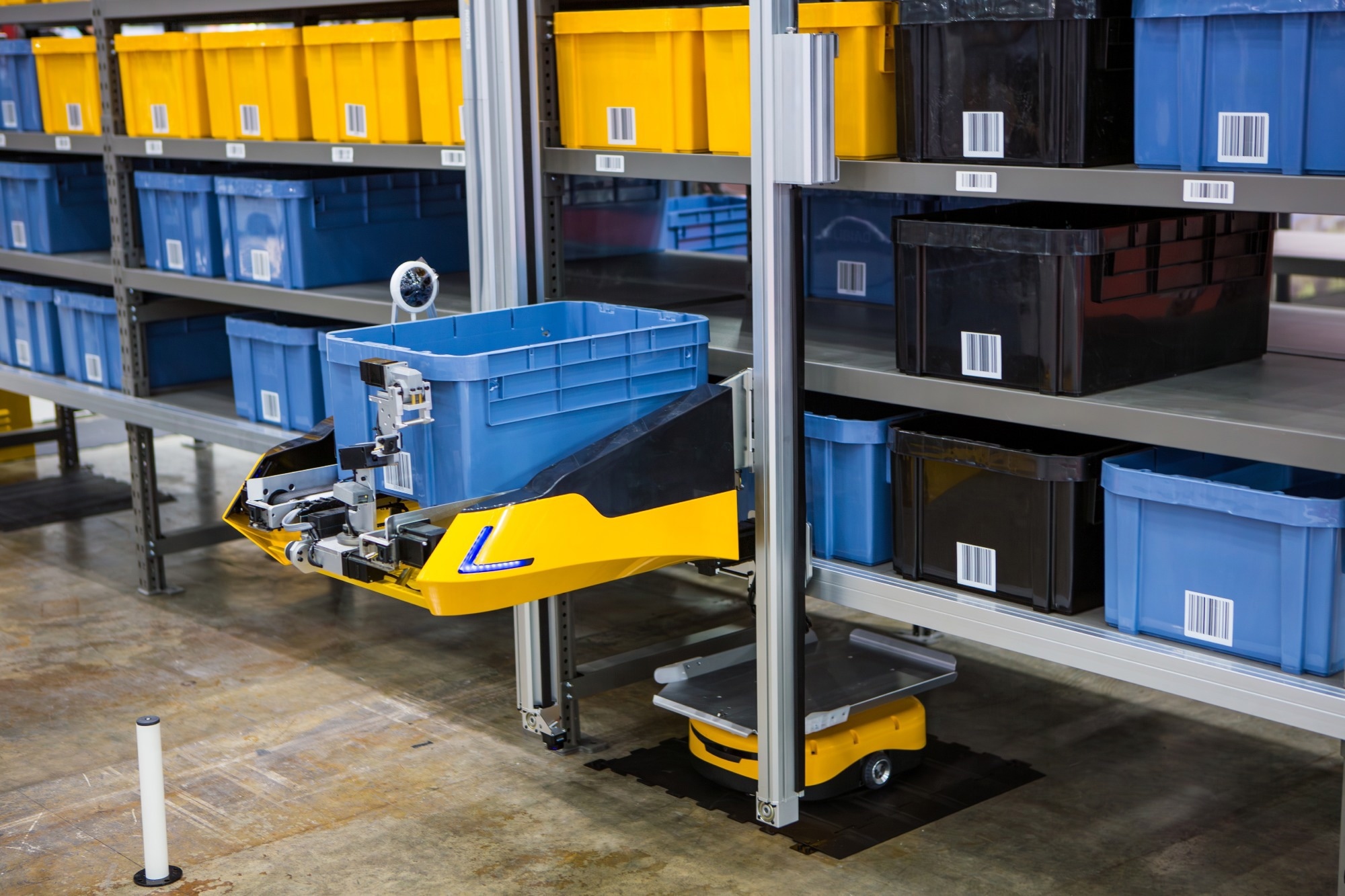
A new research initiative has unveiled a VSLAM (Visual Simultaneous Localization and Mapping) framework designed to enhance obstacle avoidance in indoor logistics. This innovative approach utilizes advanced algorithms and integrates multiple sensors to improve navigation efficiency within complex environments. Conducted by a team of researchers, the study aims to address the growing challenges faced in warehouse and distribution center operations. By optimizing the movement of automated systems, the framework seeks to minimize accidents and increase productivity. The findings, which were developed using data collected up to October 2023, promise to significantly advance the capabilities of indoor logistics technology.
Real‐Time Monocular 2D Occupancy Grid Mapping for Autonomous Navigation of Ground Robots
In May 2026, researchers published a significant study in the Journal of Field Robotics, focusing on advancements in robotic technology. The study, appearing in Volume 43, Issue 3, pages 1844-1860, highlights innovative methodologies for enhancing the efficiency and autonomy of field robots. Conducted by a team of experts in robotics and artificial intelligence, the research aims to address the growing demand for automation in various industries, including agriculture and disaster response. The findings reveal new algorithms that improve navigation and decision-making processes for robots operating in complex environments. This research is particularly relevant as industries increasingly seek to integrate robotic solutions to optimize operations and reduce human risk in hazardous situations. By employing advanced machine learning techniques, the team demonstrated how robots can adapt to dynamic conditions, thereby increasing their effectiveness in real-world applications. The study's implications extend beyond theoretical advancements, as it provides practical frameworks for deploying robots in challenging scenarios. As the field of robotics continues to evolve, this research contributes to the ongoing dialogue about the future of automation and its potential to revolutionize traditional practices across multiple sectors.
RESEARCH ARTICLE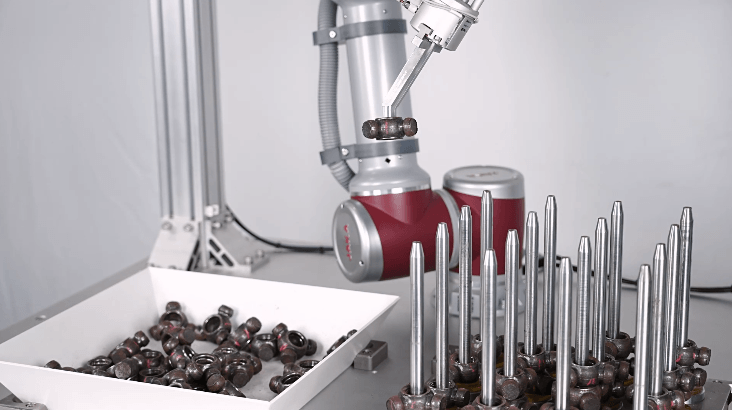
Understanding Robot Path Planning for Obstacle Avoidance with an Industrial Arm
As manufacturing environments grow increasingly complex, the importance of robot path planning in industrial automation has surged. JAKA, a leader in collaborative robotics, emphasizes that effective obstacle avoidance is now a fundamental capability of industrial arms, directly impacting productivity and safety. Modern factories require robots to navigate shared spaces, adapt to layout changes, and respond to real-time production demands. The JAKA A12L, an intelligent visual perception robot, exemplifies this advancement by integrating visual sensing with motion control. This integration allows the robot to continuously assess its surroundings, identifying both static and dynamic obstacles, and to calculate safe, efficient trajectories without interrupting workflow. By combining auto focus and 2.5D vision, the A12L simplifies deployment and minimizes external complexity. In practical applications, this obstacle-aware path planning enhances operational consistency, enabling industrial arms to perform tasks like material handling and assembly while safely coexisting with human operators. This approach reduces the need for rigid safety barriers and frequent manual adjustments, allowing production lines to remain flexible as layouts evolve. JAKA's commitment to merging perception, planning, and motion control aims to create safer and smarter industrial applications. By making visual perception and path planning more accessible, the company helps manufacturers build adaptable automation systems that align with real production needs, fostering a collaborative environment between humans and robots.

Robots Use Neural Motion Planning To Navigate Challenging Obstacles in Unfamiliar Environments
Researchers at Carnegie Mellon University's Robotics Institute have developed a groundbreaking approach called Neural Motion Planning, which enhances robots' ability to navigate and perform tasks in unfamiliar environments. This innovative technology allows robots to execute complex actions, such as retrieving a book from a cluttered shelf, by effectively planning and maneuvering around obstacles. While humans can effortlessly grab items with minimal thought, the process is intricate for robots, requiring advanced cognitive capabilities to assess their surroundings and make real-time decisions. This development aims to improve robotic interaction with dynamic environments, paving the way for more sophisticated applications in various fields.
Uncategorized
Path Robotics Enhances Welding Efficiency with AI and Boston Dynamics Robots
In a recent episode of The Robot Report Podcast, Andy Lonsberry, co-founder and CEO of Path Robotics, detailed the company's innovative approach to robotic welding. Based in Columbus, Ohio, Path Robotics utilizes AI to optimize the welding process by identifying torch paths and employing real-time vision guidance. This technology aims to streamline operations in manufacturing environments, addressing longstanding challenges in the industry. The significance of Path Robotics' advancements lies in their application of physical AI to enhance robotic systems. By integrating AI-driven solutions, the company is not only improving the efficiency of welding operations but also expanding the capabilities of robots in complex production settings. The deployment of Boston Dynamics' Spot robots for mobile welding applications in shipbuilding further exemplifies the potential of combining AI with robotics to tackle industry-specific challenges. Looking ahead, the focus will be on the continued integration of AI in robotic systems and the potential for further advancements in welding technology. No further timeline was disclosed at the time of publication, but the ongoing development in this area suggests a promising future for AI-enhanced manufacturing solutions.
Artificial Intelligence Assembly Cameras / Imaging / Vision Controllers Humanoids Manufacturing
MIT and EPFL Develop Flapping-Wing Robot for Air and Water Navigation
Engineers from MIT and EPFL have created a flapping-wing aerial-aquatic vehicle (FAAV) inspired by puffins. Weighing under 300 grams, the robot features a central fuselage, flexible wings, and a steerable tail. Field tests in Lake Geneva demonstrated its ability to swim and then take flight, showcasing its dual-medium capabilities. This innovation is significant for oceanography and marine biology, as it allows for cost-effective data collection from both air and water. The FAAV can fly at speeds of 6 meters per second and swim at 1 meter per second, providing a versatile tool for researchers. The design mimics the natural mechanics of birds, which maintain similar physical dynamics in both environments by adjusting their speed. Looking ahead, the team aims to refine the robot's ability to breach the water's surface, a challenging transition requiring a precise 70-degree pitch. No further timeline was disclosed at the time of publication, but the potential applications for environmental monitoring and research are substantial.
AI and Robotics
Unbounded Dynamics Launches MWA™ Model, Tops Global Embodied Intelligence Rankings
Unbounded Dynamics has introduced the MWA™ model, marking a significant advancement in embodied intelligence as it becomes the first long-sequence bidirectional physical causal chain. This innovative model has secured the top ranking in the RoboCasa GR1 TableTop competition, outperforming industry giants such as NVIDIA and Xiaopeng. By incorporating a distinctive 'hidden space world model' alongside reinforcement learning, the MWA™ model equips robots with the ability to comprehend physical laws and implement accurate strategies in intricate real-world environments. This development highlights Unbounded Dynamics' commitment to pushing the boundaries of robotic intelligence and performance.
Embodied Intelligence Reinforcement Learning Robotics Artificial Intelligence
LimX Dynamics unveils Luna humanoid robot with AI dance learning
On Monday, LimX Dynamics introduced the LimX Luna humanoid robot, which is priced at RMB 298,000 (approximately $41,000). The robot, measuring 160 centimeters in height, boasts 27 degrees of freedom, allowing for a wide range of movements. It is equipped with the company’s second-generation SYS 0 motion control engine, enhancing its performance. Additionally, the LimX Luna features improved cooling systems and extended battery life, enabling it to support multimodal interactions. This launch marks a significant advancement in humanoid robotics, reflecting LimX Dynamics' commitment to innovation in the field.
News Feed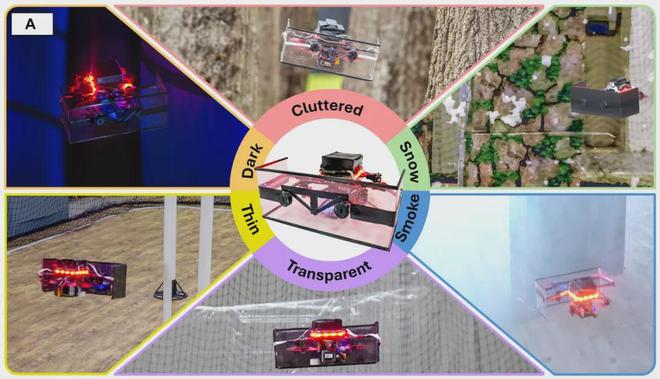
Breakthrough in Robotics: Milliwatt-Level Ultrasound Enables Miniature Drones to Navigate Through Fog, Darkness, and Complex Obstacles
A research team at Worcester Polytechnic Institute has unveiled a groundbreaking perception system named 'Saranga,' designed to enhance the navigation capabilities of palm-sized drones. This innovative system employs milliwatt-level ultrasound sensors, enabling these drones to autonomously maneuver through challenging environments, such as fog and darkness, where traditional cameras and LiDAR systems often struggle. The development of Saranga addresses significant limitations in current navigation technologies, paving the way for more reliable drone operations in adverse conditions.
Ultrasound Technology Autonomous Drones Robotics Obstacle Detection AI
Open-source framework lets drones dodge obstacles in milliseconds while minimizing travel time
In the wake of a catastrophic earthquake, researchers are exploring the use of unpiloted aerial vehicles (UAVs) to assist in rescue operations by navigating through collapsed structures. These UAVs are designed to create detailed maps of disaster zones, providing critical information that can help rescuers locate and reach survivors more efficiently. However, the implementation of this technology presents significant challenges, as the autonomous drones must be capable of rapidly adjusting their flight paths to avoid unexpected obstacles while maintaining their intended course. The development of such advanced UAV systems aims to enhance emergency response efforts and improve outcomes in disaster scenarios.
Robotics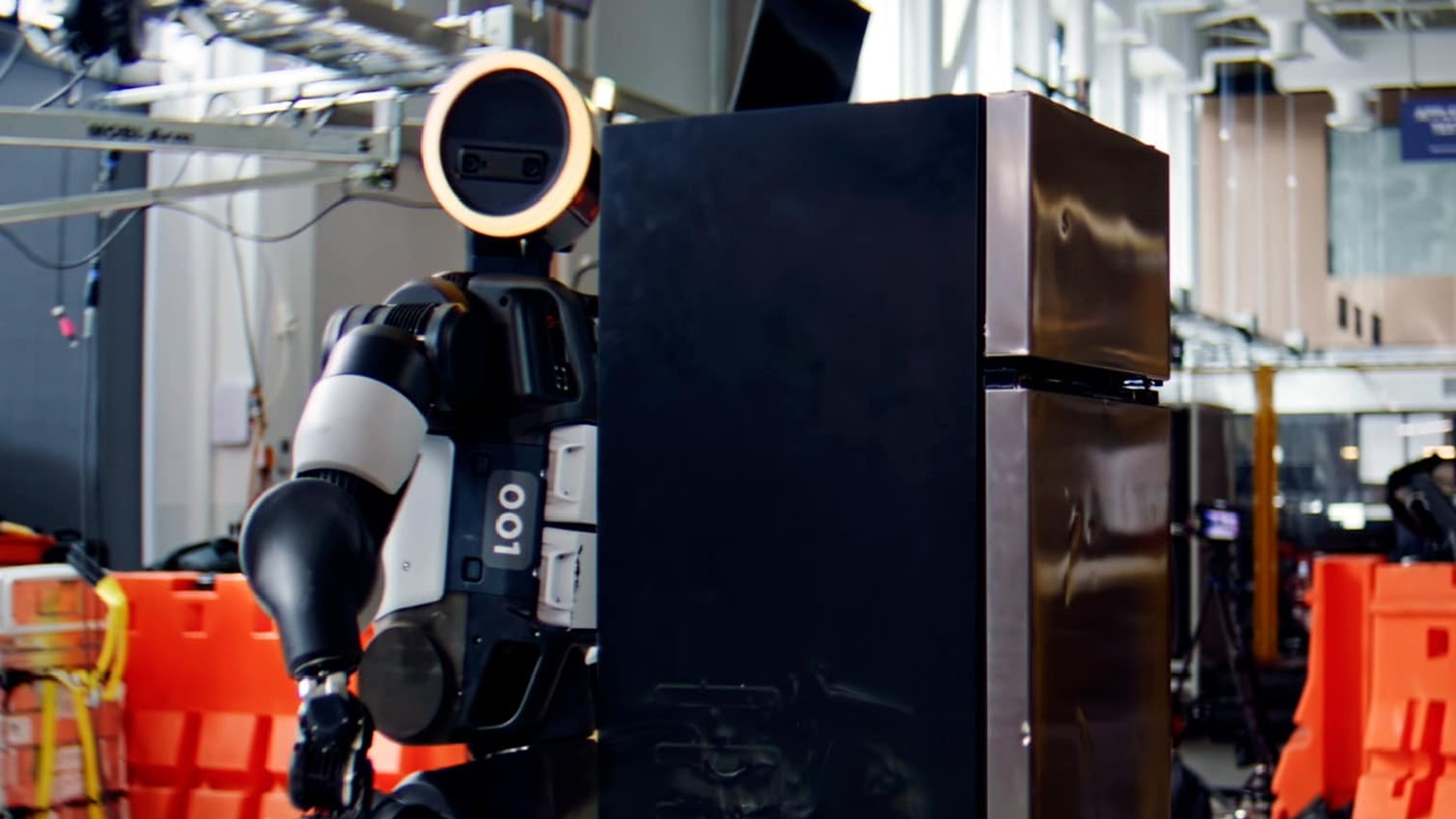
Boston Dynamics reveals how Atlas robot lifts 100-pound industrial loads at scale
Boston Dynamics has unveiled the training process behind its Atlas humanoid robot, showcasing its ability to lift and carry heavy objects. This development was announced in a recent demonstration, highlighting the robot's advanced capabilities in handling various tasks. The event took place in October 2023, where engineers detailed the methods used to enhance Atlas's physical skills. The motivation behind this innovation stems from the growing demand for robots that can assist in labor-intensive environments, such as warehouses and construction sites. By equipping Atlas with the ability to perform complex lifting and carrying tasks, Boston Dynamics aims to address labor shortages and improve efficiency in these sectors. The training involved a combination of machine learning techniques and physical simulations, allowing the robot to understand and adapt to different weights and shapes of objects. This iterative process enabled Atlas to refine its movements and improve its stability while handling heavy loads. As a result, the robot is now capable of executing tasks that require both strength and precision, marking a significant advancement in robotics technology.
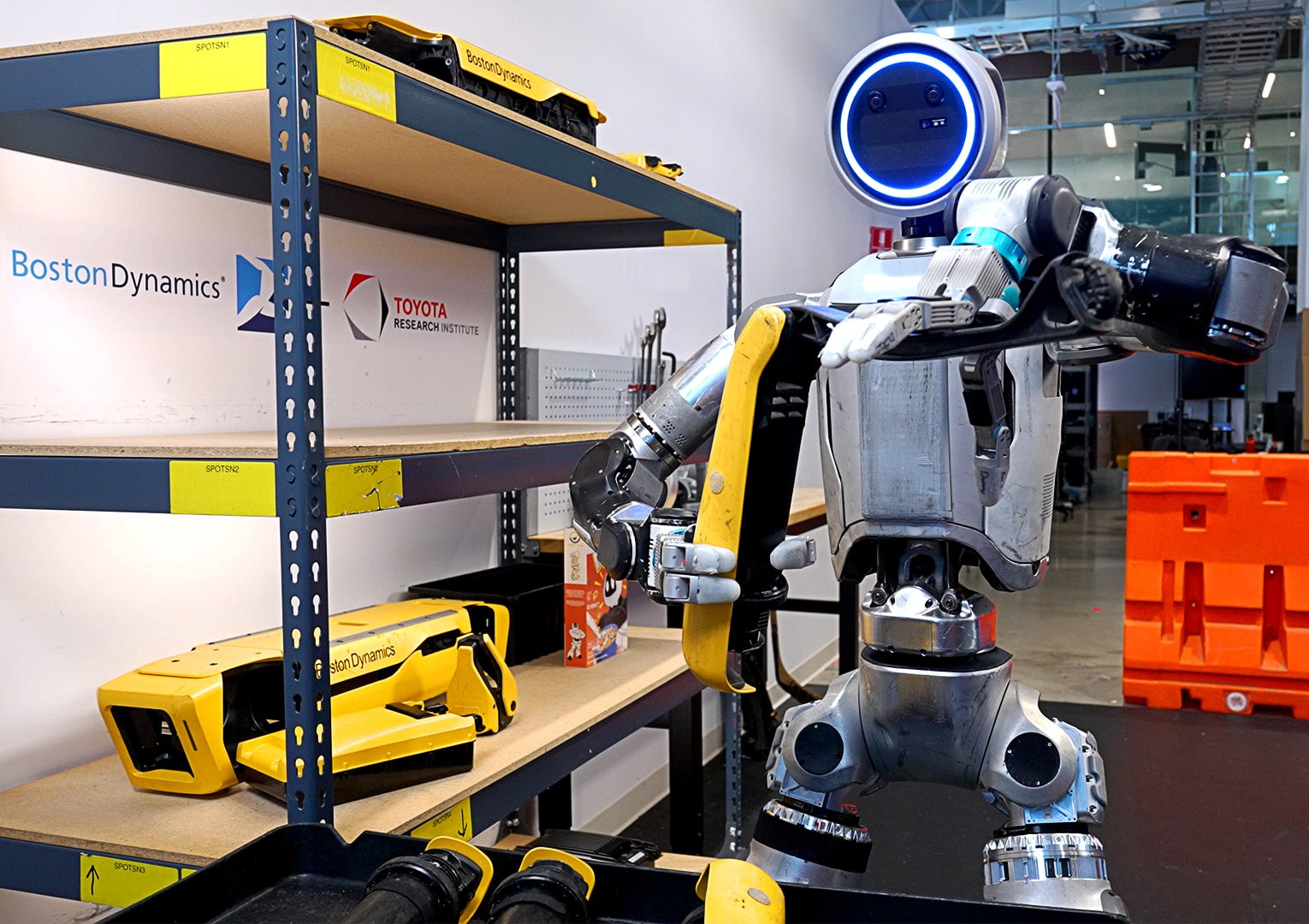
Large Behavior Models and Atlas Find New Footing | Boston Dynamics
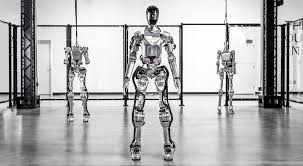
Researchers emphasize that the development of effective humanoid robots hinges on a comprehensive set of skills. These robots must be capable of manipulating a wide variety of objects, ranging from hard to soft and heavy to delicate. They should also possess the ability to coordinate their movements to adapt to their surroundings, navigate obstacles, and maintain balance in unpredictable situations. This multifaceted approach is essential for creating AI generalists that can perform a diverse array of tasks, ultimately advancing the field of robotics. The ongoing research aims to address these challenges and enhance the functionality of humanoid robots, paving the way for their practical applications in everyday life.
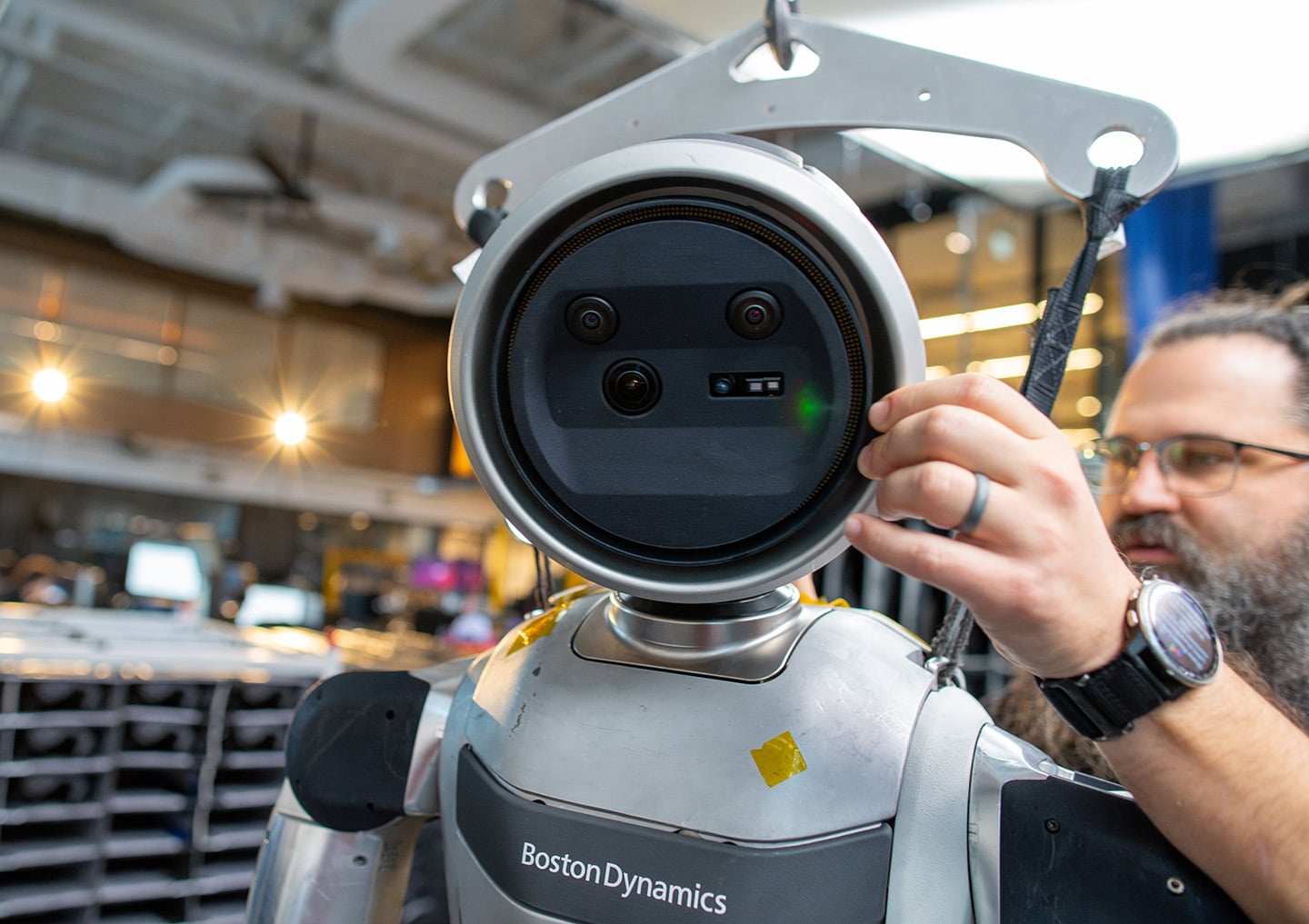
Making Atlas See the World | Boston Dynamics
The Atlas perception team at Boston Dynamics recently provided valuable insights into the development of agile and adaptable humanoid robots. This initiative, which aims to enhance the capabilities of robots in various environments, showcases the company's commitment to advancing robotics technology. By focusing on improving perception and mobility, the team is working to create robots that can navigate complex terrains and perform tasks that require human-like agility. The insights were shared during a presentation held in October 2023, highlighting the team's innovative approaches and the challenges they face in the evolving field of robotics. This effort is part of Boston Dynamics' broader mission to push the boundaries of what robots can achieve, ultimately aiming to integrate them more seamlessly into everyday life and various industries.

Dynamic State Feedback Control of Autonomous Underwater Vehicles Based on Switching Between Multiple Heading Movement Models
In May 2026, researchers published a significant study in the Journal of Field Robotics, detailing advancements in robotic technology. The study, appearing in Volume 43, Issue 3, pages 1679-1692, highlights innovative methodologies for enhancing robotic navigation and autonomy in complex environments. Conducted by a team of experts in robotics and artificial intelligence, the research aims to address the growing demand for efficient and reliable robotic systems in various industries, including agriculture, manufacturing, and disaster response. The motivation behind this research stems from the increasing reliance on robotics in everyday applications and the need for these systems to operate effectively in unpredictable settings. By employing advanced algorithms and machine learning techniques, the researchers demonstrated how robots can improve their decision-making processes and adapt to changing conditions in real-time. The findings are expected to have a profound impact on the future development of autonomous robots, paving the way for more sophisticated applications that can enhance productivity and safety across multiple sectors. As the field of robotics continues to evolve, this study represents a crucial step toward achieving greater autonomy and efficiency in robotic systems.
RESEARCH ARTICLE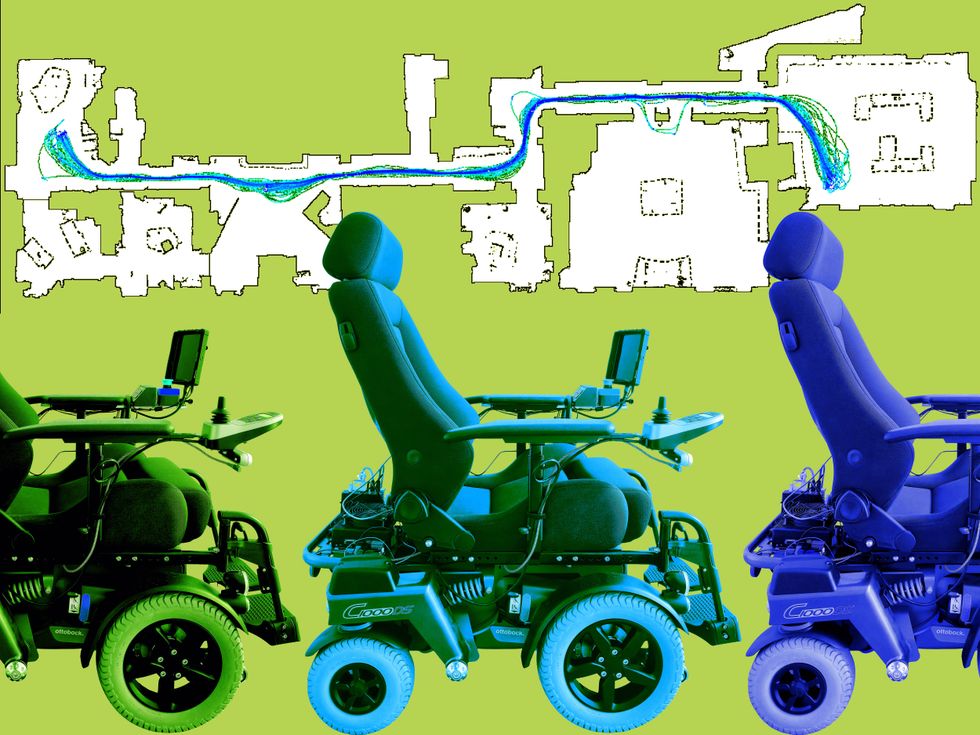
AI Aims for Autonomous Wheelchair Navigation
Researchers from the German Research Center for Artificial Intelligence (DFKI) in Bremen, led by Christian Mandel and Serge Autexier, are exploring the potential of AI-powered smart wheelchairs to navigate complex environments more effectively than traditional systems. Their findings were presented earlier this month at the CSUN Assistive Technology Conference in Anaheim, California. The team developed prototype electric wheelchairs equipped with advanced sensors, including lidar and 3D cameras, to detect and avoid obstacles in real-time. The smart wheelchairs operate in both semiautonomous and fully autonomous modes. In semiautonomous mode, users control the wheelchair via a joystick, while in autonomous mode, they can issue commands using natural language, such as asking the wheelchair to navigate to a specific location. The research is part of a larger initiative called REXASI-PRO, aimed at enhancing mobility for individuals with severe disabilities. Despite the advancements, challenges remain, particularly regarding cost, reliability, and the need for tailored solutions that accommodate diverse user needs. Pooja Viswanathan, CEO of Braze Mobility, emphasized the importance of making these technologies accessible to everyday consumers. The researchers anticipate that smart wheelchairs could be available in the mainstream market within the next decade, with a focus on creating partnerships between users and technology rather than replacing human control. The ongoing work aims to ensure that smart wheelchairs are safe, reliable, and capable of adapting to the complexities of real-world environments.
Wheelchairs Taenzer-fellowship Navigation Artificial-intelligence
The ifm Obstacle Detection System (ODS)
The ifm Obstacle Detection System (ODS) has been developed to enhance the performance of mobile robots by integrating obstacle detection into a comprehensive system rather than relying solely on camera technology. This innovative approach ensures reliable detection of obstacles, thereby safeguarding personnel, equipment, and the robots themselves. The system aims to improve operational safety and efficiency in various environments where mobile robots are deployed. By treating obstacle detection holistically, ifm addresses the growing need for advanced safety measures in automated systems, particularly as the use of mobile robotics continues to expand across industries.
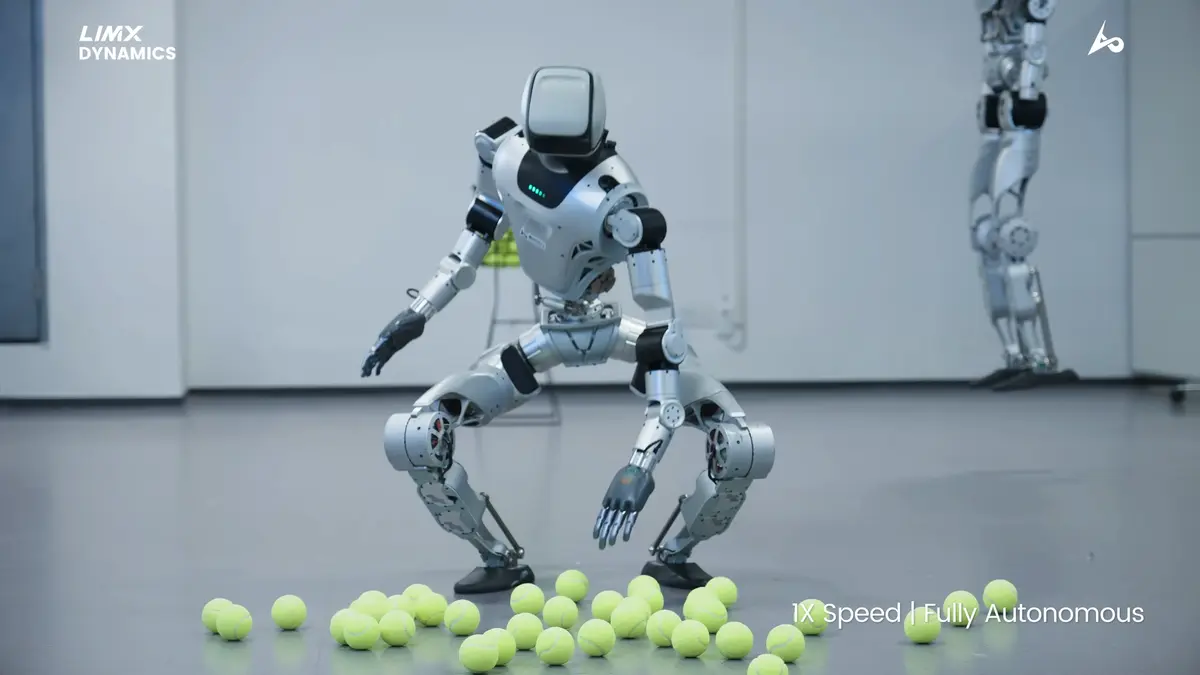
LimX Dynamics’ New Humanoid Robot Demonstrates a Rare Skill: Autonomous Loco-Manipulation
Shenzhen-based startup LimX Dynamics has unveiled a video showcasing its latest humanoid robot, Oli, demonstrating advanced capabilities in whole-body loco-manipulation. In the demonstration, Oli autonomously identifies a tennis ball, navigates towards it, and successfully picks it up. This innovative feat highlights a significant advancement in robotic technology, as such complex skills are rarely seen in contemporary humanoid robots. The release of this video marks a notable moment for the company, emphasizing its commitment to pushing the boundaries of robotics and automation.
LimX Dynamics Oli Loco-Manipulation humanoid-robot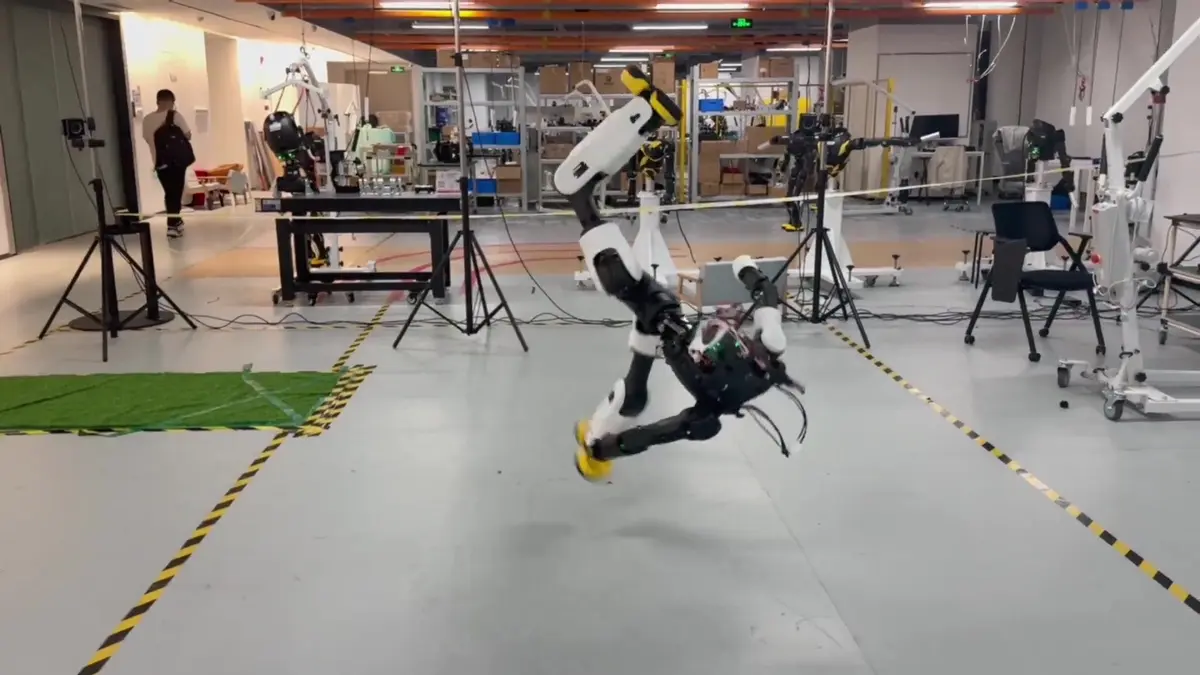
AgiBot's X2 Humanoid Sticks a Webster Flip, Pushing Boundaries of Dynamic Control
AgiBot, a robotics company based in Shanghai, has showcased its advancements in humanoid robotics by releasing a video of its Lingxi X2 robot performing a Webster flip, a challenging acrobatic maneuver. This demonstration, which emphasizes the robot's dynamic balance and motion control, marks a significant milestone for the company as it seeks to enhance its competitive edge in the rapidly evolving field of humanoid robotics. The successful execution of such a complex movement illustrates AgiBot's commitment to innovation and technological development in robotics.
AGIBOT Lingxi X2
Learning flight navigation like a honey bee
In June 2026, a groundbreaking study published in Science Robotics highlights significant advancements in robotic technology aimed at enhancing human-robot collaboration. Researchers from leading universities and tech companies have developed a new generation of robots equipped with advanced artificial intelligence, enabling them to perform complex tasks alongside human workers more efficiently. This initiative is driven by the increasing demand for automation in various industries, particularly in manufacturing and healthcare, where precision and reliability are paramount. The study outlines how these robots can adapt to dynamic environments, learn from human interactions, and improve their performance over time, thereby reducing the risk of workplace accidents and increasing productivity. The research team conducted extensive field tests in factories and hospitals to evaluate the robots' capabilities in real-world scenarios. The results demonstrated a marked improvement in task execution speed and accuracy when robots and humans worked in tandem, showcasing the potential for these technologies to transform traditional workflows. As industries continue to evolve, the implications of this research could lead to a new era of collaboration between humans and machines, addressing labor shortages and enhancing operational efficiency. The findings underscore the importance of ongoing innovation in robotics, paving the way for future developments that could redefine the nature of work across various sectors.
Editors' Choice
Xiaomi rolls out HyperOS 3 with “super island” interface, similar to Apple’s dynamic island
Xiaomi unveiled its latest operating system, HyperOS 3, on Thursday, introducing a new Super Island interface designed to improve interactions across smart devices. This innovative system features a three-island coexistence layout, enabling users to simultaneously access various types of information such as charging status, navigation directions, and delivery notifications. The update allows for quick access through mini windows, streamlining user experience. This launch reflects Xiaomi's commitment to enhancing connectivity and usability within its ecosystem of devices.
News Feed
DynaSki: A Robust Locomotion Framework for Dynamic Skiing Robot on Challenging Terrains
A recent study published in the Journal of Field Robotics highlights advancements in autonomous robotic systems designed for agricultural applications. Researchers from a leading university conducted the study to address the growing need for efficient farming solutions amid increasing global food demand. The findings, released in early October 2023, provide insights into how these robotic systems can enhance crop monitoring and management. The research was conducted in various agricultural settings, demonstrating the robots' capabilities in navigating complex terrains and performing tasks such as planting, weeding, and harvesting. By employing advanced sensors and machine learning algorithms, the robots can analyze environmental conditions and optimize farming practices, ultimately aiming to increase yield while reducing labor costs. The motivation behind this innovation stems from the challenges faced by farmers due to labor shortages and the need for sustainable farming methods. The study emphasizes the potential of robotics to transform traditional agriculture, making it more resilient and productive in the face of climate change and resource constraints. As the agricultural sector continues to evolve, these findings could pave the way for broader adoption of robotic technologies, enhancing food security and sustainability worldwide.
RESEARCH ARTICLE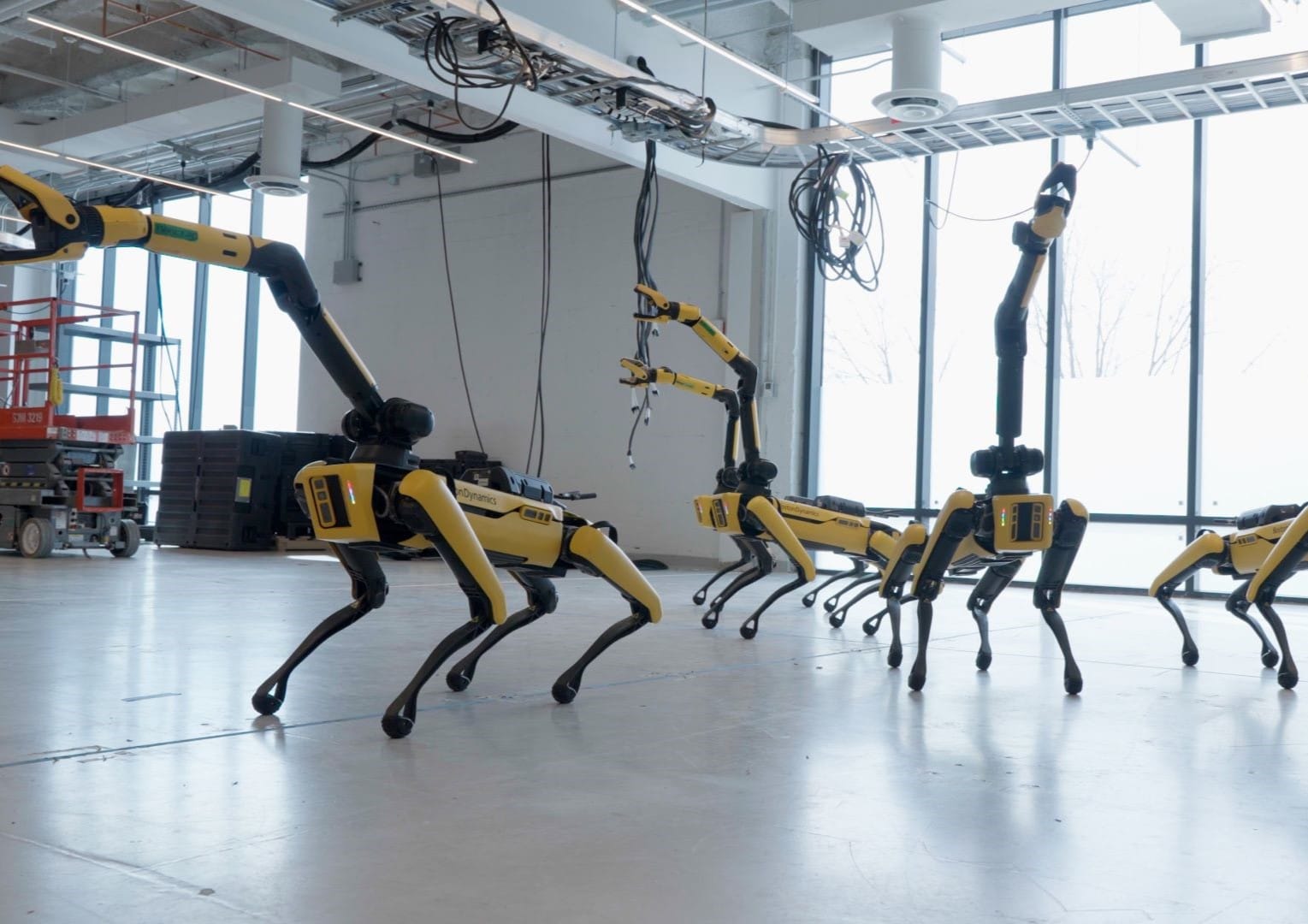
Spot Takes the Stage | Boston Dynamics
Engineers are utilizing advanced programming techniques to animate intricate dance performances featuring the agile and mobile robot, Spot. This innovative project showcases Spot on prominent stages around the world, highlighting the intersection of technology and the performing arts. The initiative aims to explore new creative possibilities in choreography and robotics, captivating audiences with a blend of human artistry and robotic precision. By employing sophisticated algorithms and motion capture data, the engineers are able to bring Spot to life, allowing it to execute complex movements that complement the dancers. This collaboration not only enhances the visual experience of performances but also pushes the boundaries of what is possible in live entertainment. The project is set to continue evolving, with plans for further performances and technological advancements in the coming months.

This robot sees danger, decides its route and powers over obstacles while carrying loads
A research team at KAIST has made significant advancements in quadrupedal robot technology, enabling these robots to navigate varied terrains without relying solely on visual input. This innovative system allows the robots to assess their surroundings using cameras and LiDAR sensors, enabling them to make autonomous decisions while walking, akin to how animals adapt their movements based on visual terrain analysis. The team anticipates that this technology will be applicable to a range of robotic platforms, including wheeled-legged robots and humanoid robots, potentially broadening the scope of robotic mobility and functionality.
Robotics
Pose Estimation Accuracy Improvement Using Different Orientation Representations With Neural Networks: Case Study for the VIVE HTC Tracker
In a recent study published in the Journal of Field Robotics, researchers from a leading robotics institute have unveiled innovative advancements in autonomous navigation systems. This groundbreaking research, conducted in October 2023, aims to enhance the efficiency and safety of robotic applications in various fields, including agriculture and disaster response. The team focused on developing algorithms that enable robots to better interpret their surroundings and make real-time decisions. By integrating advanced sensor technology and machine learning techniques, the researchers demonstrated how these systems could significantly improve the robots' ability to navigate complex environments. The motivation behind this research stems from the increasing demand for autonomous solutions that can operate in unpredictable conditions. As industries seek to leverage robotics for tasks that are hazardous or labor-intensive, the need for reliable navigation systems becomes paramount. The study involved extensive field tests, where the robots were deployed in diverse scenarios to assess their performance. The results indicated a marked improvement in navigation accuracy and obstacle avoidance, showcasing the potential for these technologies to revolutionize how robots are utilized in real-world applications. This research not only contributes to the academic field but also has practical implications for industries looking to adopt autonomous systems. By addressing the challenges of navigation in dynamic environments, the findings pave the way for more effective and safer robotic operations in the future.
RESEARCH ARTICLE
TriRock6W: Autonomous Mobile Robot With Six Wheels, Three Rocker Arms in Complex Environments
A recent study published in the Journal of Field Robotics highlights advancements in autonomous robotic technology. Researchers from a leading university conducted experiments to improve the navigation and obstacle avoidance capabilities of field robots. The study, released in early October 2023, took place in various outdoor environments, including agricultural fields and rugged terrains, to assess the robots' performance in real-world conditions. The motivation behind this research stems from the increasing demand for efficient agricultural practices and the need for robots that can operate independently in challenging landscapes. By employing advanced algorithms and machine learning techniques, the team was able to enhance the robots' ability to adapt to dynamic surroundings and make real-time decisions. The findings indicate significant improvements in the robots' operational efficiency, which could lead to reduced labor costs and increased productivity in agricultural sectors. This research not only contributes to the field of robotics but also addresses pressing issues in food production and sustainability. The team plans to further refine their technology and explore additional applications in various industries, paving the way for a future where autonomous robots play a crucial role in everyday tasks.
RESEARCH ARTICLE
Multi-Resolution Mapping Improves Autonomous Robot Exploration Efficiency
A team of researchers has developed a groundbreaking multi-resolution exploration method aimed at improving robotic navigation in complex and unfamiliar environments. This innovative approach enhances the efficiency and adaptability of robots, enabling them to better navigate obstacles and varying terrain. The research, which was conducted in late 2023, addresses the growing need for advanced robotic systems capable of operating in unpredictable settings, such as disaster zones or remote exploration areas. By employing this new method, robots can dynamically adjust their navigation strategies based on real-time data, ultimately increasing their effectiveness in completing tasks. The findings promise to significantly advance the field of robotics, paving the way for more autonomous and resilient machines in the future.

4SWLR: A Switched System and Skid Steer Integrated Whole‐Body Control Framework for Wheeled‐Legged Robots
A recent study published in the Journal of Field Robotics highlights advancements in autonomous robotic navigation. Researchers from a leading university conducted experiments to improve the efficiency and accuracy of robots in complex environments. The study, released in early October 2023, focuses on the integration of artificial intelligence and machine learning algorithms to enhance decision-making processes in real-time. The research team aimed to address challenges faced by robots in dynamic settings, such as unpredictable obstacles and varying terrain. By employing advanced sensing technologies and adaptive algorithms, the robots demonstrated significant improvements in their ability to navigate and perform tasks autonomously. The experiments were conducted in various locations, including urban settings and natural landscapes, to test the robots' adaptability and performance under different conditions. The findings suggest that these innovations could lead to more effective applications in fields such as search and rescue, agriculture, and environmental monitoring. This study underscores the growing importance of robotics in addressing real-world challenges and the potential for continued advancements in the field. The researchers believe that their work could pave the way for more sophisticated robotic systems capable of operating independently in increasingly complex environments.
RESEARCH ARTICLE
Image‐Based Modeling and Prediction of Banana Decay Under Blue Light Irradiation
In a recent study published in the Journal of Field Robotics, researchers have explored advancements in robotic navigation systems, focusing on improving the efficiency and accuracy of autonomous vehicles. Conducted in May 2026, the research aimed to address challenges faced by robots in dynamic environments, such as urban areas and disaster zones. The team, comprising experts in robotics and artificial intelligence, utilized a combination of machine learning algorithms and real-time data processing to enhance the decision-making capabilities of these vehicles. By integrating sensor data and environmental feedback, the robots demonstrated a significant increase in their ability to navigate complex terrains while avoiding obstacles. This research is particularly relevant as the demand for autonomous systems continues to rise in various sectors, including transportation, logistics, and emergency response. The findings highlight the potential for these technologies to improve safety and operational efficiency in real-world applications. As cities become more congested and the need for rapid response in emergencies grows, the advancements in robotic navigation could play a crucial role in shaping the future of autonomous mobility.
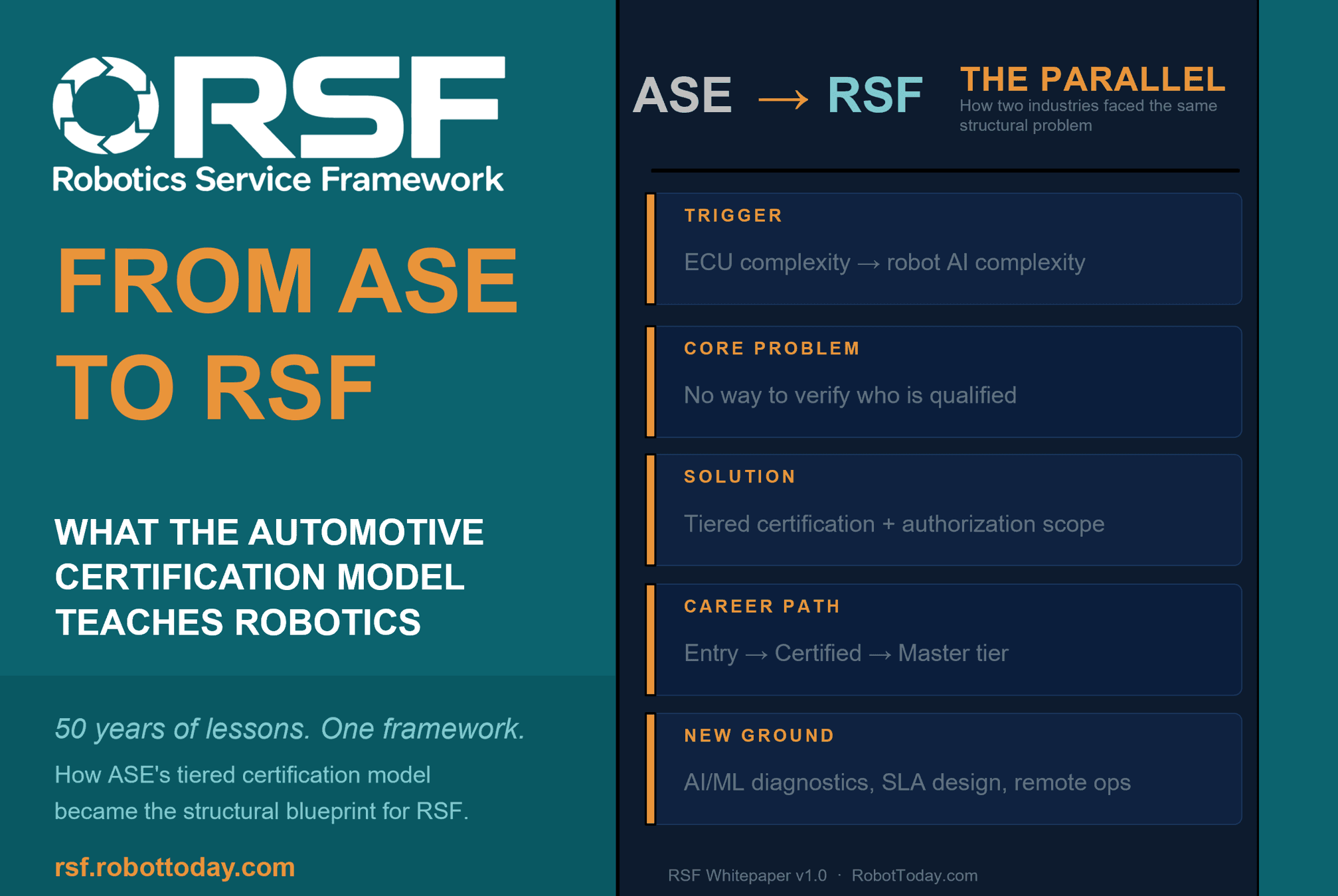
RESEARCH ARTICLERobotics needs a service framework.
RSF defines a common language for robot service capability, lifecycle operations, certification pathways, and service-provider networks.