A research team at KAIST has made significant advancements in quadrupedal robot technology, enabling these robots to navigate varied terrains without relying solely on visual input. This innovative system allows the robots to assess their surroundings using cameras and LiDAR sensors, enabling them to make autonomous decisions while walking, akin to how animals adapt their movements based on visual terrain analysis. The team anticipates that this technology will be applicable to a range of robotic platforms, including wheeled-legged robots and humanoid robots, potentially broadening the scope of robotic mobility and functionality.


Quadruped/Multi-legged
Mobile Robot (AGV/AMR)
Humanoid
Motion & Navigation
Perception & Vision
Research Institute

Original from TechXplore:Robotics: This robot sees danger, decides its route and powers over obstacles while carrying loads
This robot sees danger, decides its route and powers over obstacles while carrying loads
RobotToday Initiative
Robotics needs a service framework.
RSF defines a common language for robot service capability, lifecycle operations, certification pathways, and service-provider networks.

Agility Robotics Proposes Six Key Recommendations for U.S. Humanoid Robot Policies
Agility Robotics has outlined six recommendations aimed at establishing a robust policy framework for humanoid robots in the U.S. According to CEO Peggy Johnson, these recommendations are essential for enhancing the regulatory environment and ensuring the successful integration of humanoids into the workforce. She emphasizes the need for domestic producti...
China Defense / Security Humanoids
RoboParty Launches Open Source Framework for Next-Gen Humanoid Robot Development
In the past two years, the humanoid robot industry has seen numerous impressive demonstrations, but a shift is emerging in the second half of 2026. Companies are now focusing on developing training frameworks, development platforms, data tools, open-source models, and various R&D infrastructures. The competition is evolving from showcasing superior robots...
Humanoid Robots R&D Infrastructure Open Source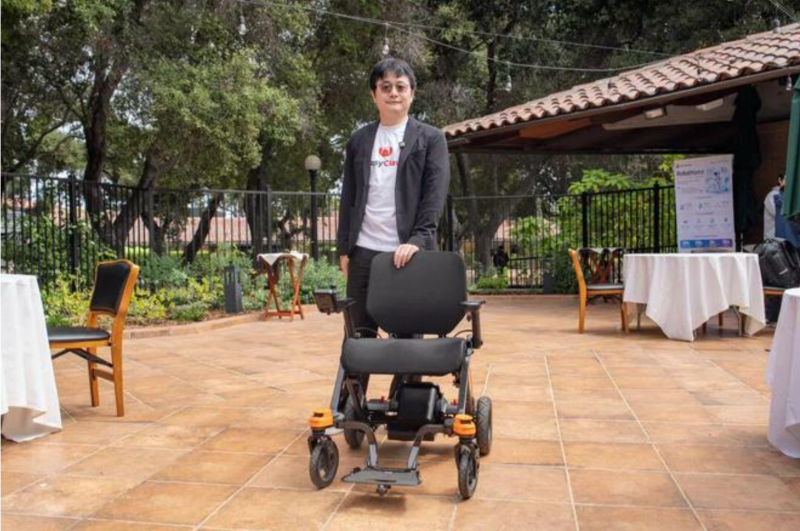
Smart Wheelchair Captivates Attention at Stanford AI Summit Over Humanoid Robots
At the Humanity & AGI Summit held at Stanford University, a smart wheelchair presented by Fu Sheng, Chairman of Cheetah Mobile, garnered significant attention, overshadowing humanoid robots. Attendees were drawn to the wheelchair's autonomous obstacle avoidance and user-friendly features, prompting many to experience it firsthand. The interest in the smar...
Smart Wheelchairs Humanoid Robots AI Technology
Agile Multiskill Locomotion Techniques for Quadrupedal Robots in Natural Environments
A recent study published in Science Robotics explores advanced locomotion techniques for quadrupedal robots designed for outdoor environments. The research focuses on developing agile and perceptive multiskill locomotion capabilities that enable these robots to navigate complex terrains effectively. This advancement is significant as it enhances the opera...
Research Article
BeingBeyond Unveils Being-M0.7: A Revolutionary Humanoid Robot for Mobility and Dexterity
On July 15, BeingBeyond officially launched the Being-M0.7, the world's first full-body mobile operation implicit world action model (Latent WAM). This model enables robots not only to 'see' the world but also to 'understand' how it operates, facilitating full-body movements and dexterous actions. It connects visual perception with physical interaction, a...
Humanoid Robots Robotic Mobility AI
Vbot Launches Daitou EDU: A Versatile Quadruped Robot Development Platform
Vbot has introduced the Daitou EDU, a quadruped robot development platform designed for real-world applications. Unlike traditional robots that focus on speed and agility, the Daitou EDU emphasizes the importance of practical use cases in various sectors, such as property management and healthcare. The significance of the Daitou EDU lies in its advanced c...
Quadruped Robots Robotics Development Embodied Intelligence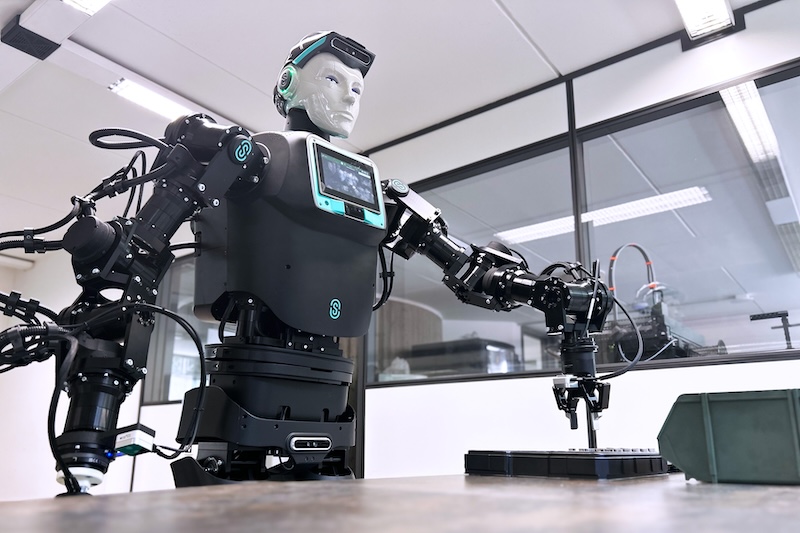
STMicroelectronics Invests in Oversonic Robotics to Enhance Humanoid Robot Development
Oversonic Robotics, an Italian cognitive robotics firm known for RoBee, has announced a strategic investment from STMicroelectronics, Fondazione ENEA Tech Biomedical, and SpotInvest. This investment aims to accelerate Oversonic's industrial, technological, and international growth, particularly in the cognitive humanoid robotics sector. The involvement of...
Humanoids News artificial intelligence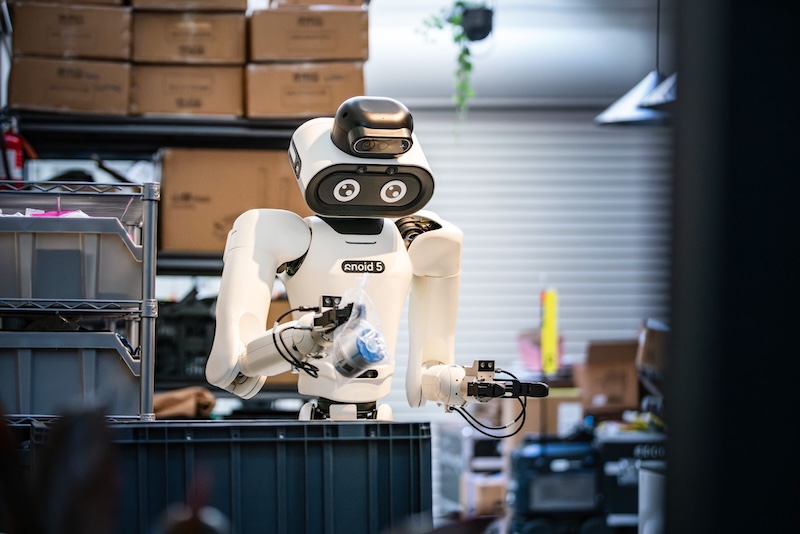
Robot.com Introduces R-noid Humanoid Robot for Challenging Labor Markets
Robot.com has officially launched R-noid, a humanoid robot designed to tackle repetitive and hard-to-fill jobs across various industries. Deployed under a Robot-as-a-Service model, R-noid can achieve autonomous operation within eight to twelve weeks, addressing significant staffing challenges in sectors like healthcare and food services. The introduction ...
Humanoids News automation
ROBOTTODAY Weekly July 6 – 10, 2026
This week in robotics: AI² Robotics raises $735M for wheeled humanoids, Unitree G1 performs first live surgery, Dexmal launches DexOS platform, Agility Robotics announces SPAC, and Ondas acquires DZYNE for $875.8M. July 6–10, 2026.
RobotToday Weekly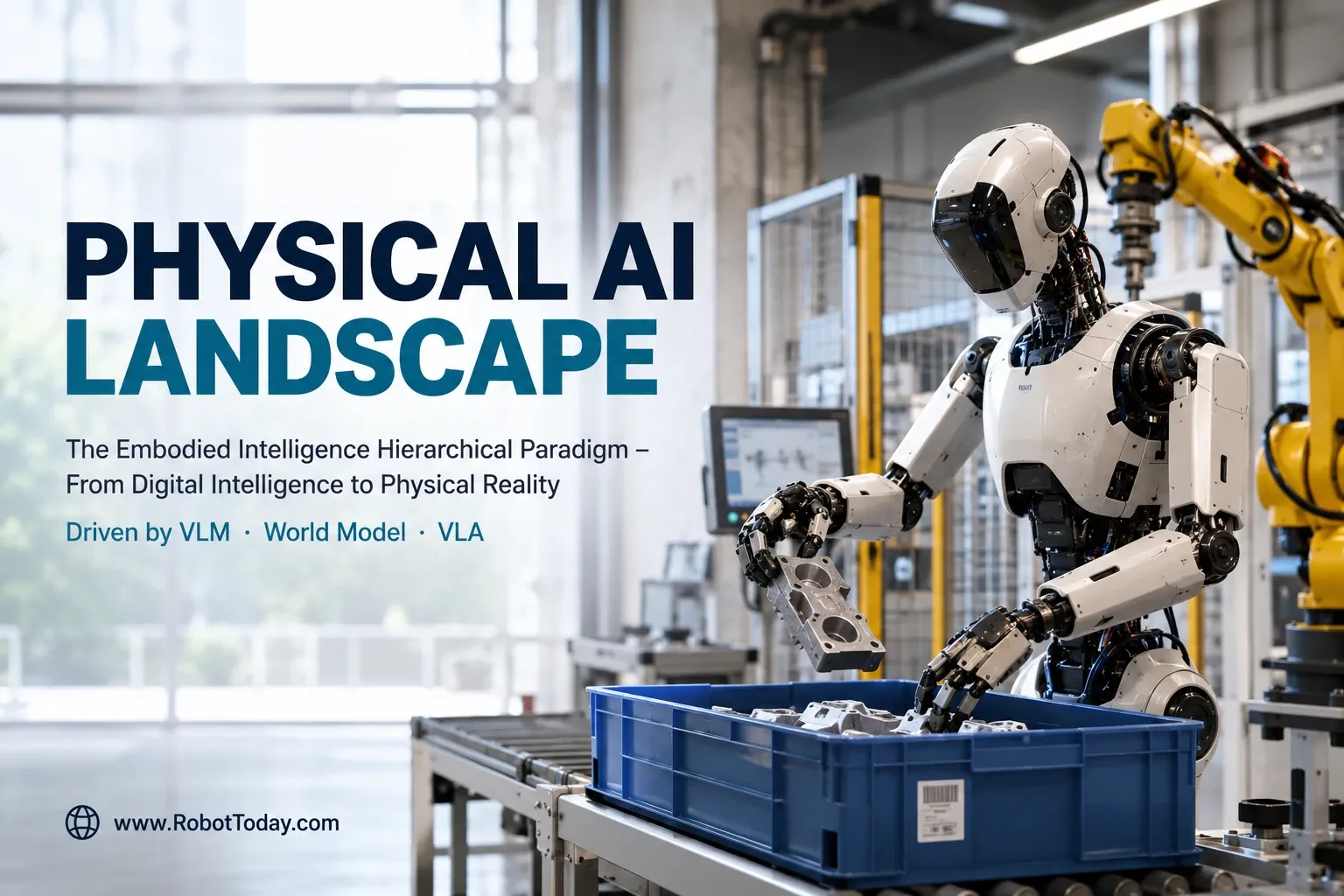
Physical AI Landscape: From Digital Intelligence to the Embodied Physical World
A comprehensive industry analysis of Physical AI — covering Embodied AI, Field AI, Factory AI, VLM, World Model, VLA, and the VLA vs WAM architecture debate. Includes 20+ companies, 28 references, and the RobotToday Physical AI Landscape diagram. July 2026.
Artificial Intelligence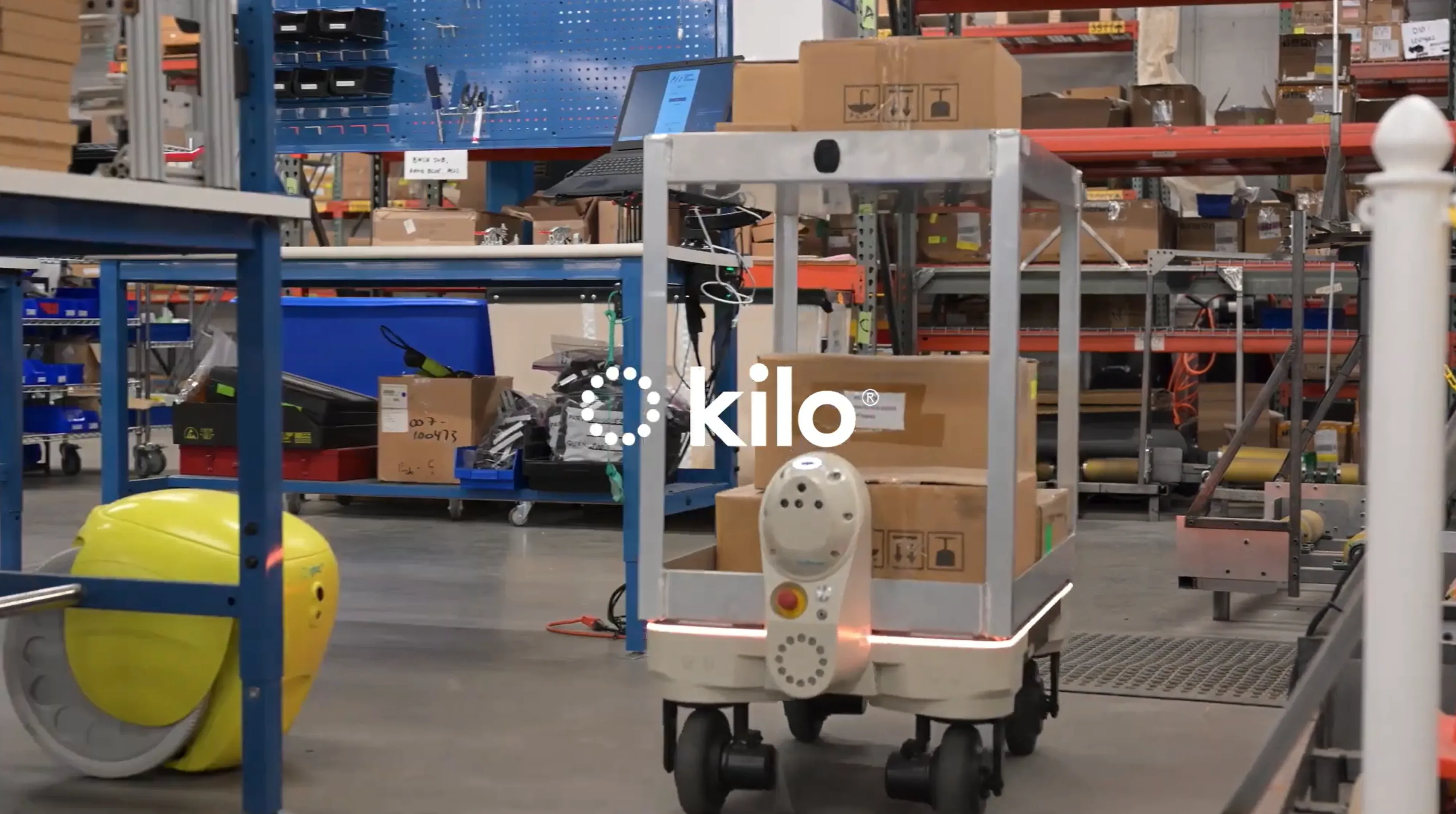
Piaggio Fast Forward Brings kilo® Autonomous Mobile Robot to Automate 2026
Piaggio Fast Forward showcases kilo®, an infrastructure-free collaborative AMR (300 lb payload, 360° LiDAR), at Automate 2026 booth #17054.
Market and Business News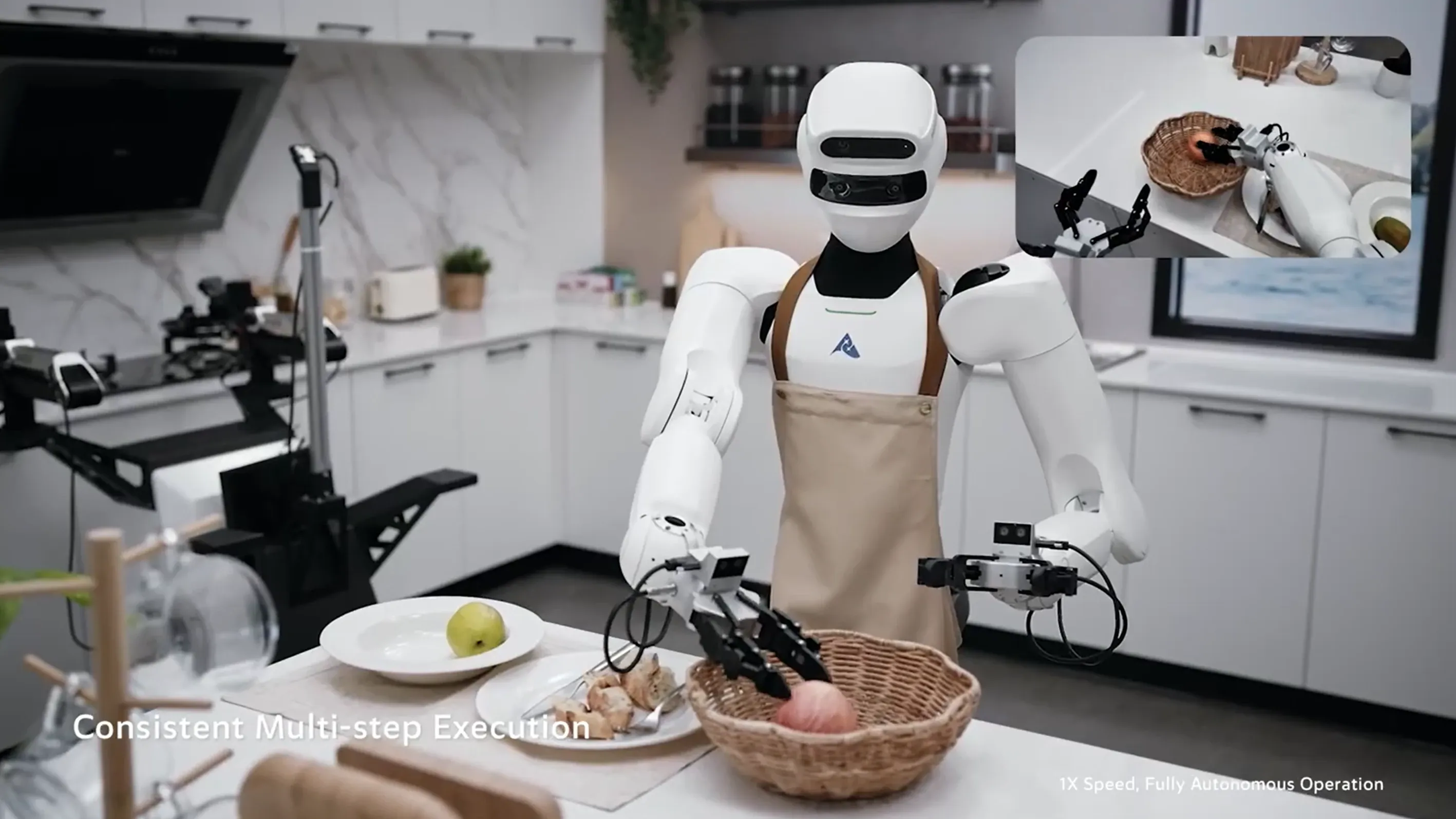
LingBot-VLA 2.0: Open-Source Universal Brain for Robots
Robbyant open-sources LingBot-VLA 2.0, a vision-language-action model trained on 60,000 hours of data for cross-morphology, whole-body robot control.
Artificial Intelligence
RoMeLA UCLA
UCLA Robotics and Mechanisms Laboratory (RoMeLA), a university research group led by Prof. Dennis Hong. Known for developing bipedal and multi-legged robot platforms and advancing locomotion, mechanisms, and humanoid robot research. URL resolves to UCLA Newsroom rather than lab's direct site.

U of Penn GRASP Lab
The GRASP Laboratory at the University of Pennsylvania is a world-leading robotics research center covering aerial robotics, swarm intelligence, manipulation, and robot learning. It has produced seminal work on micro UAVs, quadrotors, and agile autonomous flight.

Unitree Robotics 宇树科技
China
Unitree Robotics is a leader in Quadruped and Humanoid Robotics, offering a wide range of products including the Go2 robot dog and the H1 universal humanoid. They specialize in high-performance embodied intelligent robots, dexterous hands, robotic arms, and core components like digital servos and 4D LiDAR for advanced research and industrial use.

Oceaneering (acq Frog AGV)
United States
Oceaneering is an offshore technology and engineered services company that acquired Frog AGV systems. It supplies automated guided vehicles and subsea robotics for oil and gas, aerospace, and industrial customers.

OM Robot (CN)
United States
OM Robot (Omron Robotics) manufactures industrial, collaborative, and mobile robots for manufacturing automation. OTTO AMR and SCARA/delta robot lines are deployed globally with FLOW Core fleet management software.
Swiss Mobile Robotics Consortium
Swiss Mobile Robotics Consortium is a Swiss collaborative initiative focused on mobile robotics research and development, bringing together academic and industrial partners to advance autonomous mobile robot technologies.

Humanoid M.AX Alliance
Korea, Republic of (South)
The Humanoid M.AX Alliance, established in April 2025, is a consortium comprising 224 entities focused on advancing Korea's humanoid robotics sector. Key initiatives include developing shared Robot AI Foundation Models, conducting R&D on next-gen humanoid technologies, and collaborating on AI semiconductors and mobility batteries. The Alliance also emphasizes startup acceleration and talent development through partnerships with leading universities.

Kind Humanoid (Acq. by 1X)
United States
NEO is an advanced humanoid robot designed for versatile applications in domestic and commercial environments. It utilizes artificial intelligence algorithms for natural language processing and machine learning to enhance user interaction. The robot is equipped with a modular hardware architecture, enabling scalability and customization. Key features include real-time data processing, autonomous navigation, and integration with IoT devices for smart home functionality.

Rotaku (humanoid robotics; limited public info)
United States
The humanoid robots developed feature a height of 1.7m, a weight of 45kg, and 22 degrees of freedom, enabling complex manipulation tasks. The system utilizes a robust SDK for high- and low-level control, alongside a data analytics stack for telemetry management. Advanced simulation environments support reinforcement learning for policy optimization, ensuring effective deployment in real-world scenarios.
Applied Motion Products, Inc.
United States
Since 1978, we have helped OEMs and system integrators achieve precise, reliable control of position, speed, and torque in demanding environments. Applied Motion Products addresses these needs with a broad and flexible portfolio that includes stepper motors, servo system.
Elmo Motion Control Inc.
United States
Subscribe for the Latest Automate Show Updates Copyright © 2013-2026 A3 Automate. Website by Amplify Industrial Marketing + Guidance.
Changzhou Hemm Intelligent Technology Co. Ltd. 常州汉姆智能科技
China
It is deeply engaged in the design, R&D and overall solution delivery of stepping motors, brushless DC motors, linear motors and drive control systems, and simultaneously provides advanced Industry 4.0 technology solutions to create highly adaptable software and hardware integrated.


Leave a comment