

Industry Briefing
A single destination for timely, editor-curated robotics news from around the world.
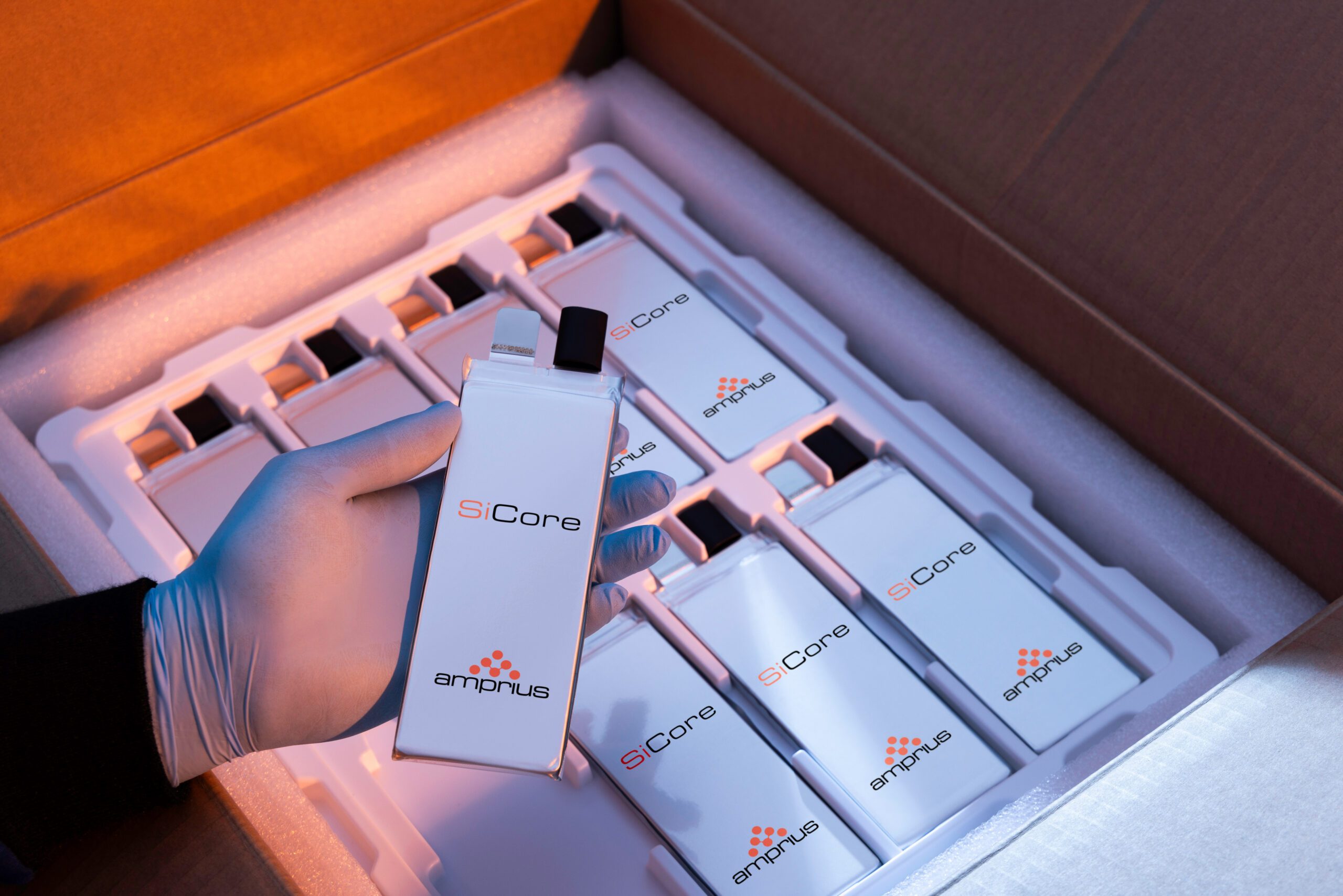
Amprius Secures Up to $75 Million Grant to Boost U.S. Drone Battery Production
Amprius Technologies has been awarded a federal grant of up to $75 million to enhance the production of batteries for unmanned aerial systems in the U.S. This funding will facilitate the conversion of an existing electric vehicle battery production line to manufacture high-energy-density cells for various drone categories. The grant, provided by the U.S. Department of War, aims to bolster domestic manufacturing capabilities crucial for national defense. This initiative is significant as it seeks to establish a high-volume manufacturing capability for advanced drone batteries within the United States. The project, which is expected to cost around $100 million, will involve reconfiguring a production line operated by a major South Korean battery manufacturer. Amprius anticipates that the new facility will produce 12 million cells annually, aligning with domestic sourcing requirements under the National Defense Authorization Act. Looking ahead, Amprius plans to complete this project by early 2028, which will enhance its existing manufacturing network across the U.S., South Korea, and China. The new capacity will be vital for supplying high-energy-density pouch cells to meet the growing demands of small and medium-sized unmanned aircraft, thereby supporting U.S. defense drone manufacturers in meeting domestic sourcing mandates.
battery technology Drone Manufacturing Drone News Drone News Feeds NDAA Compliant News
PDW and DOD Secure $820M Conditional Loan to Enhance Domestic Drone Component Production
The Department of Defense (DOD) has awarded an $820 million conditional loan through its Office of Strategic Capital to PDW. This funding aims to establish the production of drone and robotic components in the United States, including propulsion, power and control systems, and vision technologies that enhance drone performance. This initiative is significant as it supports the manufacturing of components for Group 1 and Group 2 unmanned aircraft systems, which weigh up to 55 pounds and can reach altitudes of 3,500 feet with speeds of approximately 288 miles per hour. The move is part of a broader strategy to reduce reliance on Chinese drone technology amid national security concerns, especially as China currently holds a dominant position in the global drone market. Looking ahead, the DOD's actions, including the National Defense Authorization Act for fiscal year 2026, will further restrict procurement from foreign entities of concern. As the industry adapts to these changes, companies are expected to expand their production capacities domestically. No further timeline was disclosed at the time of publication.

Japan Plans Defense Subsidies to Boost Domestic Drone and Ammunition Production Capacity
Japan is set to introduce defense subsidies aimed at enhancing domestic production capabilities for critical items such as drones and ammunition. This initiative is part of a broader strategy to ensure that the country can meet its national security needs in times of crisis, particularly in light of increasing regional threats. The significance of these subsidies lies in their potential to attract new suppliers and support existing ones, thereby strengthening Japan's defense industrial base. As the geopolitical landscape evolves, the ability to produce essential military supplies domestically becomes increasingly vital for national security. Looking ahead, stakeholders will be monitoring the implementation of these subsidies and their impact on Japan's defense capabilities. No further timeline was disclosed at the time of publication.
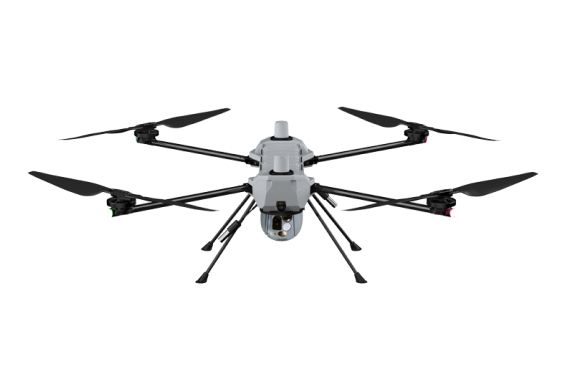
PDW CEO Emphasizes Domestic Drone Production and Component Manufacturing for U.S. Military
James Slider, CEO of PDW Holdings, highlighted the necessity of establishing domestic production for drones and their critical components to support the U.S. military. He emphasized that while America excels in innovation, the real challenge lies in scaling production effectively. PDW has secured a conditional loan of up to $820 million from the Department of War to enhance domestic manufacturing capabilities. The urgency for U.S. drone production is underscored by the ongoing conflict in Ukraine, which has shown the importance of rapid drone deployment and the need for resilient supply chains. Slider pointed out that the U.S. must learn from Ukraine's strategy, as innovation alone does not equate to capability without production. The reliance on foreign supply chains for essential drone components poses significant risks to U.S. defense readiness. Looking ahead, the focus will be on increasing domestic manufacturing to reduce dependence on foreign sources, particularly for critical components like rare-earth magnets. Slider's comments reflect a broader industry concern about maintaining a robust supply chain to ensure the U.S. military can effectively respond to emerging threats. No further timeline was disclosed at the time of publication.
DL Exclusive Drone News Drone News Feeds Dual Use Feature 1 News
Terra Drone's Domestic Interception Drone 'Terra B1' Passes Defense Test, Moves to Mass Production Phase
On August 25, 2026, Terra Drone announced that its domestic interception drone, 'Terra B1', successfully passed the demonstration test conducted by the Acquisition, Technology & Logistics Agency (ATLA) and will advance to the mass production phase. This program aims to equip the Self-Defense Forces with effective drone countermeasures in response to the increasing security threats posed by attack drones. The significance of this development lies in the growing need for cost-effective defense solutions against low-cost attack drones, such as the Shahed UAVs used extensively in the Middle East. The ATLA's requirements for the 'Terra B1' included various performance metrics directly related to operational effectiveness and mass procurement, highlighting the importance of rapid and efficient defense capabilities. Looking ahead, Terra Drone plans to accelerate its production and supply system for the 'Terra B1', initially targeting the Japan Maritime Self-Defense Force, with future expansions to the Japan Air Self-Defense Force and Japan Ground Self-Defense Force. The ATLA has indicated a swift timeline for procurement, with contracts expected to be finalized by late August 2026, and delivery anticipated around September 2026. No further timeline was disclosed at the time of publication.

France's New Partnerships Aim to Boost Domestic Drone Production Using Automotive Expertise
France is advancing its domestic drone production through partnerships between major automotive companies and drone manufacturers. This initiative aims to utilize France's robust automotive manufacturing base to enhance the production of autonomous systems, reflecting a significant shift in industrial strategy across Europe and North America. The collaboration involves established automakers and suppliers, with Renault and Thales redesigning the Toutatis loitering munition for automotive-style production, targeting 1,000 units per month by 2027. Additionally, Delair and Schaeffler plan to produce about 100 drones daily by November, while Valeo and Forvia are expanding their roles in electric motors and counter-UAS technologies, respectively. This approach emphasizes efficient manufacturing over design. Looking ahead, the partnerships signify a broader trend in the drone industry, where operational deployment and manufacturing capacity are becoming as crucial as technological innovation. No further timeline was disclosed at the time of publication.
Drone Manufacturing Drone News Drone News Feeds Drones in the News Europe Drone Industry News
MP Materials Initiates Rare-Earth Magnet Production for Domestic Drone Manufacturing
MP Materials has launched an initiative to produce neodymium-iron-boron (NdFeB) magnets, essential for drone motors, aiming to reduce U.S. dependence on foreign sources. Currently, 75% of U.S. imports of these magnets come from China, highlighting the need for domestic production. The initiative will allow manufacturers to reserve up to 2 million drone magnet capacities annually, as stated by Chairman and CEO James Litinsky. This initiative is crucial as it seeks to aggregate demand and provide certainty for companies developing new technologies in the drone sector. MP Materials plans to create a fully integrated American magnetic solution, from mining to magnetization, in collaboration with the Department of Defense. The project aims to standardize production processes and enhance the domestic supply chain for rare-earth materials. The initiative is expected to commence with the operation of MP's 10X plant in 2028. As MP Materials forms agreements with various drone manufacturers, it also intends to expand its reach to motor manufacturers and defense technology companies, responding to China's dominance in the drone market and its recent export restrictions on related technologies.

Quantum Cyber Signs LOI for Connecticut Manufacturing Facility as Drone Firms Pursue Domestic Production
Quantum Cyber (NASDAQ: QUCY) has taken a significant step towards enhancing domestic drone production by signing a letter of intent to acquire a 43,000-square-foot manufacturing facility in Bridgeport, Connecticut. This announcement, made on June 8, underscores the company's commitment to establishing a vertically integrated supply chain within the U.S. drone manufacturing sector. The acquisition aligns with a broader industry trend favoring domestic production capabilities, reflecting a growing emphasis on local manufacturing in response to supply chain challenges. Through this move, Quantum Cyber aims to bolster its operational capacity and contribute to the evolving landscape of the drone industry.
Defense defense Drone News Drone News Feeds News autonomous dronesRobotics needs a service framework.
RSF defines a common language for robot service capability, lifecycle operations, certification pathways, and service-provider networks.
Join the RobotToday community on LinkedIn
Daily robotics news, in-depth analysis, conference highlights, and discussions with professionals worldwide.







