Industry Briefing
A single destination for timely, editor-curated robotics news from around the world.

Siemens collaborates with Databricks and FFT to enhance production data with AI insights.
Siemens has unveiled a new edge-to-cloud integration in collaboration with Databricks, a leading Data and AI company, and its long-time automation partner, FFT Produktionssysteme. This innovative partnership aims to streamline the connection of production data directly to enterprise AI, eliminating the need for complex IoT middleware. By facilitating this direct integration, Siemens and its partners intend to empower industrial customers to transform their production data into actionable insights, thereby enhancing the scalability of industrial AI solutions on a global scale. This initiative underscores the growing importance of data-driven decision-making in the manufacturing sector, enabling companies to leverage advanced analytics for improved operational efficiency and competitiveness.
Artificial Intelligence Automation Industry News artificial intelligence cloud computing
Chinese Internet Association Launches AI Agent Data Protection Pact with Major Firms
The China Internet Association has introduced a self-regulatory agreement focused on personal information protection for AI agents during a forum in Beijing. Major companies including Baidu, Tencent, Alibaba, and Volcengine are among the initial signatories of this pact, which aims to establish standards for the collection, processing, and usage of personal data by AI agents as their services proliferate across various internet platforms. This initiative is significant as it seeks to address growing concerns regarding data privacy and security in the rapidly evolving landscape of AI technologies. By standardizing practices, the pact aims to enhance consumer trust and ensure responsible handling of personal information, which is crucial as AI agents become increasingly integrated into daily online interactions. Looking ahead, the China Internet Association also unveiled a separate self-regulatory pact for mini-program ecosystems, signed by Tencent, Ant Group, and Baidu, among others. This indicates a broader commitment to data protection across different digital services. No further timeline was disclosed at the time of publication.
News Feed
SpaceX Proposes 1 Million AI Satellites to Address Ground Data Center Constraints
On January 30, 2026, SpaceX filed with the FCC to launch up to 1 million AI compute satellites, positioning orbital data centers as a solution to the increasing demand for AI computing power. Ground data centers are facing significant challenges, with energy consumption projected to reach approximately 1,050 TWh in 2026, making them the fifth-largest electricity consumer globally. The demand for new data center capacity is outpacing the growth of power generation infrastructure, leading to a critical bottleneck in the grid system. The significance of this initiative lies in the structural constraints faced by ground data centers, including power delivery limitations, high water consumption, and local opposition to new projects. The Uptime Institute's 2026 outlook identifies power as the primary constraint on data center growth, with capacity clearing prices in the PJM grid skyrocketing to $329.17/MW, driven by data center expansion. Additionally, cooling requirements are becoming increasingly unsustainable, with facilities consuming vast amounts of water, further complicating their operational viability. Looking ahead, SpaceX's orbital AI compute initiative aims to circumvent these challenges by leveraging the advantages of space, such as continuous solar power and minimal local opposition. The first AI prototypes are expected to launch in early 2027, with operational deployments planned for 2028. No further timeline was disclosed at the time of publication.

AI agents enhance autonomous inspections, revamping manual approval processes for drones and ground robots by DataRobot, Chevron, and NVIDIA.
DataRobot has announced a collaboration with Chevron U.S.A. Inc., a subsidiary of Chevron Corporation, to implement agent-based AI in edge environments. This partnership aims to enhance autonomous patrol and inspection operations at Chevron facilities. By leveraging advanced AI technology, the initiative seeks to improve operational efficiency and safety in the company's infrastructure.

Starmind's Orbital Compute vs. Terrestrial Data Centers: Analyzing Resource Advantages
Starmind's orbital compute technology presents a significant advantage over traditional ground-based data centers by eliminating constraints related to land, water, and grid permitting. While terrestrial data centers are currently cheaper and faster to construct, with U.S. data center spending reaching $85.3 billion in 2026, Starmind's approach focuses on addressing the growing resource limitations faced by hyperscale facilities. The significance of Starmind's technology lies in its ability to sidestep the increasing challenges of land and water usage. For instance, a 100 MW data center can consume approximately 530,000 gallons of water daily for cooling, while Starmind's AI1 utilizes deployable liquid radiators that require no water. This structural advantage could resonate with investors as the demand for AI computing continues to escalate, potentially leading to annual water withdrawals of up to 1.7 trillion gallons by 2027. Looking ahead, Starmind's next milestones include the launch of AI1 prototypes scheduled for early 2027. However, the technology's claims regarding cooling efficiency and operational reliability remain unverified until real flight data is available. As the industry evolves, the competition between orbital and terrestrial solutions will become increasingly relevant, particularly in the context of resource management and sustainability.

Microsoft invests $2.5 billion to establish AI transformation organization focused on customer data and multi-model support.
Microsoft has announced the establishment of a new organization, investing $2.5 billion and employing 6,000 experts, aimed at assisting companies struggling with the challenges of artificial intelligence transformation. This initiative comes as many businesses face difficulties in moving beyond proof-of-concept stages. The new organization will specifically address critical concerns regarding data security management and the flexibility in model selection, providing tailored solutions to enhance AI implementation in various industries.
SpaceX Launches Starmind Project for 1 Million AI Satellites by 2028
SpaceX has officially named its orbital AI infrastructure project 'Starmind,' which aims to deploy a constellation of up to 1 million satellites. This initiative, confirmed by Elon Musk on June 22, 2026, will enable AI inference directly in space, utilizing solar energy rather than terrestrial power sources. The first satellite, designated AI1, was unveiled on June 8, 2026, and is designed to operate in sun-synchronous orbits. The significance of Starmind lies in its potential to overcome the limitations faced by ground-based data centers, such as land, power, and water constraints. By running AI computations in orbit, Starmind can provide a more efficient solution to the growing demand for AI computing power. The project leverages the existing Starlink infrastructure for data transmission, distinguishing its function from Starlink's internet relay capabilities. Looking ahead, SpaceX plans to begin hardware deployment with the AI1 satellite, while full-scale production and deployment of the satellite constellation are targeted for 2028. As of now, no Starmind satellites have been launched, and further engineering challenges remain to be addressed, particularly regarding the scalability of the satellite design.

SpaceX's Starmind Plans 1 Million AI Satellites Amid Collision Risks
SpaceX has announced its ambitious Starmind project, which aims to deploy 1 million AI satellites in orbits between 500 and 2,000 km. This initiative, confirmed by Elon Musk on June 23, 2026, follows a merger with xAI, valuing the combined entity at $1.25 trillion. The satellites will function as orbital data centers, processing AI workloads powered by solar arrays and linked by optical lasers. The significance of Starmind lies in its potential to add 100 gigawatts of AI compute capacity annually, contingent on the successful operation of the Starship launch system. However, the project raises concerns regarding space debris, as the current orbital environment is already congested, with a 20% increase in collision risk reported since 2024. The European Space Agency has highlighted that the density of debris in low Earth orbit is now comparable to that of active satellites, complicating the operational landscape for new entrants like Starmind. Looking ahead, the first operational orbital AI deployments are targeted for 2028, with test launches expected in early 2027. However, the project faces scrutiny regarding its impact on space debris, as even a 1% failure rate could significantly increase the number of uncontrollable objects in orbit, exacerbating existing risks. No further timeline was disclosed at the time of publication.
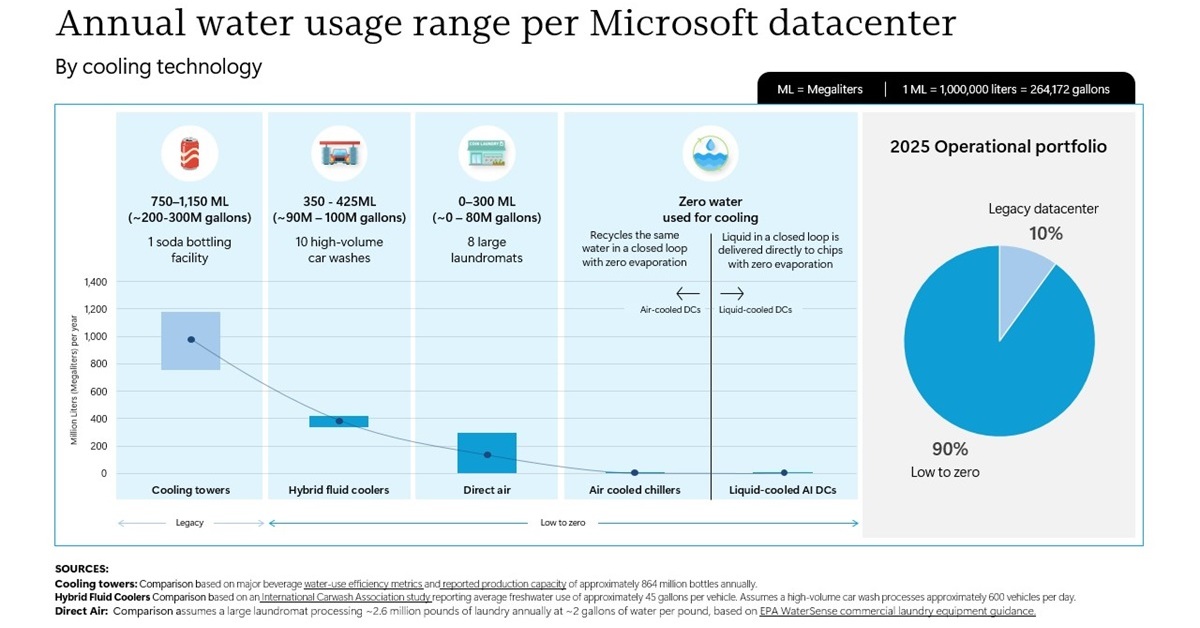
Is "Dehydration Cooling" the Future for Data Centers in the AI Era? Insights from Microsoft's Waterless Cooling Strategy.
Microsoft has announced new water conservation measures for its data centers in response to the growing demand for AI and cloud services. The tech giant aims to achieve water positivity by 2030, targeting a 90% improvement in water usage efficiency compared to initial levels. To support this goal, Microsoft plans to implement waterless cooling systems in its latest facilities and utilize rainwater, thereby promoting sustainable infrastructure operations.

Chasing rumors: Car CEO's departure untrue; WeChat tests native AI assistant; Apple, Tesla supplier data leaked.
On June 23, the ChiNext Index experienced its largest decline of the year, falling over 4% during trading and closing down 3.84%, dipping below the critical 4200-point mark. This downturn followed a record high set just a day prior. The trading volume for the day reached approximately 901.65 billion yuan, a decrease of 118.9 billion yuan from the previous day. All ten of the index's top-weighted stocks saw declines, particularly those in the AI computing sector. In a separate development, Tata Electronics confirmed a significant data breach, with over 630GB of sensitive information leaked, including design and specification documents for key clients like Apple and Tesla. The company stated that it had initiated a response plan and that operations remained unaffected. Apple is reportedly conducting a thorough investigation into the incident. Meanwhile, SpaceX has entered a multi-billion dollar agreement with AI startup Reflection AI to provide computing resources, with payments set to begin in July and continue through 2029. In the robotics sector, Nvidia unveiled its "Halos for Robotics" safety system aimed at enhancing the security of physical AI applications, while Faraday Future introduced its industrial-grade robotic arm series at a robotics expo in Chicago. Additionally, Meta has paused an internal AI training program that tracked employee mouse movements due to data security concerns, and Oracle announced a workforce reduction of approximately 21,000 employees, marking a 13% decrease in its total workforce as part of a business restructuring.

Harbin Institute of Technology Professor Establishes PHANES AI to Advance Tactile Robotics
Professor Yang Shuo from Harbin Institute of Technology (Shenzhen) has founded PHANES AI, focusing on human data, tactile perception, and world model research. The startup aims to enable humanoid robots to perform agile full-body movements. A key challenge identified is the gap in current training data, where visual cues do not capture the tactile feedback necessary for successful robotic operations. This initiative is significant as it addresses the limitations of existing robotic training methodologies, which rely heavily on visual data without incorporating tactile information. Recent studies, including NVIDIA's EgoScale, highlight the importance of first-person human operation data in training robots for complex tasks. By leveraging large amounts of human data combined with minimal real-world data, PHANES AI seeks to enhance the success rate of robots in intricate operations. Looking ahead, PHANES AI plans to develop innovative methods for collecting and scaling tactile data through its EgoTouch system, which integrates visual and tactile information. The startup's approach aims to bridge the gap between visual perception and physical interaction, ultimately improving the capabilities of humanoid robots in real-world applications. No further timeline was disclosed at the time of publication.
Humanoid Robots Tactile Perception Robotics AI Data-Centric AI
AIRoA collects 80,000 hours of robot operation data through industry-academia collaboration for physical AI infrastructure.
The AI Robot Association (AIRoA) released a YouTube video on May 29, 2026, showcasing a groundbreaking initiative titled "A Massive Collaborative Physical AI Data Initiative." The video highlights the ongoing operations of robots across various universities and research institutions, illustrating the accumulation of a global data infrastructure. This initiative aims to enhance the development of artificial intelligence by creating a comprehensive database that supports collaborative research and innovation in robotics. Through this project, AIRoA seeks to foster advancements in AI technology and improve its applications in real-world scenarios.

Tesla's Optimus Robots to Support Starmind Satellite Production, Not Maintenance
Tesla's Optimus robots will not be used to repair Starmind satellites in orbit, as confirmed by recent statements from Elon Musk. Instead, these robots are intended to assist in the construction and operation of the Terafab chip manufacturing facility in Texas. The AI1 satellites, designed to disintegrate upon reentry, highlight the company's swap-and-replace strategy rather than traditional maintenance practices. This approach is significant as it reflects a broader trend in satellite management, where mass-produced satellites are replaced rather than repaired. The economics of servicing missions are prohibitive, with the cost of launching a replacement satellite being significantly lower than conducting a repair mission. This model aligns with SpaceX's operational history, where rapid replacement of satellites is more efficient than attempting to maintain them in orbit. Looking ahead, the focus will remain on the production capabilities of the Gigasat factory, which is expected to support the continuous replacement of satellites. No further timeline was disclosed at the time of publication, but the demand for rapid satellite turnover suggests a robust future for Optimus robots in terrestrial manufacturing rather than in-space servicing.

SpaceX Unveils AI1 Satellite Specs for Starmind Constellation with Key Thermal Challenges
SpaceX has introduced the AI1 satellite, the inaugural component of its Starmind constellation, which stands 20 meters tall and has a wingspan of 70 meters. This orbital compute node is designed to deliver computing power equivalent to one NVIDIA GB300 server rack, utilizing a unique cooling system with deployable liquid radiators. The satellite's specifications were revealed during a presentation on June 8, 2026, ahead of SpaceX's IPO. The significance of the AI1 satellite lies in its role as a compute platform rather than a traditional satellite, focusing on running AI inference workloads. The satellite's cooling system, which is critical for its operation in the vacuum of space, is designed to reject heat through infrared radiation. However, independent engineers have raised concerns about the feasibility of the thermal and mass claims made by SpaceX, suggesting that the cooling requirements may exceed practical limits. Looking ahead, SpaceX plans to launch two AI1 prototypes in early 2027, with full-scale production expected to commence later that year at its Gigasat facility in Bastrop, Texas. The ongoing debate regarding the satellite's thermal management capabilities will be crucial to monitor as the project progresses, with no further timeline disclosed at the time of publication.

How defense teams can scale AI without increasing data risk
Artificial Intelligence (AI) is significantly enhancing the mission data footprint within defense environments, prompting a growing demand for scalable and layered protection of data-at-rest (DAR). This development is crucial as defense sectors increasingly rely on vast amounts of sensitive information to support their operations. The expansion of AI capabilities is occurring in response to the evolving complexities of modern warfare and cybersecurity threats, necessitating robust data protection strategies. As military and defense organizations seek to secure their information assets, the implementation of advanced DAR solutions will play a vital role in safeguarding critical data against potential breaches and ensuring operational integrity.
Networks & Digital Warfare Sponsored Post artificial intelligence AI Cigent Cigent custom cyber security
Physical AI’s looming data rights battle: Interview with Kate Shen of Anaxi Labs
As artificial intelligence technology advances and integrates more into everyday life, industry experts are shifting their focus from the capabilities of robots and AI models to the ownership of the data that powers these innovations. This growing concern has emerged as a critical topic among stakeholders, prompting discussions about data rights and the implications for both developers and users. The conversation is gaining momentum as the demand for vast datasets to train AI systems increases, raising questions about privacy, consent, and the ethical use of information. As the AI landscape evolves, understanding data ownership will be essential for shaping future regulations and ensuring fair practices in the burgeoning field of physical AI.
Artificial Intelligence Features AI compliance ai governance AI infrastructure AI regulation
Robo.ai Acquires Data Processing and Compression Tech Company Neurovia for $100M
Robo.ai Inc. (NASDAQ: AIIO) has entered into an agreement to acquire Neurovia AI Limited, a company focused on data processing and compression, for $100 million. This acquisition aims to enhance Robo.ai's technological capabilities and expand its market presence. The transaction is expected to close pending the fulfillment of certain conditions.
AI AI Funding & Investment Robotics acquisition data compression Edge AI
AirData and BRINC Integration Brings Automated Flight Records to Public Safety Drone Programs
AirData has launched a new integration with BRINC to enhance the management of drone flight data for public safety agencies. This collaboration enables automatic capture and organization of flight records from BRINC’s Lemur 2 and Responder drones within the AirData platform. By streamlining this process, the integration aims to reduce the reliance on manual data entry, thereby supporting scalable and auditable drone operations. This development is expected to significantly improve the efficiency of drone programs used in public safety, allowing agencies to focus more on their core missions.
Drone News Drone News Feeds Drones in the News Featured – Safety and Security News AirData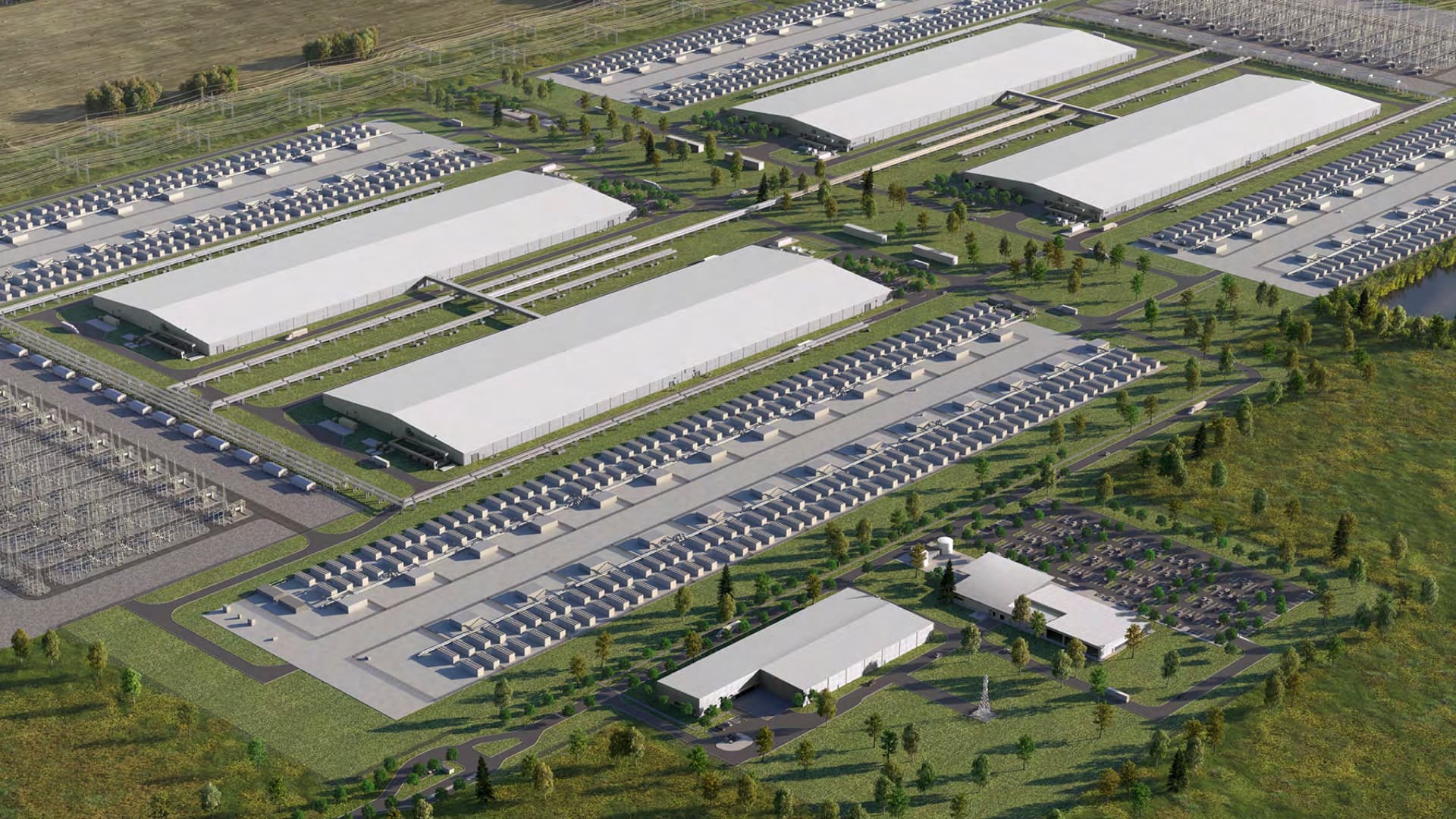
Meta is building its first big Canadian data center as AI expansion crosses the border
Meta is set to establish its inaugural large-scale data center in Canada, marking a significant step in the company's expansion of artificial intelligence capabilities beyond the United States. The announcement comes as part of Meta's broader strategy to enhance its infrastructure to support AI technologies. This development is expected to create numerous jobs and stimulate local economies, reflecting the growing demand for data processing and storage solutions. The data center will be located in a yet-to-be-disclosed area in Canada, with construction anticipated to begin in the near future. Meta's investment underscores its commitment to harnessing AI advancements while also addressing the increasing need for robust data management systems in the tech industry.
SpaceX's Starship V3 Plans for 1 Million Starmind Satellites by 2030
SpaceX's Starship V3 is set to revolutionize satellite deployment, aiming to launch 1 million Starmind satellites by 2030. The spacecraft can carry over 100 tonnes to low Earth orbit (LEO), significantly more than the Falcon 9's capacity. As of May 2026, Starship has completed 12 flights, with the next mission scheduled for late July 2026, focusing on operational payloads including AI1 prototypes in early 2027. This ambitious plan is crucial for expanding orbital compute capacity, targeting an annual addition of 100 GW through a million tonnes of satellite hardware. SpaceX's strategy hinges on achieving a launch cadence of approximately 12,000 flights, equating to about three launches per day. The company has invested over $15 billion in the Starship program, with expectations to begin payload deliveries in the second half of 2026, starting with Starlink V3 satellites. Looking ahead, the successful deployment of the Starmind constellation will depend on Starship's ability to meet its cost targets of $10–20 million per flight. If achieved, this would make launching satellites more economical than building ground data centers. The next significant milestone will be the launch of AI1 prototypes in early 2027, with full-scale deployments commencing in 2028 from the new Gigasat factory in Texas.

FAA Data Shows Drone Sightings Near Airports Nearly Doubled in Second Quarter
The Federal Aviation Administration (FAA) has issued a warning regarding the increasing presence of drones near U.S. airports, following a significant rise in reported incidents. Data from the FAA reveals that the number of close encounters between drones and manned aircraft nearly doubled from the first to the second quarter of 2026, with 601 drone sightings recorded between April and June. This alarming trend has prompted the FAA to emphasize the importance of adhering to regulations to ensure the safety of air travel. The agency is urging drone operators to remain vigilant and avoid flying in restricted areas to prevent potential accidents.
Anti-drone technology C-UAS Drone News Drone News Feeds Drones in the News FAA
The Shift in Physical AI: Qunke Technology Develops a Simulation Data Production Line
Qunke Technology has introduced a pioneering solution to tackle the pressing shortage of high-quality 3D training data, which is vital for the advancement of the physical AI industry. As leading companies in embodied intelligence shift their focus from model architecture to data infrastructure, Qunke's innovative simulation data production line aims to fill this gap. The company’s efforts have been recognized at the European Conference on Computer Vision (ECCV), where three of its groundbreaking research papers were accepted. These contributions are expected to set new benchmarks in the fields of spatial intelligence and data synthesis, further propelling the development of AI technologies.
Embodied Intelligence Simulation Data 3D Training Data AI Benchmarking
Doosan, LG CNS link up for data centers, robotics and AI
Doosan Corp. has announced a strategic partnership with LG CNS aimed at enhancing global competitiveness in key technology sectors, including data centers, hydrogen drone logistics, and artificial intelligence. The memorandum of understanding was signed by Doosan Corp. President Yoo Seung-woo and LG CNS President Hyun Shin-gyoon during a ceremony at LG Science Park in western Seoul on Thursday. This collaboration will focus on developing data center and cloud services, positioning both companies to leverage their strengths in these rapidly evolving industries. The partnership reflects a commitment to innovation and technological advancement in response to the growing demand for efficient and sustainable solutions in the digital landscape.
All News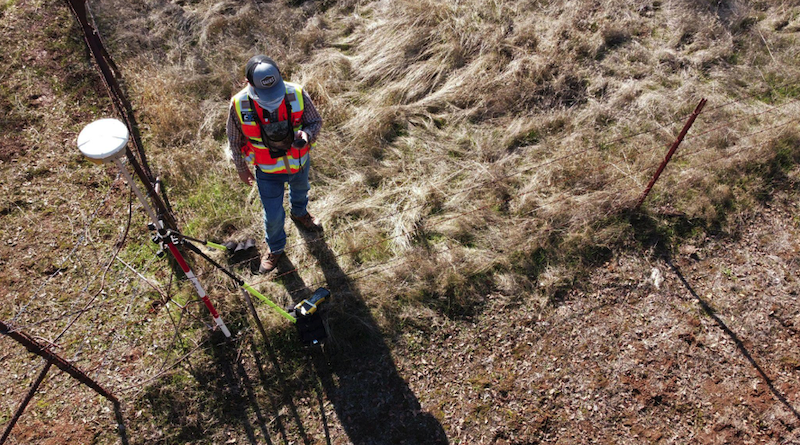
RTK Data Coverage Explained: Why Access to Many RTK Stations Matters
Accurate field positioning relies not only on high-quality GNSS receivers but also on the effectiveness of the correction networks that support them. Factors such as the distance from correction stations, signal quality, system uptime, and regional availability play crucial roles in determining the stability of the final positioning results. Field teams can achieve enhanced RTK precision by utilizing RTKdata as a provider, which offers extensive access to a robust network of correction services. This integration ensures that teams can maintain strong positioning accuracy in various operational environments.
Communications Technology automation news construction technology drone mapping gnss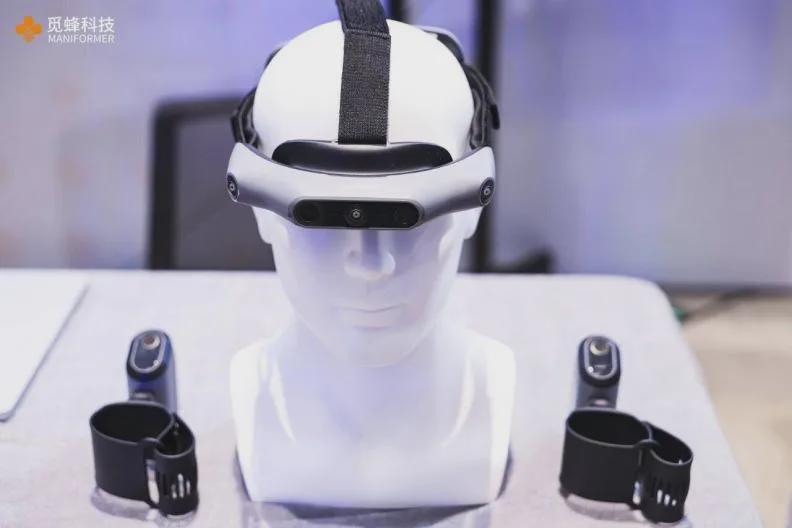
Bee Technology Aims to Solve Robotics Data Challenges Starting with a Cup
Bee Technology is making strides in the robotics sector by tackling the challenges of teaching robots to execute physical tasks, such as picking up objects. The company has recently obtained substantial funding to advance its MEgo series, which encompasses both hardware and data processing technologies. This initiative aims to establish a robust data supply chain essential for developing embodied intelligence in robots. By prioritizing high-quality physical AI data, Bee Technology is positioning itself as a key player in the industry, targeting businesses that depend on reliable data for training and optimizing their robotic models.
Embodied Intelligence Robotics Data Infrastructure AI Data Collection MEgo Hardware Data Processing Technology
Blackstone-Backed AirTrunk Pledges $30B for Indian AI Data Center Expansion
AirTrunk, an Australian data center operator supported by Blackstone, has unveiled a significant $30 billion investment plan aimed at developing 5 gigawatts of data center capacity in India by 2030. This initiative marks one of the largest infrastructure commitments in the country’s burgeoning artificial intelligence sector. The announcement followed a meeting between AirTrunk's Chief Executive Robin Khuda and Indian Prime Minister Narendra Modi, underscoring the strategic importance of this investment in bolstering India's technological infrastructure and supporting its growing demand for data processing capabilities.
Uncategorized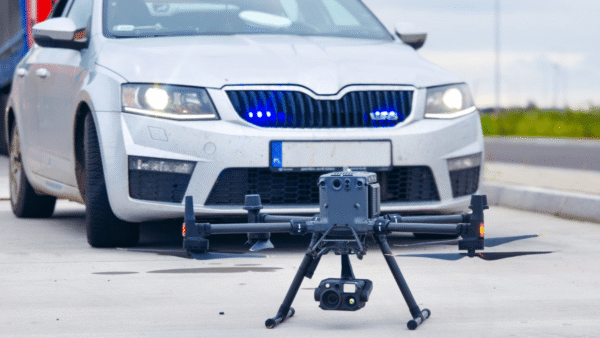
AirData UAV and LeoSight Bring Live Drone Data for DFR Programs
LeoSight has announced a new integration with AirData UAV that enables real-time streaming of flight data, telemetry, and operational insights directly into its command software, LeoCommand. This integration aims to enhance collaboration between dispatchers and field teams by providing shared visibility across drone and DFR (Drone First Response) operations. The partnership leverages AirData's status as one of the most widely used platforms in commercial drone operations, allowing public safety agencies to improve their operational efficiency. The integration is expected to streamline communication and data sharing, ultimately enhancing response capabilities in critical situations.
Disaster Response drone fleets Drone News Drone News Feeds emergency response Fire and Police
India's $1/hour Data Collection Model Gains Popularity
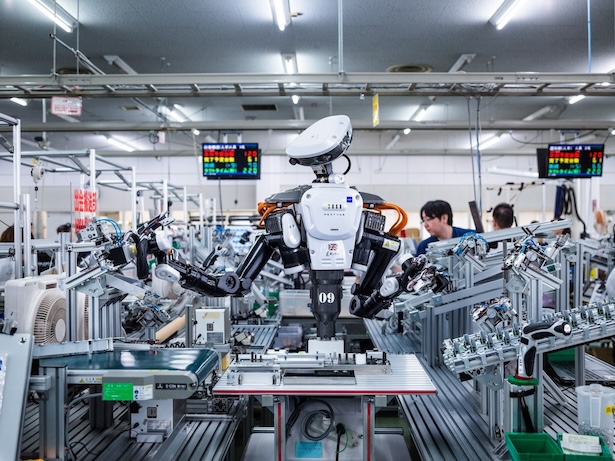
A novel data collection model is emerging in India, utilizing head-mounted cameras worn by workers to capture first-person footage. This innovative approach, spearheaded by the teenage founders of Egolab AI, has garnered significant attention and was recently acquired by a US company, highlighting its growing importance in the industry. Additionally, the startup Human Archive has successfully raised $8.2 million to enhance this data collection method. This initiative not only aims to provide valuable data for artificial intelligence training but also offers workers an opportunity to earn supplementary income. The combination of technology and economic support is positioning these startups at the forefront of a transformative movement in data collection.
Data Collection AI Training Wearable Technology Gig Economy
How Melbourne’s AI and Data Center Flywheel Is Accelerating Research Innovation
Melbourne is solidifying its status as a global hub for artificial intelligence (AI) research and advanced engineering, driven by significant investments in infrastructure and a growing concentration of talent. The city, renowned for hosting major events like the Australian Open and Formula 1 Grand Prix, is now leveraging its organizational capabilities to support large-scale compute and data-intensive research. In February 2026, Monash University unveiled MAVERIC, Australia's largest university-based AI supercomputer, developed in collaboration with NVIDIA and Dell Technologies. This state-of-the-art facility is designed to enhance medical research, enabling Australian scientists to work with sensitive datasets securely. The supercomputer exemplifies Melbourne's commitment to fostering cross-disciplinary collaborations and advancing research in fields such as cancer detection and drug discovery. Melbourne's infrastructure is further bolstered by the expansion of data centers, including CDC Data Centres' new campus, which will provide over 800 megawatts of digital capacity essential for AI workloads. The city's strategic investments, including a AUD $2 billion AI infrastructure hub in Fishermans Bend, are positioning it as a national leader in high-performance AI. Moreover, Melbourne's selection to host international technology conferences, such as Data Center World Australia and The AI Summit Australia in September 2026, underscores its growing influence in the global AI landscape. These events facilitate knowledge transfer and collaboration among researchers, reinforcing Melbourne's role as a key player in the future of AI and data-driven research.
Australia Artificial-intelligence Research-centers Applied-ai Conferences
Microsoft’s AI data center push is colliding with its clean power goals
Microsoft's ambitious plans to expand its data center operations are jeopardizing its commitment to clean energy initiatives. The tech giant is facing scrutiny as it seeks to increase its data center footprint, which could conflict with its established goals for sustainable power usage. As the company accelerates its infrastructure development, concerns have arisen regarding the environmental impact and the ability to source renewable energy to meet its growing energy demands. This situation is unfolding amid a broader industry trend where the demand for cloud services continues to surge, prompting companies like Microsoft to invest heavily in new facilities. The challenge lies in balancing rapid growth with the need to adhere to environmental standards and commitments, raising questions about the future of corporate responsibility in the tech sector.
Climate data centers Microsoft net zero renewable energy
Tech Week Shanghai founding edition to connect global tech players with China’s data ecosystem
Tech Week Shanghai will take place on May 6 and 7 in Shanghai, marking its inaugural event. This conference and exhibition aims to unite leaders from the enterprise technology sector, including exhibitors, policymakers, and industry practitioners. Participants will engage in discussions and showcase innovations across various domains such as cloud computing, cybersecurity, data center infrastructure, data governance, data services, artificial intelligence, and enterprise digital transformation. The event seeks to foster collaboration and knowledge sharing among professionals to drive advancements in these critical areas of technology.
Events
The AI Data Centers That Fit on a Truck
In response to the growing demand for rapid deployment of AI hardware, companies like Duos Edge AI and LG CNS are shifting towards modular data centers. Traditional data centers, which require extensive construction of steel and concrete shells, can take years to build, posing challenges for organizations eager to implement AI solutions. Duos Edge AI, led by CEO Doug Recker, has developed modular compute pods that can be deployed in about six months, significantly faster than conventional setups. Each 55-foot pod houses racks of GPUs and can operate independently or in conjunction with others, with a recent deal to deploy four pods containing a total of 2,304 GPUs, expandable to 4,608. Similarly, LG CNS is launching its AI Modular Data Center in Busan, South Korea, featuring 576 Nvidia GPUs per unit, with plans for an expanded version supporting over 4,600 GPUs. Both companies emphasize the advantages of modular systems, which require only a concrete pad for installation, allowing for quicker site readiness and reduced permitting complexities. The modular approach not only accelerates deployment but also offers cost savings, with Duos estimating a 5-megawatt modular deployment could be built for around $25 million, significantly lower than traditional facilities. As the market for modular data centers is projected to double by 2030, other tech giants like Hewlett Packard Enterprise and Schneider Electric are also exploring similar solutions. The modular design allows for incremental expansion, enabling facilities to grow in capacity as demand increases, positioning them as a viable alternative to traditional data centers.
Data-center Networking Liquid-cooling Ai
Xspark AI Raises Nearly $15 Million to Advance Physical AI Technology Development
Xspark AI has successfully completed its first round of angel financing, securing nearly 100 million yuan (approximately $15 million). This funding round was led by Dinghui VGC, Chuxin Capital, and the SEE Fund, with participation from several financial investment institutions. The capital will primarily be allocated towards core technology research and development, product iteration, and the large-scale implementation of Physical AI. The significance of this funding lies in addressing the challenges faced by Physical AI in real-world applications. Despite advancements in AI capabilities, many models that perform well in laboratory settings struggle to adapt to dynamic real-world environments. Factors such as lighting changes in factories and the arrangement of objects in homes complicate the deployment of these technologies, highlighting the need for reliable safety mechanisms to prevent equipment failures and accidents. Looking ahead, Xspark AI's CEO, Xiong Qi, emphasizes the importance of accumulating real-world data to enhance the stability and safety of Physical AI systems. As the company aims to overcome existing barriers, the development trajectory of Physical AI is expected to mirror that of the autonomous driving industry, where practical application and data-driven iterations are crucial for achieving commercial success.
Physical AI Robotics Funding Technology Development
Microsoft and Palantir Urge Businesses to Retain AI Sovereignty Amid Rising Costs
Microsoft CEO Satya Nadella recently emphasized the importance of maintaining AI sovereignty in a widely discussed essay that garnered over 66 million views. He warned against relying on external AI models, advocating for companies to develop their own 'token capital' alongside human capital to create proprietary AI capabilities. This call to action comes as businesses face skyrocketing AI usage costs, exemplified by Uber's rapid depletion of its AI budget within four months. The significance of Nadella's message lies in its timing, as companies increasingly utilize AI agents that consume vast amounts of tokens, leading to concerns over escalating expenses without corresponding value. Palantir Technologies echoed this sentiment with a manifesto stressing the need for organizations to retain control over their AI capabilities and data. The manifesto's provocative statements have sparked a debate about the implications of AI model dependency and the potential for industry hollowing out if businesses do not take charge of their AI strategies. Looking ahead, both Microsoft and Palantir are positioning themselves as essential partners in the development of proprietary AI systems. As companies navigate the complexities of AI integration, the focus will likely shift towards establishing robust learning loops that enhance both human and token capital. No further timeline was disclosed at the time of publication for specific initiatives from either company to address these challenges.
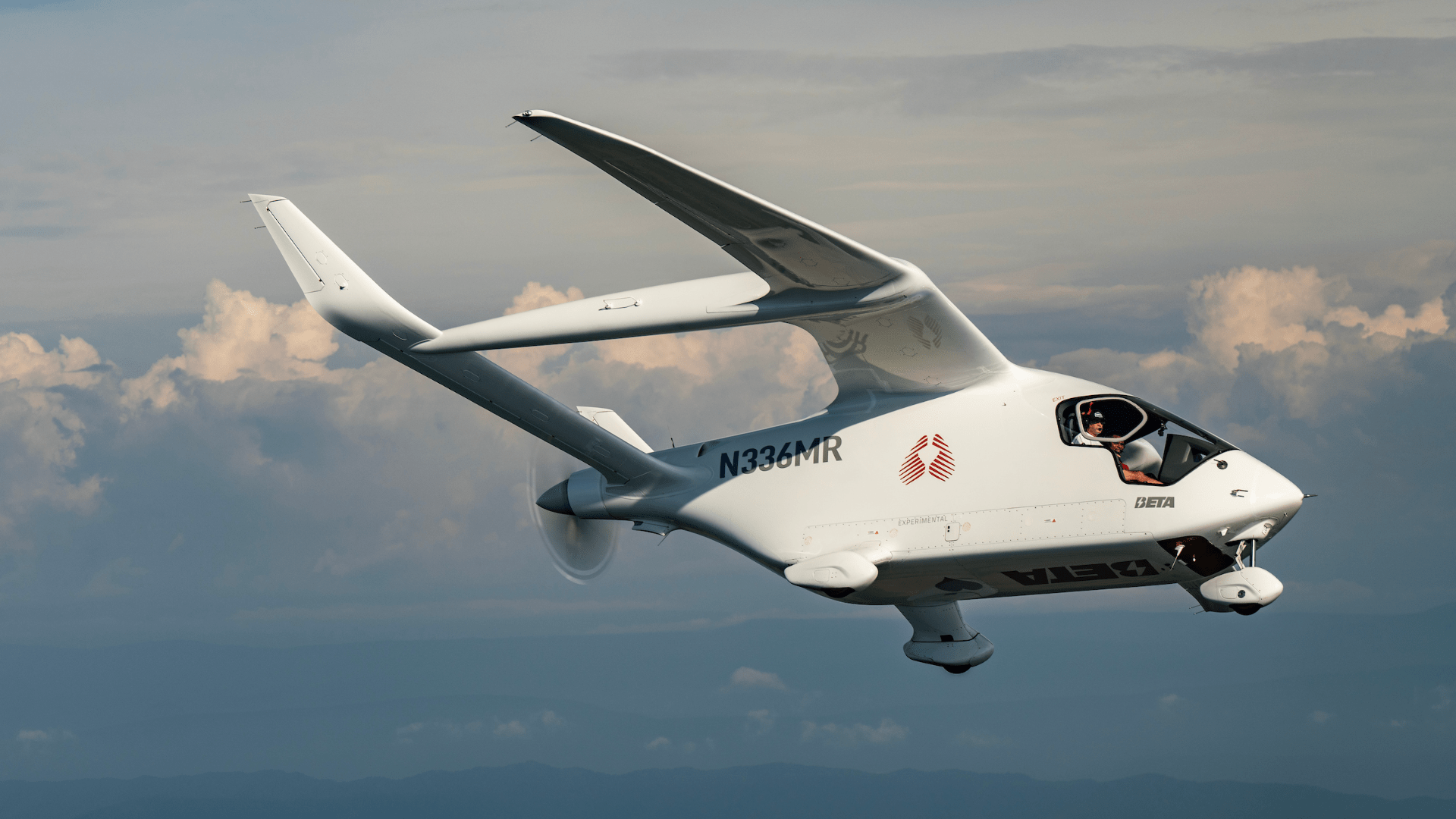
BETA Technologies Completes Multistate Electric Aircraft Flights for Medical Logistics
BETA Technologies has successfully conducted a series of electric aircraft flights spanning Virginia and Maryland, as part of the FAA’s eVTOL Integration Pilot Program. The flights covered approximately 275 nautical miles, connecting airports in Blacksburg and Charlottesville, Virginia, to Frederick and Baltimore County, Maryland. This achievement marks a significant milestone in evaluating advanced air mobility within existing airspace systems. The significance of these flights lies in their potential to enhance medical logistics, particularly in organ delivery operations. BETA Technologies is collaborating with United Therapeutics to develop electric aircraft systems that aim to make organ transportation more affordable and sustainable. The partnership has already led to advancements in aircraft design, autonomous flight technologies, and charging infrastructure, with over 160,000 nautical miles of flight testing completed to date. Looking ahead, the eVTOL Integration Pilot Program will continue to provide valuable data to inform future certification rules and operational standards for advanced air mobility. The Pennsylvania Department of Transportation, leading the Multistate Collaborative eIPP National Integration Complex, is working with multiple states and industry stakeholders to further develop and test these innovative aviation technologies. No further timeline was disclosed at the time of publication.
Transportation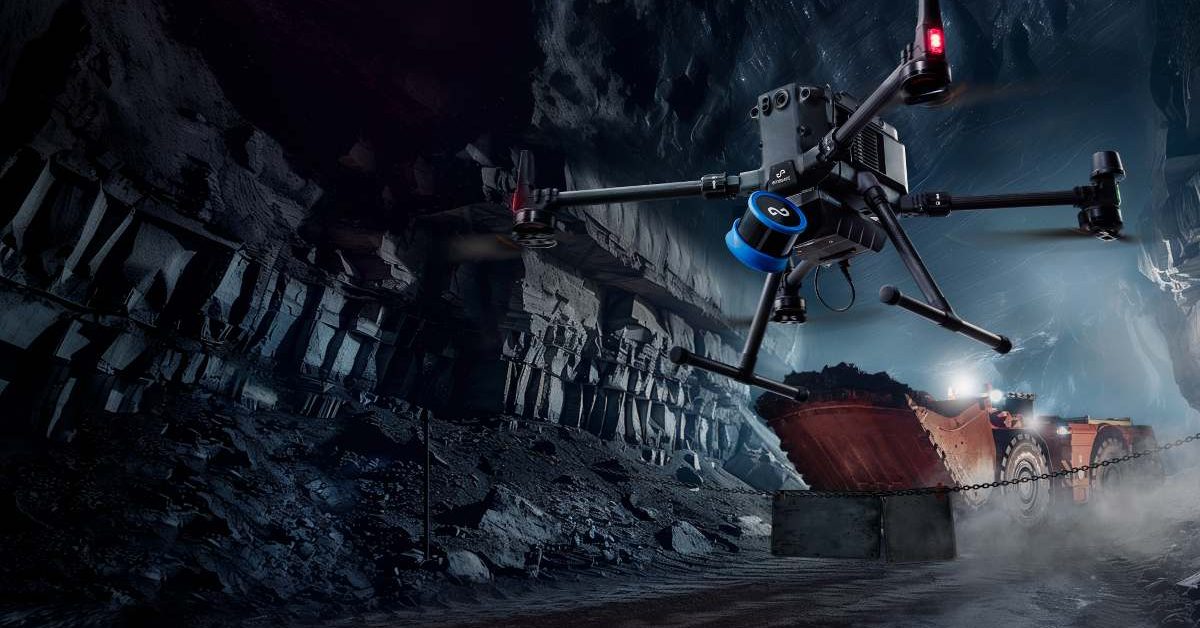
Emesent Secures $17 Million to Enhance AI-Driven Drone Operations and Expand Manufacturing
Emesent, an Australian drone mapping company, has raised $17 million to boost its AI-powered autonomous operations. This funding includes a $7 million venture debt facility from the National Reconstruction Fund Corporation and a $10 million equity round from notable investors such as Main Sequence and QIC Ventures. The investment aims to enhance the capabilities of drones in complex environments with minimal human intervention. The significance of this funding lies in Emesent's strategy to focus on software advancements alongside hardware improvements. The company plans to develop its Cortex AI autonomy software and Aura cloud platform, which will enable drones to operate in GPS-denied areas and process 3D mapping data efficiently. Emesent's existing Hovermap LiDAR payload is already utilized in over 200 mine sites globally, showcasing its established presence in the industrial drone sector. Looking ahead, Emesent intends to expand its manufacturing capabilities in Queensland while pursuing growth in international markets. CEO Charles Miller emphasized the importance of this investment in enhancing AI and autonomy for industries such as mining and defense. No further timeline was disclosed at the time of publication for the anticipated developments from this funding round.
News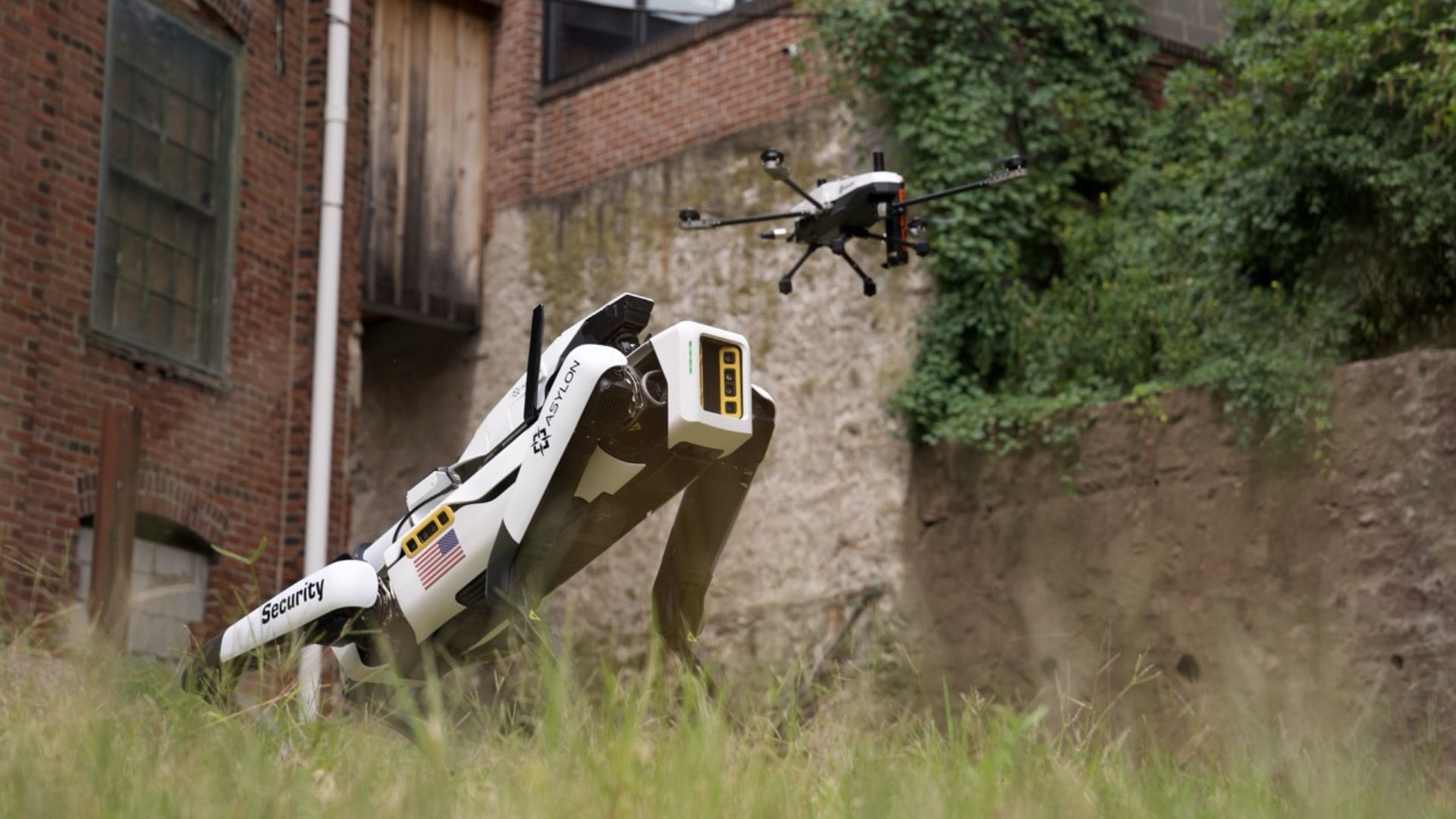
Asylon's MARIA System Enhances Aircraft Inspections for U.S. Air Force
Asylon has secured a Phase Three contract with the U.S. Air Force's Warner Robins Air Logistics Complex to deploy its Multi-modal Autonomous Robotics for Inspection of Aircraft (MARIA) system. This initiative aims to streamline aircraft inspections by integrating air and ground robotic platforms, significantly reducing the time for general visual inspections while enhancing consistency in maintenance tasks. The MARIA system combines Asylon's Guardian unmanned aircraft with the DroneDog Q-UGV, utilizing the Range autonomy software and DroneIQ command-and-control system for efficient inspection management. The significance of this deployment lies in its potential to transform aircraft maintenance operations. By automating inspections, the MARIA system not only improves inspection quality but also mitigates the risks associated with labor-intensive tasks. The integration of imagery, LiDAR data, and telemetry into a single platform allows maintenance personnel to make informed decisions quickly, thereby enhancing aircraft readiness without increasing manpower demands. This project marks a pivotal shift in how the Air Force approaches maintenance, leveraging autonomous technologies to optimize operational efficiency. Looking ahead, the success of the MARIA deployment at Warner Robins could lead to broader adoption of these technologies across military maintenance organizations. No further timeline was disclosed at the time of publication, but the ongoing collaboration between Asylon and the Air Force may pave the way for future advancements in defense sustainment operations, particularly in the realm of autonomous inspections and maintenance support.
Military
Why this CEO thinks video games make better training data than the internet
Recent discussions in the field of artificial intelligence have highlighted the limitations of large language models, such as ChatGPT and Claude, in achieving artificial general intelligence (AGI). While these models excel in text generation, they struggle with understanding the dynamics of movement through space and time, a critical component for developing generalized intelligence. To address this gap, researchers are exploring the potential of gaming data as a solution. This innovative approach, known as General Intuition, aims to leverage the rich, interactive environments found in video games to enhance AI's understanding of real-world physics and dynamics. By integrating insights from gaming, experts believe they can create more sophisticated models capable of reasoning and adapting in complex scenarios. The exploration of this method is ongoing, with the hope of advancing the field of AGI significantly.
AI Startups AI Funding general intuition physical ai Pim DeWit
Starmind's Satellite Technology Achieves 880 Billion Liters in Annual Water Savings
Starmind has announced that its satellite technology can save approximately 880 billion liters of cooling water annually at full scale. This figure is equivalent to the annual household water use of around 6.5 million Americans. The technology operates by utilizing a closed-loop liquid cooling system that eliminates the need for water during its operational life, contrasting sharply with traditional ground data centers that consume vast amounts of water for cooling. The significance of this achievement lies in the growing water consumption crisis faced by data centers, particularly as AI expansion drives demand. In 2025, U.S. data centers consumed nearly one trillion liters of water, highlighting the urgent need for sustainable solutions. Starmind's approach not only addresses direct water usage but also avoids indirect water consumption associated with electricity generation, marking a substantial shift in how computing can be conducted in a resource-efficient manner. Looking ahead, Starmind's deployment strategy includes a projected buildout of 100 GW of orbital compute per year, which could displace an additional 735 billion liters of ground water demand annually. The first tranche of 10,000 satellites is already operational, offsetting approximately 8.8 billion liters of water per year. No further timeline was disclosed at the time of publication.
New tech keeps power grids stable as data centers put more strain on electricity
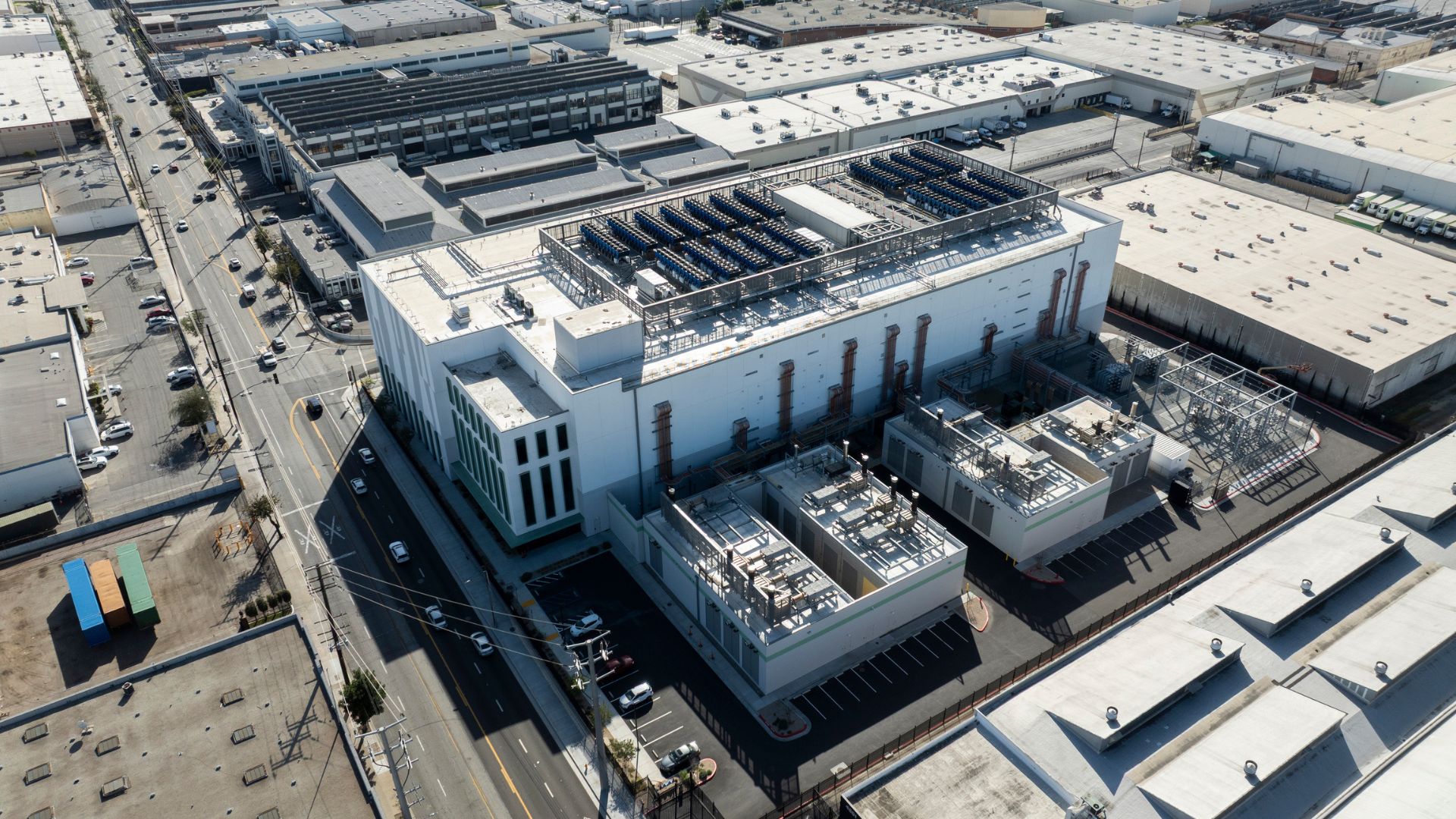
Researchers at Sandia National Laboratories have unveiled a groundbreaking software platform designed to enhance the management of distributed energy resources. This innovative tool aims to optimize the integration of renewable energy sources into existing power grids, addressing the growing demand for sustainable energy solutions. The announcement was made on October 10, 2023, during a technology showcase at the laboratory's facilities in Albuquerque, New Mexico. The motivation behind this development stems from the increasing need for efficient energy management systems that can accommodate the variable nature of renewable energy sources, such as solar and wind. By utilizing advanced algorithms and real-time data analytics, the platform enables utilities and energy providers to better predict energy supply and demand, ultimately leading to a more reliable and resilient power infrastructure. The software operates by aggregating data from various energy sources and employing machine learning techniques to enhance decision-making processes. This allows for improved coordination among energy producers, consumers, and grid operators, facilitating a smoother transition to a more sustainable energy landscape. As the world moves towards cleaner energy solutions, this platform represents a significant step forward in harnessing the potential of distributed energy resources.
AI and Robotics
Teledyne Marine Announces 2026 Global Photo & Data Contest with Cash Prizes
Teledyne Marine has officially launched its 2026 Photo & Data Contest, inviting global participants to submit images and datasets captured using its technologies. The contest runs from July 1 to October 15, 2026, with winners determined through public voting and expert judging. Categories include Voters' Choice, Best Data, Adversity, Moment of Zen, and Underwater, with prizes such as a HERO13 Black camera and KODAK PIXPRO cameras for jury-selected winners. This annual competition aims to celebrate the innovative projects and expertise within the marine community, encouraging the use of Teledyne Marine products in various environments. The contest not only highlights the technical capabilities of Teledyne's equipment but also fosters community engagement through social media sharing. Participants must secure at least five public votes for their entries to qualify for expert evaluation, which will weigh technical quality and storytelling equally. Winners will be announced in October 2026 via a press release and social media channels. Teledyne Marine's Senior Vice President, William Egan, expressed excitement about this year's submissions, reflecting on the previous year's diverse entries that showcased the challenges and achievements in marine research. No further timeline was disclosed at the time of publication.
teledyne marine global photo & data contest 2026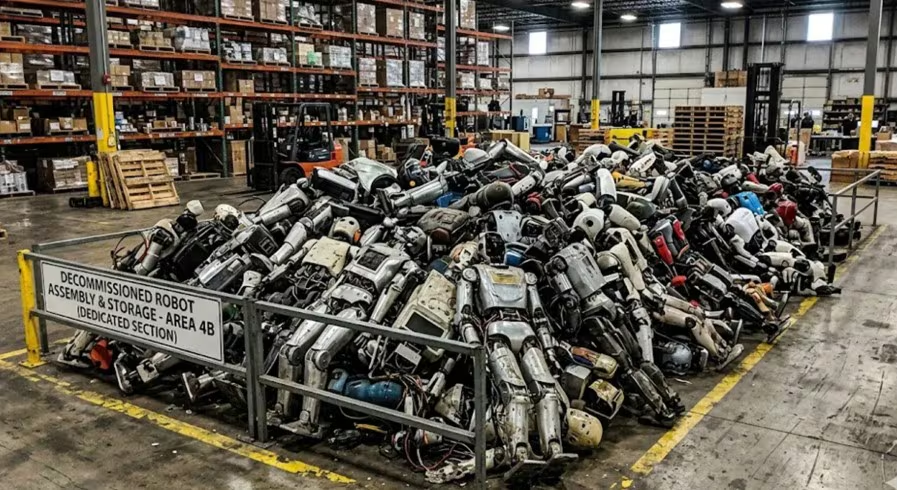
The Eve of the Humanoid Robot Scrapping Wave: Over Ten Thousand Parts, Data Leaks, and Risks of Thermal Runaway Await Resolution
As the deadline for the scrapping of humanoid robots approaches, industry experts are raising alarms over the potential risks associated with the disposal of over ten thousand robot parts. This wave of scrapping, set to occur in the coming weeks, has been prompted by concerns over data leaks and the dangers of thermal runaway, a phenomenon where overheating can lead to catastrophic failures. The situation has unfolded primarily in tech hubs where these robots were developed and deployed, highlighting the urgent need for effective disposal protocols. Experts warn that without proper management, the discarded components could pose significant environmental and safety hazards. In response to these concerns, companies are urged to implement stringent measures to secure sensitive data and safely dismantle the robots to mitigate risks. The industry is now under pressure to establish comprehensive guidelines for the responsible disposal of robotic technology, ensuring that both data integrity and public safety are prioritized as this unprecedented scrapping wave looms.
Robotics Automation AI
Tactile Data Competition Begins: Qianjue's Gripper Transforms Robot Training
Qianjue Robotics has unveiled the XTac UMI G1, a groundbreaking wearable multi-modal data collection gripper aimed at addressing the challenges of embodied intelligence in robotics. The introduction of this innovative device comes in response to the industry's pressing need for high-quality tactile data, which is essential for training robots to perform complex tasks in real-world environments. By capturing detailed interaction data, the XTac UMI G1 seeks to bridge the existing gap between visual data and physical interaction, thereby enhancing the capabilities of robots. This development marks a significant step forward in improving robotic performance and adaptability in various applications.
Tactile Data Collection Robot Training Embodied Intelligence Robotics Technology
Karst Exploration With Robots: Fontaine de Nîmes Data Set
The Journal of Field Robotics has published a new study that explores advancements in autonomous robotic systems. This research, released in early October 2023, highlights innovative techniques that enhance the navigation and operational capabilities of robots in various environments. Conducted by a team of researchers from leading universities, the study aims to address the growing demand for efficient robotic solutions in industries such as agriculture, manufacturing, and disaster response. The motivation behind this research stems from the increasing complexity of tasks that robots are expected to perform, necessitating improved algorithms and sensor technologies. By employing advanced machine learning methods and real-time data processing, the researchers demonstrated significant improvements in the robots' ability to adapt to dynamic surroundings and make autonomous decisions. The findings from this study are expected to have a substantial impact on the future development of robotic systems, paving the way for more reliable and versatile applications. As industries continue to seek automation solutions, this research provides valuable insights into the potential of robotics to enhance productivity and safety across various sectors.
FIELD REPORT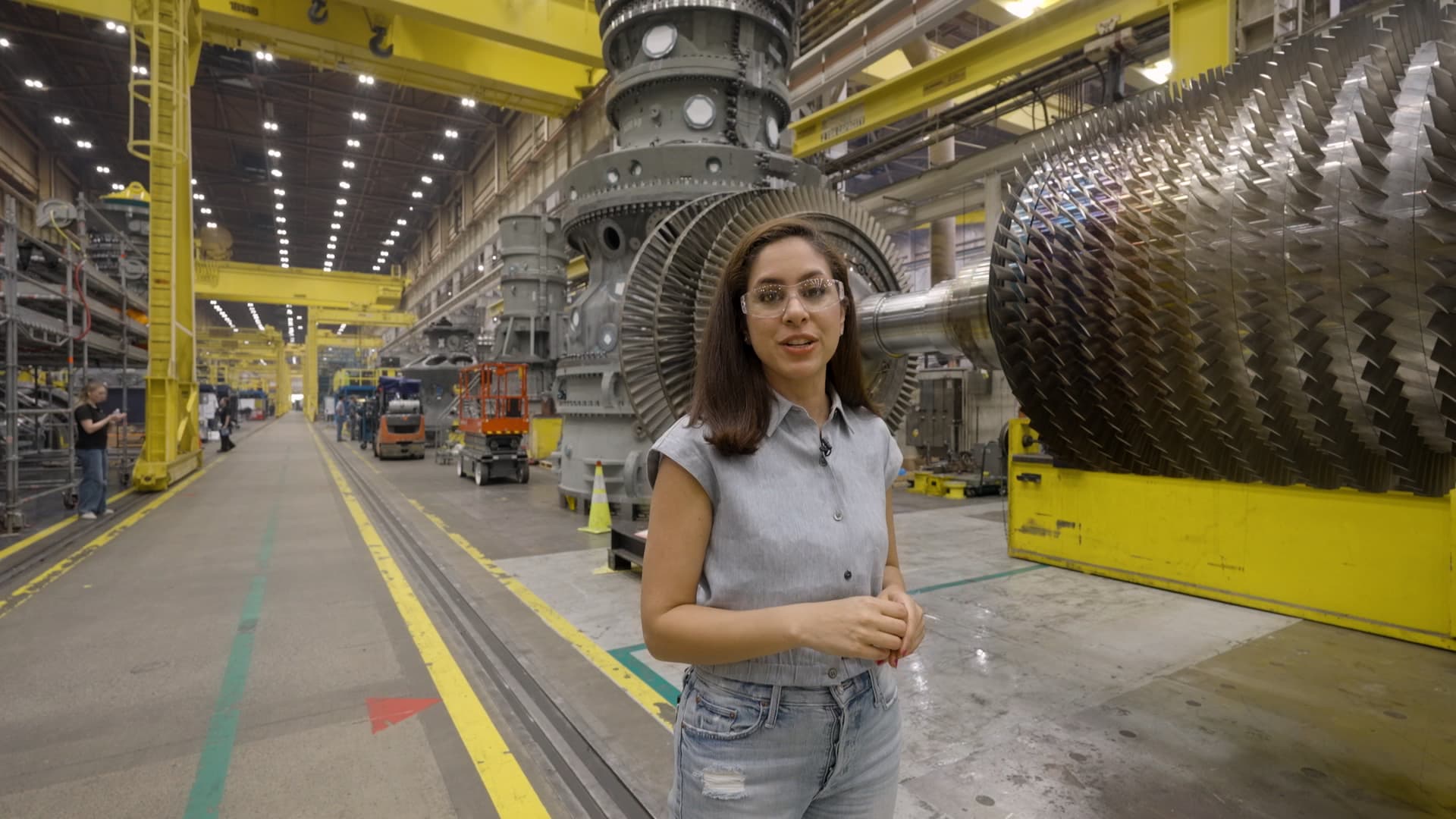
How GE Vernova builds the massive gas turbines powering the AI data center boom
Elon Musk's xAI Colossus 1 data center is now being powered by GE Vernova turbines, marking a significant advancement in sustainable energy for tech infrastructure. In a related move, Microsoft has also acquired seven of these turbines to supply energy to its data center located in Texas. This initiative comes as both companies seek to enhance their operational efficiency and reduce their carbon footprint, aligning with broader industry trends towards renewable energy solutions. The deployment of GE Vernova's technology is expected to support the growing demand for data processing while promoting environmental sustainability.

Huaqin Technology and Zhengxing Innovation Reach Strategic Cooperation to Build an Industrial Physical Intelligence "Data Foundation and Smart Brain" Together.
Huaqin Technology and Zhengxing Innovation have announced a strategic cooperation aimed at developing a comprehensive industrial physical intelligence framework, which they refer to as a "Data Foundation and Smart Brain." This partnership, revealed on October 10, 2023, is set to take place in China, where both companies will leverage their technological expertise to enhance data-driven decision-making processes within the industrial sector. The collaboration seeks to address the growing demand for advanced data analytics and intelligent systems, enabling businesses to optimize operations and improve efficiency. By integrating their resources and knowledge, Huaqin Technology and Zhengxing Innovation aim to create innovative solutions that will drive the future of industrial intelligence.
Robotics Automation AI
Euro credit default swap costs rise amid renewed concerns over AI.
Concerns over the valuation of AI companies have led to a deterioration in market sentiment, resulting in increased costs for credit default protection on euro-denominated bonds. A report from Deutsche Bank strategists highlights that worries about the technology sector have overshadowed investor optimism regarding progress in U.S.-Iran negotiations. According to data from S&P Global Market Intelligence, the iTraxx Europe Crossover index, which tracks euro high-yield credit default swaps, rose by 3 basis points to 250 basis points. Meanwhile, the iTraxx Europe Main index, which monitors euro investment-grade credit default swaps, increased by 1 basis point to 52 basis points.

SpaceX wants to build AI data centers in space. Will it work?
The race to establish data centers in space is intensifying, fueled by the soaring demand for computing power driven by advancements in artificial intelligence. These orbital facilities are seen as a potential solution to harness abundant solar energy while circumventing many environmental issues associated with terrestrial data centers. However, the endeavor faces significant challenges, including the harsh conditions of space, which complicate cooling, maintenance, and protection against radiation and orbital debris. As companies and researchers explore this innovative frontier, the feasibility and sustainability of operating in such an extreme environment remain critical considerations.
AirData crosses 120 utility customers as drone use surges
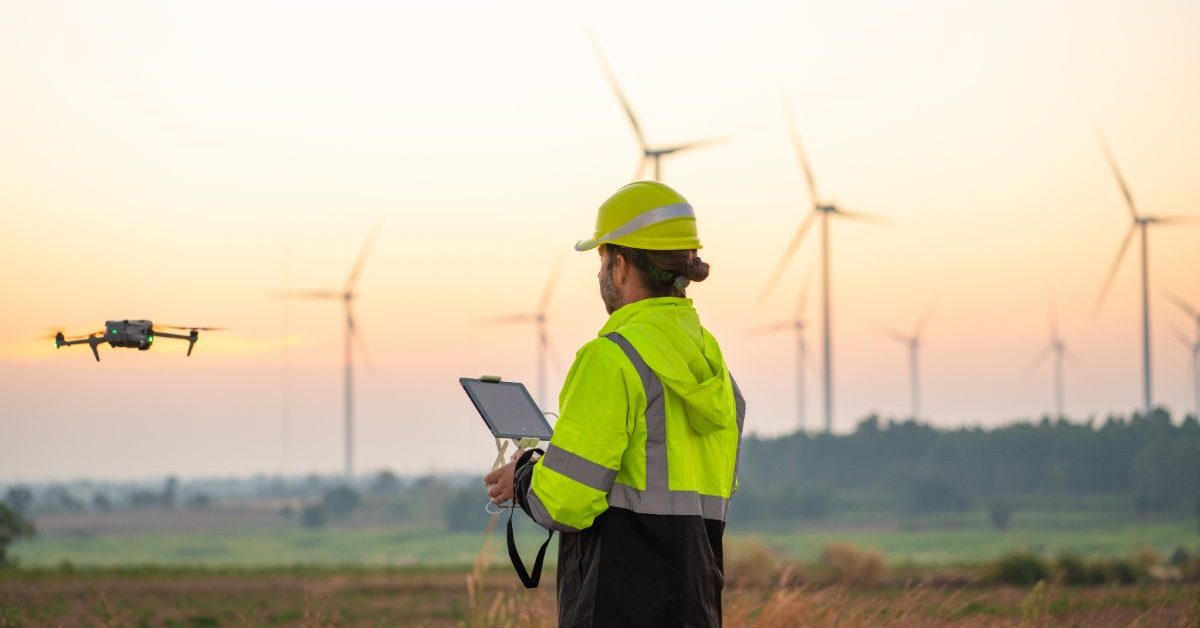
AirData UAV has achieved a notable milestone in the energy and utilities sector, with over 120 organizations globally now utilizing its drone fleet management platform. This development coincides with a rapid increase in drone adoption across critical infrastructure, as operators brace for a potential major regulatory shift in commercial drone operations, anticipated to be the most significant in a decade. The growing reliance on drone technology highlights its importance in enhancing operational efficiency and compliance within the industry.
News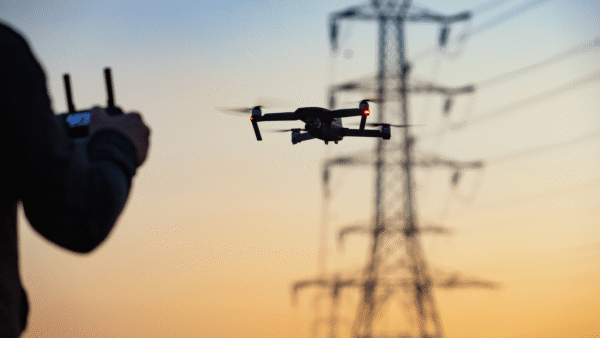
AirData Marks Energy and Utility Growth Milestone as BVLOS Rule Nears
AirData UAV, based in El Dorado Hills, California, has announced a significant milestone, surpassing 120 energy and utility customers globally. This achievement comes as the company prepares for the upcoming FAA Part 108 regulations, which are set to impact the drone industry. With over 63 million flights logged, AirData UAV is positioning itself as a leader in providing data solutions for these sectors. The expansion reflects the growing demand for drone technology in energy and utility operations, highlighting the company's commitment to innovation and compliance in a rapidly evolving regulatory landscape.
Drone News Drone News Feeds Energy infrastructure News utilitiesRobotics needs a service framework.
RSF defines a common language for robot service capability, lifecycle operations, certification pathways, and service-provider networks.