Industry Briefing
A single destination for timely, editor-curated robotics news from around the world.
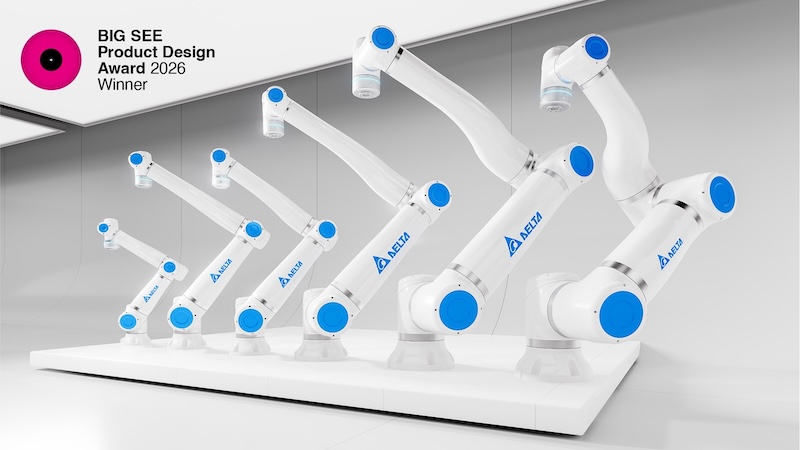
Delta Electronics' D-Bot Collaborative Robots Win BIG SEE Product Design Award 2026
Delta Electronics has received the prestigious BIG SEE Product Design Award 2026 for its Delta D-Bot series of collaborative robots. This award highlights exceptional achievements in product design and industrial innovation, showcasing Delta's commitment to sustainability and creativity in technology. The recognition is significant as it underscores Delta's strategy of investing over eight percent of its annual revenue in research and development, particularly in design and innovation. Michael Mayer-Rosa, senior director at Delta, emphasized that the award reflects the high standards of their team in merging industrial robotics with practical and efficient design, catering to diverse customer needs. Looking ahead, Delta's D-Bot series, launched in spring 2024, features six flexible models with advanced safety technologies and compatibility with various industrial protocols. No further timeline was disclosed at the time of publication.
Design Industrial robots autonomous mobile robots BIG SEE Product Design Award cobots collaborative robots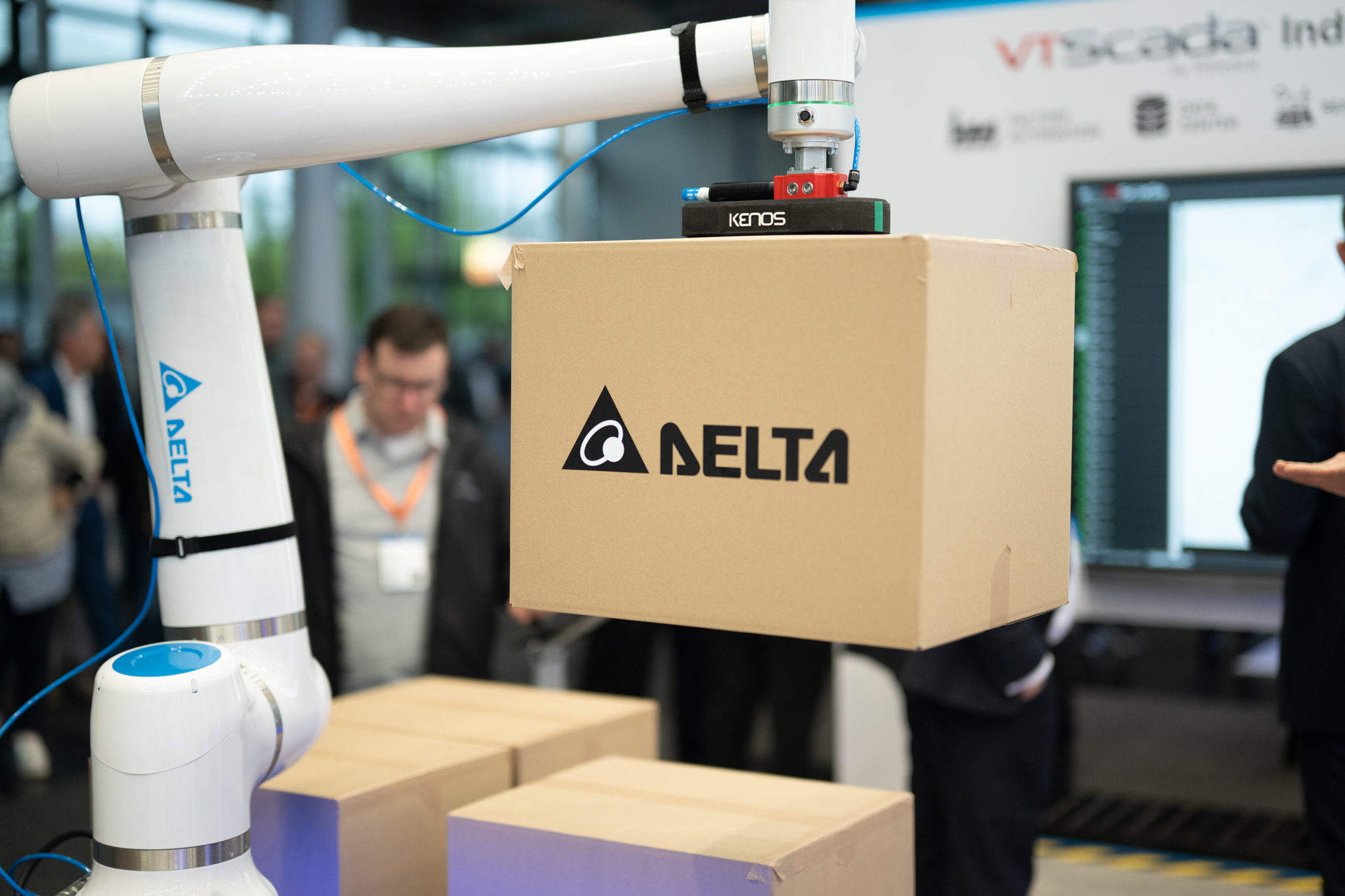
Delta expands ecosystem for collaborative robotics.
In a move to enhance its collaborative robotics ecosystem, Delta has announced three new partners just weeks after the Hannover Messe. This strategic expansion aims to foster continuous growth and innovation within the D-Bots framework. The partnerships are expected to leverage each company's strengths, contributing to the development of advanced robotic solutions and enhancing Delta's position in the market. The announcement underscores Delta's commitment to collaboration and technological advancement in the robotics sector.
Allgemein Cobots & MRK Newsarchiv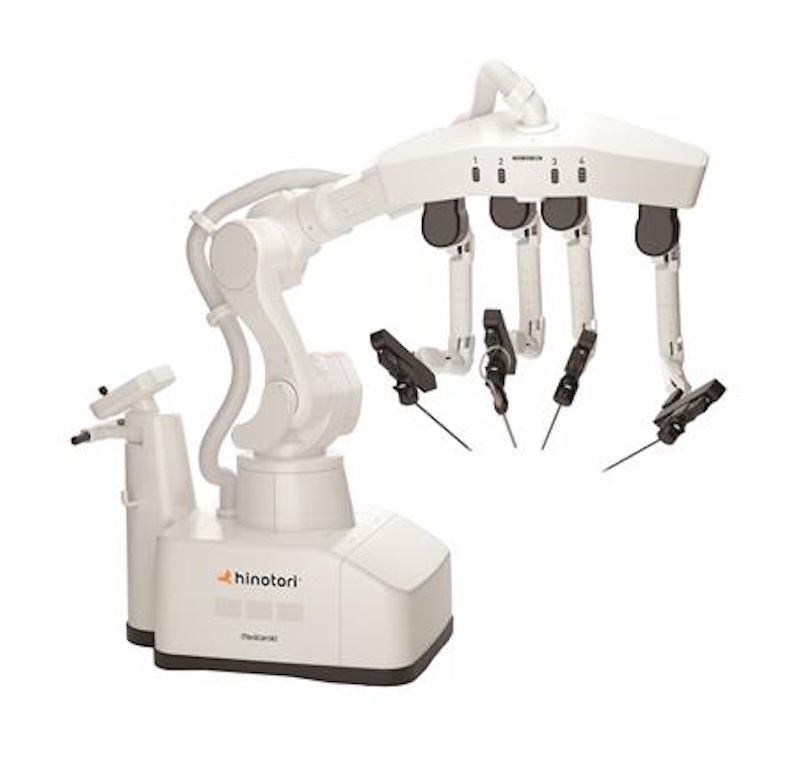
Medicaroid Achieves CE Marking for hinotori Surgical Robot System in Europe
Medicaroid has obtained CE marking for its hinotori Surgical Robot System under the EU's Medical Device Regulation, allowing it to market the system across EU member states and select non-EU countries. This approval is a crucial part of Medicaroid's strategy to expand internationally beyond Japan and the Asia-Pacific region. The hinotori Surgical Robot System was initially approved for manufacture and sale in Japan in 2020 and has since gained regulatory approvals in Singapore, Malaysia, and Vietnam. The recent CE marking enables Medicaroid to enter the European, Middle Eastern, and African markets, which is vital for the company's growth and the global adoption of medical robotics. Looking ahead, Medicaroid aims to leverage its new certification to enhance its presence in the EMEA region. The company established Medicaroid Europe GmbH in Germany in 2020 to facilitate its commercial operations. No further timeline was disclosed at the time of publication.
Health News automation CE marking europe healthcare robotics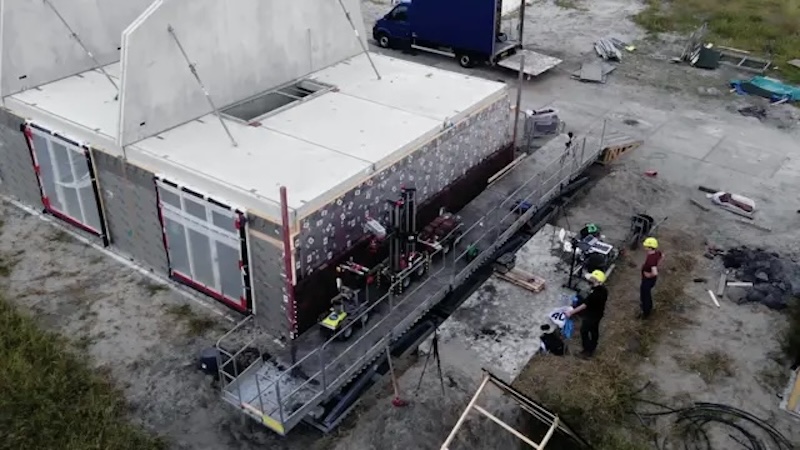
Monumental Secures $32 Million to Enhance Autonomous Construction Robot Deployment
Monumental, a tech company based in Amsterdam, has successfully raised $32 million in a Series B funding round led by Khosla Ventures, with participation from existing investors Plural and Hummingbird. This funding will enable Monumental to expand its team of engineers, increase the deployment of its autonomous construction robots across Europe and the UK, and facilitate its entry into the US market. The significance of this funding lies in addressing the labor shortage in the UK construction sector, where the Home Builders Federation estimates a need for 20,000 additional bricklayers to meet the government’s target of 1.5 million new homes. Monumental's fleet of over 150 robots is already operational as autonomous subcontractors, demonstrating the potential to alleviate this gap in labor and enhance construction efficiency. Looking ahead, Monumental aims to broaden the range of construction tasks its robots can perform while deepening its presence in the UK and expanding into the US. No further timeline was disclosed at the time of publication.
Construction News Technology AI in construction Atrium AI platform automation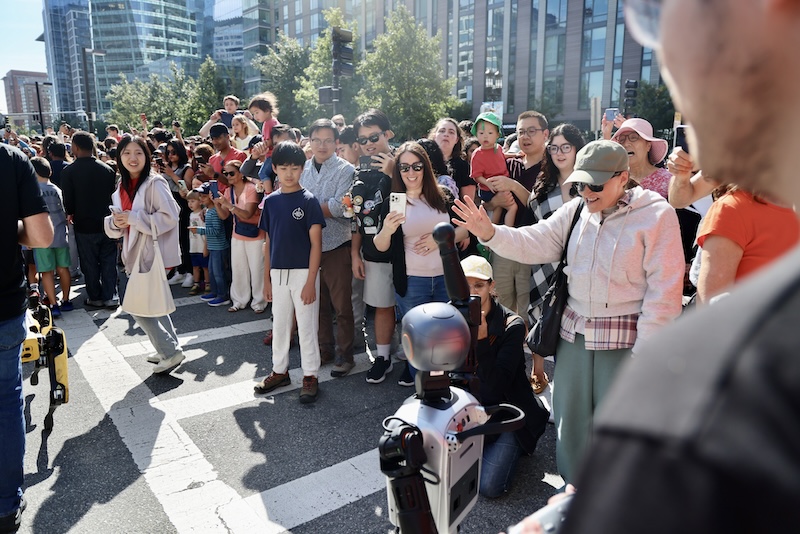
MassRobotics Launches Sponsorships for RoboBoston 2026 and AI Career Fair Announcement
MassRobotics has revealed plans for RoboBoston 2026, its ninth annual Robot Block Party, scheduled for September 26, alongside a Robotics & AI Technical Career Fair on September 25. The event will take place at Boston’s Seaport and is expected to host over 50 robotics companies, universities, and student teams, showcasing interactive exhibits and demonstrations. The significance of RoboBoston lies in its role in highlighting the region’s robotics ecosystem, uniting industry, academia, and students. Attendees will experience a variety of activities, including a Sidewalk Robot Parade and a ribbon-cutting ceremony, while exhibitors will present new technologies and research projects. MassRobotics has opened sponsorship opportunities, inviting organizations to support the event and promote STEM education and robotics innovation. Looking ahead, the Robotics & AI Technical Career Fair on September 25 aims to connect employers with technical talent in the robotics and AI sectors. Previous events have drawn over 800 job seekers, making it a valuable opportunity for both companies and candidates. No further timeline was disclosed at the time of publication.
Business Features ai careers artificial intelligence automation boston
Robbyant Launches Upgraded LingBot-VLA 2.0 AI Model for Advanced Robotics
Robbyant, a company specializing in embodied AI under Ant Group, has unveiled the upgraded LingBot-VLA 2.0 model. This next-generation vision-language-action model enhances morphological generalization, degrees of freedom support, and deployment efficiency, addressing a critical gap in the embodied AI industry. The significance of LingBot-VLA 2.0 lies in its extensive pre-training on 60,000 hours of real-world data, which includes interactions from 20 different robot morphologies. This upgrade allows for improved whole-body control and dual-arm manipulation, achieving leading scores on benchmarks, thus demonstrating its effectiveness in industrial-scale deployment. Looking ahead, the introduction of a version optimized for efficient post-training and a threefold increase in inference efficiency positions LingBot-VLA 2.0 as a strong contender for real-time commercial applications. No further timeline was disclosed at the time of publication.
Computing Robot simulation artificial intelligence dual-arm robots embodied ai humanoid robots
Noetra Initiates Development of Japan's Multimodal AI Foundation Model for Robotics
Noetra, in collaboration with key partners including Sony, SoftBank, NEC, and Honda Motor, has launched extensive R&D for a multimodal foundation model aimed at enhancing AI-enabled robotics in Japan. This initiative is part of a broader effort to develop sovereign AI technologies within the country, supported by investments from 44 companies across various sectors, primarily manufacturing. The significance of this development lies in its potential to position Japan as a leader in physical AI. By creating a robust multimodal foundation model, Noetra aims to improve industrial competitiveness and address societal challenges through advanced AI capabilities, including natural language processing and multimodal data understanding. Looking ahead, Noetra plans to construct AI computing infrastructure with Nvidia's advanced GPUs, with operations expected to commence in June 2028. The phased development will culminate in a comprehensive omni-modal foundation model by fiscal 2028, ultimately striving for a “Real-world Native AI” by fiscal 2030, which will be capable of understanding physical properties in real-world applications.
Artificial Intelligence News Robot simulation ai agents AI infrastructure artificial intelligence
Highline Commerce Expands in Industry City, Utilizing Ultra Robotics for E-commerce Fulfillment
Highline Commerce, a third-party logistics provider, has expanded its operations to 60,000 square feet in Industry City, Brooklyn. This growth allows the company to fulfill up to 30 percent of its clients' orders using humanoid robots from Ultra Robotics, another tenant in the area. With e-commerce booming in New York City, Highline Commerce supports over 200 brands by providing essential distribution services. The significance of this expansion lies in the strategic positioning of Industry City as a hub for logistics and retail technology. New York has become a critical location for moving retail goods, with Amazon operating over 40 facilities in the region. Highline Commerce's growth reflects a shift in the narrative of New York as a manufacturing and fulfillment center, moving beyond its historical role as merely a sales market. Looking ahead, Highline Commerce's innovative use of humanoid robots in its fulfillment process marks a notable trend in the logistics sector. As the company continues to scale, it will be important to monitor how this integration of robotics influences efficiency and competitiveness in the rapidly evolving e-commerce landscape. No further timeline was disclosed at the time of publication.
Business Industry 3pl automation Brooklyn e-commerce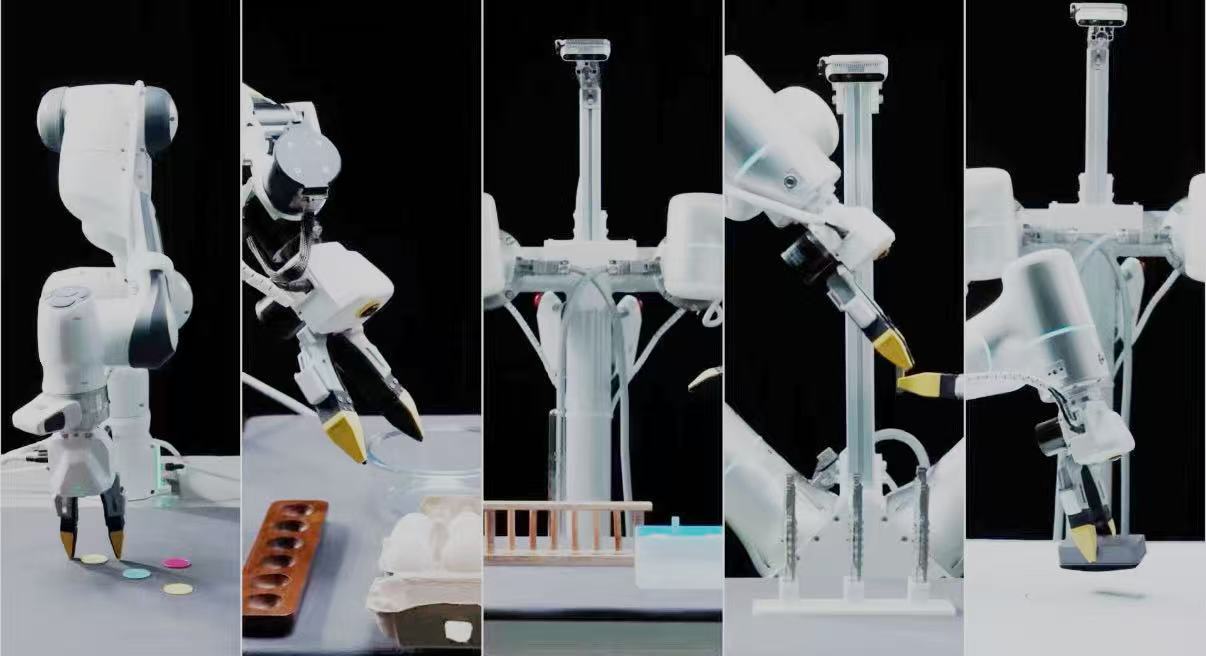
Qianjue Robotics Launches X-TouchMind V1 and TacVerse 1k for Enhanced Robot Interaction
On July 16, Qianjue Robotics unveiled its first embodied tactile model, X-TouchMind V1, alongside the TacVerse 1k multimodal dataset. This development addresses the limitations of traditional visual models in robotic operations, particularly in precision assembly and handling delicate objects, where failures often occur after contact. The new model integrates visual, linguistic, tactile, and robotic state data to enhance physical interaction capabilities. The significance of this release lies in Qianjue's comprehensive approach, which encompasses tactile perception hardware, self-developed multimodal data collection devices, and the new tactile model. Unlike previous attempts that merely supplemented tactile signals to visual data, the VTLA embodied tactile model establishes a closed-loop system that fundamentally redefines the perception boundaries of robotic models. This innovation allows robots to understand and respond to physical interactions more effectively. Looking ahead, Qianjue Robotics will demonstrate the capabilities of the VTLA model at the WAIC 2026 exhibition, showcasing real-world applications such as autonomous box stacking and precise assembly of headphones. The focus will be on how the model can dynamically adjust actions based on tactile feedback, marking a significant advancement in robotic interaction technology. No further timeline was disclosed at the time of publication.
Tactile Intelligence Robotic Interaction Precision Assembly Multimodal Data AI Robotics
BYD Advances Humanoid Robot Production, Targeting 40 Million Vehicle Market
At the 2025 Shanghai Auto Show, BYD showcased its humanoid robot, marking a significant step in its production phase. This move signals BYD's ambition to enter a new trillion-yuan market, leveraging its extensive dealership network for customer service roles. The strategy is noteworthy as it reflects BYD's ability to integrate manufacturing capabilities across various sectors, including electric vehicles and robotics. With over 4,000 sales outlets, the company aims to replace rising labor costs with humanoid robots, enhancing customer engagement while controlling operational expenses. Looking ahead, BYD's humanoid robots will compete directly with Tesla's Optimus, highlighting two distinct approaches to robotics development. As competition intensifies, particularly with the entry of Hyundai's Kia brand, the landscape of global manufacturing and robotics is set for significant transformation in the coming years.
Humanoid Robots Automotive Technology Manufacturing Innovation AI Integration
Mercedes 4S Dealerships Partner with UBTECH to Sell Humanoid Robots in China
Mercedes-Benz's core dealer, Bosh Group, has announced a partnership with UBTECH to become the first official 4S store for humanoid robots in the Beijing-Tianjin-Hebei region. This strategic move targets high-net-worth consumers who are more receptive to new technologies, leveraging the dealership's established trust and experience. The significance of this partnership lies in the unique advantages of 4S dealerships, including access to affluent customers, interactive display spaces, and existing trust relationships. The humanoid robot, priced at 990,000 yuan, is aimed at ultra-high-net-worth families, making the dealership an ideal retail channel for such products. The introduction of robots into 4S stores marks a fundamental shift in how robots are perceived and sold, moving from technology showcases to commercial products. This trend is expected to become standard in luxury brand dealerships within three to five years, as competitors are likely to follow once the model proves successful.
Humanoid Robots Luxury Retail Robotics Commercialization High-Net-Worth Consumers
Humanoid Robots Poised to Revolutionize Service Sector, Not Manufacturing Lines
The humanoid robot industry is shifting focus towards service applications by 2026, as evidenced by Robot.com's R-noid robot, which can be deployed in just 8 to 12 weeks. This rapid deployment is particularly suited for commercial kitchens, warehousing logistics, and chain hotels, rather than traditional manufacturing environments. This shift is crucial due to the high turnover rates in the service industry, with the restaurant sector experiencing over 300% annual turnover and hotel housekeeping positions facing similar challenges. Traditional industrial robots cannot address these issues, as they require extensive planning and facility modifications, which are not feasible for service businesses. The R-noid robot's ability to integrate into existing workflows without requiring renovations makes it an attractive solution for service operators. As deployment times decrease, the return on investment for businesses facing high turnover becomes more appealing, making humanoid robots a viable option for addressing the pressing needs of the service industry.
Humanoid Robots Service Automation Restaurant Technology Warehouse Logistics
Chinese Humanoid Robots Experience Over 400% Growth in European Market by Mid-2026
The Chinese humanoid robot industry is rapidly reshaping the competitive landscape in Europe, with shipments to the region projected to grow over 400% year-on-year by mid-2026. This surge has positioned Europe as the largest overseas market for Chinese humanoid robots, surpassing North America. This growth is significant as it highlights the systemic advantages Chinese companies have in hardware cost control, mass production capabilities, and product iteration speed. European humanoid robot firms face challenges such as long R&D cycles and high production costs, with prices often exceeding $200,000 per unit. In contrast, Chinese companies leverage a complete supply chain ecosystem to offer similar products at one-third the price or lower, maintaining performance without compromise. The acceptance of Chinese humanoid robots in Europe is expected to continue growing, driven by labor shortages and rising employment costs in the region. Several European automotive and electronics firms are already testing Chinese humanoid robots on production lines, aiming to automate high-risk and repetitive tasks within three years. No further timeline was disclosed at the time of publication.
Humanoid Robots Automation Manufacturing Robotics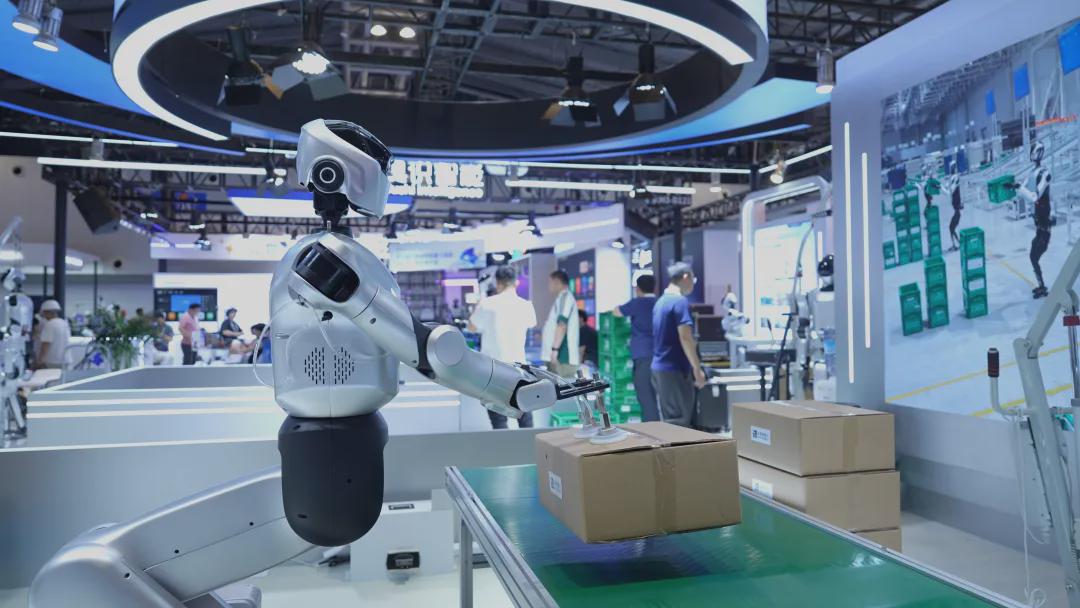
China's Collaborative Efforts in Advancing Embodied Intelligence for Robotics
The development of embodied intelligence is shifting from creating individual robots to establishing collaborative ecosystems. At this year's WAIC, the industry is exploring whether new models and skills can be rapidly integrated into robots for practical applications. A partnership between Leju and Ant Group's Lingbo has led to the release of logistics sorting results, emphasizing the importance of industry collaboration in scaling humanoid robotics. Leju believes that the growth of the humanoid robot industry relies on collective efforts rather than individual companies. The collaboration features Lingbo's general embodied base model, LingBot-VLA, while Leju focuses on post-training and motion control. This partnership has created a comprehensive technological chain that connects models, data, and computational power, marking a significant step in the industry. As embodied intelligence enters a critical phase, the ability to effectively translate models into real-world applications becomes paramount. Leju's advancements in post-training capabilities and the OpenLET community's support for developers are crucial for accelerating the deployment of new skills in various industries. No further timeline was disclosed at the time of publication.
Embodied Intelligence Robotics Logistics Automation AI Development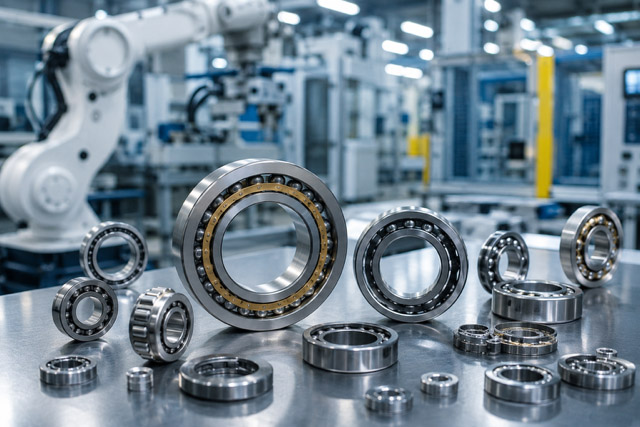
Will Component Suppliers Be the True Winners in Robotics Industry?
As attention focuses on companies like Tesla and Agility Robotics, a crucial battle is unfolding in the robotics sector: the competition for components. This less visible yet significant struggle highlights that the ultimate beneficiaries may not only be the manufacturers of final products but also the suppliers of essential technologies that power robots across various designs and applications. Morgan Stanley emphasizes this perspective, suggesting that the companies providing critical components for robots will play a pivotal role in the industry's future. Historical economic trends indicate that technological revolutions often favor infrastructure suppliers, as seen during the gold rush and the rise of AI, where companies like NVIDIA and TSMC emerged as key players. Among the vital components, precision bearings are particularly important, as they are necessary for every joint, motor, and rotating mechanism in robots. Advanced humanoid robots can incorporate over 70 bearings, which are essential for ensuring precision, durability, and reduced friction in their movements. No further timeline was disclosed at the time of publication.
À la une IA Industrie Robotique actionneurs robotiques caméras industrielles
AI Agent Autonomy's Impact on Robotics Safety and Control Mechanisms
Robotic systems are increasingly capable of perceiving, choosing, and altering their behavior autonomously, without human intervention. This shift towards autonomy enhances adaptability in various environments such as warehouses and labs, but it also raises significant concerns regarding safety and control. Traditional safety measures, including physical barriers and emergency buttons, may no longer suffice as robots undertake more complex tasks. The implications of this autonomy are profound, as organizations must now assess the quality of decisions made by autonomous systems, the reliability of their software, and the protocols for monitoring their actions. Unlike conventional robots that follow fixed commands, autonomous robots can evaluate multiple scenarios and make decisions based on real-time conditions, which complicates safety protocols. Ensuring that these systems operate safely requires a reevaluation of existing safety standards that focus on speed and force. Looking ahead, it is crucial for operators to have adequate information to respond effectively to unexpected robot behavior. Autonomous robots utilize various sensors to interpret their environment, but factors like dust and poor lighting can affect input quality. Organizations should prioritize the definition and testing of triggers for human intervention to maintain a balance between autonomy and safety. No further timeline was disclosed at the time of publication.
AI agents Infrastructure AI agent autonomy ai agents ai safety automation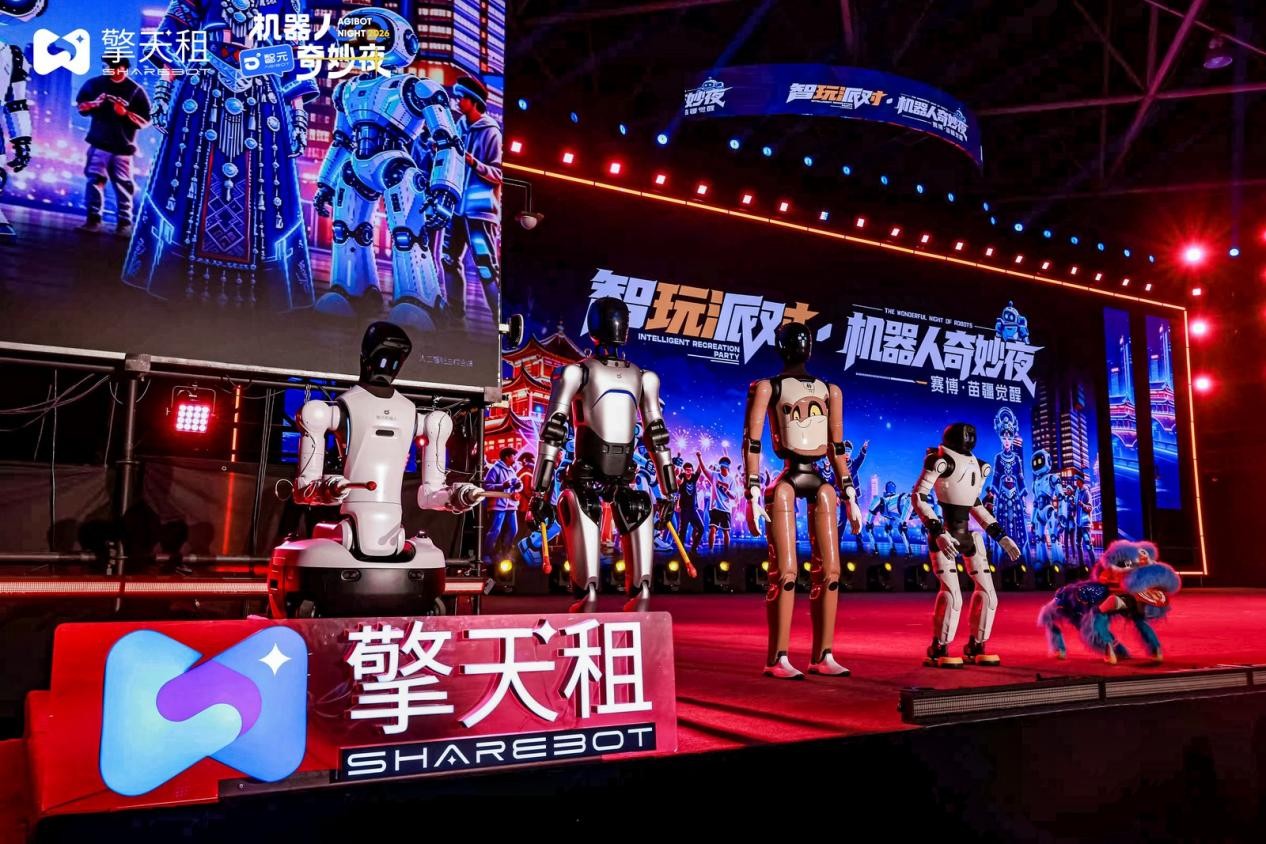
Robot Night Spectacle Debuts in Guiyang: A Revolutionary 'RaaS + Cultural Tourism' Model
The world's first 'Robot Night Spectacle' RaaS product, created by Qingtian Rental, made its stunning debut at the Guiyang International Exhibition Center. This groundbreaking event featured over a hundred robots and was co-hosted by Shenzhen Yancheng and Lingji Yidong, showcasing a diverse range of performances including dance, martial arts, and fashion shows. This event is significant as it marks a milestone in the RaaS industry, transforming the perception of robots from isolated appearances in commercial areas to a large-scale, cohesive performance. The 'Robot Night Spectacle' achieved several breakthroughs, including being the first large-scale RaaS cultural tourism product and demonstrating advanced robot group control technology in a commercial performance setting. Looking ahead, the project will run for 37 consecutive days starting July 11 in Guiyang, representing a major commercial deployment of Qingtian Rental's RaaS products. This initiative not only validates the efficiency of large-scale robot control but also aims to replicate the success of the 'Robot Night Spectacle' across China, enhancing the integration of AI and intelligent experiences in traditional cultural tourism.
Robot as a Service Cultural Tourism Robotics Technology Interactive Experiences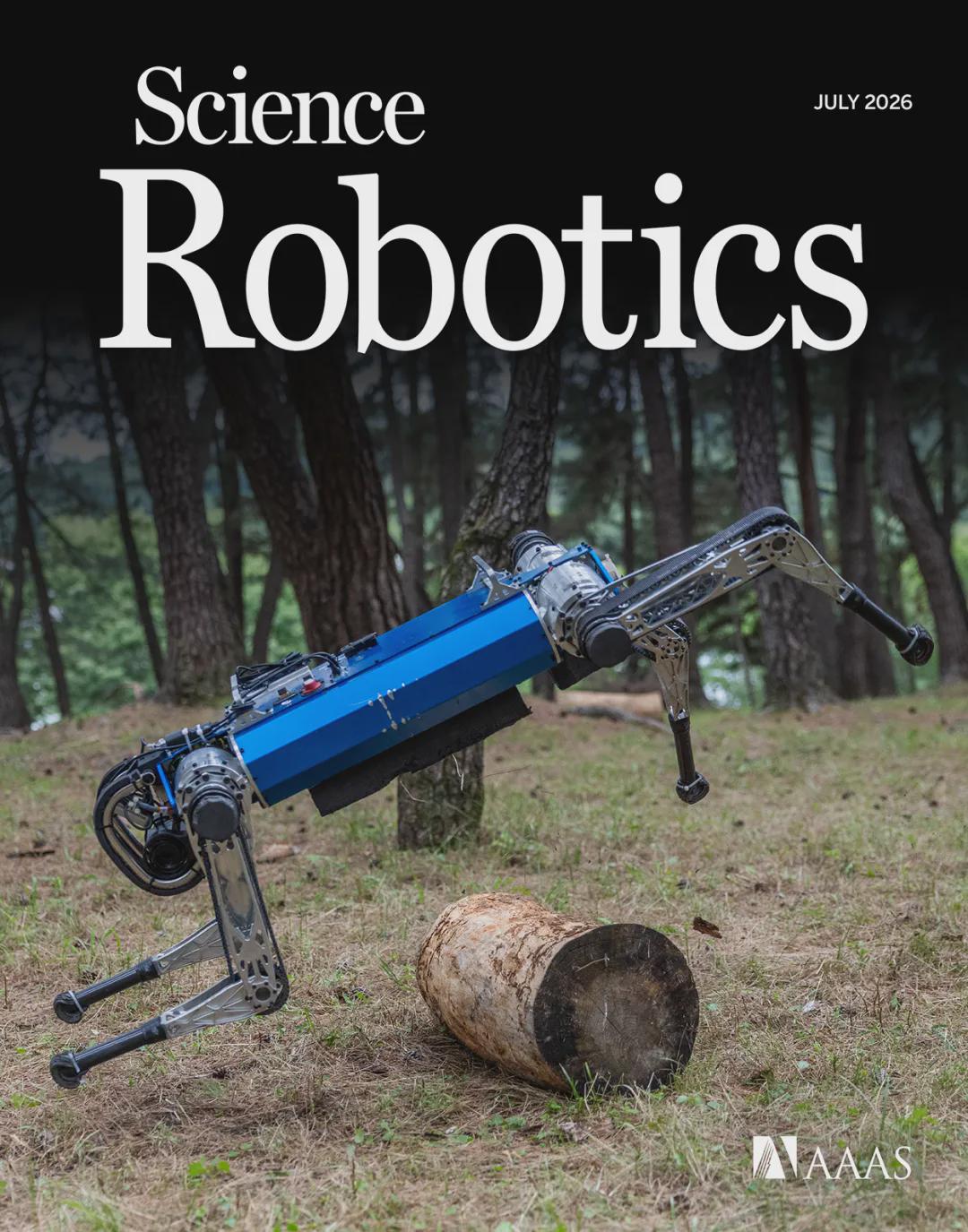
KAIST's HOUND Robot Reaches 6m/s Speed Using 2D Data for Advanced Parkour Skills
KAIST and Korea University researchers have developed the KAIST HOUND robot, achieving a peak speed of 6m/s while autonomously navigating complex terrains. This advancement showcases the robot's ability to seamlessly switch gaits, such as trotting and bounding, based on environmental conditions without external support. The significance of this achievement lies in the innovative APT-RL framework, which utilizes a simplified 2D dynamics model to generate extensive motion data. This approach allows the robot to learn and adapt its movements in real-world 3D environments, overcoming traditional limitations of motion capture and reinforcement learning strategies. Looking ahead, the research team has demonstrated the robot's capability to handle various scenarios, including jumping and maintaining balance under challenging conditions. Future developments may focus on enhancing the perception system to support high-speed operations, as the current sensing technology has limitations in effective range.
Quadrupedal Robots Robotics Research Reinforcement Learning AI Autonomous Systems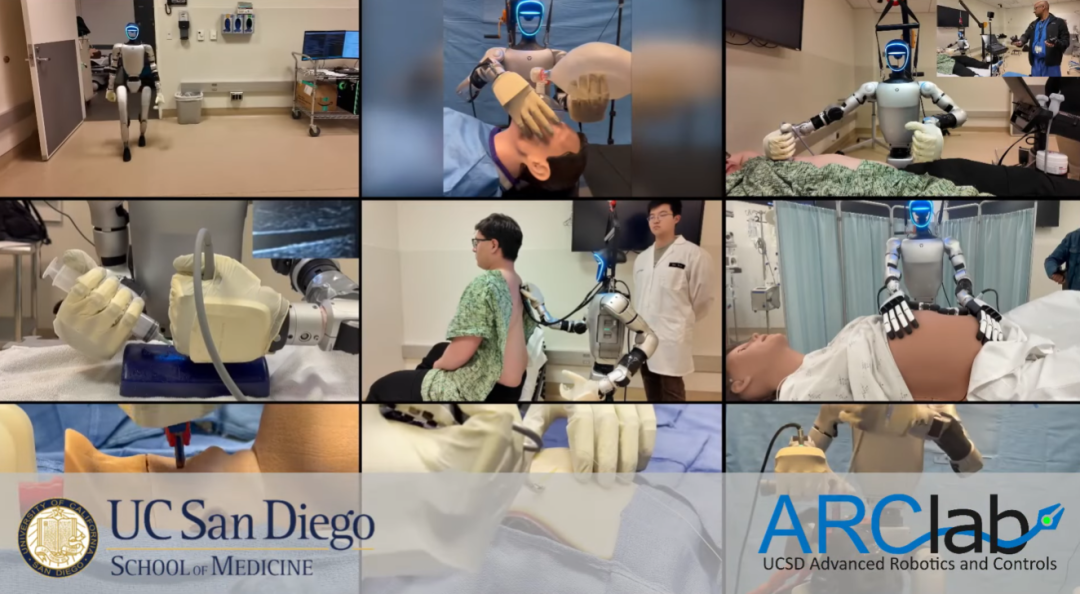
Humanoid Robots Excel in Medical Procedures Ahead of Nature Publication
A humanoid robot developed by the Advanced Robotics and Controls Lab at UC San Diego has successfully performed various medical procedures, including the first-ever live minimally invasive surgery, as reported in Nature. This robot, named Yush, demonstrated capabilities in physical examinations, emergency interventions, and fine-needle surgeries, showcasing its potential in clinical settings. The significance of this development lies in the robot's ability to replicate core human medical operations, which could revolutionize healthcare delivery. The lab's focus on humanoid robots aims to create systems that can autonomously operate in hospital environments, utilizing multi-fingered and multi-armed tools to perform a wide range of tasks without the need for specialized equipment. Looking ahead, the lab is exploring the challenges of maintaining stability while the humanoid robot is in motion, which is crucial for its effectiveness in real-world medical scenarios. The ongoing research indicates that humanoid robots could eventually handle nearly all medical tasks independently, enhancing operational efficiency in healthcare facilities. No further timeline was disclosed at the time of publication.
Humanoid Robots Surgical Robotics Medical Automation AI in Healthcare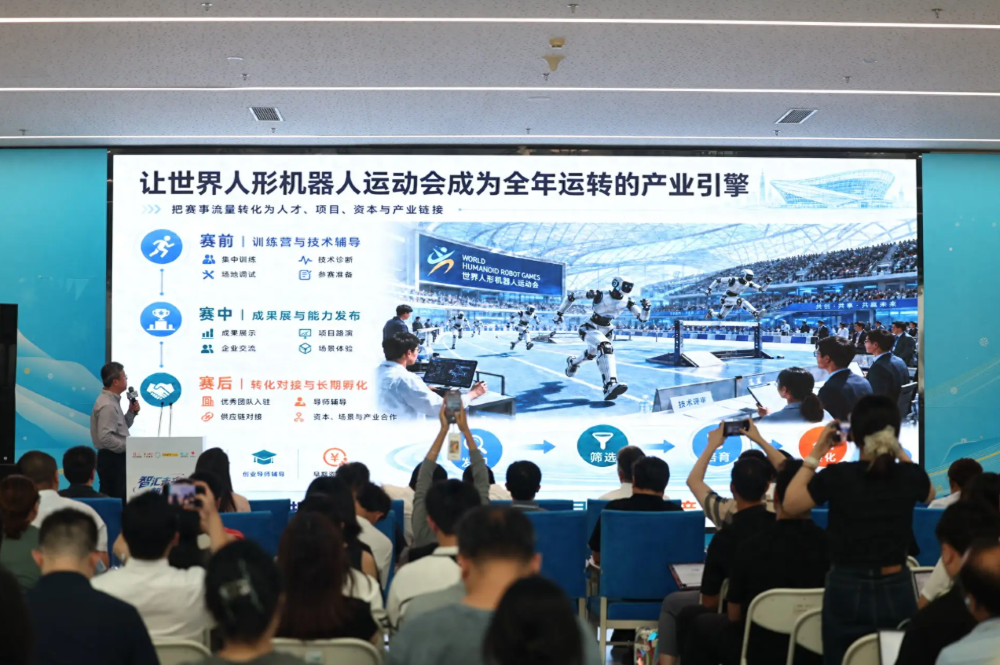
Beijing Launches 2,000 Square Meter Hub for Humanoid Robot Training at Ice Ribbon
On July 16, Beijing officially opened the Humanoid Robot Training Base at the Ice Ribbon, a 2,000 square meter innovation workshop. This facility will serve as a core venue for the upcoming second World Humanoid Robot Games in August. It was co-established by several organizations, including the Chaoyang Park Management Committee and Beijing Olympic Group, featuring research labs and testing areas. The establishment of this workshop is significant as it aligns with Chaoyang District's three-year action plan for the robotics industry, which has seen over 100 humanoid robot companies emerge in the area. The workshop aims to facilitate technology transfer and support the development of public service platforms for financing and research collaboration, enhancing the local robotics ecosystem. Looking ahead, the Olympic Village Street will actively participate in the workshop's development, providing real-world urban governance scenarios for companies. With the introduction of new application scenarios in various sectors, including environmental monitoring and elder care, the Ice Ribbon is evolving from an Olympic landmark into a major incubator for embodied intelligence in Beijing. No further timeline was disclosed at the time of publication.
Humanoid Robots Robot Training Innovation Workshop AI Technology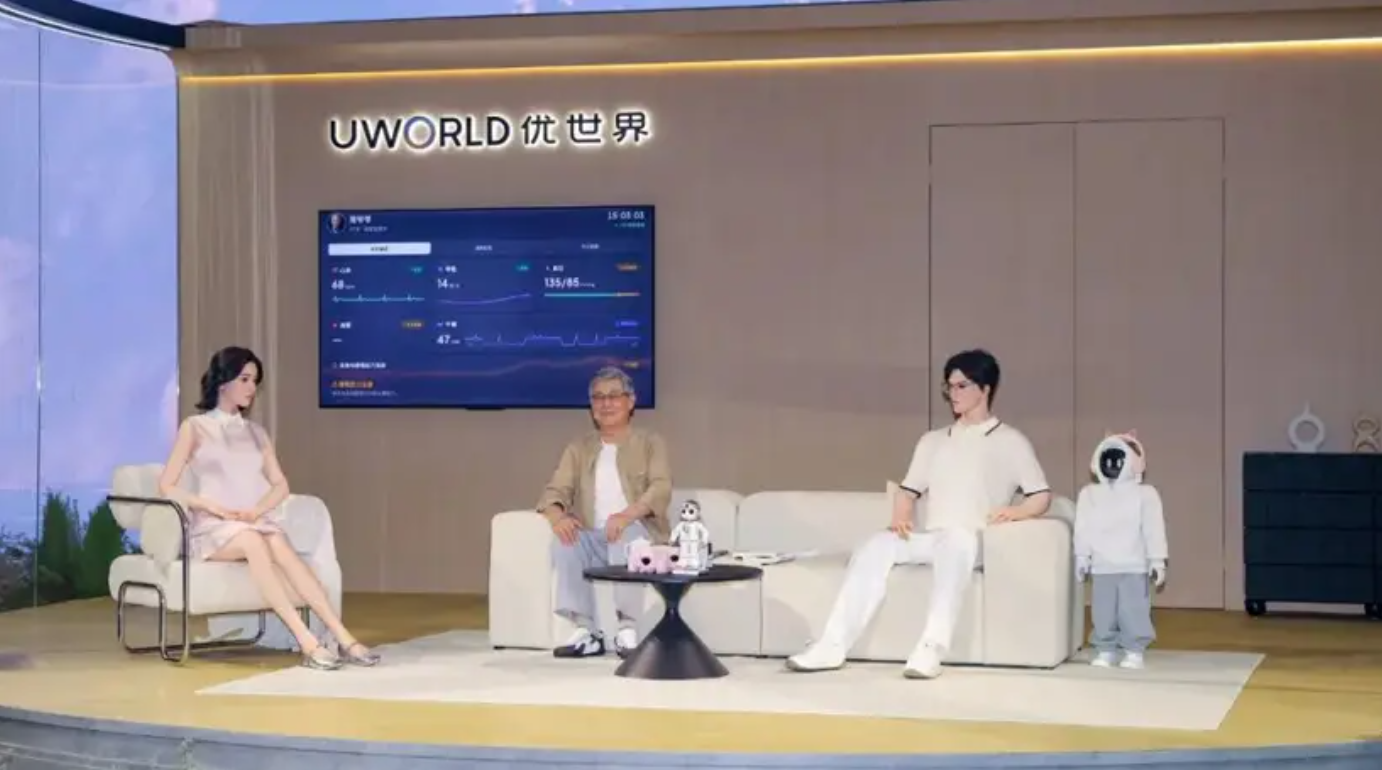
Mercedes-Benz Dealerships Launch Sales of Humanoid Robots in Strategic Partnership
Mercedes-Benz dealerships have begun selling humanoid robots, specifically the U1 model from UBTECH, through a partnership with the Bosh Group. This initiative allows customers in the Beijing, Tianjin, and Hebei regions to experience and purchase these advanced robots, which can engage with customers and enhance the car-buying experience. The collaboration aims to create a complete industrial ecosystem that includes technology research and development, channel operations, and after-sales service. The Bosh Group previously launched a robot experience store called 'Mechanical Eden,' which has reportedly increased foot traffic and customer engagement at Mercedes-Benz locations. Moving forward, the U1 humanoid robots will be gradually introduced into various Bosh Group dealerships, enhancing high-end automotive services and offering retail and rental options to affluent customers. This initiative marks a significant step towards the commercialization of humanoid robots, potentially setting a new standard in the industry.
Humanoid Robots Automotive Technology Retail Innovation AI Customer Experience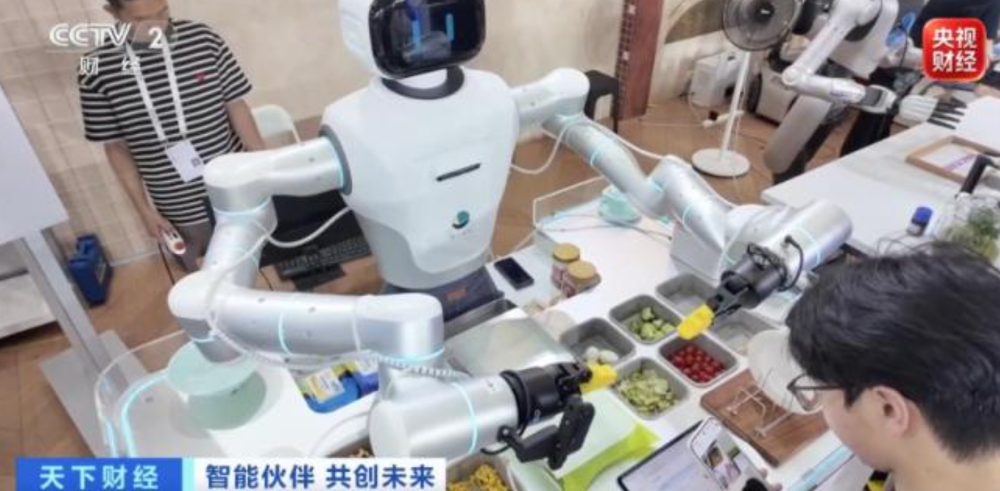
60 Humanoid Robots Transition from Exhibits to Colleagues at WAIC 2026
At the WAIC 2026, an immersive exhibition area titled 'The Era of Modeling: City of Partners' showcased over 20 robots performing various roles in manufacturing, daily life, and entertainment. Additionally, approximately 60 humanoid robots were deployed not as exhibits but as active participants in public service tasks, marking the first large-scale deployment of full-sized humanoid robots at such an event. This transition from being mere exhibits to functioning colleagues highlights the rapid advancements in contextual large models, which integrate multimodal information such as sound, visuals, and environment, significantly enhancing the interaction capabilities of robots. For instance, the tea-serving robot from Zhiyuan Innovation can perform a complete tea service task in six minutes, showcasing its refined operational capabilities. The WAIC 2026 featured an exhibition space exceeding 100,000 square meters, with 1,100 companies participating and over 3,000 exhibits, including more than 300 global product launches. The event signifies a shift in focus from showcasing AI as a technological spectacle to recognizing its role as a productive force in the real world, as noted by a visiting journalist who observed this change in emphasis from last year’s event.
Humanoid Robots AI Public Service Robotics Exhibitions Automation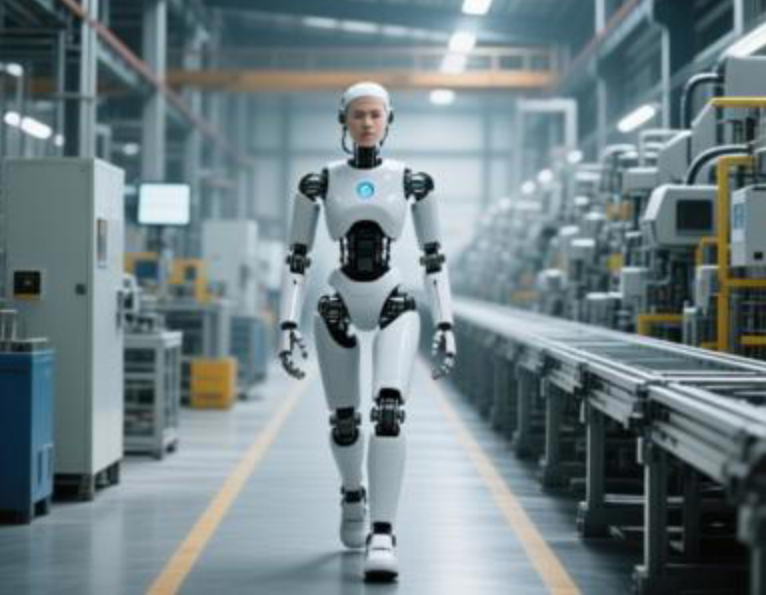
Robotic Hands Prices Plummet from 100,000 to 10,000 Yuan, Humanoid Robots Enter Homes
In a robotics lab in Shenzhen, engineer Huang Junlin is training a six-degree-of-freedom robotic hand for home use. Unlike industrial applications, home scenarios demand higher standards for weight, cost, and usability, prompting a significant reduction in humanoid robot costs. The robotic hand, a crucial and complex component, previously priced at 100,000 Yuan, now costs around 10,000 Yuan due to advancements in supply chain maturity and technology breakthroughs. The reduction in price is pivotal as it opens the door for consumer-grade humanoid robots, with the global market projected to exceed 20 billion Yuan by 2026. In 2025, the market is expected to reach 17 billion Yuan, with a shipment volume of approximately 18,000 units, marking a year-on-year growth of over 500%. China's share is anticipated to surpass 50%, with shipments expected to rise to 62,500 units by 2026, indicating a robust demand for humanoid robots. The surge in consumer humanoid robots is catalyzing the formation of a new supply chain ecosystem, including advancements in bionic skin, tactile sensors, and flexible materials. A new materials company in Jiaxing has developed third-generation electronic skin capable of multimodal perception and real-time feedback. As robotic hands become more affordable and tactile sensing technology advances, the integration of humanoid robots into homes may occur sooner than anticipated, marking the beginning of a revolution in robotics.
Humanoid Robots Robotic Hands AI Technology Consumer Robotics
Digua Robot CEO Highlights Lack of Industry Standards for Chip Computing Power
During a media briefing on July 15, Digua Robot's CEO, Wang Cong, stated that there are currently no industry standards for the computing power required for embodied intelligence chips. He emphasized the uncertainty surrounding chip performance, data standards, algorithms, and practical applications in the sector. Wang noted that Digua Robot is among the few companies already delivering products, having partnered with over 20 leading clients, including companies like Shizhi Navigation and UBTECH. Their Sun S600 chip is set to be deployed in various scenarios, including humanoid robots and industrial applications, with significant progress reported in the past six months. Looking ahead, Wang believes that the industry is not yet in a phase of intense competition, as many players have yet to produce viable products. He highlighted the importance of refining product quality and responding to customer needs, while also addressing the challenges of cost-effectiveness and system integration in deployment processes. No further timeline was disclosed at the time of publication.
Embodied Intelligence Chip Technology Robot Partnerships Industrial Automation
Japan Allocates $2.4 Billion for 27,500 NVIDIA Rubin Chips to Establish National Robotics Initiative
On July 16, the Japanese government announced a plan to purchase 27,500 next-generation Rubin architecture AI chips from NVIDIA, totaling approximately $2.4 billion. This initiative aims to build a national AI data center and develop domestic robotics foundational models, marking one of the largest national GPU procurements globally. The project is coordinated by Noetra Corp., a policy-driven AI company set to launch in January 2026, with participation from major Japanese firms like Sony, SoftBank, NEC, and Honda. The Rubin chips will be deployed in a large data center in Sakai City, Osaka, with operations expected to begin in June 2028. Noetra aims to release its first general AI model by March 2027, followed by specialized AI models for robotics applications. Japan's investment reflects its response to ongoing demographic challenges and labor shortages. NVIDIA's CEO emphasized the potential for automation and AI to revitalize the economy. The Japanese government has set a goal to capture over 30% of the global robotics market by 2040, with the Rubin order being part of a broader strategy to reduce reliance on foreign technology and enhance national security.
AI Chips Robotics National AI Strategy Data Centers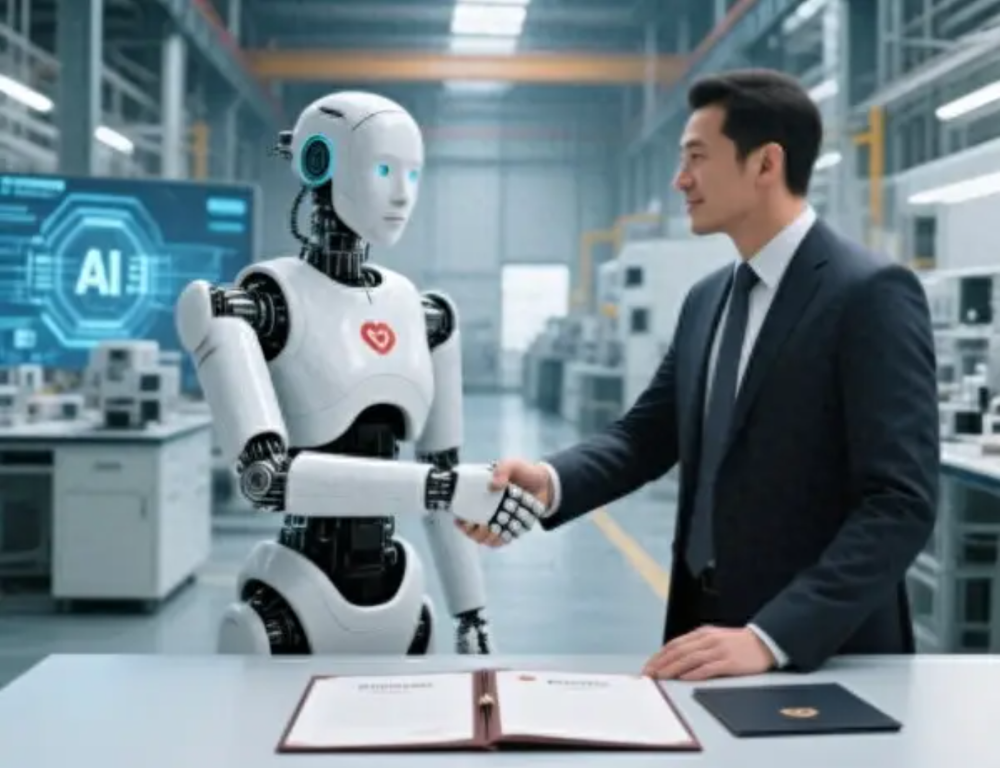
Tuobang Collaborates with Over Ten Humanoid Robot Firms to Expand from Motors to Complete Hands
On July 16, Tuobang Co., Ltd. (002139.SZ) revealed its latest developments in the robotics sector, announcing partnerships with over ten domestic humanoid robot companies. The company aims to supply hollow cup motors and actuator modules to manufacturers of complete humanoid robots and dexterous hands. Tuobang has been focusing on hollow cup motors since 2007, which are essential components for dexterous hands, and anticipates mass production deliveries by 2026. The company is also extending its offerings from single motors to integrated actuator modules that include components like reducers and lead screws, providing clients with higher integration solutions. Furthermore, Tuobang is developing its own dexterous hand products, currently in the internal technology validation phase, with initial testing on its smart manufacturing production line. Looking ahead, Tuobang expects to see improved growth in its industrial automation business by 2026, driven by increased demand for high-end equipment due to AI infrastructure development. The company has identified autonomous smart products as a second growth curve, targeting significant revenue growth in core markets by 2026. No further timeline was disclosed at the time of publication.
Humanoid Robots Robotics Components AI Infrastructure Industrial Automation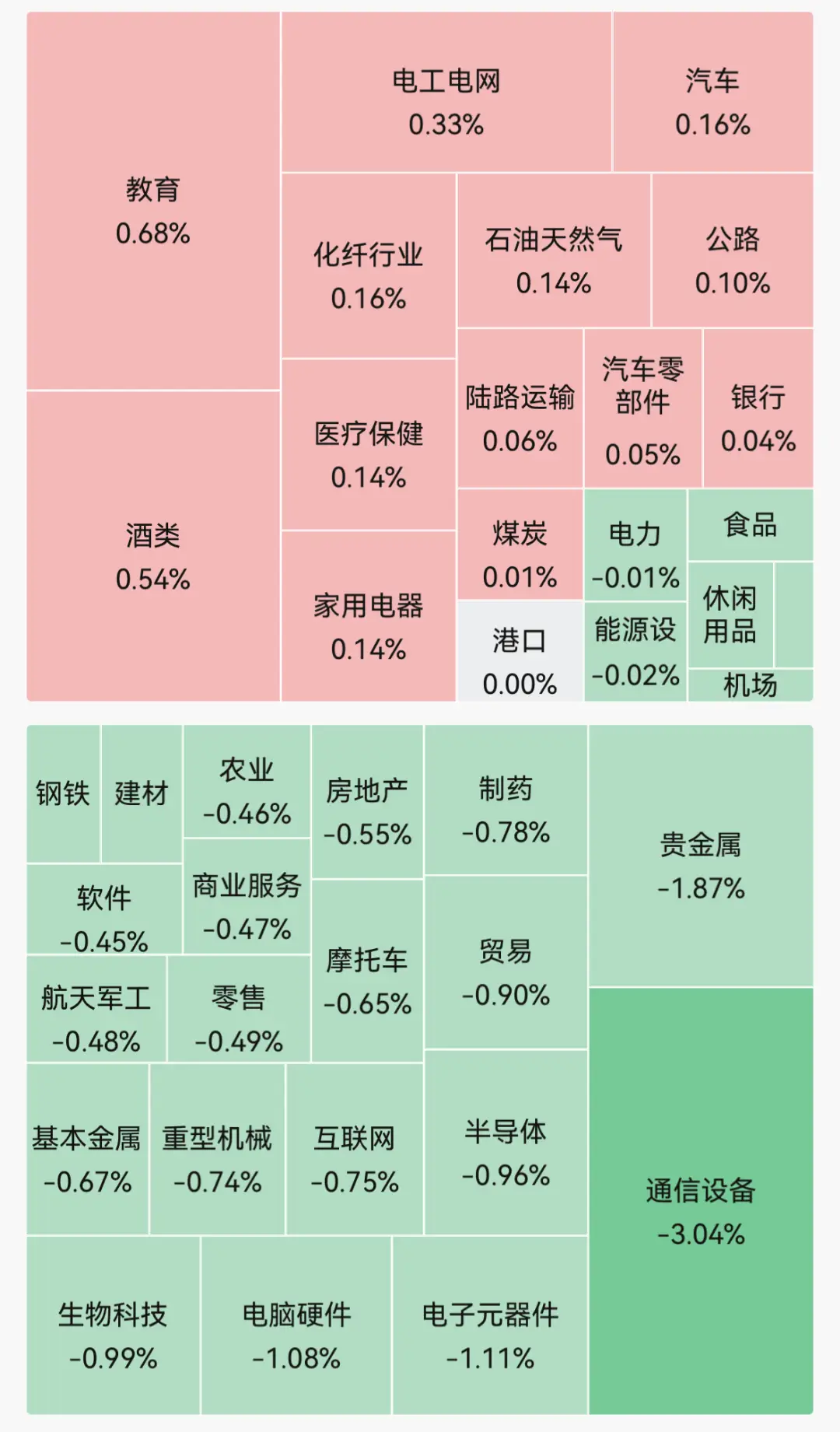
Robotics Sector Shines as A-Shares Open Lower with Over 3100 Stocks Declining
On July 17, A-shares opened lower with the Shanghai Composite Index down by 0.44% and over 3100 stocks declining. Despite the market drop, the robotics sector emerged as a bright spot, particularly during the ongoing 2026 World Artificial Intelligence Conference (WAIC) in Shanghai, where 60 full-sized humanoid robots are performing public service tasks. This development is significant as it highlights the growing commercialization of humanoid robots, which are transitioning from mere exhibits to active participants in public service roles. According to Guolian Minsheng Securities, the humanoid robot industry is entering a phase characterized by accelerated large-scale manufacturing, continuous expansion of application scenarios, and upgrades in embodied intelligence. Looking ahead, the focus will be on whether the robotics sector can maintain its momentum amidst a generally declining market. The WAIC is expected to further stimulate interest in robotics, while NVIDIA's collaboration with major Japanese industrial automation firms to advance physical AI could also influence market dynamics. No further timeline was disclosed at the time of publication.
Robotics AI Industrial Automation Humanoid Robots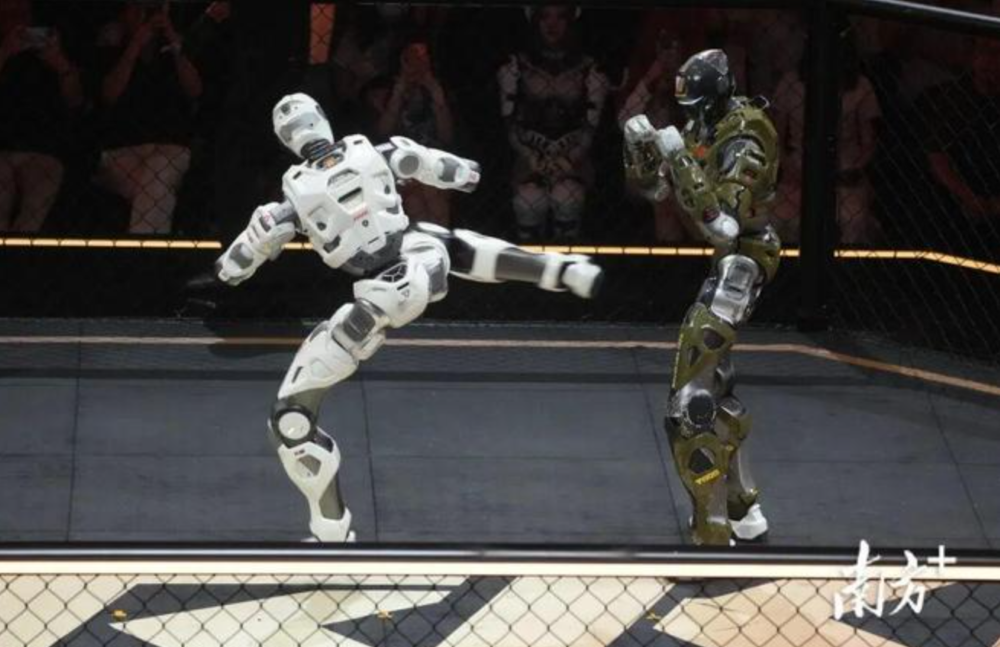
Humanoid Robots Compete for Championship Belt in Global Fighting League
On July 16, the inaugural match of the Universal Robot Combat League (URKL) took place at the Nanshan Sports Center in Shenzhen, featuring 32 teams from around the world competing with the T800 humanoid robot. The championship belt, weighing 10 kilograms and valued at approximately 10 million yuan, is awarded to the winning team. This event is significant as it showcases the advanced capabilities of humanoid robots in dynamic combat scenarios, where they must accurately perceive, predict, and respond to opponents in real-time. The competition serves as a testing ground for the robots' structural integrity and algorithm efficiency, allowing developers to refine their designs and reduce potential failure rates in commercial applications. Looking ahead, the data collected from these matches will enhance AI decision-making capabilities, pushing humanoid robots beyond static demonstrations to dynamic autonomous responses. As the competition concludes, it will contribute to the evolution of foundational technologies and commercial frameworks, positioning Guangdong as a leading hub in the global robotics industry.
Humanoid Robots Robotics Competitions AI Technology Robotics Development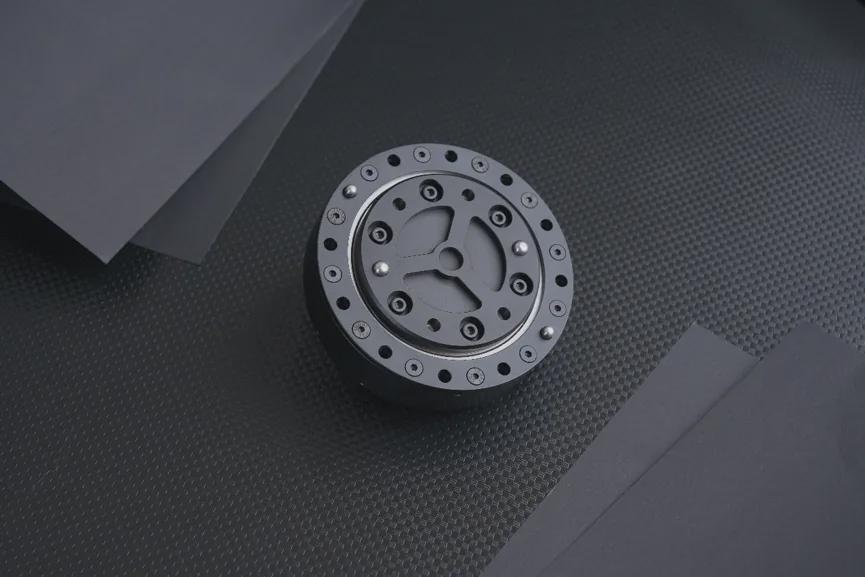
Introduction of the First Robot Joint Selection Platform by Engfu Robotics
Engfu Robotics has launched a comprehensive robot joint selection platform that allows users to customize parameters such as torque, speed, and weight. This platform aims to simplify the selection process for various stakeholders, including engineers and procurement professionals, by providing tailored recommendations based on extensive experience and an intelligent scoring system. The significance of this platform lies in its ability to connect customer needs with component solutions, leveraging Engfu's rich customization experience. The platform's supply chain database supports hundreds of components, enabling thousands of combinations, which enhances collaboration across the robotics industry. Looking ahead, Engfu Robotics continues to innovate in various areas, including gear reducers and motors. The company emphasizes that the development of embodied intelligence and robot joints requires collaboration among different companies, each contributing their strengths to meet customer demands effectively. No further timeline was disclosed at the time of publication.
Robot Joints Customization Supply Chain Robotics Technology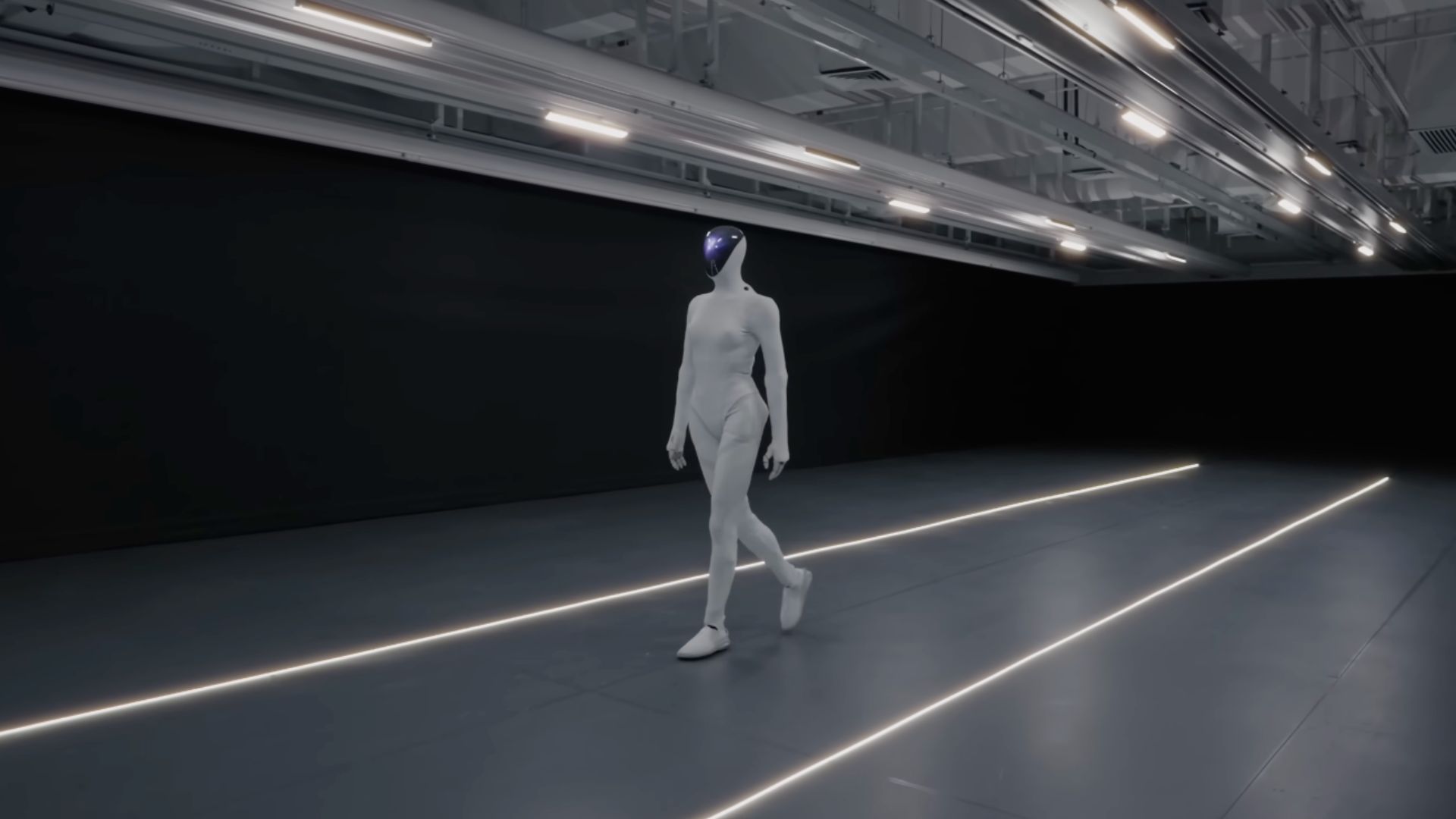
Xpeng Aims for 1,000 Monthly Iron Humanoid Robots Production by End of 2026
Chinese electric vehicle maker Xpeng is ramping up production of its Iron humanoid robot, targeting over 1,000 units monthly by the end of 2026. This increase is in preparation for a global rollout planned for 2027, with initial deployment as sales assistants in China showrooms. The significance of this move lies in Xpeng's strategy to expand beyond electric vehicles into embodied artificial intelligence. The Iron robot, unveiled in November 2025, showcases advanced mobility and AI capabilities, positioning Xpeng to establish a presence in the humanoid robotics market. Looking ahead, Xpeng's focus will be on integrating AI and robotics with its existing smart mobility technologies. The company aims to leverage its expertise in autonomous driving while continuing to grow its core EV business. No further timeline was disclosed at the time of publication.
AI and Robotics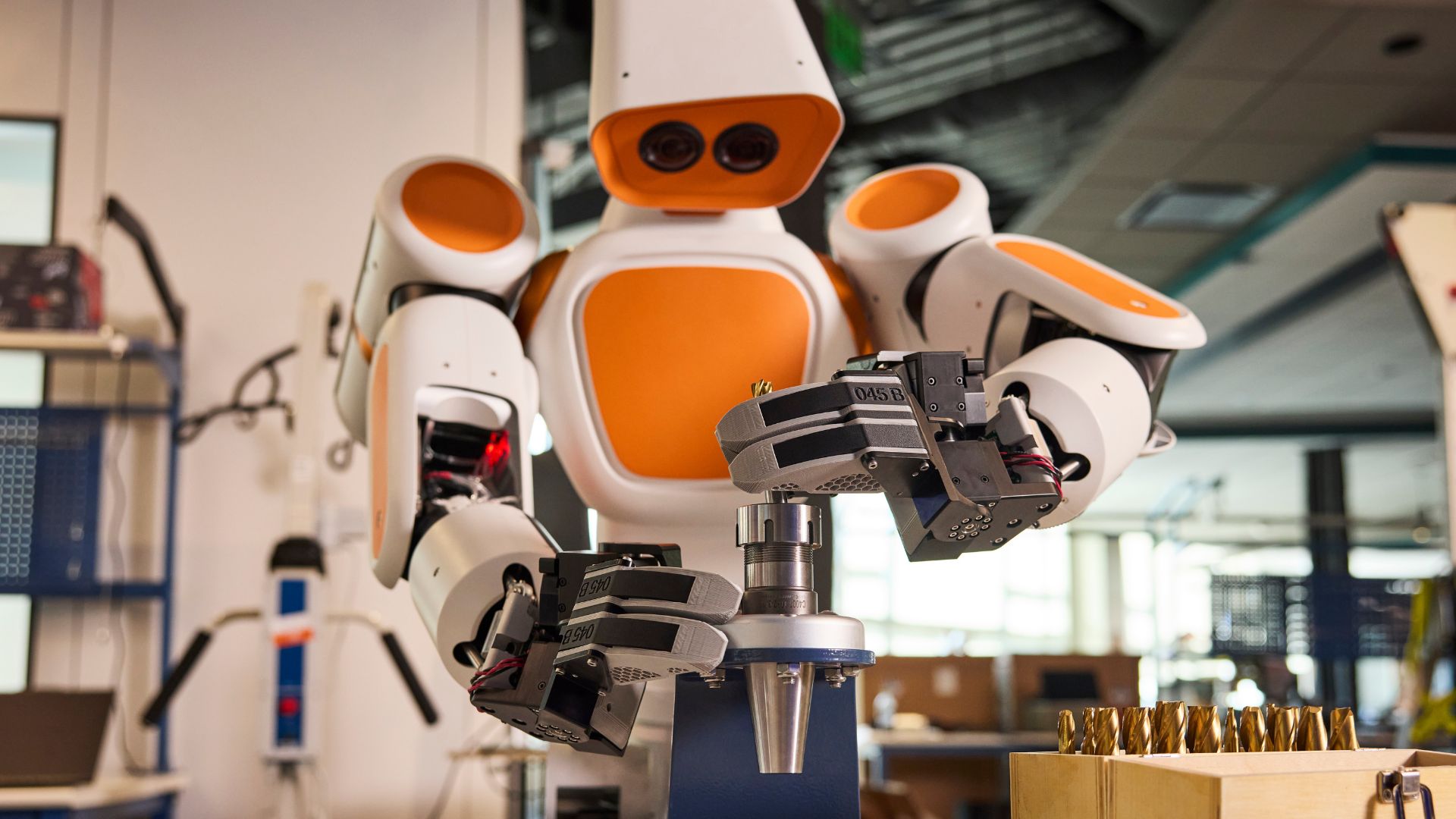
Walden Robotics Launches AI-Driven Factory Robots for Real-World Automation
Walden Robotics, a US-based startup, has unveiled a general-purpose robotics platform that enables Physical AI robots to learn and adapt while performing real work. Unlike traditional robots that follow pre-programmed workflows, Walden's robots continuously improve through real-world operations, making them suitable for complex tasks alongside human workers from the outset. The significance of Walden Robotics lies in its full-stack approach, which integrates hardware, AI, and deployment software to create robots that evolve in capability over time. With $300 million in funding and a valuation of $1.1 billion, the company is addressing the growing demand for flexible automation in sectors like automotive, aerospace, and logistics, driven by labor shortages and increasing product complexity. Looking ahead, Walden Robotics has already begun deploying its robots in production environments, including a Toyota manufacturing plant in North America. The company aims to enhance its robots' skills through real-world experience, utilizing advanced AI techniques such as Large Behavior Models and Diffusion Policy. No further timeline was disclosed at the time of publication.
AI and Robotics Innovation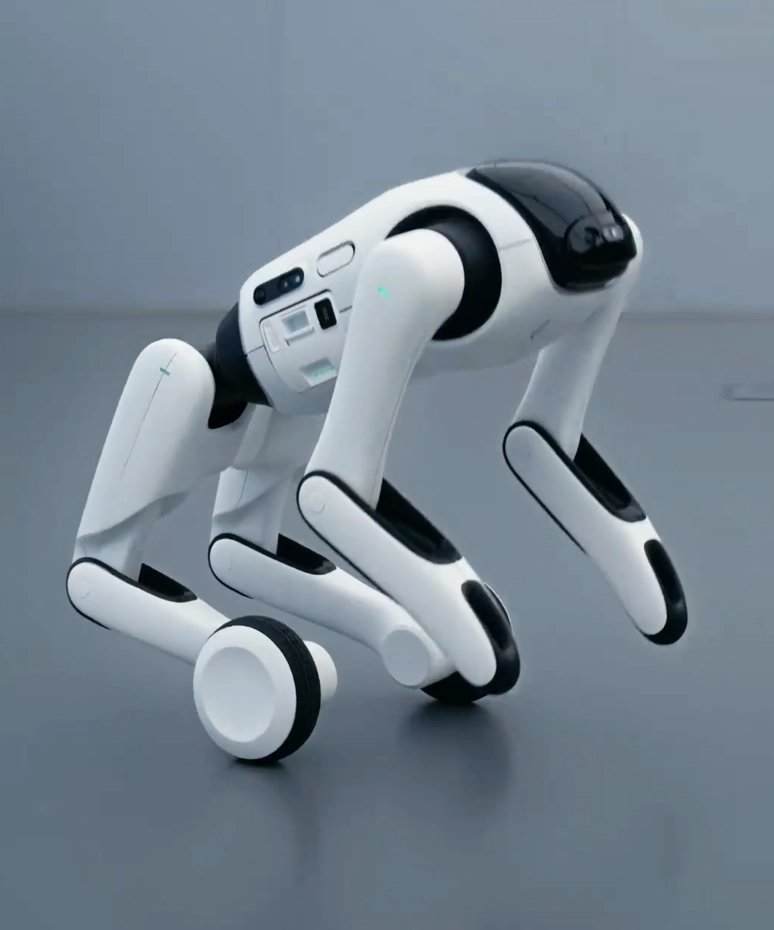
Swancor Qiyuan T1 to Showcase Transformative Personal Robot at WAIC 2026
Swancor Qiyuan's T1, touted as the world's first 'transformable personal robot,' will be publicly demonstrated on July 17, 2026, at the World Artificial Intelligence Conference (WAIC 2026). This robot features a unique Transformer architecture that allows seamless switching between humanoid and quadruped modes, enhancing its interaction and mobility capabilities in various home environments. The significance of the T1 lies in its ability to autonomously select its form based on terrain and tasks, moving beyond traditional manual controls. This innovation is expected to expand the scenarios in which personal robots can operate, addressing common household obstacles while reducing the overall ownership cost for users by eliminating the need for multiple devices. Looking ahead, Swancor's strategy focuses on content creation, education, and companionship rather than general household chores. With offline experience stores already established in major Chinese cities, the T1's success will depend on its pricing and acceptance in the market, potentially proving that adaptable robots hold greater commercial value than those merely mimicking human form.
Transformable Robots Home Robotics AI Technology Robotic Innovation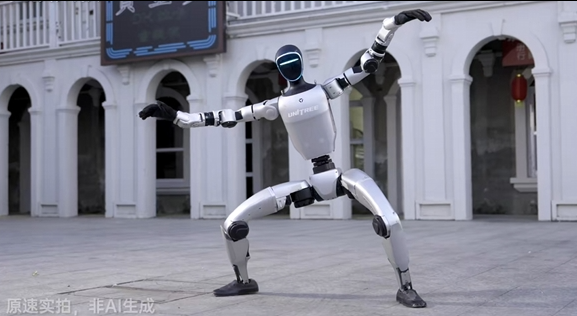
Obayashi Corporation Launches 18-Month Project with Humanoid Robots in Construction
Obayashi Corporation has initiated an 18-month joint verification project utilizing humanoid robots at a construction site near Tokyo. The project aims to address the critical labor shortage in Japan's construction industry, where over one-third of workers are aged 65 and older, while less than 10% are under 30. The introduction of humanoid robots is seen as a survival strategy rather than a gimmick. The selected humanoid robot, UTree H1, features 19 degrees of freedom and is designed for repetitive material handling tasks in uneven environments. Obayashi's technology lead emphasized that the project's core metric is not replacement rate but rather the enhancement of human-robot collaboration efficiency, indicating that the initial role of the robots will be to assist rather than fully replace human workers. The project also highlights the cost advantages of UTree's supply chain, which is over 40% lower than similar products from Europe and the U.S. This affordability makes the UTree H1 accessible to large rental companies in Japan. Experts note that successful integration of humanoid robots into existing construction workflows will be crucial for scaling up their use in the industry. No further timeline was disclosed at the time of publication.
Humanoid Robots Construction Automation Robotics AI Building Technology
Robots Face Challenges in Basic Tasks Despite Advances in Embodied Intelligence
Over the past year, the robotics industry has engaged in a competitive race focused on enhancing the computational power, parameters, and algorithms of robotic 'brains.' While advancements in reasoning capabilities are evident, robots still struggle with basic tasks such as grasping objects or performing precise manipulations. This discrepancy raises questions about the effectiveness of current sensory technologies. The core issue lies in the limitations of robotic perception, which relies heavily on either pure vision or multi-sensor fusion approaches. Multi-sensor fusion, favored by many embodied intelligence manufacturers, combines various sensors to improve robustness and accuracy. However, this method introduces challenges related to data synchronization and processing overhead, hindering the scalability of embodied intelligence. Conversely, pure vision systems, exemplified by Tesla's approach, depend on 2D RGB cameras to reconstruct 3D environments. This method lacks depth information and can falter in challenging visual conditions. Both approaches suffer from the loss of information during data transmission and processing, resulting in robots receiving 'second-hand data' rather than real-time, unified information from the physical world. No further timeline was disclosed at the time of publication.
Robotic Vision Embodied Intelligence Sensor Technology AI Automation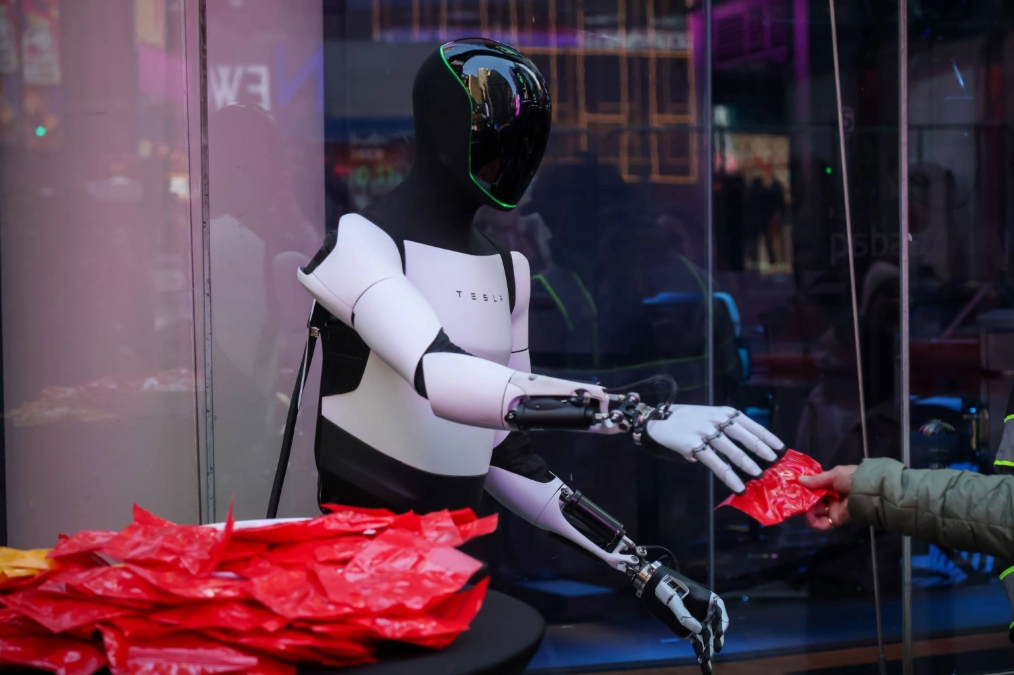
China's Robots Learning Human Skills Through Real-World Simulations
In a discreet industrial park in suburban Beijing, a humanoid robot is meticulously stacking bags of chips on a shelf. Nearby, workers are filming their actions of folding sheets and handling cushions, which will serve as 'textbooks' for the robots. China is undertaking a significant initiative to transition robots from laboratories to simulated environments like supermarkets, factories, and homes to learn human skills, and the scale of this 'internship' is rapidly expanding. This initiative is crucial as robots need to understand the physical world's rules, such as how to hold an egg without breaking it or catch a cup of water before it slips off a tray. Unlike the U.S., which relies on data purchasing and low-cost data collection in countries like India and Vietnam, China has established at least 64 data collection and training centers nationwide, with over 20 more under construction. At the Beijing Humanoid Robot Innovation Center, more than 120 robots are being trained across 30 scenarios in six major sectors, forming a comprehensive 'robot training network' across the country. As hardware advancements continue, Chinese robotics companies are focusing on enhancing their AI capabilities. Yushu Technology is preparing for an IPO, pledging nearly half of its $610 million fundraising to AI model development. By mid-2026, funding in China's embodied intelligence sector has already exceeded 90 billion yuan, five times that of the previous year. With plans to deploy over 1,000 humanoid robots in factories this year and more than 10,000 by 2027, China is leveraging its organizational capabilities to collect data at scale, positioning itself advantageously in the race towards general intelligence.
Humanoid Robots AI Robotics Training Data Collection Automation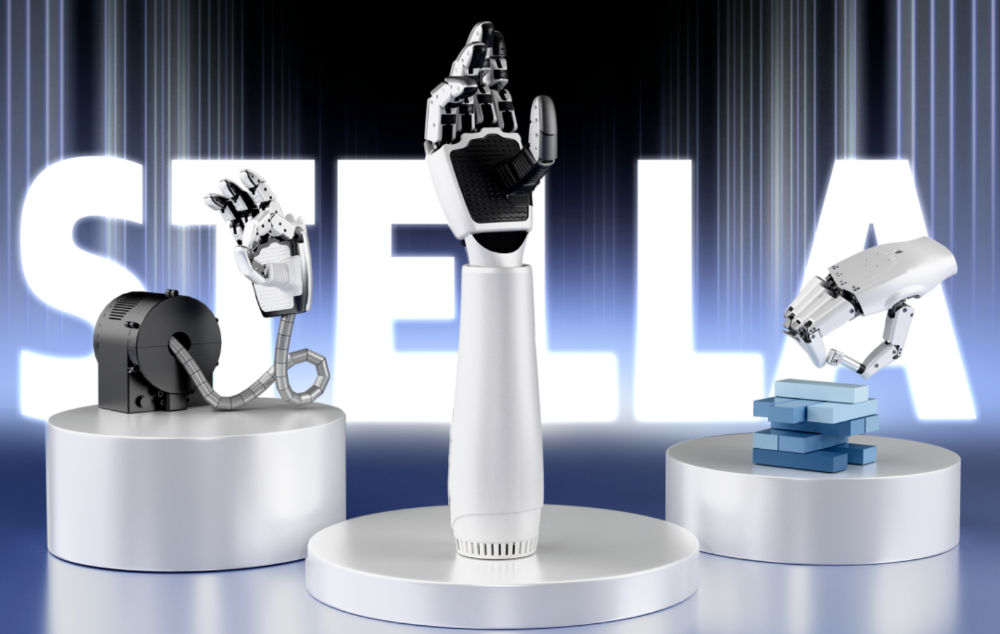
Shenzhen Company Stella-Robot Introduces Affordable Robotic Hands with High Performance
At the 2026 World Artificial Intelligence Conference, Shenzhen-based Stella-Robot unveiled its innovative robotic hands, the Pantheon Hand 20 and Gaia Hand 20. The Pantheon Hand 20, weighing only 290 grams, can grip up to 50 kilograms, thanks to its unique 'drive separation' technology that relocates the drive unit away from the hand itself. This breakthrough in design allows for a lightweight yet powerful robotic hand, making advanced robotics more accessible. The Gaia Hand 20 features a modular design with a quick-change joint system, enabling easy repairs without returning the entire unit. Priced at 16,999 yuan, the affordability of these products marks a significant shift in the robotics market, previously dominated by high-cost alternatives. Stella-Robot's products are already being utilized in top universities and research institutions, indicating their potential impact on the field of embodied intelligence. As the cost of robotic hands drops from the millions to tens of thousands, the company is poised to democratize advanced robotic capabilities for developers everywhere. No further timeline was disclosed at the time of publication.
Robotic Hands Modular Robotics AI Technology Automation Precision Engineering
Xiaopeng Motors Plans to Launch IRON Humanoid Robot with 1,000 Units Monthly Production by 2027
Xiaopeng Motors has announced plans to launch its IRON humanoid robot globally by 2027, aiming to ramp up production to over 1,000 units per month by the end of this year. The robot will initially serve as a sales assistant in domestic stores, with expansion to international locations later in the year. This initiative is significant as Xiaopeng's President, He Xiaopeng, believes that the robotics business could surpass the automotive sector in the next 10 to 20 years. The IRON robot, which made its debut in November 2025, features advanced capabilities including 62 to 82 degrees of freedom and is powered by three Turing AI chips, achieving a total computing power of 2250 TOPS. Looking ahead, Xiaopeng's strategy focuses on leveraging the humanoid robot in controlled retail environments to gather interaction data and create immediate commercial value. No further timeline was disclosed at the time of publication.
Humanoid Robots Robotics AI Automation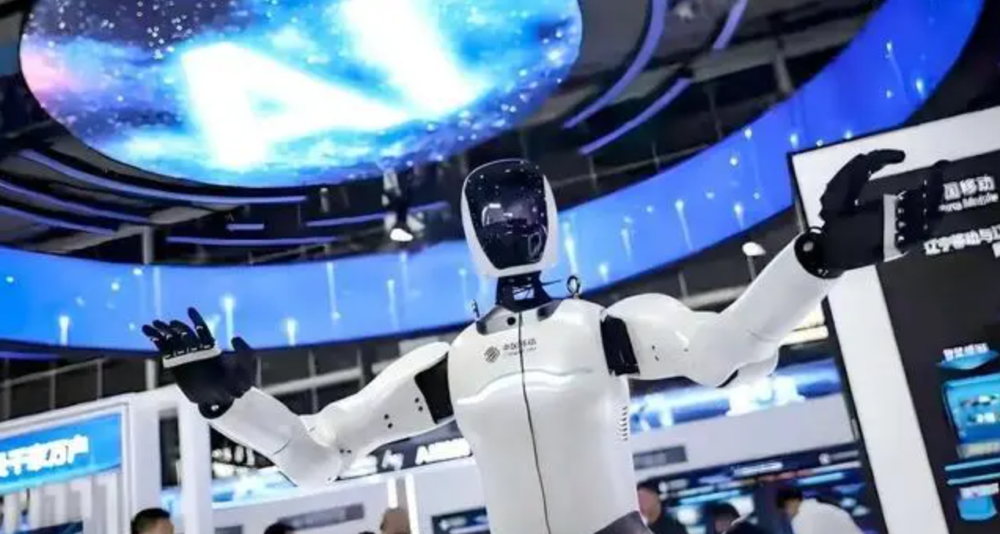
Investors Focus on Emerging Robotics Innovators Amid Rapid Industry Growth
In the spring of 2025, Yushu Technology gained significant attention with its humanoid robot, 'Yang BOT,' igniting interest in the embodied intelligence sector. This industry is not just about Yushu but encompasses numerous potential innovators. According to IT Juzi data, funding in China's embodied intelligence sector surpassed 10 billion yuan in 2024, rising to 45.3 billion yuan in 2025, and reaching 93.5 billion yuan in the first half of 2026. Despite the surge in investment, the industry has yet to achieve stable profitability. For instance, UBTECH's revenue grew from 1.047 billion yuan in 2023 to 1.981 billion yuan in 2025, but it faced cumulative losses exceeding 3 billion yuan due to high R&D expenditures. Yushu Technology itself acknowledged that its humanoid robots are primarily used for research and education rather than as productivity tools. The path to real industrial applications remains challenging. As competition intensifies, many companies are shifting focus to consumer markets. UBTECH's 'U World U1' series, launched in June, aims to provide emotional companionship, with over 13,000 orders. However, consumer feedback highlights issues like poor battery life and weight. To transition from labs to households, the sector must overcome hurdles related to technology, cost, and user experience. With Yushu Technology's upcoming IPO and others like Zhiyuan and Qianxun also pursuing public offerings, the race for sustainable business models is accelerating.
Embodied Intelligence Robotics Startup Investment Commercialization IPO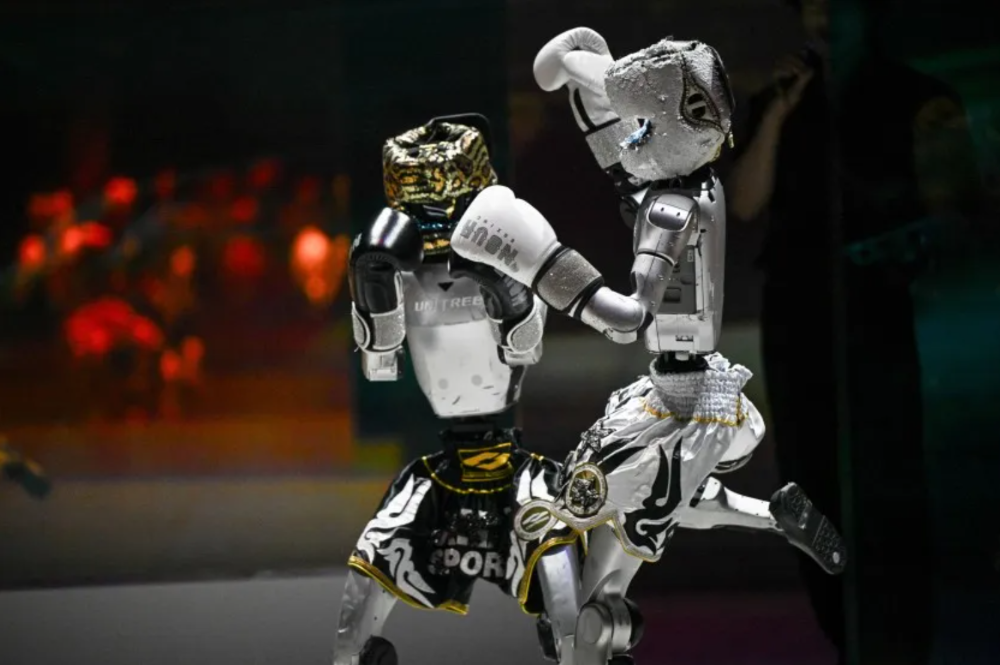
AI Robots Achieve 3,500 Garment Sorts Per Hour in South Korean Warehouse
In a warehouse located in Icheon, South Korea, a fleet of AI-guided robots is sorting garments at a remarkable rate of 3,500 items per hour, approximately four times the output of human workers. Since their deployment, the women's clothing company has reported 'zero losses'—no picking errors and no stockouts due to logistics mistakes. Despite this advancement, the sewing automation challenge remains unsolved, often referred to as the 'last mile' of textile automation. The system, developed by Baba Fashion in collaboration with South Korean automation firm Cotek Electronics, utilizes autonomous mobile robots equipped with SLAM navigation technology, eliminating the need for ground magnetic strips or embedded wires. The logistics deployment by Baba Fashion serves as a successful commercial case, while other companies, such as the leading fashion platform MUSINSA, are also investing in automated logistics solutions. The ongoing challenge of sewing automation, likened to the complexities of autonomous driving, continues to impact the future of millions of garment workers as the industry transitions into a more automated era.
AI Robotics Warehouse Automation Sewing Automation Fashion Technology
General Intuition Achieves $2.3 Billion Valuation with Innovative Robot Training Approach
General Intuition, a New York-based company, has proposed a groundbreaking approach to training robots using millions of hours of gaming footage instead of vast amounts of real-world data. In June 2026, the company completed a $320 million Series A funding round, achieving a valuation of $2.3 billion, led by renowned investor Vinod Khosla. The significance of General Intuition's method lies in its potential to revolutionize how robots learn spatial reasoning and physical intuition. By utilizing gaming data, the company claims to have pre-trained a spatial reasoning model that allows quadruped robots to navigate unfamiliar environments with minimal real-world data, challenging traditional training methods that rely heavily on real-world scenarios. Looking ahead, the success of General Intuition will depend on its ability to validate its technology in diverse real-world environments beyond office settings. The company's vision of creating a 'robot brain' for universal physical AI could redefine the operational frameworks for future robotics, potentially surpassing existing systems like Windows and Android in impact.
AI Robotics Gaming Technology Machine Learning
Engineers Create Autonomous Four-Legged Robot That Adapts Gait to Environment
Engineers have developed a groundbreaking four-legged robot capable of autonomously determining its walking strategy based on its environment. This innovative robot can adjust its gait when navigating stairs, leap over gaps, and maintain balance on uneven forest trails. The significance of this development lies in its potential applications across various fields, including search and rescue operations, outdoor exploration, and even entertainment. By mimicking the adaptive movement of animals and humans, this robot represents a significant advancement in robotics, enhancing mobility and versatility in challenging terrains. Looking ahead, the focus will be on further refining the robot's capabilities and exploring its deployment in real-world scenarios. No further timeline was disclosed at the time of publication.
Robotics
Fujitsu Leads Initiative to Integrate Nvidia Technology in Japanese Robotics and AI
Fujitsu, a prominent Japanese communications company, is spearheading an initiative to integrate Nvidia's technology into artificial intelligence applications. This collaboration aims to merge Japan's advanced manufacturing capabilities in robotics with cutting-edge AI solutions. The significance of this initiative lies in its potential to enhance the efficiency and effectiveness of robotics in various sectors. By leveraging Nvidia's technology, Fujitsu seeks to position Japan at the forefront of the global AI and robotics landscape, showcasing the country's strengths in innovation and manufacturing. Looking ahead, industry stakeholders will be keen to observe the developments stemming from this collaboration. No further timeline was disclosed at the time of publication, but the integration of Nvidia's technology could lead to significant advancements in physical AI applications within Japan's robotics sector.
Robotics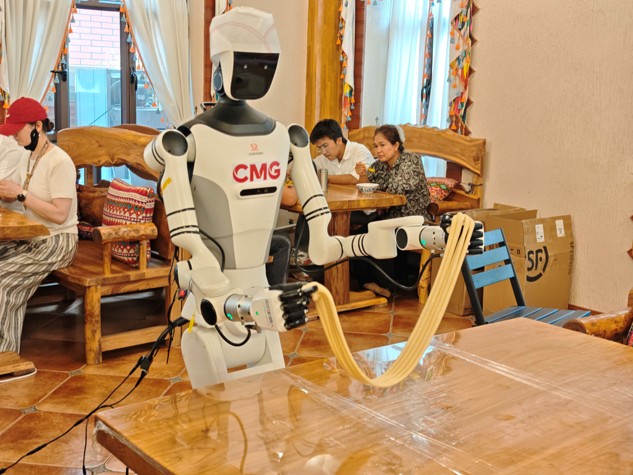
RealBOT Robot Excels in Culinary Tasks as a 'Xinjiang Chef
On July 15, 2026, the World Humanoid Robot Sports Championship's domestic third stop launched simultaneously in Yining, Xinjiang, and Sai Lake, Bozhou. RealBOT, a wheeled humanoid robot by Ruierman, previously provided logistical support at the 2026 Chinese Dragon Boat Race in Bazhong, Sichuan. In this event, the robot transitioned from a service role to that of a 'Xinjiang chef' in a real kitchen environment, successfully completing intricate tasks such as noodle pulling, meat skewering, grilling, and vegetable cutting. This demonstration is significant as it showcases the robot's ability to adapt to unpredictable physical variables in real-world scenarios, aligning with Ruierman's philosophy that robots must be deployed in authentic environments to truly understand and perform tasks. The challenges faced by the robot, including precise force control and real-time tactile feedback, highlight the advanced capabilities of Ruierman's technology, including a mechanical arm with ±0.05mm repeatability and millisecond-level force feedback. Looking ahead, the successful execution of these culinary tasks emphasizes the importance of robust hardware and data capabilities in robotics. No further timeline was disclosed at the time of publication, but the ongoing development of integrated joint modules and high operational reliability positions Ruierman to address industry challenges related to traditional robots' limitations in various environments.
Humanoid Robots Culinary Robotics AI Automation Technology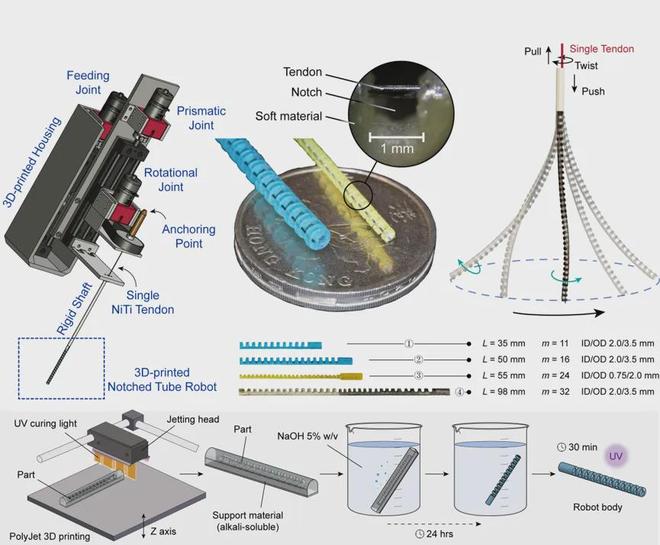
CUHK Introduces Innovative Single-Tendon Continuum Robots for Enhanced Motion Control
The Chinese University of Hong Kong (CUHK) has developed a groundbreaking single-tendon-driven continuum robot, addressing the longstanding challenges in minimally invasive medical applications. This innovative design utilizes a single eccentrically arranged tendon to achieve near omnidirectional motion control, significantly simplifying the actuator and transmission system while maintaining a compact size. This advancement is crucial as traditional tendon-driven continuum robots (TDCRs) rely on multiple tendons for three-dimensional motion, leading to increased complexity and limitations in miniaturization. The new paradigm proposed by CUHK's research team not only enhances spatial manipulation capabilities but also improves force transmission efficiency, paving the way for next-generation minimally invasive surgical robots. Looking ahead, the research, published in Nature Communications, offers a new design and technological pathway for continuum robots, inspired by the flexible movement observed in biological systems. No further timeline was disclosed at the time of publication.
Continuum Robots Medical Robotics Robotic Motion Control Tendon-Driven Robotics
Walden Robotics Emerges with $1.1B Valuation and $300M Funding for General-Purpose Robots
Walden Robotics has officially launched with a valuation of $1.1 billion, backed by $300 million in funding. The company focuses on developing general-purpose robots that continuously learn and improve while performing real-world tasks. Co-founder Dr. Russ Tedrake emphasized the importance of understanding current manufacturing practices to deliver real value to customers. The significance of Walden Robotics lies in its innovative approach to physical AI, which has attracted attention from technology leaders. The company combines large behavior models with practical operations, allowing its robots to handle complex tasks while enhancing human capabilities. This approach aims to create a scalable business model that aligns with existing manufacturing processes. Looking ahead, Walden Robotics is set to expand its deployments, having already transitioned its robots from pilot programs to production tasks at a Toyota plant in North America within two months. No further timeline was disclosed at the time of publication.
Aerospace Artificial Intelligence Artificial Intelligence / Cognition Automotive Healthcare Robotics Humanoids
Agility Robotics Proposes Six Key Recommendations for U.S. Humanoid Robot Policies
Agility Robotics has outlined six recommendations aimed at establishing a robust policy framework for humanoid robots in the U.S. According to CEO Peggy Johnson, these recommendations are essential for enhancing the regulatory environment and ensuring the successful integration of humanoids into the workforce. She emphasizes the need for domestic production of key components, as current reliance on international sources, particularly from China, poses risks to the U.S. industry. The importance of these recommendations lies in their potential to strengthen the U.S. humanoid robot market, which is currently challenged by foreign competition. Johnson highlights that China dominates the manufacturing of critical components, such as permanent magnets used in motors, which are vital for humanoid robots. By fostering domestic capabilities, the U.S. can reduce dependence on foreign suppliers and bolster its technological leadership in the sector. Looking ahead, the U.S. must develop a coordinated national strategy that unites federal agencies and industry stakeholders to support the humanoid robotics sector. Johnson warns that without proactive measures, the U.S. risks losing its technological edge and compromising national security. No further timeline was disclosed at the time of publication.
China Defense / Security Humanoids Logistics Manufacturing Markets / Industries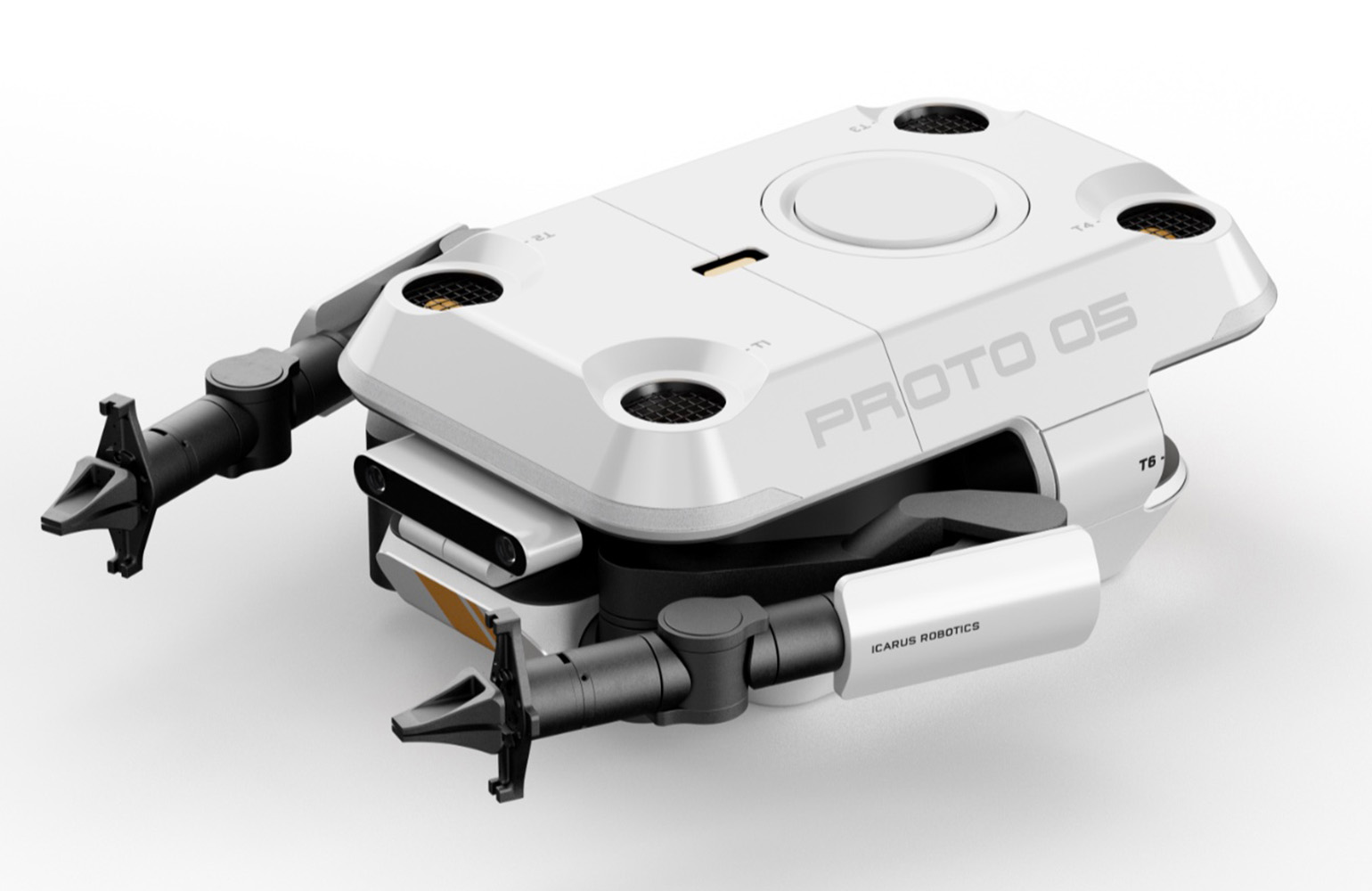
Icarus Robotics Selects KULR Technology for JOY Space Robot's Power System
Icarus Robotics has announced KULR Technology Group as the battery supplier for its autonomous free-flying robot, JOY, which is set to launch to the International Space Station (ISS) in early 2027. KULR will provide its KULR ONE Space (K1S) battery systems, engineered to NASA safety standards, ensuring reliable operation aboard the ISS. The partnership is significant as KULR’s battery technology has already been validated during the Artemis II lunar mission, which enhances the approval process with NASA. Icarus co-founder Ethan Barajas emphasized the importance of flight heritage in the space sector, stating that proven components expedite the approval process, crucial for a startup like Icarus. Looking ahead, JOY, powered by embodied AI, aims to assist astronauts with routine tasks and infrastructure maintenance, allowing them to concentrate on more critical research objectives. No further timeline was disclosed at the time of publication.
Aerospace Batteries / Power Supplies Markets / Industries News Technologies Icarus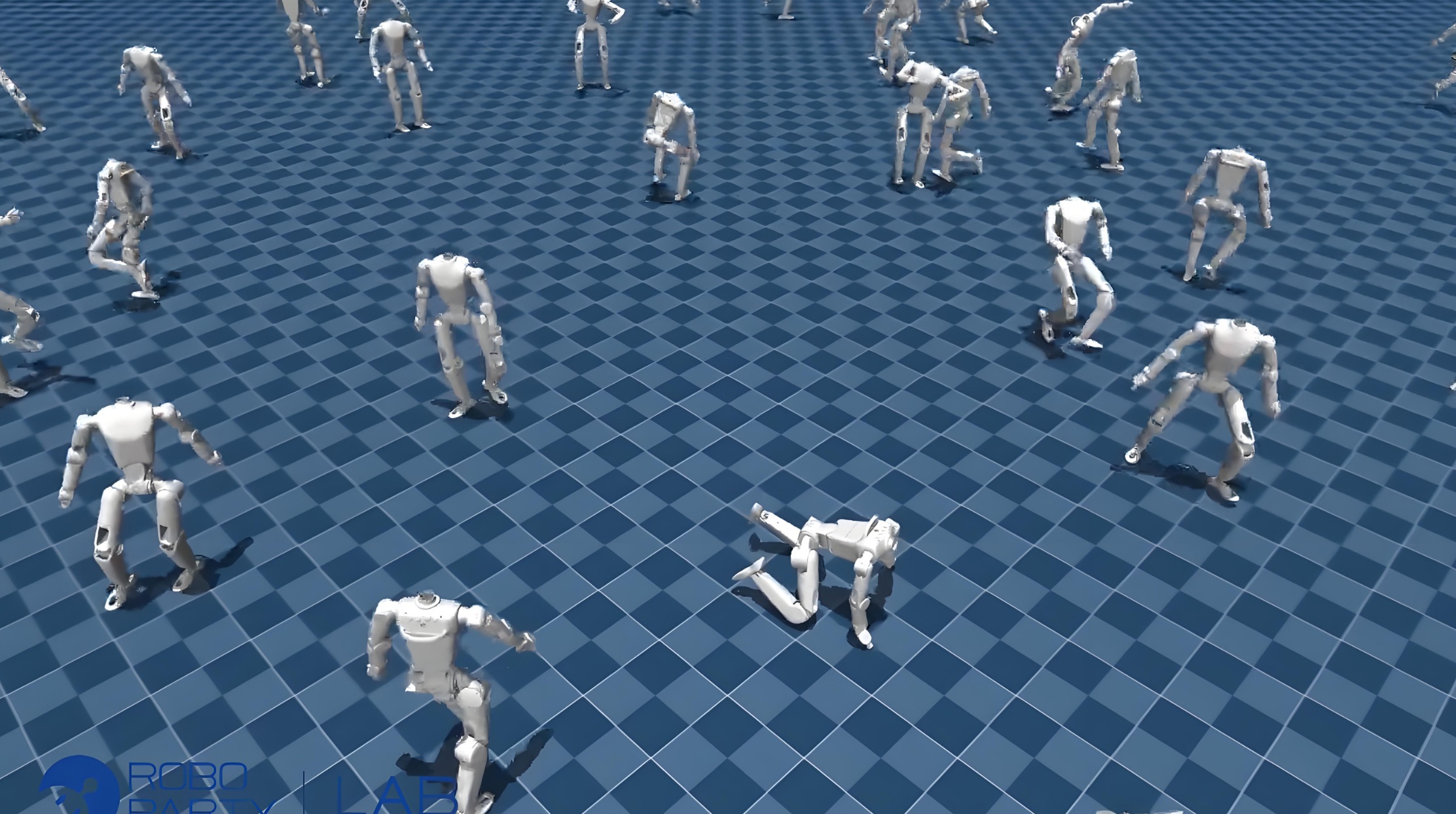
RoboParty Launches Open Source Framework for Next-Gen Humanoid Robot Development
In the past two years, the humanoid robot industry has seen numerous impressive demonstrations, but a shift is emerging in the second half of 2026. Companies are now focusing on developing training frameworks, development platforms, data tools, open-source models, and various R&D infrastructures. The competition is evolving from showcasing superior robots to enabling more developers to create robots faster. Recently, RoboParty established RoboParty Lab (RPLab) and introduced Party OS, an open-source embodied intelligence R&D foundation for next-generation humanoid robots. Alongside this, they released three R&D infrastructures: MimicLite, UFO, and hhtools. This move signifies a transition from merely demonstrating capabilities to building a robust R&D ecosystem that fosters collaboration and scalability within the developer community. As humanoid robots move from laboratories to practical applications in factories, warehouses, and homes, the industry is shifting its focus toward creating a reproducible, collaborative, and scalable R&D system. The emphasis is now on sustaining and accelerating development capabilities, marking a significant change in industry dynamics over the past year.
Humanoid Robots R&D Infrastructure Open Source Embodied AI Robot Development Tools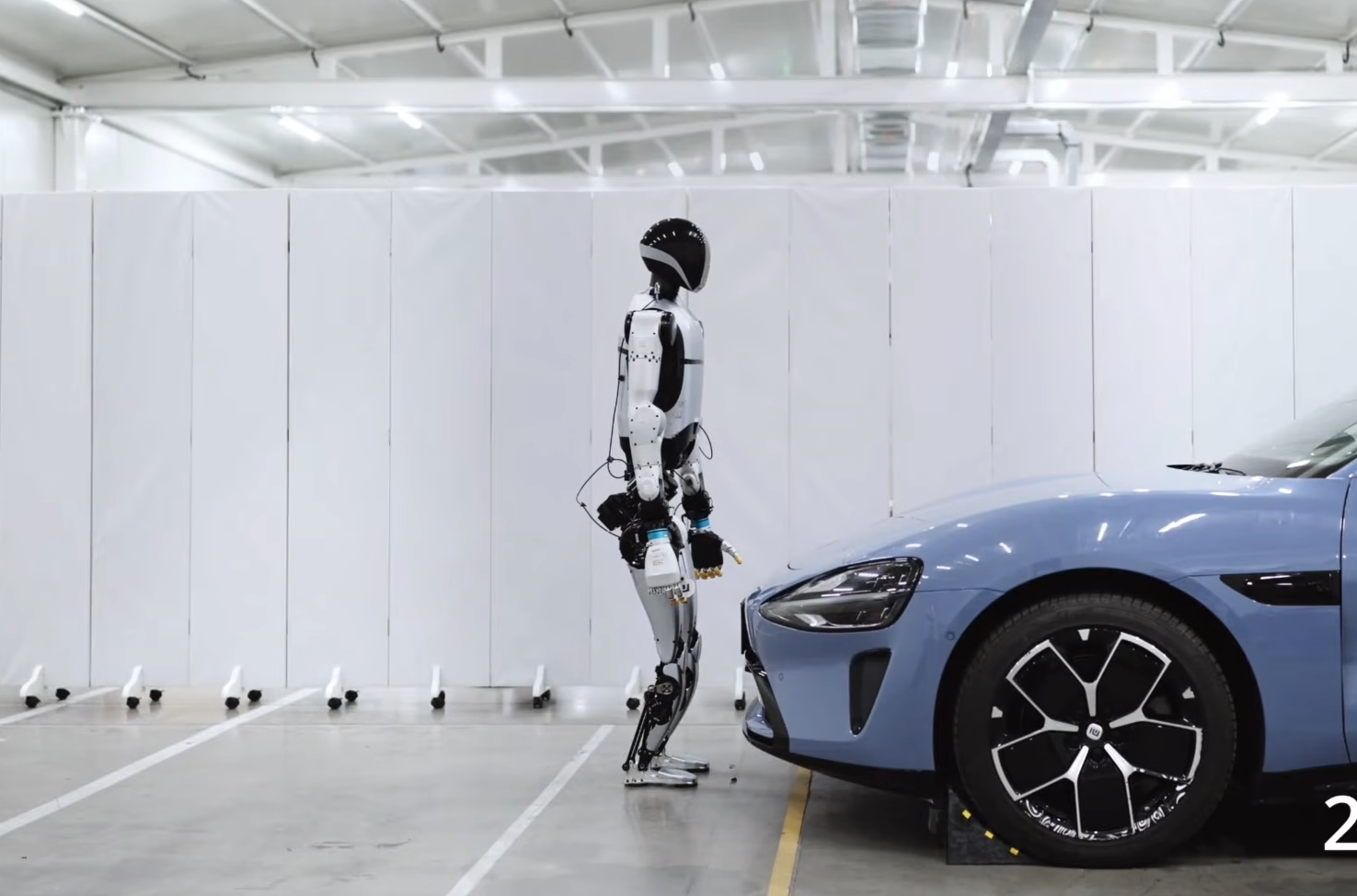
Xiaomi's Humanoid Robot Achieves 98% Success Rate in Automotive Production Tasks
Xiaomi has made significant advancements in deploying its humanoid robot on automotive production lines, achieving a 98% success rate at a self-tapping nut loading station. This improvement narrows the gap to human workers' qualification rates to just one percentage point, showcasing the robot's enhanced capabilities after four months of development. The importance of this development lies in Xiaomi's ability to expand the robot's role in manufacturing, as it has successfully taken on additional tasks such as center console side panel sorting and parts bin folding and recycling, both achieving a 90% success rate. This marks a significant milestone in the robot's operational capabilities, particularly in handling flexible workpieces, which are typically more challenging than rigid components. Looking ahead, Xiaomi's continued focus on refining its humanoid robot's perception and manipulation skills will be crucial for further integration into automotive assembly operations. No further timeline was disclosed at the time of publication.
AI and Robotics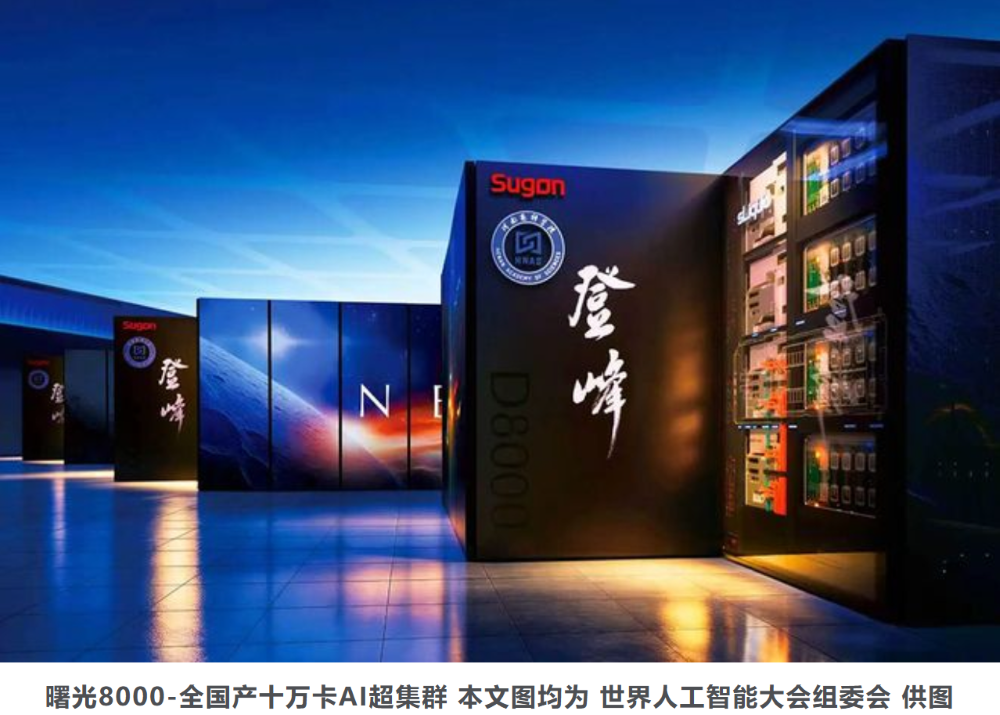
WAIC 2026 Unveils Top Innovations in AI and Robotics at Shanghai Event
The World Artificial Intelligence Conference (WAIC) 2026, held from July 17 to 20 in Shanghai, showcased groundbreaking advancements in AI and robotics. With over 1,100 exhibitors and more than 3,000 products, the event highlighted ten key innovations, including the Shuguang 8000 AI supercomputer cluster and Ant Group's robotic pharmacy that completes a full workflow in just 90 seconds. These innovations are significant as they represent a leap in computational power and collaborative robotics, pushing the boundaries of what is possible in AI applications. The Shuguang 8000, a domestically produced AI supercomputer, supports a range of applications from scientific computing to AI inference, while the robotic pharmacy exemplifies the efficiency of integrating multiple robotic configurations. Looking ahead, the advancements presented at WAIC 2026 indicate a transformative decade for AI, robotics, and their impact on various sectors. The event's focus on high-performance computing and intelligent robotics sets the stage for future developments that could redefine work and daily life. No further timeline was disclosed at the time of publication.
Supercomputing Robotics AI Technology Smart Pharmacy BiotechnologyRobotics needs a service framework.
RSF defines a common language for robot service capability, lifecycle operations, certification pathways, and service-provider networks.