Industry Briefing
A single destination for timely, editor-curated robotics news from around the world.

Chinese Robots Dominate IFA 2026: Assessing European Market Readiness
In September 2026, Berlin witnessed a significant presence of Chinese robots at the IFA, with 932 companies from mainland China participating, contributing to nearly half of the 1,900 exhibitors. The event showcased a record number of humanoid robots, with performances that captivated audiences, including demonstrations of martial arts and interactive displays. However, a critical question arose regarding the European market's readiness to adopt these technologies. The interest in Chinese robots was evident, yet many European attendees expressed uncertainty about their practical applications in business. Feedback from a Paris-based electronics distributor highlighted a common sentiment: while the robots were intriguing, their utility in real-world scenarios remained unclear. This disconnect between the excitement of the demonstrations and the practical needs of the market raised concerns about the actual demand for such technologies in Europe. As the IFA concluded, the challenges for Chinese robotics companies became apparent. European distributors emphasized the importance of cost-effectiveness, system stability, and local support. The path forward for Chinese firms in Europe requires a deeper understanding of local market dynamics and a commitment to establishing robust partnerships with local distributors and integrators. No further timeline was disclosed at the time of publication.
Humanoid Robots Market Entry European Robotics Robotics Demonstrations AI Technology
Chinese Robots Gain Global Market Traction with Significant Export Growth
Tianjin's robotics industry is demonstrating its potential in the global market, with exports reaching 1.08 billion yuan in the first half of 2026, a staggering 487.9% increase year-on-year. This surge reflects a shift from following to leading in the robotics sector, as evidenced by the success of Langyu Robotics, which has expanded its international sales significantly. The company has developed an unmanned heavy-duty transport vehicle capable of carrying 500 tons, showcasing advanced technology with a height of only 550 millimeters. Additionally, Tianjin's special application robots are making strides domestically, with Shiyun Technology launching 15 industrial-grade humanoid robots designed for high-risk environments, further solidifying the region's position in the robotics landscape. With over 200 robotics companies and a robust innovation plan, Tianjin aims to exceed 25 billion yuan in industry scale by 2025. The recent establishment of an intelligent robot application station in the subway highlights the integration of robotics into everyday life, marking a significant step towards becoming a leader in the global robotics value chain.
Robotics Industrial Automation Export Growth Humanoid Robots Heavy-Duty Transport
Teradyne Robotics Initiates Patent Infringement Case Against JAKA in Europe
Teradyne Robotics A/S has launched a patent infringement lawsuit at the European patent court against JAKA, a Chinese competitor. The case involves allegations of infringement on both software and hardware patents held by Teradyne Robotics, specifically related to its subsidiary, Universal Robots A/S, which is recognized as the leading manufacturer of collaborative industrial robots. This legal action underscores the competitive landscape in the collaborative robot market, where Teradyne Robotics aims to protect its intellectual property rights against what it claims are infringements by JAKA. The outcome of this case could have significant implications for both companies, particularly in the European market where collaborative robots are increasingly in demand. Industry observers should monitor the developments of this case closely, as it may set precedents for future patent disputes in the robotics sector. No further timeline was disclosed at the time of publication.
Unitree's Stock Decline Post-IPO Raises Concerns Over Chinese Humanoid Robotics Bubble
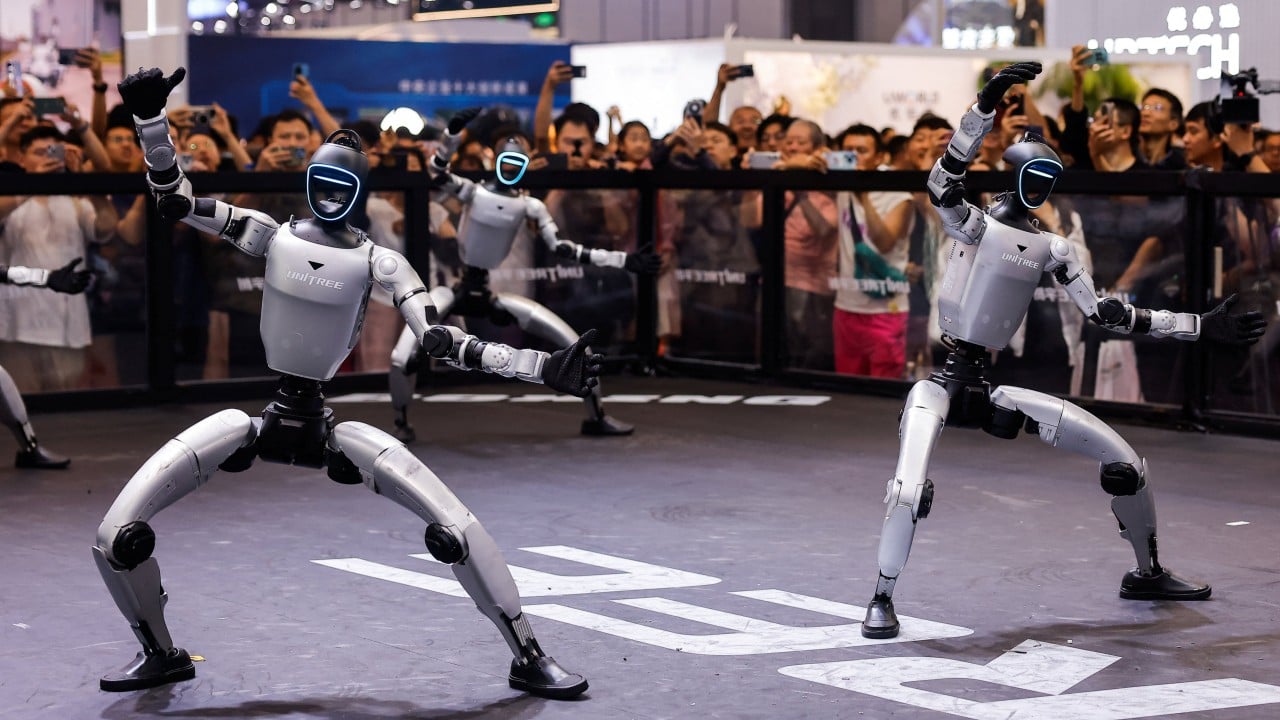
Unitree's stock has experienced significant volatility since its IPO, with a recent drop to 615 yuan, resulting in a market capitalization of 248.8 billion yuan (US$37 billion). This decline follows a peak of 1,100 yuan shortly after its debut on August 19, leading to a staggering loss of 200 billion yuan in market value. The concerns surrounding Unitree's valuation are amplified by the company's high price-to-earnings ratio and the competitive landscape of the humanoid robotics sector, which is still in its early stages. Dong Chen, chief investment officer for Asia at Bank J. Safra Sarasin, expressed skepticism about the sustainability of Unitree's valuation amid increasing competition and market uncertainty. Investors and industry watchers should monitor Unitree's performance closely, particularly as it navigates the challenges of a rapidly evolving market. The company's ability to maintain its market position and justify its valuation will be critical in the coming months. No further timeline was disclosed at the time of publication.

Global Nanorobotics Market Expected to Reach $31.44 Billion by 2034
The global nanorobotics market is projected to grow to $31.44 billion by 2034, driven by advancements in targeted drug delivery and regenerative medicine, as reported by Polaris Market Research. The market is estimated at around $9 billion in 2025, with a compound annual growth rate of 14.9 percent anticipated through 2034. Drug delivery remains the largest application, with significant research focused on nanoscale systems that target specific cells while minimizing effects on healthy tissue. Recent research highlights the potential of nanorobotics, including a DNA-based nanorobot from Sweden’s Karolinska Institute that reduced tumor growth by 70 percent in preclinical models. Additionally, autonomous therapeutic nanorobots from the Institute for Bioengineering of Catalonia demonstrated up to 90 percent reduction in bladder tumors, while a modular nanorobot from the University of Basel decreased cancer cell viability to 16 percent. The fastest-growing category is cell-repair nanorobots, with regenerative medicine applications expected to drive demand further. North America currently holds about 41 percent of the market, bolstered by research funding and healthcare infrastructure, while Asia Pacific is set for the fastest growth at nearly 19 percent annually. This growth is attributed to increased investments in biotechnology and precision medicine across China, Japan, South Korea, and India. Collaborative research initiatives in Europe, like the EU-backed i-NANOSWARMS project, are also contributing to the sector's expansion.
News Research biotechnology cancer treatment cell repair drug delivery
Chinese Robotics Advances Amidst Technology Conflicts and Market Challenges
Chinese robotics continues to progress, showcasing innovative products like stair-climbing vacuum robots and humanoid models at the 2026 Consumer Electronics Show in Las Vegas. However, American consumers and businesses may not have access to these advancements due to ongoing technology conflicts between the US and China. The inability of US consumers to purchase products like Xpeng's humanoid robot, Iron, highlights the impact of geopolitical tensions on technology transfer and market access. Notably, even industry leaders like Elon Musk have acknowledged the impressive capabilities of Chinese robotics, indicating a competitive landscape that is evolving rapidly. Looking ahead, the future of Chinese robotics in international markets remains uncertain, particularly in the US. No further timeline was disclosed at the time of publication regarding the availability of these products in American markets.

Nvidia Expands Into Robotics Market Amid Weaker Retail Sales Impacting Stock Indices
The Dow Jones Industrial Average closed lower on Friday, reflecting a decline in major indexes as Wall Street reacted to disappointing retail sales and consumer sentiment data. The Dow fell by 0.2%, while the tech-focused Nasdaq also experienced a downturn. This decline in stock indices is significant as it highlights the ongoing challenges in the retail sector, which may impact consumer spending and overall economic growth. Nvidia, however, remains resilient, maintaining its position in a buy zone as it explores opportunities in the robotics market. Investors should keep an eye on Nvidia's developments in robotics, as this could signal a strategic shift for the company. No further timeline was disclosed at the time of publication.

ModuTech Secures Pre-A Funding to Advance Touch Perception in Robotics Market
ModuTech, a Shenzhen-based company, has completed a Pre-A funding round worth several million yuan, led by Falcon Investment and Yihua Capital. This funding will support the expansion of their research and development team, production lines, and global business outreach. ModuTech aims to address the challenges of touch perception in robotics, which is crucial for tasks requiring fine manipulation. The touch perception market for humanoid robots is projected to exceed $320 million by 2026, with a growth rate of over 160%. This segment is recognized as the fastest-growing within humanoid robot components. ModuTech differentiates itself by integrating sensor technology with data collection and tactile modeling, creating a comprehensive system that enhances robotic capabilities in precision tasks. As the industry faces challenges with fragmented tactile data, ModuTech's approach includes a multi-modal data system that aligns tactile, visual, and robotic state data. This innovation transforms physical interactions into high-quality, task-level data, enabling sensors to evolve from mere hardware to valuable data sources that inform decision-making in robotics.
Touch Perception Humanoid Robots Industrial Robotics Sensor Technology
AI² Robotics Explores Potential IPO in Hong Kong to Capitalize on Market Interest
AI² Robotics, a Chinese robotics manufacturer, is reportedly contemplating an initial public offering (IPO) in Hong Kong. This move aims to leverage the increasing interest in the robotics sector, which has been gaining momentum in recent years. The potential IPO is significant as it reflects the growing confidence in the robotics industry, particularly in Asia, where demand for automation and advanced technologies is on the rise. By entering the public market, AI² Robotics could secure the necessary capital to expand its operations and enhance its product offerings. Investors and industry watchers should keep an eye on AI² Robotics as it navigates the IPO process. No further timeline was disclosed at the time of publication.

Unitree Robotics Advances Towards IPO on Shanghai STAR Market Following Approval
Unitree Robotics is progressing towards an initial public offering (IPO) on Shanghai’s STAR Market after receiving approval from China’s securities regulator on July 1. This regulatory approval is a significant milestone, although it does not establish the offering price, subscription date, or trading date for the IPO. The company aims to raise approximately RMB4.2 billion, with funds allocated for research into robot AI models, development of robot bodies, creation of new robot products, and the establishment of a smart-robot manufacturing base. Based in Hangzhou, Unitree Robotics specializes in the development of quadruped and humanoid robots, positioning itself as a prominent player in China's embodied-AI sector. While the approval marks a crucial step in Unitree's IPO journey, the timeline for the public offering remains unconfirmed. Stakeholders will be watching closely for updates regarding the offering details and market entry, as the company continues to innovate in the robotics field.
News Feed
Chinese Robotics Leader Tianzhihang Aims to Enter Global Orthopedic Supply Chain
On July 16, Tianzhihang, a leading Chinese orthopedic surgical robot company, announced a suspension of trading as it plans to acquire a controlling stake in Shanghai MicroPort Orthopedics through a share issuance. This transaction is expected to constitute a significant asset restructuring. This move marks a pivotal shift for a Chinese robotics firm attempting to penetrate the global orthopedic industry, which has been dominated by international giants for decades. The acquisition signifies a strategic transition from merely producing robots to integrating into the global supply chain, focusing on the entire ecosystem of implants, consumables, and services. As the domestic orthopedic robot market grows, competition intensifies, leading to price pressures. By 2025, 40 domestic companies are expected to have their orthopedic surgical robots approved for market entry. However, with increasing competition, the focus is shifting from merely selling equipment to establishing a comprehensive business model that includes ongoing revenue from consumables and services.
Orthopedic Robotics Medical Devices Global Supply Chain Healthcare Technology
Chinese Internet Companies Expand into Robotics with Delivery Drones and Robotaxis
Chinese internet companies are increasingly investing in robotics, deploying technologies such as robotaxis, delivery drones, and warehouse robots. This strategic move into the physical world is aimed at enhancing their logistics and service capabilities. The expansion into robotics is significant as it allows these companies to diversify their operations beyond digital services, tapping into the growing demand for automation in transportation and logistics. By integrating embodied AI agents and physical-world AI infrastructure, they aim to improve efficiency and customer service. As these companies continue to innovate, it will be important to monitor their advancements in robotics and AI technologies. The competitive landscape may shift as they establish their presence in the physical realm, potentially leading to new partnerships and market dynamics. No further timeline was disclosed at the time of publication.
Industry
Chinese Team Secures Championship at 2026 RoboCup Robotics Soccer World Cup
In late July, the RoboCup 2026 concluded in Incheon, South Korea, where Tsinghua University's THMOS team triumphed, defeating their opponent 6-2 to claim the humanoid robot soccer championship. This victory marks the team's second consecutive championship win, showcasing the advancements in robotics and artificial intelligence in competitive sports. The significance of this achievement lies in the integration of sports and technology, with humanoid robots serving as a testing ground for embodied intelligence. The competition featured 364 teams from 45 countries, highlighting the growing intensity of robotics competitions over the past decade. The dominance of Chinese hardware platforms, particularly from Booster Robotics, played a crucial role in the success of multiple teams. Looking ahead, the evolution of humanoid robots in soccer suggests a future where these machines may rival human athletes. With over 700 humanoid robots shipped globally and partnerships with more than 70 educational and research institutions, Booster Robotics is positioned to lead in this innovative field. No further timeline was disclosed at the time of publication.
Humanoid Robots Robotics Competitions AI Sports Technology
NVIDIA's CEO Jensen Huang Discusses AI and Robotics Market Evolution
During a nearly hour-long conversation at YC Startup School, NVIDIA CEO Jensen Huang discussed entrepreneurship, AI transformation, and management philosophy. He made a surprising assertion that the 'ChatGPT moment' for robotics occurred several years ago, recalling the first time NVIDIA generated a video of finger movements, realizing that AI in the physical world was on the verge of a breakthrough. Huang revealed that NVIDIA's physical AI business, which includes autonomous driving, is nearing a valuation of $10 billion. He predicts this sector will become one of the largest industries globally, with a target of reaching $100 billion in the near future. Huang emphasized that NVIDIA has even open-sourced its autonomous driving stack to support various applications, including agriculture and logistics. Addressing concerns about AI replacing human jobs, Huang countered that while AI may automate specific tasks, it will not eliminate jobs. He cited data showing that while programming tasks are being automated, software engineering positions are growing at a rate of 10% annually. Huang encouraged young people to focus on foundational sciences and develop system thinking skills, which he believes will be essential in the future job market.
Physical AI Robotics AI Transformation Entrepreneurship
Chinese Robots Enter UK Home Service Market with Dual Certification Initiative
From July 20 to 22, a roundtable dialogue on Sino-British home service policies was held in Beijing, organized by the National Development and Reform Commission's International Cooperation Center. Key stakeholders from both countries discussed the industry's development, highlighting the entry of a unique robot named Liyang Xiaodangjia, which is set to meet UK service standards. This initiative is significant as it marks a step towards establishing internationally recognized service standards, crucial for the expansion of Chinese service robots into the UK home market. With China's robot exports reaching 10.37 million units valued at 19.99 billion yuan in the first five months of 2026, the focus is on overcoming cultural differences in service expectations between China and the UK. Looking ahead, the collaboration between Yangguang Dajie Group and TQUK aims to create a dual certification pathway for service workers, enhancing the credibility of service robots in domestic settings. The training of Liyang Xiaodangjia in real-life scenarios is a critical aspect of this initiative, as it seeks to align with both Chinese and UK service standards to facilitate smoother market entry.
Service Robots Home Automation AI International Standards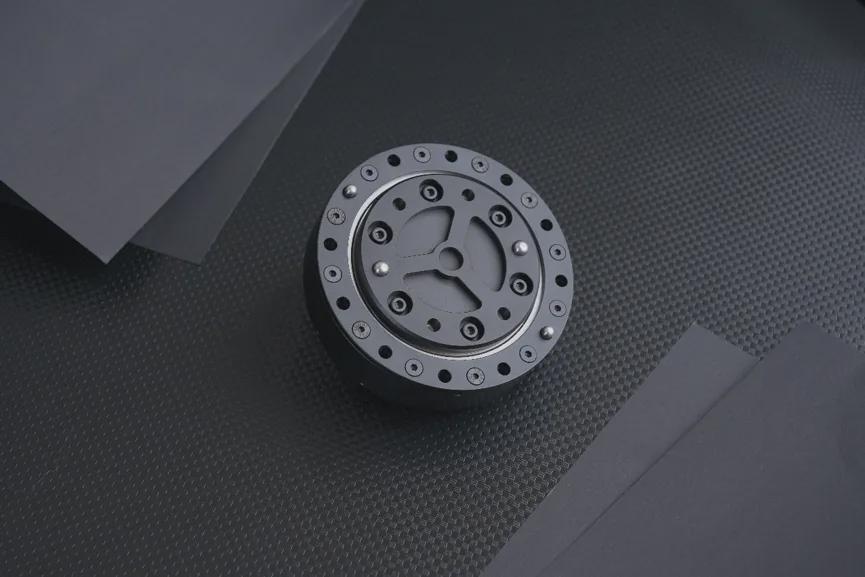
Chinese Humanoid Robots Experience Over 400% Growth in European Market by Mid-2026
The Chinese humanoid robot industry is rapidly reshaping the competitive landscape in Europe, with shipments to the region projected to grow over 400% year-on-year by mid-2026. This surge has positioned Europe as the largest overseas market for Chinese humanoid robots, surpassing North America. This growth is significant as it highlights the systemic advantages Chinese companies have in hardware cost control, mass production capabilities, and product iteration speed. European humanoid robot firms face challenges such as long R&D cycles and high production costs, with prices often exceeding $200,000 per unit. In contrast, Chinese companies leverage a complete supply chain ecosystem to offer similar products at one-third the price or lower, maintaining performance without compromise. The acceptance of Chinese humanoid robots in Europe is expected to continue growing, driven by labor shortages and rising employment costs in the region. Several European automotive and electronics firms are already testing Chinese humanoid robots on production lines, aiming to automate high-risk and repetitive tasks within three years. No further timeline was disclosed at the time of publication.
Humanoid Robots Automation Manufacturing Robotics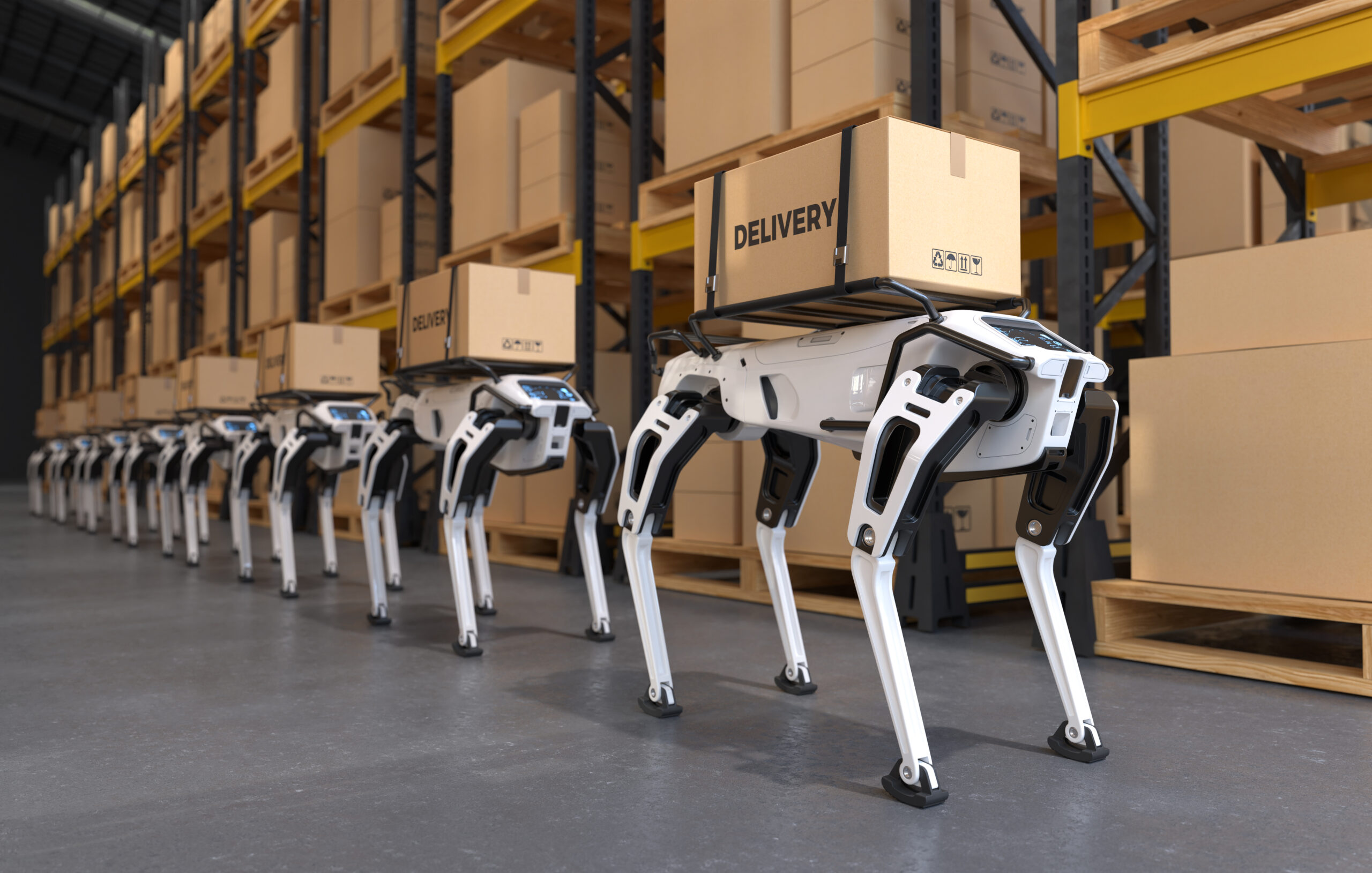
New U.S. Robotics Import Rules Affect European Market Dynamics
The U.S. Federal Communications Commission (FCC) has recently implemented stricter regulations regarding the importation of foreign-made robotics, impacting European suppliers. While existing European robotic systems authorized for sale in the U.S. are not immediately affected, new foreign-produced mobile robots will require additional FCC authorization, complicating the supply chain for many companies. This regulatory shift aligns with the U.S. government's heightened scrutiny of Chinese technology suppliers, raising concerns about intensified competition among U.S., European, and Chinese robotics firms. Exotec, a French warehouse robotics company, highlights that these measures could inadvertently make Europe a more appealing market for Chinese manufacturers, despite the absence of a blanket ban on foreign-made warehouse robots in Europe. As European companies navigate these changes, the emphasis will be on supply chain transparency, cybersecurity, and service capabilities. The evolving landscape suggests that while the U.S. measures may not immediately disrupt existing operations, they could reshape competitive dynamics in the robotics sector, particularly as companies assess their compliance with new security and regulatory requirements.
Materials Handling Robotic Picking Exotec Foreign-made Robotics Rules
Huayan Robotics to Showcase Intelligent Manufacturing Solutions at IMTS 2026
Huayan Robotics is set to present its advanced intelligent manufacturing solutions at IMTS 2026, taking place from September 14 to 19 at McCormick Place in Chicago. The company will demonstrate its capabilities in various applications, including welding, palletizing, CNC machine tending, vision inspection, and force-controlled grinding. The significance of Huayan Robotics' participation lies in the opportunity to engage with over 2,000 exhibitors and 90,000 professional visitors, showcasing the latest trends in global manufacturing technologies. This event, which has been held biennially since 1927, serves as a vital platform for industry leaders to exchange insights and innovations. As IMTS 2026 approaches, stakeholders should monitor Huayan Robotics' presentations and product demonstrations, which may influence future developments in intelligent manufacturing. No further timeline was disclosed at the time of publication.

Mind With Heart Robotics Introduces AnAn Panda Robot in European Market
Mind With Heart Robotics has officially launched its AnAn panda companion robot in Europe, with sales set to commence this month at prices ranging from $1,000 to $1,500. The company has completed an initial production run of 100 units and has signed distributor agreements in Germany and Belgium, marking a significant step in its international expansion. The AnAn robot is designed to provide companionship and support for the elderly, featuring full-body tactile sensing, proactive interaction, reminders, and long-term memory capabilities. This lifelike robot made its European debut at IFA Berlin on September 5, 2026, and was previously recognized as a CES 2026 Innovation Awards Honoree in the Artificial Intelligence category. Looking ahead, Mind With Heart Robotics plans to expand its offerings in Europe by introducing its Duncan Series companion robots aimed at both neurodivergent and typically developing children. The company is actively seeking channel partners across the region to enhance its market presence and support for European customers.
AI AI Funding & Investment Robotics companion robots IFA Berlin Mind With A Heart Robotics
Chinese Humanoid Robots Gain Traction in Japan's Automation Sector
During a recent event, 80-year-old Hiroyuki Nakamura watched as two humanoid robots from China performed a mechanical dance and presented a gift to him. This moment highlights the evolving industrial relationship between China and Japan. By the first half of 2026, Chinese manufacturers are expected to account for 97% of global humanoid robot shipments, totaling approximately 18,500 units, marking Japan as a key battleground for Chinese robotics firms. Japan's need for automation is driven by a labor shortage, transforming automation from an option to a necessity. McKinsey predicts a reduction of about 1.5 million in Japan's available workforce over the next 20 years. A survey in May 2026 revealed that 34% of 220 Japanese companies are considering the introduction of AI robots. The Japanese robotics industry is projected to reach an order value of 10.456 trillion yen in 2025, reflecting a 25.7% year-on-year increase, with a clear demand for solutions that address specific challenges. Chinese companies are gradually penetrating various sectors in Japan, from logistics to dining and manufacturing. In June 2026, UTree Technology signed an agreement with GMO Internet Group to introduce the G1 humanoid robot in Japan. However, entering the Japanese market requires time and a focus on building long-term relationships and after-sales support, as Japanese clients prioritize stability over speed. Observers suggest that for Chinese robotics firms, expanding into Japan should be viewed as a long-term strategic initiative rather than a short-term tactic.
Humanoid Robots Automation Japanese Market Robotics Industry
Chinese Robotics Companies Address Japan's Labor Shortage Challenges
Chinese robot manufacturers are increasingly stepping into Japan's labor market, which is facing significant shortages. These companies are transitioning their focus from humanoid robots to applications in warehouses and restaurants, aiming to provide solutions that meet the demands of various sectors. This shift is crucial as Japan's aging population and declining workforce create pressing needs for automation and robotics. By leveraging their expertise, Chinese firms are not only addressing immediate labor gaps but also enhancing operational efficiency in industries that are struggling to find sufficient human resources. Looking ahead, it will be important to monitor how these Chinese robotics companies adapt their technologies to fit the unique requirements of the Japanese market. No further timeline was disclosed at the time of publication.
Teradyne Robotics Files Patent Infringement Case Against JAKA in Copenhagen
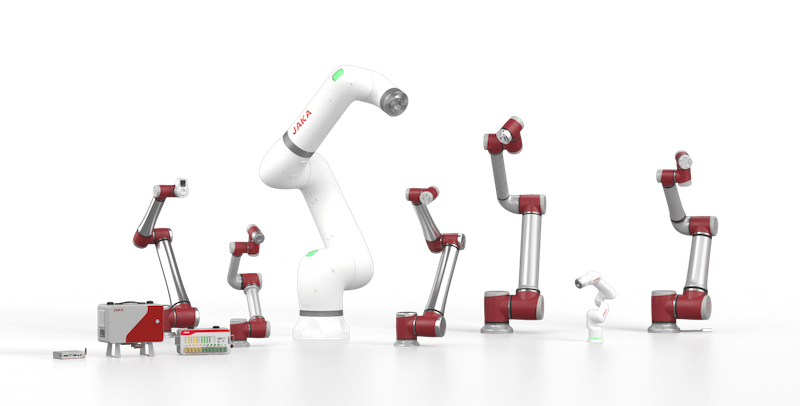
Teradyne Robotics A/S has filed a patent infringement lawsuit at the Unified Patent Court in Copenhagen against a German subsidiary of Chinese company JAKA. The case involves allegations of infringement concerning both software and hardware patents related to Teradyne's Universal Robots A/S, a leader in collaborative industrial robots. This legal action is significant as it underscores Teradyne Robotics' commitment to protecting its intellectual property rights against what it deems illegal copying and infringement. Jean-Pierre Hathout, president of the Teradyne Robotics Group, emphasized the importance of safeguarding their technologies to ensure customers receive innovative automation solutions that comply with safety standards. Looking ahead, the outcome of this case could have implications across Europe, affecting 17 of the 18 EU Member States involved in the Unified Patent Court. Additionally, the case may extend its reach to countries outside the UPC Agreement, such as the United Kingdom and Spain. No further timeline was disclosed at the time of publication.
Business Law and Regulation News cobots collaborative robots industrial robotics
Importance of Timing Over Strategy in Marketing for Robotics Companies
The WAIC 2026 event showcased a significant emergence of robotic forms, attracting numerous data-seekers despite the absence of robots at some booths. This highlights a growing interest in embodied intelligence and its market potential. The event's focus on embodied intelligence underscores the importance of timing in capitalizing on market trends. With a reported funding of 5 billion and a valuation of 20 billion in the edge intelligence sector, the market is poised for a critical evaluation phase. Looking ahead, industry observers should monitor how these developments in embodied intelligence will influence future investments and market strategies. No further timeline was disclosed at the time of publication.
Robotics Automation AI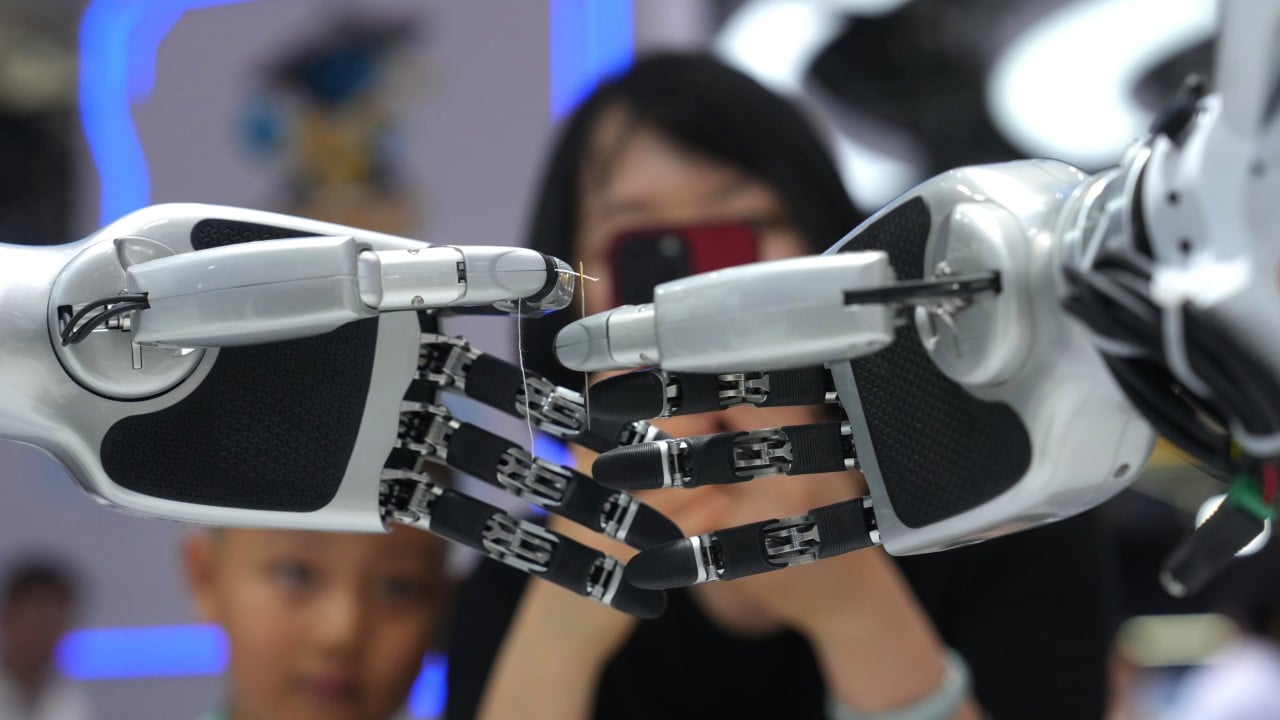
Chinese Robotics Industry Shifts Focus from Humanoid Designs to Practical Applications
The robotics industry is witnessing a transition from showcasing humanoid robots to practical deployments. At Unitree Robotics' booth, bipedal robots demonstrated impressive skills in activities like table tennis and combat, showcasing advancements in speed and balance. However, other exhibitors highlighted robots that efficiently sorted parcels and moved materials, emphasizing functionality over form. This shift is significant as it reflects a growing preference for robots that can perform specific tasks effectively. Yang Li, a senior engineer at X Square Robot, questioned the necessity of bipedal designs, noting that their two-armed WALL-B model sorted 1,816 packages in a controlled test, outperforming the bipedal Figure 03 robot from Figure AI, which managed 1,248 parcels per hour. This trend indicates a move towards more practical robotic solutions in various industries. Looking ahead, the focus on efficiency and task-oriented designs is likely to continue shaping the robotics landscape. With companies like AI2 Robotics showcasing versatile wheeled robots capable of making coffee and ice cream, the industry may prioritize robots that can adapt to different functions over traditional humanoid forms. No further timeline was disclosed at the time of publication.

Yushu Technology Debuts on Stock Market, Lei Jun Gains 15.2 Billion in Humanoid Robotics
On August 19, Yushu Technology, recognized as the first publicly traded humanoid robotics company in China, officially listed on the STAR Market. The stock opened at 1,100 CNY per share, surging 629% from its issue price, with a market capitalization briefly exceeding 444.9 billion CNY before closing at 341.8 billion CNY, marking a 460% increase. This significant rise has resulted in a floating profit of over 15.2 billion CNY for Lei Jun, who invested early through Shunwei Capital. Yushu Technology has achieved a remarkable 90% self-research rate for core components within less than a decade and is projected to deliver 5,500 humanoid robots by 2025 with a gross margin of 63.2%. Unlike many competitors relying on financing, Yushu has already turned a profit through robot sales. As Yushu's stock debut revitalizes the humanoid robotics sector, it also highlights the risks involved. The company's valuation is largely supported by its status as the first publicly listed humanoid robotics firm. The next two to three years will be critical for validating performance, as a mismatch between growth and valuation could lead to inevitable corrections. Yushu's projected revenue for 2025 is 1.699 billion CNY, with a net profit of 278 million CNY, resulting in a price-to-sales ratio exceeding 200 times at closing price.
Humanoid Robots Investment Robotics Industry AI Technology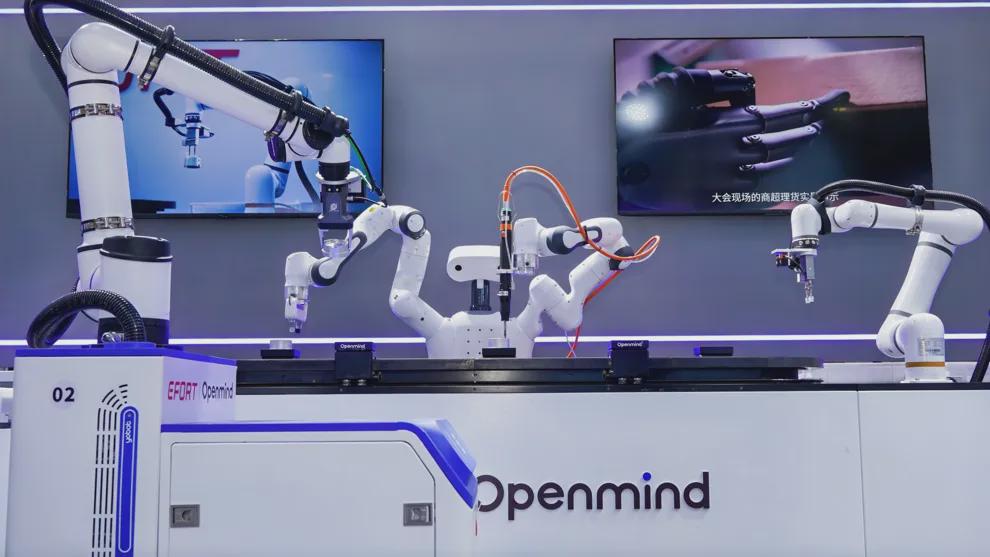
Industrial Robotics Market Growth: From 5.7 Billion to 77 Billion in China
The industrial robotics sector in China is witnessing a significant transformation, with the market projected to grow from 57.4 billion yuan in 2025 to over 110 billion yuan by 2026. This shift is marked by an increase in companies showcasing practical applications of robotics, moving beyond mere demonstrations to real-world implementations in factories. This evolution is crucial as it reflects a growing consensus within the industry that the scale is sufficient, but the focus must now shift to effective utilization of robotic technologies. Despite advancements, the actual deployment of robots in production environments remains low, with estimates suggesting that less than 10% of robots are actively working in factories, highlighting a substantial gap between potential and reality. Looking ahead, the industry faces challenges in bridging this gap, as evidenced by the low penetration rate of robots in general production, currently below 2%. Companies like Aeffort are attempting to address these issues by introducing versatile robotic solutions that integrate advanced technologies for seamless operation in manufacturing settings. No further timeline was disclosed at the time of publication.
Industrial Robotics Automation Technology AI in Manufacturing Robotic Systems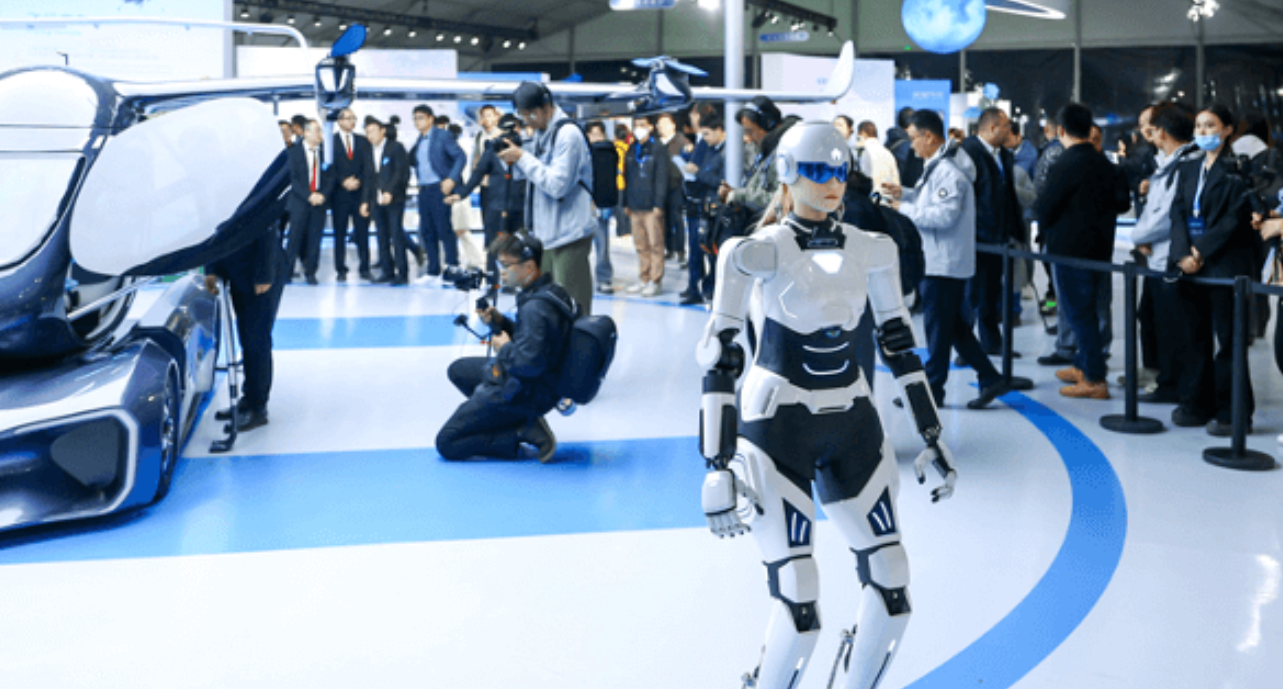
Chery's AiMOGA Robotics Initiates IPO Preparations to Expand Internationally
Chery's AiMOGA Robotics has begun preparations for a potential standalone IPO and is exploring various listing venues. The company has not yet disclosed a timeline or selected an exchange for the IPO. Leadership indicated that the listing could facilitate funding for technology investments and support overseas expansion efforts. This move is significant as AiMOGA Robotics, incubated by Chery in January 2025, has already delivered over 3,000 robots globally, with 2,000 of those deliveries occurring overseas. The company operates in more than 60 countries and regions, demonstrating its growing international presence and ambition to scale its operations further. Looking ahead, AiMOGA aims to achieve 10,000 global deliveries in the upcoming year and has already deployed 110 humanoid police robots across several cities in China. No further timeline was disclosed at the time of publication.
News Feed
Unitree Robotics Founder Predicts Humanoid Robots Will Achieve Mass Market Status in Ten Years
The founder of Unitree Robotics stated that humanoid robots are expected to achieve mass market popularity within the next decade. This prediction hinges on manufacturers addressing existing challenges that currently limit the functionality and practicality of these robots. The significance of this forecast lies in the potential transformation of various sectors through the widespread adoption of humanoid robots. As manufacturers work to overcome technical hurdles, the integration of these robots could enhance efficiency and productivity across multiple industries. Looking ahead, stakeholders should monitor advancements in humanoid robotics technology and the strategies employed by manufacturers to resolve current limitations. No further timeline was disclosed at the time of publication.
Unitree Robotics Achieves 460% IPO Surge, Impacting Humanoid Robot Market
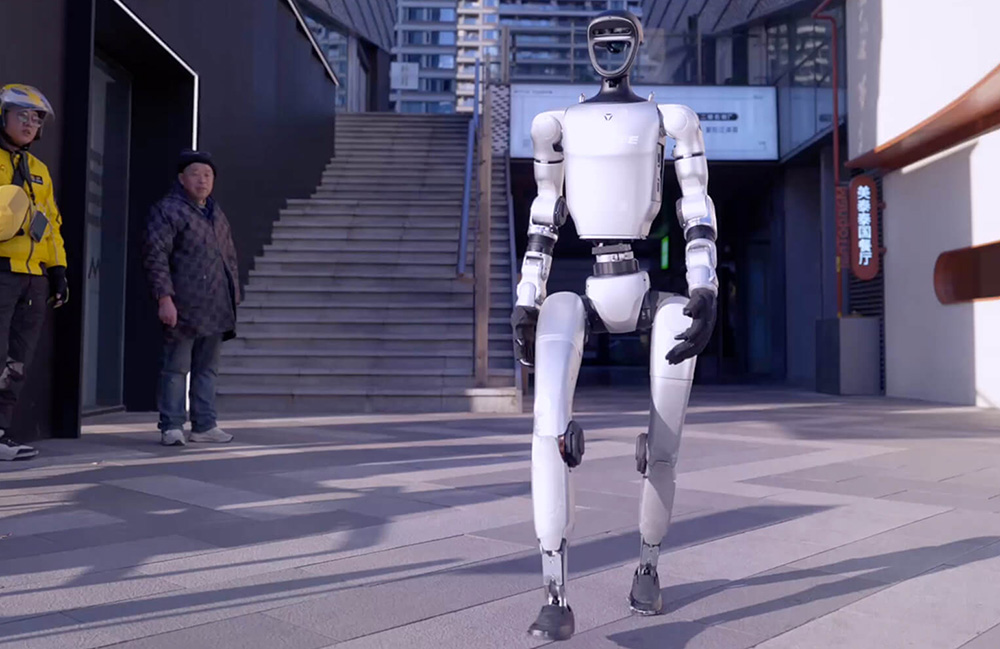
Unitree Robotics made a significant entrance on Shanghai’s STAR Market, closing its first trading day with a remarkable 460% increase. The company raised approximately $905 million through its initial public offering, marking it as the first major legged robotics firm to go public. Founded in 2016, Unitree is renowned for its affordable quadruped and humanoid robots, which are predominantly utilized in research labs worldwide. The IPO represents a pivotal moment for Unitree, which has rapidly expanded its sales from five humanoid robots in 2023 to an impressive 5,215 projected for 2025. Despite this growth, approximately 70% of these sales are directed towards universities and research institutions, raising concerns about the robots' viability in industrial applications. Industry experts emphasize the need for Unitree to prove the operational durability of its robots in challenging environments to sustain its market position. Looking ahead, Unitree faces hurdles in the U.S. market due to recent FCC restrictions on imports of foreign-produced robots, including humanoids. This regulatory challenge could hinder the company's ability to sell future models in the U.S. Investors are now tasked with assessing whether Unitree can transition from one-off sales to a sustainable business model amidst these obstacles. No further timeline was disclosed at the time of publication.
Earnings Financial Humanoids Investments News Robots / Platforms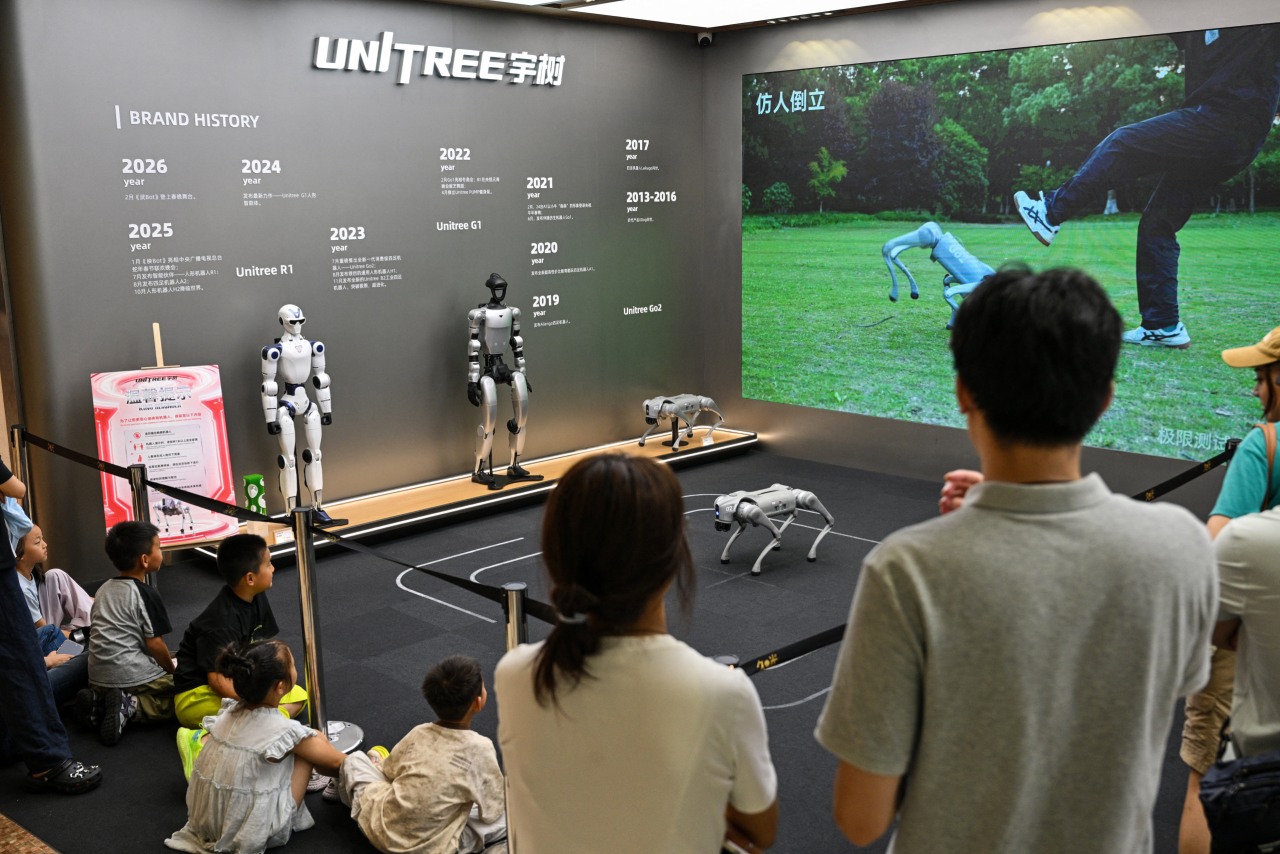
Unitree Robotics Achieves Milestone as First Humanoid Robot Maker Listed in Mainland China
Unitree Robotics has made history by becoming the first humanoid robot manufacturer to be publicly listed in mainland China. This significant milestone marks a new chapter for the company as it navigates the competitive landscape of robotics amidst various challenges. The listing is particularly noteworthy given the current geopolitical climate, including restrictions imposed by the U.S. on certain technologies. Unitree's successful market debut highlights the growing interest and investment in robotics within China, positioning the company as a leader in the sector. Looking ahead, it will be essential to monitor how Unitree Robotics capitalizes on this listing and navigates the challenges posed by international regulations. No further timeline was disclosed at the time of publication.
Hydromea and SepcoTech Collaborate to Introduce EXRAY Inspection Robotics in Scandinavia
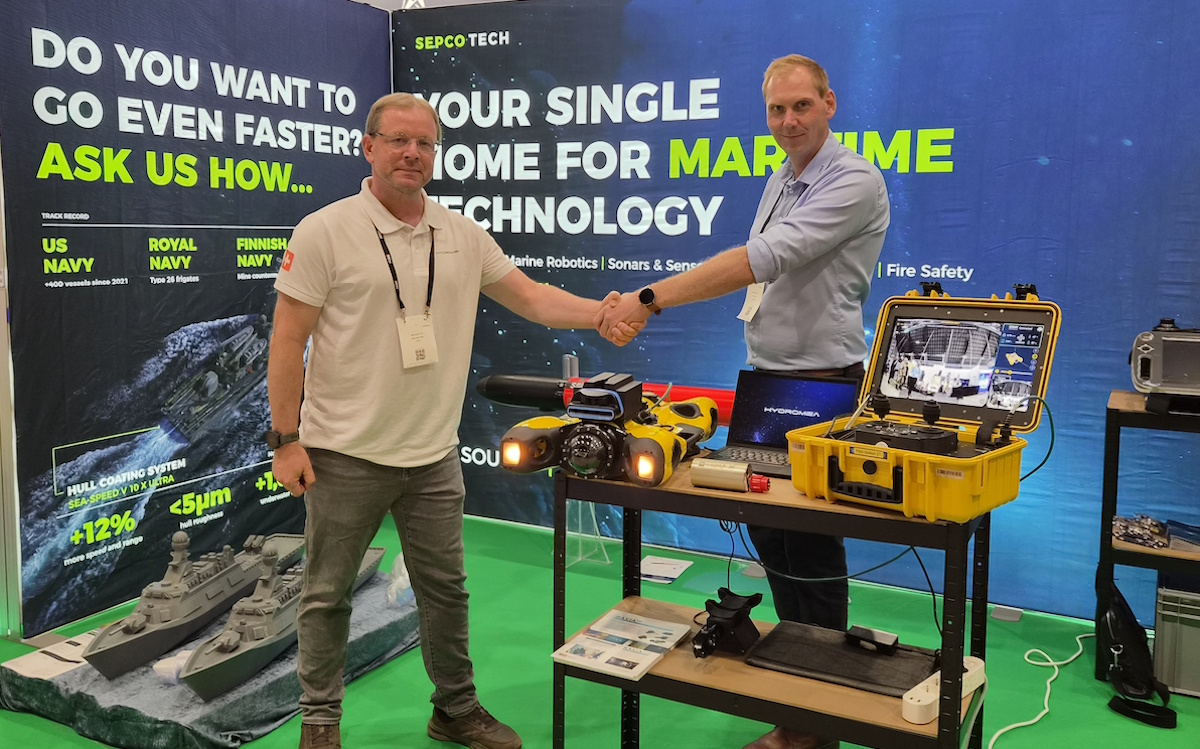
Hydromea and SepcoTech A/S have formed a commercial partnership to promote Hydromea’s EXRAY™ subsea inspection system in Scandinavia. The focus will be on naval, defense, maritime, and offshore applications, addressing the need for inspections in submerged and confined spaces that are challenging for divers or traditional ROVs. The EXRAY™ system features a dual-vehicle setup, comprising a tethered mothership ROV for open water operations and a wireless flyout vehicle for accessing confined areas. This innovative design allows for safe inspections without the risks associated with divers or tethered ROVs, while also ensuring high-definition video transmission to operators. This partnership is significant as it enhances inspection capabilities for asset owners, aiming to minimize personnel exposure and improve the efficiency of subsea inspections. No further timeline was disclosed at the time of publication.
hydromea sepcotech exray inspection robotics scandinavian naval market
Unitree Robotics Set for Record IPO Amid Growing US-China AI Competition
Unitree Robotics, the world's largest humanoid robot manufacturer, is set to debut on the Shanghai Stock Exchange's STAR Market this Wednesday. The company, known for its innovative dancing and kung-fu robots, has generated over $900 million in its IPO, which was oversubscribed by more than 8,000 times, marking a record for the exchange. This IPO comes at a critical time as the U.S. has recently updated regulations to ban foreign-made humanoid robots, primarily targeting Chinese manufacturers. This move highlights the ongoing competition between the U.S. and China in the AI and robotics sectors, with Unitree positioned as a key player in this landscape. As Unitree prepares for its public market entry, industry observers will be closely monitoring its stock performance and the implications for the humanoid robot market. No further timeline was disclosed at the time of publication.

China's Nationwide Push in Robotics and Physical AI Signals Potential Market Disruption
A leading Taipei-based think tank warns of a looming 'China shock' in the robotics sector as Beijing intensifies its efforts to dominate advanced robotics and physical AI. This initiative mirrors China's previous strategies in electric vehicles and drones, despite current shortcomings in high-end chips and precision tools. The significance of this development lies in the potential reshaping of the global technology landscape. As China aims for supremacy in next-generation robotics, the implications for international competition and supply chains could be profound, particularly for nations lagging in these technologies. Looking ahead, stakeholders should monitor China's advancements in robotics and AI, especially as the country seeks to overcome its technological deficits. No further timeline was disclosed at the time of publication.

Agility Robotics Enters SPAC Deal Valued at $2.5 Billion Amid Industry Shift
On June 24, Agility Robotics Inc. announced a definitive business combination agreement with Churchill Capital Corp XI, a SPAC, valuing Agility at a $2.5 billion pre-money equity valuation. This transaction is significant as it reflects a growing trend among robotics companies to pursue non-traditional paths to public markets, particularly in light of labor shortages and the increasing need for automation. The deal is expected to generate approximately $620 million in gross transaction proceeds, including $200 million from a private placement of public equity led by Foxconn. As traditional IPO routes become more challenging, de-SPAC transactions may offer a viable alternative for robotics firms seeking capital and public market access. The transaction is anticipated to close in 2026, pending shareholder approval and regulatory reviews. Agility's move follows a similar path taken by Serve Robotics Inc., which completed a reverse merger with Patricia Acquisition Corp. in July 2023. As the robotics industry evolves, stakeholders should monitor how these financial strategies impact the growth and deployment of robotics technologies in various sectors.
Analysis Autonomous Mobile Robots (AMRs) Financial Humanoids Investments Mergers & Acquisitions
Chinese Company Pioneers Direct-Drive Tendon Technology for Humanoid Robotics
In recent years, the global robotics research landscape has shifted focus back to the physical structure of robots, particularly in dexterous manipulation. According to IEEE Robotics and Automation Society, the number of papers on haptic perception, soft robotics, tendon-driven systems, and visuotactile learning is expected to rise significantly by 2025-2026, marking these areas as key research directions at major robotics conferences. This trend is mirrored in the industry, where a report identified that core components accounted for 21.8% of 311 robot financing events in the first half of the year, surpassing other categories. The investment landscape is increasingly gravitating towards manufacturers and component companies, particularly in the dexterous hand sector, which is seen as crucial for overcoming the final barriers to practical robot applications. Suzhou Zhixing Tendon Robotics Technology Co., Ltd. is at the forefront of this innovation, having developed a complete technological pathway from electroactive composites to modular applications. Their direct-drive tendon technology aims to redefine robotic movement by integrating materials into the power system, with products set to be showcased at the World Robot Conference on August 19.
Humanoid Robots Dexterous Manipulation Soft Robotics Tendon-driven Technology AI
Siemens Xcelerator Aims to Transform Humanoid Robotics Design for $370 Billion Market
Siemens is addressing the complexities of humanoid robotics design with its Xcelerator platform, which integrates mechanical design, simulation, and manufacturing processes. This innovation is crucial as the humanoid robotics market is projected to grow to $370 billion by 2040, according to McKinsey. Overcoming design inefficiencies will be essential for manufacturers to capture market share and create adaptable robots capable of transforming various industries. The potential of humanoid robots lies in their ability to navigate complex environments and perform diverse tasks, unlike traditional industrial robots. However, significant technical challenges remain, including the need for precise coordination of articulated joints and the integration of design and simulation workflows. Siemens Xcelerator aims to streamline these processes, enabling manufacturers to validate designs earlier and reduce reliance on physical prototypes. As competition intensifies in the humanoid robotics sector, manufacturers must adopt advanced solutions like Siemens Xcelerator to remain competitive. The platform's capabilities in connecting design and simulation workflows could be pivotal in accelerating the development of humanoid robots, ultimately reshaping manufacturing and logistics operations in the coming years.
Sponsored Content Siemens Industry
SemiAnalysis Report Reveals Yushu Technology's Strategy to Lead Global Robotics Market
A report by SemiAnalysis on the day of Yushu Technology's IPO indicates that the company is replicating the successful hardware growth paths of BYD and DJI, potentially positioning itself to dominate the global robotics industry. The report highlights Yushu's impressive cost structure, estimating the material cost of its G1 robot at just $8,976. Despite a price drop in overseas markets from over $50,000 to $27,300, the company maintains a gross margin of 67%. Yushu has evolved from a quadruped robot company three years ago to a leader in the humanoid robot market, with plans to deliver its 10,000th humanoid robot soon. Looking ahead, Yushu's revenue is projected to grow by 335.36% year-on-year by 2025, with a gross margin nearing 60%. The company plans to invest approximately 2.02 billion yuan in embodied model research and development. No further timeline was disclosed at the time of publication.
Humanoid Robots Robotics Industry Supply Chain Management Cost Structure AI Technology
RoboStore Launches Robo Inc. in Response to US Ban on Chinese Robotics
In response to the US Federal Communications Commission's ban on Chinese humanoid and quadruped robots, RoboStore, North America's largest foreign robot distributor, has announced the establishment of Robo Inc. This new company, located in Long Island, New York, will focus on assembling and integrating robotics systems domestically, with operations expected to begin in January 2027. Robo Inc. aims to bridge the price gap between imported and domestic robotics by sourcing competitive hardware globally and performing assembly, software integration, and security enhancements in the US. The company recognizes that local manufacturing cannot immediately meet the price demands, as evidenced by the significant cost difference between Chinese and US-made humanoid robots. However, Robo Inc. faces challenges due to China's National Intelligence Law, which requires compliance from Chinese manufacturers with intelligence operations. This legal framework raises concerns for federal agencies and defense contractors regarding hardware sourcing. The effectiveness of Robo Inc.'s model will depend on the specific needs and regulatory constraints of its customers.
Robot Manufacturing System Integration Cybersecurity Supply Chain Management
Chinese Robotics Industry Advances with Autonomous Flying Machines
The phrase 'Chinese people can fly' has become a cultural phenomenon this summer, symbolizing a broader trend in China's robotics sector. While the internet buzzes with this slogan, Chinese robots are indeed taking to the skies, transitioning from traditional drones to advanced flying robots capable of autonomous operations. This shift is significant as it reflects China's industrial strength and technological advancements. According to Gao Fei, founder of Micro Differential Intelligence, traditional drones rely on human control, whereas flying robots utilize autonomous navigation and intelligent systems to operate independently in challenging environments. This evolution from tools to intelligent entities is crucial for enhancing operational efficiency in various sectors. Looking ahead, the demand for intelligent flying devices is surging across industries such as agriculture, inspection, rescue, and logistics. The global market for aerial robots is projected to grow significantly, with China's market expected to reach $2.72 billion by 2032. As policies support the development of low-altitude economies and embodied intelligence, the intersection of these two fields is set to accelerate the deployment of flying robots in urban environments.
Flying Robots Embodied Intelligence Aerial Technology Smart Automation
US Robotics Industry Faces Challenges Amid Ban on Chinese Humanoid Robots
The US government has imposed a ban on Chinese humanoid robots, a move aimed at protecting the nascent American robotics industry. Brendan Carr, chairman of the FCC, emphasized that this action is one of the strongest technology-security measures in recent history, as Chinese manufacturers dominate approximately 85% of the global humanoid market. This ban raises questions about the effectiveness of isolating the US robotics sector from competition. While it is intended to foster growth in an industry that lacks established players, critics argue that such protectionist measures may hinder innovation and development. Evan Beard, CEO of Standard Bots, supports the ban, citing security concerns related to foreign-subsidized machines potentially being used for espionage. Looking ahead, the implications of this ban on the US robotics landscape remain to be seen. The exemption for federal government purchases indicates a complex approach to technology security, suggesting that the government may continue to leverage foreign technology while restricting it from the general public. No further timeline was disclosed at the time of publication.

Unitree's IPO on Shanghai's Star Market Highlights Investor Interest in AI Robotics
Unitree has launched its IPO on Shanghai's Star Market, pricing shares at 150.8 yuan each. The company aims to sell 40.45 million new shares to raise 6.1 billion yuan, exceeding its initial target of 4.2 billion yuan. DeepSeek, which invested 141 million yuan, will collaborate with Unitree on AI models and embodied-intelligence technology. This IPO is significant as it positions Unitree as a key player in China's AI robotics sector, often referred to as the first humanoid stock from mainland China. The collaboration with DeepSeek, which includes a three-year lock-up period, will enhance Unitree's capabilities in AI and robotics, potentially influencing the market dynamics for similar companies. Investors should monitor how Unitree's IPO performance impacts valuations in the embodied-intelligence sector. According to Zheng Hualiang, founder of Leap VC, this IPO could set a valuation benchmark for other companies in the field. No further timeline was disclosed at the time of publication.

China's Drone Exports Experience Growth in Southeast Asia and Emerging Markets
China has seen a significant increase in drone exports to emerging economies this year, driven by rising demand for civilian uses such as agriculture and surveying. This surge in exports comes as the country seeks to offset declining sales in the United States, highlighting a shift in market dynamics. The growing interest in Chinese drones in regions like Southeast Asia underscores the potential for these technologies to support various sectors, particularly in the Global South. As countries in these regions adopt drones for farming and other applications, China's position as a leading supplier is strengthened, despite geopolitical tensions. Looking ahead, the continued expansion of drone applications in emerging markets will be crucial for China's export strategy. No further timeline was disclosed at the time of publication.

Faraday Future Secures Independent Financing for Robotics Division Amid Market Challenges
Faraday Future (FF) has announced a strategy to independently finance its robotics business, aiming to restore its market value to levels seen at its 2021 Nasdaq listing. The company has locked the minimum conversion price of existing convertible notes at no less than $5 per share, signaling its intent to prevent further stock dilution. This move is crucial as FF addresses long-standing concerns about its capital structure's transparency by committing to weekly updates on the status of convertible debt conversions. The company anticipates that as it gradually manages its convertible debt, its capital structure will improve. The most significant aspect of this strategy involves exploring independent financing and a future public listing for its robotics division. FF aims to reduce its total debt from $230 million to below $100 million over the next three to four quarters, with new financing primarily directed towards the robotics sector. The success of this initiative is vital for FF's goal of increasing its market value from under $200 million back to $4.5 billion by 2025, contingent on the robotics business's performance.
Robotics Capital Financing Market Valuation Debt Reduction
Challenges Ahead for RV Reducers in Industrial Robotics Market
Recently, Zhang Yueming, Chief Scientist at Beijing Zhihong Precision Transmission Technology and a professor at Beijing University of Technology, stated that the first phase of domestic replacement for core components of industrial robots has concluded. In the medium and small load sector, represented by RV reducers, domestic alternatives have largely been achieved. However, in high-load scenarios such as automotive manufacturing, foreign brands still hold 80% to 90% of the market share. This shift is significant as it marks a transition from merely having domestic products to focusing on the strength of these products. The ability to define independent technological routes will determine the competitive outcome. According to the Ministry of Industry and Information Technology, revenue from China's robot manufacturing enterprises is projected to exceed 90 billion yuan from January to May 2026, reflecting a 26.9% year-on-year growth, maintaining its status as the world's largest industrial robot market for 13 consecutive years. Zhang revealed that Zhihong Technology has been collaborating with Beijing University of Technology for nearly a decade to pursue forward development, moving away from imitation. Their products have achieved benchmarks against international giants like Nabtesco in key performance indicators. Notably, Zhihong is developing a gear transmission joint module with complete independent intellectual property rights, aiming to create a new category not previously seen overseas. Analysts believe that as domestic brands surpass 50% market share, core component companies must innovate and validate under heavy load conditions to transition from being merely usable to leading the market.
RV Reducers Industrial Robotics Automation Technology Manufacturing Innovation
Shifts in Robotics Investment Focus on Core Components Amid Market Changes
Since 2026, the robotics capital market has shifted focus from complete machines to core components such as chips, sensors, and actuators. This change reflects a move from concept validation to mass production, as investors seek more certainty in their investments. In July alone, 13 out of 52 financing events in the robotics sector were in core components, indicating a significant rise in interest. The importance of core components is underscored by the realization that relying solely on imported parts can severely impact profitability for humanoid robots. As domestic supply chains struggle to keep pace, companies with substantial funding may still find themselves at the mercy of foreign manufacturers. This shift highlights that competition in the robotics industry is evolving beyond just complete machines to encompass the entire supply chain. One notable player in this space is Tao Shi Intelligent, established in 2024, which has developed a unique orthogonal drive technology for reducers. With a focus on high precision and compact design, the company has successfully integrated its products into the supply chains of major firms like Foxconn. As demand for dexterous hands rises, Tao Shi Intelligent is poised to capitalize on this trend, having signed agreements for 100,000 joint modules with various robotics companies.
Robotics Core Components Supply Chain Investment Trends
Chinese Start-up Spirit AI Briefly Surpasses Nvidia in Robotics Benchmark Before Controversy
Spirit AI's Spirit v1.6 temporarily surpassed Nvidia on the RoboArena robotics benchmark, highlighting the fierce competition between the US and China in AI development. However, this achievement was short-lived as the benchmark's creators revised their methodology and subsequently removed Spirit's model from the official rankings due to allegations of 'benchmark hacking'. The incident emphasizes the ongoing challenges in evaluating autonomous systems and the scrutiny surrounding performance claims in the AI sector. Spirit AI's momentary lead in the rankings, which it referred to as the 'Olympics' of embodied intelligence in North America, drew significant attention, despite the benchmark's inherent issues. Looking ahead, the focus will be on how the RoboArena benchmark evolves and whether it can establish a more reliable evaluation process for AI models. No further timeline was disclosed at the time of publication.

Jim Cramer Highlights Johnson & Johnson's Surgical Robotics Breakthrough and Market Impact
During the July 23 episode of Mad Money, Jim Cramer emphasized a significant shift in investor sentiment towards Johnson & Johnson (NYSE:JNJ) following the FDA's approval of its OTTAVA Robotic Surgical System. This approval is seen as a pivotal moment that positions JNJ as a key player in the high-tech healthcare sector, despite initial market skepticism after a strong earnings report. Cramer's advocacy for JNJ underscores the importance of high-quality defensive stocks in a diversified portfolio, especially during volatile market conditions. The FDA's De Novo marketing authorization for the OTTAVA system marks a major milestone, enabling a range of surgical procedures and allowing JNJ to leverage its extensive hospital network for market penetration. Looking ahead, JNJ plans a targeted rollout of the OTTAVA system in select U.S. hospitals while pursuing international approvals and additional clinical trials. The company's entry into the soft-tissue robotics market positions it to compete with established players like Intuitive Surgical, potentially capturing market share while maintaining a conservative valuation. No further timeline was disclosed at the time of publication.

Chinese Humanoid Robot Brands Expand Presence in European Market
In the past year, Chinese humanoid robot brands have made notable strides in the European market. Several companies have established offices in EU countries and engaged in localized operations, becoming key players at various exhibitions and events. This surge in activity signifies a crucial milestone for Chinese robotics firms and injects new vitality into the global robotics industry landscape. The success of these companies stems from a dual alignment of technology and market needs. Europe has a strong demand for green energy, smart manufacturing, and elder care services, areas where Chinese humanoid robot firms excel in cost control, rapid iteration, and local adaptation. For instance, humanoid robot solutions tailored for elder care have received positive feedback due to their alignment with local aging population needs. However, the journey to international markets is not without challenges. Cultural differences, regulatory standards, and the establishment of after-sales service systems are hurdles that Chinese companies must navigate. Many are overcoming these obstacles by collaborating with local partners, with some establishing R&D centers in Munich and local service teams in Spain. Looking ahead, as China and Europe deepen their collaboration in robotics technology, a more open and diverse global humanoid robot ecosystem is emerging, marking just the beginning of the 'European story' for Chinese humanoid robots.
Humanoid Robots Robotics Market Elder Care Solutions Smart Manufacturing International Business
US FCC Blocks New Chinese Humanoid Robots, Impacting Market Dynamics
The US Federal Communications Commission (FCC) has decided to block new foreign-produced advanced robotic devices, including humanoid robots, from receiving equipment authorization. This decision follows assessments by US national security agencies regarding unacceptable cybersecurity and supply chain risks associated with these foreign technologies. This move is particularly impactful as Chinese companies currently hold nearly 70 percent of the global humanoid robot market. Analysts interpret this action as a significant escalation in the ongoing technological rivalry between the US and China, especially as several Chinese humanoid manufacturers are preparing for initial public offerings (IPOs) this year. Looking ahead, the restrictions could hinder the growth of Chinese humanoid manufacturers like AgiBot and Unitree, who are major players in the market. No further timeline was disclosed at the time of publication.
Features Humanoids advanced robotic devices agibot artificial intelligence boston dynamics
Chinese Cleaning Robot Manufacturers Dominate 70% of Global Market Through Innovation
Chinese manufacturers of home cleaning robots have captured 70% of the global market, with Roborock leading at a 27% share. This dominance is attributed to technological innovations such as stair-climbing capabilities and robotic arms, which have shifted the competitive landscape away from price-based strategies. The rise of these advanced features signifies a pivotal change in consumer preferences, as buyers increasingly prioritize functionality and versatility over cost. Companies like Ecovacs and Dreame are also making significant contributions to this trend, enhancing their product offerings to meet evolving market demands. Looking ahead, it will be essential to monitor how these companies continue to innovate and adapt to consumer needs. No further timeline was disclosed at the time of publication.
IndustryRobotics needs a service framework.
RSF defines a common language for robot service capability, lifecycle operations, certification pathways, and service-provider networks.
Join the RobotToday community on LinkedIn
Daily robotics news, in-depth analysis, conference highlights, and discussions with professionals worldwide.