A single destination for timely, editor-curated robotics news from around the world.
XDOF has officially launched after securing $70 million in funding to create infrastructure for robot foundation models. The company aims to develop essential datasets, robotic systems, and software tools that will enable robotics firms and research institutions to enhance the capabilities of physical AI systems. This significant investment comes from prominent venture capital firms, including Thrive Capital, Andreessen Horowitz, Spark Capital, Lux, and WnderCo. The funding will support XDOF's mission to advance the field of robotics and artificial intelligence, addressing the growing demand for more sophisticated and efficient robotic solutions.
AIInsider By Greg Bock Jun 18, 2026 AI AI Funding & Investment Robotics Amazon Andreessen Horowitz Carnegie Mellon
Researchers at Carnegie Mellon University's School of Computer Science have developed an innovative system called VideoManip, which enables robots to learn manipulation skills by analyzing videos of human interactions with objects. This groundbreaking approach allows robots to reconstruct movements and understand how humans make contact with various items, significantly reducing the need for lengthy, hands-on demonstrations by humans. By utilizing readily available internet videos, the system streamlines the training process for robots, enhancing their ability to acquire new skills efficiently. This advancement marks a significant step forward in robotics, potentially transforming how machines are trained to perform tasks in diverse environments.
ri.cmu.edu By Mallory Lindahl Jun 17, 2026 Research
A team of students from Carnegie Mellon University's Robotics Institute has developed an innovative robotic solution to combat fire blight, a destructive disease that threatens orchards by killing branches and entire trees, leading to significant economic losses for farmers. This project, known as the Fire Blighters, aims to assist growers in detecting the disease earlier and minimizing its spread. The team's efforts have recently garnered national recognition, highlighting the potential of robotics in agricultural disease management.
ri.cmu.edu By Mallory Lindahl Jun 11, 2026 Announcements Awards
Deepak Pathak, a Raj Reddy Associate Professor of Robotics at Carnegie Mellon University’s Robotics Institute, has been honored with the 2026 Pattern Analysis and Machine Intelligence (PAMI) Young Researcher Award. This prestigious accolade was presented during the IEEE Conference on Computer Vision and Pattern Recognition (CVPR), a leading event in the field. The award is one of the highest recognitions for early-career researchers in computer vision, acknowledging Pathak's significant contributions to the discipline. The recognition not only highlights his innovative work but also underscores the importance of fostering new talent in advancing technology and research in robotics and computer vision.
ri.cmu.edu By Mallory Lindahl Jun 10, 2026 Announcements Awards
Researchers at Carnegie Mellon University's Department of Mechanical Engineering are pioneering an AI-driven approach to enhance the understanding of how animal brains and bodies coordinate their movements. This innovative project aims to transform complex biological systems into testable models, allowing the team to analyze and refine these systems. The ultimate goal is to replicate the precision and adaptability seen in animal movement within robotic systems, addressing the challenges that robots currently face in matching these capabilities. This research is part of a broader effort to bridge the gap between biological performance and robotic functionality, potentially leading to advancements in robotics and artificial intelligence.
TechXplore:Robotics May 12, 2026 Robotics
NVIDIA founder and CEO Jensen Huang addressed the Class of 2026 during their commencement ceremony at Carnegie Mellon University, emphasizing the unique opportunities that await them as they embark on their professional journeys. Speaking to the graduates, Huang expressed his enthusiasm for the current era, describing it as an extraordinary time to start their careers. He encouraged the students to embrace the challenges and innovations that lie ahead, highlighting the transformative potential of technology in shaping the future. The event took place on a significant date in the academic calendar, marking a pivotal moment for the graduates as they transition from education to the workforce. Huang's message aimed to inspire and motivate the new graduates to leverage their skills and knowledge in a rapidly evolving landscape.
NvidiaNews By NVIDIA May 10, 2026
Researchers at Carnegie Mellon University have developed an innovative AI system called World2Rules, aimed at enhancing aircraft safety by analyzing patterns of risky behavior in real airport operations and incident data. This system, which operates alongside existing prediction technologies, simplifies its warnings to ensure they are easily understood by airport personnel. The initiative responds to the critical need for improved safety measures in managing airport traffic, where even minor errors can result in serious incidents. By leveraging advanced data analysis, World2Rules seeks to significantly reduce the risk of collisions at airports, contributing to safer skies for both passengers and crew.
ri.cmu.edu By Mallory Lindahl May 08, 2026 Research
A recent study conducted by researchers from the University of Pennsylvania, Carnegie Mellon University, and the University of Oxford highlights significant concerns regarding the safety of AI-powered machines operating in close proximity to humans. The findings suggest that current safety protocols may be inadequate as these robots begin to interact with people in physical environments. The researchers emphasize the necessity for more advanced, context-aware safety systems that go beyond the existing measures used for AI chatbots. This study raises alarms about the potential risks associated with deploying AI technologies in real-world settings, urging developers and policymakers to prioritize enhanced safety measures to protect individuals from unforeseen consequences.
AIInsider By Greg Bock May 05, 2026 AI AI Research & Advances Robotics Carnegie Mellon University Research robots
Beverly Da Costa has made history as the first graduate of Carnegie Mellon University's Bachelor of Science in Robotics program. The announcement was made via a mass email from Martial Hebert, the dean of the School of Computer Science, in 2023. This milestone reflects the university's commitment to advancing education in robotics and highlights Da Costa's dedication and hard work throughout her studies. Her achievement serves as an inspiration to future students in the program, emphasizing the importance of perseverance and ambition in pursuing one's dreams.
ri.cmu.edu By Mallory Lindahl May 05, 2026 RI Life
Carnegie Mellon University’s Robotics Institute is set to host the latest phase of the Vision-Language-Navigation (VLN) Challenge, aimed at advancing the ability of robots to comprehend and execute human instructions in real-world environments. This new iteration of the challenge, which takes place this year, marks a significant evolution from previous versions by eliminating certain constraints, thereby enhancing the complexity and applicability of the tasks involved. The initiative seeks to unite researchers in tackling one of the most challenging aspects of robotics, ultimately striving to improve the interaction between humans and machines.
ri.cmu.edu By Mallory Lindahl May 01, 2026 Research
Researchers from Penn Engineering, Carnegie Mellon University, and the University of Oxford have raised concerns about the inadequacy of current efforts to align artificial intelligence with human values, particularly in robotic systems. Their findings, published in the journal Science Robotics, emphasize the urgent need for more comprehensive frameworks to ensure that AI-enabled robots adhere to fundamental ethical principles. This call to action echoes the famous dictum by science fiction writer Isaac Asimov, which states, "A robot may not injure a human being." The study highlights the potential risks associated with the integration of AI in robotics and advocates for a proactive approach to safeguard human welfare.
TechXplore:Robotics Apr 29, 2026 Robotics
In a recent showcase of advancements in robotics, IEEE Spectrum highlighted several innovative developments and upcoming events in the field. Notably, Sony AI's latest research, featured on the cover of Nature, explores the potential of high-speed autonomous systems to master complex perception and dynamic control, aiming to compete with professional athletes. Among the exciting projects is the Ringbot Quad, a unique monocycle robot that integrates wheeled and legged locomotion, allowing it to navigate diverse terrains by switching between driving and walking modes. Meanwhile, in a significant milestone for China's robotics industry, humanoid robots outpaced human runners in a half-marathon in Beijing, with three robots finishing ahead of 12,000 participants. Other highlights include AthenaZero, a robot capable of juggling using only on-board sensory feedback, and advancements from the Max Planck Institute for Intelligent Systems, which reported a method to enhance the efficiency of soft electrostatic actuators, achieving conversion rates of up to 63.6%. As the field continues to evolve, discussions at Carnegie Mellon University emphasize the implications of Artificial General Intelligence (AGI) for society, proposing a future where humans collaborate with robots in supervisory roles, potentially transforming essential services and labor dynamics. Upcoming robotics events include ICRA 2026 in Vienna and the Summer School on Multi-Robot Systems in Prague, offering platforms for further exploration and innovation in robotics.
Spectrum.ieee.orgAutomaton By Evan Ackerman Apr 24, 2026 Robotics Humanoid-robots Video-friday Quadruped-robots Robot-videos Industrial-robots
LiveSplats, a cutting-edge technology developed by the Robotics Institute at Carnegie Mellon University, is transforming the way sports fans experience events by offering a 3D viewing option. This innovative system allows audiences to select their preferred camera angles, providing a more immersive experience compared to traditional flatscreen broadcasts. Utilizing advanced rendering techniques, LiveSplats recreates scenes with high visual fidelity, enabling fans to follow the action from any perspective. This development represents a significant shift in sports broadcasting, enhancing viewer engagement and interaction.
ri.cmu.edu By Mallory Lindahl Apr 21, 2026 Research
Researchers at Carnegie Mellon University have been recognized for their innovative tools aimed at improving various aspects of daily life, education, and work. Their work received top honors in the Laude Institute's Moonshots competition, which focuses on leveraging artificial intelligence to tackle significant societal challenges, including workforce reskilling and enhancing educational access. This recognition underscores the university's commitment to developing practical solutions that address pressing issues in today's world.
ri.cmu.edu By Mallory Lindahl Apr 17, 2026 Uncategorized
Researchers at Carnegie Mellon University have developed an innovative algorithm that enhances assistive feeding technologies by predicting when individuals are ready for their next bite. This advancement, driven by wearable sensors, allows robots to better adapt to the complexities of real-world dining experiences, including managing conversations and pauses during meals. The system features adjustable settings that enable users to control the pace of feeding, thereby reducing the physical workload associated with mealtime assistance. This breakthrough aims to improve the quality of life for individuals requiring feeding support, showcasing the potential of robotics in personal care.
ri.cmu.edu By Mallory Lindahl Apr 15, 2026 Uncategorized
Researchers at Carnegie Mellon University’s School of Computer Science have developed a groundbreaking approach to training artificial intelligence by utilizing simulated physics environments instead of relying on traditional static text data. This innovative system, known as Breakdown Sim2Reason, generates an unlimited supply of high-quality training data from virtual worlds, significantly enhancing the AI's ability to reason in real-world scenarios. The advancements achieved through this method have shown promise in solving complex physics problems, demonstrating the potential for AI to think more like a physicist. This research aims to transform the way AI learns and interacts with physical concepts, paving the way for more sophisticated applications in various fields.
ri.cmu.edu By Mallory Lindahl Apr 14, 2026 Research
Researchers at Carnegie Mellon University's School of Computer Science have developed a groundbreaking system called iTagPDF, designed to enhance the accessibility of LaTeX-based PDFs. This innovative technology integrates visual layout analysis with data from the original source documents, significantly improving the accuracy of accessibility metadata. By automating the tagging process, iTagPDF reduces the reliance on manual tagging, making it easier for users to create accessible documents. This development addresses the ongoing challenges associated with PDF accessibility, aiming to make digital content more inclusive for individuals with disabilities. The initiative reflects a commitment to rethinking and advancing accessibility standards in digital publishing.
ri.cmu.edu By Mallory Lindahl Apr 09, 2026 Research
At the 2026 ACM/IEEE International Conference on Human-Robot Interaction held in Edinburgh, Aaron Steinfeld, leading a team from Carnegie Mellon University, was honored with the inaugural Test of Time Award. This prestigious accolade recognizes significant contributions to the field of human-robot interaction, highlighting the enduring impact of their work. The award ceremony took place during the conference, which serves as a platform for researchers and practitioners to exchange ideas and advancements in robotics. Steinfeld's team was acknowledged for their innovative research that has stood the test of time, underscoring the importance of their findings in shaping the future of human-robot collaboration.
ri.cmu.edu By Mallory Lindahl Apr 01, 2026 Awards
A recent study conducted by researchers at Carnegie Mellon University examined how blind participants utilized a robotic guide while navigating a museum. The study found that participants frequently altered their navigation strategies in response to the unpredictable environment around them. These findings underscore the importance of developing assistive technologies that can adapt to users' evolving decisions in real time. The research suggests that simply increasing automation may not always enhance the effectiveness of navigation aids, highlighting the need for more responsive and flexible design in assistive robotics.
ri.cmu.edu By Mallory Lindahl Mar 31, 2026 Research
Amy Arteritano, a 1996 graduate with a teaching degree, found herself at a pivotal moment in her career when she turned to Carnegie Mellon University’s National Robotics Engineering Center (NREC) for support. Initially unaware of the significant role CMU would play in her professional journey, Arteritano's temporary position at the center evolved into a remarkable 30-year legacy in the field of robotics. Her story highlights the transformative impact of educational institutions in shaping careers and fostering long-term professional development.
ri.cmu.edu By Mallory Lindahl Mar 13, 2026 RI Life
IEEE Spectrum's weekly feature, Video Friday, showcases a collection of innovative robotics videos and highlights upcoming robotics events, including the International Conference on Robotics and Automation (ICRA) scheduled for June 1-5, 2026, in Vienna. This week’s videos introduce advanced modular building blocks that allow for the automatic design and rapid assembly of agile robots capable of navigating unstructured outdoor environments, a significant advancement from traditional legged robots that rely on predefined designs. Additionally, the RIVR project presents a concept for an ideal urban delivery robot, while KIMLAB introduces TRIP-Bag, a portable teleoperation system designed for high-fidelity data collection in various settings. TUM has developed an open-vocabulary semantic exploration system that enhances robots' ability to map and locate objects in dynamic environments. In a practical demonstration, a reconfigurable robot assists a team responding to a simulated radiation leak at a nuclear facility, showcasing its adaptability in challenging conditions. Meanwhile, Carnegie Mellon University's Robomechanics Lab reflects on a devastating flood that destroyed many of its robots, honoring them with a tribute video. Lastly, the 2025 Silicon Valley Humanoids Summit features a keynote by Disney Research's Moritz Baecher, discussing insights into robotic character development.
Spectrum.ieee.orgAutomaton By Evan Ackerman Mar 13, 2026 Robotics Humanoid-robots Video-friday Modular-robots Robot-videos Quadruped-robots
Todd Jochem, an alumnus of Carnegie Mellon University, has been a pioneer in the field of autonomous vehicles for over two decades. His significant contributions to the development of self-driving technology date back to 1995, when he played a crucial role in the ambitious "No Hands Across America" project, which successfully demonstrated the viability of autonomous driving through a 2,850-mile journey from Pittsburgh to San Diego. This early endeavor showcased the potential of self-driving cars beyond laboratory settings, laying the groundwork for advancements in the industry. As the conversation around autonomous vehicles continues to evolve, Jochem's experiences and insights are shaping the future of this transformative technology.
ri.cmu.edu By Mallory Lindahl Mar 10, 2026 RI Life
Deepak Pathak, a Raj Reddy Associate Professor of Robotics at Carnegie Mellon University’s Robotics Institute, has been honored with the 2026 Young Investigator Award from the Office of Naval Research. This prestigious accolade is designed to recognize early career faculty in the fields of science, technology, engineering, and mathematics whose innovative research demonstrates significant potential for enhancing capabilities vital to the U.S. Navy. The award aims to support promising researchers in their efforts to contribute to advancements that can benefit naval operations and technology.
ri.cmu.edu By Mallory Lindahl Mar 09, 2026 Awards
Carnegie Mellon University's CREATE Lab, in collaboration with the STEM Coding Lab and the Valley School of Ligonier, is set to launch the AI Fluency Pilot Project aimed at enhancing students' understanding of artificial intelligence. This initiative seeks to equip students with essential AI knowledge and skills, fostering a deeper comprehension of the technology that increasingly influences various aspects of society. The project is expected to roll out soon, providing an innovative educational framework that integrates hands-on learning experiences. Through this partnership, the organizations aim to prepare students for a future where AI plays a pivotal role in numerous fields.
ri.cmu.edu By Mallory Lindahl Mar 06, 2026 Announcements
Researchers at Carnegie Mellon University's Robotics Institute have developed a groundbreaking system known as Super Odometry, designed to enhance the navigational capabilities of robots in challenging environments. This innovative technology enables robots to maintain their sense of direction even when visibility is compromised by smoke, darkness, or dust. In a series of real-world tests, Super Odometry demonstrated its effectiveness by allowing robots to navigate safely through difficult conditions, including stairs and low-light scenarios. The system relies on internal motion sensors, providing a reliable alternative to visual navigation when external conditions hinder camera functionality. This advancement is particularly significant as it addresses the critical need for robots to operate autonomously in extreme environments, ensuring their continued functionality and safety in various applications.
ri.cmu.edu By Mallory Lindahl Mar 05, 2026 Research
Carnegie Mellon University (CMU) celebrated the grand opening of its Robotics Innovation Center (RIC) on Friday, showcasing its commitment to advancing robotics, automation, and artificial intelligence. The event featured demonstrations with cutting-edge quadruped robots and drones, highlighting the facility's role in fostering a collaborative ecosystem for technological breakthroughs. This initiative aims to position CMU at the forefront of robotics innovation, contributing to Pittsburgh's economic renaissance. The RIC is set to enhance research and development efforts, attracting talent and investment to the region.
ri.cmu.edu By Mallory Lindahl Mar 02, 2026 Announcements
IEEE Spectrum's weekly feature, Video Friday, showcases a variety of innovative robotics videos and highlights upcoming robotics events, including the International Conference on Robotics and Automation (ICRA) scheduled for June 1-5, 2026, in Vienna. This week’s selection includes demonstrations of the Lynx M20 robots, which are designed to address the logistical challenges of transporting harvested crops in mountainous regions. Research from a collaboration between the Max Planck Institute for Intelligent Systems, the University of Michigan, and Cornell University reveals that magnetic microrobot swarms can manipulate larger objects without direct contact, showcasing their potential for complex tasks such as assembly and movement of small items. Meanwhile, Georgia Tech is investigating how bipedal robots can recover from balance loss in unpredictable environments, aiming to enhance their functionality in real-world applications. In a separate initiative, Carnegie Mellon University's TartanAUV team is refining their autonomous underwater vehicle, Osprey, in preparation for the annual RoboSub competition. Additionally, advancements in tilt-rotor aerial robots are being explored to improve control and maneuverability through reinforcement learning techniques. The feature also includes educational tools like the Astorino robot, designed for teaching robotics in schools, and discussions on the need for more realistic datasets for autonomous driving. Overall, the content reflects the ongoing evolution and application of robotics across various fields, emphasizing both technical advancements and educational initiatives.
Spectrum.ieee.orgAutomaton By Evan Ackerman Feb 27, 2026 Humanoid-robots Video-friday Swarm-robotics Quadruped-robots Farm-robots Bipedal-robots
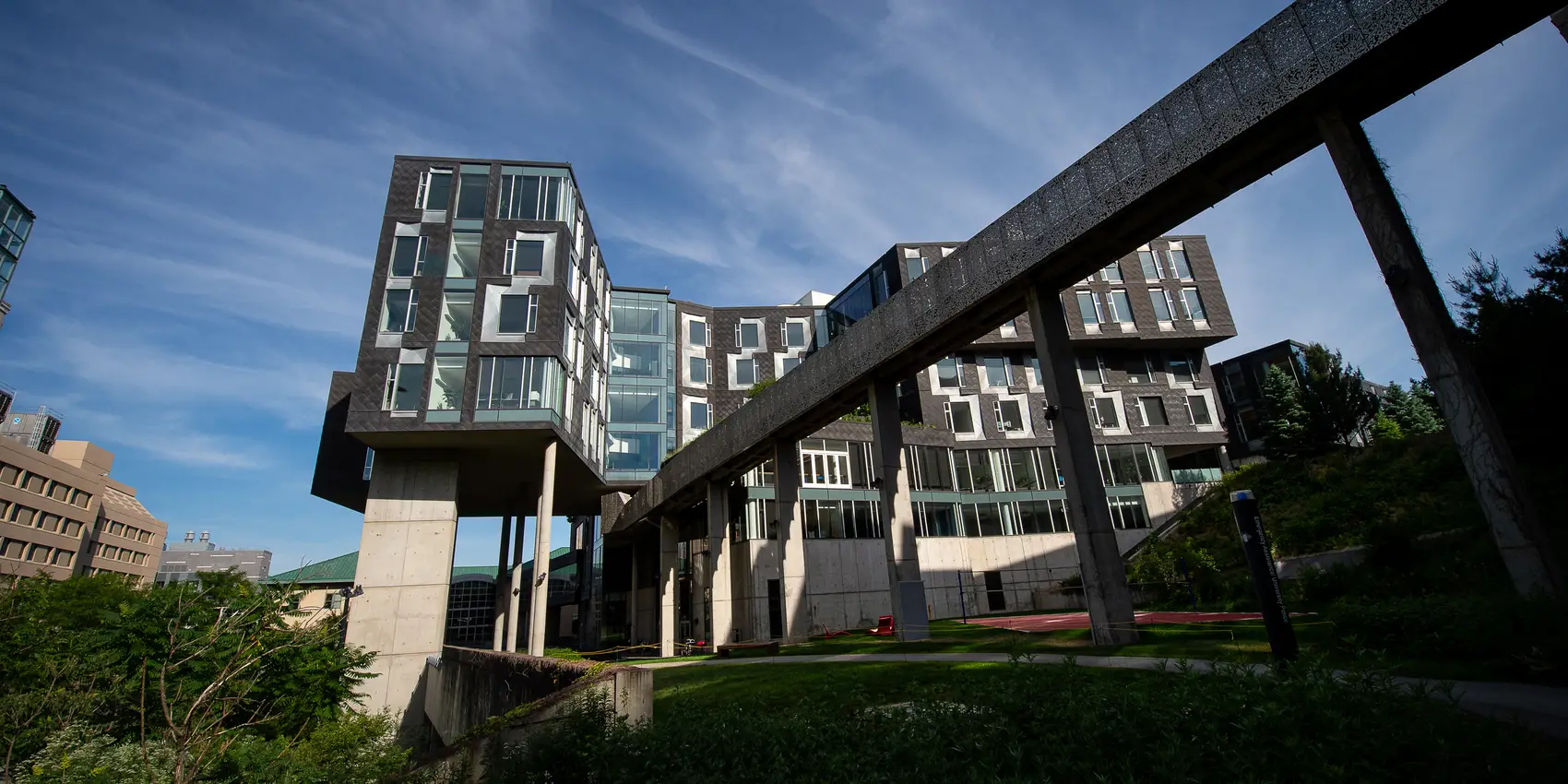
Carnegie Mellon University (CMU) is set to unveil its new Robotics Innovation Center (RIC) on February 27, marking a significant advancement in the field of robotics. This state-of-the-art facility, spanning 150,000 square feet, aims to enhance research and development for next-generation autonomous systems. For over four decades, CMU has been at the forefront of designing robots capable of operating in extreme environments, from the depths of the ocean to the lunar surface. The opening of the RIC underscores the university's commitment to fostering innovation and advancing technology in robotics.
ri.cmu.edu By Mallory Lindahl Feb 25, 2026 Research
Carnegie Mellon University's Robotics Innovation Center (RIC) has welcomed its first corporate tenant, the rapidly growing robotics company FieldAI. This partnership marks a significant milestone for the RIC as it establishes its new research facility at Hazelwood Green. The collaboration aims to enhance innovation in robotics, leveraging FieldAI's expertise to foster advancements in the field. This development underscores CMU's commitment to driving technological progress and supporting industry partnerships within the robotics sector.
ri.cmu.edu By Mallory Lindahl Feb 23, 2026 Announcements
In the latest edition of Video Friday, IEEE Spectrum robotics highlights significant advancements in robotics and upcoming events. Among the featured developments, NASA's Perseverance rover has gained the ability to autonomously determine its location on Mars using a new technology called Mars global localization, which enhances its exploration capabilities. The rover utilizes an algorithm that compares panoramic images with orbital terrain maps, achieving location accuracy within 10 inches. Additionally, various robotics projects are showcased, including the progress of the Shiva robot in strawberry picking and the Corvus One for Cold Chain, designed to operate in extreme cold environments. The video series also includes insights into the rapid development of humanoid robots by the U.K.-based company Humanoid, which aims to create reliable and safe robots in increasingly shorter timeframes. Experts from institutions like Microsoft and Carnegie Mellon University discuss the future of human-robot collaboration and the challenges of scaling robot learning. As billions of dollars are invested in robotics, the potential for general-purpose humanoid robots appears closer than ever, promising to revolutionize interactions in both physical and digital realms. The weekly calendar of upcoming robotics events, including ICRA 2026 in Vienna, is also available for enthusiasts and professionals in the field.
Spectrum.ieee.orgAutomaton By Evan Ackerman Feb 20, 2026 Humanoid-robots Video-friday Agility-robotics Perseverance-rover Insect-robots Industrial-robotics
Three faculty members from Carnegie Mellon University's School of Computer Science have been honored as part of a select group of five researchers from the university to receive the prestigious Sloan Research Fellowships for 2026. This recognition highlights their significant contributions to the field and underscores CMU's commitment to advancing research in computer science. The fellowships are awarded to early-career scholars who demonstrate exceptional promise and creativity in their research endeavors. The announcement reflects the university's ongoing efforts to support innovative research and foster academic excellence within its community.
ri.cmu.edu By Mallory Lindahl Feb 17, 2026 Awards
A recent report from Carnegie Mellon University’s CREATE Lab highlights the impact of steelmaking on economic opportunities and environmental conditions in southwestern Pennsylvania. By integrating employment and demographic data with sophisticated air pollution modeling, the study investigates the correlation between jobs at steelmaking facilities and the long-term economic landscape of the Mon Valley, a collection of municipalities in the region. The findings aim to shed light on the dual role of steelmaking in shaping both the local economy and environmental health, offering insights that could inform future policy decisions and community planning.
ri.cmu.edu By Mallory Lindahl Feb 12, 2026 Research Uncategorized
IEEE Spectrum robotics has released its weekly roundup of notable robotics videos and upcoming events, including the ICRA 2026 conference scheduled for June 1-5, 2026, in Vienna. Among the highlights, Westwood Robotics unveiled THEMIS Gen2.5, the first commercial full-size humanoid robot capable of walking and manipulating objects simultaneously. This advancement builds on Helix's previous work, which demonstrated a single neural network controlling a humanoid's upper body, now expanded to encompass the entire robot's functions. In a demonstration of practical applications, Kimberly Elenberg from Carnegie Mellon University showcased how data from robotic responders can enhance life-saving efforts during mass casualty incidents. Meanwhile, Sphero continues to thrive in the competitive educational robotics market since its inception in 2011. Innovative flight testing methods were discussed by Zipline, emphasizing the importance of testing drones in extreme conditions. Additionally, researchers from the University of Tokyo introduced a concept of 3D-printing both skin and skeleton, while LimX presented small bipedal robots capable of skiing and resembling dinosaurs. The EPFL Reconfigurable Robotics Lab introduced a novel user-guided control system for modular robots, demonstrating its effectiveness through various tasks. Texas A&M University showcased its Quadrotor Biplane Tailsitter (QBiT) UAVs, which combine the agility of quadrotor drones with the efficiency of fixed-wing aircraft. Lastly, DARPA announced a new challenge aimed at developing drones capable of carrying payloads exceeding four times their weight, promising to transform drone usage across multiple sectors.
Spectrum.ieee.orgAutomaton By Evan Ackerman Jan 30, 2026 Humanoid-robots Video-friday Commercial-robots Drones Educational-robots Bipedal-robots
Researchers at Carnegie Mellon University have developed innovative software that integrates with a handheld imaging tool to create three-dimensional maps of skin texture. This cutting-edge technology transforms subtle changes in the skin's surface into quantifiable data, offering a new method for clinicians to monitor various skin conditions, including eczema and psoriasis. The software aims to enhance the tracking of treatment progress and assess the effectiveness of skincare products. This advancement in skin health monitoring could significantly improve patient care and outcomes in dermatology.
ri.cmu.edu By Mallory Lindahl Jan 28, 2026 Research
Pittsburgh native Richard Palmer, in collaboration with Carnegie Mellon University's CREATE Lab, has dedicated the past five years to preserving the city's public art, particularly murals, through innovative technology. Recognizing the transient nature of public art, Palmer developed an interactive archive map that documents these artworks, utilizing a system of yellow pins to mark their locations. This initiative aims to ensure that Pittsburgh's vibrant artistic heritage is not lost to time, allowing residents and visitors alike to explore and appreciate the city's cultural landscape. The project highlights the intersection of art and technology, showcasing how digital tools can safeguard local history.
ri.cmu.edu By Mallory Lindahl Jan 22, 2026 Research Uncategorized
Shubham Tulsiani, an assistant professor at Carnegie Mellon University's Robotics Institute, has been honored with the National Science Foundation's prestigious CAREER Award. This recognition is awarded to early career faculty who demonstrate exceptional potential in their research and education efforts. Tulsiani's project focuses on developing advanced perception systems aimed at enhancing the understanding of the three-dimensional world. The award underscores both his innovative contributions to the field of robotics and the importance of fostering new talent in scientific research.
ri.cmu.edu By Mallory Lindahl Jan 20, 2026 Awards
Carnegie Mellon University alumni Aditya Sripada and Abhishek Warrier have turned inspiration from the fictional robot in the film "Interstellar" into a tangible project focused on advancing robot locomotion. Their innovative work, which involves building and testing new robotic designs, showcases how curiosity can bridge the gap between science fiction and real-world applications. The duo's efforts highlight the potential for creative ideas to influence technological development, demonstrating the impact of imagination on engineering and robotics.
ri.cmu.edu By Mallory Lindahl Jan 13, 2026 Research Uncategorized
Researchers at Carnegie Mellon University have developed an innovative caregiving robot designed to assist individuals by responding to spoken instructions while performing various physical tasks. This advanced robot not only executes commands but also explains its actions, listens to user feedback, and adjusts its behavior in real time, enhancing user interaction and understanding. The robot was recently tested at Baptist Senior Family's Providence Point, an independent living facility, where residents engaged with the technology to gauge its effectiveness in providing assistance with daily tasks. This initiative aims to improve the quality of life for seniors by making robotic assistance more accessible and user-friendly. The project highlights the potential for robots to play a significant role in caregiving, particularly for the elderly, by bridging the gap between technology and human interaction.
ri.cmu.edu By Mallory Lindahl Jan 06, 2026 Research
Carnegie Mellon University’s Robotics Institute is now inviting applications for its 2026-2027 Pathways Fellowship, aimed at fostering non-traditional entrepreneurial talent in the fields of robotics and technology. This fellowship serves as a platform for aspiring founders looking to establish or grow ventures that incorporate robotics, automation, or similar technologies. The initiative seeks candidates who are dedicated and ready to commit to their entrepreneurial journeys. By providing resources and support, the Pathways Fellowship aims to expand opportunities for emerging innovators in the tech landscape.
ri.cmu.edu By Mallory Lindahl Dec 12, 2025 Announcements
Amazon has recognized three researchers from Carnegie Mellon University’s School of Computer Science as recipients of its latest Amazon Research Awards. This announcement highlights the company's commitment to supporting innovative research in the field of computer science. The awards, which are part of Amazon's initiative to foster collaboration with academic institutions, aim to advance technology and enhance the capabilities of artificial intelligence and robotics. The specific contributions of the awarded researchers will likely play a significant role in driving forward Amazon's research agenda and addressing complex challenges in the tech industry.
ri.cmu.edu By Mallory Lindahl Dec 10, 2025 Announcements Awards
Researchers at Carnegie Mellon University have developed the BFM-Zero system, a groundbreaking technology that enables humanoid robots to effortlessly switch between various skills. This innovative system utilizes unsupervised reinforcement learning, allowing the robots to explore their environments, generalize their experiences, and improve their capabilities autonomously. The advancement brings robotics closer to creating general-purpose humanoids that can safely adapt to everyday situations. The development was highlighted in a recent lab demonstration, showcasing the robots' ability to maintain balance and navigate complex tasks without falling. This progress represents a significant step forward in the field of robotics, aiming to enhance the functionality and versatility of humanoid machines in real-world applications.
ri.cmu.edu By Mallory Lindahl Dec 09, 2025 Research
Researchers at Carnegie Mellon University have unveiled an innovative lens capable of achieving sharp focus across an entire scene, regardless of the varying distances of its elements. This breakthrough technology addresses a longstanding challenge in photography and imaging, where traditional lenses struggle to maintain clarity when subjects are at different ranges. The development, which emerged from the university's Robotics Institute, promises to enhance visual capture in various applications, from professional photography to advanced robotics. By employing cutting-edge techniques in optics, the researchers have created a lens that could revolutionize how images are captured and perceived, making it easier to achieve the perfect shot in diverse settings.
ri.cmu.edu By Mallory Lindahl Nov 17, 2025 Research
Claire recently engaged in a conversation with Heather Knight, a prominent figure at Oregon State University, regarding the innovative application of performing arts techniques to the field of robotics. Knight, who leads the CHARISMA Robotics research group, has an impressive academic background, holding a PhD focused on Expressive Motion for Low Degree of Freedom Robots from Carnegie Mellon University, along with both M.S. and B.S. degrees in Electrical Engineering and Computer Science from the Massachusetts Institute of Technology. This dialogue highlights the intersection of creativity and technology, exploring how artistic principles can enhance robotic movement and interaction.
Robohub.org By Robot Talk Nov 14, 2025
In a groundbreaking fashion show, robots showcased their capabilities by strutting, spinning, and dancing alongside human models, merging the realms of art and engineering. This unique event aimed to explore the potential for coexistence between humans and machines, featuring robots adorned in metallic fabrics and sculptural garments. The performance, held at the Robotics Institute at Carnegie Mellon University, highlighted the innovative intersection of technology and artistic expression, prompting audiences to reconsider the future of collaboration between robotics and human creativity.
ri.cmu.edu By Mallory Lindahl Nov 13, 2025 Announcements Research
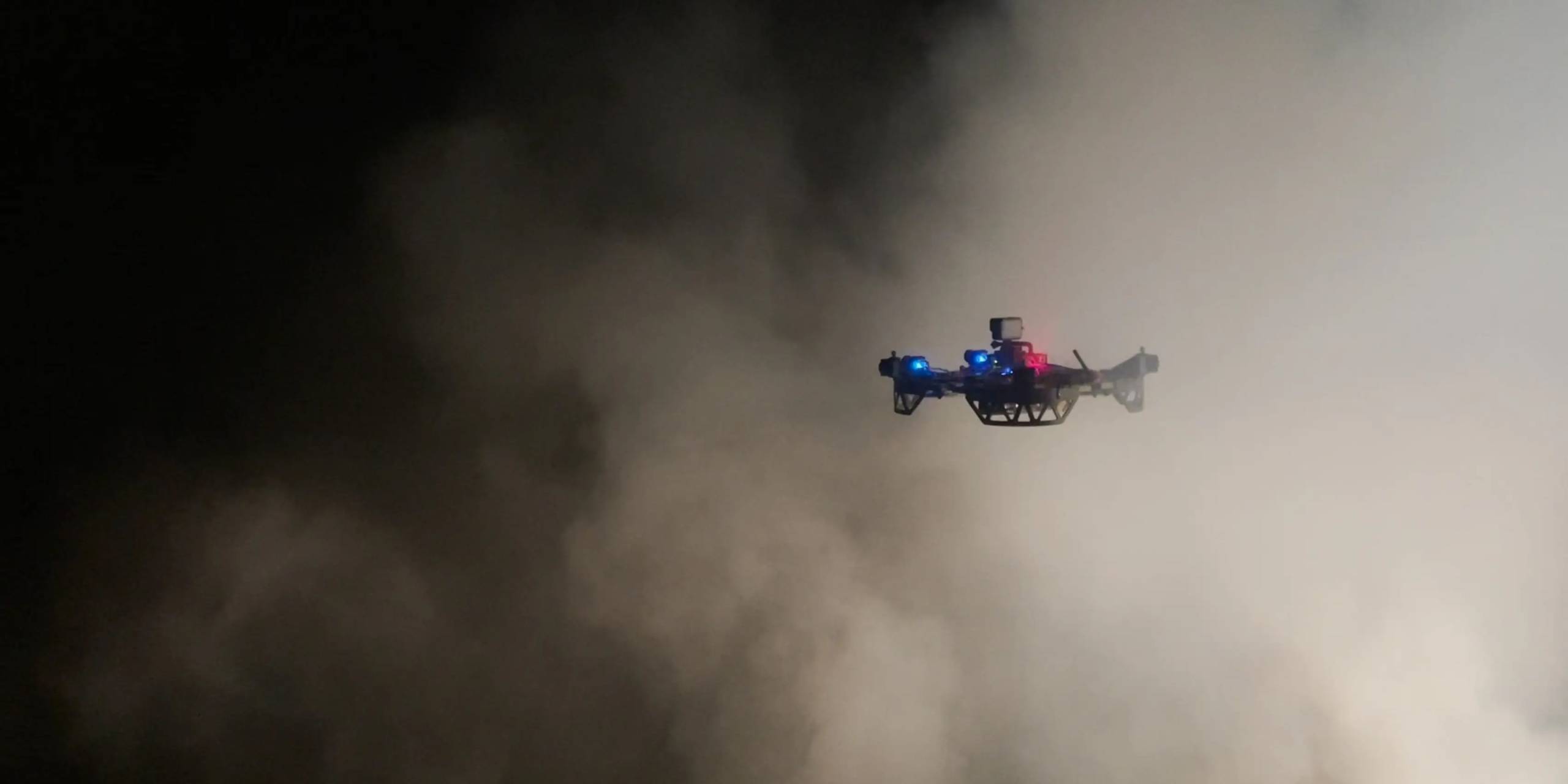
A team of researchers from Carnegie Mellon University and the University of Pittsburgh, known as Team Chiron, is set to compete in the final phase of the DARPA Triage Challenge (DTC) next November. This competition aims to advance the development of portable, autonomous systems capable of assessing and monitoring injured individuals in various environments. As part of their preparation, the team has been testing quadruped robots on grass terrain during nighttime, showcasing their innovative approach to addressing emergency medical response challenges. The DTC represents a significant step towards enhancing the efficiency and effectiveness of medical triage in critical situations.
ri.cmu.edu By Mallory Lindahl Nov 11, 2025 Announcements
Researchers Rumaisa Azeem and Andrew Hundt have highlighted significant safety and discrimination issues in robots powered by widely used artificial intelligence models. Their recent study revealed that these robots failed multiple tests designed to assess safety and bias, uncovering deeper risks associated with their physical behavior. The findings underscore the urgent need for regular risk assessments before deploying AI systems in real-world robotic applications. The research, conducted at Carnegie Mellon University's Robotics Institute, emphasizes the importance of ensuring that AI technologies are adequately prepared to operate safely and equitably in various environments.
ri.cmu.edu By Mallory Lindahl Nov 10, 2025 Research
Researchers at Carnegie Mellon University’s Robotics Institute have developed a new system called Breakdown SPOT, which enhances robots' ability to understand their environment using 3D camera data. This innovative technology allows robots to identify objects and determine optimal placement strategies to achieve specific goals, mimicking the intuitive, goal-driven planning that humans use when organizing or cleaning spaces. By integrating this system, the researchers aim to improve robotic efficiency and functionality in various applications, paving the way for more advanced human-robot interactions.
ri.cmu.edu By Mallory Lindahl Nov 06, 2025 Research
Researchers at Carnegie Mellon University are embarking on a federally funded initiative aimed at reimagining and redesigning wheelchairs to enhance mobility through the integration of advanced technologies. This collaborative project seeks to develop innovative robotic wheelchairs that will improve the user experience and accessibility for individuals with mobility challenges. The effort underscores a commitment to leveraging cutting-edge research to create more functional and adaptive mobility solutions.
ri.cmu.edu By Mallory Lindahl Nov 04, 2025 Research
Researchers from Carnegie Mellon University's Robotics Institute and Meta Reality Labs have developed an innovative model that transforms data into highly accurate 3D maps. This groundbreaking research, which utilizes real-world scenes for training, enables the model to capture intricate details and expansive spaces with remarkable precision. By enhancing the spatial reasoning capabilities of robotics, this advancement brings machines closer to mimicking human-like perception. The development marks a significant step forward in the field of robotics, potentially revolutionizing how robots interact with their environments.
ri.cmu.edu By Mallory Lindahl Oct 16, 2025 Research
A new collaboration has been announced between leading technology firms aimed at advancing research in generative artificial intelligence, robotics, natural-language processing, and cloud computing. This initiative, which is set to begin in early 2024, will take place across multiple research facilities located in Silicon Valley and other tech hubs. The partnership seeks to drive innovation in both foundational and emerging technologies, responding to the growing demand for advanced solutions in various sectors. By pooling resources and expertise, the companies involved aim to accelerate development and implementation of cutting-edge technologies that can transform industries and enhance user experiences.
amazon.science By Amazon Science Oct 15, 2025 Conversational AIRSF defines a common language for robot service capability, lifecycle operations, certification pathways, and service-provider networks.
Excepteur sint occaecat cupidatat non proident