Industry Briefing
A single destination for timely, editor-curated robotics news from around the world.

Boston Dynamics Appoints Rohit Prasad as CEO to Accelerate AI Robot Commercialization
Boston Dynamics has appointed Rohit Prasad, a former Amazon AI executive, as its new CEO, effective Wednesday. This leadership change aims to enhance the commercialization of AI-powered robots, including the Atlas humanoid and Spot quadruped robots, as the company transitions from experimental testing to large-scale industrial deployment. Prasad's extensive experience in AI technology development is expected to bolster Boston Dynamics' efforts in physical AI, which integrates advanced AI with robotics for greater autonomy and adaptability in real-world environments. His previous role at Amazon involved significant contributions to the Alexa platform and the development of enterprise-focused foundation models. Looking ahead, Prasad will prioritize the commercialization of intelligent robotic systems, focusing on safety, productivity, and operational efficiency in various sectors. No further timeline was disclosed at the time of publication.
All News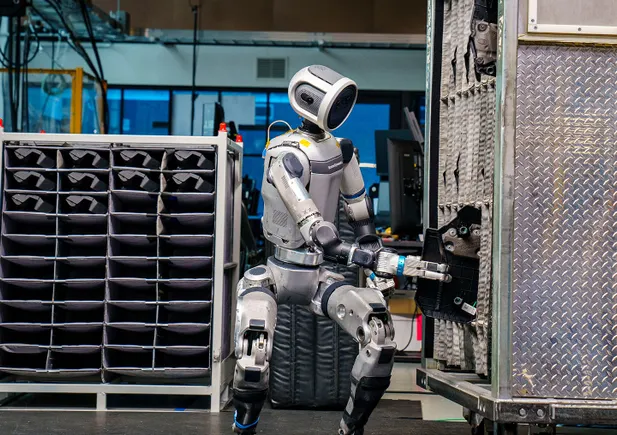
Boston Dynamics Appoints Rohit Prasad as New CEO to Drive AI and Robotics Integration
Boston Dynamics has announced the appointment of Rohit Prasad as CEO, effective immediately. Prasad, previously a senior vice president at Amazon, is recognized for his role in scaling the Alexa assistant and developing Nova generative models. His leadership is expected to enhance the integration of advanced AI with robotics, aiming to create intelligent systems that deliver significant value across various industries. This leadership change is significant as it follows a period of transition for Boston Dynamics, which saw former CEO Robert Playter step down after six years. Under Playter, the company shifted from a research-focused entity to a commercial powerhouse, launching notable products like the Spot robot and Atlas humanoid. Prasad's experience in AI and robotics is anticipated to further this mission, especially as Boston Dynamics prepares to deploy 25,000 Atlas units in Hyundai's factories starting in 2028. Looking ahead, Boston Dynamics plans to explore additional industry applications for its robotics technology next year. Prasad's vision for merging AI with robotics positions the company to capitalize on emerging opportunities in the Physical AI sector, marking a pivotal moment for the organization and the industry at large. No further timeline was disclosed at the time of publication.

Boston Dynamics Appoints Rohit Prasad as CEO to Enhance Physical AI Strategy
Boston Dynamics has appointed Rohit Prasad, a former Amazon AI executive, as its new CEO, effective October 7. Prasad's extensive experience in developing large-scale AI products, particularly with Alexa and the Amazon Nova foundation model, is expected to bolster the company's efforts to integrate advanced AI into its robotic systems. This leadership change is significant as it aligns with Boston Dynamics' goal to accelerate its Physical AI strategy, which aims to combine robotics with sophisticated AI capabilities. Prasad's background in machine learning and his established connections within the Boston robotics community are seen as valuable assets for fostering technology partnerships and enhancing recruitment efforts. Looking ahead, Prasad's leadership is anticipated to drive innovations in commercial robotics, focusing on greater autonomy, safety, and productivity. No further timeline was disclosed at the time of publication.
Business & Markets Physical AI AI Alexa Amazon Boston Dynamics
Boston Dynamics Appoints Rohit Prasad as New CEO to Drive Innovation
Boston Dynamics has appointed Rohit Prasad, a former executive from Amazon.com Inc., as its new chief executive officer. This leadership change aims to steer the Hyundai Motor Co.-controlled company towards a new phase of innovation and commercialization in robotics. The appointment of Prasad is significant as it reflects Boston Dynamics' commitment to enhancing its product offerings and expanding its market presence. With a background in technology and leadership at Amazon, Prasad is expected to bring valuable insights and strategies to the company. Looking ahead, industry observers will be keen to see how Prasad's leadership influences Boston Dynamics' trajectory in the robotics sector. No further timeline was disclosed at the time of publication.

Boston Dynamics Appoints Rohit Prasad as New CEO to Drive Physical AI Strategy
Boston Dynamics has announced the appointment of Rohit Prasad as its new CEO, effective immediately. Prasad, who previously served as senior vice president and head scientist for Alexa at Amazon, will succeed Amanda McMaster, who acted as interim CEO following Robert Playter's departure in February. Prasad's leadership is expected to accelerate Boston Dynamics' physical AI strategy, integrating advanced AI with robotics to commercialize intelligent machines. He emphasized the company's unique position to advance physical AI and aims to enhance safety, productivity, and operational efficiency in various industrial and commercial environments. Looking ahead, Prasad is anticipated to join the Board of Directors, subject to approval. Boston Dynamics continues to innovate, recently unveiling a new hand for its Atlas humanoid and launching the Robotics Metaplant Application Center in Georgia, which focuses on integrating robotics into Hyundai's manufacturing processes. No further timeline was disclosed at the time of publication.
Artificial Intelligence Artificial Intelligence / Cognition Assembly Automotive Autonomous Mobile Robots (AMRs) Design / Development
RobCo Achieves Over $1 Billion Valuation as CEO Relocates to U.S. for Expansion
RobCo has surpassed a valuation of $1 billion following new investments and employee share sales, marking a significant milestone for the industrial robotics startup. This achievement, which doubles the company's valuation in just nine months, involved participation from existing investors like Sequoia and new investors such as Cherry Ventures. The importance of this valuation lies in RobCo's plans to launch its Alfie autonomous industrial robot in March 2027, aimed at automating complex manufacturing tasks. The company is expanding its operations in the U.S., which has become its fastest-growing market, with customer operations now covering over a dozen states. Looking ahead, RobCo is set to unveil Alfie at its inaugural summit in Munich. The relocation of CEO Roman Hölzl to the U.S. underscores the company's commitment to growth in this key market. No further timeline was disclosed at the time of publication.
AI Funding & Investment Business & Markets Physical AI AI autonomous industrial robots Cherry Ventures
Agility Robotics CEO Peggy Johnson Joins Mitre-Led Project Meridian for Military Tech Study
Peggy Johnson, CEO of Agility Robotics, will serve as an individual consultant for Project Meridian, a Department of War initiative led by Mitre Corporation. This 120-day study aims to explore emerging technologies and military capabilities over the next 10 to 20 years, focusing on areas such as AI, robotics, and biotechnology. The significance of Johnson's involvement lies in her expertise in humanoid robotics, which could enhance military logistics and operations. The project is co-directed by notable figures including Newt Gingrich and Elon Musk, and aims to produce strategic recommendations for the Department of War by January 28, 2027. As the project progresses, it will involve regular meetings among a diverse group of participants, including technologists and former military leaders, to shape recommendations on capability development and investment priorities. No further timeline was disclosed at the time of publication.
Defence & Autonomous Systems Humanoids National Strategies Physical AI Agility Robotics AI
Agility Robotics CEO Peggy Johnson Joins MITRE's Project Meridian for Defense Logistics Study
Agility Robotics CEO Peggy Johnson is set to participate in Project Meridian, a study led by MITRE and commissioned by the U.S. Department of War. Johnson aims to leverage her experience in commercial humanoid deployments to enhance discussions on military logistics and operational support. The initiative is expected to yield recommendations over a 10- to 20-year horizon. This collaboration is significant as it bridges the gap between commercial humanoid robotics and military applications. Johnson highlighted the potential for humanoids to assist service personnel by managing physically demanding logistics tasks, thereby improving supply chain efficiency and allowing personnel to focus on higher-value work. The project aims to explore various technologies and operational concepts relevant to future warfare. Looking ahead, the role of commercial humanoid expertise in defense studies raises questions about the potential for specific humanoid programs to emerge from these discussions. No further timeline was disclosed at the time of publication.
US Agility Robotics
Agility Robotics CEO Peggy Johnson Joins Project Meridian to Advise on Future Warfare
Agility Robotics announced that CEO Peggy Johnson has been selected to participate in Project Meridian, a strategic initiative commissioned by the Department of War. This project aims to explore the future of warfare, focusing on logistics and operational support over a 10- to 20-year horizon. Johnson's involvement will leverage her extensive experience in technology leadership and Agility's expertise in humanoid robotics. She aims to contribute insights on how emerging technologies can enhance military operations, particularly in addressing physically demanding logistics tasks, thereby allowing personnel to concentrate on higher-value work. As Project Meridian gathers leaders from defense and technology sectors, Johnson's role as an individual consultant will provide practical perspectives on the application of humanoid robots in national security. No further timeline was disclosed at the time of publication.
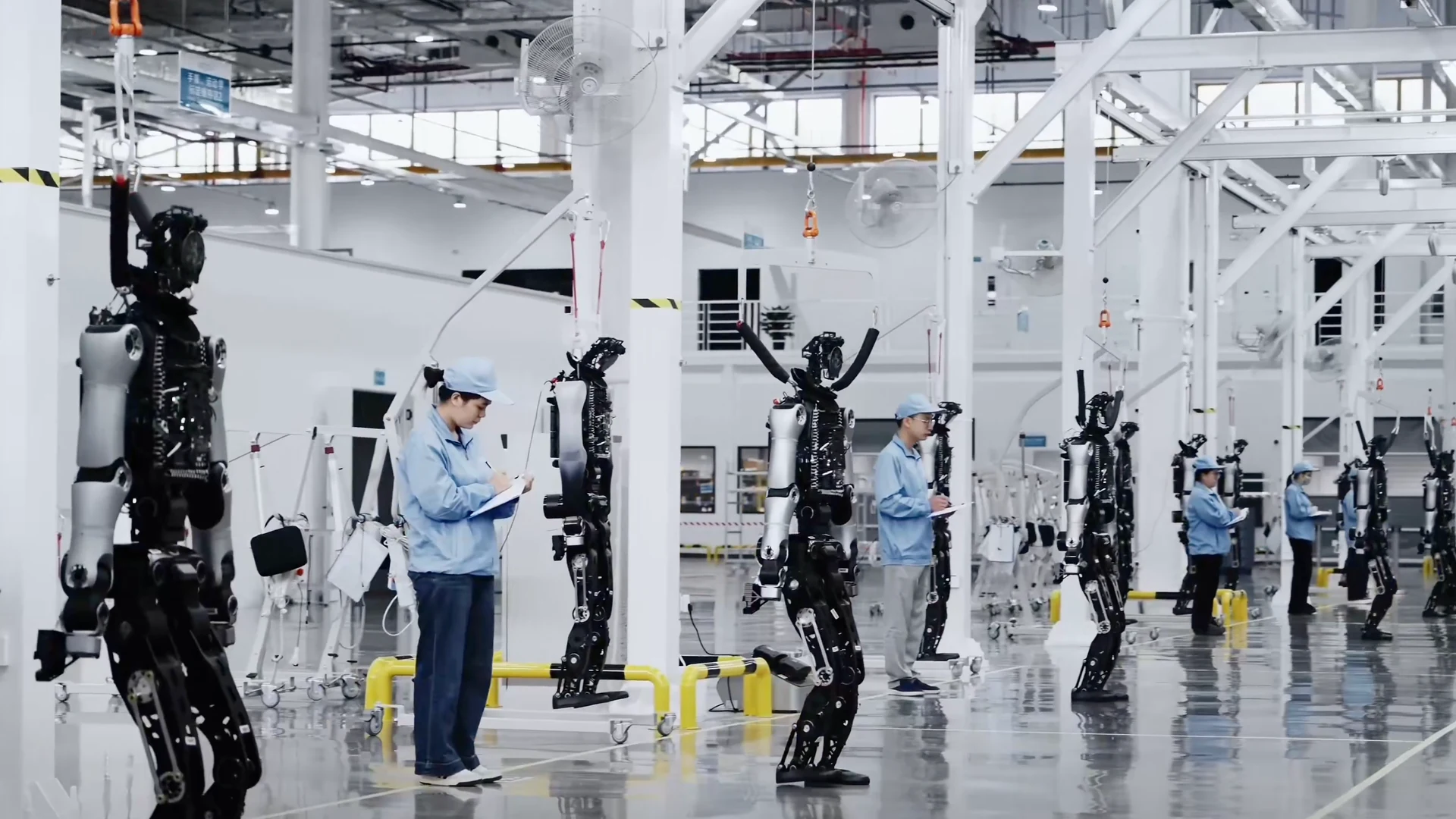
UBTECH CEO Highlights Robot Factory's Capacity to Produce 1,500 Humanoids Monthly
UBTECH's CEO James Zhou recently showcased the company's Super Smart Factory in a new video series, revealing its ambitious production capabilities. The factory, spanning approximately 14,000 square meters, has the potential to produce a humanoid robot every eight to ten minutes, with a monthly output reaching around 1,500 units. This production capacity is significant as it underscores UBTECH's commitment to advancing industrial humanoid robotics. The integration of robots like Cruzr Y1 and Cruzr S2 in the assembly process exemplifies the company's innovative approach to human-robot collaboration, enhancing efficiency in material handling and packaging. Looking ahead, UBTECH plans to release more episodes in the factory tour series, which will delve deeper into the assembly, testing, and quality control processes that support its production claims. No further timeline was disclosed at the time of publication.
China UBTECH Robotics
Ynon Kreiz Appointed Co-CEO of Paramount and Warner Bros. Discovery by David Ellison
David Ellison, CEO of Paramount Skydance, has appointed Ynon Kreiz, the outgoing CEO of Mattel, as co-CEO of the newly merged Paramount and Warner Bros. Discovery. Kreiz will manage day-to-day operations while Ellison focuses on long-term strategy and creative vision. This leadership change comes as the merger, valued at $110 billion, is set to close on October 6, following the resolution of an antitrust lawsuit. The merger of Paramount and Warner Bros. Discovery represents a significant shift in the media landscape, creating a next-generation global media company. Ellison emphasized the importance of combining strategic vision with operational expertise, highlighting Kreiz's qualifications for the role. The merger is expected to reshape the competitive dynamics within the media industry, particularly as it follows a bidding war and legal challenges. As the merger approaches completion, industry observers will be watching how the integration of the two companies unfolds under Kreiz's leadership. The focus will be on how the combined entity navigates the evolving media landscape and capitalizes on its strengths to drive growth and innovation. No further timeline was disclosed at the time of publication.

Gecko Robotics CEO Emphasizes Human Control in Physical AI Development
Jake Loosararian, CEO of Gecko Robotics, highlights the importance of human oversight in the evolving landscape of physical AI. He emphasizes that as autonomous systems become more integrated into real-world applications, particularly in military and industrial environments, maintaining human control is crucial for safety. This perspective is particularly relevant as Gecko collaborates with Nvidia to develop an open agent safety platform. This initiative aims to establish clear boundaries for AI agents operating robots, ensuring that safety measures are in place without hindering the rapid deployment of these technologies. Looking ahead, the industry should monitor how these safety protocols evolve and whether they can effectively balance the need for swift implementation with stringent safety standards. No further timeline was disclosed at the time of publication.

Microsoft Revamps Copilot, Introducing a New OS for Work, Says CEO Satya Nadella
On September 25, Microsoft announced a significant overhaul of its AI assistant, Microsoft Copilot. The new Copilot app will feature three tabs: Home, Code, and Autopilot, integrating Word, Excel, and PowerPoint into 'Office in Copilot'. CEO Satya Nadella stated that just as Office defined work in the PC era, Copilot aims to define work in the AI era. This update is crucial as it aims to embed AI into workflows, enhancing productivity by automating tasks and providing instant responses to queries. The Home tab will serve as the starting point for users, consolidating features like Chat and Copilot Cowork, while the Code tab allows users to create applications using natural language, making it accessible to non-developers. Looking ahead, the rollout of the new Copilot will be phased, with Home and Code launching in the coming weeks through the Frontier program. Autopilot will expand its private preview by the end of September. The new Copilot is primarily targeted at enterprises, with individual access to Code planned for Microsoft 365 Premium and Pro subscribers later this year.
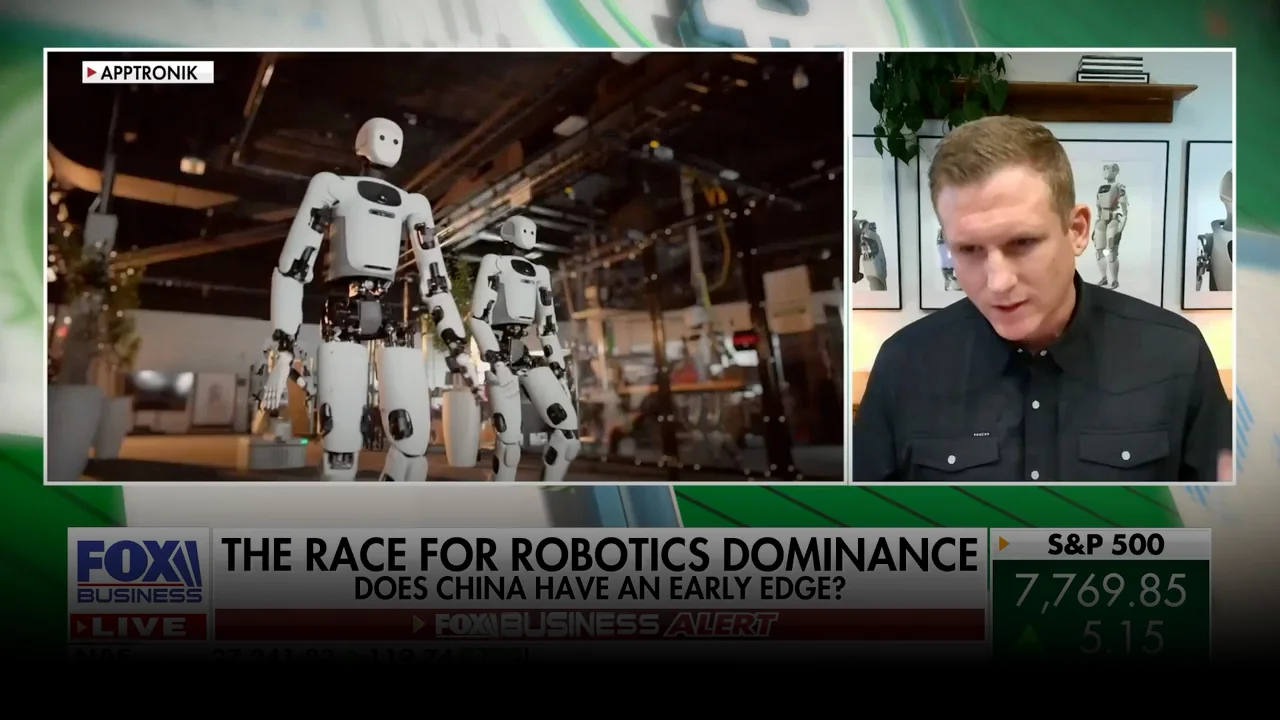
Apptronik CEO Highlights Component Shortages Hindering U.S. Humanoid Robot Production
Apptronik CEO Jeff Cardenas has raised concerns about the United States' ability to produce humanoid robots due to a shortage of essential components, particularly gears. In a recent interview on Fox Business, he emphasized that while the U.S. leads in AI, it lacks a robust domestic supply chain for critical parts, which hampers its competitive edge against countries like China. Cardenas pointed out that actuators, which can account for up to 60% of a robot's bill of materials, are crucial for humanoid functionality. Apptronik has developed over 80 distinct electric actuators since its inception, yet the company faces challenges in sourcing the necessary components at competitive prices. He stressed the importance of having both advanced software and world-class hardware to support the growth of the robotics sector in the U.S. No specific timeline was disclosed for addressing these supply chain issues. However, Cardenas's remarks underscore the need for a strong manufacturing foundation in the U.S. to support its ambitions in humanoid robotics, highlighting the broader implications for domestic production capabilities and the competitive landscape in the industry.
Supply Chain manufacturing Apptronik
Nammo CEO Morten Brandtzæg Warns of 10-Year Capability Gap Due to US-EU Rift
Morten Brandtzæg, CEO of Nammo, has expressed concerns that a potential rupture between Europe and the United States could lead to a significant 10-year capability gap in defense. He emphasized the importance of maintaining the interconnected industrial base among allies to avoid fragmentation. The warning highlights the critical nature of collaboration in defense sectors, where shared technologies and resources are essential for maintaining competitive capabilities. Brandtzæg's remarks underscore the risks associated with geopolitical tensions that could disrupt established partnerships and technological advancements. Looking ahead, stakeholders in the defense industry should monitor developments in transatlantic relations and their implications for defense capabilities. The potential for a capability gap could influence procurement strategies and investment decisions in the coming years. No further timeline was disclosed at the time of publication.
Air Warfare Global Land Warfare Air Force AMRAAM Army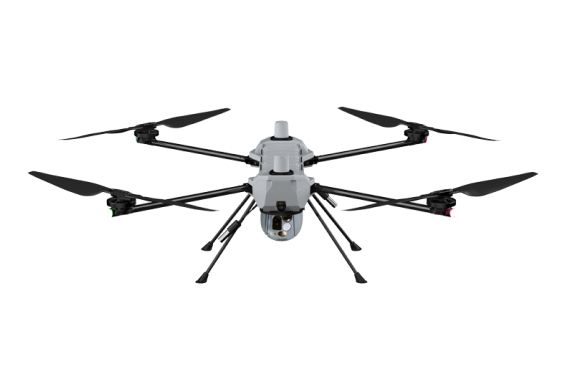
PDW CEO Emphasizes Domestic Drone Production and Component Manufacturing for U.S. Military
James Slider, CEO of PDW Holdings, highlighted the necessity of establishing domestic production for drones and their critical components to support the U.S. military. He emphasized that while America excels in innovation, the real challenge lies in scaling production effectively. PDW has secured a conditional loan of up to $820 million from the Department of War to enhance domestic manufacturing capabilities. The urgency for U.S. drone production is underscored by the ongoing conflict in Ukraine, which has shown the importance of rapid drone deployment and the need for resilient supply chains. Slider pointed out that the U.S. must learn from Ukraine's strategy, as innovation alone does not equate to capability without production. The reliance on foreign supply chains for essential drone components poses significant risks to U.S. defense readiness. Looking ahead, the focus will be on increasing domestic manufacturing to reduce dependence on foreign sources, particularly for critical components like rare-earth magnets. Slider's comments reflect a broader industry concern about maintaining a robust supply chain to ensure the U.S. military can effectively respond to emerging threats. No further timeline was disclosed at the time of publication.
DL Exclusive Drone News Drone News Feeds Dual Use Feature 1 News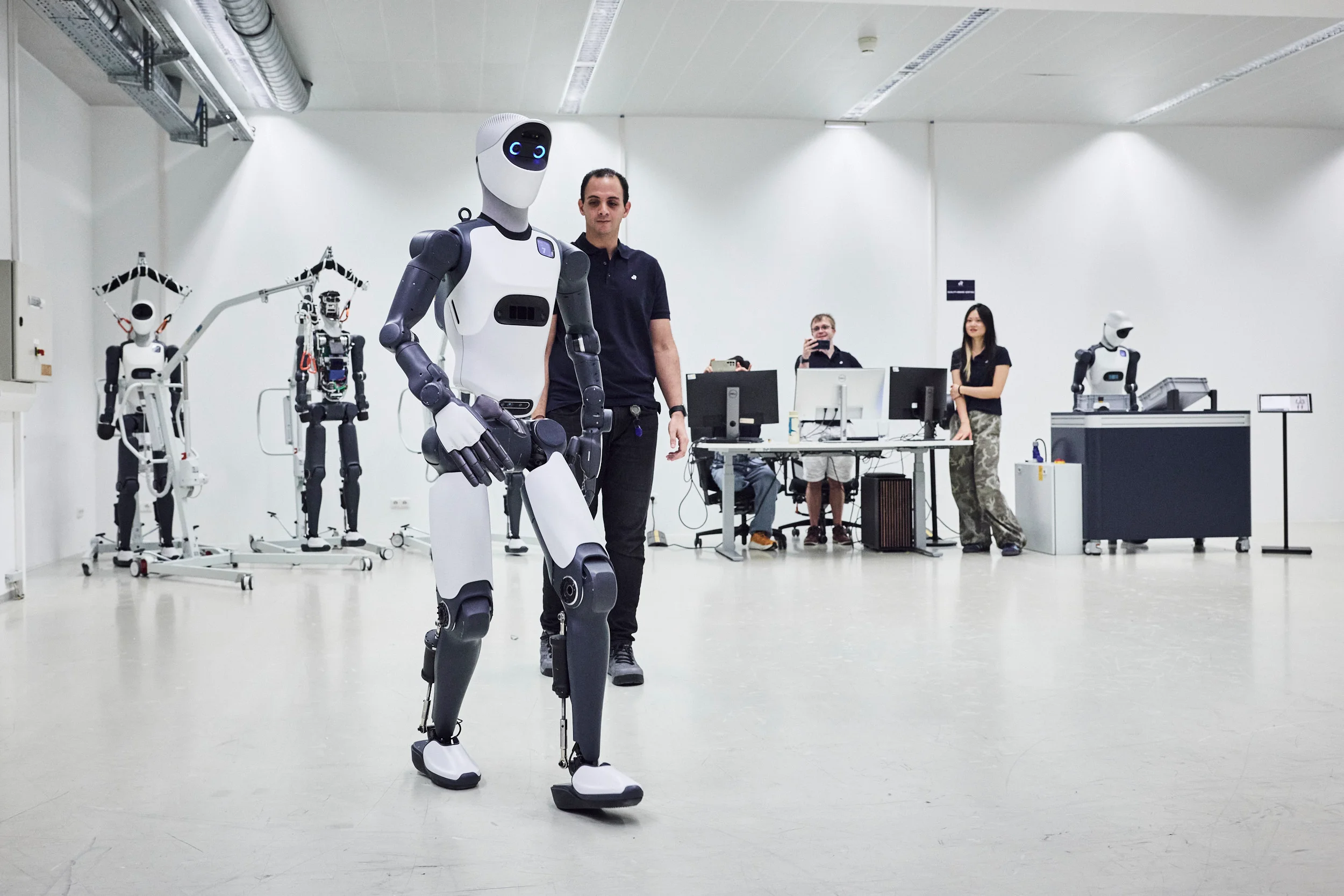
Agile Robots CEO Zhaopeng Chen Predicts Physical AI Market Will Exceed Automotive Sector by Tenfold
At the Physical AI event in Munich, Agile Robots CEO Zhaopeng Chen forecasted that the market for physical artificial intelligence and humanoids will surpass the global automotive industry by ten times. He based this prediction on the current automotive production figures, which see around 90 million vehicles produced annually, generating significant revenue. Chen's vision suggests a shift from traditional vehicle ownership to individual humanoid companions, aligning with broader market analyses that view embodied labor as a multi-trillion-dollar opportunity. However, he expressed skepticism about the immediate capabilities of AI in industrial settings, emphasizing the need for domain expertise and training in manufacturing processes. Attendees at the event were given insights into Agile Robots' approach to integrating physical AI into manufacturing. The company focuses on developing its entire physical AI stack in-house, including advanced end-effectors like the Agile Hand, which features sophisticated joint mechanics and tactile sensitivity, essential for effective operation in industrial environments. No further timeline was disclosed at the time of publication.
Agile ONE Europe Market Agile Robots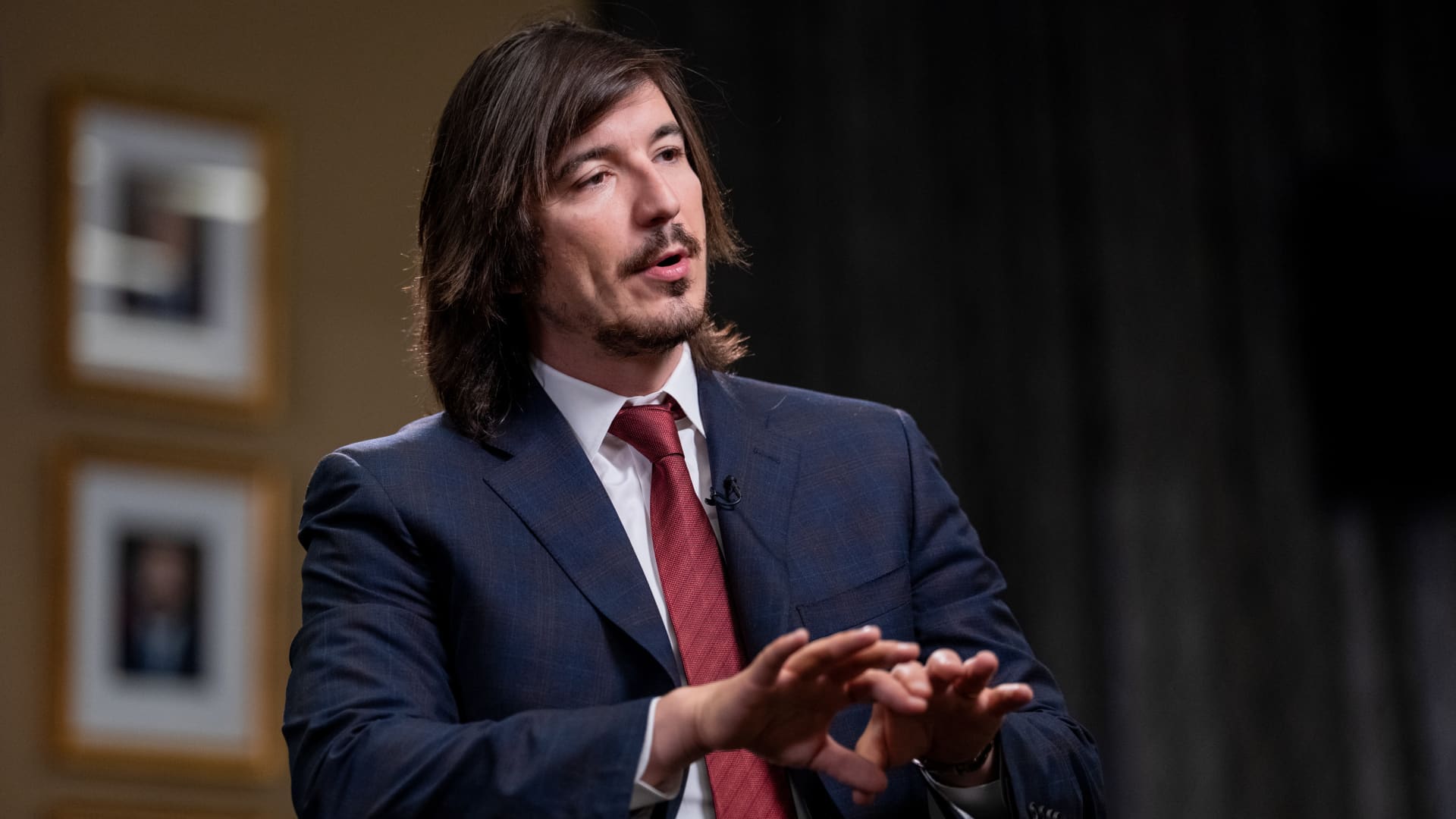
Robinhood CEO Defends Tokenized Stocks Amid AMC's Criticism of Financial Practices
Robinhood CEO Vlad Tenev has defended the company's initiative to offer tokenized stocks, asserting that public companies cannot dictate the financial products associated with their shares once they are publicly traded. This statement follows AMC CEO Adam Aron's strong criticism of Robinhood's tokenization efforts, which he claims disrupts the traditional relationship between companies and their shareholders. Tenev emphasized that tokenization, which involves creating digital representations of publicly traded securities on a blockchain, does not grant holders voting rights in the underlying companies. He clarified that while issuers maintain control over the rights and obligations of their stocks, they do not have authority over how other entities create financial products referencing those shares. As the debate over tokenized stocks intensifies, industry observers should monitor how Robinhood plans to address the voting rights associated with the underlying shares. No further timeline was disclosed at the time of publication.

Orchard Robotics CEO Advocates for Simplified Data Use for Growers
At the Ruggedize ag robotics conference, Orchard Robotics CEO Charlie Wu emphasized that growers should not need to act as data analysts. He highlighted the importance of actionable data, stating that it should facilitate decision-making rather than overwhelm users with numbers. Orchard Robotics offers an AI-powered camera system that captures extensive data on fruit health and growth, processed on-site to accommodate farms with limited connectivity. The company's FruitScope platform allows growers to monitor conditions at a granular level, enhancing operational efficiency. Wu noted that the primary value lies in labor and input savings, with the platform predicting yields with over 95% accuracy. This capability aids in supply chain planning, helping growers optimize labor and resources while making informed decisions about production and marketing. Orchard Robotics has expanded its focus from apples to various crops, including grapes and cherries, and is exploring new markets internationally. The company currently operates hundreds of systems across tens of thousands of acres, aiming for broader adoption. Wu stated that growers can expect a return on investment of three to ten times in their first year by leveraging the platform effectively.
Agtech Artificial intelligence Deeptech Precision agriculture Startups & funding US & Canada
Pivotal's CEO Ken Karklin Departs as Company Advances in eVTOL Market
Ken Karklin has stepped down as CEO of Pivotal, a flying car company backed by Larry Page, after over four years in the role. His departure was announced in a press release, where Pivotal stated he is 'pursuing new endeavors.' Karklin emphasized the company's progress in the electric vertical takeoff and landing (eVTOL) sector, highlighting the transition from prototypes to operational aircraft. Karklin's exit is significant as it follows Pivotal's launch of its first lightweight electric personal aircraft, Helix, which began sales two years ago. The Helix, priced at approximately $200,000, does not require a pilot's license to operate. Interim CEO Mike Ross acknowledged Karklin's contributions and expressed confidence in maintaining the company's focus on safety and engineering during this transition. Looking ahead, Pivotal continues to develop its BlackFly aircraft, which has recently been utilized in emergency response scenarios. The company is also part of the FAA's eVTOL Integration Pilot Program, which aims to enhance testing of eVTOL aircraft across the United States. No further timeline was disclosed at the time of publication.
Transportation eVTOL pivotal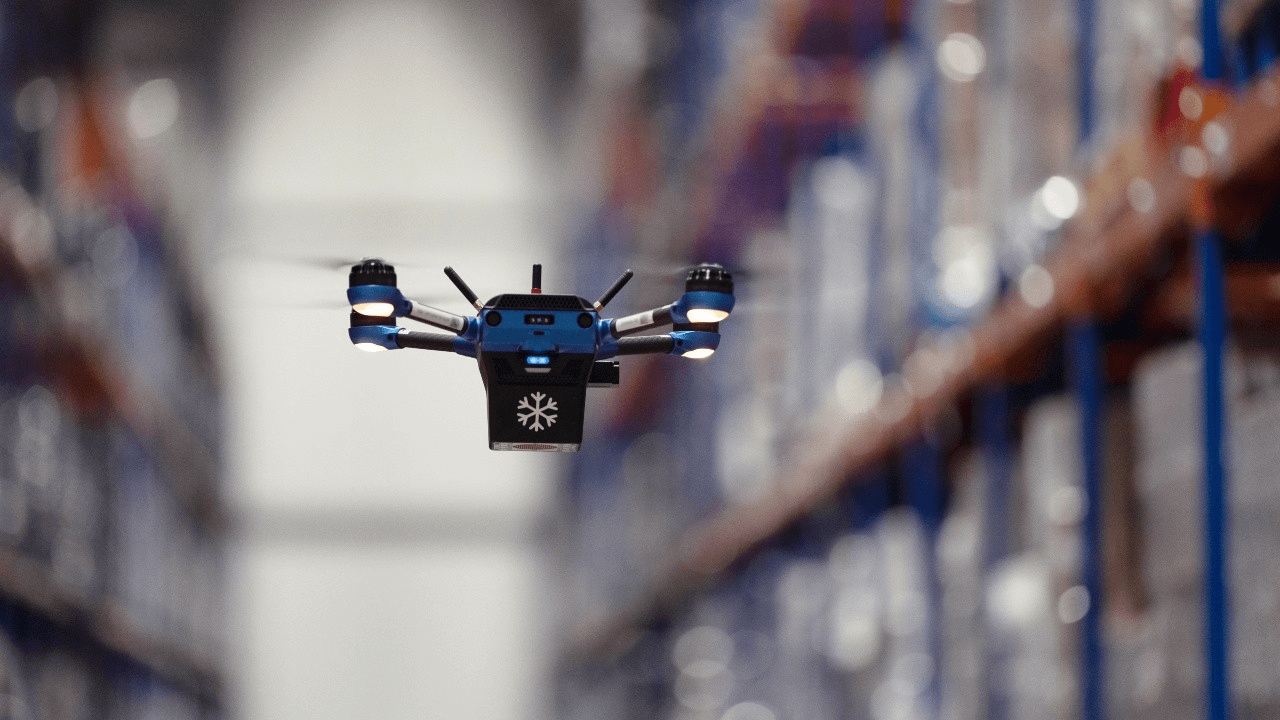
Corvus Robotics Appoints Co-Founder Mohammed Kabir as CEO and Secures $20 Million Funding
On August 25, 2026, Corvus Robotics appointed co-founder and Chief Technology Officer Mohammed Kabir as its new CEO, following Jackie Wu's transition to the board due to health reasons. Kabir has been integral to the company's technology and product development since its inception in 2017. This leadership change coincides with the most extensive product expansion in Corvus Robotics' history, including the launch of Corvus One for Cold Chain and Corvus Trident, an AI copilot for forklifts. The company has deployed over 300 warehouse inventory drones across North America, significantly enhancing operational efficiency for clients like Southern Glazer’s Wine & Spirits and Dermalogica. Looking ahead, Corvus Robotics aims to leverage its advanced drone technology to capture and analyze vast amounts of data within facilities. No further timeline was disclosed at the time of publication.
Business and Finance Drone News Drone News Feeds News aerospace news 2026 AIMS platform
Beijing Humanoid Robotics Dominates World Humanoid Robot Games; CEO Highlights AI's Pre-ChatGPT Era
Beijing Humanoid Robotics Innovation Center has triumphed at the World Humanoid Robot Games, showcasing its advanced capabilities in humanoid robotics. CEO Xiong Youjun emphasized that the industry is on the brink of a significant transformation, likening the current state of embodied AI to a pre-ChatGPT moment. This achievement is crucial as it highlights the advancements in humanoid robotics and the potential for embodied AI to revolutionize various sectors. The success at the World Humanoid Robot Games positions Beijing Humanoid Robotics as a leader in the field, potentially influencing future developments and investments in AI technologies. Looking ahead, industry stakeholders should monitor the evolution of embodied AI technologies and their applications. Xiong Youjun's comments suggest that significant breakthroughs may be imminent, which could reshape the landscape of AI and robotics. No further timeline was disclosed at the time of publication.
HumanoidRobotics
Zhicheng AI's CEO Predicts Intelligent Robots Will Become a Trillion-Dollar Industry
At the 2026 World Robot Conference, Hu Luhui, CEO of Zhicheng AI, boldly stated that the era of intelligent robots could lead to a trillion-dollar industry. He emphasized that physical intelligence will have a far greater impact than information intelligence, fundamentally changing human interaction with the physical world. Zhicheng AI, a pioneer in developing world models, positions this technology as the core of physical intelligence, akin to how Transformers are central to information intelligence. Hu noted that breakthroughs in technology, rather than computational power or data, are crucial for advancement. He advocates for edge deployment of world models, which are smaller and less demanding in terms of data and computation. Zhicheng AI has secured nearly 1.5 billion yuan in contracts across various sectors, including smart manufacturing, logistics, security inspection, and commercial services. The company has developed high-performance humanoid robots TR6 and XR1, aiming to utilize a single world model to drive different robot forms. Hu believes that the emergence of embodied intelligence will be a gradual process, similar to the evolution of ChatGPT.
Intelligent Robots Physical Intelligence World Models Robotics Technology
BlackBerry's CEO Highlights Robotics as a Rapidly Growing Sector in QNX Software
BlackBerry CEO John Giamatteo announced that robotics is among the fastest-growing sectors within the company's QNX software portfolio during an interview with CNBC. QNX, which is embedded in 275 million vehicles, has a significant backlog of approximately $950 million, with a portion attributed to robotics. The importance of robotics in BlackBerry's strategy is underscored by Giamatteo's remarks on the potential for growth in physical AI applications. He emphasized that the company is focusing on industrial robots, such as robotic forklifts and medical instruments, rather than humanoid robots, indicating a strategic pivot towards sectors with substantial growth opportunities. Looking ahead, BlackBerry's partnership with Nvidia aims to enhance its software capabilities in robotics and industrial applications. Giamatteo expressed enthusiasm for the evolving landscape of robotics, suggesting that the company is well-positioned to capitalize on these advancements. No further timeline was disclosed at the time of publication.
Unitree CEO Predicts Humanoid Robots Will Achieve 'ChatGPT Moment' in 2 to 3 Years
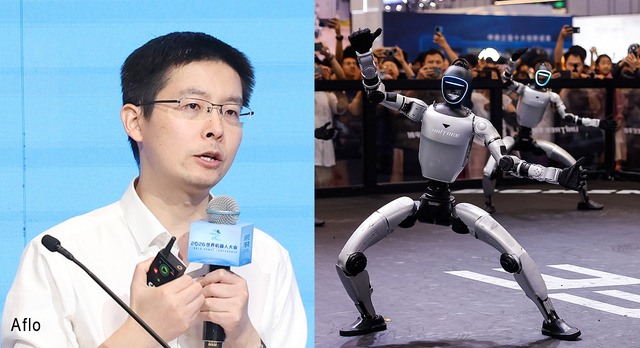
Wang Xingxing, founder and chairman of Unitree Robotics, spoke at the World Robot Conference 2026 in Beijing on August 20, 2026. He emphasized the current challenges of humanoid robots, particularly their 'generalization ability.' While robots can perform well in familiar environments with sufficient data, their success rate significantly drops in new settings. Wang described a future where robots can execute tasks in unknown environments based solely on human verbal instructions, marking this as the 'ChatGPT moment' in Embodied AI. He proposed a benchmark of achieving 80% task execution in 80% of unfamiliar environments, with this transition potentially occurring in as little as 2 to 3 years, or possibly longer. Unitree is known for its humanoid robots' impressive physical capabilities, but Wang stressed the importance of AI for practical applications. Starting in 2024, Unitree plans to collaborate with automotive factories to advance robot usability and is already testing robots in its own facilities. The focus is on enabling robots to work efficiently in diverse environments without needing extensive retraining for new tasks.
Agility Robotics CEO Discusses Upcoming Public Debut and Competition from China
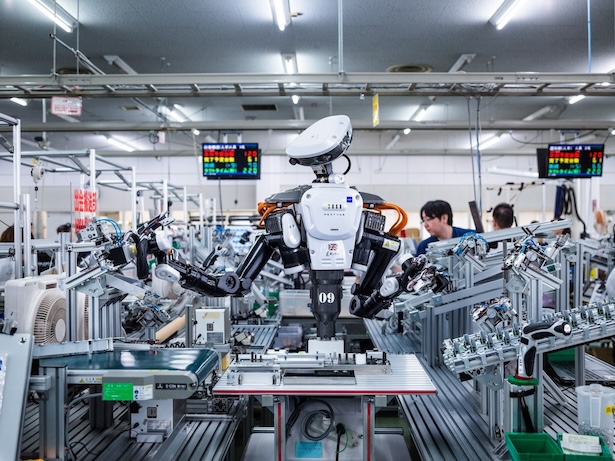
Peggy Johnson, CEO of Agility Robotics, revealed plans for the company's public debut, emphasizing its unique position as the only pure-play US public company dedicated to humanoid robots with established commercial applications. The company is currently valued at a pre-money valuation of $2.5 billion and anticipates going public in the fall. This move is significant as it highlights Agility Robotics' commitment to advancing humanoid robotics in a competitive landscape, particularly against rivals from China. Johnson's insights during her conversation with Romaine Bostick and Sally Bakewell on 'The Close' underscore the strategic importance of this public offering for the company's growth and market presence. Looking ahead, stakeholders should monitor Agility Robotics' progress toward its public listing and how it navigates competition from international players. No further timeline was disclosed at the time of publication.
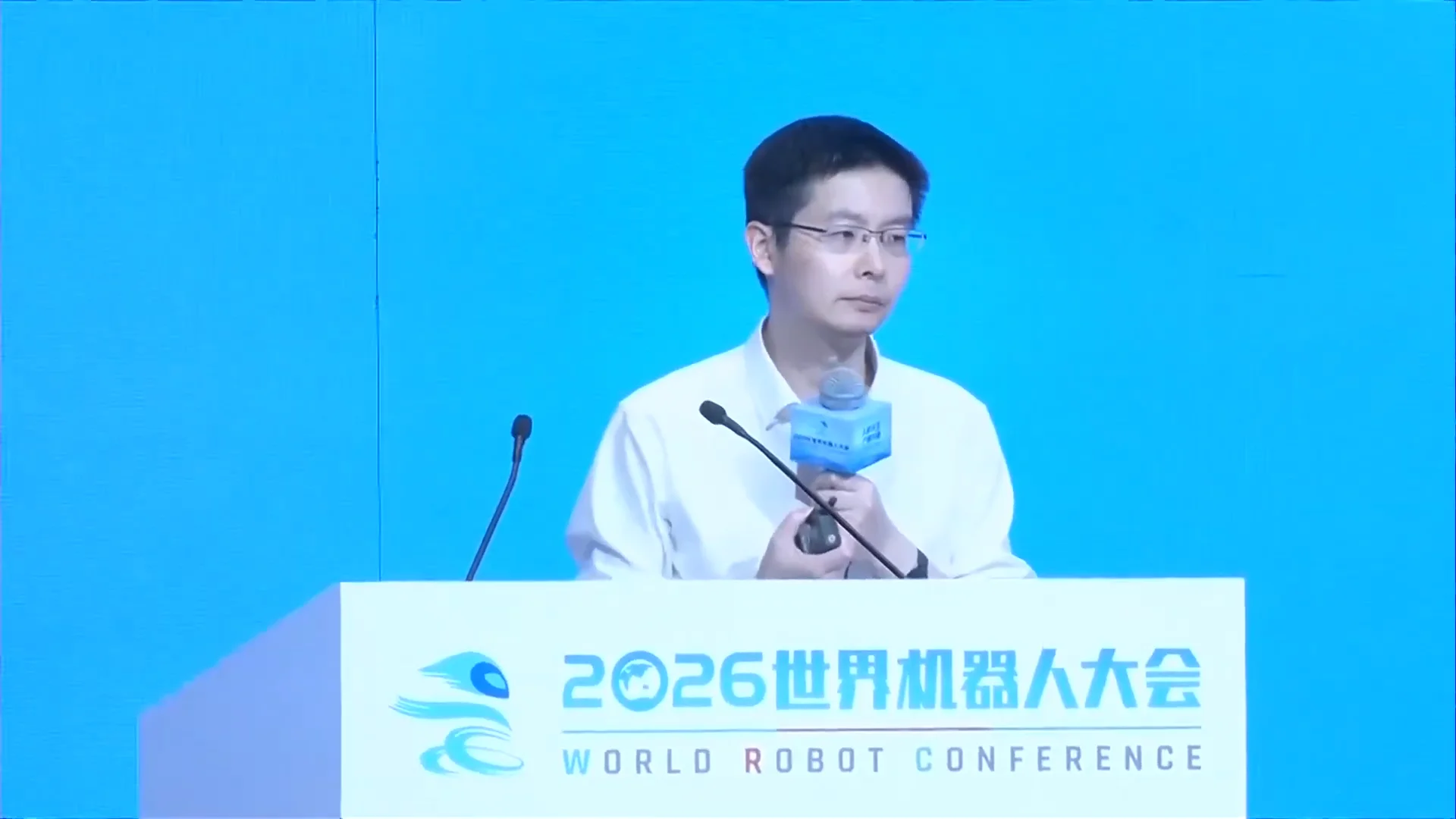
Unitree CEO Wang Xingxing Discusses Challenges of Scaling Humanoid Robots in Factories
At the 2026 World Robot Conference in Beijing, Unitree Robotics CEO Wang Xingxing addressed the limitations of humanoid robots in industrial applications. Despite the company's recent IPO, Wang emphasized that their robots are not yet ready for large-scale deployment due to performance issues, including lower throughput compared to human workers and the need for retraining with each new task. Wang's remarks highlight a broader industry challenge, as he pointed out that the gap between demonstration capabilities and practical utility remains significant. He noted that while Unitree has collaborated with automotive plants and tested robots in production lines, the technology must improve before it can be commercially viable. Looking ahead, the focus will be on enhancing the adaptability and efficiency of humanoid robots. Wang identified the mismatch between digital AI models and the physical world as a critical barrier to success, stressing that micro-errors during task execution can lead to failure in complex operations. No further timeline was disclosed at the time of publication.
Unitree Robotics Wang Xing Xing China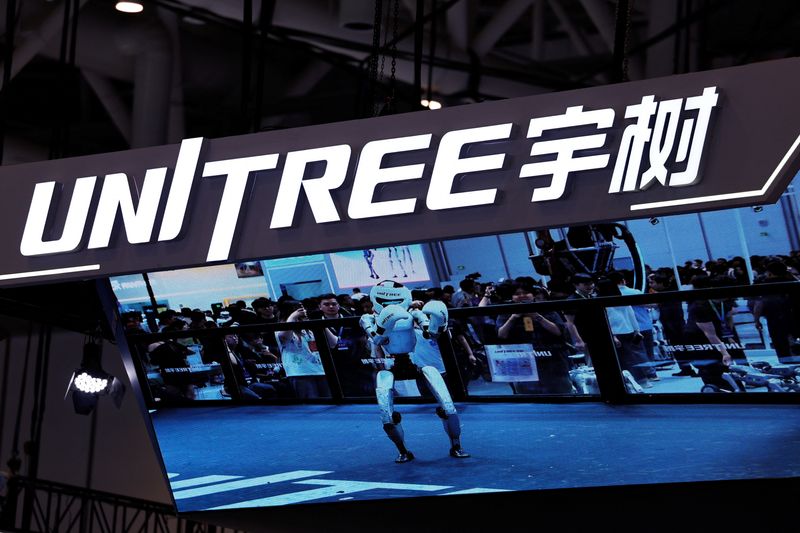
Unitree CEO Predicts 'ChatGPT Moment' for Robotics Industry Following IPO
Unitree's CEO, Wang Xingxing, stated that the robotics industry is approaching a 'ChatGPT moment' for robot intelligence, following the company's significant IPO in Shanghai. This event underscores China's ambition to lead in AI-powered machines, despite a recent 11% drop in share prices after an initial surge. The CEO emphasized that advancements in embodied intelligence could enable robots to perform around 80% of tasks in unfamiliar environments through simple voice or text commands. This potential breakthrough is seen as a critical tipping point for the robot industry, which is expected to experience explosive growth as AI capabilities evolve. Wang cautioned that while a major leap in robot software could occur in two to three years, it may take up to ten years for full realization. As the largest producer of robot dogs and the second-largest maker of humanoid robots, Unitree's developments will be closely watched as the industry progresses towards this pivotal moment.
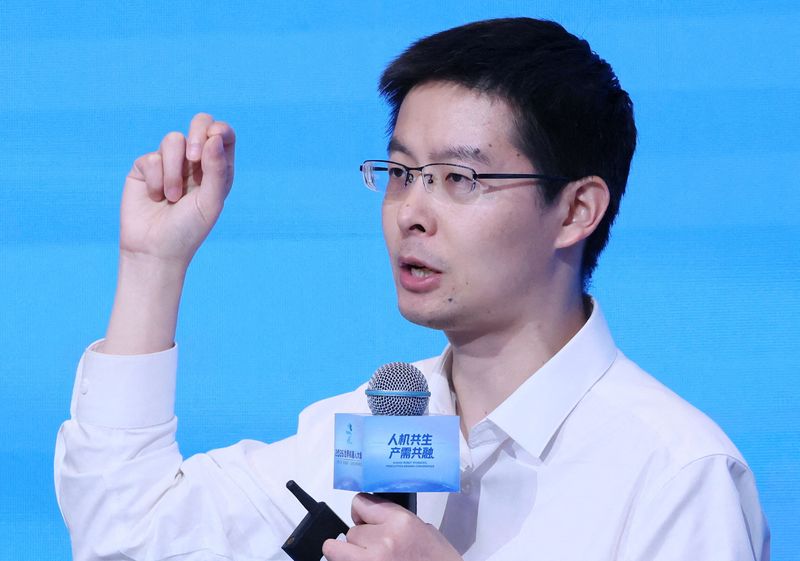
Unitree CEO Predicts 'ChatGPT Moment' for Robotics Industry Amid IPO Surge
Unitree's CEO, Wang Xingxing, announced that the robotics industry is approaching a 'ChatGPT moment' for robot intelligence, following the company's significant IPO in Shanghai. This event underscores China's aspirations to lead in AI-powered robotics, despite a recent 11% drop in share prices after an initial surge. The CEO emphasized that advancements in embodied intelligence could allow robots to perform up to 80% of tasks in unfamiliar environments using simple voice or text commands. This potential breakthrough is seen as a critical tipping point for the robotics sector, which is gaining momentum with strong support from the Chinese government. Wang cautioned, however, that a substantial leap in robot software capabilities may take two to ten years to materialize. As the industry evolves, stakeholders should monitor developments in AI-driven robotics and the impact of Unitree's innovations on market dynamics. No further timeline was disclosed at the time of publication.
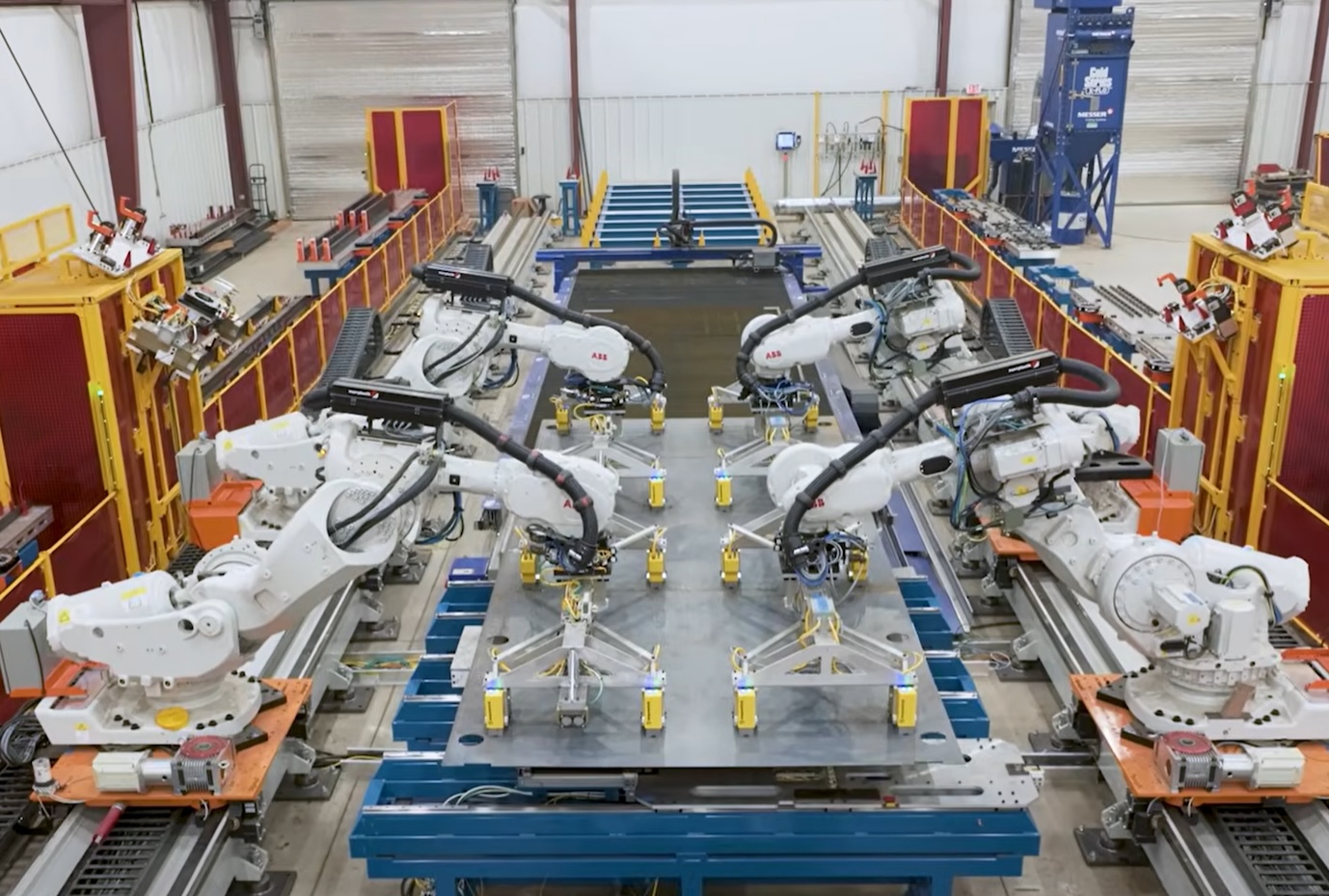
Pony AI's CEO James Peng Discusses Expansion Plans for Robotaxi Fleet in China
James Peng, the CEO of Pony AI, announced plans to broaden the company's robotaxi fleet across additional cities in China to address increasing demand. This expansion reflects the company's commitment to enhancing its service offerings in the rapidly evolving autonomous vehicle market. The growth of Pony AI's robotaxi fleet is significant as it aligns with the rising interest in autonomous transportation solutions in urban areas. By expanding its operations, Pony AI aims to capture a larger share of the market and improve accessibility for consumers seeking innovative mobility options. Looking ahead, industry observers should monitor Pony AI's progress in deploying its robotaxi services in new cities. The company's ability to adapt to market demands and regulatory environments will be crucial for its success. No further timeline was disclosed at the time of publication.
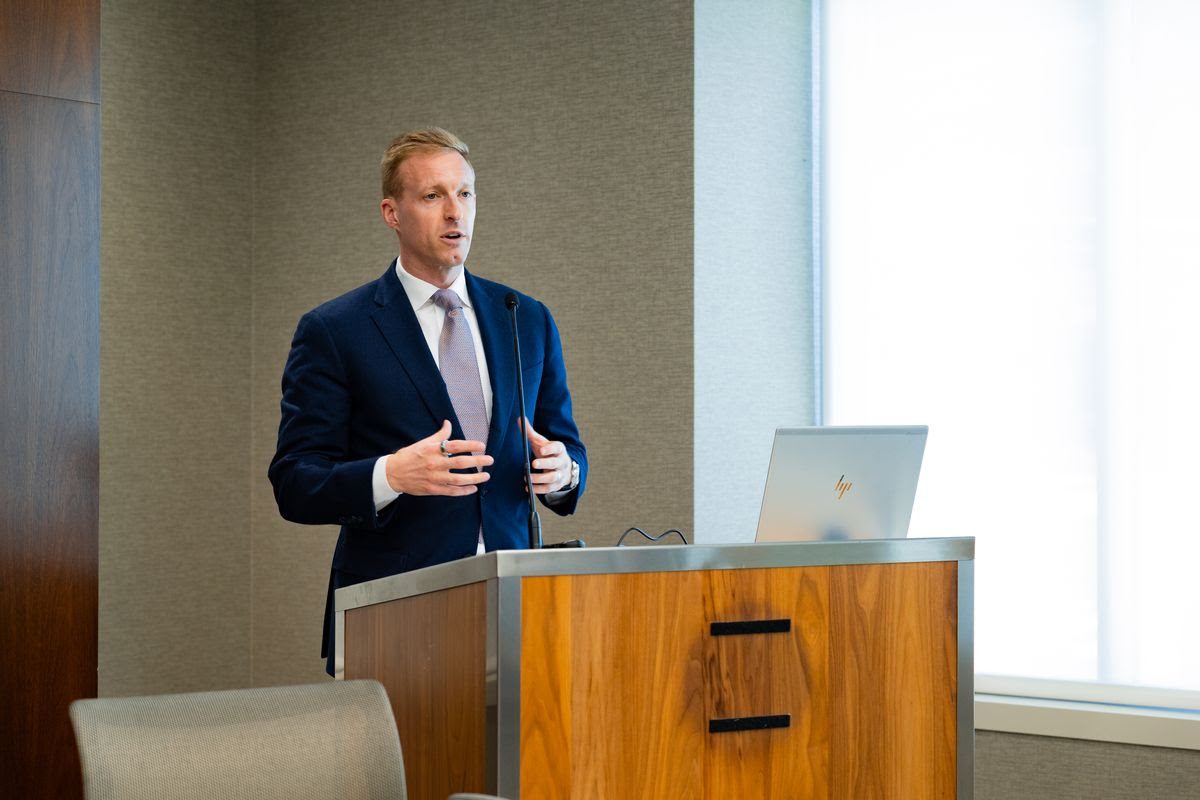
AUVSI Appoints Heather Lee as Acting President and CEO Following Michael Robbins' Departure
The Association for Uncrewed Vehicle Systems International (AUVSI) has announced a leadership transition, with Michael Robbins set to depart on September 30, 2026, to lead the Semiconductor Industry Association. Heather Lee, currently the Chief Operating Officer, will assume the role of Acting President and CEO starting October 1. This transition is significant as Robbins has been instrumental in expanding AUVSI's advocacy efforts in Washington and enhancing its engagement with policymakers, contributing to a robust U.S.-based drone ecosystem. Under his leadership, AUVSI representatives testified before Congress eight times, and the organization broadened its focus on defense, commercial drones, and autonomous systems. Looking ahead, AUVSI's current policy priorities and programs are expected to continue seamlessly under Lee's guidance. The organization remains committed to its mission in the autonomous systems sector, ensuring that members and stakeholders experience consistent engagement and results during this leadership change. No further timeline was disclosed at the time of publication.
News Autonomous Systems AUVSI Drone Industry Drone Policy Green UAS
Figure CEO Brett Adcock Highlights ROI from Humanoids Amid Labor Shortages
Brett Adcock, CEO of Figure AI, asserts that humanoid robots are already providing return on investment as companies face severe labor shortages. In a recent podcast, he emphasized that the focus has shifted from merely proving hardware functionality to addressing critical workforce needs for enterprise clients. Adcock pointed out that while many companies are increasing production, the real challenge lies in developing intelligent robotic systems rather than just mass-producing hardware. He compared unintelligent robots to early consumer drones, which were often difficult to operate and quickly abandoned, highlighting the importance of achieving human-level intelligence in robots. Figure has recently celebrated the completion of its 1,000th engineering validation test robot for the Figure 03 generation, marking a significant milestone for the $39 billion startup. Adcock noted that the modularity of humanoid components makes scaling production easier compared to automobile manufacturing, allowing Figure to deploy robots to its commercial customers effectively.
Brett Adcock US Figure Figure-03
Neura CEO David Reger Calls Physical AI Development Pace 'Tremendous
David Reger, CEO of Neura, a German robotics company, has expressed optimism about the potential of physical AI as a significant growth driver for Europe. He emphasized the rapid advancements in this field, describing the development pace as 'tremendous.' Reger's insights were shared during an interview with Tom Mackenzie on Bloomberg Tech: Europe. The significance of Reger's comments lies in the growing recognition of physical AI's role in the European market. As industries increasingly adopt AI technologies, the potential for economic growth and innovation in robotics is substantial. Neura Robotics, under Reger's leadership, aims to capitalize on this momentum to position itself as a leader in the sector. Looking ahead, stakeholders in the robotics and AI industries should monitor Neura's developments and the broader implications of physical AI advancements. No further timeline was disclosed at the time of publication.

NVIDIA's Jensen Huang Ranked Best CEO by Glassdoor for 2026
NVIDIA's founder and CEO, Jensen Huang, has been named the top CEO on Glassdoor's Best CEOs list for 2026, receiving a remarkable 99% employee approval rating. This recognition highlights the importance of exceptional leadership as AI and evolving workplace expectations reshape the corporate landscape. The reintroduction of the Best CEOs list by Glassdoor, after a five-year hiatus, emphasizes the significance of CEO leadership on employee experience and company reputation. Huang's leadership is noted for empowering employees and fostering a strong company culture, which is crucial in today's uncertain job market. Looking ahead, the focus on leadership quality will remain critical as companies navigate ongoing challenges. The presence of nine technology CEOs on the list underscores the sector's emphasis on effective leadership, with Huang leading the way. No further timeline was disclosed at the time of publication.
Uber CEO Confident Amidst Bookings Outlook and Trip Volume Shortfall
Uber Technologies experienced a decline in share prices following a bookings outlook that only met analyst expectations. Additionally, the volume of trips taken in the second quarter did not meet projections. Despite these challenges, Uber's Chief Executive Officer, Dara Khosrowshahi, expressed confidence, stating that there are no indications of a consumer slowdown. This situation is significant as it highlights the ongoing challenges Uber faces in maintaining growth amidst fluctuating market conditions. The company's performance metrics are closely watched by investors and analysts, and the shortfall in trip volume could raise concerns about future revenue generation. Khosrowshahi's remarks about consumer behavior suggest a belief in resilience despite current setbacks. Looking ahead, Khosrowshahi mentioned plans to expand robotaxi partnerships in the United States, which could play a crucial role in Uber's strategy to innovate and enhance its service offerings. No further timeline was disclosed at the time of publication.

Uber CEO affirms strong ties with Waymo amid partnership concerns
Uber CEO Dara Khosrowshahi stated that the partnership with Waymo remains strong, despite speculation of a rift following the end of their Phoenix collaboration. Khosrowshahi emphasized ongoing operations in Atlanta and Austin, asserting that Waymo is a crucial partner for Uber's robotaxi services. However, evidence suggests a weakening relationship, as Uber explores multiple AV partnerships and acknowledges the slow adoption of robot-driven cars, which currently represent less than 0.5% of its trip volume. The significance of this partnership is underscored by Uber's commitment to invest over $10 billion in its robotaxi business, with Waymo being the only partner operating at scale. Khosrowshahi's comments reflect a cautious optimism, as he recognizes the need for diversification in Uber's AV partnerships while also acknowledging the competitive landscape where Waymo is gaining market share from traditional rideshare services. Looking ahead, the dynamics between Uber and Waymo will be crucial to watch, especially as the robotaxi market evolves. Khosrowshahi's remarks suggest that while the partnership is currently beneficial, the future may bring increased competition and the emergence of new players in the autonomous vehicle space. No further timeline was disclosed at the time of publication.
Autonomous Cars News Ride-sharing Transportation Uber Waymo
Fire Point CEO Discusses Development of Missiles and Drones Against Russian Forces
Fire Point CEO Iryna Terekh recently shared insights on the company's evolution from a garage startup to a key player in missile and drone production. Amid ongoing threats from Russian missiles, Terekh highlighted the effectiveness of their FP-1 and FP-2 drones, as well as the new Flamingo cruise missiles, which enhance Ukraine's long-range capabilities. The significance of Fire Point's advancements lies in their strategic aim to counter Russian aggression. The FP-9 ballistic missile, designed to strike targets up to 500 miles away, and the FP-7.x interceptor, intended as a cost-effective alternative to Patriot systems, are pivotal in strengthening Ukraine's defense. Terekh's leadership has been crucial in navigating the challenges of weapon development under constant threat. Looking ahead, the status of the FP-9 program and the development of indigenous missile systems will be critical. Terekh's insights into the use of AI in weapon systems and the challenges faced during production highlight the innovative approaches being taken to ensure Ukraine's defense capabilities remain robust. No further timeline was disclosed at the time of publication.
News & Features Around The Globe Europe Land Land-Based Ballistic Missile Defense Russia
1X Technologies CEO Bernt Børnich Foresees 'Hard Takeoff' for Robotics in Three Years
In a recent interview on the All-In Podcast, Bernt Børnich, Founder and CEO of 1X Technologies, forecasted a 'hard takeoff' for physical artificial intelligence within three years. He emphasized that the timeline for general-purpose robotic labor could be shorter than expected, driven by the capabilities of the $20,000 NEO platform. Børnich's vision extends beyond household applications, highlighting a broader commercial strategy that includes opening NEO as a developer platform. He believes that leveraging internet-scale video training and massive data ingestion will be crucial for achieving early autonomy in robotics, potentially leading to self-sufficient systems capable of building other robots and operating complex facilities. Looking ahead, Børnich's aggressive timeline suggests significant advancements in robotics are imminent. He noted that 1X is transitioning to an open ecosystem, allowing for a diverse range of applications and autonomy levels. This shift aims to enhance the capabilities of NEO, positioning it as a versatile tool for various industries, including automated retail.
1X Technologies US NEO Bernt Børnich
Meta's CEO Mark Zuckerberg Advocates for Universal Access to Superintelligence
On July 28, 2023, Mark Zuckerberg, CEO of Meta, published an op-ed in the Wall Street Journal titled 'The AI Future Is for Everyone.' He argued that superintelligence should not be concentrated in the hands of a few but should be accessible to everyone. Zuckerberg emphasized that the defining question of the coming years will not be whether superintelligence is achieved, but who will have access to it. Zuckerberg's perspective highlights three pillars: individual empowerment, invention over automation, and a balance of power. He criticized the pessimism among AI developers, suggesting that the belief that extreme power concentration is the only safe path is itself dangerous. He illustrated this with a thought experiment about equitable access to superintelligent legal assistance, arguing that universal access would lead to a fairer and more efficient judicial system. Regarding risks, Zuckerberg noted that broad access to powerful systems could enhance long-term safety, as evidenced by the history of open-source software in cybersecurity. He also suggested that widespread superintelligence could enable entrepreneurship with less capital, potentially increasing job opportunities. Microsoft CEO Satya Nadella and others expressed support for Zuckerberg's views, emphasizing the need to build an ecosystem that empowers everyone.

Genki Robotics Plans to Launch First Product This Year, According to CEO Andy Rubin
Genki Robotics, a Tokyo-based startup, is set to launch its inaugural product this year, as confirmed by CEO Andy Rubin in an interview with Nikkei Asia. This marks a significant step for the company as it transitions towards commercial deployment following a recent fundraising round. The launch is noteworthy as Genki Robotics aims to create an app-store-like marketplace that will allow outside developers to create and sell new robot behaviors. This initiative could enhance the functionality and adaptability of their products, potentially attracting a wider range of users and developers in the robotics field. Looking ahead, stakeholders should monitor Genki Robotics' progress in product development and the establishment of its operating system for external developers. No further timeline was disclosed at the time of publication.
Leonardo UK CEO Clive Higgins Discusses CCA Program Potential Amid Funding Concerns
Clive Higgins, CEO of Leonardo UK, expressed interest in the UK’s Collaborative Combat Aircraft (CCA) program but raised concerns about current government funding levels. He noted that the £300 million investment outlined in the Defence Investment Plan is insufficient for developing a complete fleet, suggesting it may only cover initial demonstrator work. Higgins emphasized the importance of understanding the specific requirements of the CCA program to determine how Leonardo can best contribute, particularly in electronic warfare systems. He highlighted the company's ongoing collaboration with the RAF on the StormShroud Autonomous Collaborative Platform, which began operations in May 2025, and the integration of its BriteStorm jammer with Tekever's AR3 aircraft for SEAD missions. Looking ahead, Higgins mentioned the potential for Leonardo's joint venture with Turkey’s Baykar to secure CCA business under the Global Combat Air Programme (GCAP). However, he cautioned that cost considerations and the specific mission requirements will play a crucial role in any future developments related to the CCA initiative.
Air Warfare Global Air Force BAE Systems baykar Business & Industry
NVIDIA's CEO Jensen Huang Discusses AI and Robotics Market Evolution
During a nearly hour-long conversation at YC Startup School, NVIDIA CEO Jensen Huang discussed entrepreneurship, AI transformation, and management philosophy. He made a surprising assertion that the 'ChatGPT moment' for robotics occurred several years ago, recalling the first time NVIDIA generated a video of finger movements, realizing that AI in the physical world was on the verge of a breakthrough. Huang revealed that NVIDIA's physical AI business, which includes autonomous driving, is nearing a valuation of $10 billion. He predicts this sector will become one of the largest industries globally, with a target of reaching $100 billion in the near future. Huang emphasized that NVIDIA has even open-sourced its autonomous driving stack to support various applications, including agriculture and logistics. Addressing concerns about AI replacing human jobs, Huang countered that while AI may automate specific tasks, it will not eliminate jobs. He cited data showing that while programming tasks are being automated, software engineering positions are growing at a rate of 10% annually. Huang encouraged young people to focus on foundational sciences and develop system thinking skills, which he believes will be essential in the future job market.
Physical AI Robotics AI Transformation Entrepreneurship
DataRobot CEO Discusses the Future of AI as Colleagues in Business Value Creation
DataRobot's CEO, Debanjan Saha, emphasizes the importance of overcoming challenges in AI implementation to generate business value. As AI agents transition to practical applications, companies face rising costs and governance issues, which hinder ROI. Saha advocates for strong governance and flexibility in AI environments to facilitate smoother transitions from pilot projects to full-scale operations. The significance of AI in enhancing business processes is underscored, particularly in Japan, where the focus is on AI assisting human tasks rather than replacing them. Saha notes that while Japan is slower in adopting AI agents compared to the U.S., the market is maturing, and interest in AI solutions is growing due to labor shortages. The potential for AI to streamline operations and create new value is highlighted as a key driver for future adoption. Looking ahead, Saha envisions a future where AI agents are treated as colleagues, fundamentally transforming workplace dynamics and corporate culture. As organizations adapt to this new relationship, the management of AI's lifecycle will be crucial for maximizing its benefits. No further timeline was disclosed at the time of publication.
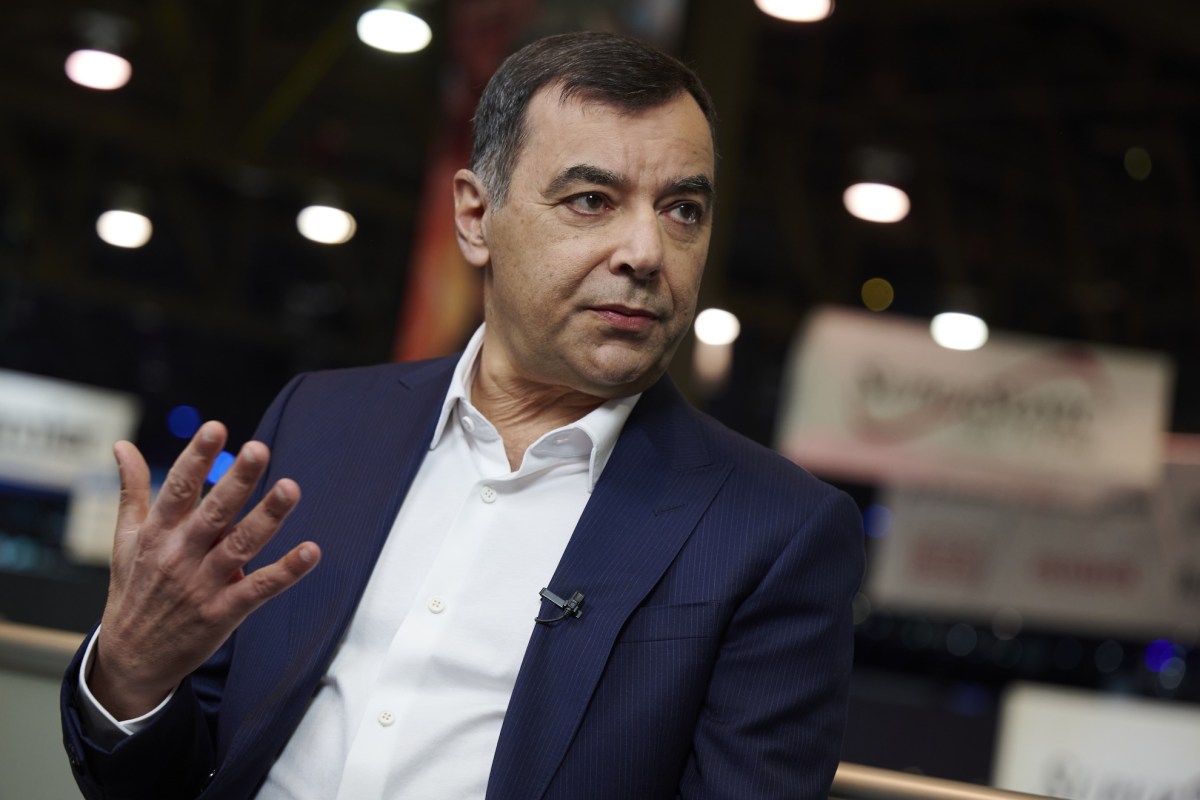
Mobileye's Amnon Shashua to Depart as CEO Amid Robotaxi and Robotics Expansion
Amnon Shashua, founder and CEO of Mobileye, is set to step down after nearly 30 years, coinciding with the company's expansion into robotaxis and humanoid robots. He will remain in his role until a successor is appointed, as stated in a regulatory filing. This leadership transition is significant as Mobileye, known for its computer vision chips, is evolving its business model. The company, which had the largest IPO in Israel's history and was acquired by Intel for $15.3 billion, is now focusing on robotics and automotive AI, particularly after acquiring Mentee Robotics for $900 million. Looking ahead, Mobileye plans to launch its own robotaxi service in a U.S. city by 2027, marking a pivotal shift from being a chip supplier to a provider of autonomous driving systems. No further timeline was disclosed at the time of publication.
Transportation In Brief Mobileye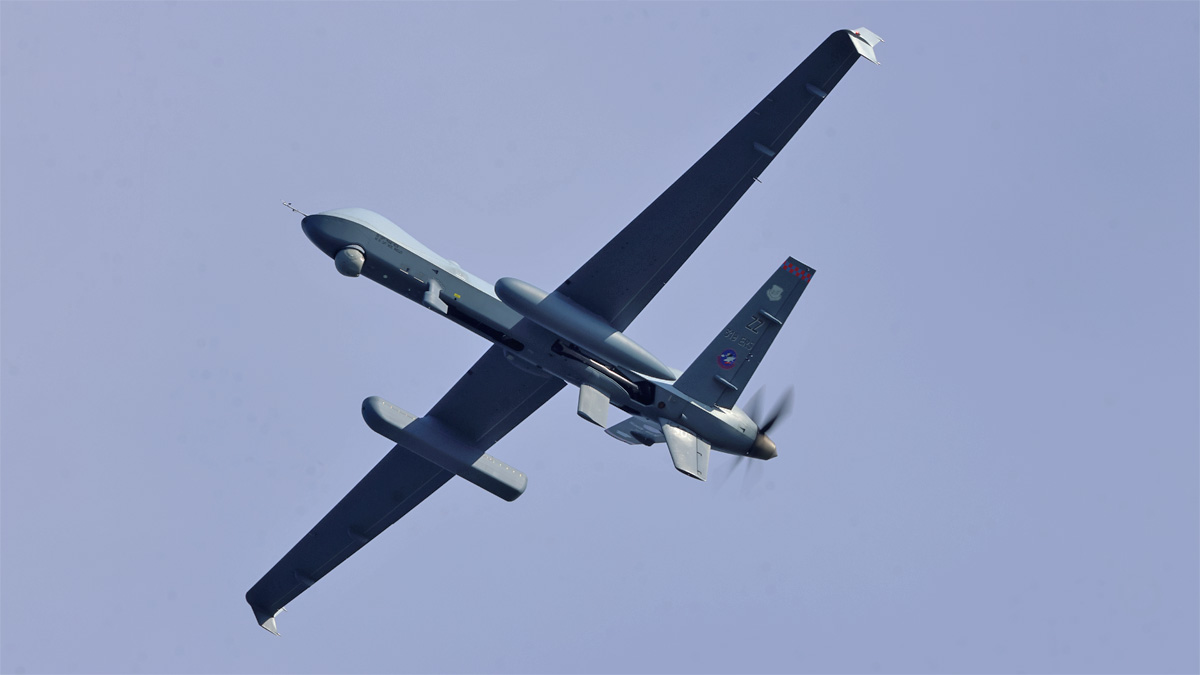
General Atomics CEO Questions Cost Targets for New Pentagon Drone Initiative
General Atomics plans to propose a new aircraft for the Pentagon's Massed Modular Aircraft project, aimed at creating a cost-effective hunter-killer drone. CEO Dave Alexander expressed skepticism about the feasibility of the Defense Innovation Unit's low-cost target, suggesting that the Pentagon may need to adjust its certified pricing requirements to achieve these goals. The significance of this proposal lies in the Pentagon's desire for a drone that can perform surveillance and strike missions at a lower cost than the MQ-9 Reaper, which is priced at approximately $30 million per aircraft. The new drone must meet specific performance criteria, including a payload capacity of at least 2,800 pounds and a range of 2,300 nautical miles, with a goal to field the drone by fiscal 2031. Looking ahead, General Atomics is already manufacturing FQ-42As and has about 30 aircraft in various stages of production. The company is confident in its ability to meet the cost parameters set by the Pentagon, emphasizing its extensive experience in the field. No further timeline was disclosed at the time of publication.
Air Warfare Air Force collaborative combat aircraft Drones Europe Farnborough 2026
Samsung Launches CEO-Led Robotics Division to Drive Commercialization Efforts
Samsung Electronics announced the establishment of a new robotics business division, RX (Robotics eXperience), led by CEO Roh Tae-moon. This division consolidates various robotics initiatives previously managed separately, focusing on long-term strategy and commercialization. Key hires include Lee Dong-gun, who will lead the robotics strategy team, along with two academic experts in autonomous systems and robotic dexterity. The formation of the RX division is significant as it reflects Samsung's commitment to developing robots as a commercial business amid challenges in other sectors. Analysts suggest that the mobile division may have experienced its first quarterly loss, prompting the company to seek growth opportunities in robotics. The division aims to innovate in areas such as dexterous robotic hands, which are crucial for humanoid functionality and represent a significant cost factor in robotics development. Looking ahead, Samsung plans to invest in its robotics capabilities at its Seoul R&D Campus and establish further research bases in the United States, China, and Japan. The RX division's efforts will build on Samsung's recent investment in Rainbow Robotics, enhancing its position in the humanoid robotics market. No further timeline was disclosed at the time of publication.
All News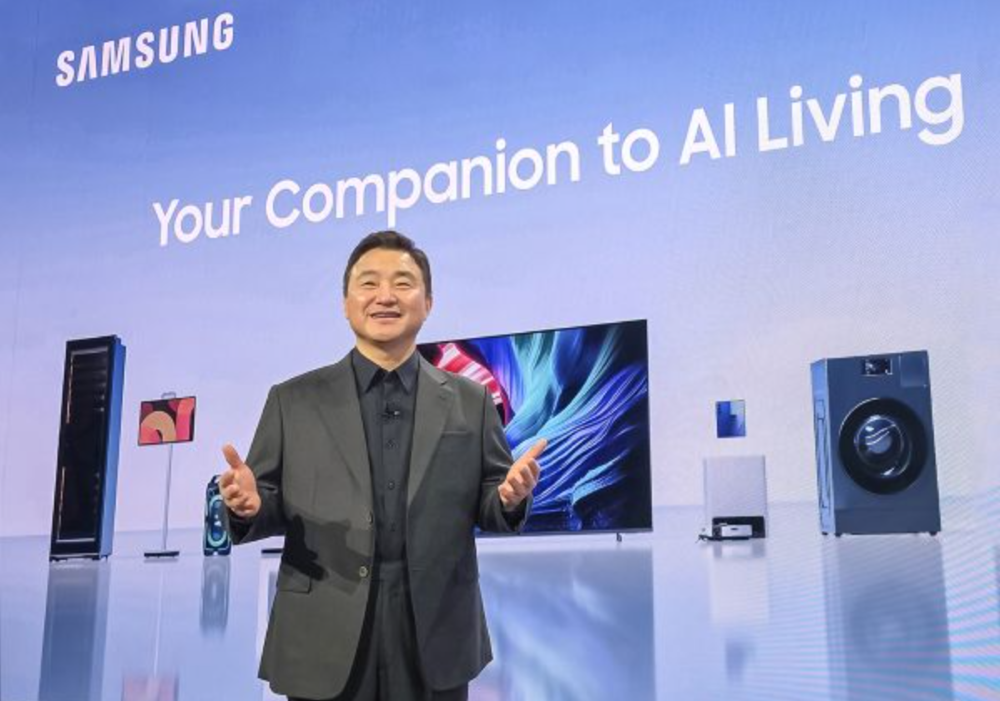
Samsung Launches CEO-Directed Robotics Division to Compete in Humanoid Robotics
Samsung Electronics has officially established the RX (Robotics eXperience) division, reporting directly to CEO Jong-Hee Han, to spearhead its robotics initiatives. This move comes as the company aims to position itself as a key player in the humanoid robotics race, previously dominated by firms like Boston Dynamics. The RX division will consolidate Samsung's scattered robotics technologies and talent, focusing on long-term strategy, core technology development, and commercialization. Leading the robotics strategy team is Executive Vice President Dong-Kyun Lee, who previously directed robotics strategy at Hyundai Motor Group and played a pivotal role in shaping Boston Dynamics' future. Additionally, two prominent scholars, Professor Hyun-Jin Kim from Seoul National University and Professor Eui-Chan Kim from Asia University, have joined Samsung to tackle the technological challenges in robotic dexterity, a critical aspect for the commercialization of humanoid robots. Samsung's pragmatic strategy involves validating manufacturing scenarios before expanding into home and retail sectors. The RX division will be based in Seoul's R&D hub, with plans to invest in infrastructure and establish robotics research centers in the U.S., China, and Japan. The company's goal is to transform all domestic and international production facilities into AI-driven autonomous factories by 2030, marking a significant shift in its robotics approach from decentralized research to centralized advancement.
Humanoid Robots Robotics Technology AI Manufacturing Automation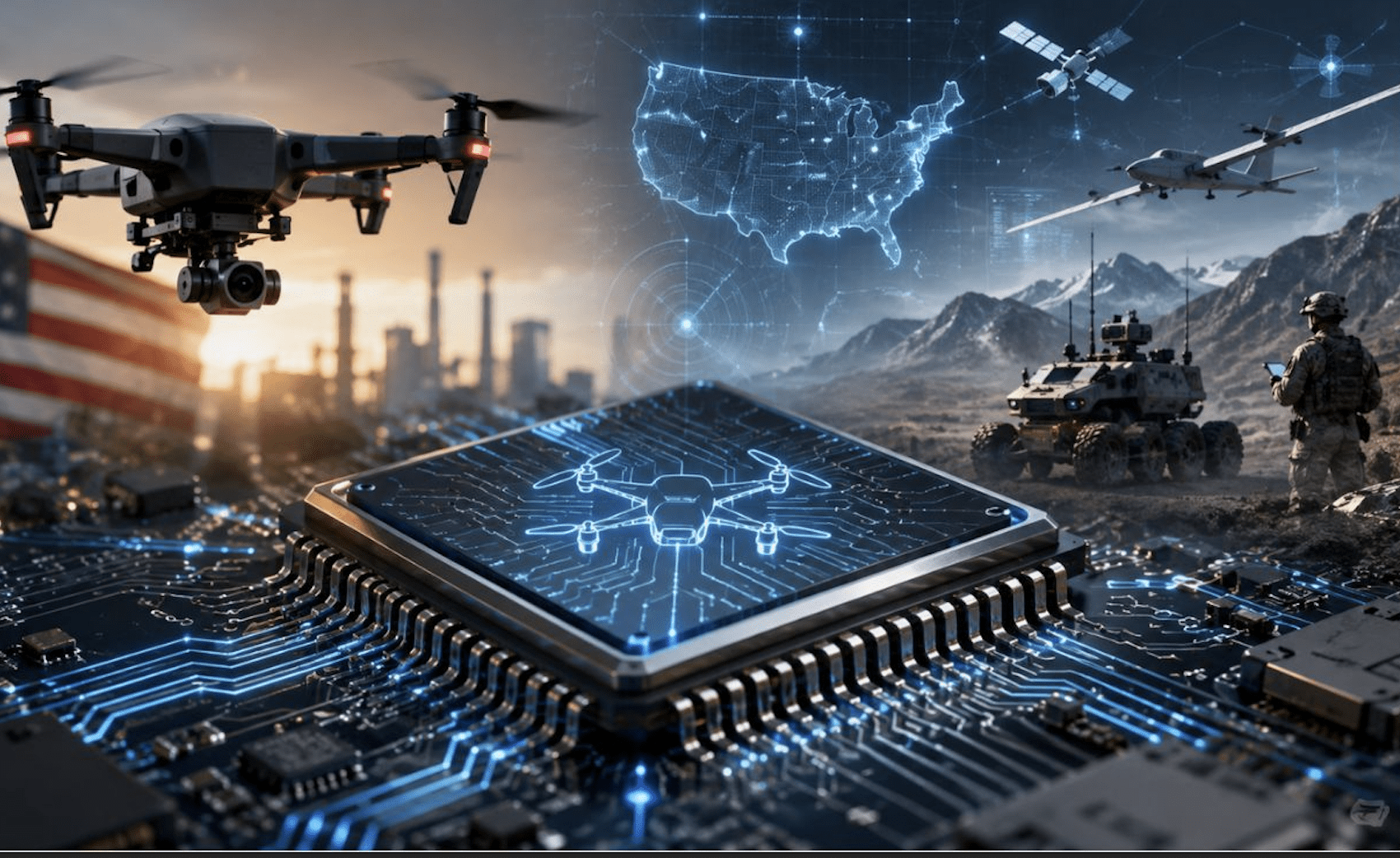
HYFIX CEO Discusses U.S. Drone Technology Development on Drone Radio Show
In a recent episode of the Drone Radio Show, Mike Horton, CEO of HYFIX, discussed the challenges facing U.S. drone technology. He highlighted the U.S. government's restrictions on foreign drone technology, emphasizing the need for domestic alternatives that are not yet fully developed. Horton pointed out that fragmented drone systems pose significant security and supply chain risks, making the case for integrated, U.S.-made systems as essential for the future of autonomy. This perspective underscores the importance of developing robust domestic capabilities in the drone sector. Looking ahead, the conversation raises critical questions about the pace of innovation in U.S. drone technology and the regulatory landscape. No further timeline was disclosed at the time of publication.
Drone Manufacturing Drone News Drone News Feeds drone technology News Podcast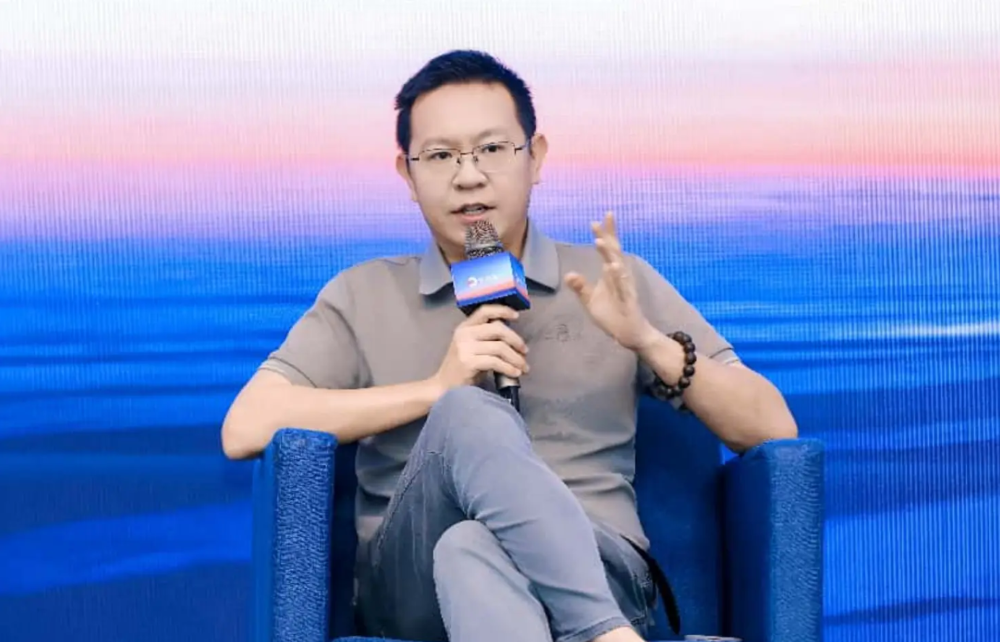
Digua Robot CEO Highlights Lack of Industry Standards for Chip Computing Power
During a media briefing on July 15, Digua Robot's CEO, Wang Cong, stated that there are currently no industry standards for the computing power required for embodied intelligence chips. He emphasized the uncertainty surrounding chip performance, data standards, algorithms, and practical applications in the sector. Wang noted that Digua Robot is among the few companies already delivering products, having partnered with over 20 leading clients, including companies like Shizhi Navigation and UBTECH. Their Sun S600 chip is set to be deployed in various scenarios, including humanoid robots and industrial applications, with significant progress reported in the past six months. Looking ahead, Wang believes that the industry is not yet in a phase of intense competition, as many players have yet to produce viable products. He highlighted the importance of refining product quality and responding to customer needs, while also addressing the challenges of cost-effectiveness and system integration in deployment processes. No further timeline was disclosed at the time of publication.
Embodied Intelligence Chip Technology Robot Partnerships Industrial Automation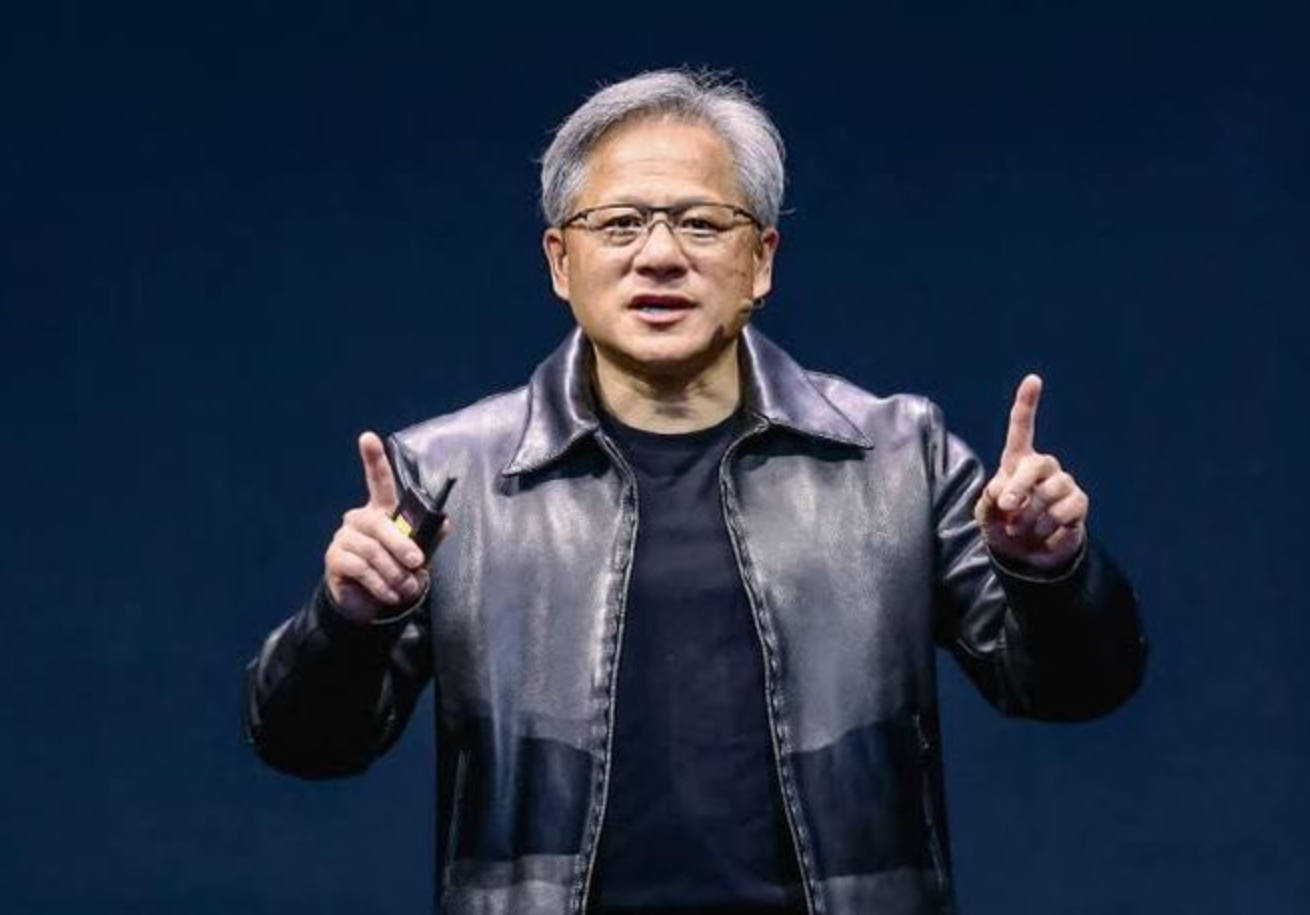
NVIDIA's CEO Jensen Huang Announces Expansion of Physical AI Collaboration in Japan
On July 16, NVIDIA CEO Jensen Huang announced an expansion of collaboration with Japanese companies in the field of 'physical AI' during an event in Tokyo. This initiative marks a strategic move to integrate NVIDIA's technology into Japan's manufacturing sector, particularly through a partnership with Toyota to develop AI models for the Woven City traffic control system. The collaboration with Toyota is central to NVIDIA's strategy, as the company will provide GPUs and development tools to Toyota's subsidiary, Woven by Toyota. This partnership aims to embed NVIDIA's technology into the city's digital twin platform, Omniverse, enhancing factory production and driving manufacturing robots with the Isaac platform. Additionally, Huang revealed plans to deepen cooperation with major Japanese industrial automation firms, including Fujitsu, Fanuc, Yaskawa Electric, and Kawasaki Heavy Industries, as part of the Cosmos Coalition. This initiative aims to strengthen Japan's position in the global AI robotics market, with a government goal of achieving a 30% market share by 2040. No further timeline was disclosed at the time of publication.
Physical AI Robotics Industrial Automation AI TechnologyRobotics needs a service framework.
RSF defines a common language for robot service capability, lifecycle operations, certification pathways, and service-provider networks.
Join the RobotToday community on LinkedIn
Daily robotics news, in-depth analysis, conference highlights, and discussions with professionals worldwide.