Industry Briefing
A single destination for timely, editor-curated robotics news from around the world.
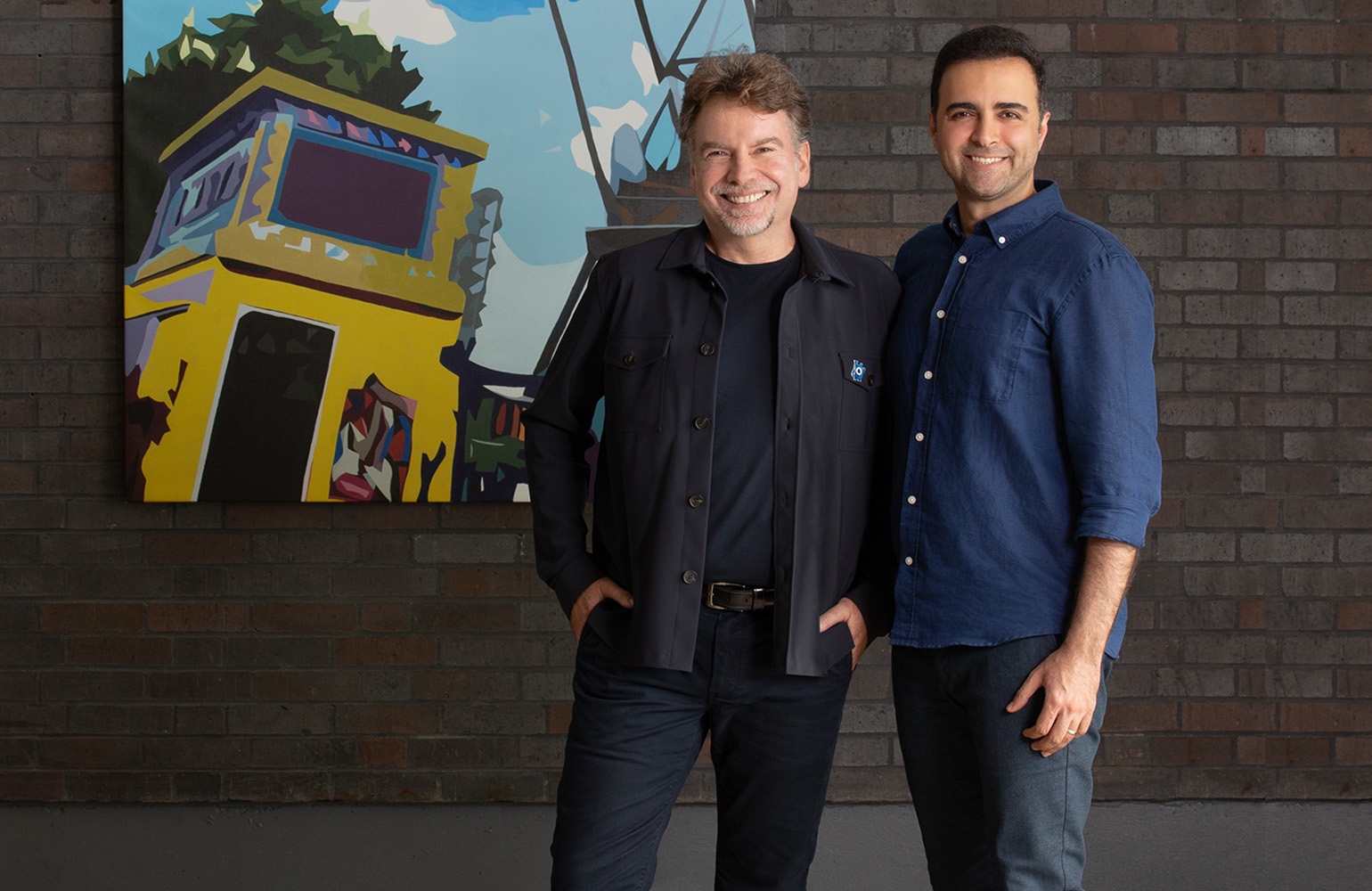
Dynamic Creatures Founded by Boston Dynamics Veterans to Innovate Robotic Entertainment
Dynamic Creatures, a new company co-founded by former Boston Dynamics executives Marc Theermann and Farbod Farshidian, aims to create robotic characters for entertainment. The company is leveraging its founders' expertise to develop engaging robotic experiences for theme parks, casinos, and hospitality settings. Theermann emphasized the importance of showcasing robots in fun environments to help the public understand their capabilities. Dynamic Creatures is also Boston Dynamics' official partner in entertainment and hospitality, combining advanced robotics with character design and real-time interaction. The company has introduced SnowJay, an integrated AI and robotics platform focused on natural movement and human-robot interaction. Theermann believes enhancing these interactions is crucial for societal acceptance of robots in everyday spaces. No further timeline was disclosed at the time of publication.
Artificial Intelligence Artificial Intelligence / Cognition Autonomous Mobile Robots (AMRs) Design / Development Human Robot Interaction / Haptics Humanoids
NVIDIA and Boston Dynamics: Divergent Strategies in Robotic Motion Control
On August 12, two papers on robotic motion control were published in Science Robotics, showcasing contrasting approaches by NVIDIA and Boston Dynamics. The RAI Institute and Boston Dynamics introduced the ZEST framework, which enables zero-shot embodied skill transfer and motion imitation, allowing the Atlas robot to learn various skills in approximately 10 hours using a single NVIDIA L4 GPU. In contrast, the SONIC framework consumed around 700 hours of motion capture data and 21,000 GPU hours for training, focusing on a unified control strategy that encompasses a wide range of human movements. This approach allowed the Yushu G1 robot to successfully execute 123 different motion sequences with a 99.2% success rate, demonstrating real-time adaptability to human actions. These differing methodologies highlight the ongoing debate in robotics regarding efficiency versus data-driven approaches. Future developments will need to address complex movement challenges, such as how robots can adapt to various physical interactions and whether new control logic is required for different actions. No further timeline was disclosed at the time of publication.
Robotic Motion Control AI Machine Learning Robot Training Boston Dynamics
Boston Dynamics Faces Ownership Changes Amid Challenges in Humanoid Robot Commercialization
Boston Dynamics is undergoing a significant transformation as Hyundai Motor Group acquires the remaining shares from SoftBank, making it a wholly-owned subsidiary by July 2026. This acquisition marks the third ownership change for the company, which has been a benchmark in the robotics industry for over three decades. The contrast between the influx of Chinese robotics companies into the capital market and Boston Dynamics’ integration into an automotive group raises critical questions for the robotics sector. Founded in 1992 by Marc Raibert, Boston Dynamics initially thrived on military projects funded by DARPA. Despite being considered a vital technology asset during Google's acquisition in 2013, the company struggled to launch commercially viable products, leading to its sale to SoftBank in 2017. Financial losses have continued to escalate, with projected losses of 440.5 billion KRW in 2024, prompting workforce reductions. As Boston Dynamics begins manufacturing its Atlas robot in January 2026, the company aims to produce 30,000 units annually by 2028. However, reports indicate that production may only reach four units per month initially. This situation highlights the challenges faced by Boston Dynamics and serves as a cautionary tale for other robotics firms preparing for IPOs, emphasizing the importance of transforming technology into scalable business models.
Humanoid Robots Robot Commercialization Robotics Industry Automation Technology
Boston Dynamics' Atlas Robot Achieves Autonomous Battery Swapping in Under Three Minutes
Boston Dynamics has announced that its Atlas humanoid robot can now autonomously replace its depleted battery in under three minutes. This production-ready robot is designed to navigate back to a designated battery station, swap its battery, and resume operations, which is crucial for reducing downtime in industrial settings. The ability to autonomously manage battery life addresses a significant challenge as manufacturers aim to deploy humanoid robots more widely in various industrial environments. The development of Atlas is significant as it allows for longer work shifts with minimal human intervention, enhancing productivity in factories. With a runtime of about four hours during typical operations and two hours when performing heavy lifting, the autonomous battery swap feature offers a competitive advantage over conventional recharging methods, which take approximately 90 minutes. This capability is essential for factories operating multiple shifts and seeking to maximize operational efficiency. Looking ahead, Atlas is positioned for practical industrial deployment, with advancements in AI and simulation improving its ability to learn and adapt. The robot's enhanced manipulation and sensing capabilities, combined with accelerated training processes, are paving the way for its integration into real-world industrial tasks. No further timeline was disclosed at the time of publication.
AI and Robotics
Boston Dynamics Hosts Webinar on Human-Robot Interaction Design for Trust and Safety
Boston Dynamics is set to present a free webinar focused on human-robot interaction (HMI) considerations for humanoid robots. The event, titled "The Art Behind Human-Robot Interaction," will feature experts discussing how to foster trust and safety in human-robot collaboration. The webinar is scheduled for 11:00 a.m. ET on Wednesday, July 22, 2026. As humanoid robots transition from research environments to commercial applications, addressing safety concerns becomes crucial. Boston Dynamics emphasizes that predictability, rather than human-like appearance, is key to successful human-robot coexistence. The insights shared during the webinar will be vital for developers aiming to enhance the user experience and operational safety of humanoid robots. Participants can expect to learn from Mario Bollini, director of human-robot interaction, and Leland Hepler, a distinguished product designer. Both speakers bring extensive experience in robotics and design, making this webinar a significant opportunity for those interested in the future of human-robot collaboration. No further timeline was disclosed at the time of publication.
Artificial Intelligence Artificial Intelligence / Cognition Collaborative Robots Human Robot Interaction / Haptics Humanoids Motion Control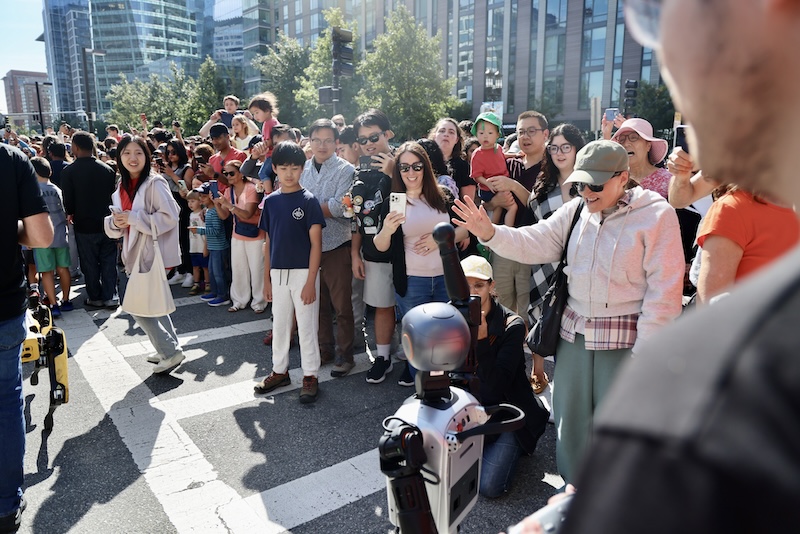
MassRobotics Launches Sponsorships for RoboBoston 2026 and AI Career Fair Announcement
MassRobotics has revealed plans for RoboBoston 2026, its ninth annual Robot Block Party, scheduled for September 26, alongside a Robotics & AI Technical Career Fair on September 25. The event will take place at Boston’s Seaport and is expected to host over 50 robotics companies, universities, and student teams, showcasing interactive exhibits and demonstrations. The significance of RoboBoston lies in its role in highlighting the region’s robotics ecosystem, uniting industry, academia, and students. Attendees will experience a variety of activities, including a Sidewalk Robot Parade and a ribbon-cutting ceremony, while exhibitors will present new technologies and research projects. MassRobotics has opened sponsorship opportunities, inviting organizations to support the event and promote STEM education and robotics innovation. Looking ahead, the Robotics & AI Technical Career Fair on September 25 aims to connect employers with technical talent in the robotics and AI sectors. Previous events have drawn over 800 job seekers, making it a valuable opportunity for both companies and candidates. No further timeline was disclosed at the time of publication.
Business Features ai careers artificial intelligence automation boston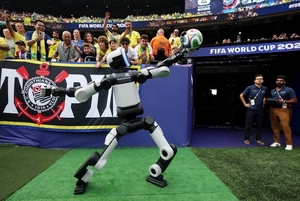
Hyundai Motor Group to Acquire Full Ownership of Boston Dynamics
Hyundai Motor Group is poised to gain full control of Boston Dynamics after SoftBank exercised a put option on its remaining 9.65 percent stake in the robotics firm. This move comes as Hyundai accelerates its focus on physical artificial intelligence, with plans to enhance its robotics capabilities and synergies across its manufacturing operations. The acquisition is significant as it allows Hyundai to consolidate its ownership of Boston Dynamics, which it initially acquired an 80 percent stake in for $880 million in 2021. With SoftBank's stake dropping below 10 percent, Hyundai and its affiliates will fully own the company, enabling better coordination in robot development and deployment, particularly with the introduction of Atlas humanoid robots in their manufacturing plants. Looking ahead, Hyundai plans to begin testing Atlas robots at its Metaplant America and Kia's Georgia plant, with operational roles expanding by 2030. The company aims to produce 30,000 robots annually by 2028 and establish capacity for 350,000 actuators, crucial for robot functionality. No further timeline was disclosed at the time of publication.
All News
Hyundai Motor Group Completes Full Acquisition of Boston Dynamics from SoftBank
Hyundai Motor Group announced its acquisition of SoftBank Group's approximately 10% stake in Boston Dynamics, making the U.S. robotics company a wholly owned subsidiary. The transaction, valued at about 500 billion won ($335 million), is aimed at enhancing Hyundai's ability to integrate advanced robotics into its operations. This acquisition is significant as it provides Hyundai Motor Group with increased strategic flexibility in managing Boston Dynamics, enabling long-term investment decisions and potential public offerings. The automaker plans to deploy Boston Dynamics' Atlas humanoid robot at a Georgia manufacturing plant starting in 2028, initially for parts-sequencing tasks, with an expansion into broader manufacturing processes by 2030. The move comes amid intensified industrial action by Hyundai's labor union, which has raised concerns about job security and the impact of robotics on employment. With an average of 2,000 unionized workers expected to retire annually by 2032, the union warns that without new hires, membership could decline significantly, highlighting the ongoing tension between automation and workforce stability.
Hyundai Motor Co. to Acquire SoftBank's Remaining Stake in Boston Dynamics
Hyundai Motor Co. is set to acquire SoftBank Group Corp.'s remaining stake in Boston Dynamics. This move comes as Hyundai accelerates the commercialization of its Atlas humanoid robot, indicating a significant step in its robotics strategy. The acquisition is crucial for Hyundai as it aims to enhance its position in the robotics market, particularly with the development of advanced humanoid robots like Atlas. This strategic decision reflects Hyundai's commitment to integrating robotics into its broader business model, which could lead to innovative applications in various sectors. Looking ahead, industry observers will be keen to see how this acquisition impacts Hyundai's robotics initiatives and the commercialization timeline for the Atlas robot. No further timeline was disclosed at the time of publication.

MassRobotics Announces Sponsorship for RoboBoston 2026 and Career Fair for Robotics & AI
MassRobotics has opened sponsorship opportunities for RoboBoston 2026, scheduled for September 26, 2026, at Boston's Seaport. This event marks the 9th Annual Robot Block Party, showcasing over 50 robotics companies, universities, and student teams. Attendees will engage with innovators and experience interactive exhibits and demonstrations. The significance of RoboBoston lies in its role as the largest robotics celebration in the region, highlighting Boston's position as a global leader in robotics and AI innovation. The event aims to foster connections between industry professionals and the public, encouraging interest in robotics and technology among attendees of all ages. Looking ahead, companies interested in participating as sponsors or hiring at the Robotics & AI Technical Career Fair should prepare for the event. No further timeline was disclosed at the time of publication.
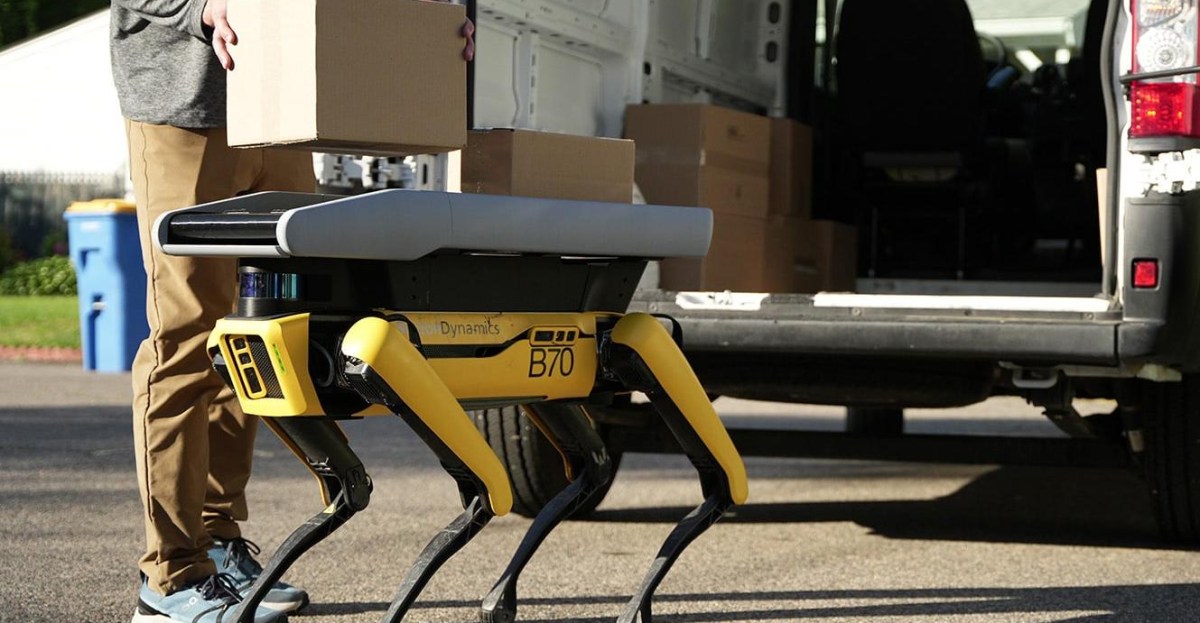
Boston Dynamics Tests Spot Robot for Last-Mile Delivery Solutions
Boston Dynamics is exploring the use of its Spot robot for package deliveries, equipped with a new conveyor belt accessory. This innovation aims to autonomously transport packages from vehicles to customers' doorsteps, potentially easing the workload of delivery drivers. The initiative is significant as it addresses the challenges of last-mile delivery, where human navigational skills are often required to overcome obstacles like stairs and cluttered pathways. Boston Dynamics is currently in discussions with major logistics companies to transition from demonstrations to a full pilot project. Looking ahead, the company believes Spot's ability to navigate uneven terrain will enhance its effectiveness in suburban environments. This could not only alleviate physical strain on delivery drivers but also increase their efficiency, allowing them to handle more packages. No further timeline was disclosed at the time of publication.
Gadgets News Robot Tech
Hyundai Expands Robotics Portfolio with Acquisition of Boston Dynamics Shares
Hyundai has announced plans to enhance its robotics capabilities by acquiring the remaining shares of Boston Dynamics from Softbank for approximately $325 million. This acquisition follows Hyundai's previous purchase of an 80% stake in Boston Dynamics in 2021 for $1.1 billion. The automaker aims to integrate robotics into its manufacturing processes, particularly at its Metaplant America facility in Savannah, Georgia, where it produces all-electric vehicles. This strategic move is significant as Hyundai's automotive business, which constitutes nearly 80% of its revenue, will provide the necessary funding to support the growth of its autonomous vehicles and robotics segments. Hyundai's commitment to transitioning into a technology-focused company is evident, with plans to deploy Atlas robots for parts sequencing in 2028 and expand their use to component assembly by 2030. The company is also investing in a U.S. robotics manufacturing facility to scale production. Looking ahead, Hyundai is actively seeking opportunities to enhance its robotics capabilities and increase production capacity. The company has already secured orders for 25,000 units from customers, indicating strong demand for its robotics solutions. No further timeline was disclosed at the time of publication.
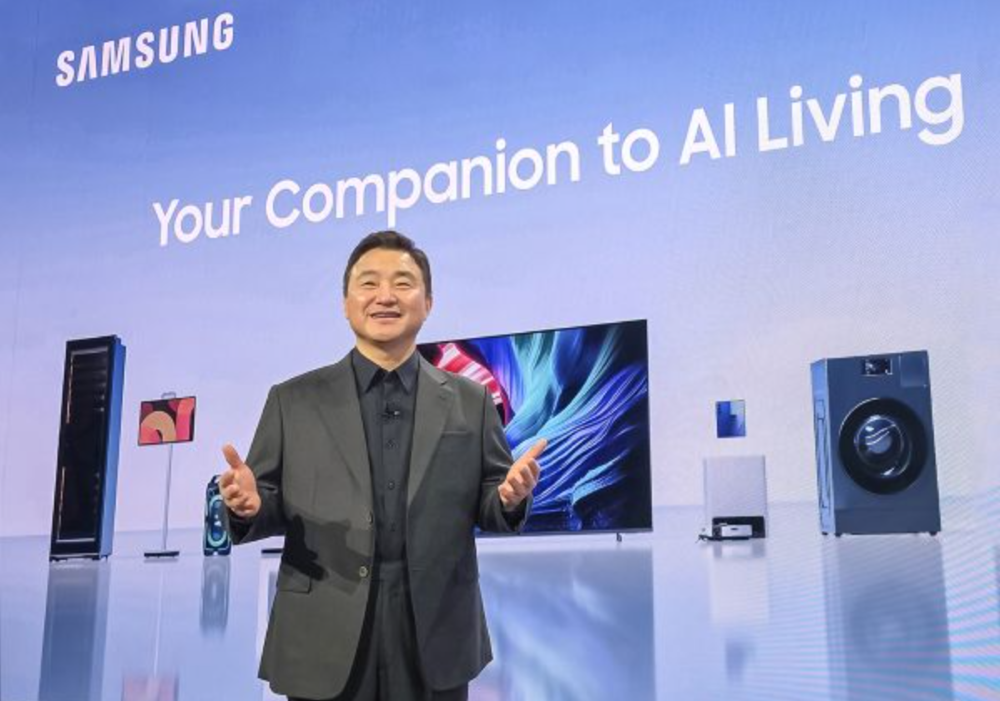
Samsung Launches CEO-Directed Robotics Division to Compete in Humanoid Robotics
Samsung Electronics has officially established the RX (Robotics eXperience) division, reporting directly to CEO Jong-Hee Han, to spearhead its robotics initiatives. This move comes as the company aims to position itself as a key player in the humanoid robotics race, previously dominated by firms like Boston Dynamics. The RX division will consolidate Samsung's scattered robotics technologies and talent, focusing on long-term strategy, core technology development, and commercialization. Leading the robotics strategy team is Executive Vice President Dong-Kyun Lee, who previously directed robotics strategy at Hyundai Motor Group and played a pivotal role in shaping Boston Dynamics' future. Additionally, two prominent scholars, Professor Hyun-Jin Kim from Seoul National University and Professor Eui-Chan Kim from Asia University, have joined Samsung to tackle the technological challenges in robotic dexterity, a critical aspect for the commercialization of humanoid robots. Samsung's pragmatic strategy involves validating manufacturing scenarios before expanding into home and retail sectors. The RX division will be based in Seoul's R&D hub, with plans to invest in infrastructure and establish robotics research centers in the U.S., China, and Japan. The company's goal is to transform all domestic and international production facilities into AI-driven autonomous factories by 2030, marking a significant shift in its robotics approach from decentralized research to centralized advancement.
Humanoid Robots Robotics Technology AI Manufacturing Automation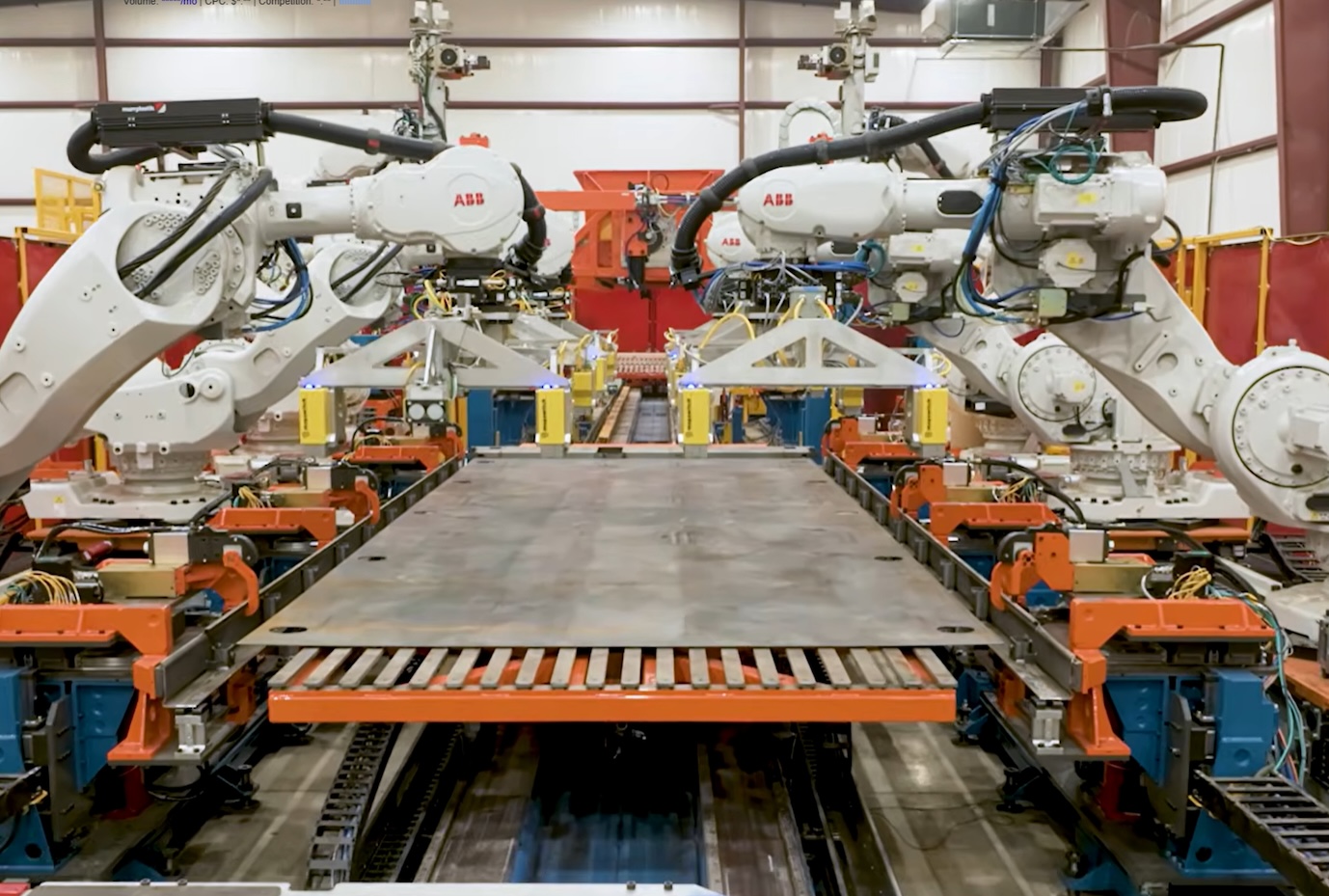
Samsung Electronics Appoints Former Hyundai Executive to Lead New Robotics Division
Samsung Electronics Co. has appointed a prominent robotics executive from Hyundai Motor Group to lead its newly established robotics division. This strategic move highlights Samsung's commitment to enhancing its presence in the robotics sector, which is increasingly viewed as a critical area for competition among global technology firms. The establishment of this new division signifies Samsung's recognition of the growing importance of robotics in technology and manufacturing. By bringing in experienced leadership, Samsung aims to strengthen its capabilities and innovate within this rapidly evolving field, positioning itself against other major players in the industry. Looking ahead, the focus will be on how Samsung's new robotics division develops and what innovations it will bring to the market. No further timeline was disclosed at the time of publication.
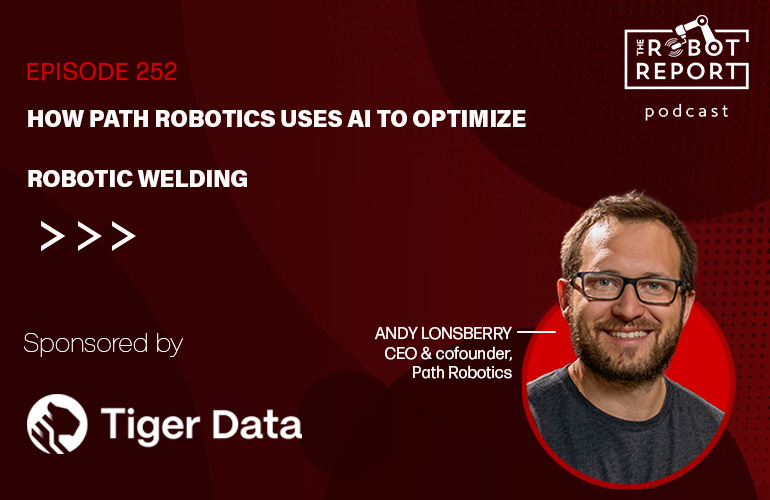
Path Robotics Enhances Welding Efficiency with AI and Boston Dynamics Robots
In a recent episode of The Robot Report Podcast, Andy Lonsberry, co-founder and CEO of Path Robotics, detailed the company's innovative approach to robotic welding. Based in Columbus, Ohio, Path Robotics utilizes AI to optimize the welding process by identifying torch paths and employing real-time vision guidance. This technology aims to streamline operations in manufacturing environments, addressing longstanding challenges in the industry. The significance of Path Robotics' advancements lies in their application of physical AI to enhance robotic systems. By integrating AI-driven solutions, the company is not only improving the efficiency of welding operations but also expanding the capabilities of robots in complex production settings. The deployment of Boston Dynamics' Spot robots for mobile welding applications in shipbuilding further exemplifies the potential of combining AI with robotics to tackle industry-specific challenges. Looking ahead, the focus will be on the continued integration of AI in robotic systems and the potential for further advancements in welding technology. No further timeline was disclosed at the time of publication, but the ongoing development in this area suggests a promising future for AI-enhanced manufacturing solutions.
Artificial Intelligence Assembly Cameras / Imaging / Vision Controllers Humanoids Manufacturing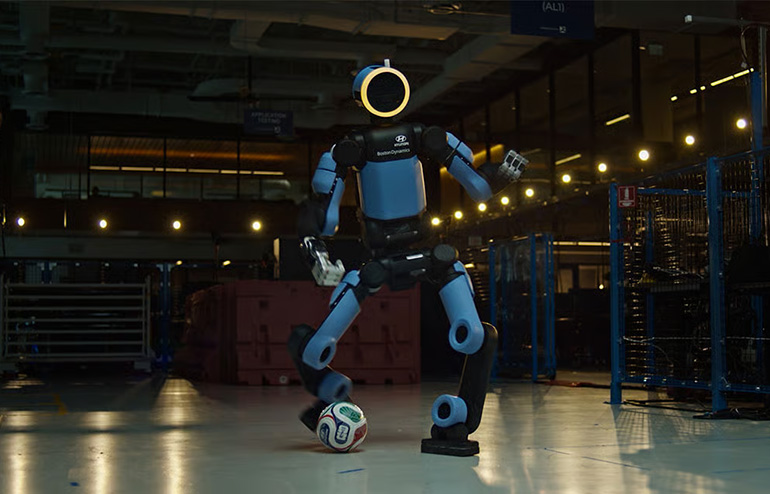
Boston Dynamics brings its legged robots to the FIFA World Cup
Around the 2026 FIFA World Cup, Hyundai and Boston Dynamics have taught footwork to the Atlas humanoid, while the Spot robot is on patrol. The post Boston Dynamics brings its legged robots to the FIFA World Cup appeared first on The Robot Report.
Artificial Intelligence Autonomous Mobile Robots (AMRs) Controllers Defense / Security Humanoids Mobility / Navigation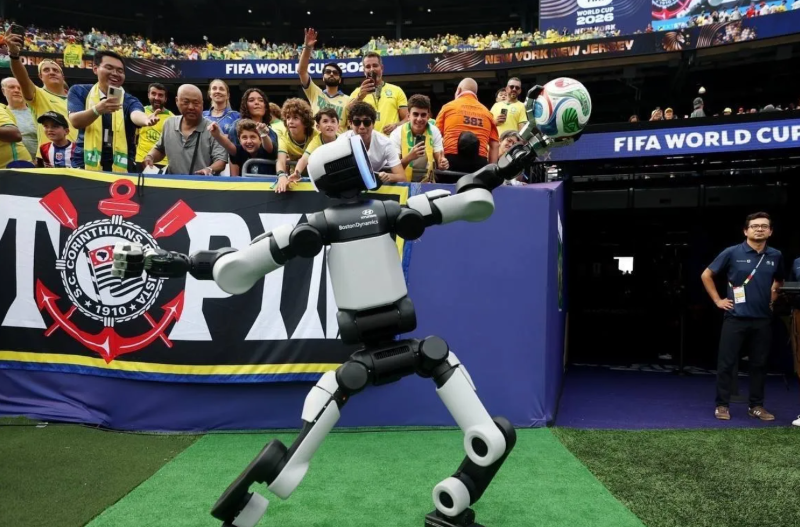
Boston Dynamics' Atlas Makes Historic Debut at the World Cup
This past weekend, Boston Dynamics' humanoid robot Atlas made headlines by delivering the match ball at the World Cup, impressively mimicking the celebrations of iconic players. The event took place during the highly anticipated tournament, demonstrating Atlas's remarkable ability to learn complex human movements within just 24 hours through advanced training techniques. This achievement not only signifies a breakthrough in robotics but also underscores the potential for such technology to be applied in various industrial settings.
Humanoid Robots Robotics Technology AI Training Industrial Automation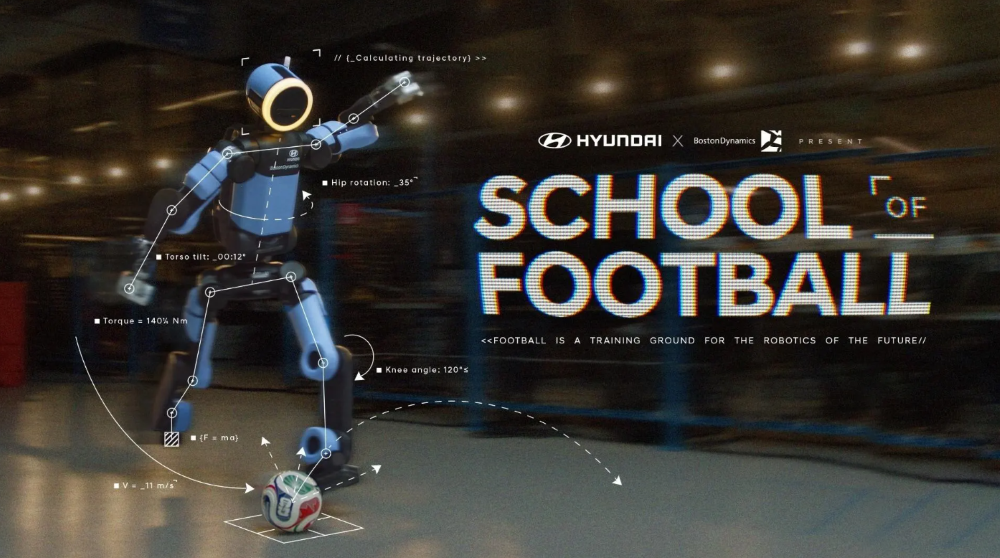
Boston Dynamics' Atlas Welcomes a "Weight Reduction" Revolution: Components Reduced by Nearly an Order of Magnitude, Costs Expected to Drop Significantly
Boston Dynamics has announced a significant advancement in its Atlas robot, achieving a dramatic reduction in component weight by nearly an order of magnitude. This breakthrough, revealed in October 2023, is expected to lead to substantial cost savings for the company. The weight reduction is part of Boston Dynamics' ongoing efforts to enhance the robot's performance and efficiency, making it more accessible for various applications. By utilizing innovative materials and design techniques, the company aims to improve the robot's agility and functionality while lowering production expenses. This development marks a pivotal moment in robotics, as lighter robots can operate more effectively in diverse environments, potentially transforming industries that rely on automation and advanced robotics.
Robotics Automation AI
Boston Dynamics taps Korean suppliers for Atlas rollout
Boston Dynamics, a robotics subsidiary of Hyundai Motor Group, is preparing for the commercial launch of its Atlas humanoid robot by exploring the robotics parts value chain in South Korea. Over the past month, a team of approximately 10 engineers from the company has been visiting more than 10 auto parts factories linked to Hyundai, including notable firms like Hyundai Mobis, Hwashin Precision Co., and SOS Lab. This initiative aims to evaluate potential collaborations and resources necessary for the successful rollout of the Atlas robot, highlighting Boston Dynamics' strategic focus on integrating advanced robotics with the automotive industry.
All News
Hyundai eyes full ownership of Boston Dynamics
Hyundai Motor Group is exploring a potential deal to exchange its artificial intelligence research division in the United States for SoftBank's remaining 9.65 percent stake in Boston Dynamics. This move, reported on Thursday, aims to grant Hyundai full ownership of the robotics company ahead of its anticipated initial public offering. If the transaction is finalized, Boston Dynamics would become a wholly owned subsidiary of Hyundai, enhancing the automaker's capabilities in robotics and AI technology. The strategic shift reflects Hyundai's commitment to expanding its portfolio in advanced technologies as it prepares for future market opportunities.
All News
Boston Dynamics Atlas shows signs of general intelligence for factory work, reports say
Recent reports indicate that Boston Dynamics' humanoid robot, Atlas, is nearing the level of autonomy required for practical use in industrial settings. This advancement comes as the company continues to refine Atlas's capabilities, enhancing its ability to navigate complex environments and perform tasks with minimal human intervention. The development is seen as a significant step forward in robotics, potentially transforming various industries by increasing efficiency and safety. Boston Dynamics aims to address the growing demand for automation in sectors such as manufacturing and logistics, where robots can assist in repetitive or hazardous tasks. As the technology progresses, the company is exploring partnerships and pilot programs to facilitate the integration of Atlas into real-world applications.
AI and Robotics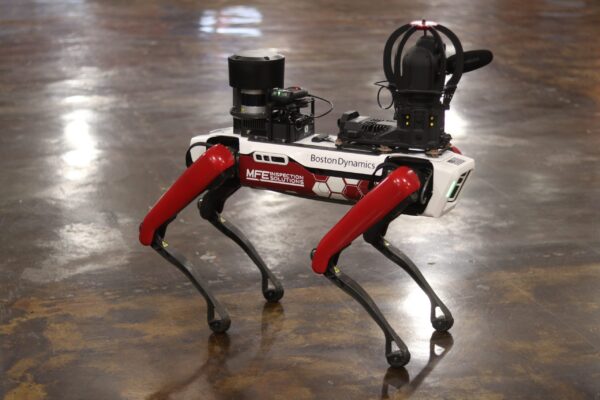
MFE Launches Robotic Gas Detection for Boston Dynamics’ Spot
MFE Inspection Solutions has unveiled a new robotic gas detection solution that integrates Blackline Safety’s cloud-connected portable gas detector with Boston Dynamics’ Spot quadruped robot. This innovative integration allows for enhanced atmospheric awareness by streaming connected gas data from the Spot to Blackline Live, effectively combining MFE’s existing drone-based gas detection capabilities with advanced robotic technology. The launch, announced by the Houston-based company, aims to improve safety and efficiency in gas detection processes across various industries.
Drone News Drone News Feeds infrastructure Inspection News robots
Mitsubishi Electric opens Serendie Street Boston digital transformation hub
Mitsubishi Electric has launched Serendie Street Boston, marking its inaugural digital transformation hub in the western region, aimed at fostering collaboration and innovation. This new facility is designed to enhance the company's capabilities in digital transformation, reflecting its commitment to advancing technology solutions. The opening of the hub underscores Mitsubishi Electric's strategic focus on expanding its presence in the digital landscape, providing a space for creative problem-solving and partnership development. The initiative is part of the company's broader efforts to adapt to the evolving technological environment and meet the growing demands of its clients.
Academia / Research Arms / Manipulators Artificial Intelligence Artificial Intelligence / Cognition Automation Batteries / Power Supplies
Boston University team wins MassRobotics Form & Function Challenge at Robotics Summit
MassRobotics recently recognized outstanding university teams and highlighted innovations in healthcare and physical AI at the Robotics Summit. Notably, a team from Boston University emerged victorious in the MassRobotics Form & Function Challenge, showcasing their exceptional skills and creativity in robotics. The event, which took place in Boston, served as a platform for startups and innovators to present their cutting-edge technologies, emphasizing the growing importance of robotics in various sectors. The initiative aims to foster collaboration and inspire future advancements in robotics, particularly in addressing healthcare challenges. Through competitions and showcases, MassRobotics continues to support and promote the development of innovative solutions in the field.
Academia / Research Agriculture Artificial Intelligence Artificial Intelligence / Cognition Business Resources Design / Development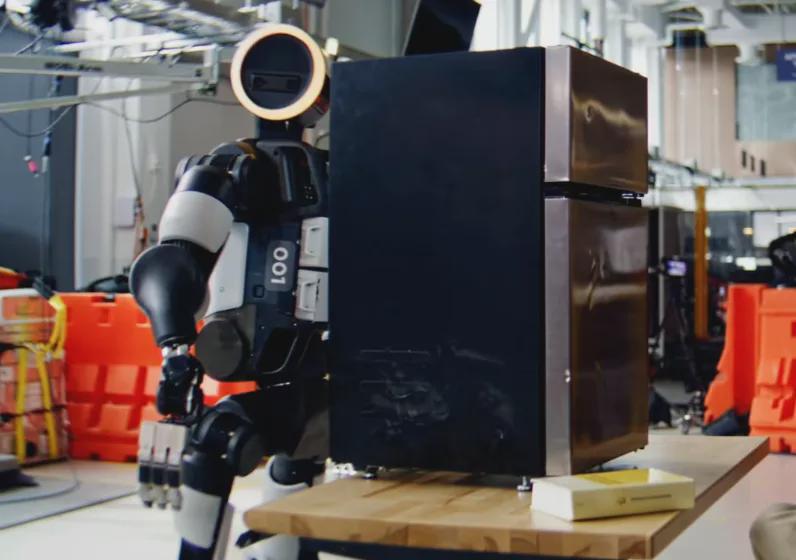
Robots Can Do More Than Just Fold Clothes: Boston Dynamics' Atlas Moves Heavy Objects
Boston Dynamics has unveiled a remarkable demonstration of its Atlas robot, which successfully lifted a 45 kg mini fridge while exhibiting exceptional stability and agility. This event highlights the advanced physical intelligence of the Atlas, showcasing its ability to adapt and respond to varying weights and balance in real-time. The demonstration marks a significant advancement in robotics, pushing beyond the traditional limitations that have constrained robotic capabilities in the past.
Humanoid Robots Robotics Technology Physical Intelligence Automation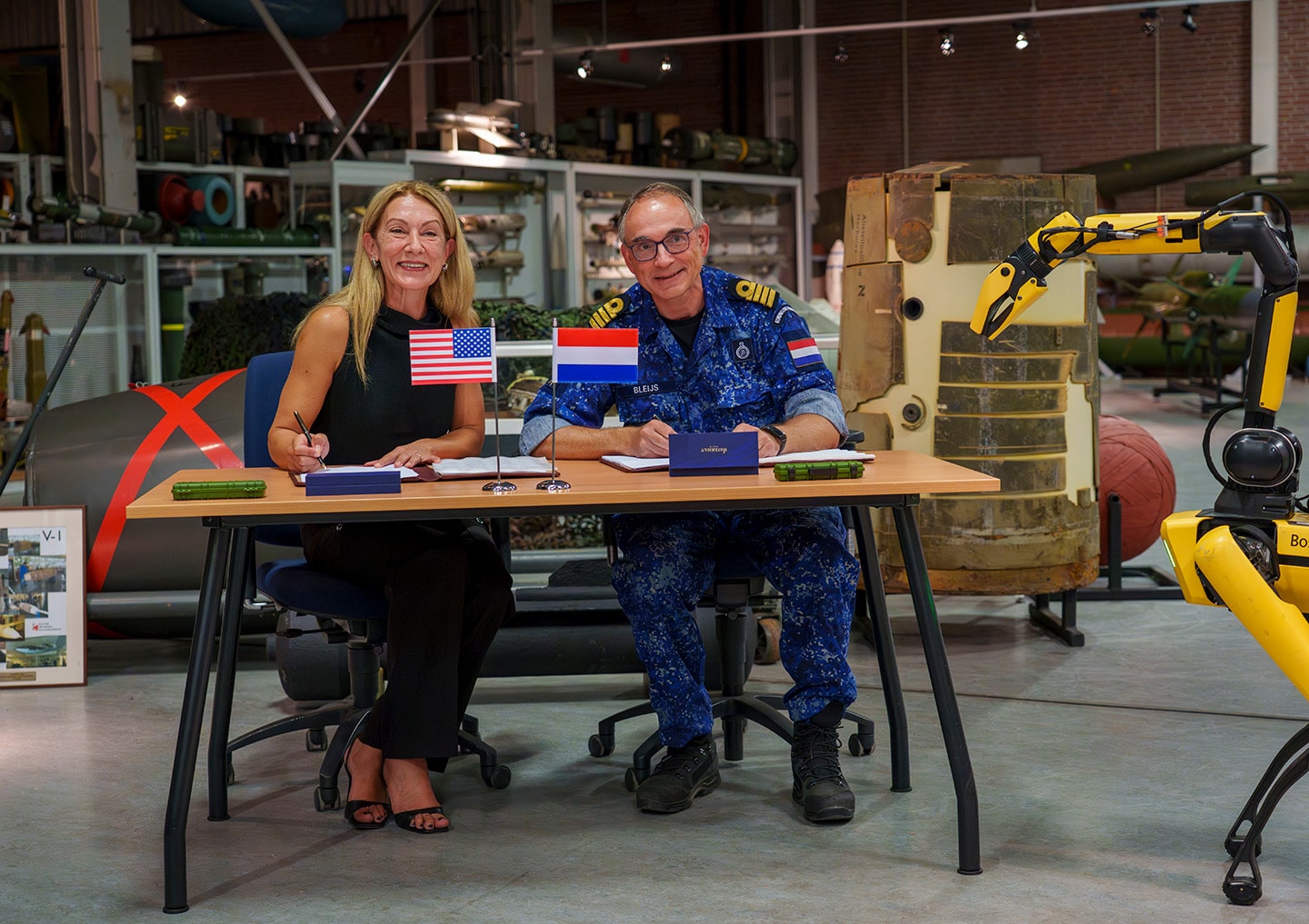
Boston Dynamics Awarded Contract withthe Dutch Ministry of Defence | Boston Dynamics
Boston Dynamics has secured a multi-year contract with the Ministry of Defence to provide its robotic dog, Spot, for use by Explosive Ordnance Disposal Teams. This partnership aims to enhance the capabilities of these teams in safely handling and neutralizing explosive threats. The contract reflects the growing reliance on advanced robotics in military operations, particularly in high-risk environments. The deployment of Spot is expected to begin shortly, with training and integration into existing protocols to follow. This initiative underscores the commitment of the Ministry of Defence to leverage innovative technology for improved safety and efficiency in explosive ordnance management.
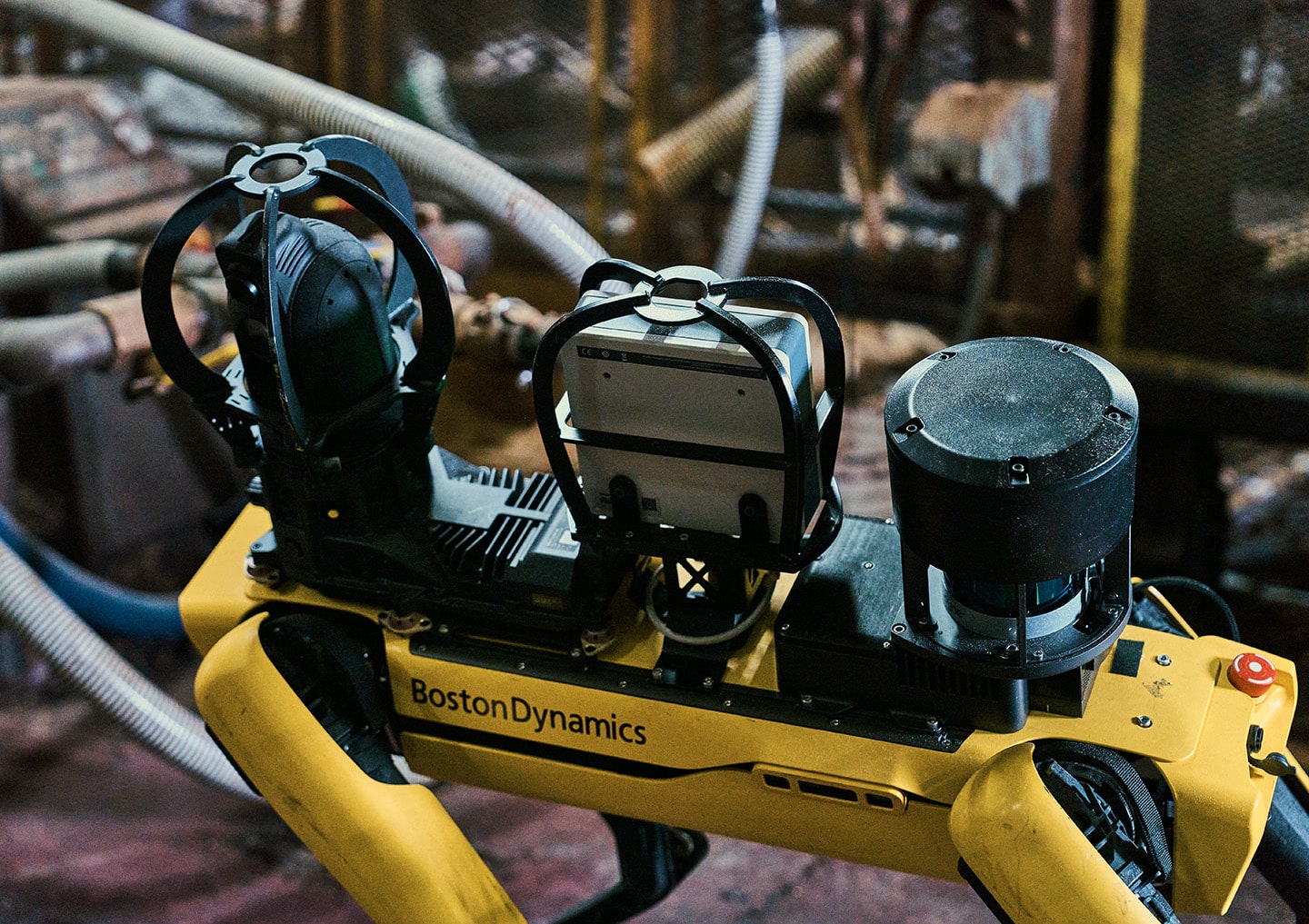
A New Approach to Predictive Maintenance Challenges | Boston Dynamics
A recent report highlights the critical role of AI-based predictive maintenance in enhancing operational efficiency across various industries. This innovative approach relies on timely and accurate data to monitor the condition of assets automatically. By implementing automated asset condition monitoring systems, organizations can anticipate equipment failures before they occur, thus minimizing downtime and reducing maintenance costs. The increasing adoption of these technologies is driven by the need for businesses to optimize their operations and extend the lifespan of their assets. As industries continue to evolve, the integration of AI in maintenance strategies is becoming essential for staying competitive.
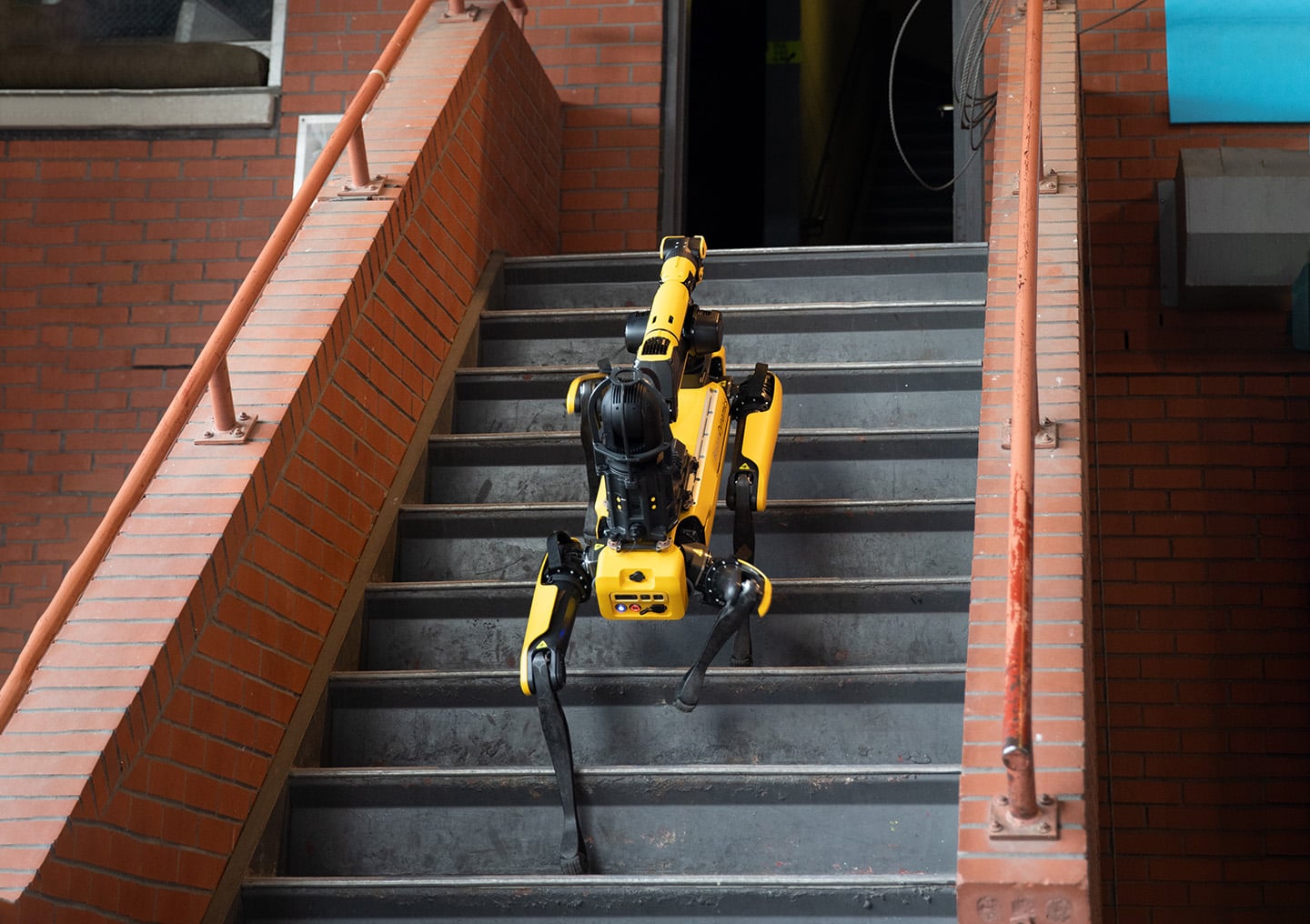
Giving First Responders an Advantage with Autowalk | Boston Dynamics
Public safety agencies are increasingly utilizing Spot, an advanced robotic technology, to enhance their emergency response strategies. By mapping out facilities prior to potential crises, these agencies aim to provide responding teams with critical information and a strategic advantage during emergencies. This proactive approach allows for better preparedness and more efficient management of incidents, ultimately improving safety outcomes. The implementation of Spot's mapping capabilities is expected to streamline operations and facilitate quicker decision-making when emergencies arise.
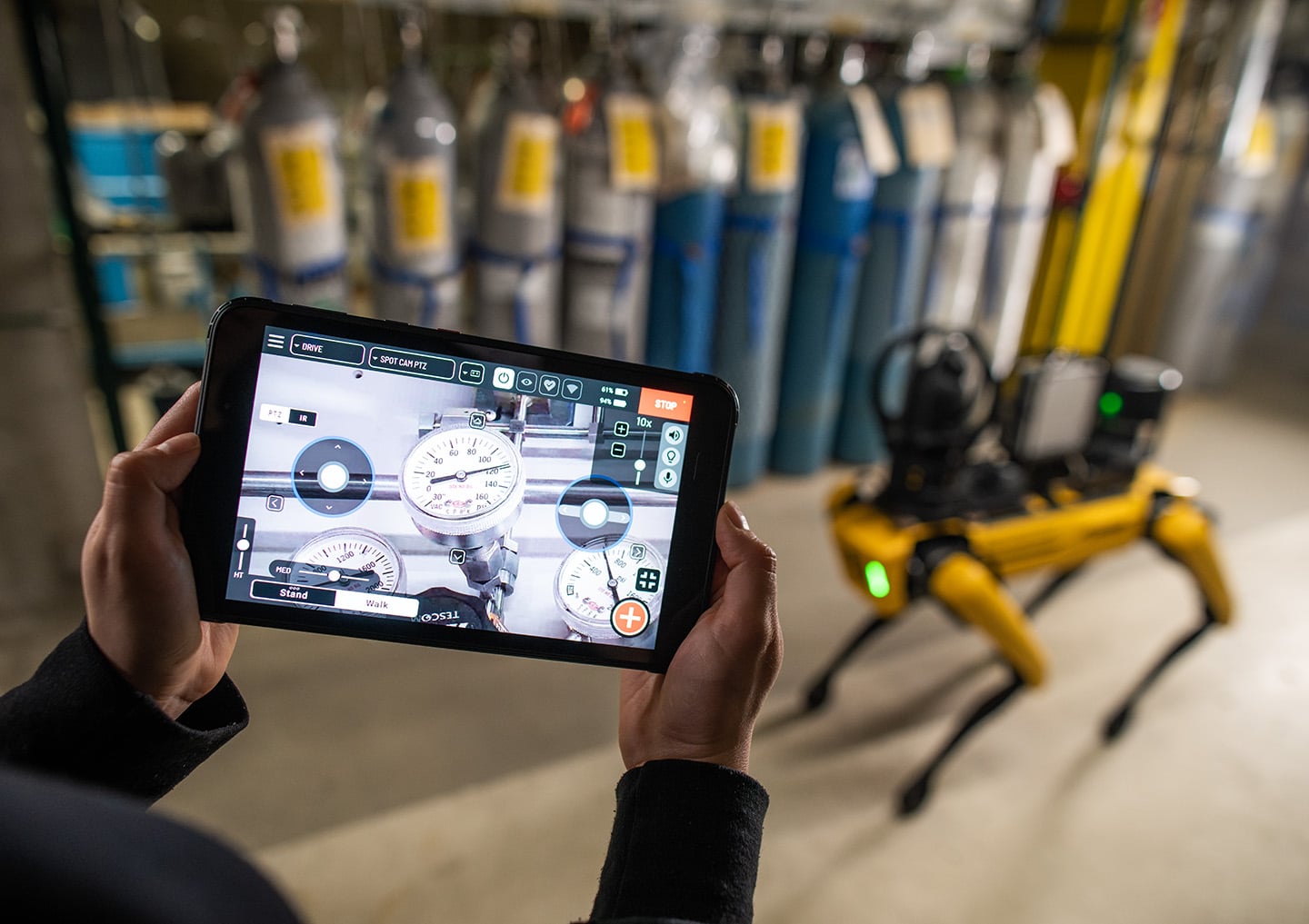
The Data Driving Asset Reliability | Boston Dynamics
Recent advancements in automation and real-time data collection are significantly transforming asset reliability across various industries. This shift, which has gained momentum in recent months, is particularly evident in sectors where operational efficiency is crucial. By leveraging these technologies, companies are effectively reducing instances of unplanned downtime, which can lead to costly interruptions in production. The integration of automated systems allows for continuous monitoring of equipment and processes, enabling organizations to identify potential issues before they escalate into major problems. This proactive approach not only enhances the reliability of assets but also streamlines operations, ultimately leading to improved productivity and cost savings. As industries increasingly adopt these innovative solutions, the focus on data-driven decision-making is becoming paramount. By harnessing real-time insights, businesses can make informed choices that optimize performance and minimize risks associated with equipment failure. This trend underscores the importance of embracing technological advancements to stay competitive in a rapidly evolving marketplace. Overall, the ongoing transformation driven by automation and data analytics is reshaping how companies manage their assets, ensuring a more resilient and efficient operational framework.
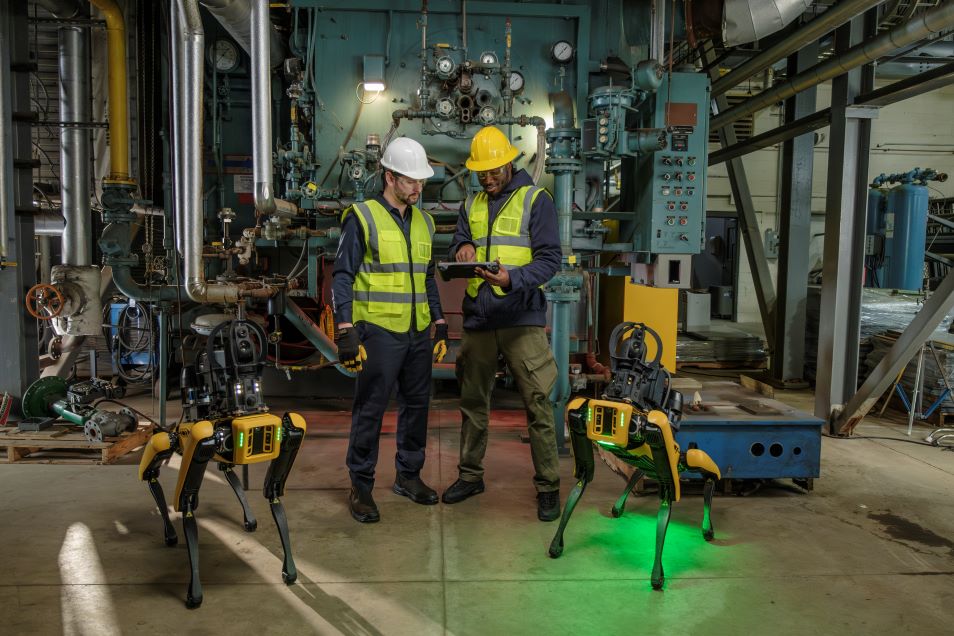
See Your Facility Like Never Before | Boston Dynamics
Boston Dynamics has unveiled the latest updates in the 5.0 release of its robotic platforms, Spot and Orbit. This announcement, made in October 2023, highlights significant advancements in the capabilities of these robots, aimed at enhancing their functionality across various industries. The new features are designed to improve efficiency and adaptability, enabling Spot and Orbit to perform a wider range of tasks in environments such as construction sites, warehouses, and research facilities. By integrating cutting-edge technology, Boston Dynamics aims to address the growing demand for automation and robotics solutions in diverse sectors. The enhancements are expected to streamline operations and provide users with more versatile tools for their specific needs.
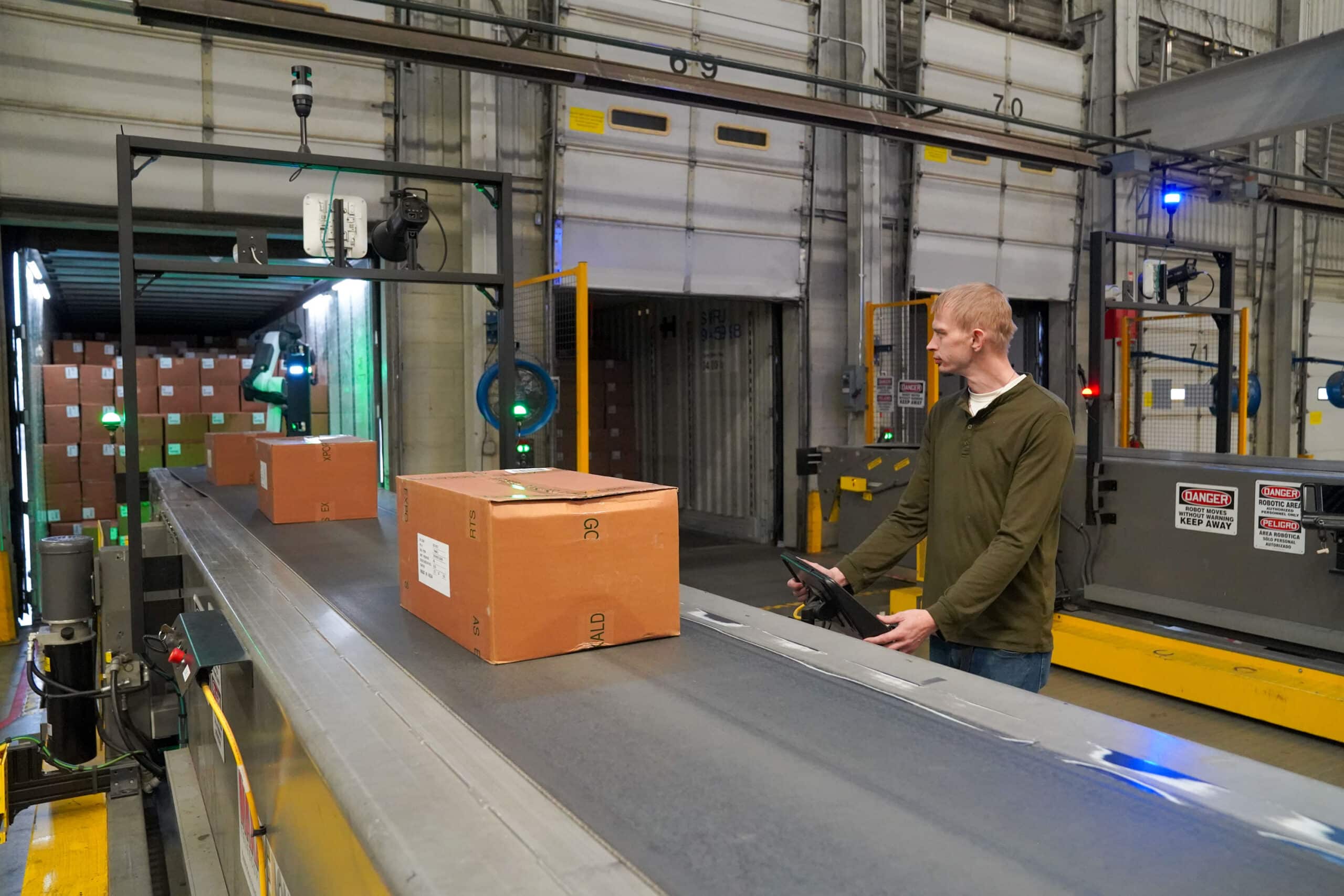
Life Outside the Box for the Warehouse Worker | Boston Dynamics
In a significant advancement for workplace safety and efficiency, automated unloading systems are being implemented to alleviate the physically demanding task of unloading cargo containers. This innovation is particularly beneficial during the sweltering summer months, as it reduces the need for workers to endure extreme heat inside containers. By minimizing exposure to hazardous conditions, the technology not only enhances safety but also improves the overall quality of life for employees engaged in this labor-intensive work. The transition to automated systems is part of a broader effort to modernize logistics operations and protect workers from the risks associated with manual unloading.
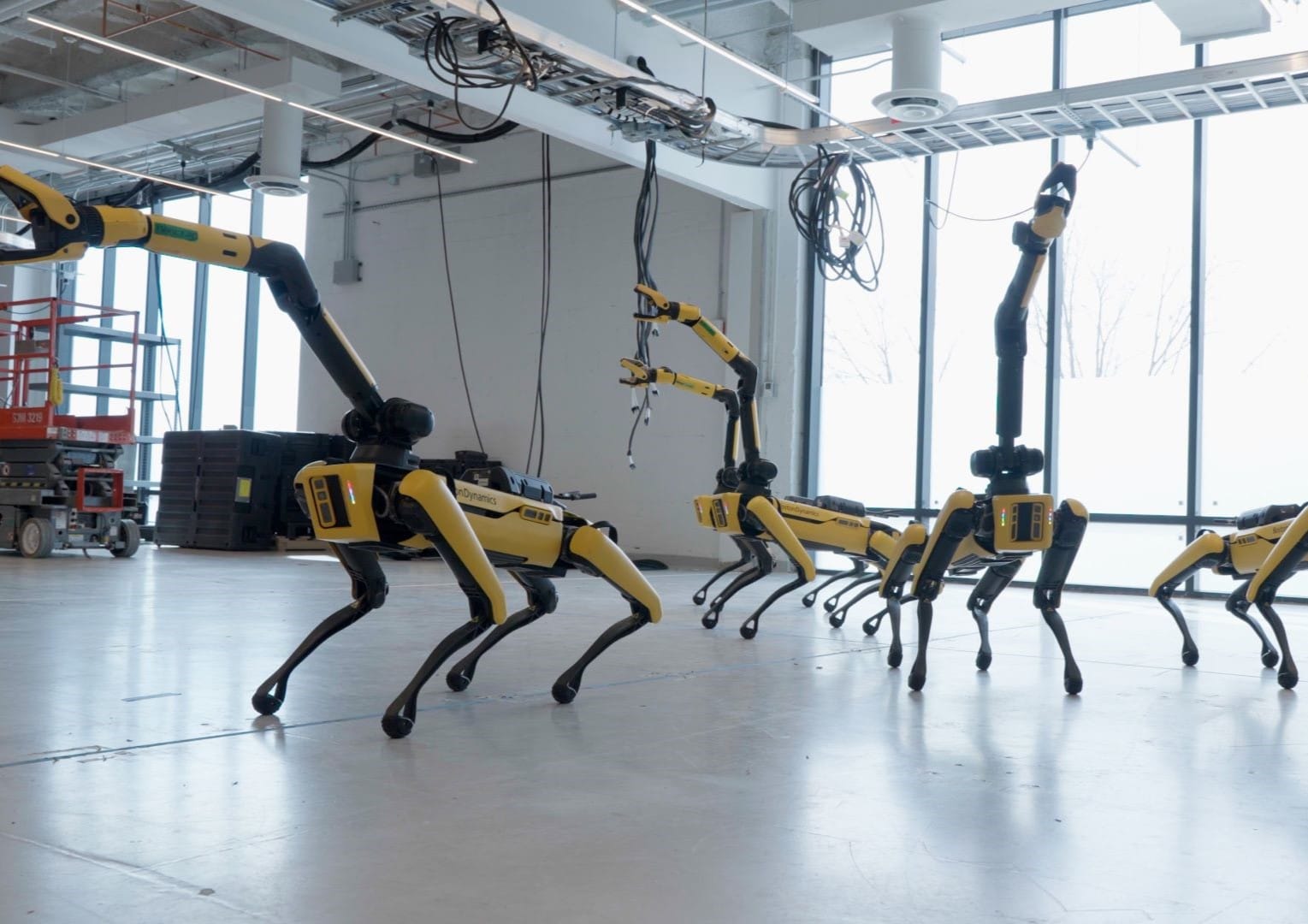
Spot Takes the Stage | Boston Dynamics
Engineers are utilizing advanced programming techniques to animate intricate dance performances featuring the agile and mobile robot, Spot. This innovative project showcases Spot on prominent stages around the world, highlighting the intersection of technology and the performing arts. The initiative aims to explore new creative possibilities in choreography and robotics, captivating audiences with a blend of human artistry and robotic precision. By employing sophisticated algorithms and motion capture data, the engineers are able to bring Spot to life, allowing it to execute complex movements that complement the dancers. This collaboration not only enhances the visual experience of performances but also pushes the boundaries of what is possible in live entertainment. The project is set to continue evolving, with plans for further performances and technological advancements in the coming months.
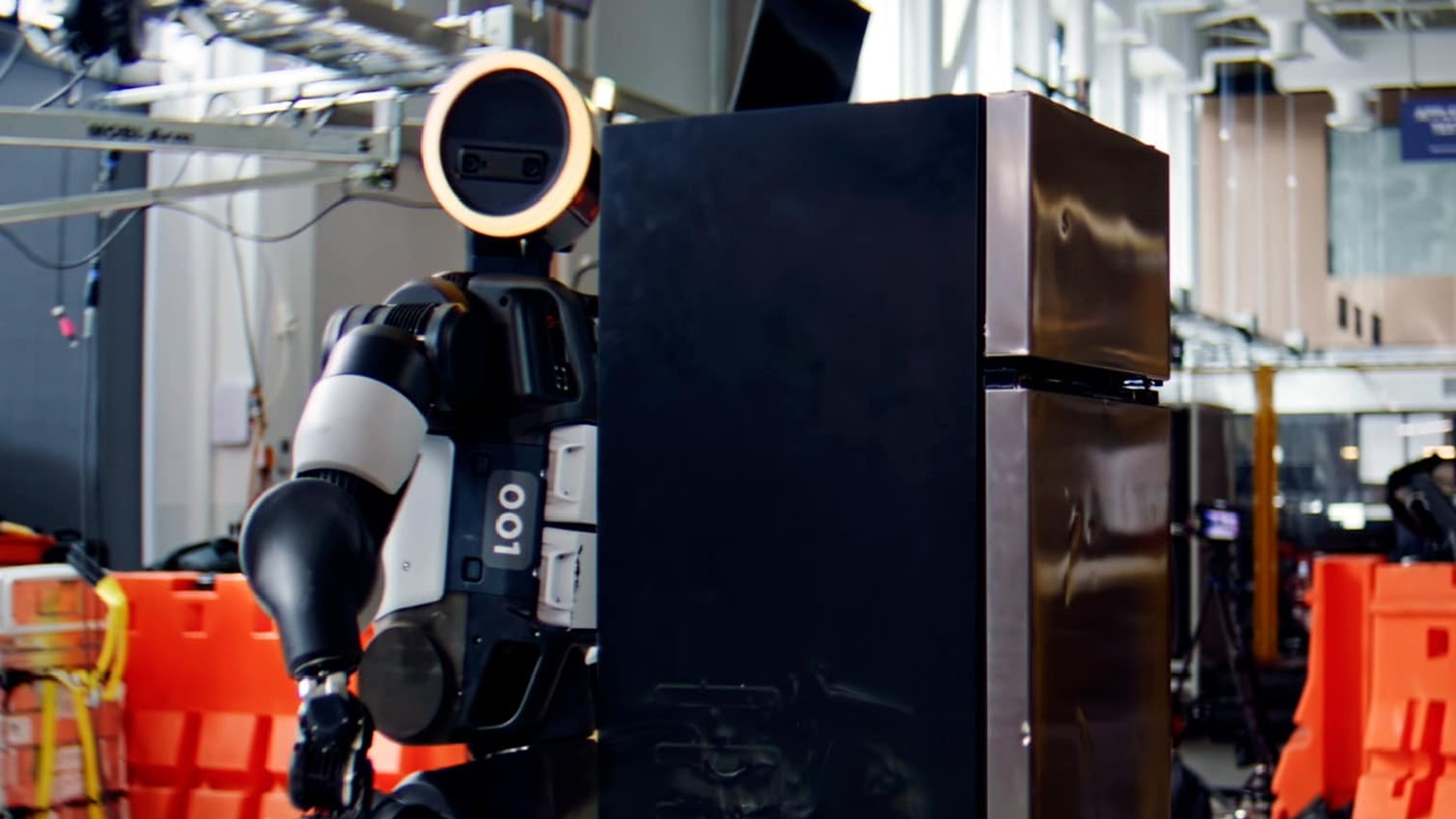
Boston Dynamics reveals how Atlas robot lifts 100-pound industrial loads at scale
Boston Dynamics has unveiled the training process behind its Atlas humanoid robot, showcasing its ability to lift and carry heavy objects. This development was announced in a recent demonstration, highlighting the robot's advanced capabilities in handling various tasks. The event took place in October 2023, where engineers detailed the methods used to enhance Atlas's physical skills. The motivation behind this innovation stems from the growing demand for robots that can assist in labor-intensive environments, such as warehouses and construction sites. By equipping Atlas with the ability to perform complex lifting and carrying tasks, Boston Dynamics aims to address labor shortages and improve efficiency in these sectors. The training involved a combination of machine learning techniques and physical simulations, allowing the robot to understand and adapt to different weights and shapes of objects. This iterative process enabled Atlas to refine its movements and improve its stability while handling heavy loads. As a result, the robot is now capable of executing tasks that require both strength and precision, marking a significant advancement in robotics technology.
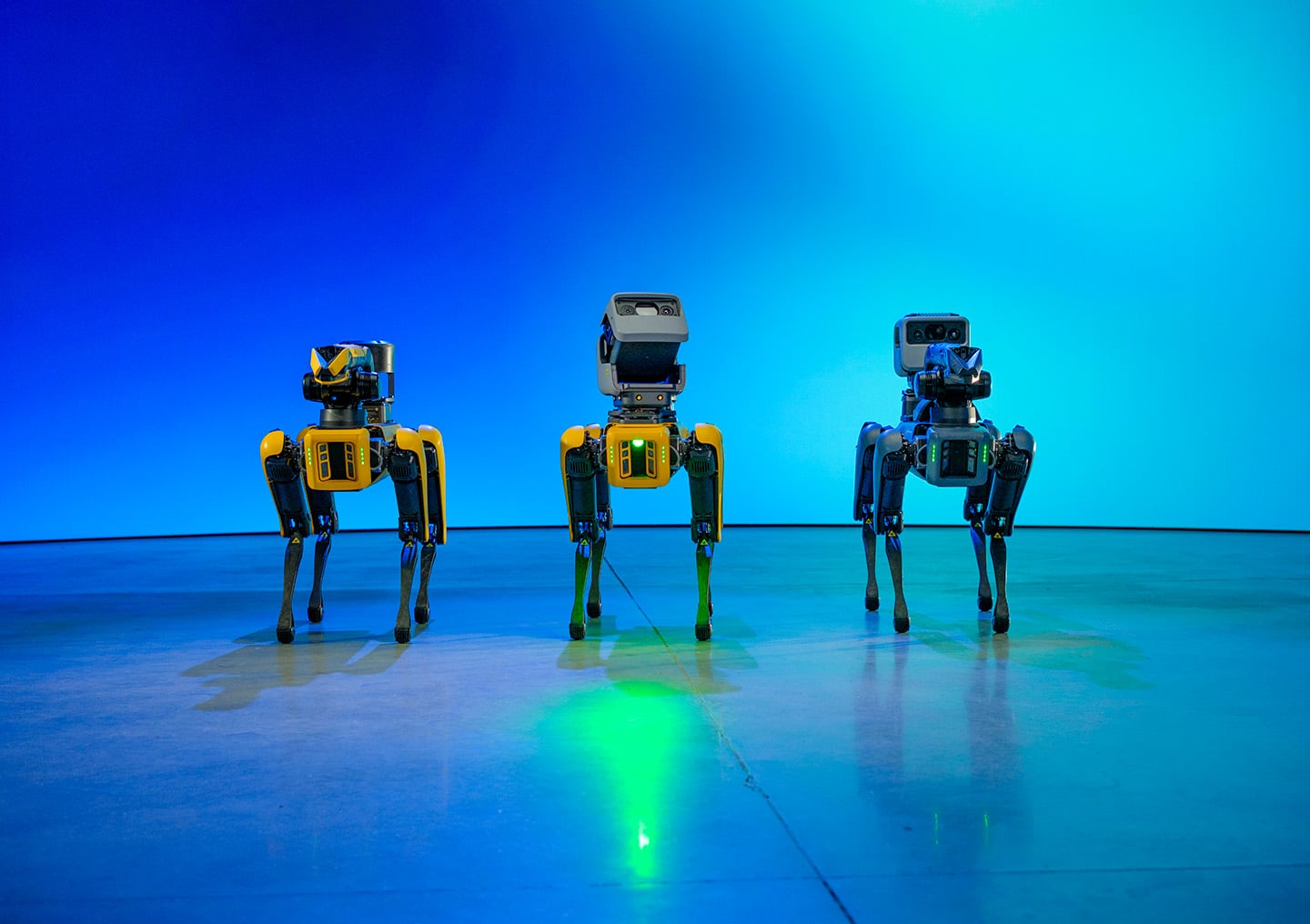
A Retrospective on Uses of Boston Dynamics' Spot Robot | Boston Dynamics
A recent review by a team of experts has highlighted the evolving capabilities of Boston Dynamics' Spot robot, showcasing its applications in enhancing safety and operational efficiency. Over the years, Spot has been deployed in various scenarios, demonstrating its versatility in tasks ranging from surveillance to hazardous environment monitoring. The review, which draws on data available until October 2023, emphasizes the robot's role in mitigating risks for human workers and streamlining processes across different industries. As organizations increasingly adopt advanced robotics, Spot stands out as a significant tool in promoting workplace safety and productivity.
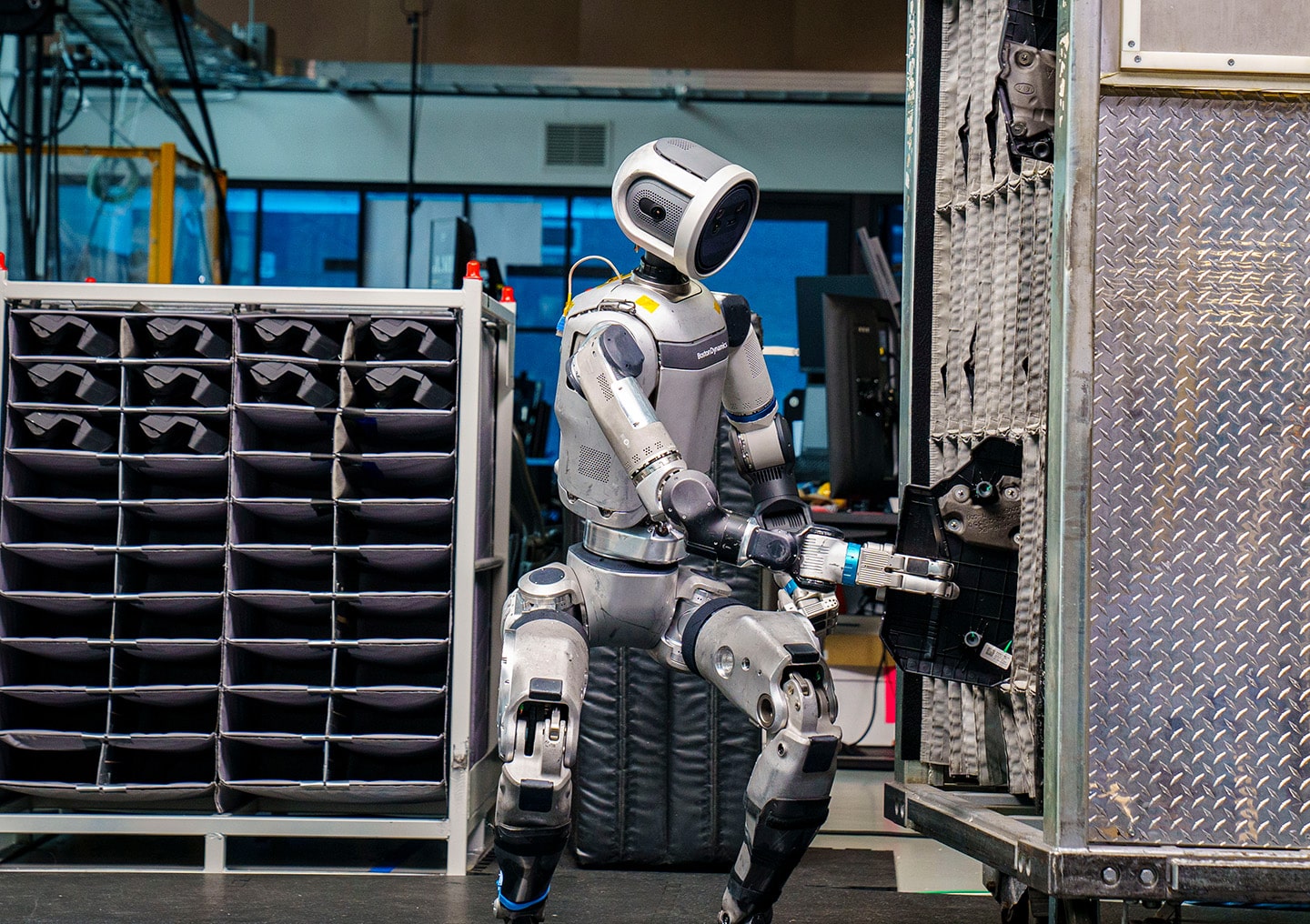
Getting Real with Humanoids | Boston Dynamics
Boston Dynamics has made significant strides in the development of its Atlas® robot, which was unveiled nearly a year ago. This advanced humanoid robot is designed to be faster, stronger, and more compact, with the potential to revolutionize various industries. The company aims to create a highly dynamic robot capable of performing a wide range of tasks, which could fundamentally alter the nature of work. Progress is being made incrementally, as Boston Dynamics continues to refine the robot's capabilities and functionalities. The ongoing research and development efforts highlight the company's commitment to pushing the boundaries of robotics technology.
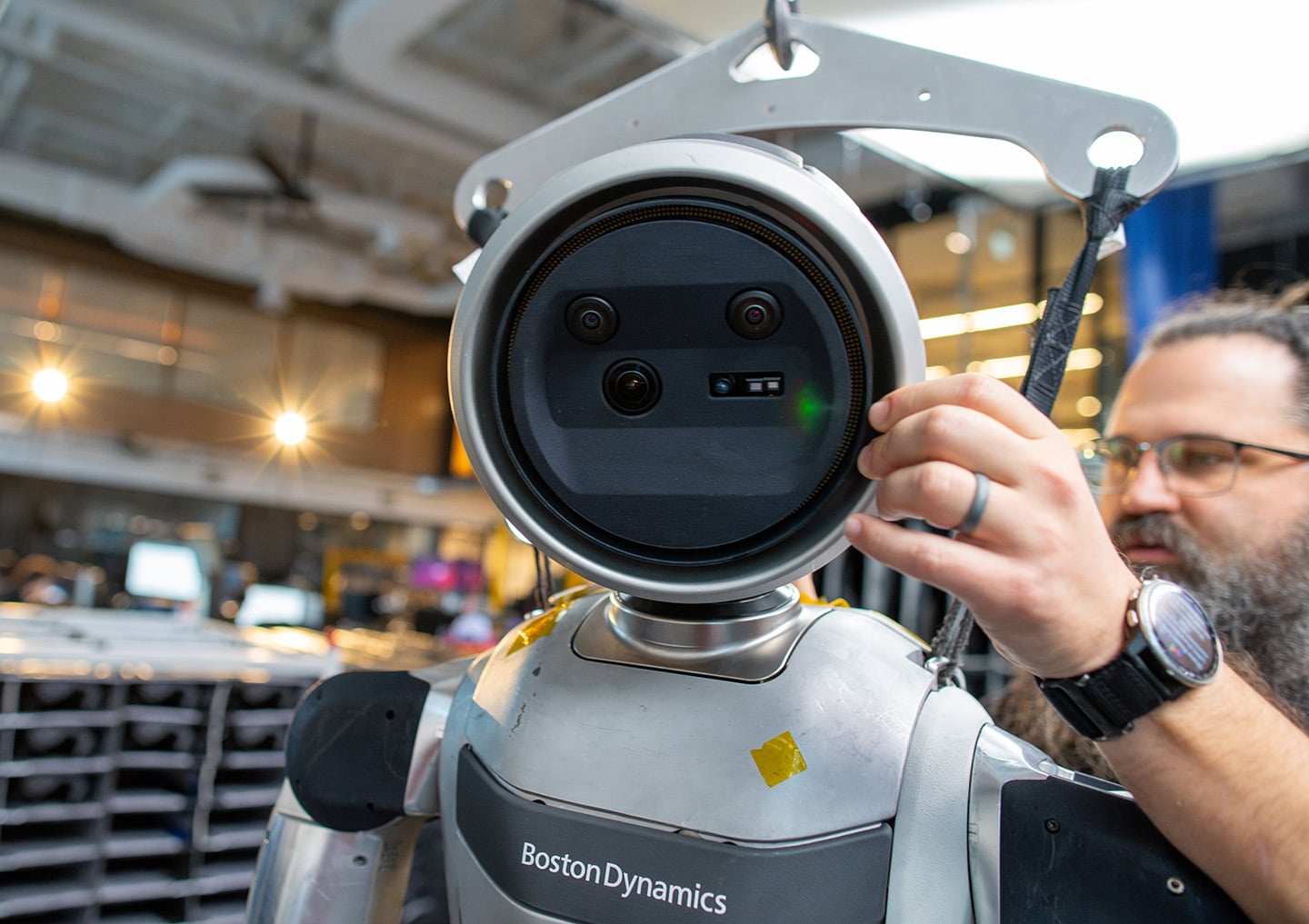
Making Atlas See the World | Boston Dynamics
The Atlas perception team at Boston Dynamics recently provided valuable insights into the development of agile and adaptable humanoid robots. This initiative, which aims to enhance the capabilities of robots in various environments, showcases the company's commitment to advancing robotics technology. By focusing on improving perception and mobility, the team is working to create robots that can navigate complex terrains and perform tasks that require human-like agility. The insights were shared during a presentation held in October 2023, highlighting the team's innovative approaches and the challenges they face in the evolving field of robotics. This effort is part of Boston Dynamics' broader mission to push the boundaries of what robots can achieve, ultimately aiming to integrate them more seamlessly into everyday life and various industries.
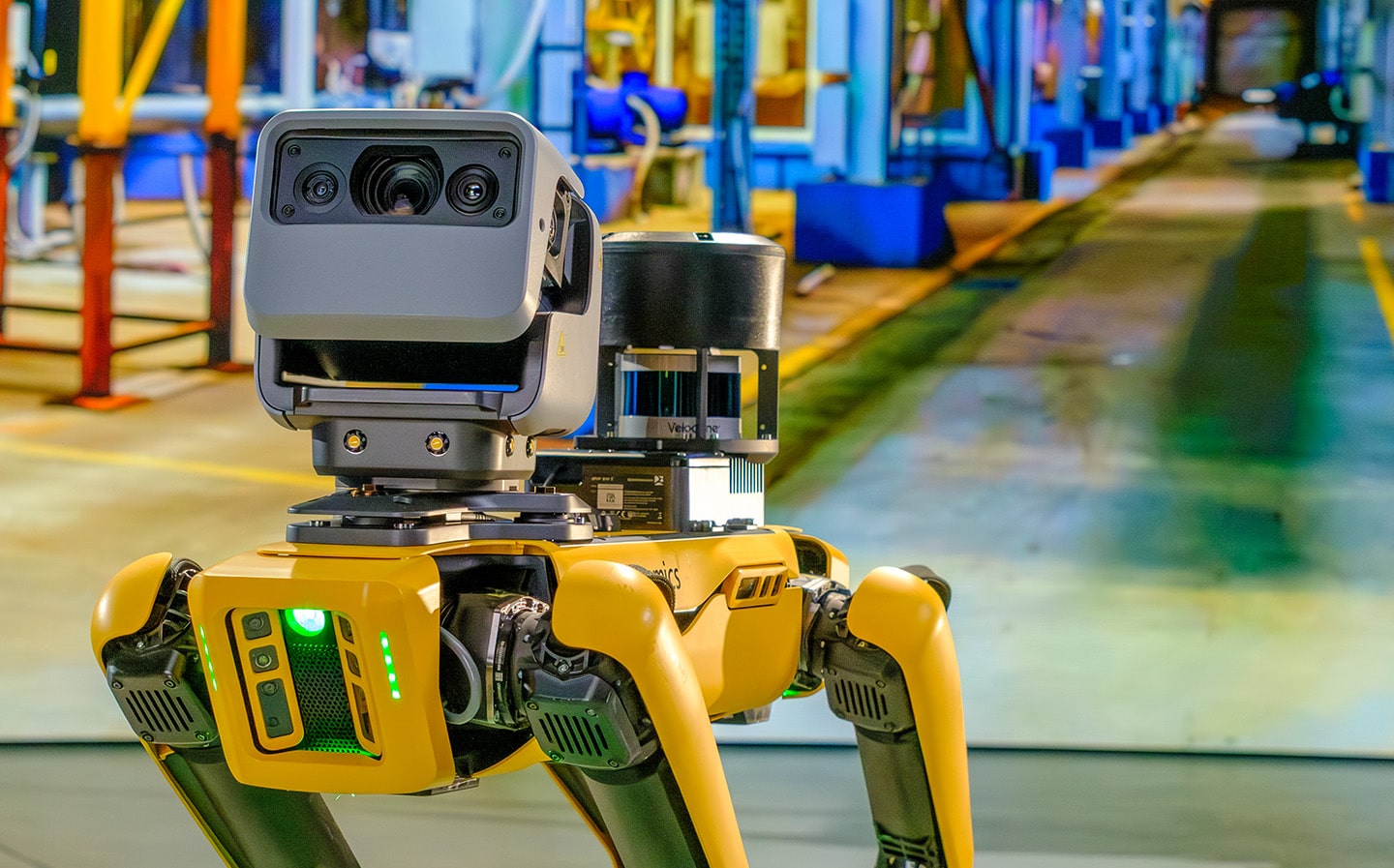
Robot Vision Systems: 3 Ways Robots See the World | Boston Dynamics
Modern robot vision systems are increasingly utilizing advanced technologies such as visual cameras, 3D lidar scans, and various sensors to enhance their ability to interpret, navigate, and interact with their surroundings. These developments are part of a broader trend in robotics aimed at improving automation and efficiency across multiple industries. As of October 2023, the integration of these sophisticated systems is revolutionizing how robots perceive and respond to their environment, enabling them to perform complex tasks with greater accuracy and reliability. This advancement is driven by the need for more intelligent and adaptable robotic solutions in sectors ranging from manufacturing to healthcare, where precise navigation and interaction with dynamic environments are crucial. The ongoing research and implementation of these technologies signify a significant leap forward in the field of robotics, paving the way for more autonomous and capable machines.
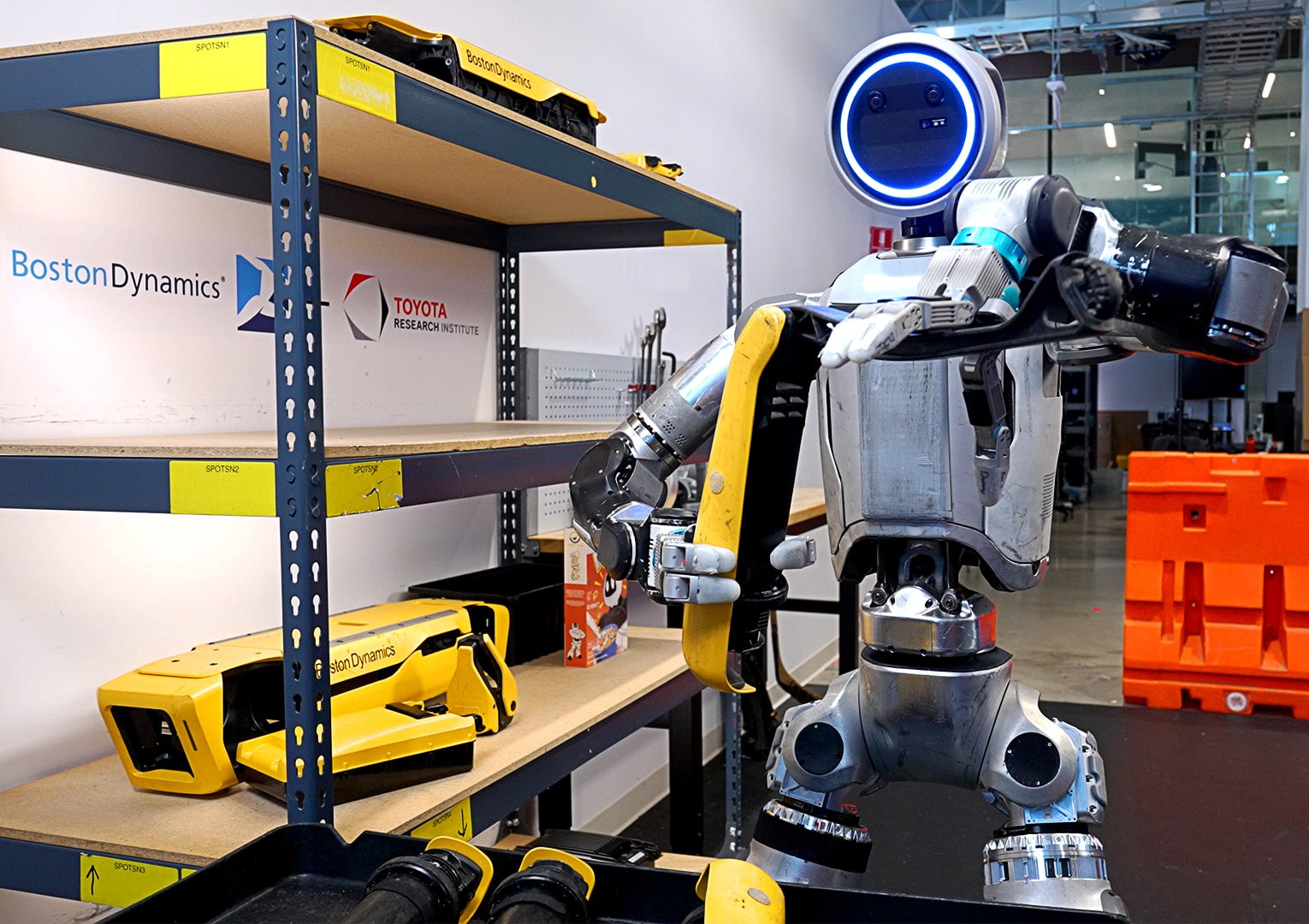
Large Behavior Models and Atlas Find New Footing | Boston Dynamics
Researchers emphasize that the development of effective humanoid robots hinges on a comprehensive set of skills. These robots must be capable of manipulating a wide variety of objects, ranging from hard to soft and heavy to delicate. They should also possess the ability to coordinate their movements to adapt to their surroundings, navigate obstacles, and maintain balance in unpredictable situations. This multifaceted approach is essential for creating AI generalists that can perform a diverse array of tasks, ultimately advancing the field of robotics. The ongoing research aims to address these challenges and enhance the functionality of humanoid robots, paving the way for their practical applications in everyday life.
Ask a Roboticist: Q&A with Josh | Boston Dynamics
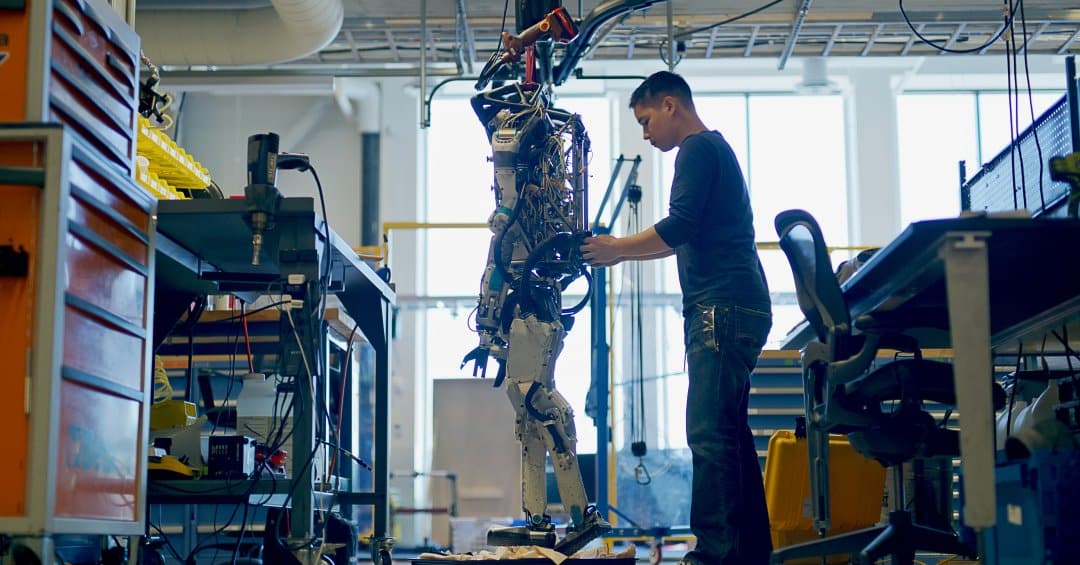
A mechanical engineer from the Atlas team recently addressed inquiries regarding the construction and testing of advanced robotics. This engagement took place as part of an initiative to enhance public understanding of robotic technology, showcasing the team's innovative approaches and methodologies. The discussion highlighted the rigorous processes involved in designing robots capable of complex movements and tasks, emphasizing the importance of both theoretical knowledge and practical application in engineering. The engineer provided insights into the challenges faced during development and the testing phases, illustrating how iterative design and real-world trials contribute to the refinement of robotic capabilities. This informative session aimed to foster interest in robotics and inspire future generations of engineers, reflecting the growing significance of automation in various industries.
Watch Boston Dynamics’ Atlas humanoid robot amazes with flawless handstand
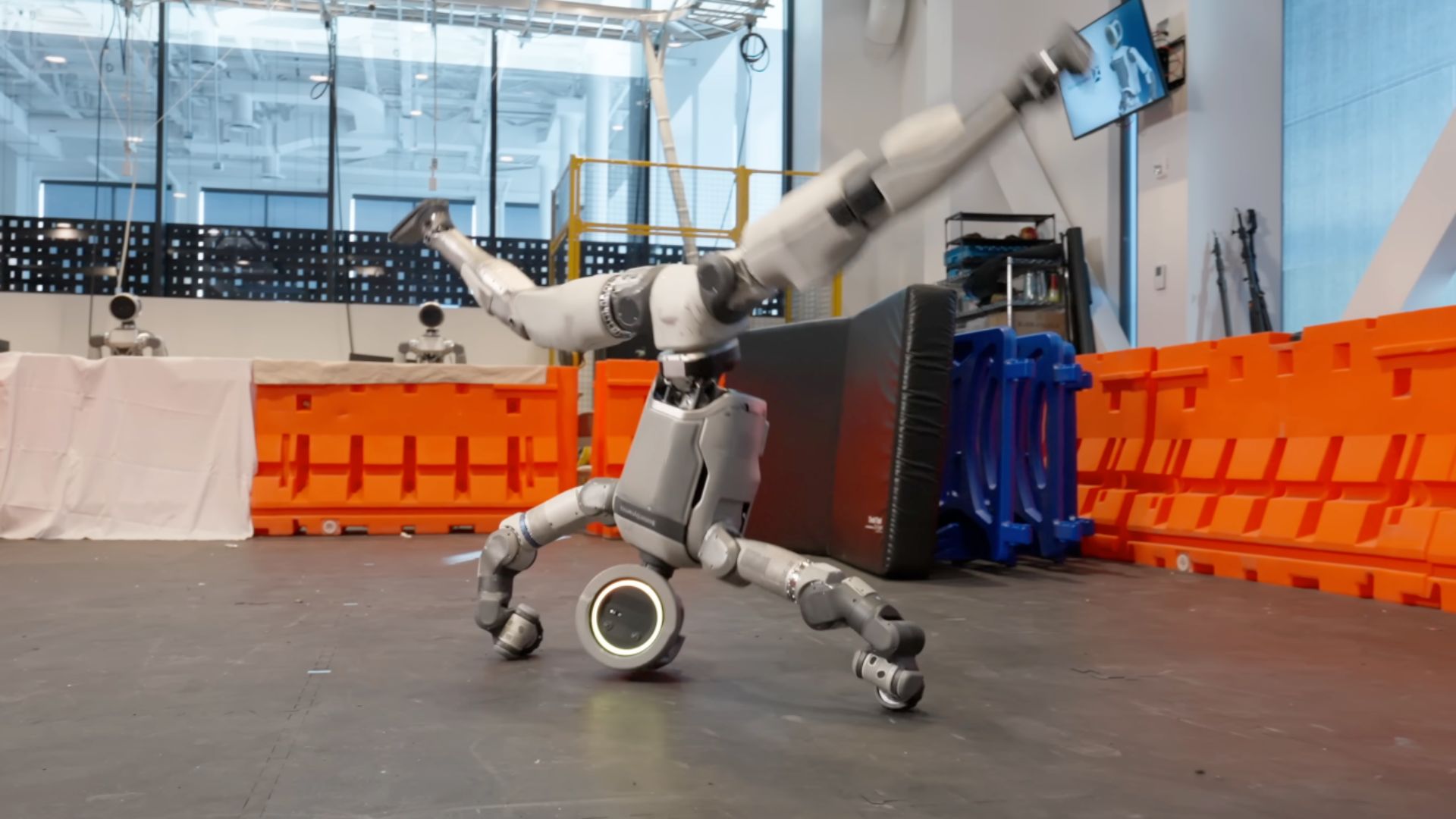
Boston Dynamics has unveiled new test footage of its Atlas humanoid robot, demonstrating significant advancements in its capabilities. The footage, released recently, highlights the robot's agility and precision as it navigates complex environments, showcasing its ability to perform tasks such as running, jumping, and even parkour maneuvers. This development comes as part of the company's ongoing efforts to enhance robotic technology for potential applications in various fields, including logistics, disaster response, and personal assistance. The engineers at Boston Dynamics aim to push the boundaries of robotics, making machines that can adapt to dynamic settings and assist humans in challenging situations. The release of this footage not only illustrates the progress made since the robot's initial introduction but also sparks discussions about the future of humanoid robots in everyday life.
Boston Dynamics and Google Bring Gemini AI to Spot Robot for Smarter Facility Inspections
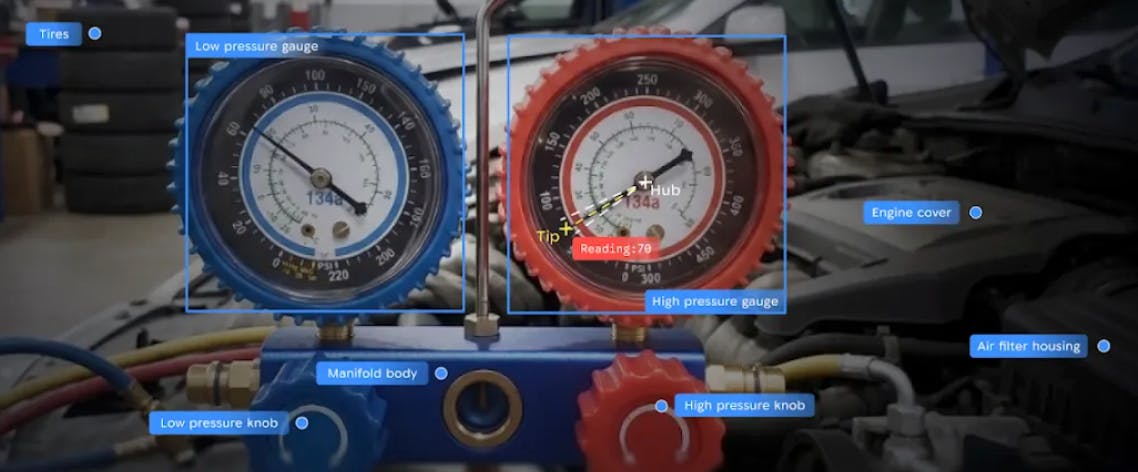
Boston Dynamics has announced the integration of Google's Gemini Robotics AI into its robotic platform, Spot. This advancement allows Spot to perform automated industrial gauge readings and conduct visual inspections of facilities. The collaboration aims to enhance operational efficiency and accuracy in industrial settings, addressing the growing demand for automation in various sectors. The integration is expected to streamline processes and reduce the need for human intervention in routine inspections, thereby improving safety and productivity. This development comes as part of Boston Dynamics' ongoing efforts to leverage cutting-edge technology to transform the capabilities of its robots, with the integration officially rolling out in late 2023.
Factory / Plant Maintenance
XELA Robotics Deepens U.S. Market Commitment with Plug and Play Investment and New Sensor Capabilities to be Introduced at the Robotics Summit and Expo in Boston
XELA Robotics is intensifying its commitment to the U.S. market with the introduction of two significant enhancements to its uSkin® sensor family, designed in response to feedback from its expanding American customer base. The announcement coincides with a strategic investment from Plug and Play, a leading innovation platform based in Silicon Valley, and the company's participation in the Robotics Summit & Expo in Boston on May 27-28, 2026. The first enhancement involves magnetic interference compensation, which effectively eliminates complex magnetic interference, crucial for handling metals in industrial settings. The second improvement introduces CAN FD (Controller Area Network Flexible Data-Rate), a high-speed communication protocol that allows for more sensor modules to operate simultaneously without compromising data transfer rates. These advancements aim to enhance the performance of robotic applications, providing faster and more reliable measurements. Alexander Schmitz, CEO of XELA Robotics, emphasized the importance of the U.S. market and stated that these enhancements directly address customer needs. The new sensors will be available for immediate ordering, with initial deliveries scheduled for May 2026, while the magnetic interference compensation feature is expected to launch in the third quarter of the year. XELA Robotics will showcase these innovations at the upcoming Robotics Summit & Expo and ICRA 2026 in Vienna, Austria, from June 1-5.
Video: Boston Dynamics’ Spot robot dog gets AI power for nonstop patrols, asset tracking
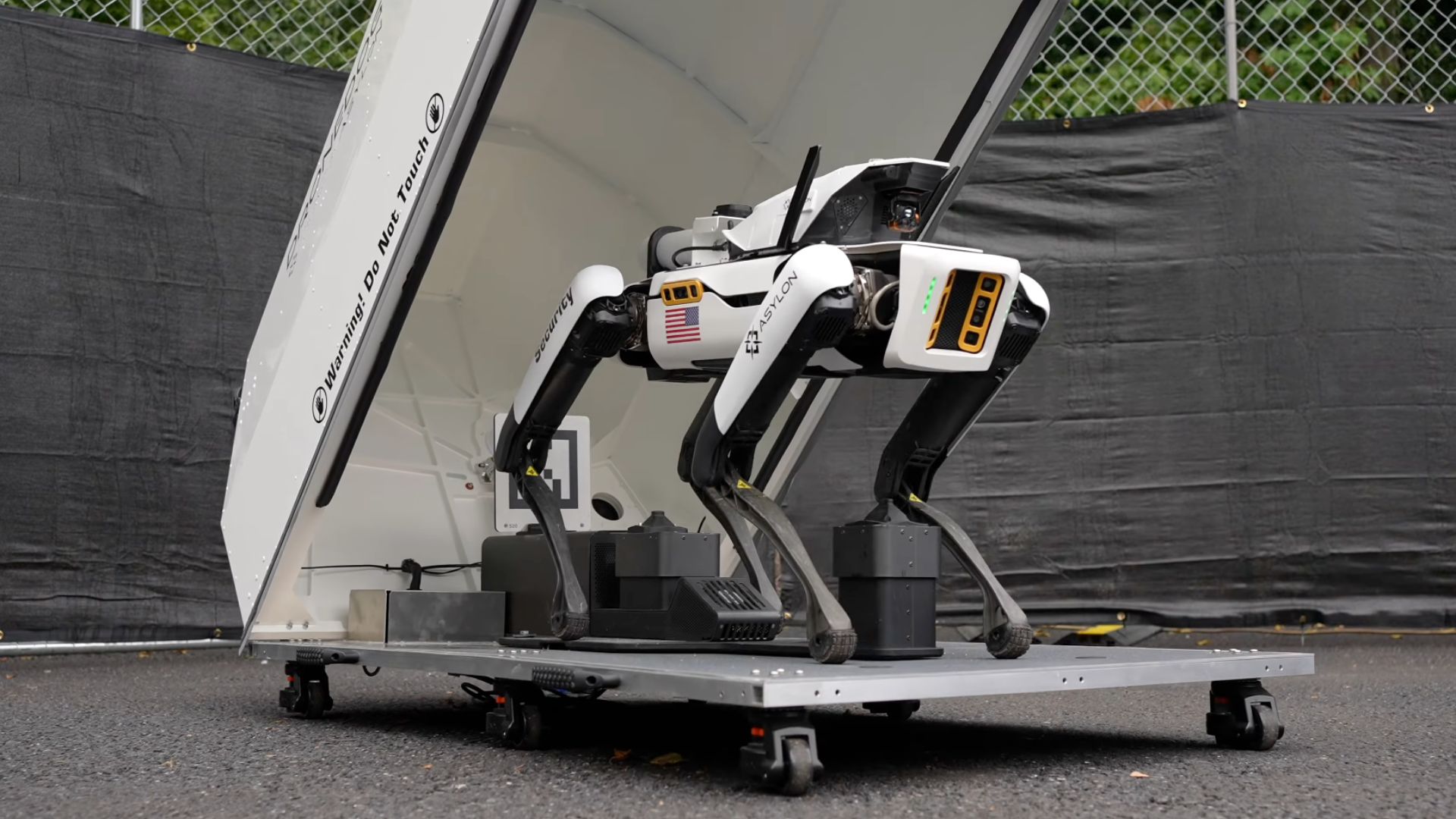
Robotic security systems are advancing towards practical use in industrial settings, with the introduction of DroneDog, a cutting-edge surveillance drone. Developed by a leading technology firm, this innovative system is designed to enhance security measures by patrolling large areas and detecting potential threats in real-time. The deployment of DroneDog is expected to begin in early 2024, targeting various industrial sites that require robust security solutions. This initiative comes in response to increasing concerns over safety and security in sectors such as manufacturing and logistics, where traditional security measures may fall short. By integrating advanced sensors and artificial intelligence, DroneDog can autonomously navigate complex environments, providing a cost-effective and efficient alternative to human security personnel. The drone's ability to operate around the clock without fatigue significantly enhances the monitoring capabilities of industrial facilities. As industries seek to bolster their security infrastructure, the introduction of robotic systems like DroneDog represents a significant shift towards automation in safety protocols, promising to address vulnerabilities and improve overall site security.
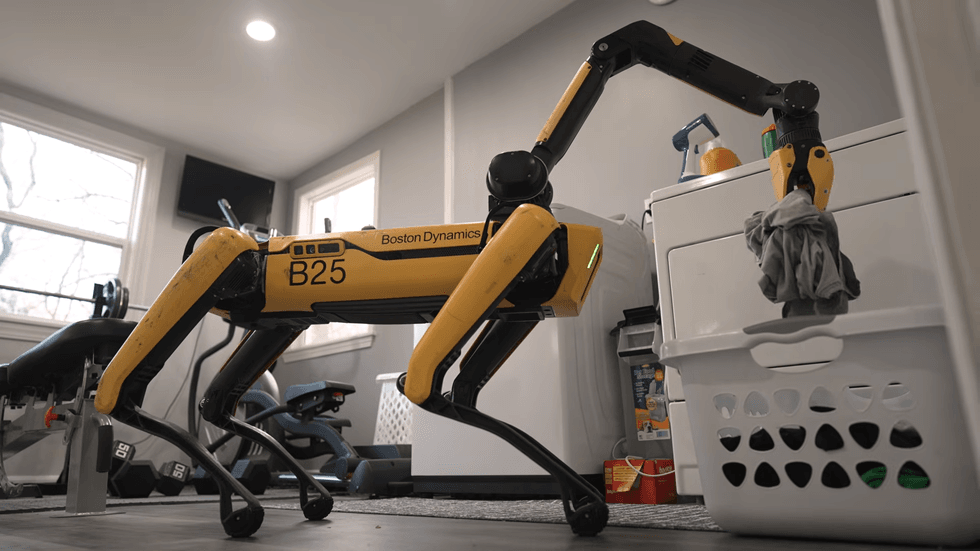
Boston Dynamics and Google DeepMind Teach Spot to Reason
Boston Dynamics has announced that its quadruped robot, Spot, is now equipped with Google DeepMind’s Gemini Robotics-ER 1.6, a high-level embodied reasoning model designed to enhance the robot's usability and intelligence for complex tasks. This development, revealed today, marks a significant advancement in the commercial deployment of legged robots, particularly in industrial inspections, where Spot will autonomously identify hazardous debris, read gauges, and utilize vision-language-action models for better environmental understanding. The collaboration aims to improve how robots interpret and interact with their surroundings, addressing the challenges of ensuring that robotic actions align with human reasoning. Marco da Silva, vice president of Spot at Boston Dynamics, emphasized that the new capabilities will allow Spot to autonomously navigate real-world challenges more effectively. Despite the progress, experts acknowledge ongoing challenges in achieving seamless human-robot interaction. Carolina Parada from Google DeepMind noted that while the Gemini model enhances visual recognition, it currently lacks integration with other sensory data, such as touch, which is crucial for reliable object manipulation. As part of the deployment, customers using Spot for inspections will need to share operational data with Boston Dynamics to further refine the technology. The introduction of Gemini Robotics-ER 1.6 is seen as a step toward creating safer and more reliable robots capable of performing everyday tasks, with the potential to apply these advancements to other robotic platforms in the future.
Boston-dynamics Spot-robot Google-deepmind Inspection-robots Quadruped-robots
Boston Dynamics' Atlas Behavior Model Open-Sourced by Independent Developer
In a noteworthy advancement for the field of robotics, Bryson K. Jones has unveiled an open-source version of the Large Behavior Model (LBM) developed by the Toyota Research Institute. This model, which serves as the driving force behind Boston Dynamics' Atlas robot, offers a streamlined solution that delivers high performance without requiring extensive computational power. By making this technology accessible to developers, Jones aims to democratize robotics innovation, allowing a broader range of creators to experiment and build upon this foundational model. The release marks a significant step forward in making advanced robotic capabilities more attainable for various applications.
Robotics Behavior Models Open Source AI Machine Learning
Tesla Optimus vs Boston Dynamics & All Rivals (2026)
A comprehensive comparison of advanced robotics has been released, focusing on the capabilities and specifications of four prominent models: Optimus, Atlas, Unitree G1, and Digit. This analysis provides a detailed scorecard and decision guide, highlighting the strengths and weaknesses of each robot. The report, which draws on data available until October 2023, aims to inform stakeholders about the competitive landscape in robotics, particularly in light of the growing influence of Chinese technology in the field. By examining factors such as price, deployment strategies, and overall performance, the document serves as a crucial resource for businesses and researchers navigating the rapidly evolving robotics sector.
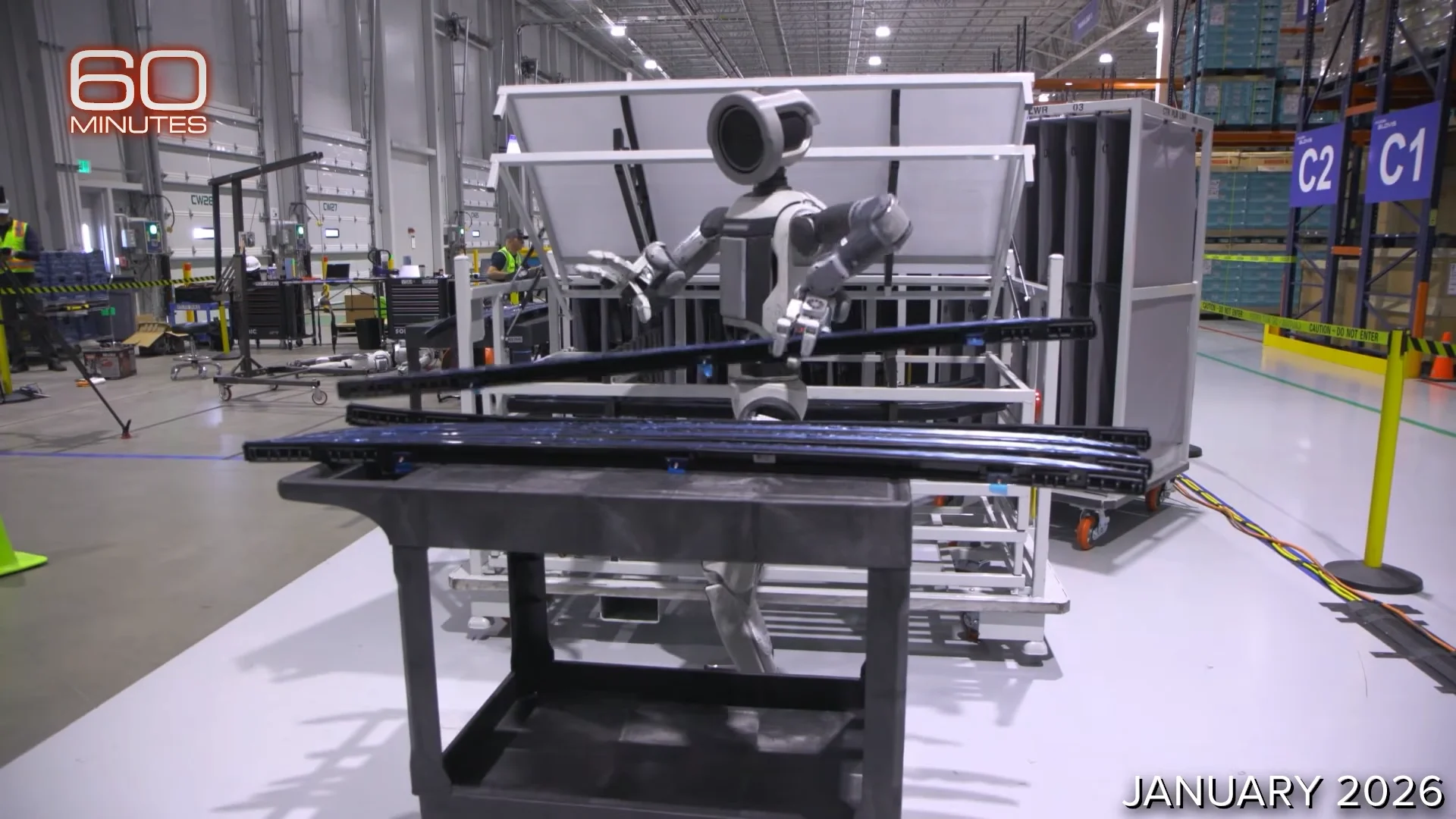
From Viral Clips to the Factory Floor: 60 Minutes Goes Inside Boston Dynamics’ Industrial Shift
A recent segment on 60 Minutes provided an in-depth examination of the all-electric Atlas robot as it undertakes practical tasks at Hyundai's manufacturing facility in Georgia. This showcase marks a significant development in the humanoid robotics industry, illustrating the robot's capabilities in a real-world setting. The segment emphasizes the growing integration of advanced robotics in industrial environments, reflecting a broader trend towards automation in manufacturing. By demonstrating the Atlas robot's functionality and potential impact on production efficiency, the report highlights the ongoing evolution of technology in the workforce.
hyundai US South Korea Atlas Boston Dynamics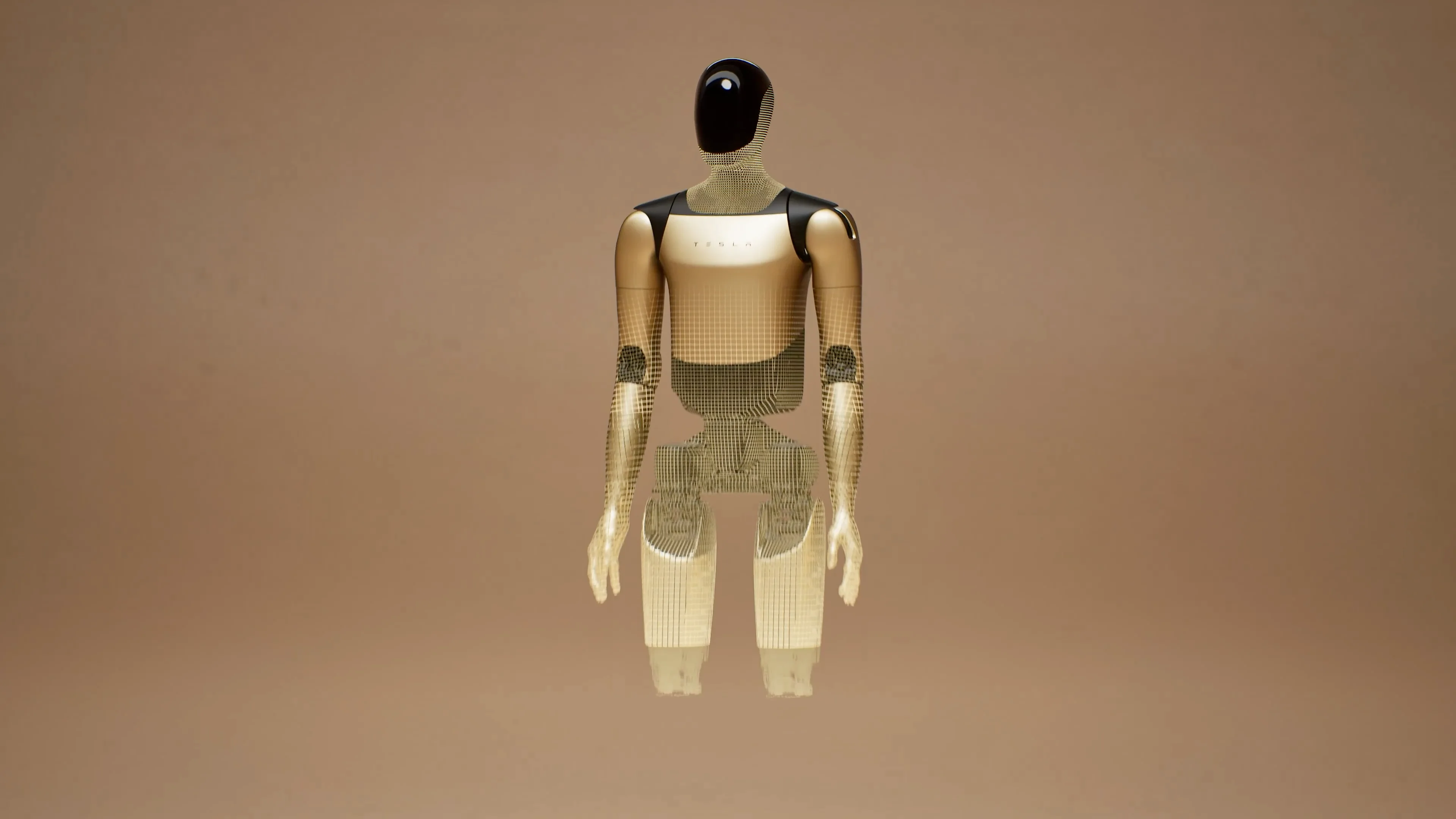
‘China is Next Level’: Elon Musk’s Bold Dismissal of Boston Dynamics, Figure, and the U.S. Robotics Scene
During Tesla's fourth-quarter earnings call for 2025, CEO Elon Musk revealed a significant shift in the company's strategy, announcing the discontinuation of the Model S and Model X programs. This decision comes as part of a broader initiative to redirect resources towards an ambitious $20 billion capital expenditure plan aimed at advancing humanoid production and achieving what Musk described as "amazing abundance." The announcement marks a pivotal moment for Tesla as it seeks to innovate beyond its traditional electric vehicle offerings and invest heavily in new technologies.
Optimus Tesla US
The Talent Wars: Tesla’s Former Optimus Head Milan Kovac Joins Boston Dynamics
Milan Kovac, the engineer instrumental in the development of Tesla's Optimus robot, has joined Boston Dynamics, marking a significant shift in the robotics industry. This transition comes as Hyundai’s robotics division aims to evolve from experimental research to large-scale industrial applications. The move underscores a strategic pivot for the company, indicating its commitment to advancing robotics technology and enhancing its competitive edge in the market.
hyundai Tesla Atlas Boston Dynamics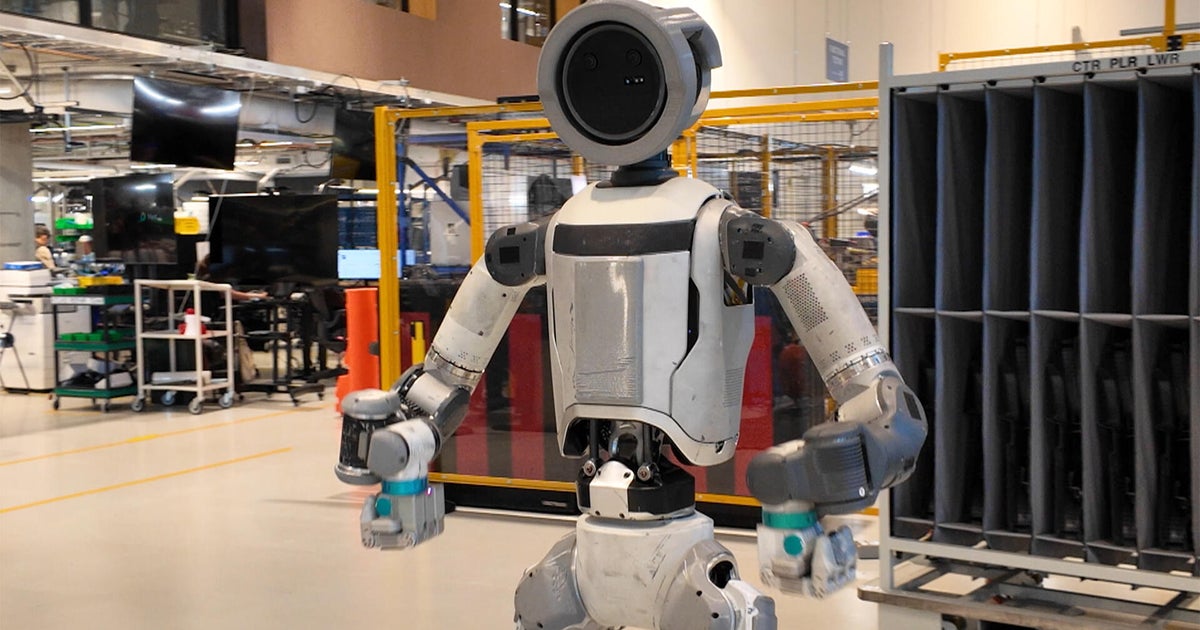
How Boston Dynamics upgraded the Atlas robot
Boston Dynamics has unveiled an upgraded version of its humanoid robot, Atlas, showcasing significant enhancements since its previous iteration featured in a 2021 segment on 60 Minutes. The latest model boasts fully rotating joints and advanced hands capable of gripping a diverse range of objects, reflecting the company's commitment to advancing robotics technology. This development was announced in October 2023, highlighting the ongoing evolution of Atlas as a versatile and adaptive machine. The upgrades aim to improve the robot's functionality in various applications, from industrial tasks to research and development, demonstrating the potential of robotics in enhancing human capabilities and efficiency.
Robotics needs a service framework.
RSF defines a common language for robot service capability, lifecycle operations, certification pathways, and service-provider networks.
Join the RobotToday community on LinkedIn
Daily robotics news, in-depth analysis, conference highlights, and discussions with professionals worldwide.