Industry Briefing
A single destination for timely, editor-curated robotics news from around the world.

MASS 2026 Conference Showcases Atlantic Canada's Defence and Technology Strengths
The 13th annual Maritime & Arctic Security & Safety Conference (MASS) is taking place in St. John's, Newfoundland and Labrador, hosted by the Atlantic Canada Aerospace & Defence Association (ACADA) and sponsored by Saab Canada, Inc. This year's conference, featuring 600 participants, is the largest to date and focuses on leveraging Atlantic Canada's capabilities in environmental management and workforce development. Newfoundland and Labrador Premier Tony Wakeham highlighted the province's strategic geopolitical position as a gateway to the Arctic and Atlantic, emphasizing its qualified workforce and unique military and civil capabilities. He stated that the region's diverse strengths create a robust defence and security ecosystem that Canada and its allies can depend on for Arctic and North Atlantic security. The conference has underscored the significance of partnerships, particularly with Indigenous communities, to foster economic participation and workforce development. Discussions included the need for advanced technology in Arctic-capable warship designs and the role of AI and machine learning in maritime surveillance, indicating a strong focus on innovation in harsh conditions.
maritime and arctic security and safety conference (mass) atlantic canada capabilities defence technology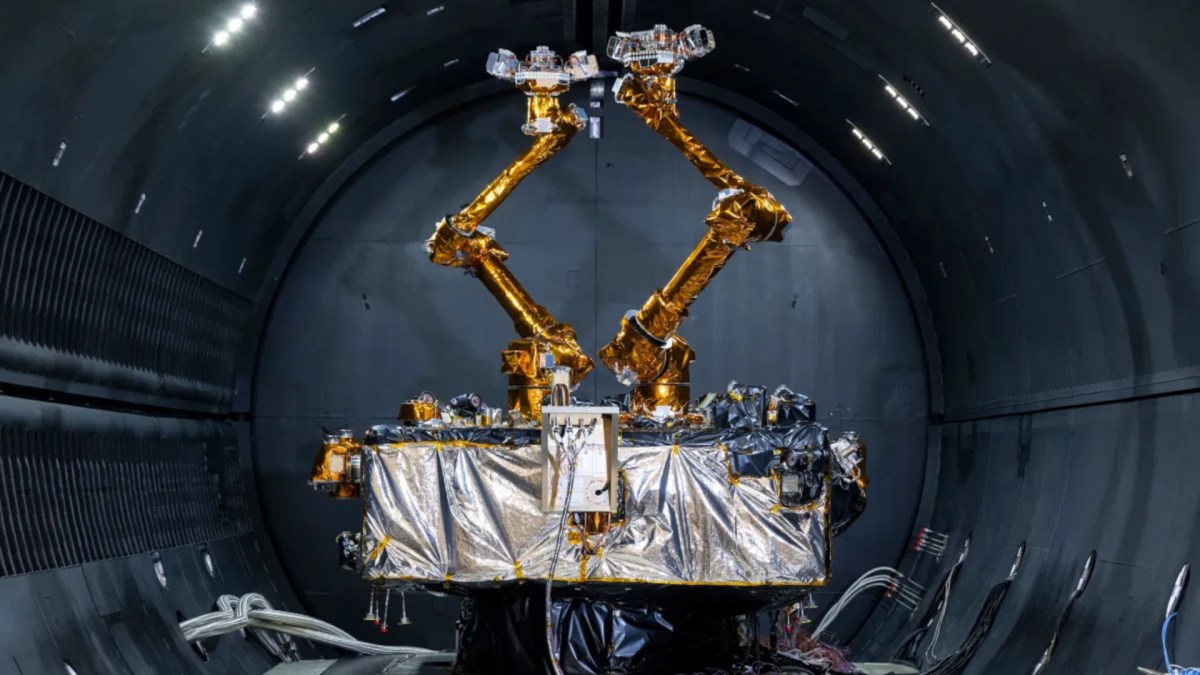
Northrop Grumman's New MRV Spacecraft Launches Today Amid Offensive Capability Questions
Northrop Grumman is set to launch its Mission Robotic Vehicle (MRV) today, equipped with two robotic arms designed for satellite servicing. While the primary purpose of the MRV is to refuel and repair satellites in geosynchronous orbit, discussions have emerged regarding its potential use in offensive operations against enemy satellites. The U.S. Space Force is exploring offensive capabilities to protect its assets, raising questions about the MRV's dual-use potential. The MRV's launch is significant as it represents a step forward in commercial satellite servicing, with the ability to install life extension jetpacks on satellites, potentially prolonging their operational life by up to eight years. Northrop Grumman's CEO, Kathy Warden, emphasized the spacecraft's capabilities during a recent earnings call, indicating that the company is prepared to offer options for technology deployment to clients, including the U.S. government. Looking ahead, the MRV is scheduled to launch aboard a SpaceX Falcon 9 rocket from Cape Canaveral, with a window starting at 5:15 PM ET. The mission will involve rendezvousing with satellites from commercial telecommunications providers Optus and SES, showcasing the MRV's versatility in on-orbit servicing and inspection. No further timeline was disclosed at the time of publication.
Space Anti-Satellite Capabilities News & Features Orbital Systems War In Space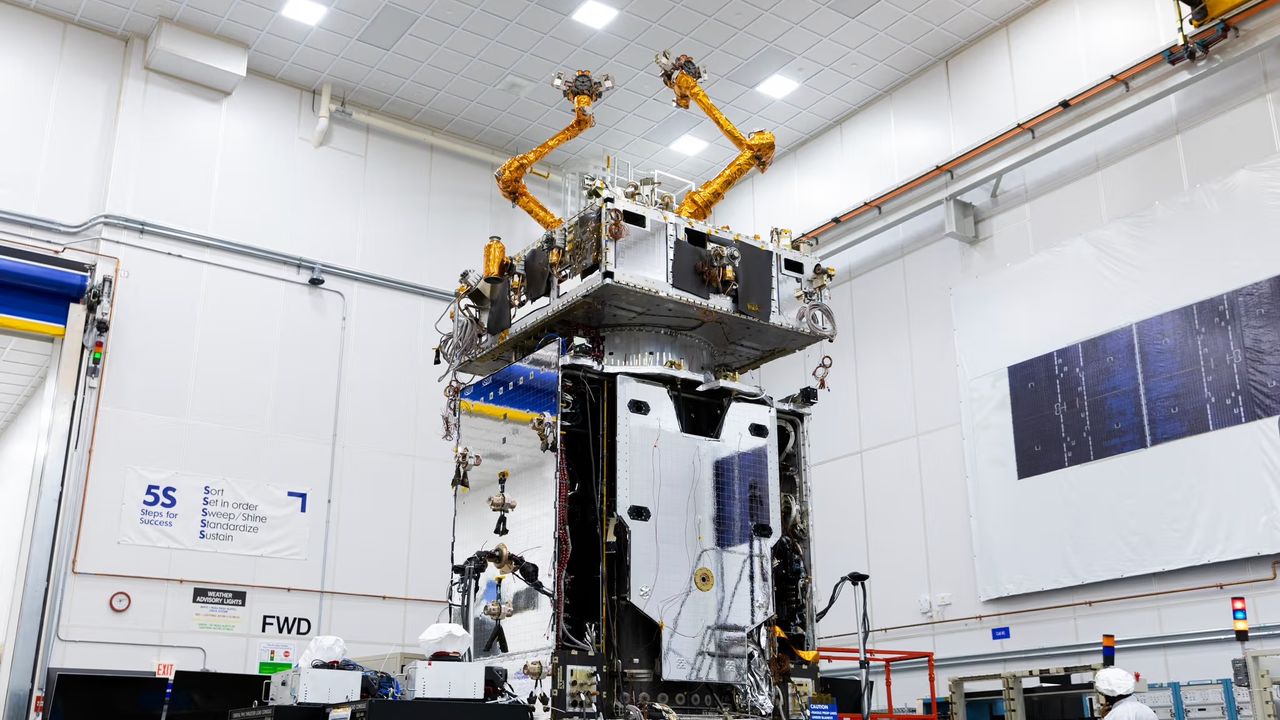
SpaceX Launches Innovative Satellite Repair Drone with Robotic Arms to Earth Orbit Today
SpaceX is set to launch a groundbreaking satellite-servicing mission today, July 21, using a Falcon 9 rocket from Cape Canaveral Space Force Station. The mission, named MRV-MEV, will deploy a Mission Robotic Vehicle (MRV) and three Mission Extension Pods (MEPs) to geostationary orbit (GEO) at an altitude of 22,236 miles (35,786 kilometers). The MRV, equipped with two robotic arms, will attach the MEPs to client satellites, extending their operational lives. This mission is significant as it marks the first launch of MEPs, which are designed to provide up to eight years of life extension for satellites in GEO. The MRV will not only install MEPs but also has capabilities to relocate, inspect, repair, and upgrade satellites in orbit. This advancement in satellite servicing technology is expected to enhance the resilience of space assets, as noted by Northrop Grumman, the parent company of SpaceLogistics, which operates the spacecraft. Looking ahead, the MRV will remain in GEO after installing the MEPs, awaiting future missions. The successful deployment of this technology could pave the way for more complex satellite servicing operations, building on Northrop Grumman's previous experiences with the Mission Extension Vehicle projects. No further timeline was disclosed at the time of publication.
Launches & Spacecraft Space Exploration
WAIC 2026: Insight AI Unveils First Embodied Semantic Intelligence System, insightOS Semantic
At the 2026 World Artificial Intelligence Conference in Shanghai, Insight AI launched the world's first embodied semantic intelligence system, insightOS Semantic. This system represents a pivotal shift in the embodied intelligence industry, moving from mere demonstration capabilities to practical applications in real-world scenarios. The significance of this development lies in its comprehensive approach to embodied intelligence, which now requires not only technical prowess but also a robust operating system, scenario validation, and a thriving developer ecosystem. Insight AI aims to address the critical challenges of understanding, adaptability, and evolution in robotics, which have hindered the large-scale deployment of embodied systems. Looking ahead, Insight AI's insightOS Semantic is designed to facilitate seamless communication between humans and robots, enabling task execution through natural language. The system's architecture integrates semantic understanding with physical operation capabilities, promising to enhance the efficiency and intelligence of robots in dynamic environments. No further timeline was disclosed at the time of publication.
Embodied Intelligence Robotic Systems AI Technology Natural Language Processing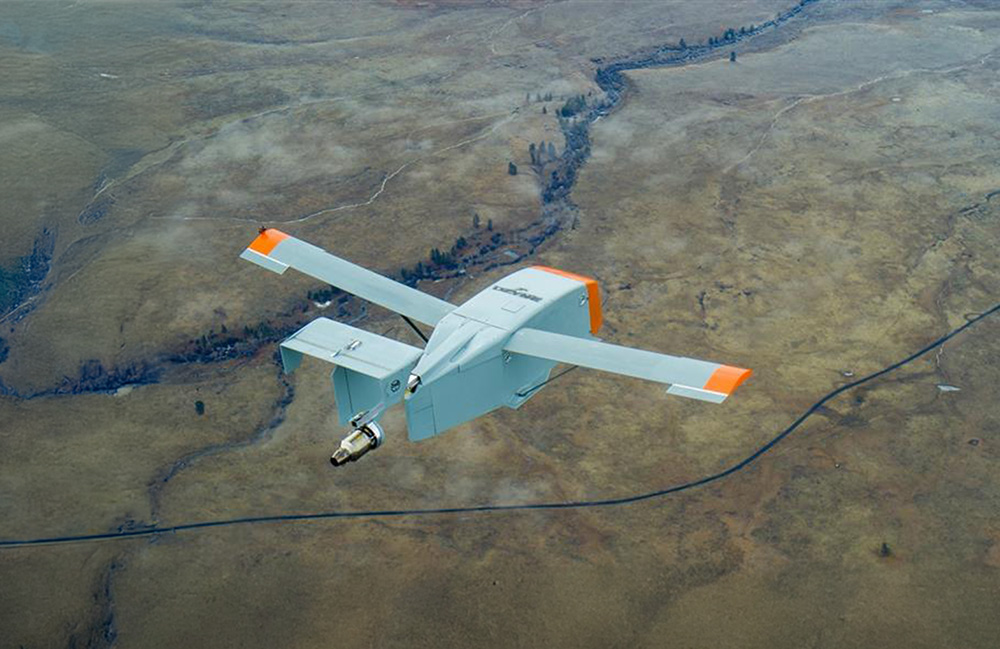
Ondas Acquires DZYNE Technologies for $875.8 Million to Enhance Defense Capabilities
Ondas Inc. has acquired DZYNE Technologies LLC, a defense technology firm based in Irvine, California, for $875.8 million. This acquisition, financed through a cash-and-stock structure, aims to enhance Ondas' capabilities in multi-domain intelligence, surveillance, and reconnaissance (ISR), counter-uncrewed aerial systems (UAS), and autonomous systems to meet the evolving needs of U.S. and allied defense customers. The acquisition is significant as it positions Ondas to leverage DZYNE's advanced technology and engineering talent, which includes long-endurance ISR capabilities and autonomous systems. Eric Brock, chairman and CEO of Ondas, emphasized that the integration of DZYNE's mission-proven technologies will accelerate the development of a next-generation autonomous defense platform, essential for maintaining military advantage in rapidly changing warfare. Looking ahead, Ondas anticipates that DZYNE will generate $191 million in revenue for the full year 2026 and over $300 million in 2027. Ondas is now targeting at least $525 million in revenue for 2026. The integration of DZYNE’s ULTRA and IonStrike systems will expand Ondas' ISR and counter-UAS capabilities, enhancing its portfolio in defense applications.
Aerospace Artificial Intelligence Artificial Intelligence / Cognition Defense / Security Design / Development Drones
Tesla's Optimus Robots to Support Starmind Satellite Production, Not Maintenance
Tesla's Optimus robots will not be used to repair Starmind satellites in orbit, as confirmed by recent statements from Elon Musk. Instead, these robots are intended to assist in the construction and operation of the Terafab chip manufacturing facility in Texas. The AI1 satellites, designed to disintegrate upon reentry, highlight the company's swap-and-replace strategy rather than traditional maintenance practices. This approach is significant as it reflects a broader trend in satellite management, where mass-produced satellites are replaced rather than repaired. The economics of servicing missions are prohibitive, with the cost of launching a replacement satellite being significantly lower than conducting a repair mission. This model aligns with SpaceX's operational history, where rapid replacement of satellites is more efficient than attempting to maintain them in orbit. Looking ahead, the focus will remain on the production capabilities of the Gigasat factory, which is expected to support the continuous replacement of satellites. No further timeline was disclosed at the time of publication, but the demand for rapid satellite turnover suggests a robust future for Optimus robots in terrestrial manufacturing rather than in-space servicing.

Starmind's Satellite Technology Achieves 880 Billion Liters in Annual Water Savings
Starmind has announced that its satellite technology can save approximately 880 billion liters of cooling water annually at full scale. This figure is equivalent to the annual household water use of around 6.5 million Americans. The technology operates by utilizing a closed-loop liquid cooling system that eliminates the need for water during its operational life, contrasting sharply with traditional ground data centers that consume vast amounts of water for cooling. The significance of this achievement lies in the growing water consumption crisis faced by data centers, particularly as AI expansion drives demand. In 2025, U.S. data centers consumed nearly one trillion liters of water, highlighting the urgent need for sustainable solutions. Starmind's approach not only addresses direct water usage but also avoids indirect water consumption associated with electricity generation, marking a substantial shift in how computing can be conducted in a resource-efficient manner. Looking ahead, Starmind's deployment strategy includes a projected buildout of 100 GW of orbital compute per year, which could displace an additional 735 billion liters of ground water demand annually. The first tranche of 10,000 satellites is already operational, offsetting approximately 8.8 billion liters of water per year. No further timeline was disclosed at the time of publication.

SpaceX Unveils AI1 Satellite Specs for Starmind Constellation with Key Thermal Challenges
SpaceX has introduced the AI1 satellite, the inaugural component of its Starmind constellation, which stands 20 meters tall and has a wingspan of 70 meters. This orbital compute node is designed to deliver computing power equivalent to one NVIDIA GB300 server rack, utilizing a unique cooling system with deployable liquid radiators. The satellite's specifications were revealed during a presentation on June 8, 2026, ahead of SpaceX's IPO. The significance of the AI1 satellite lies in its role as a compute platform rather than a traditional satellite, focusing on running AI inference workloads. The satellite's cooling system, which is critical for its operation in the vacuum of space, is designed to reject heat through infrared radiation. However, independent engineers have raised concerns about the feasibility of the thermal and mass claims made by SpaceX, suggesting that the cooling requirements may exceed practical limits. Looking ahead, SpaceX plans to launch two AI1 prototypes in early 2027, with full-scale production expected to commence later that year at its Gigasat facility in Bastrop, Texas. The ongoing debate regarding the satellite's thermal management capabilities will be crucial to monitor as the project progresses, with no further timeline disclosed at the time of publication.
SpaceX Launches Starmind Project for 1 Million AI Satellites by 2028
SpaceX has officially named its orbital AI infrastructure project 'Starmind,' which aims to deploy a constellation of up to 1 million satellites. This initiative, confirmed by Elon Musk on June 22, 2026, will enable AI inference directly in space, utilizing solar energy rather than terrestrial power sources. The first satellite, designated AI1, was unveiled on June 8, 2026, and is designed to operate in sun-synchronous orbits. The significance of Starmind lies in its potential to overcome the limitations faced by ground-based data centers, such as land, power, and water constraints. By running AI computations in orbit, Starmind can provide a more efficient solution to the growing demand for AI computing power. The project leverages the existing Starlink infrastructure for data transmission, distinguishing its function from Starlink's internet relay capabilities. Looking ahead, SpaceX plans to begin hardware deployment with the AI1 satellite, while full-scale production and deployment of the satellite constellation are targeted for 2028. As of now, no Starmind satellites have been launched, and further engineering challenges remain to be addressed, particularly regarding the scalability of the satellite design.

Robots Demonstrate Practical Capabilities, Industry Anticipates 'ChatGPT Moment
At the 2026 World Artificial Intelligence Conference, over half of the 160 exhibiting companies showcased robots capable of practical tasks such as making tea, folding clothes, and handling boxes. Notably, Galaxy Universal demonstrated robots working in energy plants for three months, while ZhiYuan showcased a complete automotive parts production line with robots handling loading and packaging. The demand for embodied intelligence has led to significant growth in the supply chain, with tactile sensor requirements rising from under 20% to 60% this year. Companies like Lightwheel Intelligence reported a fourfold increase in orders, indicating a surge in data demand. However, manufacturers remain cautious, seeking robots that can match human stability and precision before making substantial investments. As robots begin to learn from real data in factories, the industry is still grappling with limitations in intelligence. Observers noted that while robots are making progress, they are not yet as reliable as experienced workers. The industry is eagerly awaiting a breakthrough akin to the 'ChatGPT moment' for embodied intelligence, as companies test the feasibility of robotic solutions in real-world environments.
Robotics Artificial Intelligence Automation Manufacturing Sensor Technology
SpaceX's Starmind Project: Supplier Strategy and Chip Manufacturing Plans for 2026
SpaceX's Starmind project, aimed at deploying up to 1 million AI satellites, was filed with the FCC on January 30, 2026. The initiative is designed to minimize reliance on external suppliers, with CEO Elon Musk stating that current chip production capabilities only meet 2% of the projected needs. The first satellite, AI1, is set for prototype launches in early 2027, featuring a 70-meter wingspan and a modular payload system that allows for interchangeable chips from various suppliers. The significance of Starmind lies in its ambitious supply chain strategy, which seeks to transition from external hardware suppliers to a fully integrated Musk-owned facility by 2028. The Gigasat manufacturing site in Bastrop, Texas, is expected to be operational by the end of 2027, with plans for high-volume production of the D3 chip, specifically designed for space applications. This approach aims to consolidate chip manufacturing processes under the Terafab joint venture, which has an estimated initial investment of $55 billion. Looking ahead, the next milestone for Starmind is the launch of AI1 prototypes in early 2027, while the full-scale chip production at Terafab is projected to ramp up significantly thereafter. However, analysts express skepticism regarding the feasibility of achieving Musk's ambitious compute goals, which may require substantial investment and time to establish the necessary manufacturing capabilities.
Major Italian shipbuilder Fincantieri exploring nuclear-powered vessels, CEO says
During a recent closed-door roundtable, Fincantieri CEO Pierroberto Folgiero discussed key insights gained from the ongoing conflict in Ukraine, particularly in relation to the use of naval drones. He emphasized the importance of adapting military strategies and technologies in light of the lessons learned from the war. Additionally, Folgiero addressed the future development of a common European patrol corvette, highlighting the need for collaborative efforts among European nations to enhance maritime security. The discussions aimed to foster innovation and cooperation in defense capabilities, reflecting the evolving geopolitical landscape.
Global Naval Warfare corvette Europe Fincantieri NATO
Eni and Fincantieri Group Sign a Strategic Agreement to Enhance Innovative Underwater Monitoring Technologies
Eni S.p.A and Fincantieri have entered into a strategic partnership to enhance the capabilities of Clean Sea, an advanced underwater robotic system developed by Eni. This agreement, announced recently, involves Fincantieri's subsidiary IDS – Ingegneria dei Sistemi, which specializes in unmanned systems and advanced sensor technologies. The collaboration aims to improve the monitoring of marine ecosystems and the integrity of subsea infrastructure. By leveraging Clean Sea's innovative technology, the two companies seek to address environmental concerns and ensure the sustainability of underwater operations. The initiative reflects a growing commitment to utilizing advanced robotics in environmental monitoring and infrastructure maintenance.
eni fincantieri group strategic agreement underwater monitoring technologies clean sea
Klein Marine Systems Introduces MANTIS UUV with SmartArray Technology™ for Autonomous Underwater Missions
Klein Marine Systems, recognized as a global leader in advanced side scan sonar and underwater imaging technology, has unveiled its latest innovation, the MANTIS UUV. This integrated multi-channel side scan sonar system is specifically designed to enhance unmanned underwater vehicles by providing high-quality imaging and onboard processing capabilities. The announcement was made today, highlighting the company’s commitment to improving underwater exploration and data collection. The MANTIS UUV aims to streamline integration processes, making it a valuable tool for various applications in marine research and industry.
klein marine systems mantis uuv smartarray technology™ uuv auv
Terradepth’s Absolute Ocean Cleared for Immediate U.S. Navy Use via NIWC Atlantic RCC Hopper
Terradepth, a venture-backed maritime technology company, has announced the integration of its Absolute Ocean® cloud-native data-to-decision platform into the Rapid Capabilities Office (RCO) Rapid Capabilities Cell (RCC) Hopper at the Naval Information Warfare Center (NIWC) Atlantic. This move, which took place recently, aims to enhance the capabilities of the U.S. Navy by leveraging advanced maritime data solutions. The collaboration is expected to streamline decision-making processes and improve operational efficiency in naval operations, showcasing the growing importance of innovative technology in military applications.
terradepth absolute ocean clearance u.s. navy niwc atlantic rcc hopper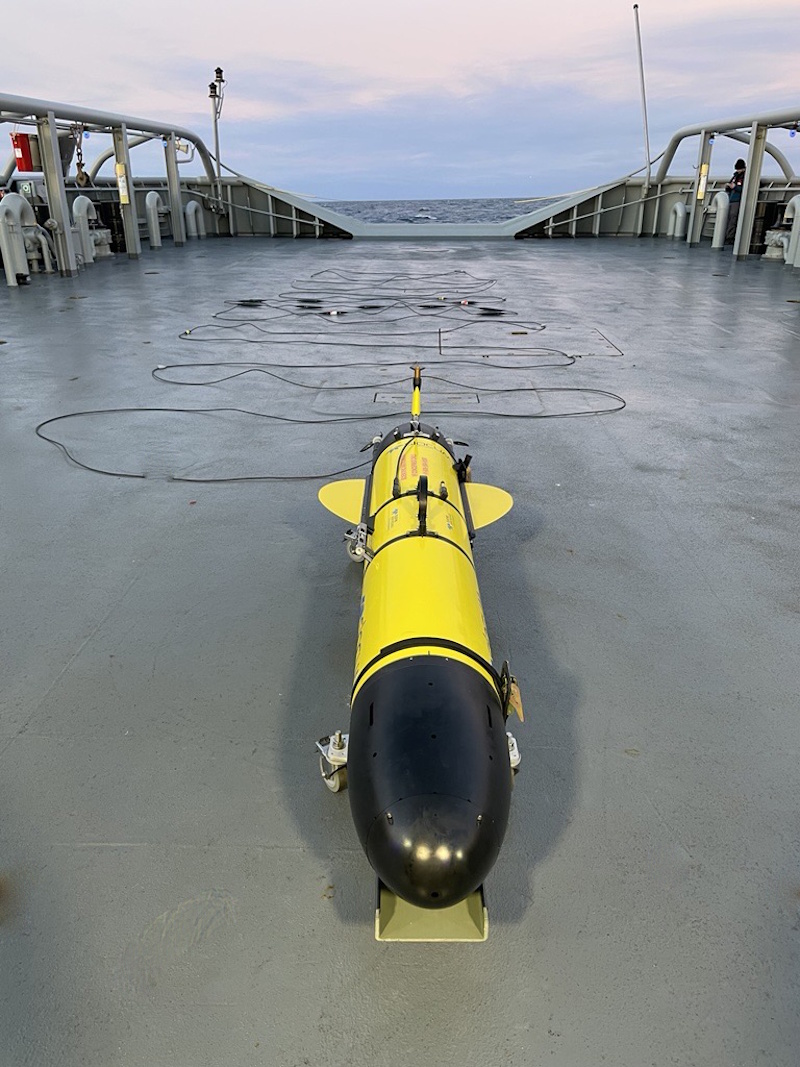
Teledyne Demonstrates Autonomous System for Anti-Submarine Warfare to NATO Members in the North Atlantic
Teledyne Technologies Incorporated recently showcased its advanced capabilities in Anti-Submarine Warfare (ASW) through a demonstration conducted in Icelandic waters from January 17 to January 22. The event featured the deployment of several state-of-the-art autonomous underwater vehicles, including the Slocum Sentinel Glider, equipped with a 60-meter-long passive acoustic towed array, and the Slocum G3 Glider, which integrates Teledyne Benthos acoustic communications technology. Additionally, two Advanced Profiling Explorer (APEX) floats were utilized, each fitted with ambient noise Passive Acoustic Monitoring systems. This demonstration highlights Teledyne's commitment to enhancing maritime security and underwater surveillance capabilities in response to evolving defense needs.
teledyne demo autonomous system anti-submarine warfare (asw) nato
Fugro Acquires EOMAP, Adding Unique Satellite Analytics to its Water Market Solutions
Fugro has announced its acquisition of EOMAP GmbH & Co. KG, a leading company specializing in the mapping and monitoring of marine and freshwater environments using satellite Earth Observation technology. This strategic move, finalized recently, aims to enhance Fugro's existing mapping solutions and bolster its presence in the water market. By integrating EOMAP's expertise in satellite-based environmental monitoring, Fugro seeks to expand its capabilities and offer more comprehensive services to clients in the water sector.
fugro acquisition eomap satellite analytics water market solutions
Graduate Student Develops NASA Robot Assembly Algorithm for Satellite Antennas
Sarah Downs, a graduate student at Texas A&M University, has developed an algorithm for NASA that enables robots to assemble satellites in space. This algorithm addresses the classic peg-in-hole problem by allowing robots to insert antennas accurately into designated spots. Downs's work is significant as it enhances the capabilities of robots operating in the challenging environment of outer space. The importance of Downs's research lies in its potential to improve satellite assembly processes, which are critical for space missions. By creating a robot that can perform tasks without relying on vision systems, Downs addresses the challenges posed by the harsh conditions of space where cameras may fail. This innovation could lead to more reliable and efficient satellite deployment in future missions. Looking ahead, Downs plans to continue her research on satellite assembly and manipulation at a larger scale. As she progresses in her Ph.D. studies, her work will likely contribute to advancements in robotics that could transform how satellites are constructed and maintained in orbit. No further timeline was disclosed at the time of publication.
Type-ti Ieee-member-news Robots Nasa Student-member Satellites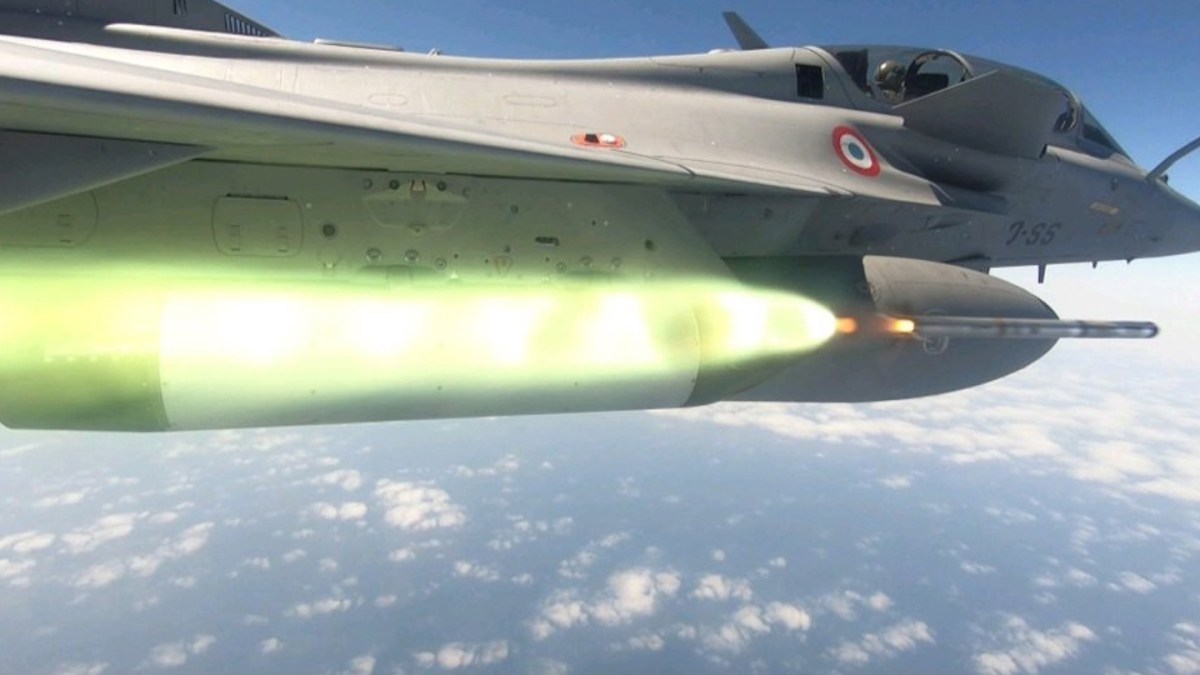
France's Rafale Fighter Integrates Affordable Laser-Guided Rockets for Anti-Drone Operations
France has successfully conducted live-fire tests of 68mm laser-guided rockets from its Rafale fighter, enhancing its anti-drone capabilities. This development follows a trend among air forces to adopt cost-effective solutions for countering drones, rather than relying solely on expensive missiles. The Directorate General of Armaments (DGA) announced the integration of these rockets, which were tested in collaboration with the French Air and Space Force and supported by Dassault Aviation and Thales. The integration program, known as Lutte antidrone sur avion de combat (LADAC), aims to provide French Rafales with a more economical option for countering threats posed by drones like the Iranian Shahed-136. The DGA confirmed that the time from contract award to achieving initial operational capability was under eight months, indicating a swift development process. This capability may also be extended to export customers of the Rafale and potentially other combat aircraft. Looking ahead, the focus will be on the operational deployment of these laser-guided rockets, which are designed to work with the Rafale’s modified RBE2 radar and Talios pod for target tracking. The Aculeus-LG rocket, with a range of 3.7 miles, represents a significant advancement in the cost-effective defense against unmanned aerial systems (UAS). No further timeline was disclosed at the time of publication.
Air Air Forces Drones Fighters French Air Force News & Features
Microsoft and Palantir Urge Businesses to Retain AI Sovereignty Amid Rising Costs
Microsoft CEO Satya Nadella recently emphasized the importance of maintaining AI sovereignty in a widely discussed essay that garnered over 66 million views. He warned against relying on external AI models, advocating for companies to develop their own 'token capital' alongside human capital to create proprietary AI capabilities. This call to action comes as businesses face skyrocketing AI usage costs, exemplified by Uber's rapid depletion of its AI budget within four months. The significance of Nadella's message lies in its timing, as companies increasingly utilize AI agents that consume vast amounts of tokens, leading to concerns over escalating expenses without corresponding value. Palantir Technologies echoed this sentiment with a manifesto stressing the need for organizations to retain control over their AI capabilities and data. The manifesto's provocative statements have sparked a debate about the implications of AI model dependency and the potential for industry hollowing out if businesses do not take charge of their AI strategies. Looking ahead, both Microsoft and Palantir are positioning themselves as essential partners in the development of proprietary AI systems. As companies navigate the complexities of AI integration, the focus will likely shift towards establishing robust learning loops that enhance both human and token capital. No further timeline was disclosed at the time of publication for specific initiatives from either company to address these challenges.
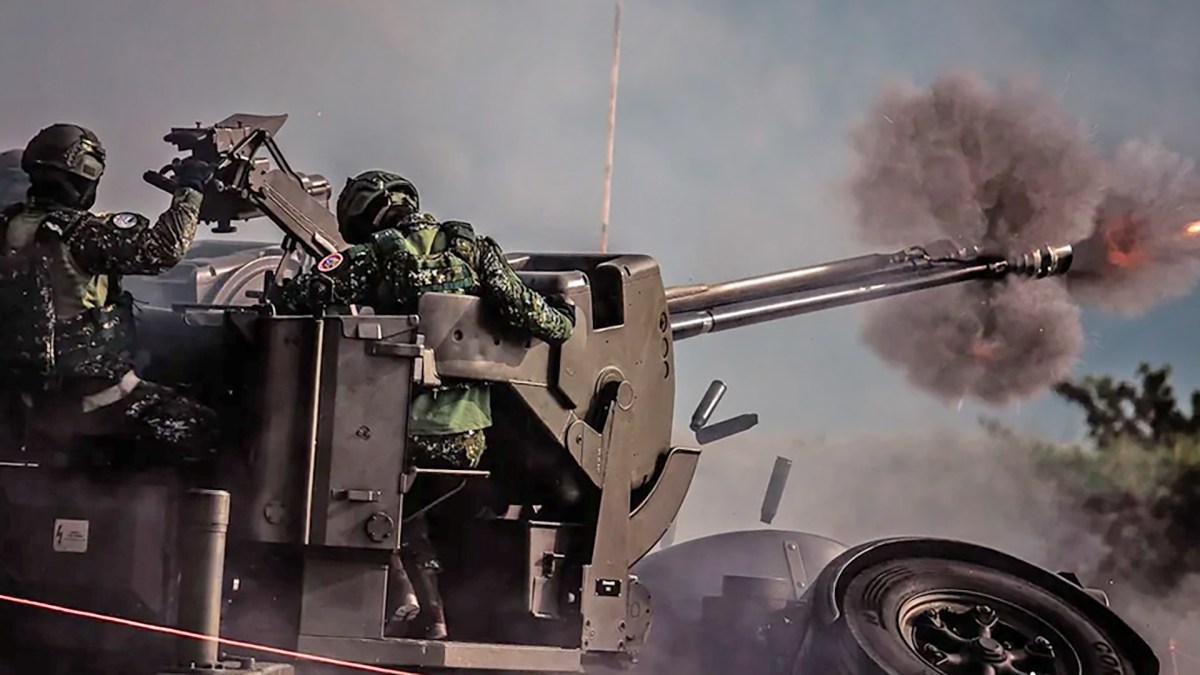
Taiwan’s Skyguard Anti-Aircraft Guns Now Equipped With Anti-Drone Nets
Taiwan has enhanced its air defense capabilities by equipping its Skyguard anti-aircraft guns with anti-drone nets, a move prompted by the increasing threat posed by Chinese drones to its defense systems. This development underscores the urgency for Taiwan to bolster its defenses amid rising tensions in the region. The integration of these nets aims to provide a more effective response to potential aerial incursions, ensuring that the Skyguard systems can better protect Taiwanese airspace. The initiative reflects Taiwan's proactive approach to countering evolving military threats and safeguarding its sovereignty.
Land Anti-Aircraft Artillery (AAA) Around The Globe Drones Indo-Pacific News & Features
Palladyne AI Executes $4.2 Million U.S. Air Force Contract to Advance Swarming Capabilities for Integrated Cross-Domain Operations
Palladyne AI Executes $4.2 Million U.S. Air Force Contract to Advance Swarming Capabilities for Integrated Cross-Domain Operations Visit http://www.palladyneai.com for further information Palladyne AI’s SwarmOS™ platform to support satellite integration, marking a major expansion of its multi-domain autonomy and ISR capabilities across space, air, maritime, and land 07/07/26, 06:15 AM | Mobile Robots, Other Topics | Palladyne AI Corp. Palladyne AI Corp. (NASDAQ: PDYN and PDYNW) ("Palladyne AI"), a developer of artificial intelligence software for robotic platforms in the defense and commercial sectors, today announced that it has executed the previously announced contract awarded by the Air Force Research Laboratory (AFRL) to solve one of the most persistent challenges in modern defense operations—how to make different autonomous systems work together as one coordinated team. The "Hierarchical Adaptive Networked Game-Theoretic Integration of Multiple Echelons (HANGTIME)" contract will address this need. More Headlines A3's Automate 2026 Breaks Records as Demand for Robotics, AI and Automation Grows NVIDIA and Hugging Face Bring New Models and Frameworks to LeRobot for the Open Robotics Community ABB Robotics completes its AI-powered Visual SLAM AMR portfolio with new autonomous forklift UMA Unveils Its Vision for the Next Generation of Humanoid Robots Robbyant Unveils LingBot-Depth 2.0 and LingBot-Vision to Redefine Robotic Spatial Perception Articles Unleash AI Innovation: The Power of NVIDIA RTX PRO 6000 Blackwell Workstation Edition Fueled by PNY-Supplied GPUs Automate 2026 Q&A with DESTACO Automate 2026 Q&A with Roboteon Advances in Robots to See & Interpret within Warehouse Environments Building Resilient Fulfillment Networks with Robotics and Real-Time Logistics Data Today, drones, ships, and satellites often operate largely independently, limiting how quickly warfighters can see and respond to threats. HANGTIME will utilize Palladyne AI's patented SwarmOS™ software platform—the defense variant of the Palladyne™ Pilot embodied AI software—as the baseline technology to bridge that gap, connecting disparate systems so they can share intelligence, adapt to changing conditions, and act in sync across domains, including space, air, maritime, and land. By integrating satellites for the first time, this project also extends Palladyne AI's technology from the ground to orbit, enabling faster, more informed decision-making and coordinated mission execution, turning tactical commanders into strategic commanders by giving them more cross-domain intelligence, surveillance, and reconnaissance (ISR) capabilities than ever before. "Our collaboration with AFRL showcases what's next for autonomous operations," said Ben Wolff, President and CEO, Palladyne AI. "This isn't about replacing humans—it's about giving them sharper, faster insight. By connecting satellite, aerial, and ground systems using the patented SwarmOS embodied AI platform as a foundational technology, we're helping the warfighter make better decisions in real time and stay one step ahead on the battlefield." "The HANGTIME project is a breakthrough that unites high-altitude assets and situational unmanned systems into one coordinated sensor network—delivering a major advantage for the defense industry," said Dr. Denis Garagic, Chief Technology Officer, Palladyne AI. "For the first time, a single AI framework can coordinate assets across multiple domains, including satellites. That means these systems can now think and act together as a team, sharing what they see and learning as conditions change." "The HANGTIME effort represents a critical step in multi-domain autonomy for coordinated execution in challenging environments," said Caleb Williams, Program Manager, AFRL/RIEA. For more information on Palladyne AI and its patented collaborative autonomy software, including SwarmOS, please visit www.palladyneai.com. For more information about AFRL, please visit www.afrl.af.mil. About Palladyne AI Palladyne AI is a U.S.-based technology company developing patented embodied artificial intelligence, collaborative autonomy solutions, advanced avionics, autonomous systems, advanced UAV engineering services, and precision-manufactured components for defense and industrial markets. Palladyne AI delivers secure, American-developed and operated platforms designed to meet the stringent requirements of U.S. government and public-sector customers, including data sovereignty, security, and compliance. Palladyne AI's embodied AI is designed to operate in complex, contested, and high-risk environments, enabling distributed tasking, human-on-the-loop decision-making, degraded-communications resilience, and multi-domain coordination. Its platform-agnostic autonomy stack combines real-time sensor fusion, adaptive AI models, and edge-native orchestration—without vendor lock-in—to support autonomous and collaborative systems across air, ground, maritime, and industrial domains w

Open Models, Closed Environments: Palantir Brings Secure AI to US Agencies With NVIDIA Nemotron
Palantir Technologies unveiled its latest intelligent engine today, emphasizing the significance of open source innovation in the development of artificial intelligence for U.S. government agencies. This new engine leverages NVIDIA's Nemotron open models, highlighting a commitment to utilizing open source software, which has been a foundational element in the evolution of technology. The introduction of this engine aims to enhance the capabilities of government operations by providing advanced AI solutions tailored to meet their specific needs. By integrating open source resources, Palantir seeks to foster collaboration and drive innovation within the AI sector, ultimately benefiting public sector initiatives.
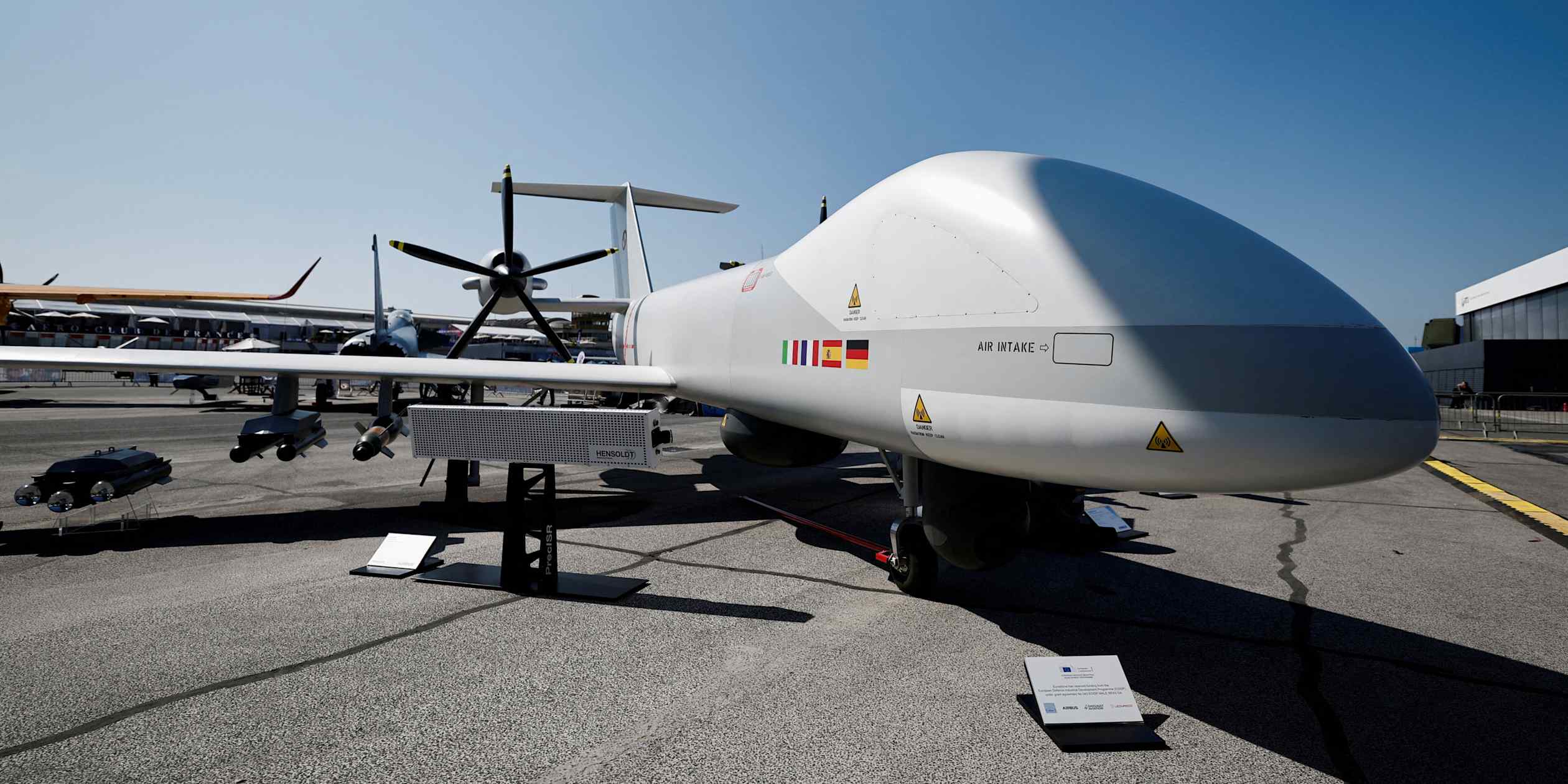
Kawasaki Heavy and Airbus to team up on anti-submarine drone for Japan
Kawasaki Heavy Industries is collaborating with Airbus to develop anti-submarine drones, aimed at enhancing Japan's maritime defense capabilities. This partnership, announced on June 26, 2026, will focus on equipping the existing Eurodrone with advanced maritime surveillance technology provided by Kawasaki. The initiative is intended to bolster Japan's defense strategy and will be proposed to the country's defense ministry for consideration. The collaboration reflects a growing emphasis on integrating advanced technology into national defense systems, particularly in response to regional security challenges.

Mantis Robotics Extends Potential of Physical AI with New Dual-Arm Fenceless Robot for Industrial and Retail Automation
Mantis Robotics has introduced its latest innovation, the MR-X dual-arm robot, at Automate 2026 in Chicago, showcasing advancements in physical AI for industrial and retail automation. This high-performance robot, capable of lifting up to 70 lbs and operating at speeds of 10.6 m/s, is designed to function without safety fences, allowing for flexible deployment in complex environments. The MR-X is inspired by human biomechanics, enabling it to perform demanding tasks that require both strength and dexterity. Its patented SafetyCore platform provides continuous awareness of its surroundings, allowing the robot to autonomously react to nearby humans without interrupting its operations. This feature eliminates the need for traditional safety infrastructure, enhancing efficiency while maintaining safety standards. Mantis Robotics aims to revolutionize automation with the MR-X, which builds on the success of its predecessor, the MR-1, known for its certified fenceless operation. CEO Gerry Vannuffelen emphasized that the MR-X is not just another humanoid robot, but a first-in-class dual-arm system that surpasses both collaborative robots and humanoids in speed and safety. Visitors to Booth 1261 in the South Hall at Automate 2026 can witness the MR-X's capabilities firsthand, interact with the MR-1, and explore the technology that enables rapid deployment without disruption. Mantis Robotics invites attendees to schedule personalized walkthroughs and learn about priority access for early customers.
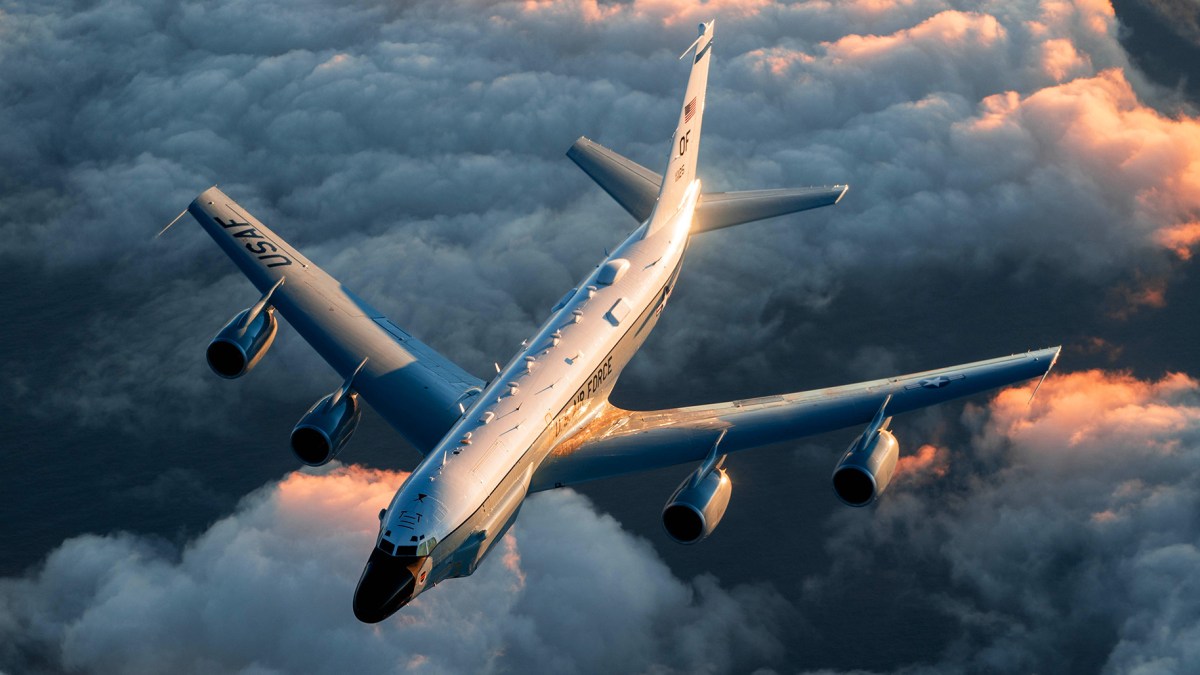
RC-135 Rivet Joints Could Control Drones To Drastically Expand Collection Capabilities
The RC-135 Rivet Joint, a reconnaissance aircraft, is exploring the potential of integrating drone technology to enhance its operational capabilities. This innovative approach aims to significantly expand the aircraft's data collection abilities. As military technology continues to evolve, the collaboration between manned aircraft and unmanned drones presents new opportunities for intelligence gathering and surveillance. The initiative reflects a broader trend within the defense sector to leverage advanced technologies for improved mission effectiveness. Further developments in this area are anticipated, indicating a shift in how aerial reconnaissance may be conducted in the future.
Air Drones Loyal Wingman Manned ISR News & Features RC-135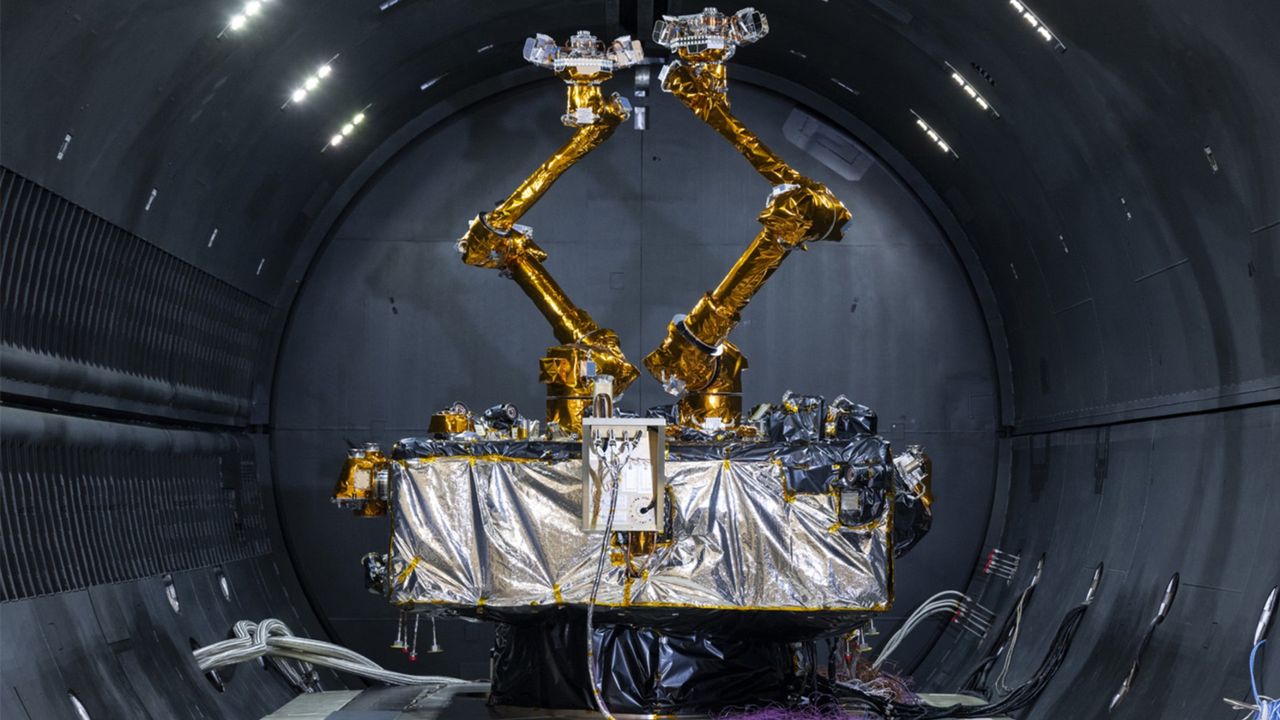
DARPA readies robotic deep-space repair satellite for 2026 launch
The Defense Advanced Research Projects Agency (DARPA) is set to launch a mission this summer to extend the operational lifespan of geosynchronous satellites beyond their typical expiration dates. This initiative aims to address the growing need for sustainable satellite operations in space, allowing for continued functionality and service without the immediate need for replacement. By testing innovative technologies and methods, DARPA seeks to enhance the longevity of these critical assets, which play a vital role in communication, weather monitoring, and national security. The upcoming mission represents a significant step towards ensuring that satellites can remain in service for years longer than previously anticipated.
Satellites Space Exploration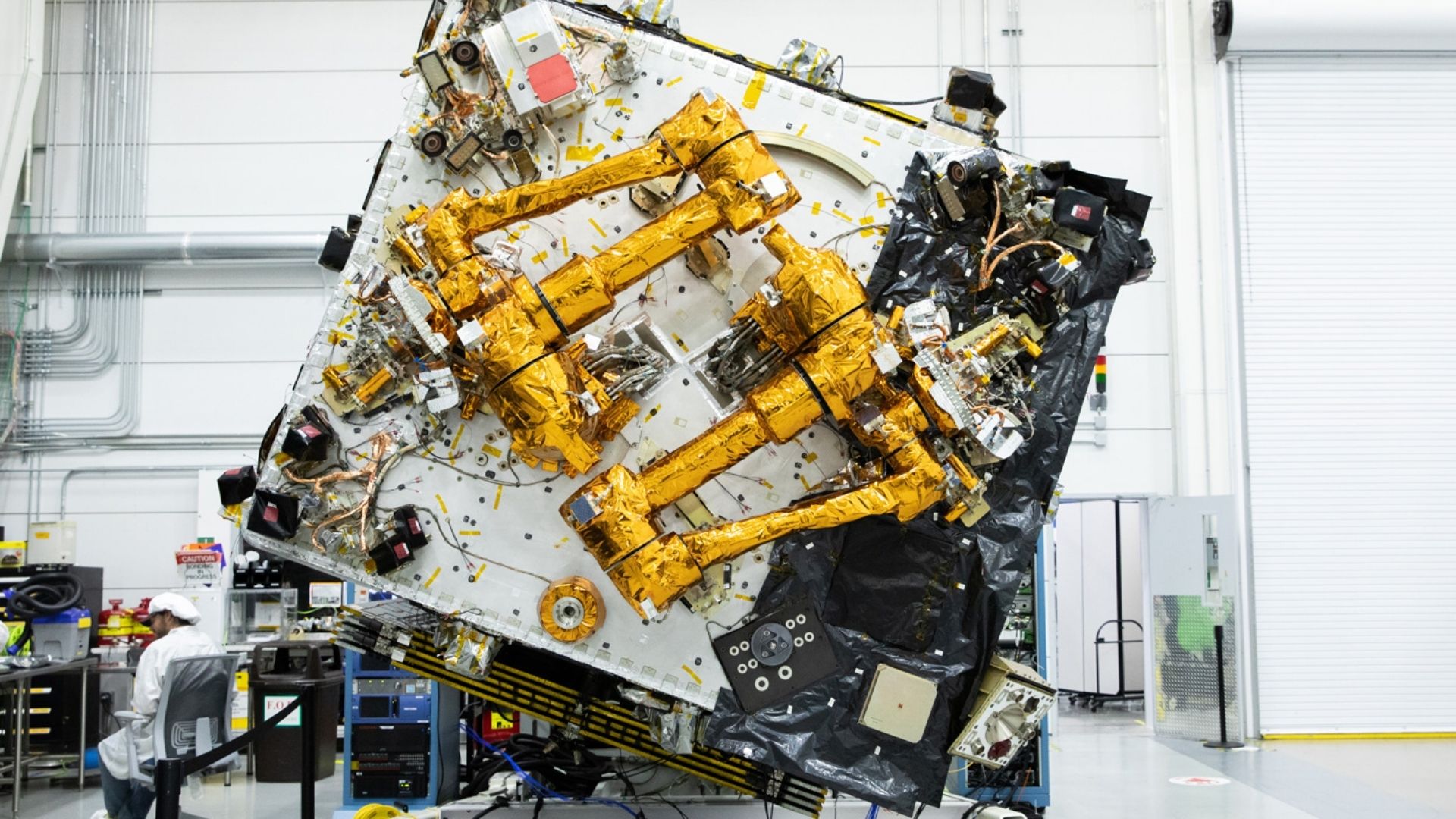
DARPA`s orbital robotic servicing satellite set for 2026 launch
The Defense Advanced Research Projects Agency (DARPA) is set to launch its Robotic Servicing of Geosynchronous Satellites (RSGS) program this summer. This initiative aims to enhance the capabilities of satellites in geosynchronous orbit by enabling robotic servicing, which includes maintenance, upgrades, and repairs. The program is designed to address the growing need for satellite longevity and functionality in an increasingly crowded orbital environment. By employing advanced robotics technology, DARPA seeks to extend the operational life of critical satellite assets, thereby ensuring continued communication and data services. The launch of RSGS represents a significant step forward in satellite servicing, with the potential to revolutionize how space assets are managed and maintained.

Compressed AI Models Enable On-Orbit Satellite Intelligence
A team of researchers has reached a significant milestone in the field of artificial intelligence applied to Earth observation. They successfully developed a compressed AI model that operates efficiently within the constraints of satellite hardware. This breakthrough was achieved through innovative techniques that optimize the model's performance while minimizing resource consumption. The advancement is particularly timely, as the demand for effective Earth monitoring solutions continues to grow, driven by climate change and environmental management needs. By enhancing the capabilities of satellite technology, this research aims to improve data collection and analysis for various applications, including disaster response and resource management. The findings were announced recently, highlighting the potential for AI to transform how we observe and understand our planet from space.
ICEYE delivers Poland’s radar satellite system in under 12 months
ICEYE has successfully delivered the MikroSAR radar satellite reconnaissance system to the Polish Armed Forces, achieving this milestone in under a year following the contract signing. This swift deployment underscores ICEYE's commitment to enhancing Poland's defense capabilities through advanced satellite technology. The MikroSAR system is designed to provide critical reconnaissance data, enabling improved situational awareness and operational effectiveness for military operations. The delivery marks a significant step in strengthening Poland's defense infrastructure and showcases ICEYE's efficiency in fulfilling defense contracts.
News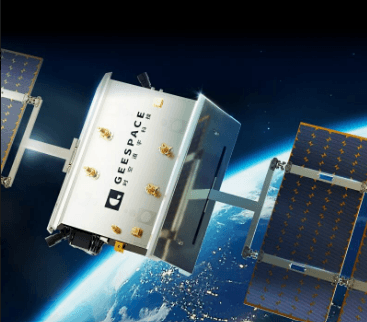
GEESPACE Satellite Network Enters Commercial Inflection Point: From Constellation to Monetization
GEESPACE has announced that its low-orbit satellite network has reached the commercial monetization stage, a significant milestone for China's commercial aerospace sector. This development comes as satellite internet technology is integrated into the country's 15th Five-Year Plan, highlighting the government's commitment to advancing its space capabilities. The successful transition to monetization reflects GEESPACE's efforts to capitalize on the growing demand for satellite internet services, positioning the company at the forefront of the industry. This achievement not only underscores the potential for economic growth within the aerospace sector but also marks a pivotal moment in China's ambitions to expand its influence in global satellite communications.
Industry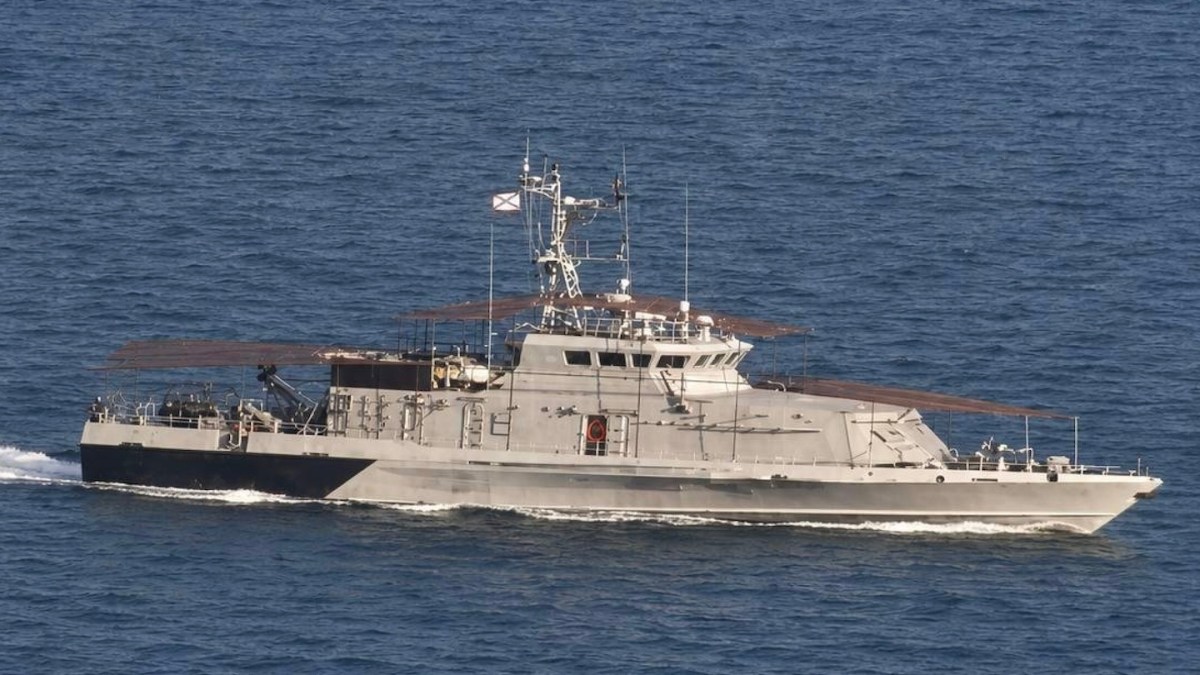
Anti-Drone “Cope Cage” Appears On Russian Patrol Boat
Ukrainian drone attacks on naval targets have prompted the Russian military to enhance its defensive measures, particularly in response to the evolving threat posed by these unmanned aerial vehicles. Recent developments include the introduction of an anti-drone system known as the "Cope Cage" on Russian patrol boats. This innovation comes as traditional overhead screens have proven less effective against the increasing sophistication of drone warfare. The situation highlights the ongoing conflict between Ukraine and Russia, with both sides adapting their strategies to counter the other's capabilities. As the conflict continues, the effectiveness of such defensive technologies will be crucial in safeguarding naval assets in the region.
Sea Around The Globe Drones Europe Navies News & Features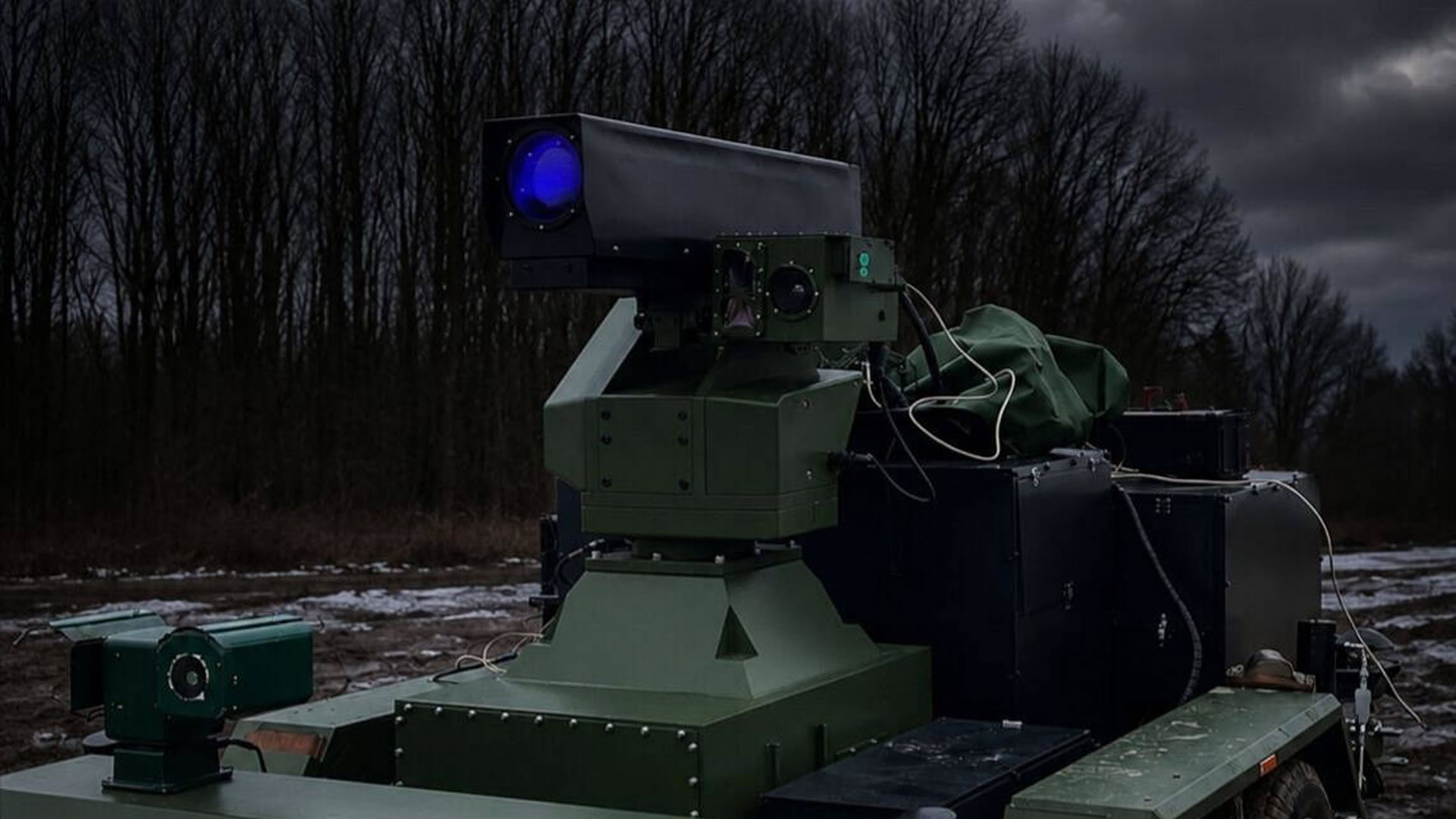
Ukrainian anti-drone laser system with 16400-foot engagement range nears deployment
Ukraine’s Celebra Tech is making significant progress toward the deployment of its Tryzub anti-drone laser weapon, a development that could enhance the country’s defense capabilities amid ongoing conflict. The company has been working diligently to finalize the technology, which aims to counter the increasing threat posed by enemy drones. As tensions continue to escalate, the urgency for effective defense solutions has become paramount. The Tryzub system is designed to target and neutralize drones with precision, potentially shifting the dynamics of aerial warfare in the region. Celebra Tech's advancements are expected to play a crucial role in bolstering Ukraine's military readiness as the nation seeks to protect its airspace from hostile incursions.

Insta360-co-incubated Antigravity launches A1, a 249g 8K 360 drone with headset-based control
Antigravity, a brand developed by Insta360 and its partners, has unveiled the A1 drone, which weighs just 249 grams and features advanced 8K 360-degree recording capabilities through a dual-lens 1/1.28-inch system. This innovative drone is designed with a headset-first approach, allowing users to pair it with Vision goggles that replicate the pilot's head movements in real time. The A1 supports a unique “fly-first, frame-later” workflow, enabling users to capture stunning aerial footage while prioritizing the flying experience. This launch marks a significant advancement in drone technology, catering to both amateur and professional filmmakers looking for high-quality, immersive content.
News Feed
Teradyne To Acquire Quantifi Photonics
Teradyne, a leading provider of automated test equipment, has announced its acquisition of Quantifi Photonics, a company specializing in photonic integrated circuit (IC) testing. This strategic move, revealed on October 23, 2023, aims to enhance Teradyne's capabilities in the high-performance computing market. The acquisition is part of Teradyne's broader strategy to expand its portfolio and address the growing demand for advanced testing solutions in the rapidly evolving technology landscape. By integrating Quantifi's innovative testing technologies, Teradyne seeks to improve its offerings and better serve customers in sectors requiring high-speed data processing and communication. The deal underscores the increasing importance of photonic technologies in computing and aims to position Teradyne as a key player in this emerging field.

Saildrone and Thales Australia Demonstrate Game-changing Capability for Autonomous Anti-Submarine Warfare
Saildrone, a leader in maritime autonomy, has partnered with Thales Australia to successfully integrate the BlueSentry thin-line towed array with the Saildrone Surveyor, resulting in a pioneering system designed for autonomous long-endurance undersea maritime domain awareness (MDA). This innovative project, backed by funding from the Office of Naval Research (ONR), represents a significant advancement in the field of persistent, real-time undersea surveillance. The collaboration aims to enhance the capabilities of maritime operations by providing continuous monitoring of underwater environments, thereby improving security and situational awareness in naval operations. The demonstration highlights the potential for autonomous systems to revolutionize maritime surveillance and response strategies.
saildrone thales australia autonomous anti-submarine warfare (asw)
Saildrone and Palantir Announce Strategic Partnership to Advance AI-Powered Maritime Intelligence
As over 70% of the Earth's surface is covered by ocean, illegal activities often go undetected due to a lack of surveillance by U.S. or allied forces. Multi-mission naval assets are currently stretched thin, balancing high-stakes operations with the need for extensive open-water patrols. This situation has prompted the U.S. and its allies to seek advanced technology solutions to enhance their surveillance capabilities. The urgency for these innovations is driven by the need to optimize limited resources, sharpen strategic focus, and stay ahead of adversaries in maritime security efforts.
saildrone palantir strategic partnership ai maritime intelligence
Agile Robots Unveils Advanced Physical AI Solutions at WAIC 2026 in Shanghai
On July 17, 2026, the World Artificial Intelligence Conference (WAIC 2026) commenced in Shanghai, featuring Agile Robots, a leading intelligent robotics company. Agile Robots showcased its H20 lightweight humanoid robot, H10-W assistant robot, AI therapy robot, and high-precision teleoperation data collection system, emphasizing its vision of linking AI with the physical world. The significance of this event lies in the anticipated growth of the humanoid robot market, with projections indicating that China's production could exceed 100,000 units by the end of 2026. This marks a pivotal moment for the global AI industry, transitioning humanoid robots from experimental stages to large-scale production and real-world applications. Looking ahead, Agile Robots is positioned to capitalize on this industry opportunity, having established a strong technological foundation and extensive commercialization experience. The company aims to enhance its AI algorithms and data ecosystems to support the deployment of humanoid robots across various sectors, including healthcare, logistics, and smart agriculture. No further timeline was disclosed at the time of publication.
Humanoid Robots AI Robotics Technology Healthcare Robotics
SpaceX's $1.75 Trillion Valuation Driven by Starmind's Future Potential
Starmind is a pivotal element in SpaceX's estimated $1.75 trillion IPO valuation, despite currently generating no confirmed revenue. The stock price reflects optimistic projections regarding AI infrastructure growth, which Starmind has yet to substantiate. As of early July 2026, SpaceX's stock has decreased from its 52-week high of $225.64 to around $150, indicating market skepticism about future execution. The significance of Starmind lies in its potential to transform SpaceX's revenue model beyond traditional launch services. Goldman Sachs has shifted its focus from Starlink subscriber growth to the prospects of AI revenue, including orbital computing, as a cornerstone of SpaceX's long-term valuation. This marks a substantial change in how analysts view the company's growth trajectory, necessitating rates exceeding its historical 33% growth. Looking ahead, the credibility of Starmind as a growth narrative will be crucial for maintaining investor confidence. Analysts have noted a considerable divergence in price targets, reflecting uncertainty about the value of the Starmind and xAI initiatives. No further timeline was disclosed at the time of publication regarding specific milestones for these projects.
US Army awards L3Harris contract for VAMPIRE anti-drone systems
The US Army has awarded a $106 million contract to L3Harris for the development of Vehicle-Agnostic Modular Palletised ISR Rocket Equipment (VAMPIRE), a system designed to counter uncrewed aerial threats. This contract, announced recently, aims to enhance the Army's capabilities in addressing the growing challenges posed by uncrewed systems in modern warfare. By leveraging L3Harris's advanced technology, the Army seeks to improve its operational effectiveness and ensure greater security on the battlefield. The initiative reflects a strategic move to bolster defense mechanisms against evolving aerial threats, emphasizing the importance of adaptable and modular systems in military operations.
News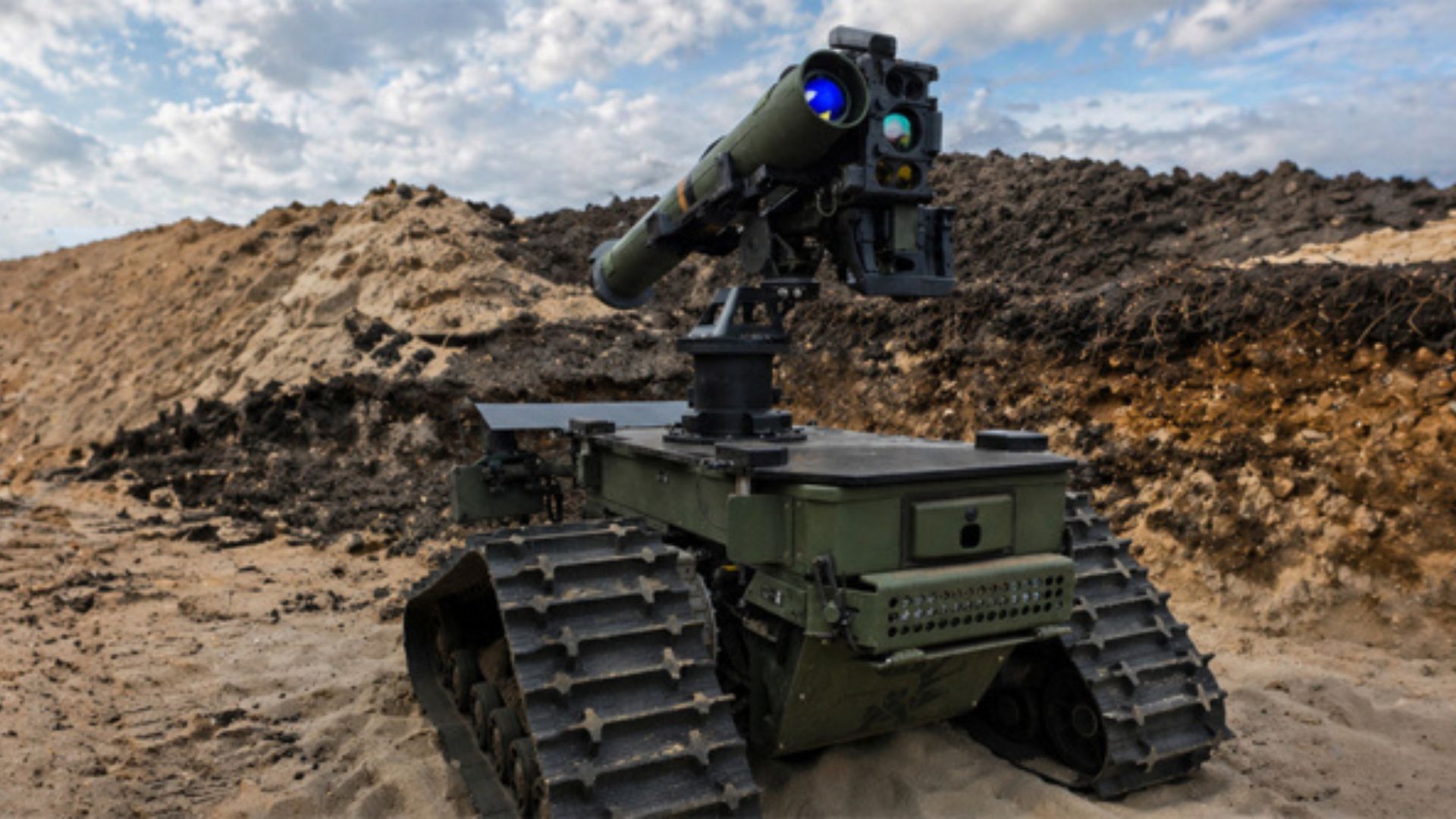
Germany’s Ziesel combat robot fires 3.4-mile anti-tank missiles during military trials
German defense companies have made significant strides in advancing a new combat robot, bringing it closer to deployment on the front lines. This development follows a successful launch that showcased the robot's capabilities. The initiative is part of Germany's broader effort to enhance its military technology and modernize its armed forces amid increasing global security challenges. The combat robot is designed to assist troops in various operations, potentially reducing risks to human soldiers. The successful demonstration of the robot's functions marks a crucial step in integrating advanced technology into military operations, reflecting a growing trend among nations to leverage robotics in defense strategies. As tensions rise in various regions, the push for innovative military solutions underscores the urgency for nations to adapt and strengthen their defense mechanisms.
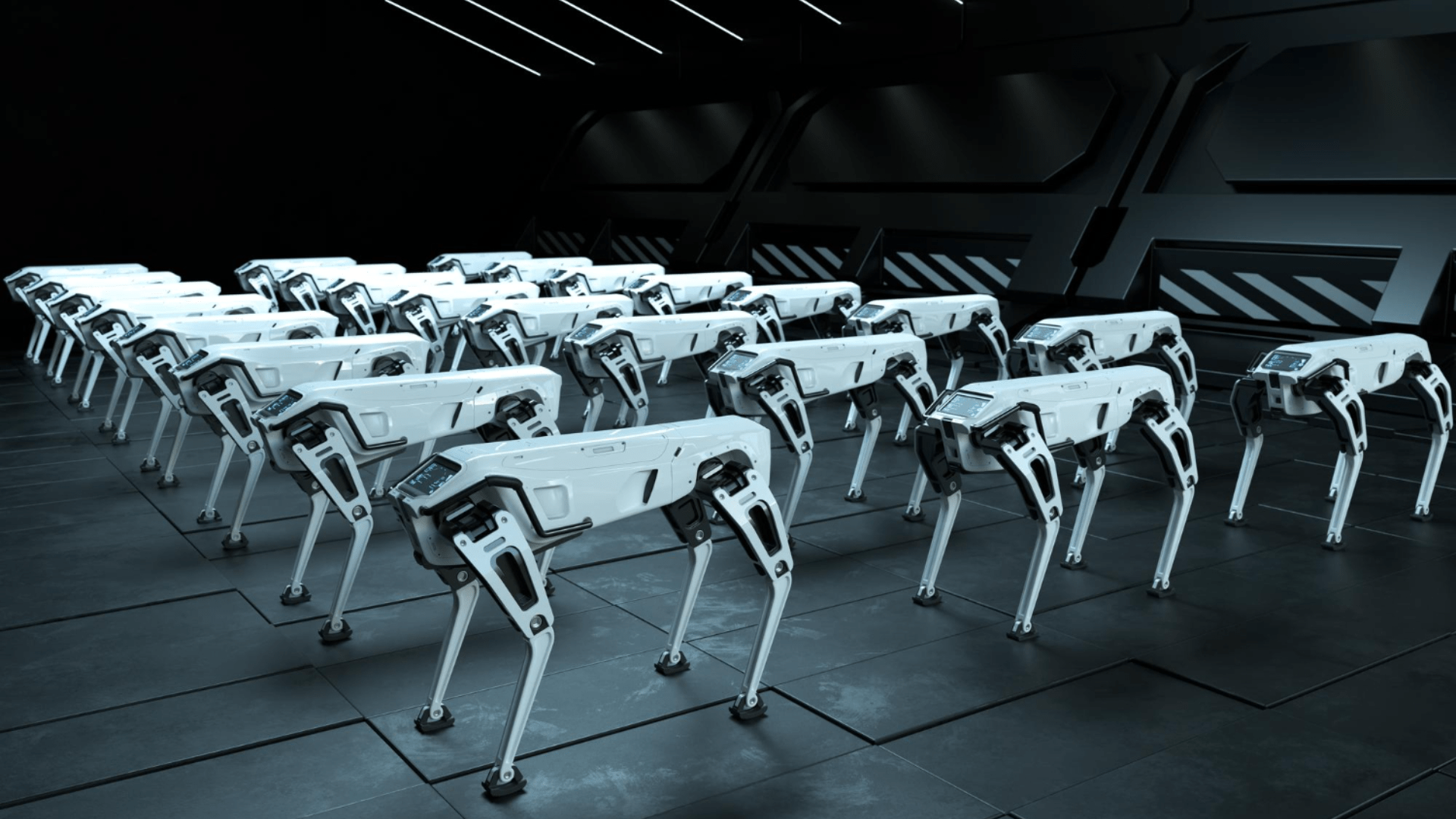
China showcases submarine-launched anti-mine vehicles, robotic combat dogs at defense expo
A new generation of autonomous underwater drones has been developed to detect and neutralize naval mines, marking a significant advancement in maritime security technology. This innovation was unveiled at a recent defense technology conference held in Washington, D.C., where experts gathered to discuss the future of naval warfare. The drones are designed to enhance safety for naval operations by providing a reliable solution to the persistent threat of underwater mines, which pose risks to both military and commercial vessels. The motivation behind this technological breakthrough stems from the increasing need for efficient and effective mine countermeasures in response to evolving maritime threats. By employing advanced sensors and artificial intelligence, these drones can autonomously navigate and identify mines, significantly reducing the risk to human divers and traditional mine-clearing vessels. The development process involved collaboration between defense contractors and military research organizations, leveraging cutting-edge technology to improve operational capabilities. As naval forces worldwide seek to modernize their fleets, this innovation is expected to play a crucial role in enhancing maritime security and ensuring safe passage in contested waters.

Vision‐Based Runway Detection and Localization for Aircraft Landing in Global Navigation Satellite System‐Denied Environments
In the May 2026 issue of the Journal of Field Robotics, researchers have published a groundbreaking study that explores advancements in autonomous robotic systems. The study, conducted by a team of engineers and scientists, focuses on enhancing the navigation capabilities of robots in complex environments. This research aims to address the growing demand for efficient and reliable robotic solutions in various industries, including agriculture, logistics, and disaster response. The findings reveal innovative algorithms that enable robots to better interpret their surroundings and make real-time decisions, significantly improving their operational efficiency. The team conducted extensive field tests to validate their models, demonstrating the robots' ability to navigate challenging terrains while avoiding obstacles and adapting to dynamic conditions. This research is particularly timely as industries increasingly rely on automation to boost productivity and safety. By advancing the technology behind autonomous navigation, the study contributes to the broader goal of integrating robots into everyday tasks, ultimately transforming how businesses operate and respond to emergencies. The implications of this work could lead to more widespread adoption of robotic systems, paving the way for a future where robots play a crucial role in enhancing human capabilities.
RESEARCH ARTICLE
Import AI 448: AI R&D; Bytedance's CUDA-writing agent; on-device satellite AI
As the conflict in Ukraine continues to evolve, experts are raising questions about the potential for artificial intelligence (AI) to play a significant role in future warfare. The ongoing war, characterized by extensive drone usage, is being viewed as a precursor to what could be the first major AI-driven conflict. Analysts suggest that advancements in AI technology could soon transform military strategies and operations, leading to a new era of warfare. The discussion comes amid increasing investments in AI by various nations, as they seek to enhance their military capabilities. With the rapid development of autonomous systems and machine learning algorithms, the integration of AI into combat scenarios is becoming more plausible. This shift raises concerns about the ethical implications and the potential for unintended consequences in warfare. As military leaders and policymakers assess the lessons learned from the Ukraine conflict, they are also contemplating how AI could change the dynamics of future battles. The urgency to address these developments is underscored by the need for international regulations to govern the use of AI in military applications. The ongoing discourse highlights the importance of preparing for a future where AI could fundamentally alter the landscape of global conflict.

Survive the Quarantine Zone and More With Devolver Digital Games on GeForce NOW
At the Consumer Electronics Show (CES) 2023, NVIDIA generated excitement among attendees with a series of significant gaming announcements. The company unveiled a native GeForce NOW app designed for Linux and Amazon Fire TV sticks, responding to community requests for enhanced accessibility. Additionally, NVIDIA introduced flight-control support, further expanding its gaming capabilities. The event showcased a robust lineup of AAA titles, highlighting NVIDIA's commitment to delivering cutting-edge gaming experiences. This launch marks a strategic move by NVIDIA to strengthen its presence in the gaming market and cater to the evolving needs of gamers.

SpaceX's Starmind Targets AI Labs with $6.3 Billion Compute Contracts
SpaceX's Starmind is designed to provide wholesale AI compute services to businesses, particularly AI labs and cloud customers, rather than individual consumers. The service operates similarly to AWS, where users benefit from applications running on Starmind without direct subscriptions. The compute capacity of a single AI1 satellite is comparable to one NVIDIA GB300 rack, emphasizing its enterprise-grade capabilities. The significance of Starmind lies in its positioning as a potential fourth hyperscaler, joining the ranks of AWS, Microsoft Azure, and Google Cloud. The Reflection AI contract, valued at $150 million per month, exemplifies the enterprise-focused model, with total payments potentially reaching $6.3 billion through 2029. This contract highlights the growing demand for AI compute resources, particularly from AI-native startups and labs. Looking ahead, the focus will remain on securing additional enterprise contracts as Starmind expands its offerings. No consumer-facing products or subscriptions have been announced, and the current strategy is to cater to businesses with substantial AI workloads. No further timeline was disclosed at the time of publication.
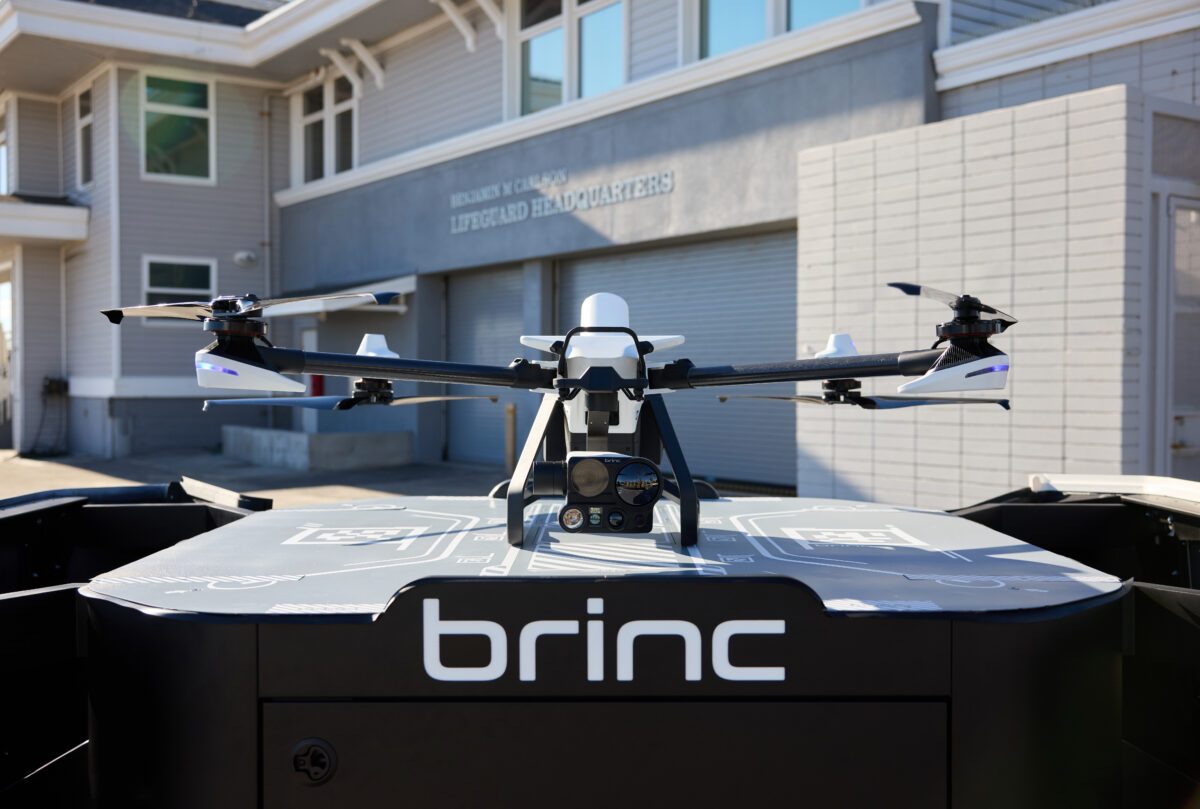
What Starlink Actually Changes for Police Drones: A Look at BRINC’s Guardian
At the recent Motorola Solutions Summit, Blake Resnick discussed the innovative capabilities of BRINC's new Guardian drone, which features integrated Starlink satellite connectivity. This advancement is poised to significantly enhance police drone operations by providing improved connectivity, redundancy, and extended range. The integration of Starlink technology could reshape how law enforcement agencies utilize drones in real-world scenarios, allowing for more effective responses in critical situations. As public safety continues to evolve, the Guardian drone represents a potential new standard for first responders, leveraging cutting-edge technology to meet the demands of modern policing.
Applications DL Exclusive Drone News Drone News Feeds Drones in the News Featured – Safety and Security
A 'Formula One' Pace: Tesla's Optimus Director Teases Gen 3 Prototype in New Recruitment Push
A recently released team photo has sparked renewed speculation regarding Tesla's forthcoming Optimus Gen 3, featuring a striking all-black humanoid figure. The image has caught the attention of industry observers and enthusiasts alike, raising questions about the advancements in Tesla's robotics division. In conjunction with this unveiling, Director Konstantinos Laskaris has made a public appeal for engineering talent, emphasizing the need for skilled professionals to contribute to the development of this innovative technology. The call for talent highlights Tesla's commitment to pushing the boundaries of robotics and artificial intelligence, as the company aims to enhance its capabilities in this rapidly evolving field. As anticipation builds for the Optimus Gen 3, the combination of the intriguing photo and Laskaris's recruitment efforts underscores Tesla's strategic focus on advancing its robotic solutions.
Optimus Tesla US Optimus gen 3 Konstantinos Laskaris
FET Supplies ROV for River Bed and Offshore Wind Surveys in the United States
Forum Energy Technologies’ Subsea Product Line has secured a contract to sell an electric Sub Atlantic Super Mohawk II remotely operated vehicle (ROV) along with a Dynacon Launch and Recovery (LARS) system to a subsea organization based in North America. This transaction represents a significant milestone for the company, as it marks their inaugural sale aimed at conducting river bed assessments in addition to surveying offshore wind farms. The ROV is specifically designed for shallow water operations and will be deployed in the Northeastern United States, enhancing the capabilities of subsea operations in the region.
forum energy technologies (fet) rov river bed offshore wind surveys sub atlantic super mohawk ii
Tesla Faces Pressure to Increase AI Investment Amid Promises of Autonomous Driving
Tesla Inc. is under scrutiny from Wall Street regarding its commitments to artificial intelligence, autonomous driving, and robotics. Investors are urging the company to translate its numerous promises into tangible financial investments in these technologies. The demand for increased spending on AI is significant as Tesla has made bold claims about its capabilities in autonomous driving and robotics. The expectation is that the company should back these claims with substantial financial commitments to ensure progress and innovation in these areas. Looking ahead, it will be important to monitor Tesla's response to this pressure and whether it will adjust its budget to meet investor expectations. No further timeline was disclosed at the time of publication.
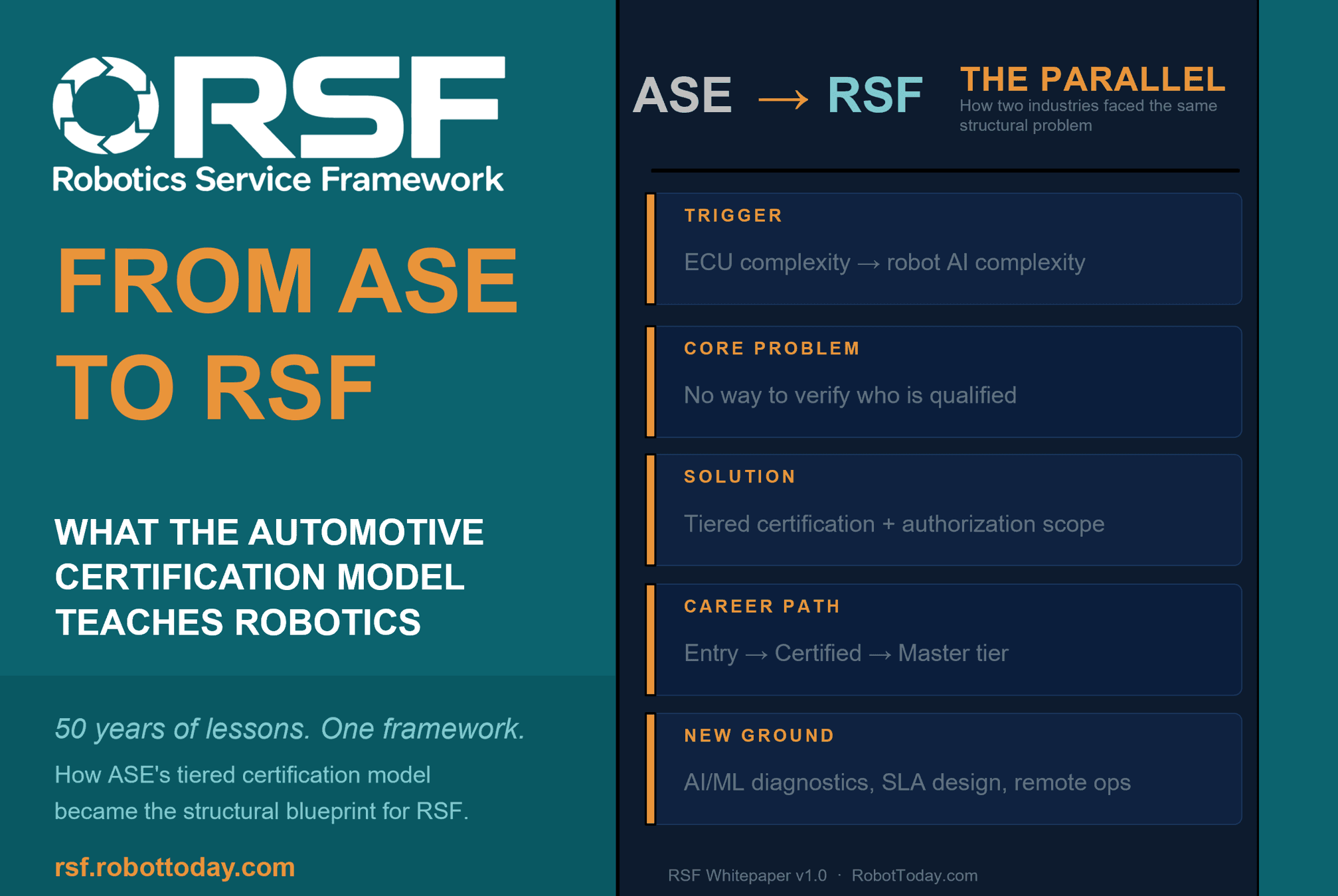
Robotics needs a service framework.
RSF defines a common language for robot service capability, lifecycle operations, certification pathways, and service-provider networks.