Industry Briefing
A single destination for timely, editor-curated robotics news from around the world.

BridgeDP Robotics Secures Significant Pre-A+++ Funding for Universal Robot Operating System Development
BridgeDP Robotics has announced the completion of a Pre-A+++ funding round, led by China Mobile Chain Long Fund, with additional investments from existing shareholders. The funding, amounting to hundreds of millions, will support the development of the RoboCraft AI platform, enhance production capacity for cross-body motion data, and improve motion control models. This funding is crucial as the robotics industry transitions from technology validation to large-scale applications, shifting competition towards foundational infrastructure and platform capabilities. BridgeDP Robotics aims to leverage its expertise in motion control to create a universal robot operating system, addressing the challenges of deploying robots in unstructured environments. Looking ahead, BridgeDP Robotics plans to deepen its core advantages in motion control while building a comprehensive infrastructure that includes the RoboCraft AI platform, a motion data factory, and motion control models. No further timeline was disclosed at the time of publication.
Universal Robot Operating Systems Motion Control AI Robotics Robotics Infrastructure
RevOps for Robotics OEMs Integrates AI Agents as New GTM Operating System
RevOps for robotics OEMs is evolving to unify sales, marketing, and customer success teams under a strategic framework. This integration aims to enhance customer attraction and retention, increase average order value (AOV), and maximize customer lifetime value (CLV), all while optimizing costs. Efficiency is paramount, making tech stack management a critical function of RevOps. The introduction of Go-to-Market (GTM) AI agents is transforming the tech stack, enabling improved predictive forecasting, market data analysis, and buyer intent tracking. These AI agents streamline lead routing, scheduling, and personalized outreach, allowing RevOps teams to focus on innovative strategies to drive revenue growth. The use of GTM AI APIs facilitates the development of core tech stack layers, enhancing the ability to analyze prospect interactions and identify effective sales tactics. As AI agents are integrated into intent layers, they monitor high buying intent signals and enrich prospect profiles by gathering data from various sources. This data is visualized as contact graphs, enabling targeted outreach. A practical example in the robotics OEM sector illustrates how these AI agents enhance operational efficiency and strategic decision-making, ultimately contributing to revenue preservation and growth.
AI agents Technology agentic ai ai agents artificial intelligence automation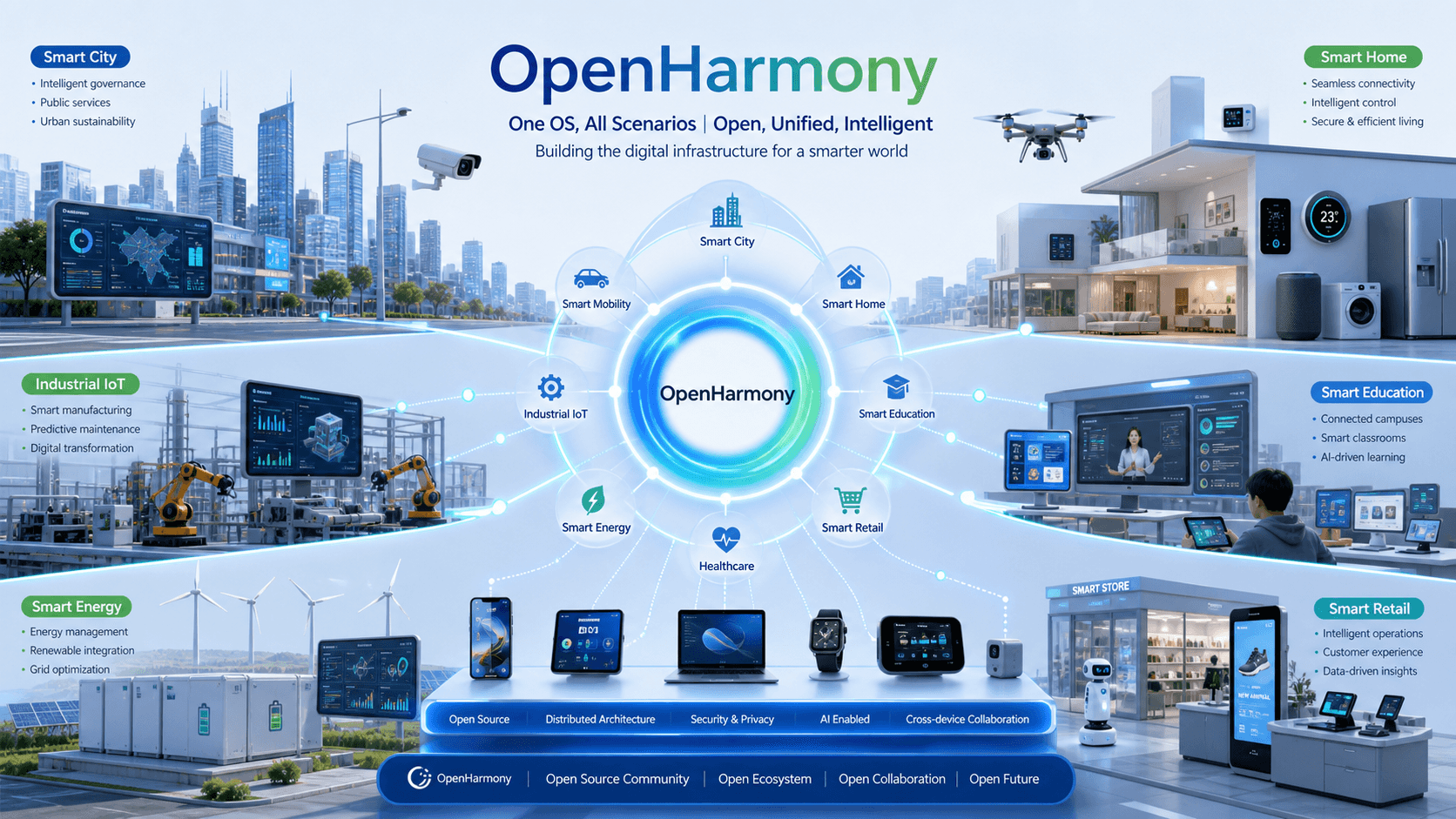
OpenHarmony Achieves Major Milestones in Operating System Development and Ecosystem Growth
OpenHarmony has reached significant milestones, surpassing 13,000 contributors and 140 million lines of code, while powering 1.3 billion devices in its ecosystem. This growth is pivotal for driving digital transformation across various sectors, including mining, power, healthcare, and government services. The expansion of OpenHarmony's ecosystem highlights its role in facilitating technological advancements and improving operational efficiencies in industries that are critical to modern society. With its extensive codebase and contributor network, OpenHarmony is positioned to influence the future of digital infrastructure. Looking ahead, stakeholders should monitor how OpenHarmony continues to evolve and adapt to the needs of diverse industries. No further timeline was disclosed at the time of publication.
Technology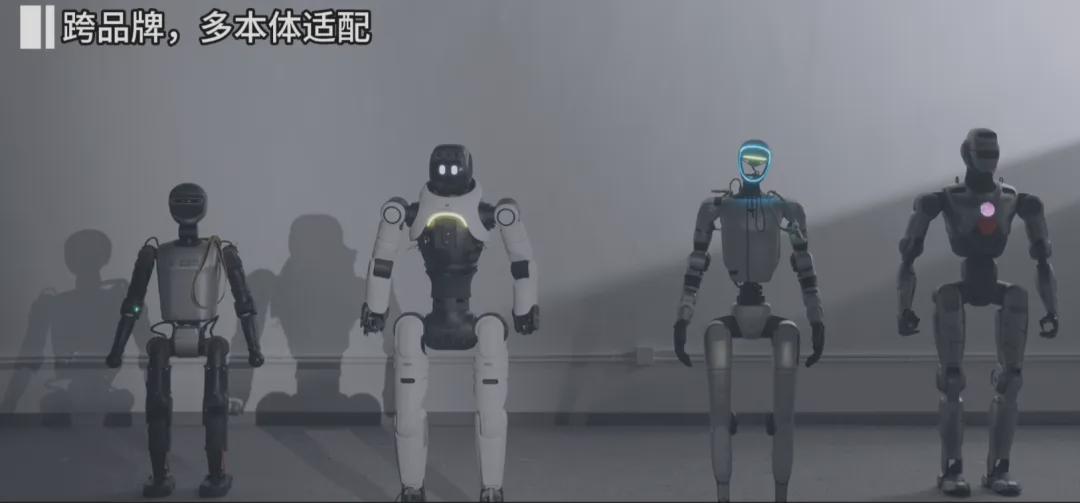
Shenzhen's Qiaojie Robotics Aims to Redefine Robotics with New Operating System
Qiaojie Robotics has emerged as a leader in motion control for bipedal robots, claiming to have the highest number of configurations globally, according to founder Shang Yangxing. At the 2026 World Robotics Conference, the company showcased its RoboCraft AI and discussed advancements in embodied intelligence technology with industry partners. The significance of Qiaojie's approach lies in addressing a major pain point in the robotics industry: the need for teams to relearn basic functions with each new robot. Shang Yangxing emphasized that their goal is to create a universal operating system that encapsulates the underlying capabilities of robotic hardware, making it accessible for users unfamiliar with robotics. Looking ahead, Qiaojie Robotics is focused on developing a three-layer operating system, with the Motion layer as its foundation. This approach differentiates it from traditional systems like ROS, which do not encapsulate motion capabilities effectively. No further timeline was disclosed at the time of publication.
Robotic Operating Systems Motion Control Humanoid Robots AI Robotics Innovation
Axiom Math Verifies 246 Theorem Using AI System AxiomProver
Axiom Math has achieved a significant milestone by using its AI system, AxiomProver, to automatically verify the proof of the 246 theorem, which relates to prime numbers. This formal verification represents a notable advancement in number theory, although it does not guarantee absolute correctness due to potential bugs in the verification process. The verification of the 246 theorem is crucial as it formalizes the current limits of human understanding regarding prime numbers. Ken Ono, Axiom Math's founding mathematician, emphasized its importance, stating that it marks a threshold in mathematical knowledge. The achievement also highlights the potential of AI in verifying AI-generated computer code, which is increasingly relevant in today's software landscape. Looking ahead, Axiom Math aims to leverage the components of the formalization for broader mathematical research. The techniques developed could play a vital role in ensuring the safety and correctness of AI-generated code, which is becoming integral to various societal systems. No further timeline was disclosed at the time of publication.
Mathematics Prime-numbers Ai-reasoning Ai-generated-software
Peridio Launches Avocado OS 1.0: the Production Operating System for Physical AI
Avocado 1.0 gives hardware teams a single, declarative path from prototype to fleet: describe a system in one configuration file, and three commands produce a signed, immutable image running on real hardware. What has historically demanded a dedicated operating-system team, a build server, and timelines measured in quarters now runs on a laptop in minutes.
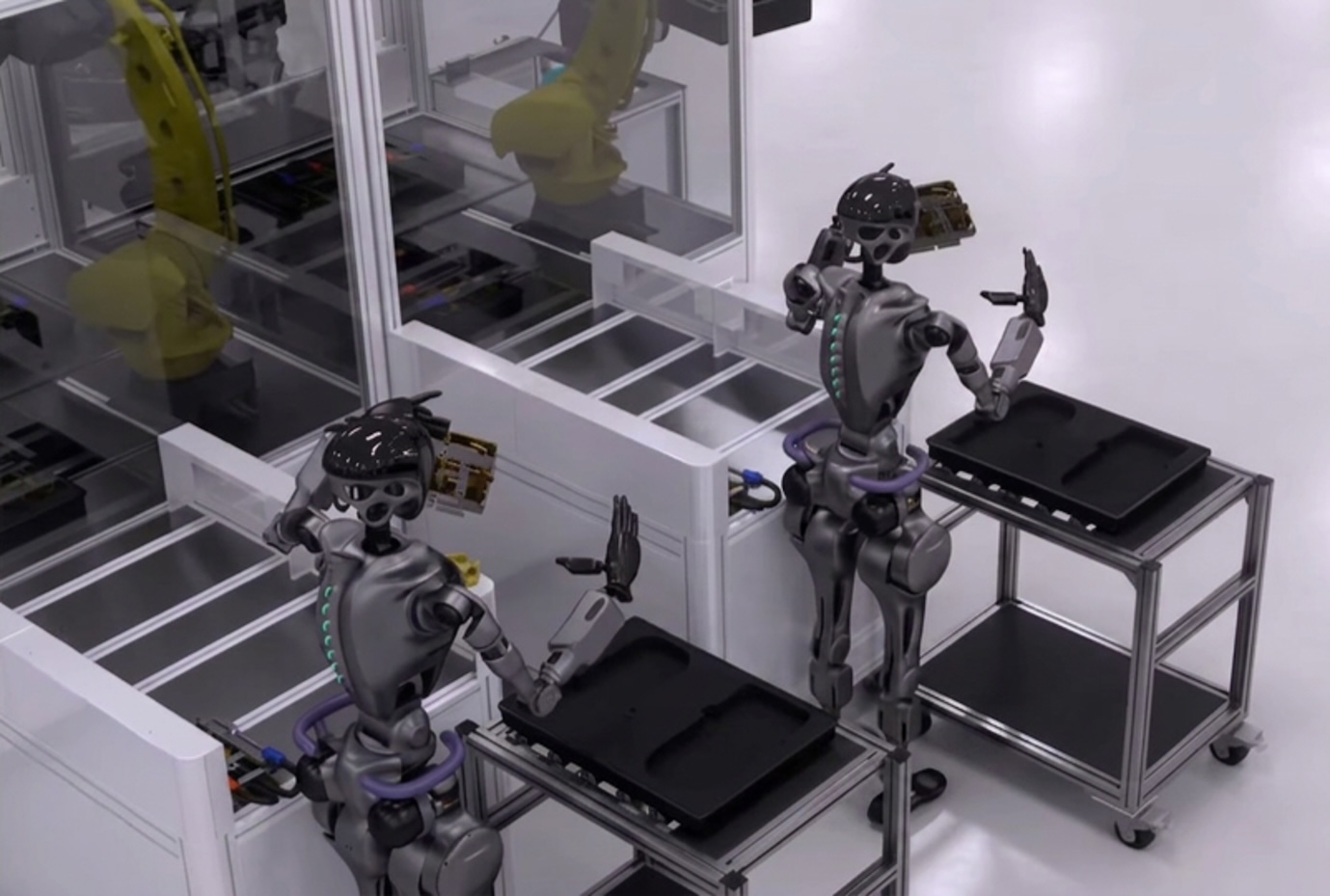
SpaceX Proposes 1 Million AI Satellites to Address Ground Data Center Constraints
On January 30, 2026, SpaceX filed with the FCC to launch up to 1 million AI compute satellites, positioning orbital data centers as a solution to the increasing demand for AI computing power. Ground data centers are facing significant challenges, with energy consumption projected to reach approximately 1,050 TWh in 2026, making them the fifth-largest electricity consumer globally. The demand for new data center capacity is outpacing the growth of power generation infrastructure, leading to a critical bottleneck in the grid system. The significance of this initiative lies in the structural constraints faced by ground data centers, including power delivery limitations, high water consumption, and local opposition to new projects. The Uptime Institute's 2026 outlook identifies power as the primary constraint on data center growth, with capacity clearing prices in the PJM grid skyrocketing to $329.17/MW, driven by data center expansion. Additionally, cooling requirements are becoming increasingly unsustainable, with facilities consuming vast amounts of water, further complicating their operational viability. Looking ahead, SpaceX's orbital AI compute initiative aims to circumvent these challenges by leveraging the advantages of space, such as continuous solar power and minimal local opposition. The first AI prototypes are expected to launch in early 2027, with operational deployments planned for 2028. No further timeline was disclosed at the time of publication.
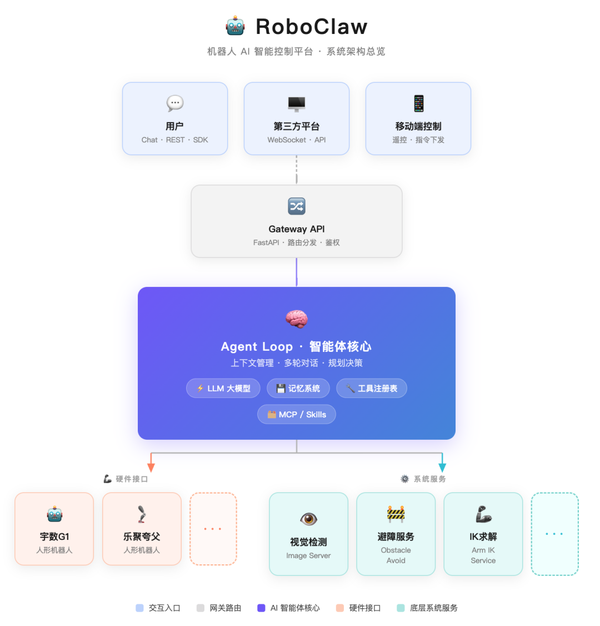
Major Release: ZhiYuan Research Institute Unveils RoboClaw Embodied Intelligence Operating System
The ZhiYuan Research Institute, in partnership with Xuanji Intelligent and Mianbi Intelligent, has unveiled the RoboClaw operating system, a groundbreaking development aimed at enhancing embodied intelligence in robotics. Launched recently, this innovative system allows robots to autonomously perform tasks by engaging in natural language interactions, effectively bridging the gap between artificial intelligence comprehension and practical execution in the physical world. The initiative reflects a significant advancement in robotics technology, aiming to improve the efficiency and versatility of robots in various applications.
Embodied Intelligence Robotics AI Automation Natural Language Processing
ZhiYuan Research Institute Launches RoboClaw Embodied Intelligence Operating System for Plug-and-Play Robots
The RoboClaw operating system, a collaborative effort by ZhiYuan Research Institute, Xuanji Intelligent, and Mianbi Intelligent, has been unveiled as a groundbreaking solution for robotic automation. This innovative system allows robots to perform tasks autonomously through natural language commands, removing the necessity for coding or specialized operational skills. By facilitating seamless communication between artificial intelligence and physical task execution, RoboClaw aims to enhance the efficiency and accessibility of robotic technology. This development represents a significant step forward in making advanced robotics more user-friendly and versatile, potentially transforming various industries that rely on automation.
Embodied Intelligence Robotics AI Automation SaaS
Combining the robot operating system with LLMs for natural-language control
In recent decades, robotics researchers have made significant advancements in the development of autonomous robots capable of performing a variety of real-world tasks. These innovations aim to enable robots to operate effectively in diverse environments, including public spaces, homes, and offices. A critical aspect of this progress is the robots' ability to understand and interpret instructions from human users, allowing them to adapt their actions in response to specific needs and situations. This evolution in robotics is driven by the growing demand for intelligent automation solutions that enhance efficiency and user interaction in everyday life.
Robotics
NVIDIA Enters Production With Dynamo, the Broadly Adopted Inference Operating System for AI Factories
NVIDIA has unveiled NVIDIA Dynamo 1.0, an open-source software designed for generative and agentic inference at scale, marking a significant advancement in artificial intelligence technology. The announcement was made today, highlighting the software's potential for widespread global adoption across various industries. This initiative aims to enhance the capabilities of AI systems, enabling them to generate and infer data more efficiently and effectively. By making Dynamo 1.0 open-source, NVIDIA seeks to foster collaboration and innovation within the tech community, encouraging developers and researchers to contribute to and expand upon the software's functionalities. This move aligns with NVIDIA's commitment to advancing AI technology and supporting its integration into diverse applications worldwide.
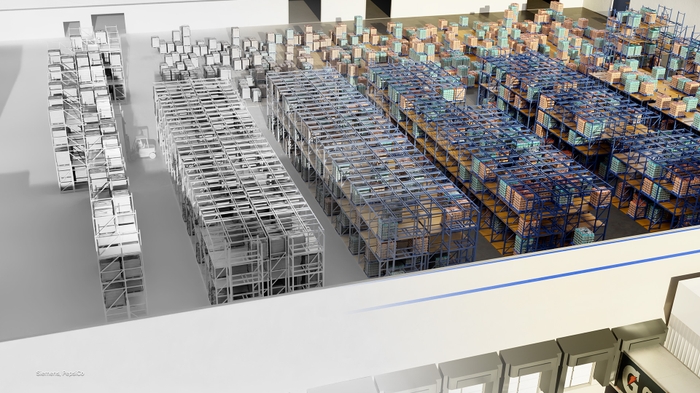
Siemens and NVIDIA Expand Partnership to Build the Industrial AI Operating System
Siemens and NVIDIA have announced a major expansion of their strategic partnership aimed at integrating artificial intelligence into practical applications. The announcement was made today, highlighting the companies' commitment to advancing AI technology for real-world use. This collaboration seeks to leverage NVIDIA's cutting-edge AI capabilities alongside Siemens' expertise in industrial automation and digitalization. By combining their strengths, the two companies aim to enhance productivity and innovation across various sectors, ultimately driving digital transformation in industries worldwide. This initiative reflects a growing trend among technology leaders to harness AI's potential to improve operational efficiency and create smarter solutions for complex challenges.
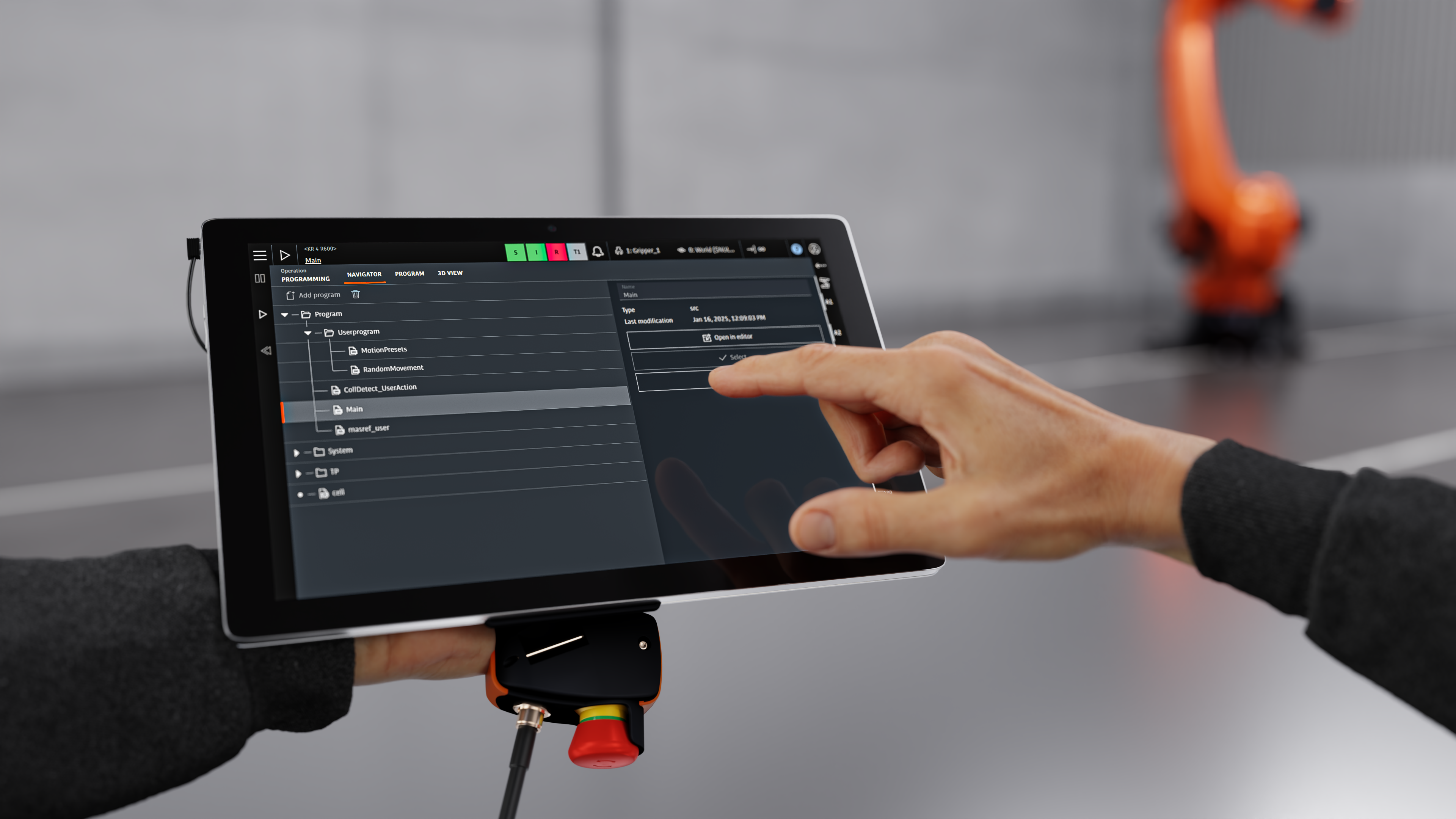
iiQKA.OS2 operating system: Virtual robot controller for production of the future
KUKA has unveiled its innovative iiQKA.OS2 operating system, designed to enhance digital manufacturing capabilities. This scalable and customizable platform features a comprehensive virtual robot controller (VRC) and is equipped with AI capabilities, ensuring compliance with the upcoming ISO 10218:2025 standards and bolstering cyber resilience. The new operating system, which was introduced recently, aims to future-proof manufacturing processes by providing a user-friendly web-based interface. Users can now operate the system with their own teach pendants or the KUKA smartPAD, significantly improving accessibility and ease of use for operators. This advancement reflects KUKA's commitment to advancing automation technology and meeting the evolving needs of the manufacturing industry.
Robotics needs a service framework.
RSF defines a common language for robot service capability, lifecycle operations, certification pathways, and service-provider networks.
Join the RobotToday community on LinkedIn
Daily robotics news, in-depth analysis, conference highlights, and discussions with professionals worldwide.