

Industry Briefing
A single destination for timely, editor-curated robotics news from around the world.
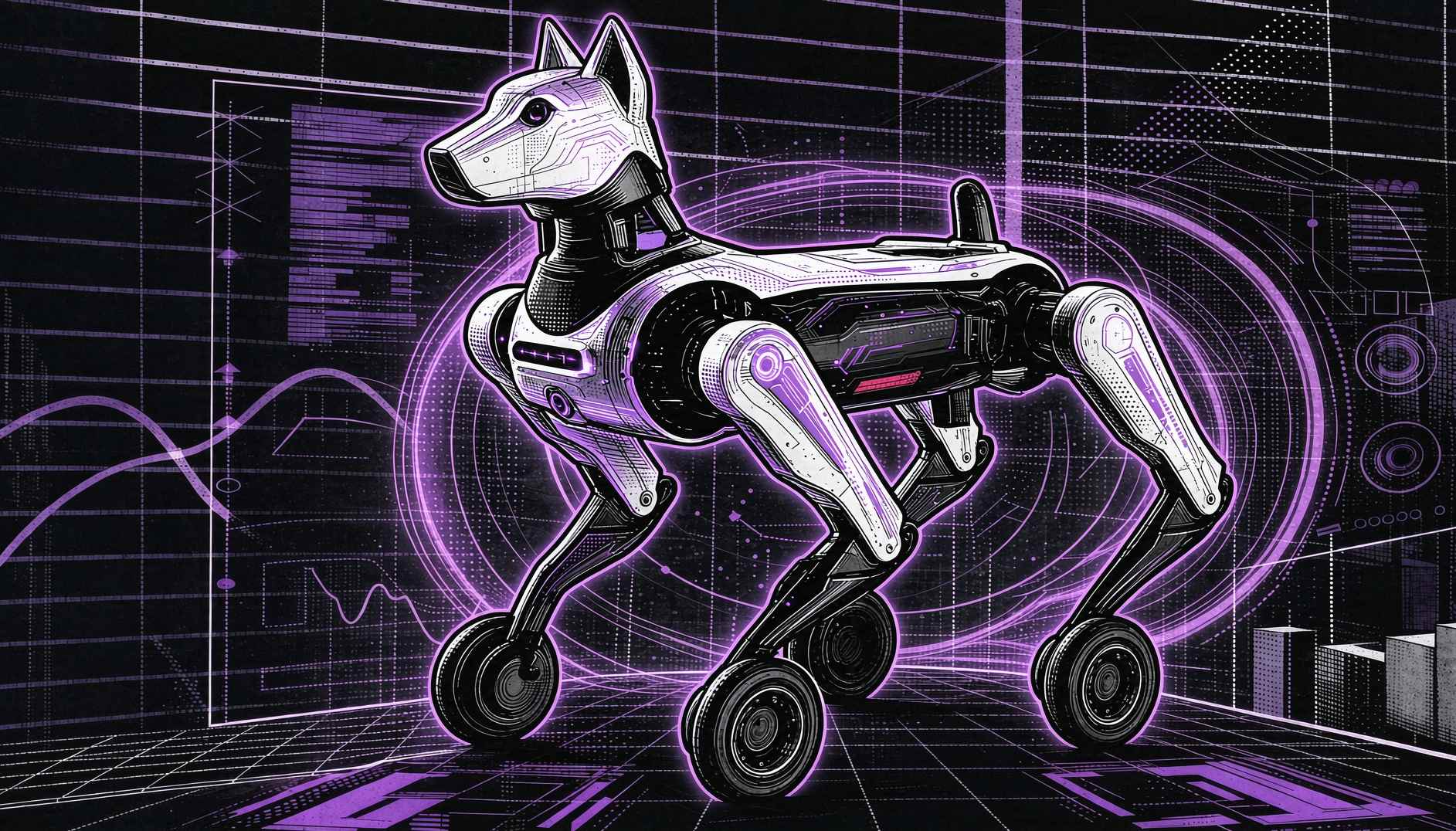
Brain-Controlled Prosthetics and Guide Robots Showcased at 2026 Beijing Welfare Expo
At the 2026 China International Welfare Expo, brain-controlled prosthetics and guide robots were unveiled, showcasing advanced assistive technologies. The event featured over 10,000 products aimed at improving the daily lives of disabled individuals and the elderly, with a dedicated section for brain-machine interface technologies. The introduction of brain-controlled rehabilitation devices, such as the robotic hand developed by Yanshan University and Yuan Brain Qilian, marks a significant advancement in assistive technology. These devices, weighing approximately 500 grams, are currently undergoing clinical testing and show superior training outcomes compared to traditional therapies. Looking ahead, the expo highlighted the potential for smart guide dogs, with companies like Beijing Cyberwan and Chengdu Chuqian Technology planning to deliver thousands of units by the end of the year. However, challenges remain in ensuring these technologies can adapt to various environments and meet the emotional needs of users. No further timeline was disclosed at the time of publication.
Brain-Computer Interface Prosthetics Assistive Technology Guide Robots Disability Support
Universal Robots Launches Gen 7 Platform for Enhanced Industrial Automation and AI Integration
Universal Robots has introduced the Gen 7 robot platform, which features a complete redesign from the controller to the tool flange. This new platform is designed to be AI-ready right out of the box, equipping companies with advanced software tools and improved connectivity. The significance of the Gen 7 platform lies in its ability to facilitate the transition of AI technologies from research environments into practical industrial applications. This advancement is crucial for companies looking to enhance their operational efficiency and leverage AI capabilities in their processes. Looking ahead, the industry will be keen to observe how the Gen 7 platform impacts the adoption of AI in industrial settings. No further timeline was disclosed at the time of publication.
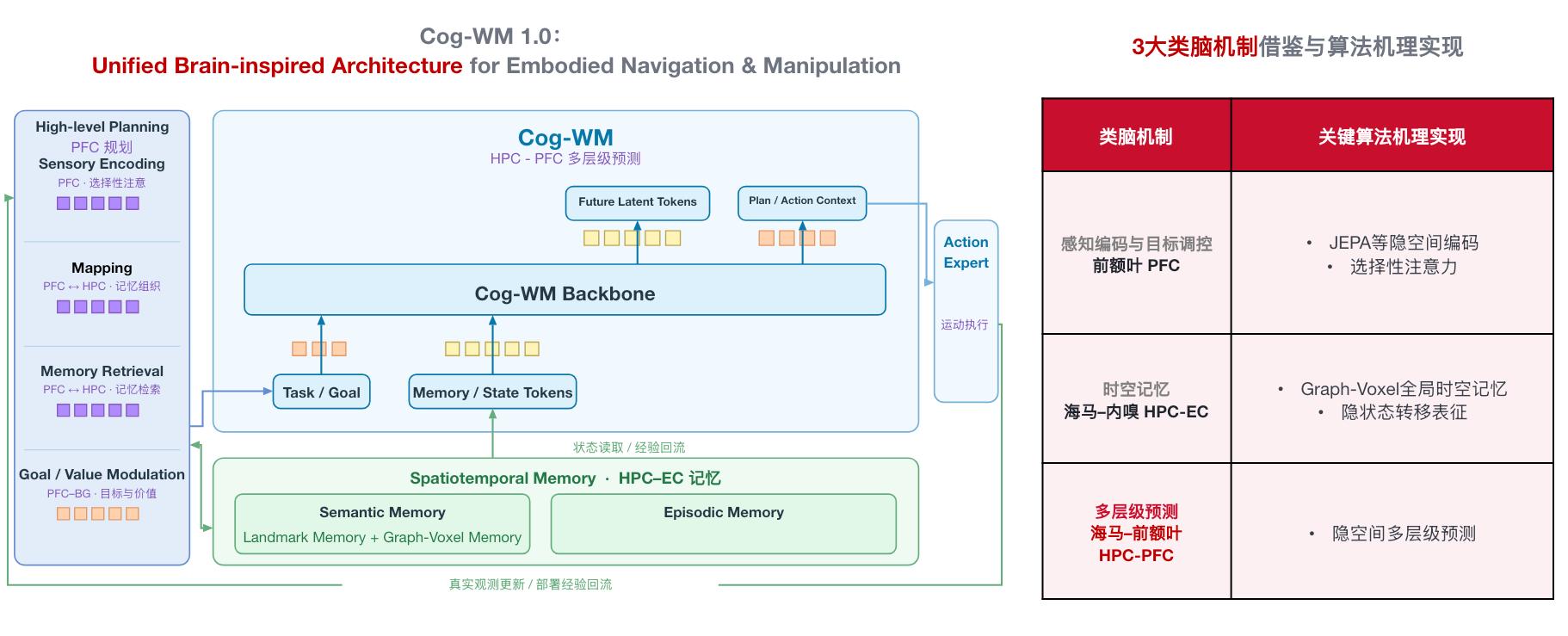
Cog-WM 1.0 Launches as the First Brain-Inspired Cognitive World Model for Robots
On September 14, Shanghai Juna Technology Co., Ltd. officially launched Cog-WM 1.0, the world's first brain-inspired cognitive world model, at the 2026 Pujiang Innovation Forum. This model, based on systematic brain-like neural mechanisms, has demonstrated capabilities in autonomous navigation and manipulation without relying on pre-built maps. Cog-WM 1.0's significance lies in its ability to enhance robotic autonomy in unfamiliar environments, achieving over a 10% improvement in navigation success rates compared to existing state-of-the-art models. It allows robots to perform tasks such as spatial memory retrieval and object searching, marking a significant advancement in embodied intelligence. Looking ahead, the focus will be on how Cog-WM 1.0 addresses key challenges in robotic cognition, such as reducing reliance on extensive data and improving long-term task completion. No further timeline was disclosed at the time of publication.
Cognitive Robotics Autonomous Navigation AI Technology Robotics Innovation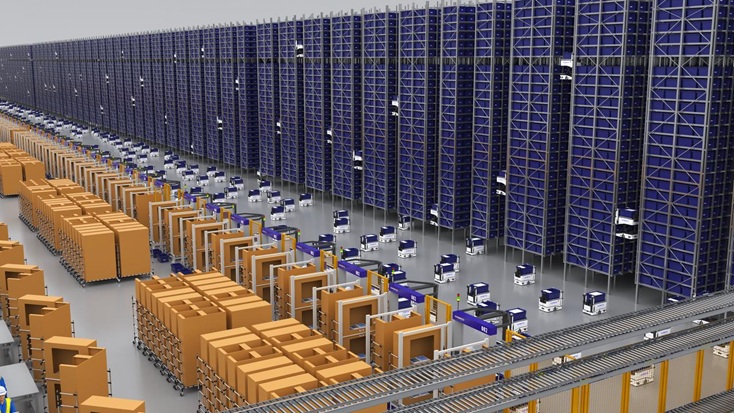
Hai Robotics Chosen for Largest Deployment of Rack-Climbing Warehouse Robots Globally
Hai Robotics has been selected to implement automation technology for a major e-commerce fulfillment center operated by a leading European fashion retailer. This project features the HaiPick Climb system, marking the largest deployment of rack-climbing warehouse robots in the world, with over 1,500 units set to enhance operational efficiency. The significance of this deployment lies in its potential to redefine warehouse automation standards, showcasing HaiPick Climb as a premier solution for high-performance e-commerce fulfillment. The retailer's expansion of its partnership with Hai Robotics emphasizes the growing demand for scalable automation solutions in response to rising online order volumes. Looking ahead, the project underscores the trend towards scalable robotic automation in large-scale fulfillment operations. No further timeline was disclosed at the time of publication.
Industry News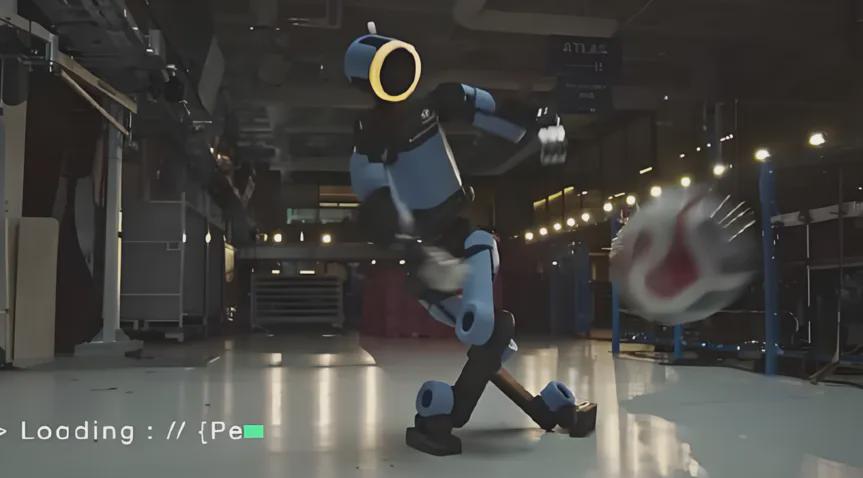
Is Full-Body Intelligence the Next Frontier After Robots Learn to 'Twist Their Waists'?
A newly established company has secured essential components for the low-altitude economy, highlighting the growing demand in this sector. Boston Dynamics has diversified its profitable business by collaborating with a plush toy manufacturer, indicating a shift in focus within the robotics industry. As AI technology evolves, concerns arise about its potential risks, with 88% of enterprises adopting AI, yet only 39% achieving profitability, underscoring the challenges ahead.
Robotics Automation AI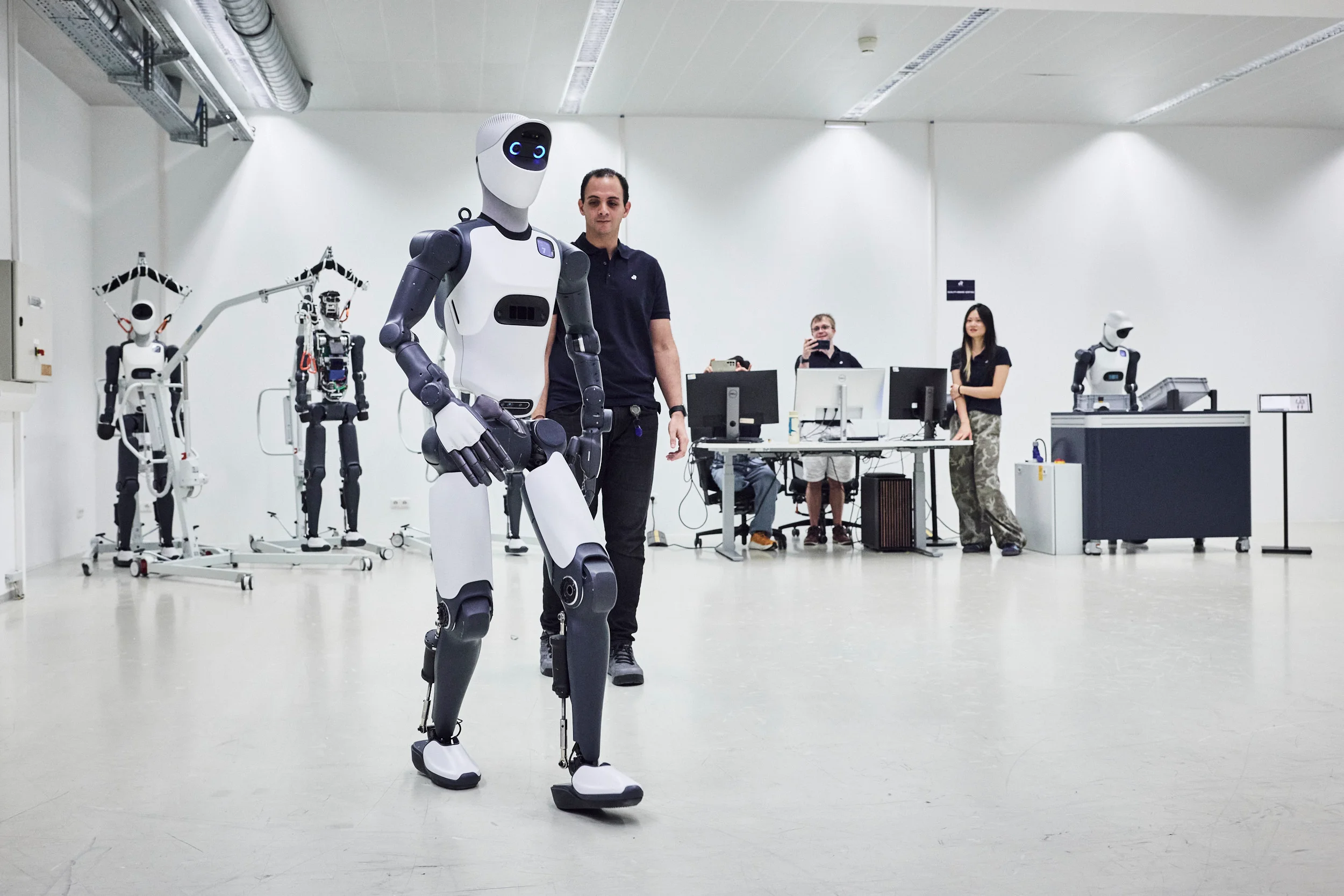
Agile Robots CEO Zhaopeng Chen Predicts Physical AI Market Will Exceed Automotive Sector by Tenfold
At the Physical AI event in Munich, Agile Robots CEO Zhaopeng Chen forecasted that the market for physical artificial intelligence and humanoids will surpass the global automotive industry by ten times. He based this prediction on the current automotive production figures, which see around 90 million vehicles produced annually, generating significant revenue. Chen's vision suggests a shift from traditional vehicle ownership to individual humanoid companions, aligning with broader market analyses that view embodied labor as a multi-trillion-dollar opportunity. However, he expressed skepticism about the immediate capabilities of AI in industrial settings, emphasizing the need for domain expertise and training in manufacturing processes. Attendees at the event were given insights into Agile Robots' approach to integrating physical AI into manufacturing. The company focuses on developing its entire physical AI stack in-house, including advanced end-effectors like the Agile Hand, which features sophisticated joint mechanics and tactile sensitivity, essential for effective operation in industrial environments. No further timeline was disclosed at the time of publication.
Agile ONE Europe Market Agile Robots
Fanuc and Google Collaborate on AI-Driven Welding Robots for Enhanced Automation
Japanese industrial automation firm Fanuc has partnered with Google to create an AI-automated welding system. This innovative solution utilizes robots equipped with artificial intelligence that can interpret blueprints directly, thus removing the need for manual programming. Deliveries of this advanced system are expected to commence in December 2026. This collaboration is significant as it represents a leap forward in automation technology, potentially streamlining manufacturing processes and improving efficiency in welding tasks. By enabling robots to read blueprints autonomously, Fanuc and Google aim to reduce labor costs and enhance productivity in industrial settings, which is crucial for maintaining competitiveness in the global market. Looking ahead, industry stakeholders should monitor the rollout of this AI-driven welding system, particularly its impact on manufacturing workflows and labor dynamics. The anticipated deliveries in December will be a key milestone, and the performance of these robots in real-world applications will be critical to assessing their effectiveness and adoption in various sectors.
Indian Workers Utilize iPhones to Train Humanoid Robots for Future Work
In a recent episode of the Big Take Asia podcast, it was discussed how Indian workers are employing iPhones to train humanoid robots. This innovative approach highlights the intersection of technology and labor, showcasing how real-world data is being harnessed to enhance robotic capabilities. The significance of this development lies in its potential to reshape the future of work. As humanoid robots become more integrated into various sectors, the ability to train them effectively using accessible technology like iPhones could lead to increased efficiency and productivity in the workforce. Looking ahead, the emphasis on real-world data collection will be crucial for the advancement of humanoid robots. The ongoing efforts by Indian workers to utilize everyday devices for training purposes may set a precedent for similar initiatives globally. No further timeline was disclosed at the time of publication.

Hai Robotics to Deploy 1,500 HaiPick Climb Robots at European Fulfillment Center
Hai Robotics has been chosen to supply automation technology for a new e-commerce fulfillment center operated by a prominent European fashion retailer. This initiative will feature the HaiPick Climb system, marking what is described as the largest deployment of rack-climbing warehouse robots globally. The significance of this project lies in its potential to revolutionize warehouse operations within the fashion retail sector. By integrating 1,500 HaiPick Climb robots, the fulfillment center aims to enhance efficiency and streamline logistics processes, setting a new standard for automation in the industry. Looking ahead, stakeholders will be keen to observe the implementation timeline and performance metrics of the HaiPick Climb system. No further timeline was disclosed at the time of publication.
News Warehouse robots automated storage ecommerce fulfillment fashion logistics fulfillment center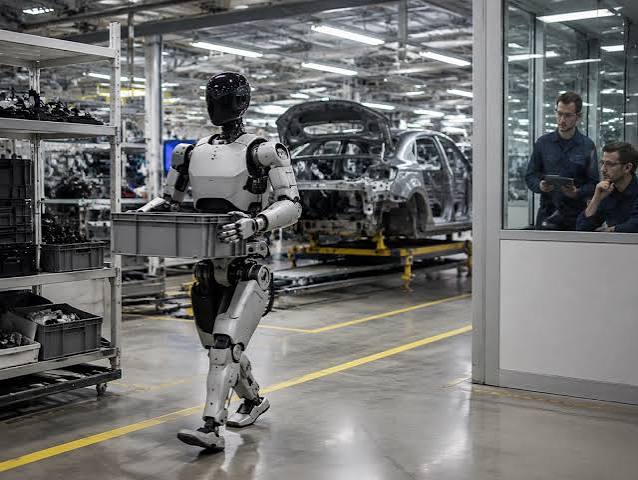
Humanoid Robots Face Hardware Challenges Amid Advancements in AI Technology
In 2026, humanoid robots showcased impressive performances, such as the Yushu H1 completing 1.9 kilometers in 4 minutes and 13 seconds, surpassing human world records. However, a critical issue arises: as AI becomes more intelligent, can the physical capabilities of robots keep pace? According to The Robot Report, there is a fundamental misalignment between AI and humanoid robots, as robots require physical interaction data that cannot be sourced from the internet. The hardware limitations are particularly evident in dexterous hands, which can cost over 100,000 yuan, with some models exceeding 800,000 yuan. Despite their high costs, these hands have a limited operational lifespan in real industrial settings, lasting only a few weeks to a few months. Zhang Zhengtang, founder of Zhongke Huiling, emphasizes the complexity of integrating motors, sensors, and controls in a confined space, where even minor environmental factors can lead to failures after repeated use. As humanoid robots are projected to reach an annual production of 100,000 units by 2026, the industry faces challenges in ensuring consistency across thousands of joint modules and simplifying assembly processes. Wang Xingxing from Yushu Technology predicts that widespread adoption in factories and homes could occur within 2 to 10 years, contingent on hardware stability to support AI advancements in unfamiliar environments.
Humanoid Robots AI Integration Robotics Hardware Automation
Dynamic Creatures Launches Interactive Robots for Entertainment and Hospitality Sectors
Dynamic Creatures has emerged from stealth mode to create mobile character robots aimed at the entertainment and hospitality industries. Backed by notable investors including Eniac Ventures and Kindred Ventures, the company is collaborating with Boston Dynamics to develop robots that can navigate guest environments and interact in real time. The significance of this development lies in the unique positioning of Dynamic Creatures' robots, which bridge the gap between traditional animatronics and functional service robots. Unlike typical hospitality robots that follow fixed routines, these mobile characters are designed to respond to individual guests, enhancing the interactive experience in venues such as theme parks and hotels. Looking ahead, Dynamic Creatures has introduced its AI and robotics platform, SnowJay, which enables these characters to engage naturally with their surroundings. The company is targeting various entertainment venues and has plans for future applications in luxury retail and automotive experiences. No further timeline was disclosed at the time of publication.
AI AI Funding & Investment Robotics BlueGrass Ventures Boston Boston Dynamics
Indian Workers Utilize iPhones to Train Humanoid Robots for Future Employment Shifts
In a recent episode of the Big Take Asia podcast, it was discussed how Indian workers are employing iPhones to assist in training humanoid robots. This innovative approach highlights the intersection of human labor and advanced robotics, raising questions about the future of work in the region. The significance of this development lies in the ongoing race for real-world data, which is crucial for enhancing the capabilities of humanoid robots. As these robots become more integrated into various sectors, understanding the role of human workers in this training process is essential for navigating the implications of automation on employment. Looking ahead, it will be important to monitor how this trend evolves and its impact on job markets. The integration of technology in training robots could lead to significant shifts in employment dynamics, with potential benefits and challenges for workers in India and beyond. No further timeline was disclosed at the time of publication.
Hai Robotics Chosen for Largest Deployment of Rack-Climbing Warehouse Robots Worldwide
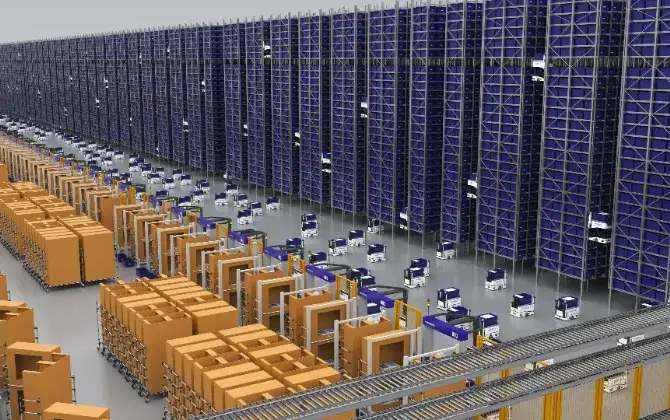
Hai Robotics has been selected to implement automation technology for a new large-scale e-commerce fulfillment center operated by a major European fashion retailer. This project features the HaiPick Climb system, marking the largest deployment of rack-climbing warehouse robots globally, with over 1,500 units set to enhance operational efficiency. The significance of this deployment lies in its potential to revolutionize warehouse automation, establishing a new benchmark in the industry. The retailer's expansion of its partnership with Hai Robotics underscores the reliability of the HaiPick Climb solution in managing high-volume online orders, with a throughput exceeding 24,000 totes per hour across a 30,000m² automated fulfillment operation. Looking ahead, the project exemplifies the increasing trend towards scalable robotic automation in large-scale fulfillment operations. No further timeline was disclosed at the time of publication, but the successful integration of over 1,500 HaiPick Climb robots is expected to enhance the retailer's capacity for omnichannel fulfillment significantly.
Warehouse Automation E-commerce Fulfillment Robotic Systems Logistics Supply Chain Management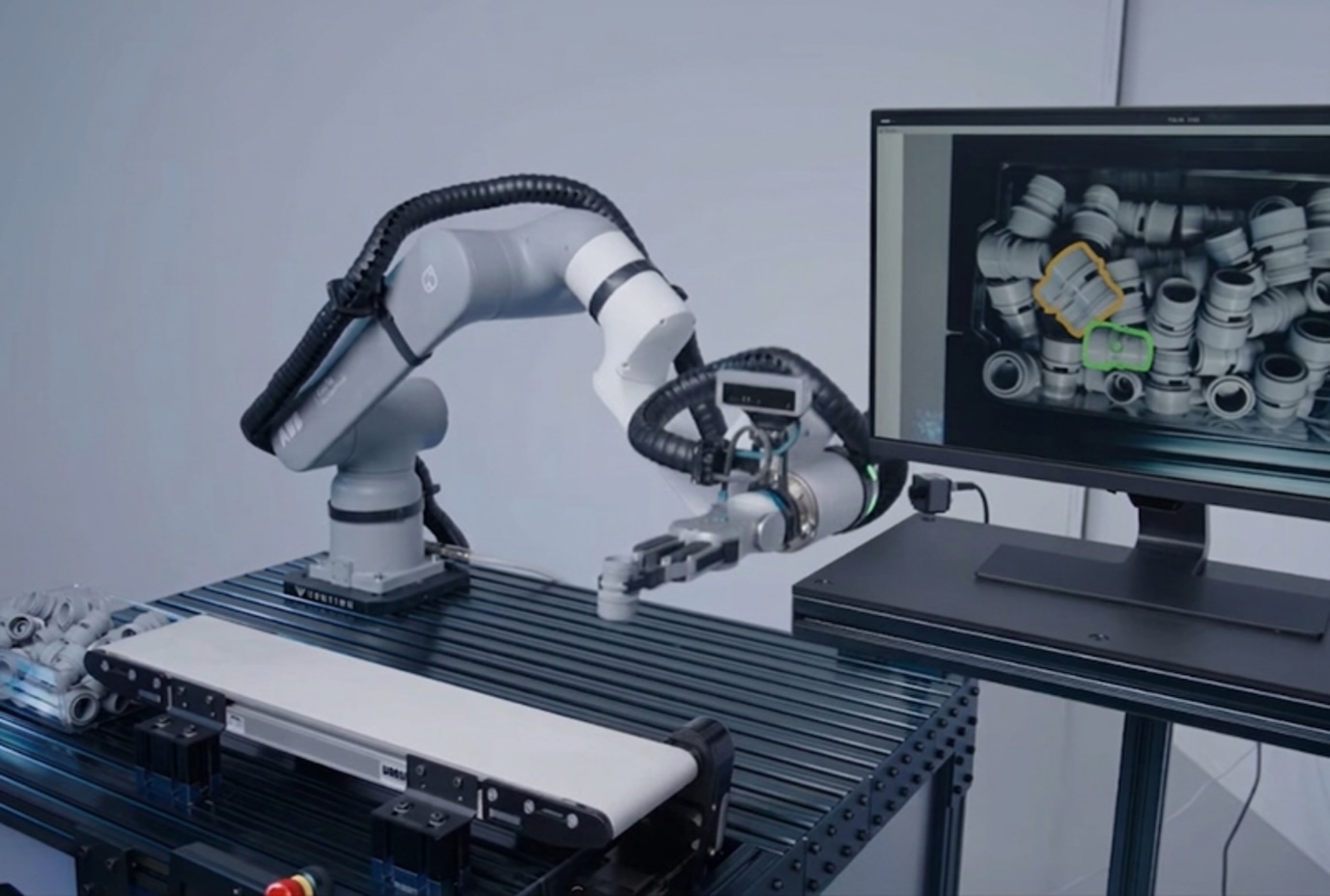
International Team Develops Robots Learning to Navigate Terrain from Stick Insects
An international team from Tohoku University and VISTEC is studying stick insects to enhance robot navigation in challenging terrains. The research focuses on the insect's six legs, which allow for agile movement across various surfaces, surpassing current multi-legged robots in coordination. By employing adversarial inverse reinforcement learning, the team enabled a six-legged robot to autonomously learn to navigate diverse terrains within an hour by observing stick insect locomotion. This research is significant as it proposes a shift from traditional biomimetic approaches that require specific programming for each robot and terrain. Instead, the team aims to extract fundamental movement control principles, allowing robots to adapt to changing environments without extensive reprogramming. This adaptability is crucial for disaster scenarios where uneven surfaces and obstacles are prevalent, particularly in earthquake-prone Japan, where the demand for effective rescue robots is high. Looking ahead, the team plans to validate the learning system's robustness in realistic rubble environments and explore the potential for robots to compensate for lost limbs through continuous learning. The implications of this research could redefine how robots navigate complex terrains, making them more effective in emergency situations.
Robotics Disaster Response Machine Learning Bio-inspired Robotics
Dynamic Creatures Launches Innovative Mobile Character Robots for Hospitality and Entertainment
Dynamic Creatures, a robotics firm founded by leaders from Boston Dynamics and Google, has officially launched after operating in stealth mode. The company specializes in developing interactive character robots designed for the hospitality and entertainment sectors. These robots are capable of moving fluidly in guest environments and can understand and respond to interactions in real time. The emergence of Dynamic Creatures is significant as it introduces a new category of mobile character robots that enhance guest experiences in various settings. With an official partnership with Boston Dynamics and engagements with major theme parks, the company aims to revolutionize how guests interact with technology in entertainment and hospitality. Looking ahead, industry observers should monitor Dynamic Creatures' developments, particularly its collaborations with theme parks and the deployment of its character robots. No further timeline was disclosed at the time of publication.
AI Ultrasound Robots Revolutionize Congenital Heart Defect Surgery with Intelligent Imaging
Recently, a medical team in China successfully performed a congenital heart defect closure surgery using an AI-assisted ultrasound robot. This operation, conducted by the Sixth Medical Center of the PLA General Hospital, involved a 48-year-old male patient and marks the first global use of an AI ultrasound robot with intelligent imaging capabilities for such minimally invasive treatment. This breakthrough signifies a shift in medical robotics from traditional execution tools to intelligent assistance systems. Previously, interventional surgical robots primarily handled mechanical tasks, while physicians relied on their experience to interpret ultrasound images. The AI ultrasound robot enhances this process by integrating image recognition, real-time analysis, and operational guidance, enabling automatic image acquisition and abnormal structure identification, which is crucial for precise placement of occluders in complex cardiac structures. As the field of medical robotics rapidly evolves, the cardiovascular sector is a key area for AI exploration due to the high precision and risk involved in heart interventions. The successful application of AI ultrasound robots in China reflects a significant trend towards redistributing medical resources, potentially improving access to high-quality healthcare in underserved regions. No further timeline was disclosed at the time of publication.
AI in Healthcare Surgical Robotics Cardiovascular Technology Medical Imaging Precision Medicine
Thirty Robots Demonstrate for AI Regulation in Warsaw, Poland
Approximately 30 robots gathered in Warsaw on Monday to advocate for stricter regulations on artificial intelligence. The demonstration took place in front of the Polish digital affairs ministry, where the robots waved flags and chanted slogans to express their concerns. This event highlights the growing awareness and demand for regulatory measures surrounding AI technologies. As robots increasingly integrate into various sectors, the call for oversight becomes more pressing, reflecting broader societal concerns about the implications of unregulated AI. Observers should monitor how this demonstration influences policy discussions in Poland regarding AI regulation. The actions of these robots may serve as a catalyst for further dialogue on the ethical and practical aspects of AI deployment in society. No further timeline was disclosed at the time of publication.
Robotics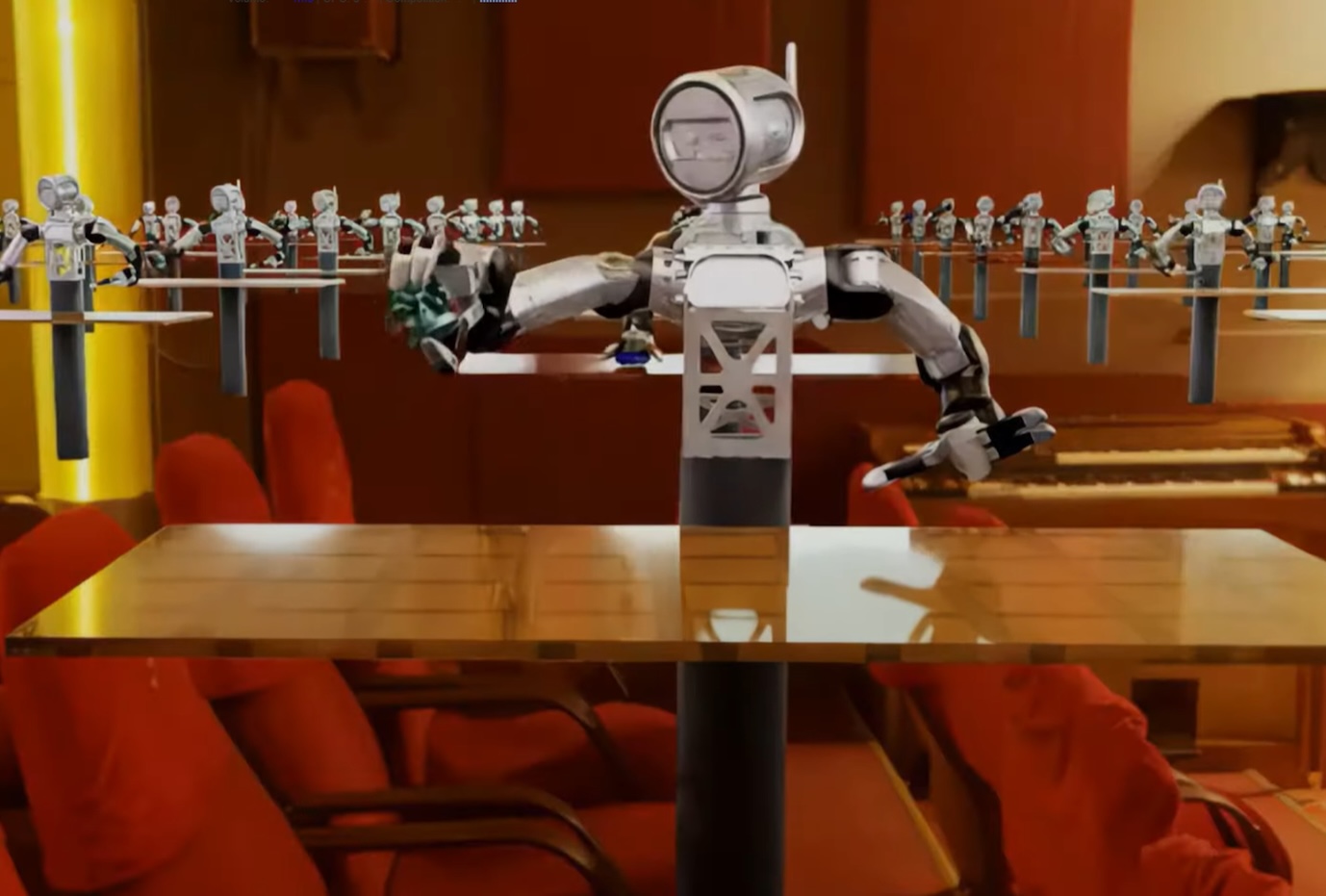
217 Robots Undergo Training to Improve Elderly Care in Qingdao
In Qingdao, 217 robots are undergoing training at China's first rehabilitation robot training verification center to enhance elderly care. With over 320 million people aged 60 and above in China, and more than 50 million elderly individuals with disabilities, the demand for professional caregivers is significant, with a shortfall of 10 million workers. The training focuses on teaching robots essential tasks such as medication delivery, folding clothes, and assisting with wheelchairs. Each action is broken down into numerous detailed steps to ensure precision, especially when interacting with elderly individuals. The training aims to address the unique needs of seniors, as highlighted by experts who emphasize the importance of personalized care in robotic applications. As the robots learn to perform basic tasks, challenges remain, particularly in understanding dialects and providing appropriate responses to seniors' needs. The Qingdao training center has attracted 45 companies and 210 robot models, indicating a growing interest in the development of care robots. The future of these robots in the market will depend on their ability to interact effectively with humans, rather than just their technological capabilities.
Elderly Care Robots Robotics Training Assistive Technology Healthcare Innovation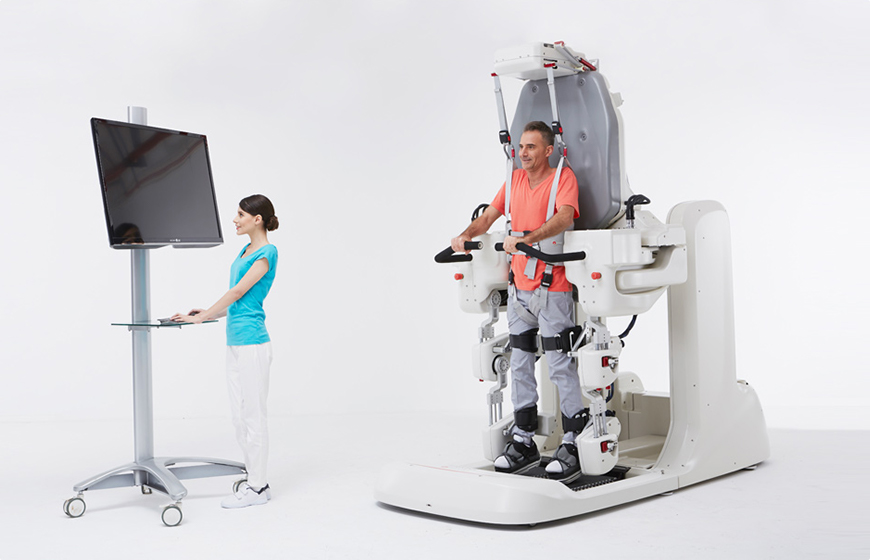
The Evolution of Rehabilitation Robots: From Training Tools to Treatment Partners
The WAIC 2026 showcased a significant evolution in rehabilitation robots, highlighting their transition from mere training tools to essential treatment partners. This shift reflects advancements in embodied intelligence, which is becoming increasingly relevant in the field of rehabilitation. This transformation is crucial as it indicates a growing recognition of the importance of human-machine collaboration in therapeutic settings. The integration of rehabilitation robots into treatment protocols can enhance patient outcomes and streamline rehabilitation processes, making them indispensable in modern healthcare. Looking ahead, the focus will be on how these rehabilitation robots will continue to develop and adapt to meet the needs of patients and healthcare providers. No further timeline was disclosed at the time of publication.
Robotics Automation AI
OpenAI's CEO Confirms Plans for Humanoid Robots After GPT-6 Astra Launch
Just two days before the launch of the next-generation flagship model GPT-6 Astra, OpenAI's CEO Sam Altman made a definitive statement regarding the company's plans to develop humanoid robots. This announcement positions OpenAI as a formidable competitor in the humanoid robot market, traditionally dominated by Tesla's Optimus robot, which has already influenced Tesla's stock price with expectations of a robot monopoly. The significance of OpenAI's entry into the humanoid robot space cannot be understated, as it introduces a well-funded and top-tier AI brain into the competition. Investor Gene Munster noted that the humanoid robot market is becoming a two-horse race between Tesla and OpenAI, with OpenAI holding a substantial capital advantage. This dynamic complicates the narrative surrounding Tesla's ambitions, which may be seen as speculative and harder to justify. As the competition heats up, it is crucial to observe how these three major players—OpenAI, Tesla, and NVIDIA—navigate their distinct infrastructure paradigms in the humanoid robot arena. OpenAI's historical involvement in robotics dates back to 2017 with the development of Dactyl, showcasing their long-standing commitment to the field despite their recent focus on large language models.
Humanoid Robots AI Robotics Machine Learning
Direct Drive Proposes Wheel-Legged Robots to Overcome Physical Access Challenges in Embodied AI
Chinese startup Direct Drive claims that the primary challenge for embodied robots is not the intelligence of their systems but rather their ability to physically access various environments. By integrating direct-drive actuators with innovative wheel-legged designs, these robots are engineered to navigate obstacles such as curbs, slopes, and mixed indoor-outdoor spaces. This approach is significant as it addresses a critical limitation in the deployment of embodied AI technologies. The ability to traverse diverse terrains enhances the functionality and applicability of robots in real-world scenarios, potentially expanding their use in sectors such as logistics, healthcare, and home assistance. Looking ahead, the focus will be on the practical implementation of these wheel-legged robots in various environments. No further timeline was disclosed at the time of publication.

Dynamic Creatures Unveils Innovative Mobile Character Robots for Hospitality and Entertainment
On September 8, 2026, Dynamic Creatures, a robotics firm specializing in interactive character robots, officially launched from stealth mode. The company aims to create a new category of mobile characters that can navigate guest environments, understand interactions, and respond in real time. They are collaborating with a major theme park and retailer to develop personalized character experiences. This development is significant as it bridges the gap between traditional animatronics and service robots, focusing on face-to-face engagement rather than scripted performances. Dynamic Creatures' characters are designed to create memorable interactions, enhancing guest experiences in various settings, including theme parks and hotels. The company’s SnowJay platform integrates advanced robotics with real-time perception and adaptive behavior, allowing characters to engage naturally with guests. Looking ahead, Dynamic Creatures plans to expand its offerings beyond theme parks to include luxury retail and automotive experience centers. The company’s innovative approach could redefine guest interaction in hospitality and entertainment, making it a key player to watch in the evolving robotics landscape. No further timeline was disclosed at the time of publication.

AI Robots and Drones to Aid in Fukushima Nuclear Plant Cleanup Efforts
The Japanese government and Tokyo Electric Power Co. Holdings are set to launch a consortium to deploy AI robots and drones for the cleanup of radioactive debris at the Fukushima Daiichi nuclear plant. This initiative aims to address the significant challenge posed by the 880 tons of debris remaining in three reactors. This development is crucial as it marks a significant step in the ongoing decommissioning process of the Fukushima plant, which has been a focal point of concern since the nuclear disaster. The use of advanced technologies like AI robots and drones is expected to enhance safety and efficiency in handling hazardous materials. Looking ahead, the consortium is anticipated to commence its operations within the current fiscal year. Stakeholders will be keen to monitor the progress of this initiative, particularly in terms of its impact on the decommissioning timeline and the effectiveness of AI technologies in such complex environments. No further timeline was disclosed at the time of publication.

Zhicheng AI's CEO Predicts Intelligent Robots Will Become a Trillion-Dollar Industry
At the 2026 World Robot Conference, Hu Luhui, CEO of Zhicheng AI, boldly stated that the era of intelligent robots could lead to a trillion-dollar industry. He emphasized that physical intelligence will have a far greater impact than information intelligence, fundamentally changing human interaction with the physical world. Zhicheng AI, a pioneer in developing world models, positions this technology as the core of physical intelligence, akin to how Transformers are central to information intelligence. Hu noted that breakthroughs in technology, rather than computational power or data, are crucial for advancement. He advocates for edge deployment of world models, which are smaller and less demanding in terms of data and computation. Zhicheng AI has secured nearly 1.5 billion yuan in contracts across various sectors, including smart manufacturing, logistics, security inspection, and commercial services. The company has developed high-performance humanoid robots TR6 and XR1, aiming to utilize a single world model to drive different robot forms. Hu believes that the emergence of embodied intelligence will be a gradual process, similar to the evolution of ChatGPT.
Intelligent Robots Physical Intelligence World Models Robotics Technology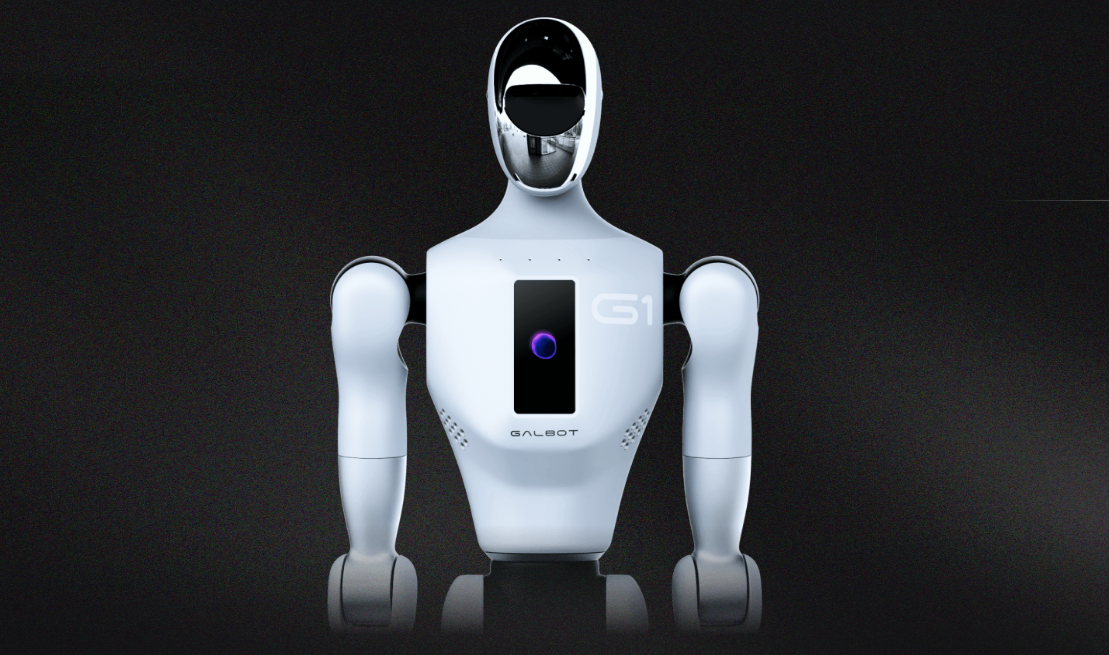
Galbot's Journey Towards Integrating Embodied AI Robots in Industrial Production Lines
Galbot, a Chinese embodied AI robotics company, is advancing the integration of robots into industrial production environments. Founded in May 2023, the company has raised over RMB 2.4 billion ($360 million) in funding, with a valuation exceeding RMB 22 billion ($3.27 billion). Galbot's G1 robot features a mobile platform and dual-arm manipulation system, enabling it to adapt to various tasks in flexible manufacturing scenarios. The demand for robots that can perform complex tasks in dynamic environments is growing as manufacturing shifts towards greater flexibility and intelligence. Traditional industrial robots, which are typically fixed and perform repetitive tasks, are being challenged by the need for more adaptable solutions. Galbot's innovations, including the G1 and S1 robots, aim to address these challenges by providing greater mobility and efficiency in manufacturing processes. As the embodied AI sector gains momentum, Galbot's focus on industrial applications positions it well for future growth. The company is set to play a significant role in transforming production methods, allowing robots to take on hazardous and repetitive tasks while collaborating with human workers to enhance productivity and safety. No further timeline was disclosed at the time of publication.
Up and Comers AI Highlight News Robotics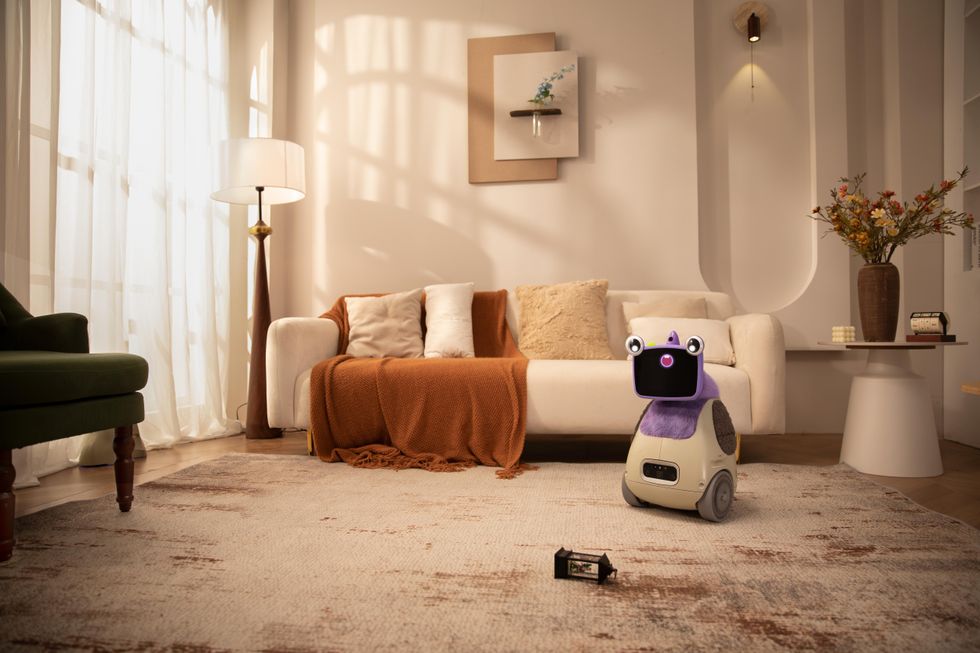
Ollobot's OlloNi SS1 Redefines AI Companion Robots for Emotional Connection
Ollobot's OlloNi SS1 is a new generation of AI companion robots designed to address loneliness and emotional needs in modern households. Unlike earlier models, which were limited in functionality, the SS1 employs proactive interaction and emotional intelligence to provide companionship for various demographics, including the elderly, children, and single professionals. The significance of the OlloNi SS1 lies in its ability to create a sense of presence and emotional support, filling gaps left by traditional communication tools. With the global AI companion market projected to grow from $48 billion in 2026 to $318 billion by 2033, Ollobot's innovative approach positions it at the forefront of this expanding industry. Looking ahead, the evolution of the OlloNi SS1 through over-the-air updates and its integration into family activities will be crucial to its success. As the demand for emotional support in technology increases, Ollobot's focus on familiarity and long-term coexistence may set a new standard for companion robots in the future.
Social-robots Human-robot-interaction Computer-vision Companion-robots Multimodal-ai Ai-robots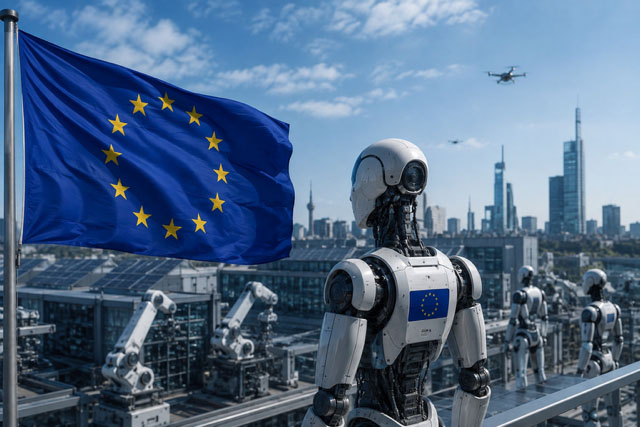
Europe's Robotics Challenge: Should It Develop Its Own 'Airbus of Robots'?
Europe has established itself with leaders like Airbus in aerospace and has a strong presence in various industries. However, as robotics evolves, the question arises: who will manufacture the robots that will work in factories, warehouses, hospitals, and potentially homes in the future? With advancements in AI, computer vision, and sensors, robots are becoming more versatile, moving beyond strictly industrial applications. This shift is significant as robots are transitioning from being solely industrial investments to becoming a new form of workforce. The U.S. is heavily investing in AI and robotics, particularly in humanoids and Physical AI, while China leverages its robust supply chain to dominate the industrial robotics landscape. The competition is not just about showcasing impressive humanoids but mastering the entire value chain, including components, manufacturing, software, and maintenance. Europe is not absent from the robotics scene, boasting recognized manufacturers, excellent laboratories, and specialized companies. Its substantial industrial base across sectors like automotive, aerospace, logistics, energy, healthcare, and food can serve as real-world testing grounds for the next generation of robots. No further timeline was disclosed at the time of publication.
À la une Humanoide IA Robotique Airbus des robots AMR
Humanoid Robots Break Usain Bolt's Record at 2nd World Humanoid Robot Games
At the 2nd World Humanoid Robot Games held in Beijing, humanoid robots surpassed Usain Bolt's 9.58-second world record in the 100-meter dash. The Tiangong Ultra, developed by the Beijing Innovation Center of Humanoid Robotics (X-Humanoid), achieved times between 9.32 and 9.39 seconds, showcasing significant advancements in robotic speed and performance. This event highlights the rapid progress in dynamic locomotion control, with robots previously completing the same sprint in approximately 21.50 seconds just a few years prior. The ability to break such records reflects advancements in torque delivery, reinforcement learning, and joint thermal management, although challenges remain in controlled braking and stability at high speeds. As the robotics community analyzes these achievements, attention will be on how these developments impact future applications in industrial and commercial settings. No further timeline was disclosed at the time of publication.
TianGong Robotics Honor China World Robot Contest X-Humanoid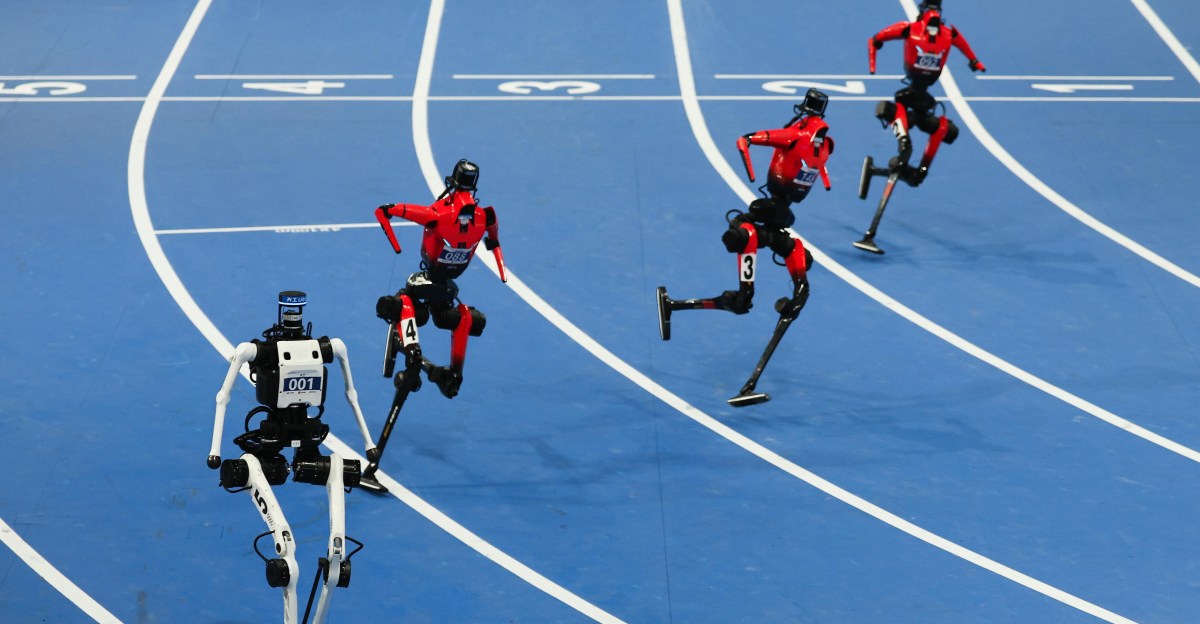
Chinese Robots Break Usain Bolt's 100-Meter Record at World Humanoid Robot Games
Chinese robots have surpassed Usain Bolt's 100-meter dash record during the World Humanoid Robot Games in Beijing. The Tiangong Ultra, developed by the Beijing Humanoid Robot Innovation Center, completed the race in 9.39 seconds, while the Honor-developed Lightning followed closely at 9.47 seconds. This achievement is significant as it highlights the advancements in bipedal robot technology, showcased at an event likened to an annual robot Olympics. The World Humanoid Robot Games, launched in 2025, features 2,056 robots from 16 countries competing in various categories, including sprinting and jumping. Looking ahead, the event continues to attract attention for its innovative displays of robotics. Tiangong Ultra also set a record in the 400-meter race, finishing in 38.16 seconds, outperforming the previous record held by Wayde van Niekerk. No further timeline was disclosed at the time of publication.
Entertainment News Robot Sports Tech
Xiaomi Achieves Stability with AI Models, Self-Built Chips, and Humanoid Robots
Xiaomi reported a revenue of 108.92 billion yuan in Q2 2026, marking a significant stabilization amidst fierce competition. The company's attributable net profit has doubled, reflecting its successful diversification beyond traditional markets like phones and cars. This growth is attributed to several key advancements, including the MiMo-V2.5 model, which has dominated OpenRouter's monthly and weekly call charts. Additionally, Xiaomi's self-developed Xuanjie chip has successfully passed mass verification, showcasing the company's commitment to in-house technology development. Furthermore, a new humanoid robot has been deployed in factory settings, achieving a remarkable 98% success rate. This indicates Xiaomi's strategic shift towards robotics and AI, positioning the company for future growth. No further timeline was disclosed at the time of publication.
Hexagon Robotics Begins Training AEON Humanoid Robots at Schaeffler's Facility in Germany
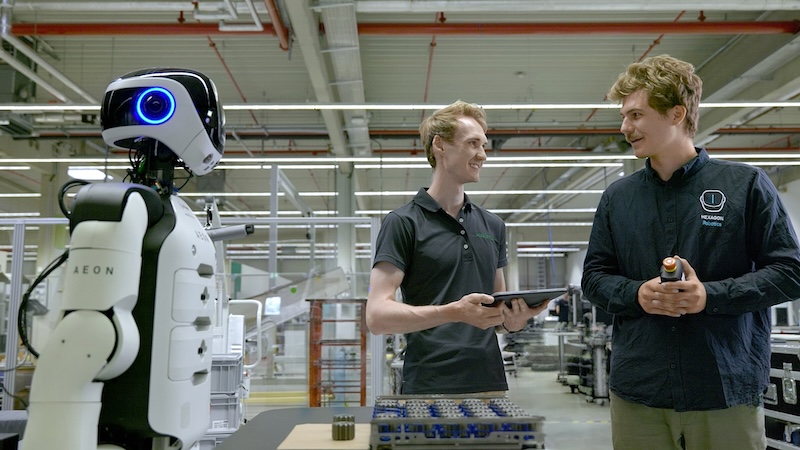
Hexagon Robotics and Schaeffler have initiated the training of AEON humanoid robots at Schaeffler’s Humanoid Gym in Germany. This marks a significant step towards deploying at least 1,000 AEON robots in the coming years, utilizing a Train-Validate-Deploy model tailored for industrial environments. The collaboration is crucial as it allows both companies to enhance AEON's industrial capabilities while building Schaeffler's expertise in operating and integrating humanoids into their production processes. The training will focus on imitation learning and refining robot policies to ensure reliable performance in real manufacturing applications. Looking ahead, the training at the Humanoid Gym is expected to expedite AEON's deployment across various manufacturing workflows within Schaeffler over the next six months. This initiative not only supports the integration of humanoids into Schaeffler's operations but also aims to strengthen overall manufacturing performance and scalability in automation.
Components Computing News Training aeon factory automation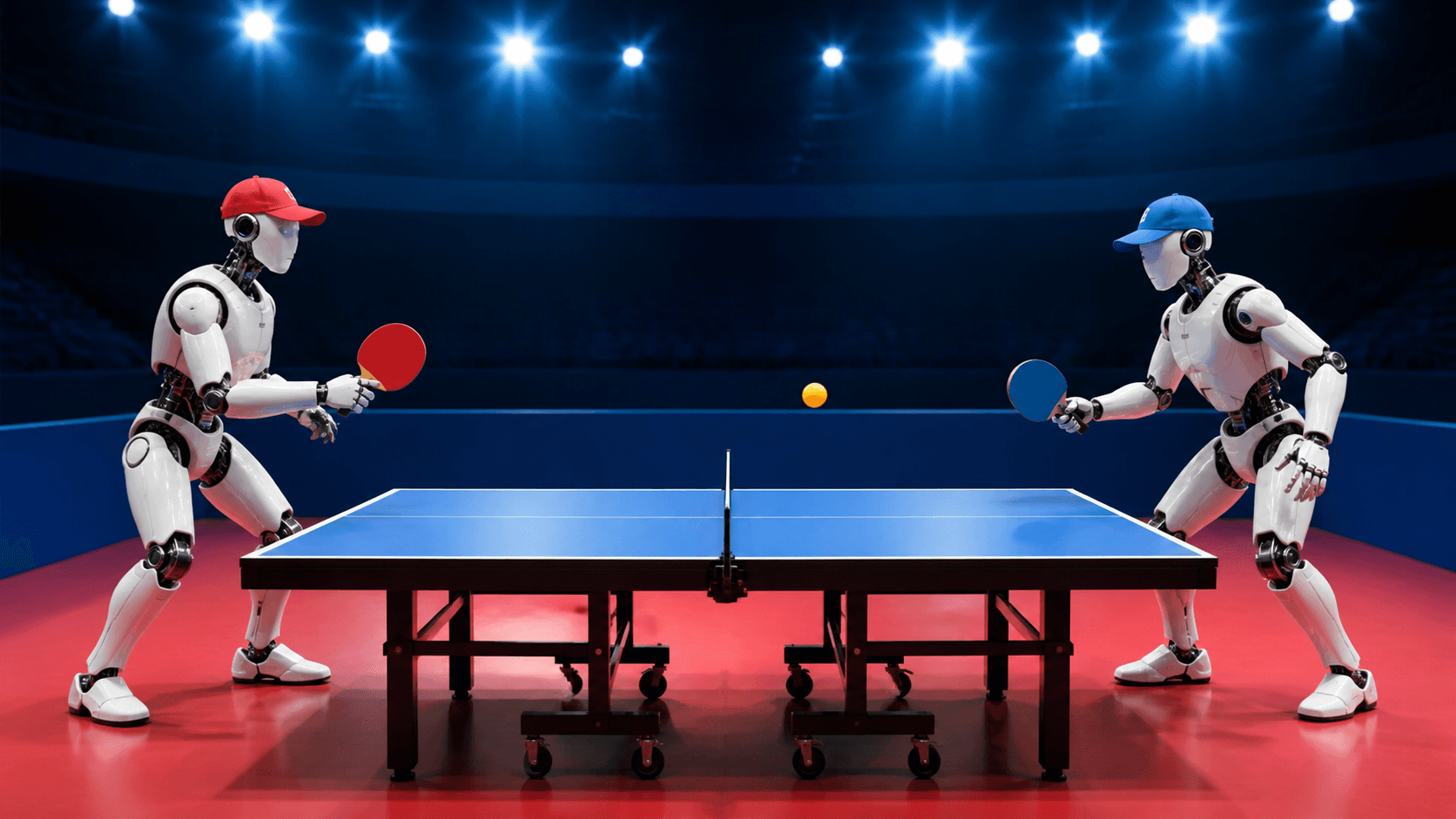
HKU and KAI's SMASH 2.0 Robots Successfully Complete Autonomous Table Tennis Match
A collaboration between the University of Hong Kong and KAI research has achieved a milestone by conducting the first fully autonomous humanoid table tennis match. Two robots engaged in an entire 11-point game without any human intervention or remote control, showcasing advanced capabilities in robotics. This achievement is significant as it demonstrates the potential for autonomous systems in sports and entertainment, highlighting advancements in robotics technology. The SMASH 2.0 system, which facilitated this match, represents a leap forward in the development of robots capable of complex interactions and real-time decision-making. The SMASH 2.0 system is set to make its public debut at the second World Robot Games, scheduled to take place at the Ice Ribbon in Beijing from August 22-26. Observers will be keen to see how this technology evolves and its implications for future robotics applications in various fields.
Major US Airlines Implement Ban on Humanoid Robots Due to Fire Risks
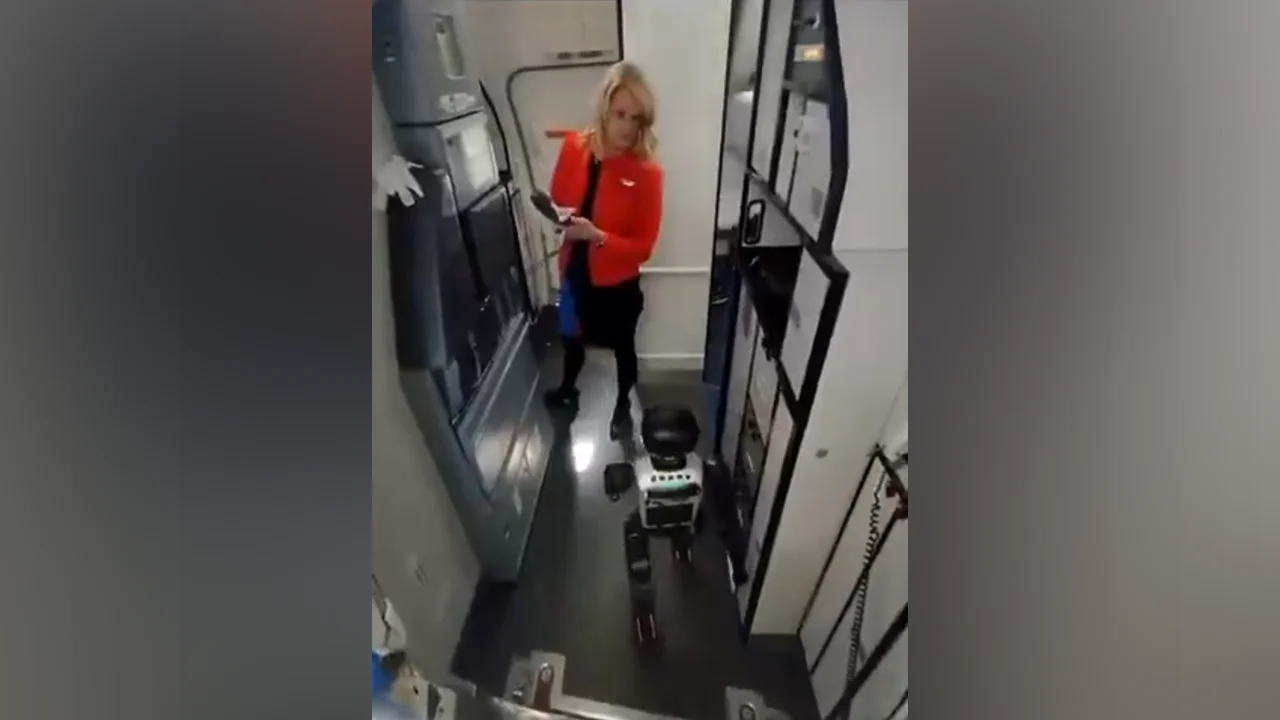
American Airlines has joined United Airlines, Delta Air Lines, and Southwest Airlines in banning humanoid robots from commercial flights. This policy specifically targets robots that resemble humans or animals, clarifying that they do not qualify as emotional support devices. The ban is primarily driven by safety concerns regarding lithium-ion batteries used in these robots, which can exceed the FAA's 160 Watt-hour limit and pose significant fire hazards. The decision to prohibit humanoid robots is crucial for aviation safety, as the large battery packs can lead to thermal runaway, resulting in spontaneous combustion and toxic smoke. Current FAA regulations allow consumer electronics with smaller batteries but strictly limit devices with larger lithium-ion batteries. The average humanoid robot's battery capacity ranges from 800 Wh to 2,500 Wh, far exceeding the legal threshold. Looking ahead, the airlines may encounter challenges as the demand for robotic aides in mobility and medical assistance grows. The recent incident involving a humanoid robot on a Southwest Airlines flight has highlighted the need for clear safety protocols. While the airlines are acting swiftly to enforce these bans, future developments in AI and robotics may necessitate new regulations for safe transit of advanced robotic technologies.
US Booster Robotics
Concerns Arise Over High Repair Costs and Limited Service for Consumer Robots
Recent discussions have highlighted the high repair costs and limited service options for consumer robots, particularly in the case of humanoid robots and robotic dogs. Users have reported significant expenses for repairs, such as a $30,000 bill for a humanoid robot that suffered a minor fall, leading to a complex repair process involving precision adjustments and recalibration. This situation is concerning as it underscores the challenges faced by consumers in maintaining their robotic investments. With warranty periods typically ranging from one to one and a half years, many repairs fall outside of warranty coverage, especially when deemed as user-induced damage. The high costs associated with repairs can deter potential buyers and raise questions about the long-term viability of consumer robotics. Looking ahead, the industry must address these repair and service challenges to enhance consumer confidence. As more users engage with robotic technology, the demand for affordable and accessible repair services will likely increase. No further timeline was disclosed at the time of publication.
Consumer Robots Robot Repair Services Maintenance Costs Third-Party Services
Chinese Cities Develop Innovative Approaches to Train Robots for Household Tasks
In Tai'an, a 59-year-old community resident, Zhu Chuan-zhen, demonstrates folding clothes repeatedly while wearing a sports camera. This seemingly ordinary household task is becoming a training material for robots. There are no educational restrictions or technical background requirements; the only necessity is to perform household chores to standard. Over 60 residents are engaged in this role, known as 'data collectors', with plans to deploy thousands of collection devices and create over 600 jobs. The Tai'an district has established a complete data annotation ecosystem, transitioning from data collection to intelligent labeling and model training. Meanwhile, in Shangyu, a quadruped robot navigates through high-temperature spray towers, equipped with a 'mechanical eye' for continuous monitoring. Previously, workers had to cover temperature and vibration readings every four hours, but now robots handle inspections, allowing workers to focus on detailed management. In Guiyang, the cost advantage is significant, with lower rental and labor costs compared to first-tier cities. As a hub for data processing, Guiyang hosts one of the world's largest data center clusters, supporting model training. These three cities—Tai'an, Shangyu, and Guiyang—are paving distinct paths for the embodied intelligence industry using their unique resources while major cities debate the design of humanoid robots.
Data Collection Robotics Training AI Applications Smart Manufacturing
AI Robots Enhance Underwater Safety by Monitoring Divers' Breathing Through Bubble Analysis
A research team from the University of Minnesota Twin Cities has developed an innovative AI model that enables underwater companion robots to monitor divers' breathing rates in real-time by analyzing the bubbles they exhale. This groundbreaking study, published in the International Journal of Robotics Research, marks the first application of computer vision for underwater human respiration tracking, providing a new technological pathway for diving safety. The underwater environment poses significant physiological challenges, such as fatigue, hyperventilation, and pressure fluctuations, which are amplified in deep-sea conditions. Traditional biosensors are ineffective underwater due to the heavy diving suits that obstruct skin contact, and wireless data transmission through water is often unstable. The research team's solution allows robots to 'see' breathing by training autonomous underwater vehicles (AUVs) equipped with cameras to analyze the volume and frequency of exhaled bubbles, categorizing the diver's breathing patterns as 'below normal,' 'normal,' or 'above normal.' This technology has implications beyond academia, benefiting commercial diving, scientific exploration, and military operations. A robot partner capable of interpreting the physiological state of a team in real-time can mitigate potential safety hazards early on. As robots evolve from mere task executors to proactive assessors of partner conditions, the dangers of deep-sea environments are being redefined, all starting from the interpretation of a series of bubbles.
Underwater Robotics AI Technology Diving Safety Computer Vision Marine Research
Brain Corp Achieves 68 Percent Growth, Surpassing 50,000 Autonomous Robots Deployed Globally
Brain Corp has reported significant growth in its global fleet of autonomous robots, achieving a 68 percent increase in deployments year-over-year in the first half of 2026. This milestone highlights the expanding role of BrainOS-powered robots across various sectors, including retail and logistics, as they logged over 5.3 million autonomous operating hours. The company's performance indicates a pivotal moment for enterprise robotics, as organizations seek proven platforms for faster and more profitable deployment of robotic solutions. Brain Corp's partnerships with ShelfOptix and Tennant Company further reflect the rising demand for scalable autonomy platforms in the market. Looking ahead, enterprises are increasingly focused on the capabilities of autonomy platforms, evaluating their performance and data security across multiple sites. Brain Corp's recent SOC 2 Type II compliance underscores its commitment to meeting these expectations, ensuring robust security controls and data management practices for its clients.
Computing News Software airport automation amrs artificial intelligence
China's New Export Trio: Robots, AI Models, and Innovative Pharmaceuticals
China is redefining its export landscape with a new trio of products: robots, AI models, and innovative drugs. This shift is exemplified by wall-climbing cleaning robots being utilized in Australia and Chinese large language models (LLMs) powering Brazilian energy grids. This transformation in exports is significant as it highlights China's growing capabilities in advanced technology and pharmaceuticals, moving beyond traditional manufacturing. The introduction of these products indicates a strategic pivot towards high-tech solutions that cater to global demands, enhancing China's position in international markets. Looking ahead, it will be crucial to monitor how these innovations impact global supply chains and competition. The ongoing development and deployment of these technologies could reshape perceptions of Chinese products and influence future trade dynamics. No further timeline was disclosed at the time of publication.

TechCrunch Disrupt 2026 Introduces Real World AI Stage Featuring Robots and Automated Factories
TechCrunch Disrupt 2026 will feature a new Real World AI Stage, expanding its focus on AI's intersection with the physical world. This stage will highlight advancements in autonomous hardware, including applications in public spaces and potential de-extinction efforts. The event, scheduled for October 13 to 15 at San Francisco’s Moscone West, will host discussions on the challenges of deploying autonomous systems safely. Industry leaders from companies like Shield AI and Colossal Biosciences will address critical questions regarding safety culture, regulatory navigation, and trust-building in high-stakes environments. Attendees can expect insights from notable speakers, including Ben Lamm of Colossal Biosciences, who will explore the role of AI in reviving extinct species. The event promises to be a significant gathering for those interested in the evolving landscape of AI and its real-world applications. No further timeline was disclosed at the time of publication.
AI TechCrunch Disrupt Colossal Biosciences
Human-aware Robots Enhance Team Lifting Efficiency and Reduce Back Strain
Recent advancements in robotics focus on developing human-aware robots that can adapt to their human partners during team lifting tasks. These robots are designed to interpret human behaviors and commands quickly, allowing them to predict actions and execute supportive movements effectively. The significance of this development lies in its potential to improve workplace safety and efficiency. By reducing back strain during lifting tasks, these robots not only enhance productivity but also contribute to the overall well-being of workers, making them valuable assets in various industrial settings. Looking ahead, the continued evolution of human-aware robotics will be crucial in addressing the challenges of collaborative work environments. As these technologies advance, stakeholders should monitor their integration into workplaces and the impact on team dynamics and safety protocols. No further timeline was disclosed at the time of publication.
Robotics
Oshen Demonstrates Seabed-Mapping Capabilities of Sail-Powered Robots in U.S. Navy Trial
Oshen has successfully demonstrated the seabed-mapping capabilities of its sail-powered robots during a trial conducted by the U.S. Navy. This trial showcased the robots' ability to efficiently map underwater terrains, which is crucial for various naval operations and environmental assessments. The significance of this trial lies in the potential applications of Oshen's technology for the U.S. Navy and other maritime organizations. Accurate seabed mapping is essential for navigation, resource exploration, and environmental monitoring, making these robots a valuable asset in maritime operations. Looking ahead, the continued development and testing of Oshen's sail-powered robots may lead to broader adoption in both military and commercial sectors. No further timeline was disclosed at the time of publication.
Reimagine Robotics Emerges with AI Robots That Learn from Human Workers
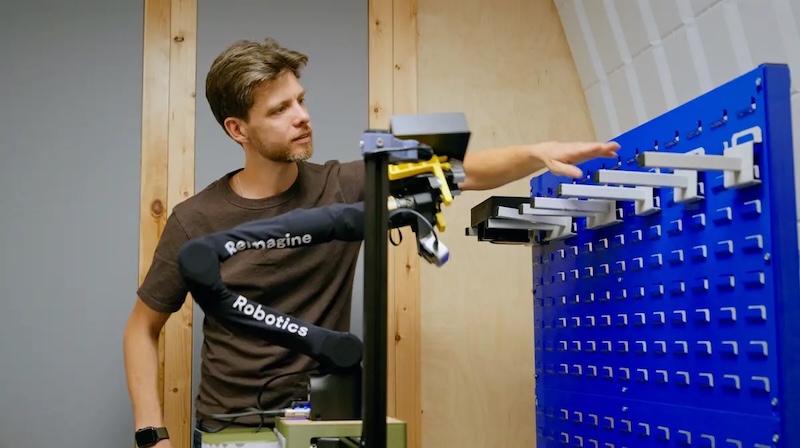
Reimagine Robotics, an AI robotics startup founded by former leaders of Google DeepMind’s Applied Robotics team, has launched its innovative technology that enables robots to learn from human workers on the job. This approach allows employees to train robots directly by demonstrating tasks, correcting mistakes in real-time, and facilitating a more intuitive learning process. The significance of this development lies in its potential to transform industrial and manufacturing environments. According to co-founder and CEO Jonathan Scholz, the technology addresses the need for adaptable robots that can integrate seamlessly into existing workflows without requiring specialized programming for every task change. This capability is expected to enhance efficiency and reliability in various applications. Looking ahead, Reimagine Robotics plans to expand its operations through a new round of fundraising and team growth. The company is already deploying its robots in advanced manufacturing and electronics disassembly facilities, with successful implementations in tasks such as tending 3D printers and automating additional production stages. No further timeline was disclosed at the time of publication.
Artificial Intelligence News Robotics Robotics and Automation Robotics and Automation News adaptive robots
Chengdu's Robot Training Facility Prepares Robots for Real-World Applications
Chengdu's new robot training facility, located in the W7 building of the Chengdu Science and Technology Innovation Island, has commenced trial operations. The facility features various training zones focused on electronic skin, home services, industrial operations, retail services, and rehabilitation, creating a comprehensive hardware system that includes robots, mechanical arms, and sensory devices. This initiative is significant as it addresses the limitations of traditional laboratory training by simulating real-world scenarios. The facility's design ensures that data collected during training reflects practical applications, which is crucial for the future development of robots capable of gentle handling and safe interactions. The training center not only supports local enterprises but also extends its services to robotics research teams across the province. Looking ahead, the facility aims to enhance the integration of artificial intelligence in everyday life. As robots learn tasks such as cash handling in simulated environments, they move closer to becoming integral parts of our daily routines. The opening of this training school marks a pivotal step towards advancing embodied intelligence from mere mobility to functional autonomy.
Robotics Training AI Applications Industrial Automation Data Collection Smart Home Technology
igus Introduces Twisterchain Energy Chain for 600-Degree Rotation in Industrial Robots
igus GmbH has launched a new self-supporting twisterchain energy chain designed for industrial applications, particularly in palletizing. This innovative product enables reliable cable management through rotation angles exceeding 600° on compact industrial robots, addressing challenges related to energy supply and cable collisions during operation. The introduction of the twisterchain is significant as it resolves two critical issues faced by robotics in industrial settings. Compact robots, which perform tasks like screwing and assembly, have struggled with energy supply along their fast-rotating first axis. Additionally, palletizing robots often encounter problems with uncontrolled hoses colliding with tools. The new energy chain allows power and data cables to follow full rotations safely, even under dynamic motion profiles. Looking ahead, igus's twisterchain could enhance the efficiency and reliability of industrial robots, particularly in applications requiring high mobility and precision. No further timeline was disclosed at the time of publication.
Assembly Batteries / Power Supplies Industrial Robots Manufacturing Materials News
AI-Powered Surgical Robots Enhance Precision in Lung Nodule Biopsies
Surgeons face significant challenges when locating small lung nodules, particularly those under 8 millimeters that may indicate early-stage lung cancer. Traditional CT-guided methods require multiple scans and lengthy procedures, increasing the risk of complications. Dr. Wang Jiyong, head of thoracic surgery, highlights the limitations of conventional approaches, noting that even clear CT images do not allow for precise identification of tiny lesions. AI-driven surgical robots are transforming this landscape by utilizing 3D imaging to gather lesion data and create a spatial model of the lungs. This technology, likened to a high-precision GPS navigation system, enables pre-surgical planning of optimal puncture angles and real-time tracking of instruments during surgery. This advancement promises reduced trauma and shorter recovery times for early lung cancer patients. As the detection rate of lung nodules rises with increased health screenings, Dr. Wang advises regular monitoring for nodules under 8 millimeters and vigilance for those above 5 millimeters. The evolution of AI robots from diagnostic tools to navigational aids is reshaping the surgical approach to lung nodules, making previously daunting tasks more manageable.
Surgical Robots AI Navigation Lung Cancer Diagnosis Medical Technology
LUMISTAR's AI Basketball Training Robot Raises Over $1 Million on Kickstarter
LUMISTAR's AI basketball training robot, CARRY, successfully raised over $1 million on Kickstarter within its first day. The robot aims to address common challenges faced by amateur players, such as the lack of a partner to pass the ball, correct shooting techniques, and track progress during practice sessions. The significance of this crowdfunding achievement lies in the robot's innovative features, including four 4K cameras that provide a 190° field of view, enabling it to track player movements and adjust ball delivery in real-time. This technology enhances the training experience by allowing players to focus on their shooting techniques without interruptions. Looking ahead, the CARRY robot is priced starting at $2,399 for early backers, with retail pricing around $4,299. The demand for such training aids in the North American market suggests a growing interest in automated sports training solutions. No further timeline was disclosed at the time of publication.
AI Basketball Robots Sports Technology Training Equipment Crowdfunding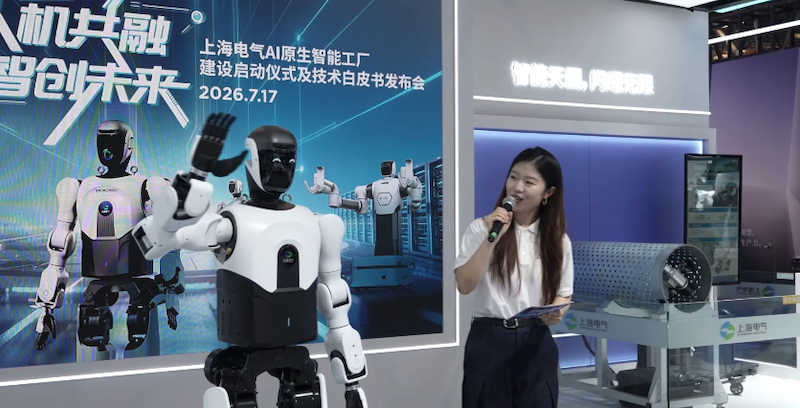
Shanghai Electric Showcases Humanoids, Industrial Robots, and AI Smart Factory Innovations
At the 2026 World Artificial Intelligence Conference, Shanghai Electric presented its advanced embodied intelligence solutions for industrial applications. The company emphasized its capabilities in embodied AI robots, core components, and AI-native smart factory technologies, showcasing a comprehensive portfolio designed for various industrial scenarios. This development is significant as it highlights the integration of machine precision with human expertise, aiming to enhance collaboration in manufacturing processes. Shanghai Electric's robotics solutions address critical tasks such as connector insertion, intelligent assembly, and flexible sorting, showcasing innovations like the planetary roller screw and DexHand dexterous hand. Looking ahead, Shanghai Electric's launch of 51 AI models under the “StarCloud Intelligent Manufacturing” series marks a shift towards data-driven operations in manufacturing. The release of the “AI-Native Smart Factory Technology White Paper” outlines a new architecture for real-time production optimization, indicating a transformative approach to industrial automation. No further timeline was disclosed at the time of publication.
Artificial Intelligence Robotics AI-native smart factory embodied ai humanoid robots industrial ai
Airlines Implement Bans on Humanoid Robots Due to Safety Concerns
Several airlines have begun to prohibit humanoid and pet-like robots from flights, citing safety concerns related to battery hazards. This trend follows an incident where a passenger brought a robot companion on a Southwest Airlines flight, prompting the airline to impose a ban in May. Other carriers, including United Airlines and Delta Air Lines, have since enacted similar restrictions to ensure passenger safety. The growing concern over humanoid robots stems from their reliance on lithium-ion batteries, which can pose fire risks if mishandled. United Airlines described its ban as a proactive measure, effective since July 23, to enhance safety for customers and crew. Delta Air Lines also highlighted the potential dangers of robotic devices with batteries exceeding watt-hour limits, emphasizing their commitment to maintaining high safety standards. As the technology develops, the future of humanoid robots in air travel remains uncertain. While JetBlue and American Airlines have not yet imposed bans, the industry is closely monitoring the situation. Experts like Ravinder Dahiya acknowledge the safety rationale behind these bans but express concern over the impact on research and demonstrations involving robots.

United Airlines Implements Ban on Humanoid and Animal Robots for Safety Reasons
United Airlines has officially enacted a ban on humanoid and animal robots from its flights, effective July 23. This decision follows a series of incidents involving humanoid robots, including a 3.5-foot tall robot named Stewie that gained attention on a Southwest Airlines flight. The airline cited safety concerns, particularly regarding the large lithium-ion batteries these robots often contain, which pose significant fire risks on aircraft. The ban is a response to the growing safety issues associated with transporting robots equipped with large power batteries. While small robotic toys that meet size, weight, and battery restrictions are still permitted, larger humanoid or animal robots are completely excluded from flights. United Airlines follows Southwest Airlines, which previously faced challenges with humanoid robots causing flight delays and safety debates. Looking ahead, United Airlines has indicated that the policy may be reassessed as technology evolves. However, for now, the era of robotic passengers on flights appears to be on hold, emphasizing that safety remains the top priority for airlines despite advancements in technology. The case of Stewie serves as a cautionary tale in the evolving landscape of air travel and robotics.
Aviation Safety Lithium-ion Batteries Robotics Airline Regulations
University of Minnesota Develops AI System for Underwater Robots to Monitor Diver Health
Researchers at the University of Minnesota Twin Cities have created an innovative AI system enabling underwater companion robots to monitor divers' health. This system tracks diver stress levels by analyzing exhaled bubbles in real time, marking a significant advancement in underwater safety technology. The development is crucial as it enhances diver safety by providing immediate feedback on their physiological state. By utilizing AI to interpret the diver's exhaled bubbles, the system can potentially prevent dangerous situations caused by stress or other health issues while underwater. Looking ahead, the implications of this technology could extend beyond recreational diving to professional applications in underwater research and rescue operations. No further timeline was disclosed at the time of publication.
RoboticsRobotics needs a service framework.
RSF defines a common language for robot service capability, lifecycle operations, certification pathways, and service-provider networks.
Join the RobotToday community on LinkedIn
Daily robotics news, in-depth analysis, conference highlights, and discussions with professionals worldwide.






