Industry Briefing
A single destination for timely, editor-curated robotics news from around the world.
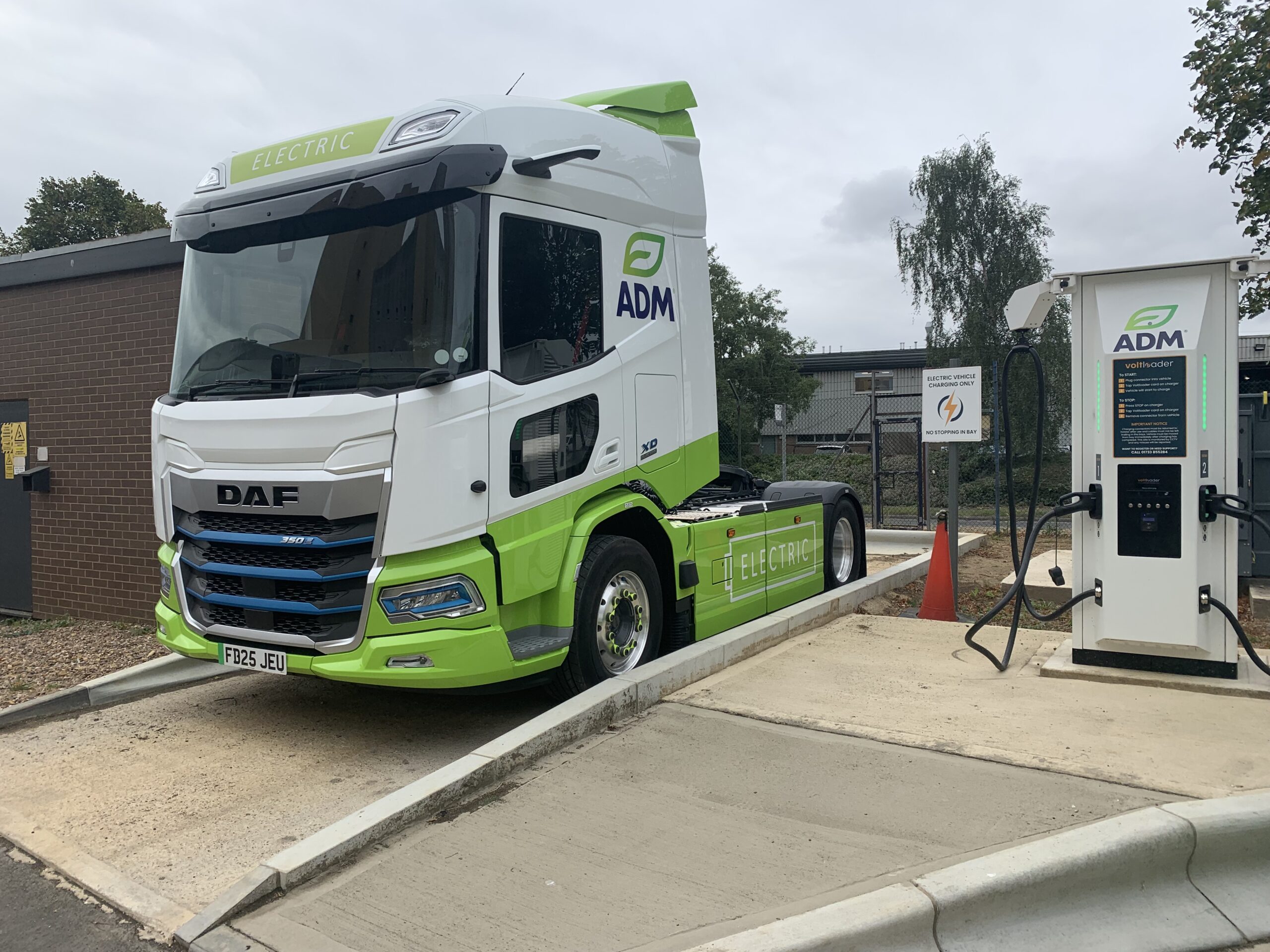
ADM Expands Electric Heavy Goods Vehicle Fleet to Five Across UK Sites
ADM has expanded its electric heavy goods vehicle (HGV) fleet to five vehicles across three sites in the UK, following a successful pilot with Voltloader. This initiative demonstrates the integration of charging infrastructure into multi-shift logistics operations, crucial for handling around 800,000 tonnes of wheat annually. The transition to electric transport is not merely about replacing diesel trucks; it involves a comprehensive approach that includes vehicle technology, route planning, and charging infrastructure. The program is projected to reduce CO2 emissions by approximately 375 tonnes per year, all while ensuring uninterrupted customer deliveries and operational continuity. Looking ahead, ADM and Voltloader are exploring the potential to apply their operational model to inbound agricultural transport and downstream food distribution. The experience gained from this project will help ADM expand its electric transport capabilities while maintaining service levels across its food supply chain. No further timeline was disclosed at the time of publication.
CV, Trucks, Vans and Trailers Electrification and Decarbonisation Road Transport and Haulage Transport and Distribution ADM ADM electric HGV fleet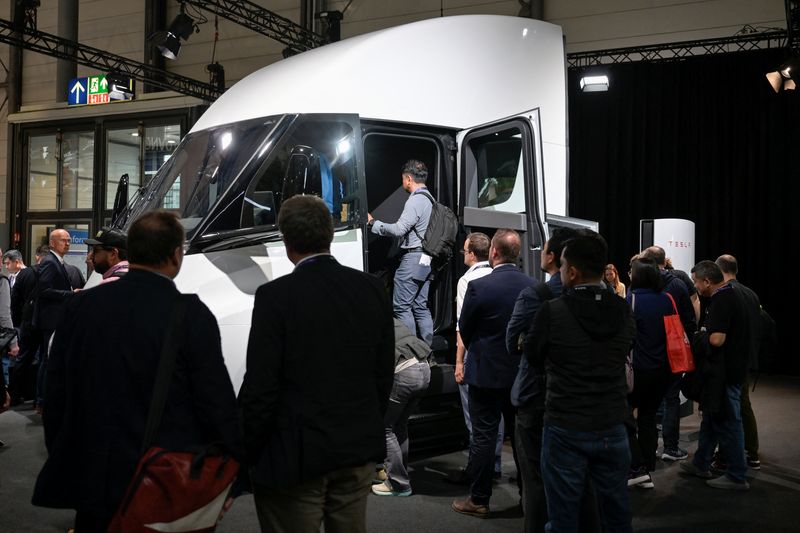
Einride Plans to Deploy 500 Tesla Electric Trucks in North America by 2028
Einride AB announced its intention to deploy 500 Tesla trucks across North America within the next two years, marking a significant milestone in the rollout of heavy-duty electric vehicles. This initiative, which begins in September 2026, will enhance operations for clients like Amazon along key freight corridors in states including California, Texas, New Jersey, Illinois, and Georgia, effectively tripling Einride's electric truck fleet. The deployment is crucial as it aims to convert approximately $800 million in potential long-term annual recurring revenue into active freight capacity. Einride's CEO, Roozbeh Charli, emphasized that this rollout demonstrates the company's capability to scale operations in response to customer demand and highlights the increasing adoption of electric freight technology. The rollout will be financed through third-party solutions and is set to be completed in phases by 2028. As the deployment progresses, it will be important to monitor the impact on operational costs and efficiency, particularly as Tesla's semi-truck director, Dan Priestley, noted the potential for electric trucks to reduce operating costs through fuel savings and improved uptime. No further timeline was disclosed at the time of publication.

Starmind's Satellite Technology Achieves 880 Billion Liters in Annual Water Savings
Starmind has announced that its satellite technology can save approximately 880 billion liters of cooling water annually at full scale. This figure is equivalent to the annual household water use of around 6.5 million Americans. The technology operates by utilizing a closed-loop liquid cooling system that eliminates the need for water during its operational life, contrasting sharply with traditional ground data centers that consume vast amounts of water for cooling. The significance of this achievement lies in the growing water consumption crisis faced by data centers, particularly as AI expansion drives demand. In 2025, U.S. data centers consumed nearly one trillion liters of water, highlighting the urgent need for sustainable solutions. Starmind's approach not only addresses direct water usage but also avoids indirect water consumption associated with electricity generation, marking a substantial shift in how computing can be conducted in a resource-efficient manner. Looking ahead, Starmind's deployment strategy includes a projected buildout of 100 GW of orbital compute per year, which could displace an additional 735 billion liters of ground water demand annually. The first tranche of 10,000 satellites is already operational, offsetting approximately 8.8 billion liters of water per year. No further timeline was disclosed at the time of publication.
Robotics needs a service framework.
RSF defines a common language for robot service capability, lifecycle operations, certification pathways, and service-provider networks.
Join the RobotToday community on LinkedIn
Daily robotics news, in-depth analysis, conference highlights, and discussions with professionals worldwide.