


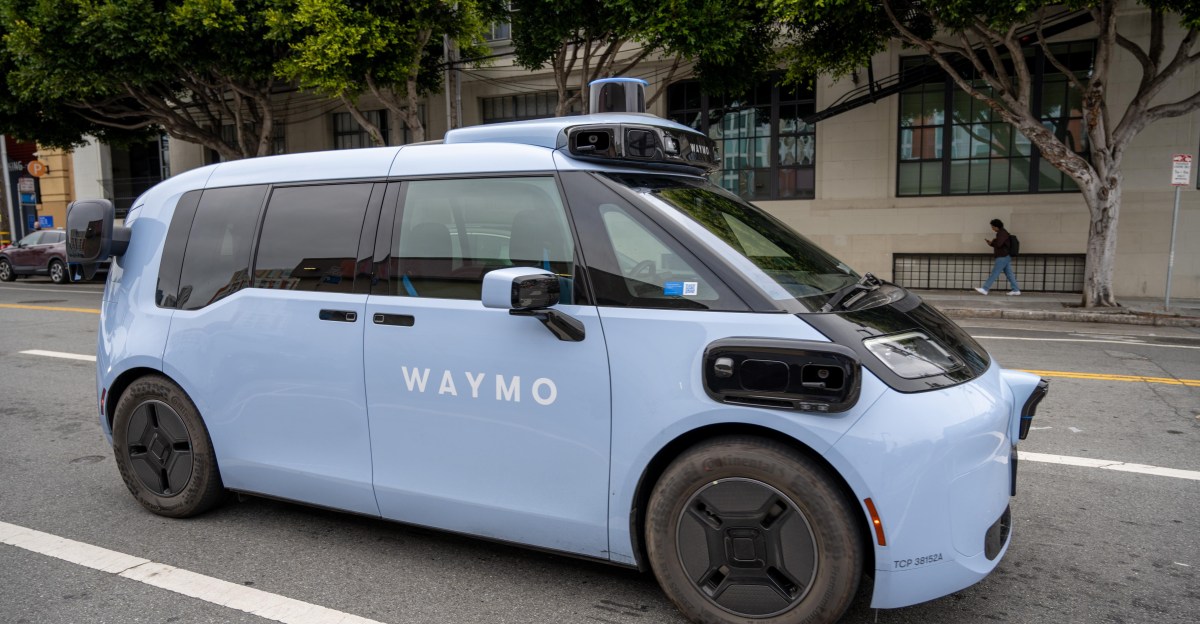
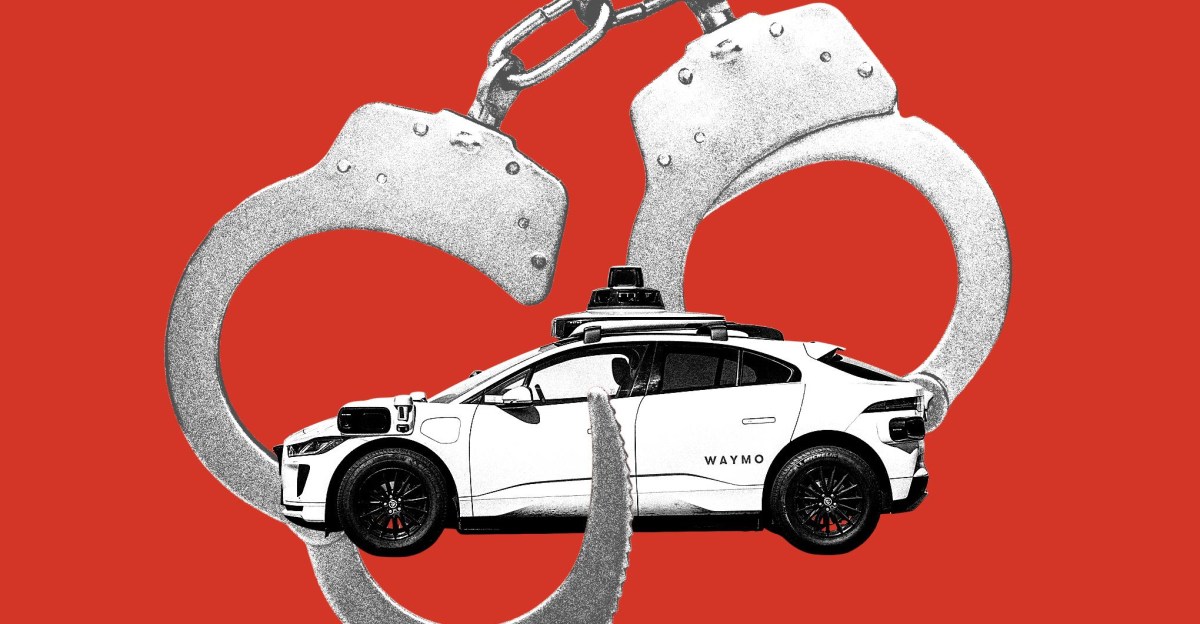
Waymo and other robotaxi operators are facing heightened scrutiny regarding their autonomous vehicles' interactions with emergency responders. This follows incidents where autonomous vehicles obstructed ambulances and failed to recognize safety signals, prompting Rep. Kevin Mullin to propose new federal legislation aimed at establishing minimum safety standards for autonomous vehicle operators.
The proposed AV Emergency Response Coordination Act seeks to address these concerns by requiring clear emergency protocols for first responders and creating a 24-hour hotline for public officials. It also aims to empower officials to geofence autonomous vehicles during emergencies, potentially limiting their operational areas to ensure public safety. This legislative push highlights the growing regulatory risks for the autonomous vehicle industry.
As the bill is expected to be introduced in Congress soon, stakeholders are watching closely for its implications on the operational capabilities of robotaxi services. Waymo has expressed support for a federal framework to standardize interactions with first responders, emphasizing the importance of emergency response protocols in their operations across the U.S.
Editor's Note
The scrutiny faced by Waymo and other robotaxi operators reflects a critical juncture in the autonomous vehicle sector, particularly concerning regulatory compliance and public safety. As lawmakers push for stricter standards, the industry must navigate the balance between innovation and safety, ensuring that autonomous technologies do not hinder emergency response efforts. This situation underscores the importance of proactive engagement with regulatory bodies and first responders.



























Leave a comment