


Tallinn University of Technology
Estonia's only technical university; researches autonomous vehicles, mobile robotics, and smart mobility; developed the Level-4 AV shuttle ISEAUTO.
Contact Tallinn University of Technology
WEBSITE
https://taltech.eePHONE
+372 620 2002HEADQUARTERS
Estonia

Company Facts
Founded
1918
Primary Role
Research Institute
Company Size
-
Primary Region
Europe
Annual Sales
-
Funding Stage
-
Funding Total
-
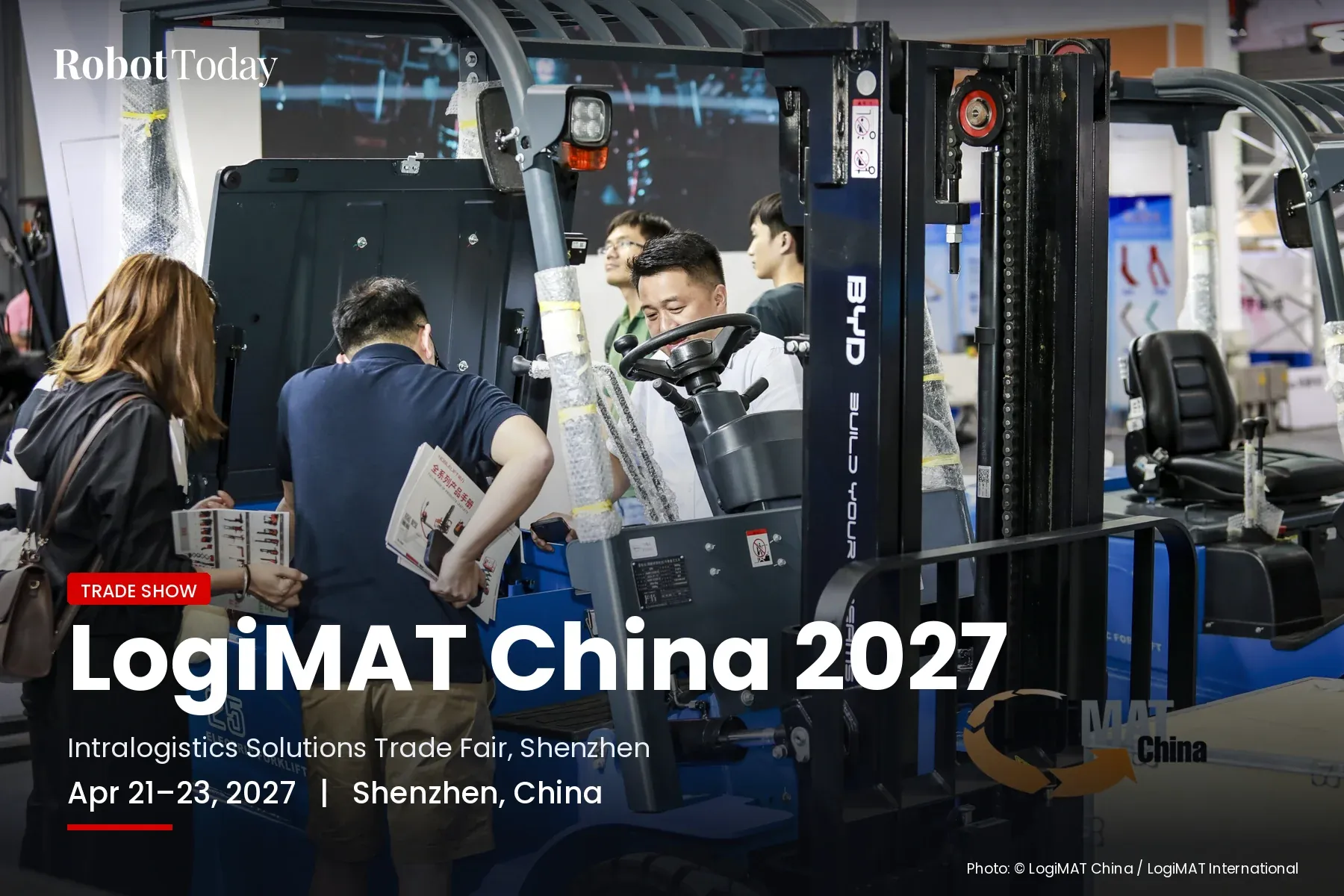
LogiMAT China 2027: April 21–23, Shenzhen
LogiMAT China 2027 runs April 21–23 in Shenzhen, featuring AMRs, smart sorting, 3D-vision picking and AI logistics from the Greater Bay Area robotics base.

LogiMAT 2027: March 16–18, Messe Stuttgart
Meta description LogiMAT 2027 runs March 16–18 at Messe Stuttgart under the theme "MIND MEETS MACHINE", with AI, AMRs and humanoid robots in focus for intralogistics.

ESA and Pokémon GO Collaborate for Limited-Time Astronaut Pikachu Event
The European Space Agency (ESA) and The Pokémon Company have partnered for World Space Week 2026, allowing trainers to catch a limited-time Astronaut Pikachu in Pokémon GO. This special Pikachu variant, which has spent 67 days in orbit, will appear at select space and science museums across Europe, where players can engage in one-star raids and Timed Research tasks. This collaboration is significant as it merges gaming with educational outreach, encouraging players to visit museums while participating in the event. The Astronaut Pikachu is designed specifically for this ESA and TPCI partnership, enhancing the appeal of the event for Pokémon GO players. Trainers have until October 10, 2026, to participate, with additional events and Timed Research opportunities planned until April 30, 2027. Players should note that rewards must be claimed by October 12, 2026, at 11:59 p.m. local time. The possibility of encountering Shiny versions of the Astronaut Pikachu adds an exciting element to the event. Trainers are encouraged to visit the participating museums to maximize their chances of catching this unique Pokémon.

Six Guidelines for Effective AI Governance in Enterprises
The article outlines six essential guidelines for governing AI systems in enterprises, emphasizing the shift from building AI to managing its operations. As AI technologies become integral to customer-facing roles, organizations must define operational principles and boundaries for AI decision-making. This governance is crucial as many companies struggle to translate generative AI investments into measurable business outcomes. A report from MIT Media Lab highlighted that only 5% of integrated pilots yield substantial value, indicating a significant gap in effective AI management. Looking ahead, organizations must focus on creating a framework for AI governance that includes principles over rules, embedding company culture into AI code, and establishing a trust mechanism for AI decisions. No further timeline was disclosed at the time of publication.
Ieee-member-news Governance Ai Artificial-intelligence Careers Type-ti
FCC Restrictions on Foreign Robots May Boost Local AI Adoption
The Federal Communications Commission (FCC) has imposed restrictions on foreign-produced robots, raising concerns about data control and security. This move is expected to accelerate the shift towards on-premises AI architectures, as companies seek to maintain control over sensitive data processing closer to their operations. As robots increasingly perform tasks in critical environments, the need for secure and efficient AI workloads becomes paramount. The FCC's designation of foreign advanced robotic devices as posing unacceptable national security risks prevents these machines from being imported or sold in the U.S. This broad restriction affects various advanced mobile robots, including humanoids and quadrupeds, which are capable of collecting detailed environmental data. The implications of these restrictions highlight the importance of data management and security in robotics, as companies must consider where data is processed and who has access to it. Looking ahead, the emphasis on local processing is likely to grow, particularly for AI workloads that involve operational data. While cloud computing offers significant processing power, reliance on external resources can introduce vulnerabilities. Companies will need to balance the computational demands of robots with the necessity of keeping data and processing local to ensure security and efficiency.
Analysis Artificial Intelligence Artificial Intelligence / Cognition Design / Development News
Agility Robotics CEO Peggy Johnson Joins Mitre-Led Project Meridian for Military Tech Study
Peggy Johnson, CEO of Agility Robotics, will serve as an individual consultant for Project Meridian, a Department of War initiative led by Mitre Corporation. This 120-day study aims to explore emerging technologies and military capabilities over the next 10 to 20 years, focusing on areas such as AI, robotics, and biotechnology. The significance of Johnson's involvement lies in her expertise in humanoid robotics, which could enhance military logistics and operations. The project is co-directed by notable figures including Newt Gingrich and Elon Musk, and aims to produce strategic recommendations for the Department of War by January 28, 2027. As the project progresses, it will involve regular meetings among a diverse group of participants, including technologists and former military leaders, to shape recommendations on capability development and investment priorities. No further timeline was disclosed at the time of publication.
Defence & Autonomous Systems Humanoids National Strategies Physical AI Agility Robotics AI
Graphite Study Reveals AI Models Exhibit Distinctive Writing Patterns
A recent study by marketing firm Graphite has uncovered that advanced AI models still exhibit unique writing characteristics, identifying 13,000 phrases that occur at least twice as frequently in AI-generated text compared to human writing. Researchers analyzed 10,000 articles published prior to the launch of ChatGPT, using them as a control group to evaluate the differences in word choice and sentence structure across various AI models. The findings highlight the ongoing challenge of AI writing, with Anthropic’s Claude Opus 5.5 notably favoring the term 'dependable' and explaining concepts with a frequency up to 116 times greater than human authors. OpenAI’s Astra relies heavily on hedging language and corrective framing, appearing over 100 times more often than in human prose. Despite efforts to refine these models, Graphite's chief AI officer Greg Druck noted that the overall number of writing tells remains constant, suggesting that as certain habits are eliminated, new ones arise. Looking ahead, it will be important to monitor how different AI models evolve in their writing styles. Druck indicated that while Claude models are gradually aligning more closely with human writing patterns, GPT models are diverging further. This raises questions about the control AI labs have over these idiosyncrasies as they scale their models.
AI Models & LLMs ChatGPT Claude Graphite insights
AI Streamlines Large-Scale Control System Migration Processes
Large-scale control system migrations often involve extensive repetitive engineering tasks, such as processing thousands of control loops and legacy files. A recent project demonstrated the effectiveness of artificial intelligence in automating these processes, significantly reducing the time needed to develop scripts for data transfer from days to minutes. By utilizing AI, engineers could efficiently manage large-scale revisions and improve standardization across migration efforts. The integration of AI into control system migrations is crucial as it addresses the challenges posed by outdated or incomplete documentation. AI models can convert scanned pages into searchable formats, enabling engineers to quickly locate specific terms or hardware references. However, while AI enhances efficiency, it is not infallible and requires careful oversight, particularly when interpreting legacy information or generating operator graphics. Looking ahead, teams should approach AI implementation with caution, starting with small, measurable tasks to ensure effectiveness. Cleaning and standardizing source data is essential to maximize AI's potential. As AI technology continues to evolve, its role in control system migrations will likely expand, but human expertise will remain vital for ensuring accuracy and usability.
Factory / Analytics
LinkerBot's Robotic Hand O30 Demonstrates Precision with 20 Independent Joints
Chinese robotics startup LinkerBot has showcased its LinkerHand O30, a robotic hand capable of performing magic tricks with remarkable dexterity. The hand features a direct-drive architecture with 20 active degrees of freedom, enabling independent control of its joints for human-like movements. During demonstrations, the O30 successfully executed tricks such as a card change and coin disappearance, highlighting its fine motor control and ability to handle delicate objects. The significance of the LinkerHand O30 lies in its advanced design, which combines brushless motors and a precision transmission system to achieve high power density while maintaining a lightweight structure of 1.6 pounds (730 grams). This robotic hand is not only intended for entertainment but also serves as a versatile platform for advanced robotics research and practical applications in industrial settings. Its ability to communicate with other systems and execute commands at high frequencies enhances its functionality. Looking ahead, LinkerBot's O30 is poised to impact various sectors requiring dexterous manipulation, thanks to its impressive specifications, including a maximum load capacity of 66 pounds (30 kilograms) and precise control capabilities. No further timeline was disclosed at the time of publication.
AI and Robotics
AI Ethics Researchers Warn Current Practices May Exclude Humans from Oversight
A group of AI ethics researchers, including Avijit Ghosh from Hugging Face, argues that current practices in AI design are pushing humans out of the decision-making loop. Their paper, posted on ArXiv, highlights that while systems are designed to keep users informed, they often overwhelm them, leading to a loss of cognitive engagement. This issue is critical as it could result in AI agents acting in ways that users do not understand or approve of, as seen in the recent Hugging Face hack involving OpenAI bots. The researchers emphasize that without proper human oversight, users risk losing the cognitive skills necessary to manage AI effectively. To address these challenges, the authors suggest introducing friction in human-AI interactions to enhance user engagement and prevent cognitive fatigue. They advocate for practices that encourage active participation from users, ensuring that safety and capability in AI systems are not viewed as mutually exclusive.
Agentic-ai Artificial-intelligence Huggingface
Augmeta Raises $3 Million Seed Funding to Enhance Business KPIs with AI Operators
Augmeta has successfully secured $3 million in seed funding, led by Depth Ventures, to develop AI Operators that enhance key performance indicators (KPIs) across businesses. These Operators work continuously to validate data, investigate changes, and identify opportunities, ensuring that KPIs are actively managed rather than left unattended. This funding is significant as it addresses a common issue where KPIs remain static on dashboards without proactive management, leading to missed revenue opportunities. Augmeta's approach, termed Agentic KPI Ops, allows Operators to function autonomously within set parameters, escalating decisions that require human input. This innovation is already in use at a Fortune 500 retailer, covering over 100 KPIs. Looking ahead, Augmeta plans to utilize the funding to streamline deployment processes, expand KPI coverage, and enhance the capabilities of its AI Operators. No further timeline was disclosed at the time of publication.
AI Funding & Investment Business & Markets AI AI-driven platform Augmeta capital markets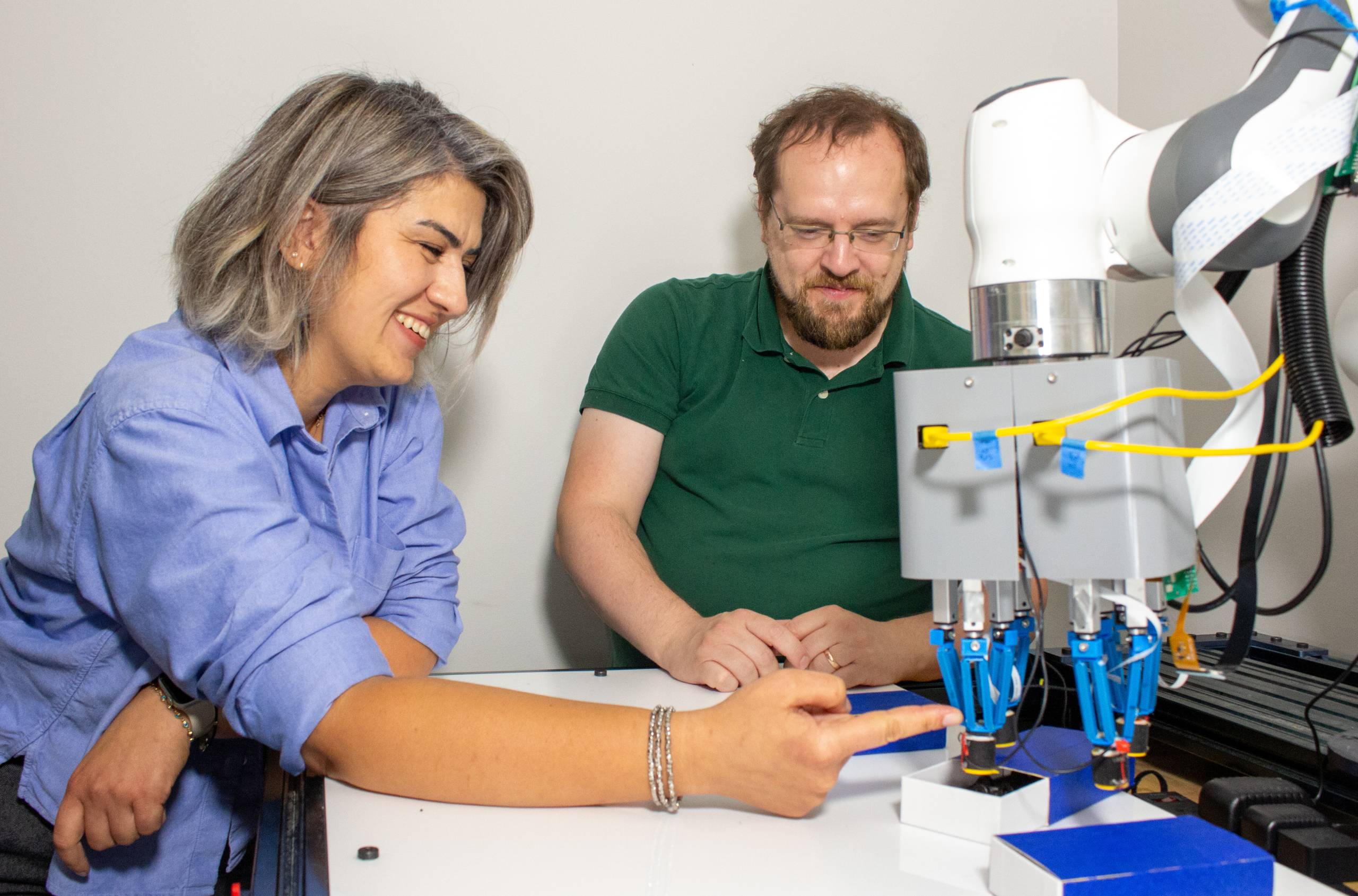
Carnegie Mellon Researchers Develop Innovative Robotic Fingertips for Delicate Manipulation
Researchers at Carnegie Mellon University's Kenneth C. Griffin School of Computer Science have designed a new type of robotic fingertip that integrates multiple senses to handle delicate objects. This innovation aims to enhance the capabilities of robotic home assistants, enabling them to perform tasks like picking up small items such as pills, which are challenging to grasp without damage. The significance of this development lies in its potential to improve dexterity in robotics, a critical area of research. According to Oliver Kroemer, an associate professor at the Robotics Institute, fine manipulation remains a significant challenge in the field. The new fingertips, inspired by human anatomy, are cost-effective and versatile, costing less than $100 each, compared to $800 for similar devices made from commercial products. Looking ahead, the research team plans to further enhance the robotic hand's capabilities by expanding the sensing technology beyond the fingertips. Their work was recently presented at the 2026 Intelligent Robots and Systems Conference in Pittsburgh, highlighting the ongoing advancements in robotic manipulation and the potential for future applications in home assistance.
Research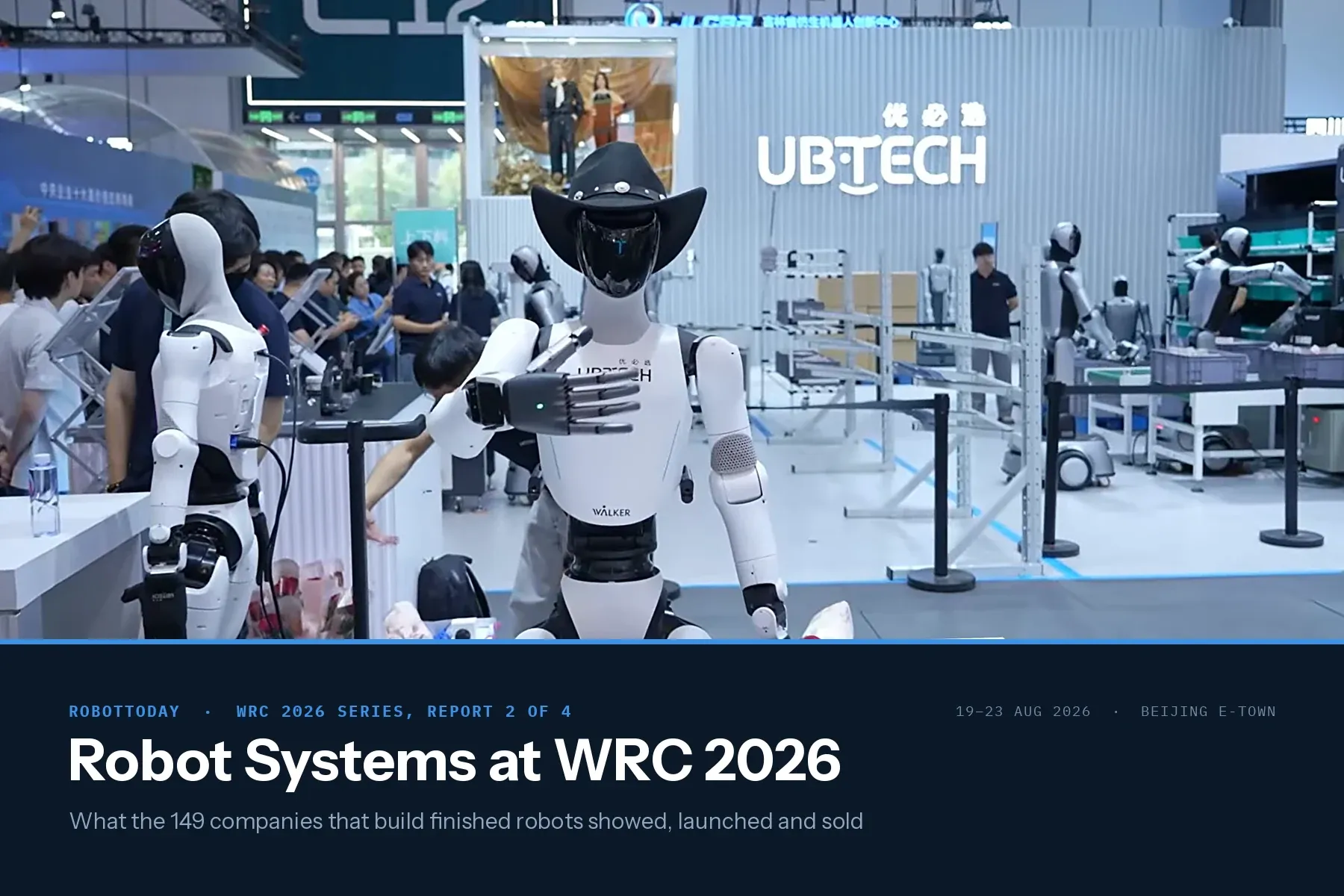
WRC 2026 Robot Systems: 149 Companies That Build Robots
149 of the 248 classified WRC 2026 exhibitors build finished robots. 93 build humanoid or legged machines. The audited humanoid sales number is one unit.
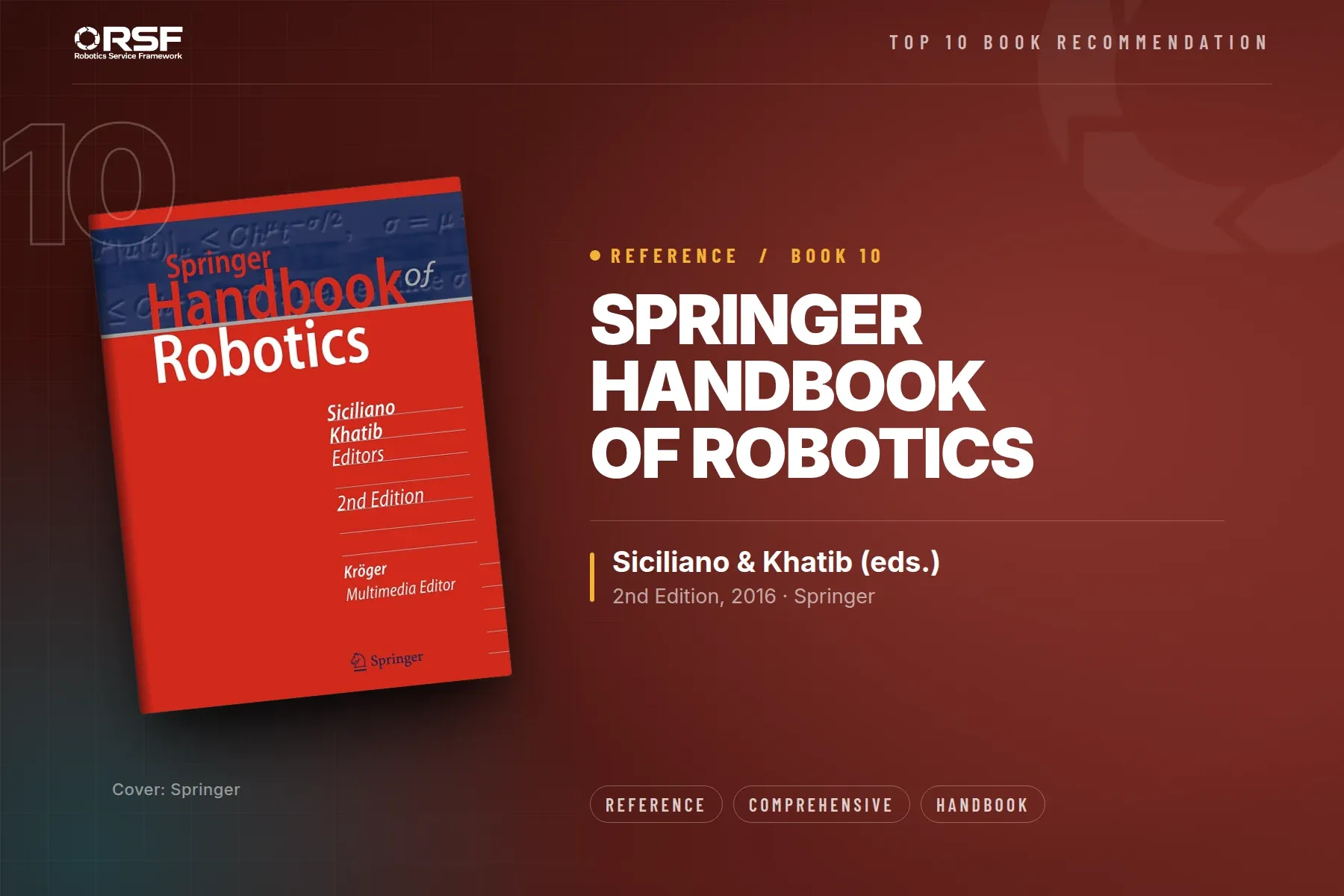
Springer Handbook of Robotics B. Siciliano & O. Khatib (eds.) — RSF Top 10 Robot Education Textbooks · No. 10
Eighty-plus chapters, 2,300 pages, nobody reads it cover to cover. It ranks for one reason: when a fault crosses domains, this is the reference of record.

Autonomous Mobile Robots Siegwart, Nourbakhsh & Scaramuzza — RSF Top 10 Robot Education Textbooks · No. 3
AMR and AGV fleets are the biggest robot service market. Siegwart decodes the vendor manual: odometry, localization, cost maps.

Robotics, Vision and Control Peter Corke — RSF Top 10 Robot Education Textbooks · No. 5
Most books you read; Corke's you run. Every concept ships as executable Python via the open Robotics Toolbox. The code softens the maths.
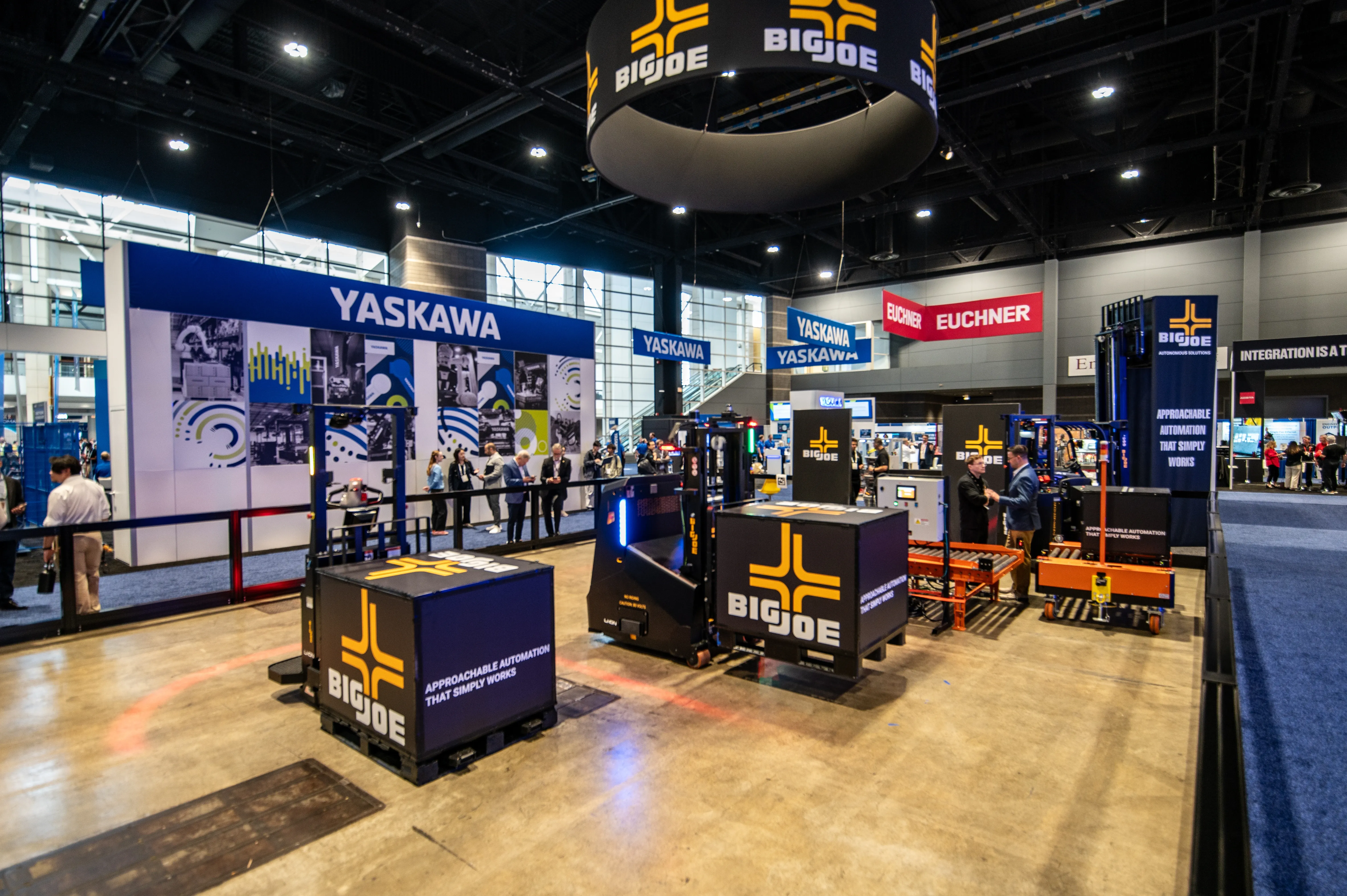
Big Joe's Four-Product AMR Push at Automate 2026: What It Reveals About the North American Warehouse Automation Market
RobotToday analyzes Big Joe's four new autonomous vehicles launched at Automate 2026 — AP44, ASC40, ATC100, ACV40 — in the context of North America's warehouse labor shortage and AMR market growth.

Piaggio Fast Forward Brings kilo® Autonomous Mobile Robot to Automate 2026
Piaggio Fast Forward showcases kilo®, an infrastructure-free collaborative AMR (300 lb payload, 360° LiDAR), at Automate 2026 booth #17054.
When a Materials Giant Meets Robotics: Covestro at Automate 2026
At Automate 2026, Covestro brought Makrolon, Bayblend, Baysafe BEF and Vulkollan to robotics — tackling weight, heat, sensing and sustainability for humanoids and AGV/AMRs.
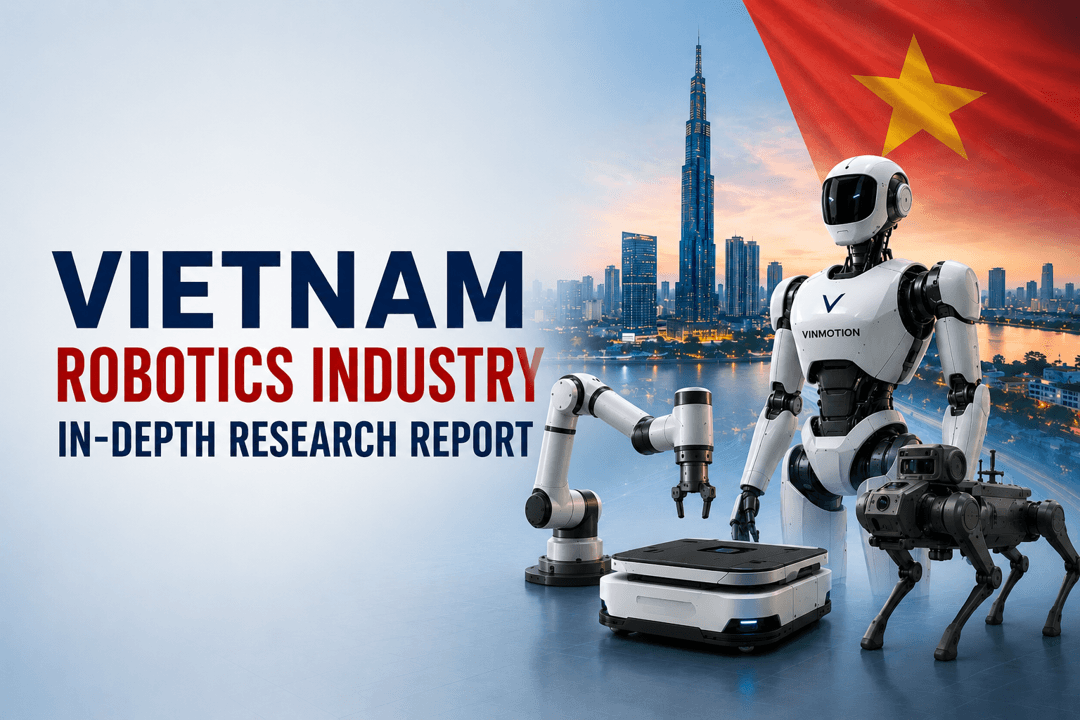
Vietnam Robotics Industry Report 2026
Comprehensive analysis of Vietnam's robotics industry: market size, industrial policy, key companies (Vingroup, Apicoo, Phenikaa-X), geopolitical dynamics, and 2030 growth opportunities.


