


Tesla (NASDAQ: TSLA) stock faced a significant decline of 26% in July, marking its worst monthly performance in over three years, as reported by S&P Global Market Intelligence. This drop is attributed to various factors, including a decrease in Tesla's trailing 12-month net income by 64% over the past three years, despite an 8% increase in revenue.
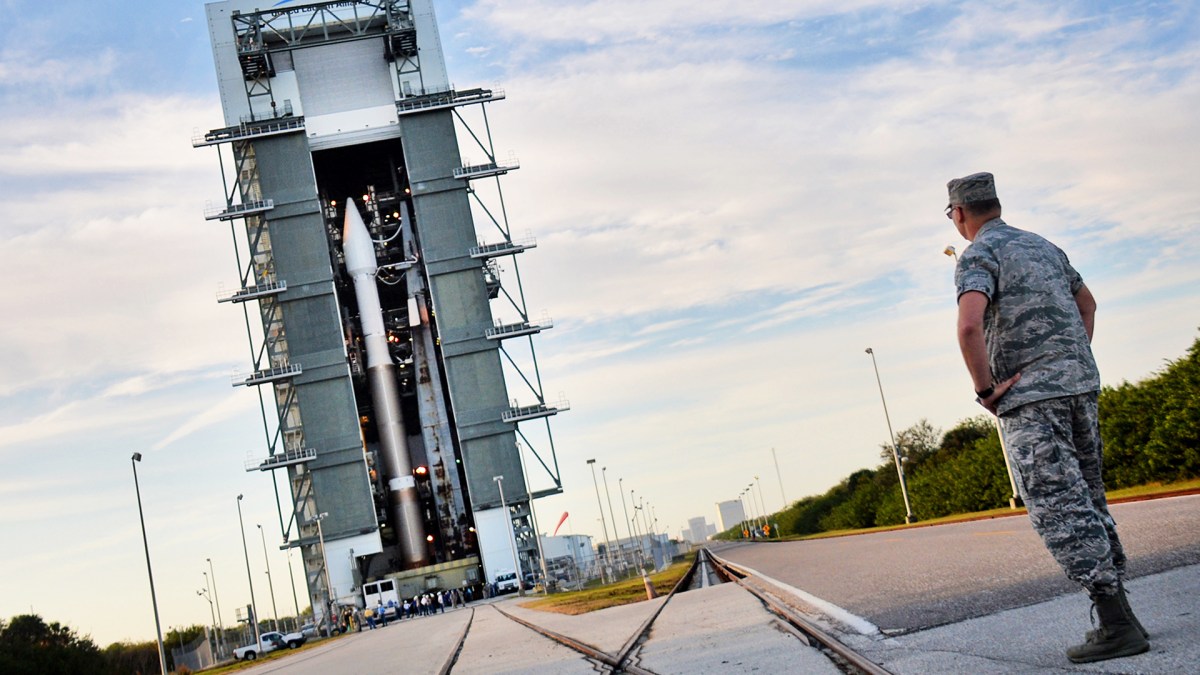
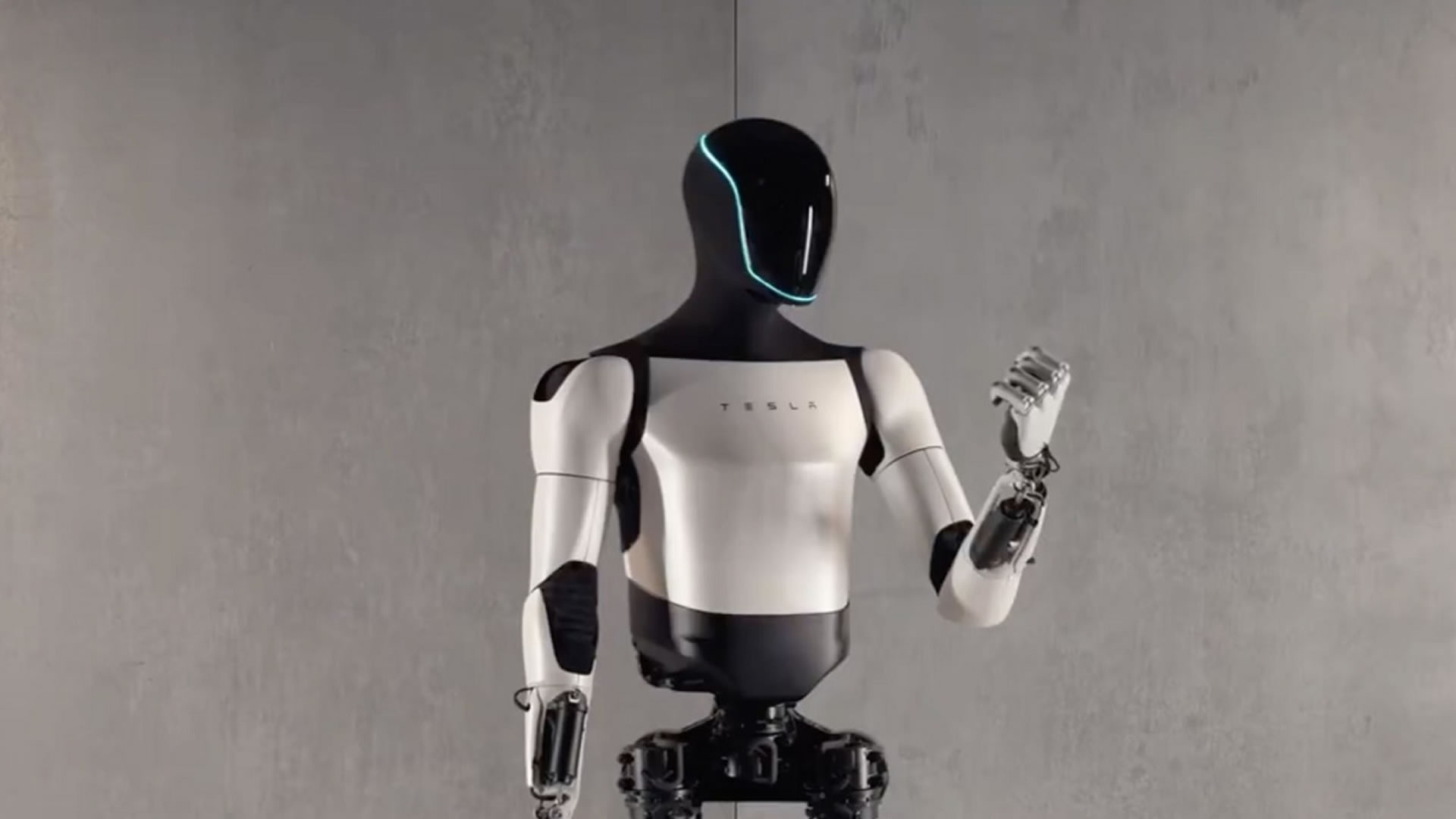
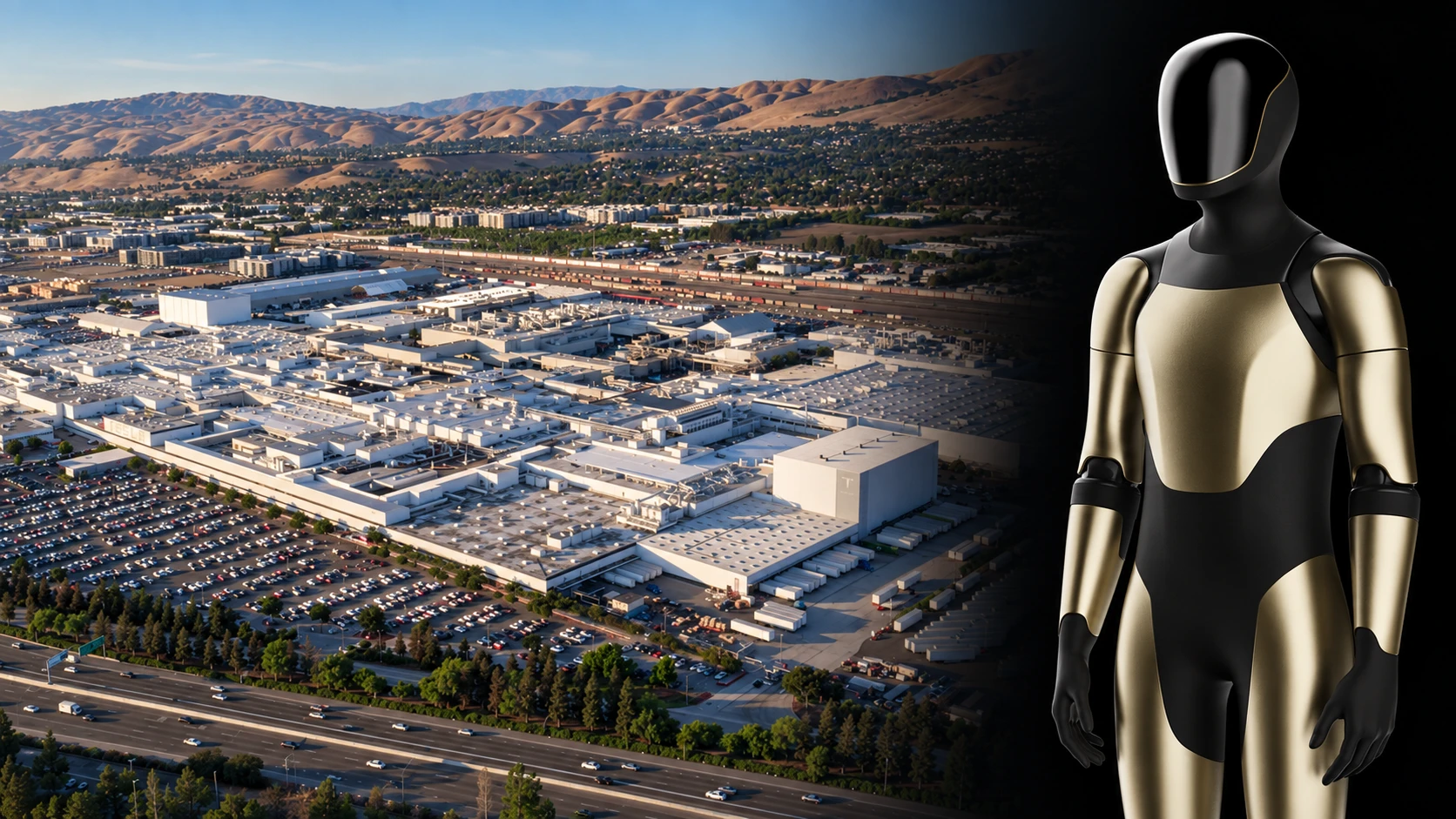
The decline in stock value raises concerns among investors, particularly as CEO Elon Musk has been promoting Tesla as an artificial intelligence (AI) technology company, focusing on its autonomous driving software and robotics. While the company has made incremental progress in its driverless robotaxi rollout, growth has been slow, leading to diminished investor enthusiasm. Additionally, the IPO of Musk's Space Exploration Technologies may have diverted some investor capital away from Tesla.
Looking ahead, Tesla's future hinges on its AI and robotics segments, which are seen as crucial for the company's valuation. Although Tesla remains a leader in the electric vehicle market, the stock's high valuation—trading at over 150 times forward earnings—suggests that successful deployment of a driverless robotaxi fleet is essential for justifying its price. No further timeline was disclosed at the time of publication.
Editor's Note
Tesla's recent stock performance highlights the volatility in the electric vehicle market and the challenges of transitioning to new technologies. Investors are increasingly scrutinizing profitability metrics while considering the potential of AI and robotics. As companies like Tesla pivot towards advanced technologies, understanding the balance between current performance and future potential will be critical for stakeholders.



















Leave a comment