

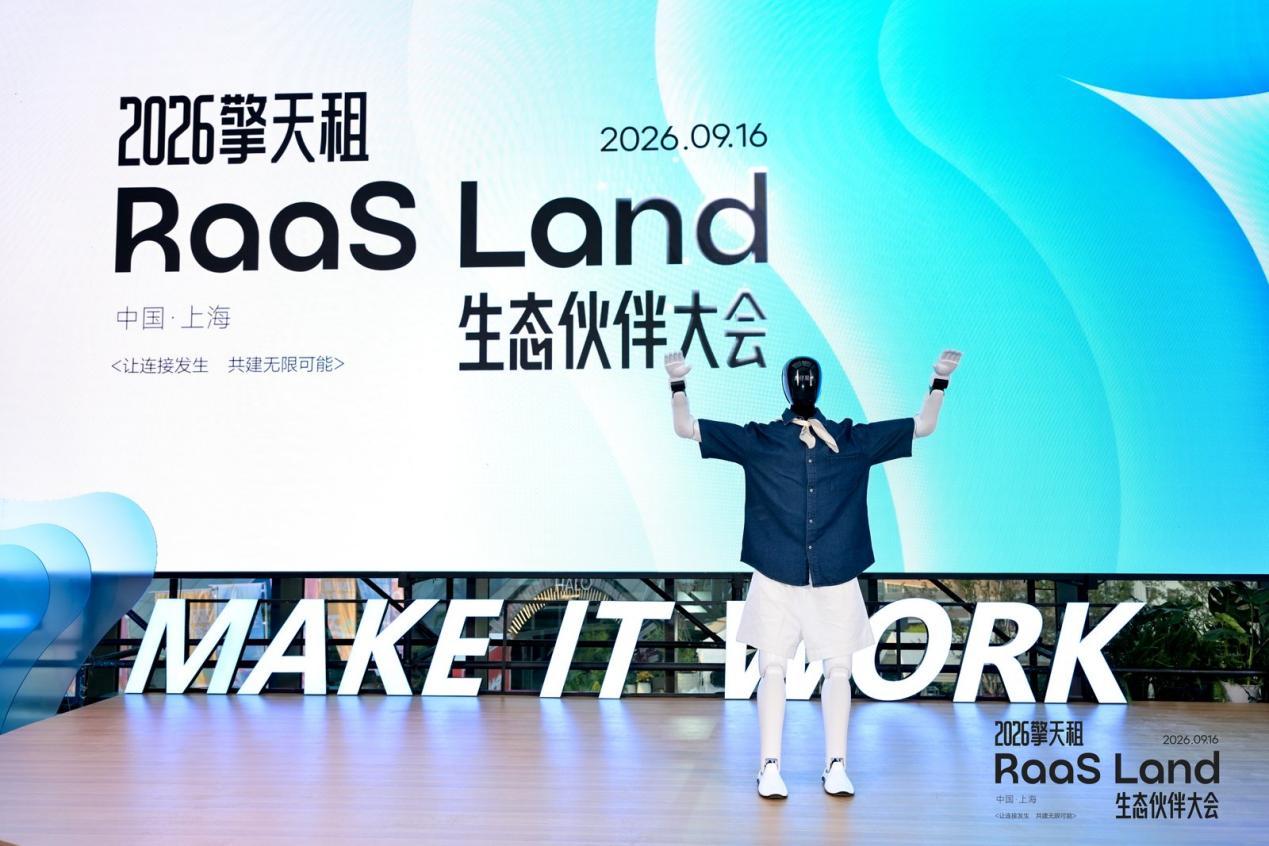
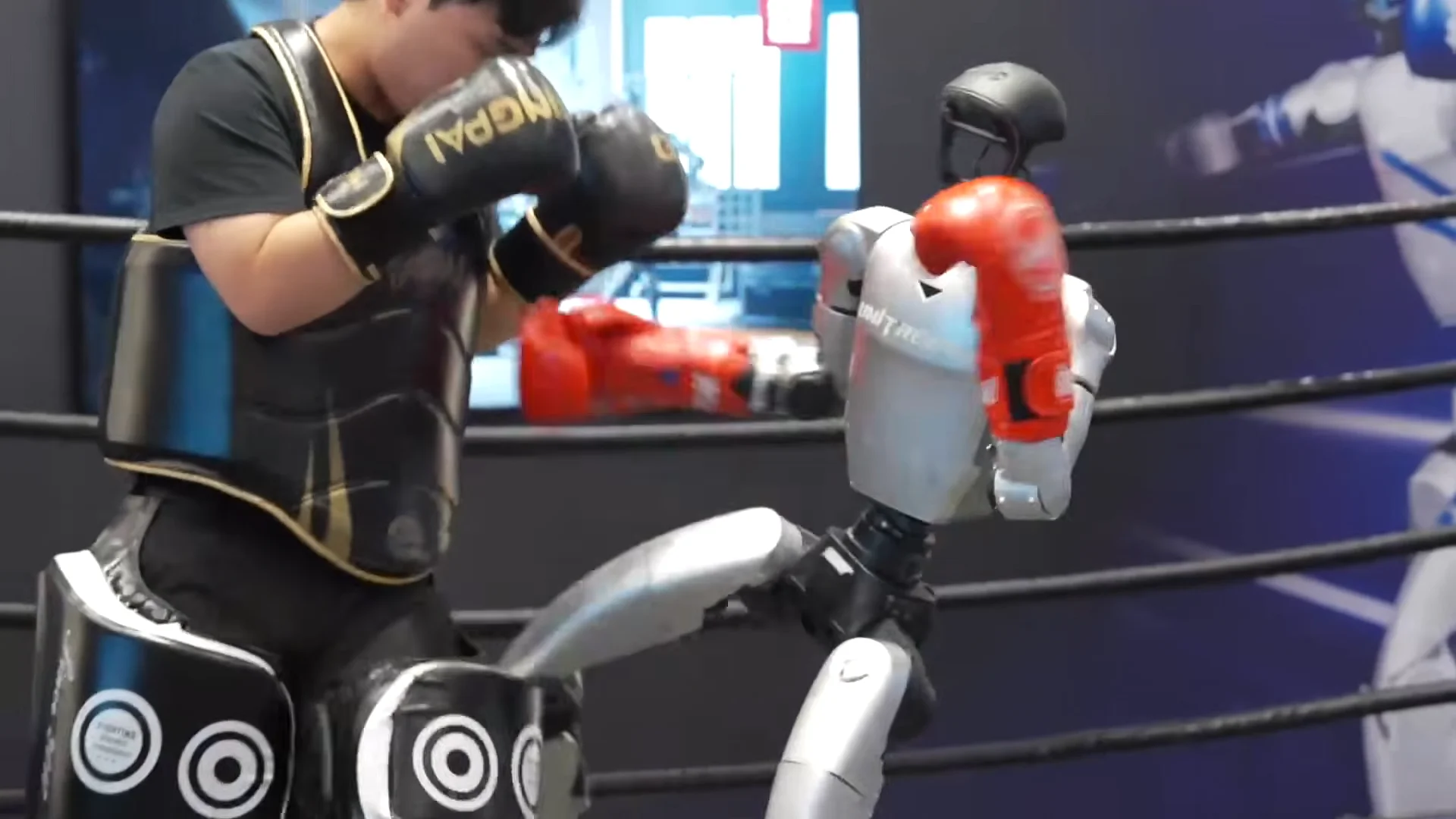
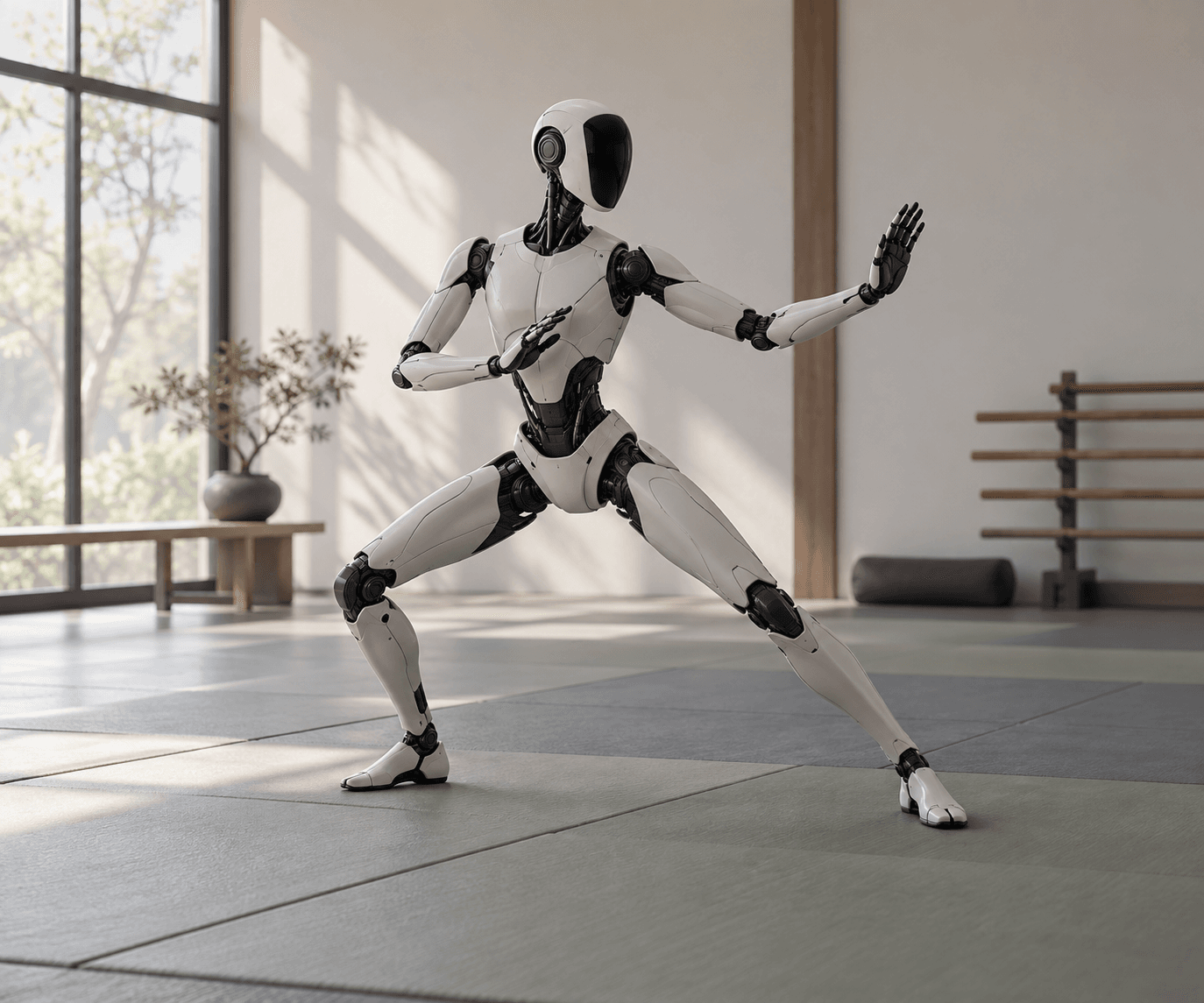
At the Ecological Partner Conference in Shanghai on September 16, CEO Li Yiyan of Qingtian Rental challenged the traditional focus on hardware in the robotics industry. He emphasized that the true value of a robot lies in its ability to perform tasks and generate commercial returns, rather than its specifications. Qingtian Rental showcased its robots in real commercial scenarios, demonstrating their capabilities in various applications.
This shift from hardware to service-oriented models is significant for the robotics industry. Qingtian Rental's Worken concept redefines productivity by quantifying work as a standard unit that is describable, measurable, deliverable, and replicable. This approach allows businesses to focus on the tasks they need to accomplish rather than the specific robots they need to purchase, thereby transforming robots from assets into services.
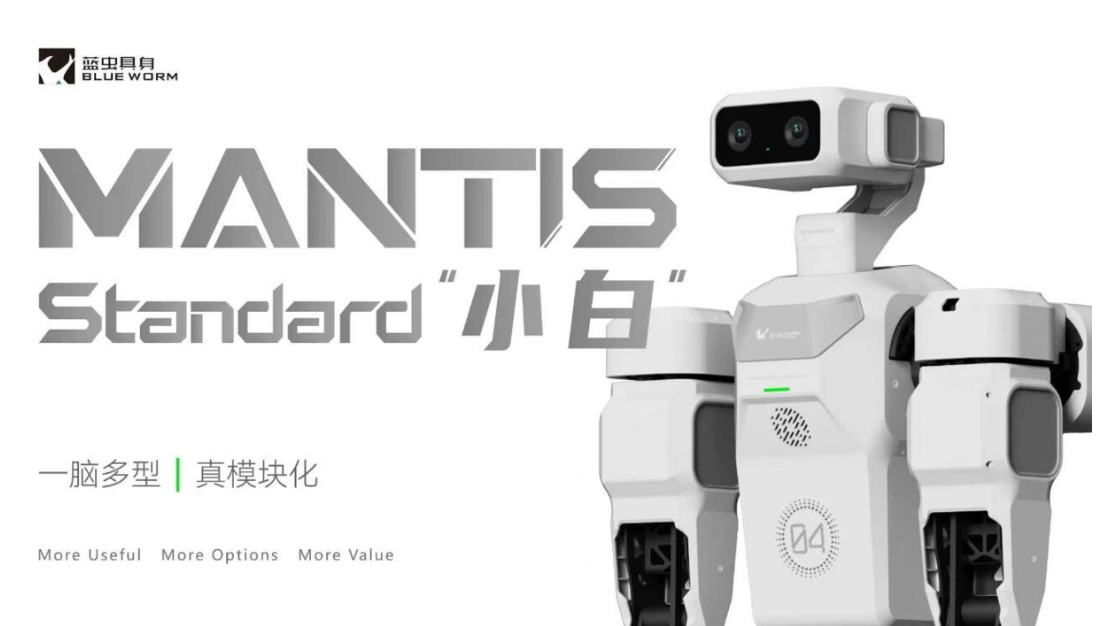
Looking ahead, the competition in the robotics industry will hinge on scheduling capabilities rather than hardware specifications. Qingtian Rental's collaboration with Blue Cursor's subsidiary to expand interactive applications in cultural and tourism sectors illustrates this shift towards integrated, scalable solutions. The future of the industry will depend on whether Worken can become a recognized standard for measuring value and how quickly data can be accumulated to enhance scheduling capabilities.
Editor's Note
The robotics industry is undergoing a paradigm shift from hardware-centric models to service-oriented frameworks. This transition emphasizes the importance of task execution and measurable outcomes, which could redefine how businesses approach automation and robotics procurement. As companies like Qingtian Rental innovate with concepts like Worken, the competitive landscape may increasingly focus on integration and service delivery rather than just hardware specifications.



















Leave a comment