


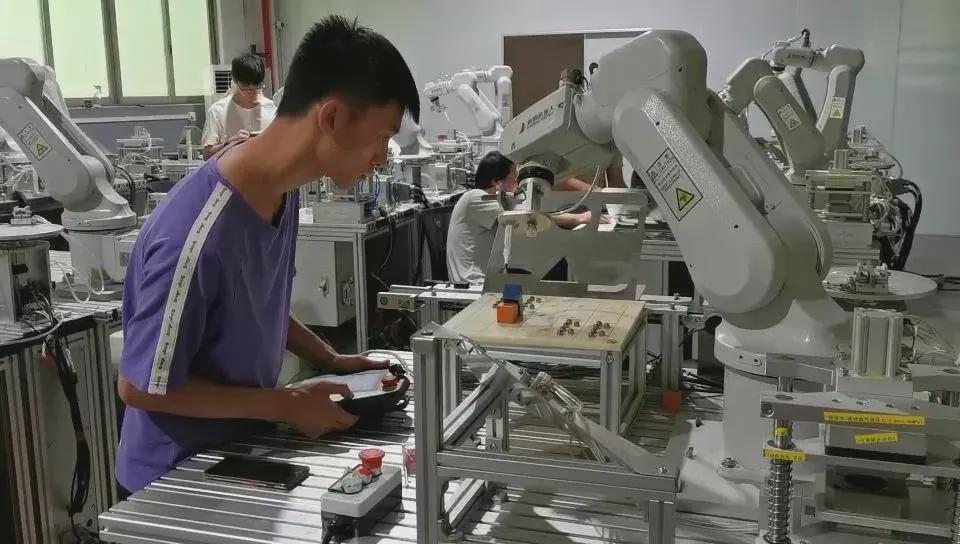
In Germany, only one in four defective electronic devices is repaired today. The challenges often stem from labor costs, a shortage of skilled workers, and expensive replacement parts rather than technical issues. The NewEra collaborative project aims to tackle these problems by utilizing two robotic arms that identify devices, open casings, diagnose damages, and replace defective components using sensor data and learning-based methods.
This initiative is significant as it addresses the growing issue of electronic waste and the need for sustainable repair solutions. By automating the repair process, the NewEra project not only enhances efficiency but also reduces costs associated with repairs, making it more viable for consumers and businesses alike. The ability to systematically identify and address common defects could lead to a paradigm shift in how electronic devices are maintained and repaired.
Looking ahead, the success of the NewEra project could pave the way for broader adoption of automated repair solutions in the electronics sector. Stakeholders will be keen to observe the project's impact on repair rates and its potential to influence industry standards for device maintenance. No further timeline was disclosed at the time of publication.
Editor's Note
The NewEra project highlights the intersection of automation and sustainability in electronics repair. As labor shortages and high costs continue to challenge traditional repair methods, this initiative could redefine repair processes and enhance the lifecycle management of electronic devices. Industry players should monitor advancements in robotic automation that could streamline operations and reduce electronic waste.




























Leave a comment