


A. Schweiger GmbH
German family supplier founded 1982 in Sauerlach; distributes electromechanical components and integrates JAKA cobots for European manufacturers.
Contact A. Schweiger GmbH
WEBSITE
https://www.schweiger-group.dePHONE
+49 8104 897-0HEADQUARTERS
Germany

Company Facts
Founded
1982
Primary Role
System Integrator
Company Size
-
Primary Region
Europe
Annual Sales
-
Funding Stage
-
Funding Total
-
Certifications & Memberships

Tuning the Brain Like a Radio: Synapse Symphony’s Plan to Treat Chronic Pain at Home
CEO Vishal Jain on Synapse Symphony's DARPA-rooted wearable brain-stimulation headset for chronic pain, its FDA plans, and a second use: motor-health checks.
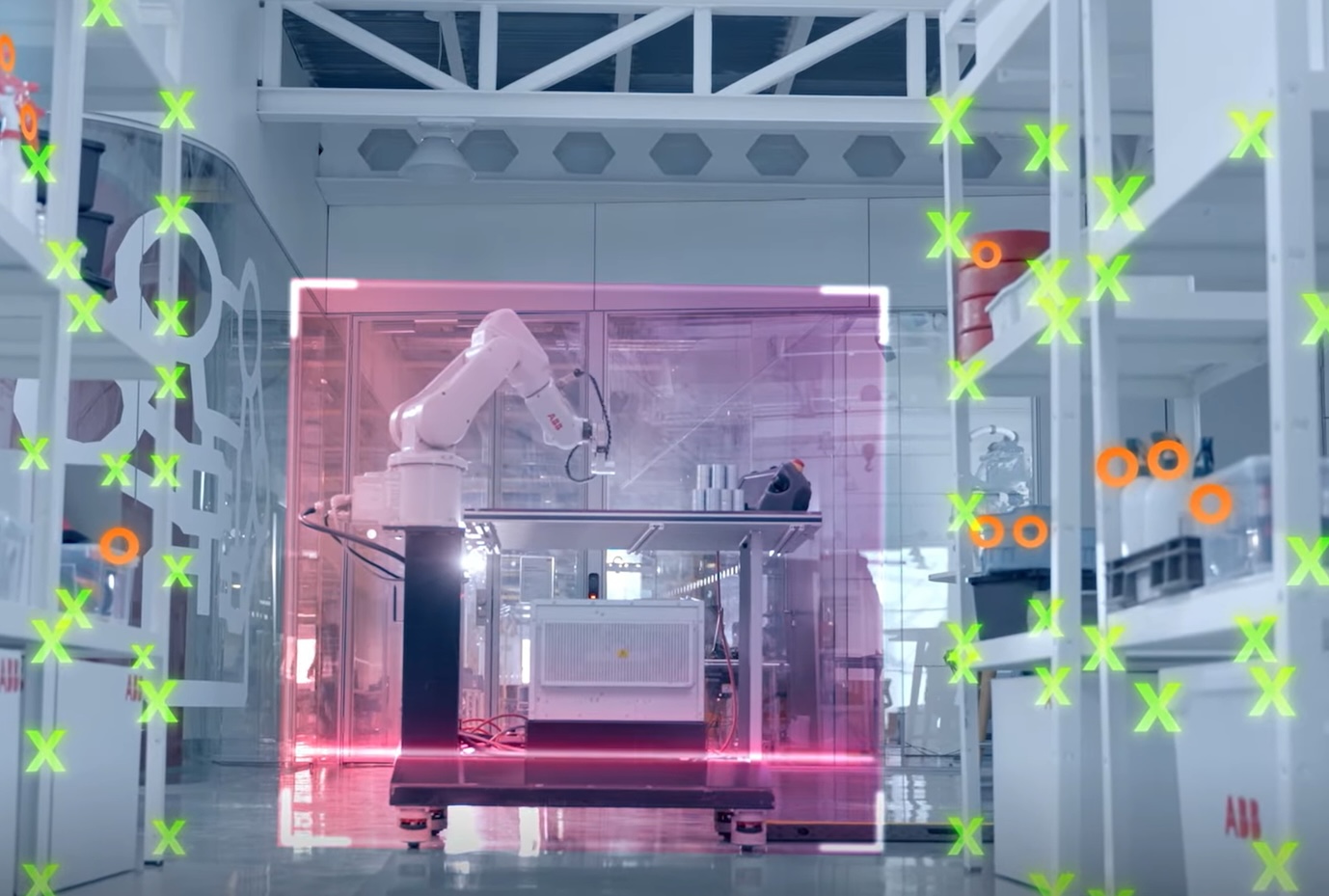
Cobot Automates Night Shift at Elektron Systeme in Collaboration with Delta Electronics
Elektron Systeme faced challenges in personnel planning due to a manufacturing order. To address this, the EMS provider collaborated with Delta Electronics to explore the automation of a specific process step using a collaborative robot (cobot). This initiative not only streamlined operations but also opened up new opportunities for further applications. The implementation of the cobot is significant as it highlights the growing trend of automation in manufacturing, particularly in response to labor shortages and efficiency demands. By leveraging advanced robotics, Elektron Systeme aims to enhance productivity and optimize workforce management, which is crucial in today's competitive landscape. Looking ahead, it will be important to monitor how Elektron Systeme expands the use of cobots in other areas of its operations. The success of this initial deployment could lead to broader adoption of automation technologies within the company, potentially transforming its manufacturing processes. No further timeline was disclosed at the time of publication.
Allgemein Anwendungen & Lösungen Cobots & MRK Elektronik & Konsumgüter LösungenCobot Automates Night Shift at Elektron Systeme in Collaboration with Delta Electronics
Elektron Systeme faced challenges in personnel planning due to a manufacturing order. To address this, the EMS provider collaborated with Delta Electronics to explore the automation of a specific process step using a collaborative robot (cobot). This initiative not only streamlined operations but also opened up new opportunities for further applications. The implementation of the cobot is significant as it demonstrates the potential for automation in addressing workforce limitations, particularly during night shifts. This collaboration highlights the growing trend of integrating robotics into manufacturing processes to enhance efficiency and productivity. Looking ahead, it will be important to monitor how Elektron Systeme expands the use of cobots in other areas of their operations. No further timeline was disclosed at the time of publication.
Allgemein Anwendungen & Lösungen Cobots & MRK Elektronik & Konsumgüter Lösungen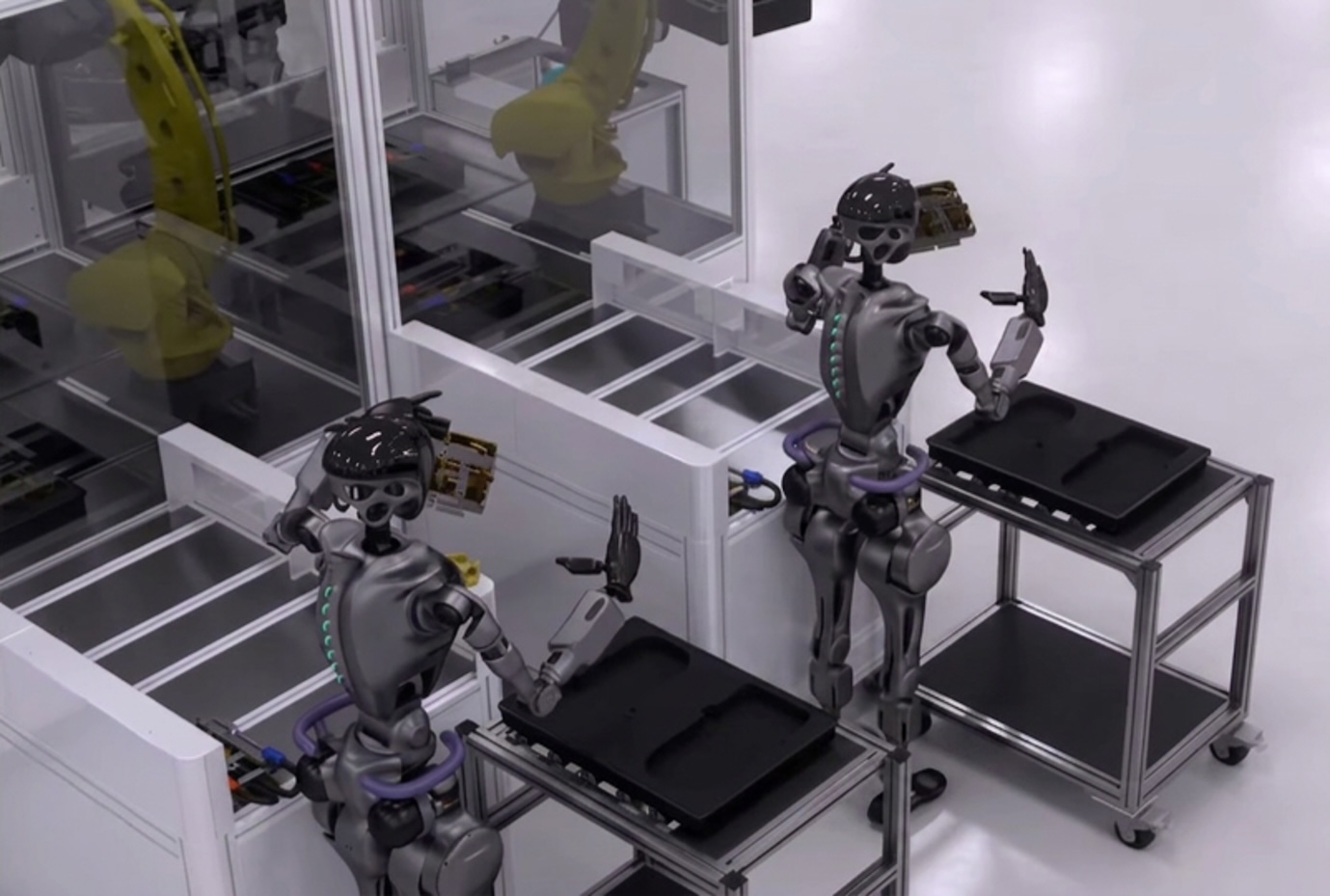
Comau Innovates Robotic Order Preparation System for Decathlon's E-commerce Fulfillment
Comau has developed and validated a robotic order preparation solution for Decathlon's e-commerce operations as part of the European initiative MASTERLY. This system utilizes Comau's MyCo collaborative robot, equipped with a ROS2-based software architecture, intelligent sensors, and an advanced modular gripper to autonomously handle various tasks such as picking, handling, and palletizing. The significance of this development lies in its ability to address evolving production challenges, including supply chain disruptions and the need for rapid reconfiguration. By collaborating with Decathlon and other technology partners, Comau's solution emphasizes scalable automation that enhances workplace ergonomics and operational flexibility in human-centric environments. Looking ahead, the insights and functionalities validated during the MASTERLY project will enhance Comau's MyCo collaborative robotics platform and contribute to its advanced intralogistics capabilities. No further timeline was disclosed at the time of publication.

DHL's Logistics Trend Radar 8.0 Highlights AI's Role in Transforming Supply Chains
DHL's Logistics Trend Radar 8.0 reveals that artificial intelligence is evolving from a supportive role to an autonomous force in supply chains. This shift necessitates organizations to rethink workforce skills, safety, and governance to build resilient supply chains. As AI technologies like Agentic AI and AI Analytics emerge, they enable organizations to anticipate disruptions and optimize operations. The report emphasizes that while AI and robotics are reshaping logistics operations, the human element remains crucial. Technologies such as collaborative robotics and AI-powered assistants are enhancing employee productivity and engagement, allowing workers to focus on higher-value tasks. Business leaders face the challenge of equipping their workforce with the necessary skills to adapt to these changes. Looking ahead, the integration of AI into logistics will continue to evolve, with a focus on responsible deployment and collaboration between humans and machines. No further timeline was disclosed at the time of publication.
AI Couriers and Express IT in Logistics Jobs and Training AI in Logistics dhl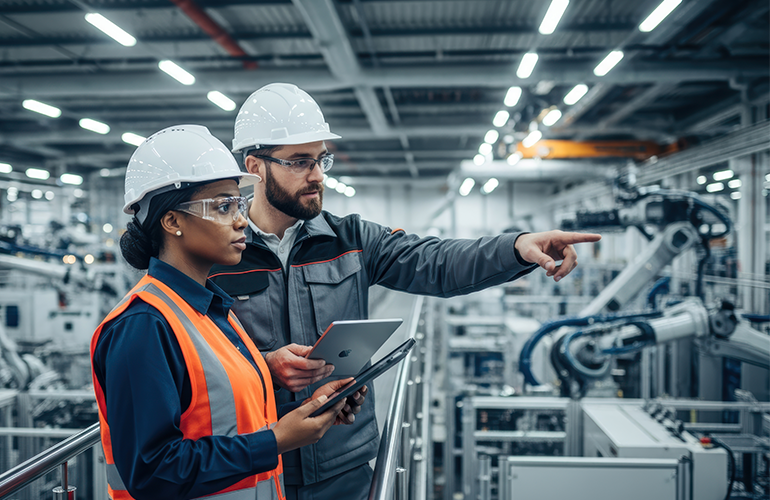
Advancements in Robotics Transforming Manufacturing Landscape
Recent reports highlight significant advancements in robotics for manufacturing, moving beyond traditional robot arms to more versatile models. The evolution of industrial automation is driven by improved perception, autonomy, and actuation, alongside a growing demand for robots due to skilled labor shortages across various sectors, including electronics and pharmaceuticals. The International Federation of Robotics indicates that industrial robot installations have doubled in the decade ending in 2024, with countries like South Korea, Singapore, Germany, and Japan leading in robot density. The emergence of collaborative robots and autonomous mobile robots is enabling factories to automate a wider range of tasks, enhancing operational flexibility and efficiency. Looking ahead, the Association for Advancing Automation reported a 6.6% increase in robot order value year over year in the first half of 2026, driven by rising orders in non-automotive sectors. As the industry continues to explore new applications and integration strategies, the challenge remains to ensure a solid return on investment while adapting to the evolving landscape of robotics in manufacturing.
eBooks Industrial Robots Manufacturing News
ETRI's Medical Humanoid Robot Interface NAMI.I Receives IDEA Design Award in 2023
The Electronics and Telecommunications Research Institute (ETRI) of South Korea announced that its medical humanoid robot interface, NAMI.I, has won the prestigious IDEA Design Award. This recognition highlights ETRI's commitment to developing user-centered robotic interfaces, following its previous accolades for the MOBY collaborative robot. NAMI.I allows healthcare professionals to assign tasks to the NAMI humanoid robot without needing to learn complex programming or specialized operation methods. This user-friendly interface is expected to lower the barriers for healthcare workers, enhancing the deployment of humanoid robots in real medical environments rather than just in labs. ETRI plans to demonstrate NAMI.I at Kyung Hee University Dongshan Hospital, where healthcare staff will use the robot directly. Researchers will analyze its convenience and gather feedback to improve usability and stability, paving the way for the commercialization of medical humanoid robots. No further timeline was disclosed at the time of publication.
Humanoid Robots Medical Robotics User Interface Design Healthcare Technology
Sanctuary AI and Skild Collaborate to Enhance Industrial Robots with Physical AI
In September, the robotics industry witnessed contrasting developments. On September 10, Skild, a U.S. robotics modeling company, announced its collaboration with NVIDIA and Foxconn to deploy models on dual-arm robotic arms for precise assembly in the Blackwell system. Four days later, Danish collaborative robot manufacturer Universal Robots unveiled a new generation platform designed to facilitate the integration of cameras, sensors, and AI applications into robotic arms. This evolution is significant as it highlights the shift towards enhancing existing robotic systems with advanced AI capabilities rather than waiting for humanoid robots to achieve commercial viability. Sanctuary AI, a Canadian company developing the Phoenix humanoid robot, revealed its strategy to implement Physical AI on current and next-generation industrial robot platforms, achieving a task success rate exceeding 99.5% in a proof of concept with an automotive supplier. Looking ahead, companies like Sumitomo Electric and Yaskawa are exploring the integration of AI into traditional robotic systems to handle complex tasks that still require human judgment. The focus is on adapting control systems and interfaces to improve the robots' ability to interact with variable components, such as soft wire harnesses, which present unique challenges in manufacturing processes. No further timeline was disclosed at the time of publication.
Physical AI Industrial Robotics Automation Technology Robotic Arms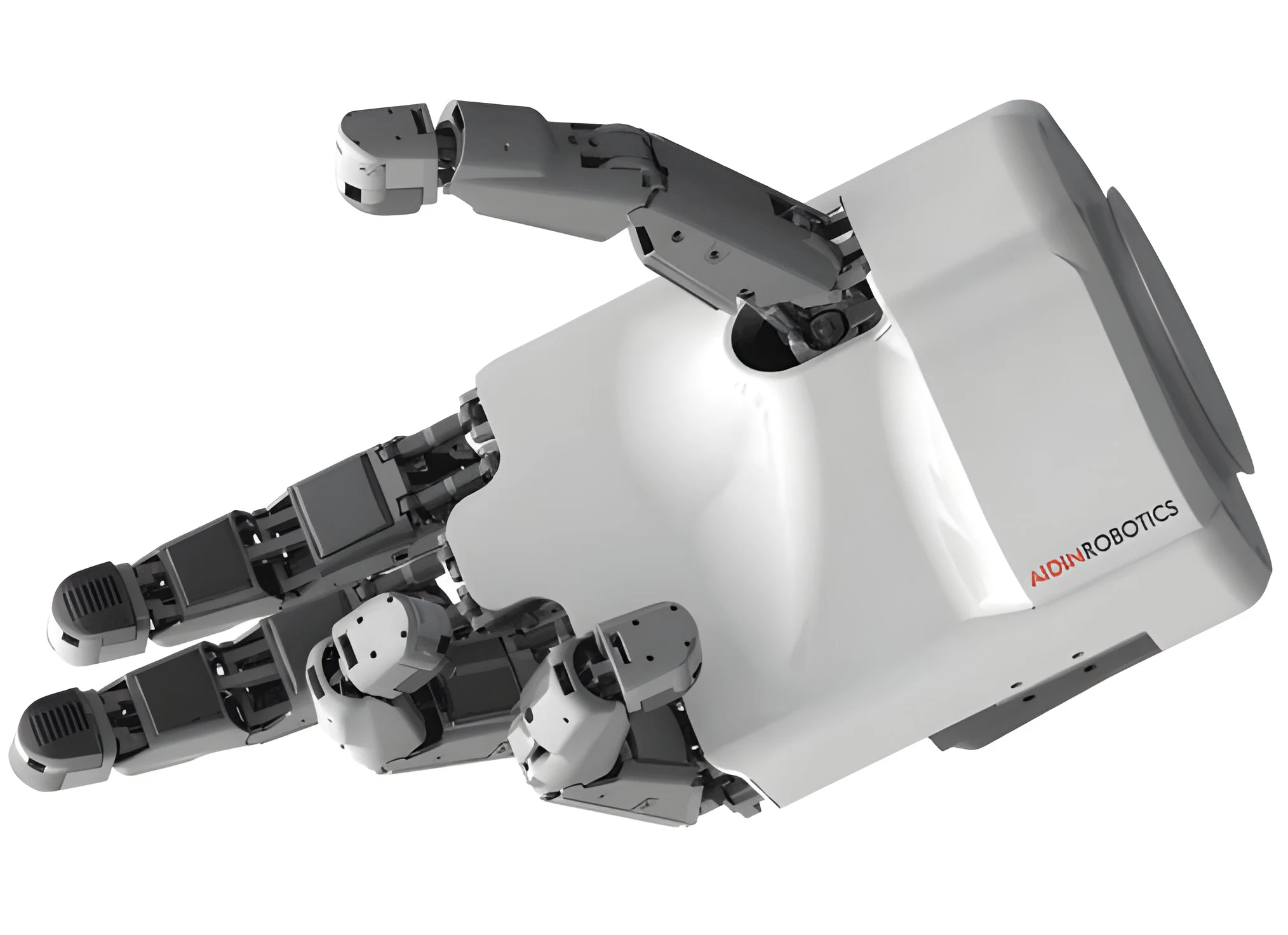
HD Hyundai Robotics Develops Humanoid AI to Enhance Existing Factory Robots
HD Hyundai Robotics is advancing its humanoid robot project, aiming to integrate AI capabilities into its existing industrial and collaborative robots. CTO Ahn Sung-hwan revealed plans to enhance perception, manipulation, and task-planning abilities in a recent interview, although no specific launch date for the humanoid was provided. This initiative is significant as it seeks to create a unified platform that connects industrial robots, cobots, and humanoids, leveraging data from manufacturing processes. The company has also invested ₩13 billion in AIDIN Robotics to develop a specialized five-finger hand for applications in shipbuilding, which will be utilized in both humanoids and existing robots. Looking ahead, HD Hyundai Robotics is also collaborating with Persona AI to integrate humanoids into shipyards, following initial demonstrations of teleoperated welding. Future developments will be closely monitored, particularly regarding the progress of humanoid capabilities and their application in industrial settings. No further timeline was disclosed at the time of publication.
South Korea manufacturing Persona AI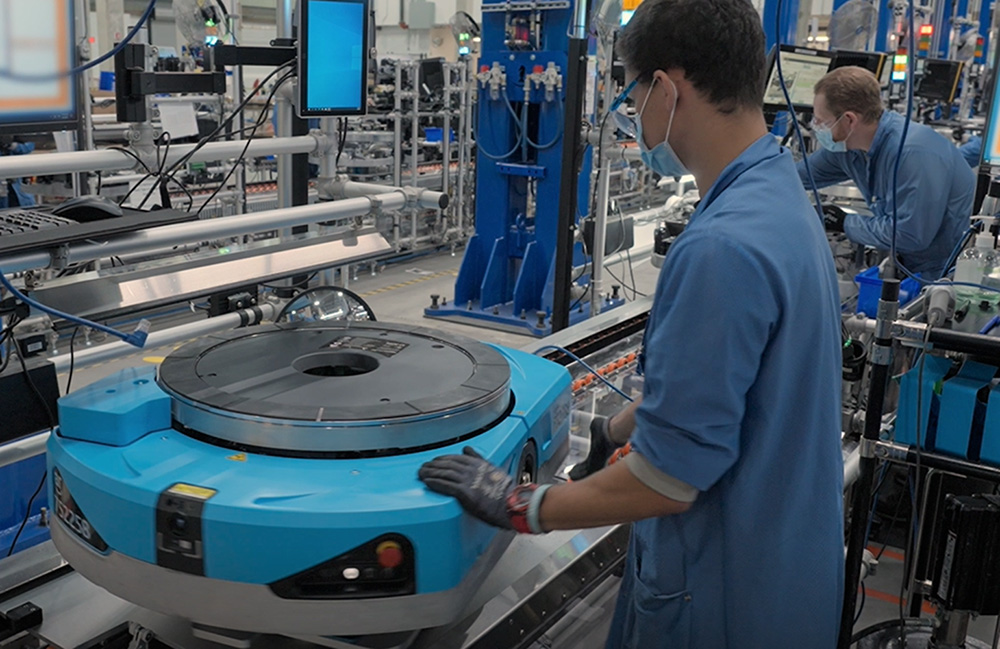
Amazon Plans $100 Million Investment in New Advanced Manufacturing Facility in Indiana
Amazon has announced a significant investment exceeding $100 million to establish a new 585,000-square-foot advanced manufacturing facility in Greenwood, Indiana. This facility is expected to create 300 skilled manufacturing and engineering jobs, producing products that will enhance Amazon’s fulfillment and robotics network across North America. The establishment of this facility is crucial as it aligns with Amazon's ongoing efforts to expand its domestic manufacturing capabilities. With over one million robots already manufactured in the U.S. and deployed across more than 300 facilities globally, this new site will further support the company's logistics and operational efficiency, assisting with 75% of customer orders worldwide. Looking ahead, Amazon aims to launch the Greenwood facility by 2028. This investment follows a recent announcement regarding a robotics manufacturing initiative in Texas, highlighting Amazon's commitment to enhancing its manufacturing footprint and integrating advanced technologies in its operations. No further timeline was disclosed at the time of publication.
Autonomous Mobile Robots (AMRs) Collaborative Robots Manufacturing Markets / Industries News Robots / Platforms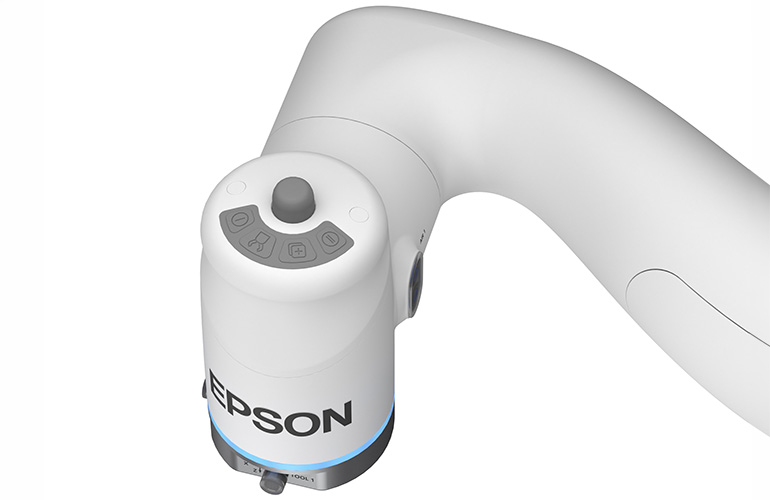
Epson Launches AX6 Cobot Featuring Compact Design and No-Code Programming
Epson Robots has introduced the AX6 collaborative robot, expanding its six-axis robot line. This new cobot is designed with power- and force-limiting features, enabling safe operation alongside humans without traditional safety barriers, as confirmed by Rick Brookshire, director for product and robot development at Epson. The introduction of the AX6 is significant as it lowers barriers for new robot users by simplifying programming and integration, while also catering to applications where space and user interaction are critical. Epson, a leader in SCARA robots, aims to provide a comprehensive range of robotic safety solutions with this new addition. Looking ahead, the AX6 features a 900 mm reach and a 6 kg maximum payload, along with no-code software for ease of use. It complies with ISO Class 5 cleanroom standards, making it suitable for life science applications. No further timeline was disclosed at the time of publication.
Arms / Manipulators Assembly Cobot Arms Collaborative Robots End Effectors / Grippers Healthcare Robotics
Glacian: Physics Model Vets AI Data Center Cooling
Glacian Technologies pairs AI with a physics-based digital twin that rejects unsafe commands. CEO Jie Zhao on cutting data center cooling energy 15-30%.

Siemens on Robots, Agentic AI and the "Last 3%" Problem
Siemens tells RobotToday at IMTS 2026 why AI robot demos are only the tip of the iceberg, and why agentic AI depends on PLM data and business context.

RobotToday Weekly September 14 – 18, 2026
Toyota weighs 400,000 factory robots, SoftBank buys Hyundai's Robotics and AI Institute, Agility unveils Digit 5, Figure's Helix 2.5 generalises to 30 homes, and August robotics funding hits $4.87 billion.

Innovation Works Venture Expo 2026: 58 Pittsburgh Startups Pitch to Investors
58 health, deep tech and robotics startups pitched at Innovation Works Venture Expo 2026 in Pittsburgh. Full company list, program and 2025 funding data.

The Missing Price: What Non-Disclosure Reveals About the Humanoid Market
Of 131 announced robot models, 33 publish no price. US makers withhold at twice the rate of Chinese ones — and the reason is stage, not strategy.
Stratasys at IMTS 2026: GM Scales Additive to 20+ Plants
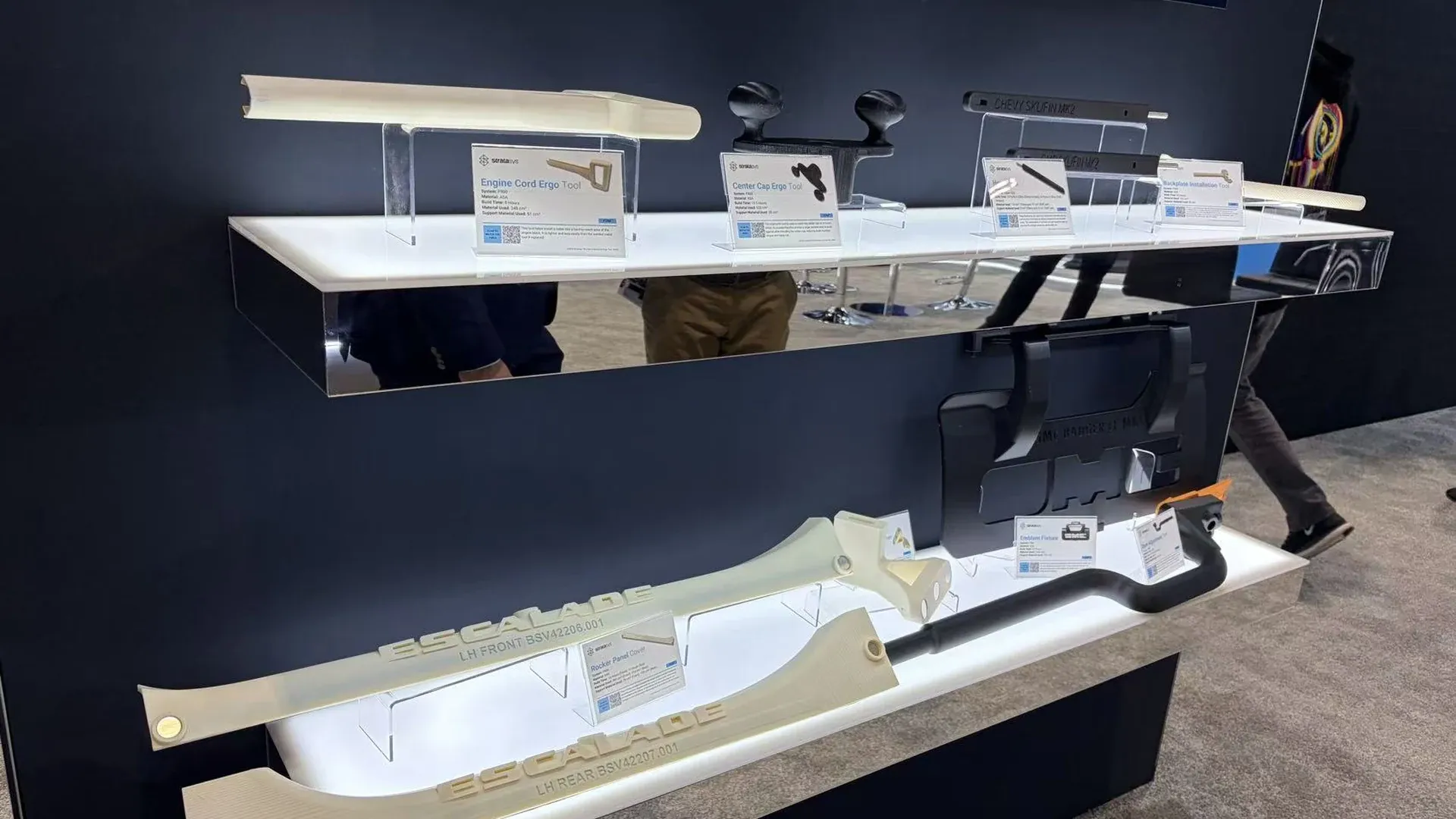
Stratasys is rolling additive out across 20+ GM plants while Toyota prints robot grippers. Booth build data, the F870, and where the cost case breaks.

IMTS 2026 Preview: Record Orders and the Automation Story
IMTS 2026 opens in Chicago with 1,788 exhibitors and record H1 machine tool orders. What the USMTO data says about automation, and the booths to see.

ROBOTTODAY WEEKLY September 7 – 11, 2026
This week in robotics: JD.com plans to deploy three million robots across its logistics network, XPeng commissions its IRON humanoid production line, FANUC and Google launch an AI arc-welding agent, and Unitree shares fall 53% from their post-IPO high. September 7–11, 2026.
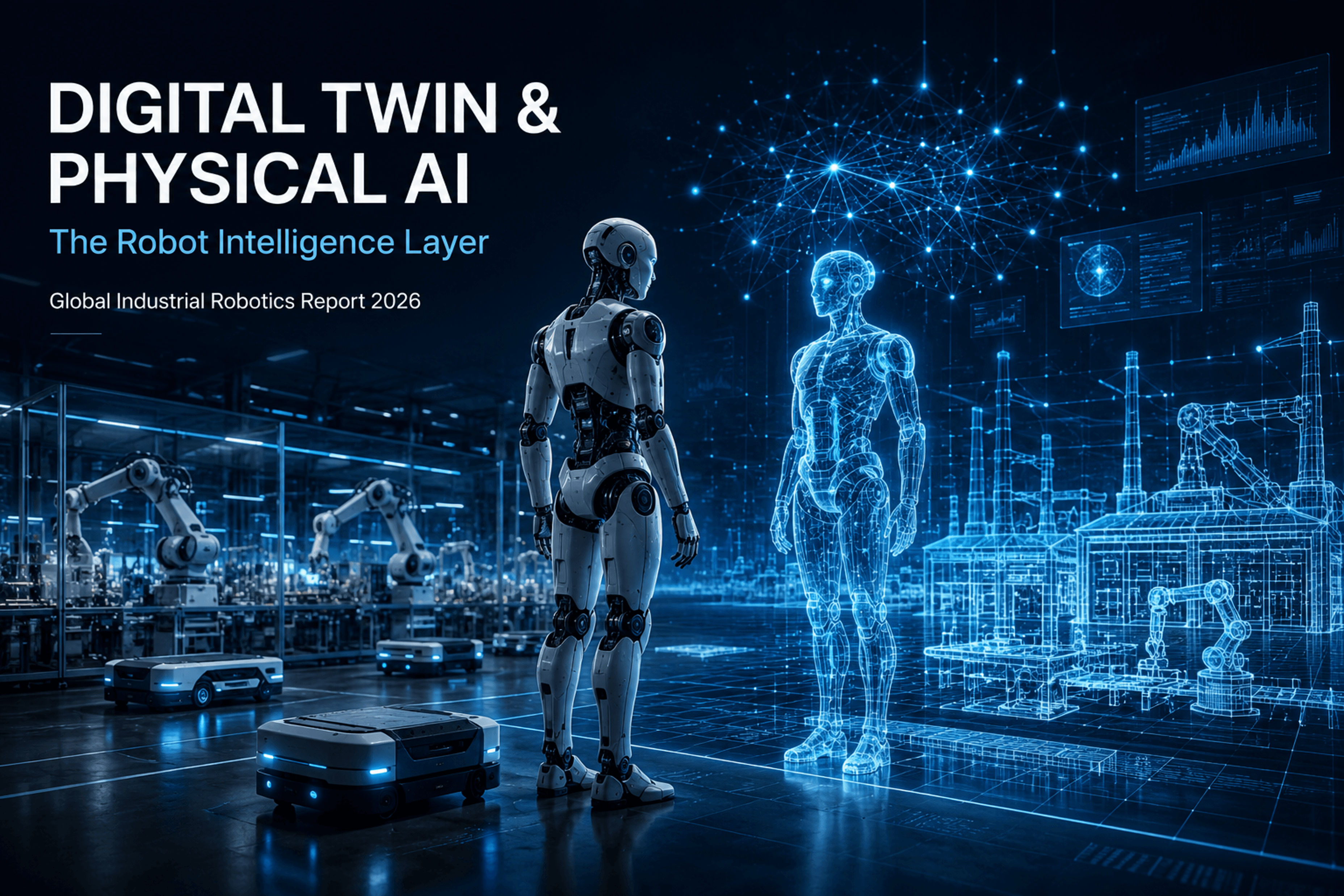
Digital Twin, Physical AI & Robot OEM Readiness 2026: Platforms, VLA Models, LLM Programming
A balanced analysis of the robot intelligence revolution: multi-vendor digital twin platforms (NVIDIA, Siemens, Dassault, ABB, Rockwell, Hexagon), Physical AI VLA models (RT-2, pi0, GR00T N1, AgiBot), current Physical AI limitations, LLM robot programming, and the OEM readiness matrix across US, European, and Chinese manufacturers.
