Automata Technologies (UK)

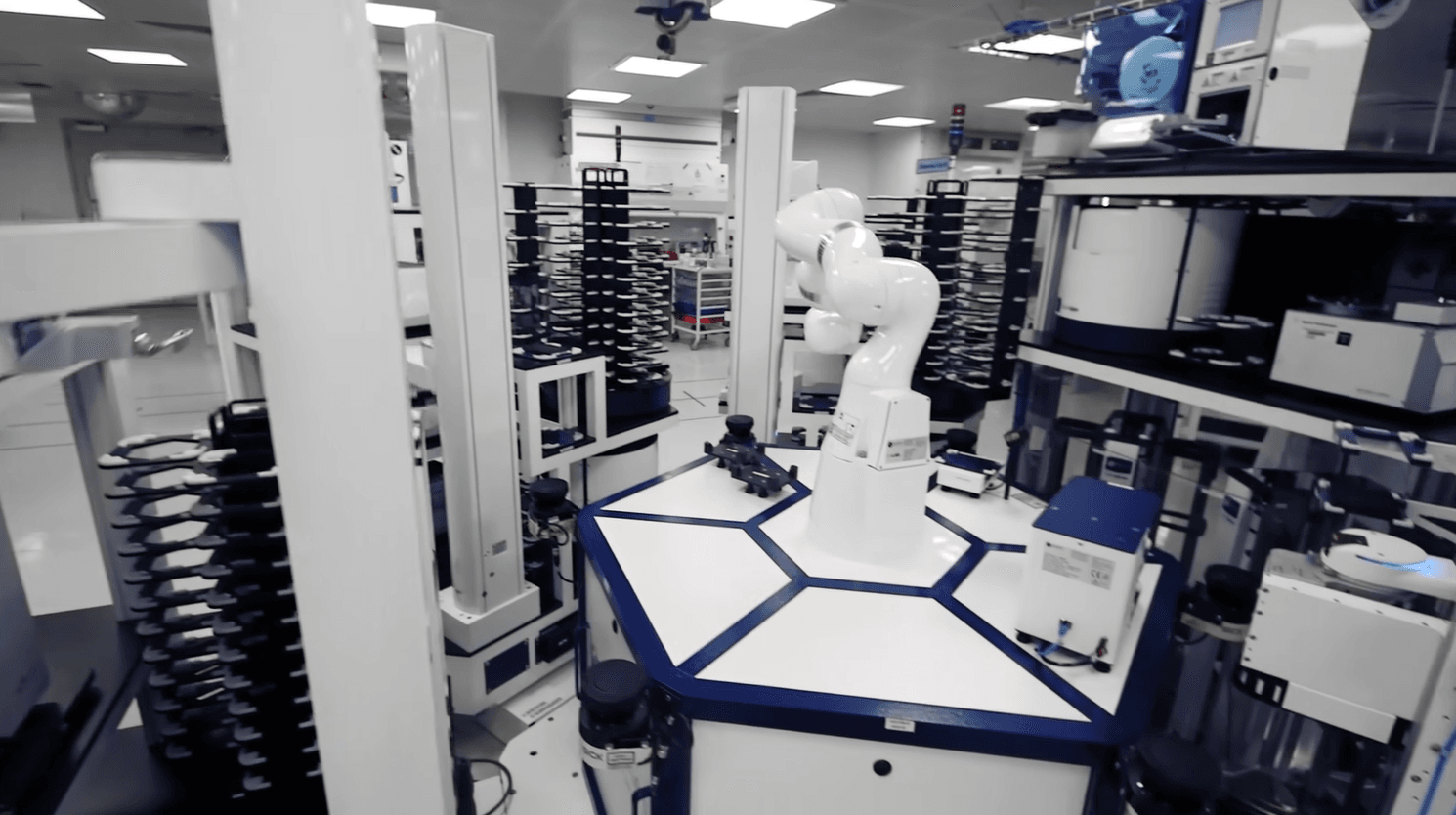
UK lab automation company offering the LINQ platform — an open, AI-ready process orchestration system for life science laboratories. Features node-based workflow canvas, Python SDK, digital workcell simulation, and MCP-enabled connectivity to external AI models and laboratory instruments.

Share
Automata Technologies (UK)
10 White Lion Street
London N1 9PD
RobotToday Initiative

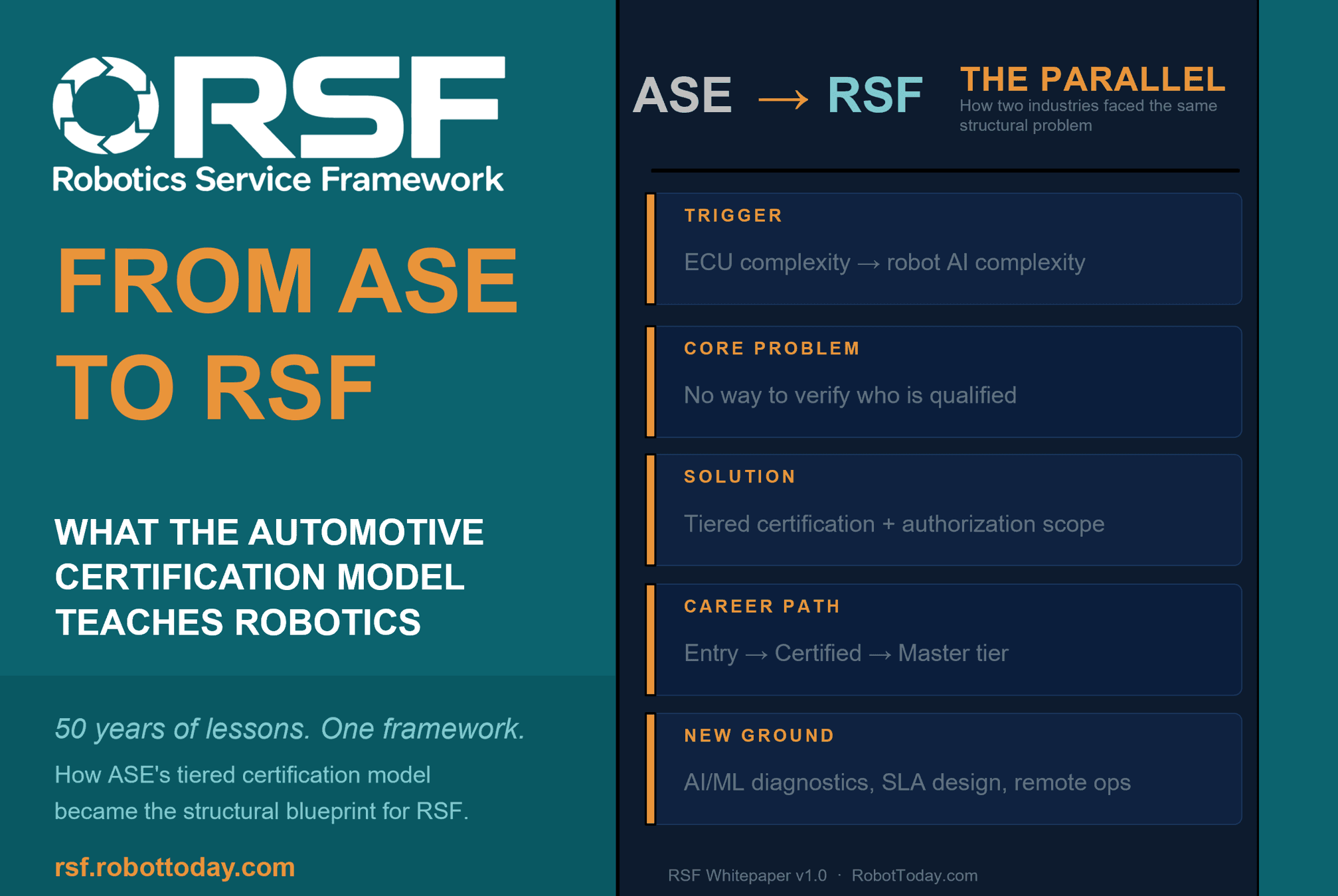
Robotics needs a service framework.

RSF defines a common language for robot service capability, lifecycle operations, certification pathways, and service-provider networks.

Share

Related Content

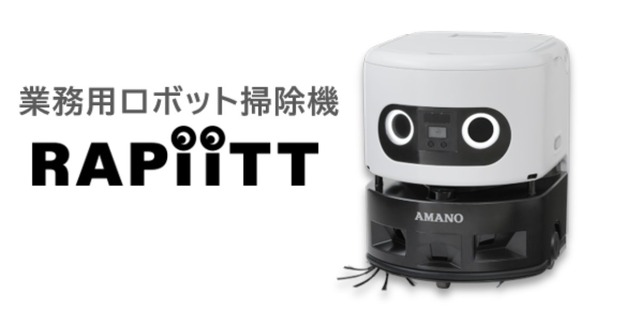
Amano Launches RAPiiTT, a New Commercial Robot Vacuum for Enhanced Cleaning Automation

Amano Launches RAPiiTT, a New Commercial Robot Vacuum for Enhanced Cleaning Automation

Amano Corporation launched the RAPiiTT commercial robot vacuum on July 16, 2026, aimed at enhancing cleaning efficiency in various facilities such as offices, commercial spaces, hospitals, and airports. This product leverages Amano's extensive experience in cleaning robot deployment since 2014, integrating advanced AI and autonomous navigation technologies developed by Preferred Robotics. The RAPiiTT is designed to automate cleaning tasks across multiple floors, reducing the need for manual labor in transporting equipment between floors. It features LiDAR for obstacle detection, ensuring safe navigation around people and objects. With a cleaning width of 500mm and a noise reduction design, it operates effectively in noise-sensitive environments, making it suitable for offices and commercial facilities. Looking ahead, the RAPiiTT's integration with the AMANO Robot Cloud allows for real-time management of multiple units, streamlining operations for facility managers. No further timeline was disclosed at the time of publication.

LG Electronics Reviews H2 Strategy Focused on AI, Robotics, and Future Growth

LG Electronics Reviews H2 Strategy Focused on AI, Robotics, and Future Growth

LG Electronics held a significant meeting with around 300 executives to discuss its strategy for the second half of the year, emphasizing growth in robotics and AI data center cooling. The meeting, chaired by CEO Lyu Jae-cheol, followed a record first half, with preliminary second-quarter revenue reaching 23.8 trillion won ($16 billion) and an operating profit of 1.58 trillion won. The focus on robotics is particularly notable as LG has established a Robotics Business Center and initiated production of its proprietary Axium robot actuator. The company aims to leverage synergies in robotics, AI data center cooling, smart factories, and AI-powered homes, which Lyu identified as key growth areas that align with the rise of artificial intelligence. Looking ahead, analysts predict that LG's cooling systems for AI data centers could start contributing to earnings within six to nine months. The collaboration with Nvidia is expected to enhance LG's robotics platform, while advancements in robotics may positively impact earnings estimates for 2027. No further timeline was disclosed at the time of publication.

All News
Hyundai Motor Group to Acquire Full Ownership of Boston Dynamics

Hyundai Motor Group to Acquire Full Ownership of Boston Dynamics

Hyundai Motor Group is poised to gain full control of Boston Dynamics after SoftBank exercised a put option on its remaining 9.65 percent stake in the robotics firm. This move comes as Hyundai accelerates its focus on physical artificial intelligence, with plans to enhance its robotics capabilities and synergies across its manufacturing operations. The acquisition is significant as it allows Hyundai to consolidate its ownership of Boston Dynamics, which it initially acquired an 80 percent stake in for $880 million in 2021. With SoftBank's stake dropping below 10 percent, Hyundai and its affiliates will fully own the company, enabling better coordination in robot development and deployment, particularly with the introduction of Atlas humanoid robots in their manufacturing plants. Looking ahead, Hyundai plans to begin testing Atlas robots at its Metaplant America and Kia's Georgia plant, with operational roles expanding by 2030. The company aims to produce 30,000 robots annually by 2028 and establish capacity for 350,000 actuators, crucial for robot functionality. No further timeline was disclosed at the time of publication.

All News
GS Caltex Completes $135 Million Overhaul at Yeosu Refinery Using Robots and AI

GS Caltex Completes $135 Million Overhaul at Yeosu Refinery Using Robots and AI

GS Caltex announced the completion of a 200 billion won ($135 million) turnaround at its Yeosu refinery, utilizing robots, artificial intelligence, and digital tools to enhance safety and operational efficiency. This large-scale maintenance operation involved halting production for intensive inspections and replacing aged components, laying the groundwork for safer and more efficient plant operations. The significance of this turnaround lies in GS Caltex's integration of digital and AI solutions, which are part of the company's broader digital transformation strategy. By digitalizing core operational systems, the refinery aims to improve workplace practices and boost overall competitiveness. The deployment of technologies like MOVision and tube-cleaning robots addresses specific operational challenges, such as locating electric motor-operated valves and enhancing thermal efficiency. Looking ahead, GS Caltex plans to continue innovating within the manufacturing sector by leveraging its DAX strategies. The company's commitment to integrating on-site expertise with advanced technologies is expected to further enhance efficiency and safety in future operations. No further timeline was disclosed at the time of publication.

All News
Shanghai Advances BCI Development: The Race for Commercialization Has Started

Shanghai Advances BCI Development: The Race for Commercialization Has Started

Shanghai is emerging as a key player in the global brain-computer interface (BCI) competition. The Shanghai Municipal Commission of Economy and Information Technology recently released the 'Three-Year Action Plan for the Industrialization of Brain-Computer Interfaces (2026-2028)', which aims to establish a leading national industrial chain ecosystem in the non-invasive BCI sector by 2028. The plan includes nurturing at least 50 related enterprises and achieving large-scale applications of core products in medical rehabilitation and cognitive training. This initiative is not just a theoretical blueprint. A team led by Academician Zhou Liangfu from Huashan Hospital's Neurosurgery Department, in collaboration with the Institute of Microsystem Research at the Chinese Academy of Sciences, has developed an implanted BCI product that has completed its first clinical trial with volunteers for motor function rehabilitation in paraplegic patients. Shanghai is adopting a parallel strategy with multiple technological routes, supporting invasive, semi-invasive, and non-invasive teams with dedicated funding, with non-invasive approaches progressing more rapidly. The Pudong New Area has designated a 'Brain Science Industrial Base' where the first batch of companies can benefit from various supports, including R&D expense deductions and expedited clinical trial processes. Shanghai's goal is clear: to become the city with the lowest operational costs and minimal policy friction for BCI enterprises. As the global BCI landscape evolves, Shanghai's focus on industrialization aims to establish a commercial loop in hospitals while ensuring safety and regulatory compliance, leveraging China's vast market potential in stroke rehabilitation, youth attention training, and early Alzheimer's screening.

Brain-Computer Interfaces Healthcare Technology Neurorehabilitation Cognitive Training
RSS2026: Development of Consensus and China's Role in Embodied Intelligence

RSS2026: Development of Consensus and China's Role in Embodied Intelligence

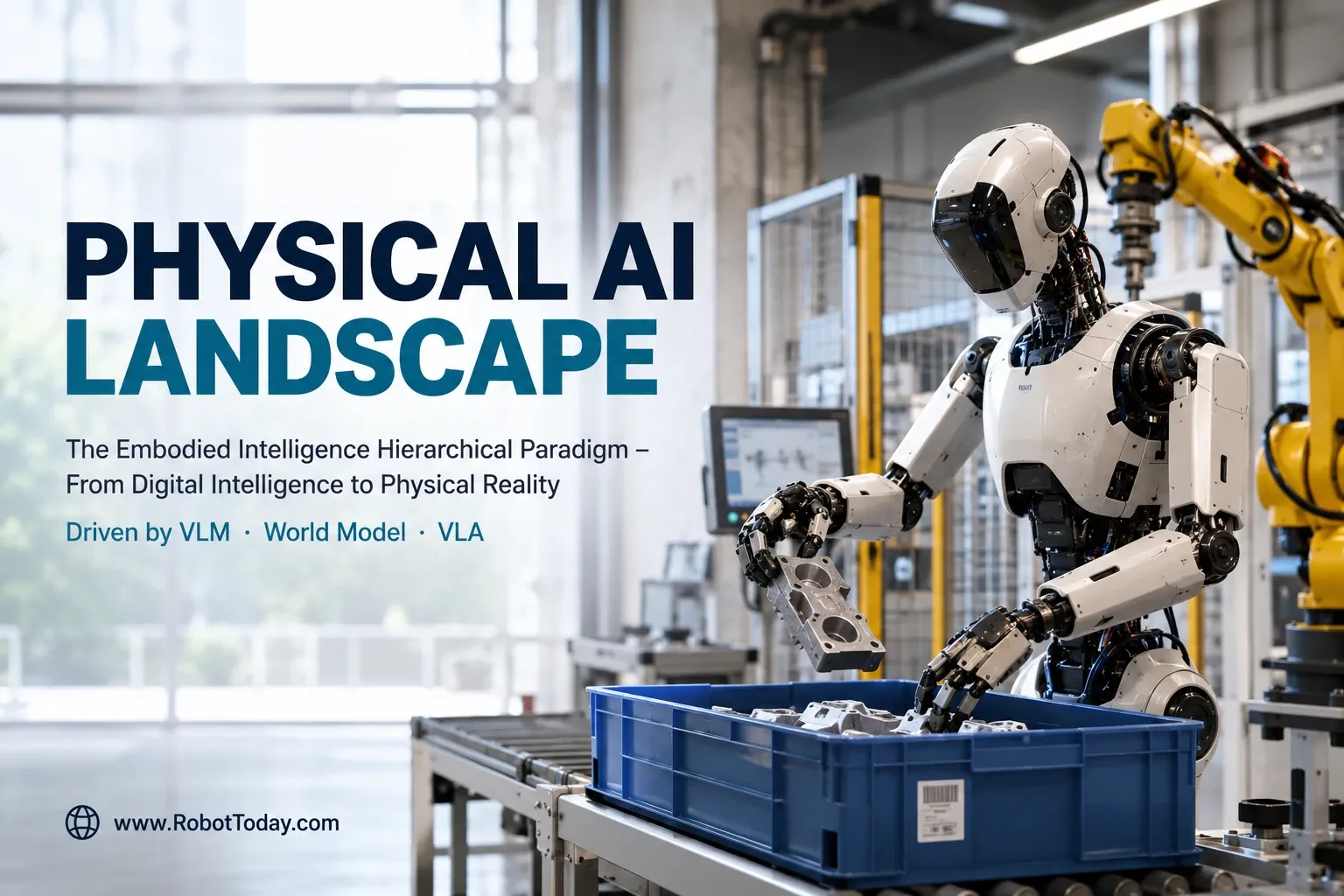
The Robotics: Science and Systems (RSS) conference is set to commence in St. Louis this June, marking a significant event in the robotics academic community. Since its inception in 2006, RSS has been known for its selective approach, accepting only about 60 papers annually, and is regarded as a leading indicator in the field of robotics. The 2026 conference will introduce a new focus on embodied intelligence alongside traditional motion planning and operational algorithms. Embodied intelligence has rapidly transitioned from a laboratory concept to an industrial hotspot over the past two years. The integration of large language models with visual models has led to the development of the Vision-Language-Action (VLA) framework, enabling robots to comprehend natural language commands and execute multi-step tasks. This technological pathway has sparked extensive academic debate regarding the reliability of end-to-end Transformer-based strategies in real-world applications versus potential overfitting in datasets. The positioning of embodied intelligence at RSS2026 will be symbolically significant for China. In recent years, international conferences have often viewed Chinese teams as representatives of engineering implementation rather than contributors of original theory. An increase in Chinese academic contributions at RSS this year could indicate a subtle shift in the international academic community's perception of the landscape of embodied intelligence research, highlighting the importance of high-quality theoretical innovation.

Embodied Intelligence Robotics Research Vision-Language-Action AI Robotics Algorithms
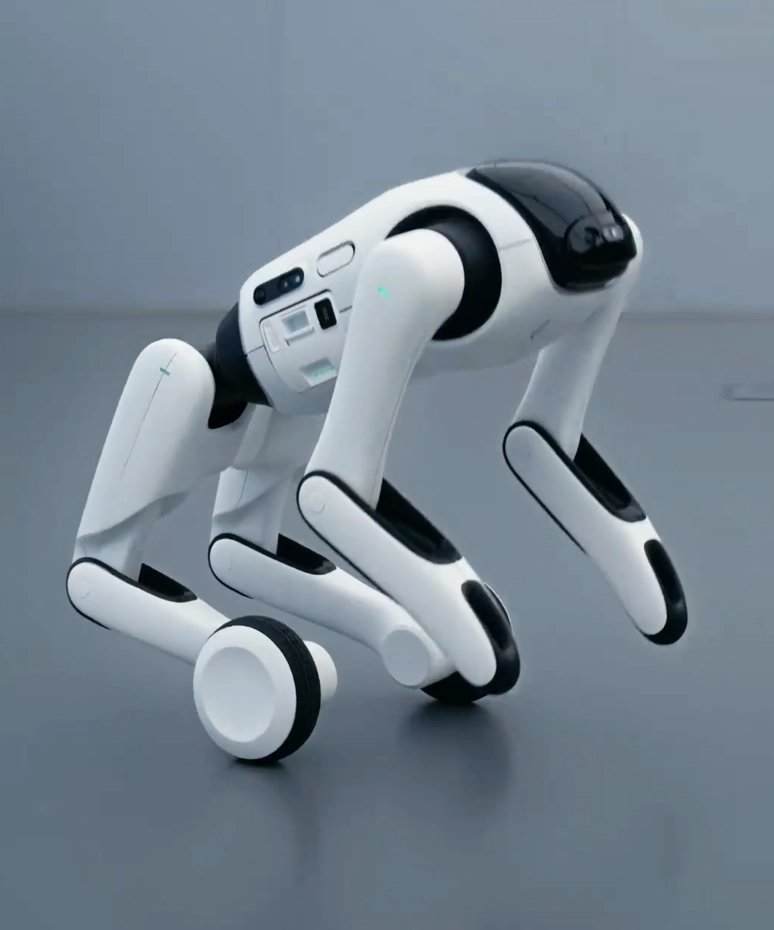
Swancor Qiyuan T1 to Showcase Transformative Personal Robot at WAIC 2026

Swancor Qiyuan T1 to Showcase Transformative Personal Robot at WAIC 2026

Swancor Qiyuan's T1, touted as the world's first 'transformable personal robot,' will be publicly demonstrated on July 17, 2026, at the World Artificial Intelligence Conference (WAIC 2026). This robot features a unique Transformer architecture that allows seamless switching between humanoid and quadruped modes, enhancing its interaction and mobility capabilities in various home environments. The significance of the T1 lies in its ability to autonomously select its form based on terrain and tasks, moving beyond traditional manual controls. This innovation is expected to expand the scenarios in which personal robots can operate, addressing common household obstacles while reducing the overall ownership cost for users by eliminating the need for multiple devices. Looking ahead, Swancor's strategy focuses on content creation, education, and companionship rather than general household chores. With offline experience stores already established in major Chinese cities, the T1's success will depend on its pricing and acceptance in the market, potentially proving that adaptable robots hold greater commercial value than those merely mimicking human form.

Transformable Robots Home Robotics AI Technology Robotic Innovation
Robots Face Challenges in Basic Tasks Despite Advances in Embodied Intelligence

Robots Face Challenges in Basic Tasks Despite Advances in Embodied Intelligence

Over the past year, the robotics industry has engaged in a competitive race focused on enhancing the computational power, parameters, and algorithms of robotic 'brains.' While advancements in reasoning capabilities are evident, robots still struggle with basic tasks such as grasping objects or performing precise manipulations. This discrepancy raises questions about the effectiveness of current sensory technologies. The core issue lies in the limitations of robotic perception, which relies heavily on either pure vision or multi-sensor fusion approaches. Multi-sensor fusion, favored by many embodied intelligence manufacturers, combines various sensors to improve robustness and accuracy. However, this method introduces challenges related to data synchronization and processing overhead, hindering the scalability of embodied intelligence. Conversely, pure vision systems, exemplified by Tesla's approach, depend on 2D RGB cameras to reconstruct 3D environments. This method lacks depth information and can falter in challenging visual conditions. Both approaches suffer from the loss of information during data transmission and processing, resulting in robots receiving 'second-hand data' rather than real-time, unified information from the physical world. No further timeline was disclosed at the time of publication.

Robotic Vision Embodied Intelligence Sensor Technology AI Automation
Indonesia Enhances Fishery Enforcement with Advanced Digital Surveillance Systems

Indonesia Enhances Fishery Enforcement with Advanced Digital Surveillance Systems

In the eastern Indian Ocean, Indonesia is leveraging advanced digital surveillance to enhance fishery enforcement. Utilizing satellite monitoring and Vessel Monitoring Systems (VMS), the country can detect potential violations in real-time, marking a significant shift in maritime governance. This transition allows for proactive enforcement rather than reactive measures, addressing the challenges of monitoring vast maritime areas. The integration of digital tools is crucial for Indonesia, which manages over six million square kilometers of maritime space. With 9,394 fishing vessels actively transmitting data through the VMS by early 2026, the country is able to identify unauthorized fishing activities and prioritize inspections based on data-driven assessments. This capability is transforming how fisheries are monitored and regulated. Looking ahead, the implications of this digital transformation are profound. In the first quarter of 2026 alone, Indonesia's monitoring system tracked over 14,000 vessels and identified nearly 500 suspected violations. As digital surveillance continues to evolve, it will be essential to watch how these technologies reshape enforcement strategies and compliance in the fishing industry.

Fishing Environmental-monitoring Indonesia Poaching Surveillance
UK MoD Introduces Storm Fighter Drone Wingman Concept for RAF at Global Conference

UK MoD Introduces Storm Fighter Drone Wingman Concept for RAF at Global Conference

The UK Ministry of Defence (MoD) has introduced its latest drone wingman concept, named Storm Fighter, during the Global Air and Space Chiefs' Conference. This unveiling marks a significant step in the UK's efforts to enhance its aerial capabilities through advanced drone technology. The introduction of Storm Fighter is crucial as it represents the UK's commitment to modernizing its Royal Air Force (RAF) and integrating innovative solutions into its defense strategy. The concept aims to provide enhanced support to manned aircraft, potentially transforming the dynamics of aerial combat and surveillance. Looking ahead, it will be important to monitor the development and deployment of Storm Fighter, particularly in comparison to previous concepts like Mosquito. No further timeline was disclosed at the time of publication.

News
ROBOTTODAY Weekly July 6 – 10, 2026

ROBOTTODAY Weekly July 6 – 10, 2026

This week in robotics: AI² Robotics raises $735M for wheeled humanoids, Unitree G1 performs first live surgery, Dexmal launches DexOS platform, Agility Robotics announces SPAC, and Ondas acquires DZYNE for $875.8M. July 6–10, 2026.

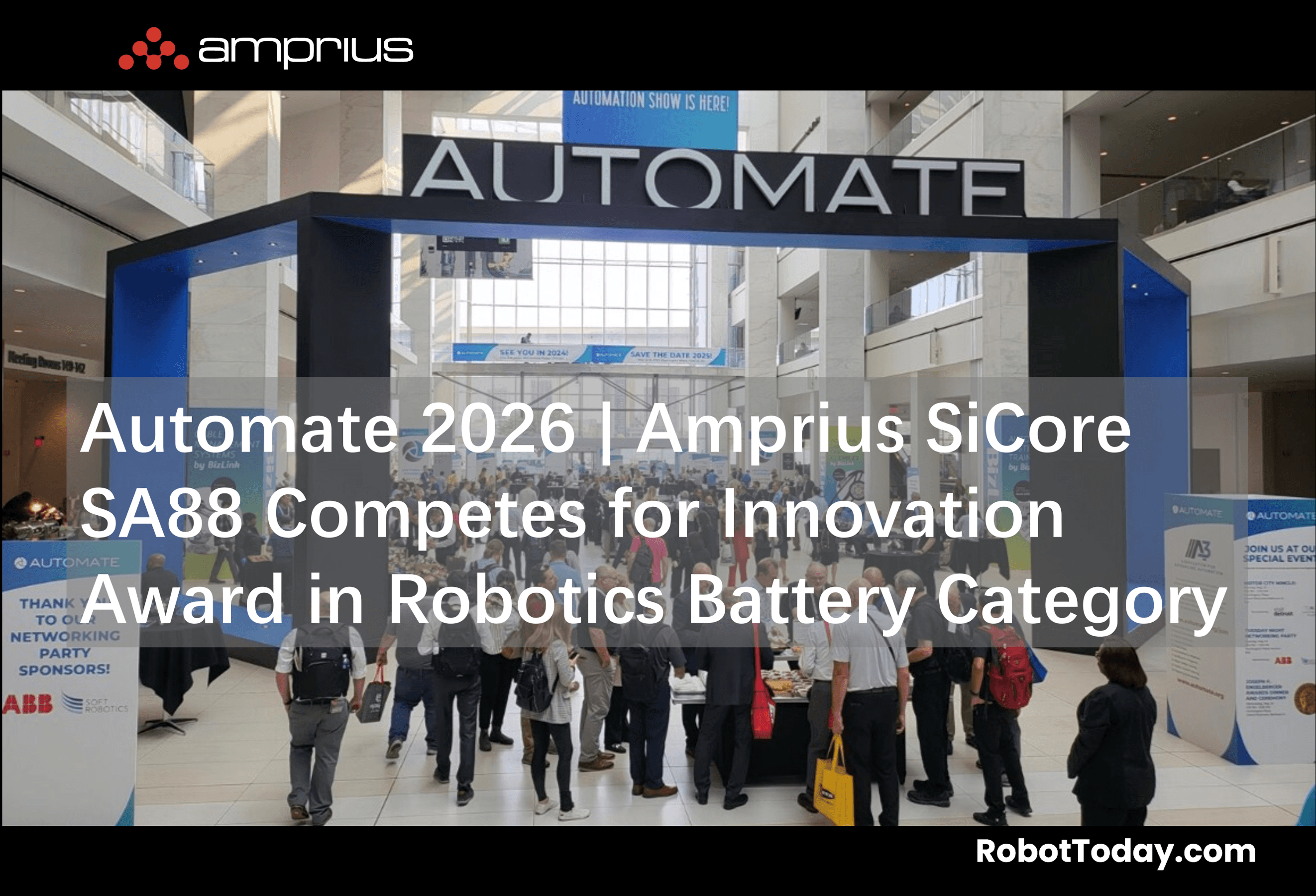
Automate 2026 | Amprius SiCore SA88 Competes for Innovation Award in Robotics Battery Category

Automate 2026 | Amprius SiCore SA88 Competes for Innovation Award in Robotics Battery Category

At Automate 2026 in Chicago, Amprius Technologies exhibited its SiCore SA88 silicon-anode pouch cell — 358 Wh/kg, 750 Wh/L — as a finalist in the Components, Hardware & Enabling Technologies category. Analysis of implications for AMR, UAV, and aerial mobility platforms.

Pittsburgh Regional Alliance Convenes Nine CMU-Rooted Robotics Firms at Automate 2026

Pittsburgh Regional Alliance Convenes Nine CMU-Rooted Robotics Firms at Automate 2026

At Automate 2026, the Pittsburgh Regional Alliance convened nine robotics firms — most spun out of Carnegie Mellon — spanning materials, perception and AMRs.

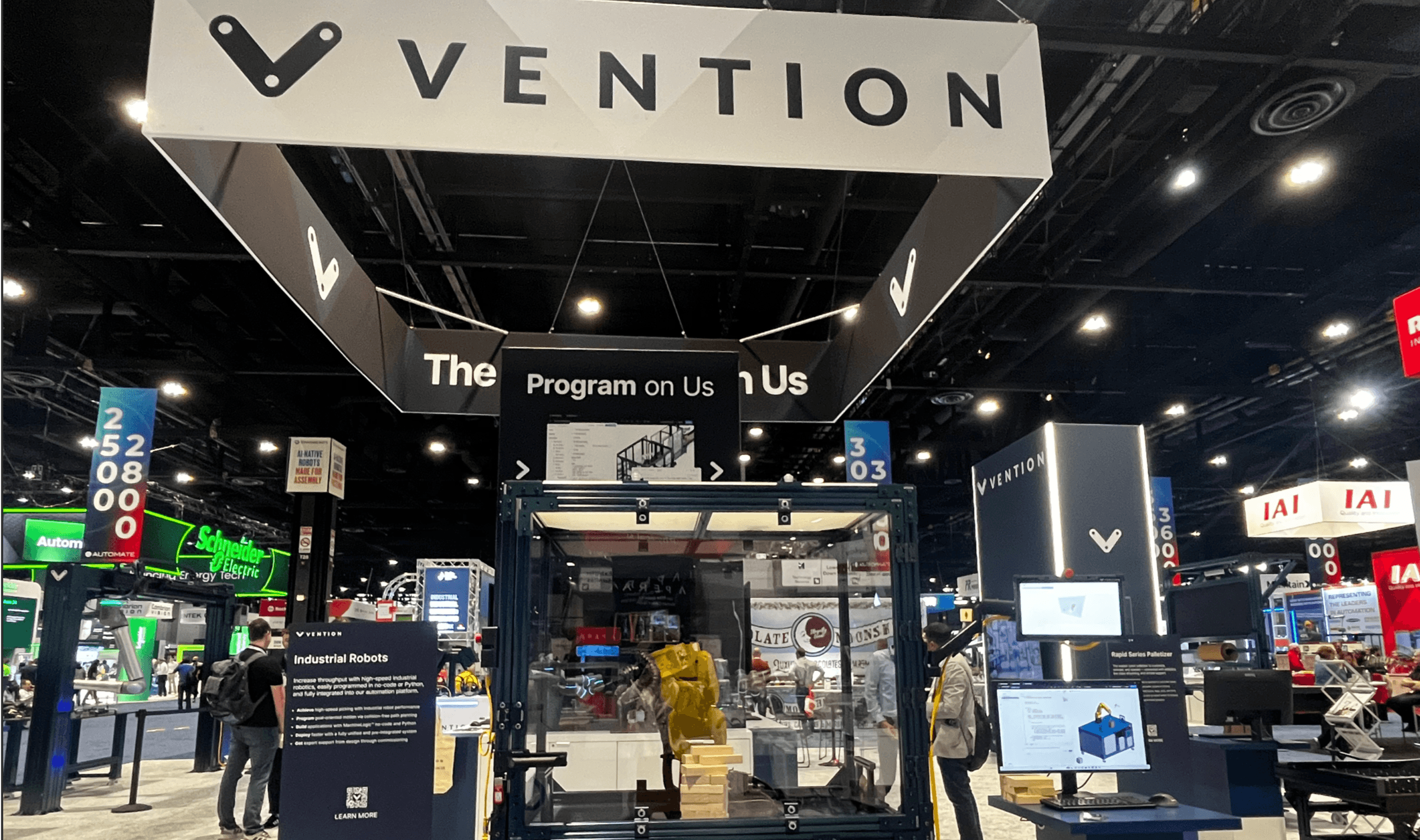
Vention Announces Two Major Robotics Collaborations at Automate 2026 | FANUC & Teradyne Robotics

Vention Announces Two Major Robotics Collaborations at Automate 2026 | FANUC & Teradyne Robotics

Vention reveals AI-powered platform partnerships with FANUC America and Teradyne Robotics at Automate 2026, enabling software-defined automation across collaborative and industrial robot deployments.

OMRON Robotics to Demonstrate Next-Generation Autonomous Mobile Robots at Automate 2026

OMRON Robotics to Demonstrate Next-Generation Autonomous Mobile Robots at Automate 2026

OMRON Robotics introduces the next-generation LD-150 and LD-300 autonomous mobile robots at Automate 2026, featuring higher payloads, 30-minute wireless charging, 360° safety scanning, and FLOW Core fleet integration for high-throughput manufacturing.

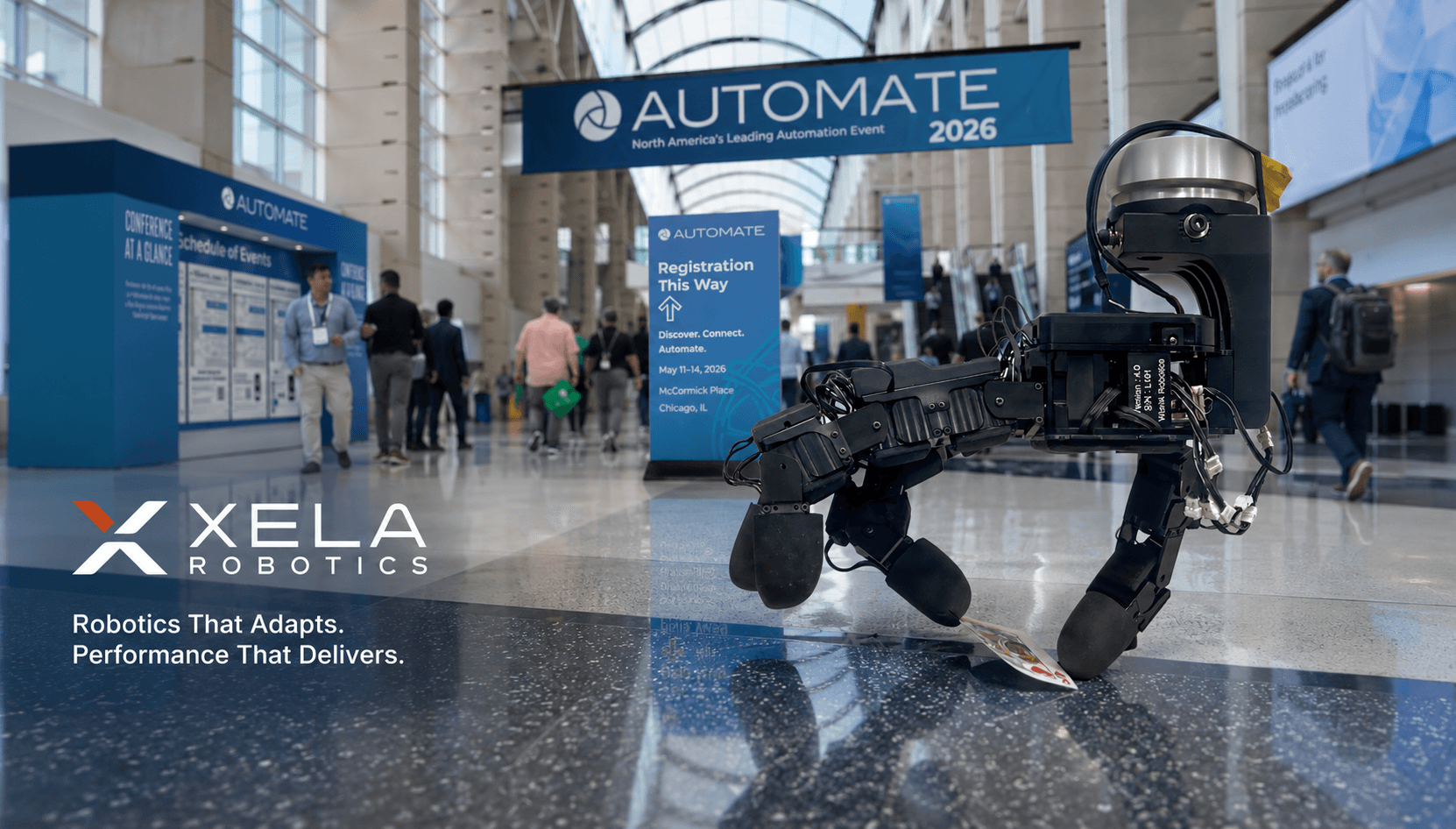
XELA Robotics Launches Next-Gen Tactile Sensors at Automate 2026

XELA Robotics Launches Next-Gen Tactile Sensors at Automate 2026

XELA Robotics unveiled five major uSkin® tactile sensor advances at Automate 2026 — including a force-sensitive nail fingertip, UMI AI integration, and fragile object handling. Full product report by RobotToday.com.

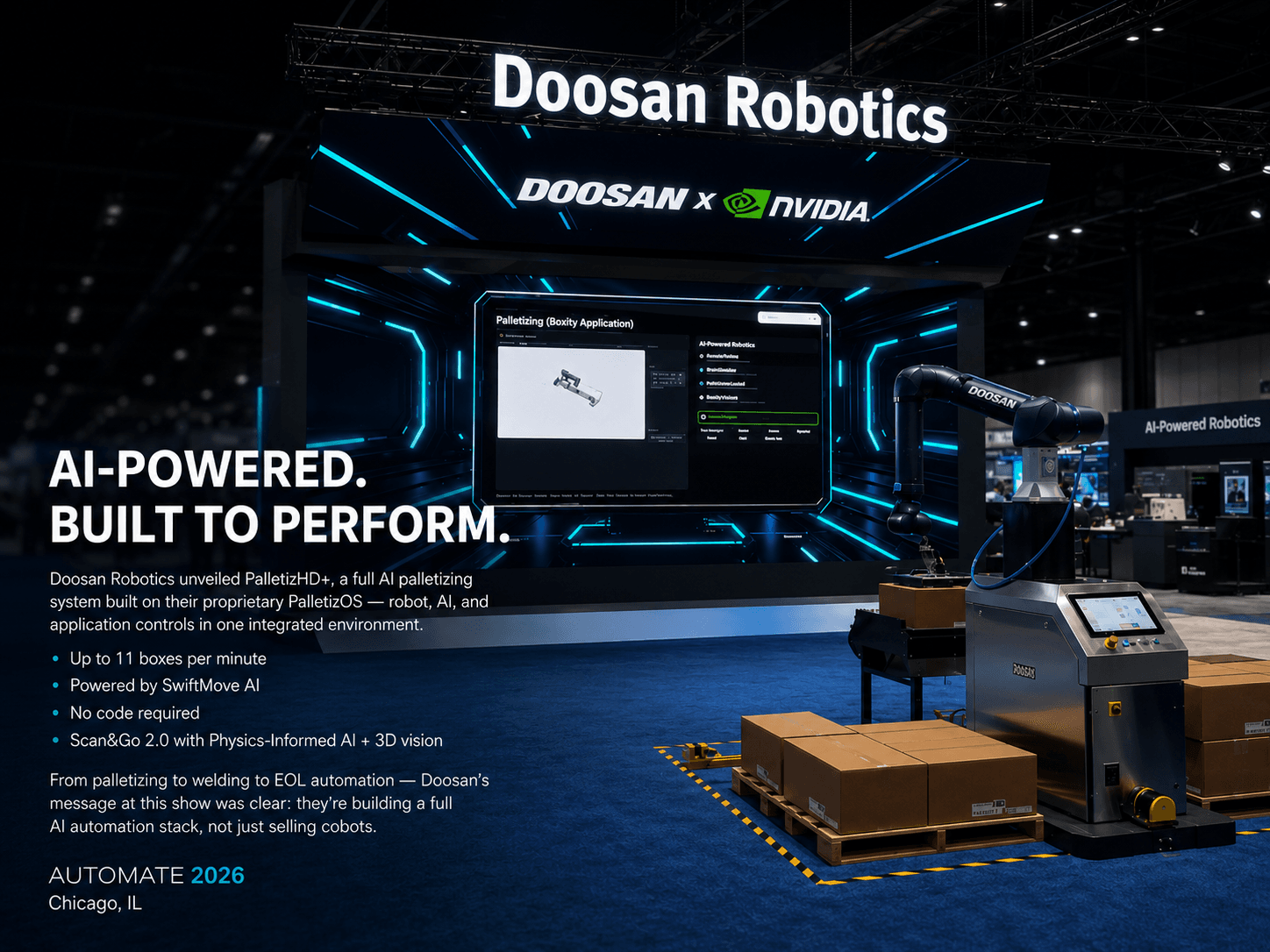
Doosan Robotics Unveils AI Palletizing Solution PalletizHD+ at Automate 2026

Doosan Robotics Unveils AI Palletizing Solution PalletizHD+ at Automate 2026

Doosan Robotics unveils PalletizHD+ at Automate 2026 — an AI-powered palletizing solution with PalletizOS, SwiftMove technology, and up to 11 boxes per minute throughput for smarter factory automation.

ROBOTTODAY Weekly April 13 – 17, 2026

ROBOTTODAY Weekly April 13 – 17, 2026

This week in robotics: AGIBOT declares Deployment Year One with 5 platforms and 8 AI models at APC 2026, Physical Intelligence’s π0.7 solves unseen tasks, TARS raises a record $455M, and Siemens deploys humanoids in live factory operations. April 13–17, 2026.

Laboratory Robotics in 2026: Technology, Companies & Vertical Maturity

Laboratory Robotics in 2026: Technology, Companies & Vertical Maturity

From clinical diagnostics to self-driving labs: a deep analysis of laboratory robotics technologies, mass-production maturity timelines across 12 vertical sectors, 26 key companies, and the investment landscape shaping lab automation through 2030.

Agricultural Robotics | Dairy & Livestock Automation: Where Robots Already Lead

Agricultural Robotics | Dairy & Livestock Automation: Where Robots Already Lead

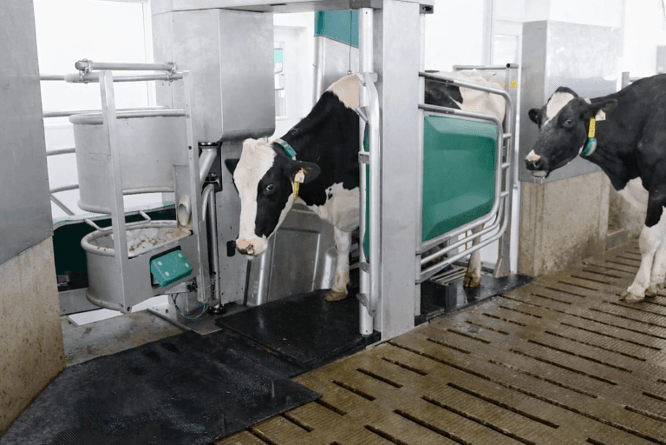
Dairy robots hold 37% of the global agricultural robotics market — yet US farm penetration is just 5%. This deep-dive covers the $3.2B milking robot market, ROI economics, competitive profiles of Lely, DeLaval, GEA, and Afimilk, and why EU, North America, Japan, and Israel each follow a different adoption path to 2030.