

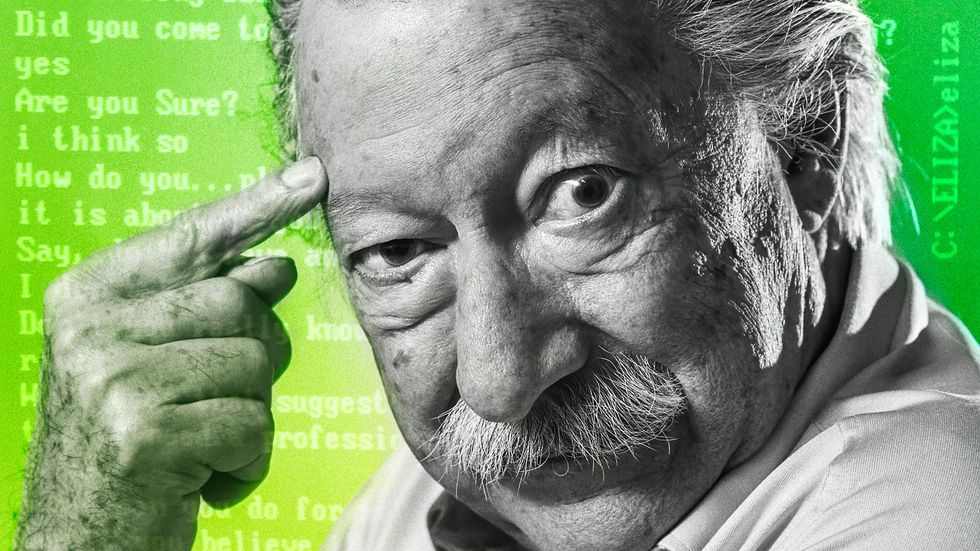
ELIZA, recognized as the first AI chatbot, was created by Joseph Weizenbaum in the mid-1960s. This program, which simulated a psychotherapist, surprised users with its engaging interactions, leading to discussions about automated therapy and the concept of machine sentience, known as the 'ELIZA effect.' Recently, the original source code was discovered, revealing ELIZA's ability to adopt multiple personas beyond its well-known therapist role.
The significance of ELIZA extends beyond its historical context; it transformed perceptions of human-computer interaction and laid the groundwork for modern conversational AI. The newly analyzed source code demonstrates that ELIZA was a sophisticated platform capable of complex interactions, challenging previous assumptions about its capabilities. This discovery highlights the gap between theoretical models and practical implementations in AI development, emphasizing the importance of understanding early innovations in the field.
Looking ahead, the insights gained from ELIZA's architecture and programming techniques can inform current AI advancements. As researchers continue to explore the implications of Weizenbaum's work, the historical context of ELIZA will remain relevant in discussions about language, therapy, and human-computer interaction. No further timeline was disclosed at the time of publication.
Editor's Note
The rediscovery of ELIZA's source code provides a unique opportunity to reflect on the evolution of AI and human-computer interaction. As industries increasingly integrate conversational agents, understanding the foundational work of early systems like ELIZA can inform future developments and ethical considerations in AI technology.






























Leave a comment